IB HOTA Topic 6: Independence Movements (1763-1830)
 Studied by 0 people
 Call Kai
 Learn
Learn Practice Test
 Spaced Repetition
 Match
Match Flashcards
 Knowt Play
1/18

There's no tags or description
Looks like no tags are added yet.
Name | Mastery | Learn | Test | Matching | Spaced | Call with Kai |
|---|
No study sessions yet.
19 Terms
American Revolution
This political revolution began with the Declaration of Independence in 1776 where American colonists sought to balance the power between government and the people and protect the rights of citizens in a democracy.

Enlightenment ideas
All human beings are born free and equal with a right to life liberty and property. It is the duty of the government to protect the natural rights of its citizens. Enlightenment thinkers were primarily interested in changing the relationship between the people and their government. Government's decisions should be based on laws of nature and reason
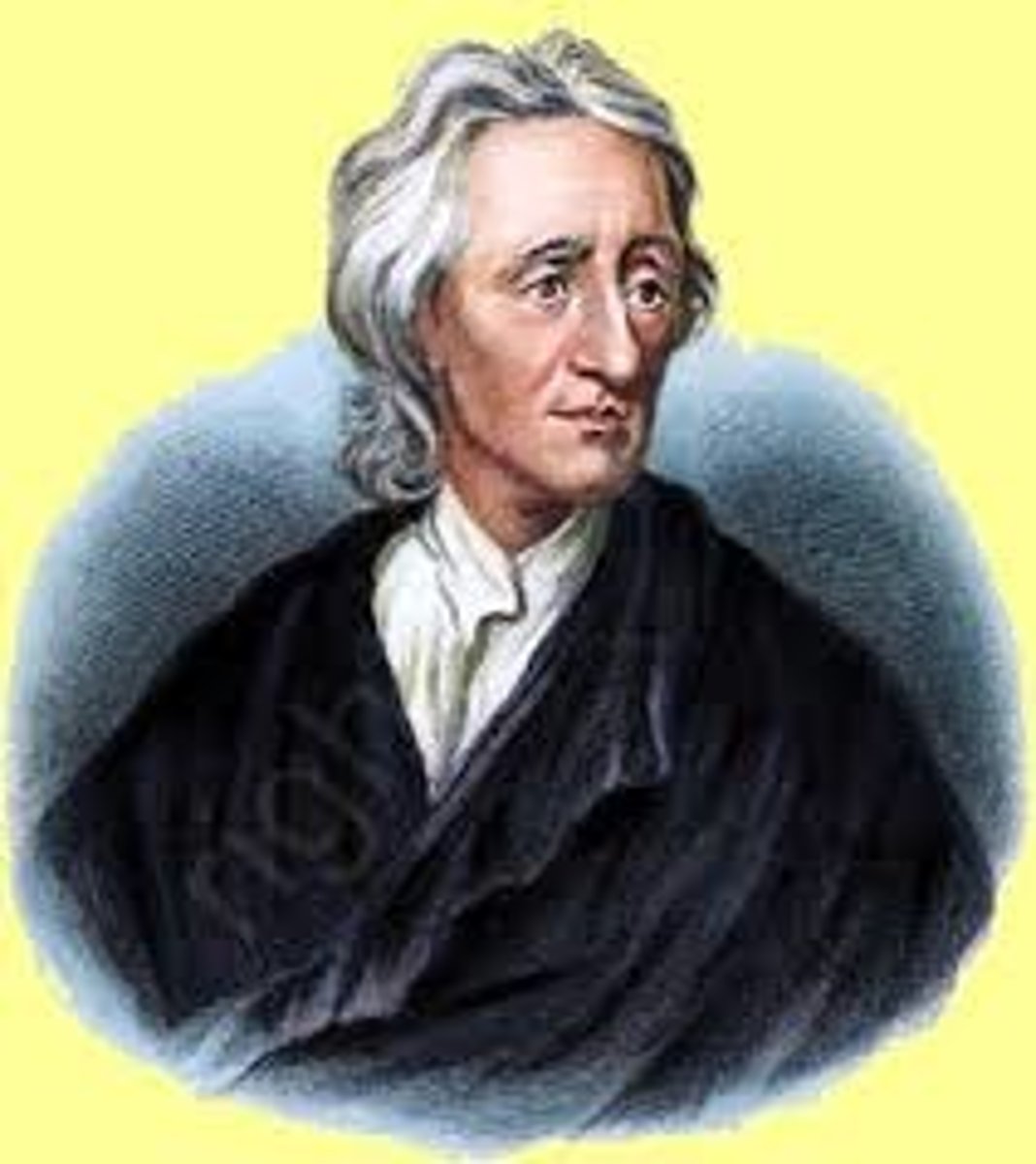
Influence of the Enlightenment on the American Revolution
Enlightenment ideas from philosophers like Montesquiue and Locke inspired the three branches of government and statements like: all men are created equal (democracy)
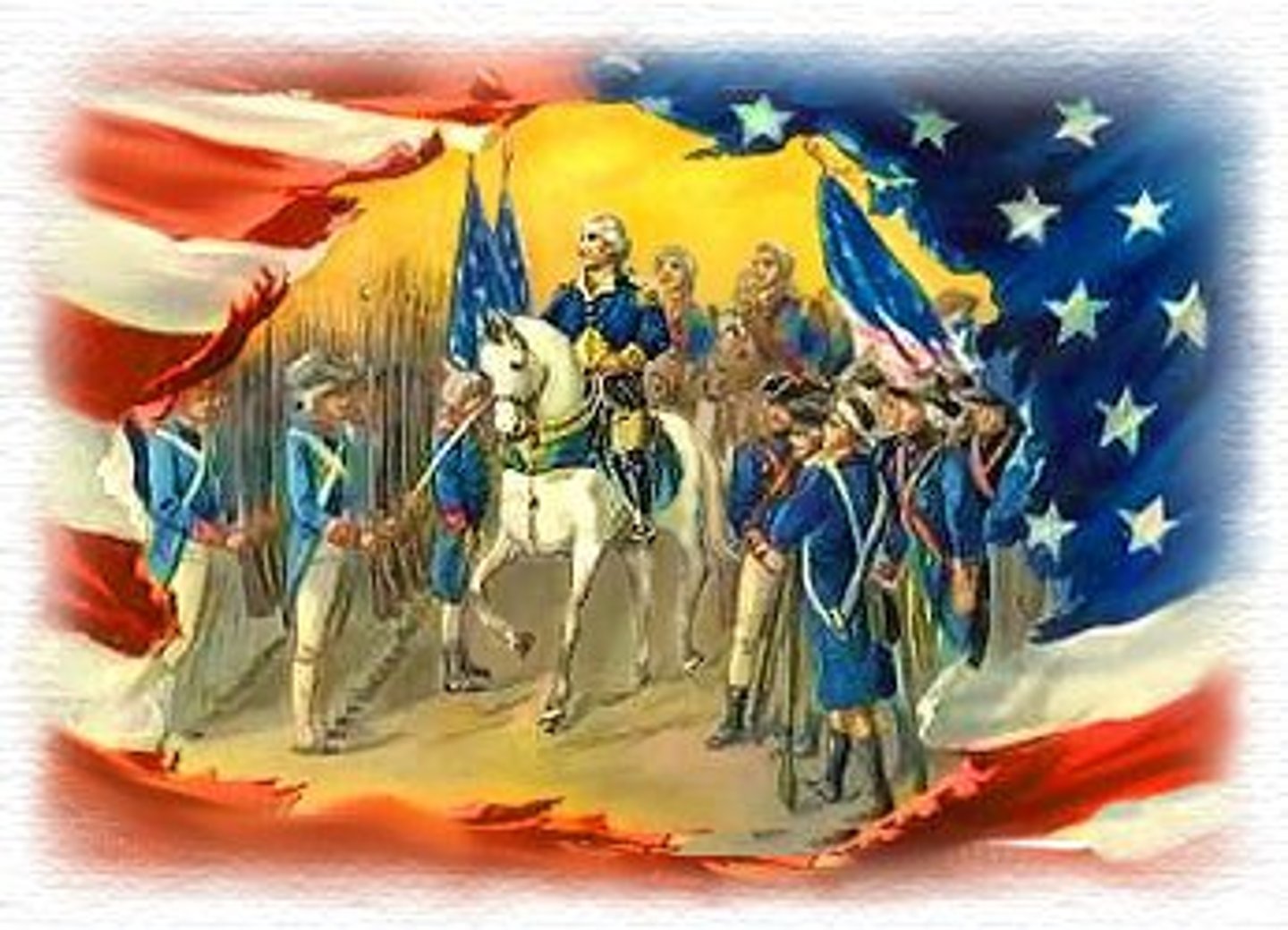
Conflicts & Issues leading to Conflict & War in 1763-1840
Colonists wanted to expand past proclamation line, all Americans were considered commoners no matter how rich they were, they had to pay taxes directly to Britain, and things like the Stamp Act, Townsend Act, and Tea Tax made them feel oppressed
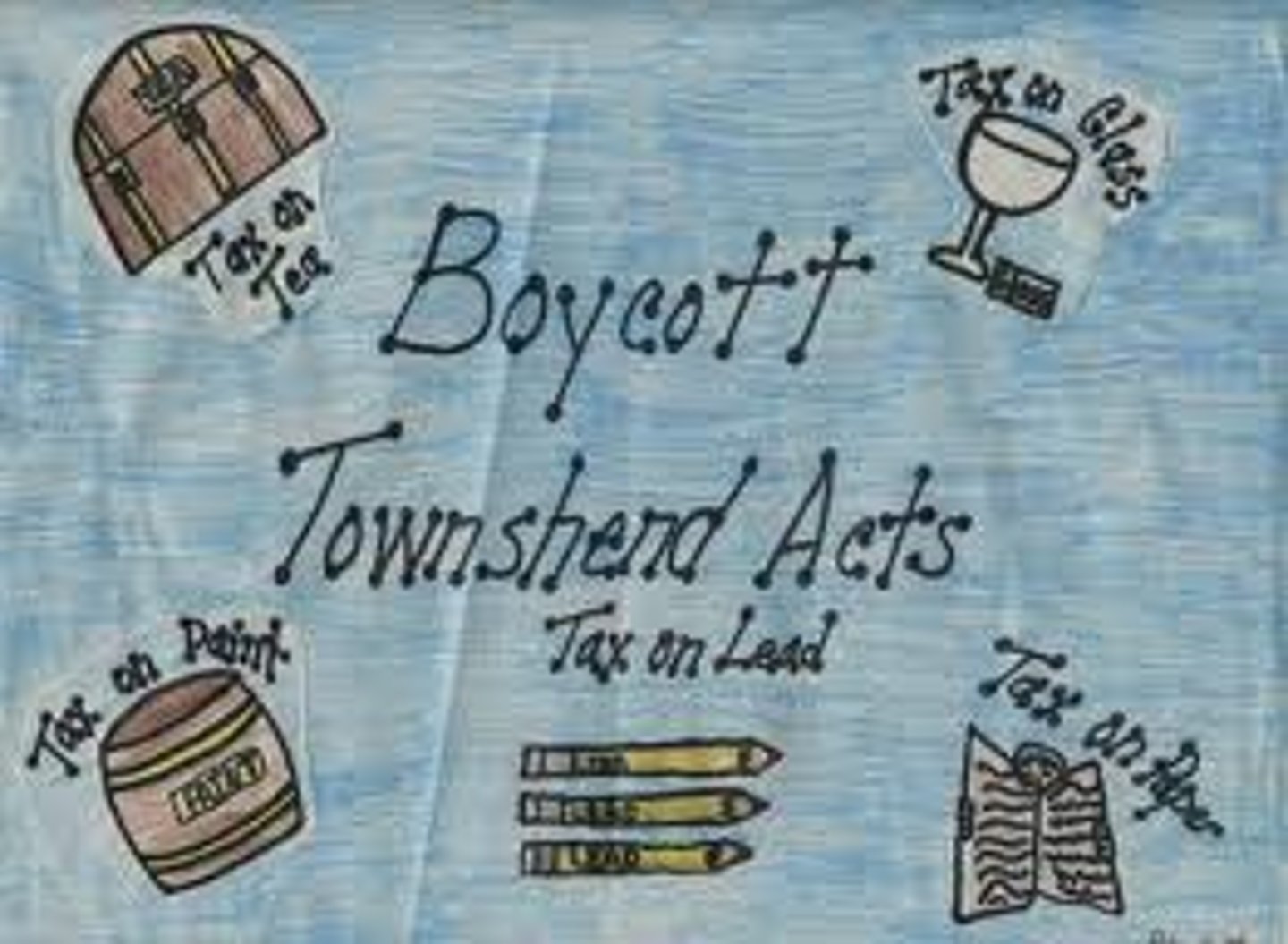
Political Causes of the American Revolution
Townsend & Quartering Acts, Colonists wanted a little more political freedom than Britain was giving them; they wanted to tax themselves & and were increasingly leaning toward a new government with enlightenment ideas

Economic Causes of the American Revolution
colonies were being exploited for the benefit of England (Tea Tax),US businessmen were in debt to British manufacturers
Stamp Act: colonists could no longer manage themselves, taxes cards to legal documents & affected everybody; petitions & politicians ignore

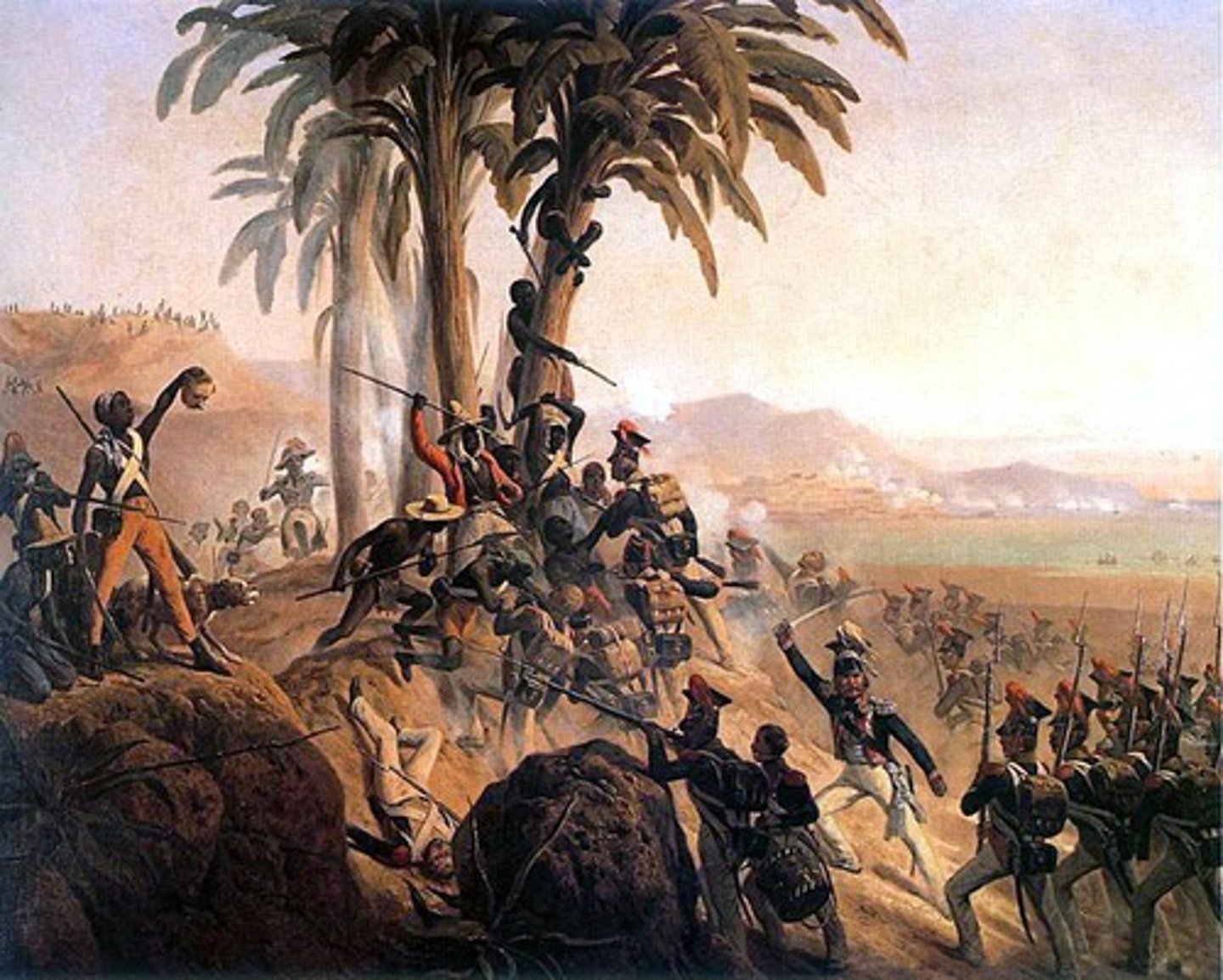
Haitian Revolution (1791-1804)
War incited by a slave uprising in French-controlled Saint Domingue, resulting in the creation of the first independent black republic in the Americas.
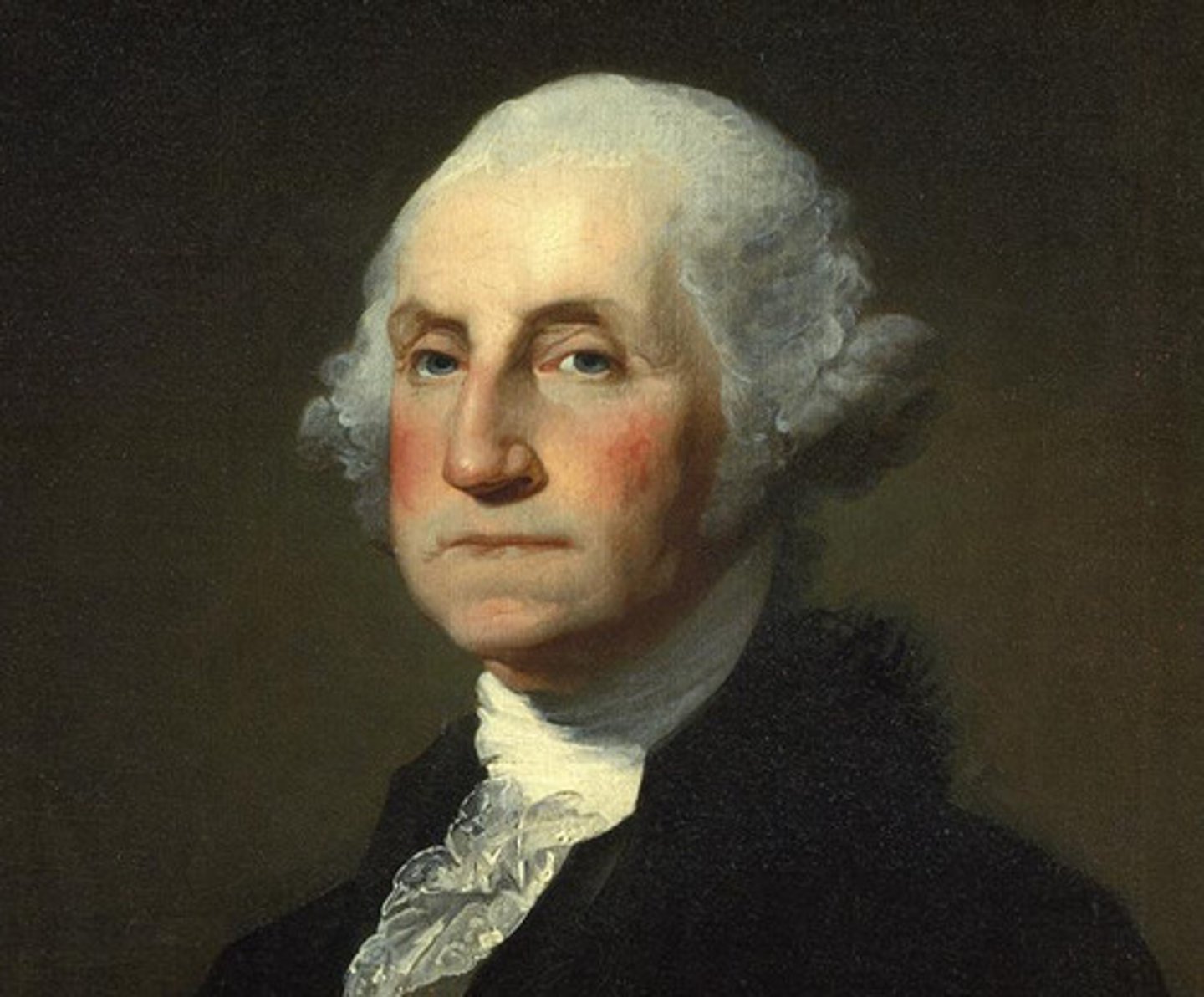
George Washington
Commander of the Continental Army, nominated by John Adams and his experience fighting in other wars contributed to his success in the revolution
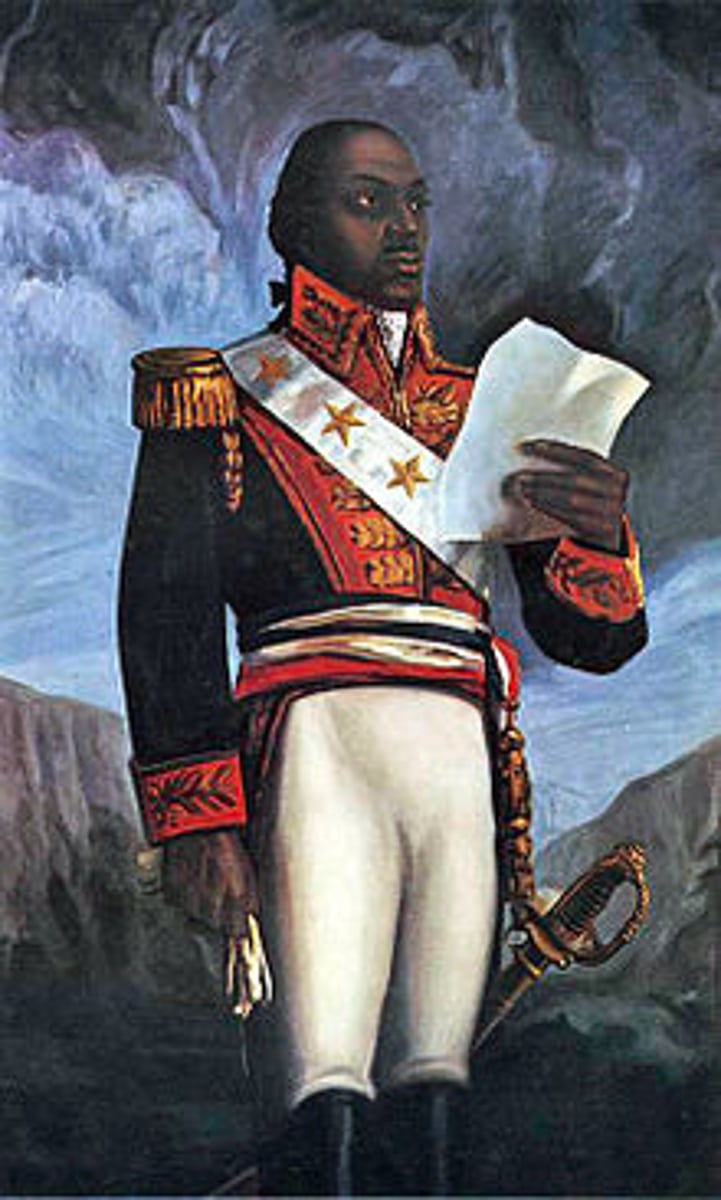
Toussaint L'Overture
1803 - Led a slave rebellion which took control of Haiti, the most important island of France's Caribbean possessions. The rebellion led Napoleon to feel that New World colonies were more trouble than they were worth, and encouraged him to sell Louisiana to the U.S. (Leader of the slave rebellion on the French island of St. Domingue in 1791; led to the creation of the independent republic of Haiti in 1804.)
Processes leading to the Declaration of Independence (US)
Increased taxation without representation from Britain (intolerable Acts, Sugar Act, Stamp Act), a decrease in salutary neglect, and enlightenment thinking led colonists to come together and create a new government

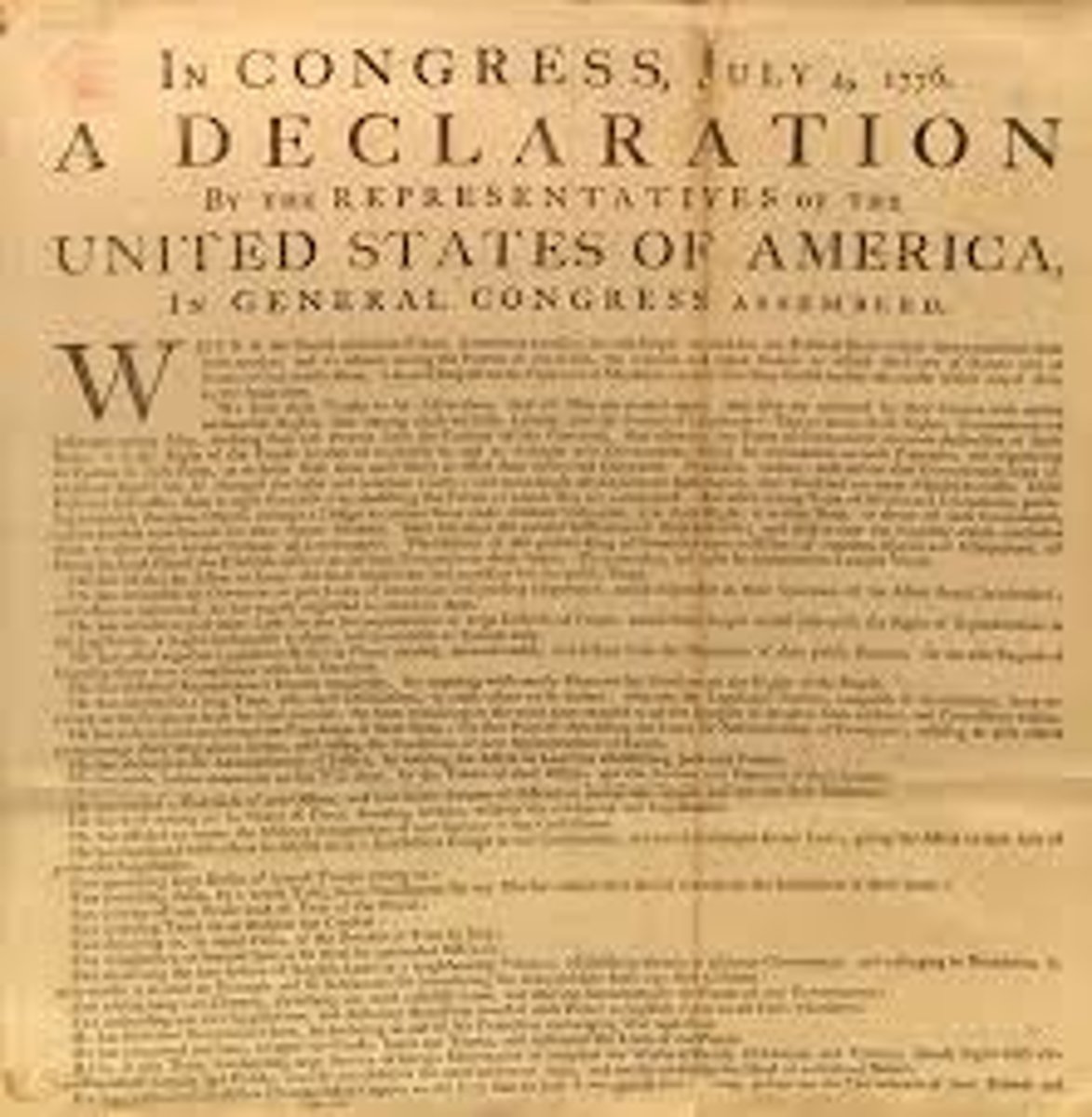
Declaration of Independence
Signed in 1776 by US revolutionaries (by the Second Continental Congress); it declared the United States as a free state.
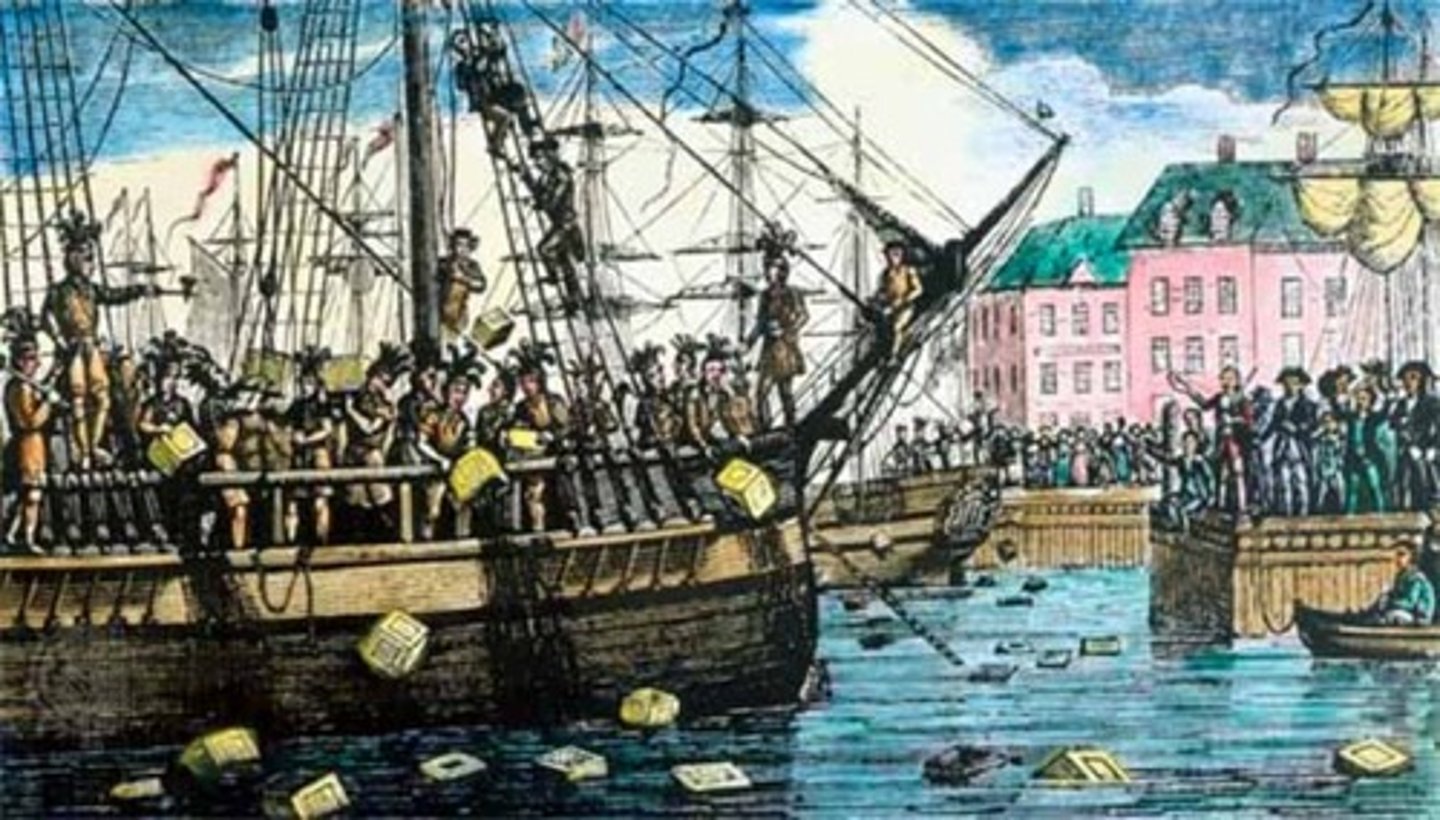
Boston Tea Party
A 1773 protest against British taxes in which Boston colonists disguised as Mohawks dumped valuable tea into Boston Harbor.
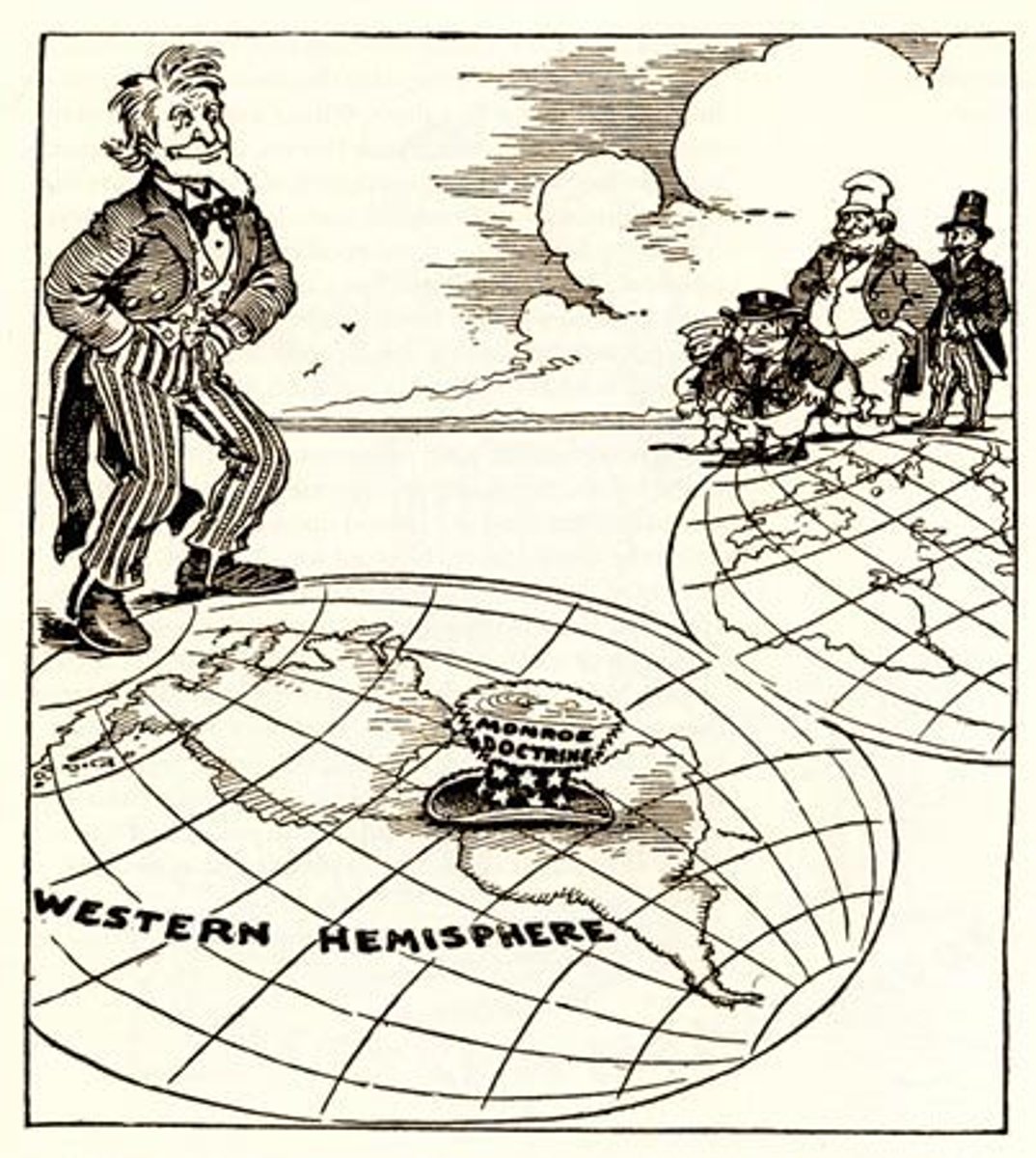
Monroe Doctrine (1823)
US foreign policy regarding Latin American countries stated that further efforts by European nations to colonize land or interfere with states in North or South America would be viewed as acts of aggression, requiring U.S. intervention.
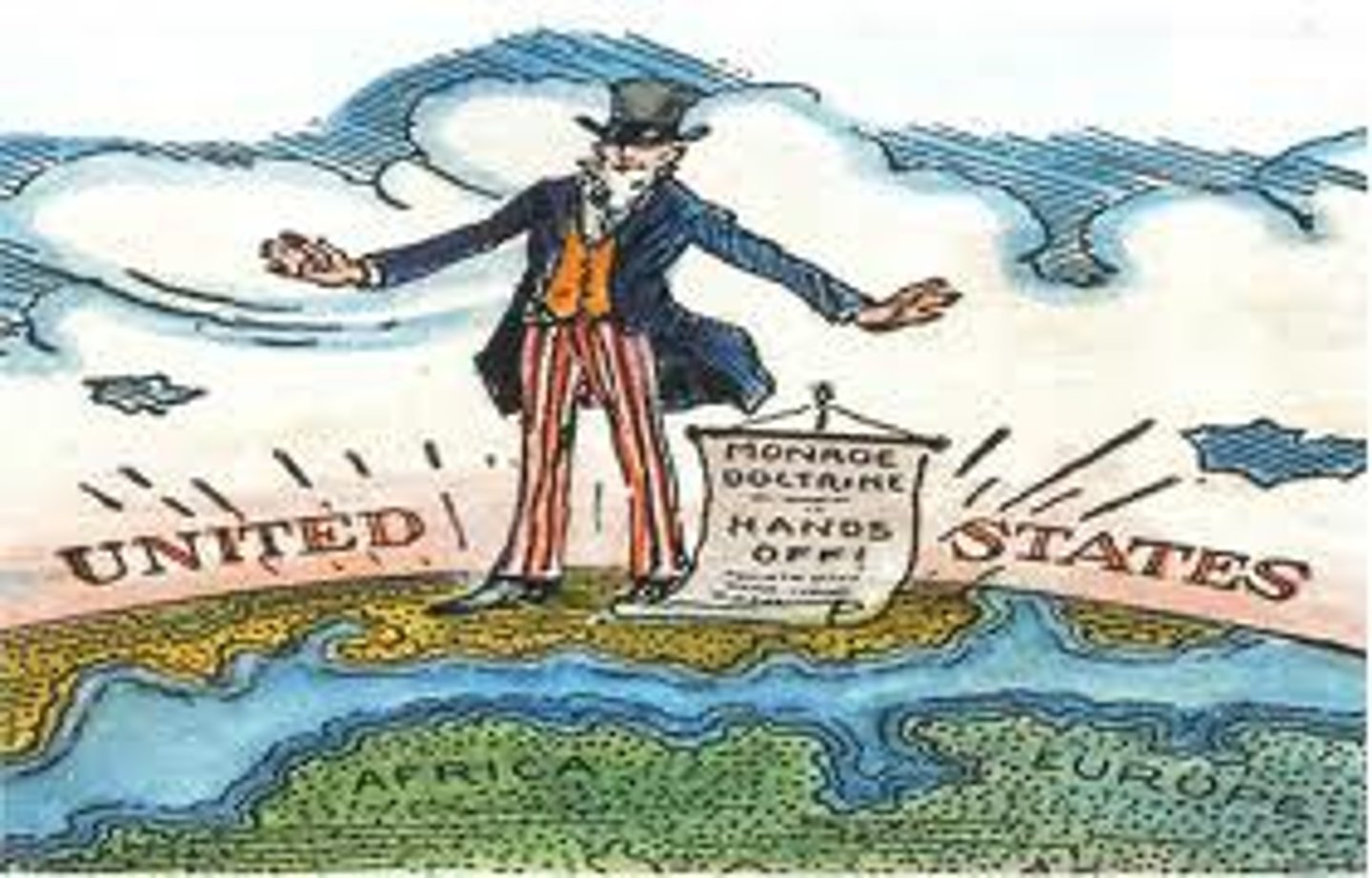
Reasons for the Monroe Doctrine
With all the revolutions in the Spanish empire, the USA was afraid that Spain's allies would step in, especially France. The USA was also afraid that England wanted Cuba. Based on this reasoning, Monroe wrote the Monroe Doctrine, telling all European powers to stay out of the Americas, because it was US land.
Impact of the Haitian Revolution on economies in the Americas
France could no longer profit off the raw materials and slavery in Haiti, but because of unstable political affairs after L'Overture's death, Haiti has not been able to profit as much
Impact of the Haitian Revolution on societies in the Americas
The Haitian Revolution demonstrates the spread of democracy and enlightenment ideas, and shows that slaves can successfully revolt when they want better treatment
Impact of independence movements on indigenous peoples, African Americans, and Creoles
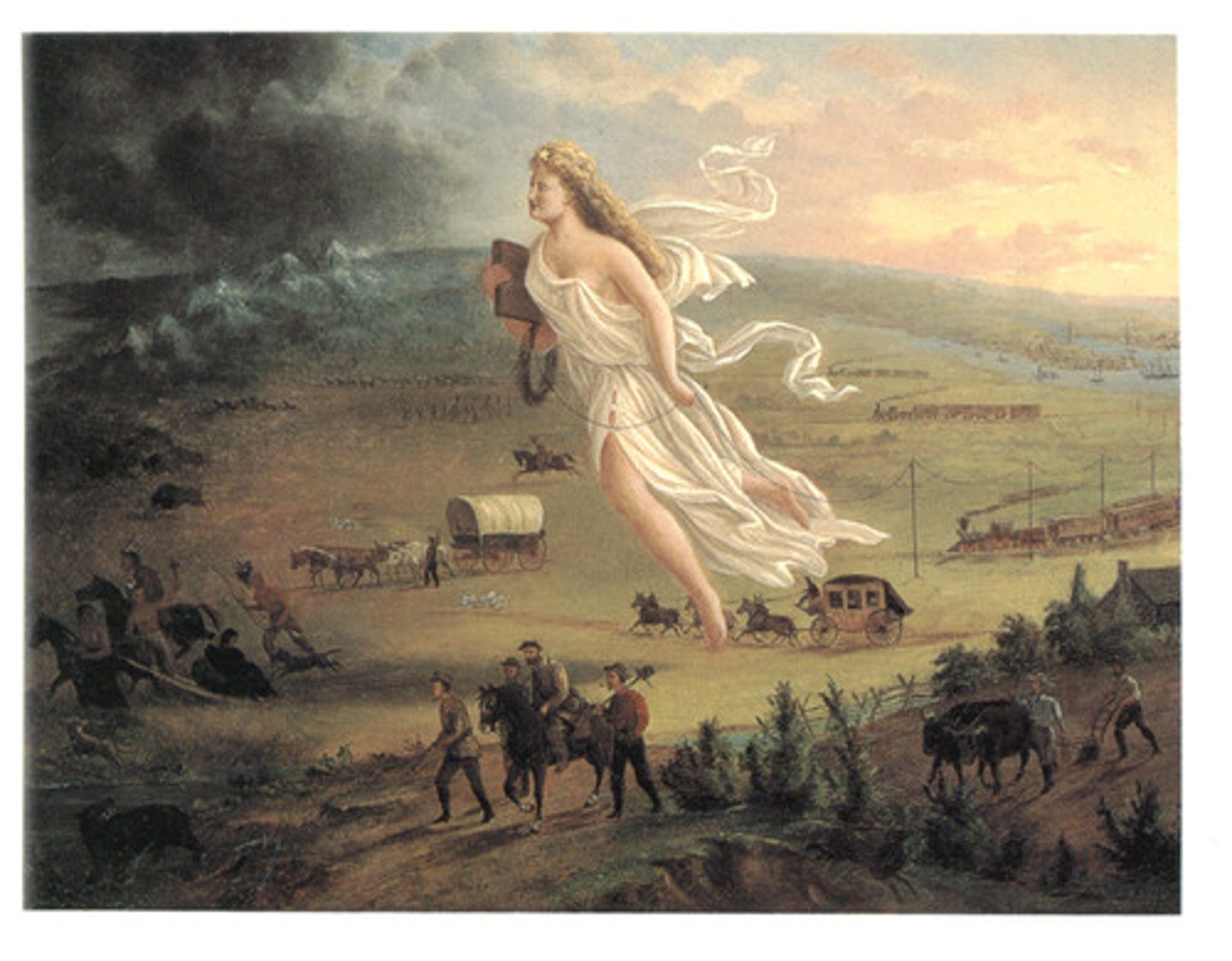
After the American Revolution, Americans continued to expand west until they reached the west coast, impacting and destroying Natives' homes and continuing to spread slavery
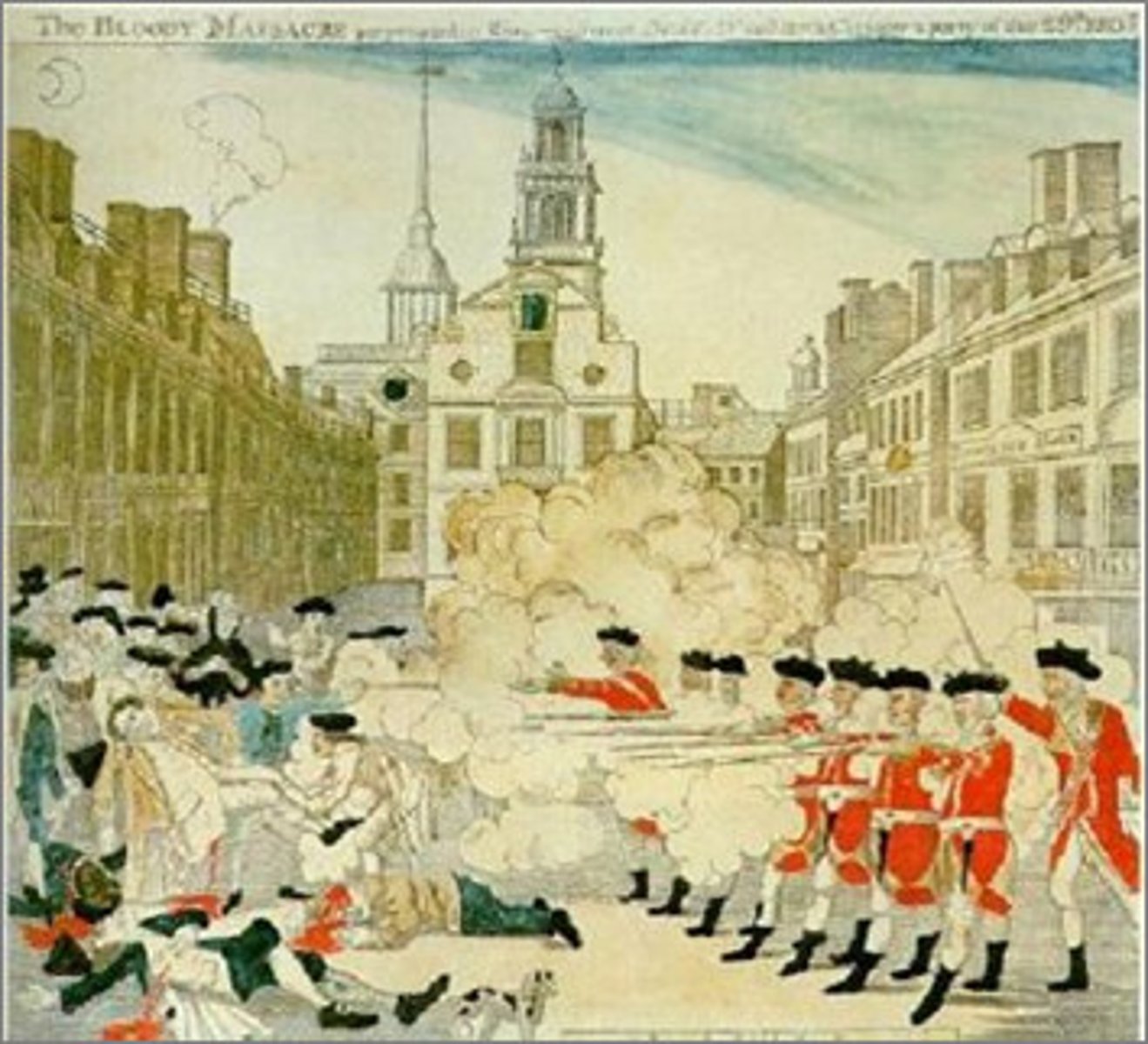
Boston Massacre
The first bloodshed of the American Revolution (1770), as British guards at the Boston Customs House opened fire on a crowd killing five Americans (picture put in papers across colonies, but isn't accurate representation)
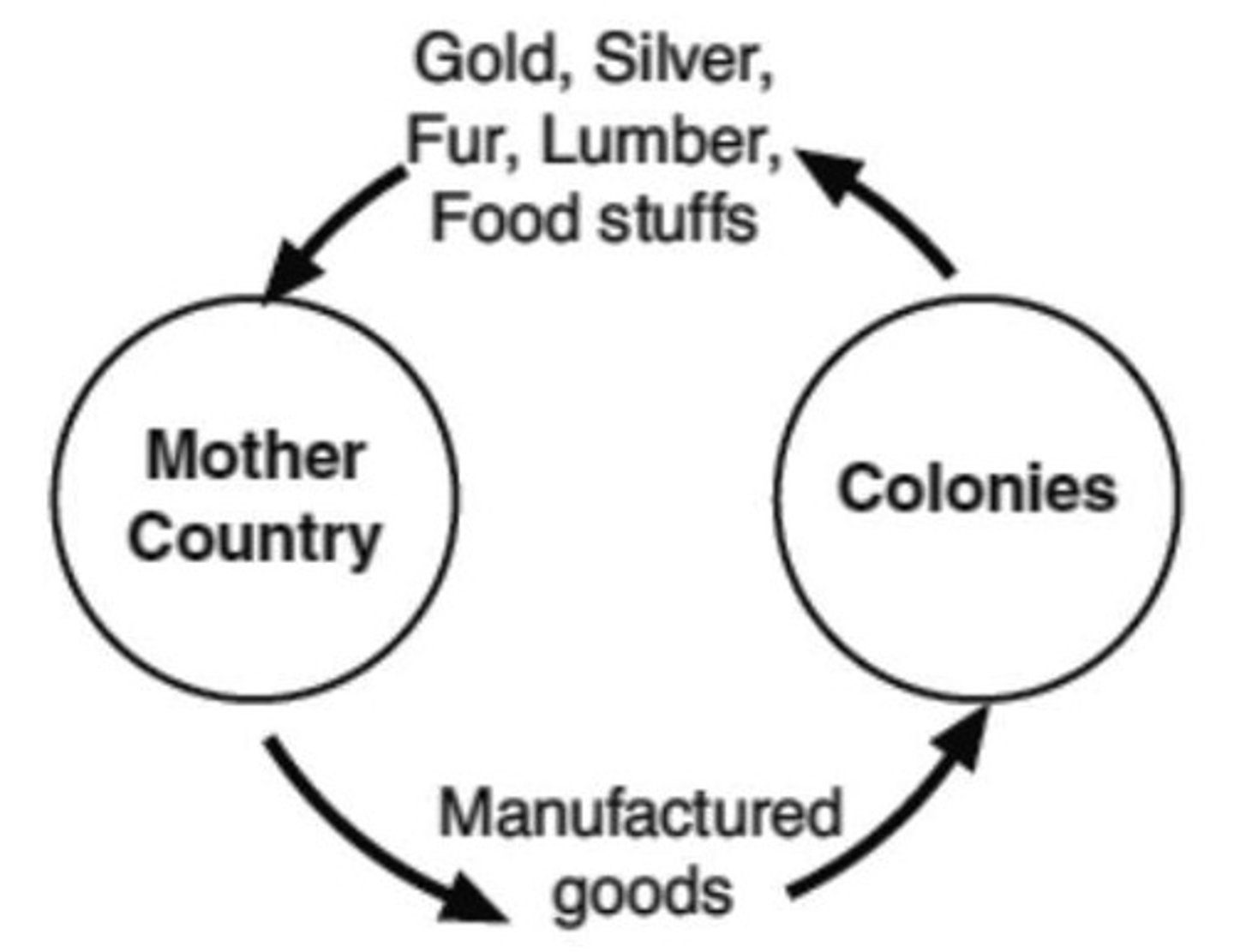
Mercantilism
An economic policy under which nations sought to increase their wealth and power by obtaining large amounts of gold and silver and by selling more goods than they bought
 Note
Note  Flashcards (58)