AP Psychology Unit 4 Classical and Operant Conditioning ID Terms
 Studied by 0 people
 Call Kai
 Learn
Learn Practice Test
 Spaced Repetition
 Match
Match Flashcards
 Knowt Play
1/51

There's no tags or description
Looks like no tags are added yet.
Name | Mastery | Learn | Test | Matching | Spaced | Call with Kai |
|---|
No study sessions yet.
52 Terms
Learning
a relatively permanent change in behavior due to experience
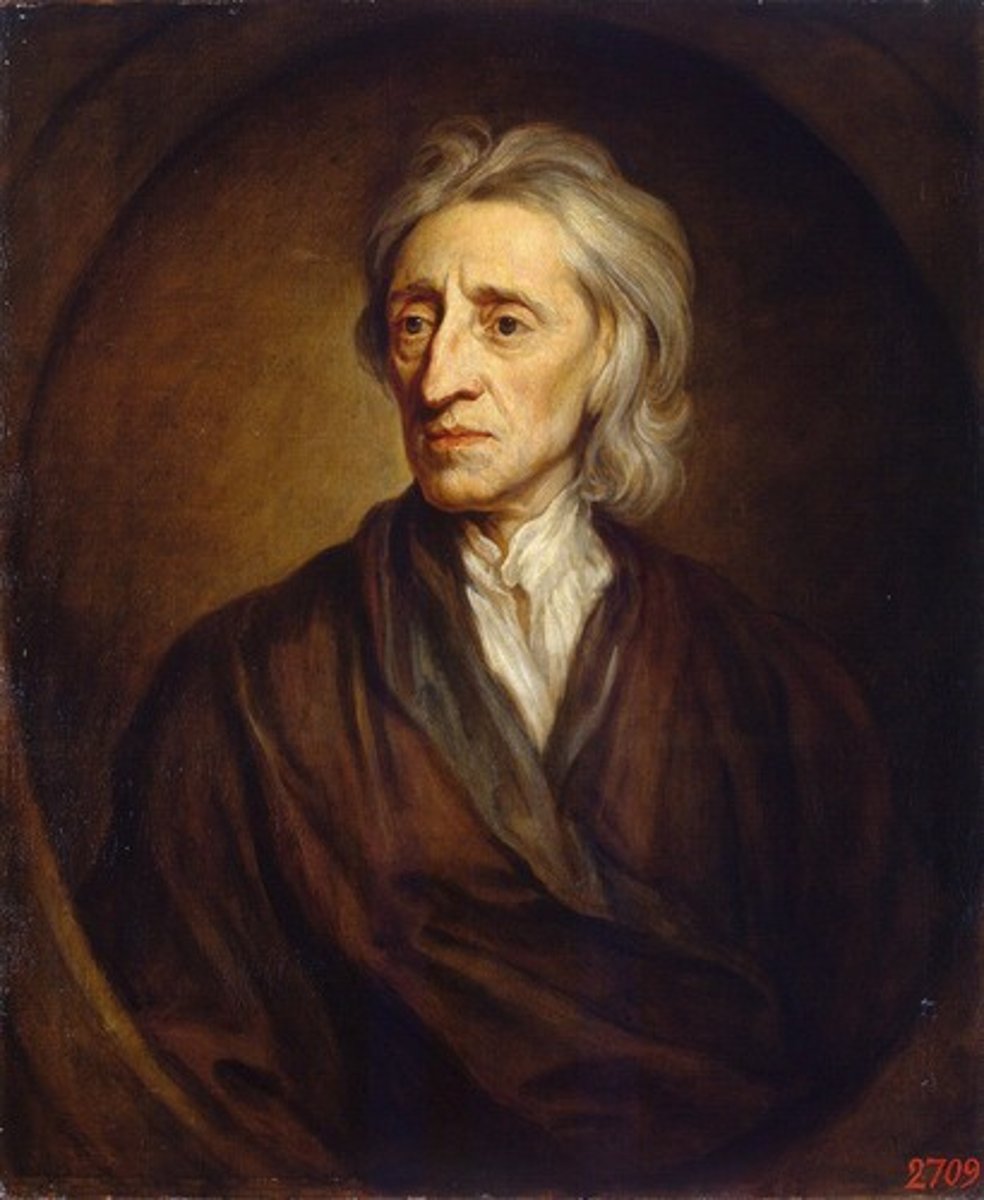
John Locke
proposed the tabula rasa theory that at birth the (human) mind is a "blank slate" without rules for processing data, and that data is added and rules for processing are formed solely by one's sensory experiences
Environmental Determinism
A doctrine that claims that cultural traits are formed and controlled by environmental conditions.
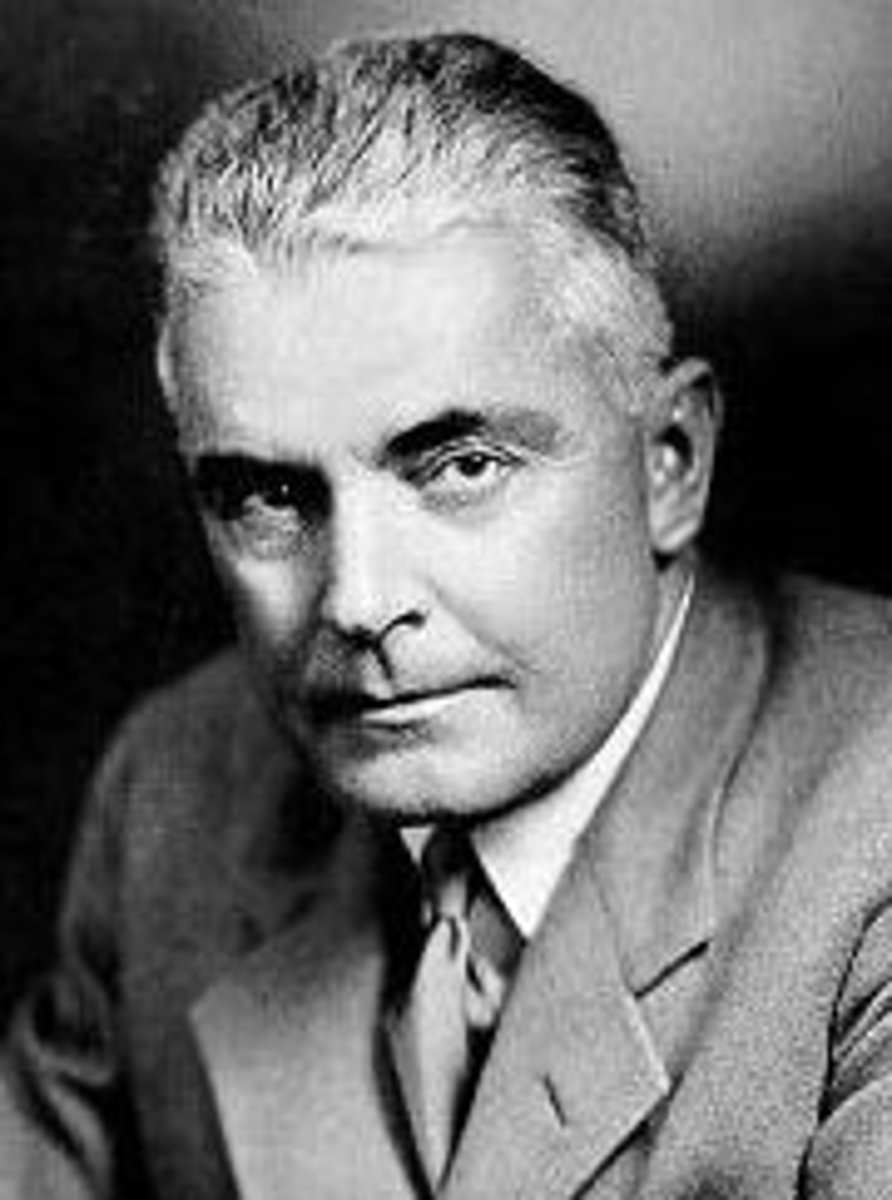
John Watson
founder of behaviorism; emphasis on external behaviors of people and their reactions on a given situation; famous for Little Albert study in which baby was taught to fear a white rat
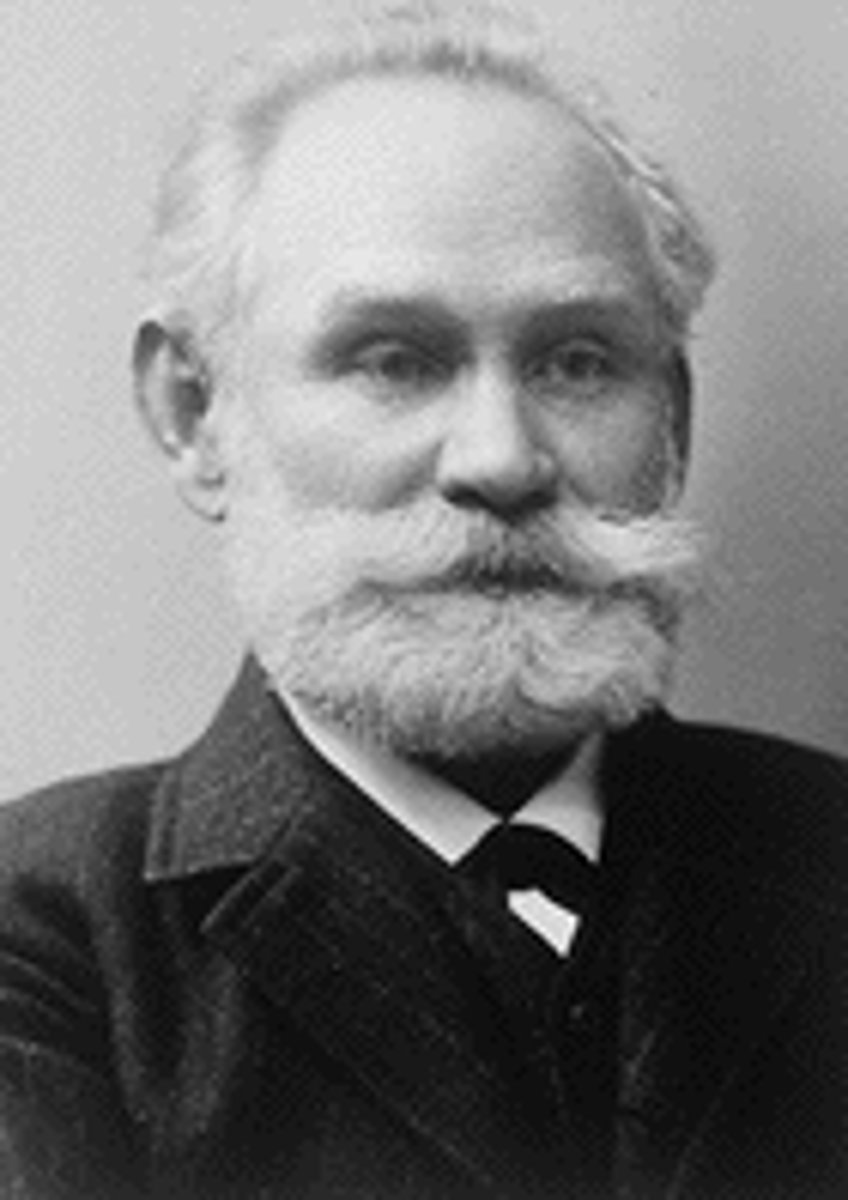
Ivan Pavlov
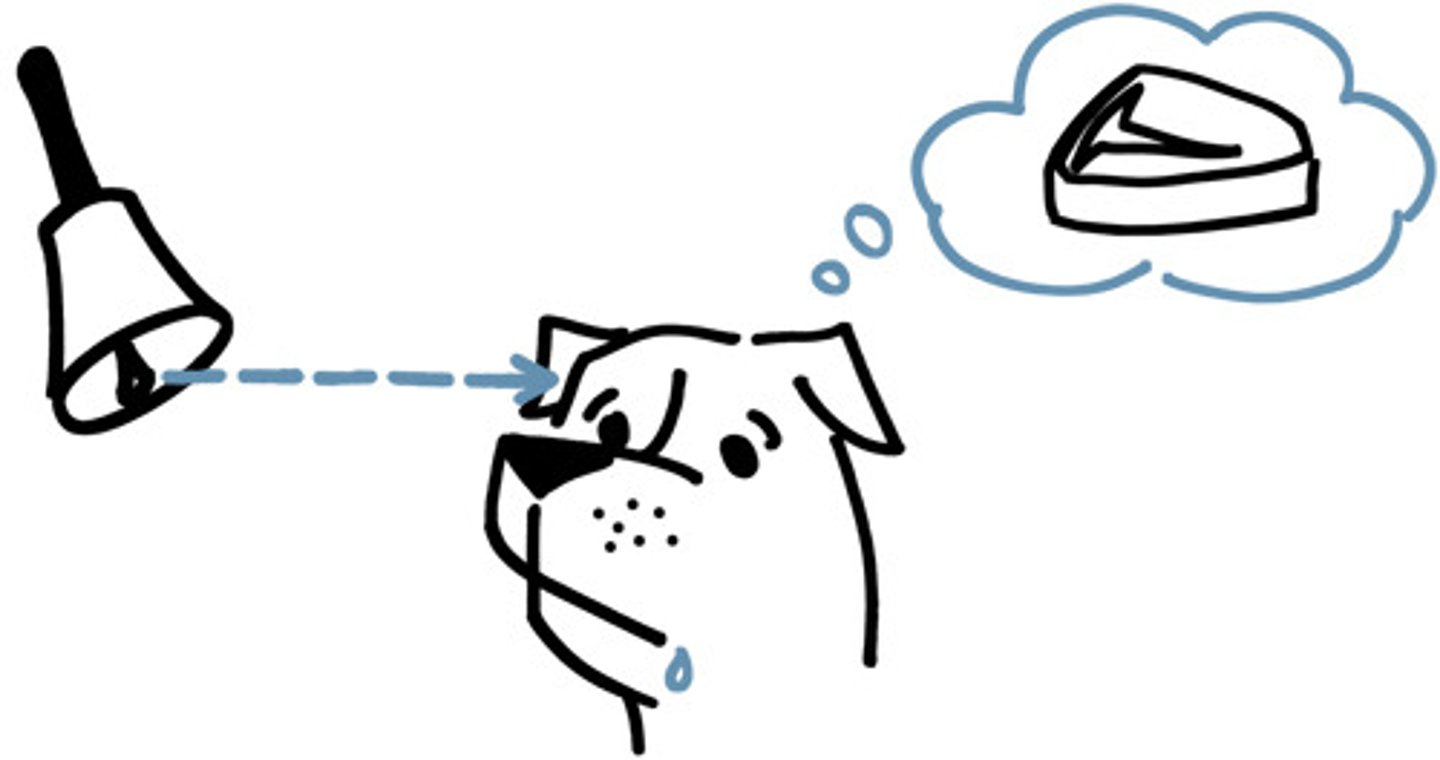
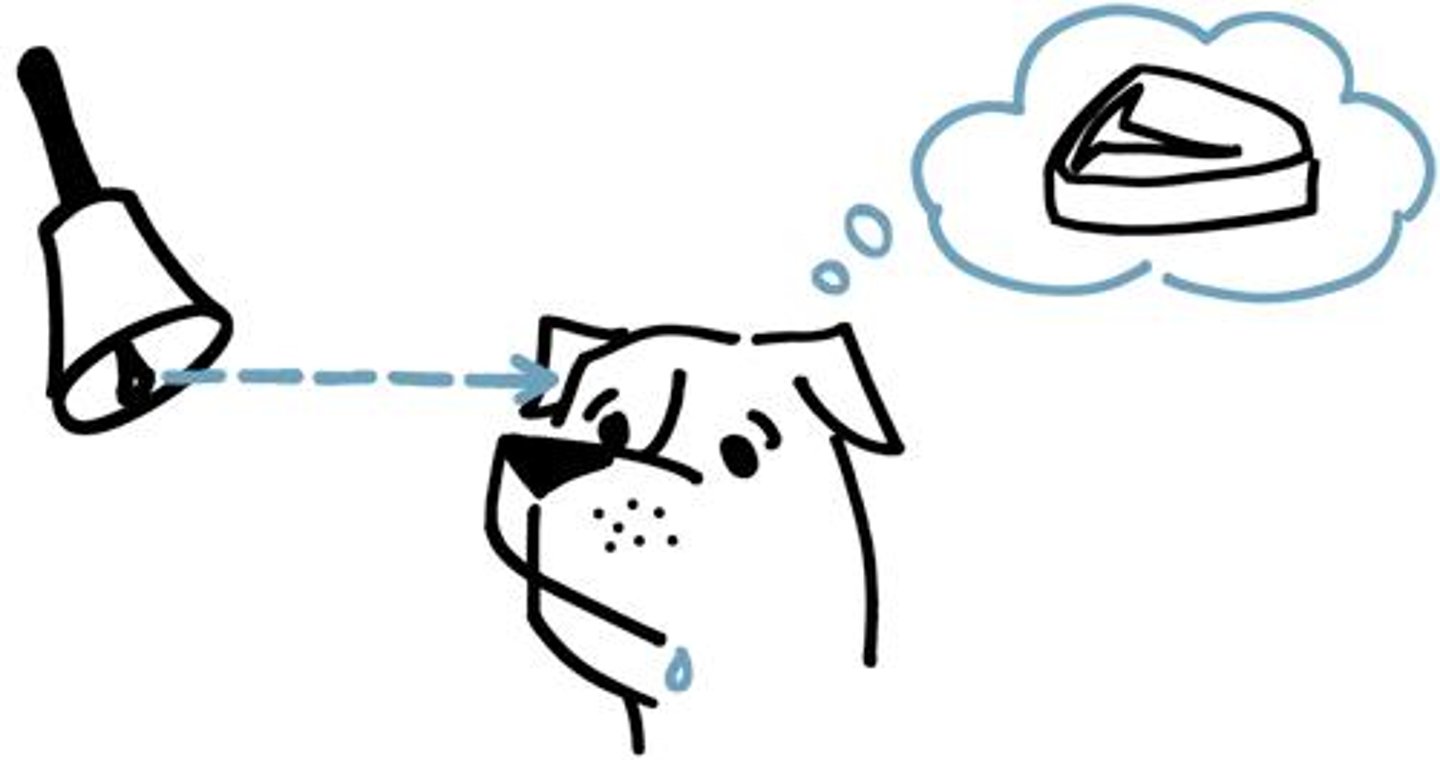
discovered classical conditioning; trained dogs to salivate at the ringing of a bell
classical conditioning
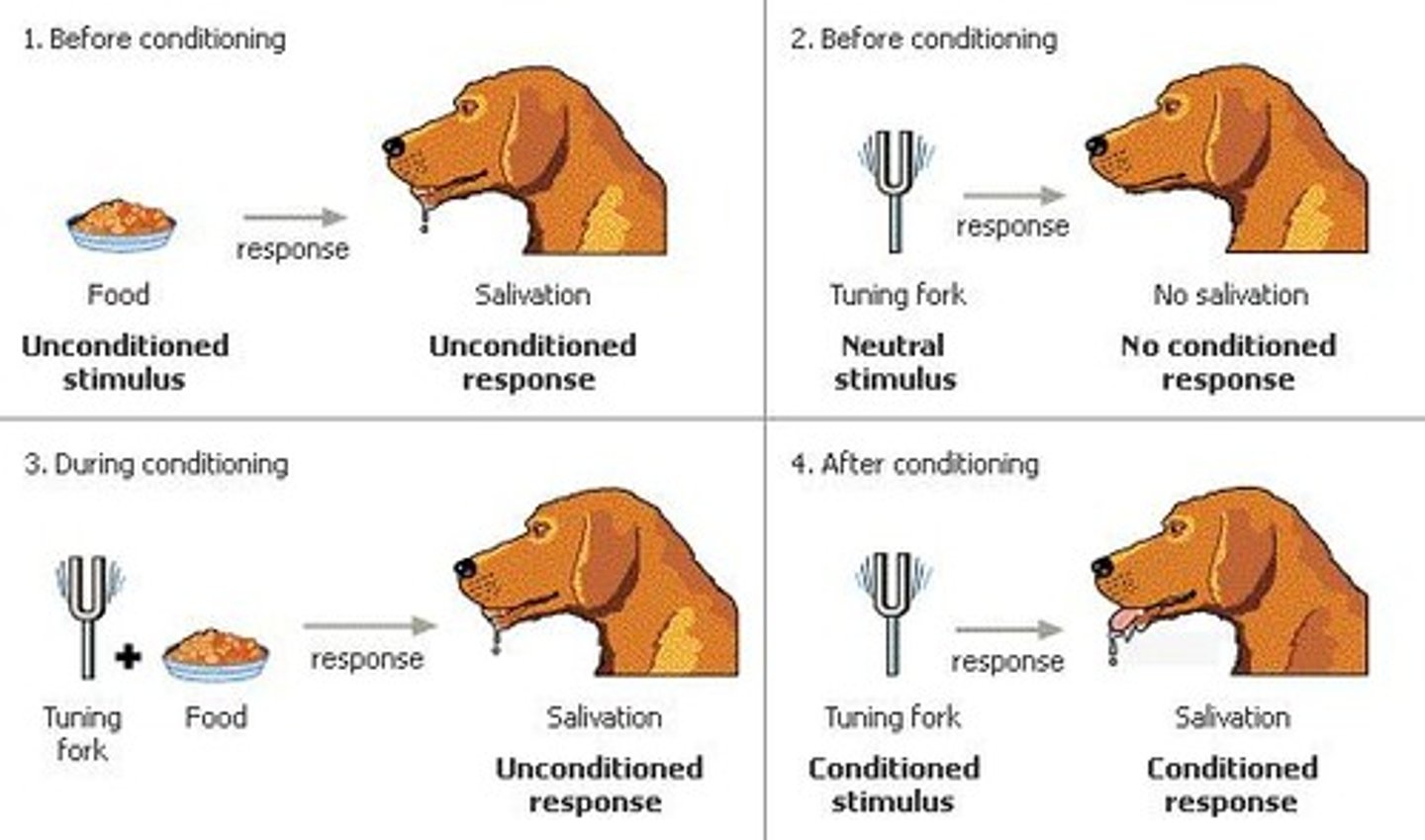
a learning process that occurs when two stimuli are repeatedly paired; a involuntary response that is at first elicited by the second stimulus is eventually elicited by the first stimulus alone
neutral stimulus
in classical conditioning, a stimulus that happens close in time with the unconditioned stimulus, but has nothing to do with it; does not naturally elicit a response
associative learning
learning that two events are linked together
stimulus response learning
learning to automatically make a particular response in the presence of a particular stimulus; includes classical and instrumental conditioning
acquisition
In classical conditioning, the initial stage, when one links a neutral stimulus and an unconditioned stimulus so that the neutral stimulus begins triggering the conditioned response. In operant conditioning, the strengthening of a reinforced response.
Unconditioned stimulus
in classical conditioning, an original stimulus that causes a response; something that elicits a natural, reflexive response

Unconditioned response
in classical conditioning, the unconscious response to the original stimulus
Conditioned stimulus
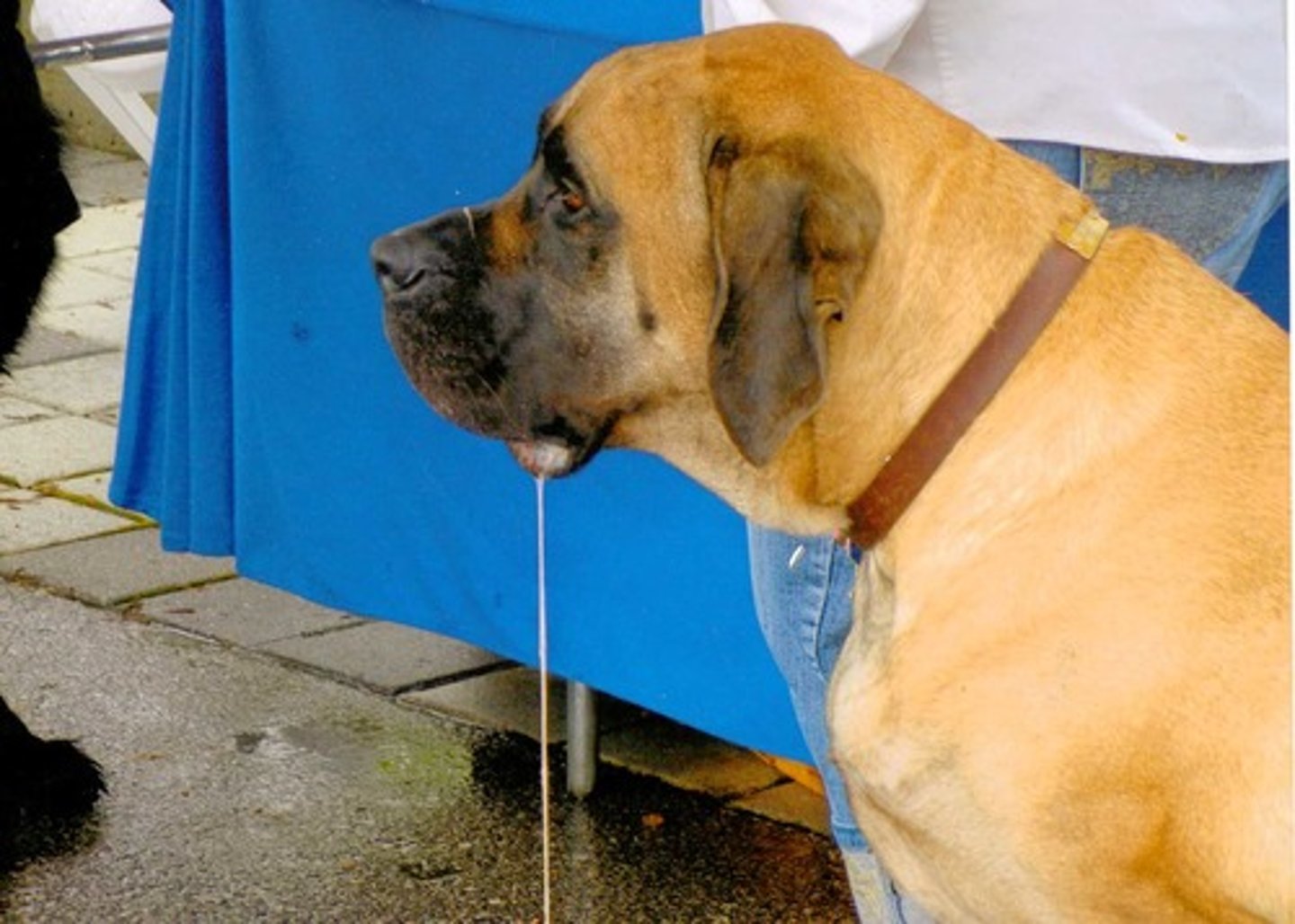
in classical conditioning, the once neutral stimulus that is associated with the unconditioned stimulus, thus learned to cause the same response; the same thing as the neutral stimulus
conditioned response
in classical conditioning, the unconscious response to the conditioned stimulus; the conditioning process is complete
contiguity
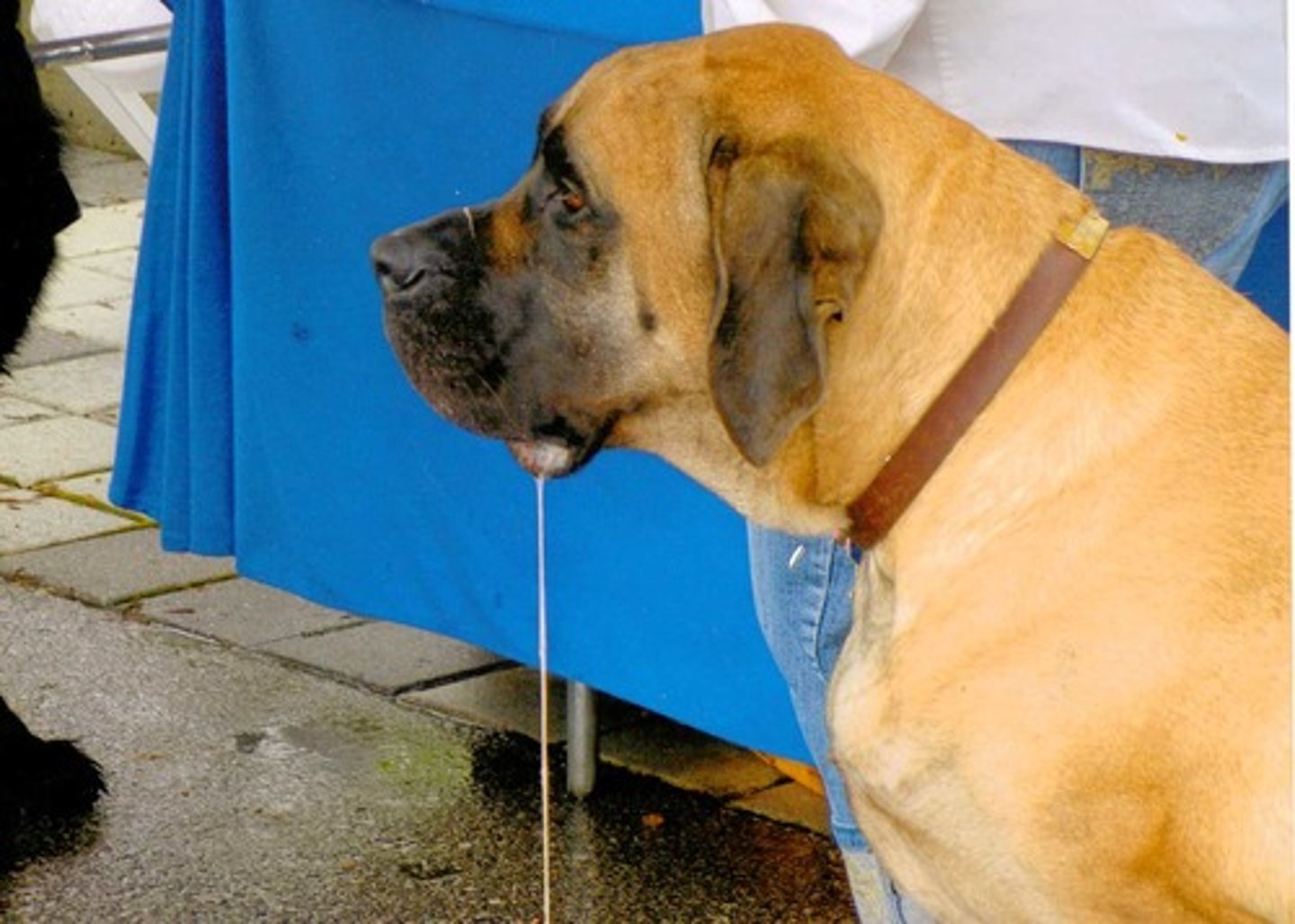
the shorter the time between the conditioned stimulus and neutral stimulus, the faster and stronger the acquisition
Taste aversion/Garcia effect
a type of classical conditioning in which a previously desirable or neutral food comes to be perceived as repugnant because it is associated with negative stimulation such as sickness

stimulus discrimination
in classical conditioning, a differentiation between two similar stimuli when only one of them is consistently associated with the unconditioned stimulus; you stop generalizing between stimuli

stimulus generalization
learning that occurs when stimuli that are similar but not identical to the conditioned stimulus produce the conditioned response
higher order conditioning
A procedure in which a neutral stimulus becomes a conditioned stimulus through association with an already established conditioned stimulus.
extinction
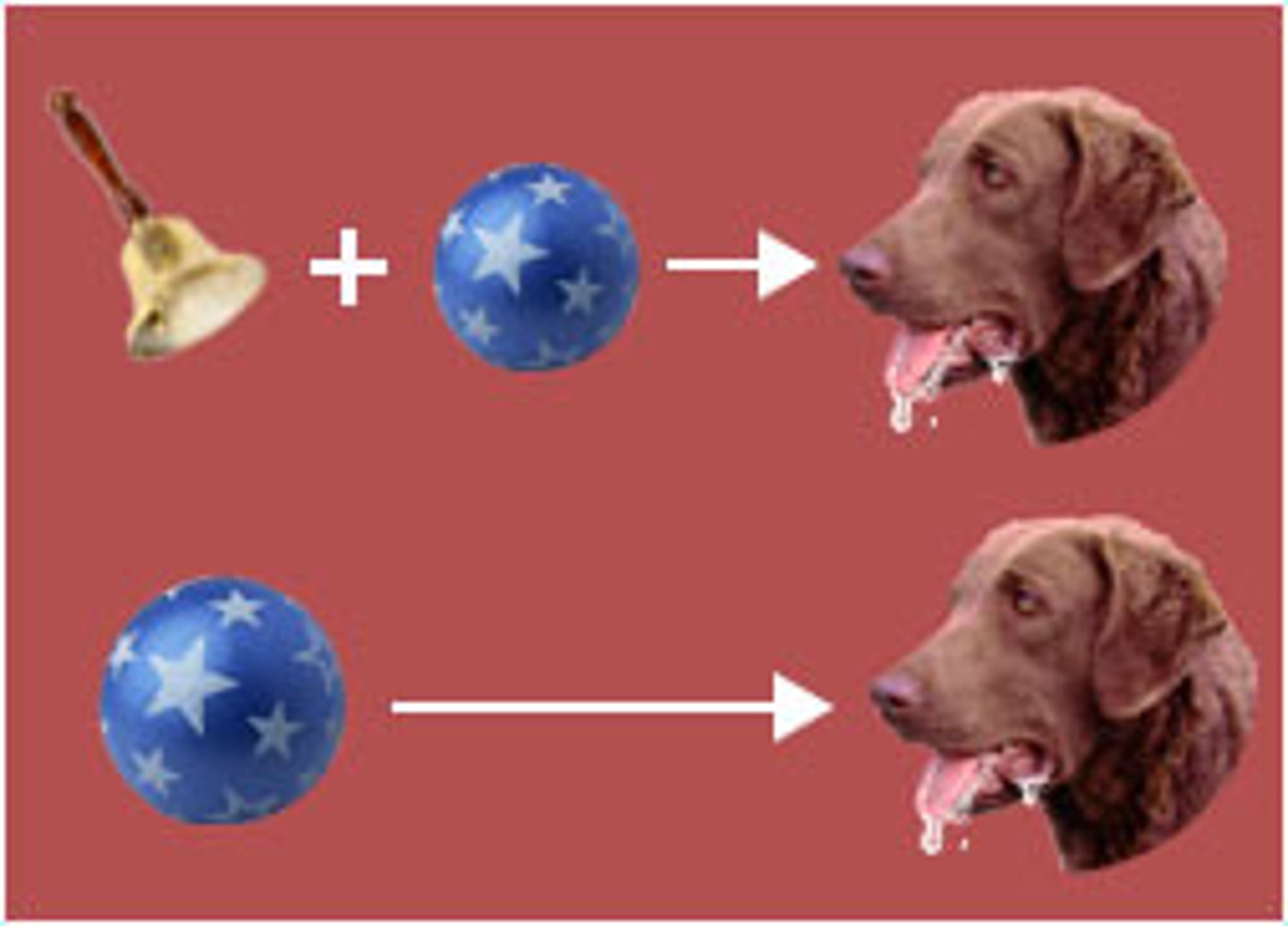
the diminishing of a conditioned response; occurs in classical conditioning when an unconditioned stimulus (US) does not follow a conditioned stimulus (CS); occurs in operant conditioning when a response is no longer reinforced.
spontaneous recovery
the tendency of a learned behavior to recover from extinction after a rest period
B.F. Skinner
Behaviorist that developed the theory of operant conditioning by training pigeons and rats
operant conditioning
a type of learning in which behavior is strengthened if followed by a reinforcer or diminished if followed by a punisher

Edward Thorndike
famous behaviorist; proposed the Law of Effect, a theory regarding the relationship between behavior and consequence
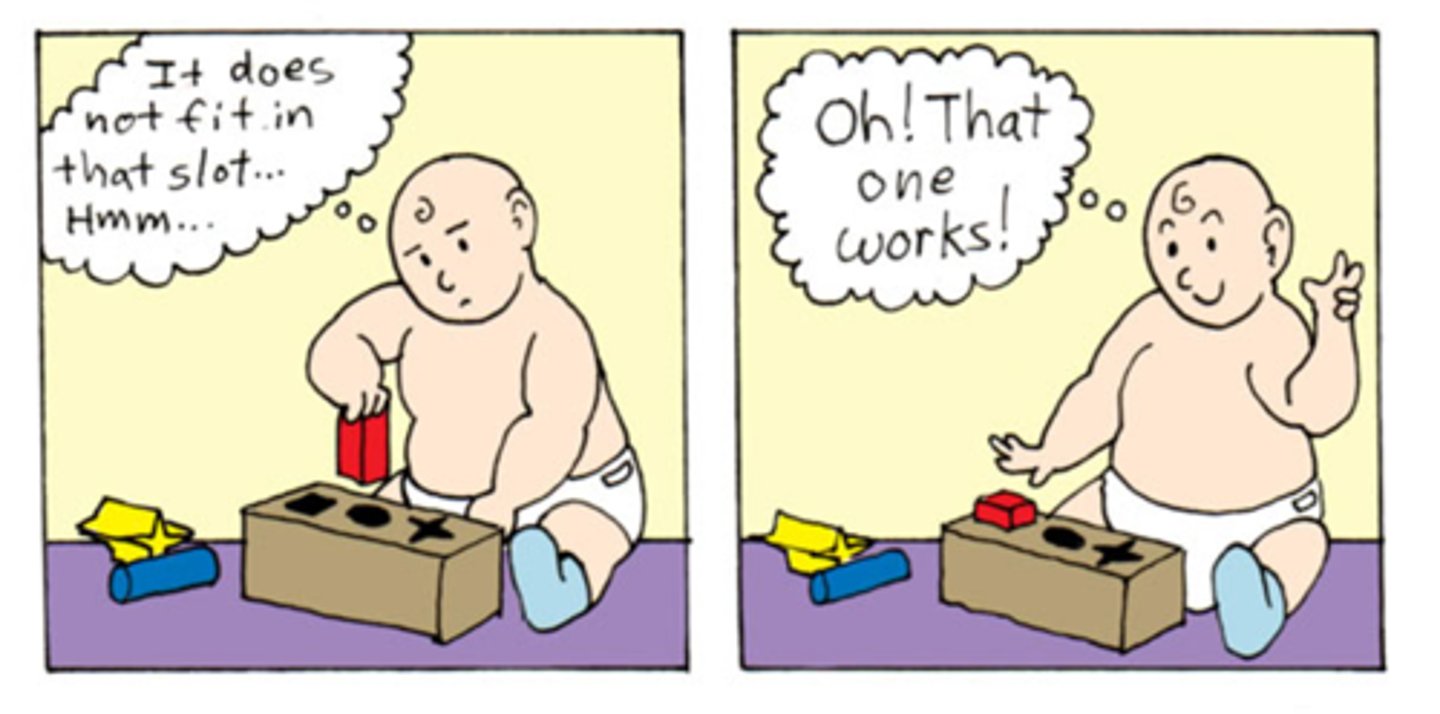
trial and error
a type of learning in which the organism successively tries various responses in a situation, seemingly at random, until one is successful in achieving the goal. across successive trials, the successful response is strengthened and appears earlier and earlier.
Law of Effect
Thorndike's principle that behaviors followed by favorable consequences become more likely, and that behaviors followed by unfavorable consequences become less likely
superstitious behaviors
behaviors that are repeated because they appear to produce reinforcement, even though they are not necessary

reinforcement
in operant conditioning, any event that strengthens the behavior it follows
punishment
in operant conditioning, any undesirable event that weakens the behavior it follows
primary reinforcement
an innately reinforcing stimulus, such as one that satisfies a biological need

secondary reinforcement
a reinforcing something that you have learned to value, like money.

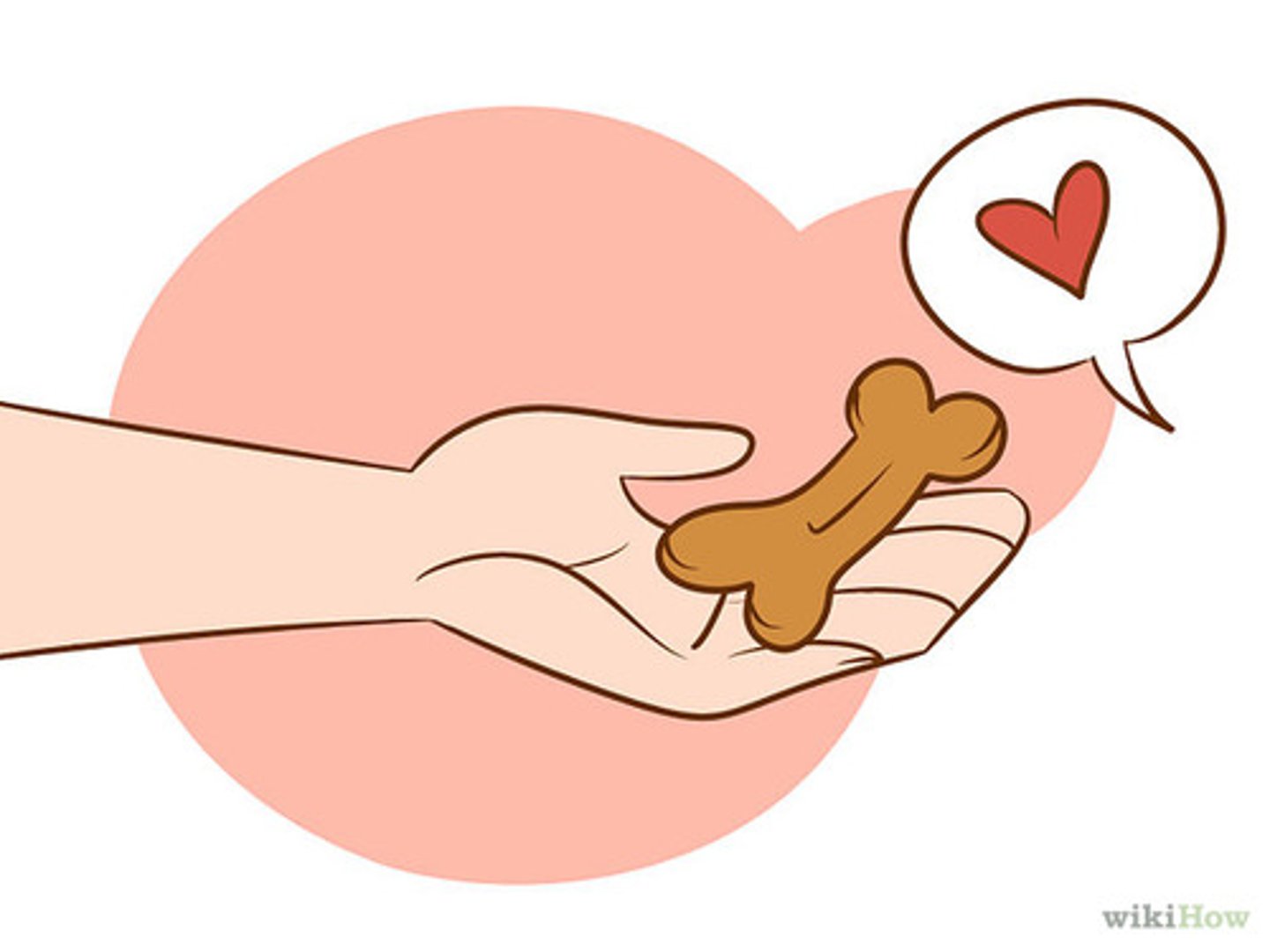
positive reinforcement
Increasing behaviors by presenting positive stimuli, such as food; any stimulus that, when presented after a response, strengthens the response.
negative reinforcement
increasing the strength of a given response by removing or preventing a painful stimulus when the response occurs
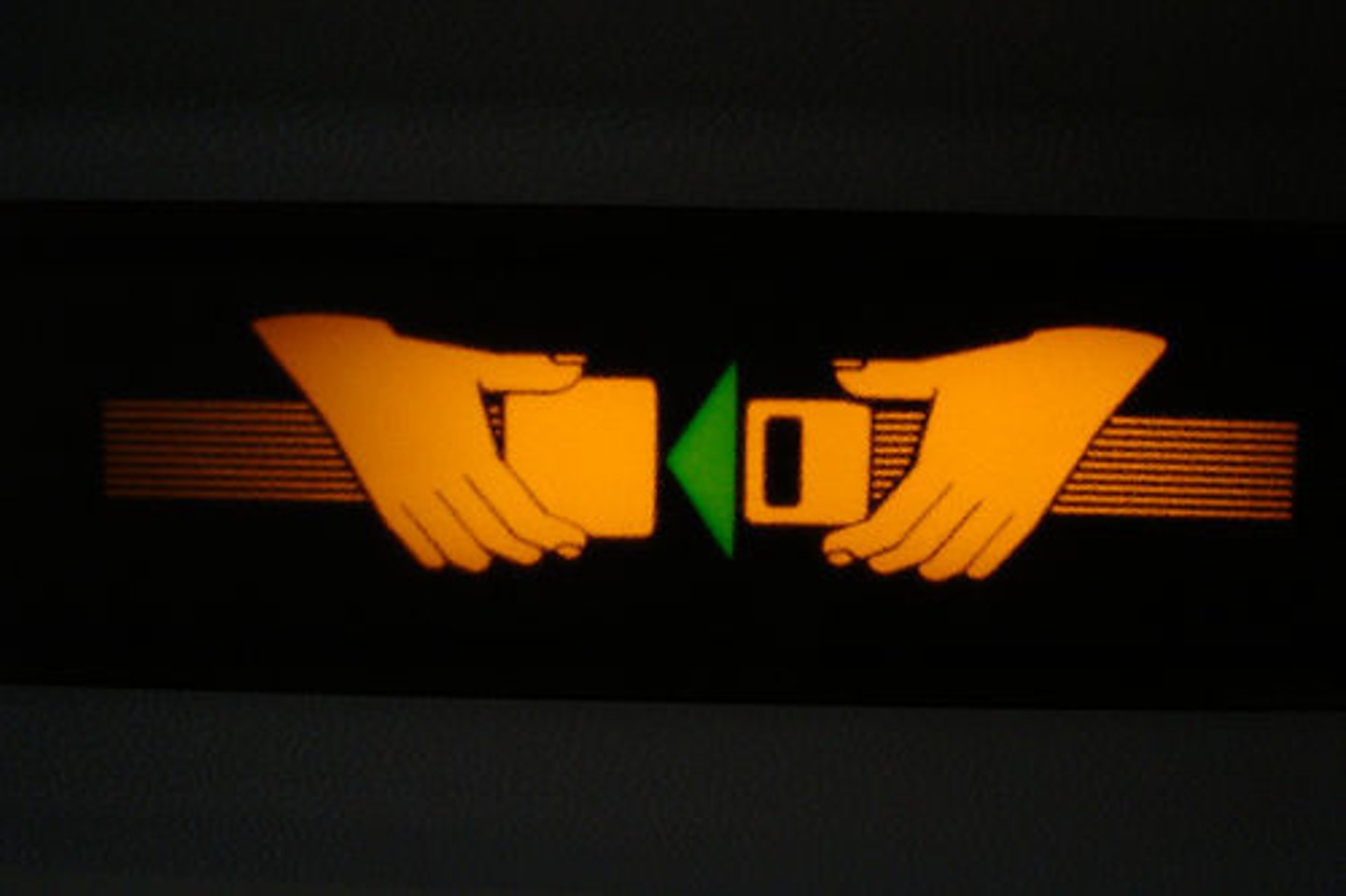
avoidance behavior
behavior that occurs before the aversive stimulus is presented and thereby prevents its delivery
positive punishment
adding an undesirable stimulus, such as a spanking, to stop or decrease a behavior
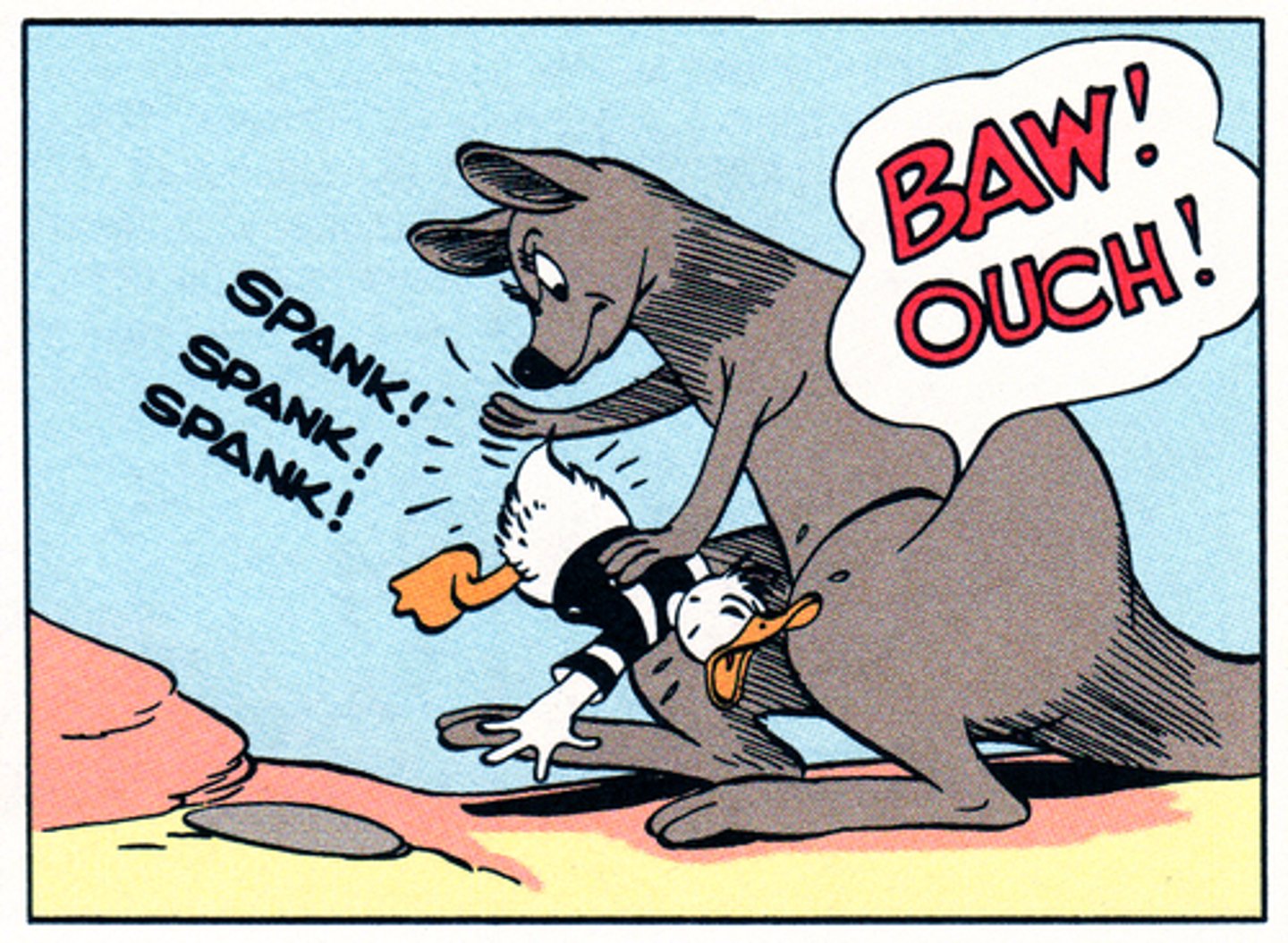
negative punishment
taking away a pleasant stimulus to decrease or stop a behavior

escape conditioning
the process by which a subject acquires a response that results in the termination of an aversive stimulus. For example, if a monkey learns that pulling a string eliminates a loud noise; there is no warning signal before the aversive stimulus is presented
avoidance conditioning
training of an organism to respond so as to prevent the occurrence of an unpleasant stimulus; there is a warning signal before the aversive stimulus is presented
operant conditioning chamber
Skinner box; allows a researcher to study the behavior of small organisms in a controlled environment
schedules of reinforcement
different patterns of frequency and timing of reinforcement following desired behavior
continuous reinforcement
reinforcing the desired response every time it occurs
partial reinforcement
reinforcing a response only part of the time; results in slower acquisition of a response but much greater resistance to extinction than does continuous reinforcement
ratio schedules
involve the number of behaviors that must be performed prior to reward
interval schedules
reinforcement after a certain amount of time has passed and the desired behavior has occurred
variable reinforcement
An unpredictable reinforcement schedule
fixed reinforcement
a predictable reinforcement schedule
fixed interval schedule
a reinforcement schedule that reinforces a response only after a specified time has elapsed
variable interval reinforcement
schedule of reinforcement in which the interval of time that must pass before reinforcement becomes possible is different for each trial or event
fixed ratio reinforcement schedule
set number of responses must occur before a behavior is rewarded
variable ratio reinforcement schedule
an intermittent schedule in which consequences are delivered following a different number of behaviors, sometimes more and sometimes less, that vary around a specified average number of behaviors
successive approximations
in the operant-conditioning procedure of shaping, behaviors that are ordered in terms of increasing similarity or closeness to the desired response.
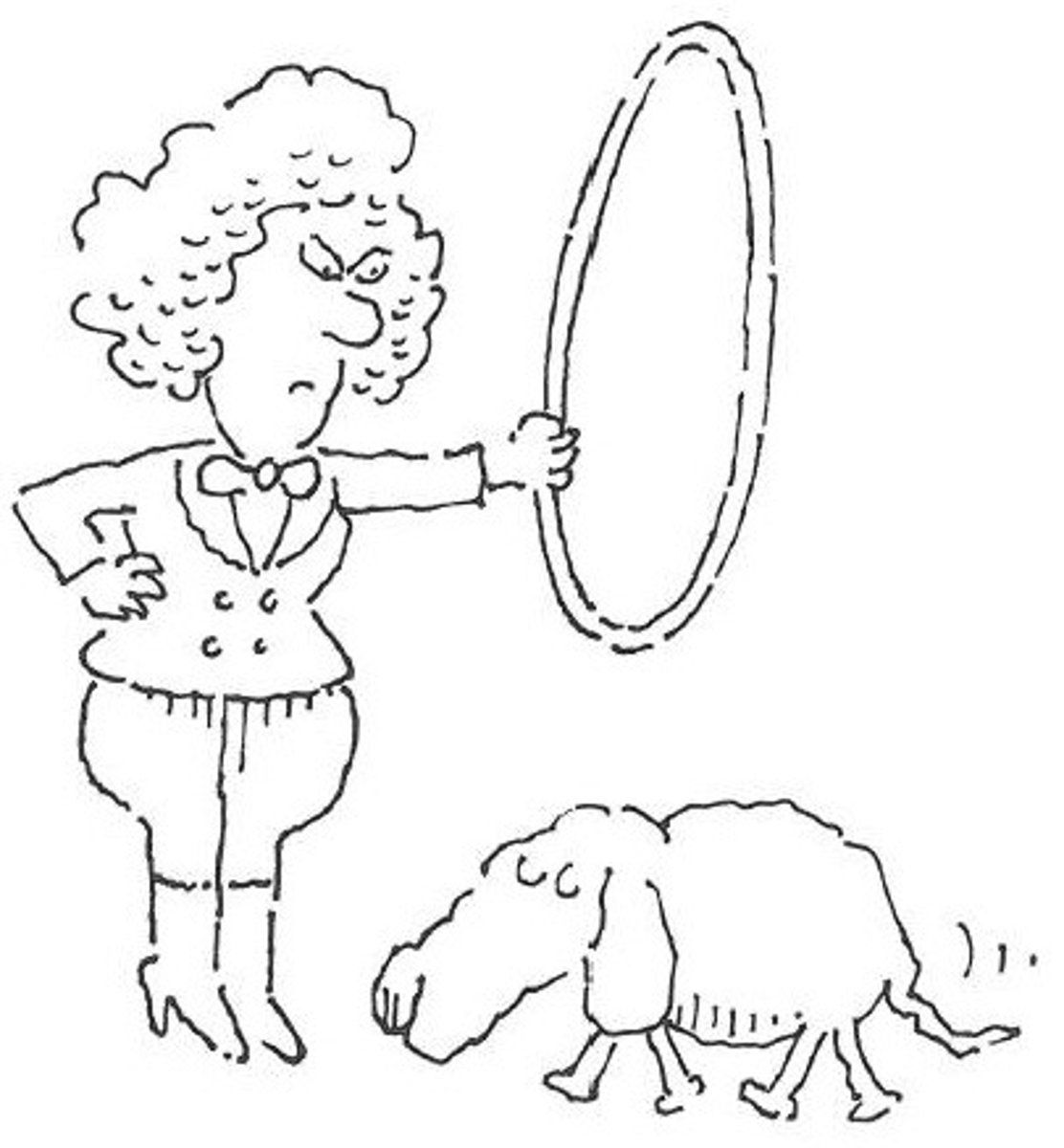
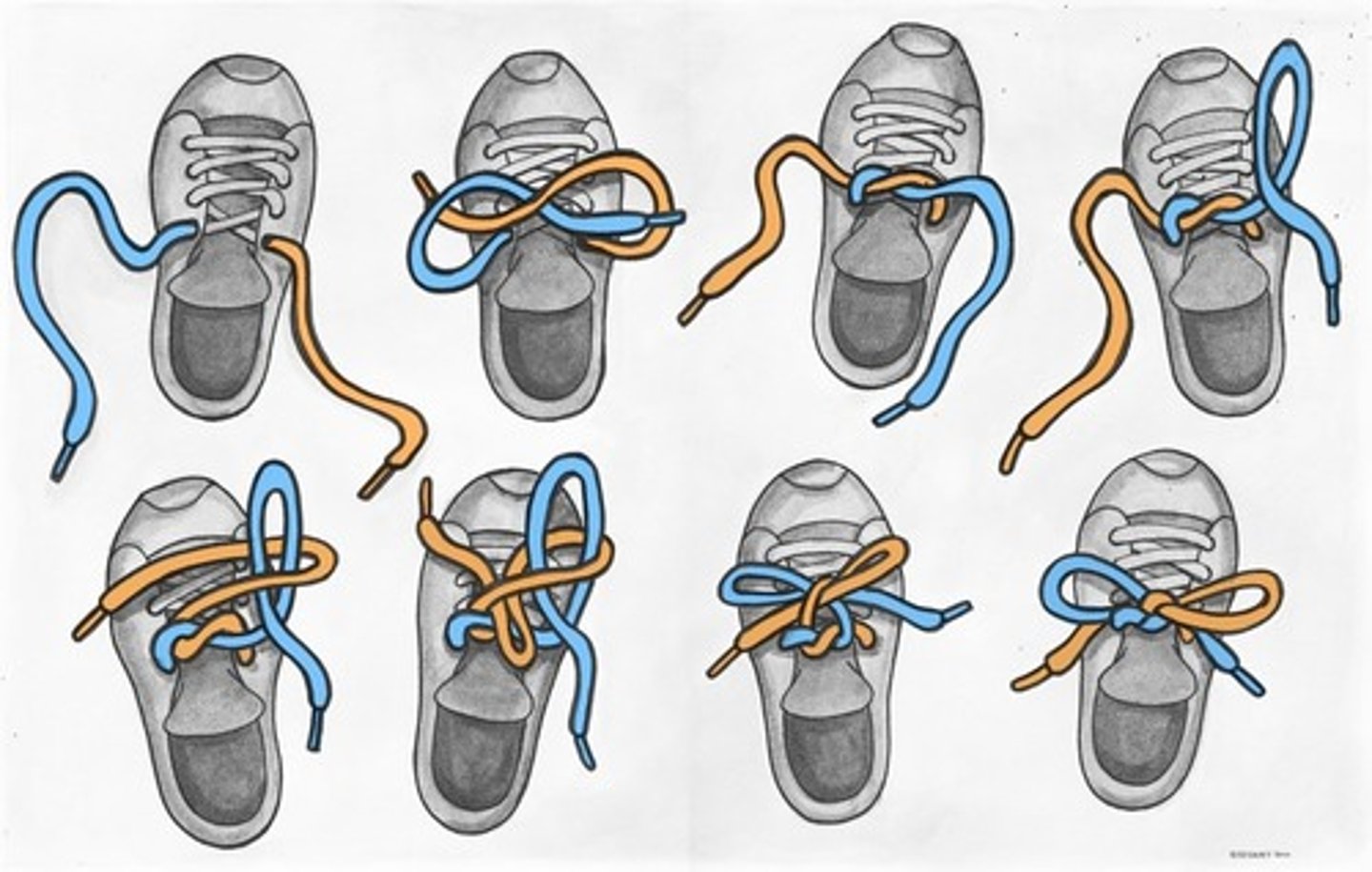
chaining
each step of a sequence must be learned and must lead to the next until the final action is achieved
 Note
Note  Flashcards (58)