CLASSICS 10 - Midterm Photo IDs
 Studied by 6 people
 Call Kai
 Learn
Learn Practice Test
 Spaced Repetition
 Match
Match Flashcards
 Knowt Play
1/66

Earn XP
Description and Tags
prof. elis, midterm 1 ID review flashcards!! :)
Name | Mastery | Learn | Test | Matching | Spaced | Call with Kai |
|---|
No analytics yet
Send a link to your students to track their progress
67 Terms
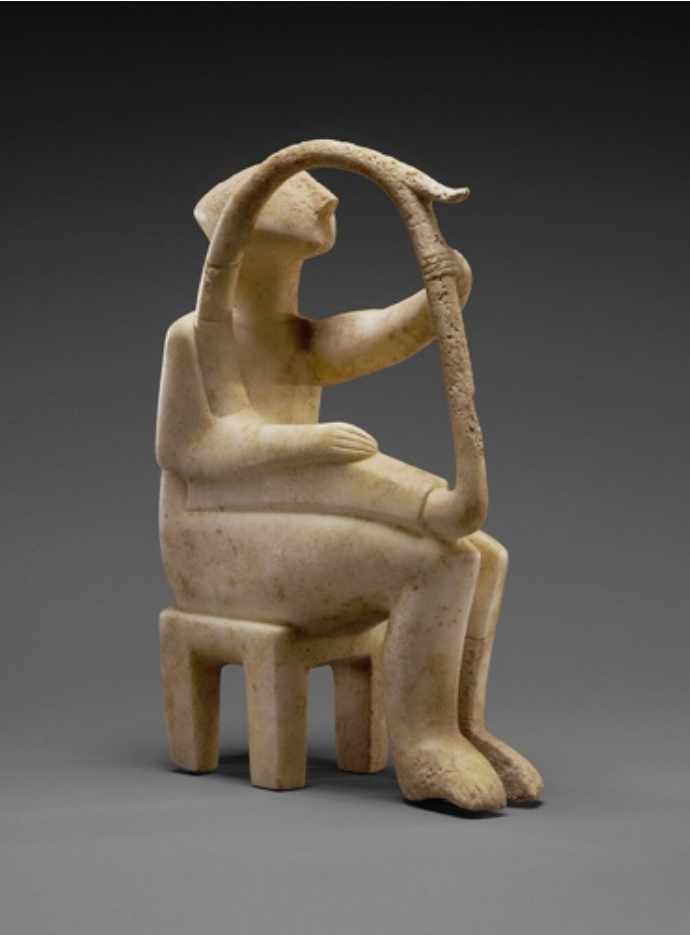
Name, Place, Date, Importance?
Cycladic Harp-Player
2700-2300 BCE
Representative of many other similar figures in Minoan art
Indicates a musical and/or nonviolent culture
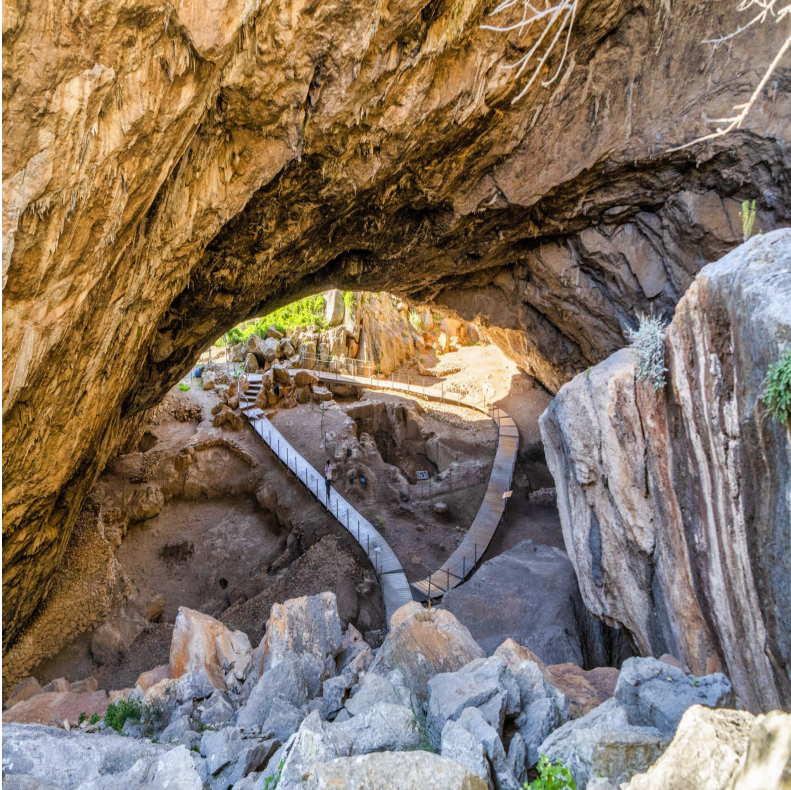
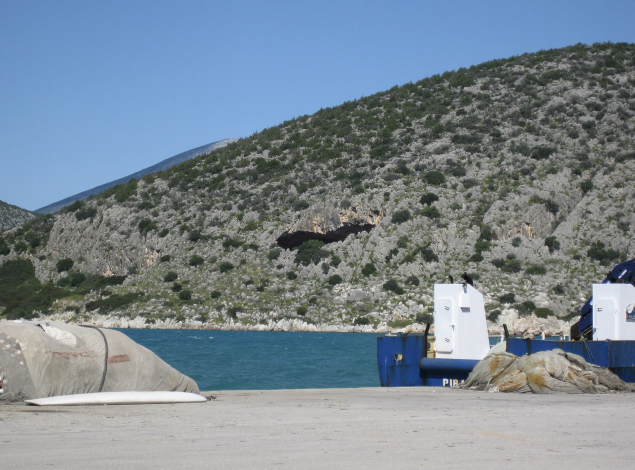
Name, Place, Date, Importance?
Franchthi Cave
18000-3200 BCE (Ice Age)
Found bones of a tribe that used the space during this time
These people planted flava crops, ate barley, small animals, etc.
Evidence of pottery workshop and obsidian from Milas (island), indicating trade (??)
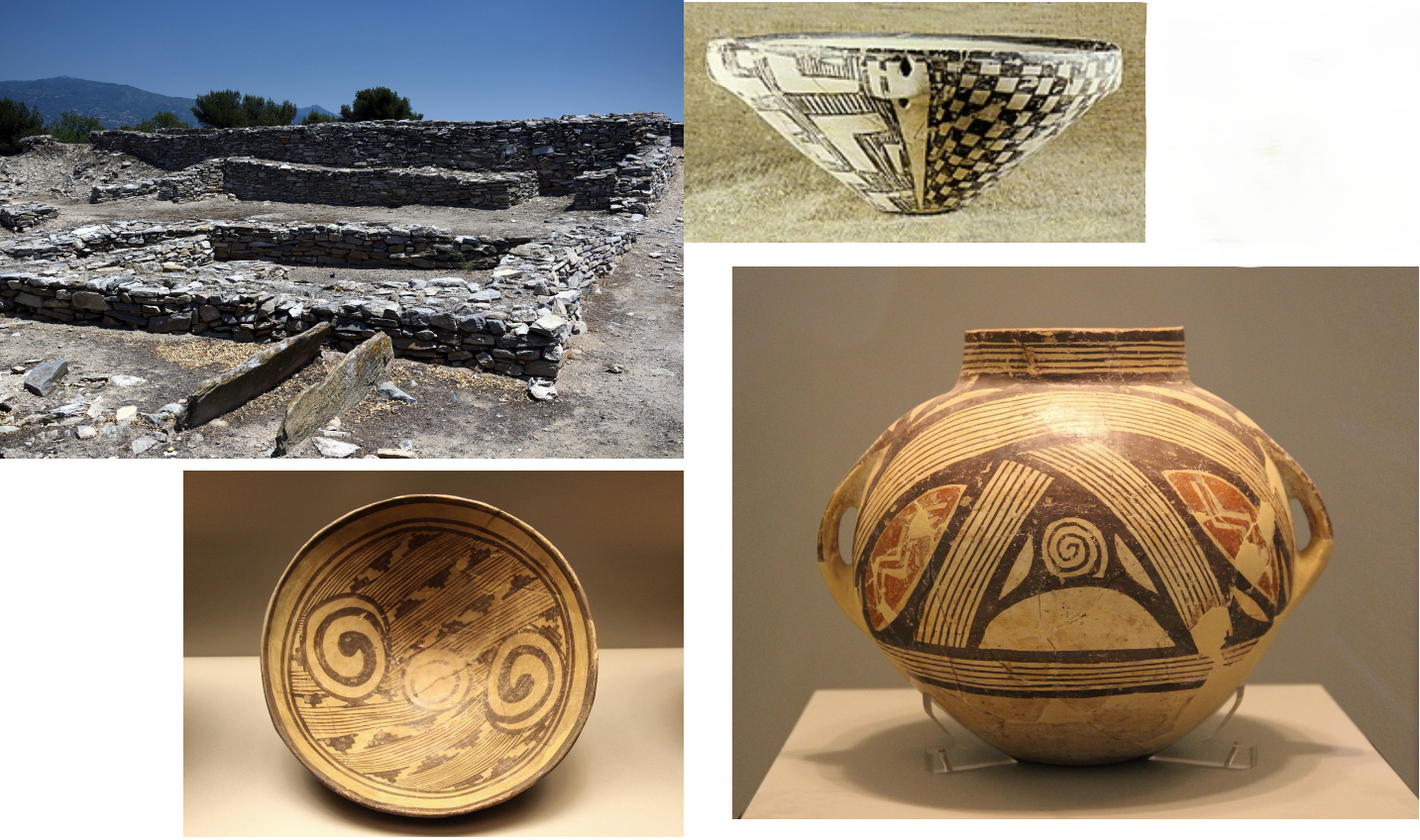
Name, Place, Date, Importance?
Pottery from Neolithic Dimini
5300-3300 BCE
Distinctive pottery style, using distinctive local clay
Stone wall homes, where the larger house is likely for the chief or storage
Indicates creation of settled communities
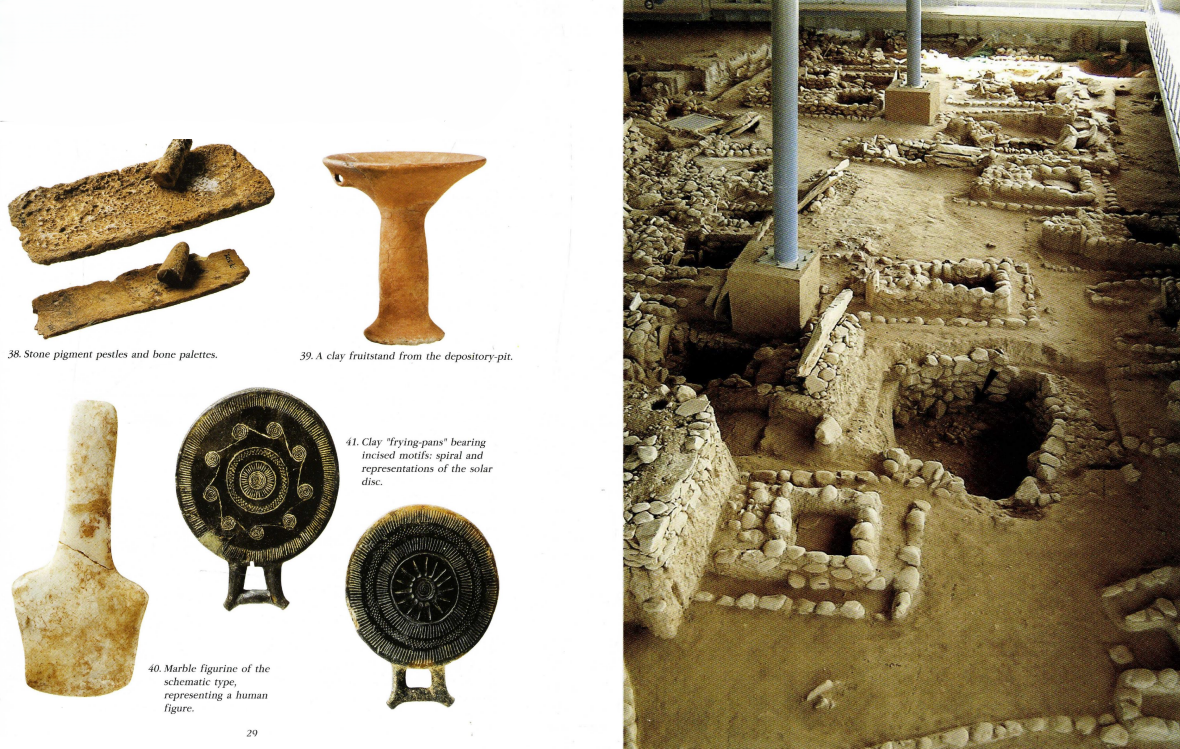
Name, Place, Date, Importance?
Tsepi
3000-2000 BCE
Centralized cemetery, features rocks and lead that must've been traded from other places
Luxury items are left at graves (e.g. frying pans)
Indicates a permanent settlement that values its past
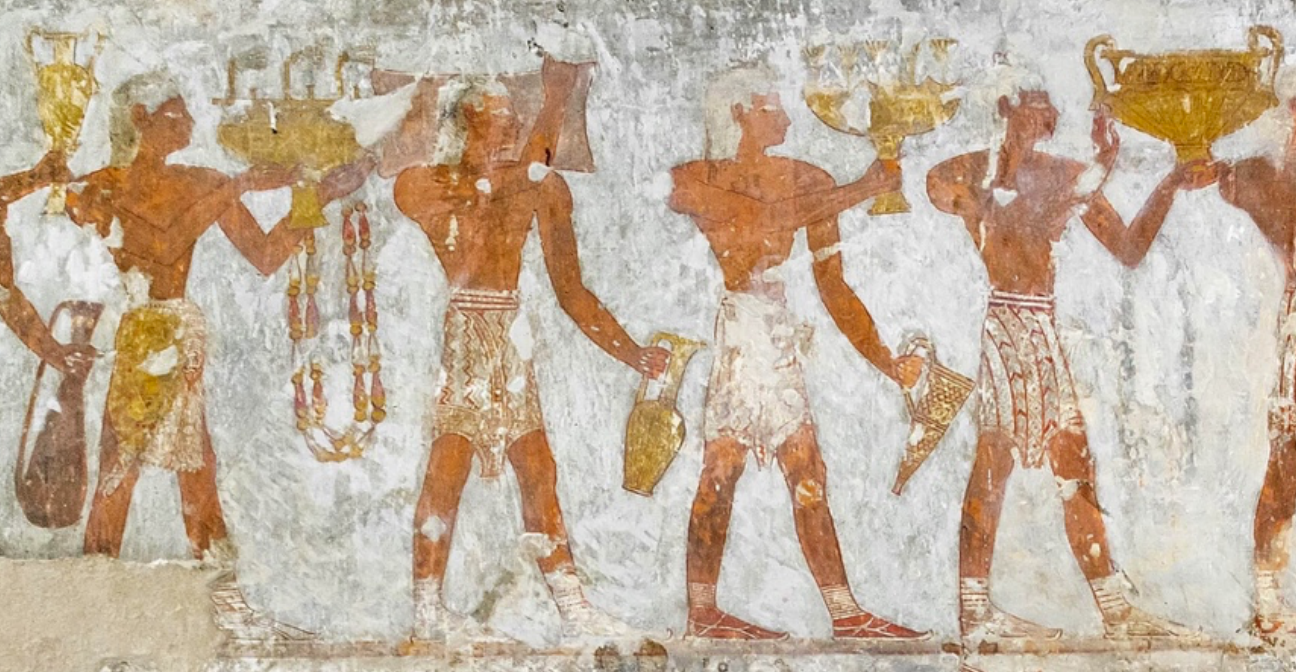
Name, Place, Date, Importance?
Rekhmire Tomb Fresco
cira 1400 BCE
Egypt
Depicts Egyptian people coming to give Greek king gifts, requesting protection and loyalty (“breath of life”) to Thutmosis (??)
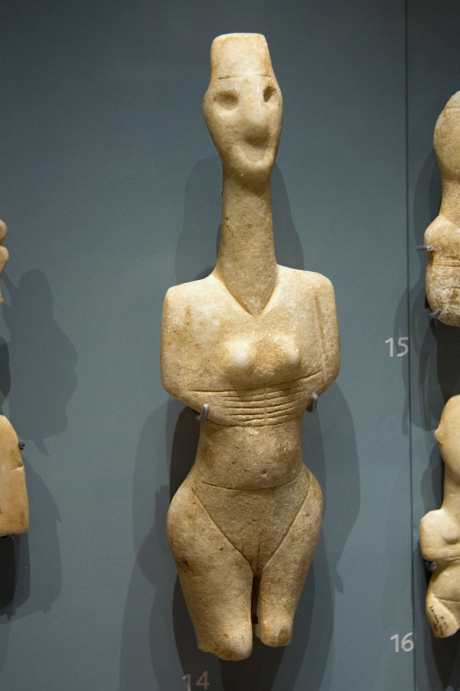
Name, Place, Date, Importance?
Cycladic Figurine
3200-2800 BCE
from Naxos
Plastiras Type —> More abstract
Cycladic figures are typically always female
Indicates females could have been priests or very emphasized in religion
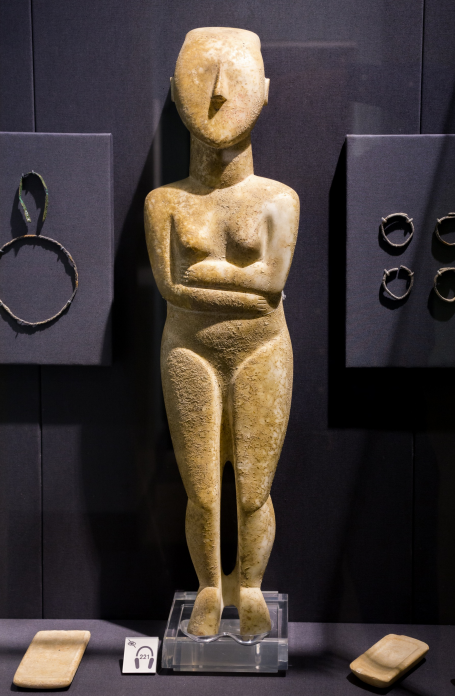
Name, Place, Date, Importance?
Cycladic Figurine
2600- 2500 BCE
Spedos type —> ?
Cycladic figures are typically always female
Indicates females could have been priests or very emphasized in religion
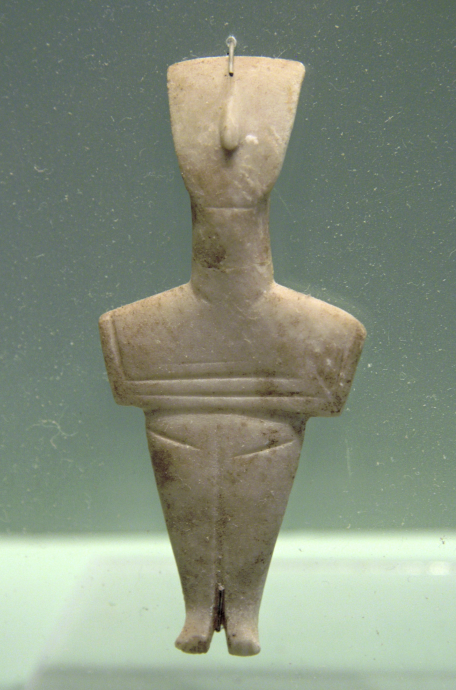
Name, Place, Date, Importance?
Cycaldic Figurine
2800-2200 BCE
from Crete
Koumasa Type —> ?
Cycladic figures are typically always female
Indicates females could have been priests or very emphasized in religion
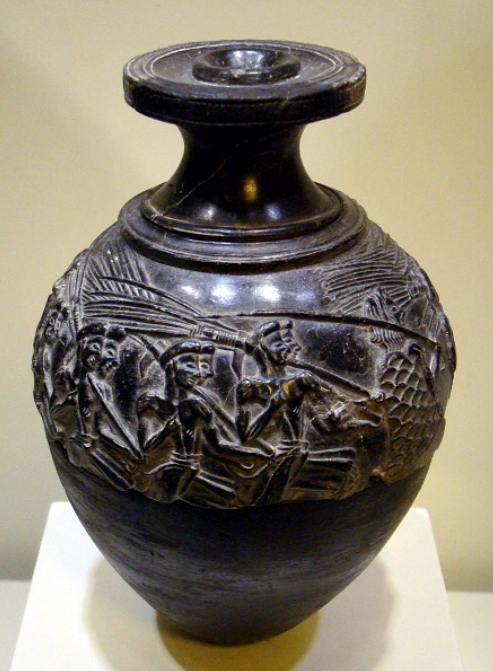
Name, Place, Date, Importance?
Harvester Vase
from Hagia Triada
1500 BCE —— but from Minoan Bronze Age
Significance: Shows harvesters bringing their grain- a ritual procession where local people had to bring this vase a certain percentage of their harvest was brought then redistributed in times of drought, indicates a structured organization where individuals had designated roles during harvest time.
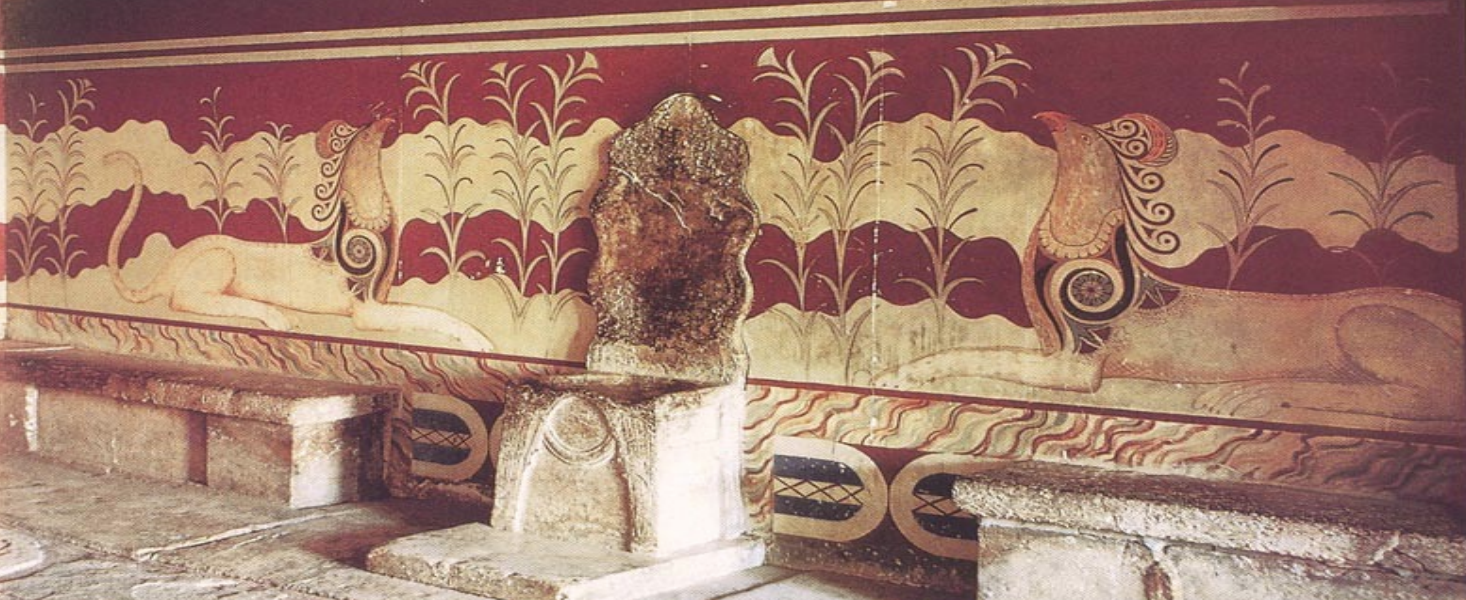
Name, Place, Date, Importance?
King’s Throne
at Knossos
1600-1450 BCE (last Minoan phase —> Multistory houses & bright paint)
Features griffins in the fresco (?) on the wall (present in many other cultures),
Throne in the center for ‘someone’
*restored by Emile Gilliéron and Piet de Jong
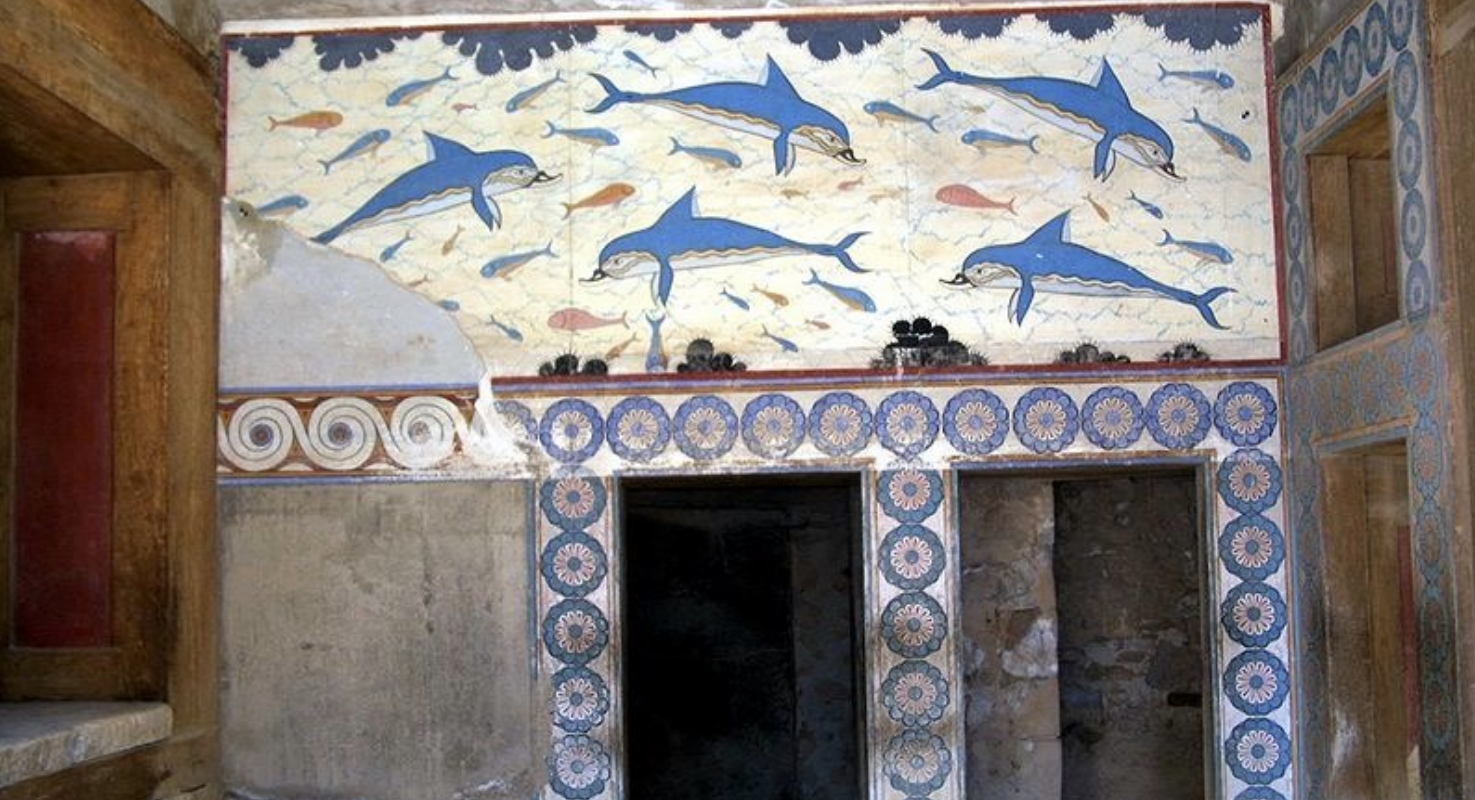
Name, Place, Date, Importance?
Fresco of the Dolphins
Knossos
1600-1450 BCE (last Minoan phase —> Multistory houses & bright paint)
(Somehow) Demonstrates the peaceful culture of the Minoans
*restored by Emile Gilliéron and Piet de Jong
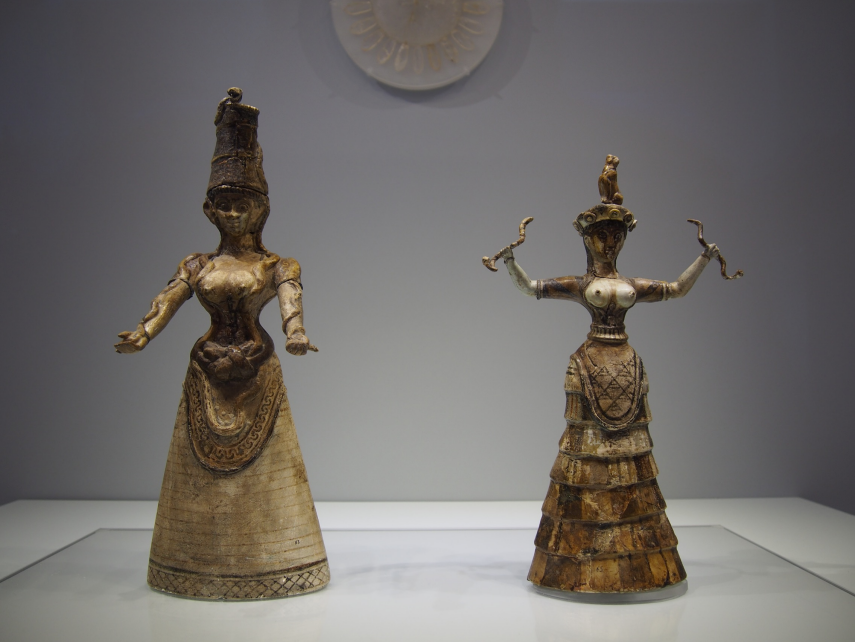
Name, Place, Date, Importance?
Minoan Snake Goddesses
Crete
circa 1600 BC
Minoan religious statues/figurines which represent female divinity and female worshippers
Women’s bodies were linked to fertility, land, and growth in early culture; Snakes represented rebirth and power, relating to the underworld
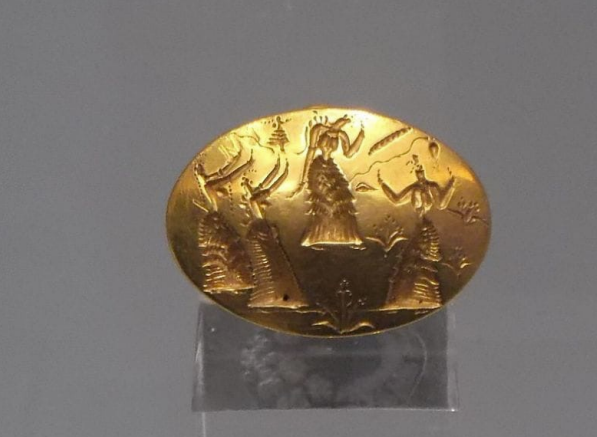
Name, Place, Date, Importance?
Minoan Gold Signet Ring
Knossos
1450 BCE
Minoan religious statues/figurines which represent female divinity and female worshippers
Women’s bodies were linked to fertility, land, and growth in early culture; Snakes represented rebirth and power, relating to the underworld
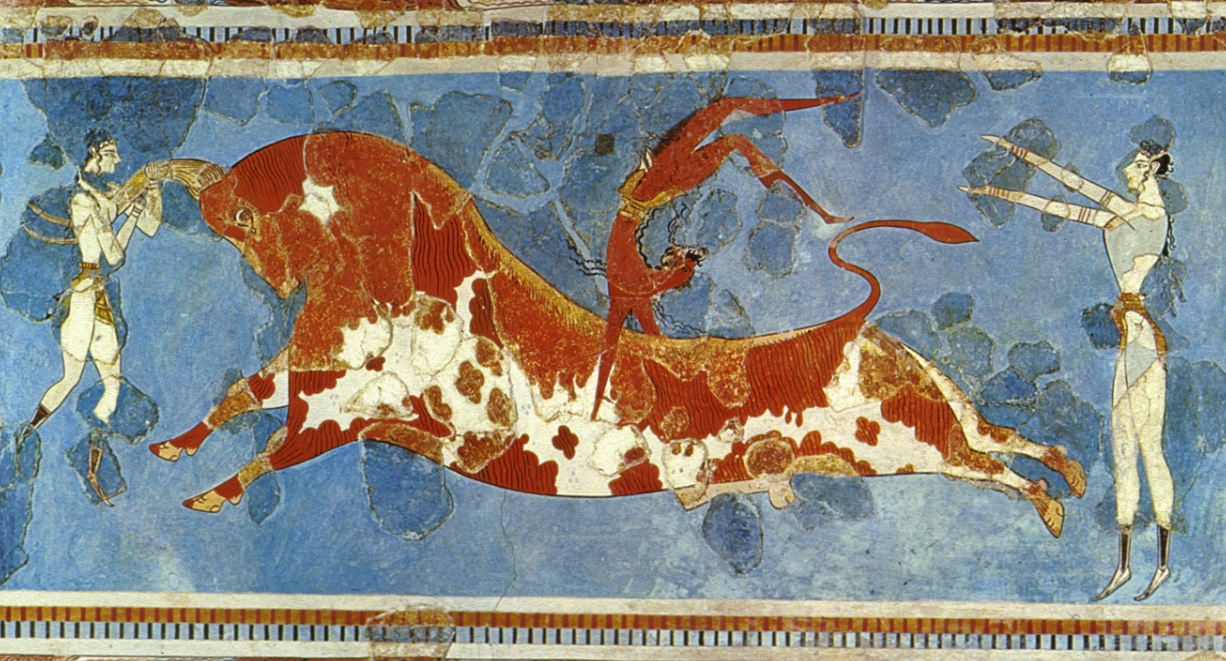
Name, Place, Date, Importance?
Bull-leaping Fresco
Knossos
1600-1450 BCE (during reconstruction of Knossos in last Minoan phase —> Multistory houses & bright paint)
Three figures: two are thought to be women (white figures) and one a man (brown, human figure)
Holds religious significance, young Cretans would honor this by reenacting this
Related astrological stories (probably not on exam?): woman’s unnatural attraction to bull creates the minotaur and that classic story w/the sacrifices; also, Perseus leaped over a bull to save someone else
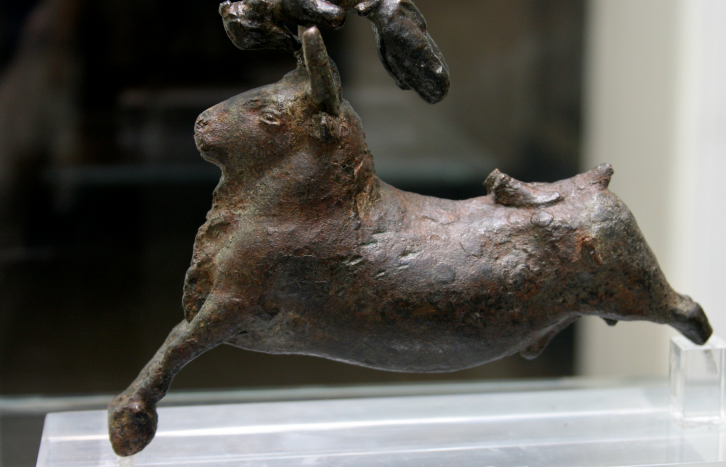
Name, Place, Date, Importance?
Minoan Bull-Leaper
1750-1400 BCE
Knossos
Made of Bronze
Holds religious significance, relates to other fresco in Knossos and is a popular, reoccurring image
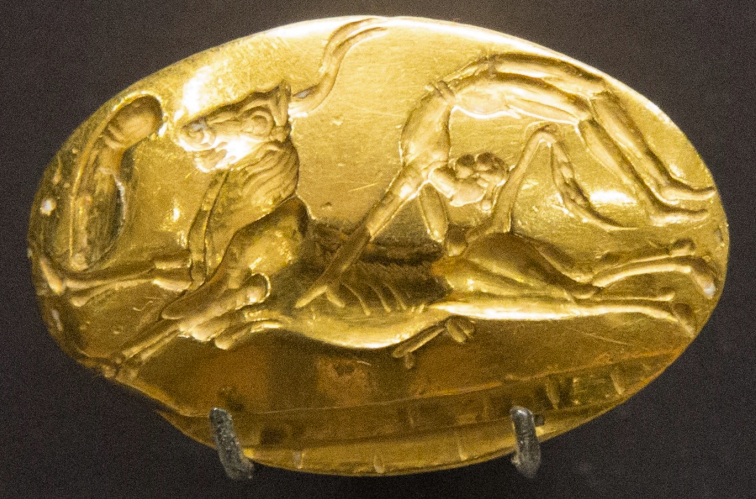
Name, Place, Date, Importance?
Gold Ring with Minoan Bull-Leaper
Knossos
1450-1375 BCE
Holds religious significance, relates to other fresco in Knossos and is a popular, reoccurring image
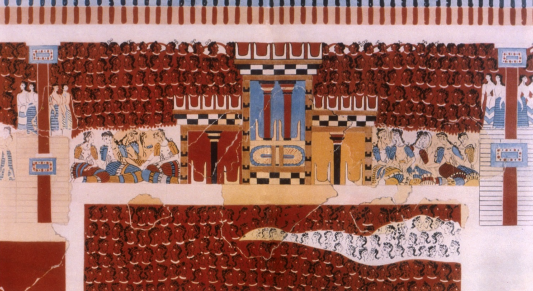
Name, Place, Date, Importance?
Grandstand Fresco at Knossos
circa 1500 BCE
Depicts the public display/stands of people watching the bull-leaping (of young Cretans recreating it?)
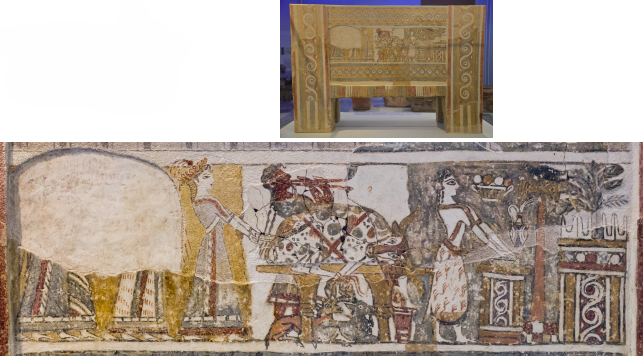
Name, Place, Date, Importance?
Hagia Triada Sarcophagus
Crete
circa 1400 BCE
Egyptian style artwork
Depicts people carrying a bull to the dead in order to honor them (communal act) or doing sacrificial work (?)
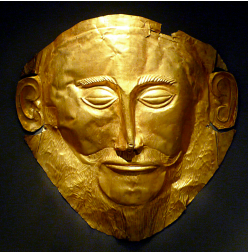
Name, Place, Date, Importance?
The ‘Mask of Agamemnon’
Mycenae
1500 BCE
Made of gold
??
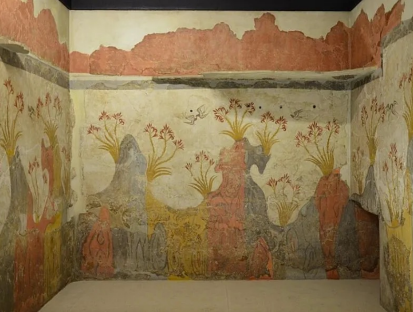
Name, Place, Date, Importance?
Spring Fresco Akrotiri
circa 1650 BCE
Depicts a dance of the swallows, a harmonious scene
Fresco features vibrant colors, emphasizing the river network which linked Greece to other countries like in Africa and Egypt (?)
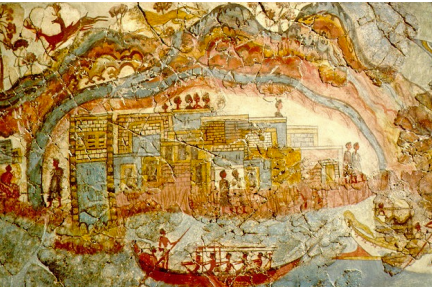
Name, Place, Date, Importance?
Flotilla Fresco detail from Akrotiri
circa 1650 BCE
Vibrant, light colors used to create a peaceful scene
Ship's a reminder that the Minoans were powerful traders linked to important, powerful forces (e.g. Egyptians, the Hittites, the Acadians)
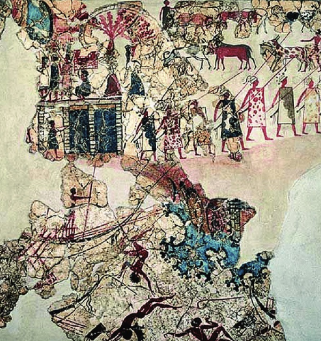
Name, Place, Date, Importance?
North Wall Frieze
from West House, Akrotiri
circa 1650 BCE
Makes suggestion of violence —> People are falling off a ship/being cast overboard in a battle with weapons.
Possibly the cattle at the top are being stolen (cattle raid)
Indicates the Minoan civilization is possibly not as peaceful; there was trade and prosperity, but also the threat of war or a raiding party
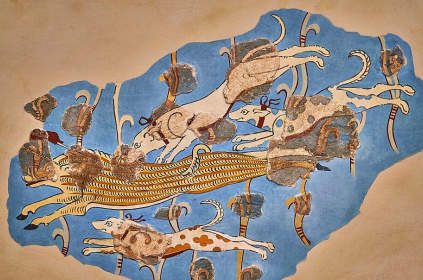
Name, Place, Date, Importance?
Boar Hunt Fresco Tiryns, ca. 13th century BCE
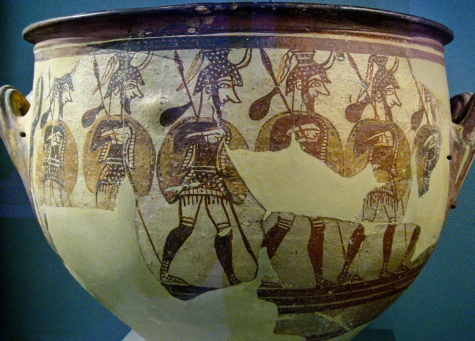
Name, Place, Date, Importance?
Mycenean Soldiers on the Warrior Vase ca.1200BCE
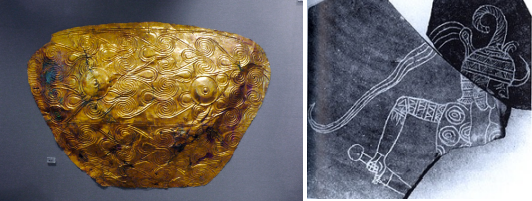
Name, Place, Date, Importance?
Mycenaean armor in Hittite art
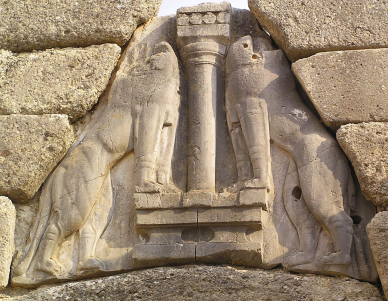
Name, Place, Date, Importance?
Lion Gate Mycenae
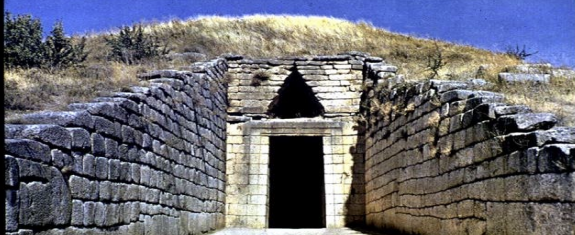
Name, Place, Date, Importance?
‘Treasury of Atreus’ Tholos Tomb (1300-1250BCE) at Mycenae
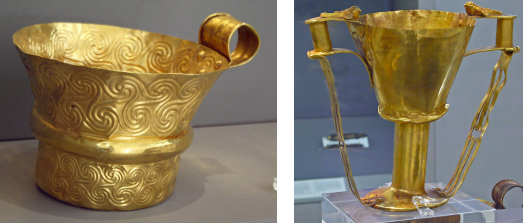
Name, Place, Date, Importance?
Mycenaean Wealth Cups from Mycenae. Ca., 1500BCE
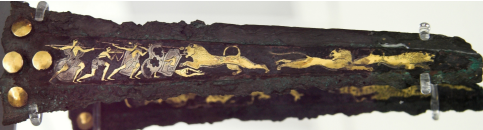
Name, Place, Date, Importance?
Mycenaean Wealth Lion Hunt dagger from shaft grave IV, Mycenae 1550-1500BCE
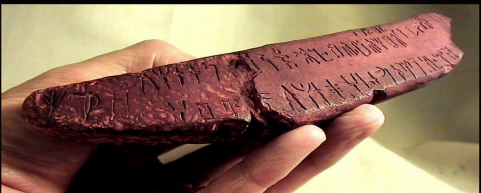
Name, Place, Date, Importance?
Mycenaean Writing Linear B
Deciphered by Michael Ventris in 1952 (building on work of Alice Kober)
Significance: Looks similar to Linear A in Crete but it's different and translates to Greek, adapted from experience of looking at Linear A (lost Minoan language), used to record inventory of bureaucracy: gives us insights about how they organized themselves politically and what Myceneans valued. Shows the absorption and influence of Indonesians (brought language) on Greece
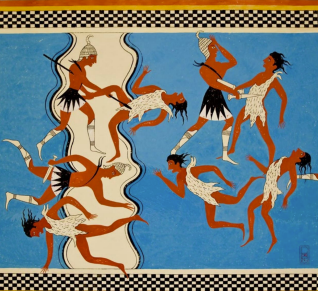
Name, Place, Date, Importance?
Warrior Fresco Pylos ca. 1250BCE Reconstruction by Piet de Jong
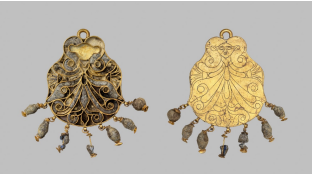
Name, Place, Date, Importance?
Pendants made of gold, lapis lazuli and glass depict Egyptian goddess Hathor. Palace of Nestor at Pylos, ca. 1400BCE
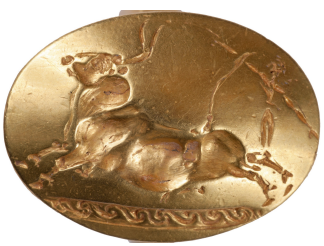
Name, Place, Date, Importance?
Tomb of the Griffin Warrior Gold ring depicting bullleaping. Ca., 1450BCE
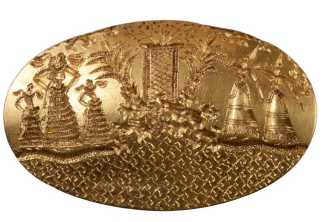
Name, Place, Date, Importance?
Tomb of the Griffin Warrior, Gold ring
ca. 1450BCE —>
Depicts women before a shrine
Significance: Depicts female worship, and shows interconnectedness with their developed war-like culture
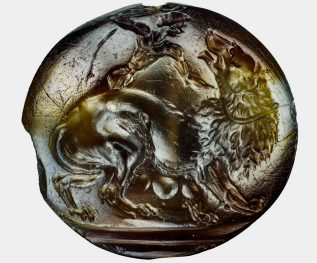
Name, Place, Date, Importance?
Tomb of the Griffin Warrior, Agate, stone
Pylos
Ca. 1630- 1440BCE
Depicts a man looming over a lion.
Significance: man over war, represents their highly advanced, developed, and connected war-like culture
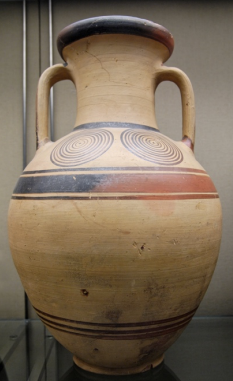
Name, Place, Date, Importance?
Protogeometric Amphora from the Ceramicus cemetery in Athens, Ca. 975-950BCE
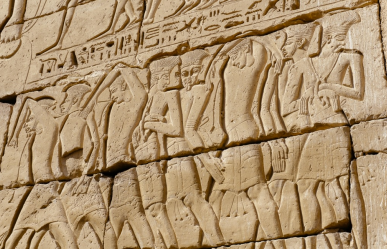
Name, Place, Date, Importance?
The Sea Peoples Peleset Prisoners – Stone relief at Ramses III’s temple at Medinet Habu (Egypt)
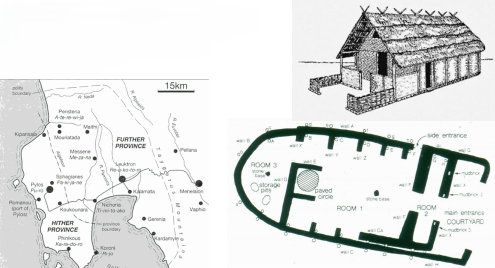
Name, Place, Date, Importance?
Not so dark? Early Iron Age sites in Greece a) Nichoria Chieftain’s House ca. 1050BCE
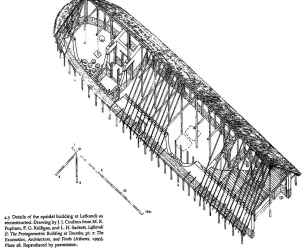
Name, Place, Date, Importance?
Not so dark? Early Iron Age sites in Greece b) Lefkandi Heroön ca., 975BCE
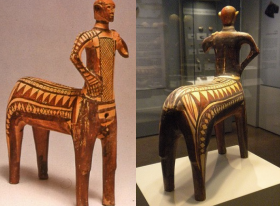
Name, Place, Date, Importance?
Not so dark? Early Iron Age sites in Greece c) Trade Networks Lefkandi Centaur (Cheiron?) Found in grave site at Lefkandi – ca.900 BCE • Al Mina in Syria • Pithekoussai in Southern Italy.
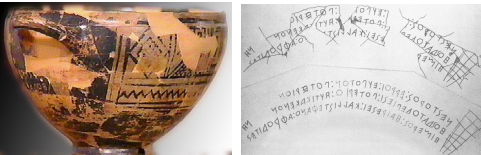
Name, Place, Date, Importance?
Not so dark? Early Iron Age sites in Greece e) Euboeans and Literacy • Nestor’s Cup - Found at Pithekoussai in Italy ca. 720 BCE “I am the cup of Nestor good for drinking. Whoever drinks from this cup, desire for beautifully crowned Aphrodite will seize him instantly
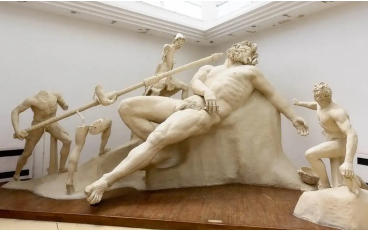
Name, Place, Date, Importance?
The Blinding of the Cyclops Sperlonga Museum of Archaeology. Italy
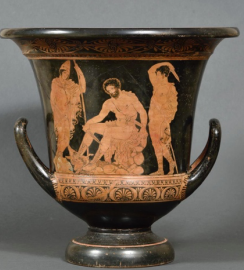
Name, Place, Date, Importance?
Odysseus summoning the shades. Lucanian Red-Figure Calyx-Crater. 390BCE.
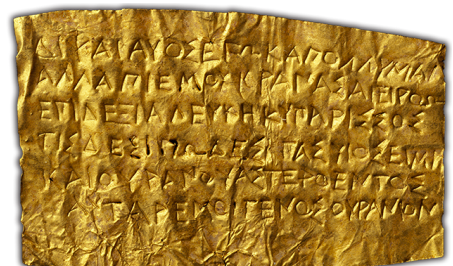
Name, Place, Date, Importance?
Tablet with instructions for the deceased in the Underworld. 350-300BCE
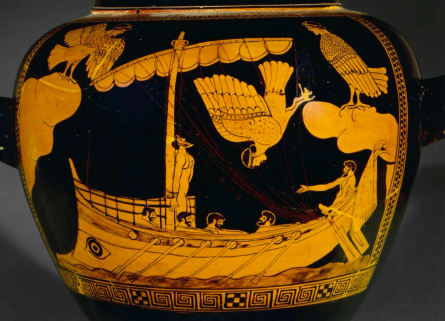
Name, Place, Date, Importance?
Book 12 The Sirens • Siren Vase: Detail of RedFigure Stamnos. 480BCE. • British Museum, London
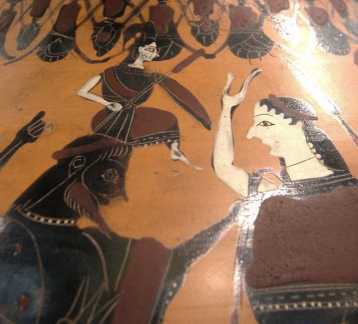
Name, Place, Date, Importance?
Classics 10 Hesiod’s Theogony Modelling Behavior Pan-Hellenism and The Idealized Kingship of Zeus Athena born from the head of Zeus, with Eileithyia (goddess of childbirth).Black-figured
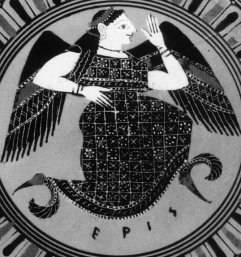
Name, Place, Date, Importance?
Classics 10 Hesiod Works and Days The Polis and the Iron Age Cosmos Strife, Ethics, and the View from Below Early 6th century BCE Black Figure Kylix showing Eris (=Strife)
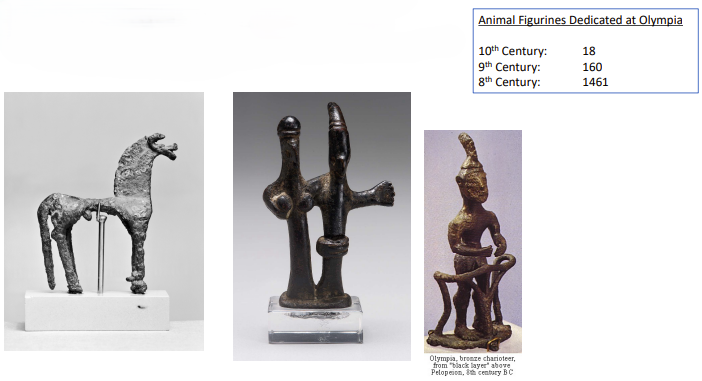
Name, Place, Date, Importance?
1. The Development of Pan-Hellenic Games i) Early Olympia – Western Peloponnesian Rural Cult
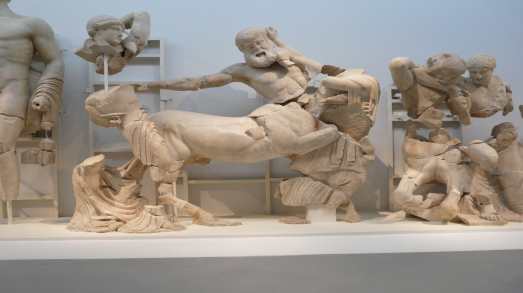
Name, Place, Date, Importance?
2. The Iconography of the Festival of Zeus West Pediment - Lapiths and Centaurs
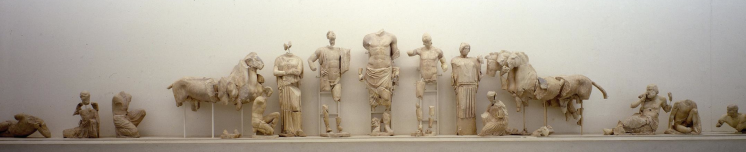
Name, Place, Date, Importance?
2. The Iconography of the Festival of Zeus East Pediment - Zeus, Pelops and Oinomaos
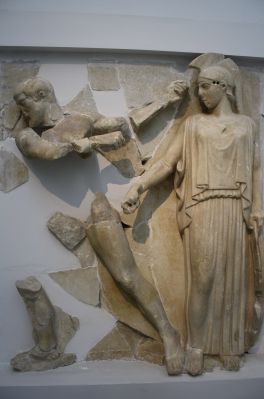
Name, Place, Date, Importance?
2. The Iconography of the Festival of Zeus Metopes – Heracles Cleaning the Stables of Augeas (King of Elis)
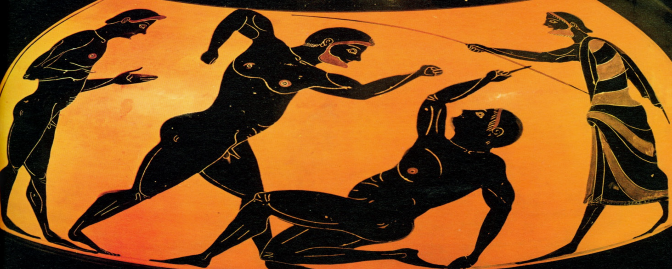
Name, Place, Date, Importance?
5. Isonomia – The Democratic Discourse of Equality i) Rules and Objectivity
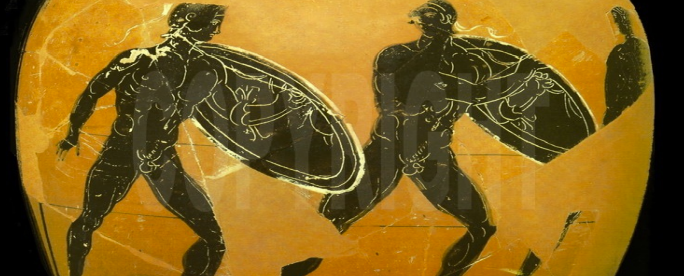
Name, Place, Date, Importance?
5. Isonomia – The Democratic Discourse of Equality iii) The hysplex and the hoplitodromos
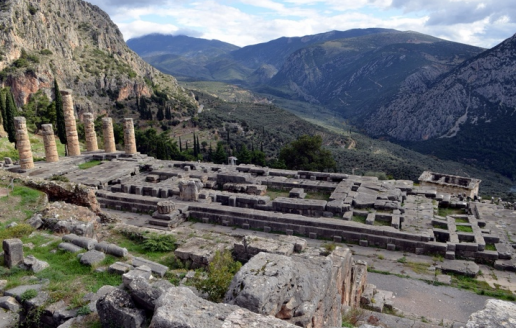
Name, Place, Date, Importance?
Temple of Apollo at Delphi
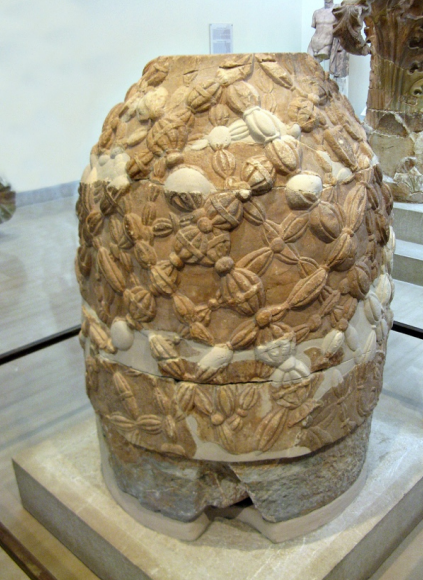
Name, Place, Date, Importance?
The Omphalos. Marble Late 1st century CE
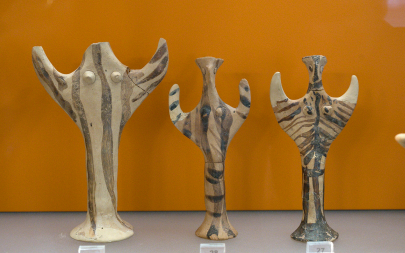
Name, Place, Date, Importance?
Early Cult Activity at Delphi (12c. BCE) Late Myceanean Terracotta Female Figurines from the sanctuary of Athena Pronaia at Delphi. Stylised clay grave offerings from chamber tombs in the sanctuary repurposed and dedicated when temple of Athena built in 7th century BCE
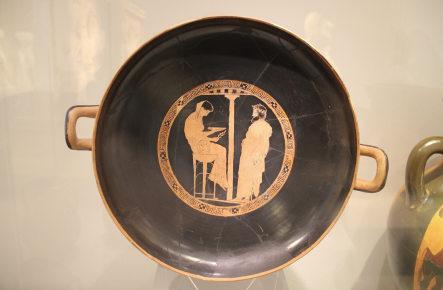
Name, Place, Date, Importance?
Oracles before Apollo • Aigeus, the mythical king of Athens, seeks an oracle from Themis, seated on a tripod in the sanctuary at Delphi. • Red figure Kylix by the Kodros painter (ca 440BE)
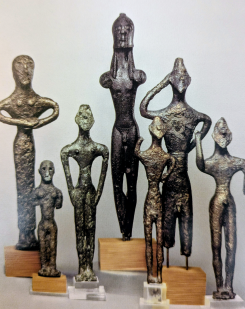
Name, Place, Date, Importance?
The Arrival of Apollo / The Apolline Takeover Cult of Apollo Pythios ca. 900BCE, with a village established by 860BCE and cult dedications increasingly thereafter. Oracular dedications to Apollo increase dramatically in 7th century BCE, with dedications from around the Greek world and beyond.
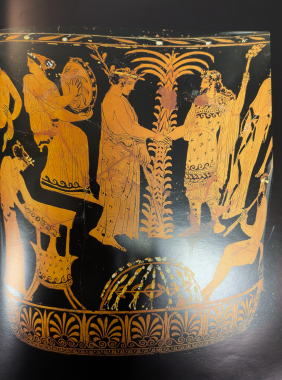
Name, Place, Date, Importance?
Apolline Wisdom and Dionysian Madness? • Apollo welcomes Dionysus at Delphi, above the omphalos. • Red figure krater by the Kadmos Painter. • Early 4th century BCE
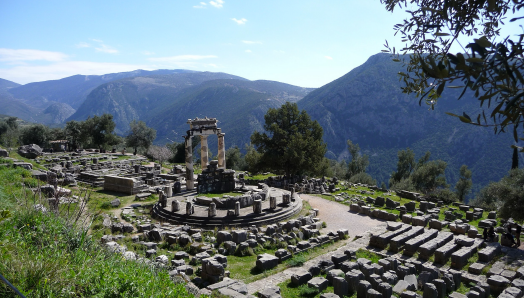
Name, Place, Date, Importance?
Tholos in the Sanctuary of Athena Pronaia
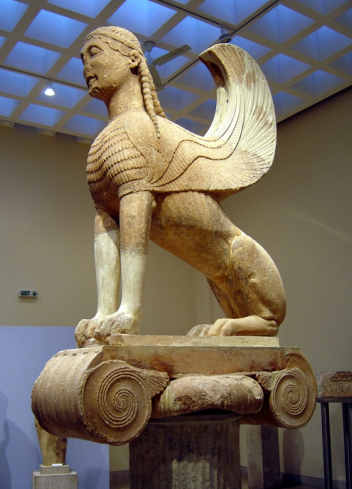
Name, Place, Date, Importance?
Sphinx of Naxians, originally atop a tall column. Dedicated to Sanctuary ca. 560BCE.
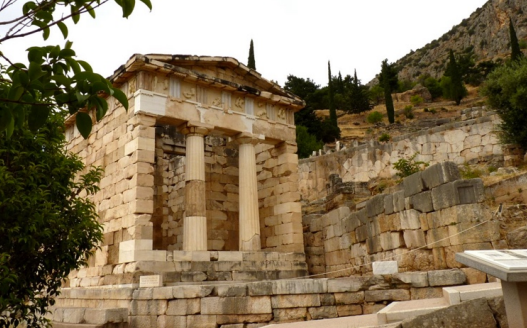
Name, Place, Date, Importance?
Athenian Treasury Delphi
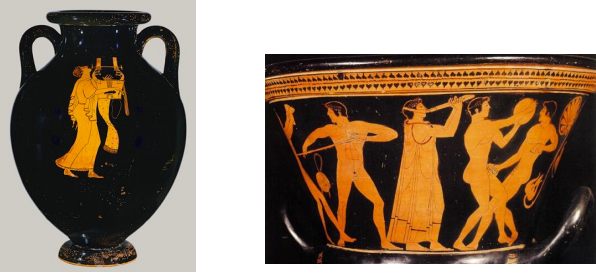
Name, Place, Date, Importance?
Delphi and the Pythian Games Mousikoi Agones – The Kithara and the Aulos
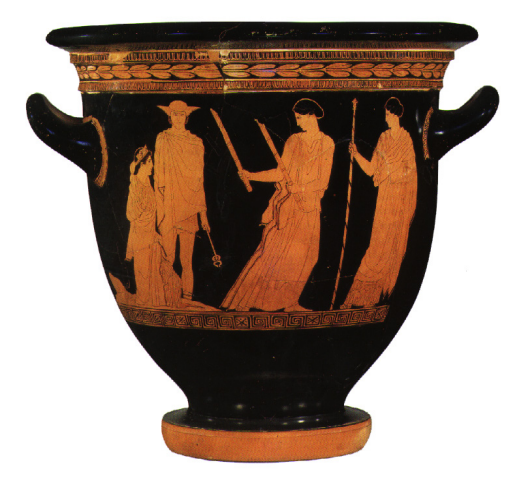
Name, Place, Date, Importance?
Attic Red Figure Krater. 5th century BCE. Hermes leads Persephone forth from the underworld to be greeted by Hekate and her mother Demeter
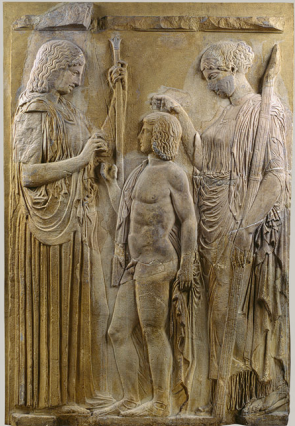
Name, Place, Date, Importance?
Marble Votive Relief found at Eleusis – Showing (L-R) Demeter, Triptolemos and Persephone. Date 440BCE
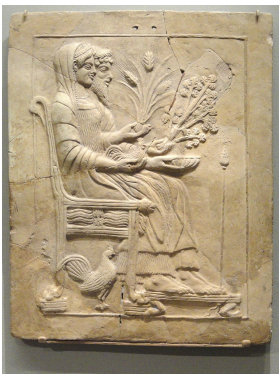
Name, Place, Date, Importance?
Marble Pinax of Persephone and Hades found in Sanctuary of Persephone in Locri, Sicily. Early 5th century BCE
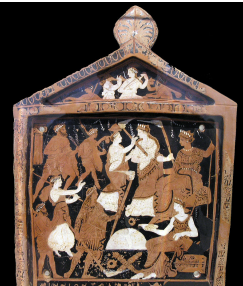
Name, Place, Date, Importance?
Ninnion Tablet. Red Clay. Circa 370BCE. Found at Eleusis – Only known representation of Eleusinian Procession and Initiation
 Note
Note  Flashcards (39)