Opposition to Tsarism
 Call Kai
 Learn
Learn Practice Test
 Spaced Repetition
 Match
Match Flashcards
 Knowt Play
1/9

Earn XP
Description and Tags
Name | Mastery | Learn | Test | Matching | Spaced | Call with Kai | Chat |
|---|
No analytics yet
Send a link to your students to track their progress
10 Terms
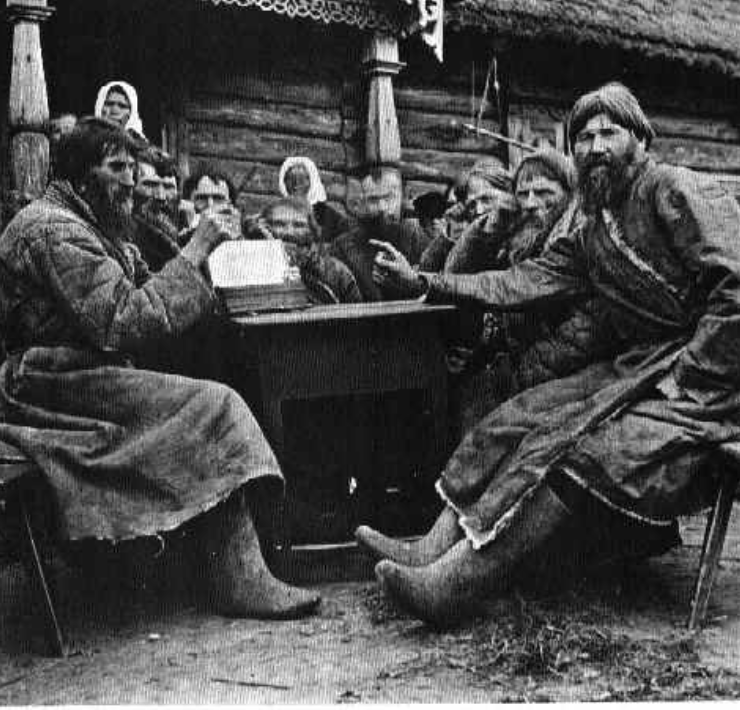
How many Peasants were there in Russia and what was Peasant life like?
Peasants made up 80% of Russian pop. - impoverished life of hard work, large debt and high taxes.
What was the Emancipation of the Serfs?
Reforms introduced by Alexander II that ended serfdom and granted rights to serfs in 1860. Zemstvos established - local governments.
What were Nicholas II’s counter-reforms?
Took away freedoms peasants had enjoyed since the 1860s:
Land Captains replaced zemstvos - managed the work and administered laws.
Peasants lost the right to elect people to zemstvos - LCs made final decisions on candidates for zemstvos.
How many people were in the working class and who was Sergei Witte?
Urban factory workers - 4% of pop. in 1894.
Sergei Witte - wc emerged as a result of his attempt to industrialise the economy in the 1890s. One of the Tsar’s most trusted and talented ministers - oversaw early stages of Russia’s industrialisation.
What were living and working conditions like in the cities and what were the consequences?
Better pay than peasants - however, factories were far more dangerous - 12-hour day, some forced to do 17, verbal abuse and body searches.
Living conditions in the large slums were squalid.
Mortality rates higher for workers.
What was the League of Liberation and what were there demands?
Harsh conditions led to strikes and growth of socialist groups:
In 1903 middle-class, made up 1.5% of pop., opponents of autocracy formed the LoL.
Demands - end of autocracy, democratic gov., max eight-hour day, redistribution of land for peasants and self-determination of all nations that were part of the RE.
However, Okhrana arrested key leaders soon after its first Congress.
Who were the Social Democrats and what were the divisions in the party?
The Marxist Russian Social Democratic Labour Party (RSDLP) was established in 1898 - following Marxist, arguing capitalism led to exploitation of the proletariat - advocated revolution.
Division:
Lenin and the Bolsheviks argued proletariat were too weak and poorly educated - small secretive party of professionals who would lead a worker revolution.
Juilius Martov, Fyodor Dan and the Mensheviks argued it should be a mass party which educated and organised the proletariat.
Who were the Social Revolutionaries (SRs) and who was the leader?
Founded in 1902 - stressed need for Russia’s peasants through land reform and basis for a new socialist society - led by Viktor Chernov.
What was the political violence caused by the SRs?
Some SRs, influenced by anarchism and nihilism, stressed the importance of revolutionary violence.
Radical SRs were responsible for the assassination of:
Nikolay Bogolepov - the Tsar’s education Minister, in 1901.
Vychaslav von Plehve - the Minister of the Interior, in 1904.
What were the reasons for the failure of opposition groups?
Obstacles kept the SRs and the RSDLP to no more than a 100,000 members between them by 1905:
Divisions - liberals wanted political rights, socialists wanted revolution to change economic and social structure - RSDLP divided by Bols and Mens - SRs divided by issues on violence.
Okhrana exiled leading radicals - Lenin was exiled to SIberia.
Police and army used extreme violence to end strikes - 800 times between 1900-1902.
SR’s and the RSDLP both relied on newspapers to spread their message - vast majority of peasants could not read - hard to influence groups.
Transport network was primitive and comms between settlements was poor.