Brain Basics
 Studied by 0 people
 Call Kai
 Learn
Learn Practice Test
 Spaced Repetition
 Match
Match Flashcards
 Knowt Play
1/20

There's no tags or description
Looks like no tags are added yet.
Name | Mastery | Learn | Test | Matching | Spaced | Call with Kai |
|---|
No analytics yet
Send a link to your students to track their progress
21 Terms
brain can be divided in 3 units:
hindbrain
forebrain
midbrain
hindbrain location
upper part of the spinal cord, brain stem and the cerebellum
hindbrain functions
controls the body’s vital functions
respiration and heart rate
cerebellum functions
coordinates movement
involved in learned movements
midbrain location
uppermost part of the brainstem
midbrain function
controls some reflex actions
control of eye movements
forebrain consists of:
cerebrum
cerebral cortex
information processing in the brain
gray matter
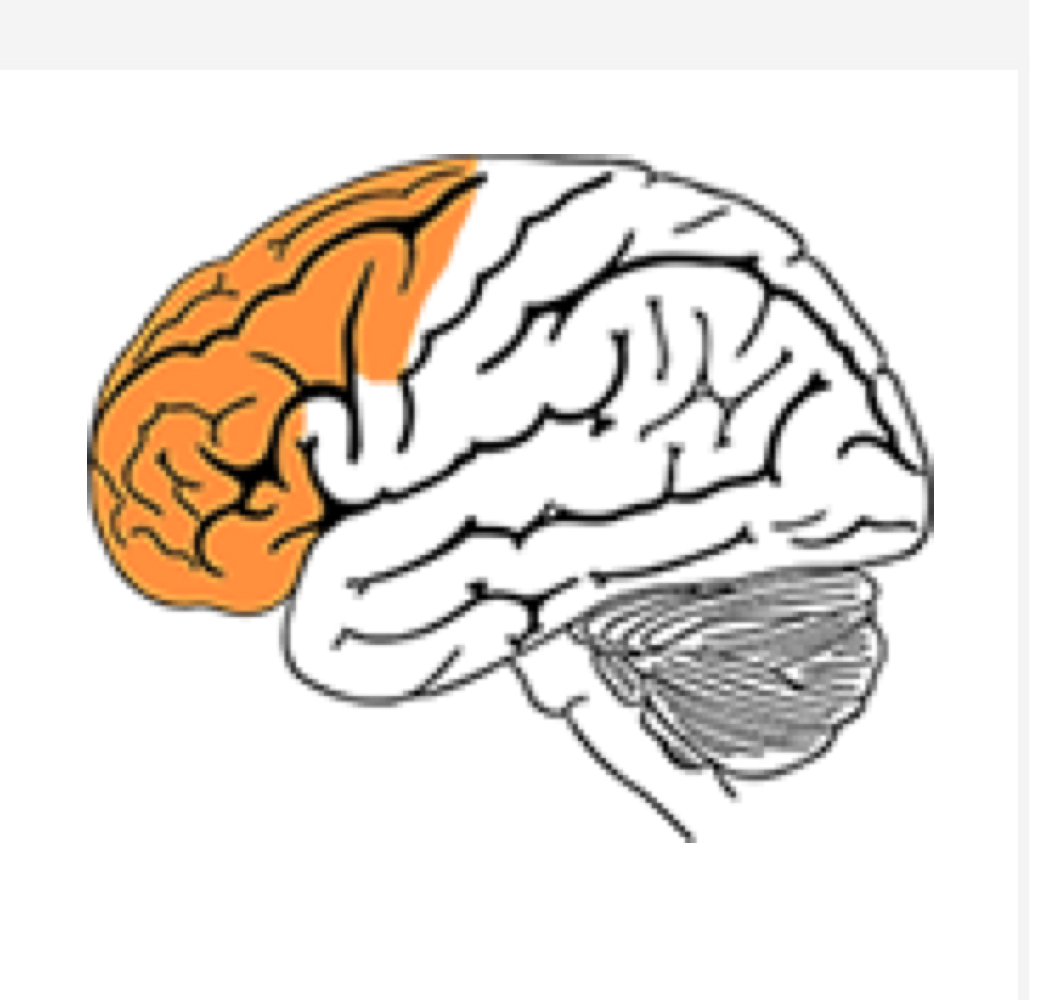
frontal lobe
behind the forehead
short-term storage sites
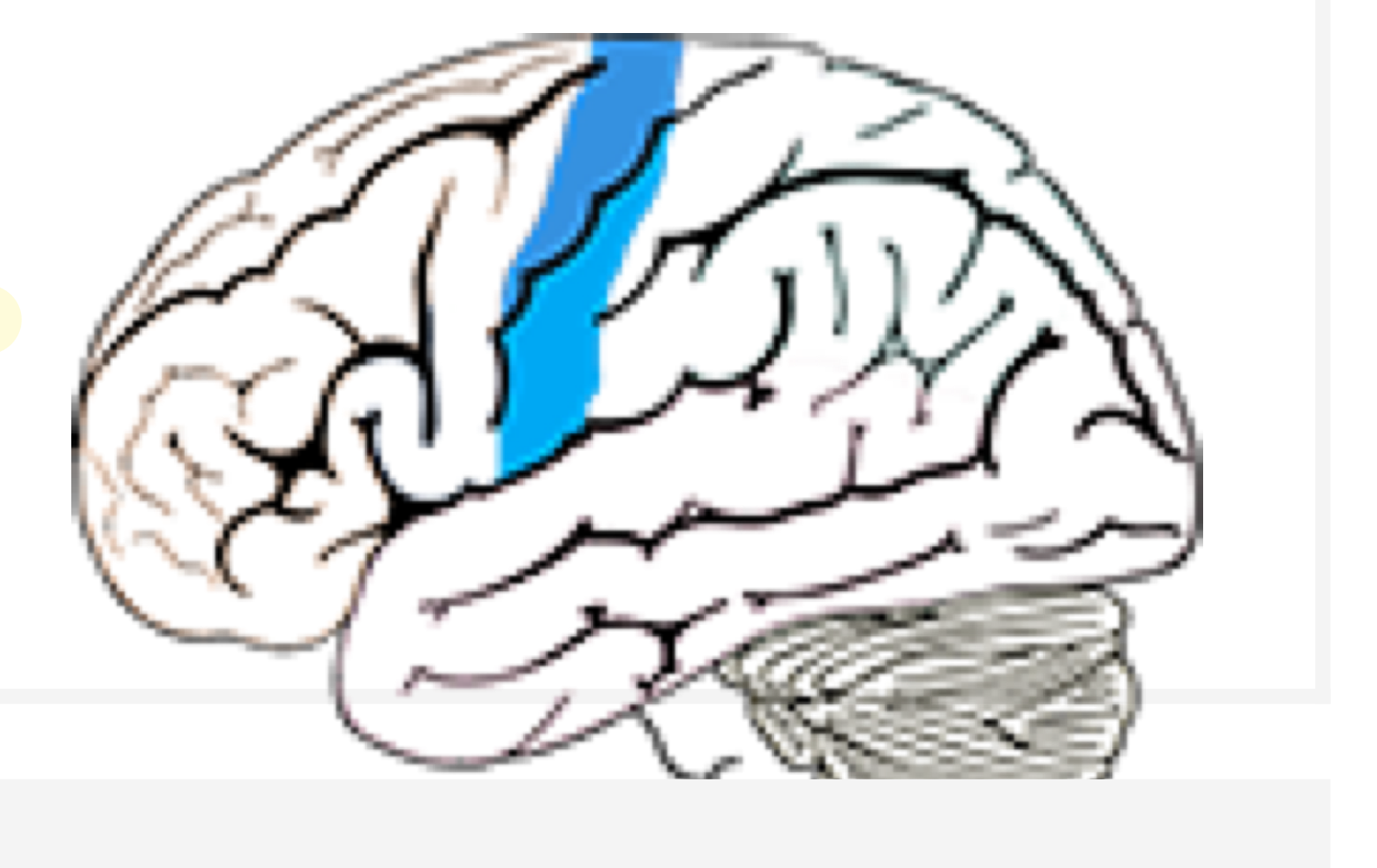
motor cortex
plan, control and execute voluntary movement
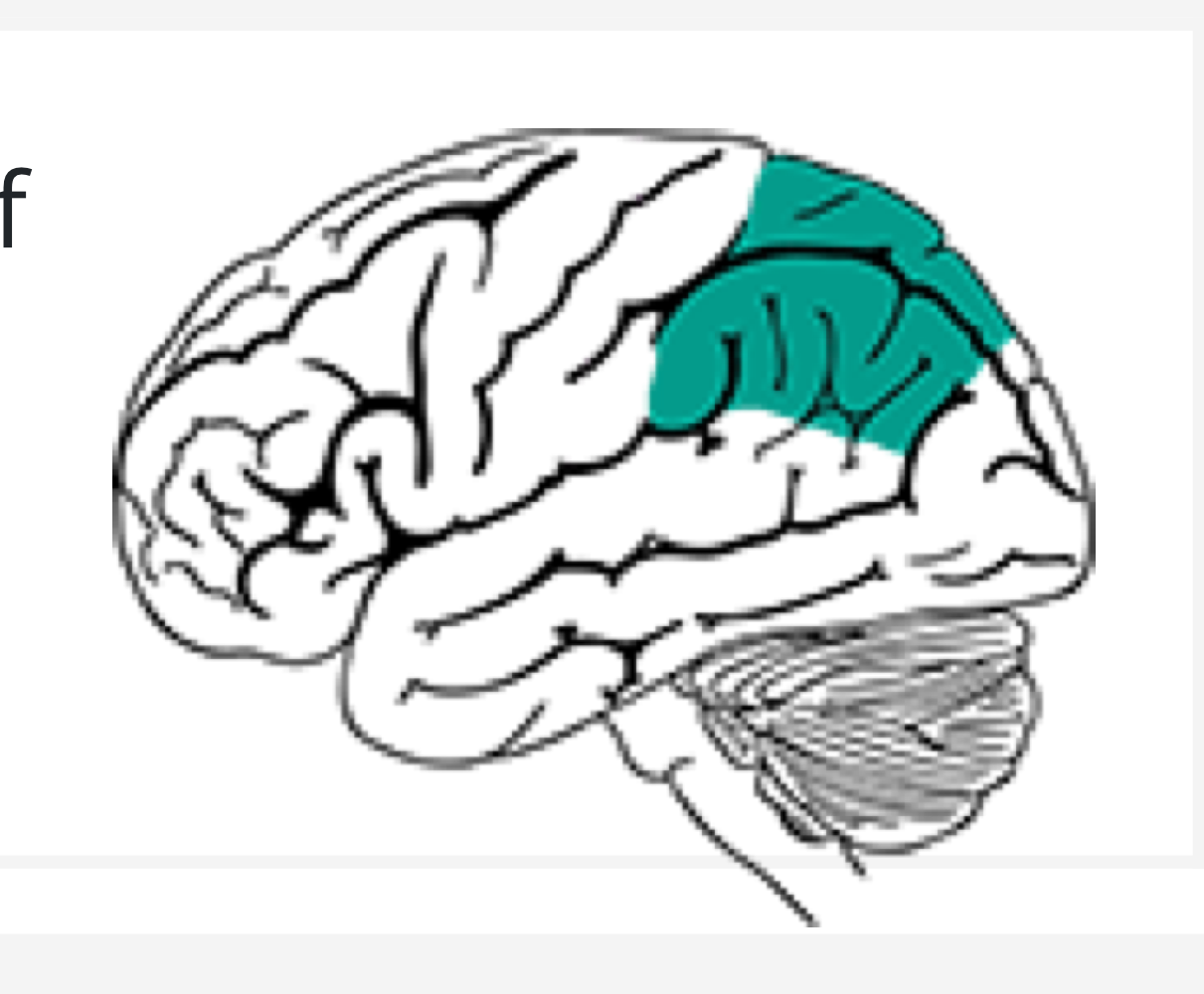
parietal lobes
taste, smell, texture of food
reading
arithmetic
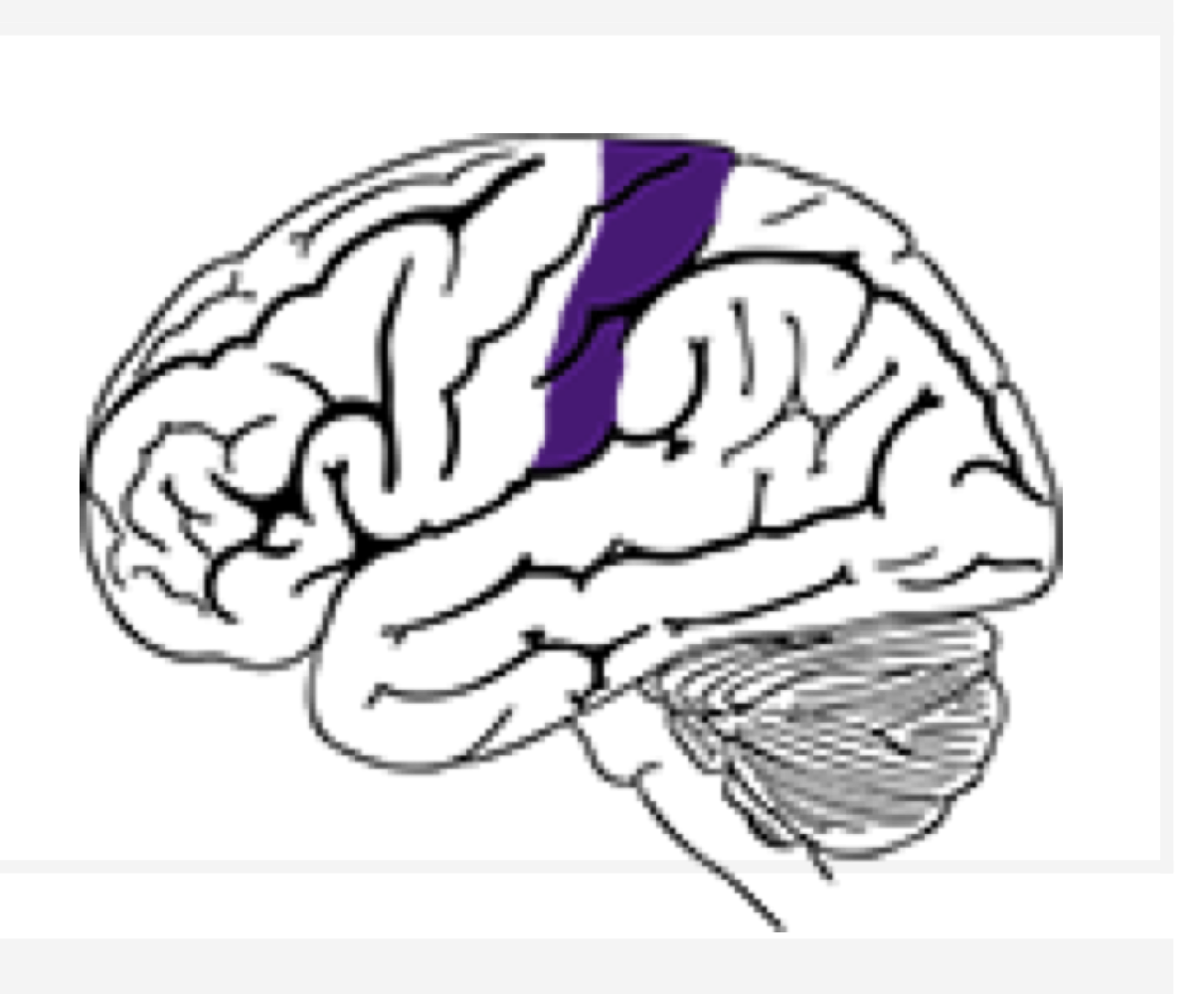
somatosensory cortex
receive information about temperature, taste, touch and movement from the rest of the body
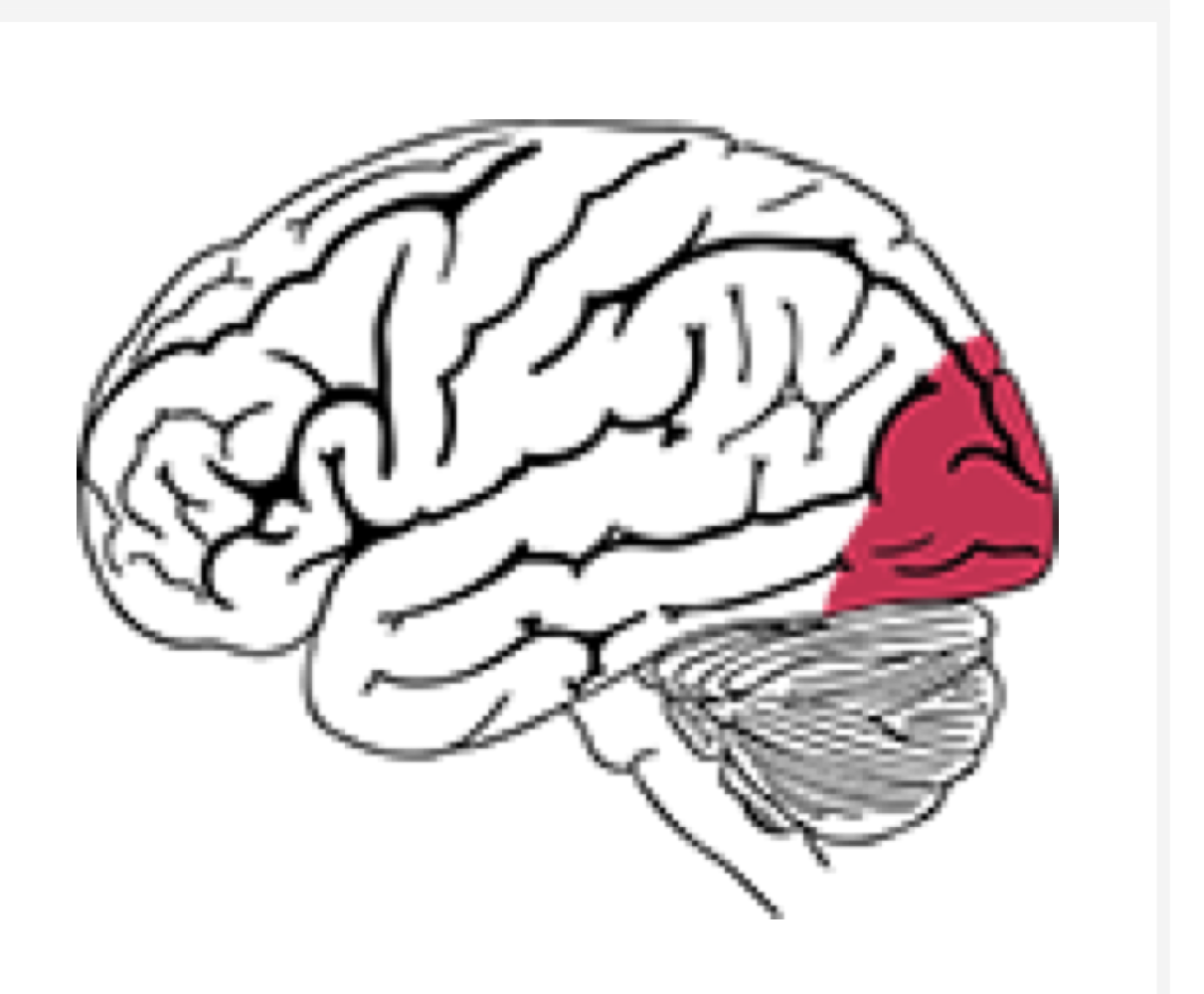
occipital lobe
process images from the eyes
link info with images stored in memory
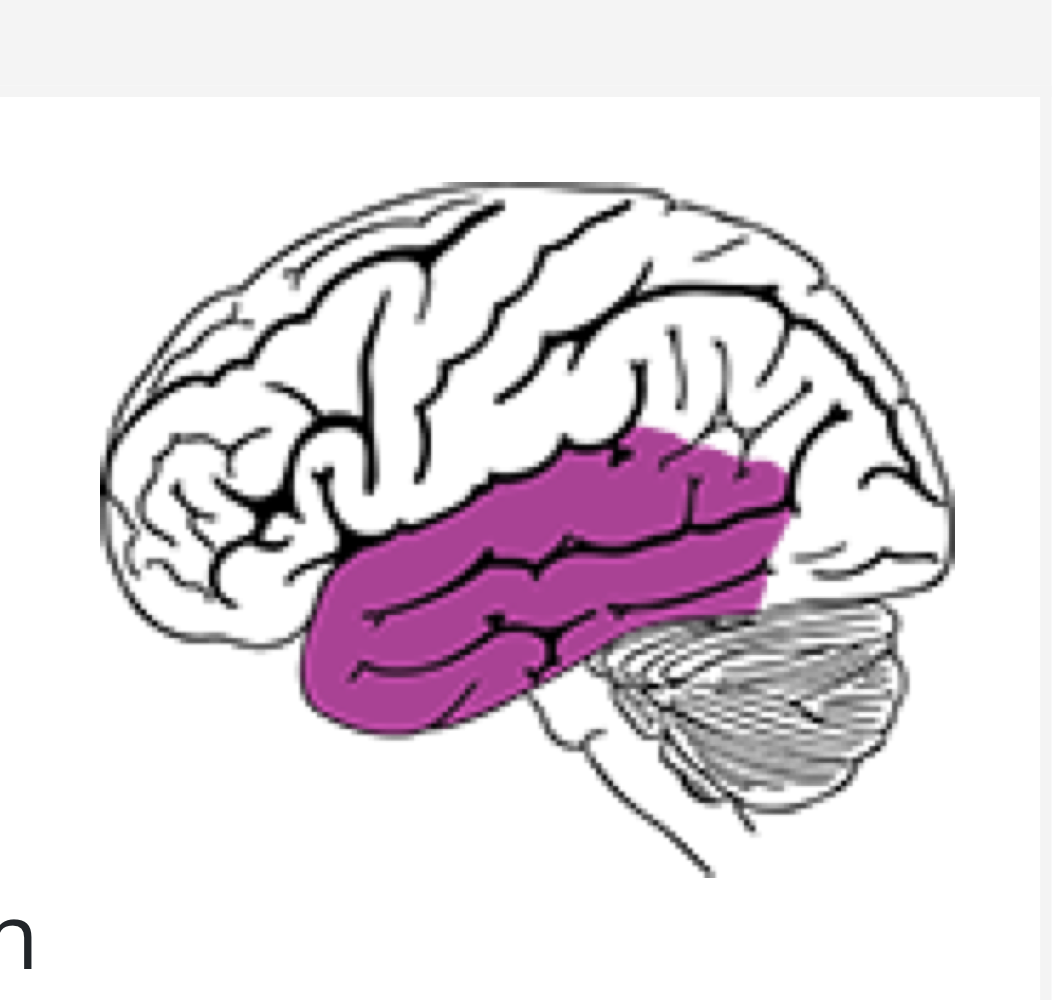
temporal lobes
receive info from the ears
forming and retrieving memories
innter brain
hypothalamus
hippocampus
thalamus
hypothalamus
adrenaline
emotional center
thalamus
clearinghouse for information going to and from the spinal cord and cerebrum
hippocampus
memory indexer
send memories to appropriate part of the cerebral hemisphere for long term storage
basal ganglia
intiating and integrating movement
parts of the neuron (3)
cell body
dendrites
axon
myelin sheath
white matter
 Note
Note  Flashcards (35)