USAF Aircraft and USSF Satellites
 Studied by 0 people
 Call Kai
 Learn
Learn Practice Test
 Spaced Repetition
 Match
Match Flashcards
 Knowt Play
1/34

There's no tags or description
Looks like no tags are added yet.
Name | Mastery | Learn | Test | Matching | Spaced |
|---|
No study sessions yet.
35 Terms
Air Force Honor Code
We will not lie, steal, or cheat, nor tolerate among us anyone who does.
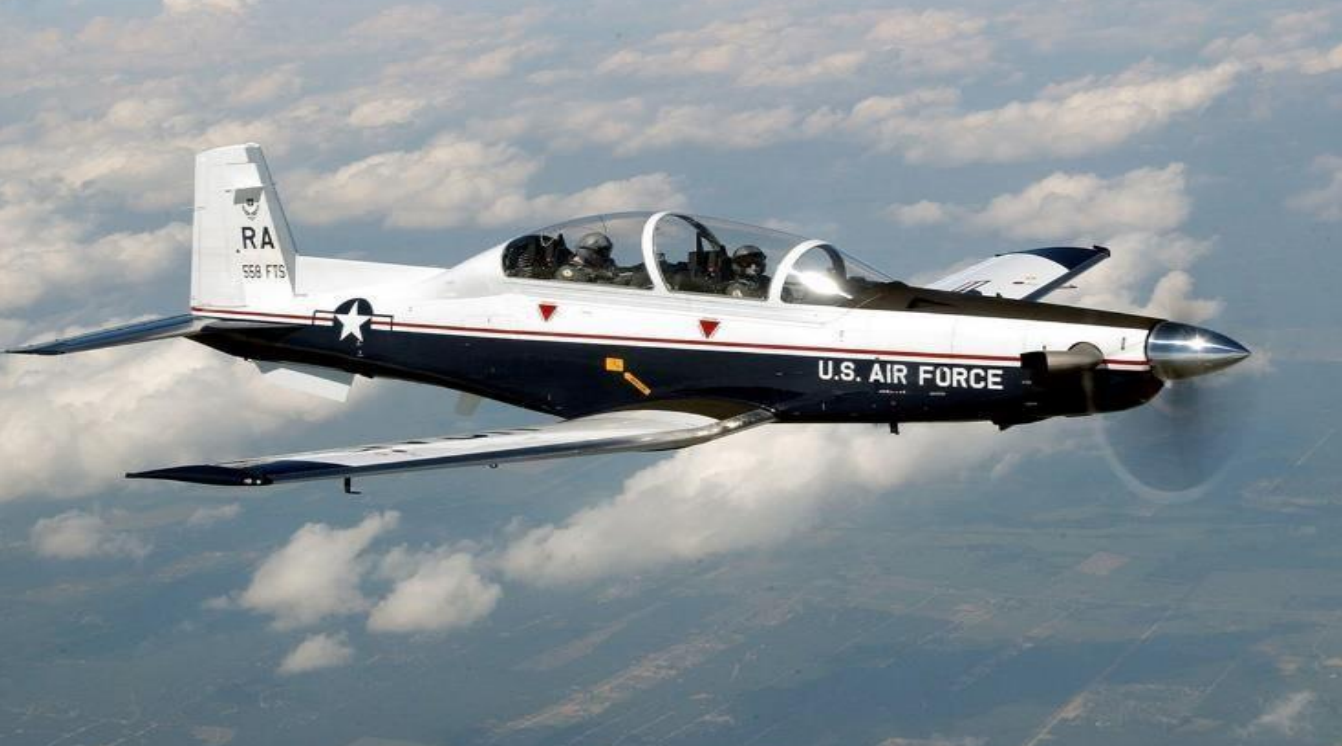
Name: T-6 Texan II
Mission: Train Air Force and Navy pilots in basic flying skills.
Characteristics:
320 mph
31,000 feet ceiling
Crew: 2, student pilot and instructor pilot
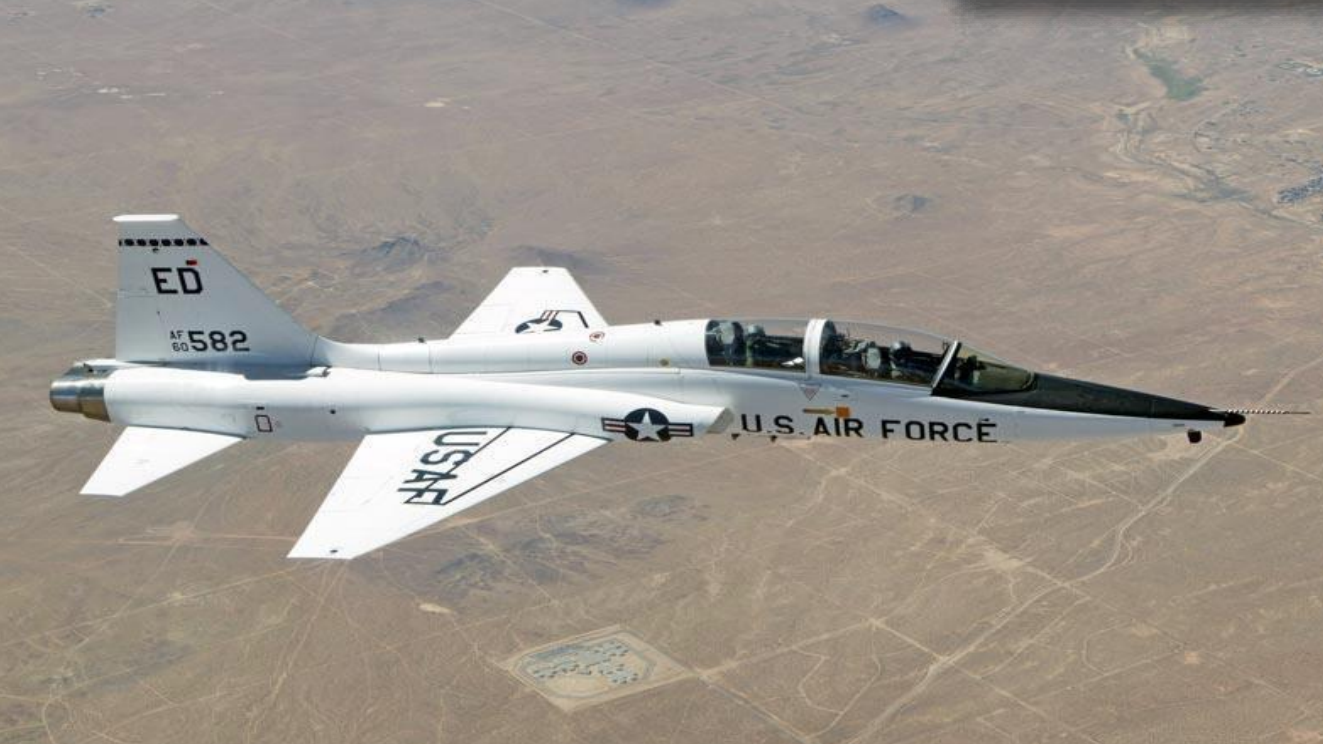
Name: T-38 Talon
Mission: Advanced supersonic jet trainer
Characteristics:
812 mph
Above 55,000 feet ceiling
Range of 1,093 miles
Crew: 2, student pilot and instructor
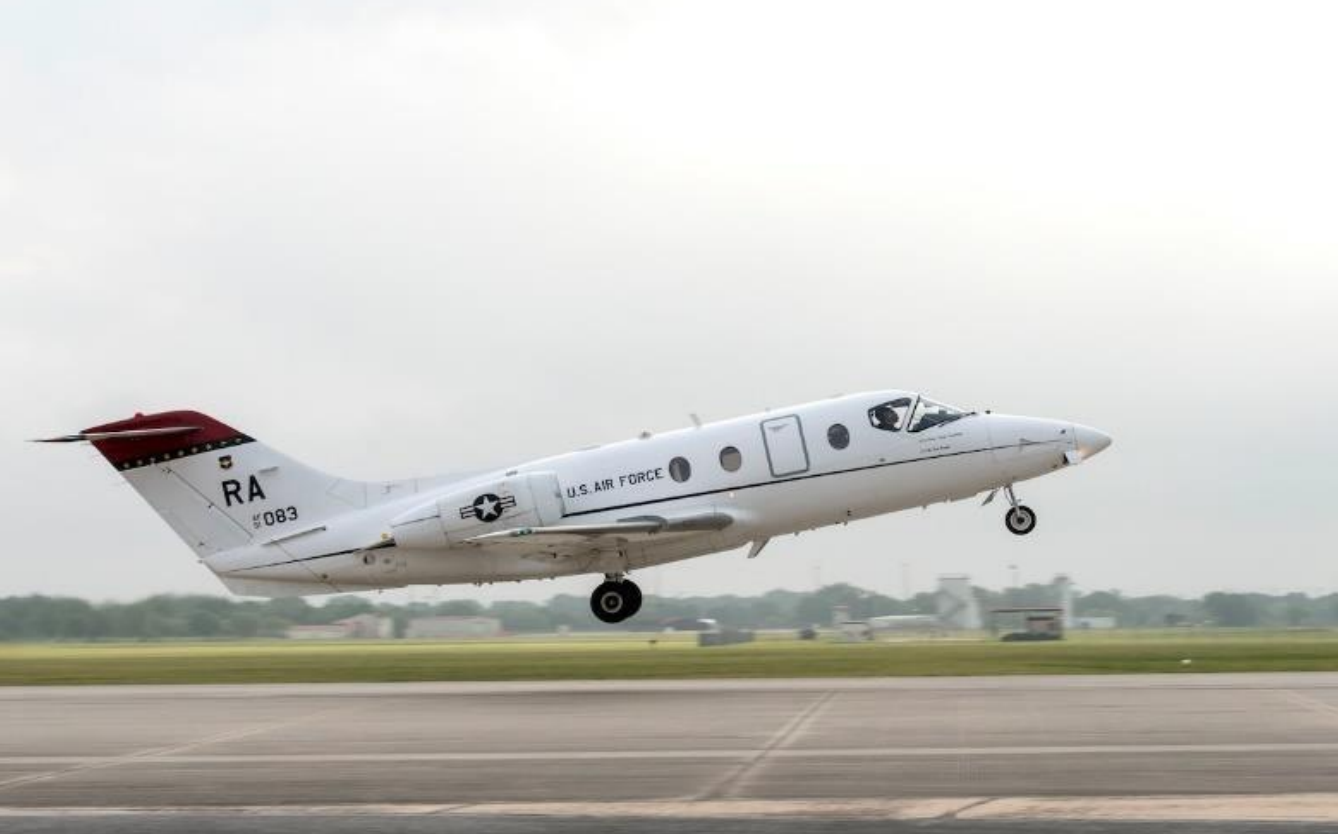
Name: T-1A Jayhawk
Mission: Advanced training for future pilots of airlift and tanker aircraft, as well as navigator and CSO training.
Characteristics:
Maximum speed of 538 mph
41,000 feet ceiling
Range of 2,222 nautical miles
Crew: 3, pilot, co-pilot, instructor pilot
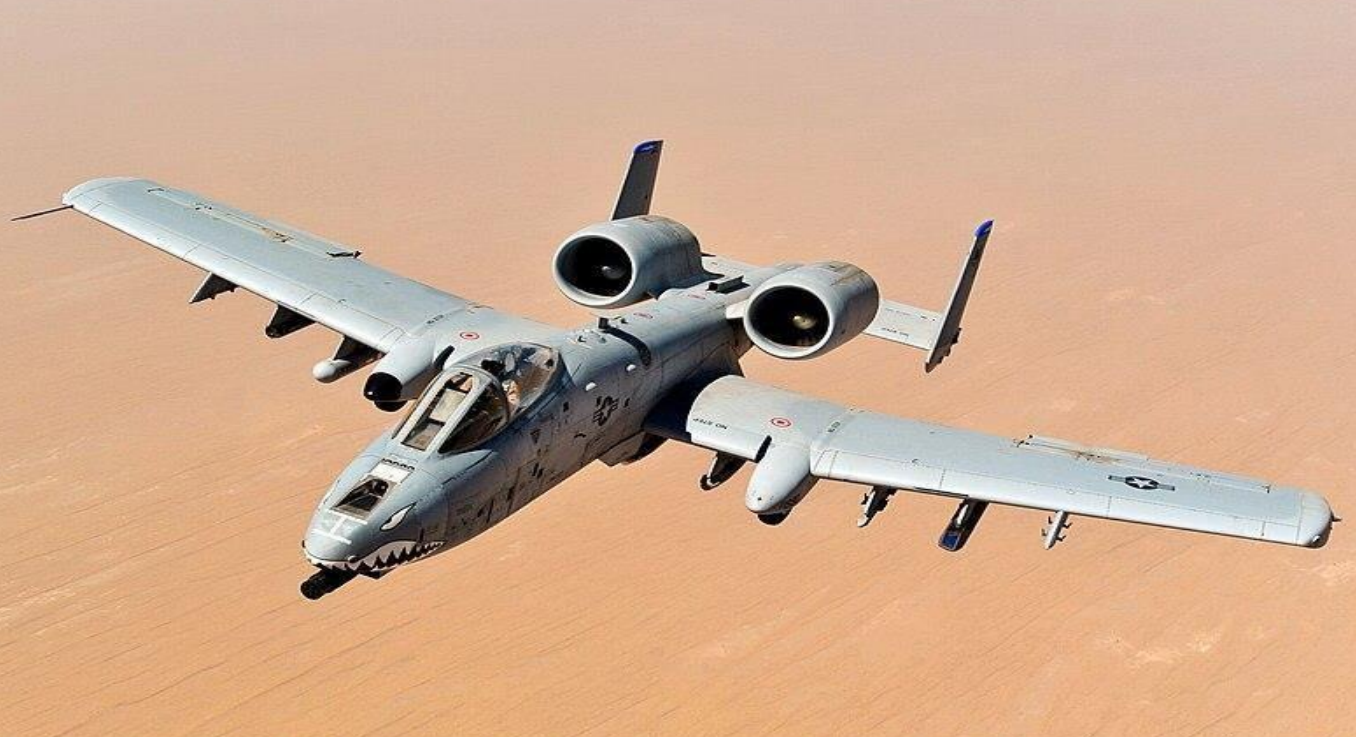
Name: A-10 Thunderbolt II
Mission: Close air support, forward air control.
Characteristics:
Nose-mounted 30mm GAU-8/A"Avenger" 7 7-barrel Gatling gun; max firing of 3,900 armor-piercing rounds per minute.
Air-to-air missiles, heat-seeking.
Redundant flight controls, survivability, can take heavy ground fire, self-sealing fuel tanks.
Loitering time of 2 hours unrefueled
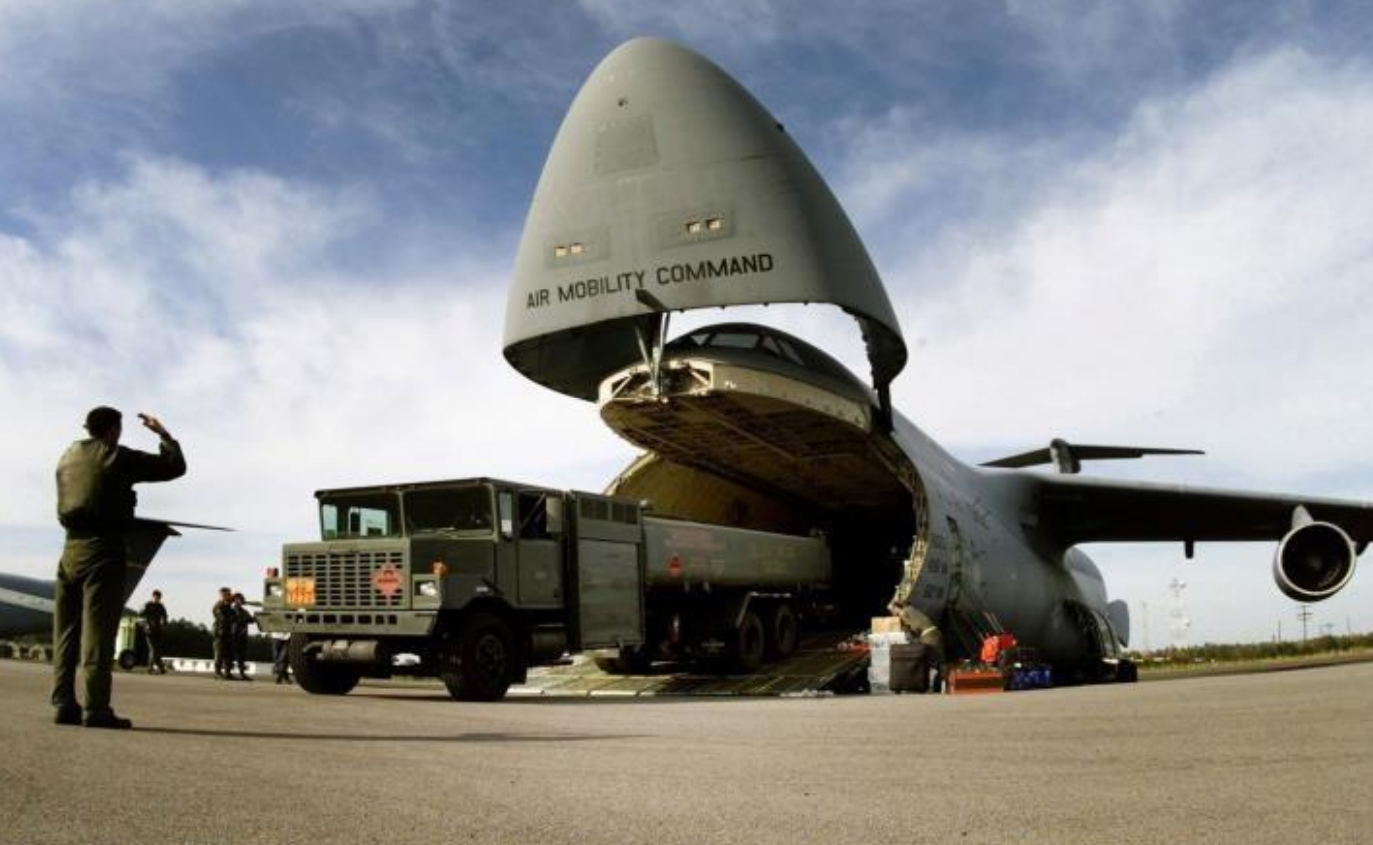
Name: C-5 Galaxy
Mission: Transport of oversized/outsize cargo
Characteristics:
Can fill from the nose section, can load and offload simultaneously
Largest Department of War (DOW) Aircraft, capable of transporting all US Army assets/equipment, 36 standard pallet positions
Up to 291,000 lbs of cargo, 73 seats on upper deck
Can air drop up to 21 tons(42,000 lbs)
Required a long runway; take-off requires 8,300ft and landing requires 4,900ft. (Ref 1 mile = 5,280 feet)
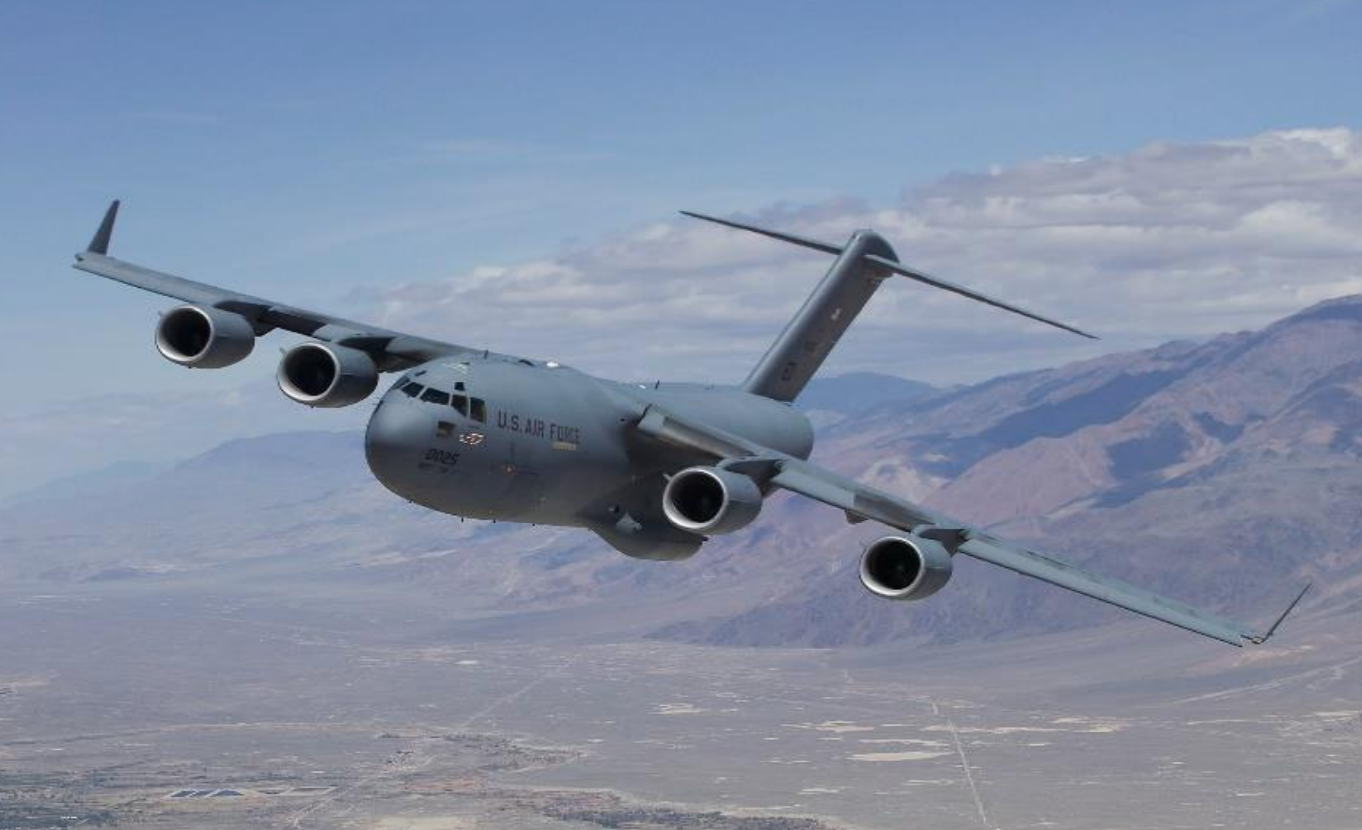
Name: C-17 Globemaster III
Mission: Cargo and personnel transport
Characteristics:
Advanced avionics, from Continental United States(CONUS)to the battlefield, extremely versatile.
Capable of reverse taxi, can use short, narrow airfields
Capacity: 170,900 lbs. of cargo, up to 18 standard pallet positions(2 rail systems). 48 litters and 54 ambulatory patients and medical personnel
Can air-drop up to 30 tons(60,000 lbs.) or 102 paratroopers with equipment.
Incapable of transporting some oversized/outsized items
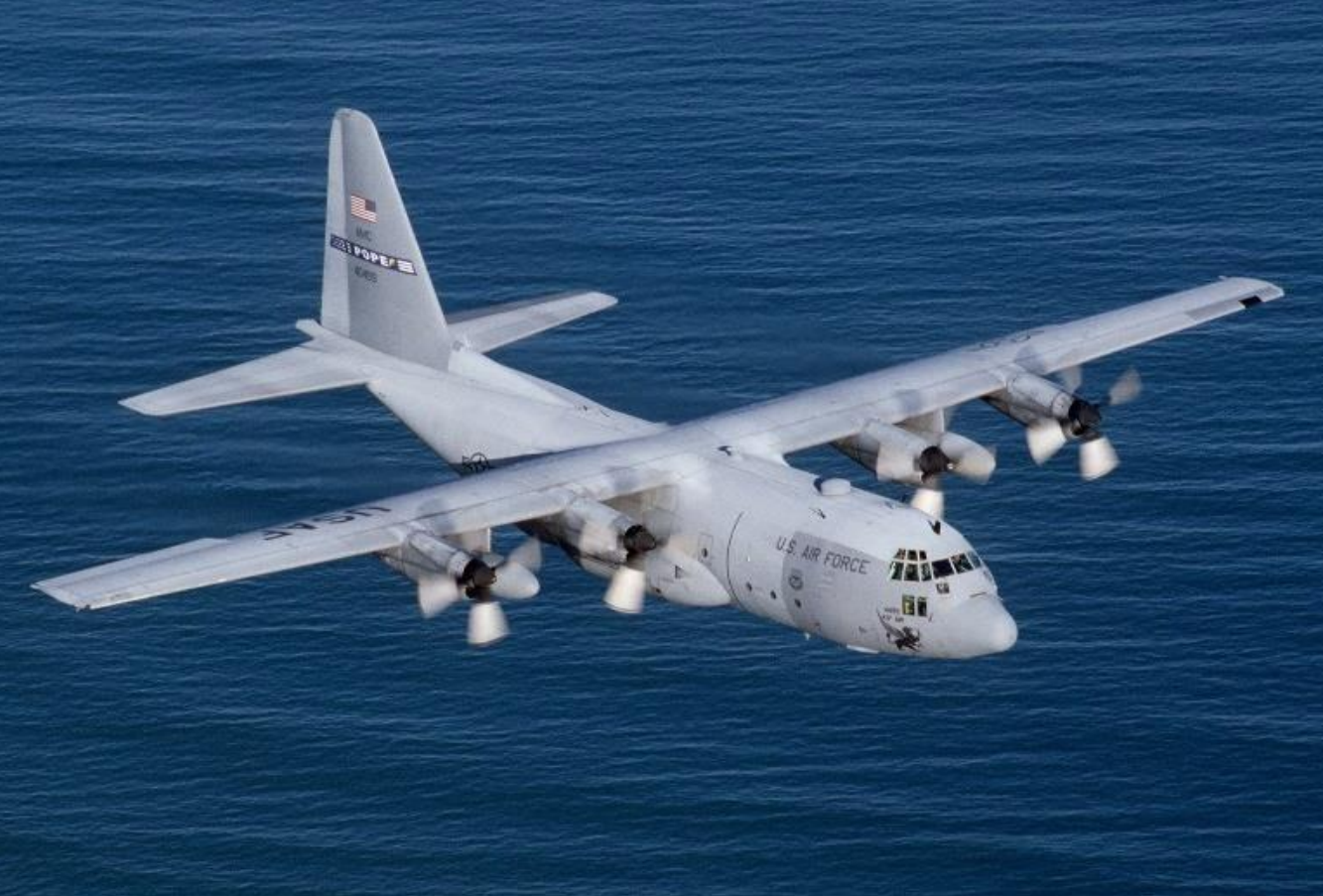
Name: C-130 Hercules
Mission: Tactical and intra-theater airlift
Characteristics:
Short or rough runways use.
45,000 lbs, cargo load; or 92 passengers or 74 liters
More than 40 variants
Special Operations, Reconnaissance, Airborne command post
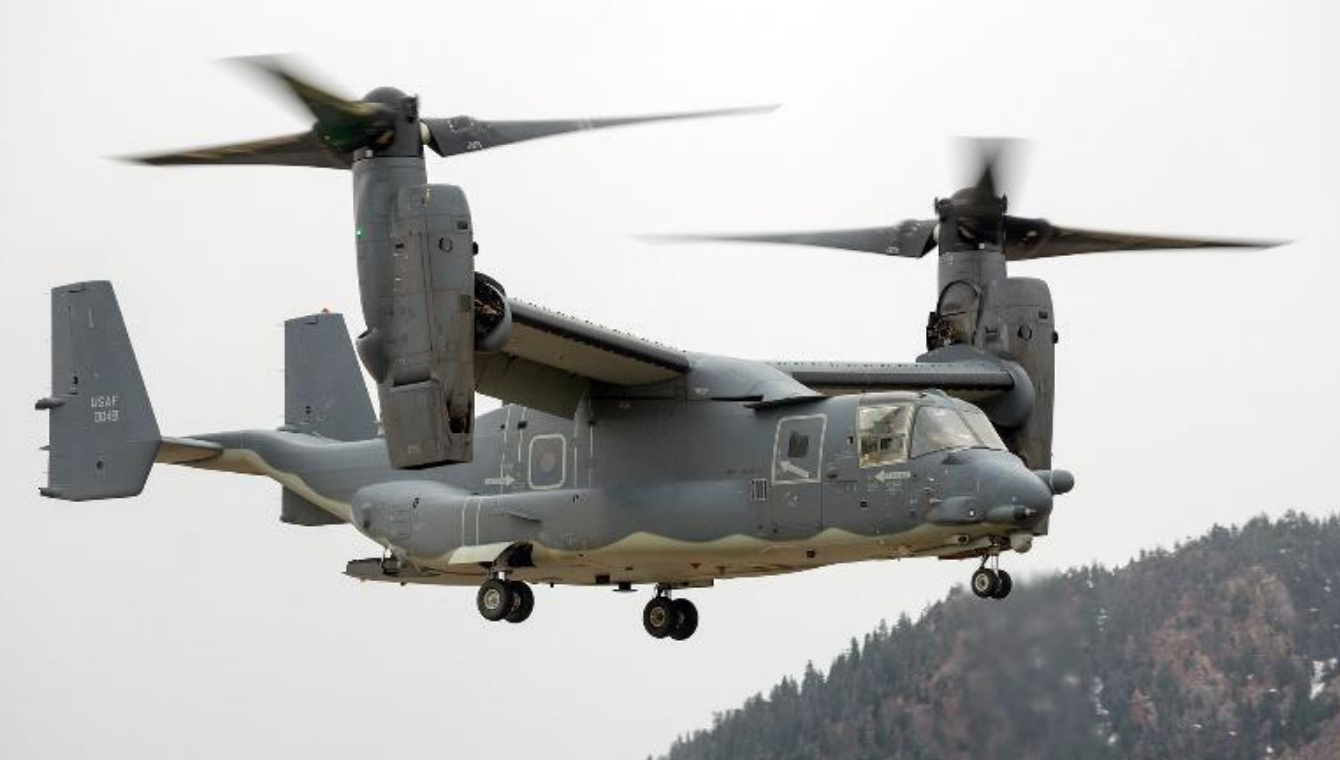
Name: CV-22 Osprey
Mission: Long-range infiltration, exfiltration, resupply of special operations forces.
Characteristics:
Tiltrotor, vertical takeoff, hover, and vertical landing. Long range, fuel efficiency, and speed characteristics of a turboprop aircraft.
Versatile, self-deployable aircraft that allows AFSOC aircrews to execute long range special operations.
Cruise speed 230 knots, range 2,100 nautical miles with internal auxiliary fuel tanks; unlimited with aerial refueling.
Maximum of 32 troops or 10,000 lbs
Crew of 2 pilots and 2 flight engineers
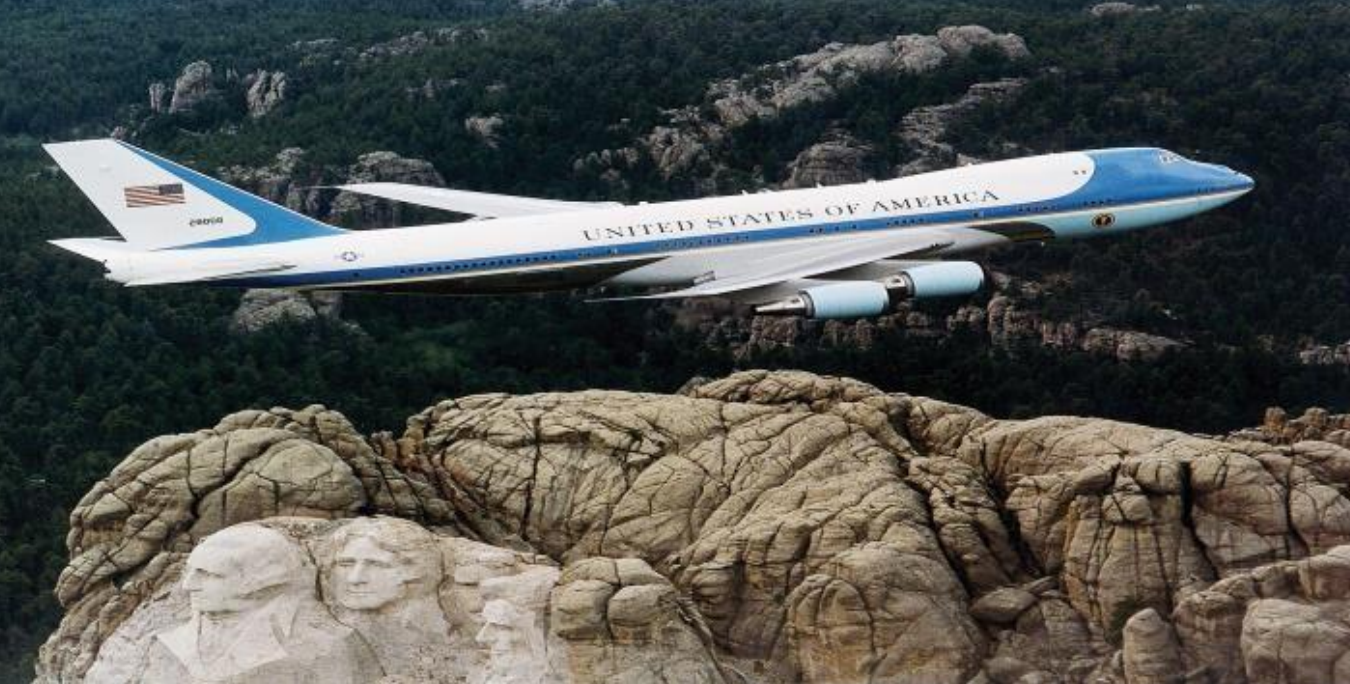
Name: VC-135 Air Force One
Mission: Presidential air transport
Characteristics:
6,800 nautical miles of range
30 crew
71 passengers
Up to 630 mph
45,100 feet ceiling
Boeing 747 airframe
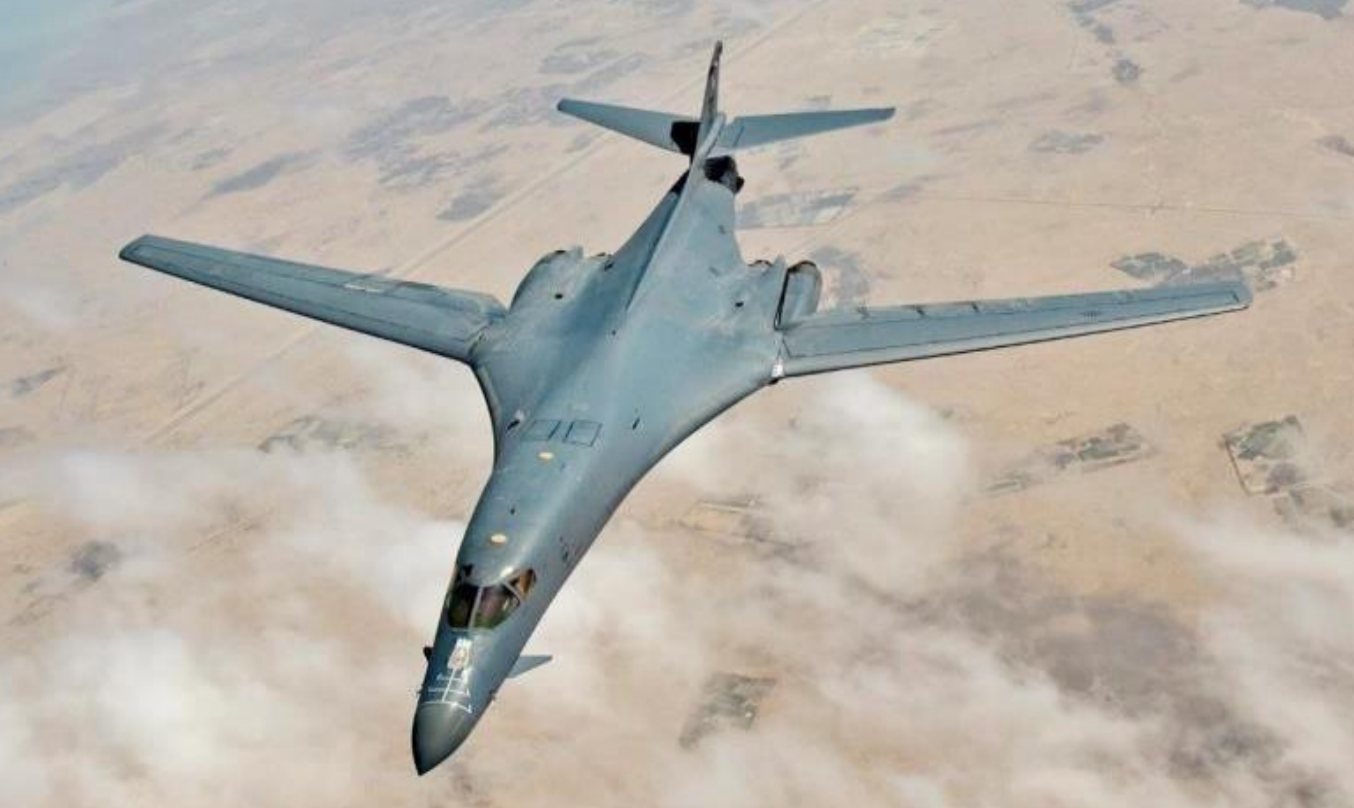
Name: B-1B Lancer
Mission: Long-range, supersonic multi-role heavy bomber.
Characteristics:
Supersonic heavy bomber, top speed 900+ mph
Automatic Terrain Following Radar (TFR) system
Swept wing design, forward wing setting for takeoff, landing, aerial refueling, and some high-altitude weapons employment scenarios.
Carries LIGHTNING and SNIPER targeting pods.
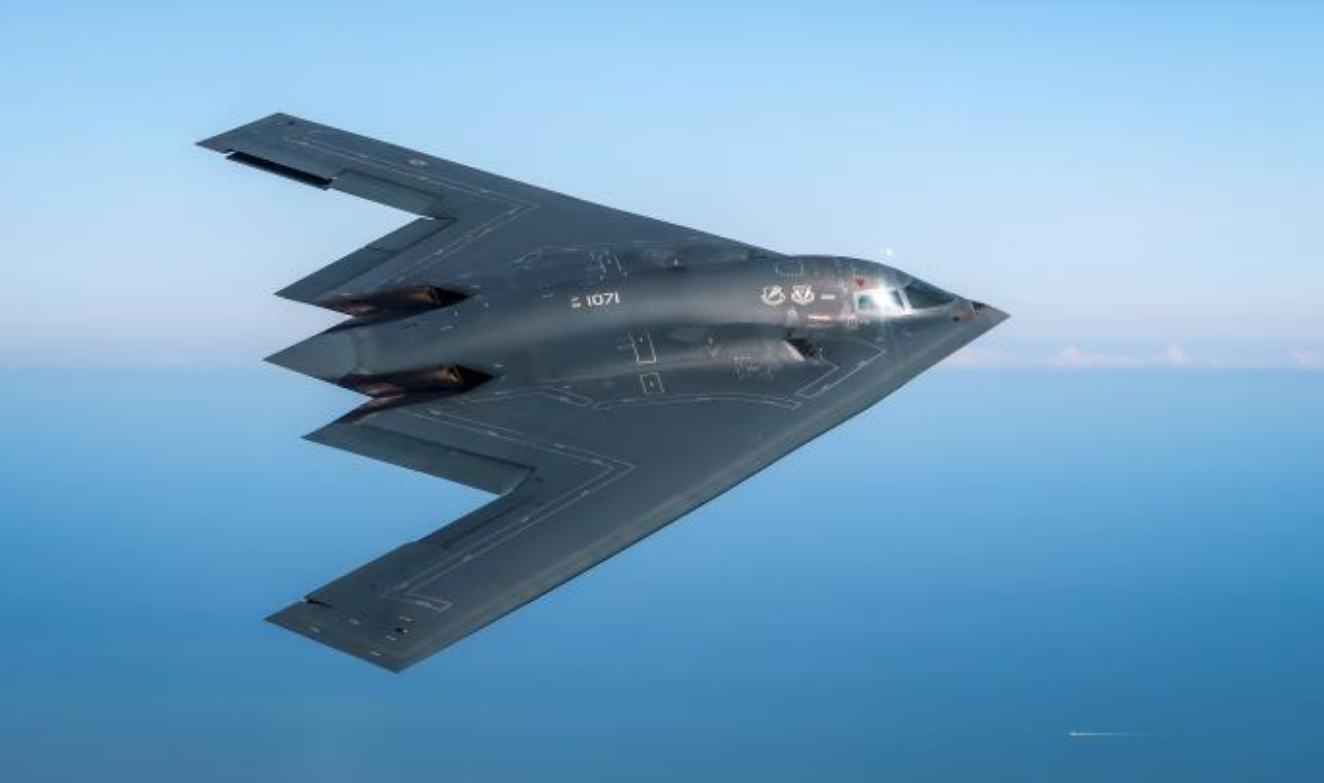
Name: B-2 Spirit
Mission: Multi-role heavy bomber
Characteristics:
Principal weapon: JDAM, GBU-31. 2,000 lbs.
Crew: 2 pilots - Stealth and low observability are derived from a combination of reduced infrared, acoustic, electromagnetic, visual, and radar signatures.
During Operation ALLIED FORCE, it destroyed 33% of all Serbian targets in the first 8 weeks.
Flies from Whiteman, AFB, Missouri.
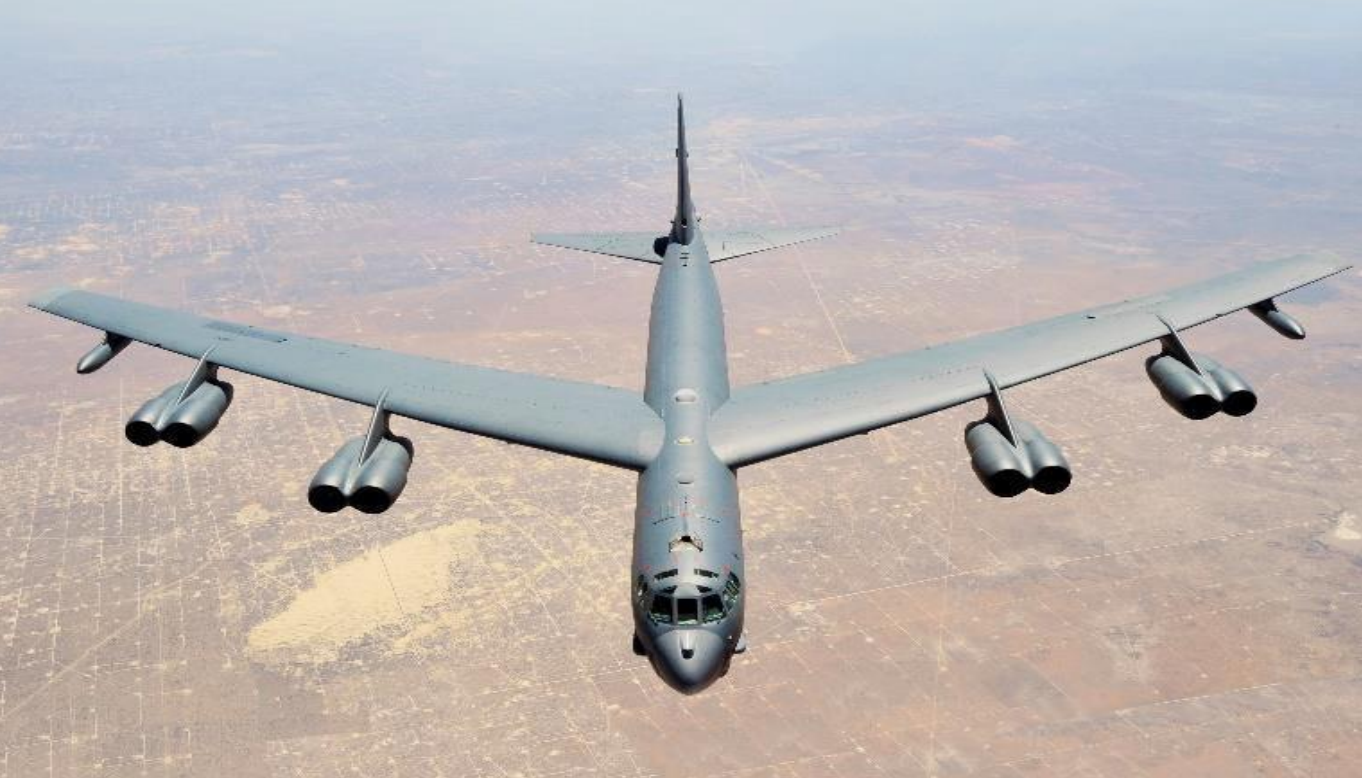
Name: B-52 Stratofortress
Mission: Heavy bomber, strategic attack, close-air support, air interdiction, offensive counter-air, and maritime operations.
Characteristics:
Unrefueled range, up to 8,800 miles.
Internally and external weapon stores including nuclear. During Operation Enduring Freedom, it provided close air support through precision guided munitions.
Uses LIGHTNING or SNIPER targeting pod.
Limitations: Size and shape are easy for radar to detect, requires a longer runway than B-1 and B2.
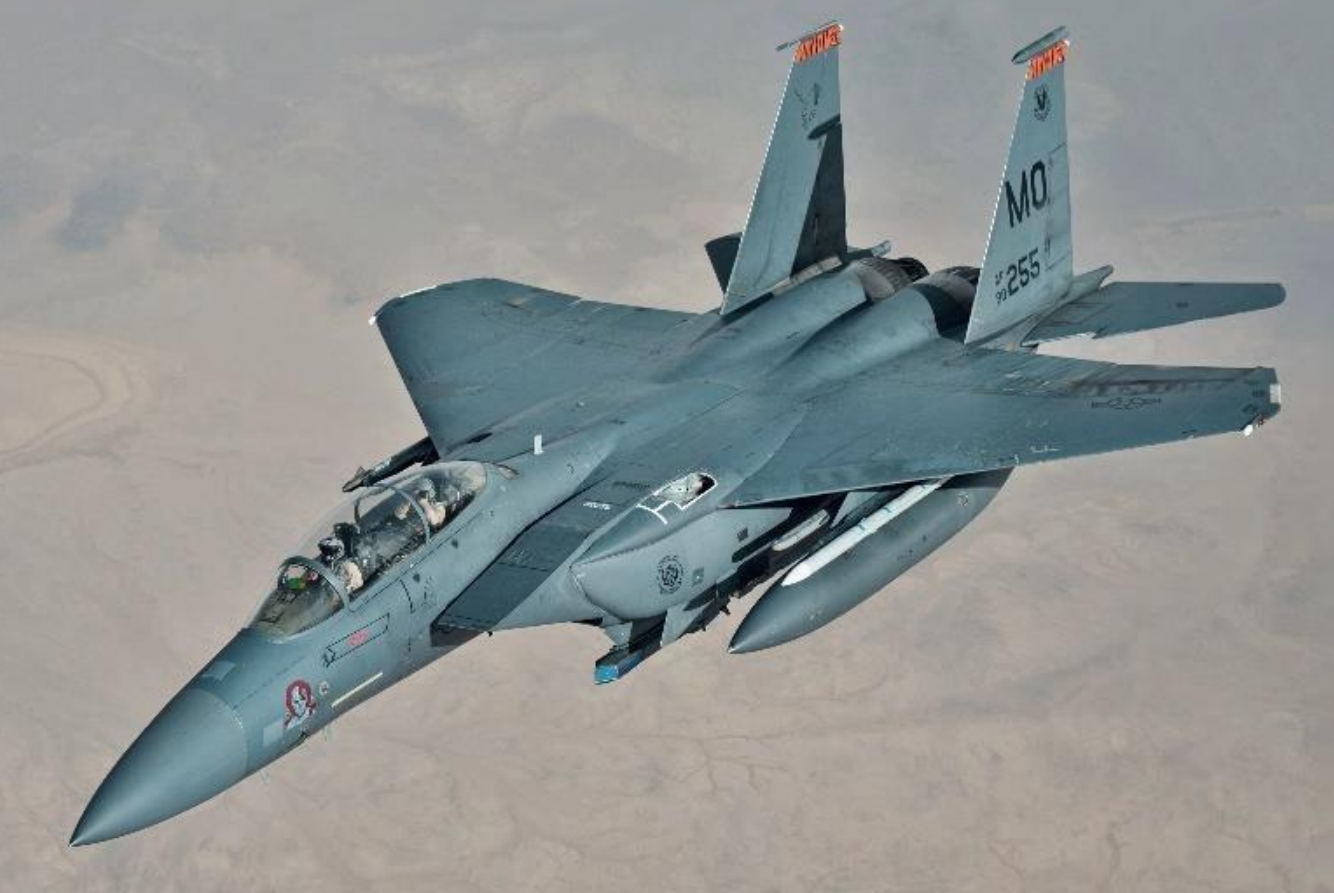
Name: F-15E Strike Eagle
Mission: All-weather tactical fighter
Characteristics:
Two Engines, 2 parallel vertical "tails" perpendicular to wings
Crew: "C" Model – one "E" Model – two
"C" Model carries Air-to-Air missiles.
"E" Model carries Air-to-Surface weapons and can deliver every aircraft-launched weapon in the DOW inventory.
"E" Model uses LIGHTNING or SNIPER for targeting pods
Limitation: Heavy bomb loads reduce maneuverability of the "E" model, aircraft size makes detection easier.
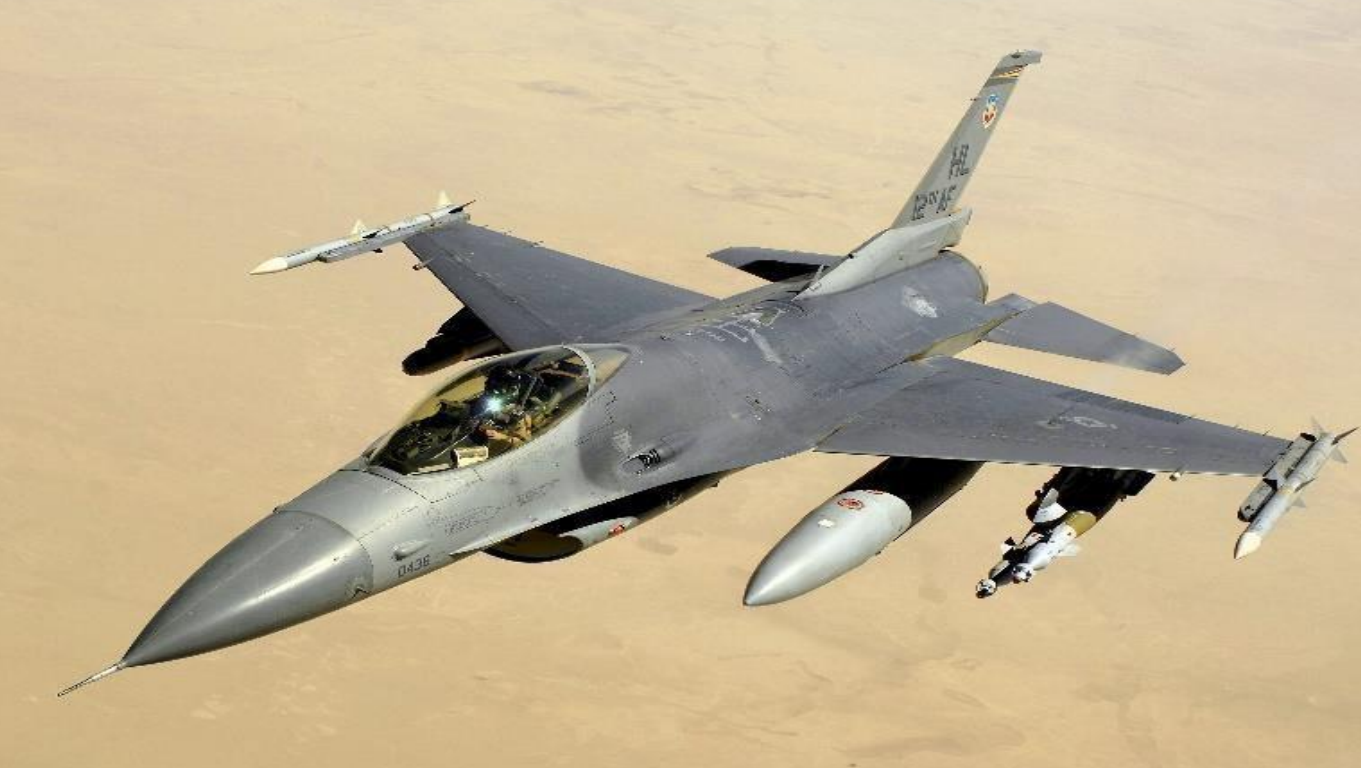
Name: F-16 Fighting Falcon
Mission: Multi-role fighter, air to air and air to ground.
Characteristics:
Single engine (unique) mouth shaped air intake, single vertical stabilizer (tail)
Crew: "C" Models – one, "D" Models may have two.
Versatile, 1991 flew more sorties than any other aircraft attacking airfields, military production facilities and Sud missiles sites.

Name: F-22 Raptor
Mission: First look/first shot/first kill in all environments: sophisticated sensor suite allows the pilot to track, identify, shoot, and eliminate threats prior to detection.
Characteristics:
Configured for Air to Ground operations, can carry two 1,000 lbs Guided Bomb Unit (GBU)-32 JDAM internally, two air-to-air (AIM) 120, and two AIM 9 Advanced Medium-Range Air-to-Air Missiles (AMRAAM), beyond-visual-range air-to-air missiles capable of all-weather day-and-night operations. Both missiles utilize onboard avionics support navigation and weapons delivery systems.
Super Cruise – cruise efficiently at supersonic speed without afterburner.
Increased lethality, survivability: combination of stealth, integrated avionics, and cruise feature shrinks SAM engagement.
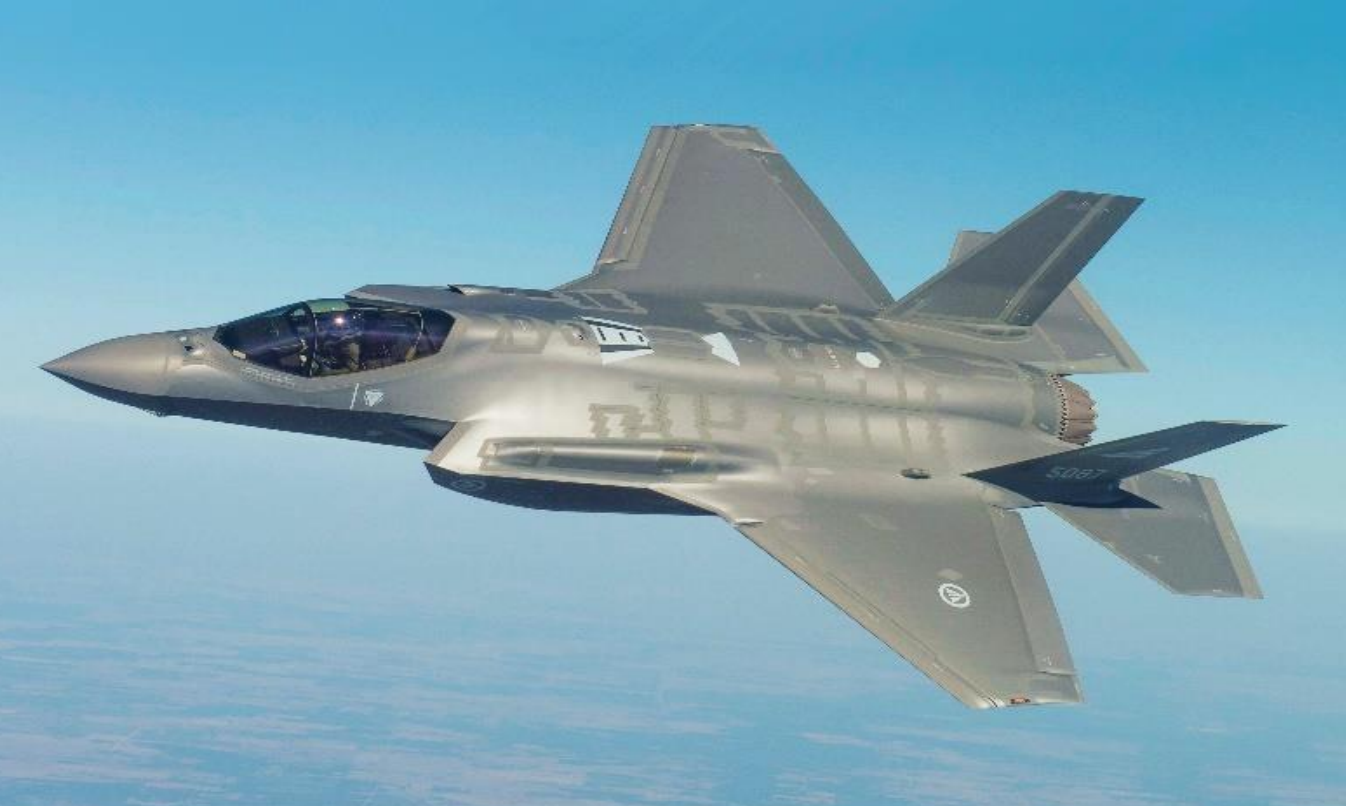
Name: F-35 Lightning II
Mission: Fifth-generation all-weather, multi-role fighter
Characteristics:
To replace the F-16 and A-10
Agile, versatile, high-performance, "9g" capable multirole fighter combining stealth, sensor fusion, and unprecedented situational awareness.
The helmet-mounted display is the most advanced system of its kind. Contains all the intelligence and targeting information the pilot needs to complete the mission through its visor.
Contains state-of-the-art tactical data links, providing secure sharing of data among its flight members, as well as, other airborne, surface and ground-based platforms.
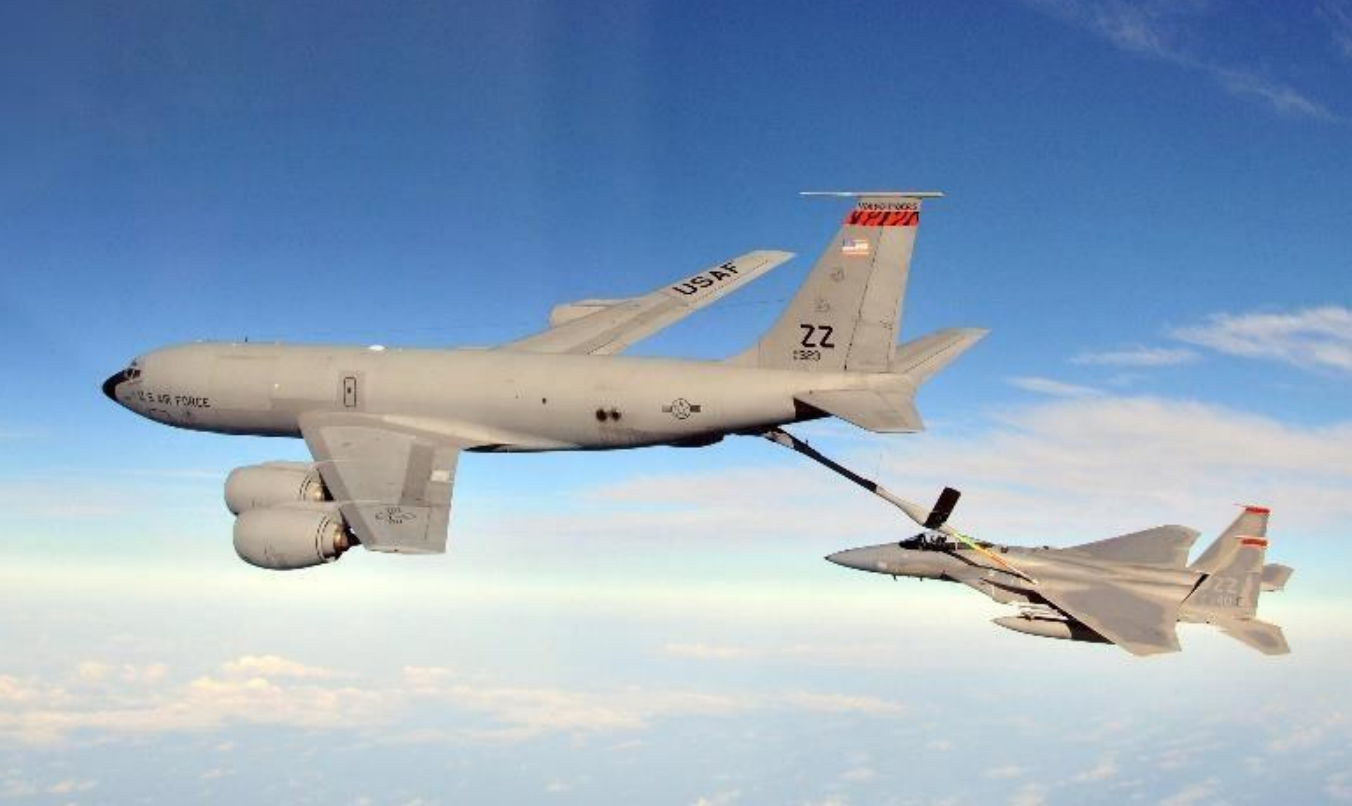
Name: KC-135 Stratotanker
Mission: Boom or Drogue refueling, installed wing pods provide dual capabilities
Characteristics:
Boeing 707 airframe
Capable of transporting 83,000 lbs. Cargo or 57 passengers
Refueling boom, underside aft fuselage, North Atlantic Treaty Organization (NATO) and Allied service aircraft, wing hose, and drogue pods
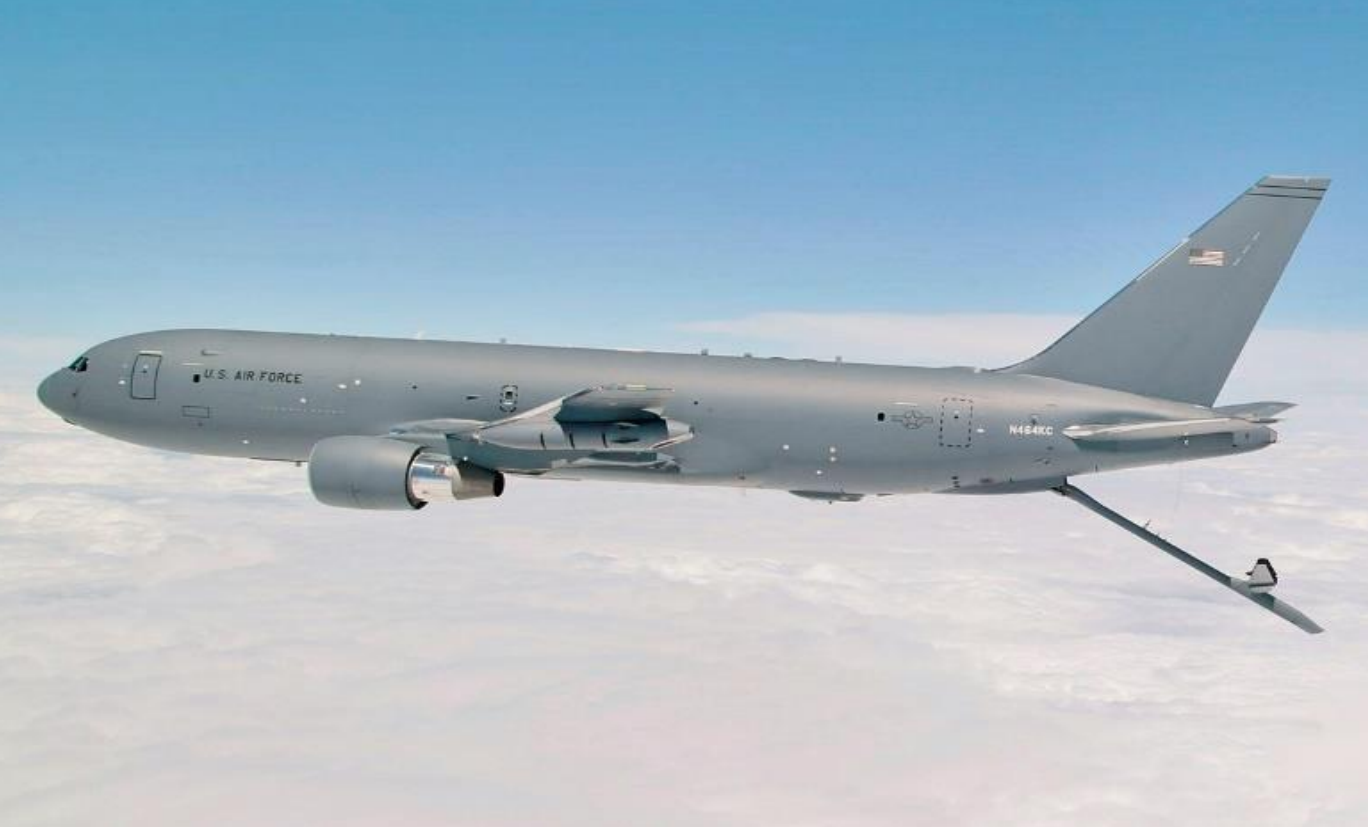
Name: KC – 46 Pegasus
Mission: Refueling, cargo, and aeromedical evaluation capability
Characteristics:
Provides next generation aerial refueling to Air Force, Navy, Marine Corps, and partner-nation receivers, Boom and drogue refueling capable.
Capable of multi-point simultaneous aerial refueling
Can carry up to 18 cargo (436 L) pallets.
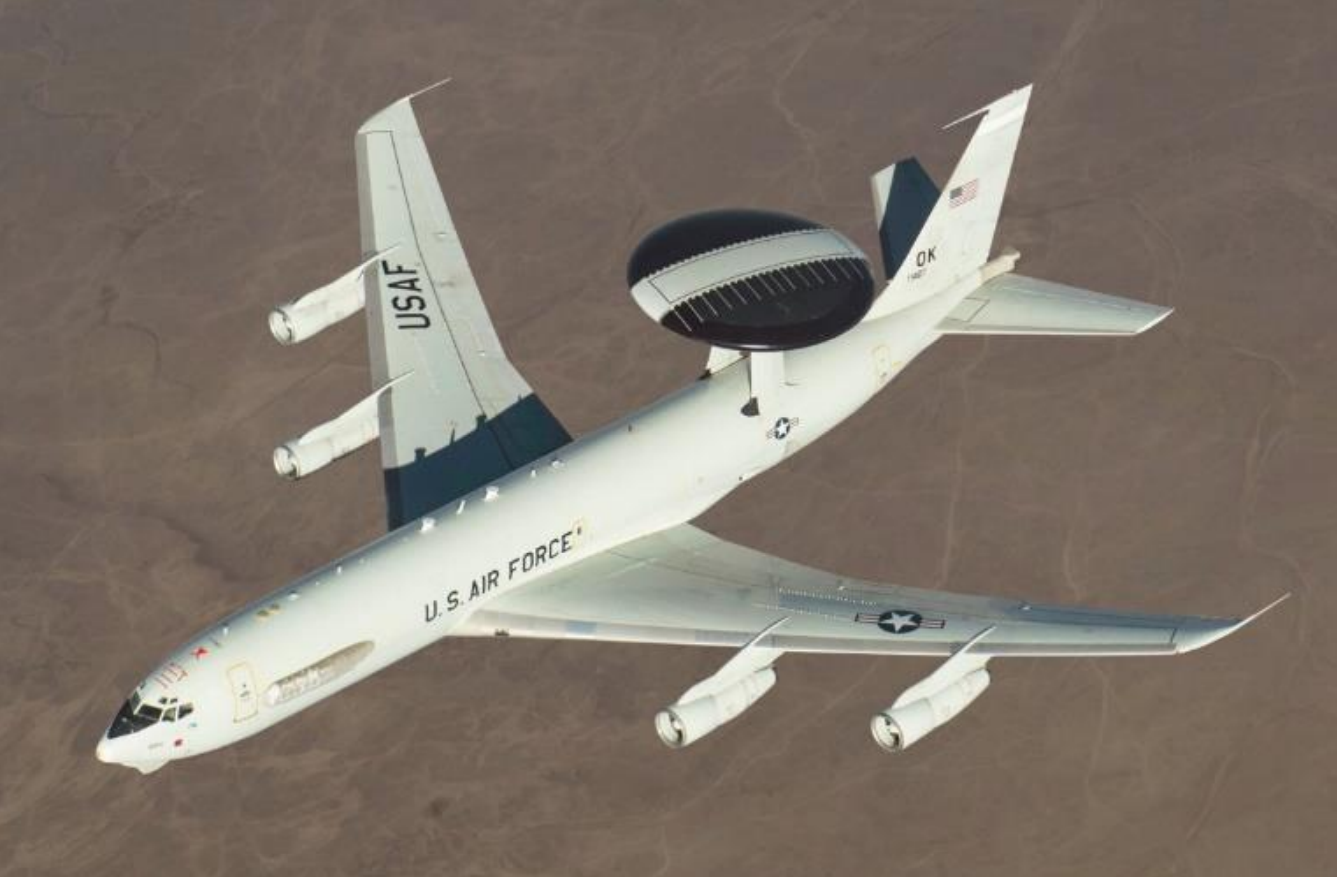
Name: E-3 Sentry
Mission: Airborne Warning and Control System (AWACS), airborne surveillance, command, and control communications. Provides accurate, real-time picture of the battlespace to the Joint Air Operations Center (JAOC)
Characteristics:
Boeing 707 airframe
8 hours operation time aloft, unrefueled
Large rotating radar dome, 30 feet in diameter, six feet thick, supported by two struts lifting it 11 feet above the fuselage.
Integrated command and control battle management, or C2BM,surveillance, target detection, and tracking platform
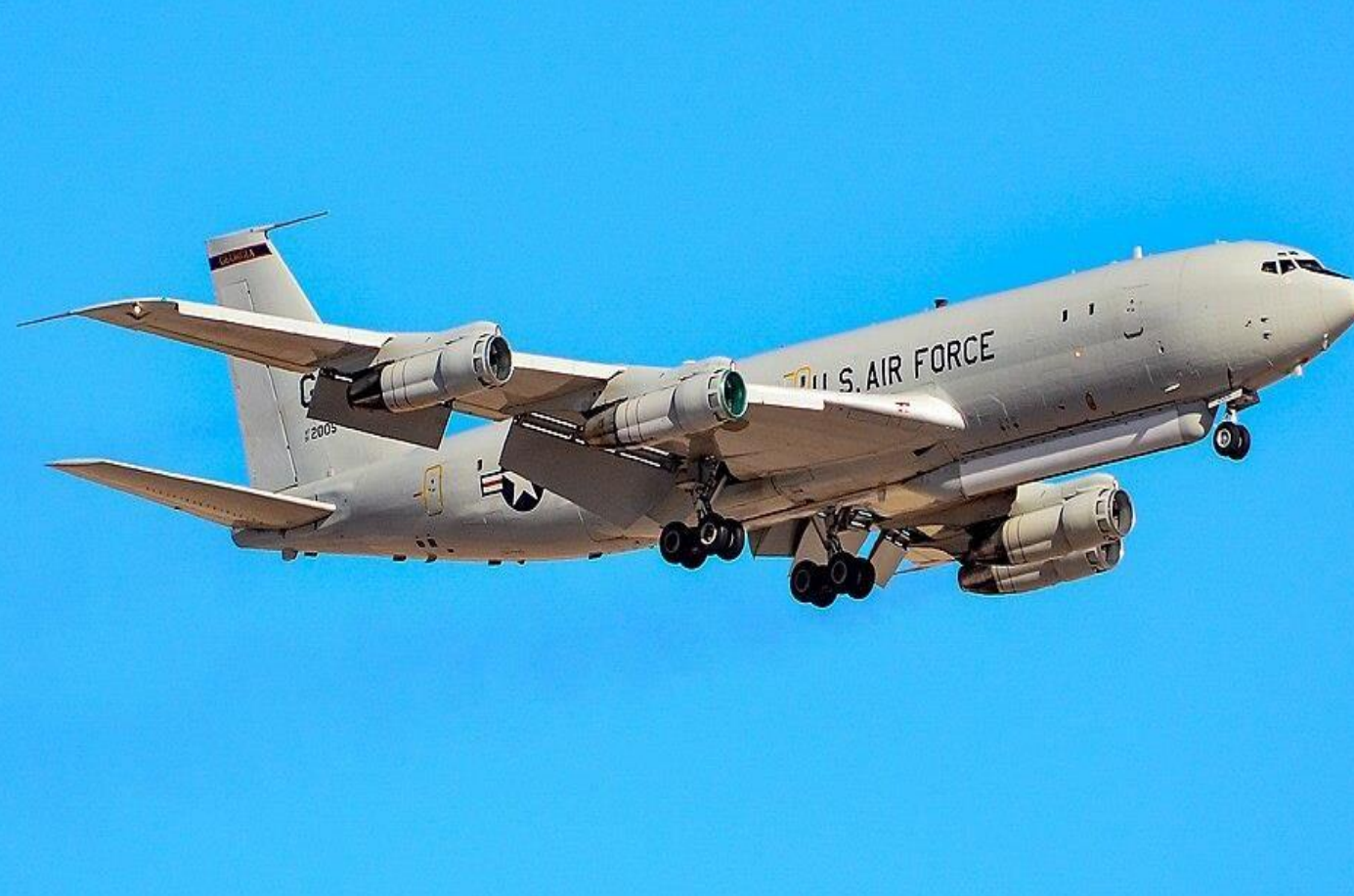
Name: E-8 Joint Surveillance Target Attack Radar System (JSTAR)
Mission: Provide theater ground and air commanders with ground surveillance to support attack operations and targeting, aiding in the delay, disruption, and destruction adversaries
Characteristics:
Provide near-real-time, wide-area surveillance, targeting information on moving and stationary ground targets.
An adjustable antenna can develop a 120-degree field of view covering more than 19,000 square miles and detect targets more than 150 miles away
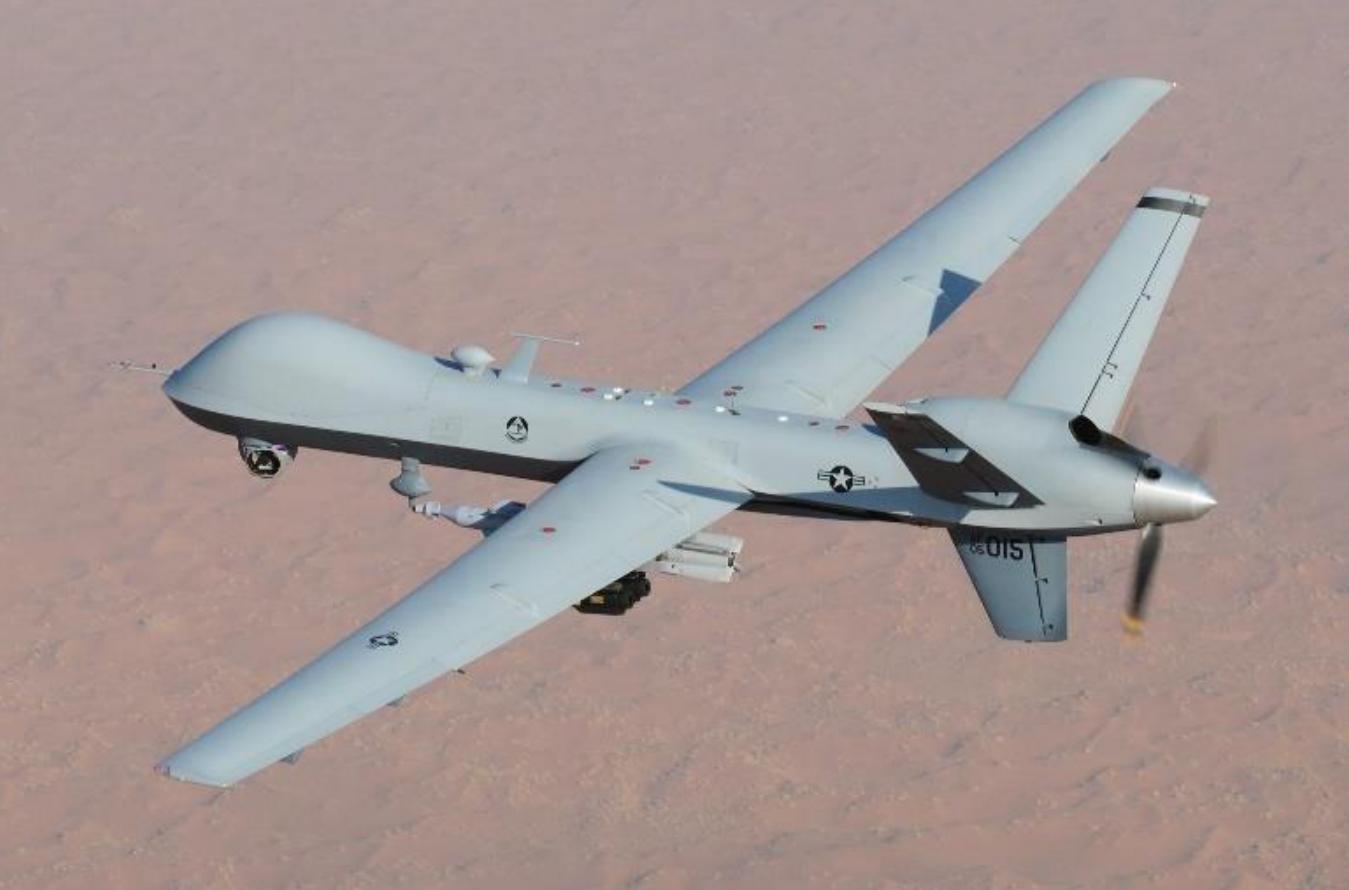
Name: MQ-9 Reaper
Mission: Medium to high altitude, long endurance RPA. Primarily an intelligence-collection asset and secondarily against dynamic execution targets. Due to its significant loiter time, wide-range sensors, multi-mode communication, and precision weapons, it offers a unique ability to strike, coordinate, and conduct reconnaissance against high-value, fleeting, and time-sensitive targets.
Characteristics:
Max altitude of 50,000, payload of 3,750 lbs, wingspan of 66 ft.
Integrated infrared sensor, color/monochrome daily TV camera, image-intensified TV camera, laser designator, and laser illuminator.
Strike capabilities include weapon delivery of laser-guided, air-to-ground, and Hellfire missiles, high accurate, low-collateral damage, anti-armor, and anti-personnel weaponry.
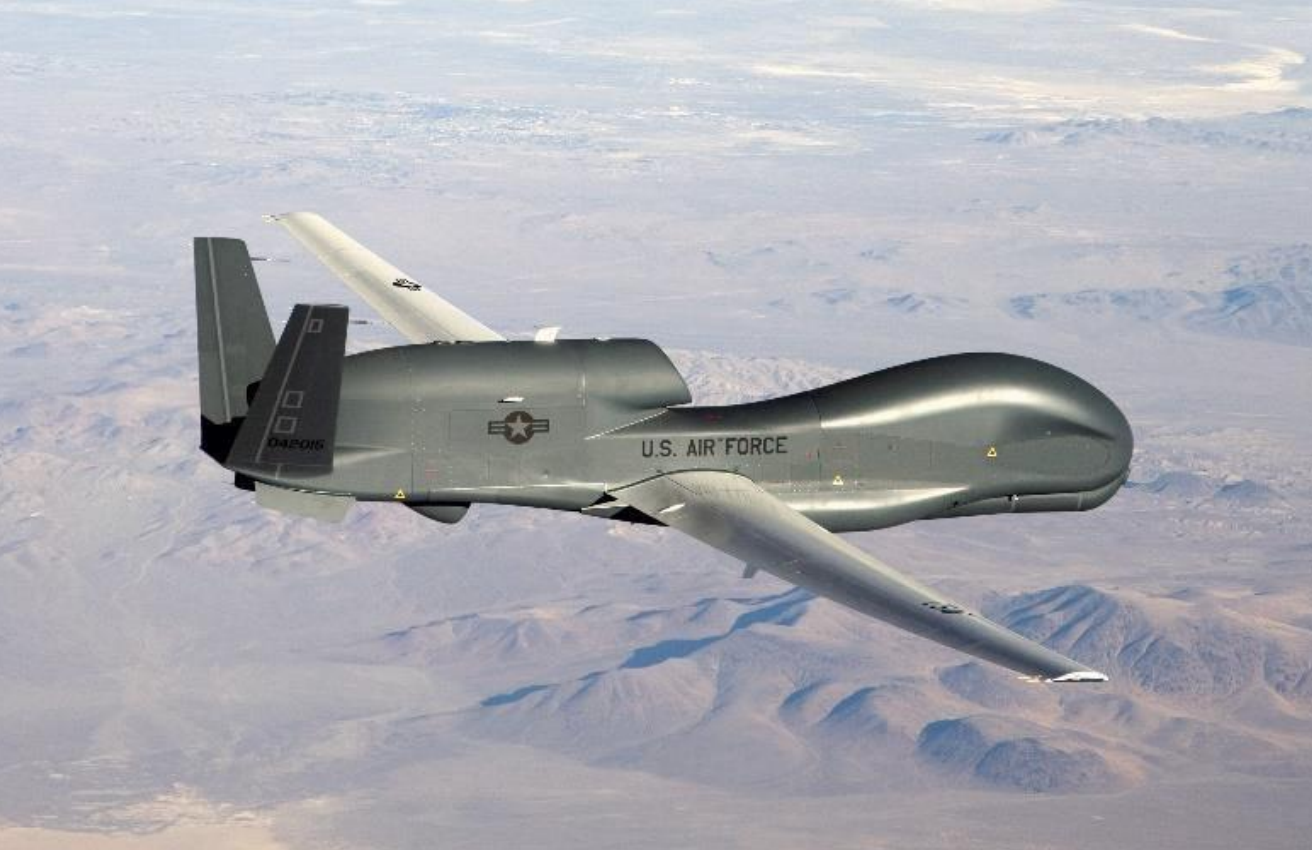
Name: RQ-4 Global Hawk
Mission: The RQ-4 is a high-altitude, long-endurance ISR platform equipped with radar systems for wide-area searches and tracking moving targets. Provides national leaders, commanders, and joint partners with enhanced situational awareness during peacetime intelligence missions, contingency operations, and conventional warfare.
Characteristics:
Can fly 1,200 miles and remain on station for 24 hours.
Max altitude of 60,000, payload of 3,00lbs, wingspan of 130.9 feet.
In 2001, became the first unmanned aircraft to cross the Pacific Ocean after a 23-hr and 20-min flight
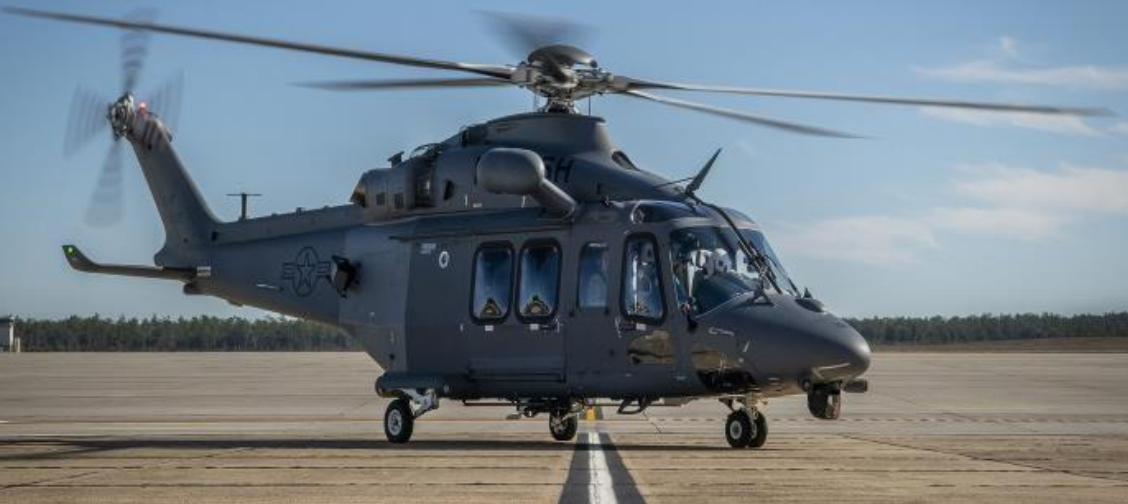
Name: MH-139A
Mission: Capable of a wide range of mission support depending on its assigned MAJCOM. Provides search and rescue capabilities to all commands as well as nuclear security missions within AFGSC.
Characteristics:
Armored cockpit and cabin
Missile warning and countermeasure system
Two mounted M240s and bolstered self-sealing fuel cells.
Capable of a three-hour flight time while cruising at 135 knots or 155 mph without the need for refueling.
Capable of carrying nine personnel with necessary combat and security response equipment. 2 pilots and one engineer crew,
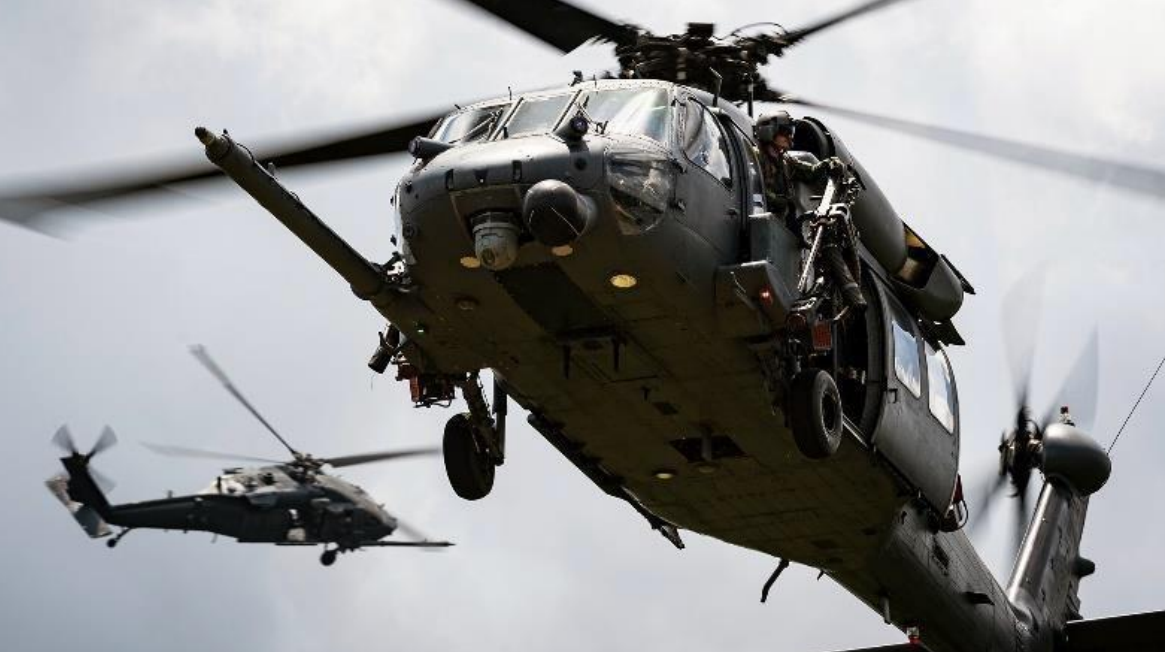
Name: HH-60 Pave Hawk
Mission: Around the clock, marginal weather, infiltration, exfiltration, and resupply of special operations forces.
Characteristics:
US Army Black Hawk helicopter, upgraded communications and navigation suite, integrated inertial navigation/global positioning/Doppler navigation systems, satellite communications, and secure voice.
Forward-looking infrared sensor (FLIR), night vision goggles, and cockpit displays allows for following terrain contours and obstacle avoidance.
Armed with twin 7.62 mm or .50 caliber machine guns. 8,000 lbs. Hoist capable, transport up to 14 military personnel
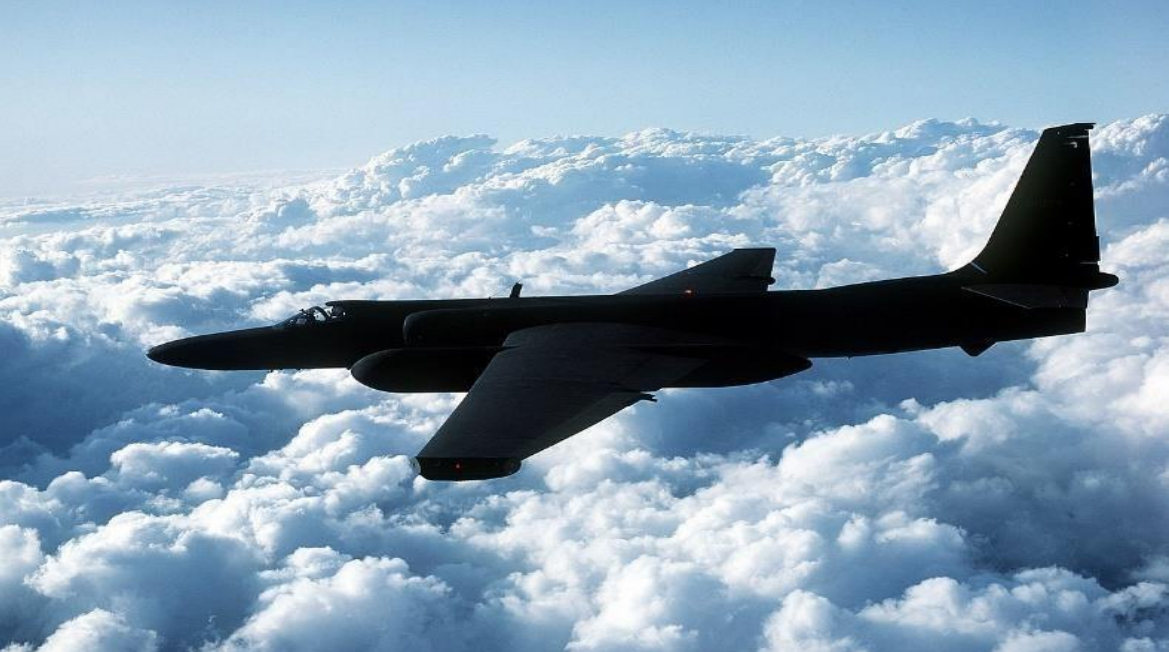
Name: U-2S Dragon Lady
Mission: High-altitude, day or night, all-weather surveillance and reconnaissance.
Characteristics:
Operational over 70,000 feet, range of 7,000+ miles, can fly over 14 hours unrefueled.
Imagery gathering includes multi-spectral electro-optic, infrared, and synthetic aperture radar.
Photographed the buildup of Soviet offensive nuclear missiles in Cuba. Provided intelligence during operations in Korea, the Balkans, Afghanistan, and Iraq.

Name: RC 135 River Joint/Combat Sent/Cobra Ball
Mission: ISR and Electronic Warfare support
Characteristics:
RC-135V/W "River Joint" collects, analyzes, and shares intelligence in near real time to support commanders and national leaders.
RC-135U "Combat Sent" studies and analyzes foreign radar and infrared systems as well as ELINT2 to help warfighters understand enemy capabilities.
RC-135S "Cobra Ball" is distinguishable by its black wing. It quickly collects optical and electronic data on missiles. Its information helps check arms treaty compliance and supports U.S. strategic and missile defense planning.
This fleet has played an integral part in every sizable armed conflict involving US assets since its inception.
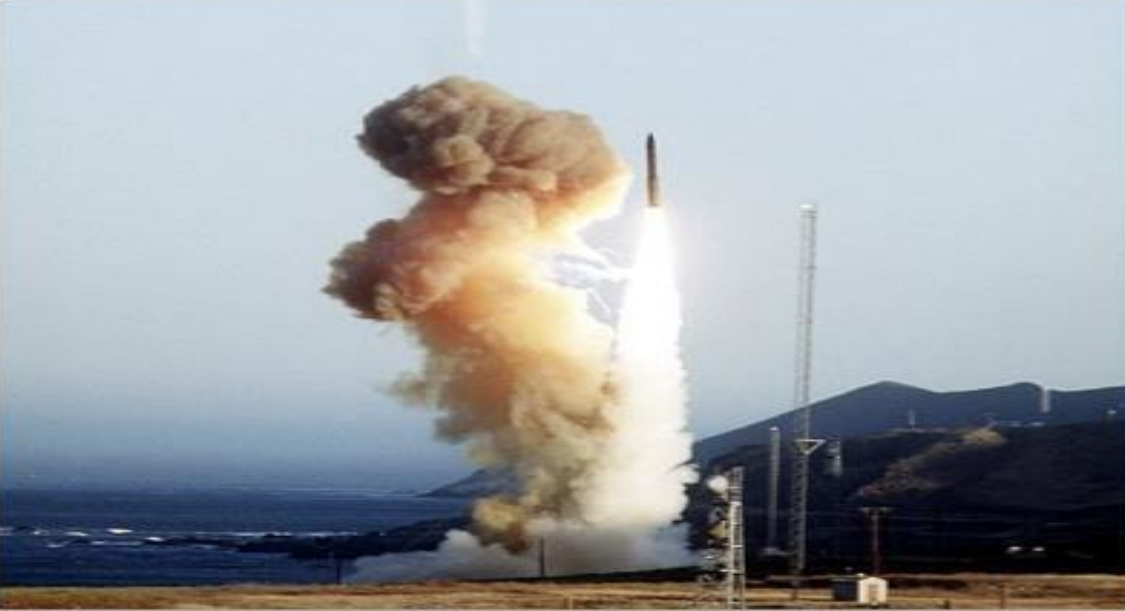
Name: Minuteman III
Mission: Strategic deterrence
Characteristics:
Range of 6,000 miles, 60 years of service
Under control of Global Strike Command
Communication system ensure virtual instantaneous contact for the POTUS execution command.
ICBM force consists of 400 Minuteman III missiles located at F.E. Warren AFB, Malmstrom AFB, and Minot AFB.
ELINT
Electronic Intelligence – the collection of analysis of enemy radar and electronic signals to understand their capabilities and weaknesses.
ISR
Intelligence, Surveillance, Reconnaissance
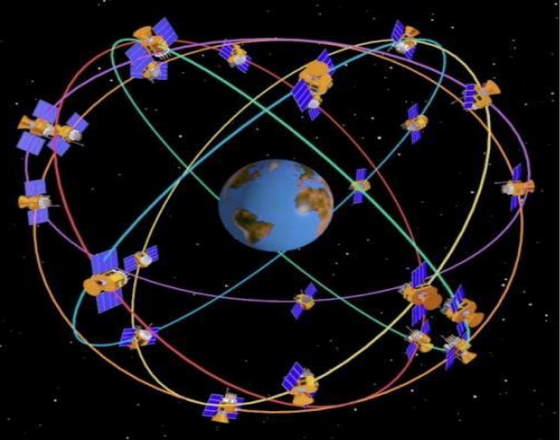
Name: Global Positioning System (GPS)
Mission: Constellation of orbiting satellites providing positioning, navigation, timing, and velocity information to military and civilian users worldwide.
Characteristics:
Orbits once every 12 hours, emitting continuous navigation signals.
Nuclear detonation detection
Limitations: GPS receiver can be jammed
During Operation IRAQI FREEDOM, GPS satellites guided JDAM bombs within 10 feet of their intended target.
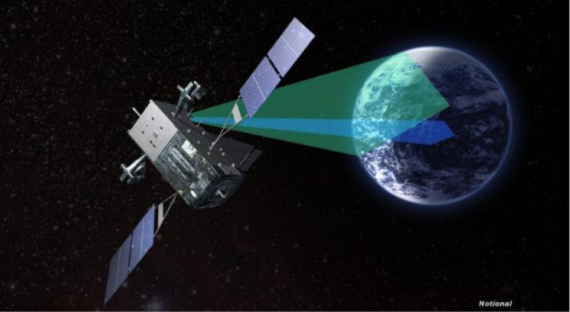
Name: Space Based Infrared System (SBIRS)
Mission: Uses sensors to spot heat from missiles and rocket boosters, giving early warning, missile defense, battlefield awareness, and technical intelligence.
Characteristics:
HEO and GEO satellites
Provides 24/7 global strategic missile warning.
Highly agile and accurate, it provides intelligence coverage for theatre missions and areas of interest.
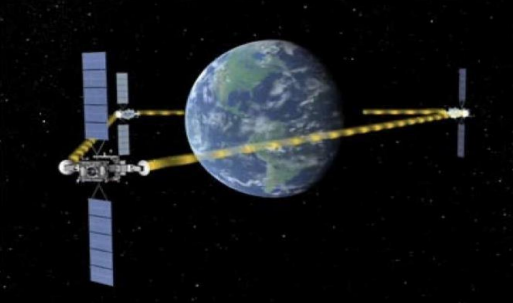
Name: Advanced Extremely High Frequency (AEHF)
Mission: Provides the POTUS, SecDef, and US Armed Forces with assured and survivable SATCOM to control tactical and strategic forces at all levels of conflict up to and through nuclear war.
Characteristics:
6 satellites in GEO with near-worldwide coverage
24hr coverage between 65o north and 65o south latitude.
Composed of three segments: space (satellites), ground (mission control and associated communication links), and terminals(users)
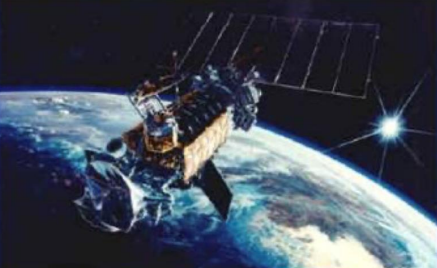
Name: Defense Meteorological Satellite Program
Mission: Collect weather data for US military operations and provide assured, secure global weather and space weather data to support DOW operations.
Characteristics:
Weight: 2,720 lbs. Including 772 lbs. Sensor payload
Orbit altitude: Approximate 450 nautical miles (nominal)
Dimensions: 25 feet long with solar panels deployed
Deployed August 1963
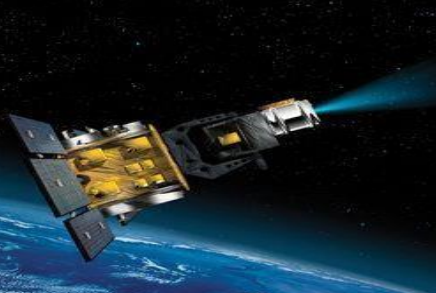
Name: Space Based Space Surveillance (SBSS)
Mission: Operates 24/7, collecting metric and Space Object Identification data for man-made orbiting objects without the disruption of weather, time of day, and atmosphere that can limit ground-based systems
Characteristics:
Clear and unobstructed view of resident space objects orbiting Earth from its 390- mile altitude orbit.
Communicated information through the world-wide Space Force Satellite Control Network and commercial United Space Network ground stations, and then to Schriever Space Force Base, Colorado.
Provides data necessary to predict the trajectories of objects, which gives experts an idea if an orbiting satellite may collide with another, giving ample time for evasive actionsto be taken to avoid such collisions. - Launched September 25, 2010 - Weight – 2,277 lbs
 Note
Note  Flashcards (44)