Ether, Choroform and Nitrous Oxide: A revolution in medicine, c 1800-1900: History: GCSE (9:1)
 Studied by 0 people
 Call Kai
 Learn
Learn Practice Test
 Spaced Repetition
 Match
Match Flashcards
 Knowt Play
1/11

There's no tags or description
Looks like no tags are added yet.
Name | Mastery | Learn | Test | Matching | Spaced | Call with Kai |
|---|
No analytics yet
Send a link to your students to track their progress
12 Terms
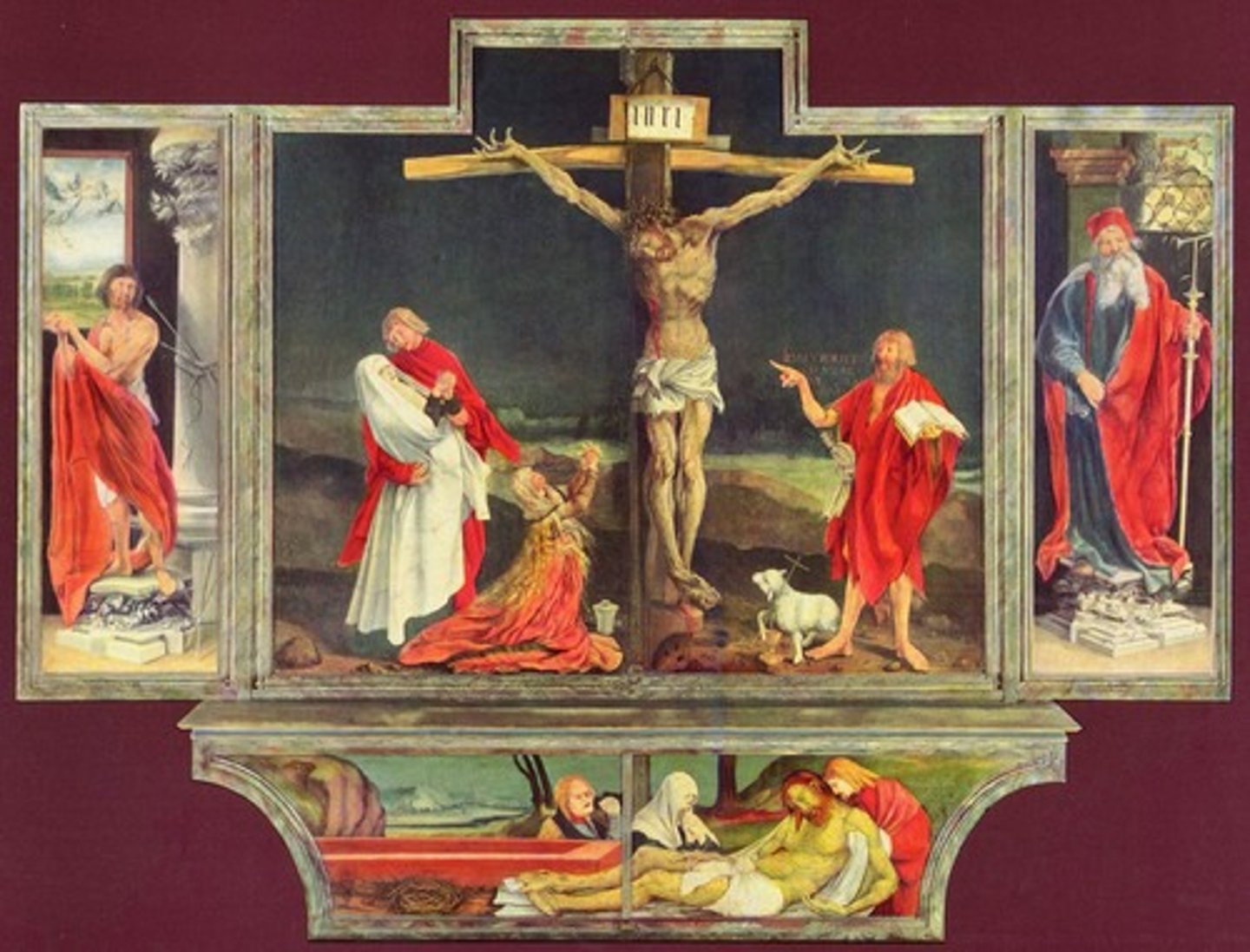
'Divine' pain
The idea that God sends pain to remind us of the suffering of Jesus was used by some as opposition to painkillers.
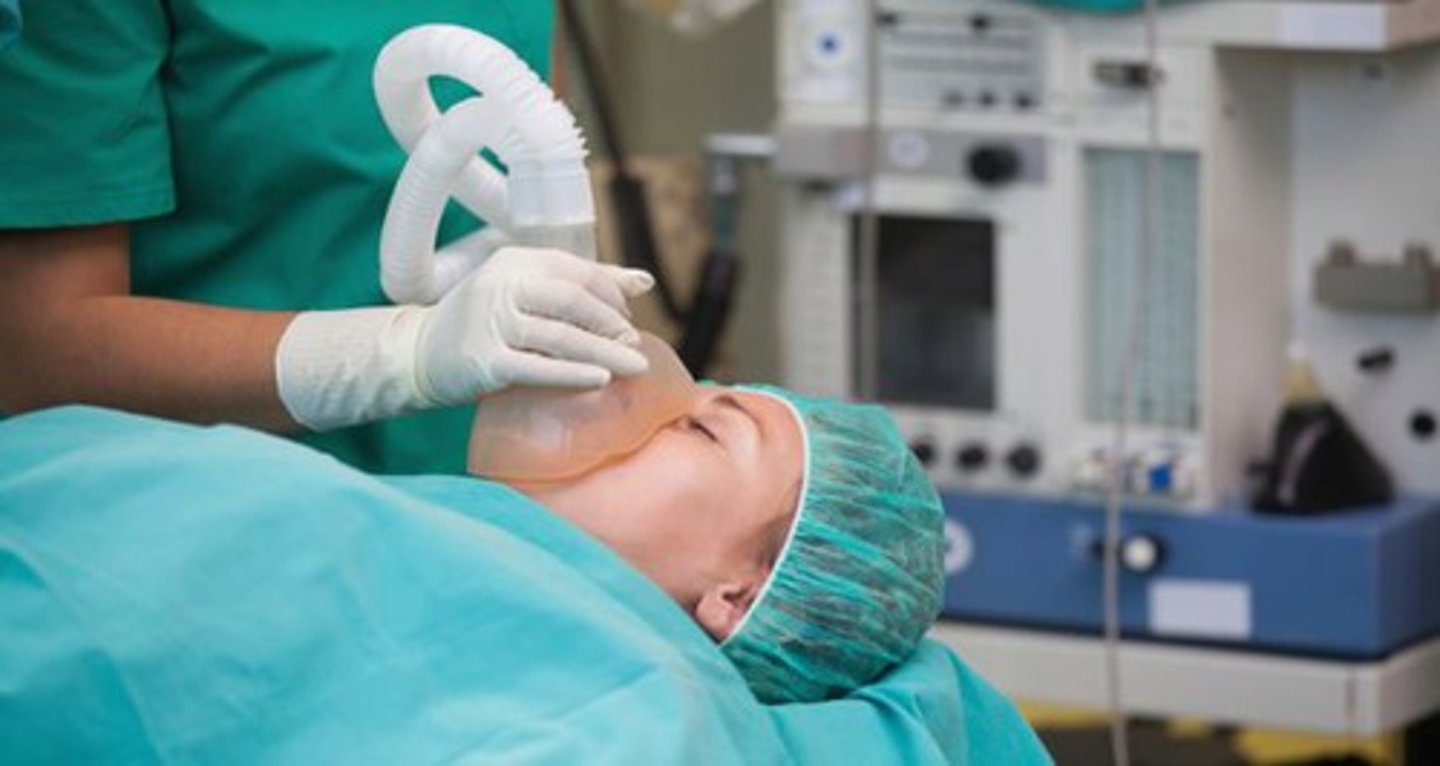
Anaesthetic
Painkiller. Before 1800 the only common painkillers were alcohol and opium, both of which weren't very effective
Humphry Davy
Invented the Miner's Safety Lamp in 1815 which ran from Nitrous Oxide (laughing gas) and he and his friends experimented inhaling it.
Nitrous Oxide
Laughing gas was used as ana anaethetic for pulling teeth and other minor operations, but it doesn't last long or restrict movement, so needs a steady dosage over time

Robert Liston
The first surgeon in Britain who used Ether in 1846 during an amputation after reading about an American dentist called William Morton who used Ether (discovered originally by William E Clarke)
"the fastest knife on West End"
Robert Liston was a fast surgeon who could amputate a leg in less than 2 minutes (once in 28 seconds). However, in one operation he moved so fast that he accidentally slit the throat of one assistant (died) and cut the fingers off another (later died of infection). The only 300% mortality rate operation on record.
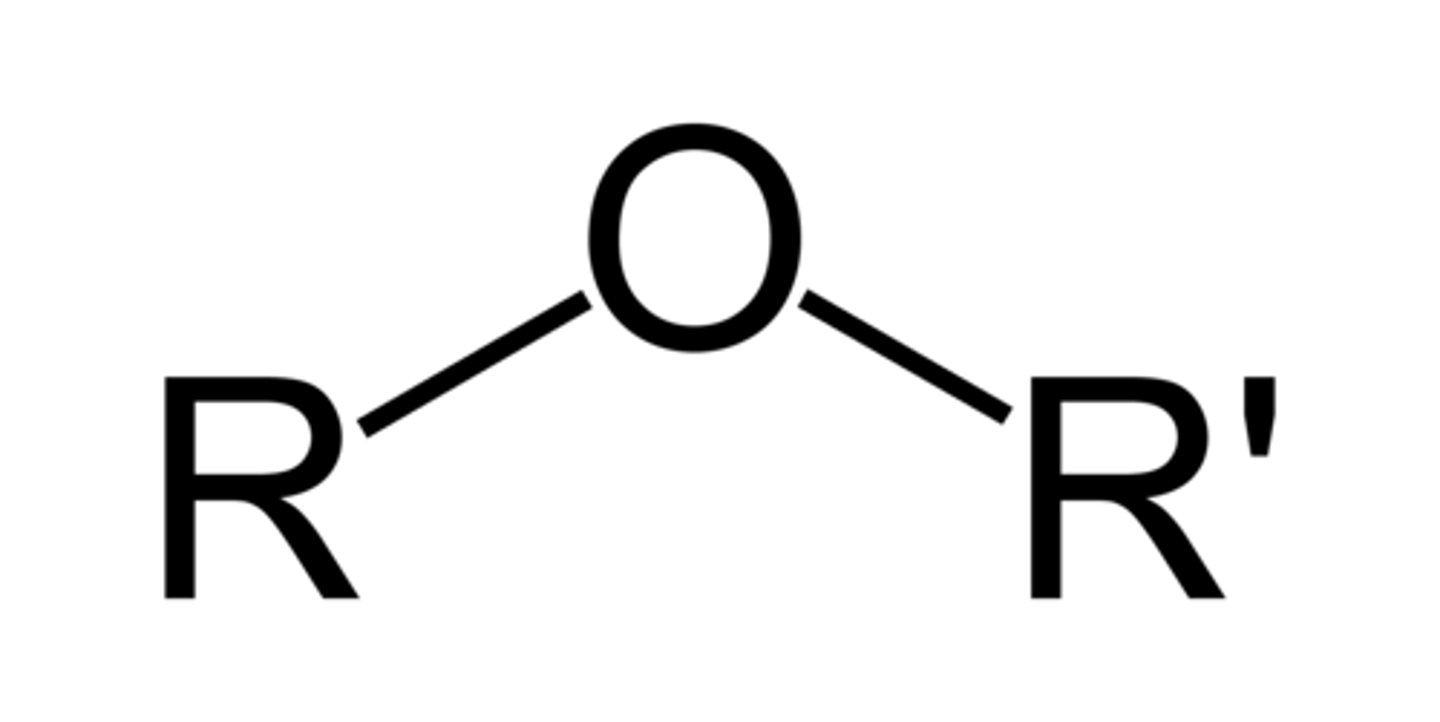
Ether
An anasethetic used for major operations. However, if was flamable, irritated the lungs and was unpredictable with dosage, meaning sometimes the patient would wake mid-operation
James Simpson
Discovered Chloroform when experimenting with himself and friends inhaling chemicals. He was found passed out at his dining room table. He realised this could be used during childbirth.
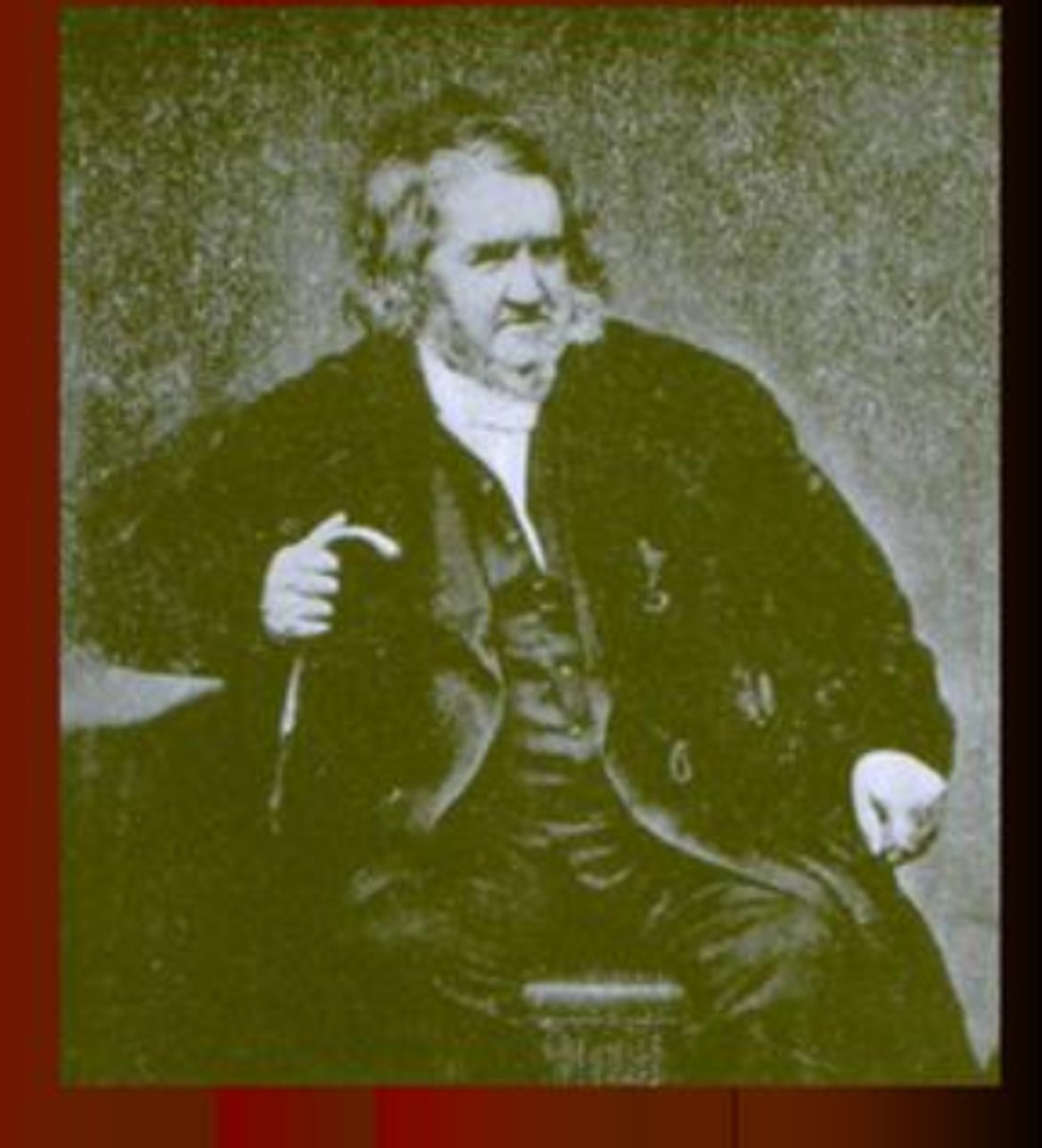
Chloroform
An anesthetic that can be used for major procedures and childbirth. In 1853, Queen Victoria used it during the birth of Leopold and praised it. It became popular. It could impact the heart and cause death in some people or with high doses
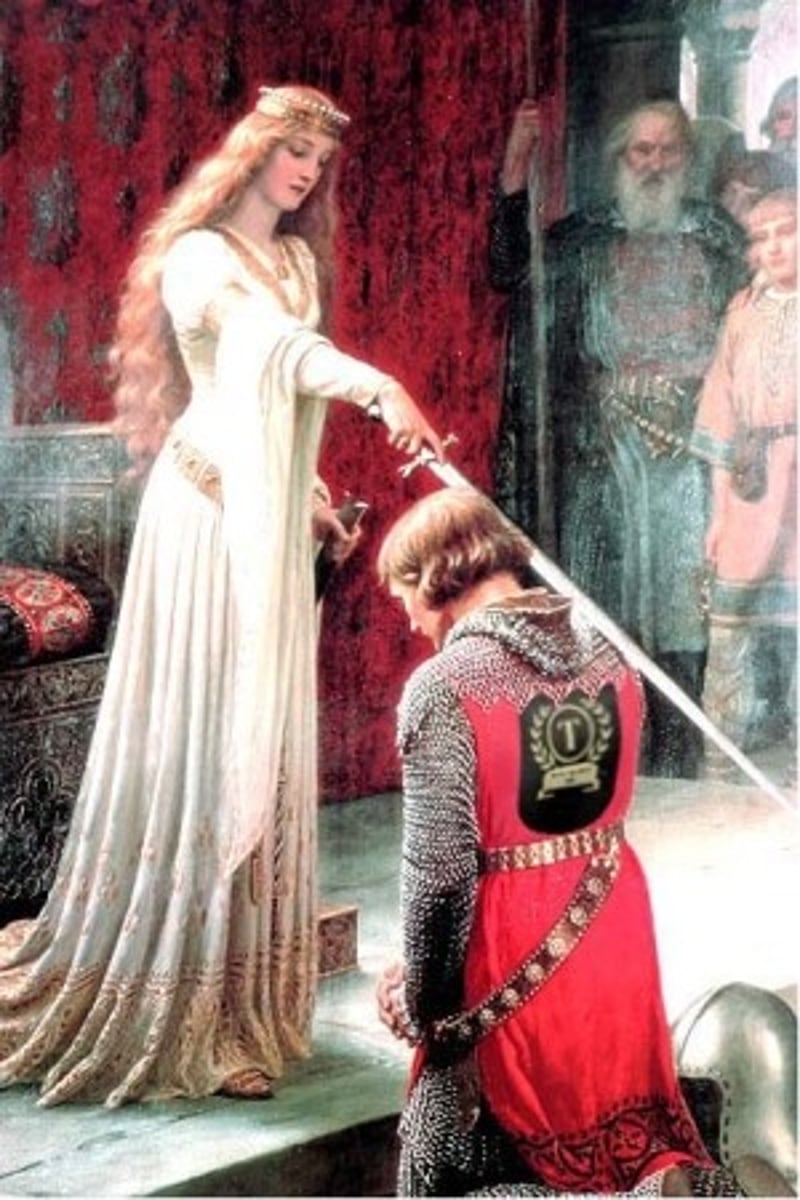
Knighted
When someone receives a title as a personal honour from the King/Queen. James Simpson was knighted for his discovery; the first person to be knighted for services to medicine
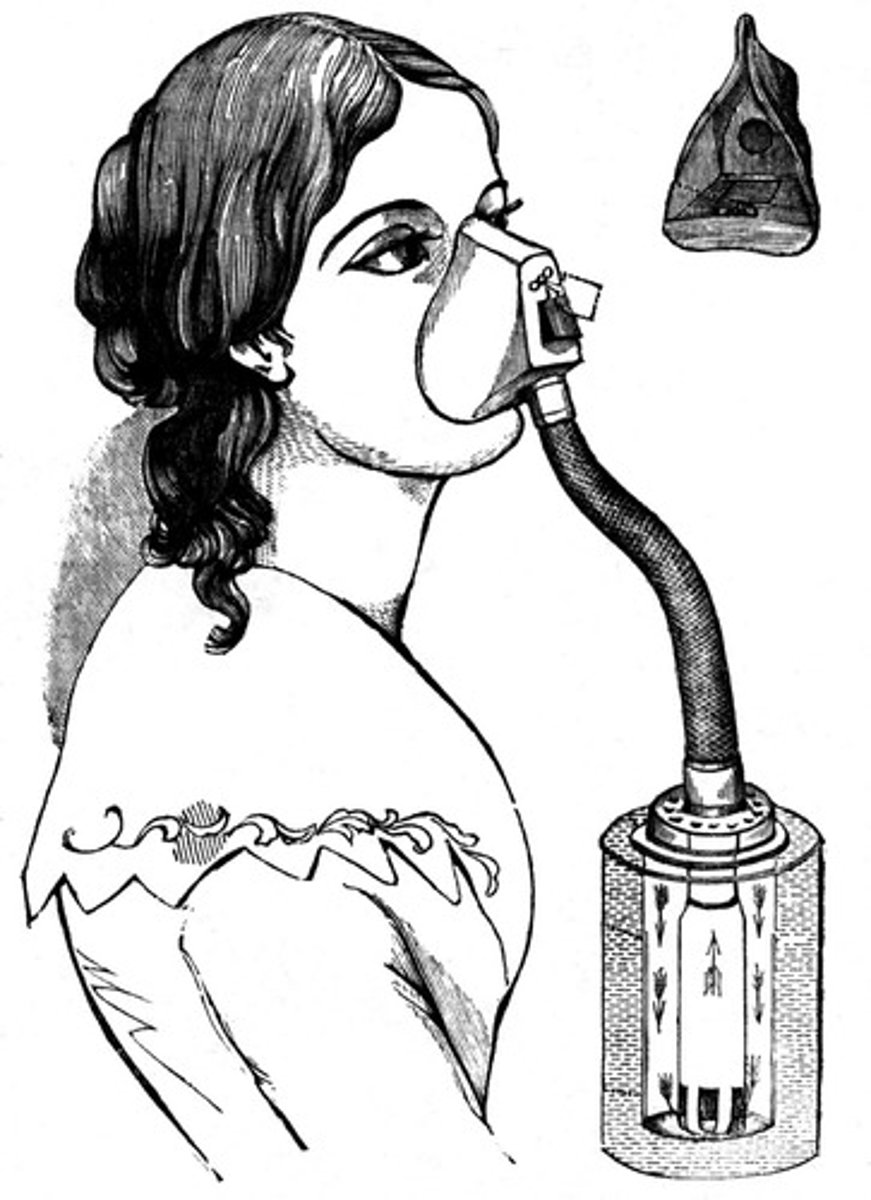
Hannah Greener
A girl who died in 1848 from Choloform during an operation. It was widely reported on
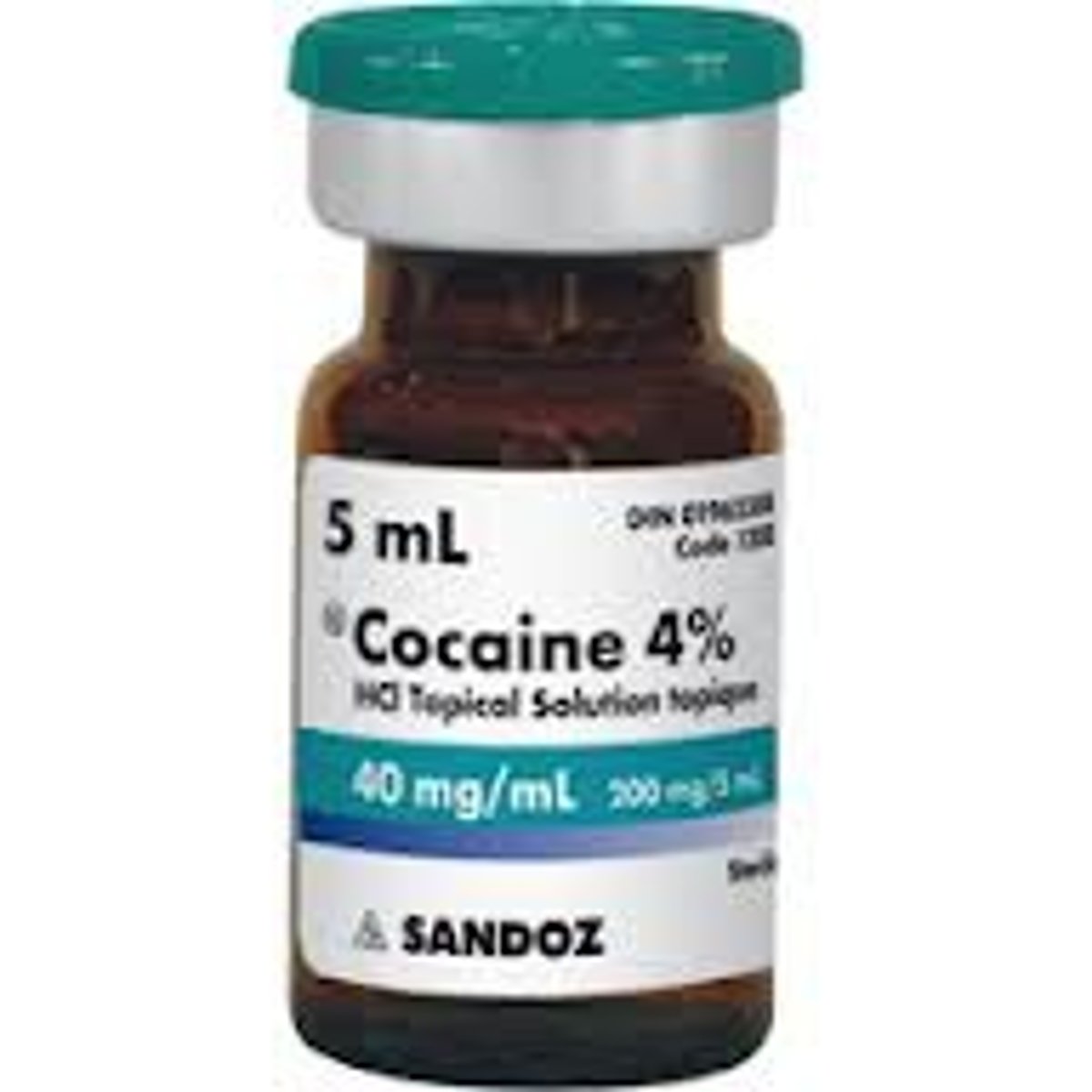
Cocaine
A now illegal drug that was first used in the 1850s as a local anaesthetic, put in as eye droplets or rubbed in the affected area. Novocaine is one variation that wasn't addictive.
 Note
Note  Flashcards (38)