Ch5: Cell Biology of Microbes (focus is on Bacteria)
 Studied by 0 people
 Call with Kai
 Learn
Learn Practice Test
 Spaced Repetition
 Match
Match Flashcards
 Knowt Play
1/83

Earn XP
Name | Mastery | Learn | Test | Matching | Spaced | Call with Kai |
|---|
No study sessions yet.
84 Terms
Are there exceptions to prokaryote and eukaryote “rules”?
Yes. Biological classifications have exceptions; traits vary across organisms, and rules describe general trends, not absolutes.
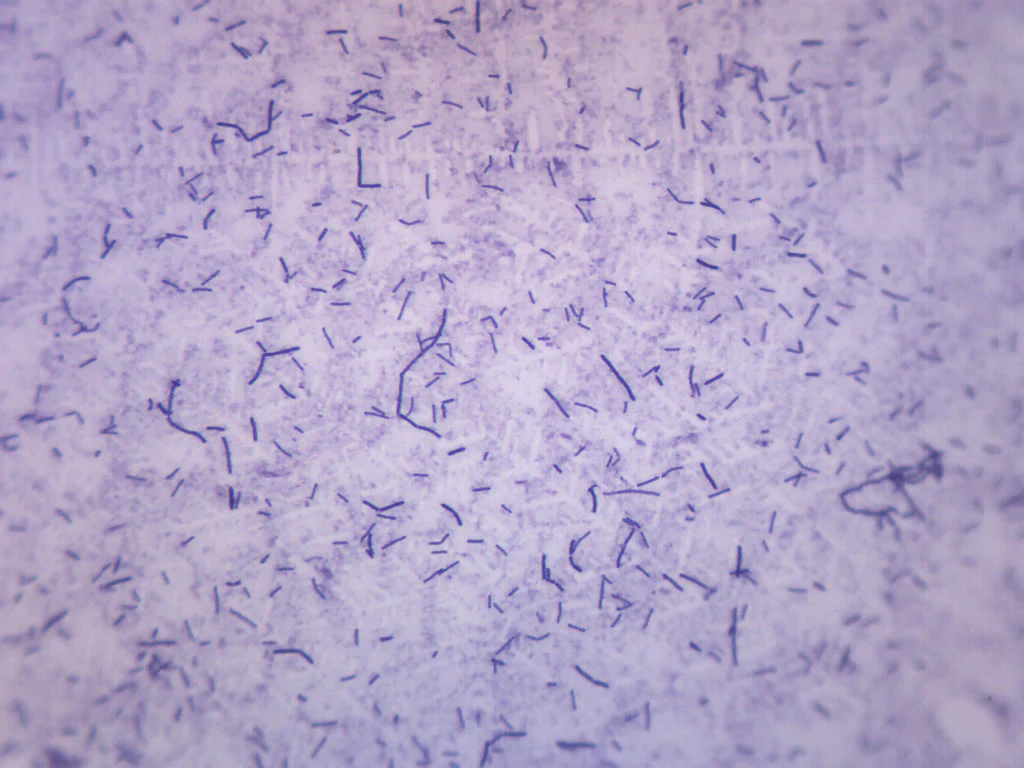
ID this cellular morphology
Bacilli — rods
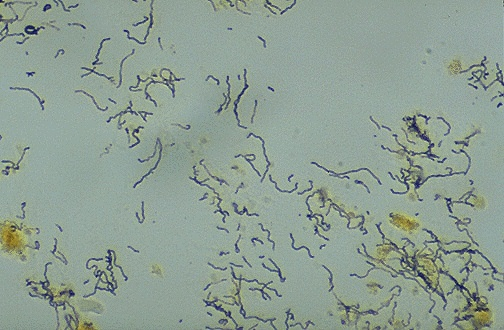
ID this cellular morphology
spirochetes — long corkscrew
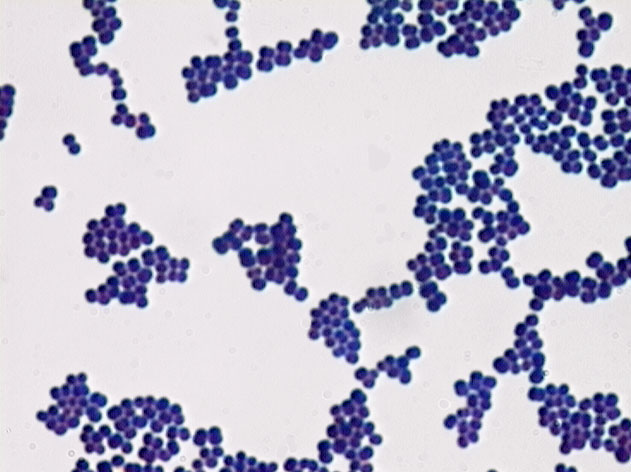
ID this cellular morphology
cocci — spheres
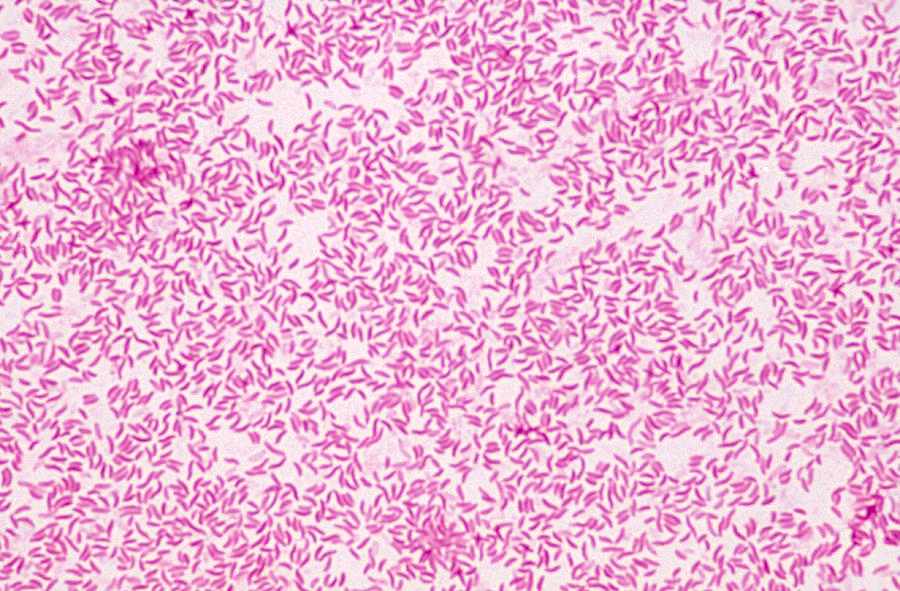
ID this cellular morphology
vibrio — commas
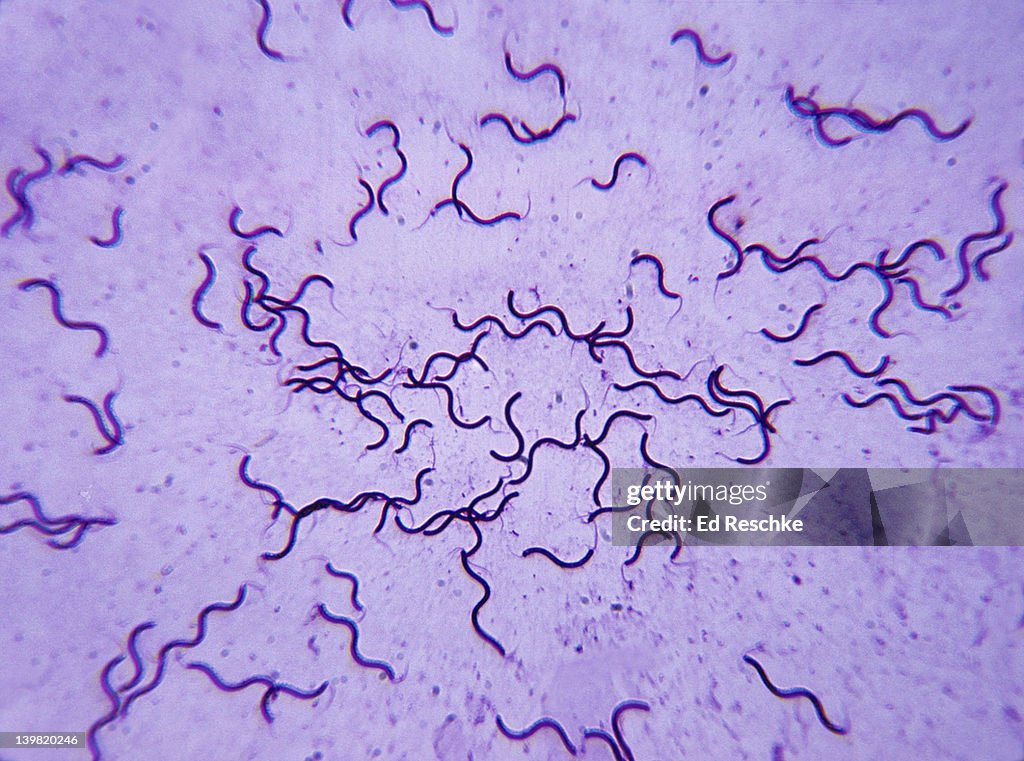
ID this cellular morphology
spirilla — short spirals or helical
spirilla vs. spirochete
spirilla: shorter, rigid, external, flagella
spirochete: longer, flexible, axial filament
What determines bacterial cell arrangements?
The plane of cell division.
What are bacterial arrangements based on observationally?
What scientists see under the microscope.
How were bacterial arrangements historically used?
They were commonly used, along with morphology, to name bacterial species.
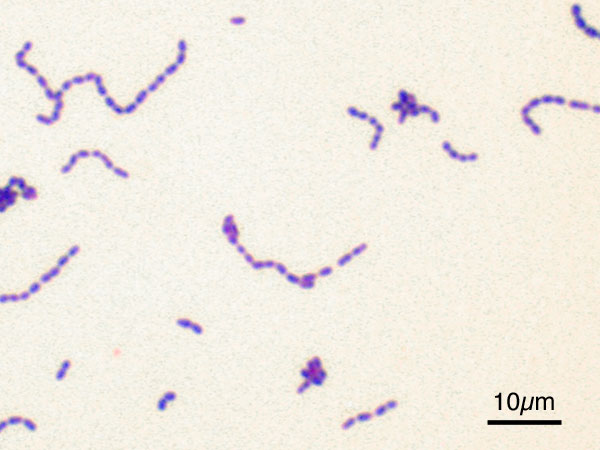
ID this cell morphology arrangement
streptococci (chains)
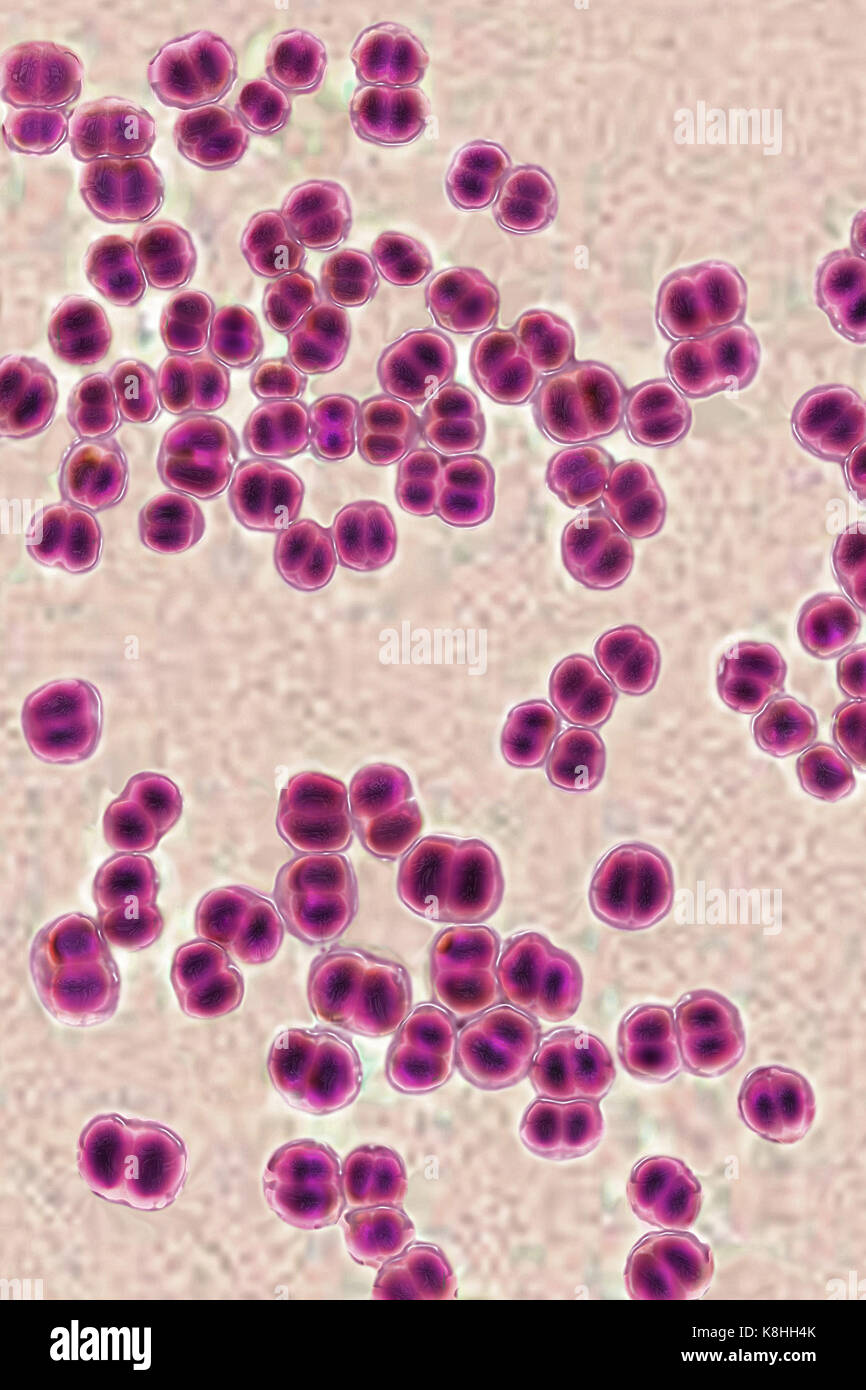
ID this cell morphology arrangement
diplococci (pairs)
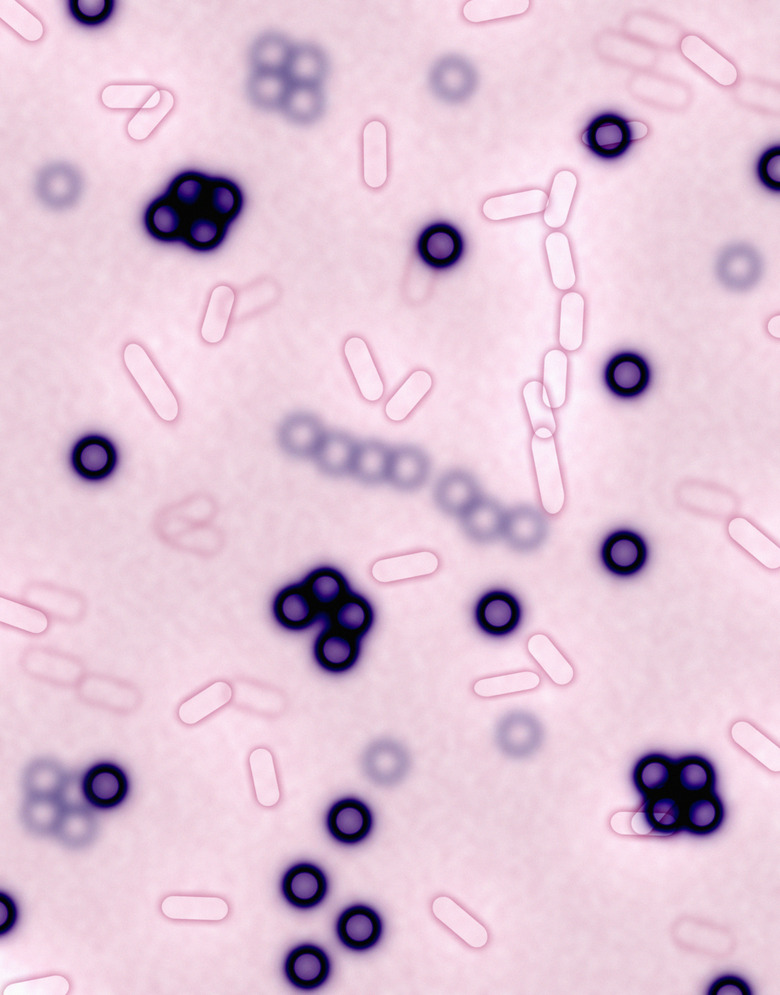
ID this cell morphology arrangement
tetrads
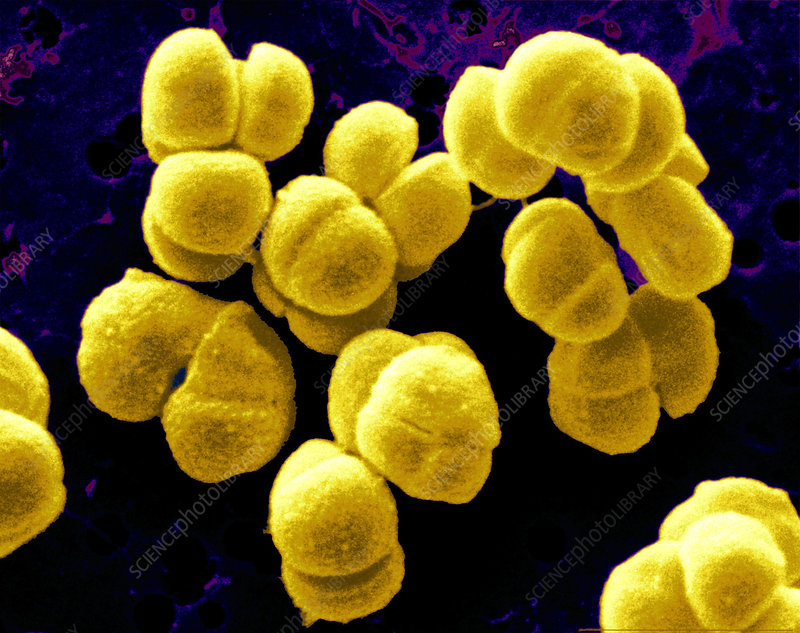
ID this cell morphology arrangement
sarcinae
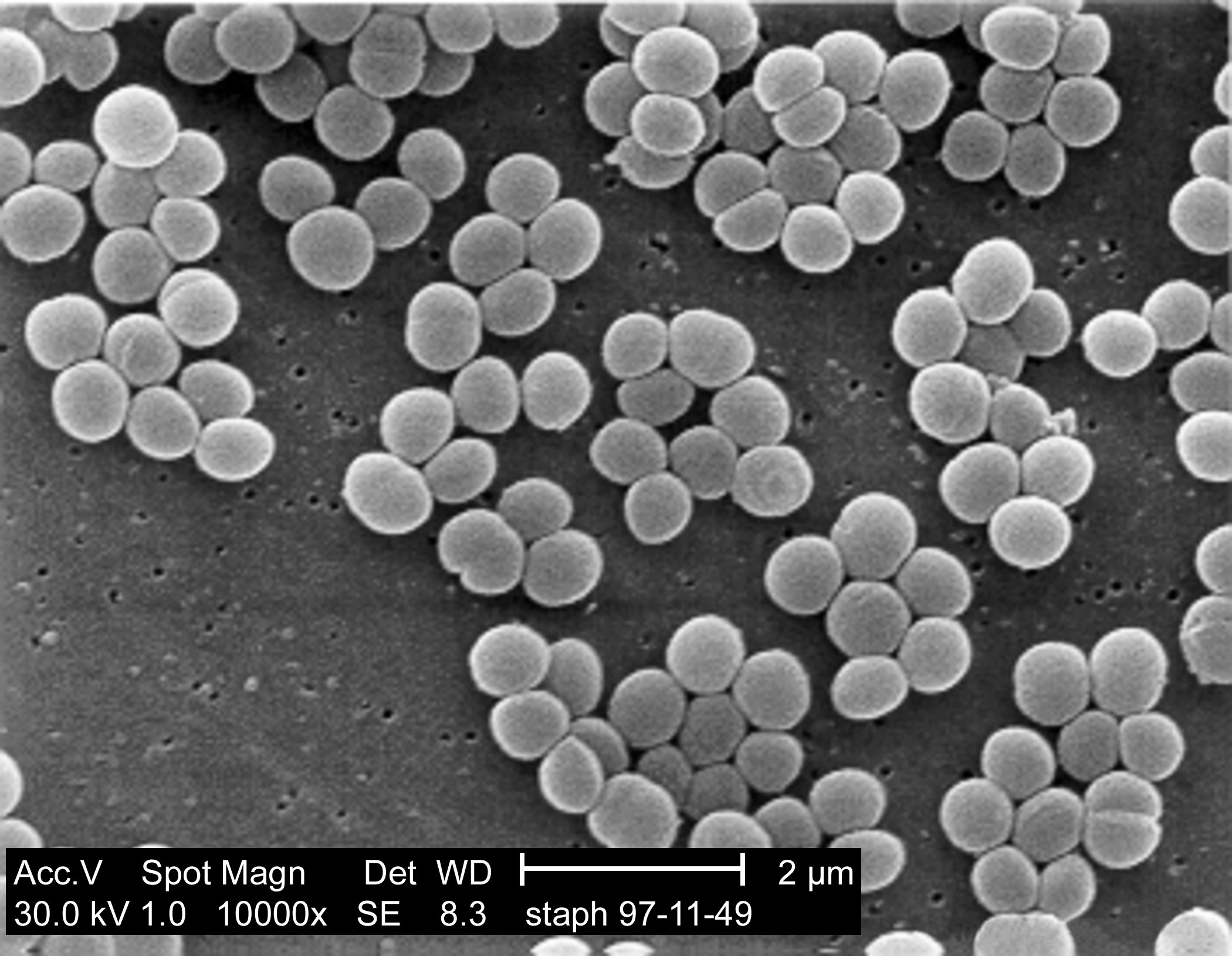
ID this cell morphology arrangement
staphylococci
What structures make up the bacterial cell envelope?
Outer layers (capsule or S-layer, if present), outer membrane (Gram-negative), cell wall (peptidoglycan), and cell membrane (inner membrane).
What is the cytoplasm?
A gel-like network of proteins and macromolecules contained within the cell membrane.
What is the nucleoid?
A non–membrane-bound region containing bacterial DNA (chromosome and plasmids) and DNA-binding proteins.
What is a pathogen?
A microbe capable of invading a host and causing disease.
What is virulence?
The degree to which a microbe is pathogenic.
What is a virulence factor?
A microbial trait that contributes to the ability to invade a host and cause disease.
What functions do virulence factors provide?
Aid in entry, attachment, immune evasion, immune cell damage, and growth in or on a host.
What types of virulence factors exist?
Cell wall or membrane components, specialized cell structures, and secreted factors (toxins, effector proteins).
 Note
Note  Flashcards (32)