French exam
 Studied by 0 people
 Call Kai
 Learn
Learn Practice Test
 Spaced Repetition
 Match
Match Flashcards
 Knowt Play
1/63

There's no tags or description
Looks like no tags are added yet.
Name | Mastery | Learn | Test | Matching | Spaced |
|---|
No study sessions yet.
64 Terms
Gericault
Wounded Curassier Leaving the Field of Battle
1814
descriptive title
solider alone in uniform, on a hill with one hand on the reins, appears to be leading the horse
the horse is reeling, figure is looking back
this is not an equestrian portrait, not even a portrait - it is a figure separated from other figures
the size of the figure, and painting puts it at an honourable heroic scale - quite equal to commissioned work of nobility and royalty
Gericault is conscription age, was quite wealthy and very likely paid to avoid conscription
he is in Paris after the Russian campaign and witnesses the entrance of opposing troupes, signalling a major shift empire to restoration
was intended to be a pendent painting alongside charging cuirassie
the work is addressing contemporary ideas
it is an allegory of defeat and the collapse of the empire
prior to this painting, allegories were often used to represent women
Romanticism
interest of the individual - person as representative of a broader category, nature and the forces of nature
moody and dynamic
Different mood from neoclassicism
shows a military official running away from war - what kind of mood are they inciting

Gericault
The Raft of Medusa (a scene of a shipwreck)
1819
was exhibited at the salon under ‘a scene of a shipwreck’
Under King Louis 18
no just a contemporary painting, a specific contemporary painting
animates a moment from 1816 when a ship (named medusa) was in an accident on its way to Senegal (a colony of france) for a meeting of ambassadors to refine colonies and treaties (1814-15 congress of Vienna is the agreement that gave Senegal back to france)
slow spread of information and interest made its way to mainland france
there were 6 life boats, the captain saved himself and senior offices and left everyone else behind.
13 days - of 150 people left behind, 15 survived and of those 15, 5 died on route back.
There is a primary source “La Naufrage de la Frigate la Meduse” 1816
the publication of this book contributed to public sympotary and reparations
How does Gericaults painting connect with these feelings and opinions, and how does he reshape it? presenting the information as real
he was very interest in portraying things as real, using studies of sick and dead bodies and animals '
he chose to document debris, fie corpses and 15 survivors
in the accounts of rescue the figures see the boat of rescue- this is what he chose to depict
pyramidal composition to help create the drama of the moment


Delacroix
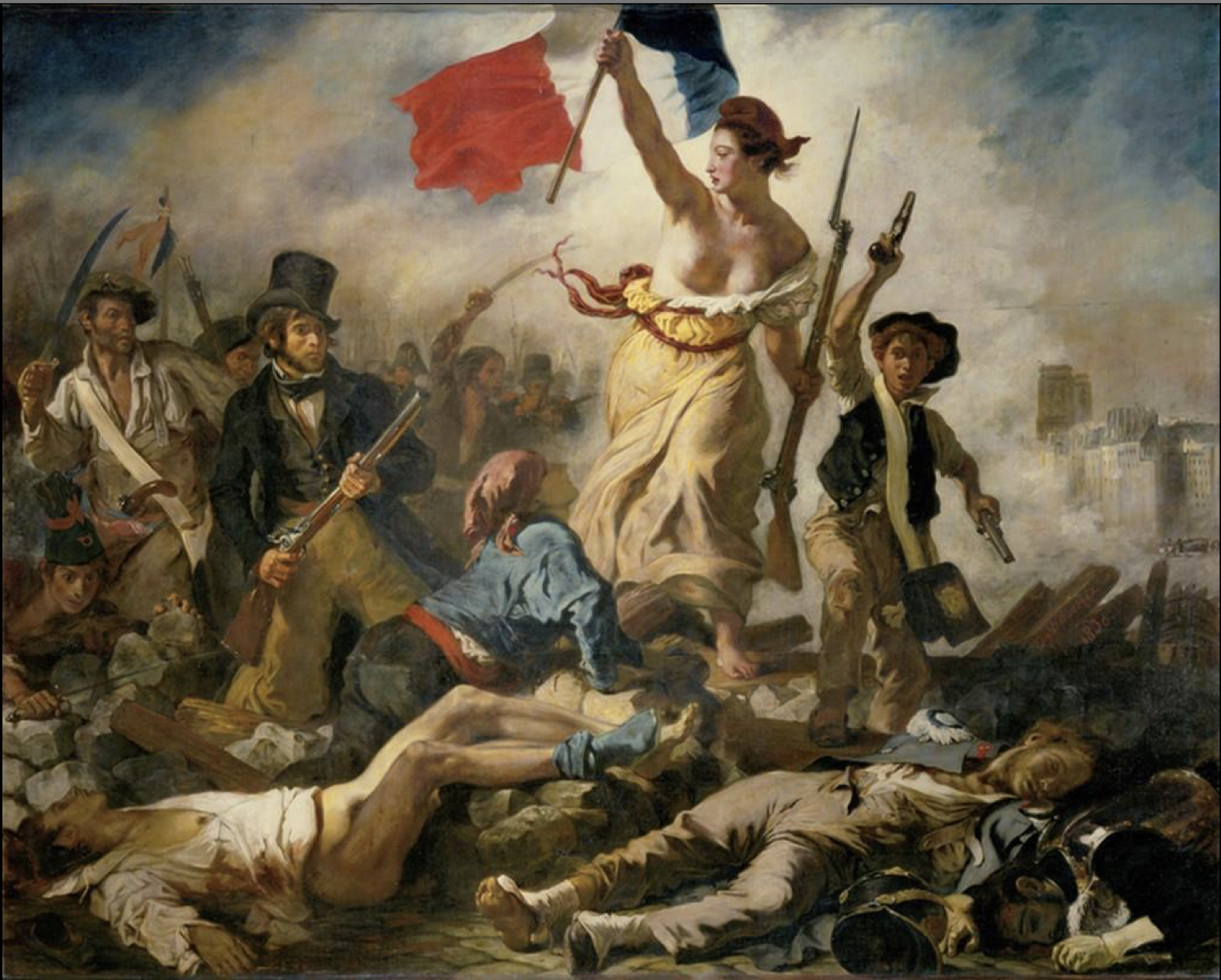
The 28th July 1830: Liberty Leading the People
1830
Historical Context leading to an Uprising:
During this time France is operating within a constitutional monarchy, under the Charter of 1814 and King Charles X (the constitutional monarchy is made of of the chamber of deputies)
King Charles dissolves the chamber of deputies, going against the charter, and calls for an election
fall less people were royalists than he thought, and he ended up with a majority liberal party in his chamber
he saw this as an attack on himself- his agenda had been to return to france and reestablish the Divine right of royalty and decided he could rule by decree
He decreed in July of 1830 that he would now be ruling by Decree- this was decreed in a four part ordinance
The four ordinances:
dissolves the newly elected chamber of deputies
changed who could vote, making it so only the wealthiest men could vote
called for a new election with the newly restricted voting pool
restricted the press (Press laws/press censorship)
These four ordinances led to an immediate uprising called the Three Glorious Days: Revolution of 1830
July 27,28, and 29th
Delacroix consolidated this three day period into the 28th, the middle day.
the working class and the bourgeoisies had some together, barricades were constructed to keep police intervention out of
on the first day: over 10000 military troupes were deployed (royal guard) and deaths started to occur
on the second day, there is an account of a Marshall saying that “this is not an uprising, it is a revolution”
making this date as a sort of declaration
it is suggested that the figure at the top of the pyramidal composition is based on a real woman, but we can’t know for sure
there is an account of Anne-Charlotte D a working class laundress who went out looking for her brother and found him dead with 10 bullet holes, and she goes out to kill 10 soldiers for revenge. She killed 9 before she was killed herself
she stands as an allegorical figure
chest half out, drapery clothing etc - think back the the allegory painting from beginning of term
she is freedom and liberty
she is wearing a Phrygian Cap
ancient roman times, this hat was worn by people who were feed from enslavement
figure on the far left represents an urban factory worker carrying an infantry sword
on his cap is a broach called a cockade
fabric tri-colour attachment for hats and other clothes
people wore this for the storming of the bastille
children were also present at the uprising - this painting shows us two dead children
from other accounts we know 20 children died
dead figures: a curiouser (we can tell by the metal plates), Swiss/royal guard
not a commissioned work (it is later purchased by the government in 1831)
similar contemporary history painting like the raft of medusa
the painting functions effectively as a primary source, through we know Delacroix didn’t directly witness this event
In early august King Charles withdrew the ordinances and abdicated the throne. King Louis Phillipe (his cousin) put himself forward and the chamber accepted. This became the July Monarchy for which King Luis Phillipe ruled during the whole duration (1830-48).
Daumer
Rue Transonian
1834
this begins to circulate in the monthly association and stirs a lot of drama
was made in response to Lyonn and silk workers that were mistreated, overworked, and underpaid (workers did not have associations to protect them)
silk workers went on strike (unheard of at the time) and were arrested
their arrest cause an uprising that was repressed by the national guard
in solidarity groups of people set up barricades
the painting itself:
a family, appears to have a child under the main figure
appears to be happening at night (nightgowns)
intergeneration living (their ages)
they were awake when this happened (they aren’t in bed)
light and composition is very intentional
Depicting a real event:
This is an event that happened at of the the streets with barricades
he wants us to know that the national guard did not stay outside, the national guard entered this apartment after hearing a shot (they had no reason to believe it came from here) and killed everyone within
the enforcement of the government killing and suppressing innocent and unknowing people
connection between real events and out emotions
a real space depicting intimacy and vulnerability
it made people feel uncomfortable “this could happen to you too
the government couldn’t ban this because of press laws so they bought all the copies
in September of 1835 they implemented new laws about censorship of press (September laws 1835)

Niepce - View from the Window at Le Gras
1826-27
Niepce was a chemist, and in a memoir he calls what he was doing heliography - photography wasn’t a thing then
used Bitumen
a light sensitive material that is spread on the plate

Daguerre
Boulevard du Temple
1838
is a daguerreotype - was used for taking still lives as well as sceneries
because of exposure time, a lot of objects could not be captured
Daguerre starts to try to sell this process, either via lumps or subscription
the government bought this process under King Louis Phillipe, and he was compensated with a sort of pension that he shared with niepce’s son
the process became so popular people started calling ti a mania
the government published a manual, that they had mad money off of
Daguerre stayed involved, making new iterations and patenting this particular camera, and this particular process
was commonly used amongst the increasing middle class of the time the petite bourgeois

Ingres
Portrait of Louis-Francois Bertin
1832
the sitter is presented in a very realistic way
detail on the hand and face, not necessarily idealized in any way
it is a half length portrait
he is a journalist of the July monarchy
his role with the newspaper places him in a position of power and command (which is why we see him sitting this way, the lighting reflects it, the serious nature of his face, and the position of his hand)
a private commission
how does it connect to colonialism?
when you look at the realism of the painting, you’ll notice a lot of effort put into the chair, as well as the figure.
the chair is mahogany, an imported item that was very expensive luxury material.
the wood becomes a symbol
the tree was felled by enslaved folks, the trees took hundreds of years to make etc.
Patronage was also being reflected by changes in social classes, and the increasingly complexity of the bourgouise
bertin had this painting made mimicking the style of other, older paintings
didn’t use direct symbols or hidden objects
the narrative is portrayed through body position, hands, and his presence
Juste-millieu- hes just bourgeoisie- middle of the path

Rousseau
Interior of the Forest of Fontainebleau
1836-37
landscape painting
people wanted to do day trips here
the presence of domesticated animals in this painting hints at human existence
realist approach to landscape painting
broadening middle class means a greater variety of paintings and subject matter, more people are buying more art.
there’s an emergence of non-academic artists with little to no luck showing work in the salon
compare to Hogar in the wilderness by Corot / religious story imbued in the landscape
instead of exhibiting people would sell to collectors and furniture stores

Pottin
Child in the Tower - Receiving the Child
Wood Engraving (probably dates to July Monarchy)
photo of abandonment tower - 19th century dreux
Depicts a tower for abandoned babies (foundlings)
A system was developed around abandonment and foster parenting
no other country at the time had a system for taking in abandoned baby at this scale
why did they develop and support this structure?
avoiding abortion
being brought up in undesirable spaces
babies being left to die/infanticide
allows for anonymity
they wanted mothers to be able to come back, but this process was difficult and very uncommon
mothers would often leave names pinned to the baby
would have to pay to get the baby back, or even see if your baby is still alive
the goal was creating “ideal citizens”
different people were responsible for funding this process at different times
ex. during l’ancien regime this system was fully funded through nobility
as the state secularized, it was written into the constitution that the state would be responsible
system of wet nurses developed
would take the child in
nurse the child
was compensated
patronage was illegal to track, pregnancy and childbirth was the full responsibility of the woman
expectation that boys would join military and girls would become housemaids and seamstresses
under the July march, a system to help single mother keep their children was developed
decree for women to go to the hospital for free, if she committed to nursing her child for several days and to leave with the child
social perception was that the towers made it too easy for people to abandon babies, and so they decreseaed numbers by half
the art work:
a couple represented wit a child - the man seems to be on watch (anonymity is important)
on the other side we see women of a religious order waiting for the children
remember- this artwork is deliberately choosing to depict a couple rather than just a woman even though it was primarily women being left responsible to handle pregnancy and babies
We can understand foundlings using a long-duree approach
can connect to public assistance, assisted children, and 1882 education laws

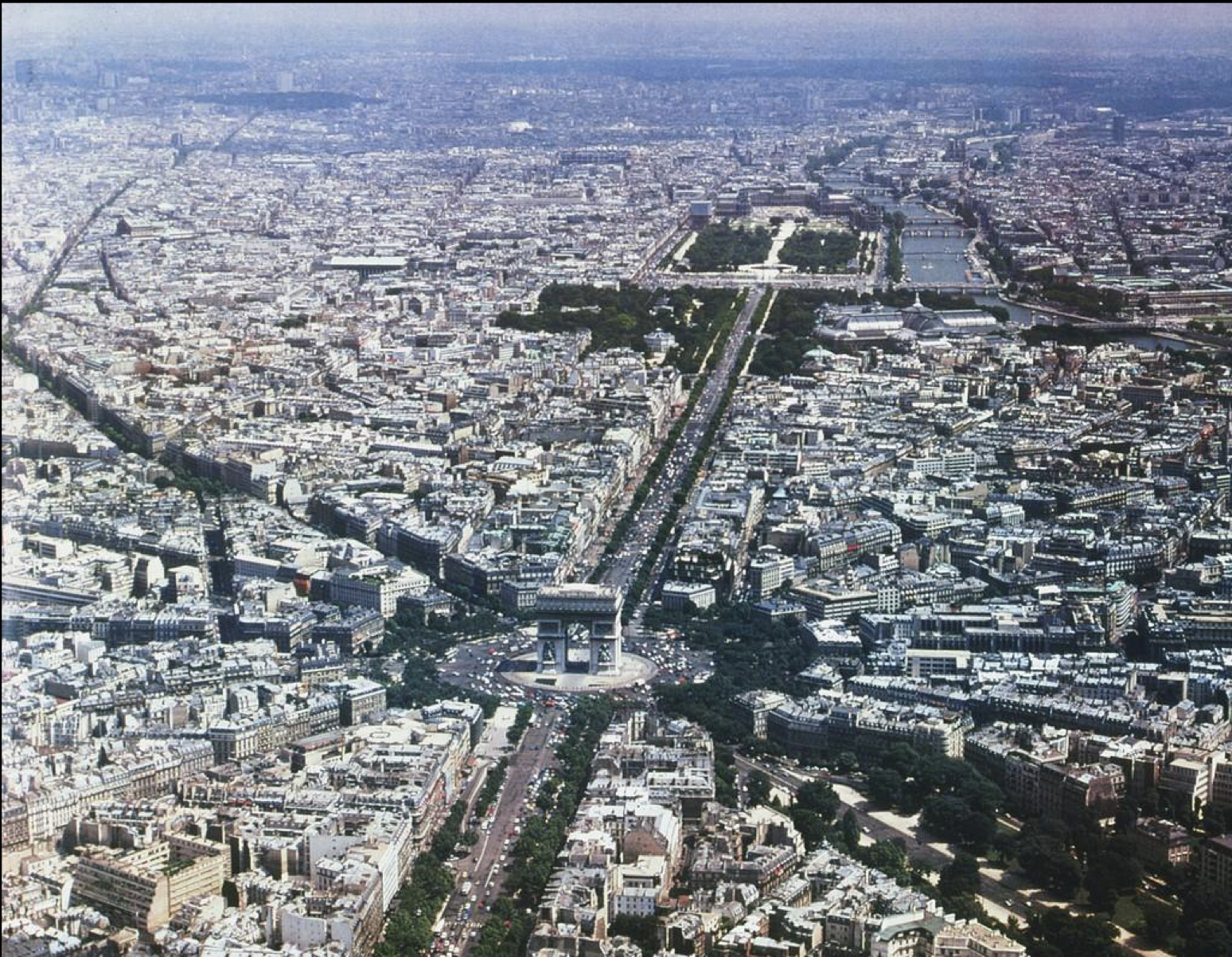
Arch De Triumph
1806-1836
notable terms to connect to: Le Grand Army / The Great Army, Triumphal Arch (see below)
Begins construction under Napoleon Bonaparte, and is a creation of the First Empire
who set out to create a structure that would be on the procession route of le grand armee - an image of Frances military advancement and success
the name harkens back to Ancient Rome
Construction was halted in 1814 with the expulsion of N.Bonaparte
representation of political power
contribution to the creation of cultural memory, transcends the idea of N.Bonaparte and stands as a symbol of France and its success
was completed during the July Monarchy
this depiction of Bonaparte, and the completion of this structure is a product of juste-milue thought during this period; a way to appease the bonapartists
it also stands as a symbol of military power and success of france in general
The close up image is one of the most famous high relief sculptures on the structure:
Rude
Departure of the Volunteers of 1792
1833-1836
the artist was a Napoleon supporter
In 1792 (the convention), people voluntarily walked to the border to meet the Prussian army who was trying to invade, they successfully kept their borders safe
this is what is being represented

Meissonier
The Barricade, Rude de la Mortellerie June 1848
1848
Revolution of 1848
in 1848 there was a gathering that police failed to break up and so King Louis Phillipe sent in the military
this escalated greatly
King Louis Phillipe abdicated and Feld to England
a provisional government was put n place that wanted to enforce order with a new constitution (becomes the second republic)
their main concern was establishing employment and so hey created National workshops, an infrastructure which employed 117000 people
the provisional government put the mister of war in charge, and he employs the national guard to deal with political gathering and radical news.
they set up an election and we see a huge chance in electorate demographic - mostly well off people, and they ended up closing the national workshops (a huge moment for the rebellion)
the outcome of this news evoked a mass rebellion
these are called the June Days (June 24-26, the most violent days of the uprising)
Painting specific:
Meissonier was a part of the national guard
historians believe the meissonier was at this event, and made his preparatory sketchers while present there In-situ
there is a primary source (his writings) that support this
contemporary history painting (like Delacroix and gericault)
this is a street very close to city hall, and many preliterate lived here- real representation of this space and real representation of seasonal/migrational workers
we can see a barricade in this painting (this is one of thousands)
clothing identifies them as proliferate
Uses traditional perspective techniques
focus on the barricade and foreground
very quickly works on particular perspective points
shift in clarity/focus in terms of detail in the bodies vs building
miessonier is being specific, particular, and authentic
connect to: Thibault, barricades before the attack
compare to: Liberty leading the people
seems to be reflecting on his own role, asking “is it worth it?”
Compare to: Rouseau’s realism
this is an application of realism to social groups and people:social realism
critics were comparing this work to daguerreotypes, pointing to the truth of his work

Thibault
Barricandes before the attack, rue saint Maur, Sunday 25 June 1848
1848
a daguerrotype
notice you can see people in this image clearly- an evolution of technology
connect to: meissonier, the barricade, rue de la mortellerie

Decluzeau
Virgin with a Blue Veil
1846-48
replica of Rapheal’s work
there was a big push for art conservation as many oil paintings were starting to deteriorate
Decluzeau was hired to make a bunch of replica’s for museums on ceramic bakes plates
Copyist
maker of sanctioned replica’s
primarily female field
Sevre’s were told to lower their cost and their way of doing it was getting rid of Ducluzea
so under this roivsional government, they saw a woman with equal pay as the men and let her go
Before she left, she was working incredibly prolifically, and hadn’t been paid out the end sum of her salary (eventually got paid

Bonheur
Ploughing in the Nivernais
1849
Her father was an artist who trained her and her siblings
she was working from an artisan class
an earlier painting was commissioned by the government and she was awarded the national prize - as a result she was commissioned by the government to make this paingitng
using the compensation from this commission, she travelled around agricultural France to paint and document animals and traditional agricultural practices - this was a realist approach to the subject and was very positively received.

Millet
The Winnower
1847-48
representing a genre scene of everyday life'
before this, we didn’t really see agricultural depictions, or depictions of labourers - especially not at this scale
millet is depicting skilled agricultural labour
brushwork - we see a looser application of brushwork
sketch-like technique
more so hinting/creating a moment/glimpse in time as opposed to a frozen scene
looser form of modelling
There is a hierarchy to genres:
historical, portraiture, genre scene, landscape, then still life
moreover, this work was also looser and less academic
lots of people didn’t like it
The scale of this work is similar toIngres-Bertin portrait.
placing proletarians at a similar scale as people like Bertin
Social Realism - realism connected to political proletarian issues and daily life
this was shown at the salon the year of the revolution
was connected to ideas of universal male suffrage
and was bought by the new minister of the interior
many interpreted this as a political statement/display of sympathy towards the rural working class

Cordier
Bust of Woman (1851) and Saïd Abdullah (1848)
companion pieces
The artists exhibited them initially in plaster in hopes of someone commissioning the work to be made in a more expensive material like bronze
The Abolition of Slavery 1848
this work was submitted prior to the abolition of slavery, the abolition occurred and then the work was shown
1794 was when slavery was initially abolished under the convention
it was then reestablished in 1802 under Napoleon
in 1851 they were approved as official sculpuers to be put in an ethnographic gallery
he did not use live casts/models but did work off of measurements of people

Dumont
Monument to Marshall Bugeaud
1851
relates specifically to the Colonization of Algeria (specific example of France’s colonial enterprise)
this is a public sculpture , connects to the space its in
how does this sculpture reenact political/social power
the bronze sculpture is on a pedestal - one that every important to this work
the material is grey porphyry - an igneous rock in Algeria
France sent people to match the geography of Algeria - cartographic colonization
flag poles by the legs
cannonball and sword
ask leaves symbolizing strength and power
Bugeaud
was in the battle of Austerwitz and rose in the ranks over time
he started in Algeria in 1836 and he was there in 1837 when the Treaty of Tafra was signed which gave France authority over 5 coastal towns
Bugeaud was then appointed governor general
now had political power alongside military
the French frequently used raids to enforce their power and presence
died of Cholera in 1849
after he died the second republic commissioned a public sculpture in his name
was a ‘national subscription’
the public can donate money and only if they have enough money they would make this sculpture
the subscription payed for the bronze, but the military paid for the rest - they paid 3 times the price of the bronze for the pedestal
effigy - representation of someone in a public space
Porphyry
incredibly tedious to harvest
carve a other, deforestation for wood, transporting it over mountainerou terrain, getting it on a ship
the people who did this work were paid individuals and military individuals who were being discipled
think very literally and figuratively about bugeuad as on top of this material
Dumont
was chosen, was academically trained
also sculpted the final top of the vendome column
Reducations were made, small scale exact replica’s

Bonheur
The Horse Fair
1853-55
not a commissioned work
is investing in her work, doesnt have financial support and earns money through commissions to be able to make this kind of work
does not study in an academy has to create circumstances in which she can study human/animal anatomy
working at vet clinics, local animal and horse shows
concerned with the relationship between humans and animals
Animalier: represents animal bodies on par with people who represent human anatomy
This work was shown at the salon and it did very well
she tried to get someone to buy it but it was ‘too expensive’ for a work made by a female artist
she created a professional relationship with an art dealer in Belgium
he made a replica of her work and more, and sold prints
eventually through more shows, the original sold for three times more than she was originally going to sell it for
shows a commercial avenue that artists are approaching
throughout the second empire - there was more social recognition for women’s work, and more acceptance
after this work she stops showing work at the salon cause she doesn’t need to
women/clothing
horse market was an all male environment, bonheur had to acquire a cross dressing perming 1800 so that she can wear pants around this market
if you want to position yourself as doing ‘work’ dressing as masculine would be beneficial for you and your social movement as a women
otherwise women shouldn’t really appear to be able to do work
restricting opportunities and movement of women, taking more control etc.

Manet
The bath
1855
later retitled luncheon on the grass
this was submitted to the salon in 1863, 2/3s including this one were rejected
Napoleon wanted a more liberal, demoncratic government, and salon so he relied the rejected work and concluded to let the people decide and the rejected artworks were put in a exhibition titled salon of the refused
The painting:
the title leads us to look in the back of the painting
the composition flattens the space
the female nude is not idealized, she is portrayed as a contemporary woman looking at you
there is no mythological reason for this
the men are in average contemporary student clothes
the application of the paint, especially with regards to the vanishing point, reads as unfinished and sketched - not something to be presented as a finished work
People were very uncomfortable with this painting
made viewers connect to prostitution

Nadar
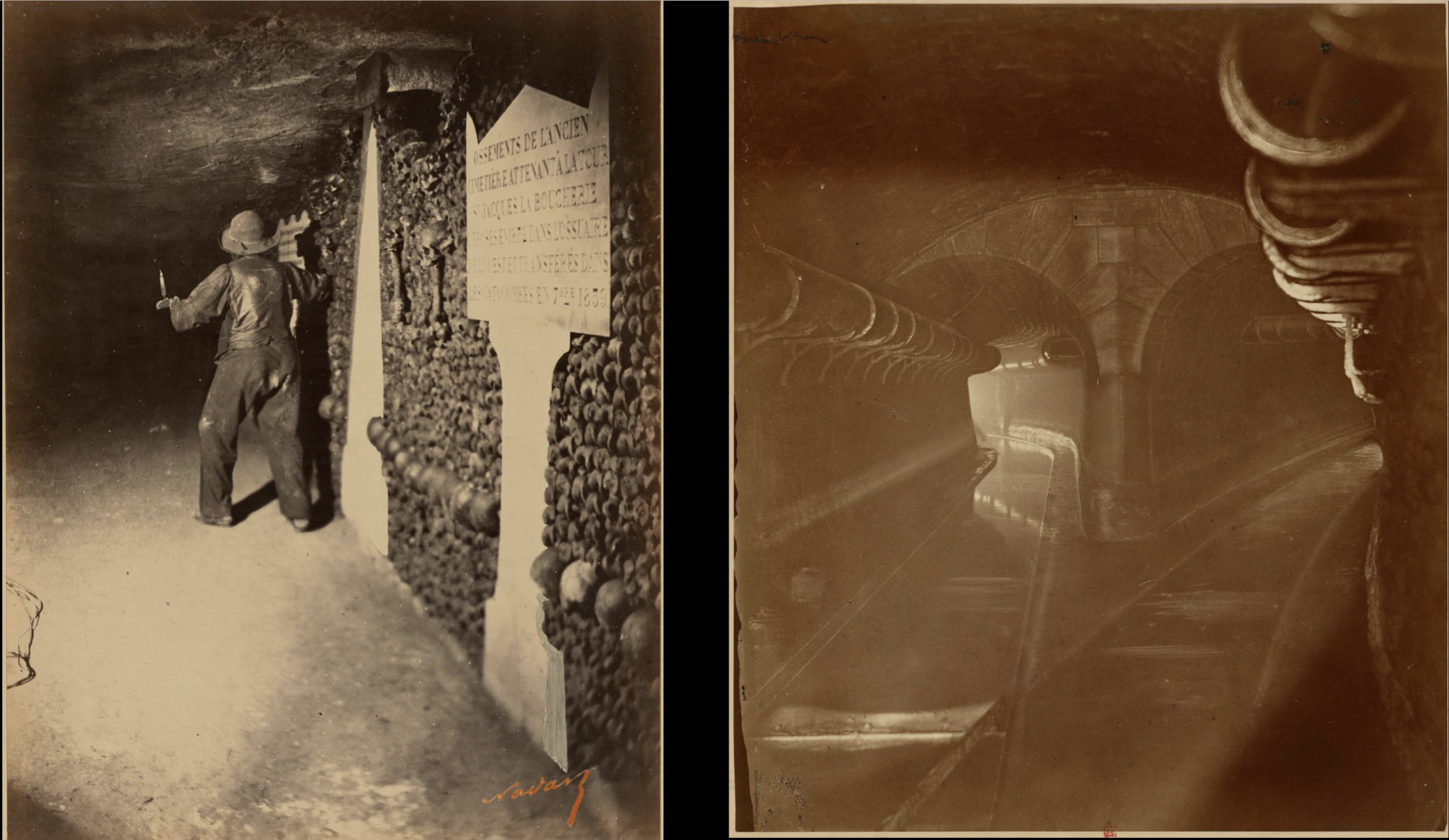
Early Images of Paris
1861-62
Nadar
Sewers of Paris
1864-65
Albumum Print- early 1850’s - became dominant form of photography until the 1890’s
glass plate negative
you take the photo on a glass plate, allowing the image to be reproduced
Nadar was using electric lights and generators to take these photos
was interest in new methods and objects of photography
wanted to remind people of the violent history of paris
The Salon at this time did not accept photographs as a type of art at this time - the french society of photography did
Nadar was showing spaces that are normally invisible to the public at a time when Paris was being radically transformed by sanitation reform and urban construction
concerns of public sanitation’
overcrowding, urbanization, poor cemetery handling all contributed to infestation and contagious contamination - people were getting sick
so they had a desire to fix health solution
catacombs in 1st empire
from the ancient regime to the second empire - 6 million corpses were relocated from cemeteries to catacombs
sewers expanded in 2nd empire
Manet
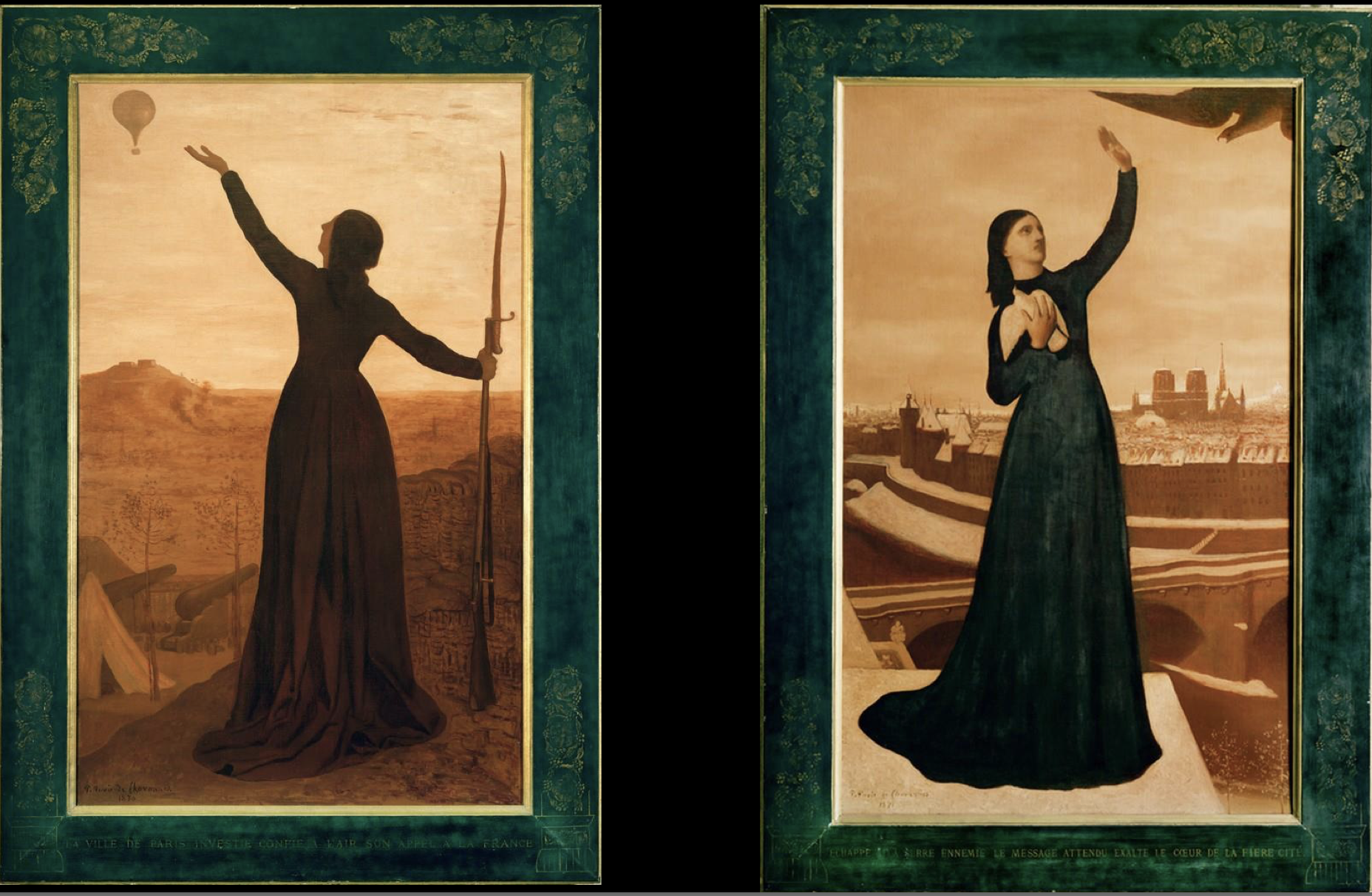
Line in Front of the Butchershop
1870-71
What kind of event are disrupting daily life? what sort of changes are happening?
siege of Paris
social realism - taking a rural worker and putting them at a scale that was previously only for historical paintings
is doing a genre scene but around his own life - this is something we start to see emerge with impressionism


Morisot
Butterfly Hunt
1874
artists are also starting to paint outside plain air painting
the entire process is outside, prior to this time, artists had only done sketches and studies outside
paint started getting developed in tubes which contributed to the portability of the painting process now
again, looser brushwork

Seurat
Sunday Afternoon on the Island of La
1884-86
Pointalism - shown at the 8th and last impressionist exhibition
different approach to impressionism
neo-impressionism/scientific impressionism
more controlled approached to painting, but still very concerned with everyday life that the impressionists are concerned with
worked on this for two years
works on a whole range of drawings and conte/oil sketches
completely in contention with how impressionists were working (he was in the impressionist group because he was friends with a lot of them )
this painting is huge, very much like history painting but this time a scene of everyday life
a liesure scene
think about holidays and leisure in a long duree process
clothing represents different classes
there is a range of social classes all together in the same space
Sunday was generally considered a day off
ancien regime - Sunday was a holiday - expectation was to work 6 days a week, Sunday is holiday- this ended in 1789
the bourbon restoration re-instated a law around Sunday’s and time off in 1814
was repealed in 1880 (the third republic)
the date of this work indicated Sundays off is a new phenomena, people of different classes and social status all have Sundays off
secularization of Sundays
primarily non-family relations being depicted

Monet
Impressionism: sunrise
1872
was a part of The anonymous company - a group of artists (including Morisot, group of artists that came together and host their own show, this group had enough money to produce a catalogue- a primary course)
brushwork - less descriptive modelling
white prime base (historically was warm red, this group used white)
they would take different courses rather than mixing them on a palette, put them straight on the canvas forcing the viewers eye to do the work of blending the colour
by the anonymous societies third exhibition, they start to adopt the term impressionism, take the negative term and label themselves (a critic had previously referred to this work as a ‘mere impression’)

Rodin
The Burghers of Calais
1884-1889 (1895 install)
Historical Context (Based on a primary source text)
commemorates an event from the hundred years war
The British took siege of Calais, and made a deal that we would lift the siege in exchange for the. key to the city and the lives of six burghers (city officials)
Ultimately the men were released - Queen Philippa intervened and begged King Edwards to release them for fear that it would bring bad luck to their unborn child
Instead of choosing to commemorate the councilmen in what would’ve been the traditional herioc/triumphant depiction, Rodin wanted to portray this moment of anguish, despair and heroism.
despair and haunted courage, was challenging heroic ideals of the past
simple clothes, bodies seem gaunt, they are barefoot and roped together
Rodin wanted the figures to be almost at eye level for the viewer, to engage with the viewer at a more personal level.
city commisioners/patrons wanted them depicted heroically, put them on a huge pedestal
they are displayed at equal heights, also going against a sort of typically pyramidal approach.
Bronze sculpture
sculpted in the round you have to walk around it to see it
he created a maquette for this work, a sketch if you will
eventually displayed a plaster version as the Universal Expo in Paris, where there was an estimated 30 million visitors

Eiffel
Eiffel Tower
1887-89
was built for the universal expo
designed by Gustave Eiffel (who also designed the internal structure of the Statue of Liberty)
he is a civil engineer/bridge engineer
was entirely built of iron
was initially temporary but became a symbol of Paris

People were asked to vote if they wanted an Empire, but the procedure to become an empire was already put in place before they even answered - the vote did indicate yes anyway
Referendum of 1804
A sculpture that relates/ is responding to the context of a space both politically, physically, and conceptually
why this specific place, for this specific sculpture
examples: vendom column, arch de triumph etc
Public Sculpture
bourbon dynasty
constitution monarchy
comes out of Vienna, and under this charter france had to:
return every piece of land they had conquered since 1791 had to be returned
voting rights change
religious safety - catholicism is declared as state religion and all other religions are ‘tolerated;
equality before law - king is not above law
property rights are protected
elect a chamber of deputies
Charter of 1814
their meaning is intended to be derived from them together/how they interact with each other
example: wounded cuirassier leaving field of battle and charging cuirassier - gericault
Pendant Painting
featured the idea that art should connect to the political body (think David)
neo-classicism
interest of the individual, human experiences and human emotions
person as representative of a broader category
nature and figures as nature
(thing Gericualt)
Romanticism
1815
Napoleon escapes exile and comes back - reconnects with David
Napoleon takes his troops into Waterloo
after his loss he returns to Paris, and tries to negotiate for support in France but fails and was exiled again, but much much farther
The Hundred Days
1814-15
the congress who made the charter
Congress of Vienna
transcends a specific political eras - bridges between
Photography
Light sensitive material that is spread on the plate
was used for heligographs
coats the plate, is left to harden placed in a window in a box and the image from the window transfers onto the place
and before that - etching
Bitumen
has existed for a while but comes to be used for photography
Camera Obscura
Niepce partners with Daguerre to fund his efforts and continue to develop his ideas
Daguerre
the bourgeouisie starts to become more complex during the July Monarchy
we start to see a division between the general bourgeoisie and the haute bourgeoisie
a lot of this division comes down to amount of money and ownership
industrialists, financiers, private investors, banking, ancestral connection to colonialism
example: daguerrotypes became an object for the petite bourgouise, and private commissions are a commodity for the haute bourgouise
haute-bourgeouisie
something like a small business owner
Petite-Bourgourise
intense realism
critics were pointing to, and praising the realism of this painting (Bertin)
and the use of academic training to communicate narratives
illusionism
Middle way
government policy of compromise
how we bridge traditional and modern ex. painting of Bertin
Juste-Millieu
a genre of painting
could specifically refer to historical landscapes
picturesque
landscape painting
monthly political art subscription by Daumer to get around press censorship
The Monthly Association
New press laws in response Rue Transnonian
September Laws 1835
July Revolution
Transition from the Bourbon dynasty (Bourbon Restoration) to the July Monarchy
Revolution of 1830
Connect to revolution of 1830
takes the Vienna Charter and upadtes and revises it
people are still interested in royalty as a divine right
ligitmist political party thinks the process of royalty should stuck with the Bourbon/Oilean family - K.Louis Phillipe is bother to previous king
one of the stipulations was regarding who could rule - and they voted that hereditary rule as a requirement was abolished
king could not make ordinances regarding state security (incarceration and police related matters)
the estbalished chamber of deputies can put laws forward
suffrage remained with males 25+ with slightly more lenient tax/money requirements
Catholicism is the majority religion but is not the state religion
adjustments on press censorship
1 year after this charter there are increasing liberties for the press, and increasing democritization - making it possible to critique political figures
daumier was hired by a newspaper publisher (The Caricature, also no existing as a new kind of patron)
Relevant works
Winterhalter, 1839
Portrait of King Louis Phillipe
Daumier, 1831
Gargantua
Charter of 1830
Print making method
could make 100 or so prints from one plate
democratization of art
was used for a lot of political art, and newspaper art
Lithograph/Lithography
During this time France is operating within a constitutional monarchy, under the Charter of 1814 and King Charles X (the constitutional monarchy is made of of the chamber of deputies)
King Charles dissolves the chamber of deputies, going against the charter, and calls for an election
fall less people were royalists than he thought, and he ended up with a majority liberal party in his chamber
he saw this as an attack on himself- his agenda had been to return to france and reestablish the Divine right of royalty and decided he could rule by decree
He decreed in July of 1830 that he would now be ruling by Decree- this was decreed in a four part ordinance
The four ordinances:
dissolves the newly elected chamber of deputies
changed who could vote, making it so only the wealthiest men could vote
called for a new election with the newly restricted voting pool
restricted the press (Press laws/press censorship)
These four ordinances led to an immediate uprising called the Three Glorious Days: Revolution of 1830
July 27,28, and 29th
the working class and the bourgeoisies had some together, barricades were constructed to keep police intervention out of
on the first day: over 10000 military troupes were deployed (royal guard) and deaths started to occur
on the second day, there is an account of a Marshall saying that “this is not an uprising, it is a revolution”
making this date as a sort of declaration
In early august King Charles withdrew the ordinances and abdicated the throne. King Louis Phillipe (his cousin) put himself forward and the chamber accepted. This became the July Monarchy for which King Luis Phillipe ruled during the whole duration (1830-48).
connect to: delacroix’s liberty leading the people
The July Revolution
ancient roman times, this hat was worn by people who were feed from enslavement
think Delacroix’s liberty leading the people
Phrygian Cap
cockade
fabric tri-colour attachment for hats and other clothes
people wore this for the storming of the Bastille and liberty leading the people
Cockade
required children to spend part of their day at school, from ages 6 to 13
starting with this law, and to the end of this class we see an emphasis on the education on children
the impact of this system>
there is now just a marginal different between abandoned children, and those who were not
educated roughly to the same degree, no significant differences in military status, class, job, income, or law abidingness - which challenged the preconceived and deliberate narratives people were making of abandoned children
1882 Education Law
all teachers must be lay teachers, no teaching time could be given to religion
1886 Lay Teachers Law
The last revolution we look at in this course
main topics
male suffrage
property based franchise
takes place over February through June
there’s no evidence that the revolution was formally planned, but political groups were gathering for political reform and the right to gather
the right to gather as a political group (called banquets) was outlawed the year before in 1847
in 1848 there was a gathering that police failed to break up and so King Louis Phillipe sent in the military
this escalated greatly
King Louis Phillipe abdicated and Feld to England
a provisional government was put n place that wanted to enforce order with a new constitution (becomes the second republic)
their main concern was establishing employment and so hey created National workshops, an infrastructure which employed 117000 people
the provisional government put the mister of war in charge, and he employs the national guard to deal with political gathering and radical news.
they set up an election and we see a huge chance in electorate demographic - mostly well off people, and they ended up closing the national workshops (a huge moment for the rebellion)
the outcome of this news evoked a mass rebellion
these are called the June Days (June 24-26, the most violent days of the uprising)
connect to: June days Daguerrotype, or meissonie
the barricade, rue de la morttellrie June 1848
1848
and
Thibault
Barricades before the attack
Revolution of 1848
application of realism to social groups/people
connect to: meisonnier, barricades
contrast: Roussaus nature realism
Social Realism
maker of sanctioned replica’s
Copyist
right to vote
Suffrage
legal right to citizenship
enfranchisement
gendered access to secondary education
a test implemented by Napoleon to build a merticrousy
was a test men could write to enrol into university and get a hire paying job
Baccalaureate 1808
Napoleon wanted a more liberal, demoncratic government, and salon so he relied the rejected work and concluded to let the people decide and the rejected artworks were put in a exhibition titled salon of the refused
connect to: Manet the bath
Salon of the Refused
 Note
Note  Flashcards (25)