6.11. Physiology: Sensory organs and speech
 Call Kai
 Learn
Learn Practice Test
 Spaced Repetition
 Match
Match Flashcards
 Knowt Play
1/59

There's no tags or description
Looks like no tags are added yet.
Name | Mastery | Learn | Test | Matching | Spaced | Call with Kai |
|---|
No analytics yet
Send a link to your students to track their progress
60 Terms
1. The equilibrium potential for a given ion across a cell membrane can be calculated using the Nernst equation. A divalent (2+) ion is present extracellularly at a 100-fold higher concentration than intracellularly.
What is the approximate equilibrium potential for this ion under standard conditions (body temperature 37 °C)?
A. −122 mV
B. −61 mV
C. −30.5 mV
D. +61 mV
E. +122 mV
D. +61 mV
2. In a neuron with a membrane potential of −55 mV and physiological pH and ion conditions, different ions are driven either into or out of the cell depending on their specific electrochemical driving forces.
Which assignment of ion and direction is correct?
A. Ca²⁺: outward
B. H⁺: outward
C. HCO₃⁻: inward
D. K⁺: outward
E. Na⁺: outward
D. K⁺: outward
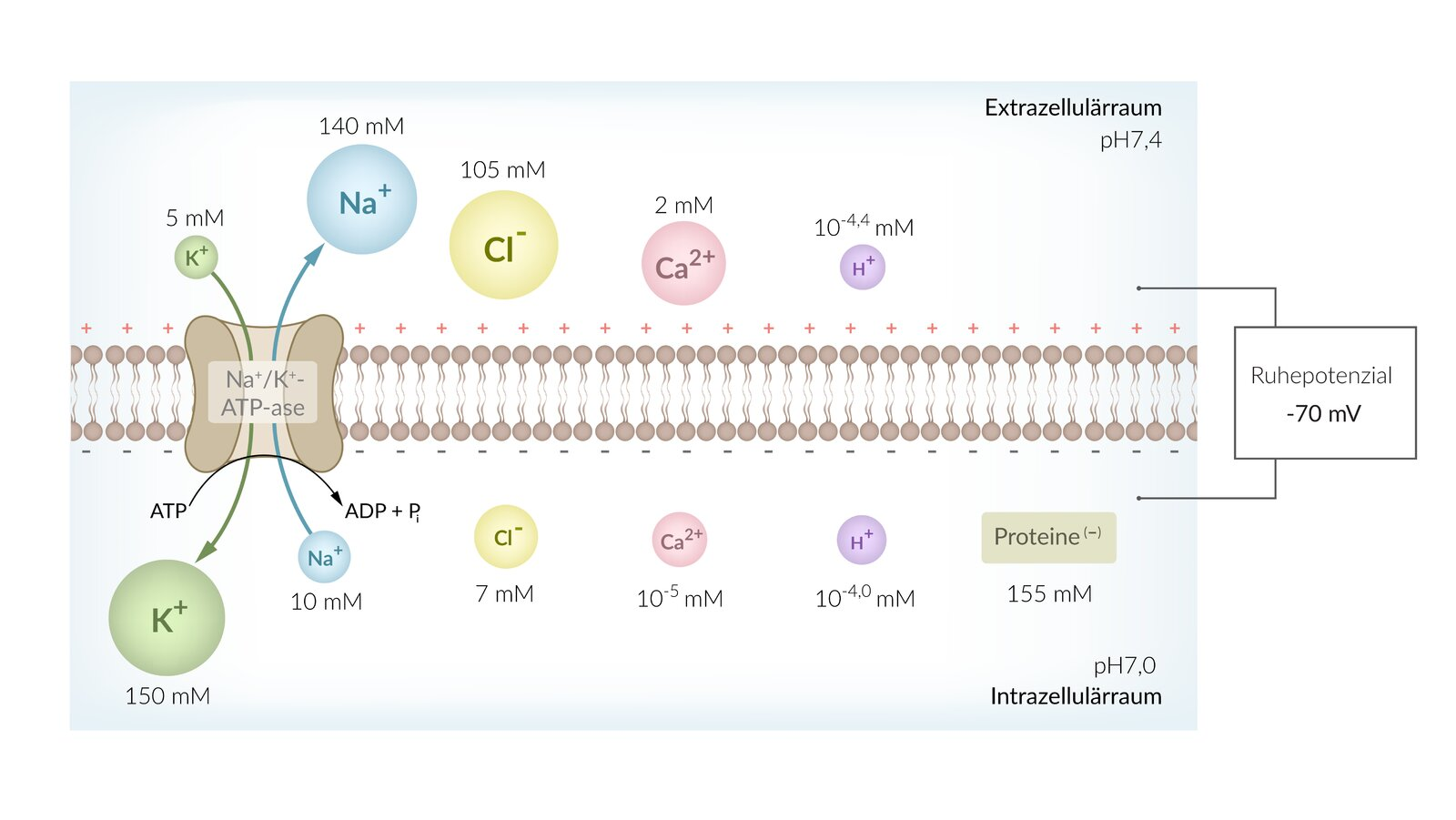
3. Na⁺-coupled glucose transporters (SGLTs) enable cellular glucose uptake against a concentration gradient for glucose. SGLT1, with a stoichiometric ratio of 2 Na⁺ : 1 glucose, is particularly effective.
In which of the following cells does cellular glucose uptake primarily occur via SGLT1?
A. α-Motoneurons of the spinal cord
B. β-cells of the pancreas
C. Enterocytes of the duodenum
D. Hepatocytes
E. Pacemaker cells of the sinoatrial node
C. Enterocytes of the duodenum
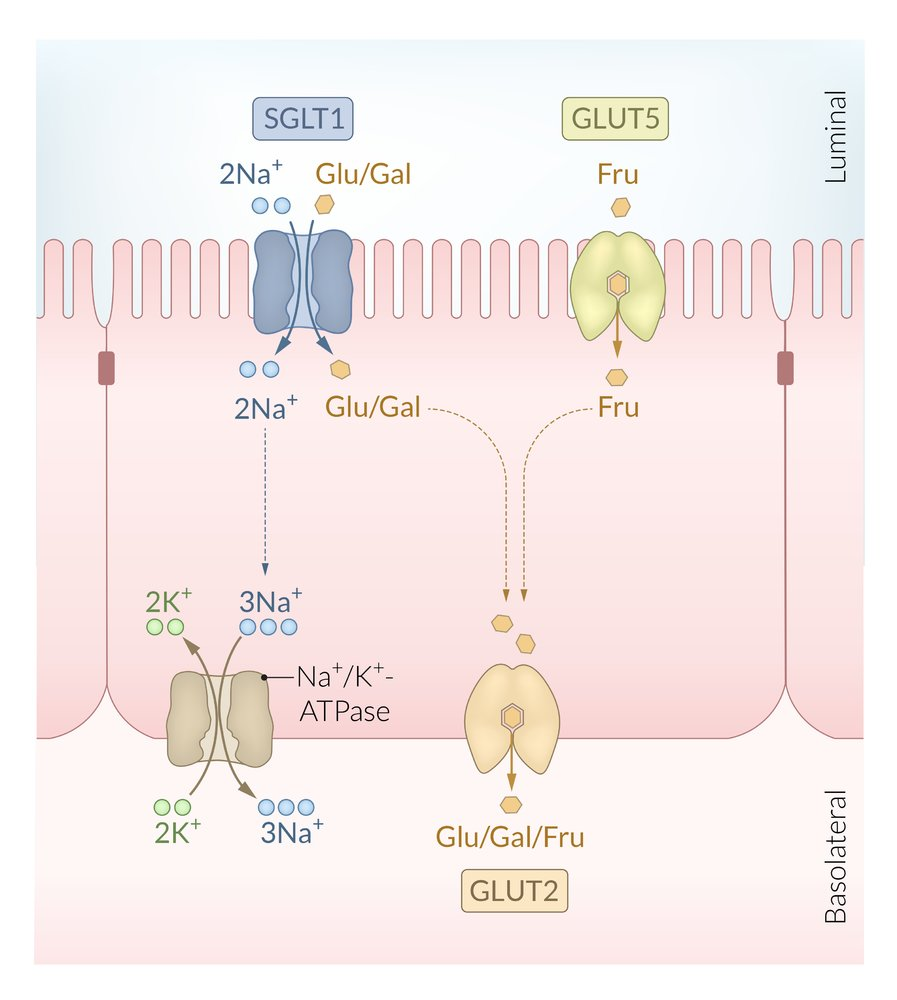
4. Tight junctions are important intercellular connections composed, among other proteins, of claudins.
What do claudins most likely mediate?
A. Extent of paracellular cation permeability in renal tubules
B. Speed of action potential conduction in the cardiac conduction system
C. Magnitude of hydraulic conductivity of the glomerular filter
D. Strength of neuroendocrine secretion in the posterior pituitary
E. Strength of gastric acid secretion in parietal cells
A. Extent of paracellular cation permeability in renal tubules
5. Motor molecules are mechanoenzymes: they convert the energy from ATP hydrolysis into mechanical energy for movement or force generation.
Which of the following molecules is such a motor molecule?
A. Caldesmon
B. Calmodulin
C. Dynein
D. F-actin
E. Tropomyosin
C. Dynein
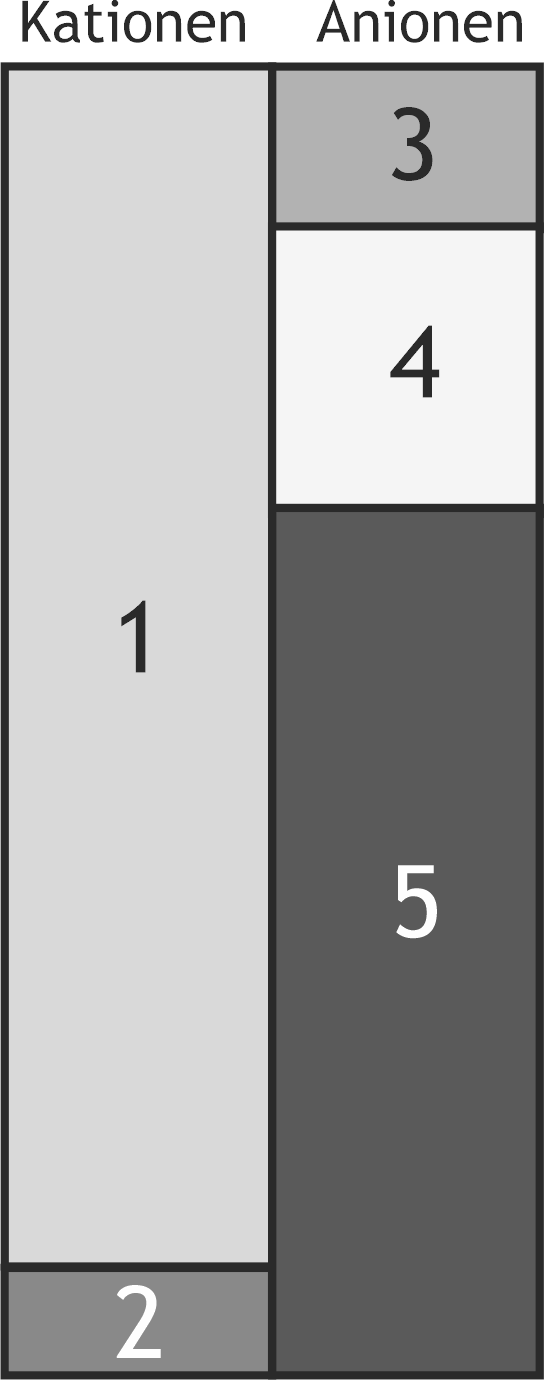
6. The following diagram schematically shows the approximate relative concentrations of the most abundant ions in blood plasma. The left column represents the major cations, and the right column represents the major anions under physiological resting conditions.
Which combination represents the concentration of the total buffer bases?
A. 1 + 2
B. 2 + 4
C. 3 + 4
D. 3 + 5
E. 4 + 5
C. 3 + 4
7. In the laboratory examination of a 19-year-old patient’s blood sample, the following values are decreased: hemoglobin concentration, erythrocyte count, reticulocyte count, MCH (mean corpuscular hemoglobin), and erythrocyte size.
Which of the following diagnoses is the most likely cause of these changes?
A. Acute hemorrhage
B. Iron deficiency anemia
C. Sickle cell anemia
D. Thalassemia
E. Vitamin B₁₂ deficiency anemia
B. Iron deficiency anemia
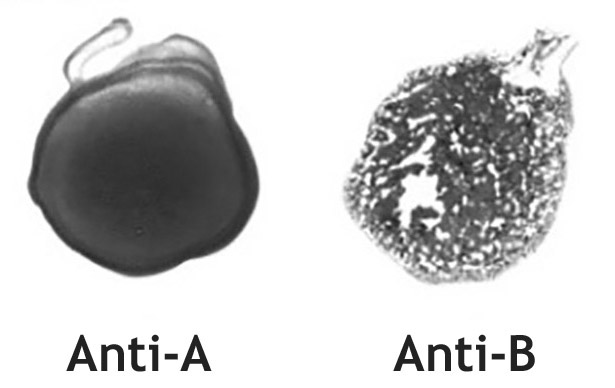
8. Before performing a red blood cell transfusion, the patient’s blood group must be checked using a bedside test and compared with the label on the blood unit.
Which result does the section of the bedside test in the figure show?
A. Blood group A
B. Blood group B
C. Blood group AB
D. Blood group O
E. Rhesus factor positive (Rh⁺)
B. Blood group B

9. Excitable cells use action potentials or electrotonic potentials according to their respective functions.
Which property most likely characterizes action potentials under physiological conditions?
A. Their amplitude depends on the stimulus strength.
B. They occur only in nerve fibers.
C. They can be triggered by both depolarizing and hyperpolarizing stimuli.
D. They can be summed.
E. They are regenerated during propagation.
E. They are regenerated during propagation.
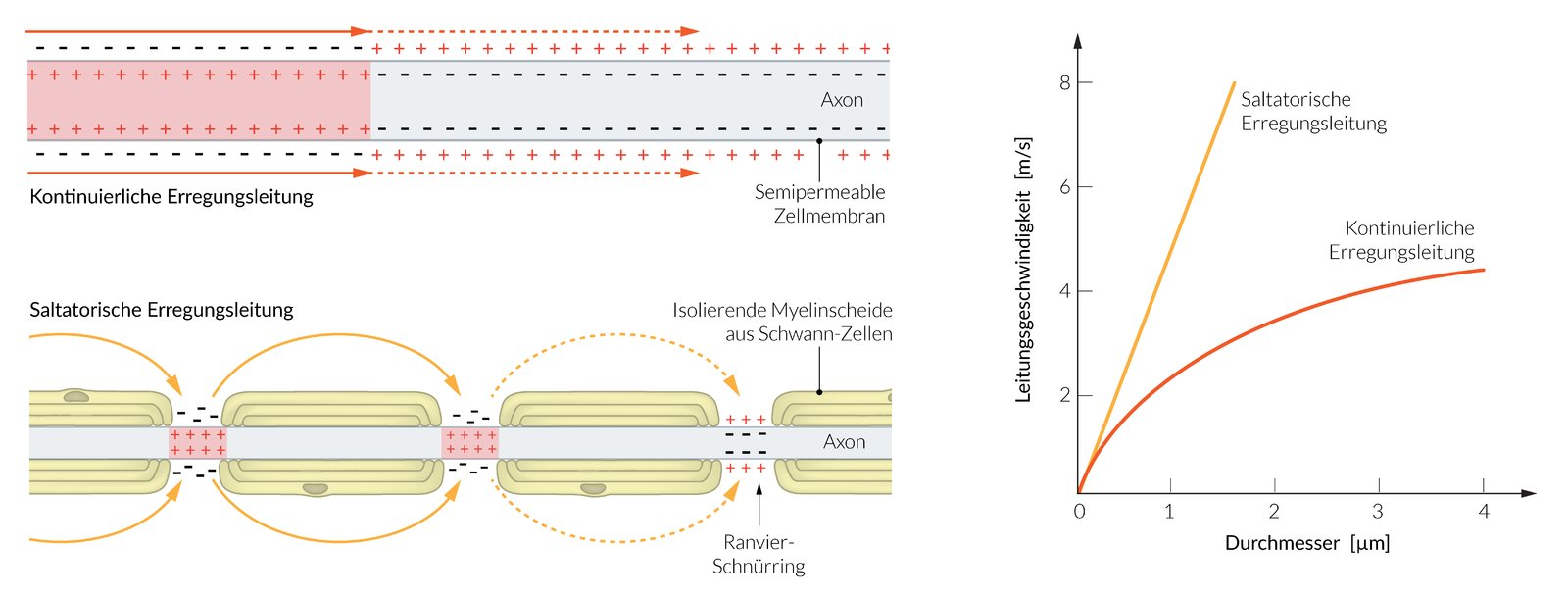
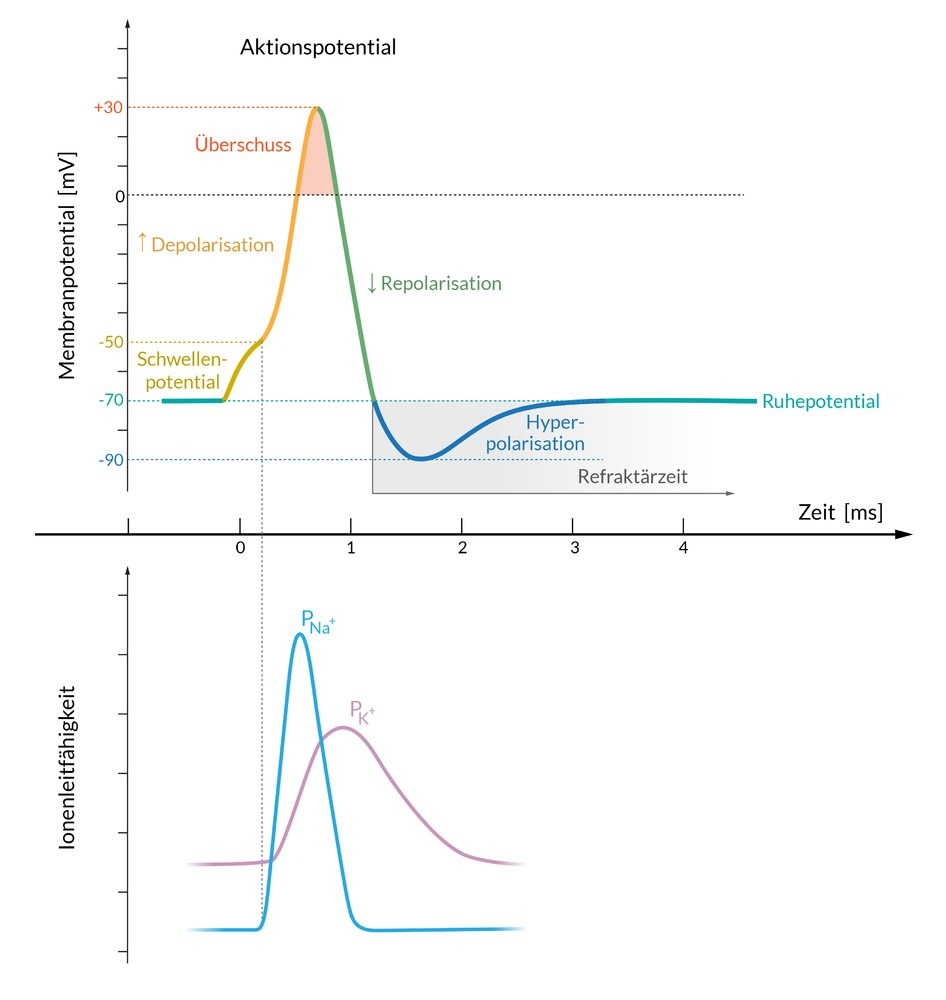
10. During the absolute refractory period of an excitable cell, no new excitation can occur after the initiation of an initial action potential.
Which mechanism most likely underlies this lack of re-excitability?
A. Ca²⁺-activated K⁺ channels prevent the threshold from being reached.
B. The Na⁺/K⁺-ATPase has not yet transported all Na⁺ ions out of the cell.
C. Voltage-gated K⁺ channels are activated.
D. Voltage-gated Na⁺ channels are inactivated.
E. Spermine blocks activation of voltage-gated Na⁺ channels.
D. Voltage-gated Na⁺ channels are inactivated.
11. The size of the pupil is variable.
Which of the following mechanisms most likely leads to miosis?
A. Activation of α-adrenoceptors in the eye
B. Activation of nicotinic acetylcholine receptors in the eye
C. Inhibition of cholinesterase in the eye
D. Inhibition of muscarinic acetylcholine receptors in the eye
E. Inhibition of nicotinic acetylcholine receptors in the eye
C. Inhibition of cholinesterase in the eye
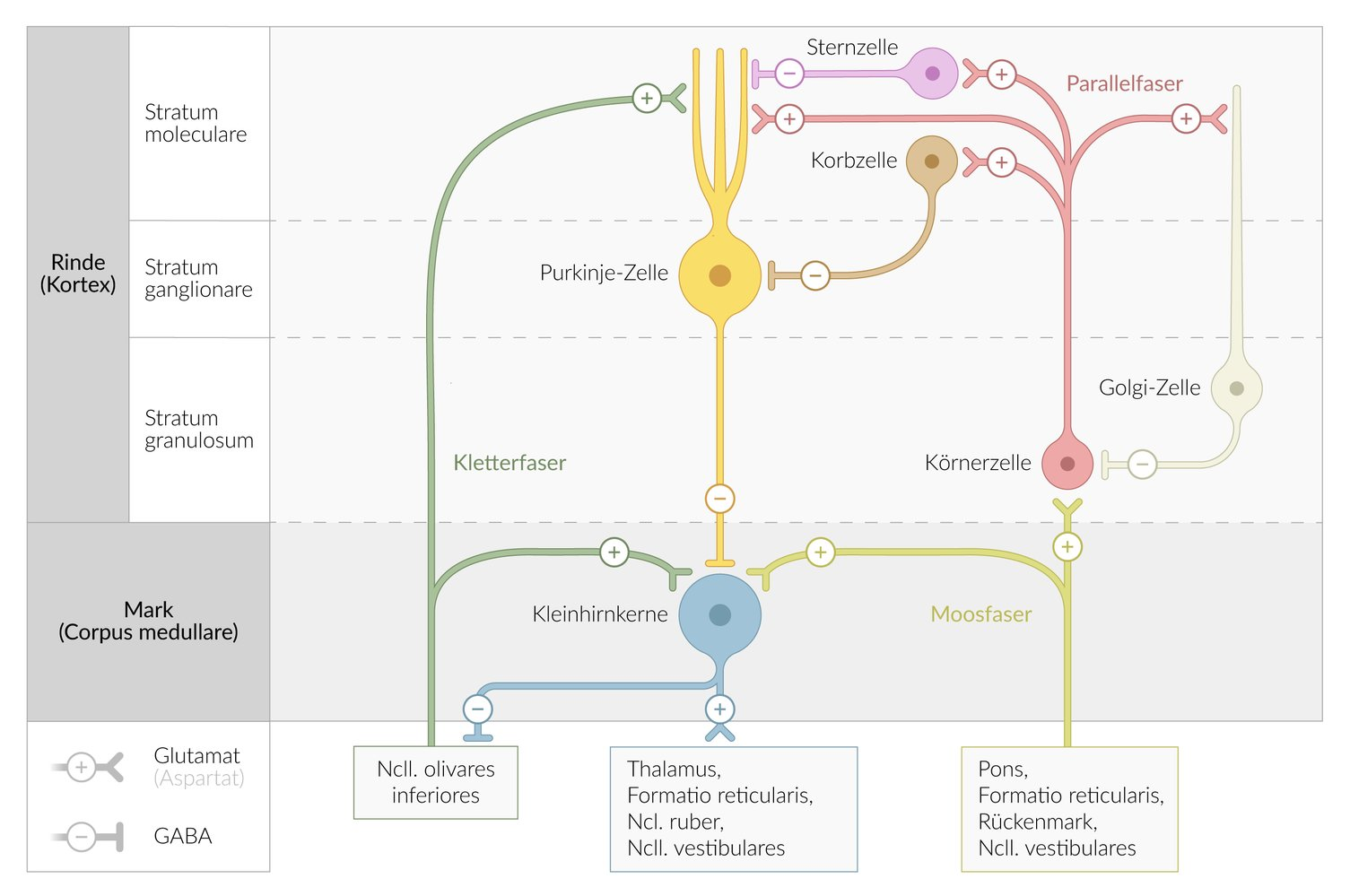
12. The cerebellum can enhance temporal contrasts to coordinate movements.
Which of the following mechanisms is primarily involved in this process?
A. Divergence of parallel and mossy fibers
B. Convergence of climbing and mossy fibers
C. Negative feedback via Golgi cells
D. Positive feedback via basket cells
E. Positive feedback via stellate cells
C. Negative feedback via Golgi cells
13. A 32-year-old woman reports sensory disturbances and tingling paresthesias in the left lower limb that have persisted for several days.
Which objective examination method can most likely clarify whether there is a functionally relevant lesion of the dorsal columns?
A. Measurement of calf flexor strength
B. MEP (motor evoked potentials), recording from the gastrocnemius muscle
C. Reflex examination of the quadriceps femoris muscle
D. Resting EEG (electroencephalography)
E. Tibial SEP (somatosensory evoked potentials)
E. Tibial SEP (somatosensory evoked potentials)
14. In a patient with an anxiety disorder (phobia), a study aims to investigate whether the amygdala is particularly strongly activated in certain situations (e.g., when viewing a spider).
Which of the following methods is most suitable for this purpose?
A. Computed tomography (CT)
B. Electroencephalography (EEG)
C. Functional magnetic resonance imaging (fMRI)
D. Magnetoencephalography (MEG)
E. Visually evoked potentials (VEP)
C. Functional magnetic resonance imaging (fMRI)
15. K-complexes are characteristic patterns of brain activity and can be visualized using electroencephalography (EEG).
In which of the following situations do K-complexes occur most frequently?
A. During focused attention
B. In occipital recordings with closed eyes
C. In the sleep stage with the highest proportion of sleep spindles
D. During deep sleep
E. During an epileptic seizure
C. In the sleep stage with the highest proportion of sleep spindles

16. The endogenous sleep-wake rhythm adapts to the external light-dark cycle.
Which of the following nuclei is primarily involved in this synchronization?
A. Nucleus arcuatus
B. Nucleus caudatus
C. Nucleus paraventricularis
D. Nucleus suprachiasmaticus
E. Nucleus supraopticus
D. Nucleus suprachiasmaticus
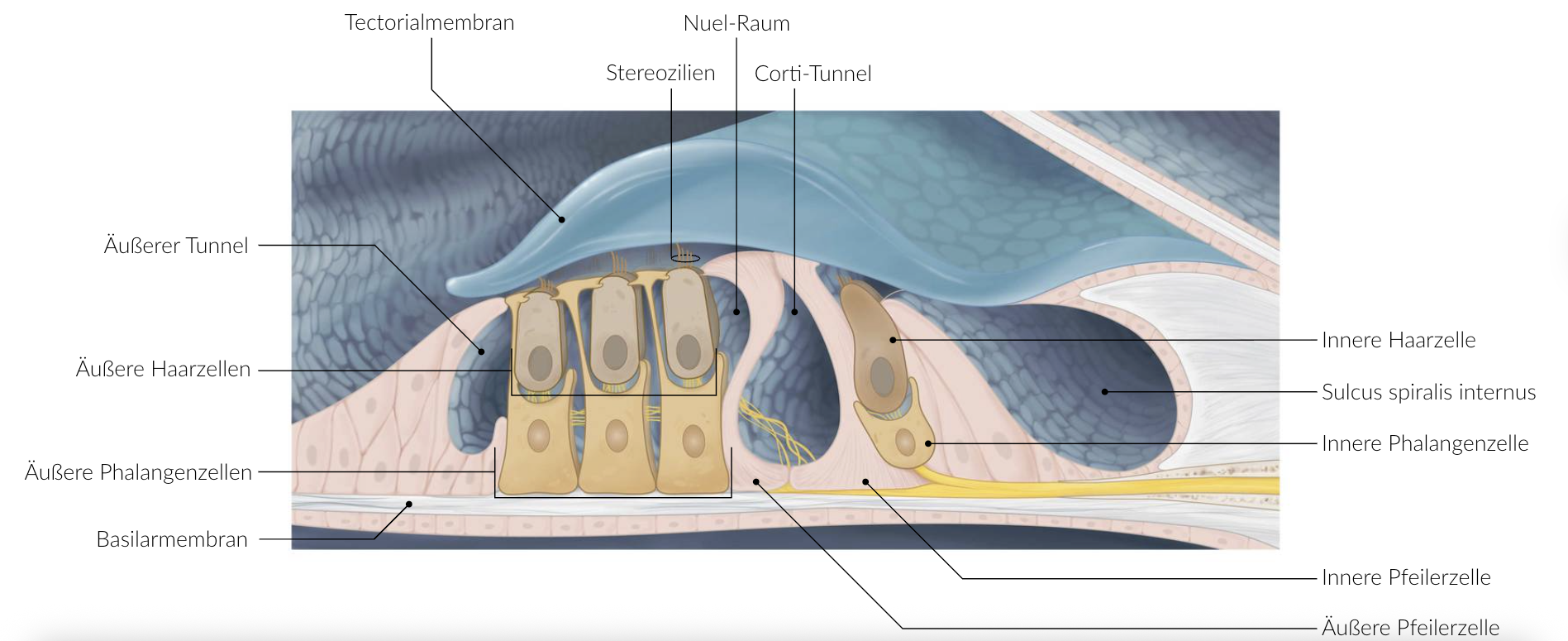
17. There are different types of sensory cells capable of detecting various stimuli.
Which sensory cells are typically highly sensitive to mechanical stimuli?
A. Taste cells of the tongue
B. Inner hair cells of the cochlea
C. Cold receptors of the skin
D. Olfactory cells of the nasal mucosa
E. Rods of the retina
B. Inner hair cells of the cochlea
18. Vibrations between 3 Hz and 1,000 Hz can be encoded via sensory skin afferents.
Which receptors have the lowest excitation threshold for the frequency range of 20–40 Hz?
A. Free nerve endings of Aδ afferents
B. Free nerve endings of C afferents
C. Meissner corpuscles
D. Merkel cells
E. Vater-Pacini corpuscles
C. Meissner corpuscles

19. Pharmacological treatment of pain can act at different levels of the nociceptive system.
Which mechanism directly reduces the presynaptic release of excitatory neurotransmitters in the dorsal horn of the spinal cord?
A. Blockade of AMPA receptors
B. Blockade of NMDA receptors
C. Administration of substance P agonists
D. Inhibition of voltage-gated Ca²⁺ channels
E. Inhibition of voltage-gated K⁺ channels
D. Inhibition of voltage-gated Ca²⁺ channels
20. A patient is examined in a rotation chair. Visual fixation is prevented by special glasses (Frenzel goggles). At rest, there is no nystagmus. At the start of rotation to the right, a nystagmus occurs in the direction of rotation.
What does this observation most likely indicate?
A. Failure of both vestibular organs
B. Failure of the left vestibular organ
C. Failure of the right vestibular organ
D. Lesion in the vestibular nuclei of the right brainstem
E. Normal finding
E. Normal finding
21. A 47-year-old emmetropic man reports increasing difficulty with reading. During an ophthalmologic examination, his near point is determined to be at 50 cm.
What is the man’s accommodative amplitude?
A. 0,25 dpt
B. 0,5 dpt
C. 1,25 dpt
D. 1,5 dpt
E. 2,0 dpt
E. 2,0 D
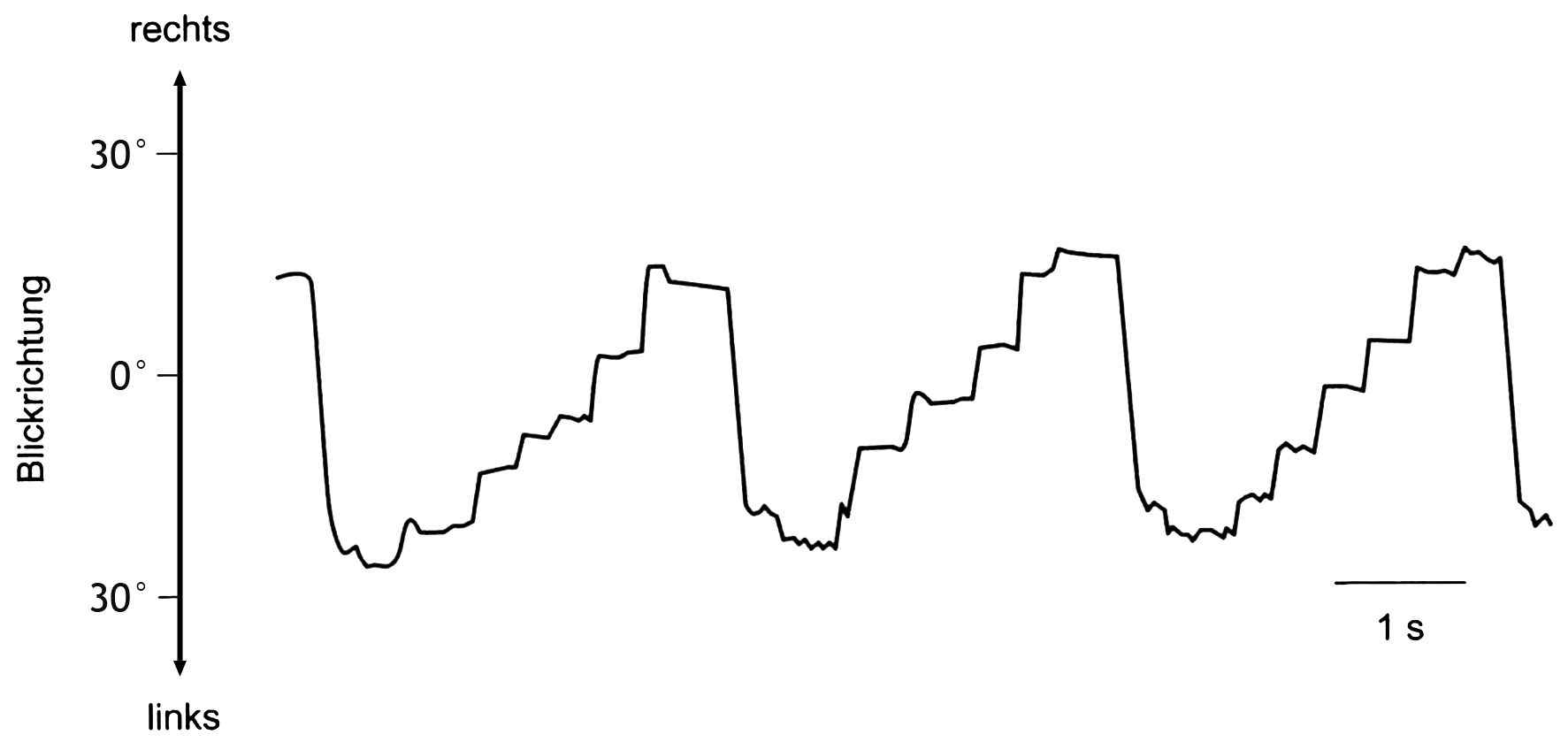
22. The illustration shows eye movements recorded over time using electrooculography.
The eye movements shown most likely represent the recording of:
A. An optokinetic right nystagmus
B. A vestibular right nystagmus
C. Smooth pursuit eye movements following a continuously moving acoustic stimulus
D. Smooth pursuit eye movements following a continuously moving visual stimulus
E. Saccades while reading a German-language book
E. Saccades while reading a German-language book
23. The parvocellular system includes the largest group of retinal ganglion cells.
Which of the following characteristics best distinguishes cells of this system compared with retinal ganglion cells of other groups?
A. Particularly fast-conducting axons
B. High temporal resolution
C. High spatial resolution
D. High sensitivity to movement
E. High sensitivity to brightness contrasts
C. High spatial resolution
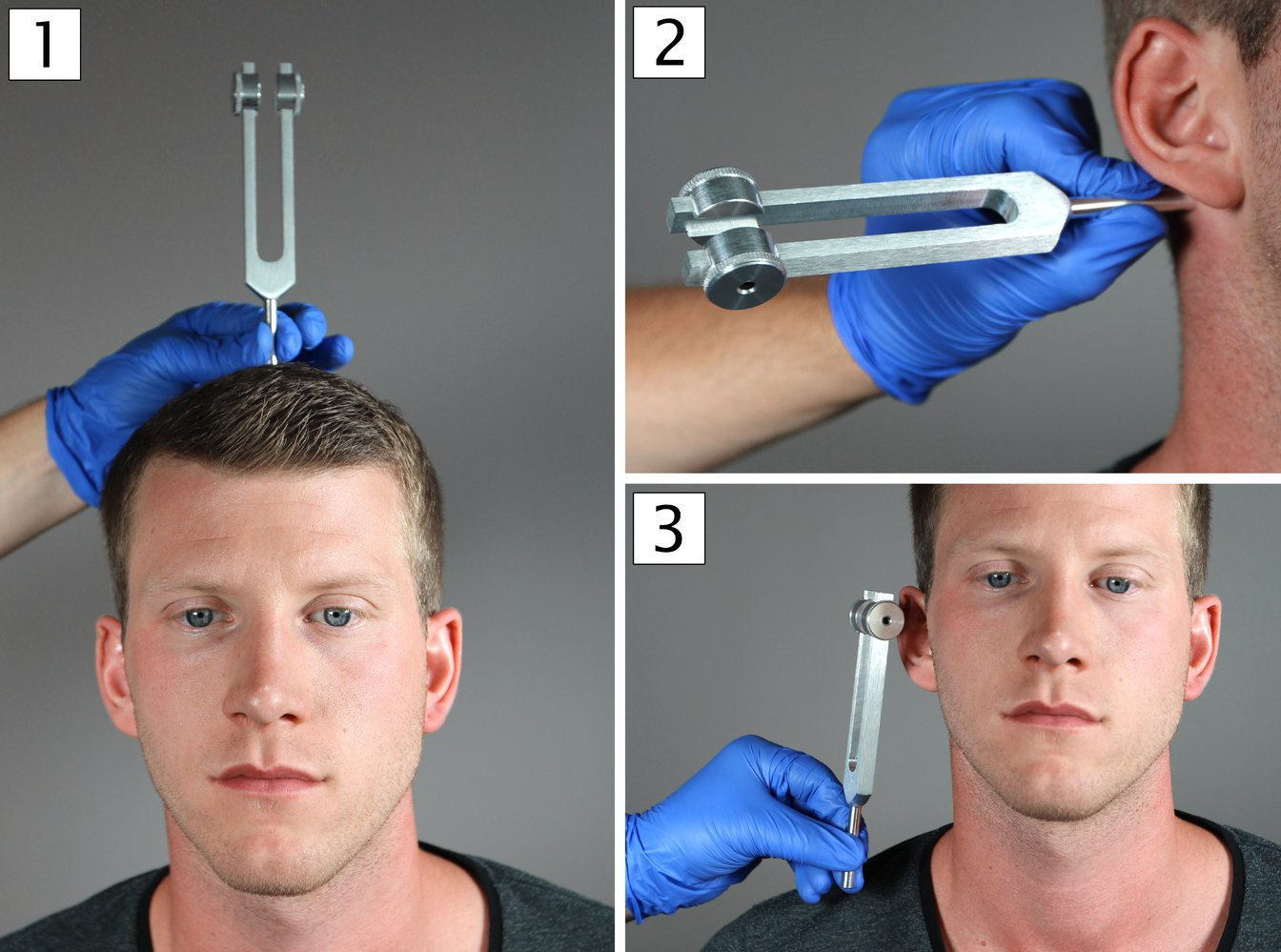
24. A patient’s hearing ability is examined using the Weber and Rinne tuning fork tests. In the Weber test, the sound lateralizes to the right, and the Rinne test is positive on both sides.
Which of the following disorders best matches this finding?
A. Sensorineural hearing loss on the left
B. Sensorineural hearing loss on the right
C. Conductive hearing loss on the left
D. Conductive hearing loss on the right
E. Bilateral conductive hearing loss and sensorineural hearing loss on the left
A. Sensorineural hearing loss on the left
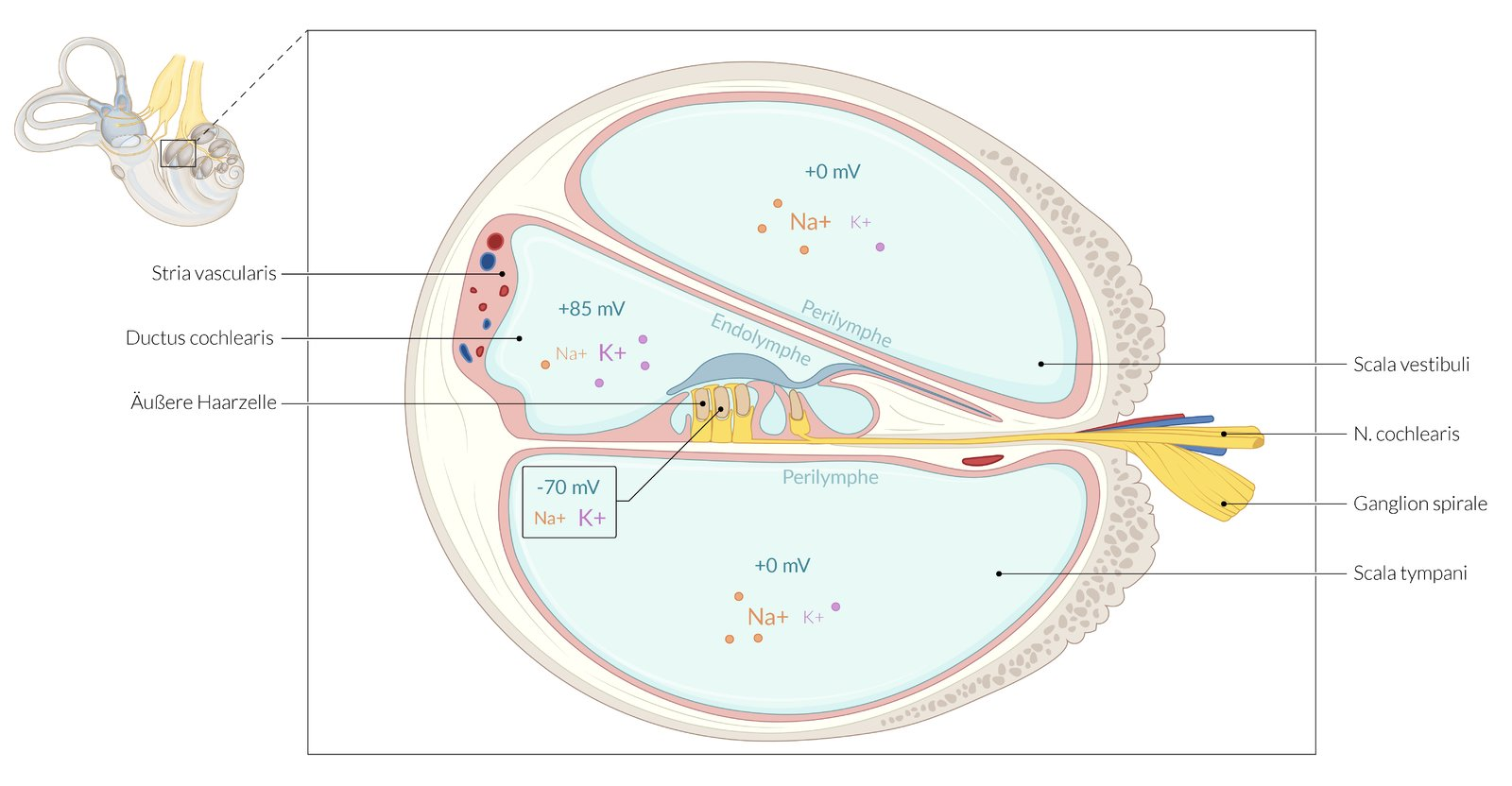
25. Loop diuretics are used, among other indications, for the treatment of arterial hypertension. An overdose can lead to reversible sensorineural hearing loss.
What is the most likely cause of this hearing loss?
A. Increased K⁺ concentration of the endolymph due to blockade of Cl⁻ channels
B. Increased K⁺ concentration of the endolymph due to blockade of the NKCC (Na⁺, K⁺, 2Cl⁻ symporter)
C. Decrease in the magnitude of the endocochlear potential due to blockade of the NKCC (Na⁺, K⁺, 2Cl⁻ symporter)
D. Decrease in the magnitude of the endocochlear potential due to blockade of K⁺ channels
E. Decrease in the magnitude of the endocochlear potential due to more permeable intercellular junctions
C. Decrease in the magnitude of the endocochlear potential due to blockade of the NKCC (Na⁺, K⁺, 2Cl⁻ symporter)
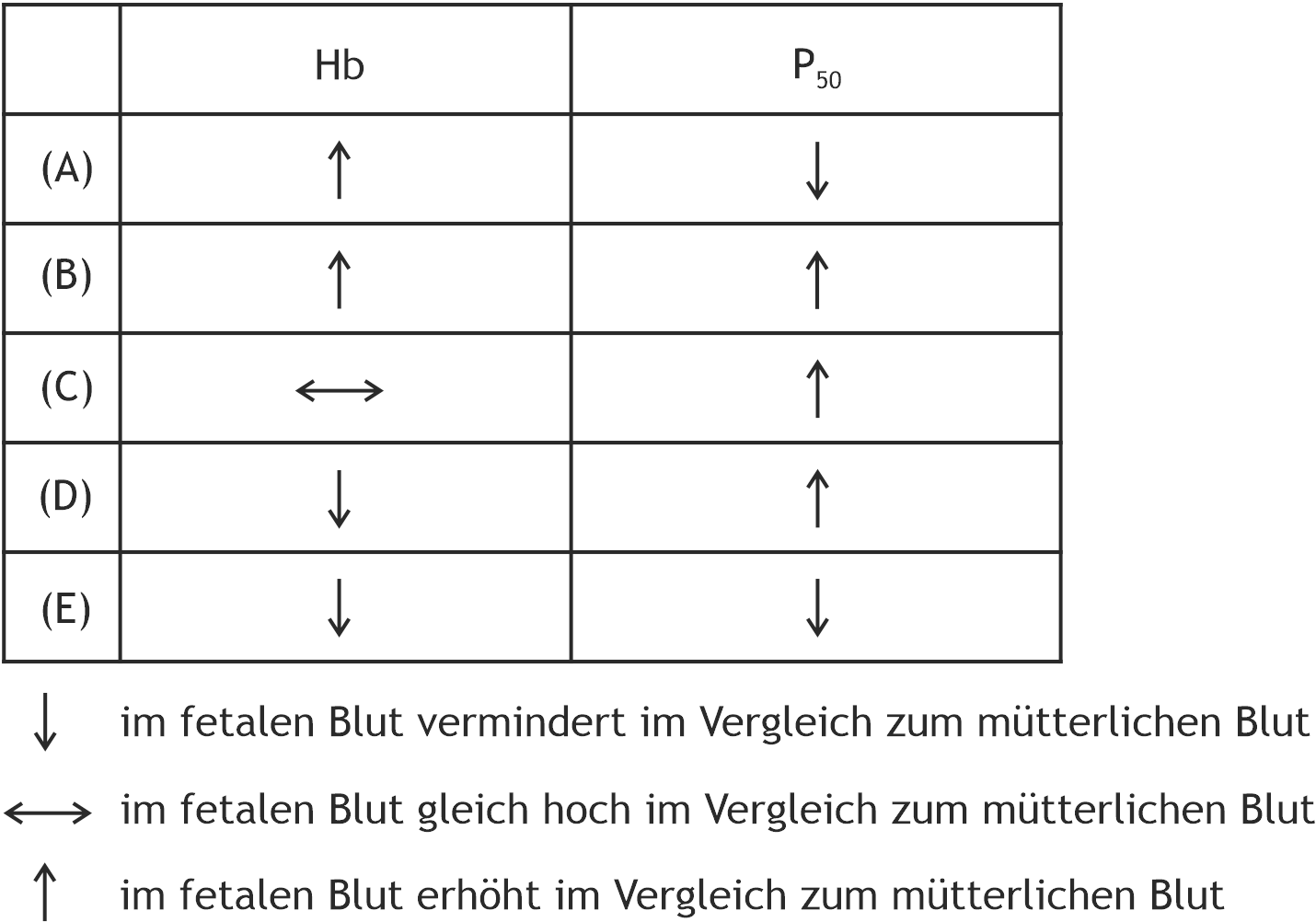
26. Hemoglobin concentration (Hb) and the oxygen half-saturation pressure (P₅₀) of whole blood are key determinants of arterial oxygen transport.
How do these parameters in fetal blood (3rd trimester) most likely compare with those in maternal blood?
↓ : decreased in fetal blood compared with maternal blood
↔ : equal in fetal blood compared with maternal blood
↑ : increased in fetal blood compared with maternal blood
A. (A)
B. (B)
C. (C)
D. (D)
E. (E)
A. (A)
27. The pulmonary circulation is often referred to as the small circulation, and the systemic circulation as the large circulation.
Which of the following best describes the functional difference between the two circulations in a healthy person?
A. During physical exercise, cardiac output in the systemic circulation doubles compared with that in the pulmonary circulation.
B. During deep inspiration, cardiac output decreases in the pulmonary circulation and increases in the systemic circulation.
C. On average, cardiac output in the pulmonary circulation is about 25% lower than in the systemic circulation.
D. The mean blood pressure in the systemic circulation at rest is about 15 times higher than in the pulmonary circulation.
E. The total peripheral resistance in the pulmonary circulation is lower than in the systemic circulation.
E. The total peripheral resistance in the pulmonary circulation is lower than in the systemic circulation.
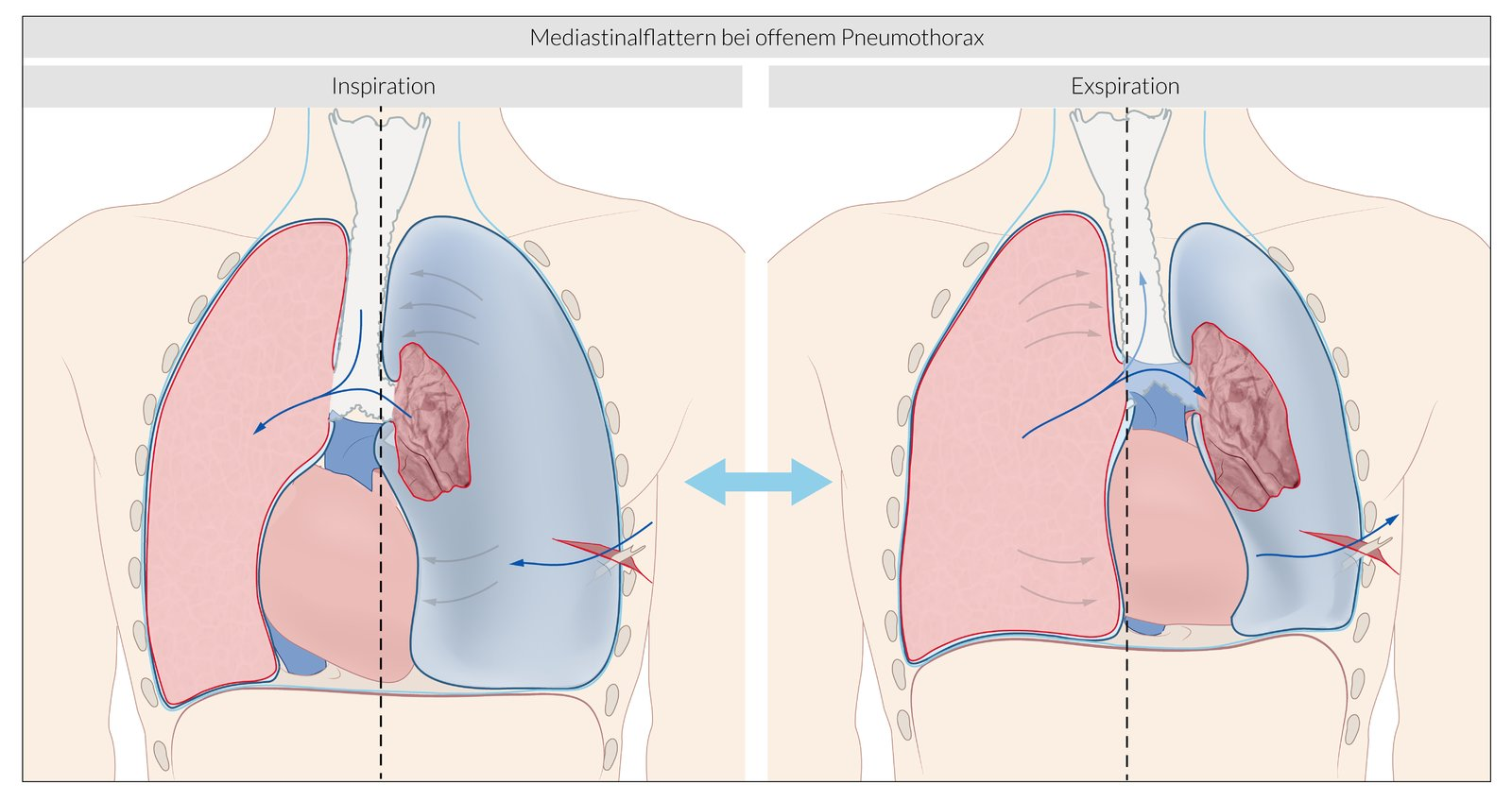
28. A 32-year-old man with no prior illnesses suffers an open chest injury in a bicycle accident, resulting in an opening of the left pleural cavity. This creates a significant two-way connection between the pleural space and the outside air (open pneumothorax).
Which of the following changes is most likely to occur as a result?
A. Decrease in pulmonary arterial pressure by about 3–5 mmHg
B. Increase in perfusion of the left lung
C. Increase in perfusion of the right lung
D. Increase in regional perfusion differences within the left lung
E. Increase in vascular resistance of the right lung
C. Increase in perfusion of the right lung
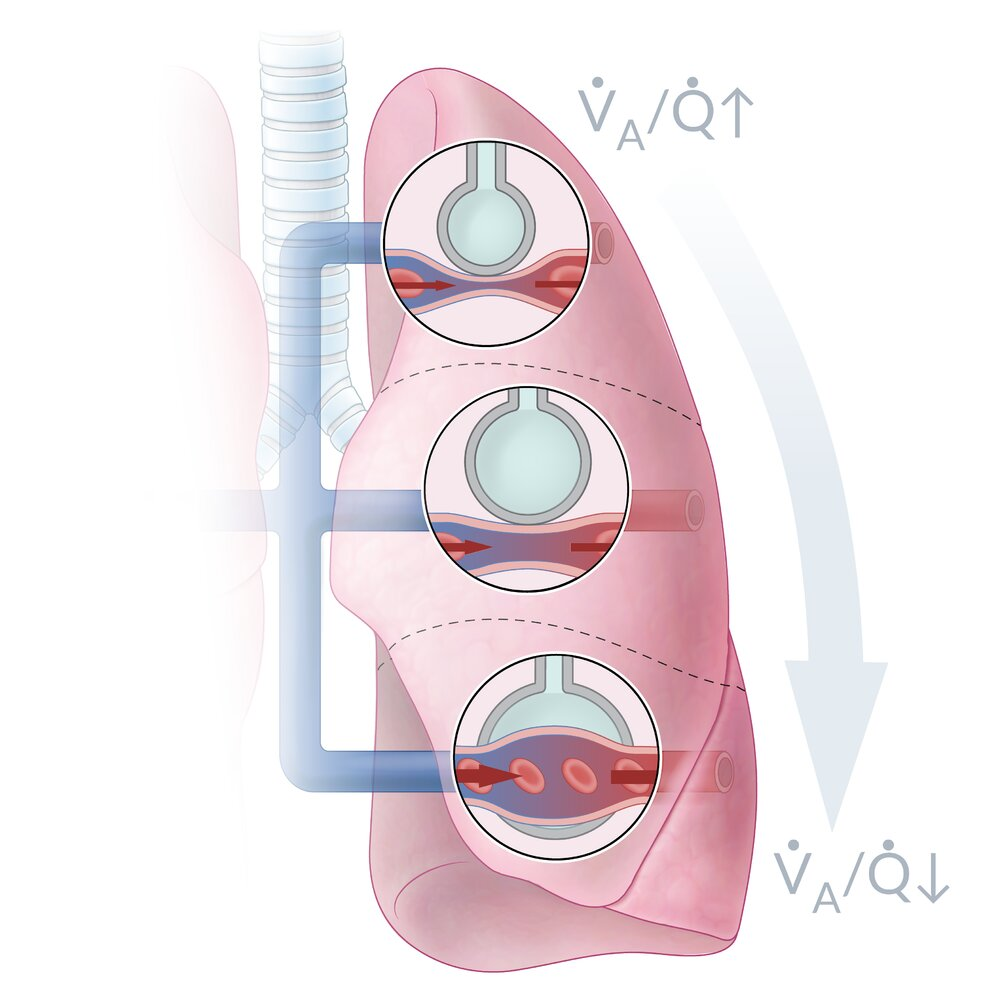
29. Body position affects the regional distribution of ventilation and perfusion in the lungs.
How are ventilation and perfusion distributed in the upright body position?
A. Greatest alveolar ventilation at the lung apex
B. Lowest perfusion at the lung base
C. Greatest perfusion-to-ventilation ratio at the lung apex
D. Greatest ventilation-to-perfusion ratio at the lung apex
E. Equal ventilation-to-perfusion ratio at the lung apex and base
D. Greatest ventilation-to-perfusion ratio at the lung apex
30. To determine the elastic respiratory resistances, the static pressure–volume relationship of the lungs and thorax is measured. For this, the respiratory muscles must be completely relaxed.
Which parameters must be measured to obtain the relaxation curve of the entire ventilatory system?
A. Intrapleural pressure and lung volume
B. Intrapulmonary pressure and residual lung volume
C. Lung volume at the resting position of the thorax and intrapulmonary pressure
D. Lung volume and the difference between alveolar pressure and atmospheric pressure
E. Vital capacity and the difference between alveolar pressure and pleural pressure
D. Lung volume and the difference between alveolar pressure and atmospheric pressure
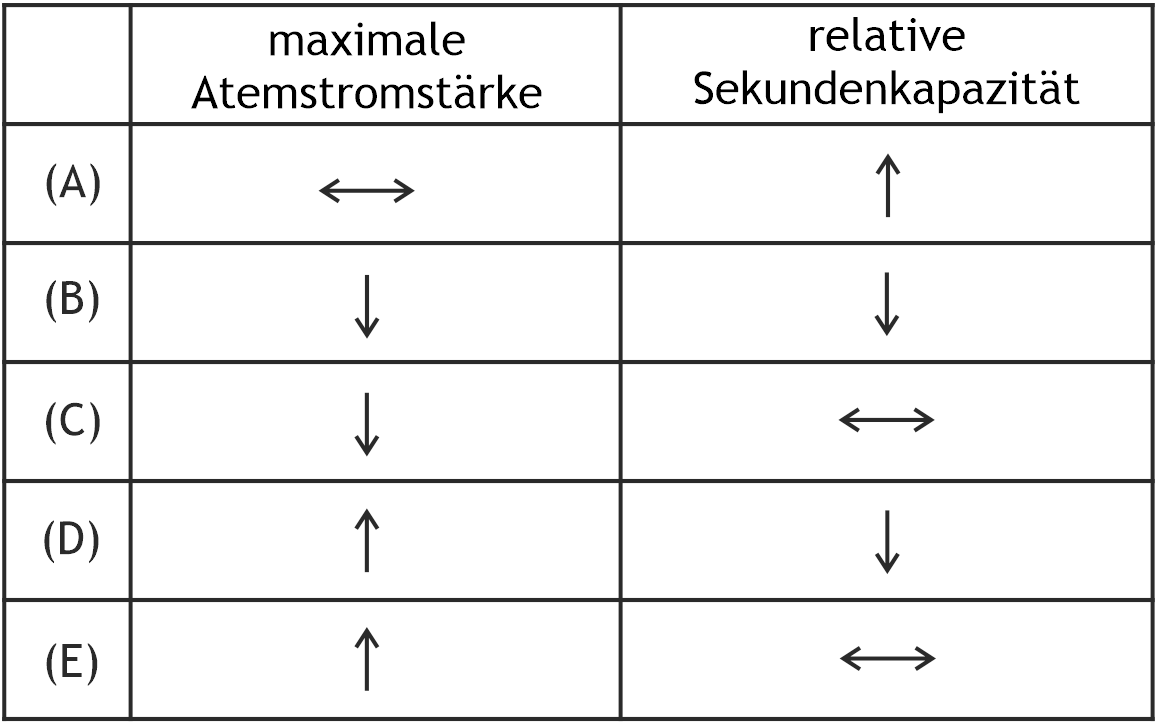
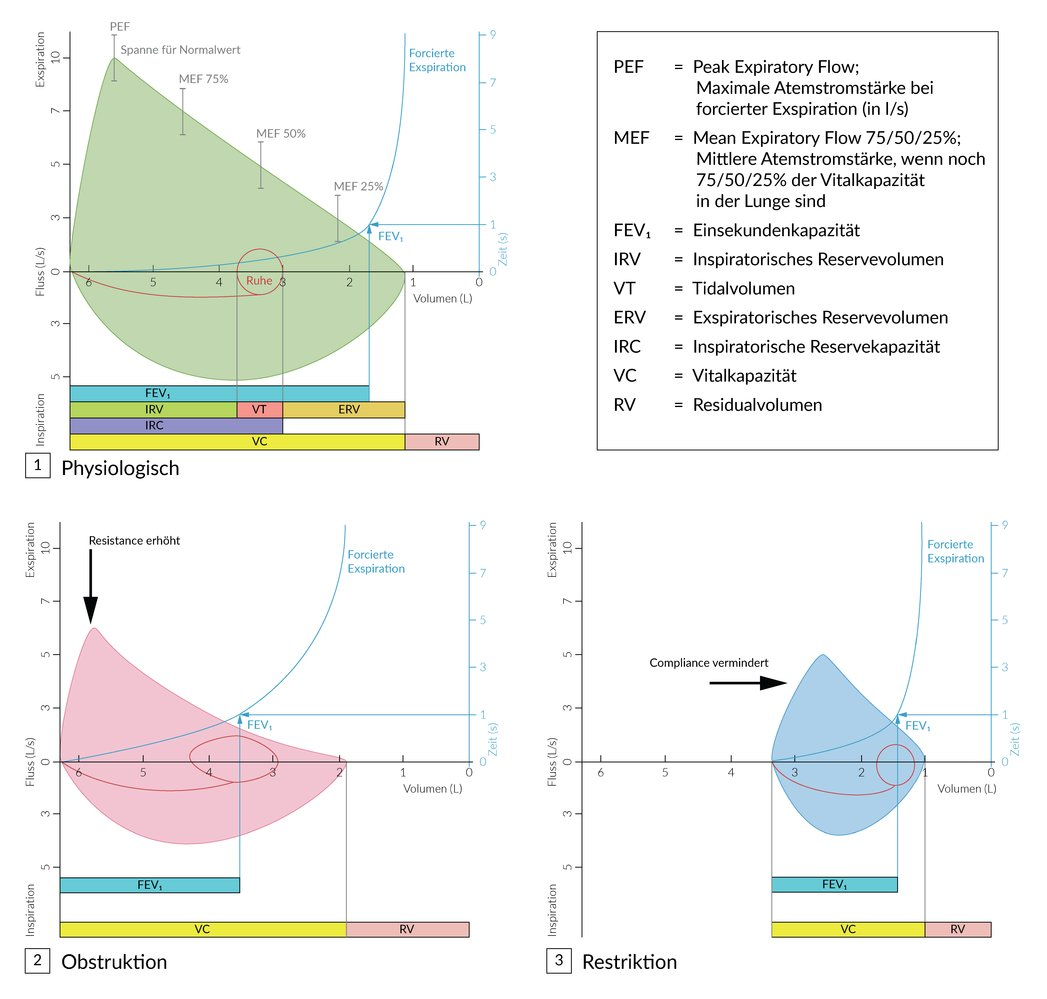
31. In a patient with an acute obstructive ventilatory disorder, spirometry is performed at rest.
Which of the following changes are most likely compared with the healthy state?
↑ = increased
↓ = decreased
↔ = unchanged
A. (A)
B. (B)
C. (C)
D. (D)
E. (E)
B. (B)
32. The systemic arterial blood gas analysis of a patient shows a positive base excess.
Which of the following most likely explains this finding?
A. Acute non-respiratory (metabolic) acidosis
B. Acute respiratory alkalosis
C. Acute respiratory acidosis
D. Compensated primary respiratory alkalosis
E. Compensated primary respiratory acidosis
E. Compensated primary respiratory acidosis
33. Several cardiorespiratory parameters change during physical activity compared with the resting state.
Which of the following parameters most likely decreases at the onset of dynamic, non-exhaustive physical activity?
A. Tidal volume
B. Residual volume
C. Ratio of minute ventilation to O₂ uptake (ventilatory equivalent)
D. Ratio of stroke volume to filling volume (ventricular ejection fraction)
E. Ratio of systolic to diastolic blood pressure
C. Ratio of minute ventilation to O₂ uptake (ventilatory equivalent)
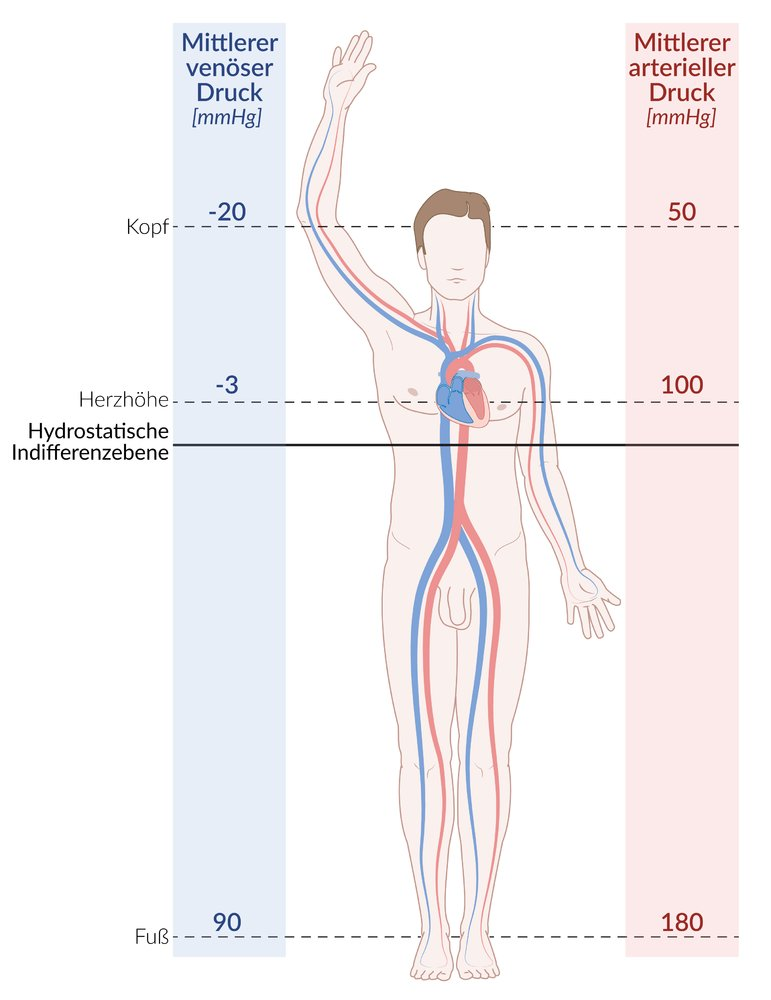
34. A 62-year-old patient measures his blood pressure at home using a wrist cuff. He reports doing this while seated with his arm hanging down, so that the wrist is approximately 28 cm below heart level.
(1 mmHg ≈ 1.34 cm blood column)
How does the blood pressure measured with the hanging arm most likely differ from the blood pressure that would be measured with the wrist held at heart level?
A. Approximately 20 mmHg lower
B. Approximately 10 mmHg lower
C. Equal
D. Approximately 10 mmHg higher
E. Approximately 20 mmHg higher
E. Approximately 20 mmHg higher
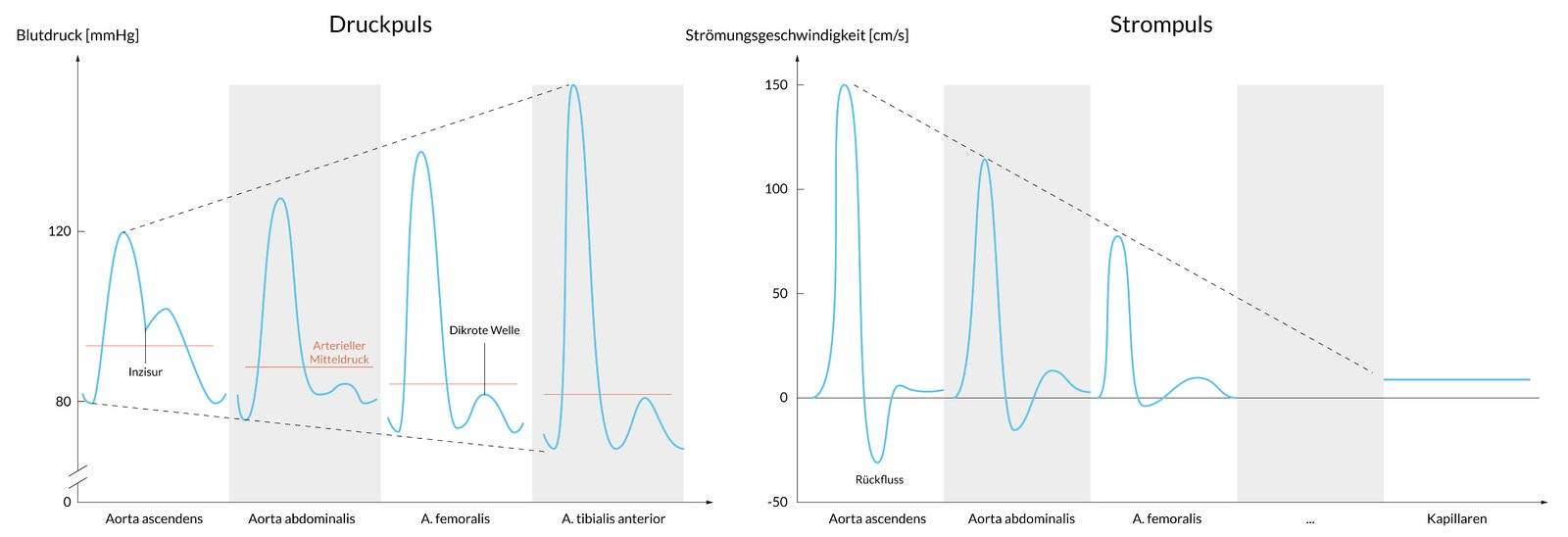
35. The systemic arterial blood pressure curve shows location-specific characteristics.
What most likely causes the dicrotic notch (incisura) in the aortic pressure curve?
A. Opening of the mitral valve
B. Reflection of the pressure wave at the vessel walls
C. Retrograde blood flow from the coronary arteries due to myocardial compression
D. Backflow of blood just before closure of the aortic valve
E. Windkessel function of the aorta
D. Backflow of blood just before closure of the aortic valve
36. Intra-arterial administration of the metabolic metabolite adenosine causes dilation of arterioles and thus increased blood flow in many organs and tissues.
In which of the following organs or tissues does adenosine, in contrast, induce vasoconstriction and a decrease in blood flow?
A. Brain
B. Liver
C. Myocardium
D. Kidney
E. Skeletal muscle
D. Kidney
37. The gradation of force development in smooth muscle cells occurs through various intracellular signaling pathways, with protein kinase A (PKA) and Rho kinase playing key roles.
Which of the following mechanisms most likely increases the force of a smooth muscle cell involving one of these kinases?
A. Activation of an adenylyl cyclase–coupled Gs receptor by Rho kinase
B. Inhibition of myosin light-chain phosphatase by Rho kinase
C. PKA-dependent Ca²⁺ desensitization
D. PKA-dependent phosphorylation of Rho kinase
E. Increase in myosin light-chain phosphatase activity by PKA
B. Inhibition of myosin light-chain phosphatase by Rho kinase
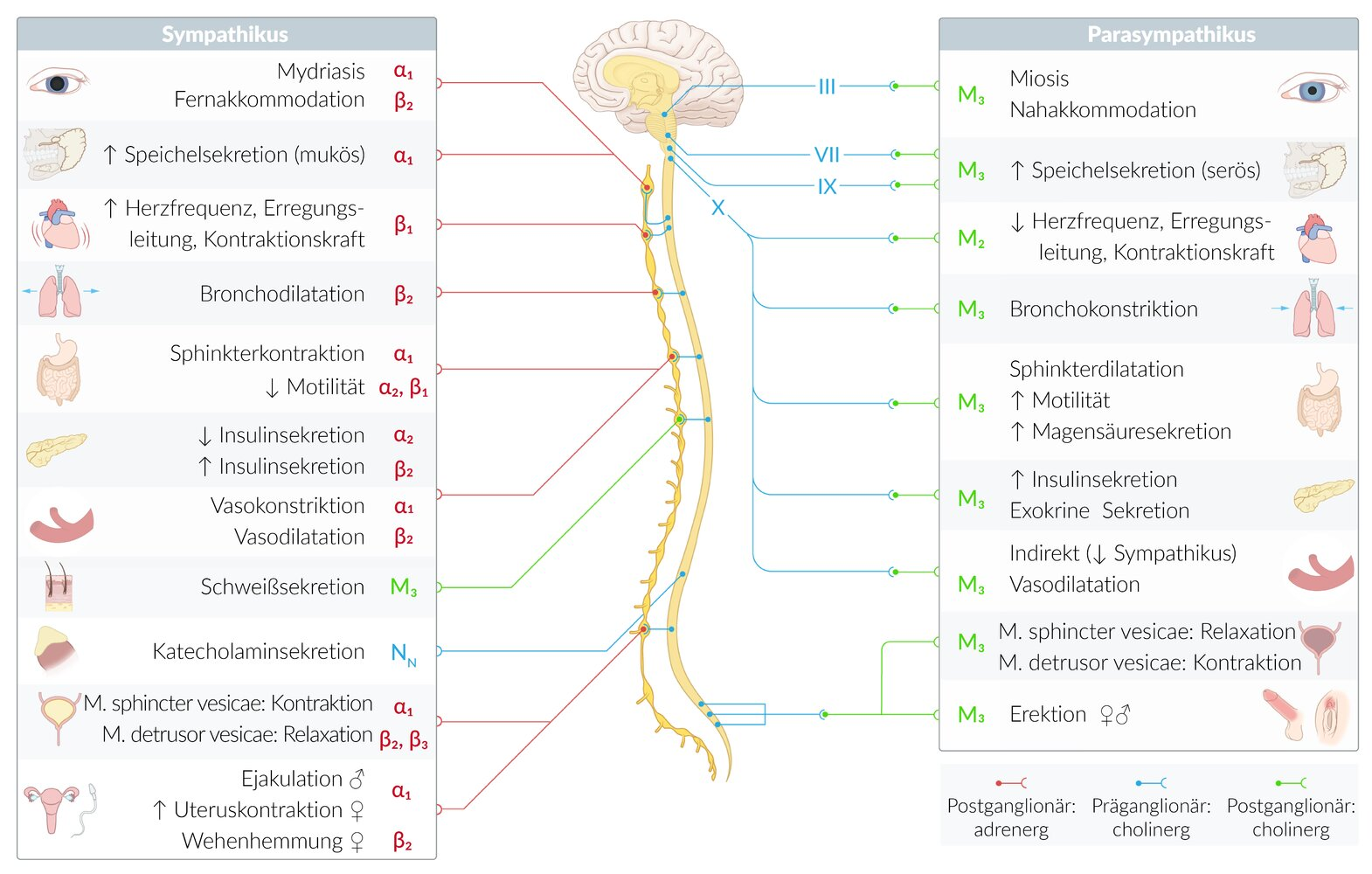
38. Urinary continence is maintained through the coordinated contraction and tone of various muscles.
Which of the following receptors are most likely in an activated state during urinary continence?
A. α-adrenoceptors of the detrusor muscle (M. detrusor vesicae)
B. α-adrenoceptors of the internal urethral sphincter (M. sphincter urethrae internus)
C. Muscarinic receptors of the detrusor muscle
D. Muscarinic receptors of the external urethral sphincter (M. sphincter urethrae externus)
E. Nicotinic receptors of the detrusor muscle
B. α-adrenoceptors of the internal urethral sphincter (M. sphincter urethrae internus)
39. An increase in transmural pressure in arterioles causes a reactive vasoconstriction in many organs (the so-called Bayliss effect).
In which of the following organs is this effect most likely absent in adults?
A. Intestine
B. Brain
C. Heart
D. Lungs
E. Kidney
D. Lungs
40. An increase in the tone of the coronary vessels can lead to myocardial ischemia.
Which of the following most likely increases the tone of the coronary vessels?
A. Decrease in pO₂
B. Release of thromboxane A₂
C. Increased concentration of adenosine
D. Release of nitric oxide (NO)
E. Increase in pCO₂
B. Release of thromboxane A₂
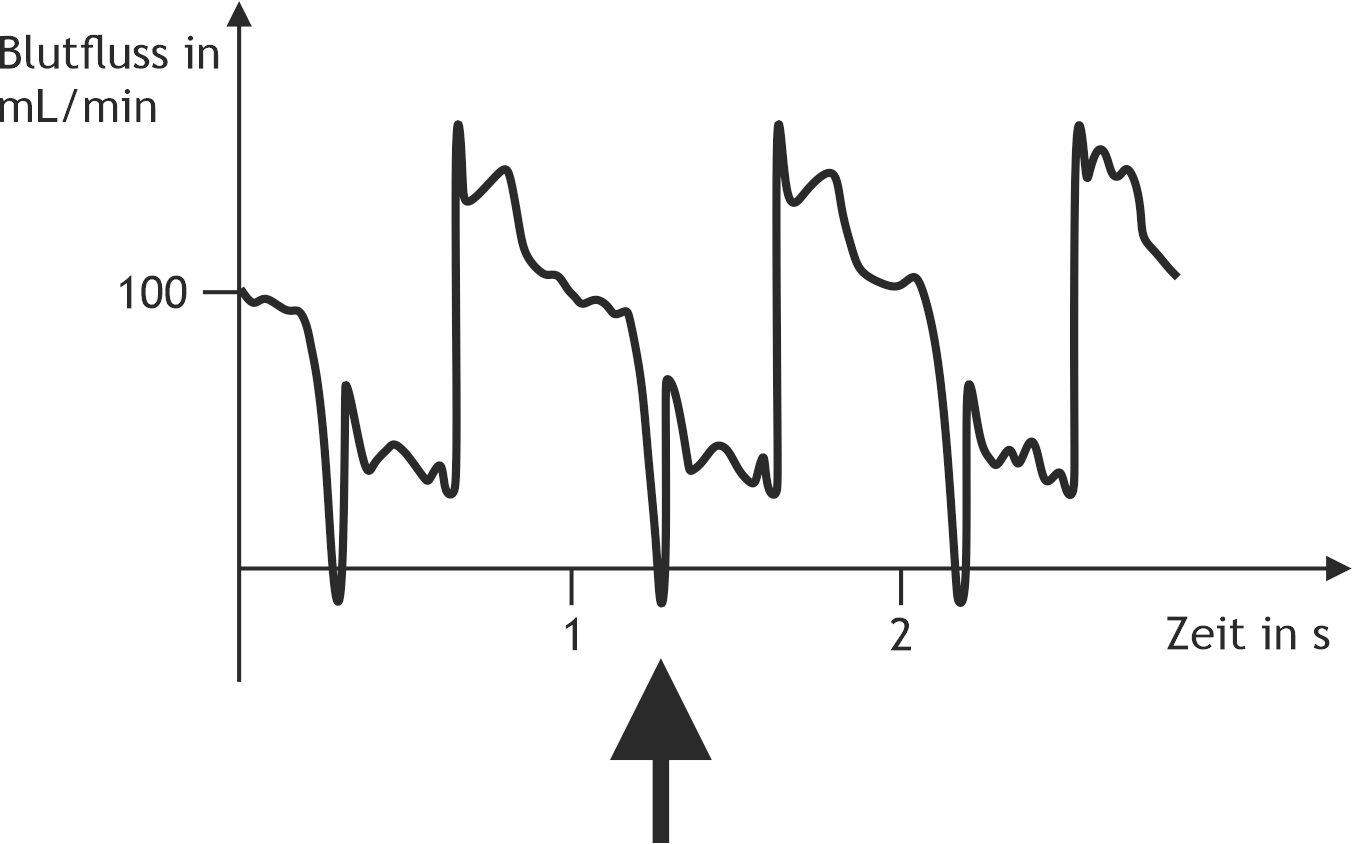
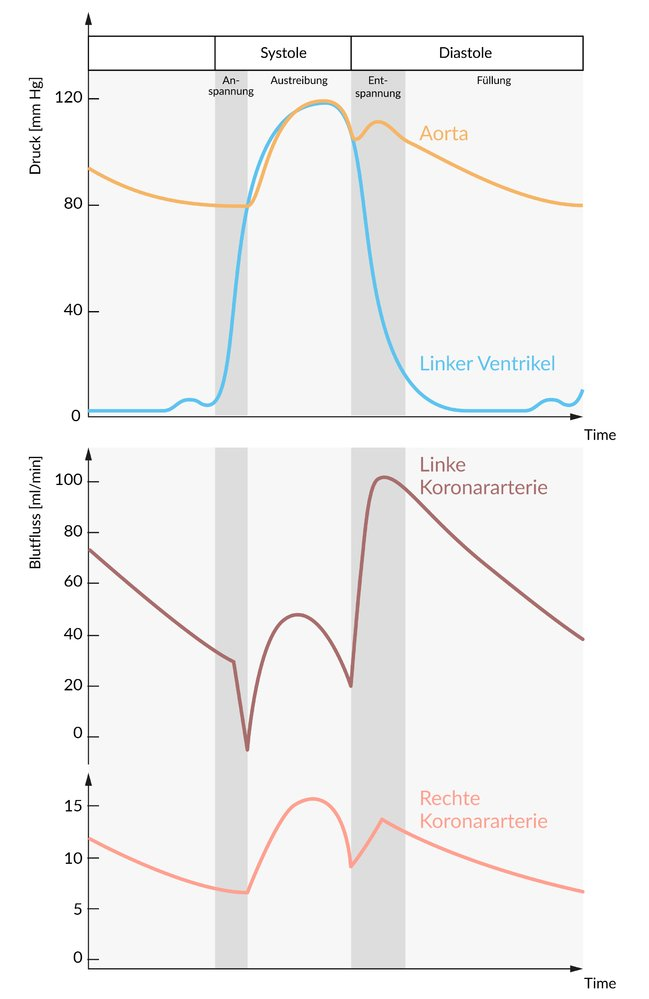
41. The figure shows the time course of blood flow in a coronary artery supplying the left ventricular myocardium.
The point on the curve marked by the arrow most likely corresponds to:
A. The P wave in the ECG
B. The T wave in the ECG
C. The left ventricular isovolumetric contraction phase
D. The time of maximal systolic ventricular pressure
E. The dicrotic notch (incisura) of the aortic pressure curve
C. The left ventricular isovolumetric contraction phase
42. The electrocardiogram (ECG) can change during deep inspiration compared with expiration.
Which of the following effects is most likely to occur in lead Einthoven II in healthy individuals?
A. Shortened RR interval
B. Widened QRS complex
C. Prolonged QT interval
D. ST-segment elevation
E. Prolonged T wave
A. Shortened RR interval
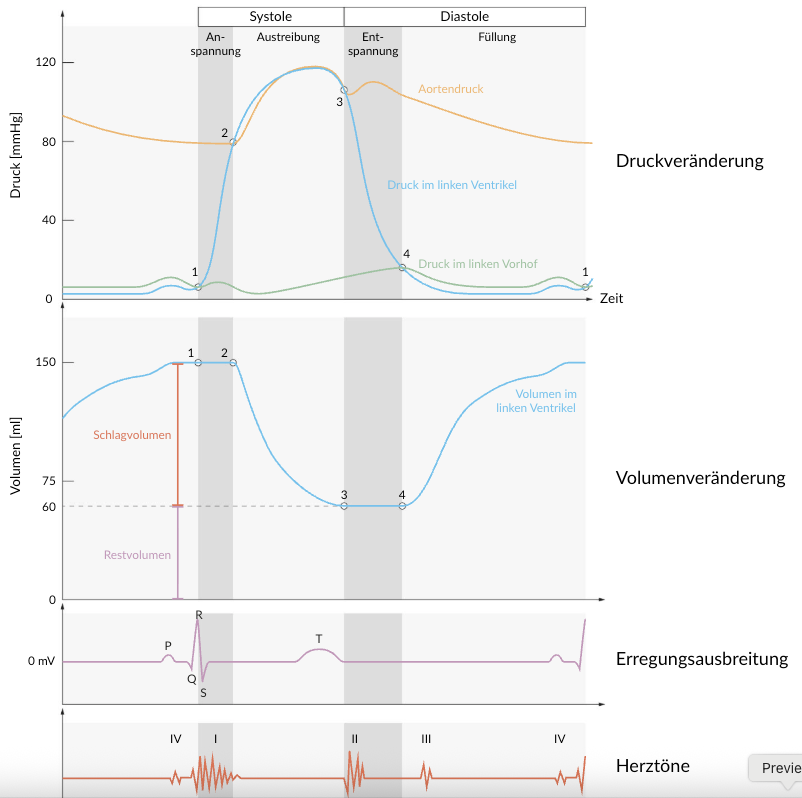
43. The ECG can be used to display the propagation of electrical excitation in the heart muscle.
At a heart rate of 60/min, the maximum of the T wave in the ECG most closely coincides with:
A. Beginning of the ejection phase
B. Pressure maximum in the left ventricle
C. End of the filling phase
D. End of the first heart sound
E. Opening of the aortic valve
B. Pressure maximum in the left ventricle
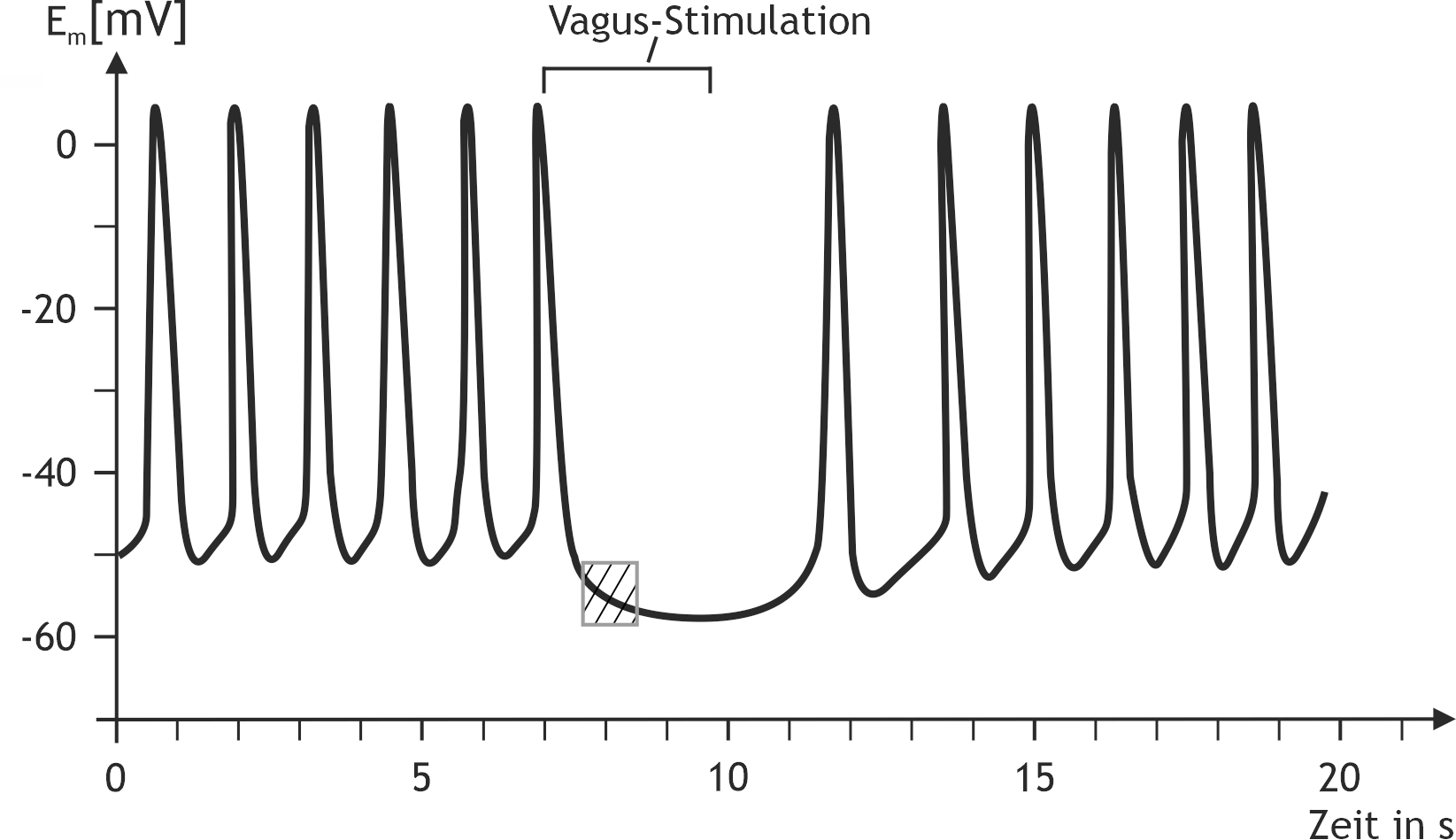
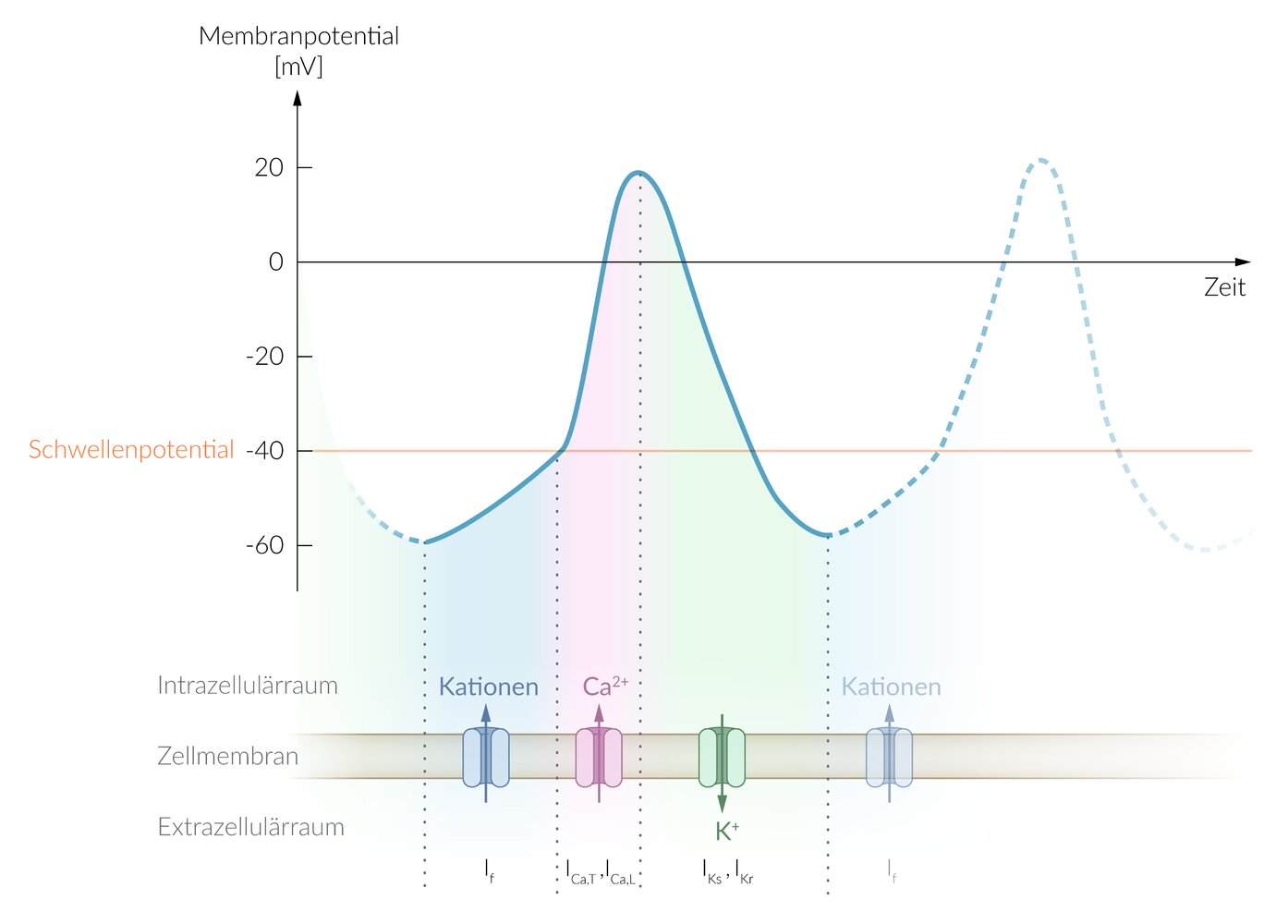
44. In an experiment, a sinoatrial node cell is influenced by electrical vagus stimulation. The figure shows the membrane potential of this cell.
The change in membrane potential within the shaded area is most likely caused by an increased permeability of:
A. HCN channels
B. K⁺ channels
C. Voltage-gated Ca²⁺ channels of the L-type
D. Voltage-gated Ca²⁺ channels of the T-type
E. Voltage-gated Na⁺ channels
B. K⁺ channels
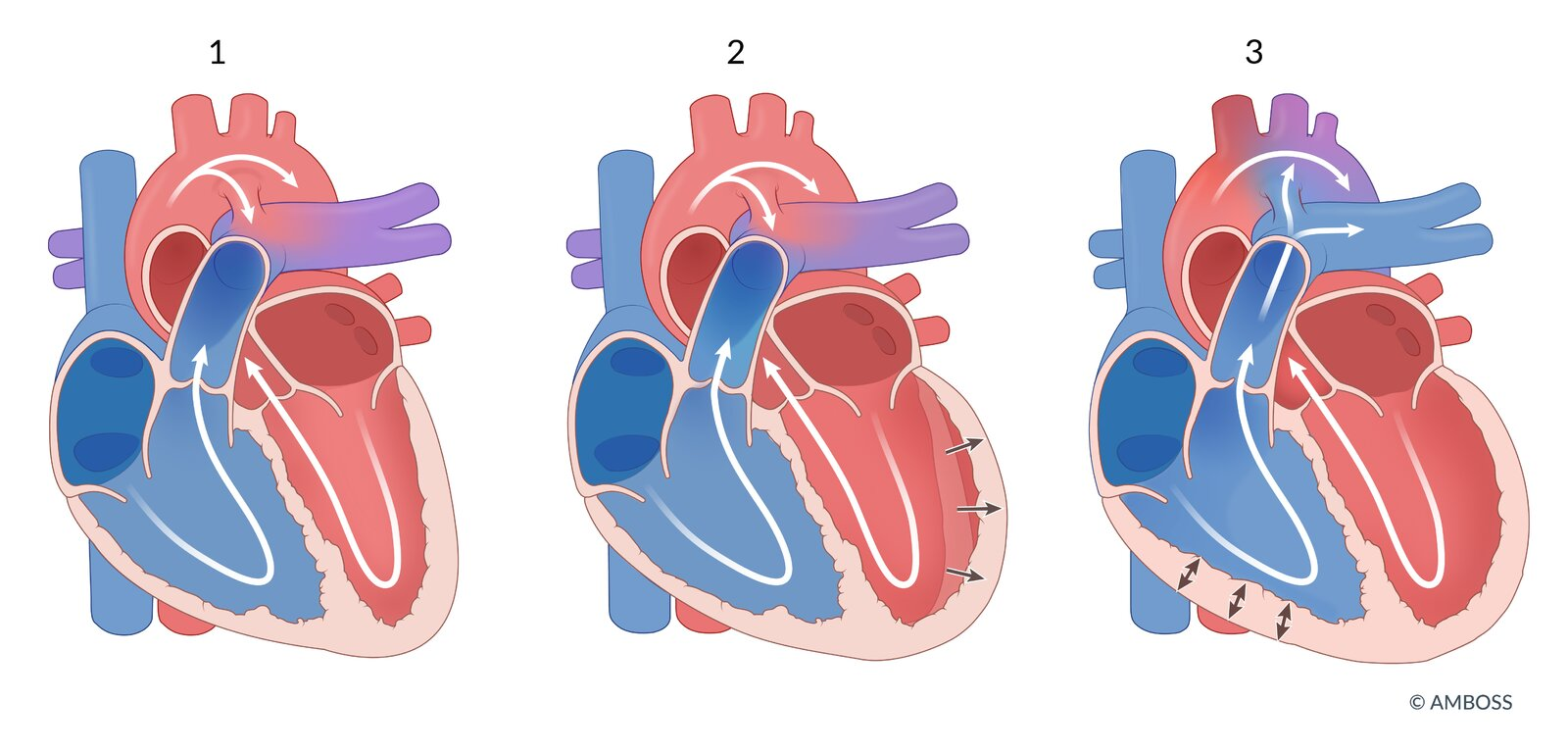
45. A patient is suspected of having an increased volume load on the left ventricle.
In which of the following conditions is a volume overload of the left ventricle most likely to be expected?
A. Pulmonary embolism
B. Mitral valve stenosis
C. Persistent ductus arteriosus Botalli
D. Persistent foramen ovale
E. Pulmonary valve stenosis
C. Persistent ductus arteriosus Botalli
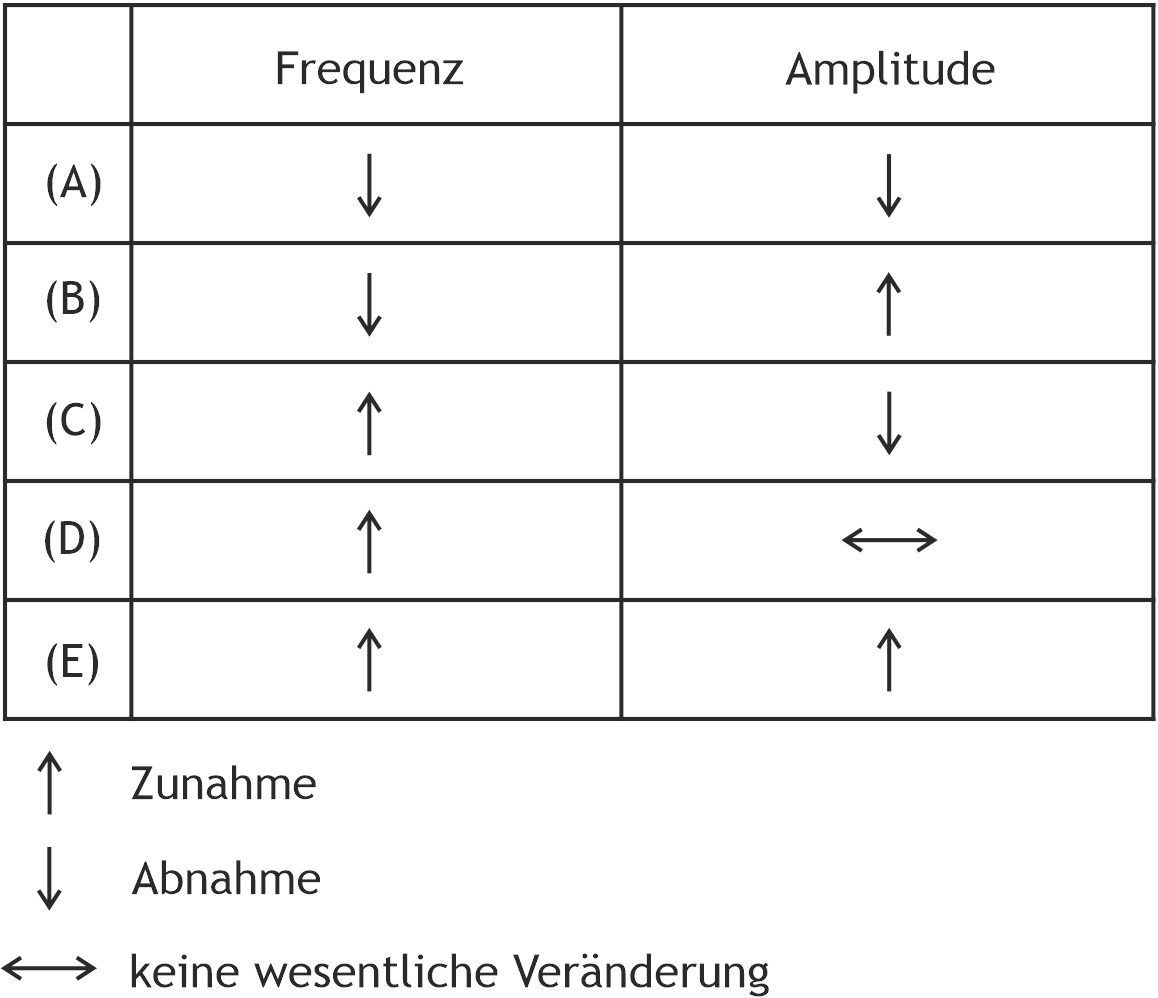
46. A skeletal muscle of a healthy 25-year-old subject is examined electromyographically (surface EMG with bipolar recording using skin electrodes). During the test, the subject is asked to contract the muscle voluntarily with increasing force.
For the electrical signals (EMG signals) recorded during strong contraction compared with those recorded during weak contraction, the following typically applies:
↑ Increase
↓ Decrease
↔ No significant change
A. (A)
B. (B)
C. (C)
D. (D)
E. (E)
E. (E)
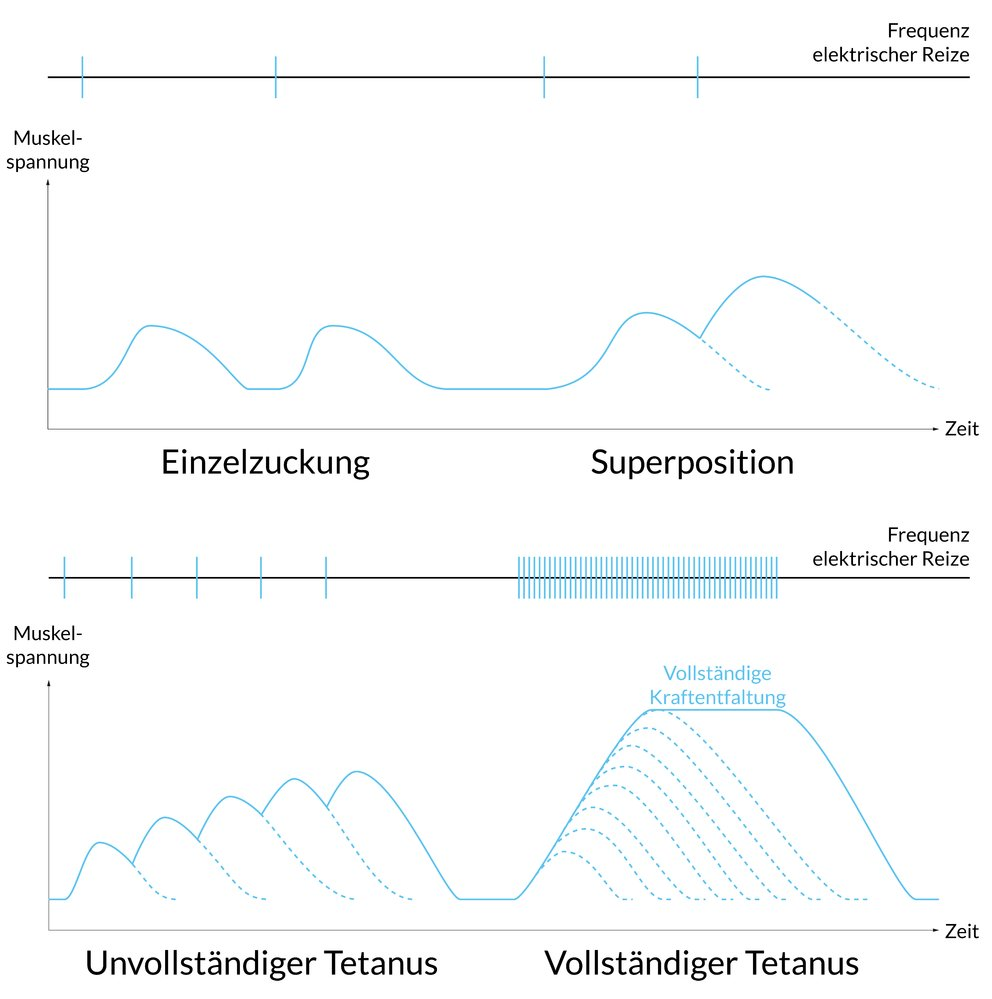
47. Tetanus toxin, produced by Clostridium tetani and responsible for tetanus, cleaves synaptobrevin, thereby impairing the function of glycinergic synapses.
What is the most likely consequence of this cleavage?
A. Blockade of glycine storage in vesicles
B. Blockade of glycine release from vesicles
C. Blockade of postsynaptic glycine-gated receptor channels
D. Degradation of postsynaptic glycine-gated receptor channels
E. Decrease in the conductance of postsynaptic glycine-gated receptor channels
B. Blockade of glycine release from vesicles
48. Using indirect calorimetry, the efficiency of the working muscles during an exercise load of 100 W on the bicycle ergometer is to be determined. The oxygen consumption at rest is measured as 0.3 L/min and at 100 W load as 1.5 L/min. The energetic equivalent is 20 kJ/L O₂.
What net efficiency of the working muscles is calculated from this?
A. 5%
B. 16%
C. 20%
D. 25%
E. 30%
D. 25%
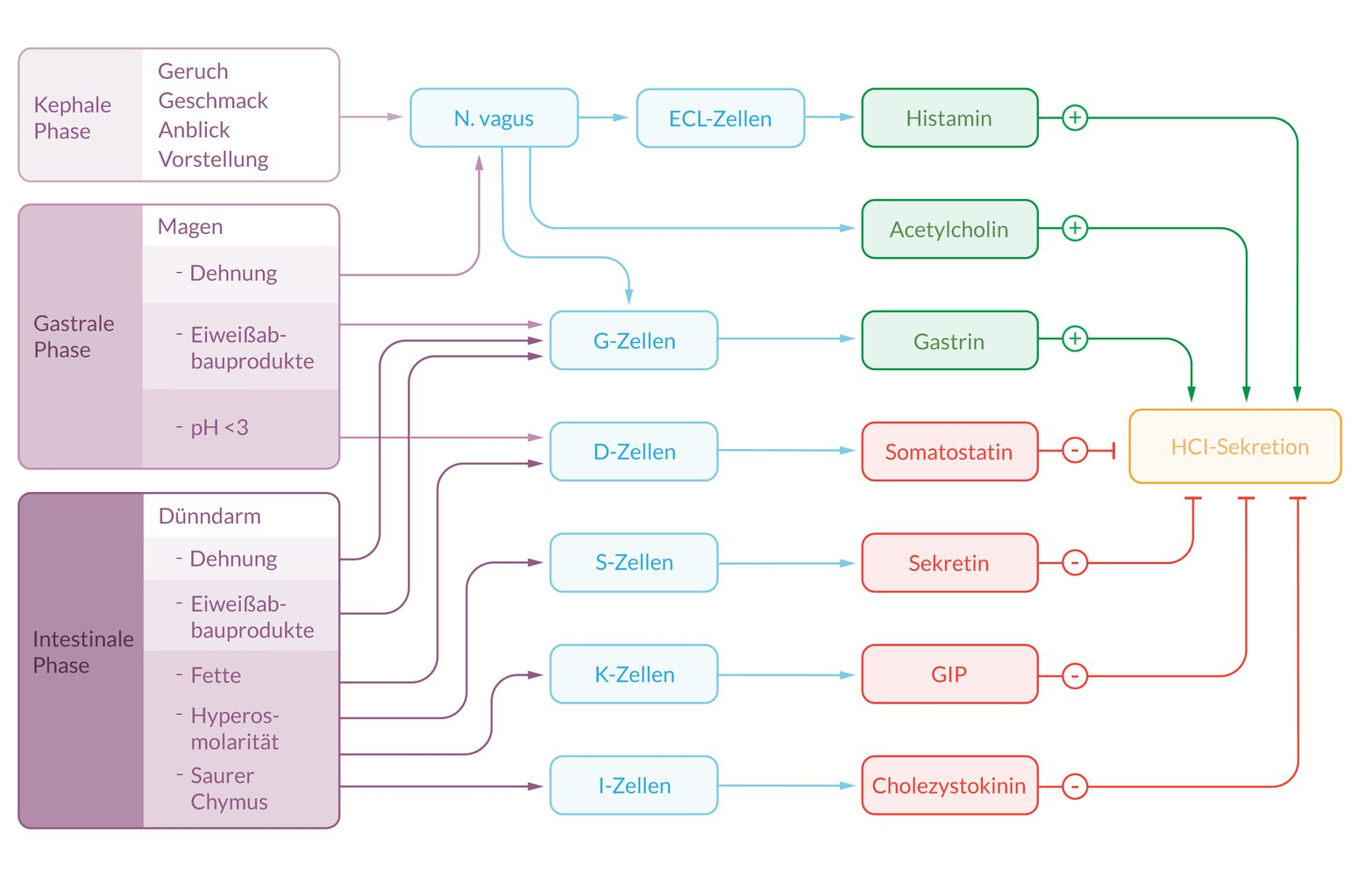
49. In a 55-year-old patient, a gastric ulcer (ulcus ventriculi) was diagnosed. Due to intolerance, taking proton pump inhibitors is excluded therapeutically.
Through which of the following mechanisms can gastric acid production also be inhibited?
A. Activation of muscarinic receptors (M3 receptors)
B. Blockade of histamine receptors (H2 receptors)
C. Blockade of somatostatin receptors
D. Inhibition of cyclooxygenase
E. Blockade of prostaglandin receptors
B. Blockade of histamine receptors (H2 receptors)

50. The pleasant smell of food often leads to an increased secretion of saliva as well as gastric and pancreatic secretions.
What effect does an increase in pancreatic secretion production have on the Na⁺ and K⁺ concentrations of the pancreatic secretion?
↓ Concentration decreases by at least 20%
↔ Concentration remains essentially unchanged
↑ Concentration increases by at least 20%
A. (A)
B. (B)
C. (C)
D. (D)
E. (E)
C. (C)
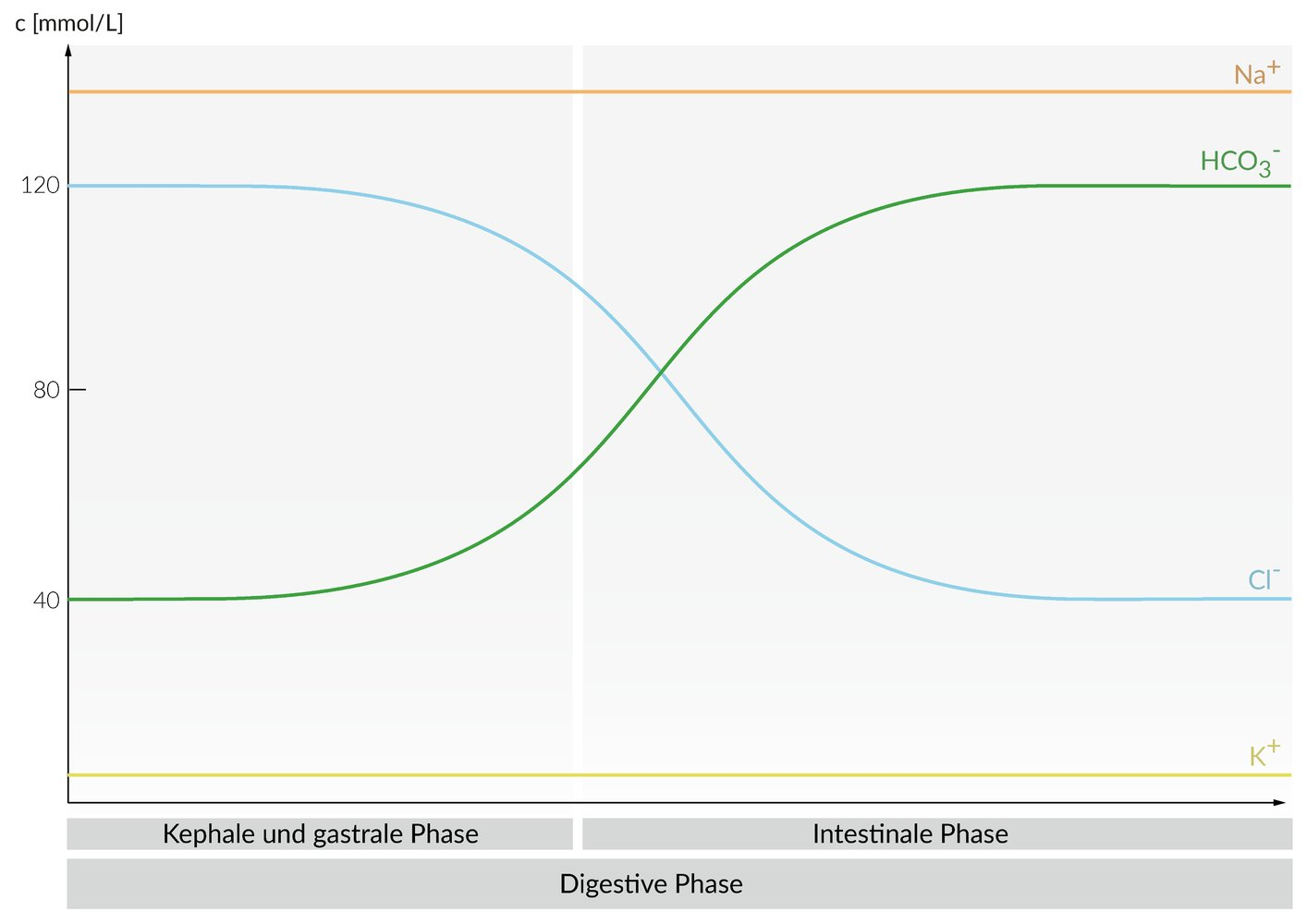
51. The filtration rate in the capillary loops of the renal glomerulus is determined by the pressure gradient across the glomerular filter and its permeability.
Which of the following changes is most likely to increase the glomerular filtration rate?
A. Inflammation of the glomeruli with thickening of the basement membrane
B. Increase in vascular tone of the afferent arteriole
C. Increase in mean arterial blood pressure from 100 mmHg to 140 mmHg
D. Increase in hydrostatic pressure in Bowman’s capsule
E. Decrease in the colloid osmotic pressure in plasma
E. Decrease in the colloid osmotic pressure in plasma
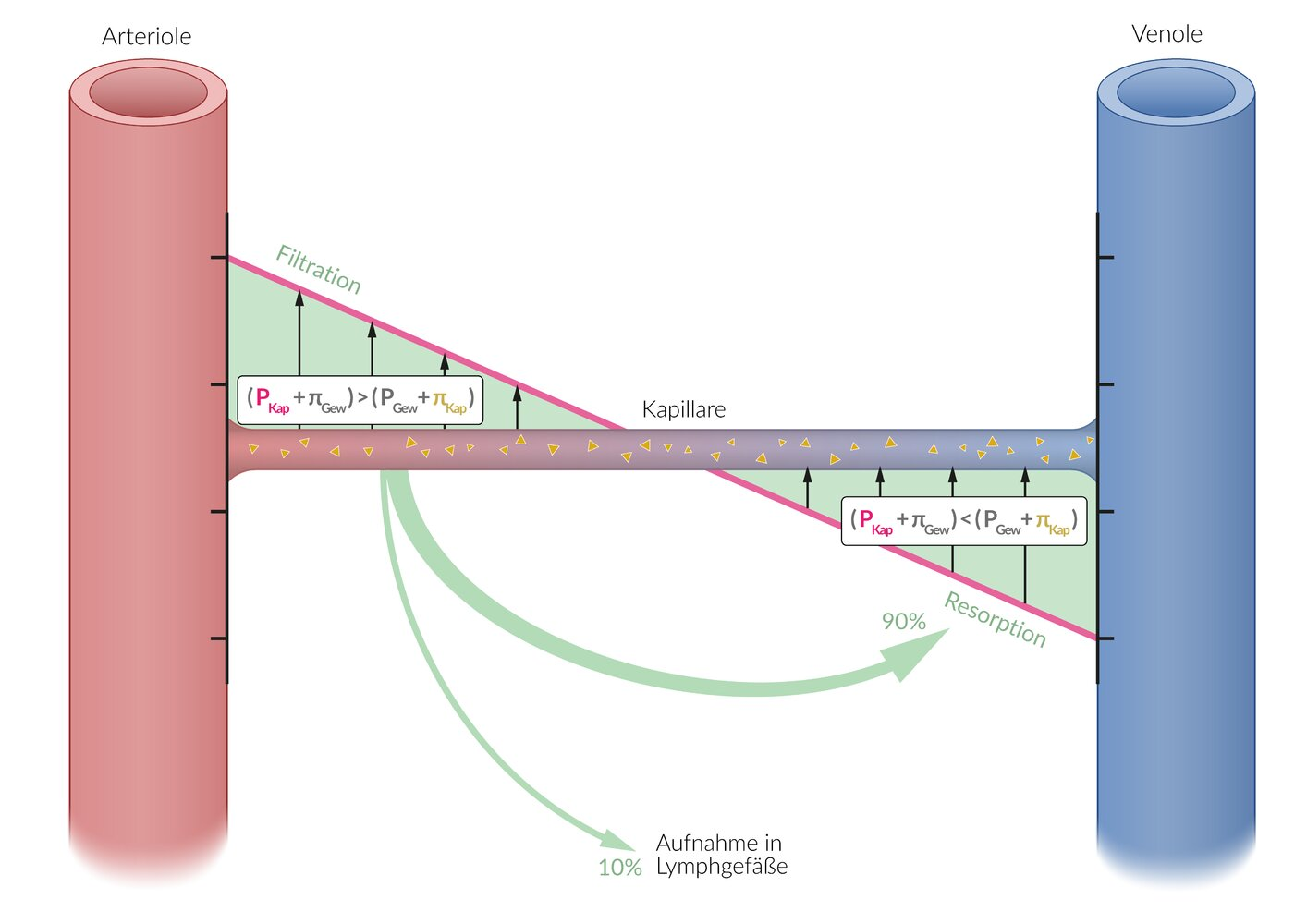
52. Para-aminohippuric acid (PAH) can be used to assess kidney function. The following values are available for a patient:
Hematocrit: 0.4
PAH concentration in blood plasma: 15 mg/L
PAH concentration in urine: 3,000 mg/L
Urine flow: 3 mL/min
What is the approximate renal blood flow in this patient?
A. 0.5 L/min
B. 1.0 L/min
C. 1.5 L/min
D. 2.0 L/min
E. 3.0 L/min
B. 1.0 L/min
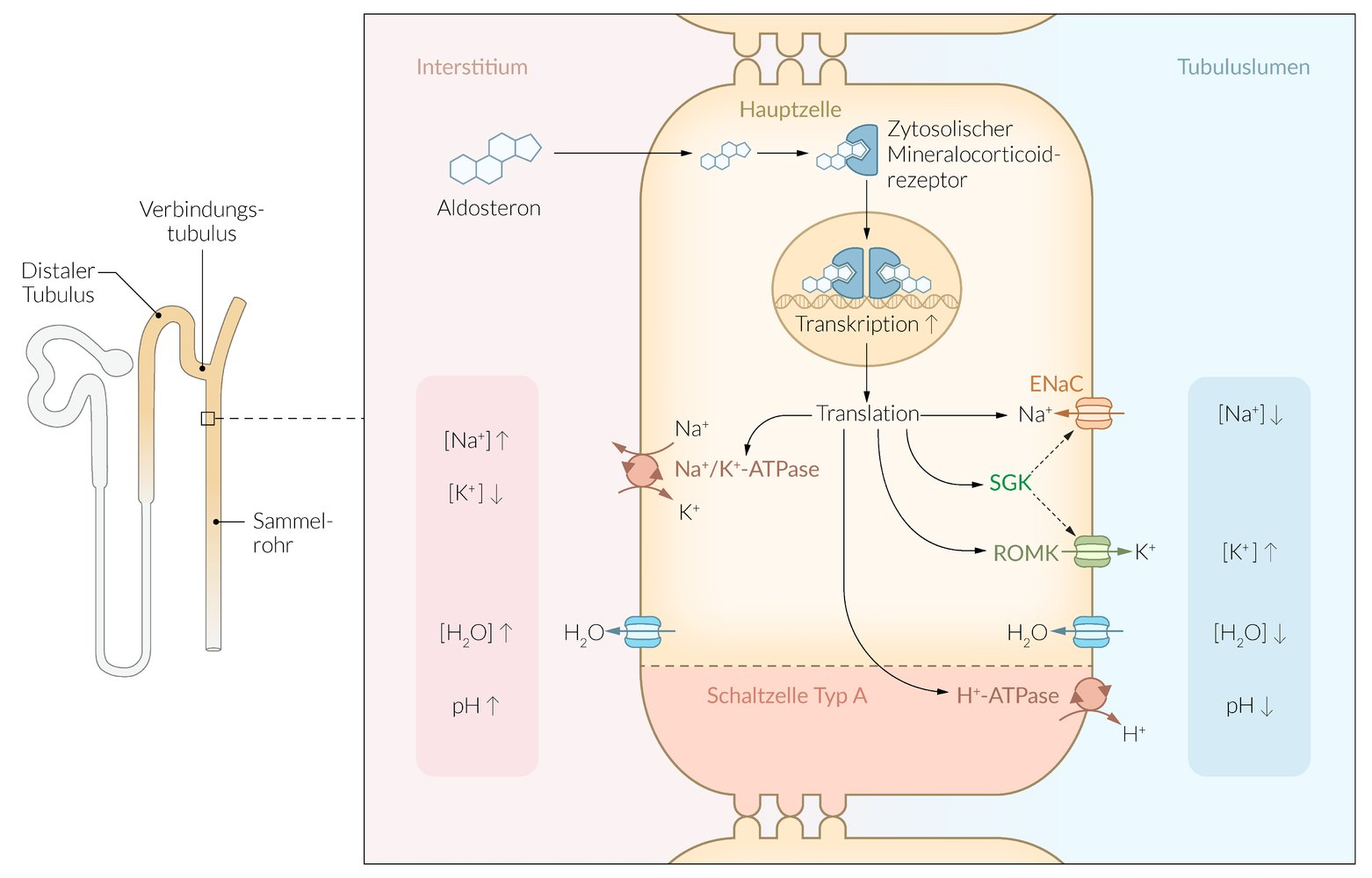
53. In primary hypoaldosteronism, there is a deficiency of mineralocorticoids.
Which of the following deviations from the physiological state is most likely to result?
A. Arterial hypertension
B. Dehydration
C. Decreased renin activity in blood plasma
D. Hypokalemia
E. Non-respiratory alkalosis
B. Dehydration
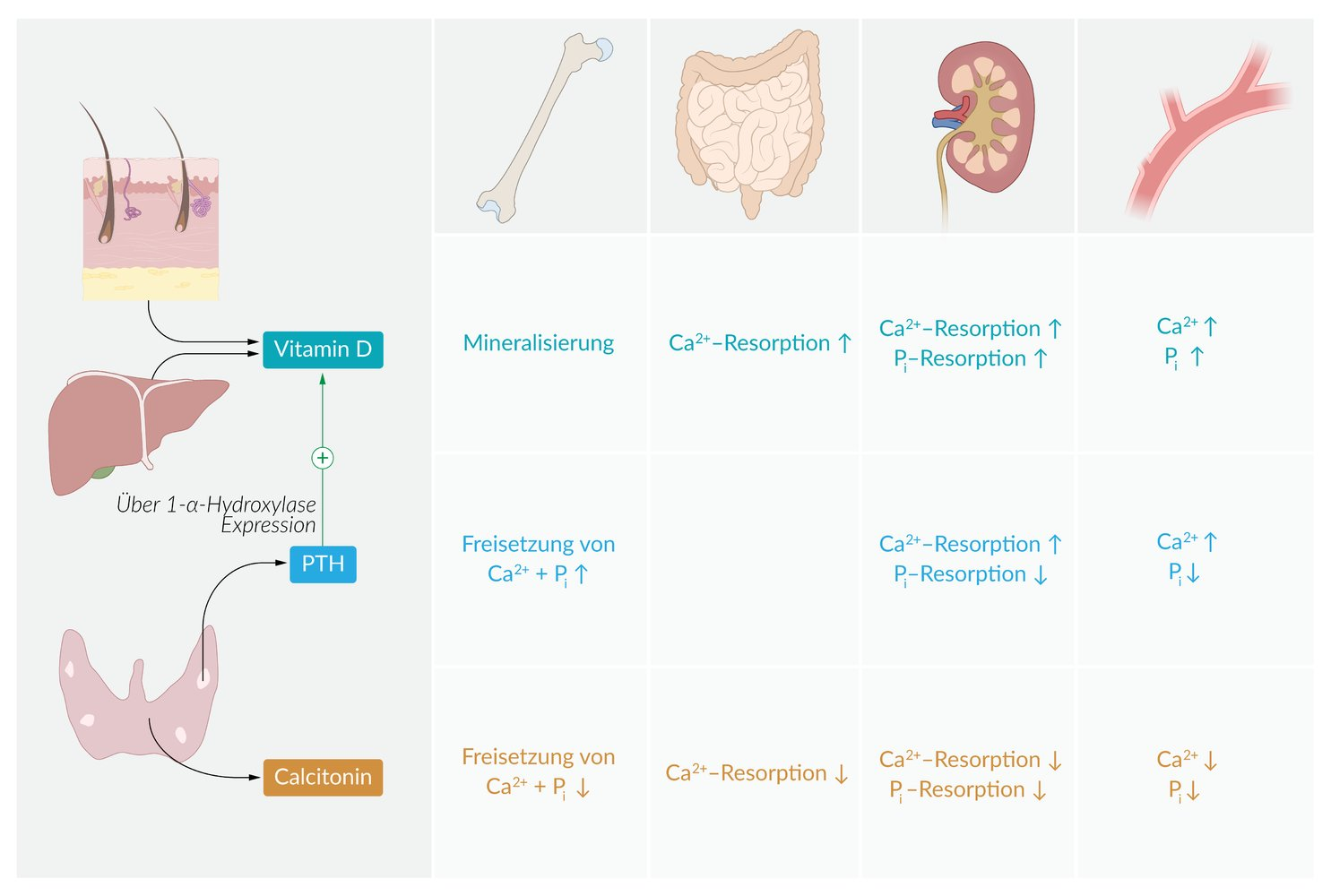
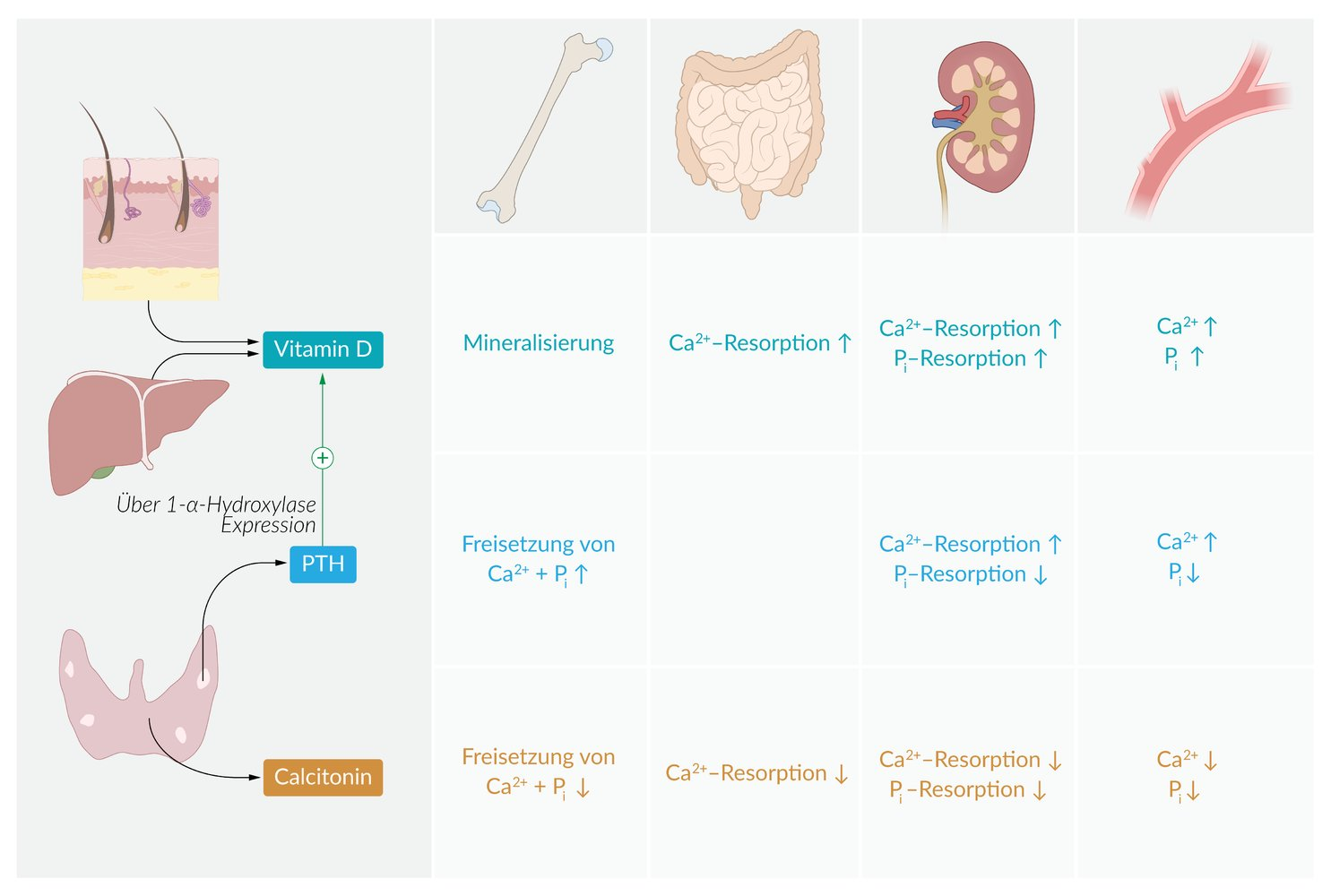
54. Parathyroid hormone plays an important role in calcium and phosphate balance.
Which of the following functions is most likely associated with parathyroid hormone?
A. Activation of 24-hydroxylase
B. Inhibition of Ca²⁺ absorption in the intestine
C. Increase in renal Ca²⁺ reabsorption
D. Increase in renal phosphate reabsorption
E. Inhibition of renal formation of calcitriol
C. Increase in renal Ca²⁺ reabsorption
55. From enterally absorbed vitamin D₃, the steroid hormone calcitriol is formed.
Which of the following effects is most likely caused by this hormone?
A. Inhibition of erythropoiesis
B. Inactivation of osteoclasts
C. Bone demineralization with normal Ca²⁺ serum concentration
D. Increase in Ca²⁺ absorption in the intestine
E. Increase in proliferation of keratinocytes
D. Increase in Ca²⁺ absorption in the intestine
56. After food intake, there is a rapid, hormone-mediated uptake of K⁺ into skeletal muscle.
Which hormone most likely mediates this?
A. Aldosterone
B. Angiotensin II
C. Gastrin
D. Insulin
E. Secretin
D. Insulin
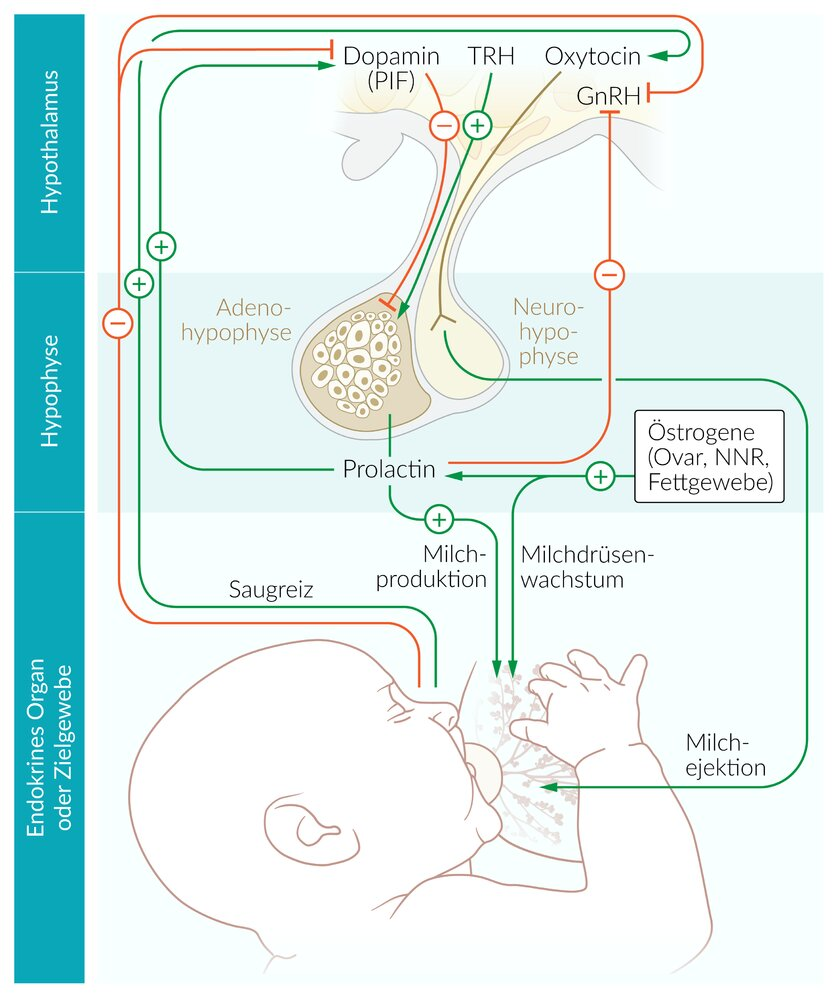
57. Prolactin is released from the pituitary gland.
Which of the following hormones inhibits this release?
A. Angiotensin II
B. Dopamine
C. Gonadotropin-releasing hormone (GnRH)
D. Oxytocin
E. Thyrotropin-releasing hormone (TRH)
B. Dopamine
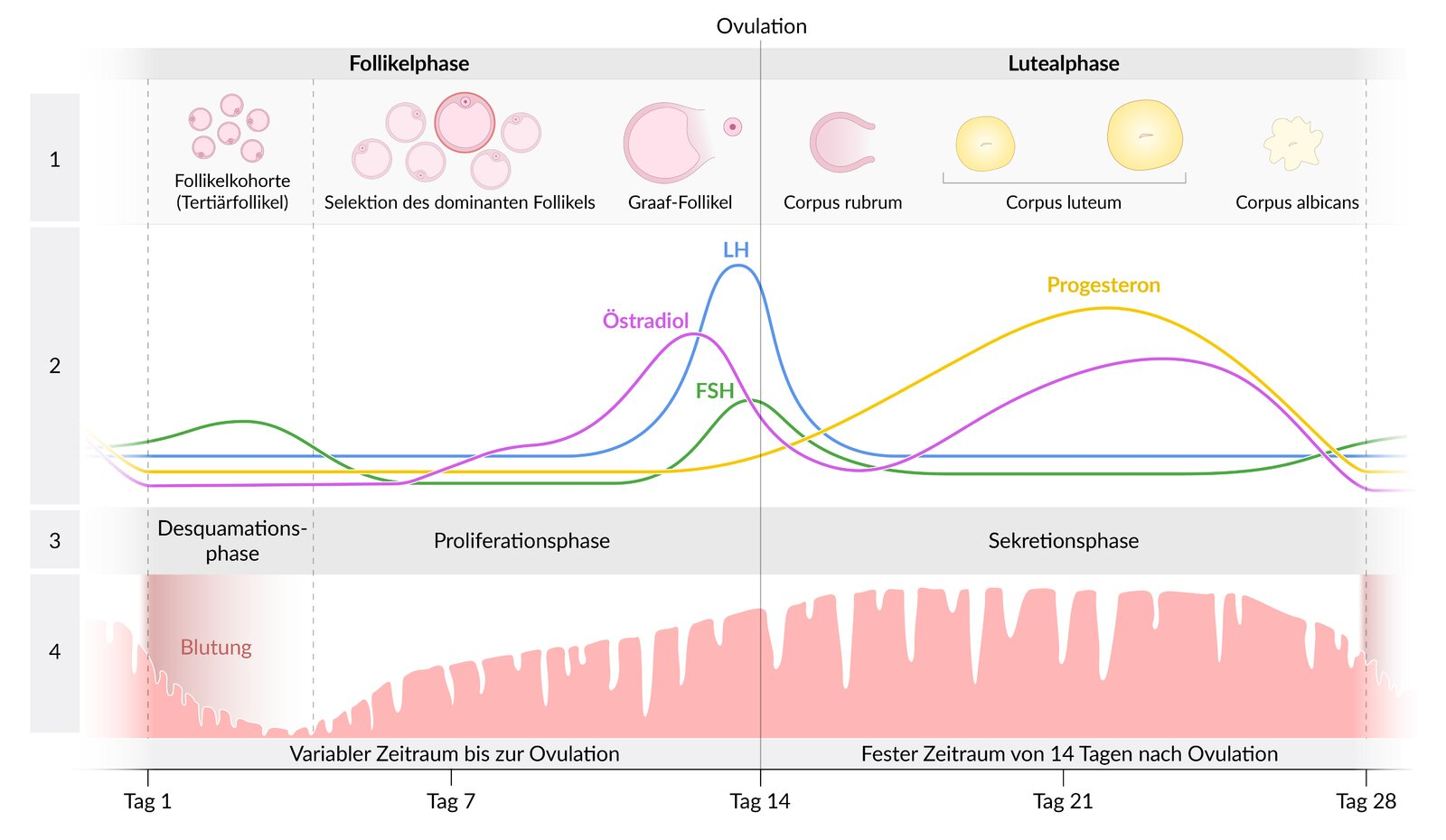
58. The menstrual cycle begins with menstrual bleeding (menstruation).
Which mechanism directly triggers menstruation?
A. Decrease in core body temperature toward the end of the cycle
B. Decrease in LH (luteinizing hormone) concentration in the blood after ovulation
C. Decrease in progesterone concentration in the blood
D. Significant increase in FSH (follicle-stimulating hormone) concentration in the blood
E. Positive feedback mechanism shortly before ovulation
C. Decrease in progesterone concentration in the blood
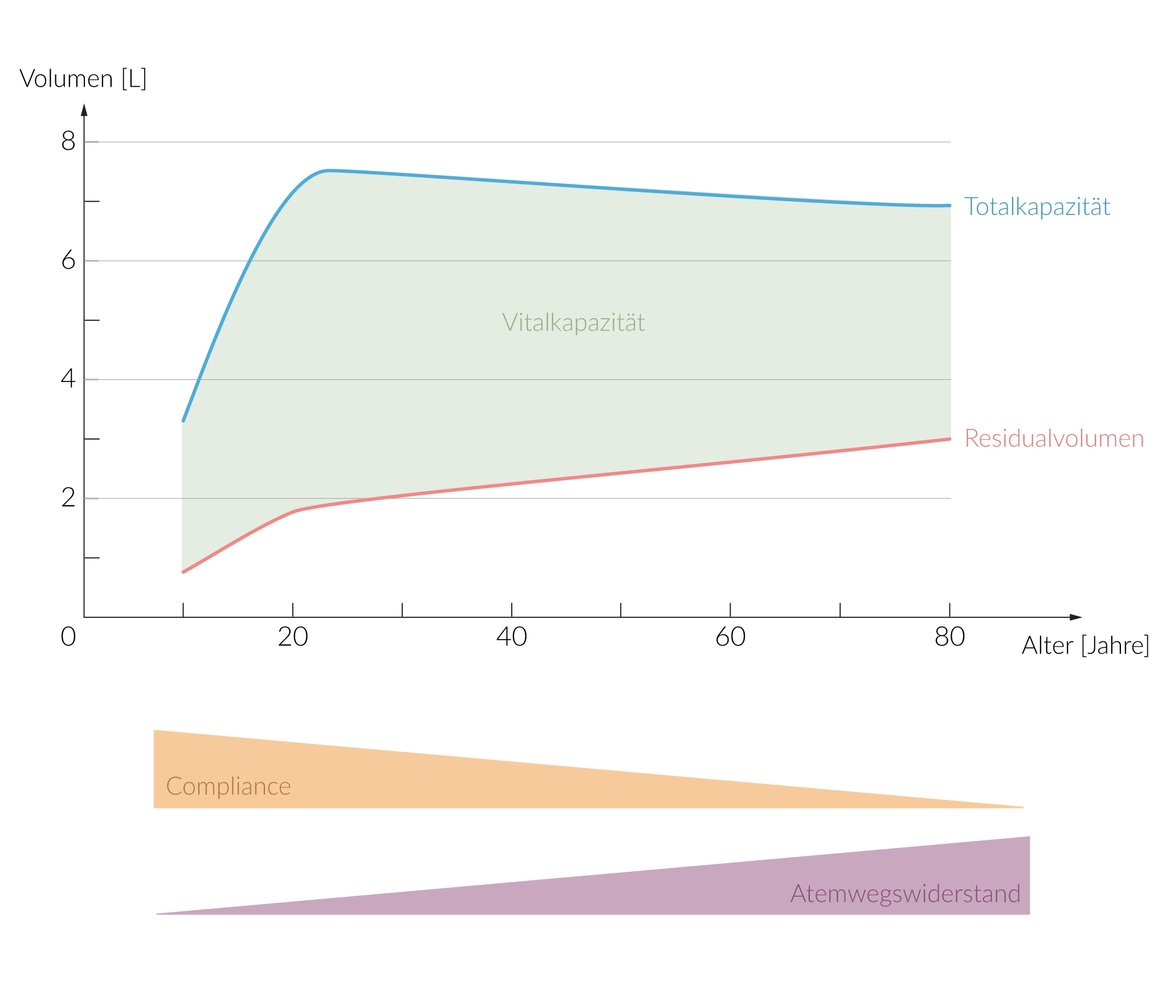
59. As part of the aging process, changes in organ functions also occur in healthy individuals.
Which of the following findings is most consistent with the physiological aging process?
A. Decrease in blood pressure amplitude
B. Decrease in hearing threshold sound pressure
C. Increase in the accommodative range of the eye
D. Increase in the body’s basal metabolic rate
E. Increase in the residual volume of the lungs
E. Increase in the residual volume of the lungs
60. The sleep-wake rhythm follows a circadian pattern. Its control center, the “biological clock,” receives light information via the optic nerves and adjusts the internal rhythm to the external time cues. The timing of bodily processes is influenced, among other things, by the hormone melatonin.
In which neuroanatomical structure is this hormone primarily produced?
A. Corpus amygdaloideum (amygdaloid body)
B. Corpora mamillaria
C. Glandula pinealis (pineal gland)
D. Hippocampus
E. Nucleus paraventricularis
C. Glandula pinealis (pineal gland)