Anatomy- Axial skeleton The axial
 Studied by 0 people
 Call Kai
 Learn
Learn Practice Test
 Spaced Repetition
 Match
Match Flashcards
 Knowt Play
1/99

There's no tags or description
Looks like no tags are added yet.
Name | Mastery | Learn | Test | Matching | Spaced |
|---|
No study sessions yet.
100 Terms
the axial skeleton is divided into three parts
skull
vertebral column
bony thorax
two sets of bones form the skull
cranium bones-enclose the brain
facial bones (hold eyes in position and allow facial muscles to express feelings)
bones joined by sutures
only the mandible is attached by a freely movable joint
8 cranial bones protect the brain
frontal bone
occipital bone
ethmoid bone
sphenoid bone
parietal bones
temporal bones
14 facial bones
maxillae
palatine bones
lacrimal bones
zygomatic bones
nasal bones
vomer bone
inferior nasal conchae
mandible
coronal suture
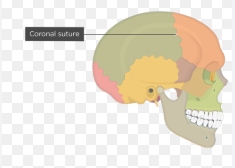
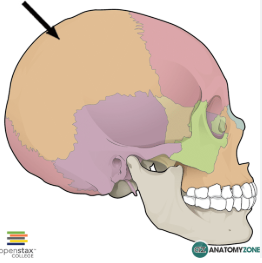
parietal bone
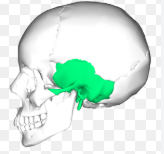
temporal bone
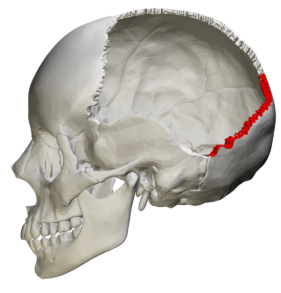
Lambdoid suture
squamous suture
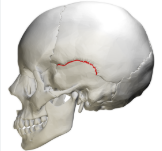
occipital bone
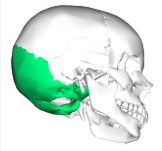
zygomatic process
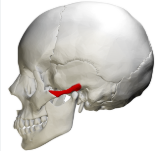
external acoustic meatus
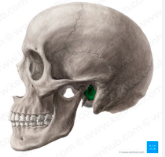
mastoid process
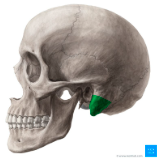
styloid process
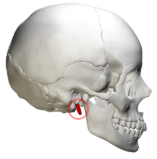
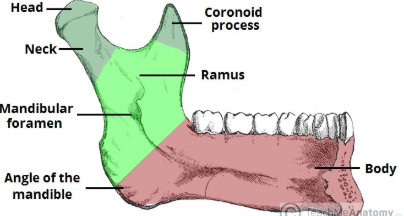
mandibular ramus
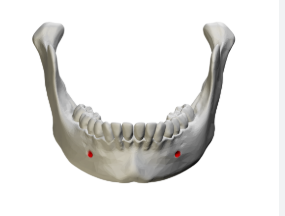
mental foramen
mandible
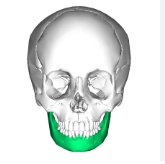
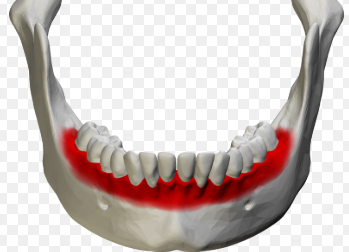
alveolar process
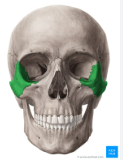
zygomatic bone
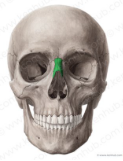
nasal bone
lacrimal bone
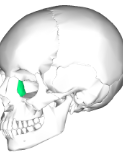
ethmoid bone
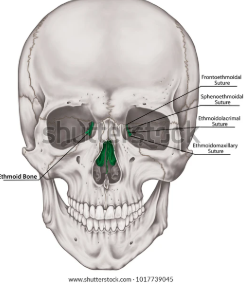
sphenoid bone
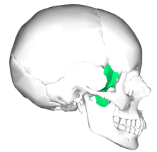
frontal bone

frontal, ethmoid, sphenoid, temporal, parital, occipital (coronal base)
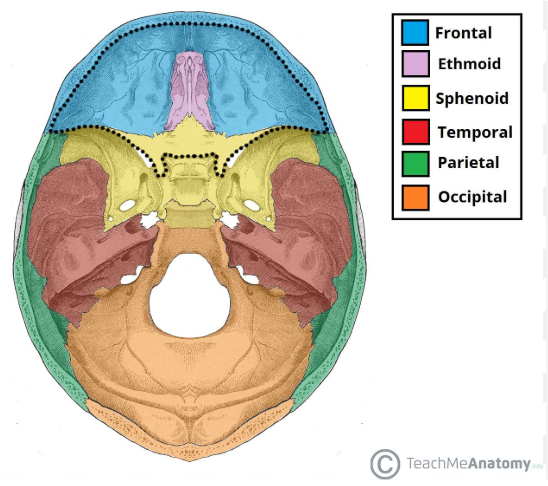
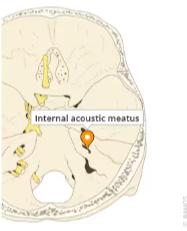
internal acoustic meatus
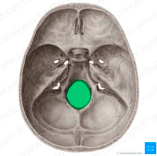
foramen magnum
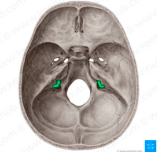
jugular foramen
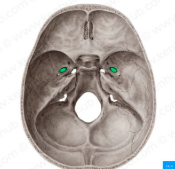
foramen ovale
sella turcica
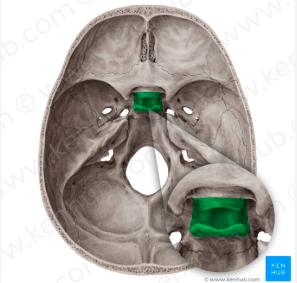
optic canal
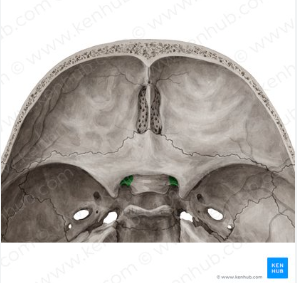
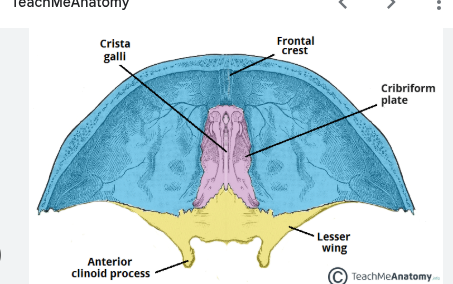
cribriform plate and crista galli
maxilla (palatine process)
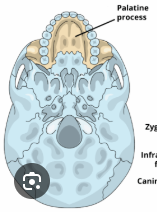
palatine bone (inferior)
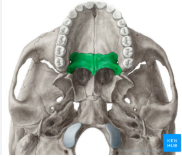
zygomatic bone (inferior)
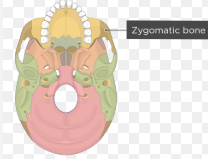
temporal bone ( zygomatic process) inferior
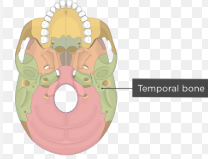
vomer (inferior)

mandibular process (inferior)
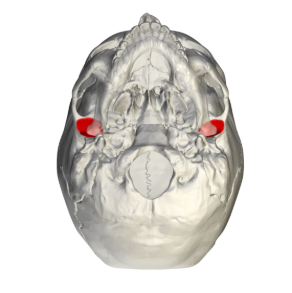
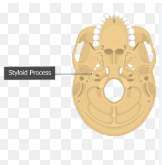
styloid process inferior
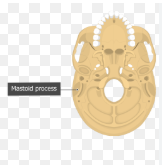
mastoid process inferior
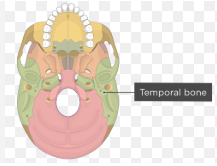
temporal bone inferior
parietal bone inferior
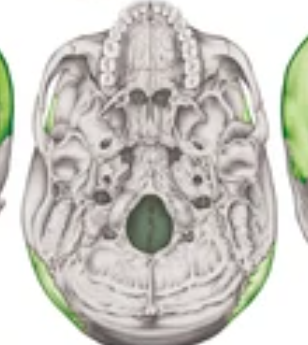
occipital bone inferior
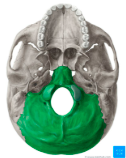
foramen magnum inferior
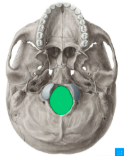
occipital condyle inferior
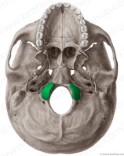
jugular foramen inferior

carotid canal
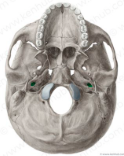
foramen ovale inferior
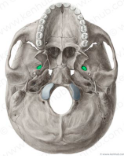
sphenoid bone (greater wing)
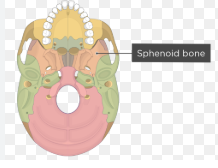
maxilla inferior
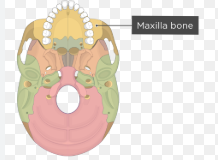
incisive fossa
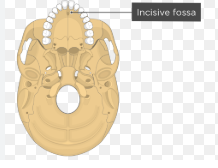
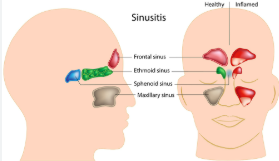
paranasal sinuses
hollow portions of bone surrounding the nasal cavity
functions of paranasal sinuses
lighten the skull
amplify sounds made as we speak
sinus locations (FESM)
hyoid bone
closely related to mandible and temporal bone
the only bone that does not articulate with other bone
serves as a movable base for tongue
aids in swallowing and speech
vertebral column provides
axial support (extends for skull to pelvis)
how many vertebral discs
26 and they are separated by intervertebral discs
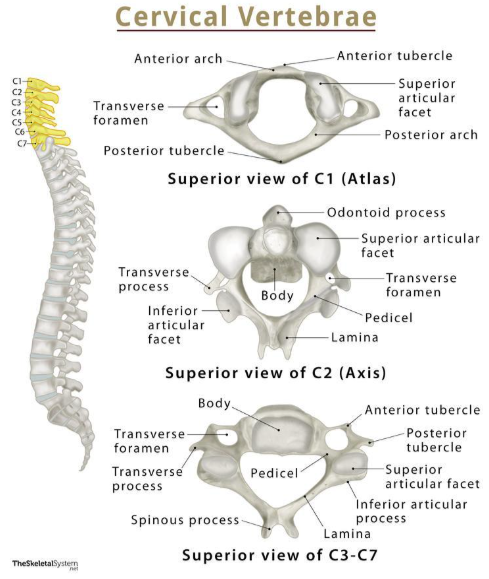
how many cervical vertebrae
7
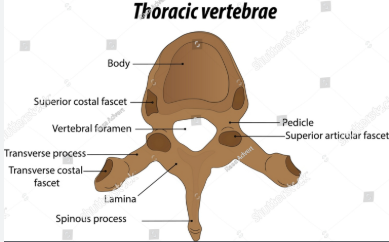
how many thoracic vertebrae
12
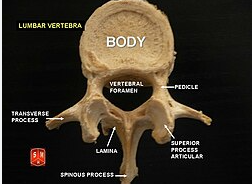
how many lumbar vertebrae
5
primary curvatures of the spine
spinal curvatures of the thoracic and sacral regions
present from birth
form a c-shape in newborns
secondary curvatures of spine
spinal curvatures of the cervical and lumbar regions
developed after birth
form an s-shaped curvature in adults
atlas and axis vertebrae
thoracic vertebrae
lumbar vertebrae
thoracic cavity

bones of the shoulder girdle
also called pectoral girdle
two bones attach the upper limb to the axial skeletal (Clavicle and scapula)
light, poorly reinforced girdle
allows the upper limb exceptional flexibility
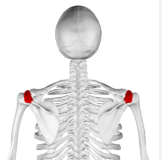
acromion of scapula
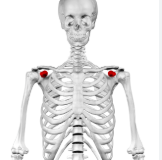
coracoid process
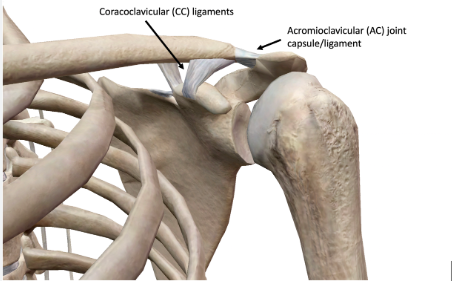
acromioclavicular joint
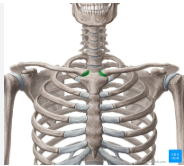
sternoclavicular joint
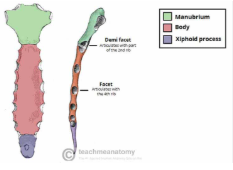
manubrium of sternum and xiphoid process
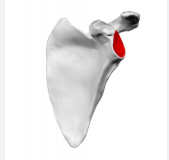
glenoid cavity
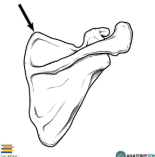
superior angle of scapula
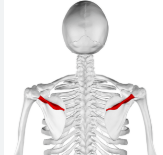
spine of scapula
inferior angle of scapula
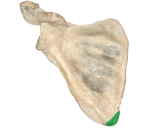
head of humerus
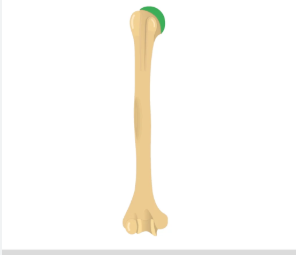
capitulum
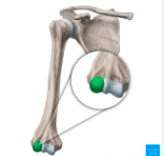
trochlea
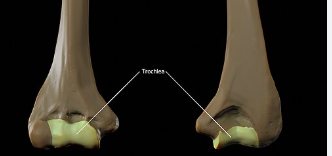
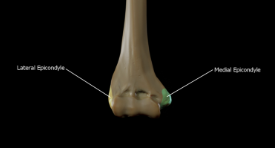
medial epicondyle and lateral epicondyle
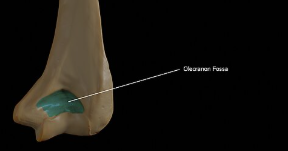
olecranon fossa
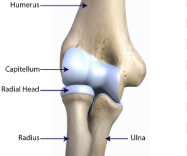
head of radius
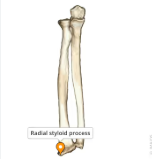
radial styloid process
ulnar styloid process
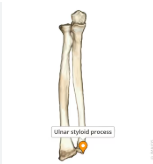
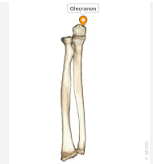
olecranon of ulna
carpals of hand

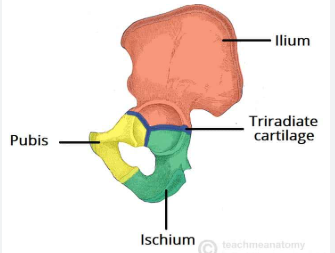
ilium, pubis, ischium
sacrum and coccyx
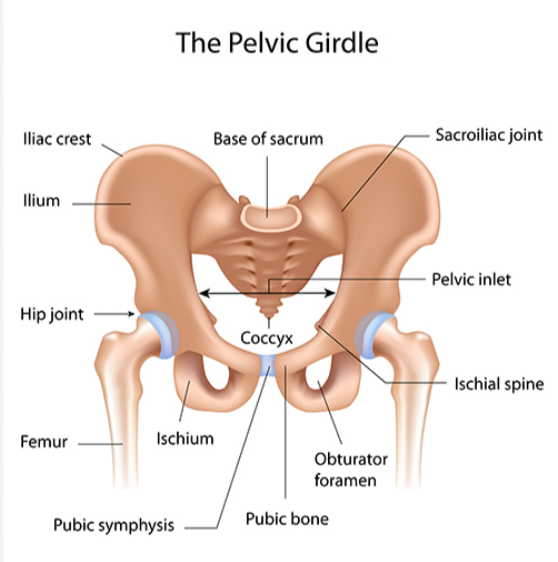
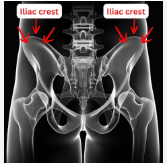
iliac crest
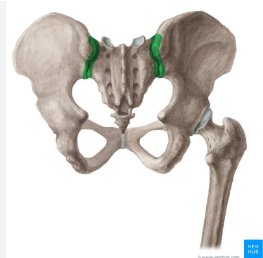
sacroiliac joint
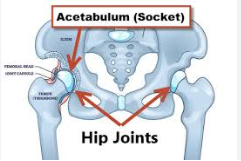
acetabulum
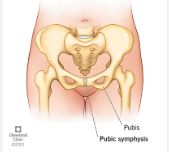
pubic symphysis
obturator foramen
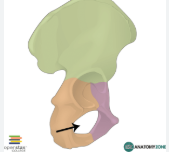
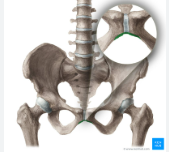
pubic arch
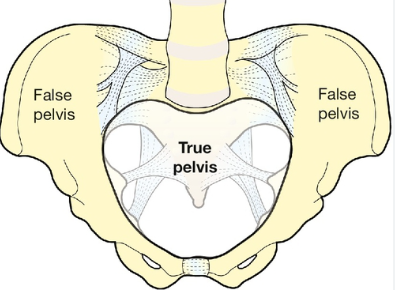
false pelvis and true pelvis
head of femur

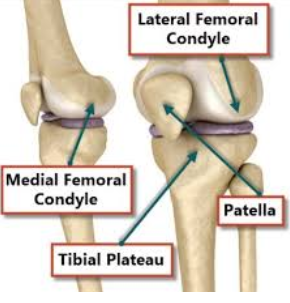
lateral and medial condyle
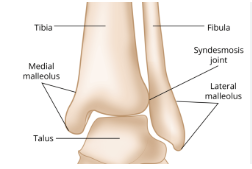
lateral and medial malleolus
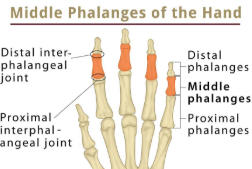
distal, middle, proximal phalanges
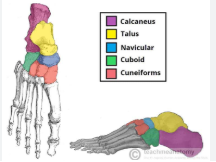
tarsals labeled
 Note
Note  Flashcards (81)