Ultimate Midterm Blooket
 Call Kai
 Learn
Learn Practice Test
 Spaced Repetition
 Match
Match Flashcards
 Knowt Play
1/511

Earn XP
Description and Tags
Blooket with every blooket :)
Name | Mastery | Learn | Test | Matching | Spaced | Call with Kai |
|---|
No analytics yet
Send a link to your students to track their progress
512 Terms
Tablets
The most common solid dosage forms available. They can vary in shape, size, weight, and color, dissolution properties, and method of delivery. Some are scored with a groove that allows it to be easily broken to provide additional medication strengths.
Sublingual
A small tablet that is administered by placing it under the tongue until the tablet melts. This allows the medication to bypass the digestive system and quickly be absorbed in the body to be utilized immediately. These medications have rapid responses.
Scored
Tablets that have a divided center making them easier to split and divide. (allows for dose flexibility)
Enteric-coated
Protects the drug from the acidic degradation of the stomach while protecting it from other unwanted effects. Tablets that are coated to delay the release of medication until the tablet has bypassed the stomach and reached the intestines.
Capsules
A small cylinder or container with a gelatin shell which contains different ingredients: dry powders, liquids, and semisolids. They make up 20% of the medications dispensed. Some people prefer capsules because they can be easier to swallow.
Lozenges
Solid dosage forms that are intended to be dissolved or disintegrated slowly in the mouth to provide medication to the oral cavity.
Troches
A small chewy medicated lozenge designed to provide medication to the oral cavity and can be like candy or gummy consistency.
Powders
A solid dry substance that was crushed or grinded to form finely divided particles. They have a high shelf life and are a good alternative to pills. Creates versatility in medicine as it can be combined with other medicine. May be mixed into a liquid to improve the taste and make it easier to swallow.
Suppositories
Small object you put into your body, it dissolves and releases medication once inside the body - designed to melt at internal body temp. Can be inserted rectally, vaginally, even in the urethra.
Solutions
Liquid preparations that contain one or more chemical substances completely dissolved in a suitable solvent or a mixture of mutually miscible solvents.
Syrup
A medicine in the form of a thick liquid containing a sugar solution. The cough medicine is supplied as a thick, sweet syrup. The thick syrup is sweetened with a solution of sugar.
Suspension
A dosage of water and the drug, however the drug is insoluble in water - drug does not completely dissolve and remains 'suspended' in the liquid. Bottles of suspension medications must be shaken before dispensing as well as a 'shake well' label should be placed on the prescription bottle.
Mouthwash
A liquid used for rinsing the mouth. Typically contains an antiseptic. Provide medication to the oral cavity. Patients are usually directed to swish and swallow or swish and spit.
Inhalations
Medication inhaled through the lungs (gaseous). Either placed in a nebulizer to provide topical application of medication to the respiratory tract or metered dose inhaler.
Ointment
A smooth oily preparation that is rubbed on the skin for medicinal purposes or as a cosmetic. Can be applied to skin OR mucous membranes.
Cream
A semisolid dosage form of more than 20% water, that is applied to the skin. Easily rinsed off - non-greasy.
Lotions
An emulsion, liquid dosage form. This dosage form is generally for external application to the skin. Thinner in consistency than creams, but cover greater body areas and areas heavily covered with hair.
Gels
A gel is a solid or semisolid system that contains small particles of liquid medication.
Pastes
Solid particles are dispersed in a semisolid material, intended for topical application. Very stiff form of ointment.
Transdermal patch
Medicated adhesive patches that are placed on the skin to deliver a specific dose of medication through the skin and into the bloodstream. The reservoir helps hold medication so that it is released as a continuous supply over a certain period of time.
Aerosols
Nebulizers turn liquid medication into a mist. Using a mask or mouthpiece medication is delivered to the respiratory tract through a compressed air machine. The air machine forms extremely fine particles or tiny droplets.
Spacers
A device that works with an inhaler to deliver inhaled medication more easily and effectively in order to reduce side effects.
Syringes
A tube with a nozzle/piston used to suck and inject liquid in a thin stream. Can also be used to administer parenteral medications with needle attachment.
Parenteral Medications
Drugs given through routes other than the digestive tract, typically through injection.
Solid Dosage forms
Absorbed through enteral route. Most common form of medication taken. These forms can be capsules, tablets and all vary in shape, size, weight and color. They have varying delivery methods and properties.
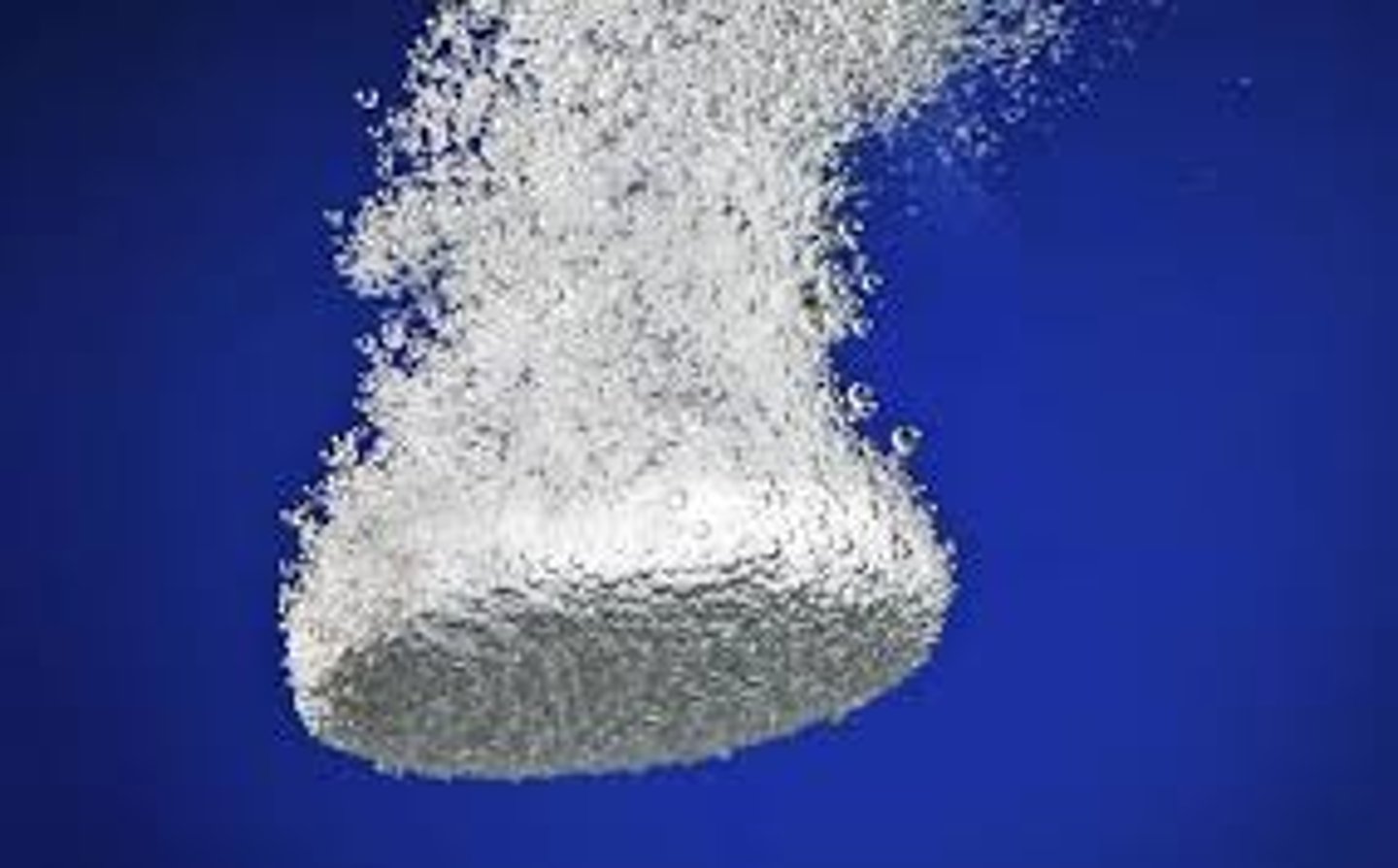
Effervescent tablets
Uses a chemical reaction (the release of carbon dioxide gas) to hasten tablet dissolution. These tablets MUST be dissolved in a glass of water or other liquid before ingestion.
Buccal tablets
Tablets placed between the cheek and gums. These tablets are designed to dissolve slowly and not be swallowed. This process allows the medicine to bypass the digestive tract.
Film-coated tablets
Tablets coated with the purpose of masking taste
Liquid Dosage forms
A route for medication specifically for those who cannot swallow solid dosage forms. Typically used for children.
Notes: May need refrigerated, Sometimes flavor may need to be added to mask the taste. They have a shorter shelf life.
Tincture
A liquid dosage form that contains alcohol to mask flavor.
Emulsion
contains oil and water. Oil is suspended in the water with the help of emulsifying agents. The oil and water separate to form two clearly visible layers. Must be shaken before dispensing.
Elixir
A liquid dosage form that is a clear sweet combinations of water and alcohol.
Gaseous Dosage form
active ingredients dissolved or suspended in a propellant (liquified gas); when valve is opened the propellant vaporizes and discharges the active ingredient as a fine spray or mist

