FRQ Prep APGov
 Studied by 2 people
 Call Kai
 Learn
Learn Practice Test
 Spaced Repetition
 Match
Match Flashcards
 Knowt Play
1/28

There's no tags or description
Looks like no tags are added yet.
Name | Mastery | Learn | Test | Matching | Spaced | Call with Kai |
|---|
No analytics yet
Send a link to your students to track their progress
29 Terms
15th Amendment
gave right to vote to all men regardless of race
19th Amendment
gave women the right to vote
26th Amendment
gave right to vote to all citizens over 18
Connect voter turnout to motor voter laws
Allowed citizens to become eligible to vote with their drivers license allowing millions of new voters to join the polls
Connect voter turnout to photo ID Laws
Enforces that voter must bring some kind of government-issued identification with them to voting which can suppress some voters
How does Education affect voter turnout?
Individuals who have higher levels of education consistently voting at higher rates, people with a high-school diploma or lower have about 50-30% voter turnout while people with college degrees are 70-90%.
How does Age affect voter turnout?
Older people are more likely to vote because they have more time and the resources to be able to vote while younger people are busy and may not have the materials necessary to vote.
How is voter turnout in presidential vs midterm elections?
Presidential:
65% voter turnout for all voters, all demographics vote and media coverage is everywhere, early voting usually happens for states
How is voter turnout in presidential vs midterm elections?
Midterm:
50% voter turnout for midterm elections, mostly old white men, limited media covverage, same-day voting is common
What is voter turnout like in primary elections vs general elections?
Primary:
27% registered voters turnout, lower levels of public awareness
What is voter turnout like in primary elections vs general elections?
General:
60% registered voters turnout, perceived as more significant or the “main event”
Block Grant
A large grant given to a state by the federal government with only general spending guidelines.
Categorical Grant
Grants that appropriate federal funds to states for a specific purpose.
Why do state governments usually prefer a ____ type of grant?
States prefer block grants over categorical grants because there is more flexibility on what it can be used for
Federalist
They supported the new Constitution and a stronger central government.
Anti-Federalist
They opposed the new Constitution, fearing that a strong central government would threaten individual rights and state sovereignty.
What are some features of the original Constitution that have led to a growth in the power of the national government?
Ability to tax, ability to regulate interstate commerce
Clauses
Supremacy clause (ty mr shannon)
National government reigns supreme over all
Necessary and Proper Clause (Elastic clause)
Enact laws for exercising enumerated powers
Implied powers
Gave the government space to add more laws and create new powers
Full faith and Credit clause
States must honor laws and proceedings of other states
Ex: If you are legally married you are married all over the country
Drivers license
First Amendment
It ensures that Congress cannot make laws that infringe on Americans’ rights to freedoms and that the government can’t force any laws onto the people like the British did.
10th Amendment
Ensures that state and local governments retain authority over matters like running elections, creating marriage laws, and regulating schools, which are not specifically granted to the federal government by the Constitution
Due process clause
Guaranteed by 5th amendment
Action by state, not federal, government caused damages
Federal government not at fault for state actions
Equal protection clause
“We hold these truths to be self-evident that all men are created equal.”
Citizens United v. FEC
Supreme Court ruling that enable corporations and unions to have the same political speech rights as individuals under the first amendment
As part of this ruling, the Supreme Court found that the government may not prohibit corporations or unions from using their general treasury funds to support or denounce political candidates in elections
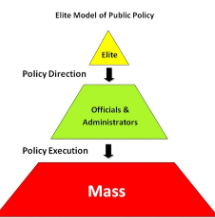
Elite Model of Democracy -
Disturbance Theory:
Argument that interest groups form in response to changes in the political system
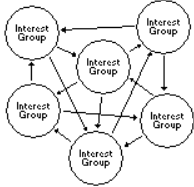
Pluralist Model of Democracy -
Pluralist Theory:
Argument that political power is divided among a wide range of competing interest groups, Competition is good, the end result is more groups being formed!
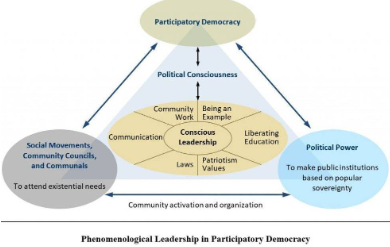
Participatory Model of Democracy -
Transactions Theory:
Argument that public policy results from transactions among political players, Policies are actually the result of narrowly defined exchanges or transactions among political actors, Elite classes have more time and money available to mobilize into interest groups
 Note
Note  Flashcards (27)