Photosynthesis
 Studied by 0 people
 Call with Kai
 Learn
Learn Practice Test
 Spaced Repetition
 Match
Match Flashcards
 Knowt Play
1/40

There's no tags or description
Looks like no tags are added yet.
Name | Mastery | Learn | Test | Matching | Spaced | Call with Kai |
|---|
No study sessions yet.
41 Terms
Why do plants photosynthesize
To grow and survive
Where does photosynthesis take place
In the leaves, chloroplasts.
What does chlorophyll do
Absorbs light
What are the reactants of photosynthesis
Carbon dioxide and water
What powers photosynthesis
sunlight
What is the equation of photosynthesis
Carbon Dioxide + Water→ glucose+oxygen
What is the chemical equation of photosynthesis
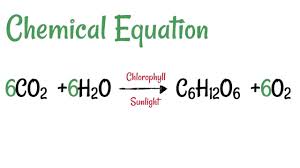
What reaction is photosynthesis
Endothermic
Why is photosynthesis endothermic
Because it gets its energy from the sun (light)
How does Carbon dioxide get into the plant
diffuses into the leaves via the stomata
How does water get into the plant
Taken up through the soil by its roots and then transported to the leaves by the xylem
Why does plants use oxygen
For respiration
How can glucose be used for respiration
It breaks glucose molecules to release energy
How can glucose be used for cellulose
Glucose molecules can combine to form cellulose which is used for plants to strengthen their cell wall.
How can glucose be used for starch
Glucose molecules also combine to make starch
Why is starch a better form of glucose for long term storage
Compact=Can fit more
Insoluble= water will not draw into the cell
Why do plants keep a good amount of starch
To turn it into glucose when photosynthesis is not happening as much
How can glucose be used for amino acids
Glucose combines with nitrate ions and make amino acids, where they get protein
Where do nitrate ions come from
soil
How can glucose be used for oils and fats (lipids)
stored as energy sources for the future
What affects the rate of photosynthesis
Light intensity
Temperature
Carbon Dioxide concentration
Amount of Chlorophyll
What happens if a plant has less chlorophyll
The rate of photosynthesis decreases because less light energy is absorbed
Do all plants have the same amount of chlorophyll
No,
Why can chlorophyll levels vary within the same plant
Due to disease, environmental stress and lack of nutrients (eg.water)
How do disease, environmental stress and lack of nutrients affect photosynthesis
Damages the chloroplasts, reducing the amount of chlorophyll
What are the three main limiting factors for photosynthesis
Light intensity
Temperature
Carbon dioxide concentration
On a photosynthesis graph, which variable goes on the x-axis
The limiting factor being investigated (e.g. light intensity)
How does increasing light intensity affect the rate of photosynthesis
The rate increases until another factor becomes limiting
What does it mean when a photosynthesis graph plateaus
The rate has stopped increasing because another factor is limiting
What factors may limit photosynthesis when light is no longer limiting?
Carbon dioxide concentration or temperature
How does carbon dioxide concentration affect photosynthesis
Increasing CO₂ increases the rate of photosynthesis up to a plateau.
Why does the rate of photosynthesis increase as temperature rises (at first)?
Enzymes work faster and molecules move quickly
Why does photosynthesis decrease at high temperatures?
Enzymes become denatured
What happens to photosynthesis at around 45°C?
Enzymes are denatured and the rate of photosynthesis is at 0.
Why do farmers uses greenhouses in the colder climates
To trap heat from the sun and increase the rate of photosynthesis
How does artificial light help plants in greenhouses
Allows photosynthesis to workj day and night
How do farmers increase carbon dioxide levels in greenhouses?
By pumping in carbon dioxide or using parrafin heaters
What does a paraffin heater release
Carbon dioxide and heat
What is another advantage of greenhouses besides increased photosynthesis?
They prevent pests sand insects
Why do farmers use fertilisers in greenhouses?
To ensure plants recieve the necessary nutrients
 Note
Note  Flashcards (59)