ACTIVITY 6 THE ROOT SYSTEM OF PLANTS
 Call Kai
 Learn
Learn Practice Test
 Spaced Repetition
 Match
Match Flashcards
 Knowt Play
1/39

There's no tags or description
Looks like no tags are added yet.
Name | Mastery | Learn | Test | Matching | Spaced | Call with Kai |
|---|
No analytics yet
Send a link to your students to track their progress
40 Terms
root system
The ____________ is the underground portion of the sporophyte of vascular plants that primarily functions for absorption of water and minerals, anchorage, and production of certain hormones.
radicle; primary root
The ___________ of the embryo of seed plants gives rise to the first formed root called the ____________.
lateral roots
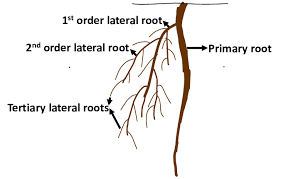
Roots that originated from preexisting roots are called ____________.
adventitious roots
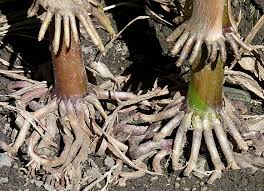
On the other hand, roots originating from organs other than roots (i.e., stems and leaves) are called __________________.
node; internodes
Roots do not bear leaves or flowers, so they do not possess __________ or _____________.
rhizoids
Non-vascular plants do not have roots but instead have ____________ functioning for anchorage and absorption.
root hairs; trichoblasts
Young roots have hair-like appendages known as _____________. These root hairs arise from specialized epidermal cells called ___________. Together with the lateral roots, they increase the area for absorption of water and minerals from the substrate.
apical meristem; modified roots
All primary tissues of root are derived from its ______________.
Aside from its principal functions, some roots, however, become specialized through evolution and developed distinctive characteristics allowing them to perform functions not typical to roots. These roots are called _______________.
primary root
You should easily notice the single thickest root connected directly to the stem. It is the primary root that originated from the radicle of the embryo. Unlike monocots, the ______________ of dicots and gymnosperms is not removed upon maturity. From the primary root, smaller roots arise.
fibrous
Grasses, like other monocots and seedless vascular plants exhibit ___________ root system. Take note that all grasses are monocots.
root cap
Root tip in longitudinal section
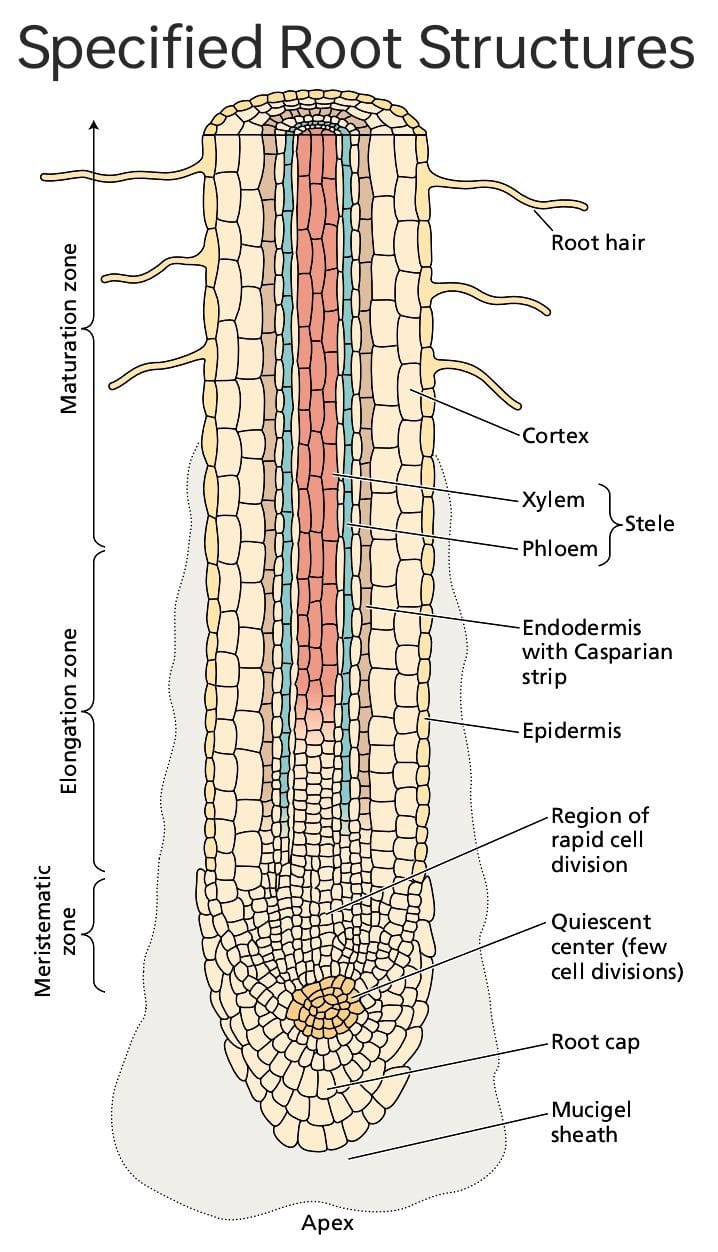
Examine a longitudinal section of Zea mays root tip under scanner. Look for the thimble- shaped structure at the tip covering the root apex. This is the _____________ which functions for protection of the meristematic cells, gravity perception, and secretion of mucilage which reduces friction between the growing root tip and the soil.
In some plants, the root cap is large and conspicuous while in other plants, it is nearly invisible.
region of active cell division; protoderm; procambium; ground meristem
Root tip in longitudinal section
Now move the slide to observe the region immediately above the root cap. It is the _________________________. The cells in this region are actively dividing mitotically.
The three primary meristems (____________, outermost; _____________, innermost; and ________________ between the other two) are present in this region.
region of cell elongation
Root tip in longitudinal section
Slowly move the slide upward while observing it under the microscope until you can see shape of cells different from that of the region of active cell division. You are now observing the _____________________. In this region, some cells still divide actively, but most of the cells are enlarging.
region of cell maturation
Root tip in longitudinal section
Slowly move the slide upward again until you can see epidermal outgrowths. These are the root hairs. You are now observing the ____________________________. The shape of cells in this region is still the same with that of the region of cell elongation.
epidermis; protoderm
Dicot root in cross section
Observe a cross section of Ranunculus sp. (a dicot) root undergoing primary growth under light microscope. Take note that this section was taken from above the region of cell maturation. The outermost tissue is the ________________ which originated from the primary meristem ________________.
uniseriate; simple epidermis; multiseriate; multiple epidermis
Dicot root in cross section
Typically, root epidermis has only one layer of cells, thus, termed ____________ or __________________. In certain cases like the aerial roots of orchids, there are more than one layers of cells in the epidermis, thus, termed _______________ or __________________.
root hairs
Dicot root in cross section
Look for thread-like outgrowths in the epidermis. These are called _______________ which are usually confined to regions far from the root cap. They increase the surface area for water absorption. Take note that root hairs are not lateral roots.
cortex; ground meristem
Dicot root in cross section
The tissue next to the epidermis is the _______________ (which originated from _________________) composed of several layers of cells.
starch; endodermis; stele
Dicot root in cross section
The cortex stores ____________ and other metabolic products. The innermost layer of cells in the cortex is the _____________ characterized by compactly arranged cells forming the boundary between cortex and _________ (the central cylinder of vascular tissue).
endodermis; lignin; suberin
Dicot root in cross section
The ______________ functions as a selective barrier regulating the passage of substances from the substrate into the vascular tissue of the stele. The cells of this layer have thin tangential walls (closest to vascular cylinder or cortex), but the transverse and radial walls (top, bottom, and side walls) are covered with _________ and __________ which are waterproof substances.
Casparian strip
Dicot root in cross section
This band of cell wall material responsible for controlling the types of minerals entering the xylem water stream is called the _________________.
procambium; pericycle
Dicot root in cross section
The stele, which originates from the _______________, is where both xylem and phloem develop. The outermost layer of stele is the _____________ where (in case of most seed plants) the lateral roots arise from.
pericycle
Dicot root in cross section
The cells in this layer can revert to meristematic condition, thus, becoming able to divide again. In seedless vascular plants (i.e., ferns and their allies), however, the endodermis gives rise to the lateral roots. N
primary xylem
Dicot root in cross section
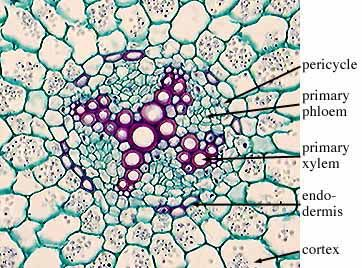
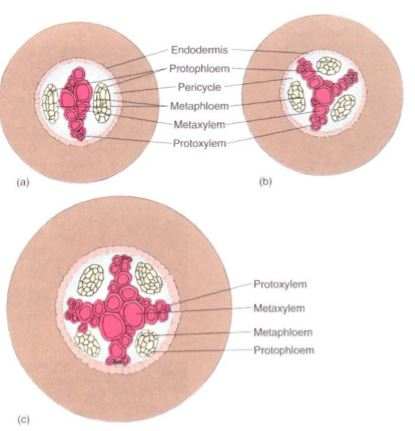
Now, focus your attention to the primary vascular tissues. Locate the _______________ which you can easily notice with radiating arms. Typically, dicot roots have two (diarch), three (triarch), or four (tetrarch) radially arranged xylem ridges although more than five may occur in some species.
protoxylem; metaxylem
Dicot root in cross section
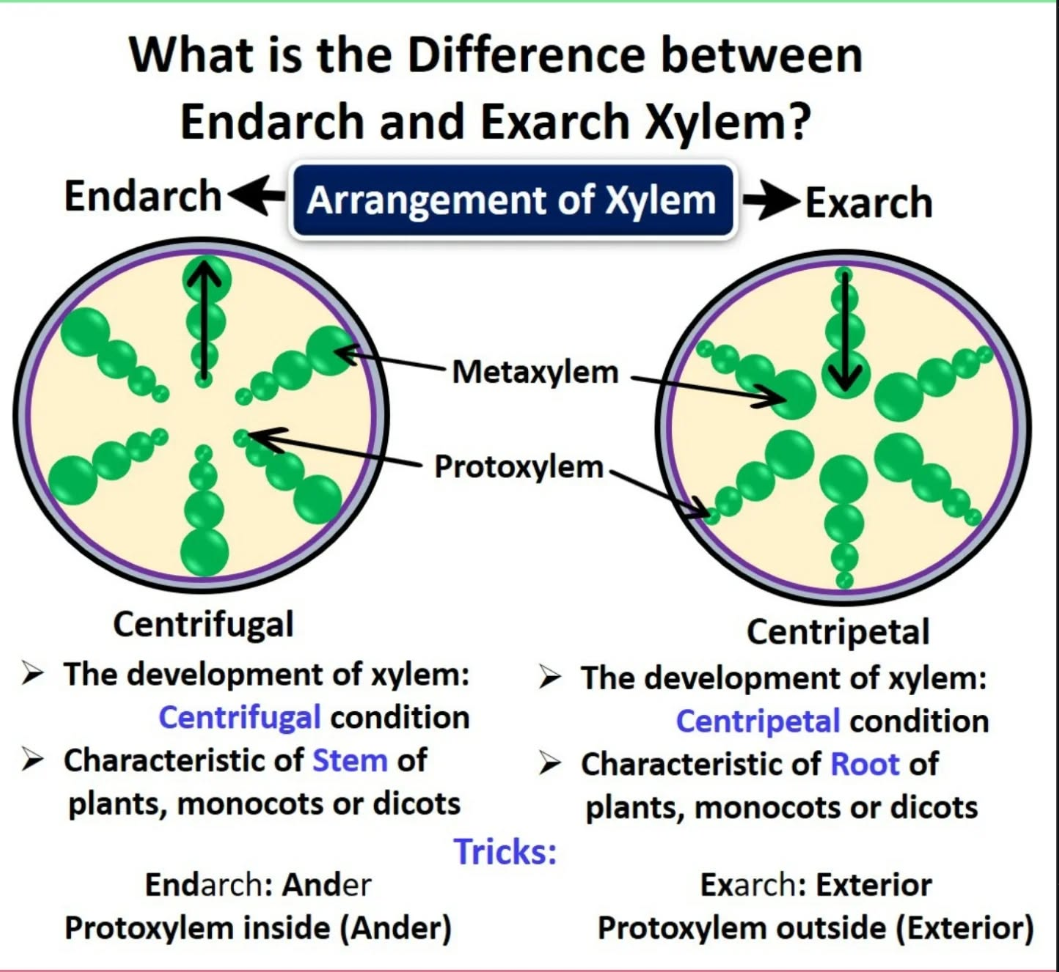
The ______________, the first part of primary xylem that matures, is composed of thick-walled narrow cells while the ______________, which matures after the former, is made up of wider cells.
exarch; endarch
Dicot root in cross section
If the protoxylem elements are located closer to the cortex, the type of xylem maturation being exhibited is __________. Otherwise, __________ xylem maturation is being shown.
primary phloem; radial; protostele
Dicot root in cross section
In dicot roots, the ______________ tissues usually alternate with the xylem arms as you can observe in the cross section of Ranunculus root. Therefore, ___________ vascular tissue arrangement is being shown.
The type of stele typical to dicot roots is _____________.
pith; polyarch
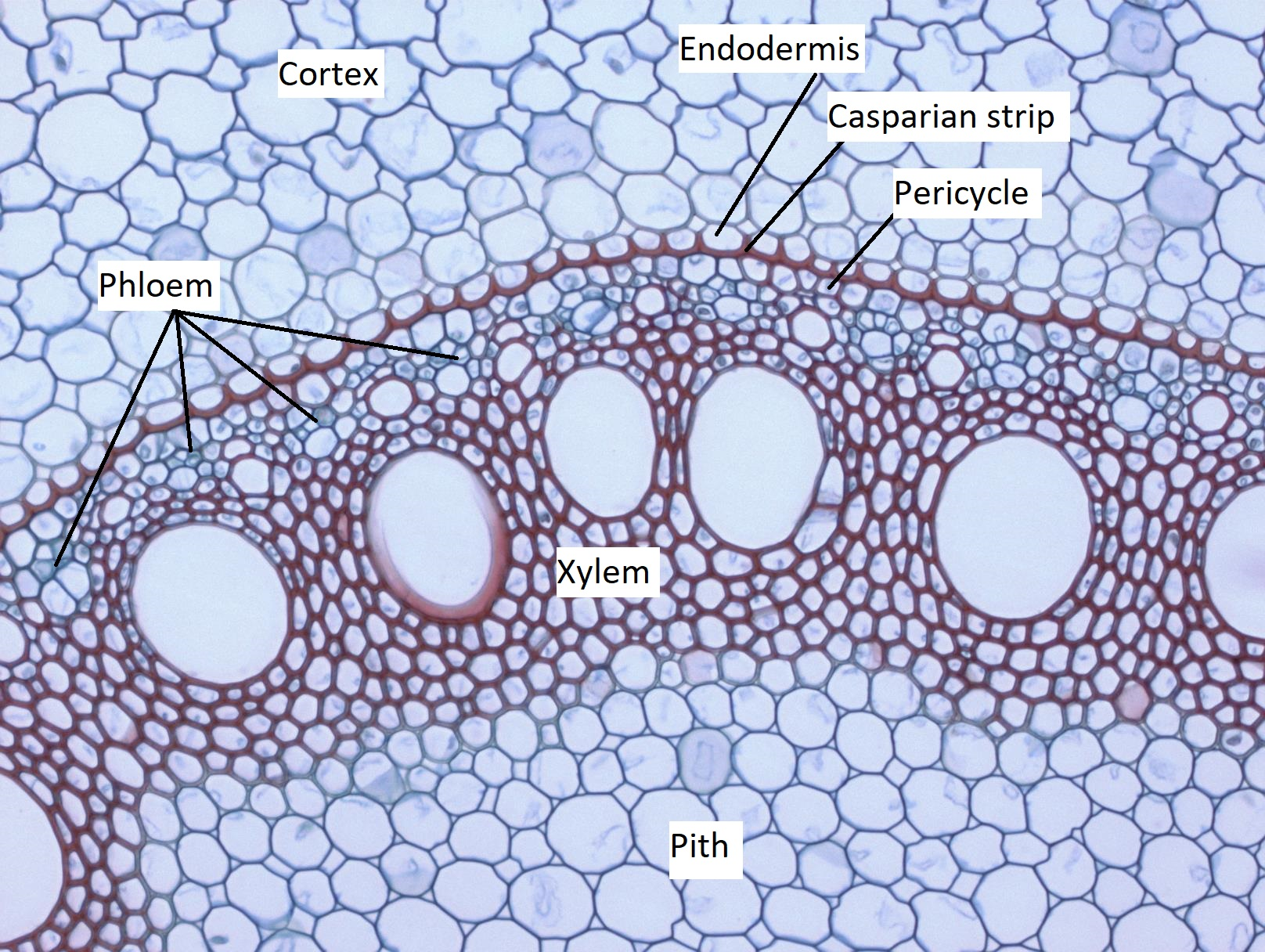
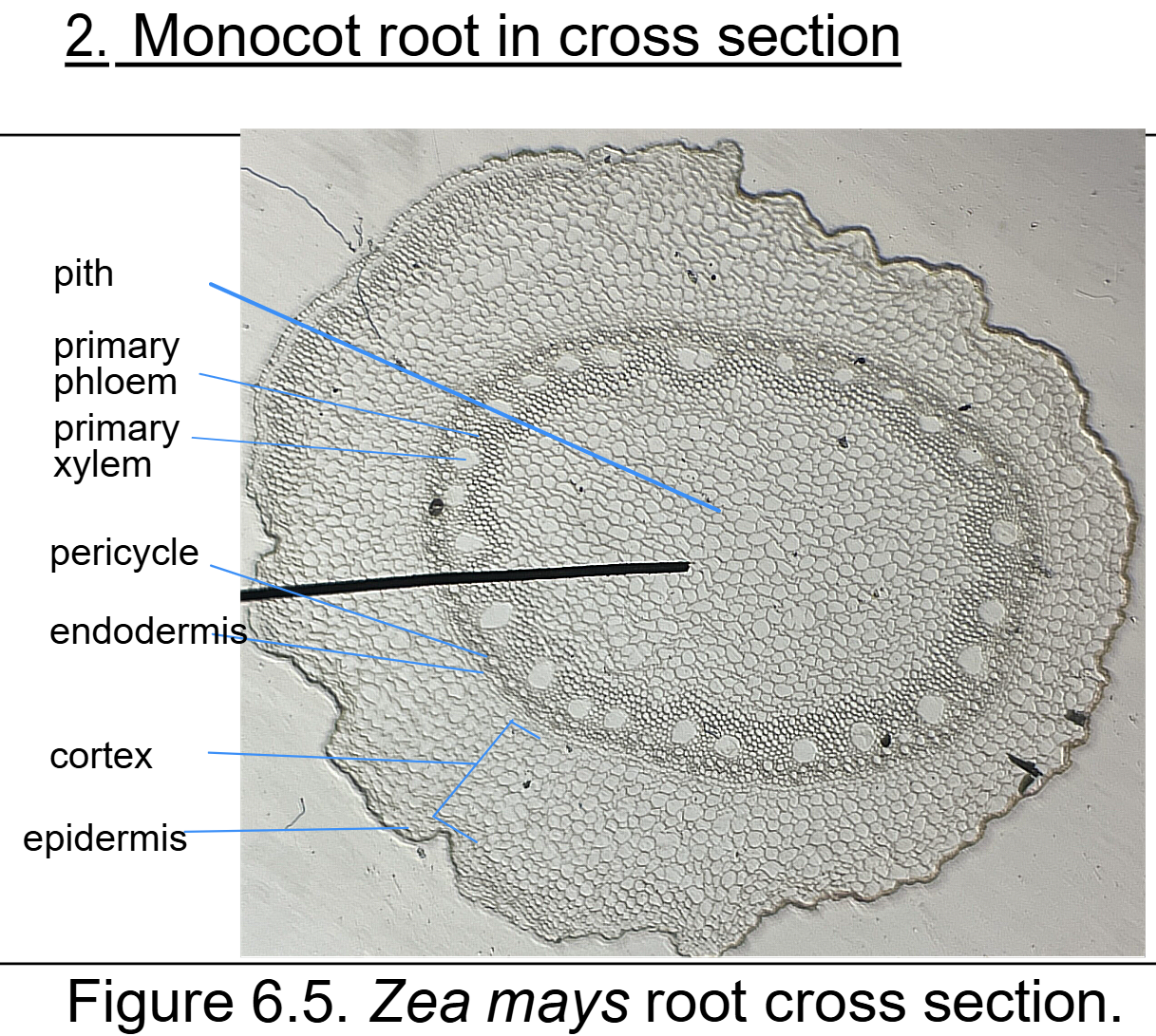
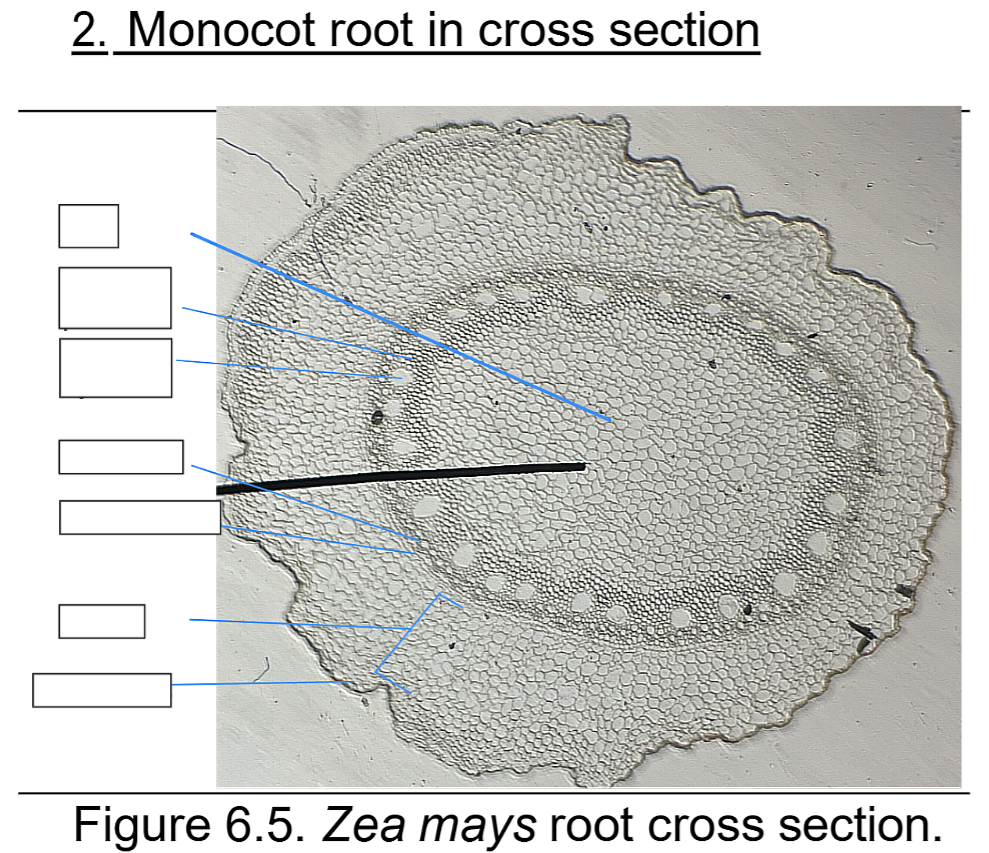
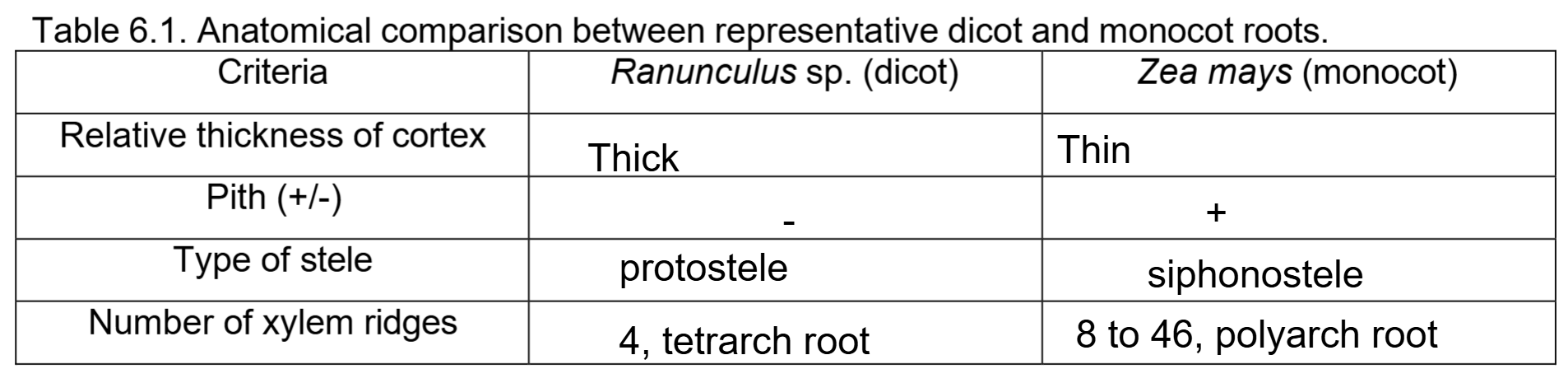
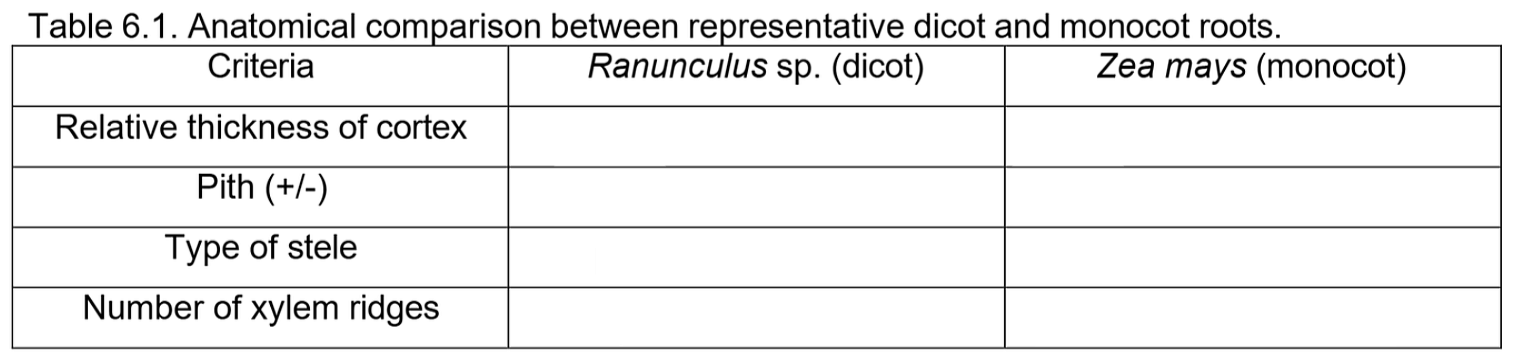
Examine a Zea mays (a grass) root cross section under light microscope. Basically, the parts are similar to those of the dicot root that you observed except for the presence of _________ (parenchymatous tissue surrounded by a ring of vascular tissues) in the middle and numerous xylem and phloem strands (termed ____________) embedded in ground tissue.
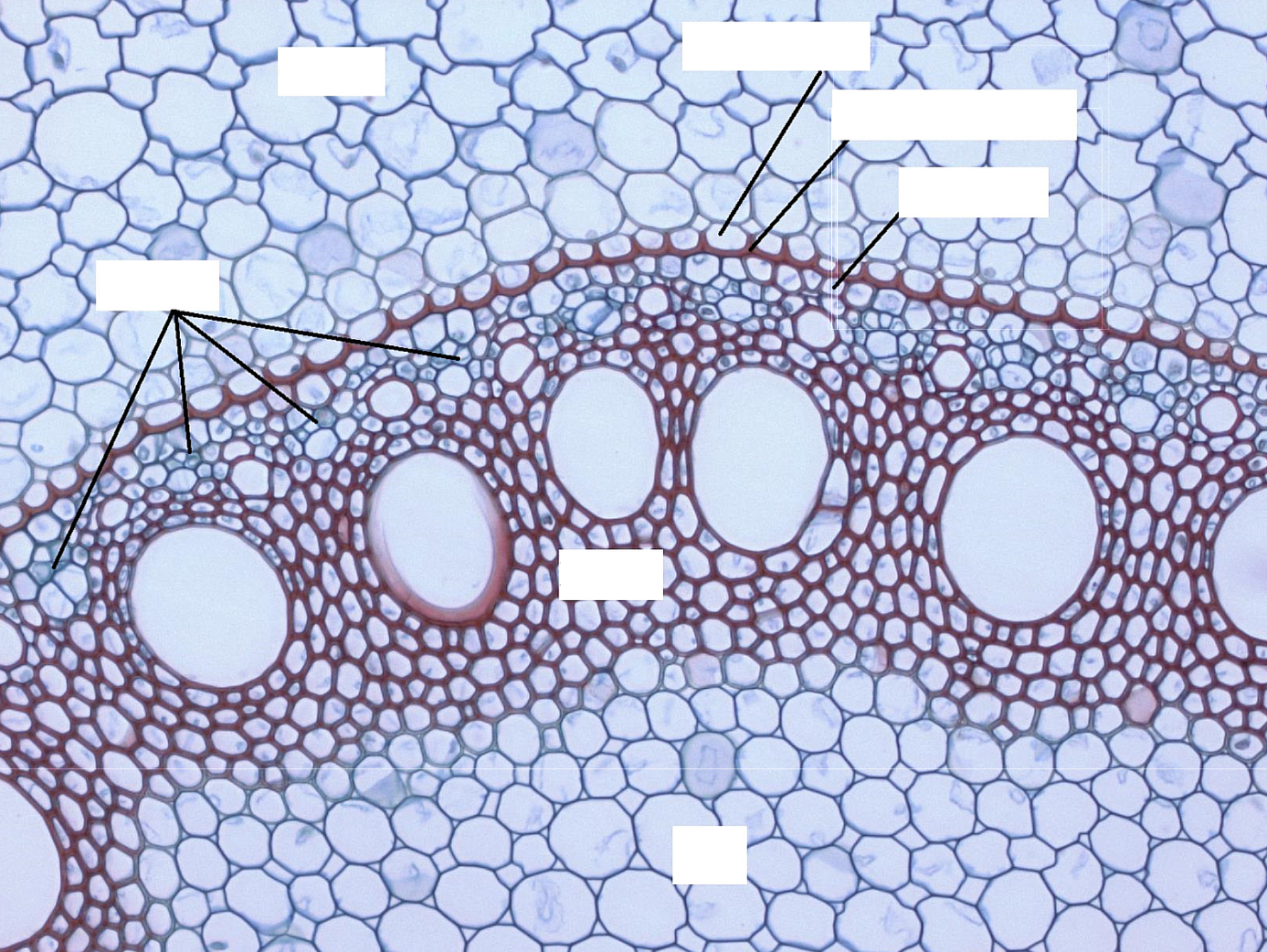
siphonostele
The stele type that you are observing is ________________ which is characterized by the presence of pith. Do not confuse this with stem pith which is part of the ground tissue system (not vascular tissue system). In the case of Zea mays root, the cells in the pith remain as unspecialized parenchyma cells instead of differentiating into xylem and phloem tissues.
Storage roots
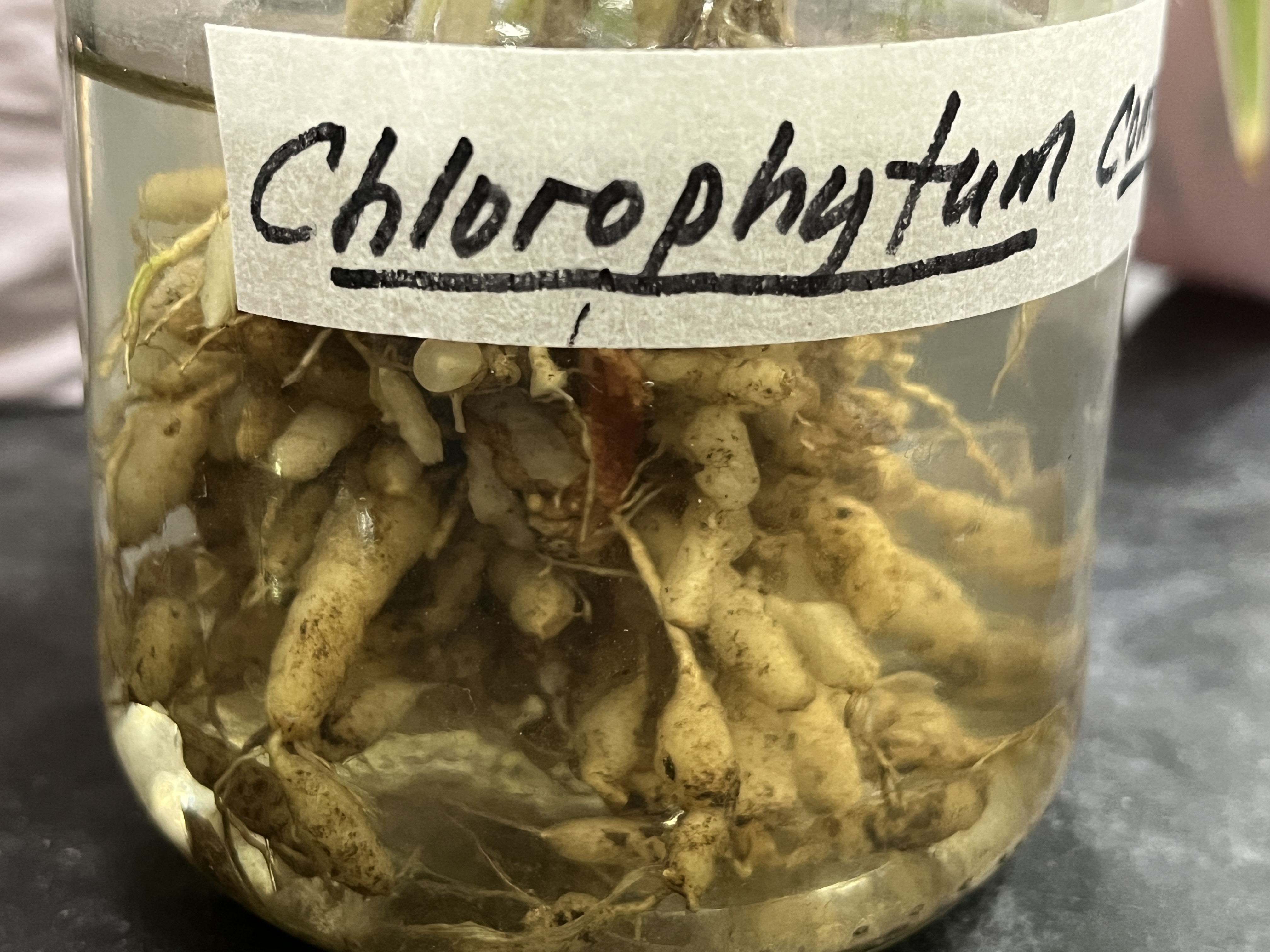
Modified Roots
In certain species of plants, the roots are modified and perform different roles that favor survival. Some examples of structurally modified roots are:
____________ - greatly thickened roots that accumulate large amounts of storage compounds such as starch
Aerial roots
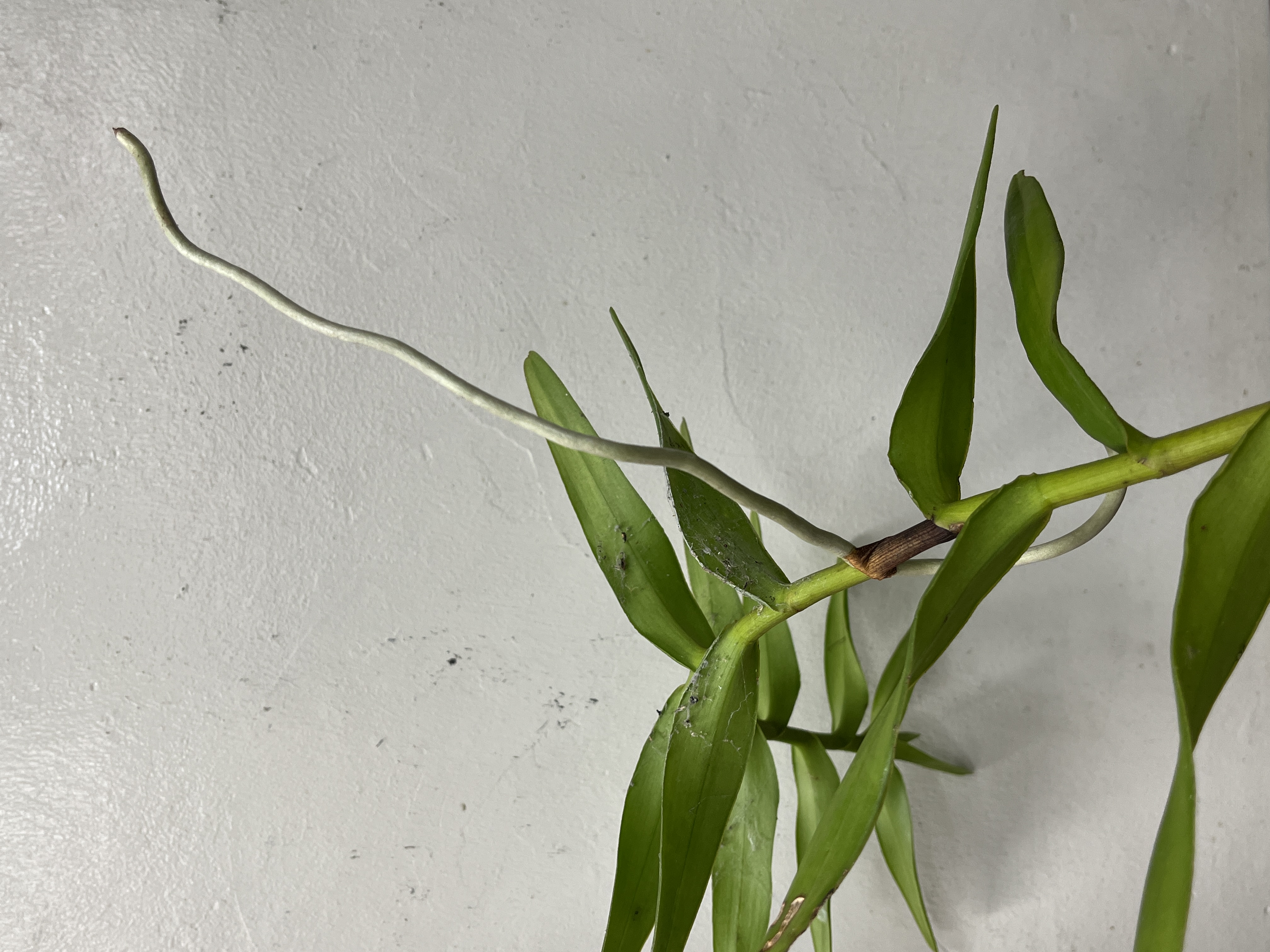
Modified Roots
In certain species of plants, the roots are modified and perform different roles that favor survival. Some examples of structurally modified roots are:
______________ - adventitious roots that do not reach the soil and may take up water and minerals from the air or from runoff from plants
Prop roots
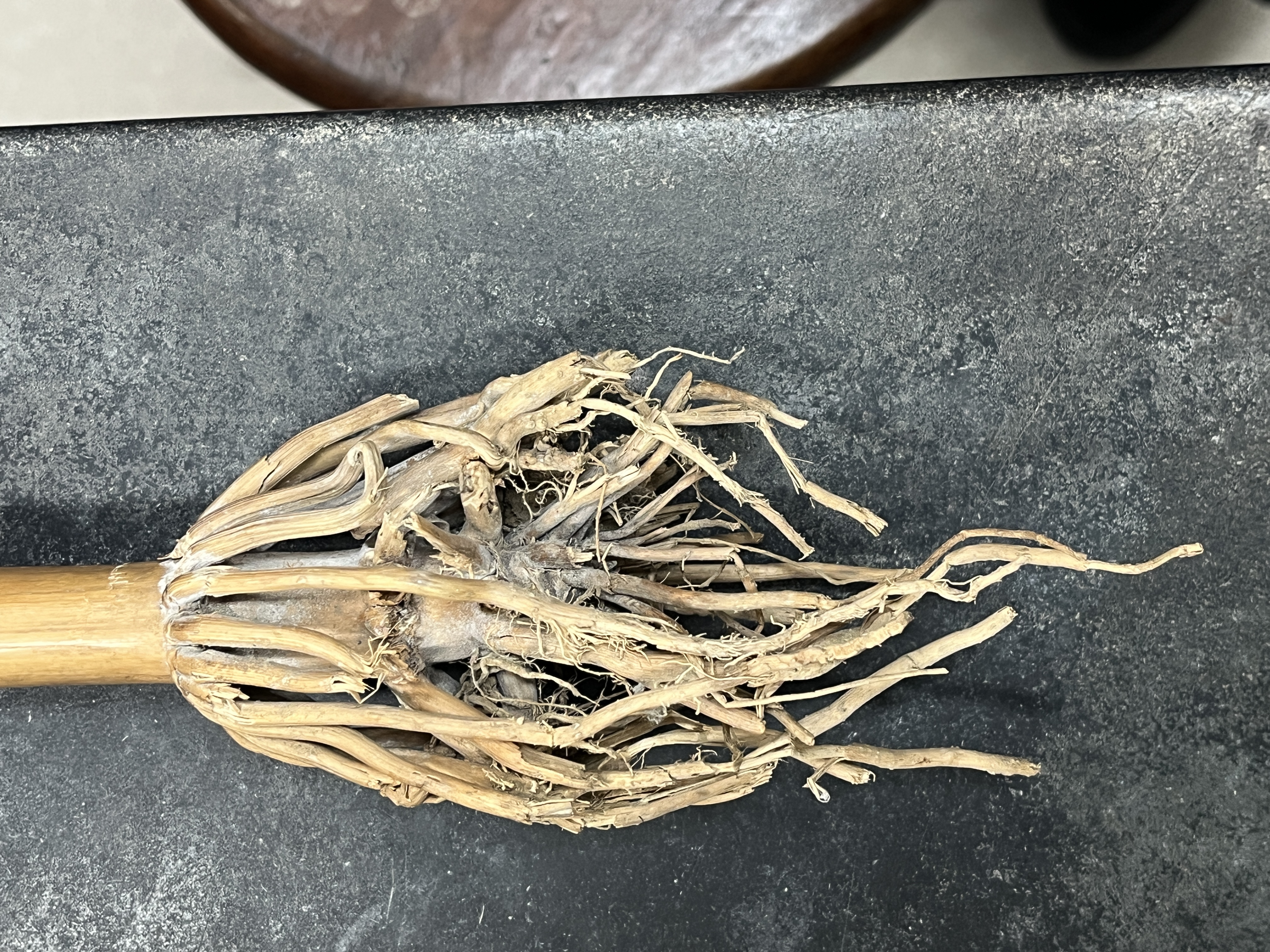
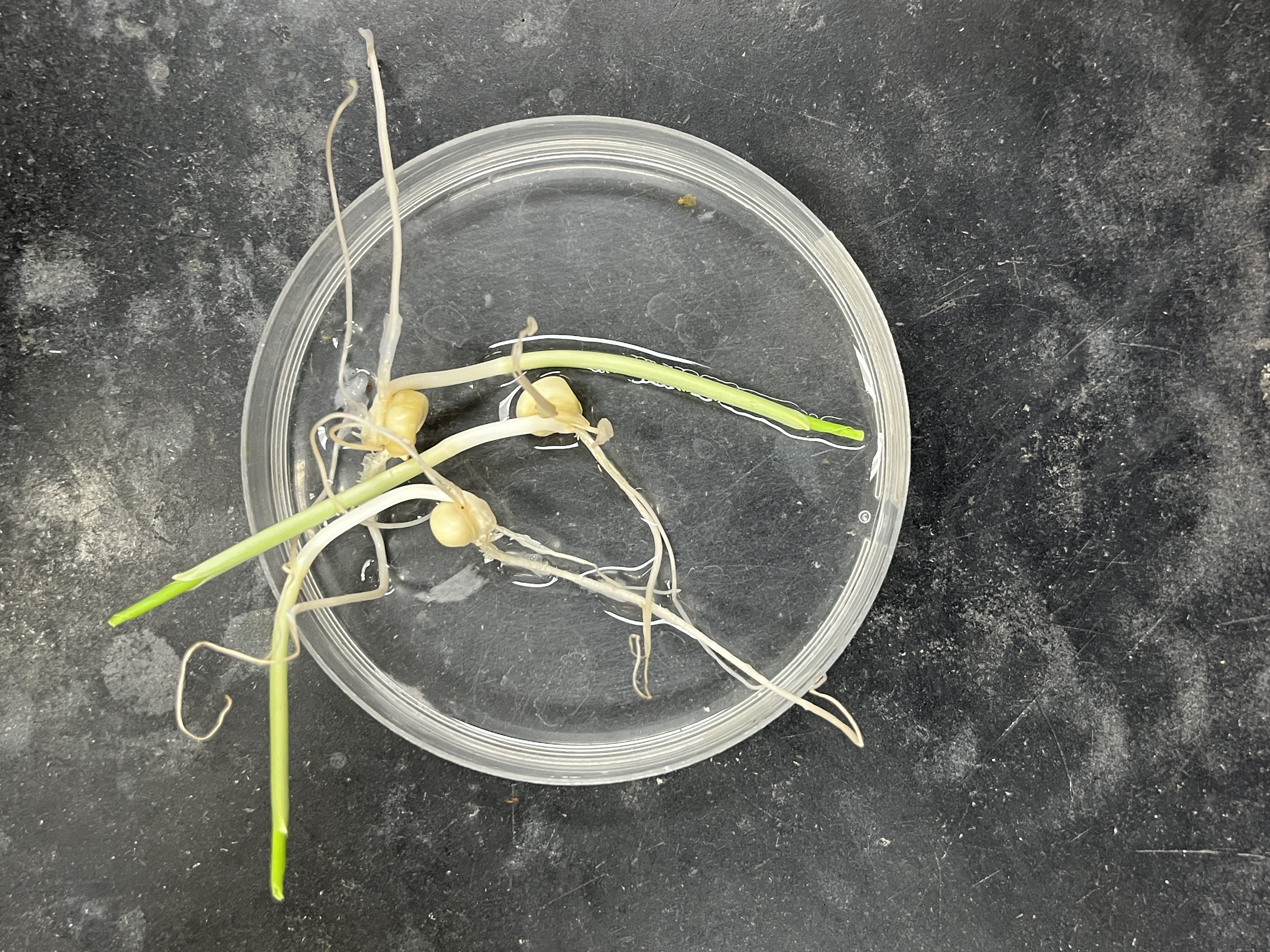
Modified Roots
In certain species of plants, the roots are modified and perform different roles that favor survival. Some examples of structurally modified roots are:
_______________ - adventitious roots that grow toward the soil and provide additional support to the plant
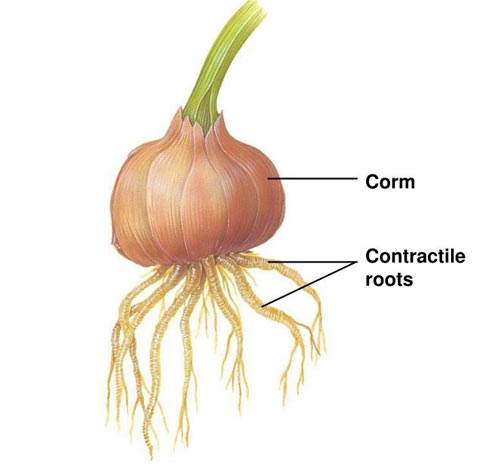
Contractile roots
Modified Roots
In certain species of plants, the roots are modified and perform different roles that favor survival. Some examples of structurally modified roots are:
__________________ - roots that contract vertically, consequently pulling the rootstock further into the soil
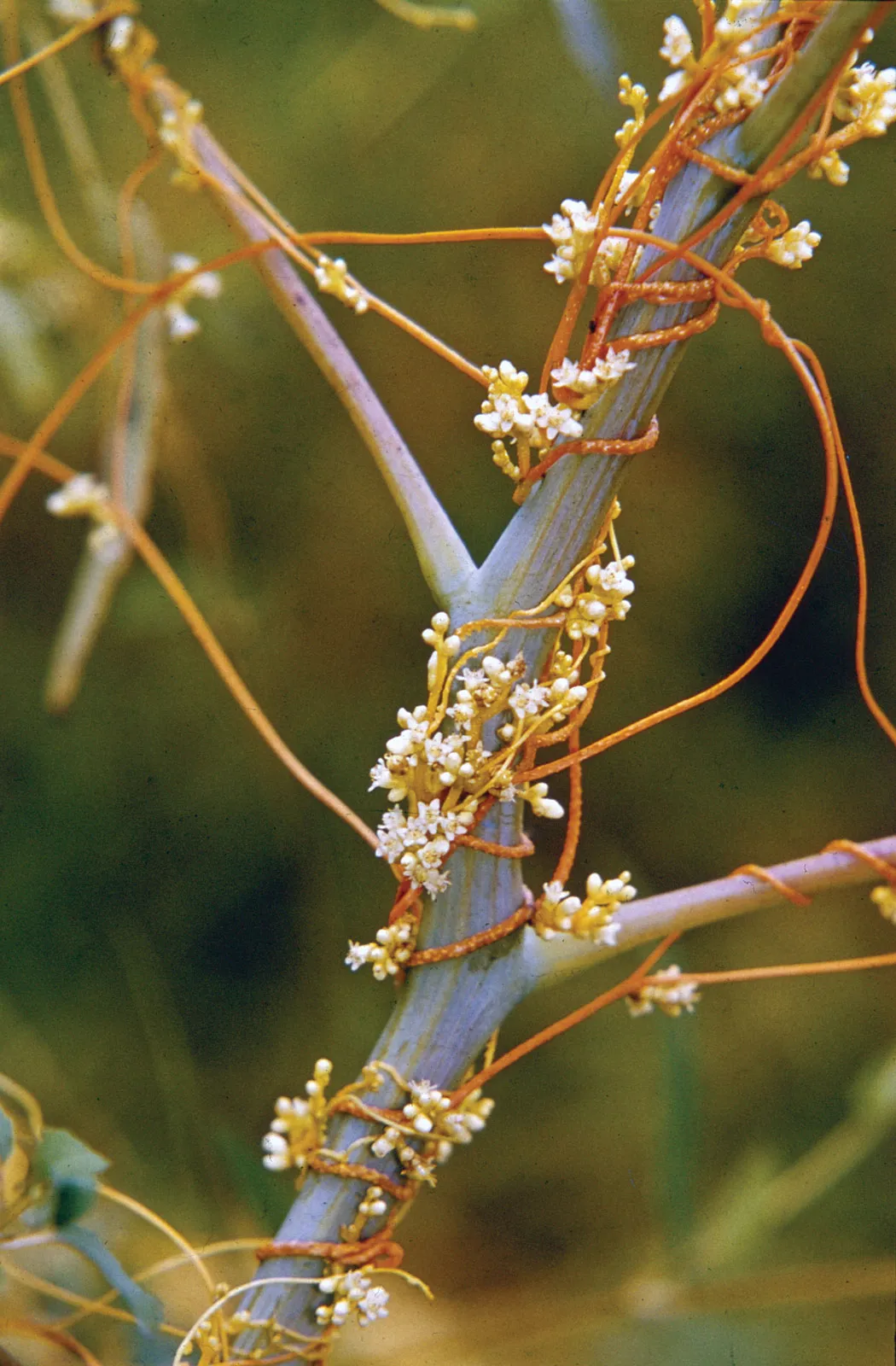
Haustoria
Modified Roots
In certain species of plants, the roots are modified and perform different roles that favor survival. Some examples of structurally modified roots are:
_______________ - roots of parasitic plant penetrating the tissues of the host plant
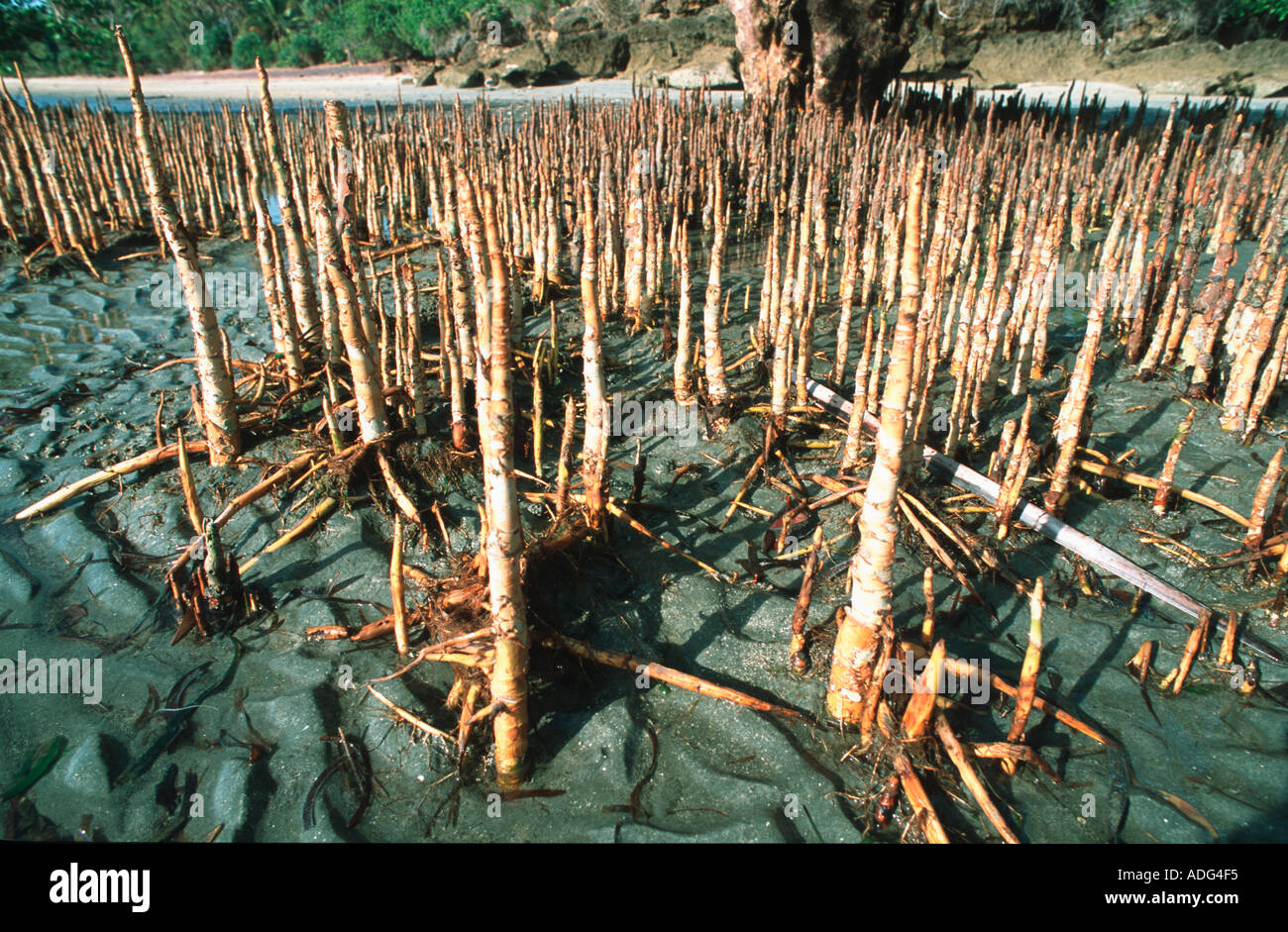
Pneumatophores
Modified Roots
In certain species of plants, the roots are modified and perform different roles that favor survival. Some examples of structurally modified roots are:
________________ - roots that grow upward from the soil functioning for gas exchange
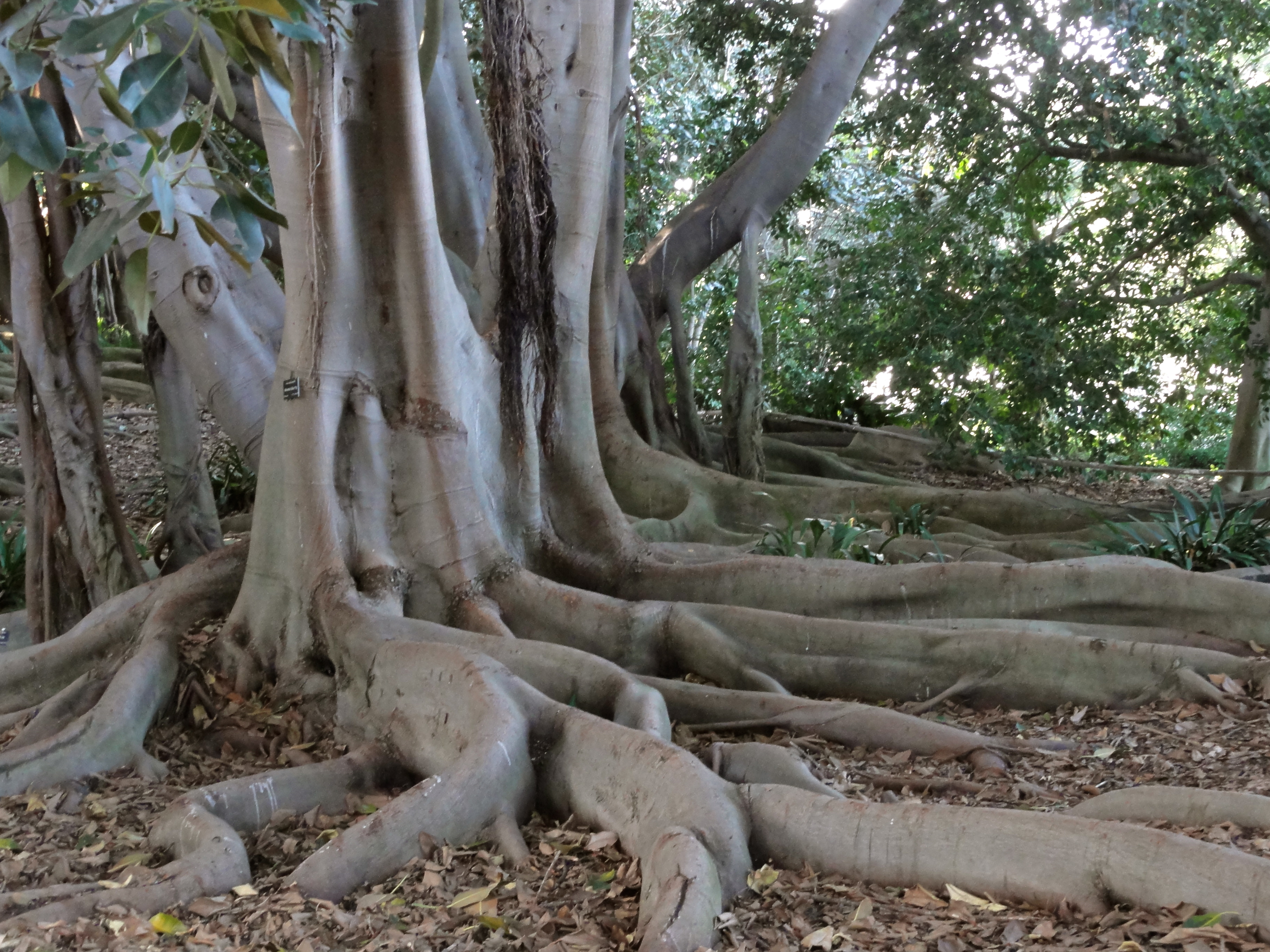
Buttress roots
Modified Roots
In certain species of plants, the roots are modified and perform different roles that favor survival. Some examples of structurally modified roots are:
_________________ - large, horizontally spreading, and vertically thickened roots at the base of trees
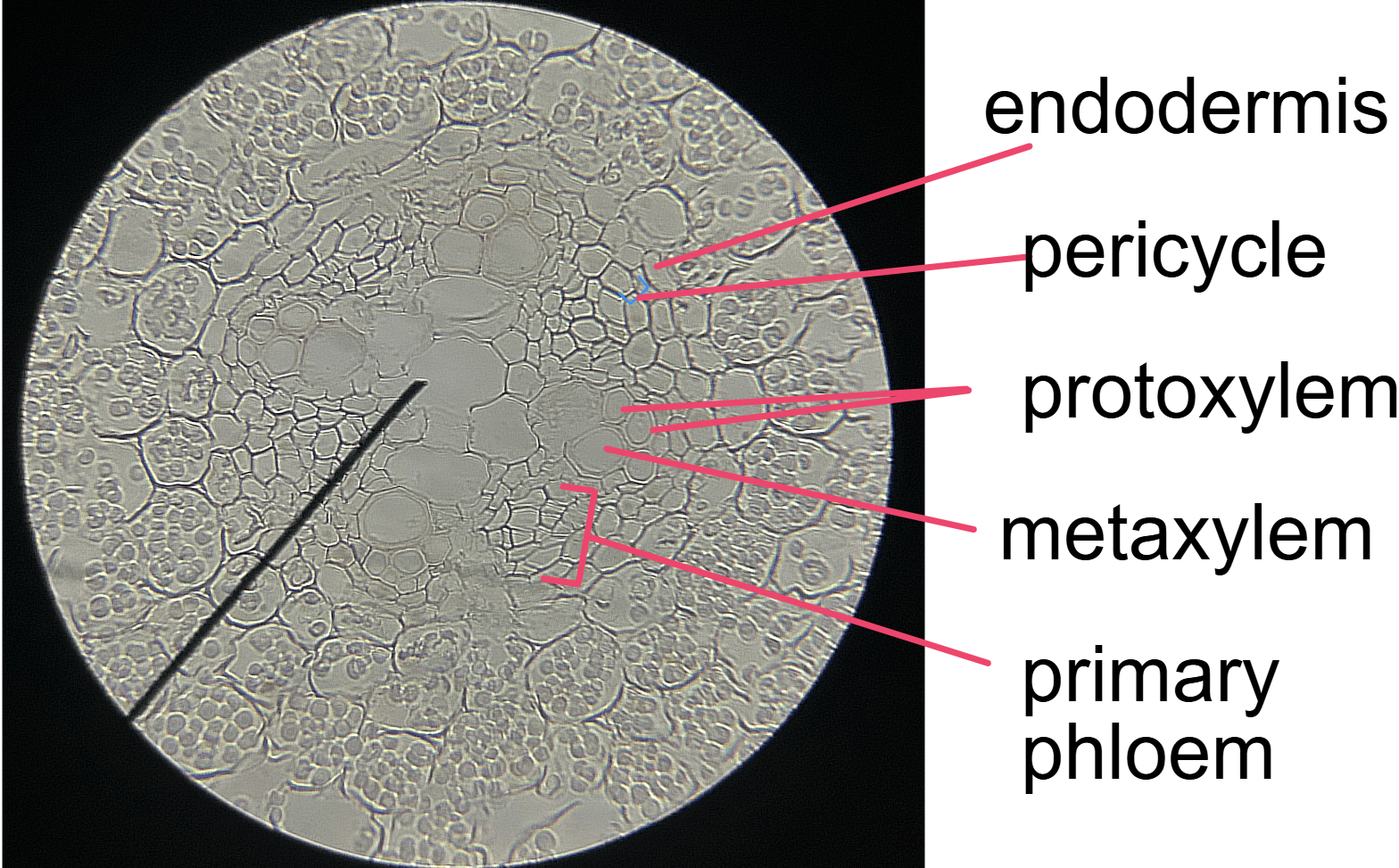
Figure 6.4a Ranunculus sp. dicot root tip section under HPO
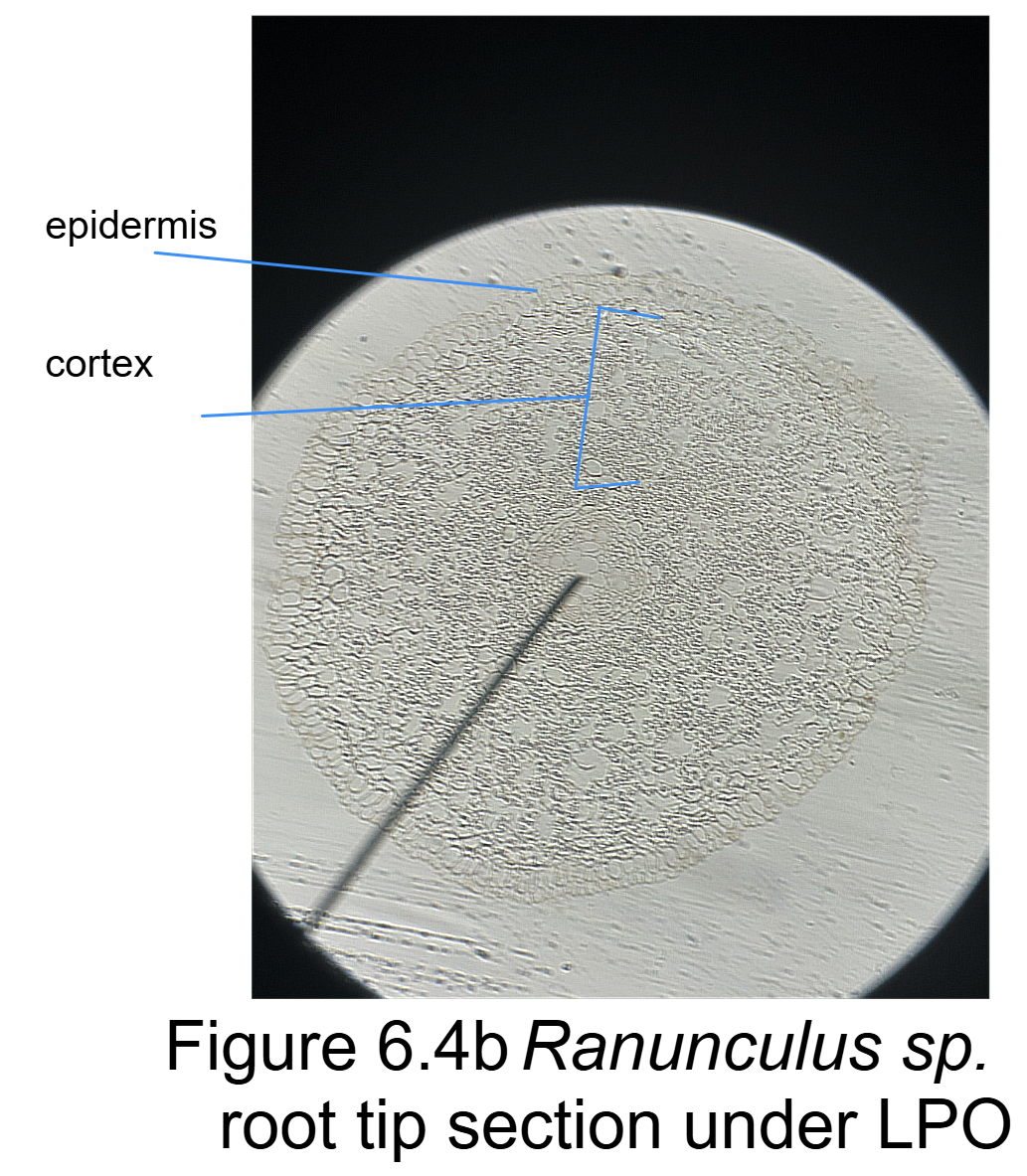
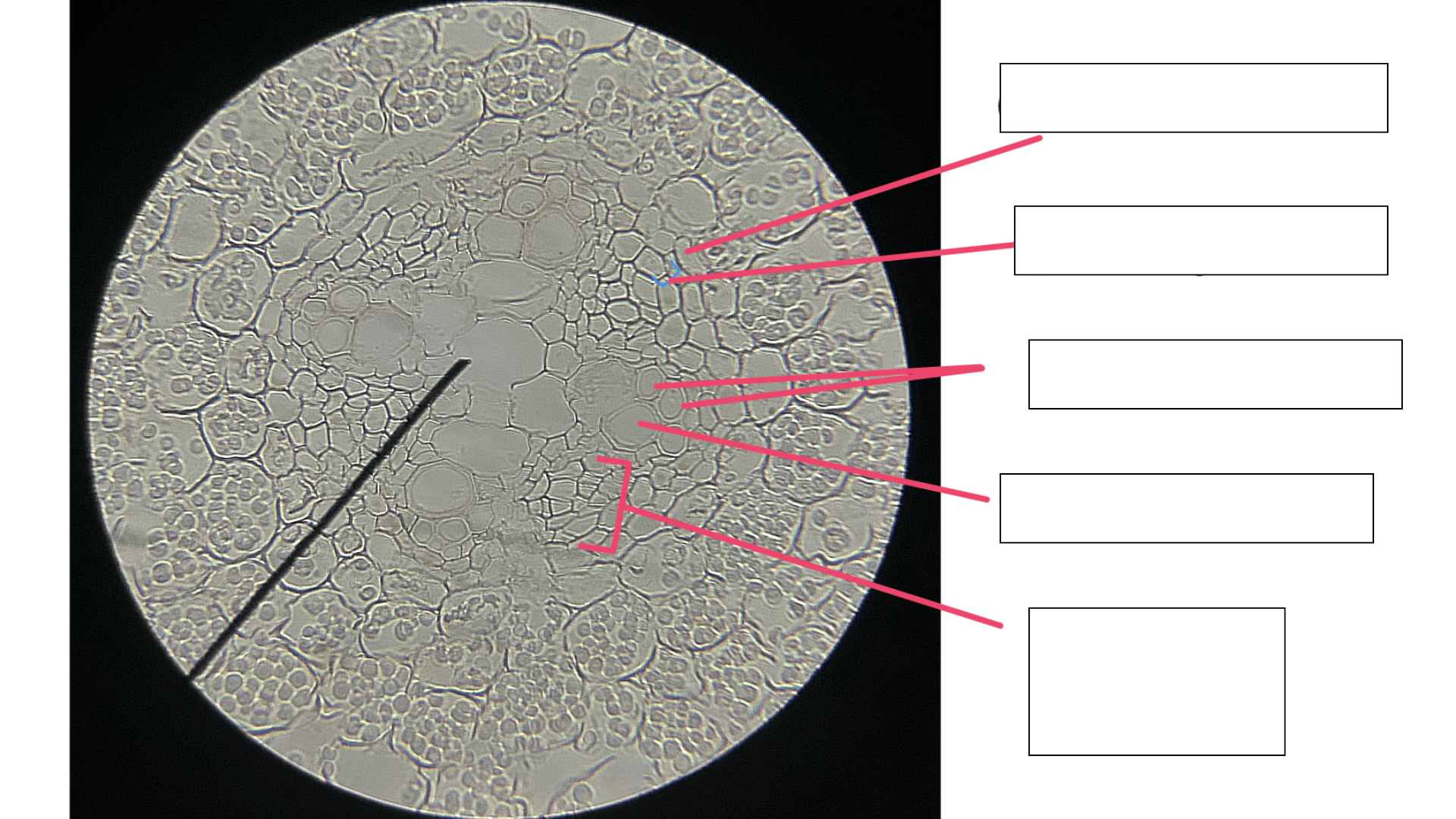
Figure 6.4a Ranunculus sp. dicot root tip section under HPO