change in governance at the centre
 Call Kai
 Learn
Learn Practice Test
 Spaced Repetition
 Match
Match Flashcards
 Knowt Play
1/177

Earn XP
Description and Tags
unfinished - made for edexcel history!
Name | Mastery | Learn | Test | Matching | Spaced | Call with Kai |
|---|
No analytics yet
Send a link to your students to track their progress
178 Terms
who was at the top of the Tudor hierarchy?
god
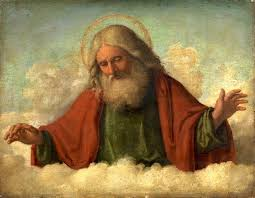
why were monarchs so reliant on the nobility and gentry?
There was no standing army or police force so the nobility and gentry enforced laws at local level

Why should a monarch control and listen to the nobility?
They are the eyes and ears of the ruler at the local level
how did the monarch and the nobility rely on each other
nobles relied on the monarch to protect their land, and the monarch relied on nobles to carry out local governance
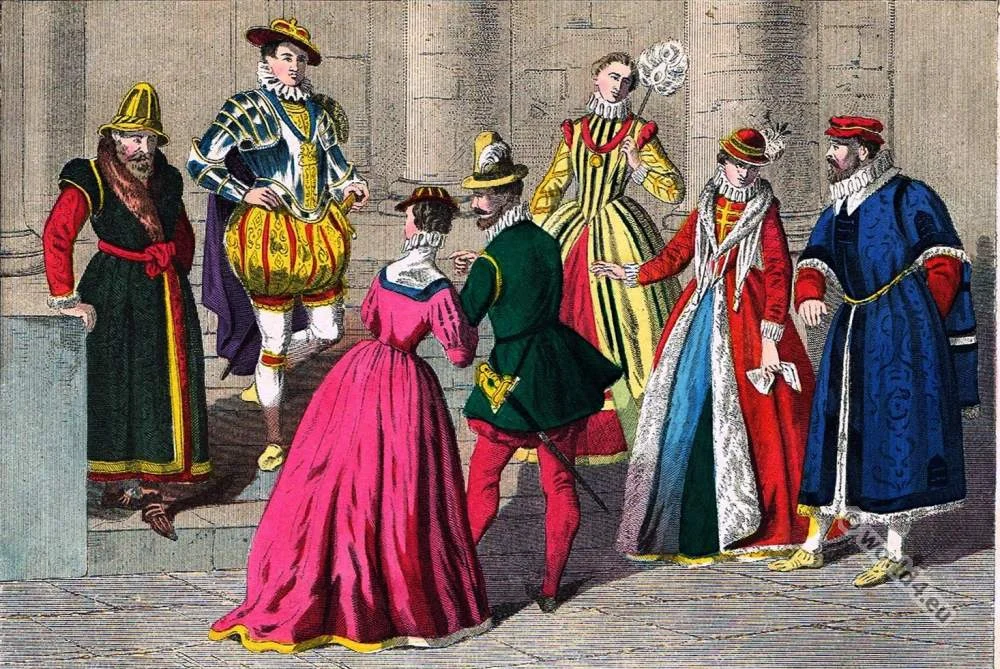
the nobilty were a tiny but powerful portion of Tudor society. How much land did they own?
roughly 10% of the land that was available for cultivation

How many gentry families were below the nobility?
There were 5,000 gentry families made up of knights and esquires
in 1490 how many men had the title of knight?
375 men were knights
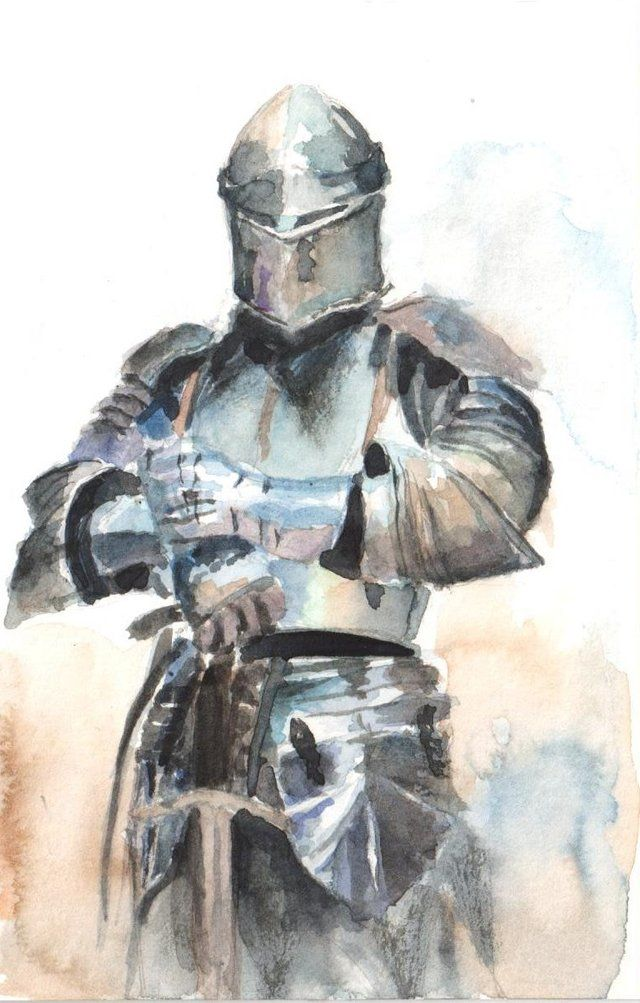
in 1603 how many men had the title of knight?
550 men were knights, a decline from the levels in 1558
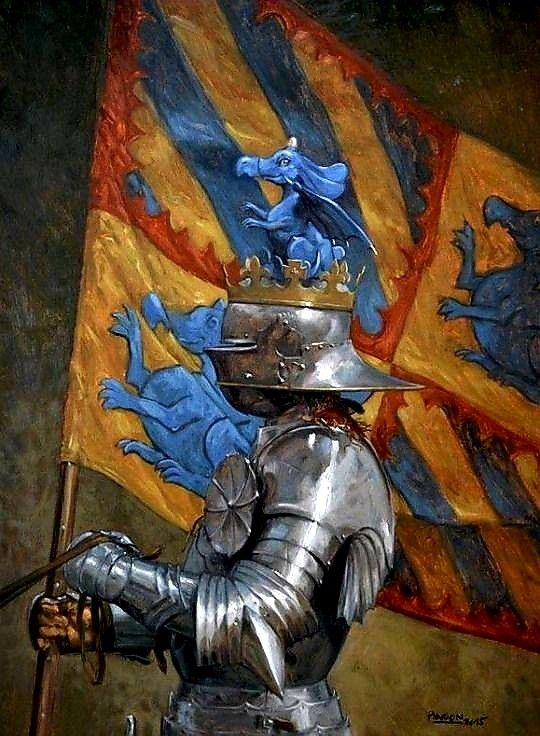
What was a yeoman?
A farmer who tended their own land
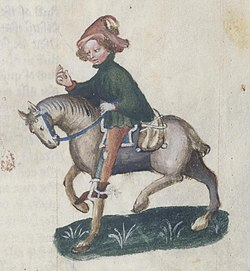
How many yeomen were there by 1600
there was an estimated 6,000 yeomen by 1600
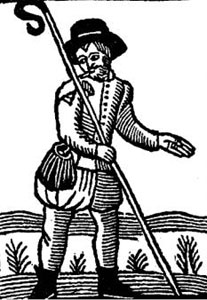
What was an artisan?
a skilled craftsman
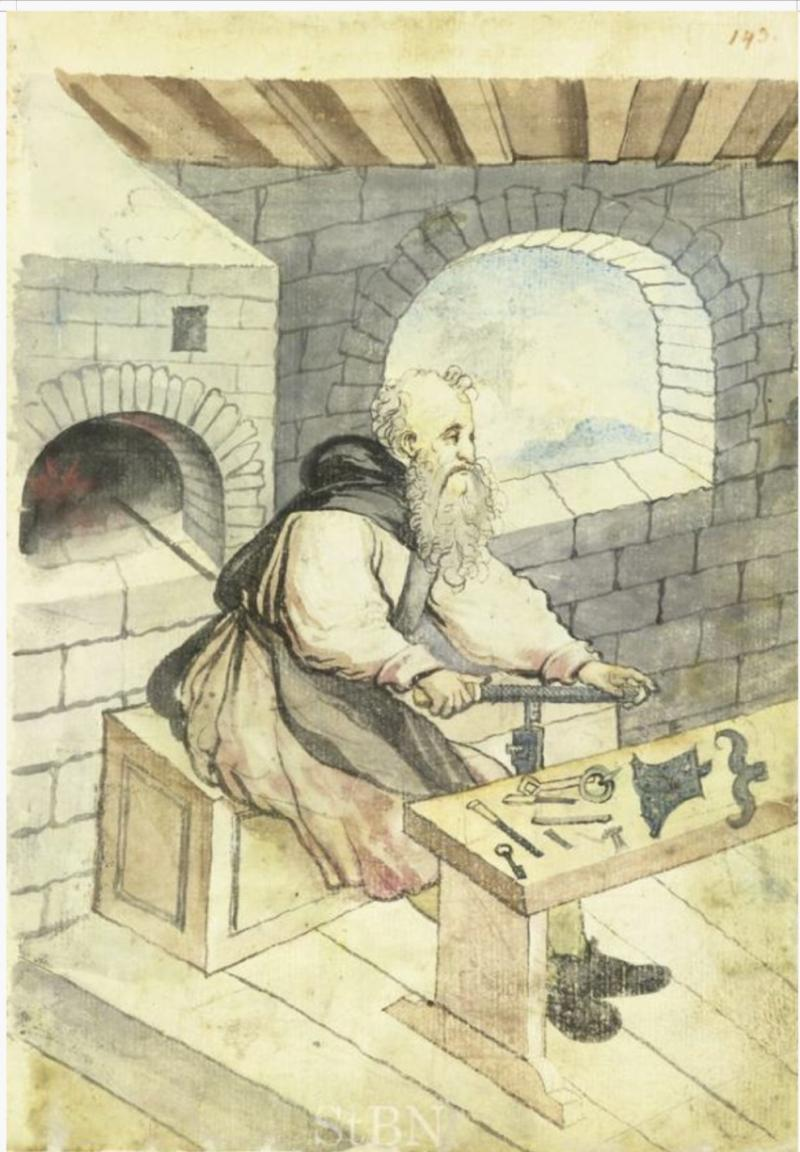
Typical artisan industries?
wool and cloth
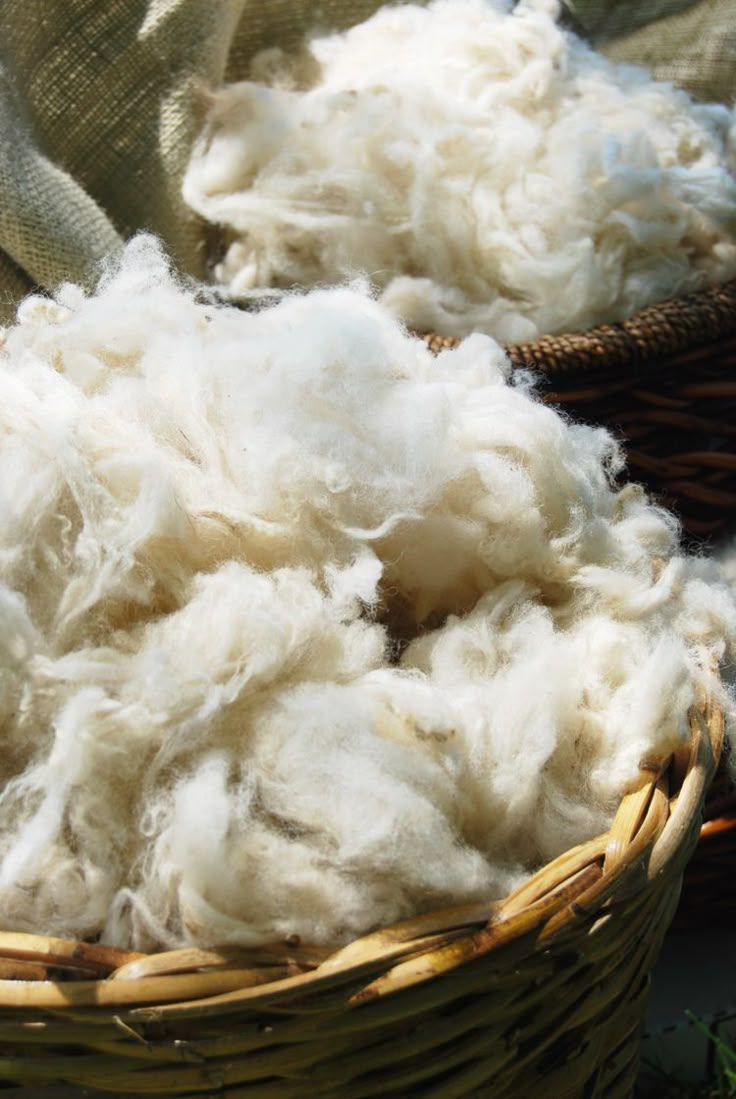
What was a peasant?
worked on the land for wages, relied heavily on the production of food for survival
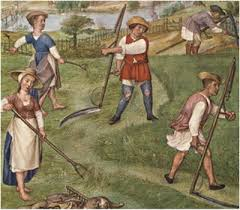
peasants were extremely vulnerable to social and economic changes, such as?
poor harvests
epidemics
price and rent increases
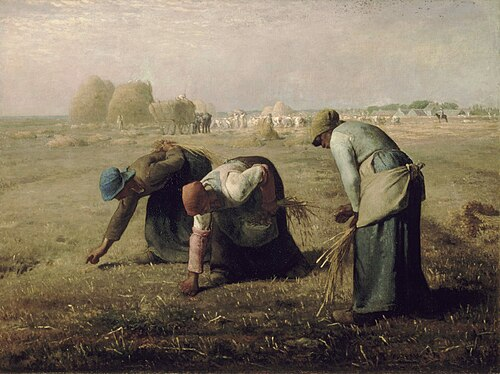
What were vagrants/ beggars?
people without masters who roamed the countryside, they were particularly feared because everyone in Tudor society was supposed to be under the control of another
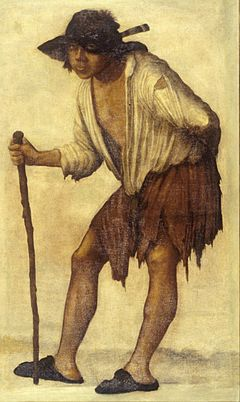
why were vagrants and beggars seen as a threat to social order?
because their movement could lead to the spread of rumours and dangerous ideas - Parliament treated vagrants harshly because of this
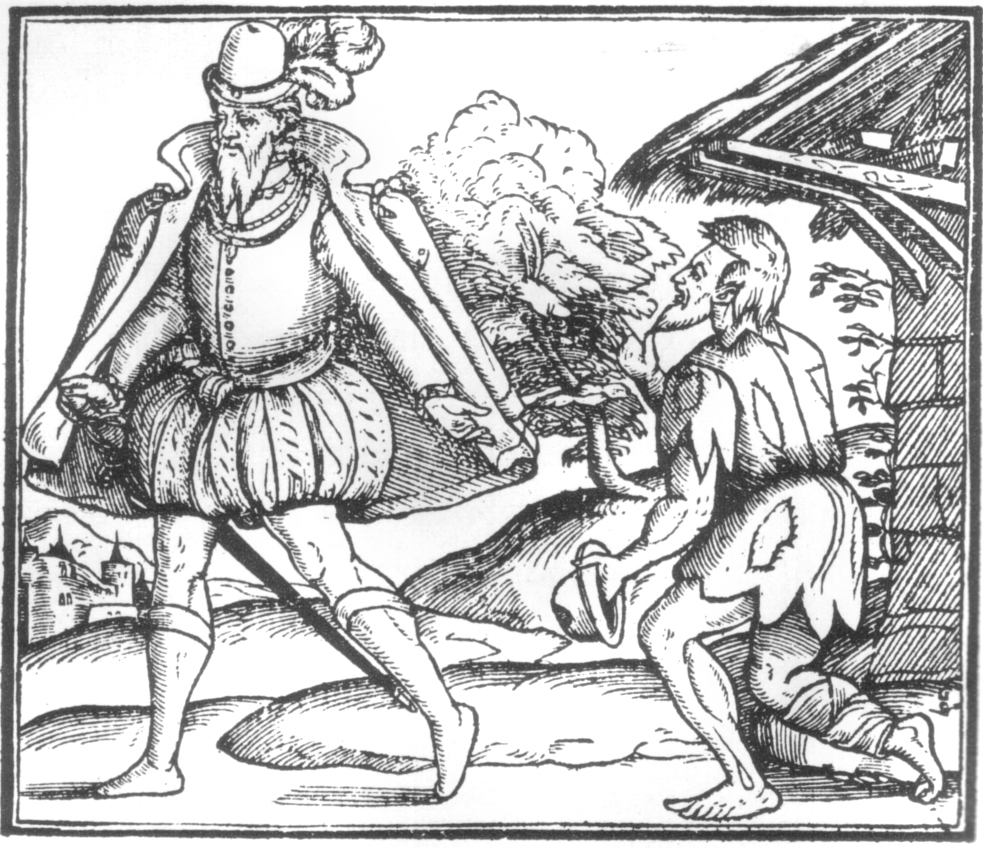
Why was it considered essential that a monarch be male?
Monarchs had to protect their country from invasion through battles; many believed a woman could not do this effectively
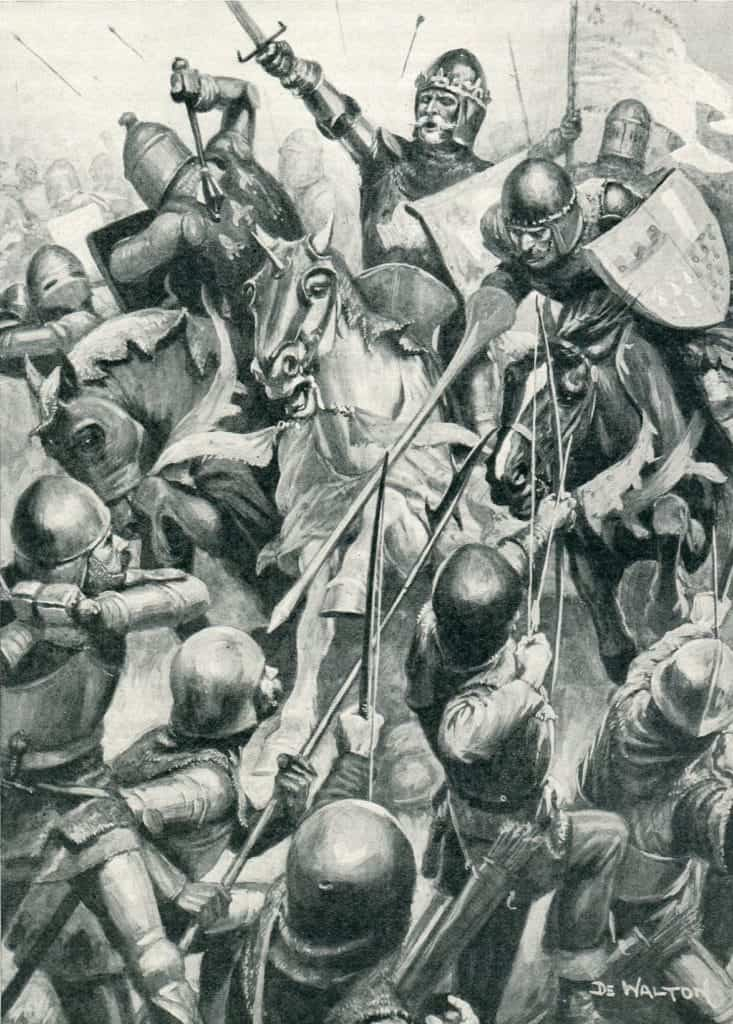
What did the royal court do?
They follow the monarch around and are a display for entertainment
Why would people join the royal court?
Those who wanted power and influence would join the court in search of patronage to build up enormous wealth and fortune
patronage - distribution of land or favours through the monarch or chief ministers
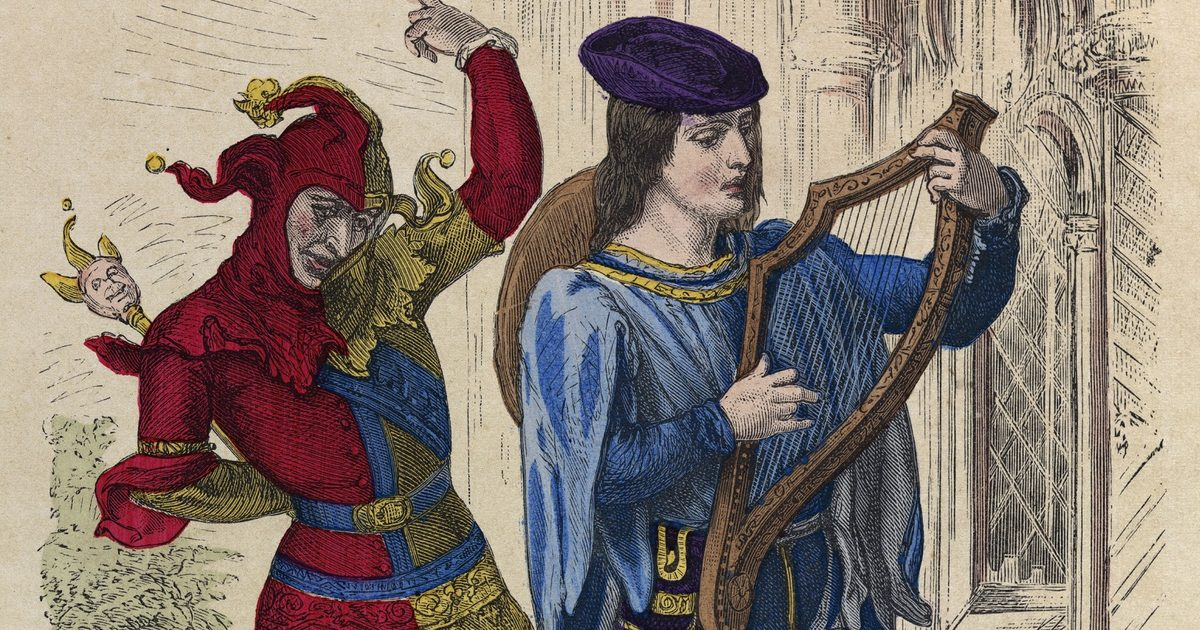
Why was the royal court important?
it emphasises rulers power and wealth to visitors
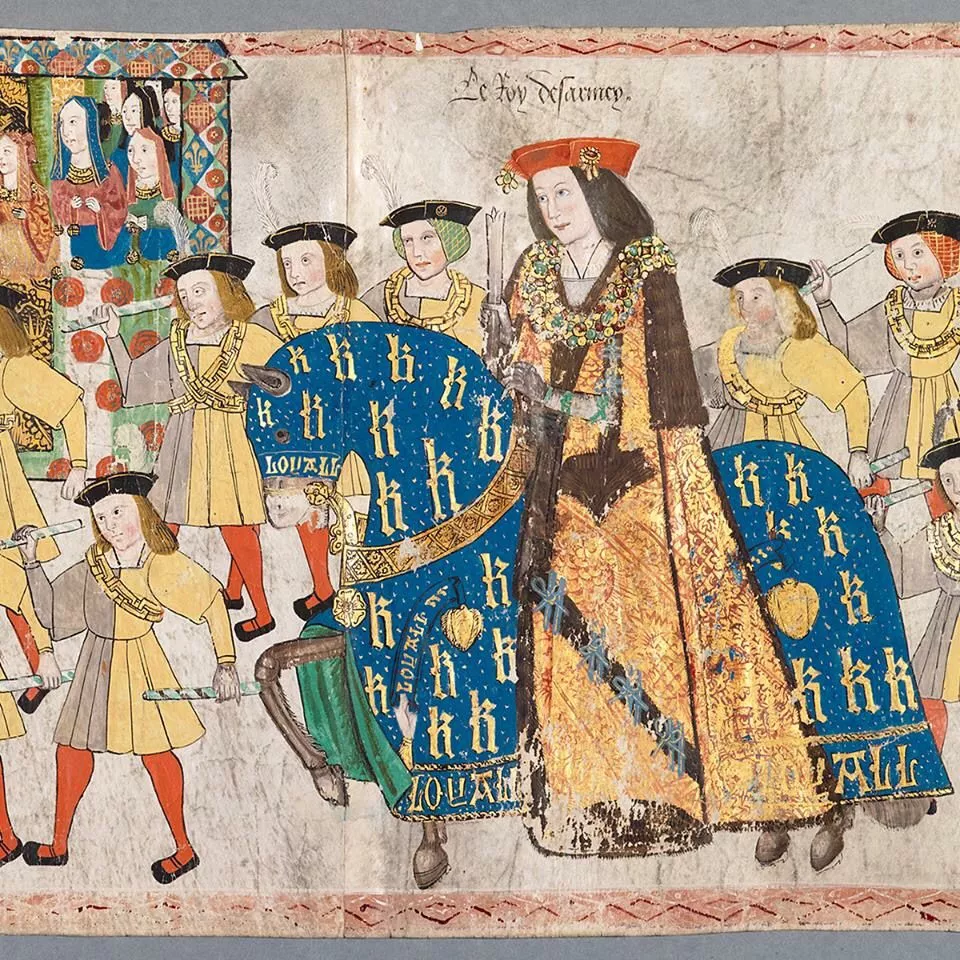
What was the royal household responsible for?
the rulers domestic needs
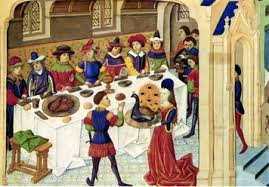
Where did most people work in the royal household
kitchens, laundries and gardens
who controlled menial servants in the royal household?
high-level officials known as the board of the green cloth
Wolsey wanted to reduce the royal household’s expenses through what?
Eltham ordinances
What did the Eltham ordinances propose?
A smaller council of 20 men. It was seen as Wolsey trying to restrict access to the king and control those close to him in the chamber
What was the watching chamber?
A room with guards that all visitors had to pass through
What was the presence chamber?
the throne room
What was the Privy Chamber?
A series of rooms where the king and his family lived
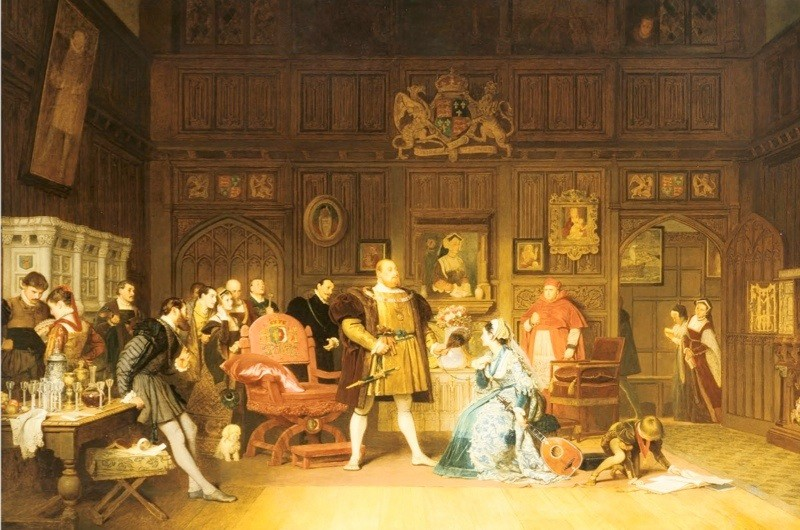
Henry VII was scared of betrayal. How did he alter the privy chamber to suit his fear?
Henry used the chamber to restrict access to the monarch because he was scared of betrayal
What role did Henry VII create to guard his room?
Yeoman of the guards
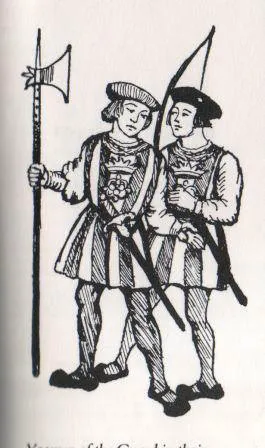
To Henry VIII, what was the privy chamber?
an important political hub
What role was the most important of the gentlemen of the privy chamber?
Groom of the stool - basically a toilet watcher
How did Henry VIII fill the privy chamber?
with his most trusted friends
What was special about Henry VIII’s privy chamber
Because of their daily physical contact, they were often advisors and in formal areas of government, such as being sent on diplomatic missions to France
What was the dry stamp?
Introduced by Henry VIII because he disliked paperwork, it was a stamp with his signature on it
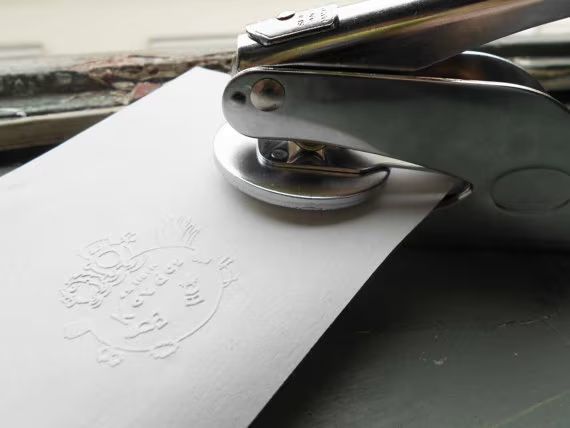
How was the dry stamp abused?
In the 1540s, a faction led by Edmund Seymour used the dry stamp to alter the king’s will, giving them increased power and influence
How was the dry stamp abused?
In the 1540s, a faction led by Edmund Seymour used the dry stamp to alter the king’s will, giving them increased power and influence
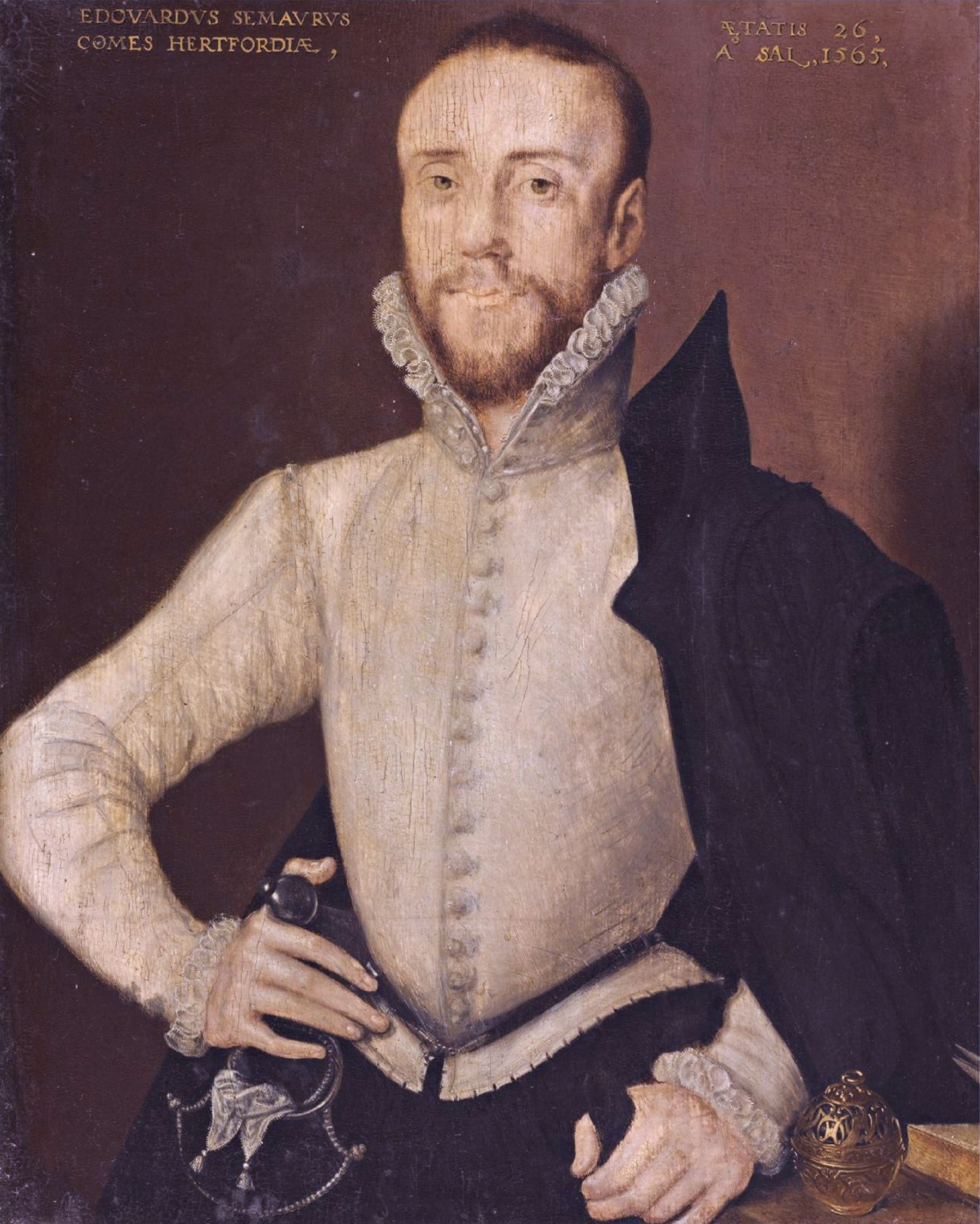
When did Seymour abuse the dry stamp?
the 1540s
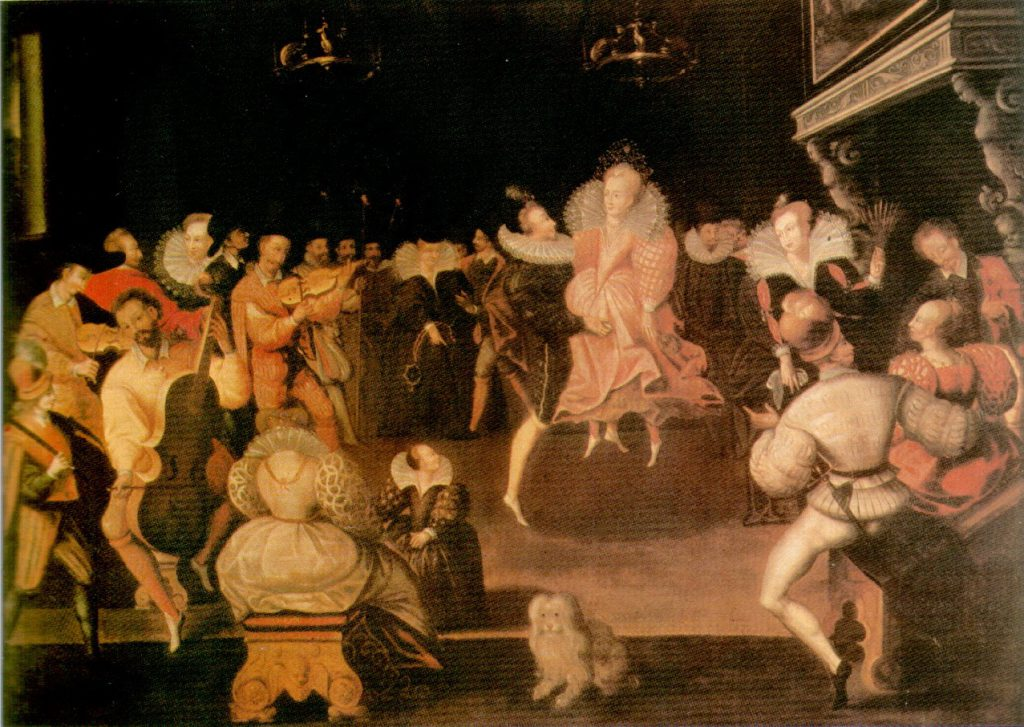
What was special about the privy chamber under Mary and Elizabeth?
Many of the members were women
Queen Mary filled her chamber with what kind of women?
Catholic sympathisers such as Waldegrave
How did Mary treat the dry stamp?
She kept it under lock and key
Was the Privy Chamber powerful under Elizabeth?
No, the chamber continued to decline in political importance
How did reforms in 1559 affect Elizabeth’s privy chamber?
members of the household were also members of her council, so all decisions were made through the council, not chambers
What was the role of the royal council?
to advise the monarch
Did a monarch have to listen to the council?
they didn’t have to take their advice, though it was often in their best interest to listen to the council’s views
Besides advising, what else could the council do?
Act as a judicial court when there was high profile legal cases involving the nobility
What was the royal council like under Henry VII?
It was large and informal, with over 200 men attending meetings
What kind of people attended Henry VII’s council?
nobility
churchmen
royal officials
lawyers
What kind of people was Henry 7 careful to include in his council?
He included some Yorkist predecessors, as they had more experience than he did
(Henry was in exile; they were not)
Did Henry 7 regularly hold parliaments?
No, he did not regularly hold parliament
What did Henry 7’s councils play an important role in?
gathering information about popular opinion and the mood of the country
How did Henry 7 make use of the great council?
Henry used it to consult his nobility on issues like war and taxation
What was special about the royal council when Henry 8 took the throne in 1509?
Henry 7 left a council in place for his son to govern
Who was on the council left by Henry 7 for his son?
Warham and Fox, two senior members of the church hierarchy who supported henry 7s distaste for expensive wars
What happened when Henry 8 took control of the council, his father left for him?
The current members didn’t like war, which clashed with Henry 8s warrior mindset, so they were excused for members like Wolsey who followed Henrys ideals
What was Wolsley like in the council?
He was dominant and undertook most of the day-to-day responsibilities of the government. Wolsley wanted to enact Eltham ordinance to reduce the council from 40 to 20 members who would meet daily
What happened to the council after Cromwell’s fall?
There was a need for restructuring in Henry 8 council
Why were Cromwell and Wolsey disliked by the nobility?
They came from humble backgrounds
After Cromwell’s death, what happened to the Privy Council?
It was treated as a collective of equals with members such as Norfolk insisting that matters are addressed to the group, not one single person
How many members were in either of the Henry’s councils?
Henry 7 - 227
Henry 8 - 120
How did the council change under Edward?
The number of councillors significantly increased because Edward was a child
How did Somerset change the council under Edward?
Somerset made his brother-in-law, Stanhope cheif gentleman of the privy chamber and groom of the stool, and he controlled the dry stamp
Why did Somerset change the council under Edward?
Somerset preferred to use men from his own household
Somerset was replaced by Northumberland. What did he do to the council? - under the king Edward
Northumberland was careful to be seen as governing through the council so he increased the members
What happened to the council under Queen Mary?
She wanted to look inclusive, so she included lots of men
Who ran the council meetings under Queen Mary?
William Paget
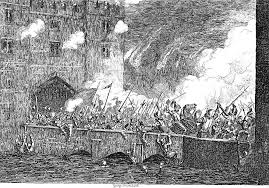
What was Wyatt’s rebellion of 1554?
planned to overthrow Mary and replace her with her sister Elizabeth. Rebels were unhappy with Marys marriage and her plans to return to Catholicism
What new powers did the council gain in 1540?
issue proclamations in monarchs name
didn’t need to wait for monarchs instructions
had their own seal
What was the council like under Queen Elizabeth?
would travel with her
Much of the work was day-to-day administration
by the 1590s it was meeting daily
When did the role of secretary to Tudor monarchs become politically important?
In the 1530s, when Cromwell was dominant
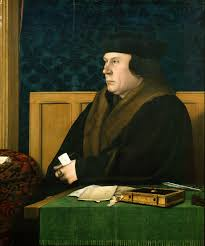
What was the original role of the Royal Secretary?
close personal access to the monarch
Control of the Privy Seal - makes documents official
What was the highest office in the Tudor government?
lord chancellor
When did Cromwell become Henry’s secretary?
1534
What did Cromwell’s authority as secretary grant him?
control over council meetings
access to the king’s private correspondence
access to knowledge of henrys day to day business
What happened to the role of secretary following Cromwell’s fall in 1534?
It declined in political importance. At some point, the post was split between two men - Wriothesley and Sadler

In 1540, why might two secretaries have been appointed?
response to increased workload
attempt to stop exploitation of power
Who were the secretaries under Queen Elizabeth?
Cecil - 1558
Walsingham (spy master) - 1573
What happened to the role of secretary under Elizabeth?
permanently important - men used it to enhance their power
Secretaries needed to be tactful to deal with the queen’s short temper
ensure council meetings were well run
sift through enormous amounts of information
What happened to William Davison when he was Elizabeth’s secretary?
had to keep Mary’s (Scots) death warrant when the council took it from him. He was blamed for her execution, and Elizabeth gave him a massive fine
Until the middle of the 16th centuary local government was carried out by the nobility and gentry. What kind of roles did they have?
preside over legal cases as justices of the peace
collecting taxation
enforcing laws
raising armies to fight for the king
What kind of problems did the role of Lord Lieutenant attempt to address?
stop the gentry and nobility from raising armies to fight the king
to stop them abusing the law to protect their families
When did the role of lord lieutenant develop?
began under the reign of Henry 8 as a response to the threats of foreign war and domestic rebellions
sent nobility to France and Scotland
sent nobility to the pilgrimage of grace
Under Edward, the Protector, Northumberland set up lieutenants; what did they do?
deal with trouble caused by serious rebellions
policing and a military role at local level
How did Queen Mary alter the lord lieutenants?
she divided the country up into ten lieutenancies each with a lieutenant responsible for their region and military equipment
How did the role of lord lieutenant change under Queen Elizabeth?
became a permanent post - response to war w spain
appointed to each county and given a deputy
job was the organisation of the war effort
recruitment of the national militia
Why was the lord lieutenant system effective under Elizabeth?
harnessed the most powerful men in the country, and it would punish them if they didn’t answer directly to the monarch - they were not raising private armies!!
enhanced links between the central gov and the localities
What rights did Parliament have at the start of the Tudor period?
sole right to grant taxation and the sole right to pass laws
At the start of the Tudor period, how did monarchs interact with parliament?
They usually summoned parliament if they needed supplements for war and they had the right to veto laws they did not like.
How many chambers were in parliament?
two chambers, the House of Lords and the House of Commons
What was the House of Lords in parliament?
The unelected House where hereditary peers and bishops sat
What was the House of Commons in parliament?
filled with elected mps - two elected per county, and some were selected to represent boroughs
How did voting for members of parliament go?
You had to own property that generated 40 shillings a week - it was restricted to the wealthy
many mps ran uncontested, and many others were ensured the seat through patronage
What was the role of Parliament under Henry 7?
He only called it when he needed grants of taxation; he used it infrequently and only called it seven times throughout his whole reign
What would happen when Henry 7 asked for taxation from parliament?
Parliament would usually grant him the money without argument - except in 1504, when they gave him a reduced sum
How did Henry 7 use parliament after winning the battle of Bosworth?
enhance his claim as king and to pass acts of attainder
what was parliament like under henry 8?
mainly granted taxation
when henrys wars were going well, it was not difficult for him to gain taxation
Why did Parliament become reluctant to grant Henry 8 taxation after 1517
They thought he was raising too much, and as landowners, they feared a rebellion from high taxes. - Wolsey tried to ask for more taxation personally with mps, but he was met with silence
What were relations like between henry 8 and Parliament?
usually harmonious, some tensions in 1523 then deteriorated when he sought a divorce
what was the catholic church like before 1529?
It was enormously powerful and had grown in wealth and influence
What was important about the structure of the catholic church before 1529?
It had a complex structure, which would sometimes work in harmony with the monarchy and would sometimes cause disputes over policies

