Introductory Biology 2 - Quiz 2
 Studied by 0 people
 Call with Kai
 Learn
Learn Practice Test
 Spaced Repetition
 Match
Match Flashcards
 Knowt Play
1/20

Earn XP
Description and Tags
Plant Taxonomy & Protist Lifecycles
Name | Mastery | Learn | Test | Matching | Spaced | Call with Kai |
|---|
No study sessions yet.
21 Terms
Plasmodial Slime Molds
diploid
primarily sexual
can be found growing through leaf mulch, rotten logs, & moist soil
usually bright yellow or orange
decomposers (feed on bacteria, fungi, and decaying organic matter)
1) Diploid plasmodium in growth stage.
2) Sporangia formation when environment is harsh.
3) Meiosis occurs (in sporangium)
4) Gametes (n) released in air.
5) Spores release motile cells (flagellated or amoeboid) that eventually fuse.
6) Zygote (2n) goes through mitosis without cytokinesis several times.
Cellular Slime Molds
haploid
primarily asexual (can be both)
feeding stage consists of solitary cells
Sexual Reproduction:
1) Two haploid amoebas fuse
2) Zygote (2n) develops environmental shell, goes through meiosis
3) New haploid amoebas released
4) In low food conditions, amoebas aggregate
5) Form fruiting body
6) Spores produced and released
7) Amoebas emerge from spores.
Plants
eukaryotic
multicellular
photosynthetic autotrophs (chlorophyll a + b, carotenoids, and xanthophylls)
stores glucose as starch
cellulose
colonized lands 470 mya
Adaptations
water (cuticle, stomata)
gravity (cell walls, lignin, vascular tissue)
transport of nutrients (xylem & phylem)
zygote containment (archegonia)
reproduction (wind/animals to transport sperm)
Alternation of Generations
where the gametophyte generation alternates with the sporophyte; in no-vascular systems, the dominant is the gametophyte (opposite for angiosperms)
gametophyte is haploid and multicellular; sporophyte is diploid and multicellular
gametophyte undergoes mitosis to produce gametes which will fuse to form a diploid zygote; the zygote will undergo mitosis, yielding the sporophyte
sporophyte produces haploid spores via meiosis; these spores will germinate and give rise (via mitosis) to the gametophyte
spores are cells that develop directly into the organism without the fusion of another cell
Bryophyte
non-vascular plants (seedless)
haploid dominant
no structure
small
no true roots or leaves
water and wind dependent
zygote protected by archegonium
includes mosses, liverworts, and hornworts
Phylum Bryophyta
mosses
stem-like appearance
produces sexually
Phylum Hepatophyta
liverworts
probably the first land plants (primitive)
flattened, leaf-like appearance
can produce sexually or asexually
Phylum Anthocerophyta
hornworts
most closely related to vascular plants
Tracheophytes
seedless vascular
diploid dominant
vascular tissue (structure; move water & minerals throughout)
true leaves (spore producing; sporangia cluster into Sori)
Phylum Lycophyta
club moss
true leaves
symbiotic to soil fungi
rhizomes
flagellated sperm
Phylum Monilophyta
ferns, horsetail, and whiskferns
Ferns:
roots, stems, leaves
rhizones
xylem has tracheids
spores (sori) found on underside
free-living gametophyte
sperm and egg mature at different times
dependent on water for reproduction
Horsetails:
true roots, leaves
Whisk Ferns:
no true roots, leaves
appearance of a thin, green stem
Vascular Seeded Plants
seeds (enclosed and protected)
pollen
sporophyte dominant; gametophyte reduces
doesn’t need water for sperm transport
Gymnosperms
unprotected seeds
no vessel elements in xylem; only has tracheids
Phylum Coniferophyta
conifers
cooler climate
woody cones
modified leaves (pine needles)
includes pines, firs, spruce, and cedars
Phylum Cycadophyta
cycads
look like palms
Phylum Ginkgophyta
ginkgo trees
one species (Ginklo biloba)
deciduous (sheds leaves one at a time)
Phylum Gnetophyta
gnetophytes
once used in dietary supplements for weight loss
Angiosperms
protected seeds
flowering plants
use flowers for reproduction
Phylum Anthophyta
apple trees
protected seeds
monocot/dicot
double fertilization (embryo and endosperm)
xylem has vessel elements
flowers (pollen transfer; coevolution)
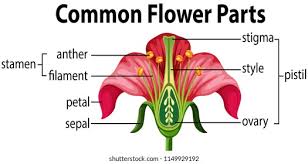
Flower Anatomy
petal
sepal (calyx → all sepals: corolla → all petals)
Carpel:
stigma
style
ovary
Stamen:
anther
filament
 Note
Note  Flashcards (30)