Amphibian Diversity I - Caudata
 Call Kai
 Learn
Learn Practice Test
 Spaced Repetition
 Match
Match Flashcards
 Knowt Play
1/50

There's no tags or description
Looks like no tags are added yet.
Name | Mastery | Learn | Test | Matching | Spaced | Call with Kai |
|---|
No analytics yet
Send a link to your students to track their progress
51 Terms
Indirect Development
Aquatic larval stage. Not as extreme as in frogs and toads.
Caudata with Indirect Development
all other caudata taxa
Direct Development
A specialized reproductive mode characterized by the omission of the free-living aquatic larval stage, with terrestrial eggs hatching directly into miniature, fully formed adults. Occurs in 300 species of plethodontids. No larval stage
Caudata with Direct Development
Plethodontidae (Lungless Salamander)
Viviparity
Female gives birth to live young, still producing eggs but they are developed internally rather than being laid
Caudata with Viviparity
salamandridae and newts
Oviparity
Female lays the eggs somewhere
Caudata with Oviparity
all other caudata taxa
External Fertilization
female lays the eggs and the male fertilizes them; cryptobranchids
Caudata with External Fertilization
Cryptobranchidae (hellbenders and giant salamanders), Hynobildae (asian salamanders), and Sirenidae
Internal Fertilization
is utilized by most species—specifically the suborder Salamandroidea—via a unique, copulatory organ-free method. Males deposit a gelatinous sperm packet called a spermatophore, which females pick up with their cloacal lips, often after complex courtship.
Caudata with Internal Fertilization
all other caudata taxa
Complete Metamorphosis
is the transformational process where aquatic, gill-breathing larvae transition into terrestrial or semi-aquatic, lung-breathing adults.
Caudata with Complete Metamorphosis
all other caudata taxa
Incomplete Metamorphosis
involves paedomorphosis, where adults retain larval traits such as external gills, gill slits, and a tail fin, remaining aquatic for life.
Caudata with Incomplete Metamorphosis
all cryptobranchids, proteids, sirenids, and some dicamptodontids, plethodontids, and ambystomid species
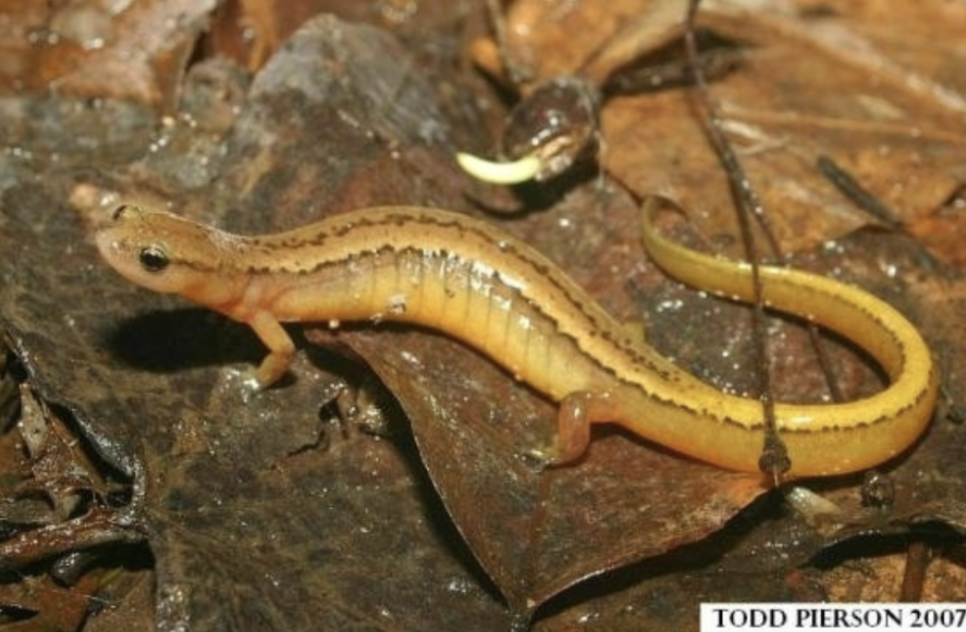
Two-Lined Salamander (eurycea bislineata)
As adults, they lack both lungs and gills, relying entirely on cutaneous respiration and buccopharyngeal respiration.
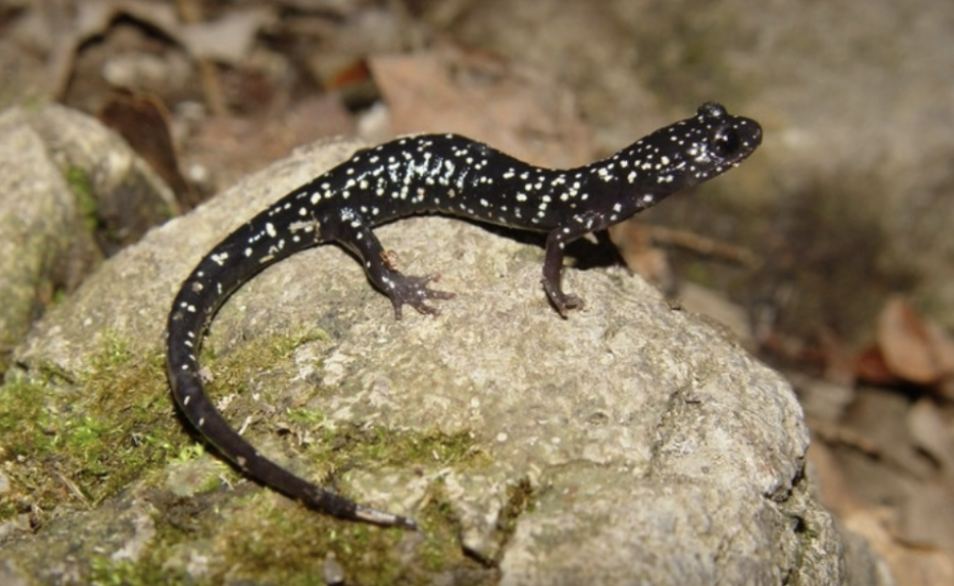
Northern Slimy Salamander (plethodon glutinosus)
completely lungless; relies exclusively on cutaneous respiration and buccopharyngeal respiration.
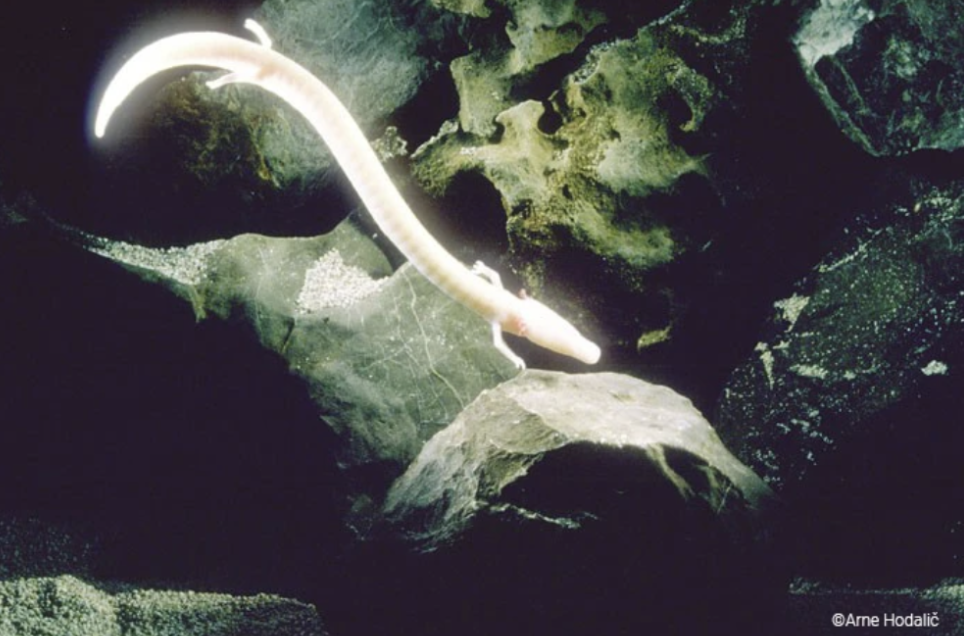
Olm (proteidae, proteus anguinus)
utilized cutaneous respiration, external gills, and with rudimentary lung systems they can perform pulmonary respiration.
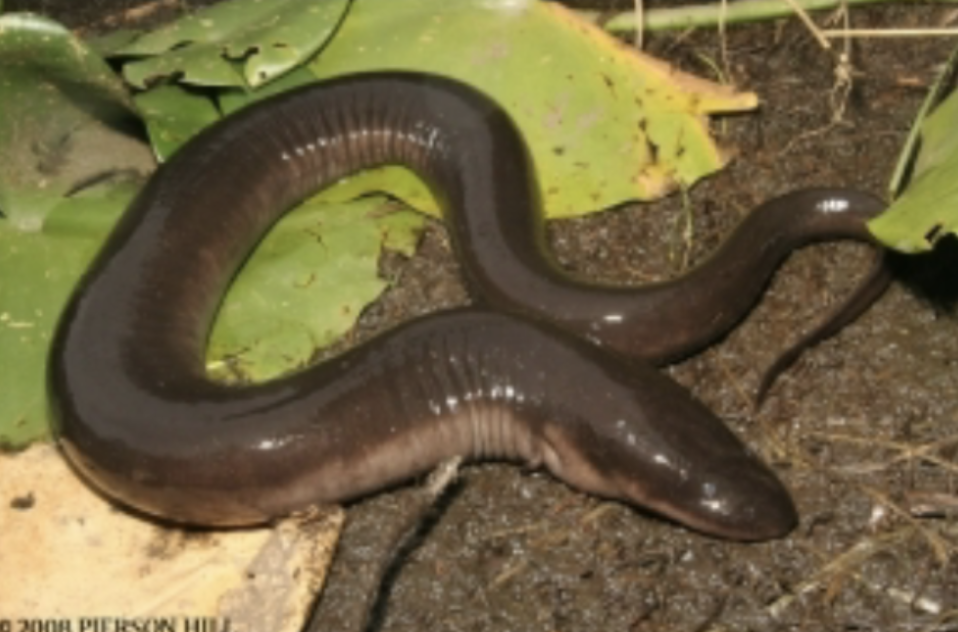
Greater Siren (sirenidae, siren lacertina)
utilizes a highly specialized, trimodal respiratory system involving lungs, external gills, and cutaneous (skin) gas exchange.
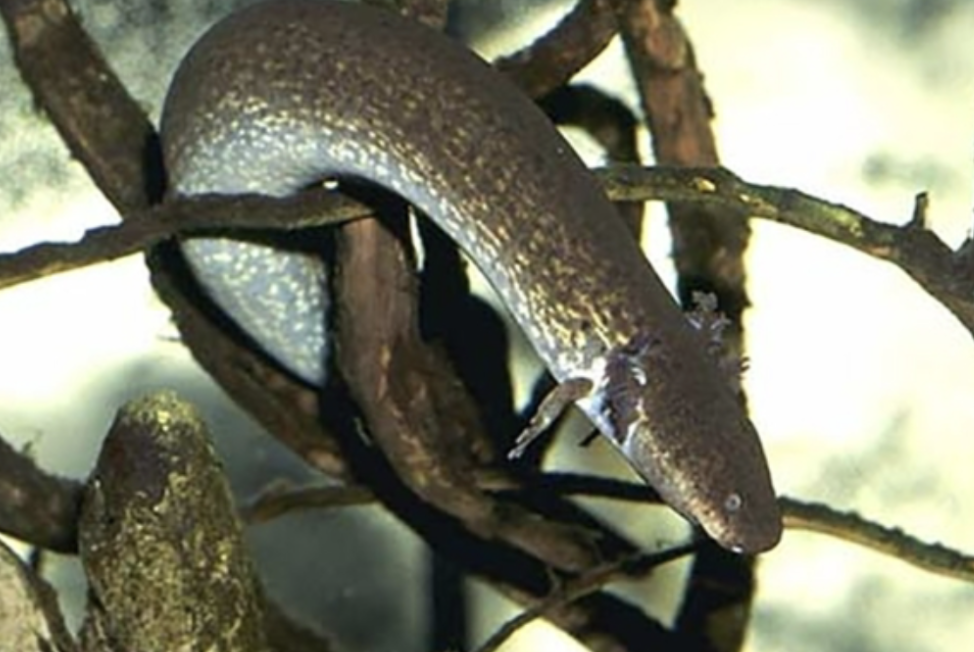
Two-Toed Amphiuma (amphiumidae)
a dual respiratory system, relying heavily on long, well-vascularized lungs for breathing air at the surface, despite its fully aquatic lifestyle. While larval stages possess gills, adults lose them, retaining only one pair of gill slits (neoteny) and relying on pulmonary respiration supplemented by limited cutaneous gas exchange.
Cutaneous Respiration
Breathing through the skin.
Buccopharyngeal Respiration
Gas exchange through the moist lining of the mouth and throat.
Pulmonary Respiration
Breathing air in and out of the lungs facilitating gas exchange.
Branchial Respiration
Use of gills for oxygen exchange.
Plethodontidae Respiration
all members of this family lack lungs, relying on cutaneous respiration instead
Costal Grooves
grooves on the flanks and dorsum of some salamanders. Increase the surface area of the skin for water absorption. Provide cutaneous channels which allow water to move up the dorsum by capillary action
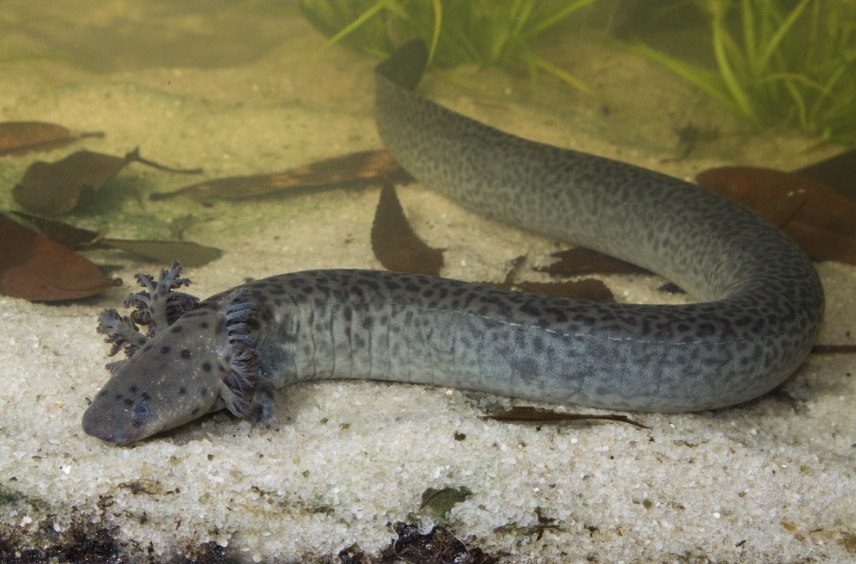
Sirenidae
Sirenidae, the sirens, are a family of neotenic aquatic salamanders. Family members have very small fore limbs, and lack hind limbs altogether. In one species, the skeleton in their fore limbs is made of only cartilage.
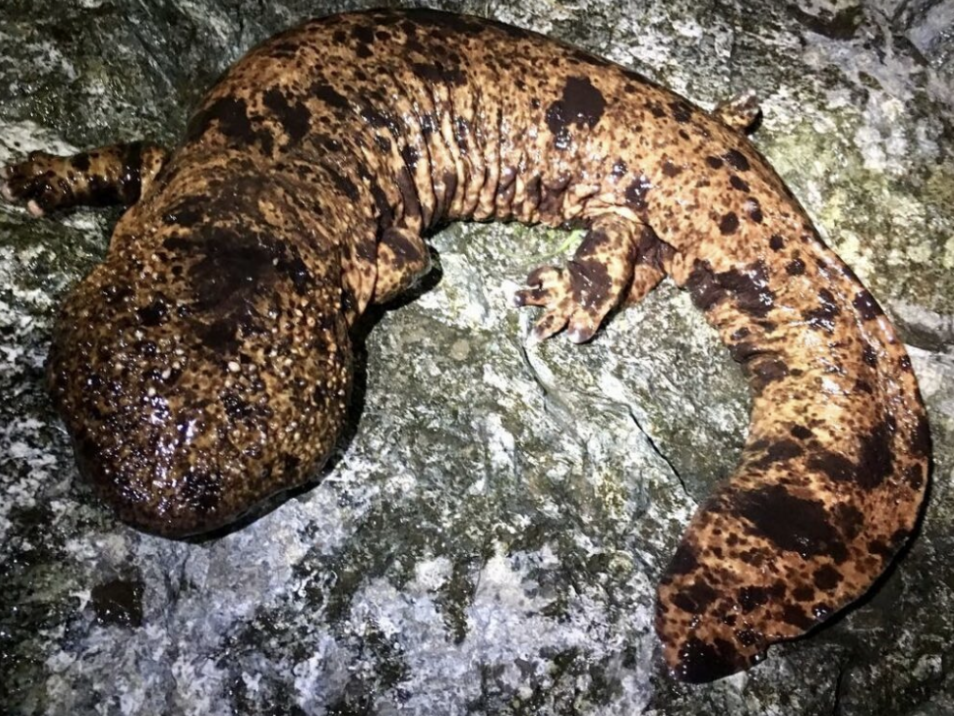
Cryptobranchidae / Hyboniidae (Hellbenders and Giant Salamanders)
Found in specific cool, clear streams in the Eastern United States (Hellbender: Cryptobranchus) and Central China and Japan (Asian Giant Salamanders: Andrias), inhabiting large rivers with rocky bottoms and hiding under boulders for shelter and breeding.
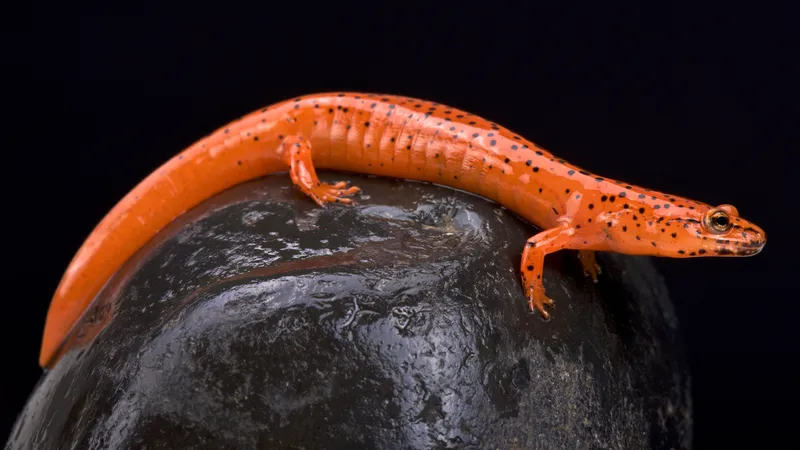
Plethodontidae (Lungless Salamanders)
Two-thirds of all salamander species. Only salamanders that have extensively radiated in the Neotropics. All plethodontids lack lungs and rely solely on cutaneous respiration. Greatest diversity of morphological specialization to particular habitats.
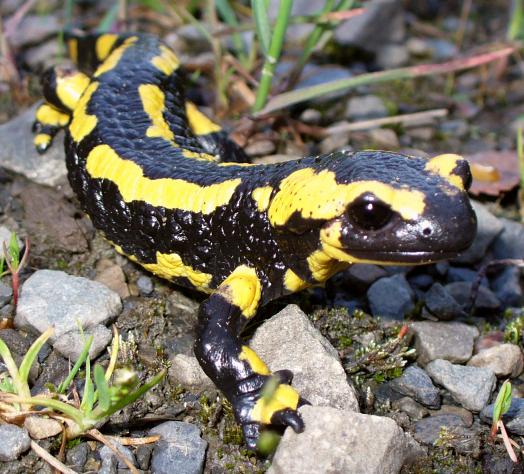
Salamandroidea
Ninety percent of described species are Salamandroidea. Share the synapomorphy of internal fertilization via spermatophores
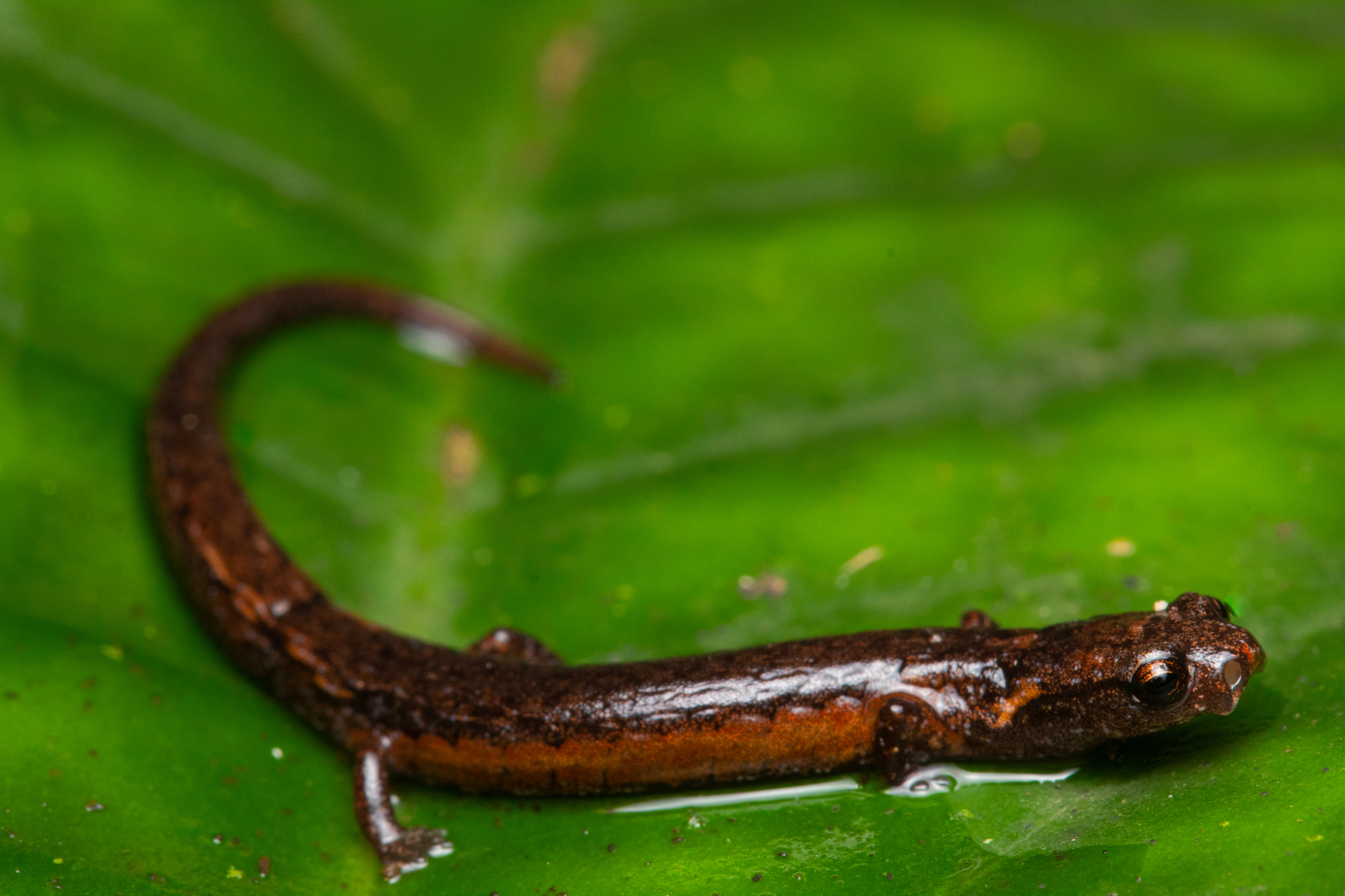
Smallest Caudata
Minute Salamanders Thorius - Plethodontidae
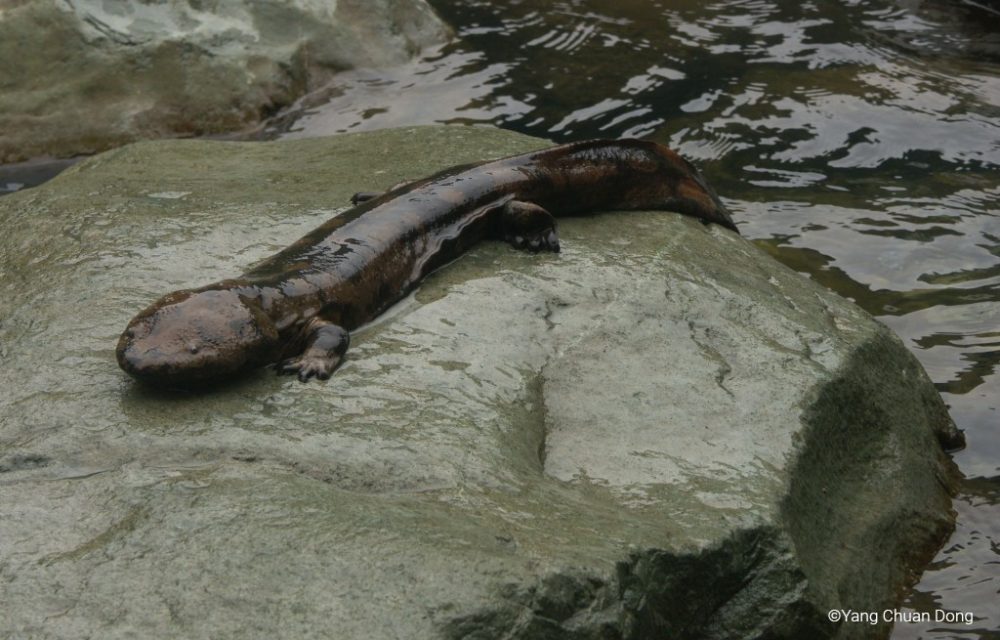
Largest Caudata
South China Giant Salamander - Cryptobranchidae
How many species of Amphibians are there?
7,303
How many species of Caudata are there?
665
How many species of Anura are there?
6,400
How many species of Gymnophiona are there?
200
what are the two major clades of caudata?
Cryptobranchoidea and Salamandroidea
what are the two main suborders of cryptobranchoidea?
Cryptobranchidae and Hynobiidae
there are no salamanders in:
Sub-Saharan Africa, Austalasia, Tropical Asia, Most Islands
what are the seven clades of salamandroidea?
Plethodontidae, Amphiumidae, Rhyacotritonidae, Proteidae, Dicamptodontidae, Ambystomatidae, and Salamandridae
ninety percent of described species of caudata are ________
Salamandroidea
salamandroidea share the synamorphy of _________ via spermatophores
internal fertilization
largest extant salamanders have ______ metamorphosis, meaning that the adults ______
incomplete; retain larval features
____ ribs present on all vertebrae caudata between forelimb and hindlimb
short
caudata have a single vertebrae with a persistant notochord, ____ cervical vertebra, ___ - ___ trunk vertebrae, _____ sacral vertebrae, ___ - ___ caudal vertebrae
single; 11-60; single; 20-100
what are the three parts of the skull in caudata?
chondrocranium, dermatocranium, and splanchnocranium
eyes are ___ developed in most taxa
well
the opercularis consists of two components:
stapes and operculum
the opercularis has no middle ear cavity or ____ _____
tympanic membrane
____ lungs in most taxa
paired

