Micro 23 | DNA Virus Infections II
 Studied by 8 people
 Call Kai
 Learn
Learn Practice Test
 Spaced Repetition
 Match
Match Flashcards
 Knowt Play
1/36

There's no tags or description
Looks like no tags are added yet.
Name | Mastery | Learn | Test | Matching | Spaced |
|---|
No study sessions yet.
37 Terms
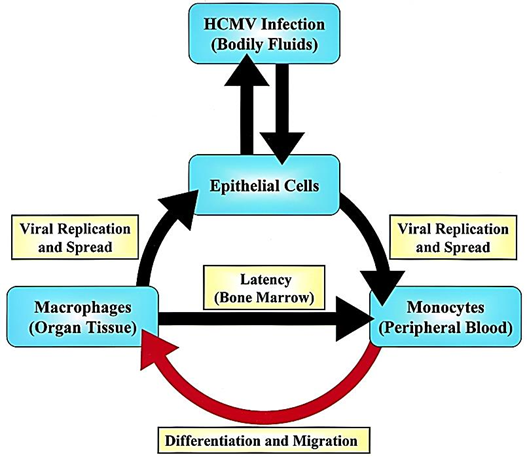
How is Cytomegalovirus transmitted?
Through blood, tissue, and body fluids like urine, saliva, semen, and breast milk.
It spreads via congenital transmission, sexual contact, oral secretions, blood transfusions, and organ transplants.
What are the target cells of Cytomegalovirus?
monocytes, macrophages, and epithelial cells.
What is the main virulence factor of CMV?
its ability to establish latent infection in myeloid cells, leading to immunosuppression.
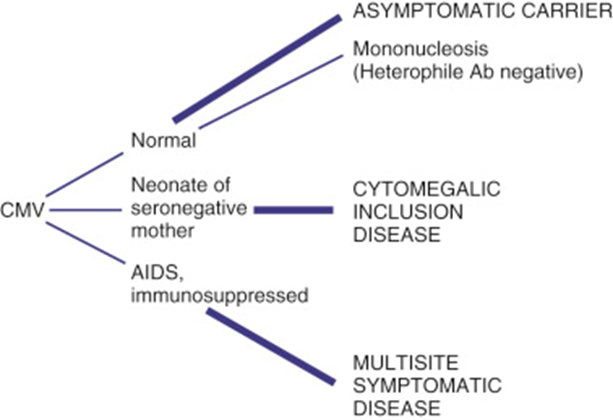
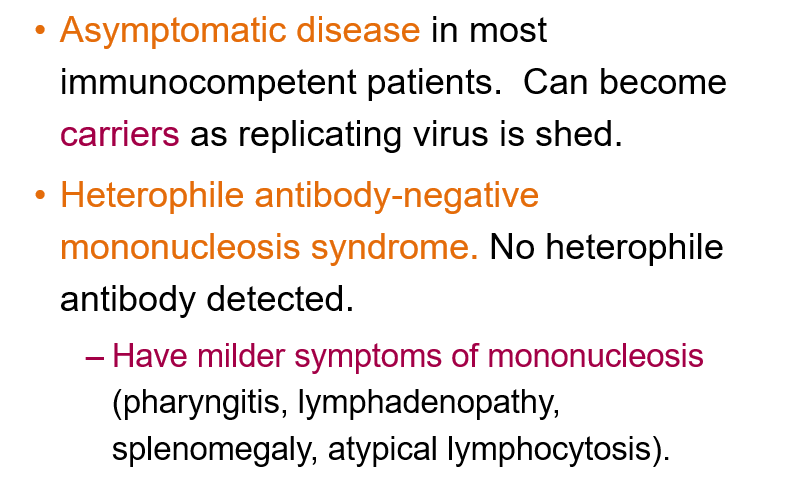
What is the common presentation of CMV disease in the general population?
CMV is usually asymptomatic but can cause heterophile-negative mononucleosis (mono-like illness).
What is the most serious outcome of congenital CMV infection?
Cytomegalic inclusion disease causing stillbirths, hearing loss, microcephaly, intracerebral calcifications, and rash.
What is the leading viral cause of congenital disease?
Cytomegalovirus, causing cytomegalic inclusion disease.
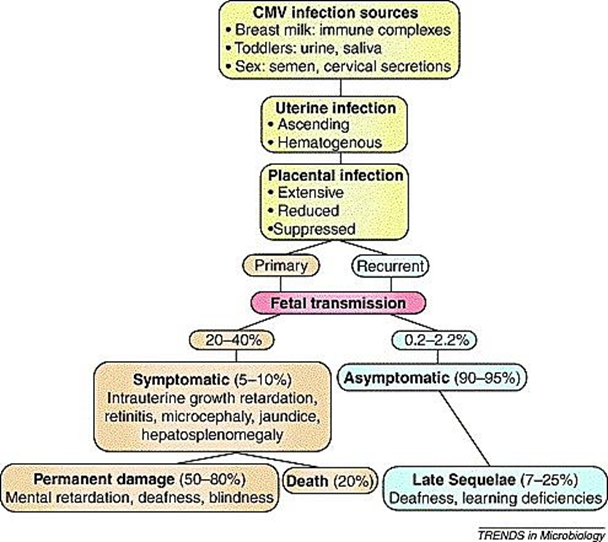
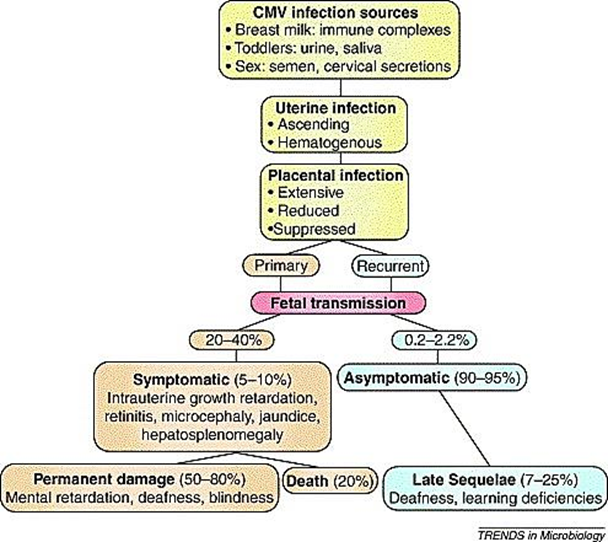
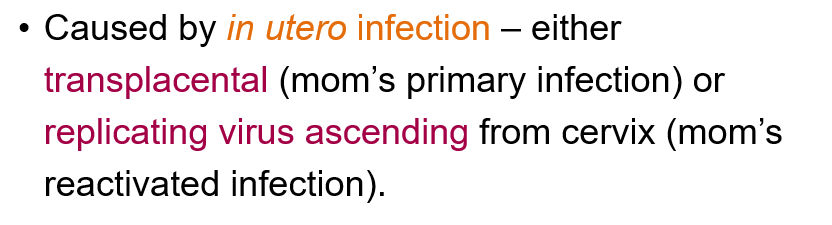
How is congenital CMV transmitted to the baby?
Through in utero infection
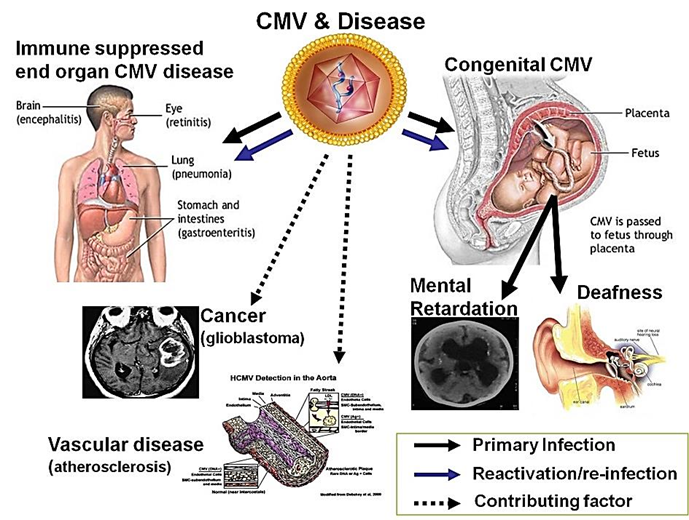
Why is CMV dangerous for immunosuppressed patients?
It causes opportunistic disease when the immune system is weak, leading to serious infections in organs.
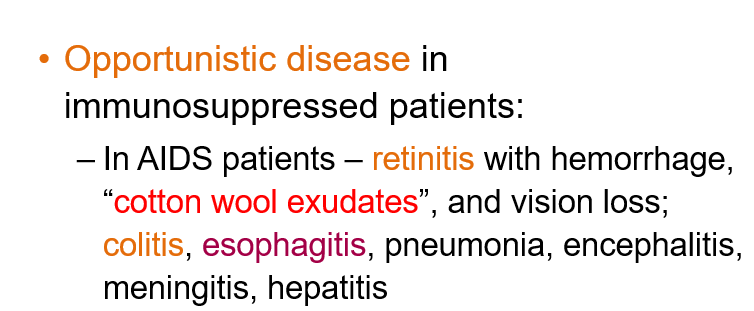
What are common CMV complications in AIDS patients?
Cotton wool exudates
Retinitis (with hemorrhage) and vision loss
Colitis
How is Cytomegalovirus diagnosed?
By finding:
“Owl’s eye” intranuclear inclusion bodies inside cells (they fill most of the nucleus)
Cytomegalic cells, which are large cells with both intranuclear and intracytoplasmic inclusion bodies. These cells can be found in the blood and come from the endothelium.
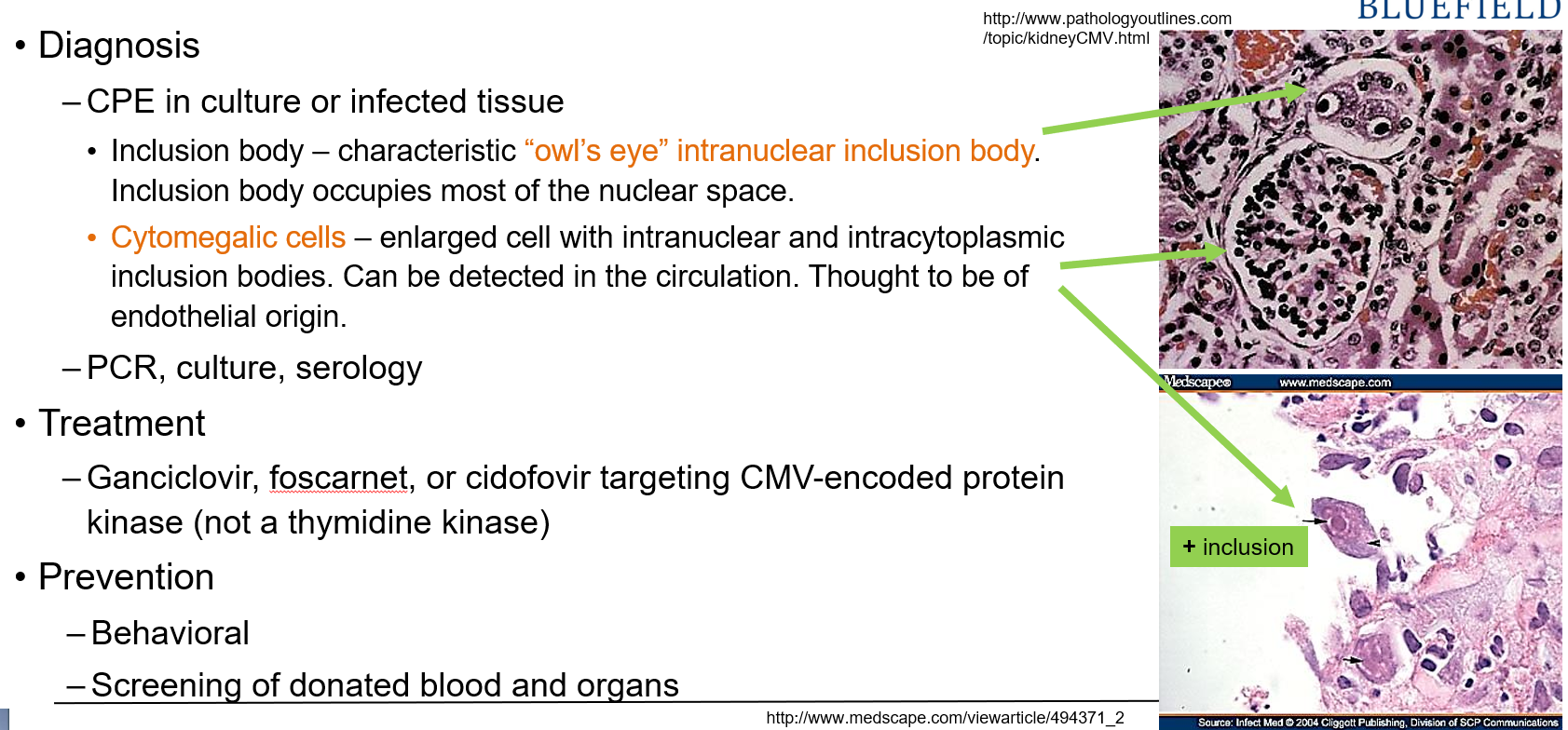
What is the characteristic inclusion body seen in CMV infection?
CMV shows the “owl’s eye” intranuclear inclusion body, which fills most of the cell’s nucleus.
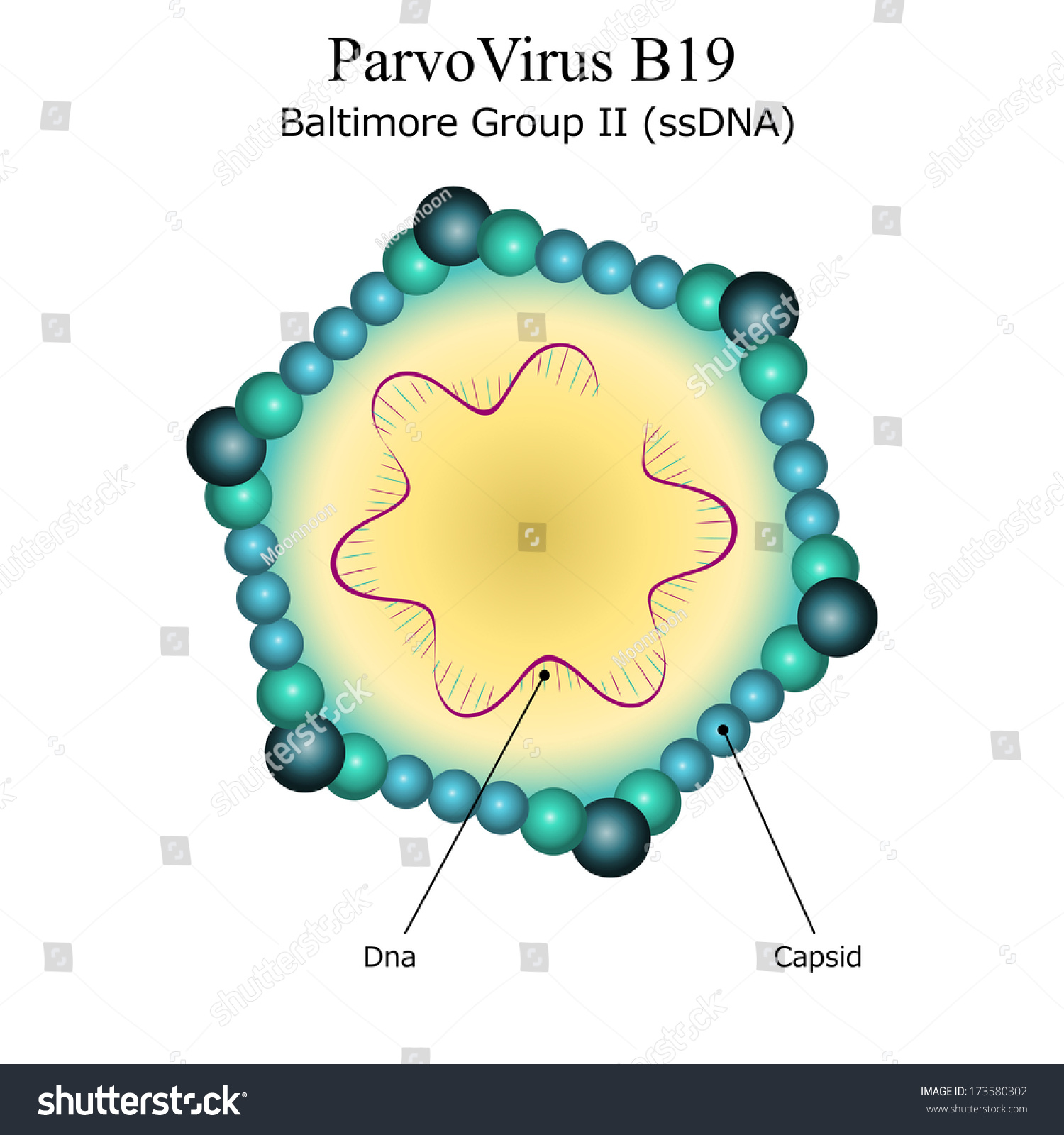
What type of virus is Parvovirus B19?
a linear ssDNA virus, non-enveloped, with an icosahedral capsid. It is the smallest DNA virus.
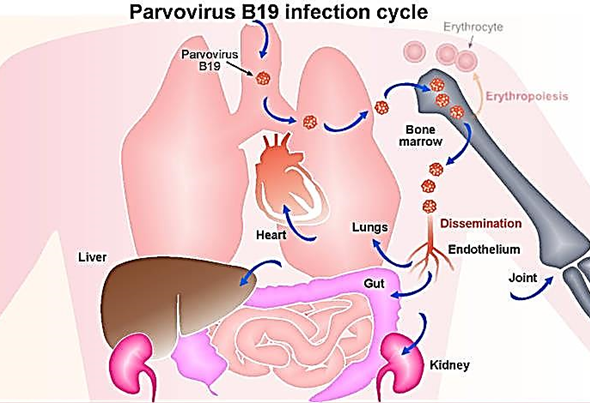
How is Parvovirus B19 transmitted?
It spreads through aerosols and respiratory droplets.
What family does Parvovirus B19 belong to?
It belongs to the Parvoviridae family and is the only human pathogen in this family.
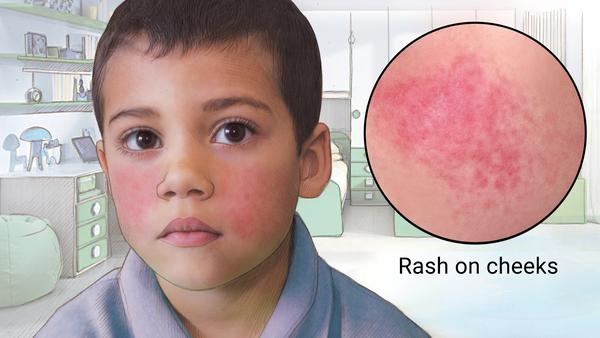
What childhood disease does Parvovirus B19 cause?
Erythema infectiosum, also known as “fifth disease”
A childhood exanthem (rash).
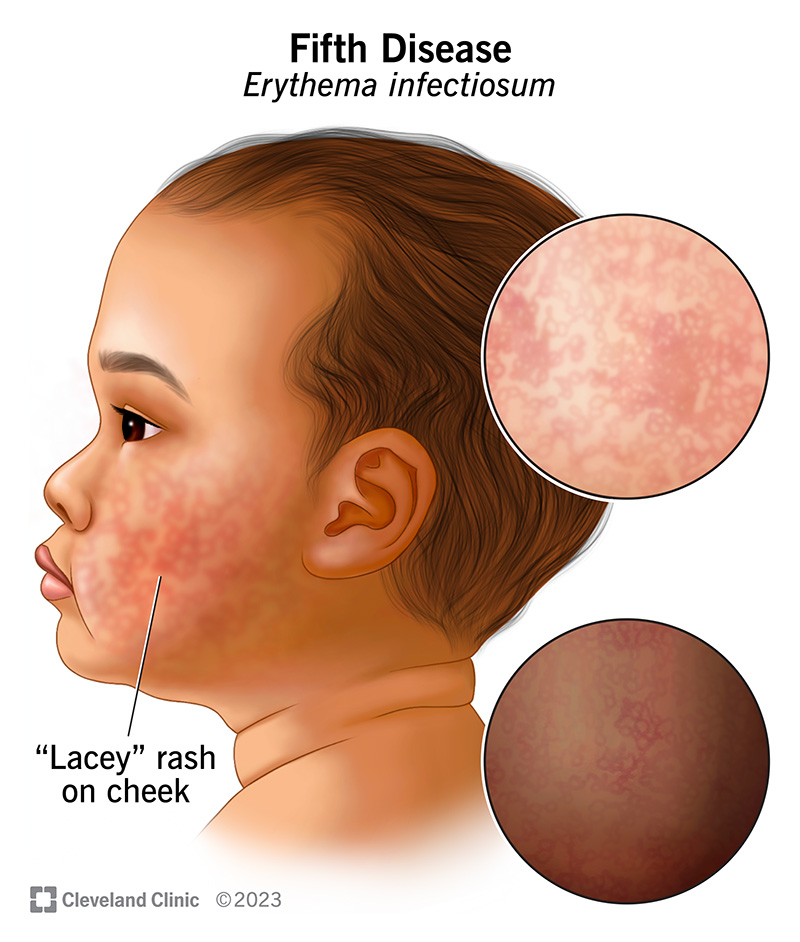
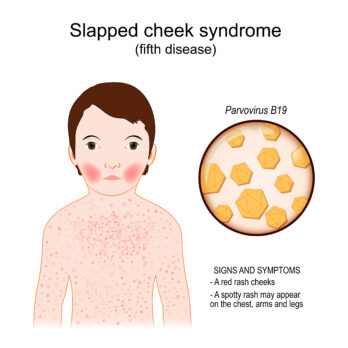
Hallmark feature of the Parvovirus B19 infection?
“slapped cheek” rash
The immune response (immune complex deposition) during the non-infectious second phase causes the “slapped cheek” rash, not the virus itself.
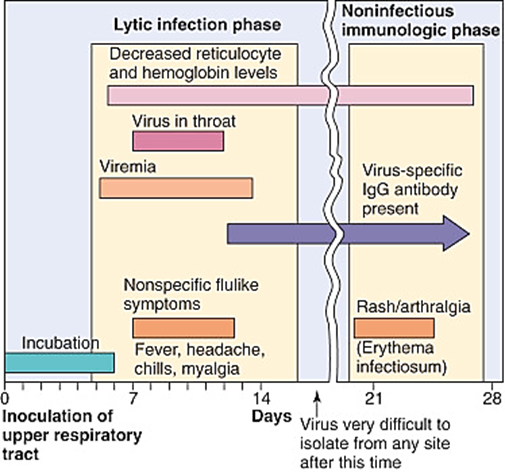
What are the two phases of Parvovirus B19 infection and their key features?
Phase 1 (Febrile/Contagious):
Lasts 7-10 days
Flu-like symptoms, decreased hemoglobin
Lytic infection in respiratory tract and organs
Phase 2 (Symptomatic/Non-infectious):
Starts ~1 week later, lasts 1-2 weeks (longer in adults)
Immune-mediated rash and joint pain (arthralgia)
Causes the classic “slapped cheek” rash
What is the primary virulence factor of Parvovirus B19?
Its lytic infection of erythroid precursor cells causes the disease.
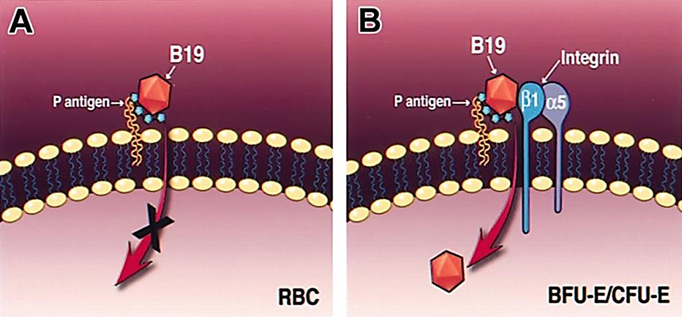
What decides which cells Parvovirus B19 infects?
It infects red blood cell precursors because it attaches to the P antigen and needs a helper protein (α5β1 integrin) that is only found on these young cells, not on mature red blood cells.
What are the complications of Parvovirus B19 infection?
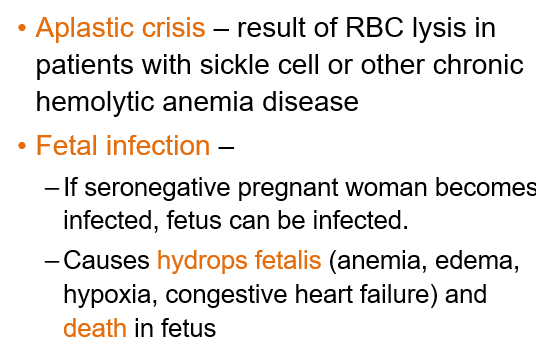
Aplastic crisis in people with sickle cell or other chronic anemia, caused by red blood cell destruction.
Fetal infection if a pregnant woman gets infected, which can lead to hydrops fetalis (anemia, swelling, heart failure) and death of the fetus.
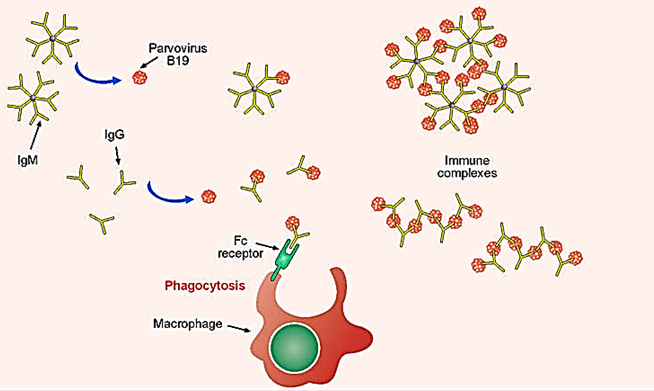
What causes the rash and joint pain in Parvovirus B19 infection?
A strong antibody response creates immune complexes that get deposited in the skin and joints, leading to the characteristic rash and arthralgia
How is Parvovirus B19 diagnosed?
Mostly by clinical symptoms, especially the “slapped cheeks” rash and lacy rash on the arms and legs.
ELISA test for Parvovirus B19 IgM and IgG antibodies can be done, especially in pregnant women to tell it apart from rubella.
What is the structure of Adenovirus?
Non-enveloped, Double-stranded DNA (dsDNA) virus with an icosahedral capsid
Has a fiber protein used for attachment and typing (over 100 serotypes, e.g., Ad5, Ad7, Ad14)
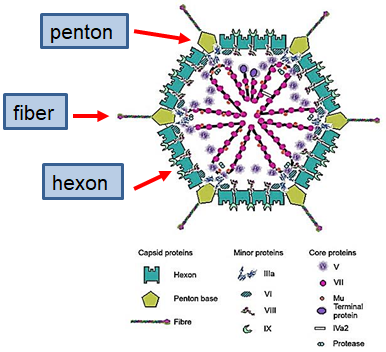
What are the virulence factors of Adenovirus
Lytic infection that causes inflammation
Persistence in lymphoid tissues
Lack of an envelope makes it resistant to harsh conditions like acid and drying
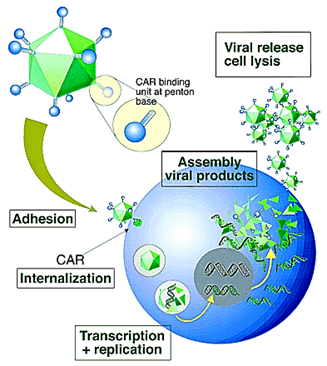
How does Adenovirus attach and enter the host cell?
Adenovirus uses CAR (Coxsackie Adenovirus Receptor) to attach to cells.
The fiber protein sticks to CAR, and the penton protein grabs a co-receptor like integrins to help the virus enter the cell.

What types of cells does adenovirus primarily attach to and infect?
Epithelial cells in the respiratory tract, gastrointestinal tract, and conjunctiva because these cells have the necessary receptors for viral entry.
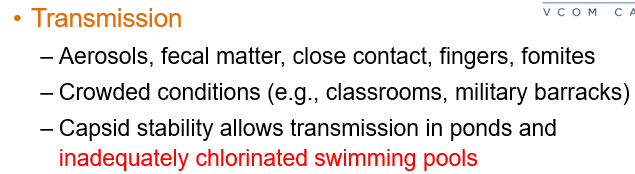
How is adenovirus transmitted?
Through aerosols, fecal matter, close contact, fingers, fomites, and crowded places like classrooms or military barracks.
It can also be transmitted via ponds or inadequately chlorinated swimming pools due to its stable capsid.
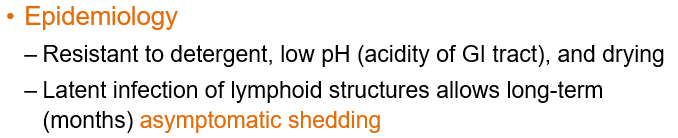
Why is adenovirus able to survive in harsh conditions?
Adenovirus is resistant to detergents, low pH (like in the GI tract), and drying.
The virus can also hide in the body’s immune tissues (like tonsils) without causing symptoms and slowly release for a long time.)
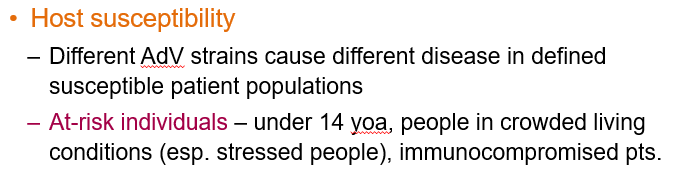
Why are some people more susceptible to certain adenovirus diseases?
Different adenovirus strains cause different diseases in specific patient populations, making host susceptibility depend on the strain.
At-risk individuals – under 14 yoa, people in crowded living conditions (esp. stressed people), immunocompromised pts.
What (respiratory) adenovirus clinical disease is common in young children under 3?
Pharyngitis – causing fever, sore throat, and cough, often mimicking strep throat.
Commonly caused by serotype Ad5
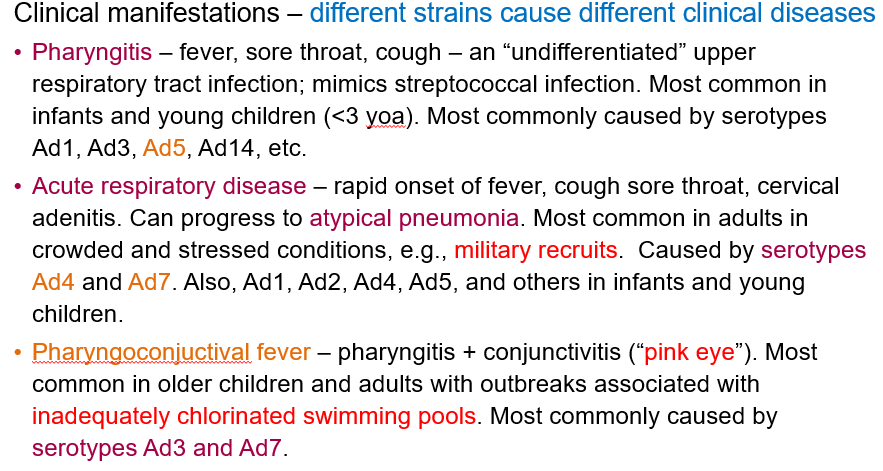
What (respiratory) adenovirus disease is common in adults under crowded or stressed conditions like military recruits?
Acute respiratory disease – rapid fever, cough, sore throat, cervical lymph node swelling, and possible atypical pneumonia. Commonly caused by serotypes Ad4 and Ad7.
What (respiratory) adenovirus disease is linked to inadequately chlorinated swimming pools?
Pharyngoconjunctival fever – a combination of pharyngitis and conjunctivitis (“pink eye”). Commonly caused by Ad3 and Ad7.
What non-respiratory disease can adenovirus cause in infants and young children?
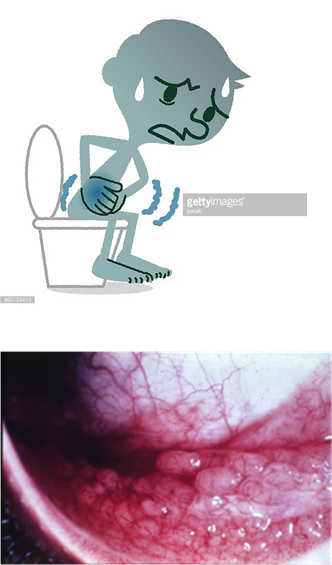
Gastroenteritis – It is the second most common cause of diarrhea in infants and young children, caused by adenovirus serotypes 40, 41, and 42.
How can adenovirus be diagnosed?
Symptoms and ruling out other pathogens like Streptococcus pyogenes
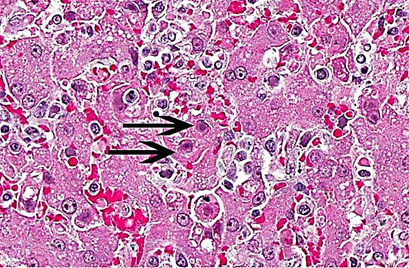
Culture showing basophilic intranuclear inclusion bodies

How can adenovirus be prevented?
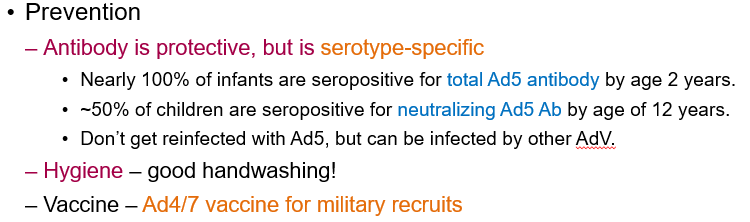
Antibody protection (serotype-specific)
Good hygiene and handwashing
Vaccine (Ad4/7) for military recruits
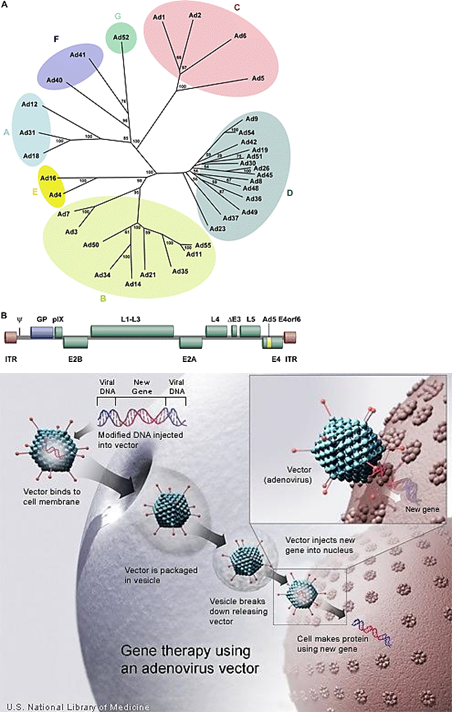
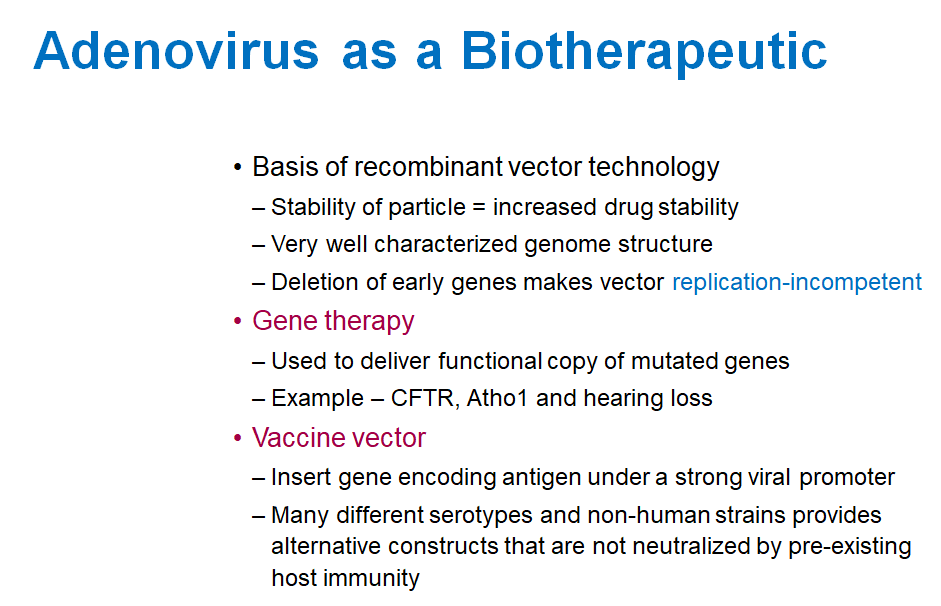
How is adenovirus used as a biotherapeutic tool?
It helps deliver healthy genes to fix mutated ones (like for cystic fibrosis).
It can carry genes to make vaccines, using strong promoters to trigger the immune response.

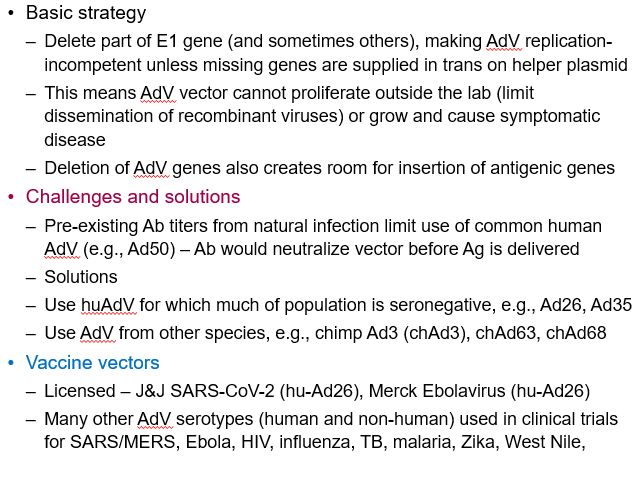
How is adenovirus used as a vaccine vector?
Scientists remove important genes from the adenovirus (like E1) so it can’t grow or cause illness. Then, they add vaccine genes so the virus can safely deliver instructions to the body and trigger an immune response.
This makes the virus safe and helps deliver the vaccine.
Example: Johnson & Johnson COVID-19 vaccine uses this technology.
 Note
Note  Flashcards (82)