PIE- Umbilical Infections/Swellings and Hernias
 Call Kai
 Learn
Learn Practice Test
 Spaced Repetition
 Match
Match Flashcards
 Knowt Play
1/31

There's no tags or description
Looks like no tags are added yet.
Name | Mastery | Learn | Test | Matching | Spaced | Call with Kai |
|---|
No analytics yet
Send a link to your students to track their progress
32 Terms
What problems can occur with the umbilicus?
- Defect in the umbilical wall (allowing for a hernia to occur due to a failure of closure of the umbilical ring)
- Infection of umbilical structures
- Persistent urachus
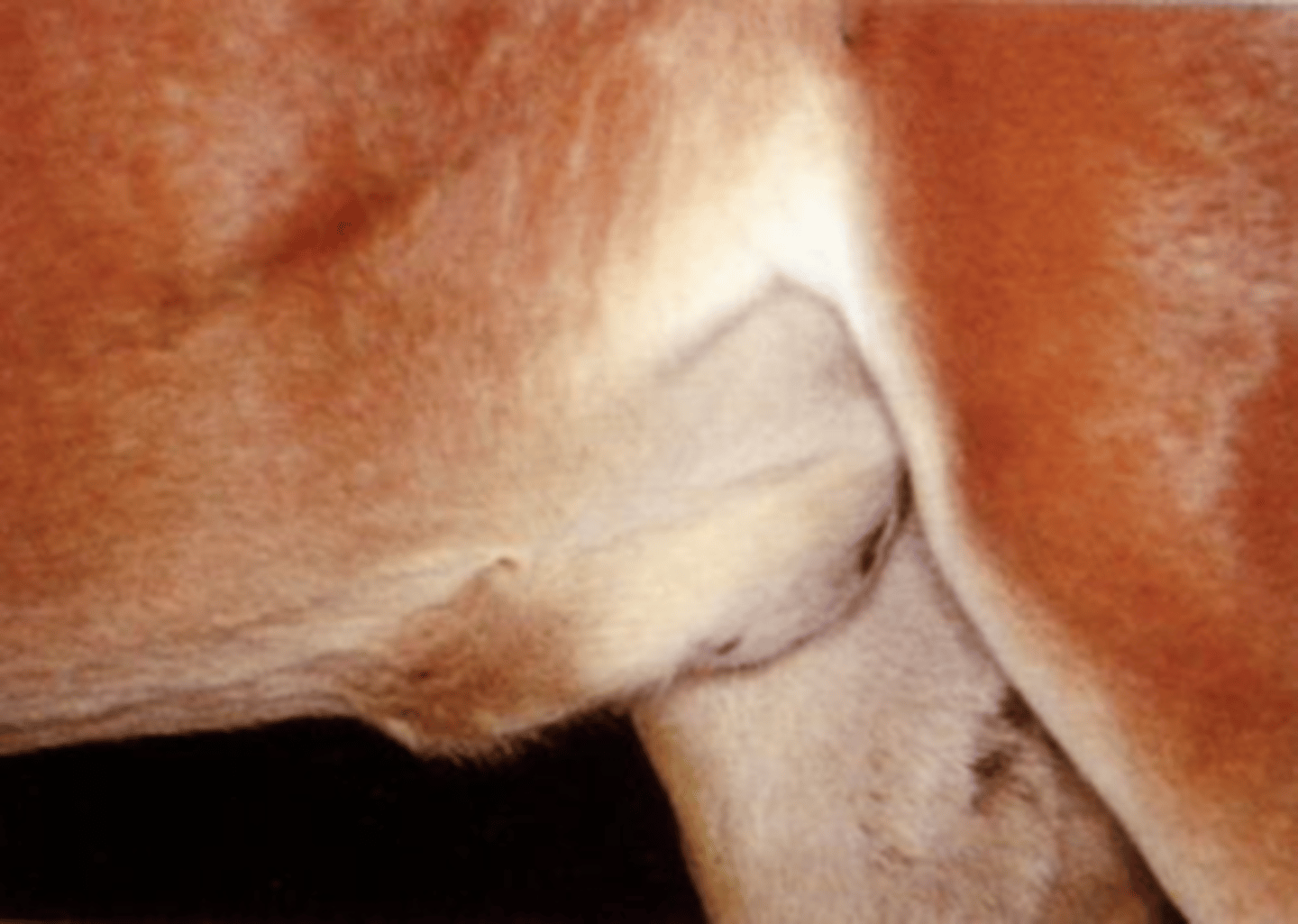
what is the Urachus and what does it do?
a tubular structure that is a remnant of embryonic development, which extends from the umbilicus to the apex of the bladder (the structure that is the communication between the bladder and umbilicus)
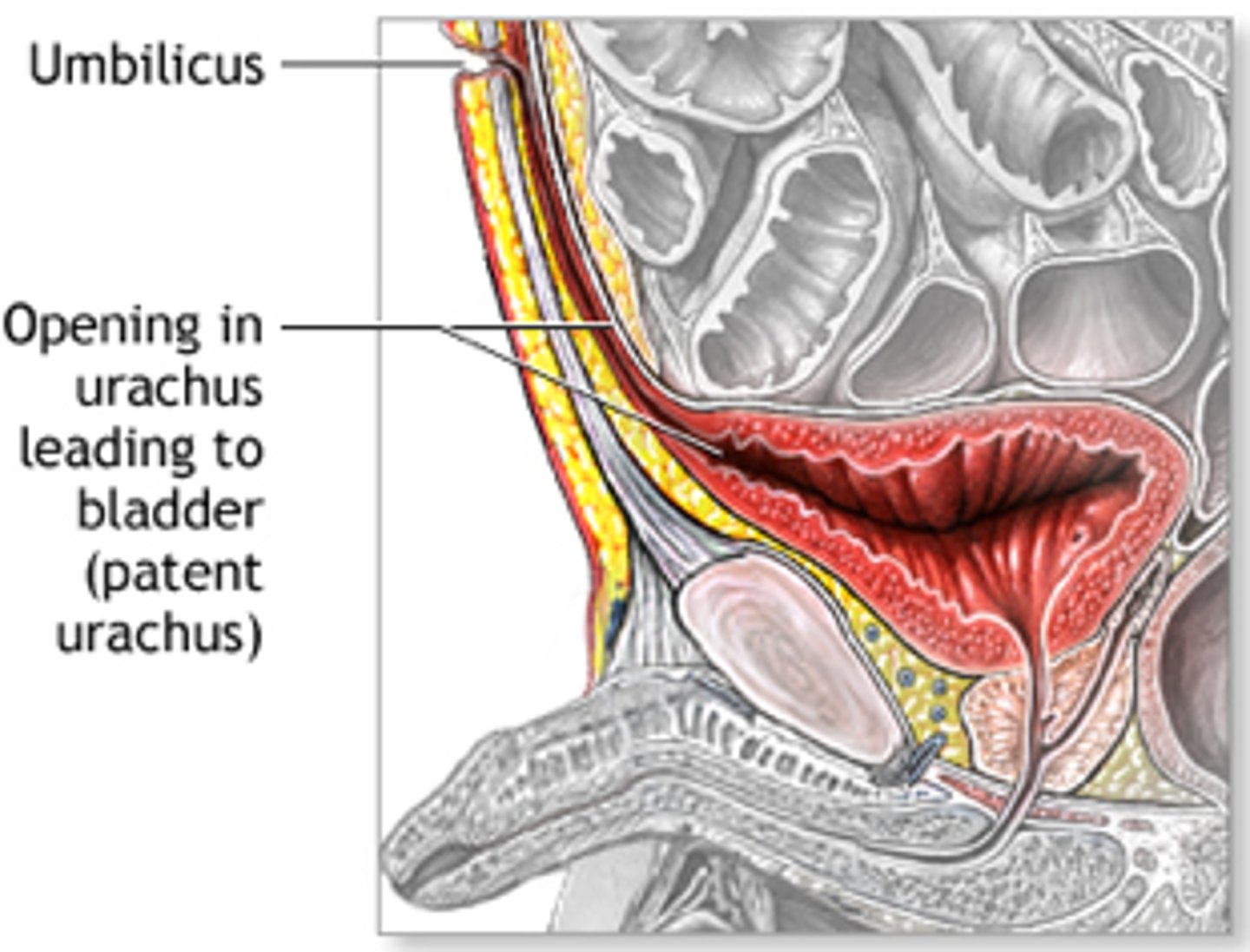
What component has a large influence in causing umbilical hernias? What is the clinical implication?
Umbilical hernias have a large hereditary component- important to consider in breeding.

what fails to close when theres a defect in the umbilical wall
the umbilical ring
How can hernias be classified?
- Simple or strangulated (hernias associated with internal contents of the abdomen)
also
- Reducible or irreducible
when can congenital hernias be corrected
- can usually be easily corrected at neutering if they have no resolved themselves (we generally hope that they will decrease in size themselves and sort themselves out)
when do hernias become more of an emergency situation
when theres strangulation
can hernias be acquired
yes
How does an umbilical hernia present?
Soft tissue swellings often relatively consistent in size and relatively benign
- present at birth but occasionally can be acquired

How would a strangulated intestine present clinically?
- Failure to thrive/suckle
- Vocalisation due to the pain
- Haematological and biochemical markers associated with some degree of sepsis
What size of hernia is most likely to result in strangulation?
Medium sized
- Space is large enough for intestine to move into the umbilical ring but not free enough to move back out

What size of hernia is most likely to resolve on its own?
Small hernias
- usually no intervention required can be easily corrected at neutering
- Monitor regularly
- May do surgery if cosmetic factor

What size of hernia is least likely to resolve on its own?
Large hernias
- Least likely to strangulate
- Requires invasive surgical intervention

How would you treat an umbilical hernia?
Often relatively benign and will resolve themselves with monitoring using ultrasound imaging
- can be corrected during routine neutering
Can use constricting bands around the hernia to cause fibrosis and scarring (do not do if strangulation!!!!!!)
Can surgically correct by dissecting down to the hernia ring and reflect peritoneum back into the abdomen and then close to ensure the umbilicus is completely closed
When does a patent urachus present?
At birth

What are the clinical signs of a patent urachus?
- Presence or dribbling of urine from urachus
- Posturing to urinate but failing to do so
- Sometimes a degree of pain associated

What is the main issue with a persistent urachus?
Infection in wet and damp environments
- infection can spread to other structures in and around the umbilicus
What conditions can affect the urachus that are not associated with a patent urachus but rather its development generally?
- Urachal cysts present on the apex of the bladder
- Urachal diverticulum (Also, very rarely can get drainage of the bladder into the bladder itself causing a uroperitoneum)
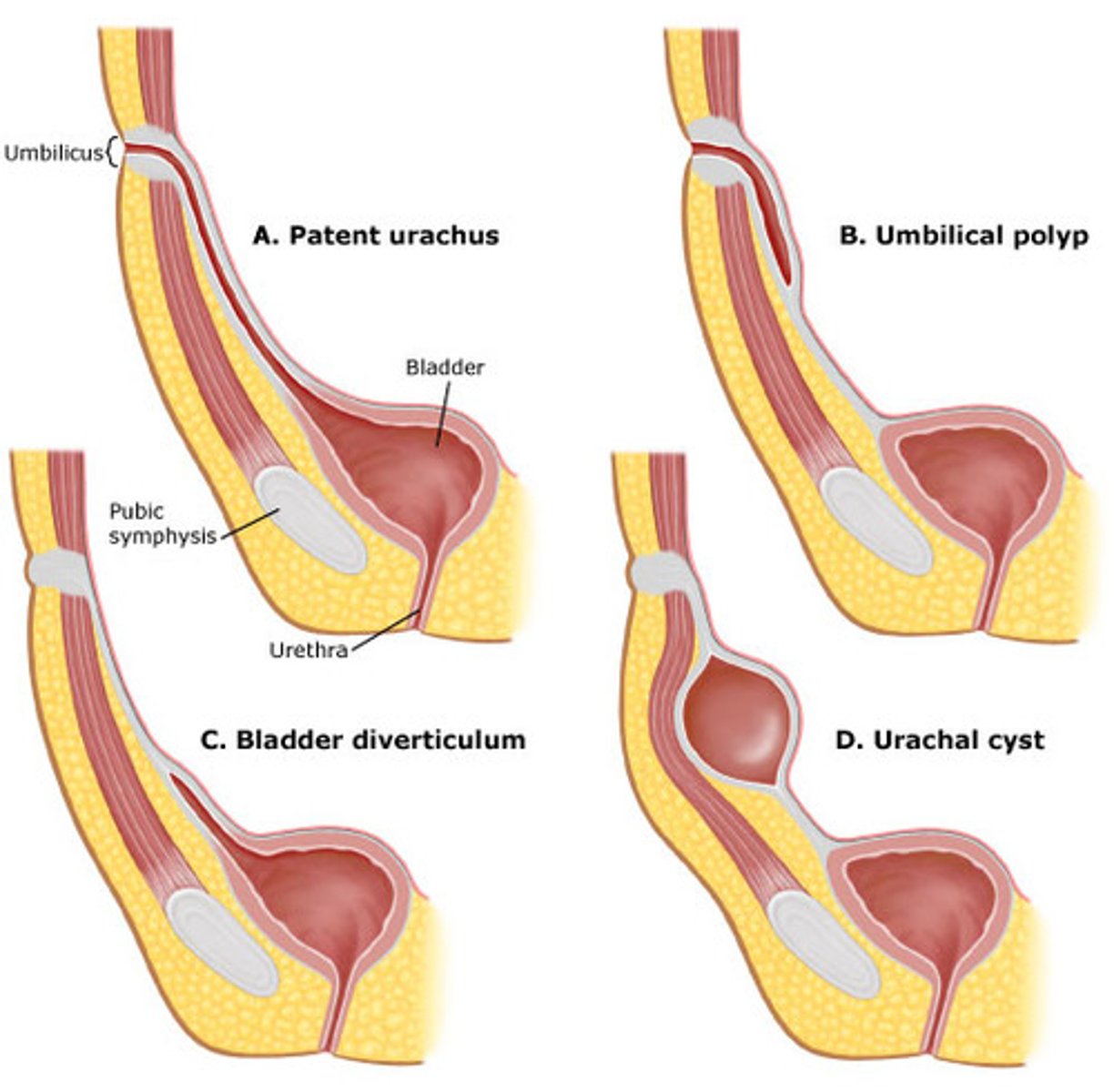
How can you diagnose a patent urachus?
- Clinical signs
- Ultrasound
How would you treat a patent urachus?
Surgical procedure
- Urachus resected back into the bladder, bladder is inverted and then closed
- Ensure all urachal structures are removed
Can go for a more conservative and medical treatment
- Use of stringent (concentrated iodine or silver nitrate) to try and induce scarring and fibroplasia
- Broad spectrum antimicrobial cover with culture and sensitivity to treat concurrent infection
- Can also use clamps that wrap around the urachus to induce closure
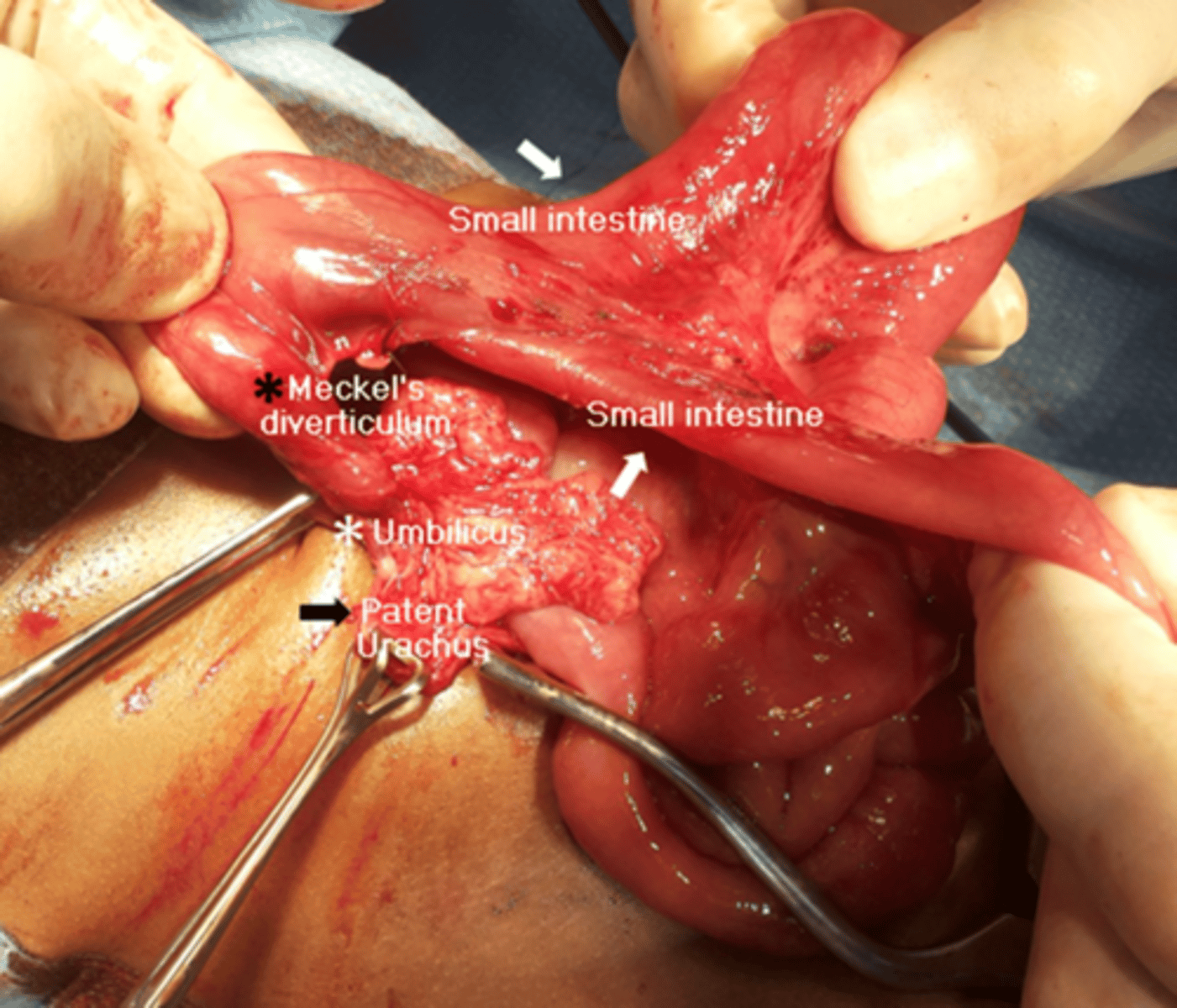
what is a remnant of the vitaline duct
is communication betweent he embryological yolk sac and the developing small intestine -> is called merkels diverticulum
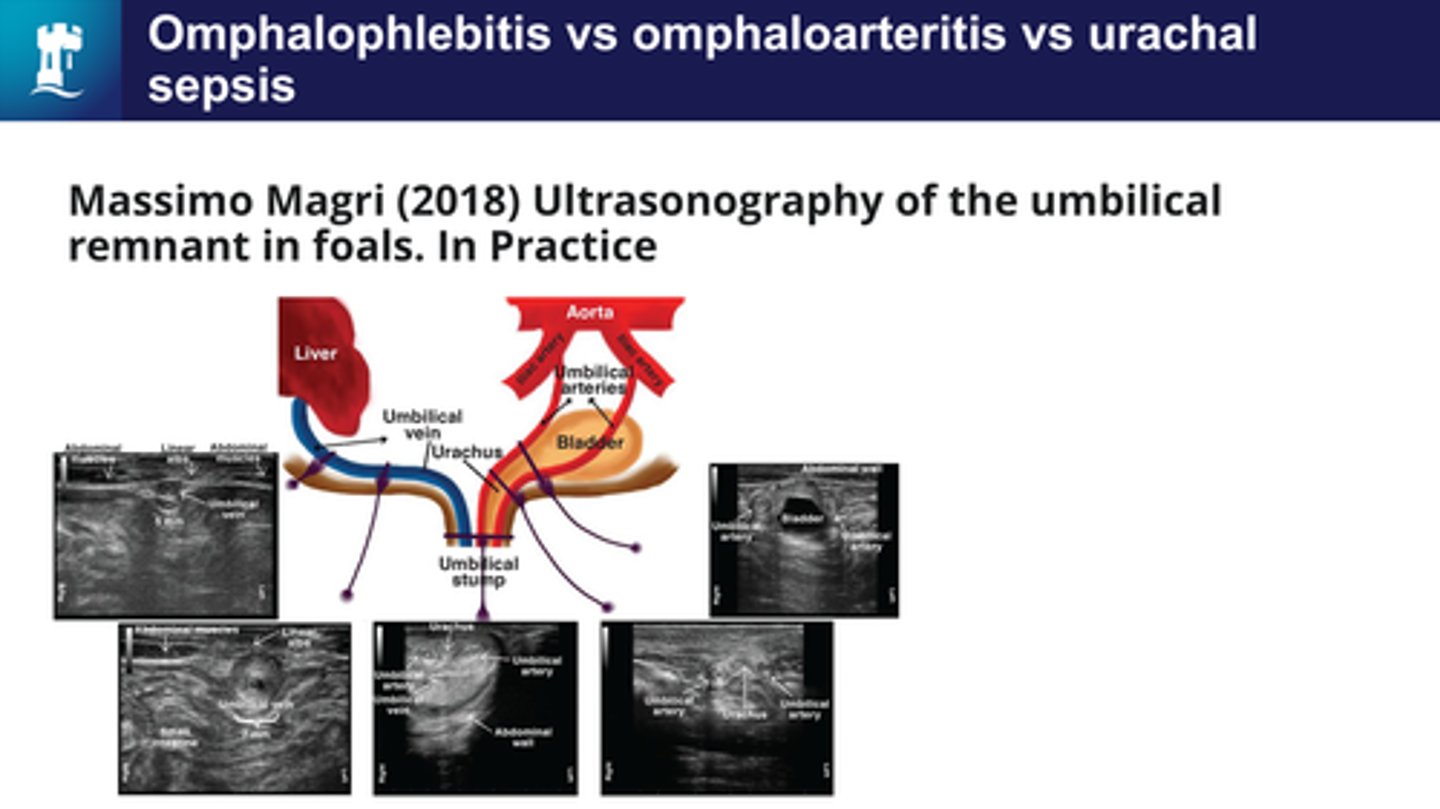
Name the types of umbilical infections that can occur
- Omphalophleblitis
- Omphaloarteritis
- Urachal sepsis
All of these are important because they are infections that are all associated with the internal structures associated with the umbilicus- any of these structures can become infected and cause sepsis.
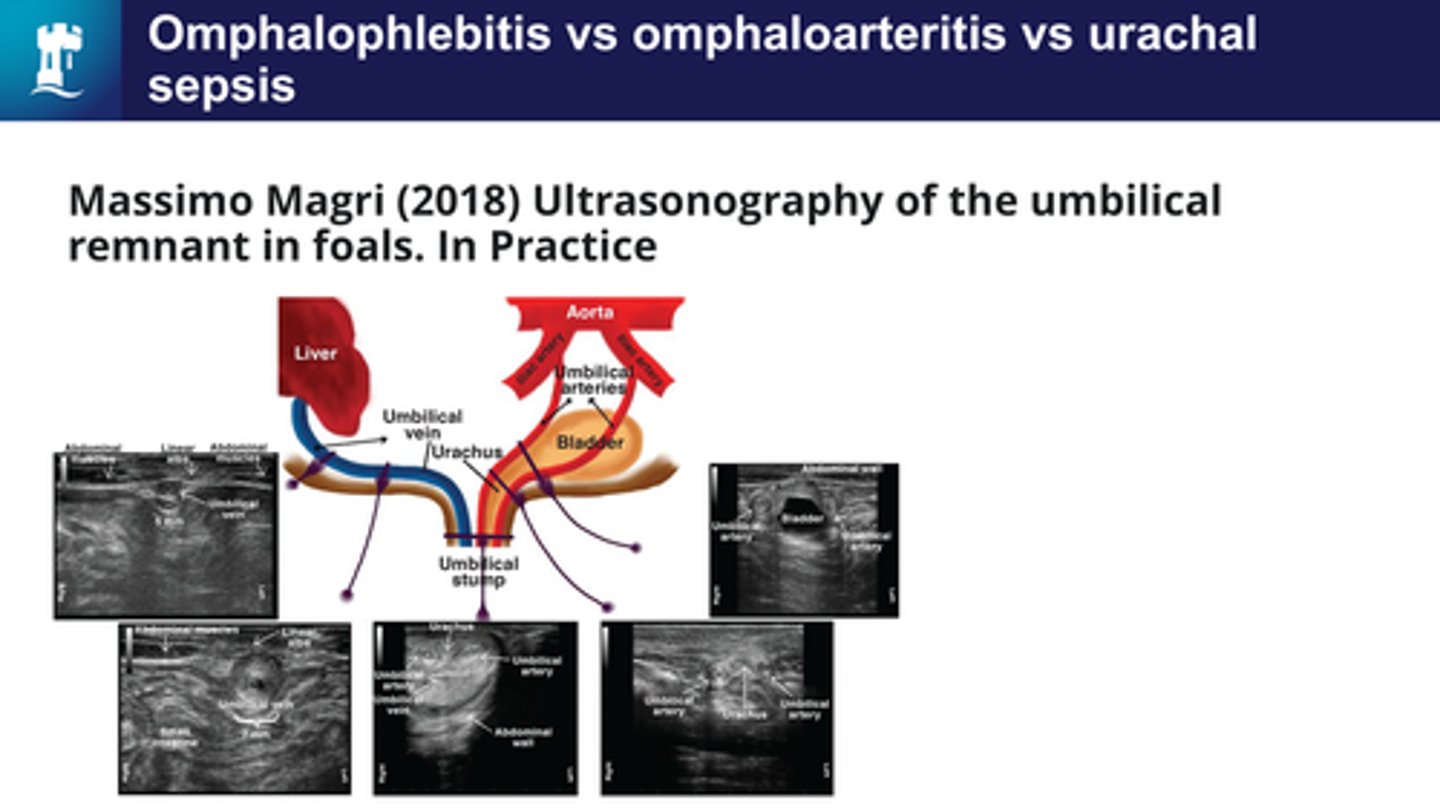
List the internal structures associated with the umbilicus
- The umbilical vein that goes between the liver and the umbilical stump.
- Paired umbilical arteries that go from the umbilical stump to the aorta via the iliac arteries.
- The urachus which communicates between the the umbilicus and the bladder.
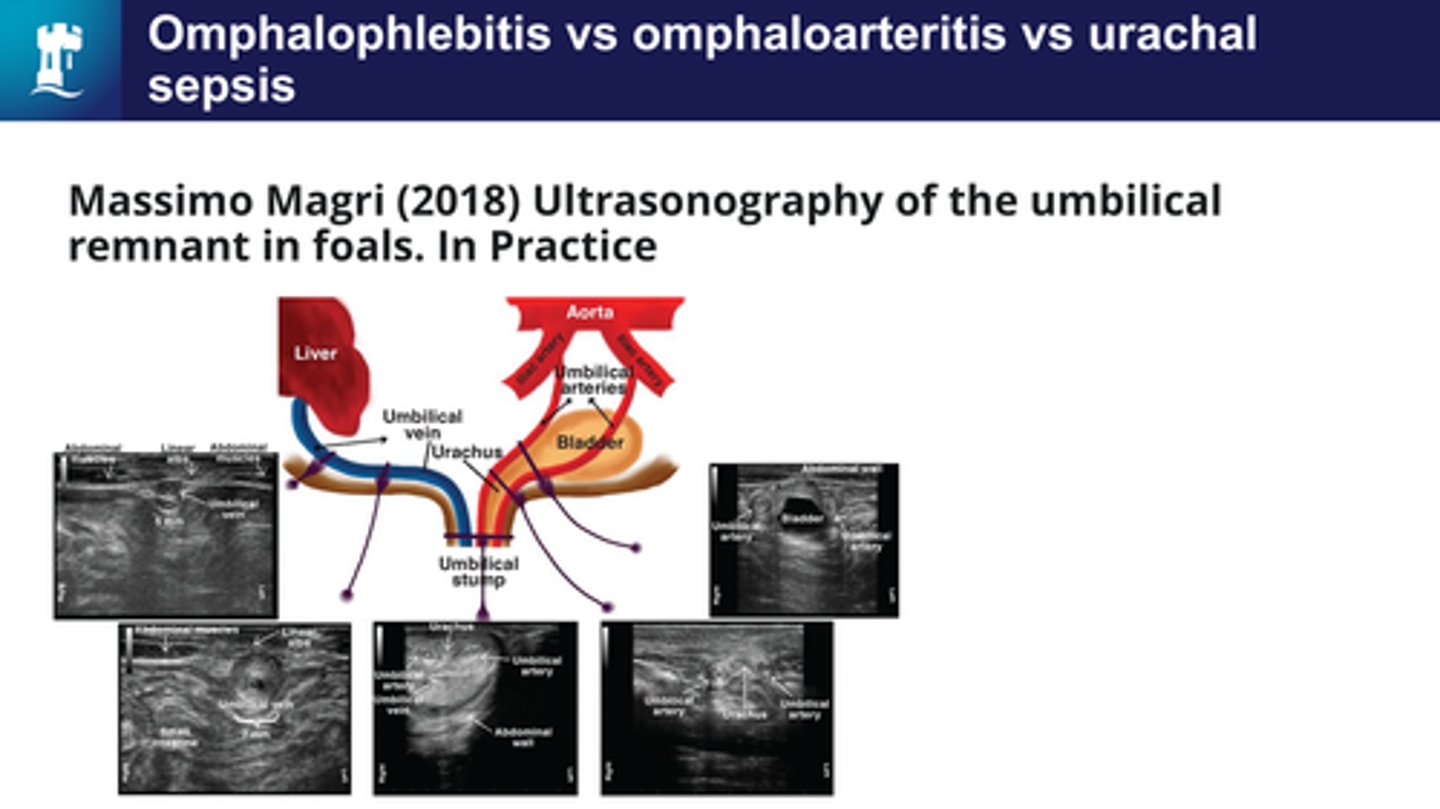
What is omphalophlebitis?
Infection/inflammation of the umbilical vein
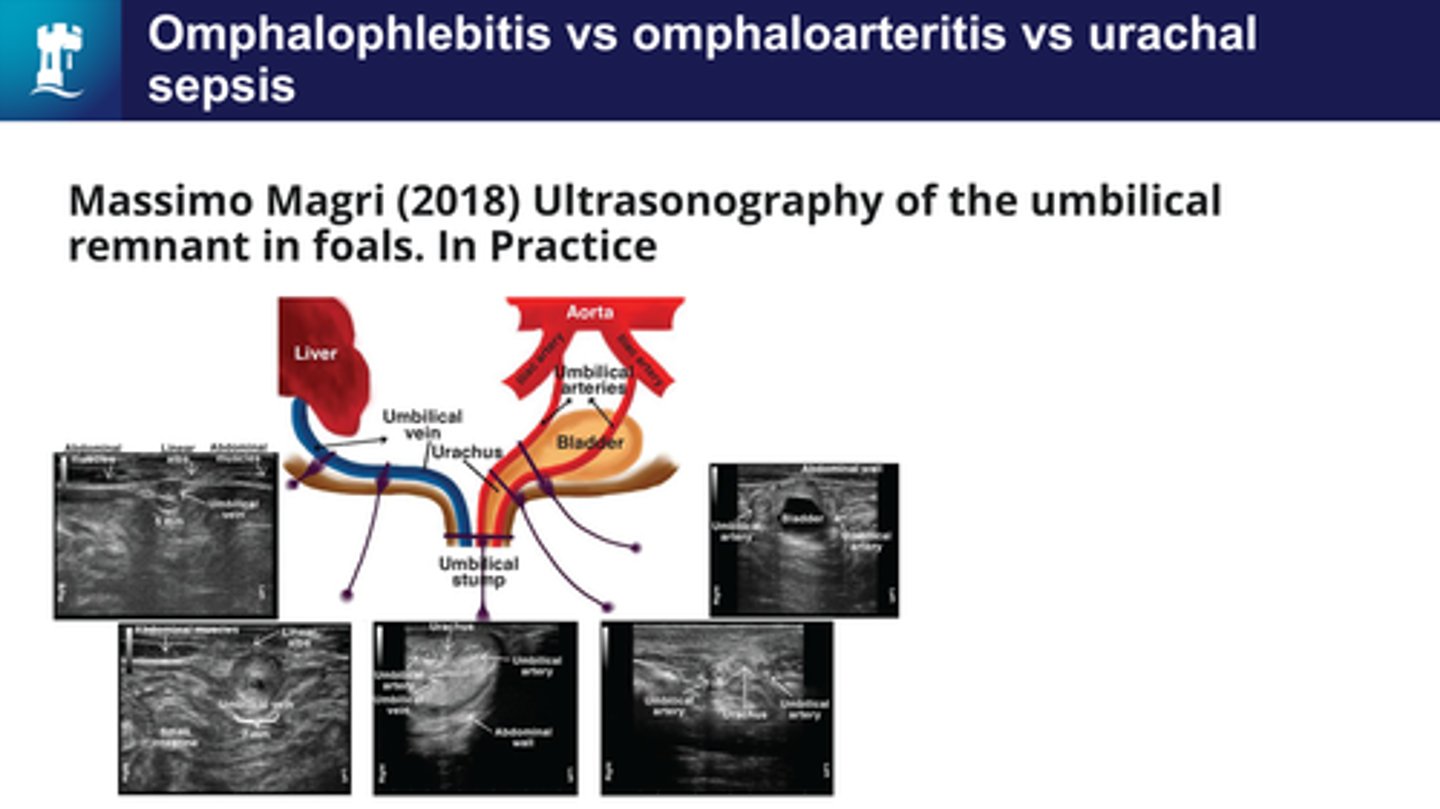
What is omphaloarteritis?
Infection/inflammation of the umbilical arteries
- can be one or both
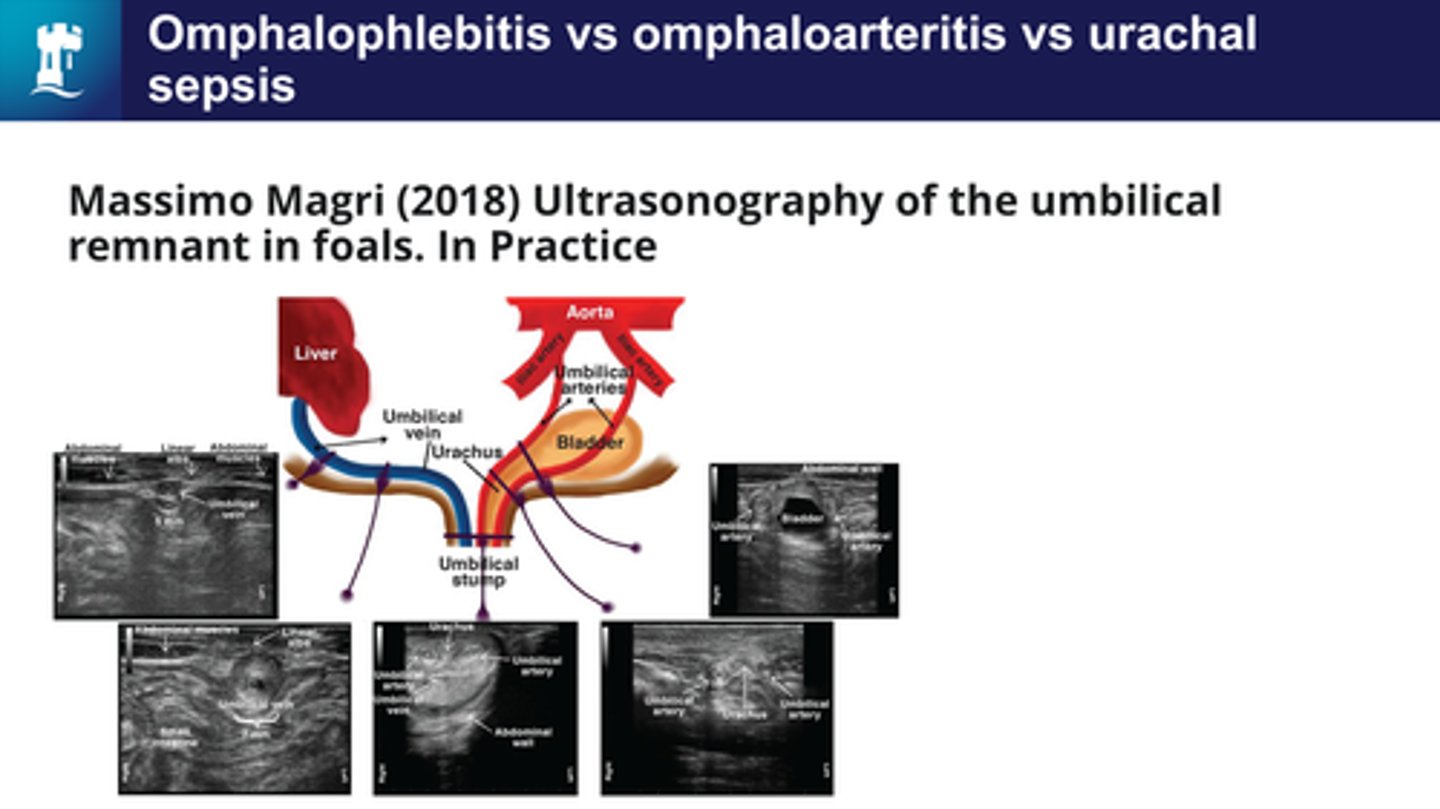
What is urachal sepsis?
Infection of the urachus itself
How would you diagnose an infection of umbilical-associated structures?
Can usually diagnose from what you can see
- E.g. if discharging pus filled abscess there is an infection
Will also have possible signs of local or systemic infection
Ultrasound is also useful to identify what structures are involved
What species most commonly get infections of umbilical-associated structures?
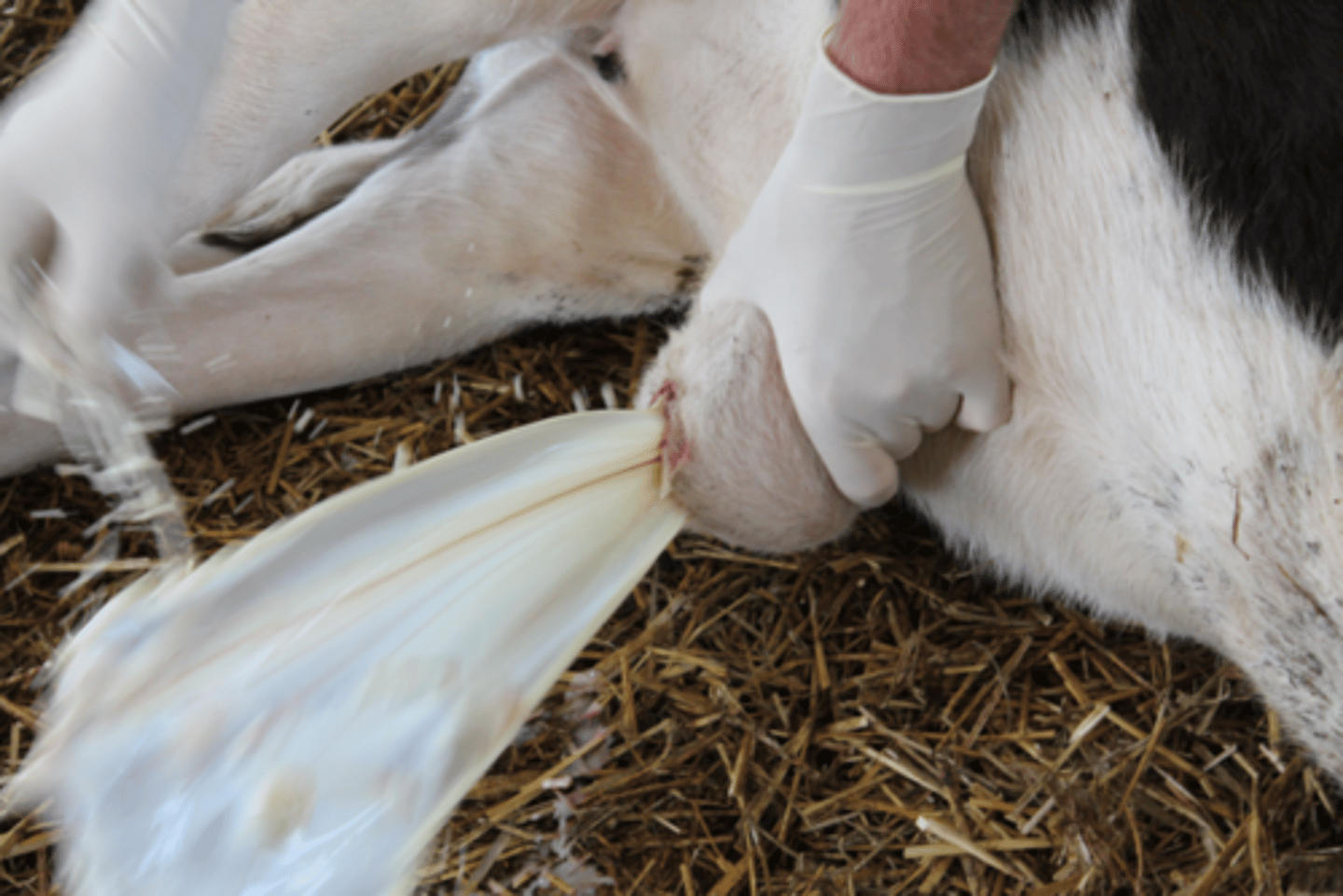
Farm animals (naval ill)
A localised infection of umbilical-associated structures can lead to...
- Joint sepsis (joint ill)
- Systemic sepsis
How can you prevent infections of umbilical-associated structures?
Use of antiseptic solution on navel after born to try and limit environmental contamination
How would you treat infections of umbilical-associated structures?
- Lance and drain abscess if large abscess is present
- Treat any systemic infection that is present
- Surgical intervention (typically marsupialisation)
What is marsupialisation?
Surgical procedure where infected structures are moved outside of the abdominal cavity to allow granulation and fibroplasia which will allow resolution and closure of structures
Explore top notes

