Russian Culture 10
 Studied by 0 people
 Call Kai
 Learn
Learn Practice Test
 Spaced Repetition
 Match
Match Flashcards
 Knowt Play
1/47

Earn XP
Description and Tags
Ch. 18, 19, 21
Name | Mastery | Learn | Test | Matching | Spaced | Call with Kai |
|---|
No analytics yet
Send a link to your students to track their progress
48 Terms
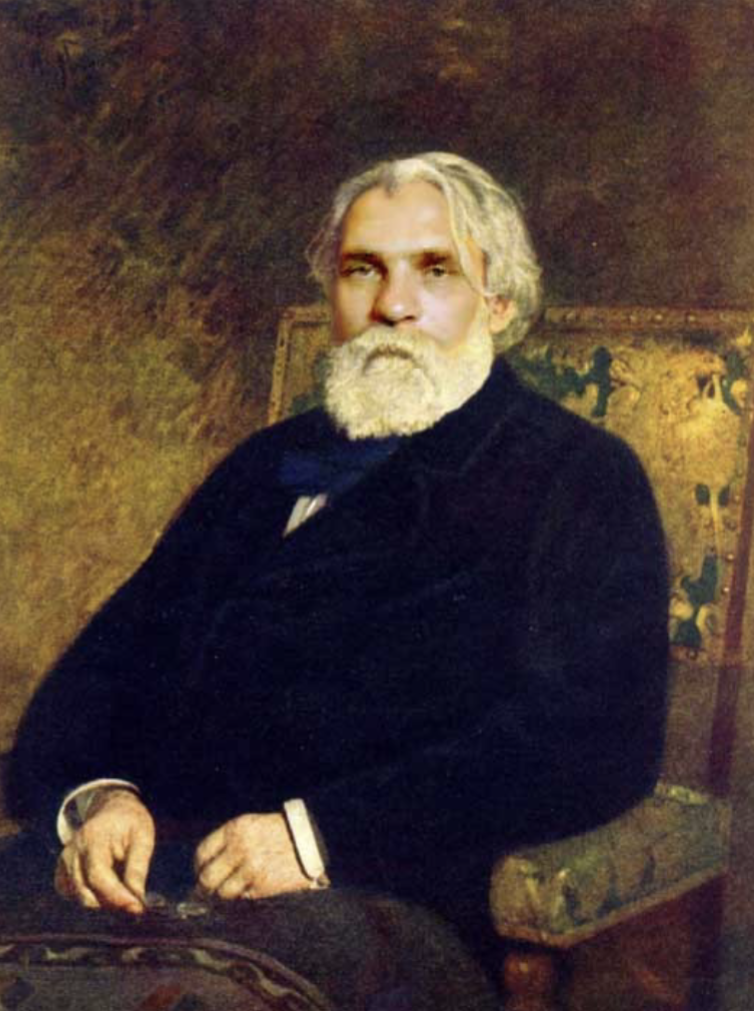
Ivan Turgenev
“Fathers and Sons”
gentry
lived in Western Europe
“Westernizer”
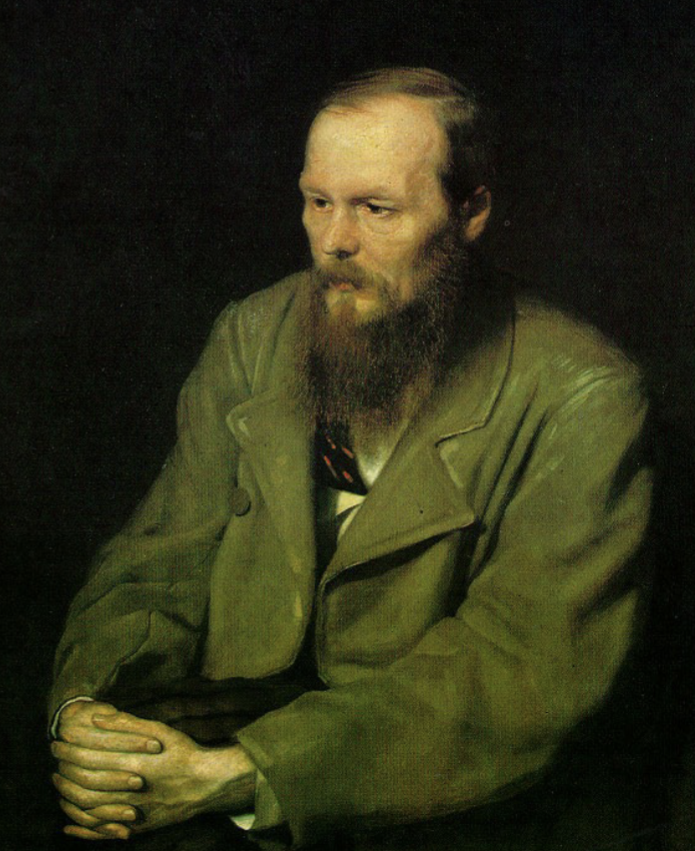
Fyodor Dostoevsky
raznochinets (middle class)
slavophile
“Crime and Punishment”
“The Idiot”
“The Brothers Karamazov”
Leo Tolstoy
aristocrat (count)
led a pleasure seeking life
married in his 30s and had 13 children
did peasant work when he lived in a family estate
started a peasant school
spiritual mid-life crisis
“Kholstomer”
“War and Peace”
“Anna Karenina”
Tolstoy’s views
rationalism, rationalized Christianity, pacifism, political anarchism, vegetarianism
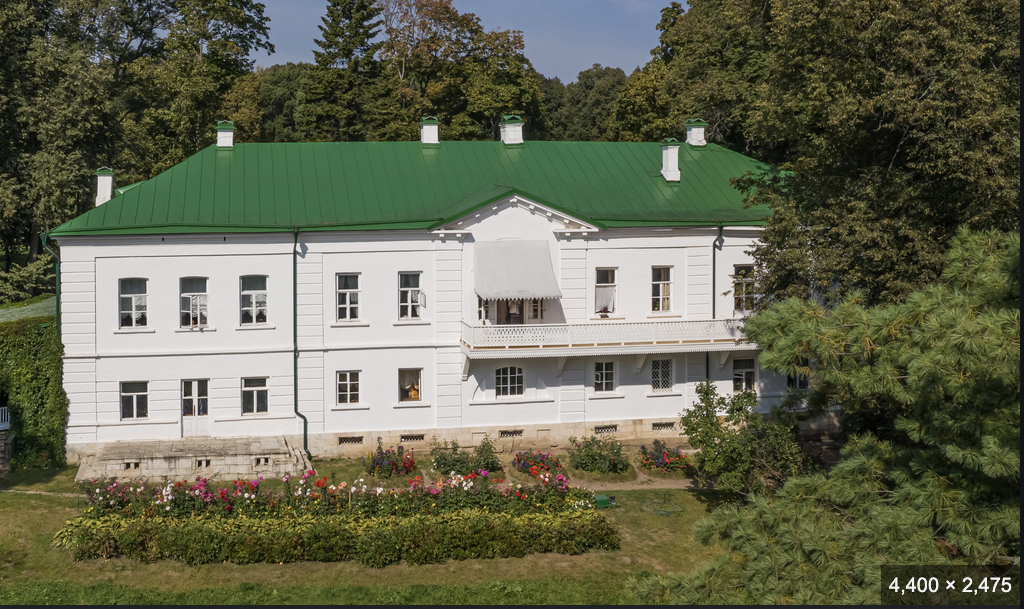
Yasnaya Polynaya
Tolstoy’s estate
Kholstomer (The Story of a Horse)
oppression of lower class
critique on Serfdorm
sexuality/body
identity
ownership
second half of 19th century
literature- Realism
drama- Realism (Chekov + Stan.)
fine arts- “The Wanderers”
music- Tchaikovsky and “The Handful Five”
ballet- The Imperial Ballet
Early 20th Century
Silver Age of Literature
Russian Revolution art
literature- non realistic
“art for arts sake”
World of Art
ballet- Ballet Russes
fine arts- Avant Garde
music- Stravinsky
Russian Realism
literary movement that
represents reality by portraying mundane,represents reality by portraying mundane,
everyday experiences of ordinary people,everyday experiences of ordinary people,primarily from the middle and lower classes primarily from the middle and lower classes of society. Literary realism seeks to tell aof society. Literary realism seeks to tell a story as truthfully as possible, instead of story as truthfully as possible, instead of dramatizing or romanticizing it dramatizing or romanticizing it
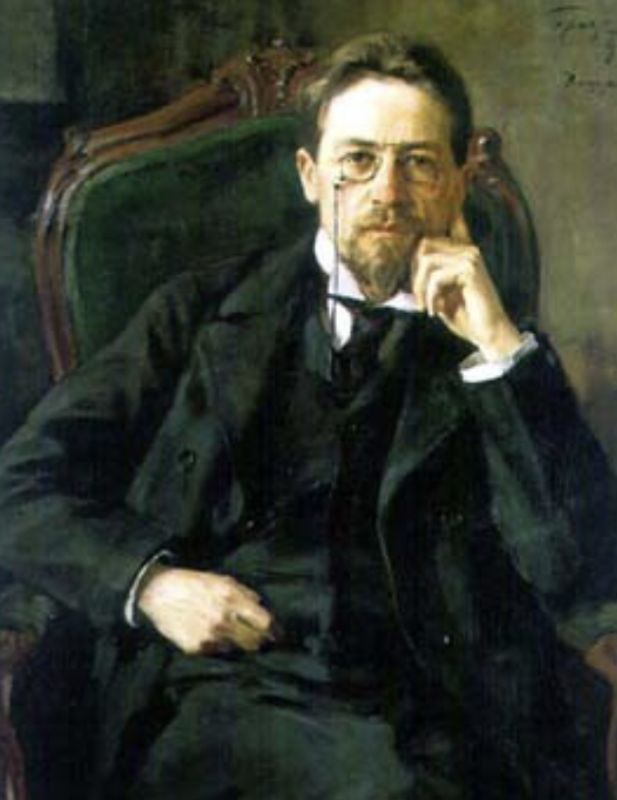
Anton Chekov
middle class
medical doctor
died of TB
“The Cherry Orchard”
“Uncle Vanya”
The Seagull”
“Three Sisters”
“The Wanderers”
group of artists who painted the "real life” of Russia
withdrew from the Prestigious Academy of the Arts
traveling art exhibits
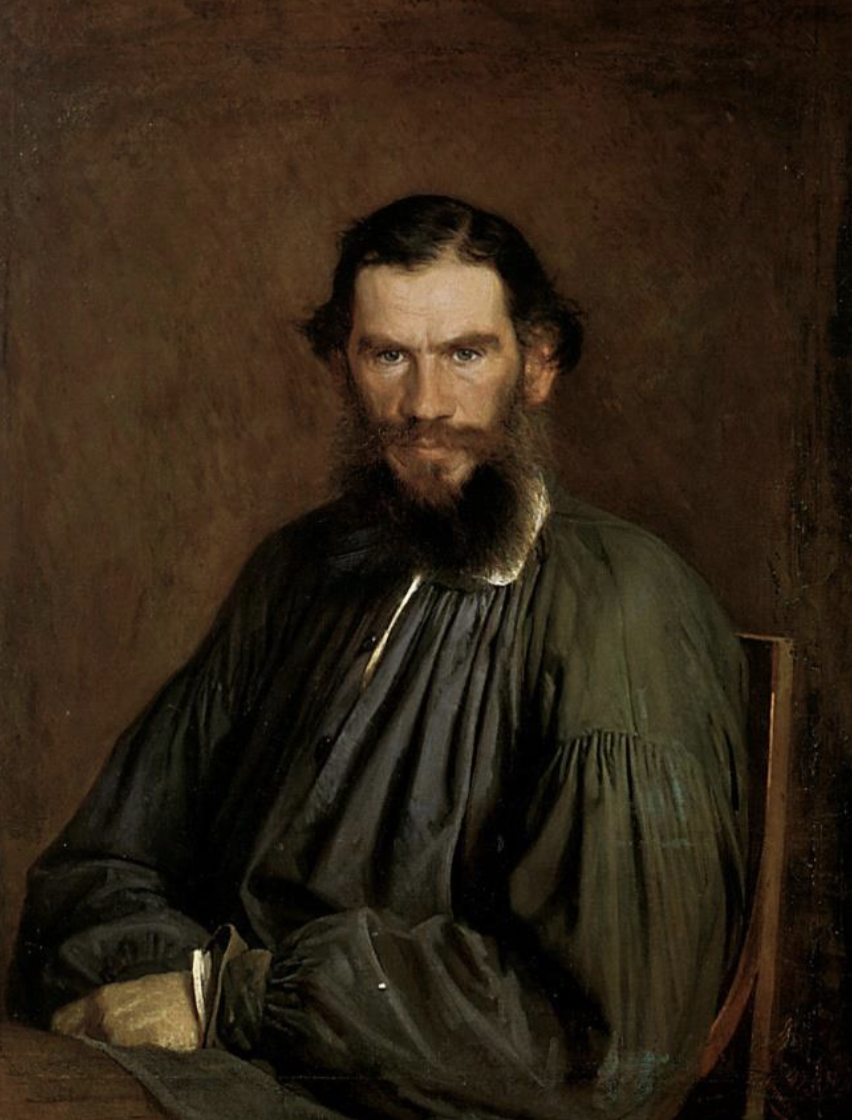
Ivan Kramskoy
portrait of Leo Tolstoy
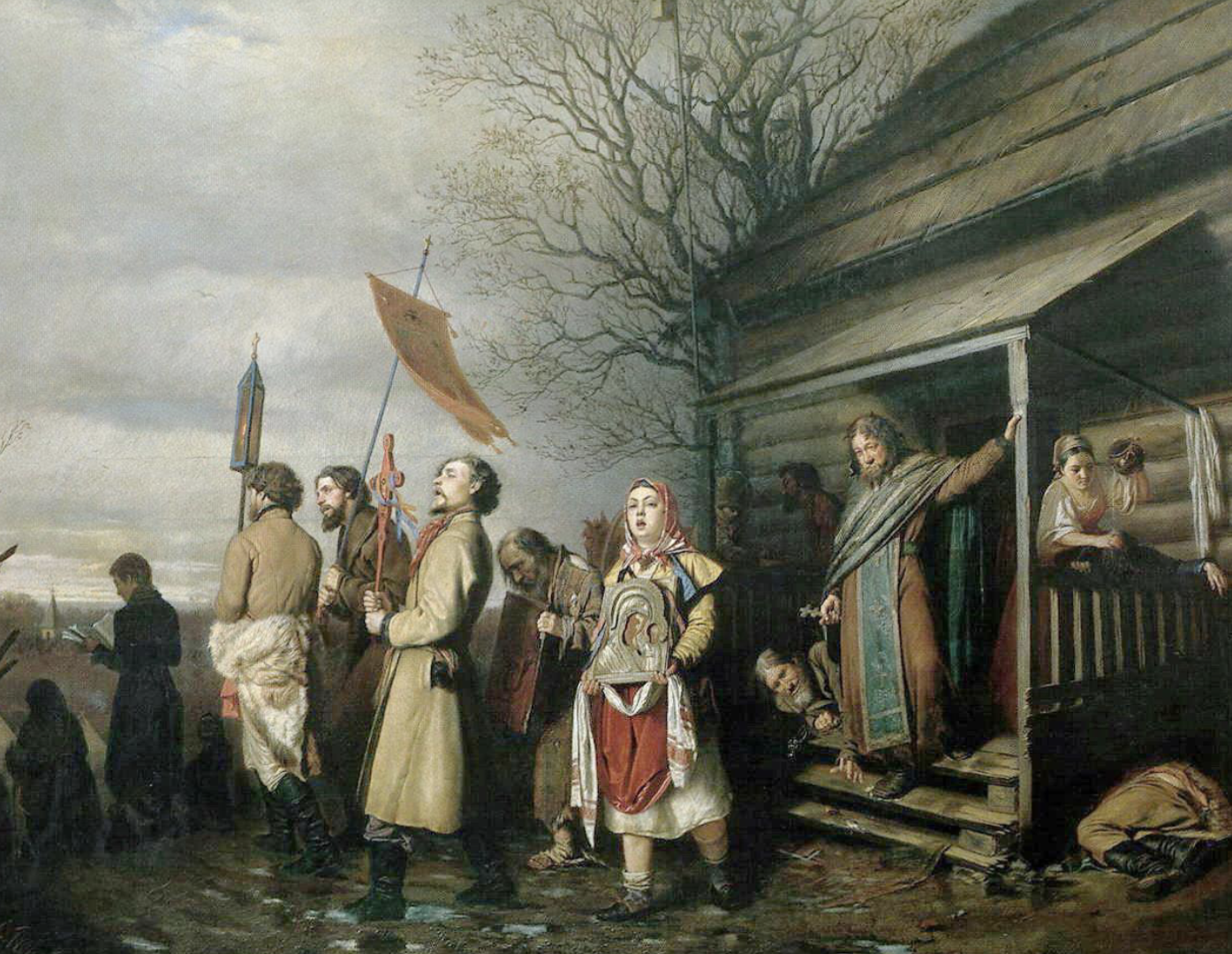
Vasily Perov
“The Easter Procession”
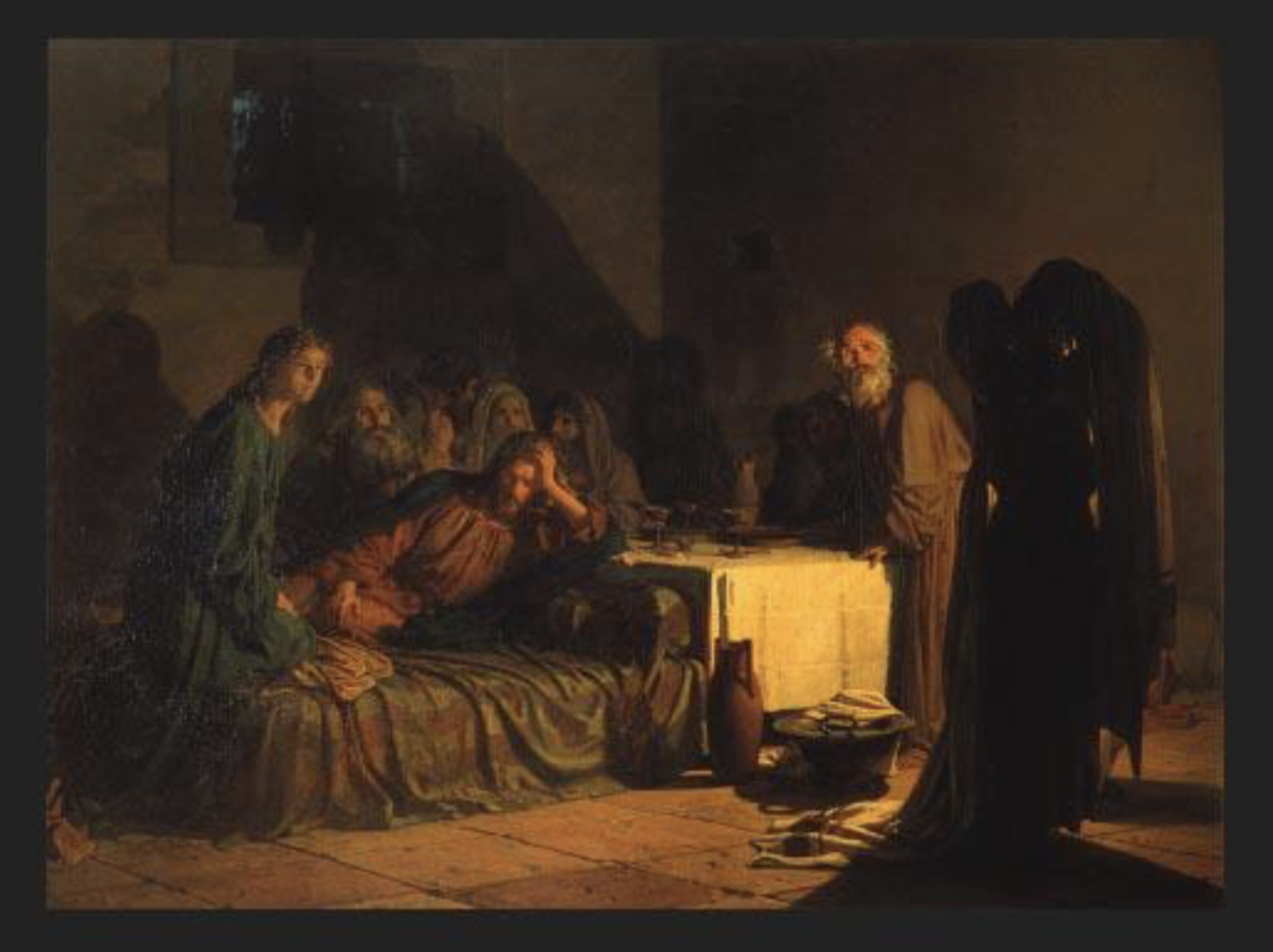
Nikolai Ge
“The Last Supper”
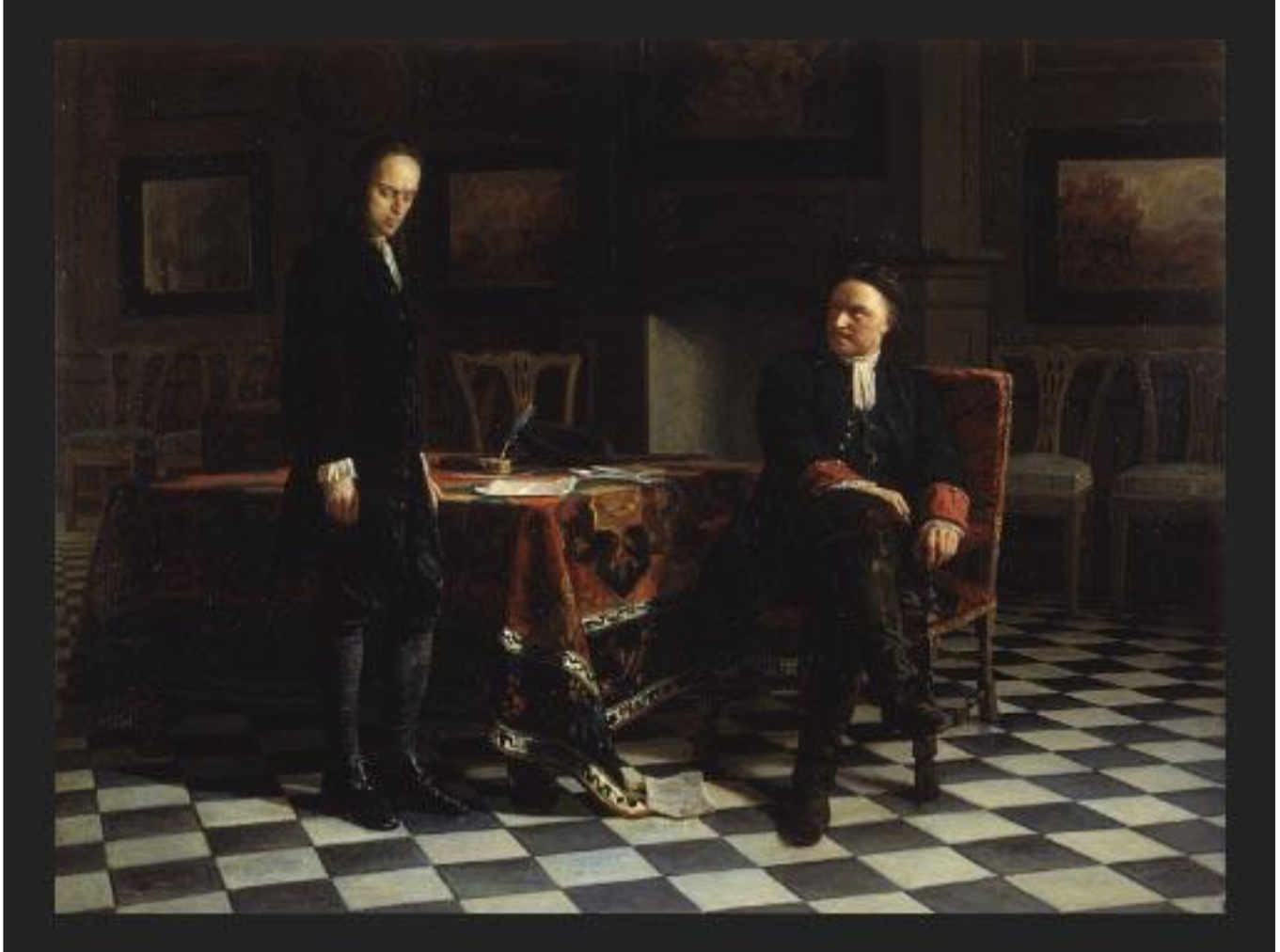
Nikolai Ge
“Peter the Great Interrogating the Tsarevich Alexey”
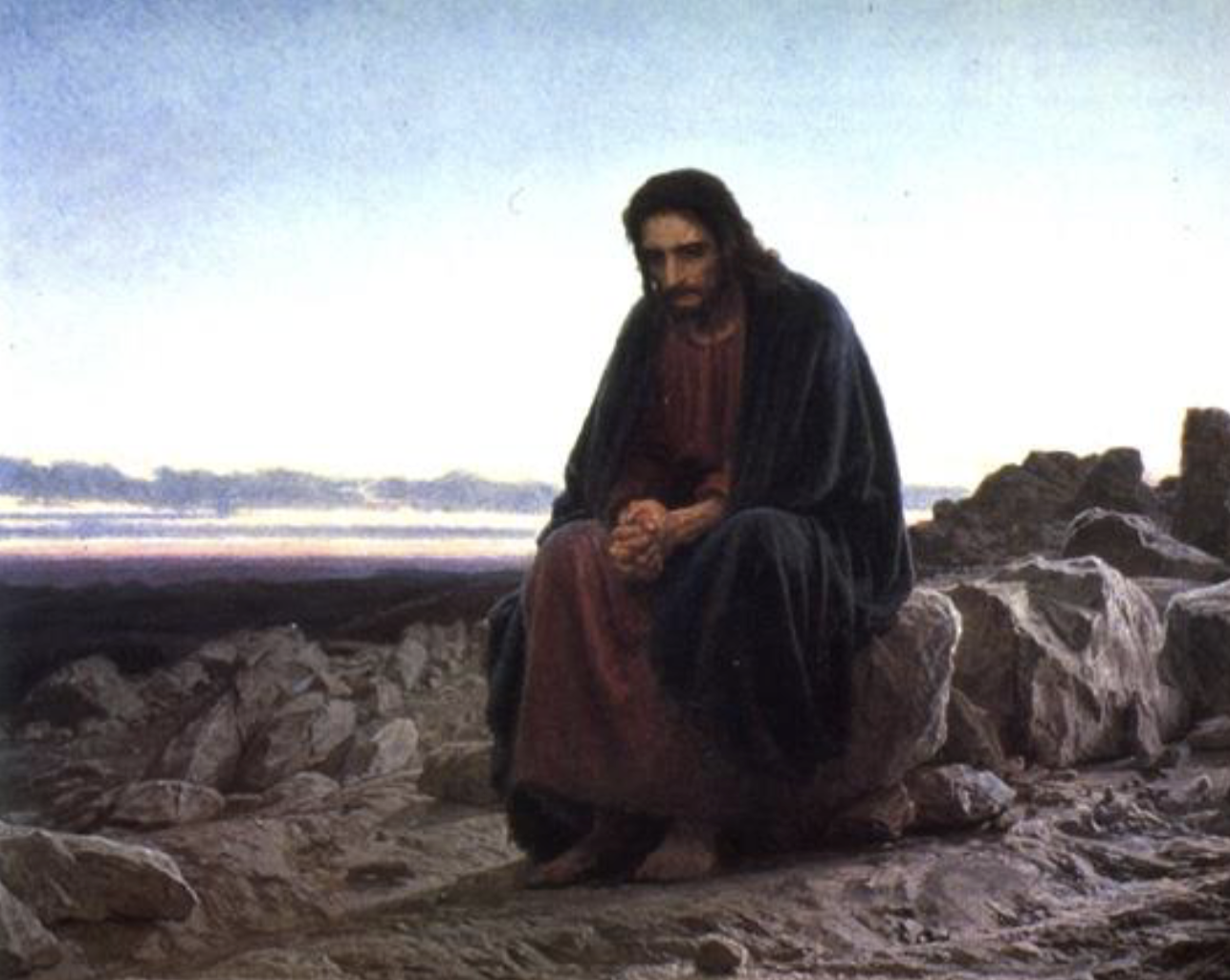
Ivan Kramskoy
“The Temptation of Christ”
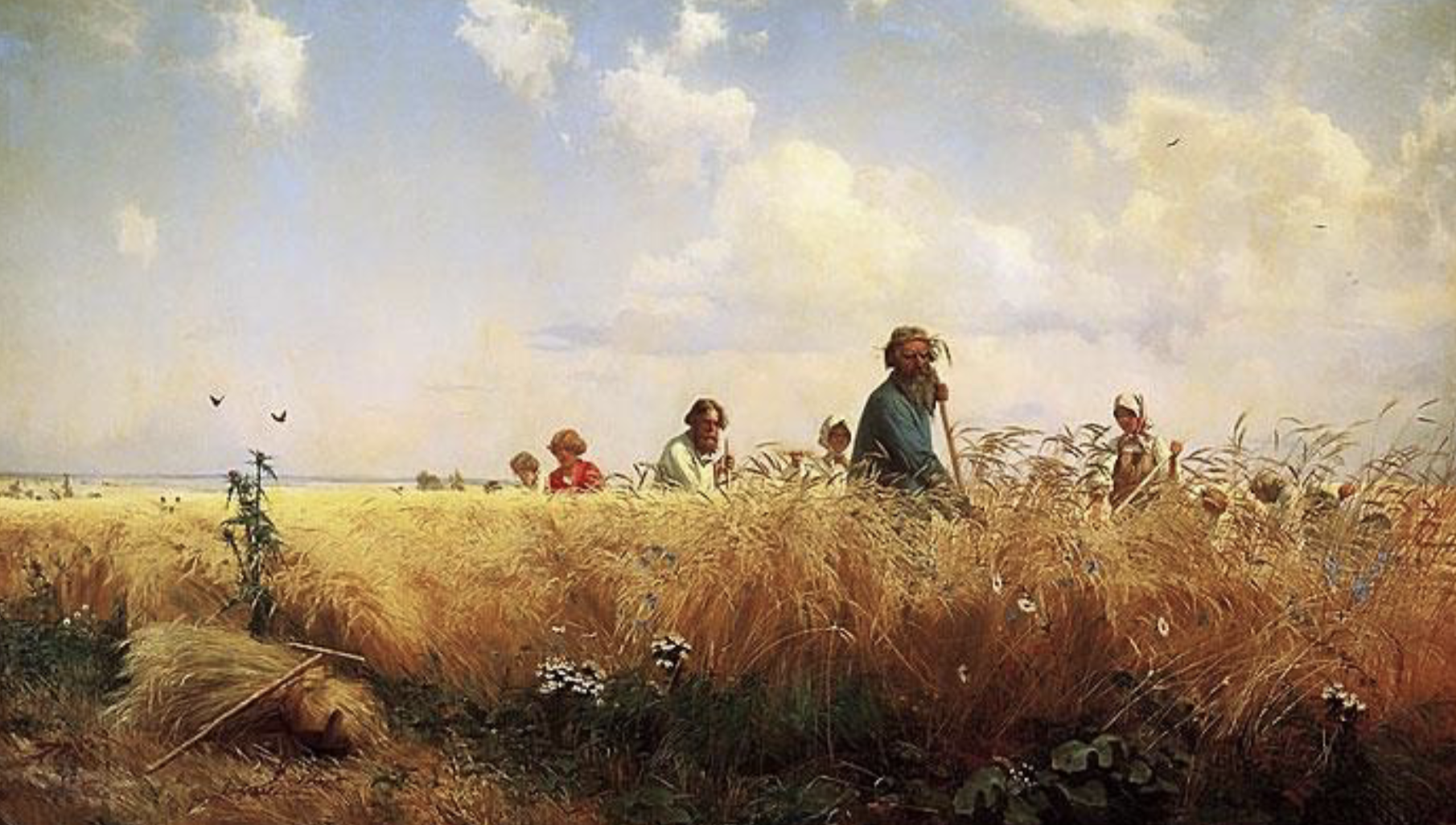
Grigory Mysoyedov
“Mowers”
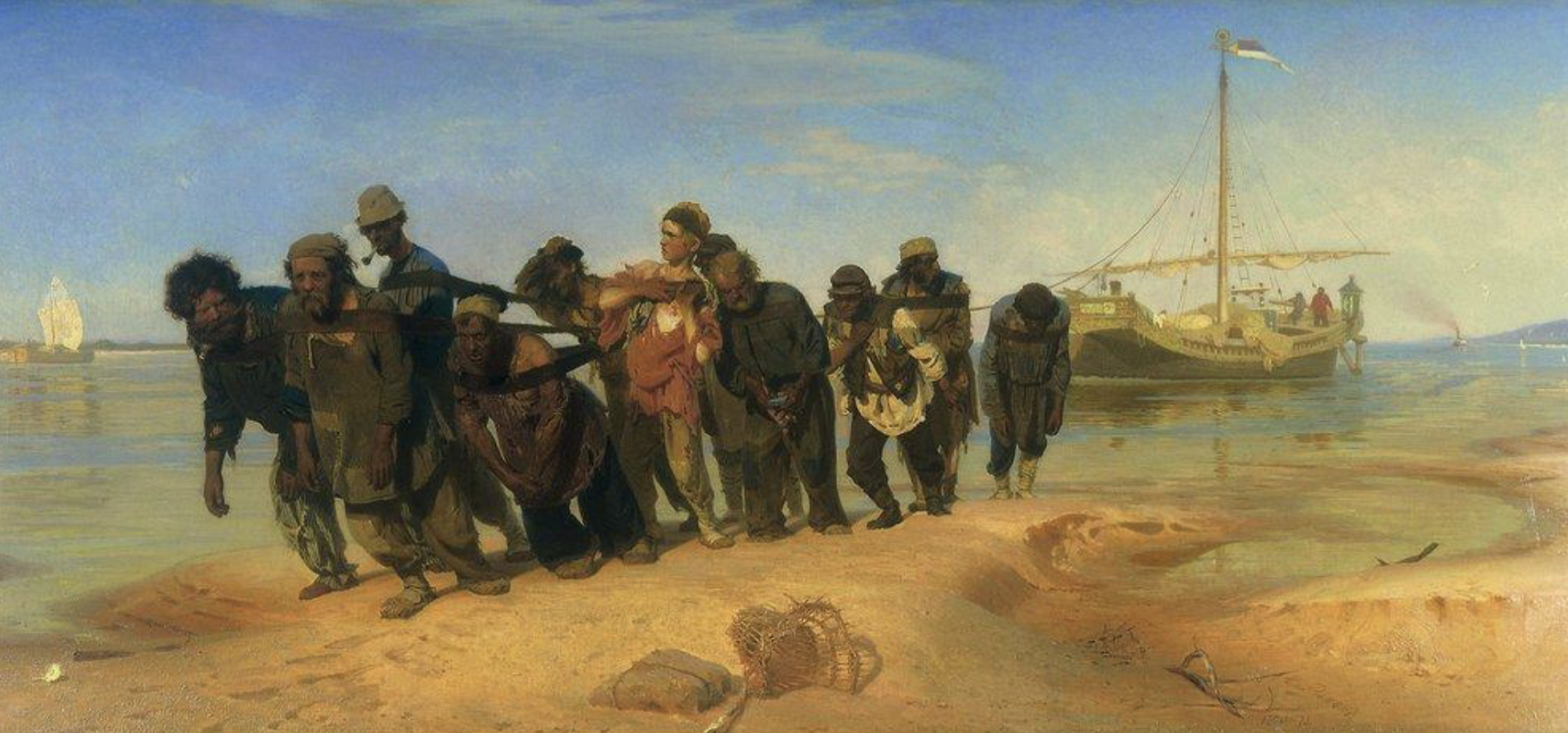
Ilya Replin
Bargemen”
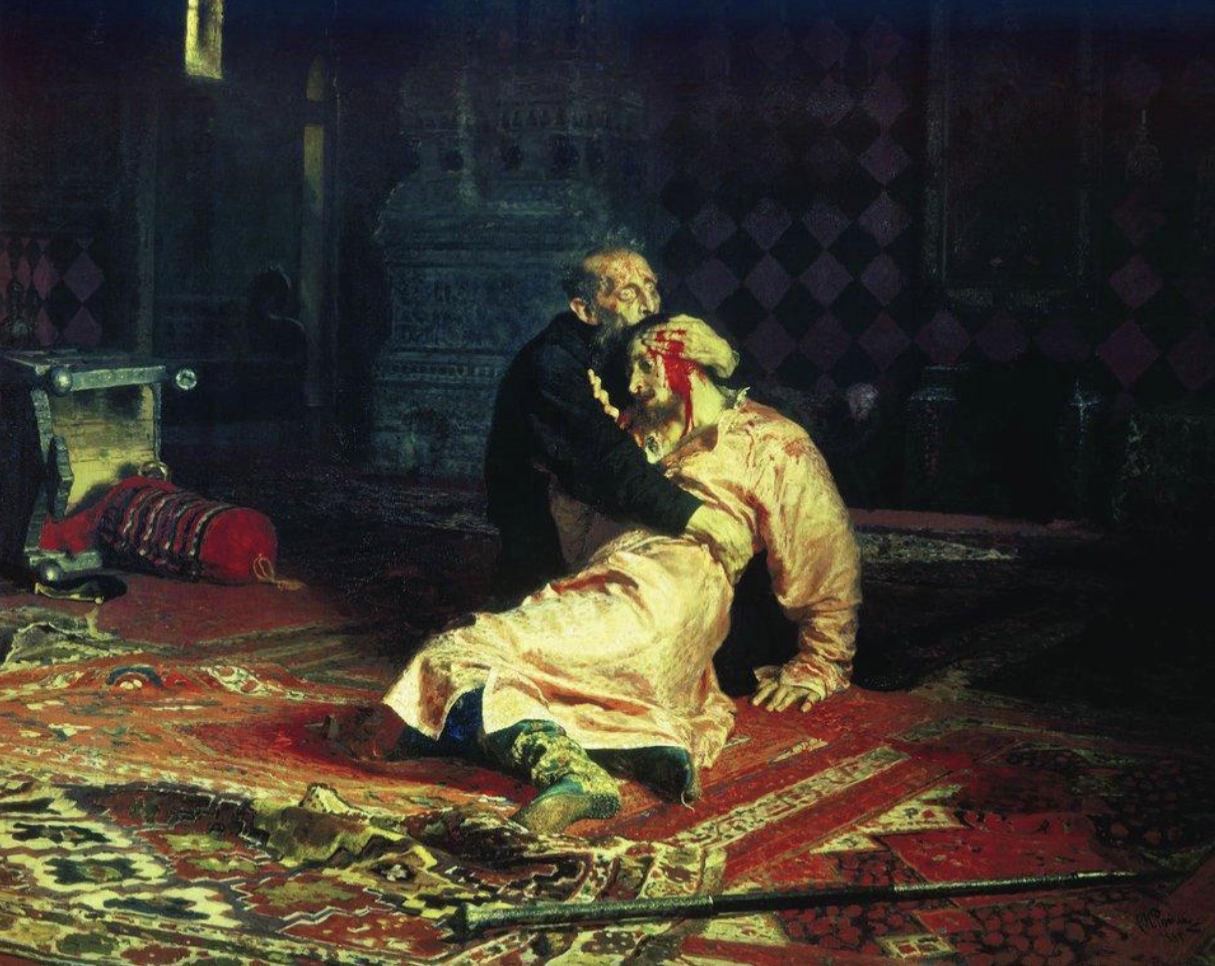
IIya Replin
“Isar Ivan IV with the body of his son Ivan”
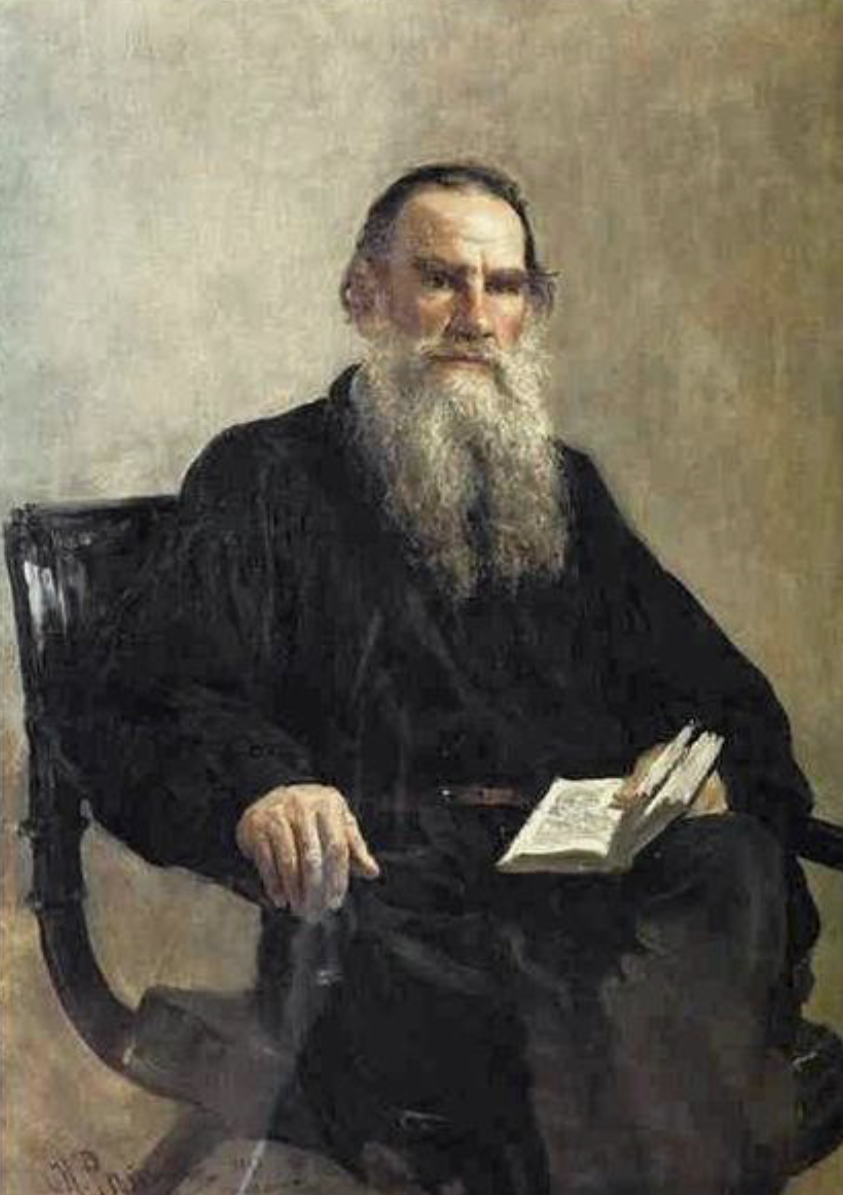
Ilya Replin
portait of Leo Tolstoy
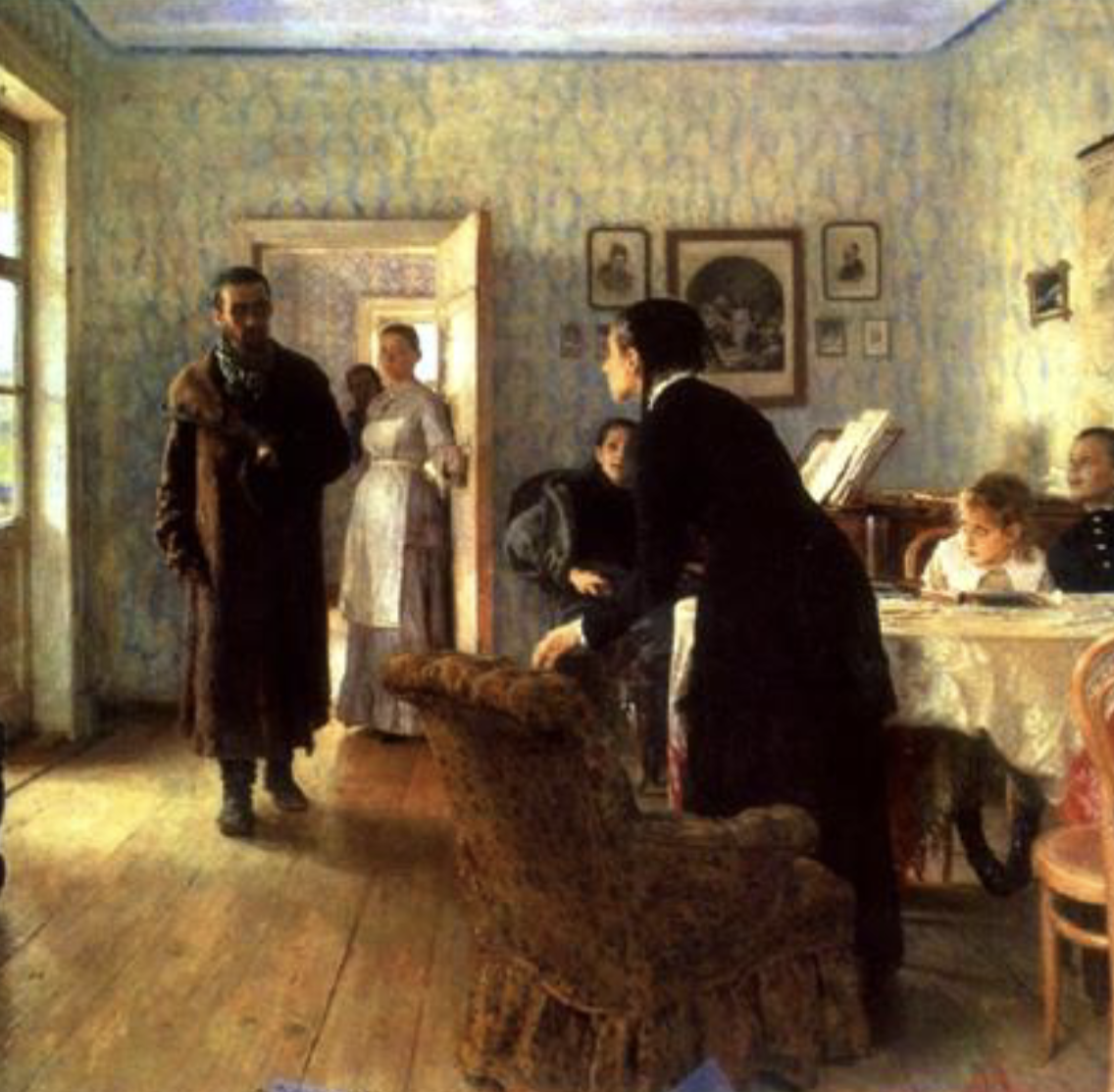
Ilya Replin
“They did not expect him”
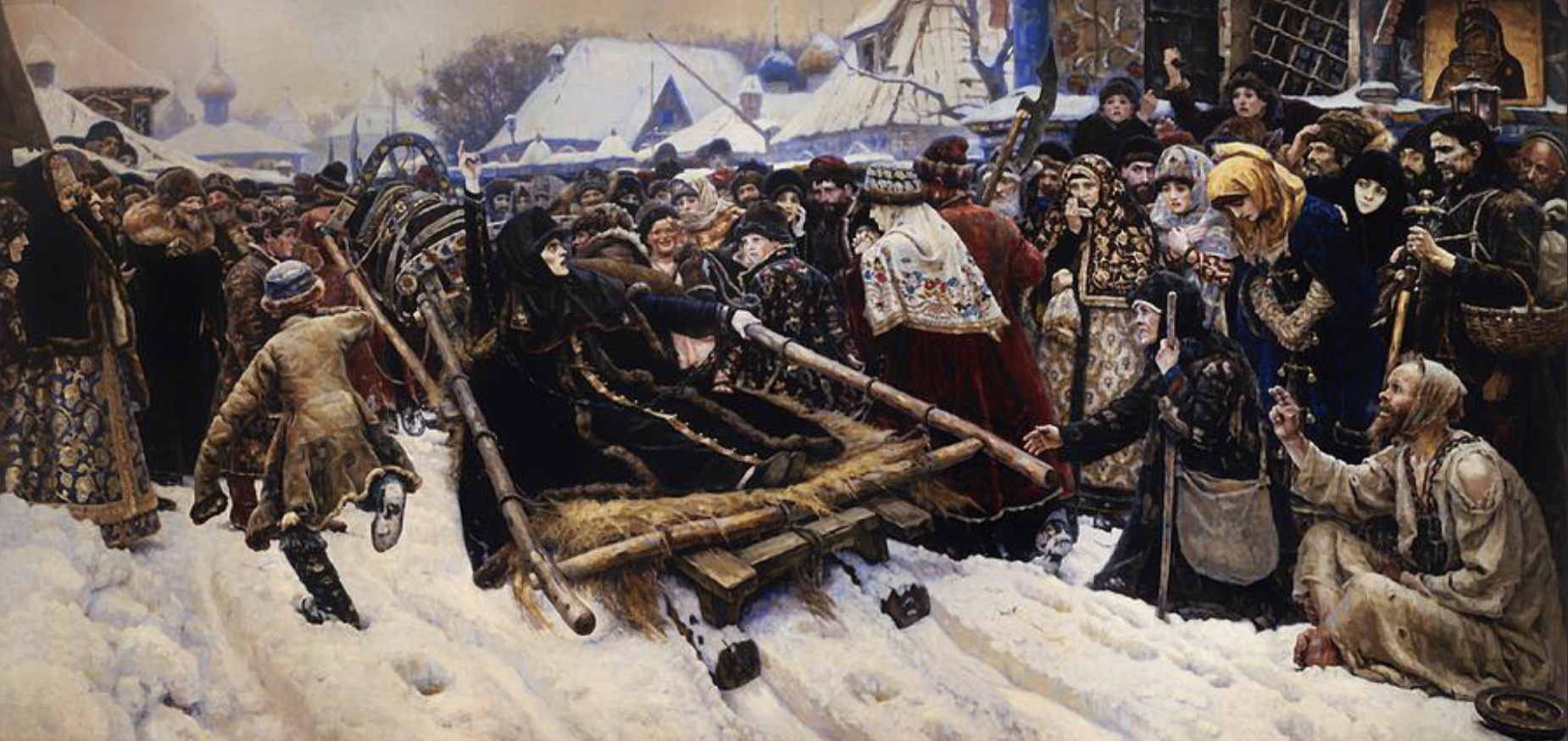
Vasily Surikov
“Boyarina Morozova”
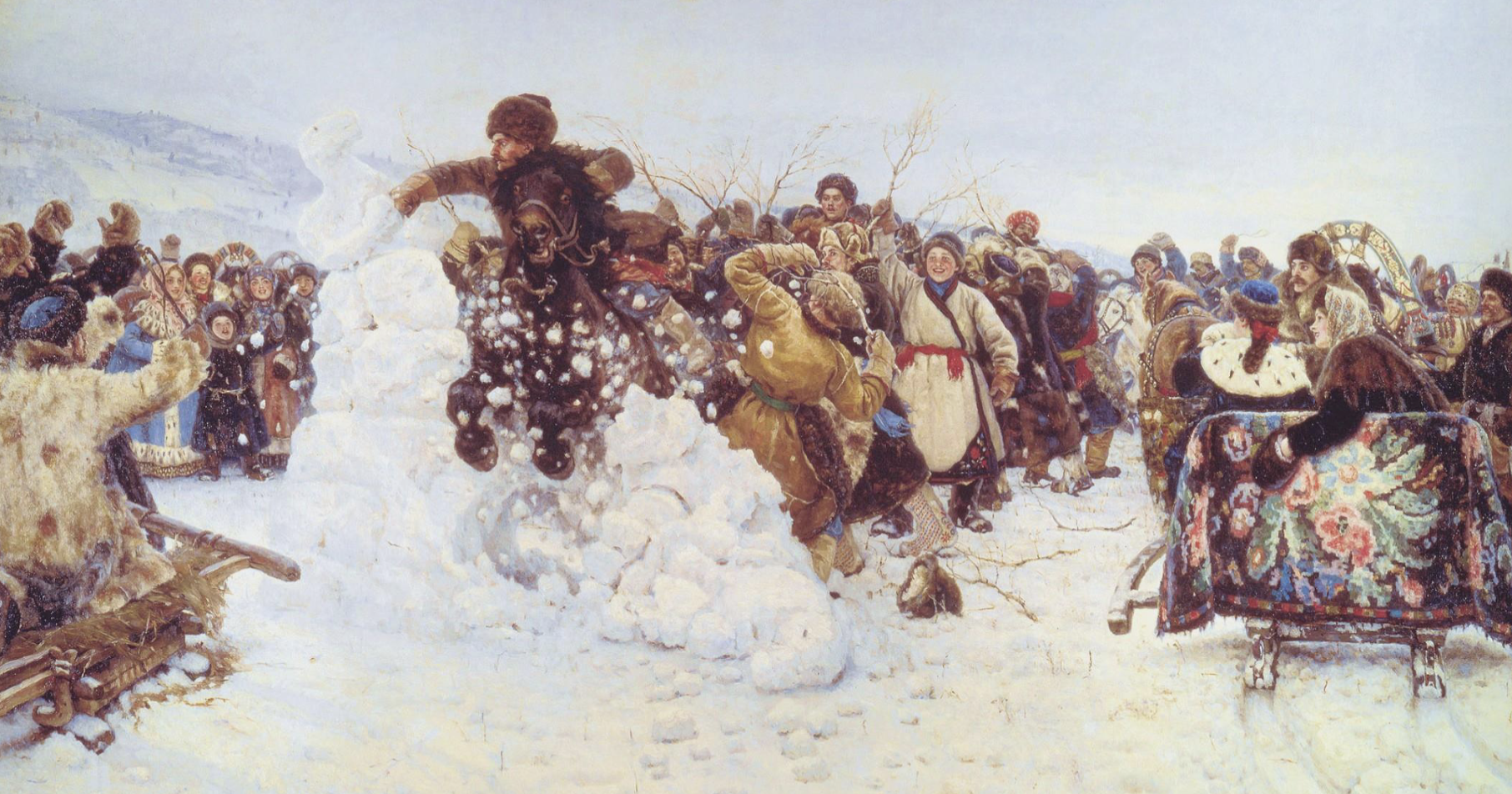
Vasily Surikov
“The Taking of a Snow Fortress”
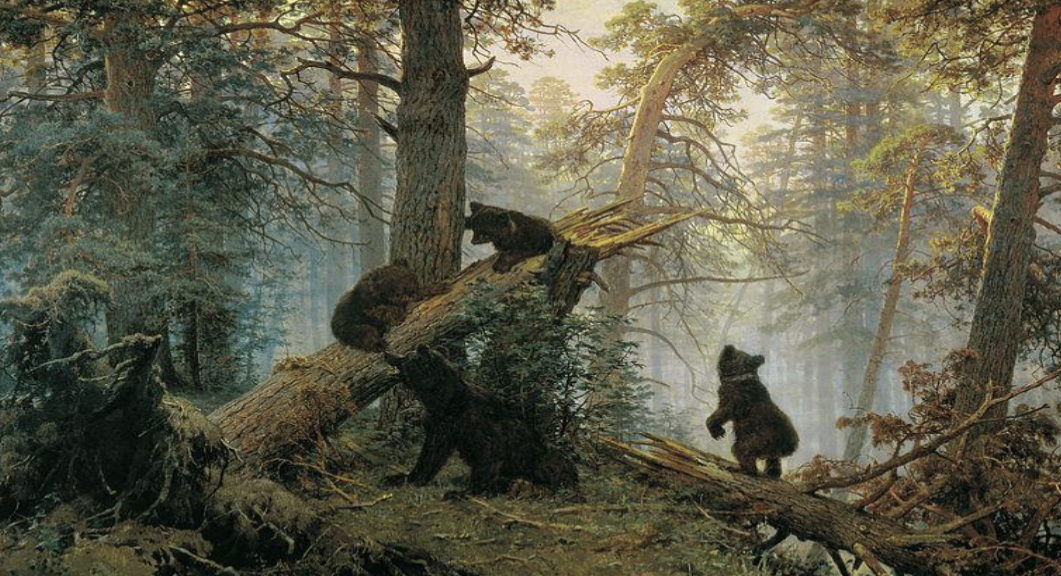
Ivan Shishkin
“Morning in a Pine Forest”
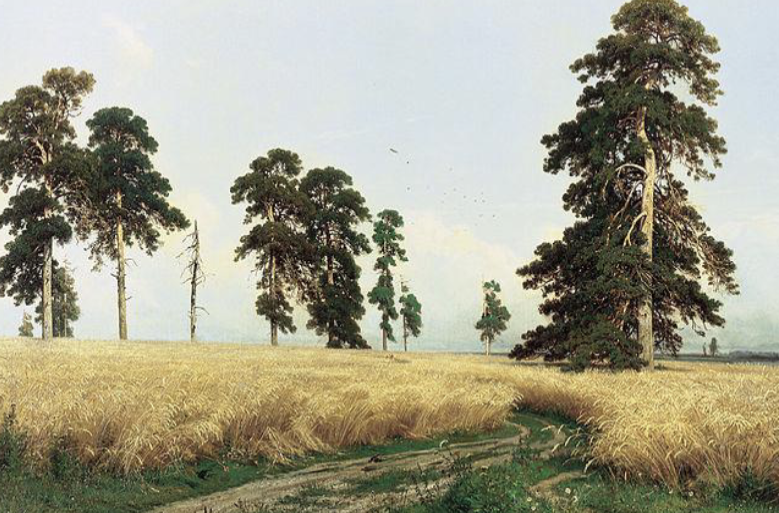
Ivan Shiskin
“Rye”
Pavel Tretyakov
Art Aficionado
Art Merchant
wealthy merchant
supported “The Wanderers”
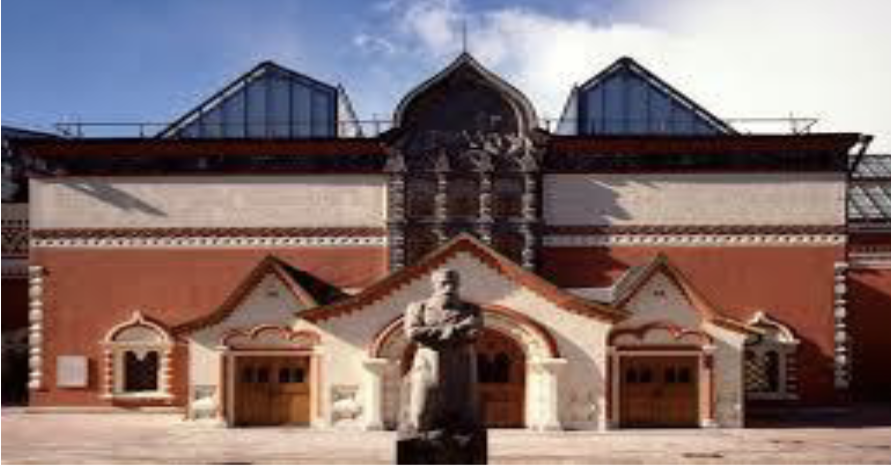
The Tretyakov Gallery
art museum in Moscow
Tretyakov’s house
The Mighty Handful
formed in 1856
five composers were self taught and had other jobs in addition to their passion for music
Russian music
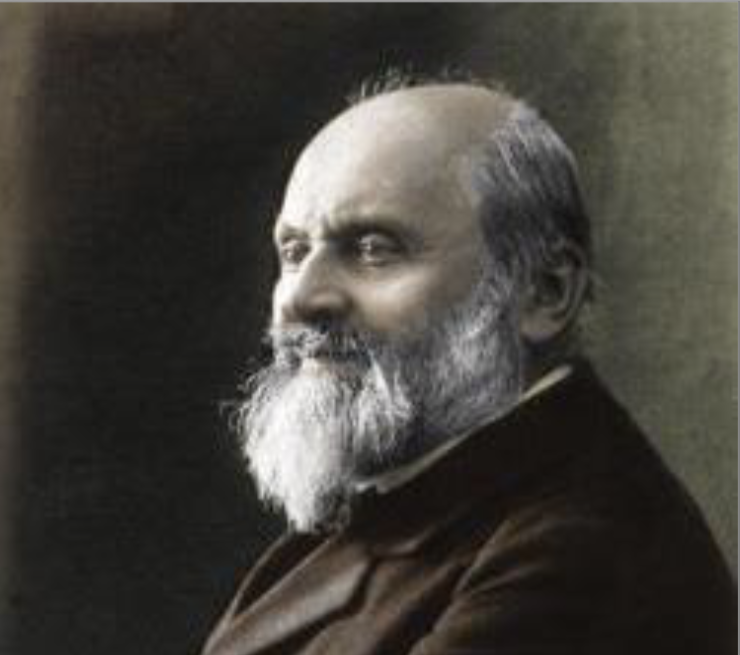
Mili Balakirev
inspired by Mikhail Glinka
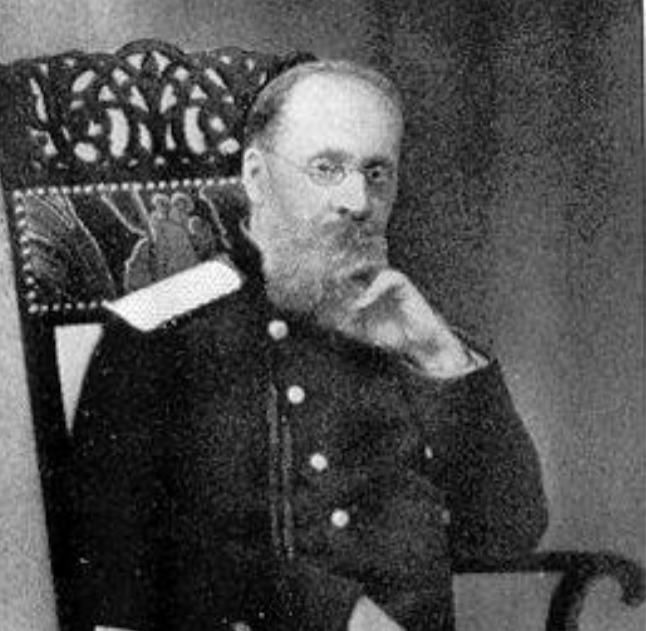
Ceasar Cui
military engineer for Lithuania
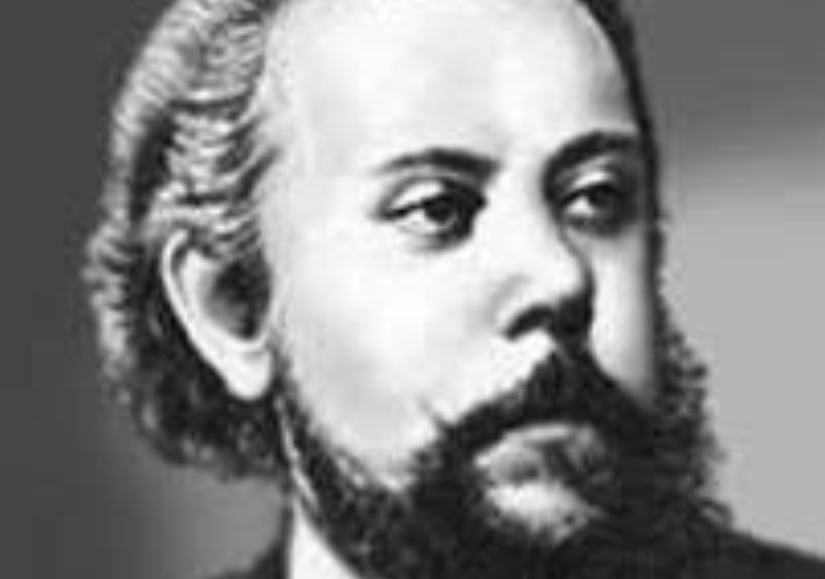
Modest Mussorgsky
Boris Godunov
Nikolai Rimsky-Korsakov
naval cadet
3 year graduation cruise with Imperial Navy
Snow Maiden
The Tale of Tsar Sultan
Alexander Borodin
enrolled in med school
devoted to science and medicine
Prince Igor
most famous of the five
Alexander Borodin
Modest Mussorgsky
Nikolai Rimsky-Korsakov
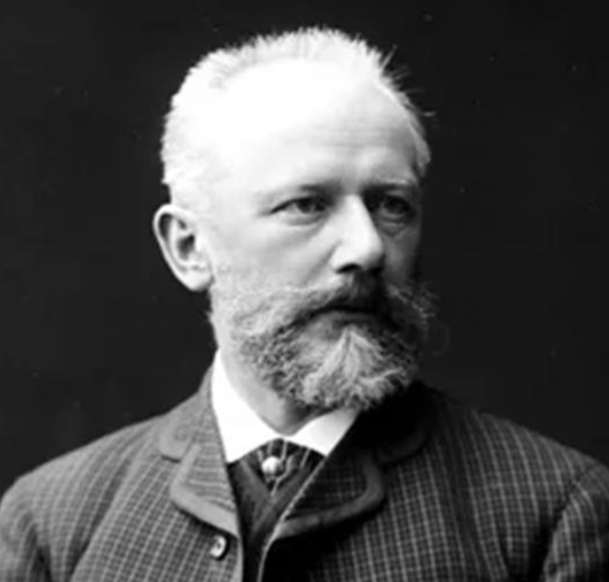
Peter Tchaikovsky
reading music at 8
went to military boarding school
St. Petersburg Conservatory for music
married a student
cholera/suspected suicide
collaborated with Petipa- french ballerino and chereographer
combined Western and Russian styles
Tcaikovksy’s work
Romeo and Juliet
Swan Lake
The Queen of Spades
The Nutcracker
The Sleeping Beauty
Opera Houses in St. Petersburg
4
Opera houses
St. Petersburg
Moscow
Tifilis
Odessa
Kiev
permanent companies
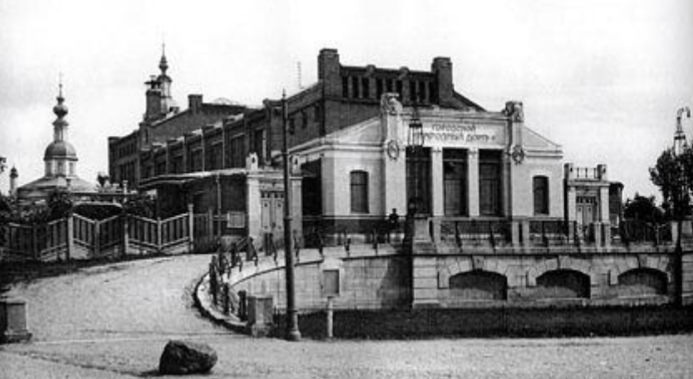
Naradny Dom (People’s Palace)
built by Nicholas II
cheaper
St. Petersburg
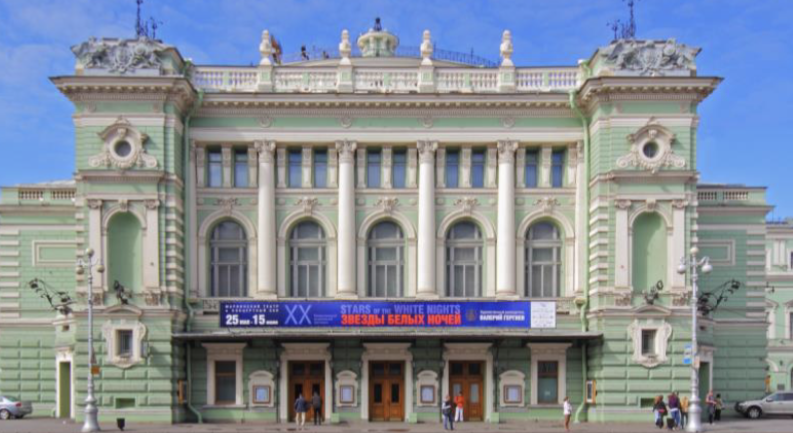
Maryinsky Theatre
St. Petersburg
Alberto Cavos
crystal chandeliars
blue velvet chairs
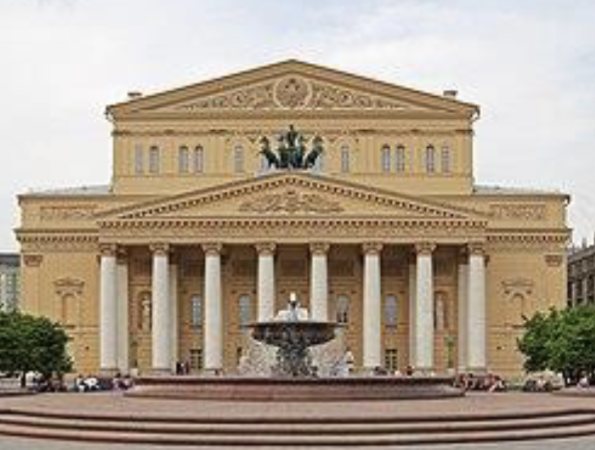
Bolshoy Theatre
Moscow
premeired: The Snow Maiden and The Maid of Pskov
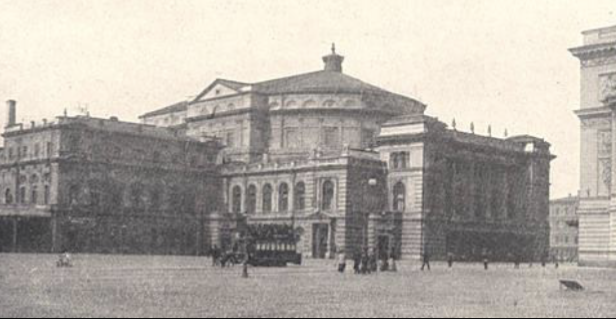
The Imperial Ballet
designed by Carlo Rossi
Neoclassical style of Alexander I
high competitive
ballerinas had military status
doctor examinations
sing a scale and read music is a requirement
own chapel, choir, and theatre
uniforms
also learned math, literature, history and languages
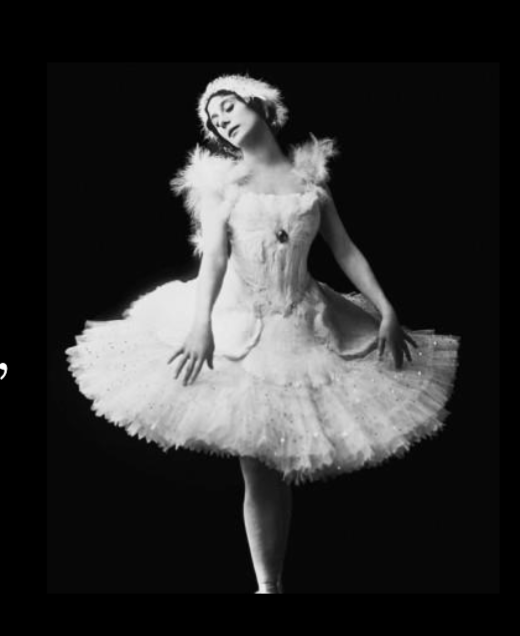
Anna Pavlova
ballerina and cheographer
Vaslav Nijinsky
one of the most gifted mall dancers
went crazy
“The World of Art”
journal and artistic movement
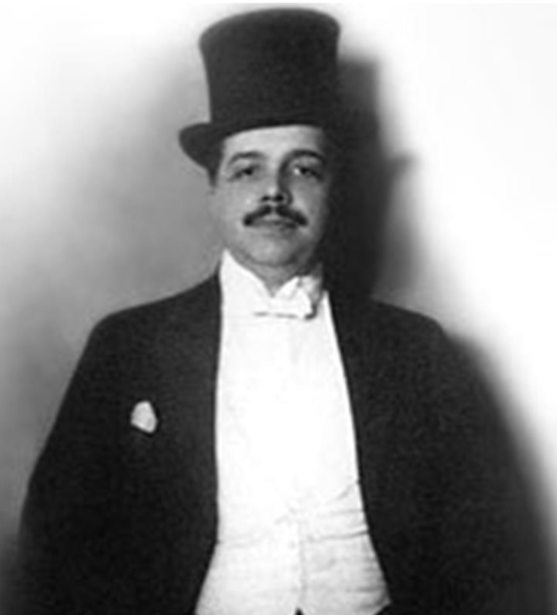
Sergei Diaghilev
key founder of the World of Art
gay
compared to looking like a skunk due to the white streak in his hair
revolutionized theatre, music, dance, and art
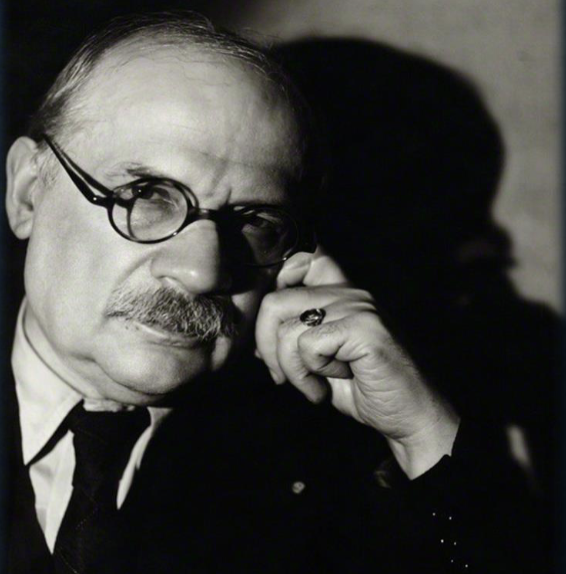
Alexander Benois
artist, historian, and art critic
scenic designer for Marlinksy Theatre
stage designed Ballet Russes in Paris
Leon Baskt
portait of Sergei
 Note
Note  Flashcards (31)