Signal Transduction in Cell Signaling: GPCRs, G Proteins, and Effector Pathways
 Studied by 2 people
 Call Kai
 Learn
Learn Practice Test
 Spaced Repetition
 Match
Match Flashcards
 Knowt Play
1/26

There's no tags or description
Looks like no tags are added yet.
Name | Mastery | Learn | Test | Matching | Spaced | Call with Kai |
|---|
No analytics yet
Send a link to your students to track their progress
27 Terms
What is signal transduction?
The process by which cells respond to extracellular signaling molecules through receptors.
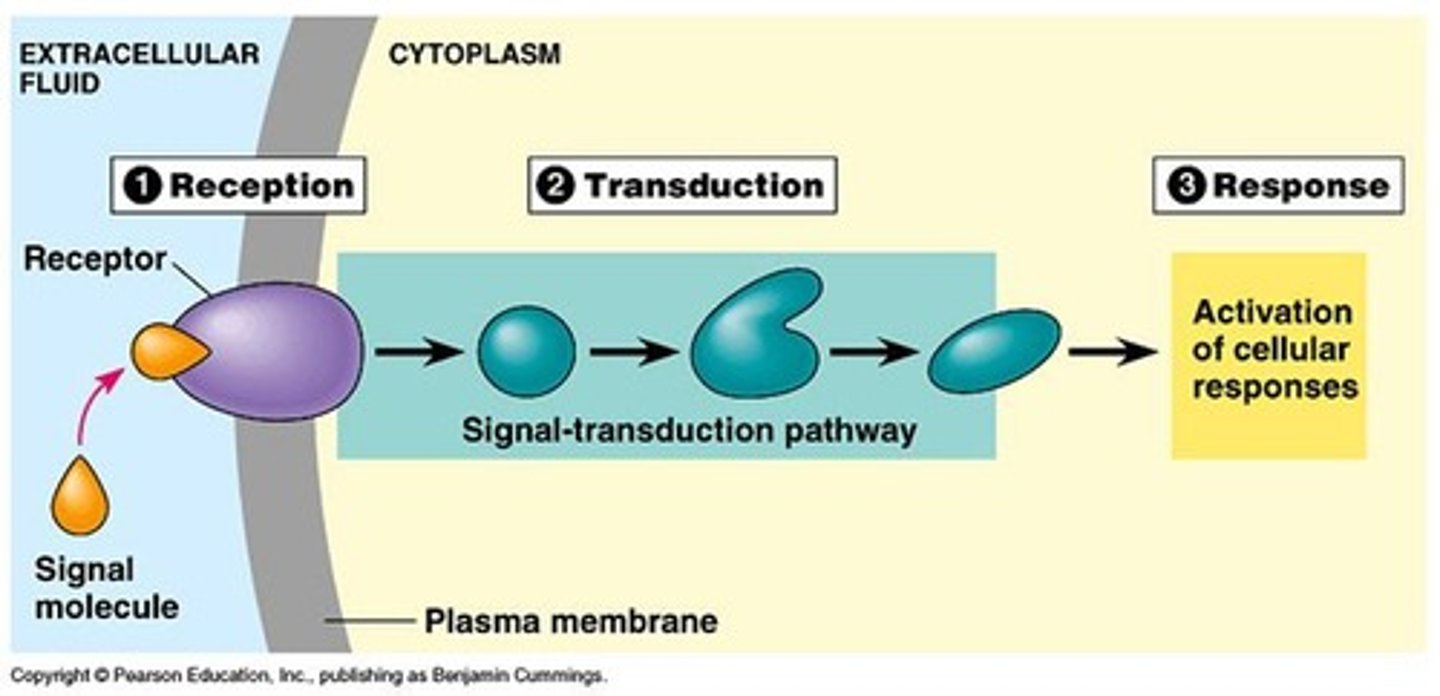
What types of receptors are involved in signal transduction?
Intracellular receptors for steroid hormones and cell-surface receptors for most extracellular signaling molecules.
What are the three superfamilies of cell-surface receptors?
G protein-coupled receptors, ligand-gated ion channels, and receptors with intrinsic enzymatic activity.
What is the role of agonists in GPCR signaling?
Agonists bind to receptors and activate them, leading to intracellular signal transduction events.
What is the function of antagonists in GPCR signaling?
Antagonists bind to receptors but do not activate them, blocking the effects of agonists.
How many GPCRs are identified in the human genome?
Over 800 GPCRs.
What is the basic structure of GPCRs?
A single polypeptide chain with 7 transmembrane spanning regions.
What types of stimuli can GPCRs respond to?
Ions, neurotransmitters, peptide and non-peptide hormones, and large glycoproteins.
What are the two regions of GPCRs responsible for ligand binding?
Transmembrane domains and the N-terminal region.
What happens to GPCRs upon ligand binding?
They undergo a conformational change that activates G proteins.
What is a G protein?
A guanine nucleotide-binding protein made up of three subunits: alpha, beta, and gamma.
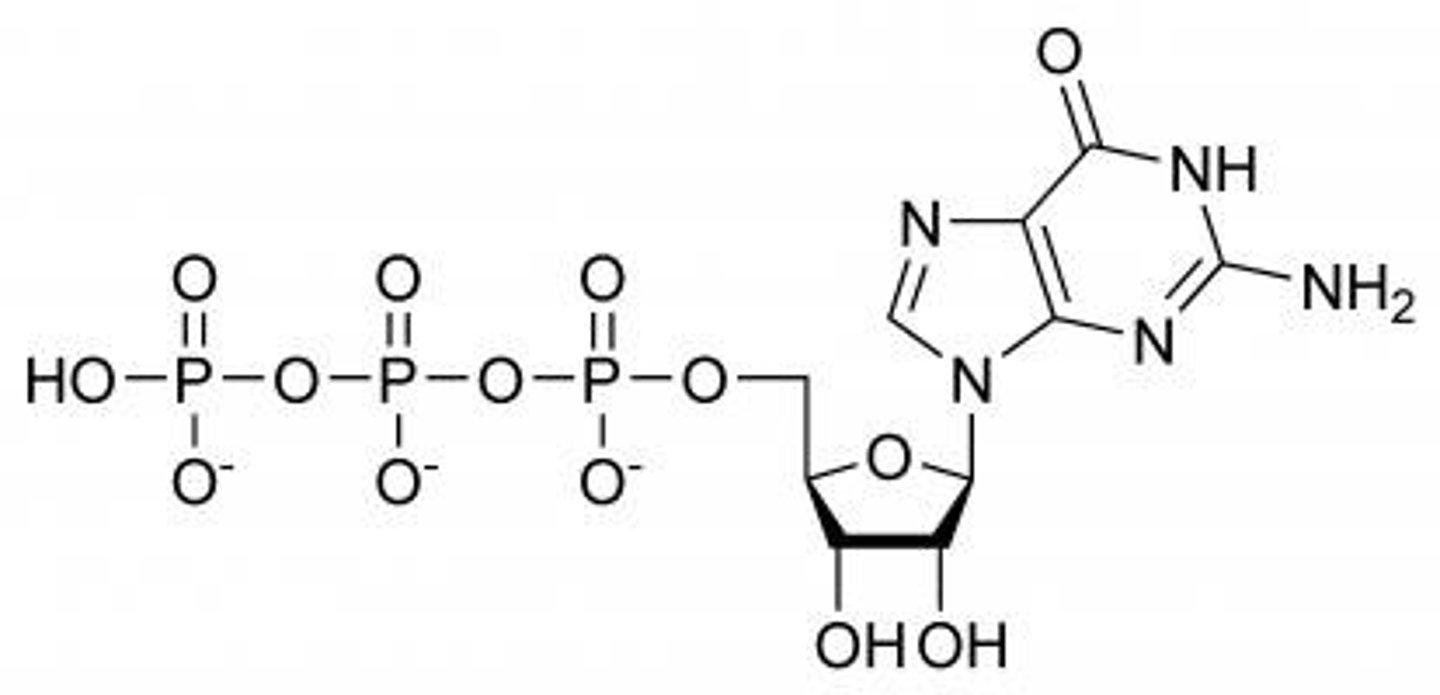
What is the role of GTP in G protein signaling?
GTP binds to the G protein alpha subunit, activating it and allowing it to interact with effector proteins.
What is the effect of cholera toxin on G protein signaling?
It prevents the termination of signaling by Gs-preferring GPCRs, leading to prolonged activation.
What is the effect of pertussis toxin on G protein signaling?
It uncouples Gi-preferring GPCRs from their signaling pathways, inhibiting signal transduction.
What determines receptor-G protein selection?
The activated GPCR preferentially interacts with specific types of G proteins, primarily determined by the Gα subunit.
What are the most studied G protein types?
Gαs (stimulates adenylyl cyclase), Gαi (inhibits adenylyl cyclase), and Gαq (stimulates phospholipase C).
What is the significance of second messenger-generating enzymes?
They are activated by the dissociation of G proteins and play a crucial role in cellular signaling pathways.
What cellular responses can result from GPCR activation?
Responses can include contraction, secretion, proliferation, and differentiation.
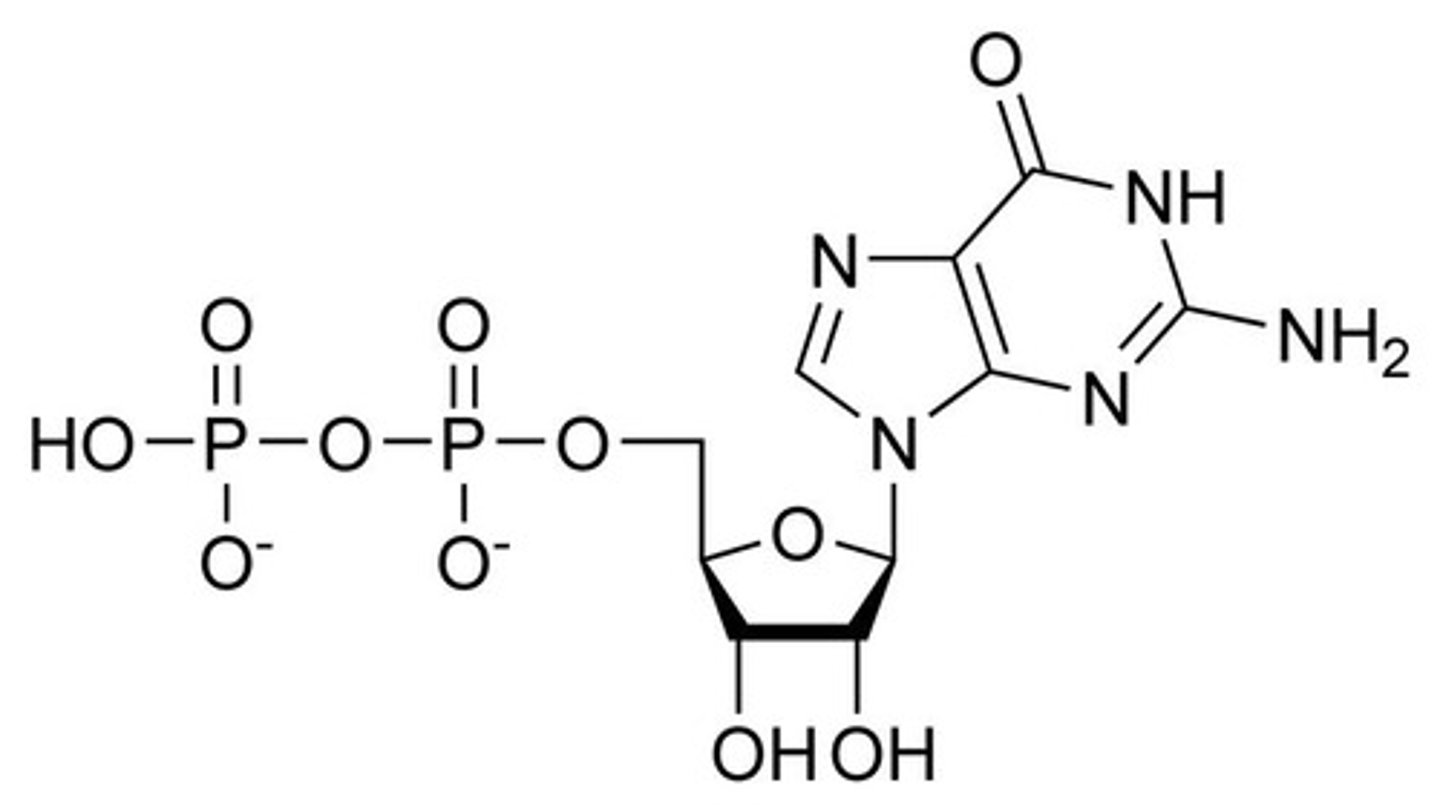
What is the role of GTPase in G protein signaling?
GTPase activity hydrolyzes GTP back to GDP, terminating the signaling process.
What is the importance of receptor-G protein-effector interactions?
They occur at the plasma membrane and are essential for translating extracellular signals into cellular responses.
What is the consequence of ligand binding to GPCRs?
It activates G proteins and initiates a cascade of signaling events within the cell.
What are the phases of pertussis infection?
Catarrhal, paroxysmal, and convalescent phases.
What is the role of the β2 adrenoceptor agonists?
They are used in anti-asthma treatments, examples include Salbutamol and Salmeterol.
What is the role of μ-opioid receptor agonists?
They are used for analgesia and anesthesia, examples include Morphine and Fentanyl.
What is the role of β adrenoceptor antagonists?
They are used to treat hypertension, examples include Propranolol and Atenolol.
What is the role of D2 dopamine receptor antagonists?
They are used as neuroleptics for anti-schizophrenic treatment, examples include Haloperidol and Sulpiride.
how do G proteins turn on?
The Normal "Reset" Mechanism (Hydrolysis)
Normally, a G protein cycles between an "on" and "off" state.
The "On" State: When a receptor is activated, the Gsα subunit releases GDP and binds GTP. This makes the protein active, allowing it to stimulate adenylate cyclase to produce cAMP.
The Hydrolysis (The Reset): Gsα has intrinsic GTPase activity, meaning it acts as an enzyme that can break down its own bound GTP. Through a hydrolysis reaction, the protein uses a water molecule to cleave the terminal (gamma) phosphate from GTP, converting it into GDP.
The "Off" State: Once converted to GDP, the Gsα subunit undergoes a shape change that makes it inactive. It then stops stimulating adenylate cyclase and reattaches to its partner subunits (Gβγ), ending the signal
 Note
Note  Flashcards (106)