BUS 312 - M2 formulas
 Studied by 1 person
 Call Kai
 Learn
Learn Practice Test
 Spaced Repetition
 Match
Match Flashcards
 Knowt Play
1/36

There's no tags or description
Looks like no tags are added yet.
Name | Mastery | Learn | Test | Matching | Spaced |
|---|
No study sessions yet.
37 Terms
Selling after 1 year
P0 = (d1+P1)/(1+re)
The next buyer sells after 1 year
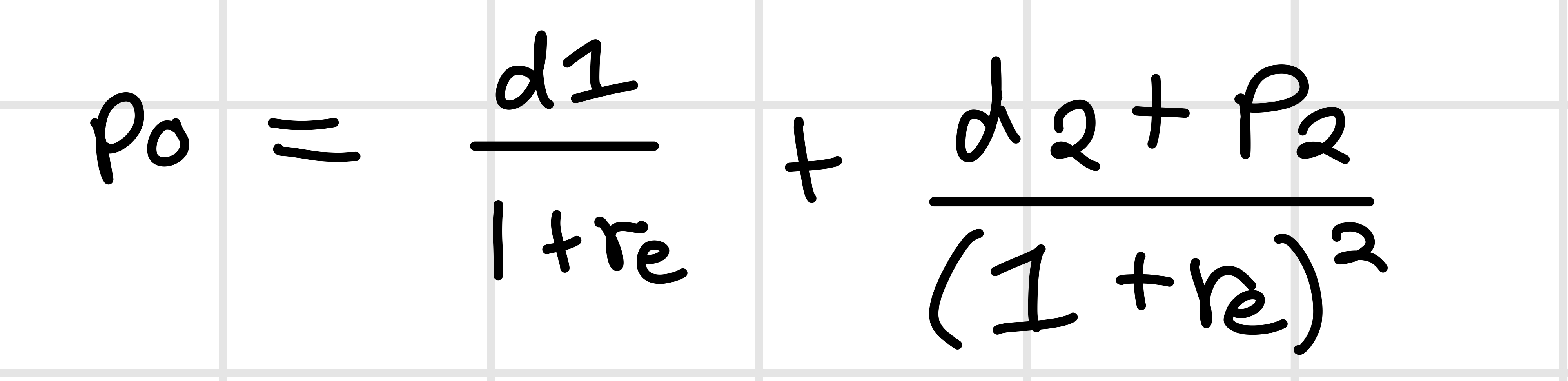
Multiple Cash flow discounting
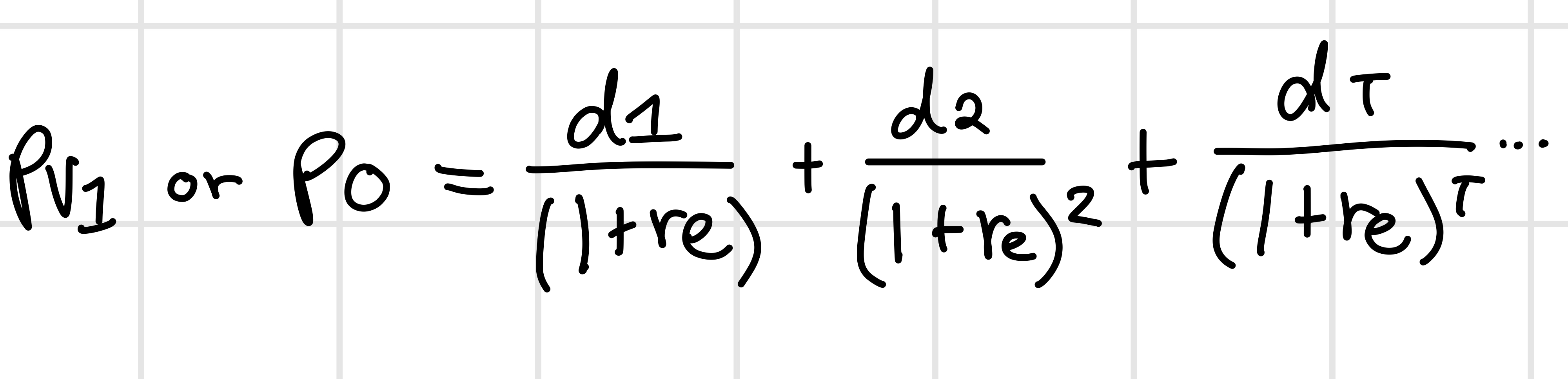
perpetuity for constant dividend
P0 = d/re
or
re = d/P0
Growing perpetuity for dividend growth model
Pt = dT/(re - g)
or
re = (dT/Pt) + g
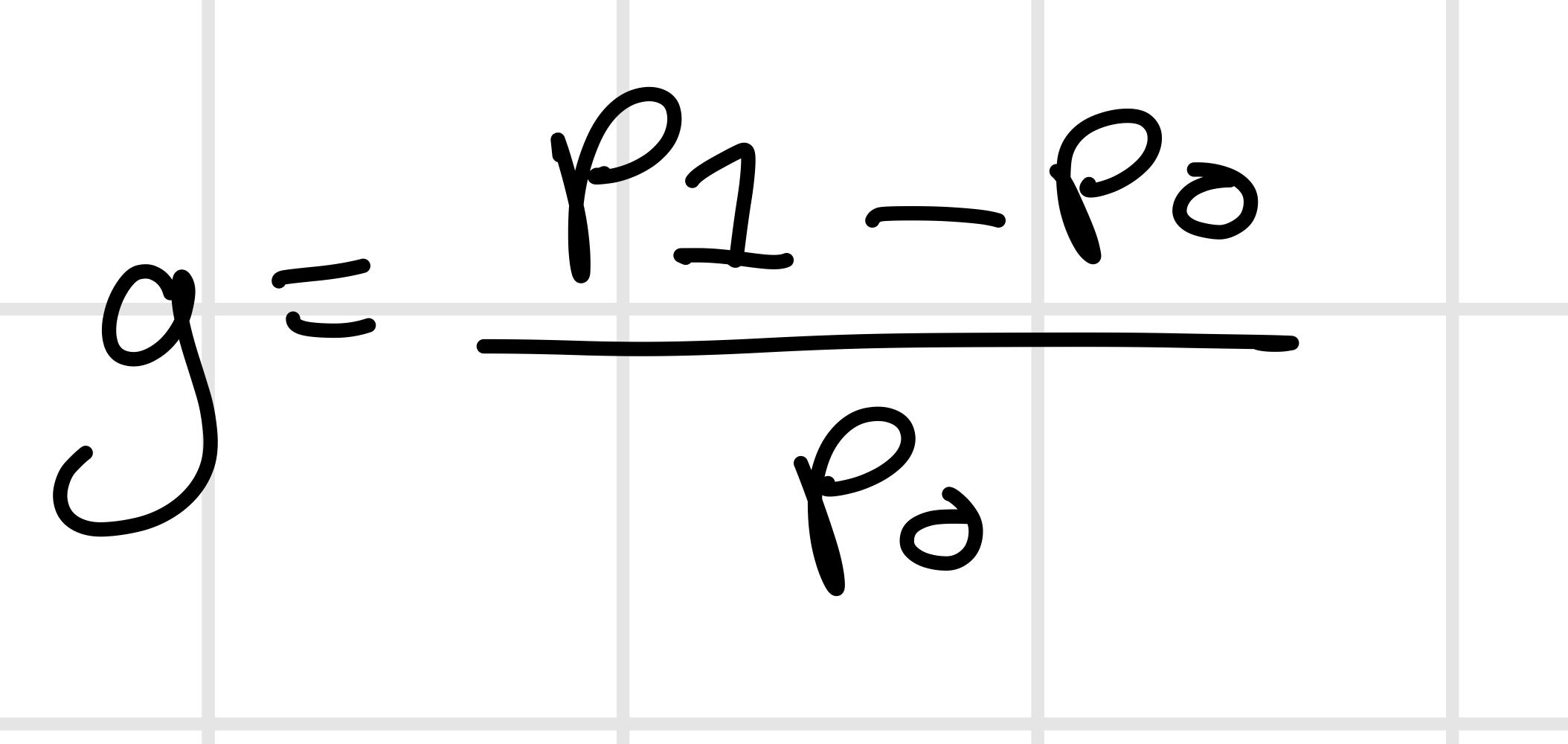
Capital gain rate
Payout ratio
d1/E1
Forward price earning ratio
P0/E1
Expected dividends
dt + 1 = d0 x (1+g)^T
P(Total)
PV1 + PV2
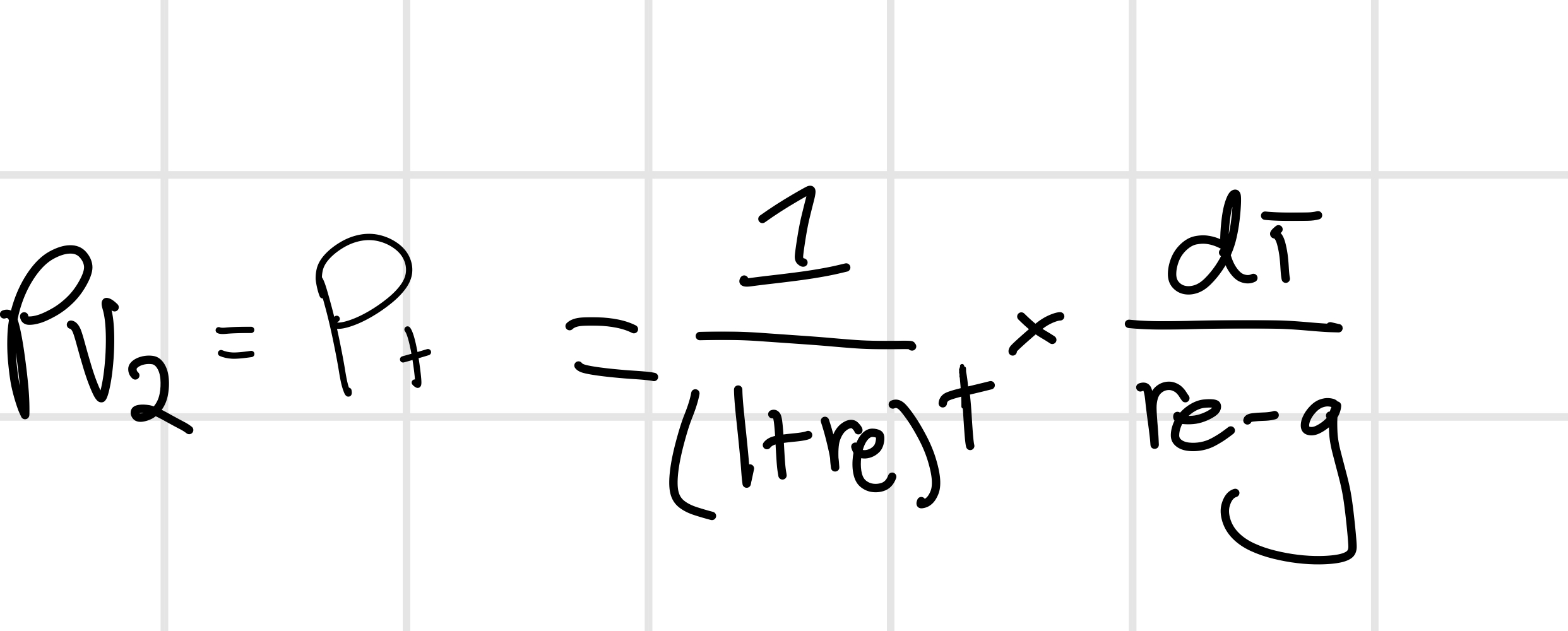
Delayed growing perpetuity (second stage)
Stock price
ESP x P/E ratio
P/E ratio
Price to earnings per share share
NPV
PV(benefits) - PV(costs)
PV (multiple)
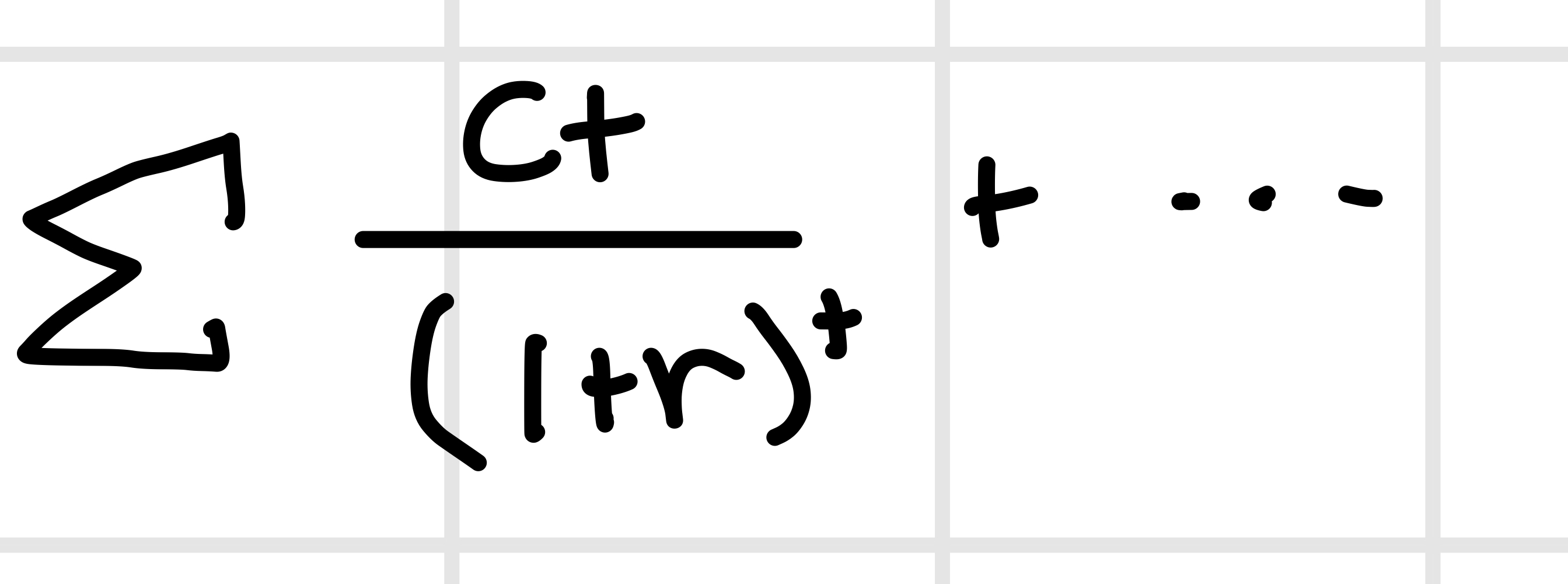
PV
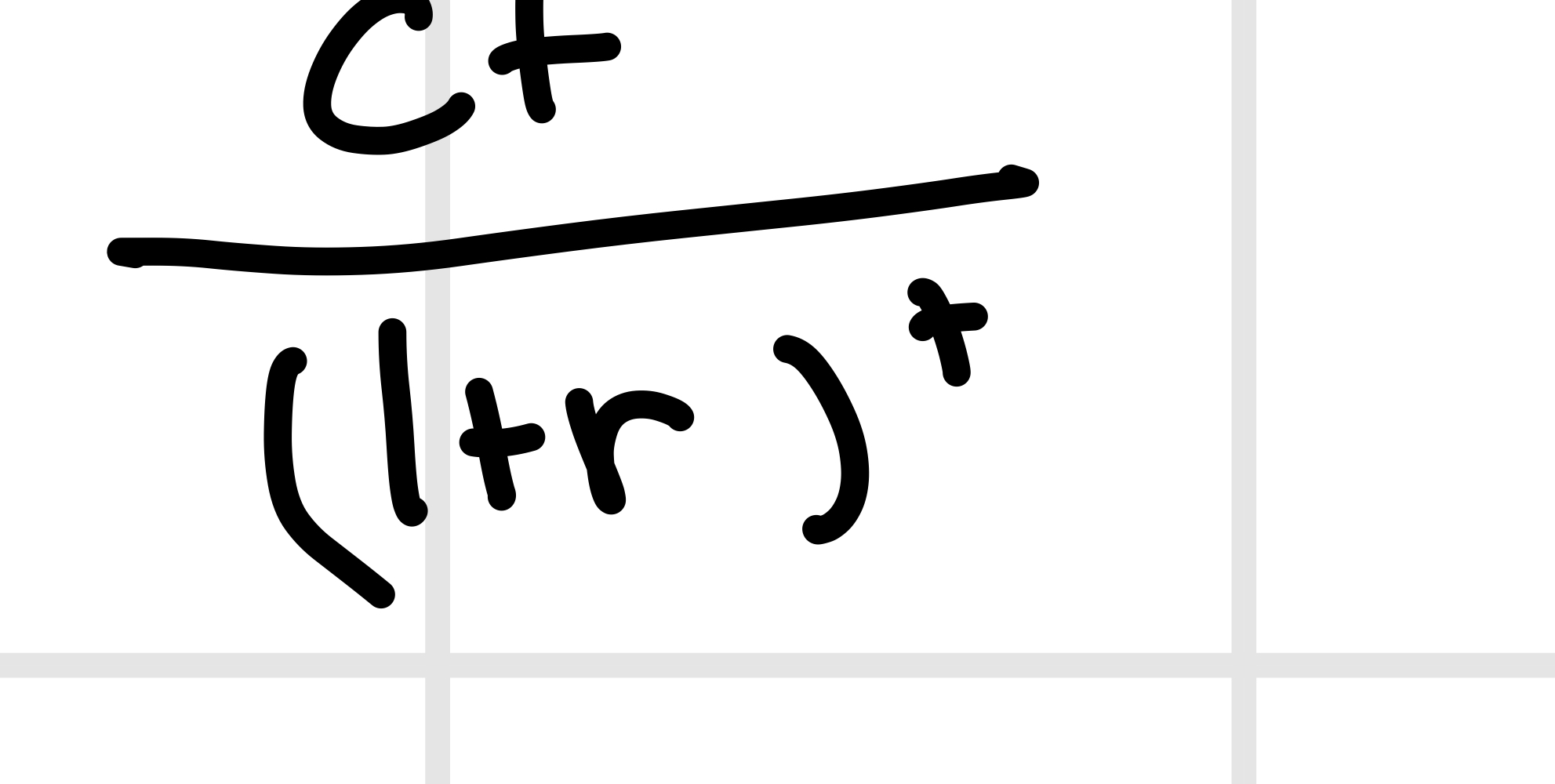
Payback year T+1
Year T cashflow + Year T+1 cashflow
Annuity
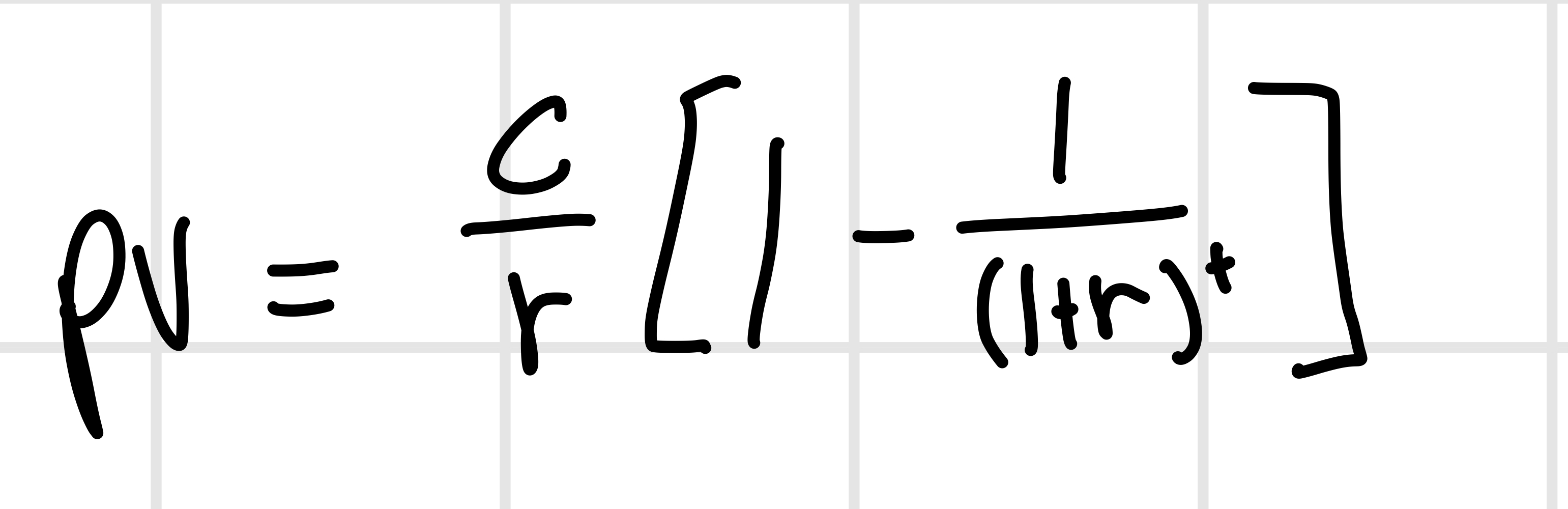
Growing annuity
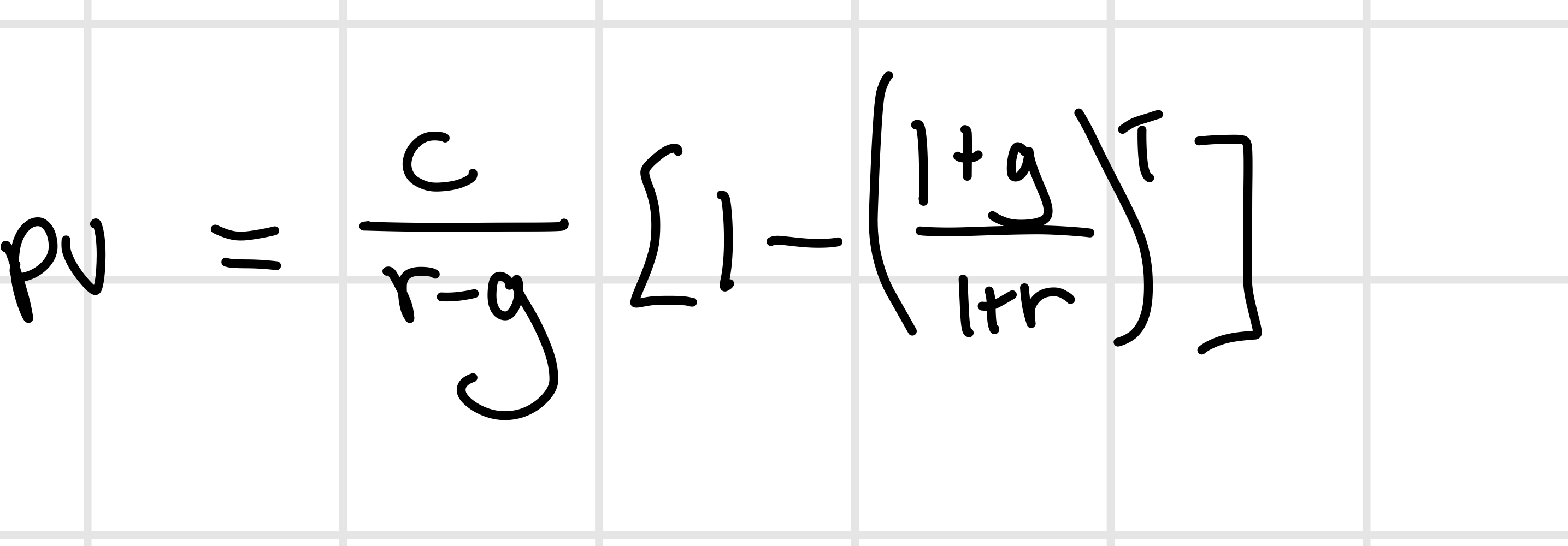
Average Return
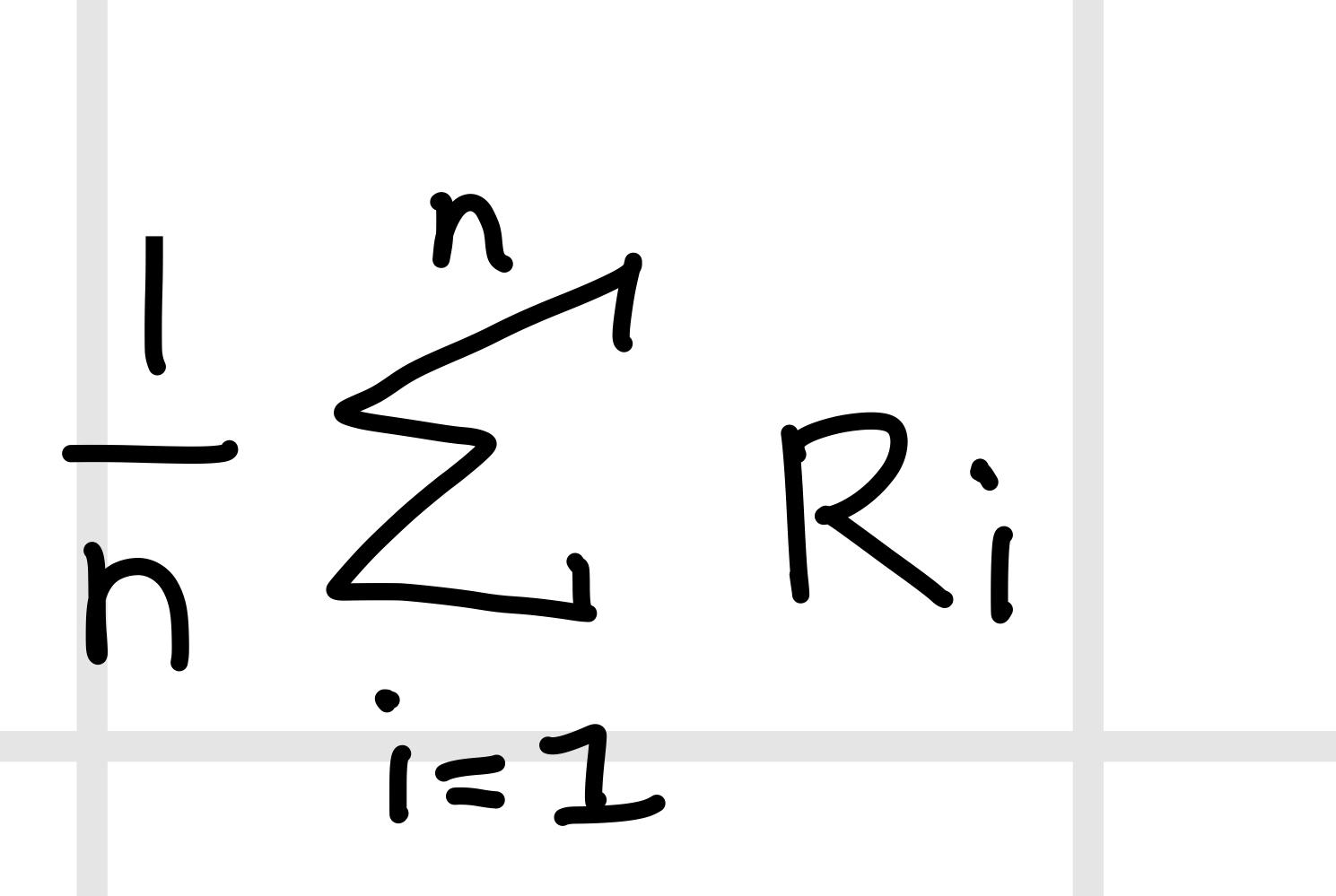
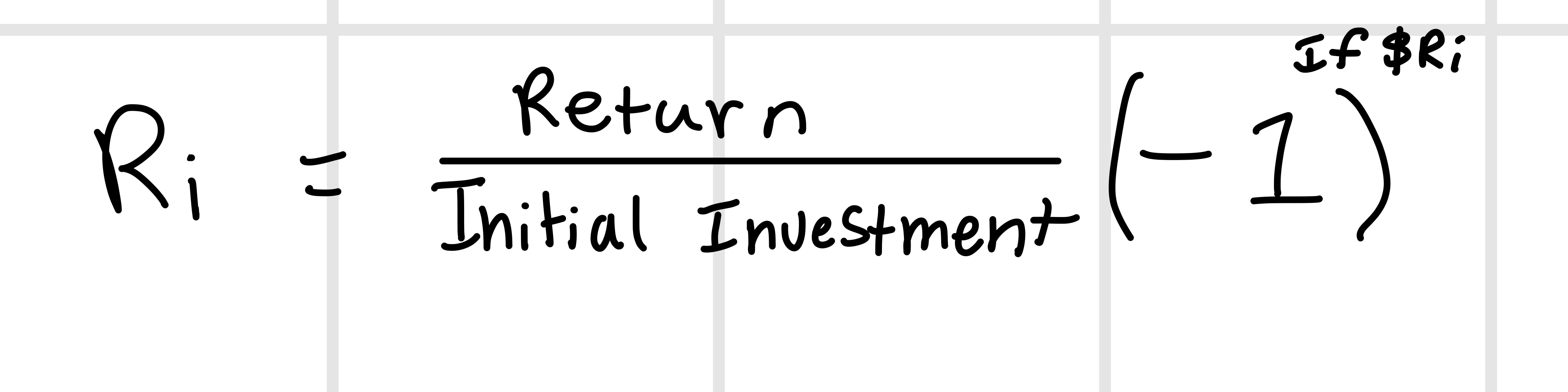
If $Ri do -1 (before 1/n)
Ri ($) = (Potential Return/Investment ) -1
Standard Deviation
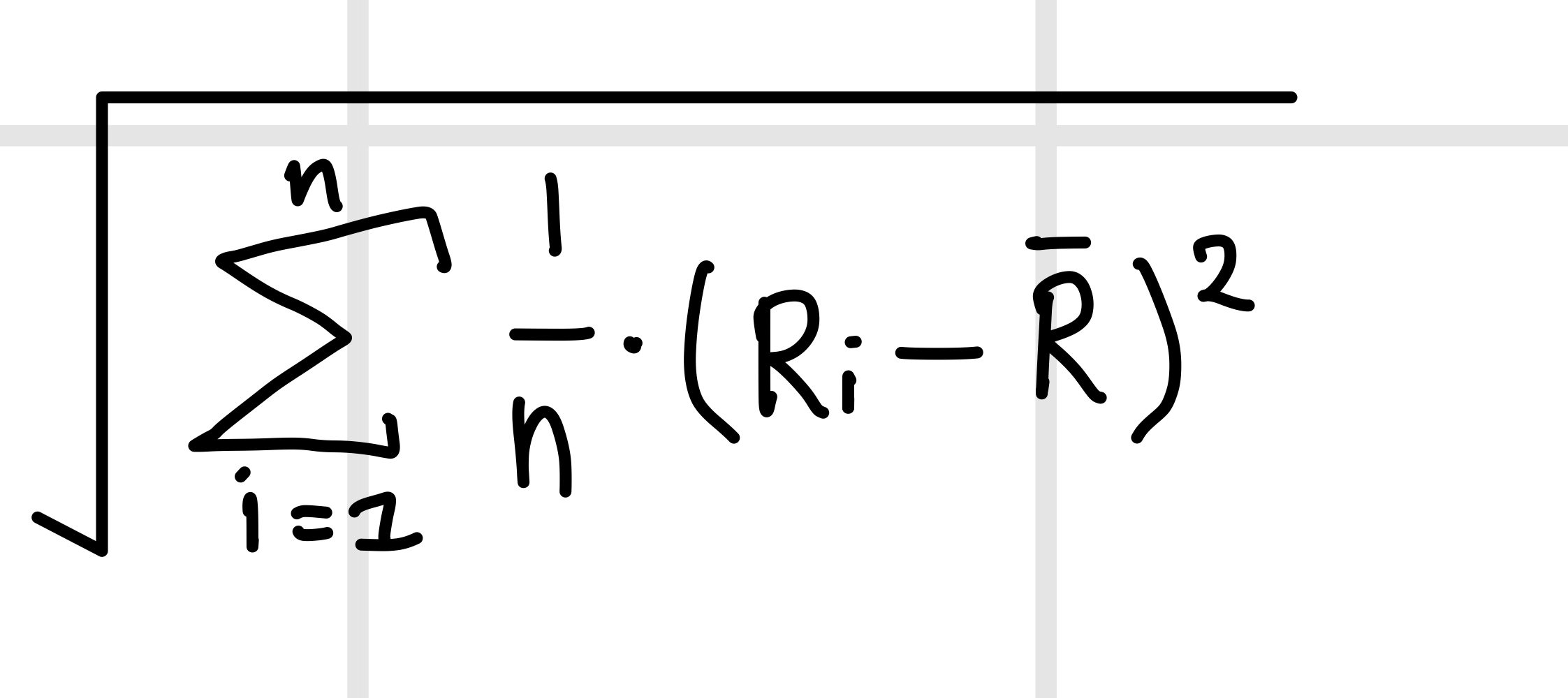
Subtract Average from all %s
Square sums
Sum all sums
Do sum/n → then √sum
Standard Deviation when probabilities are given

Ri
w =
w = Value of risky asset / total value of portfolio
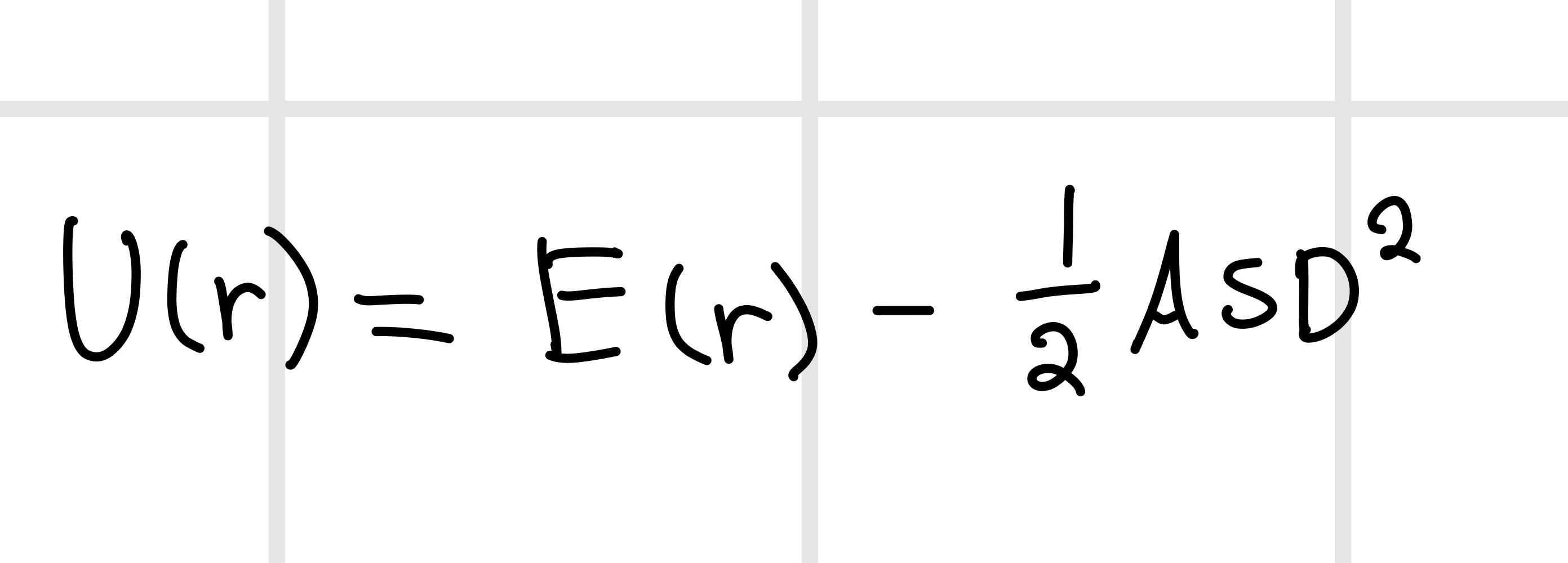
Utility Function
1-w =
1-w = Value of safe asset / total value of portfolio
Portfolio Expected return

CAL Slope

Portfolios Standard Deviation
SDp = w x SDr
or
w = SDp/SDr
Sharpe Ratio
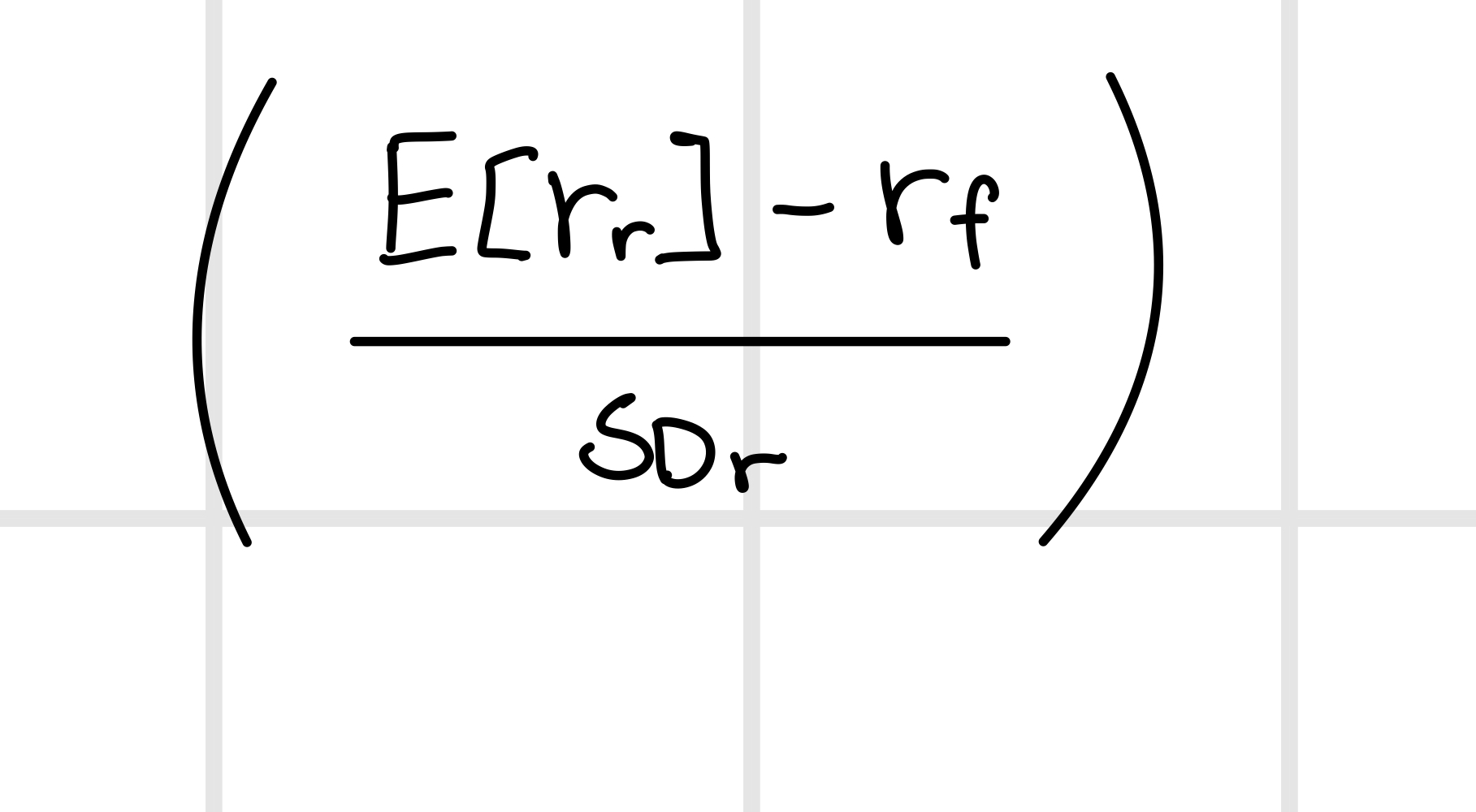
Portfolio Variance
SDp² = w² x SDr²
Optimal Allocation
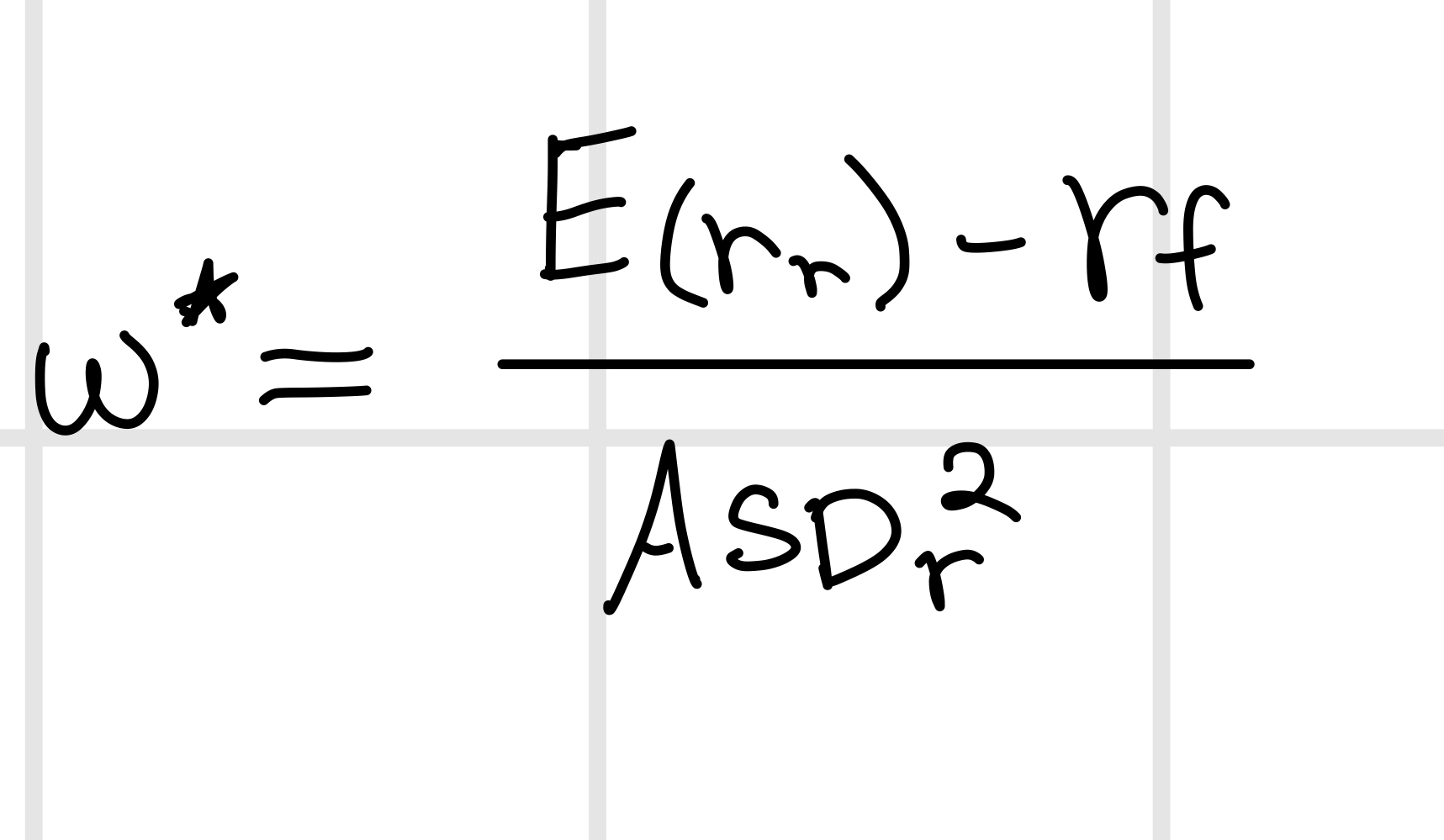
Basic formula
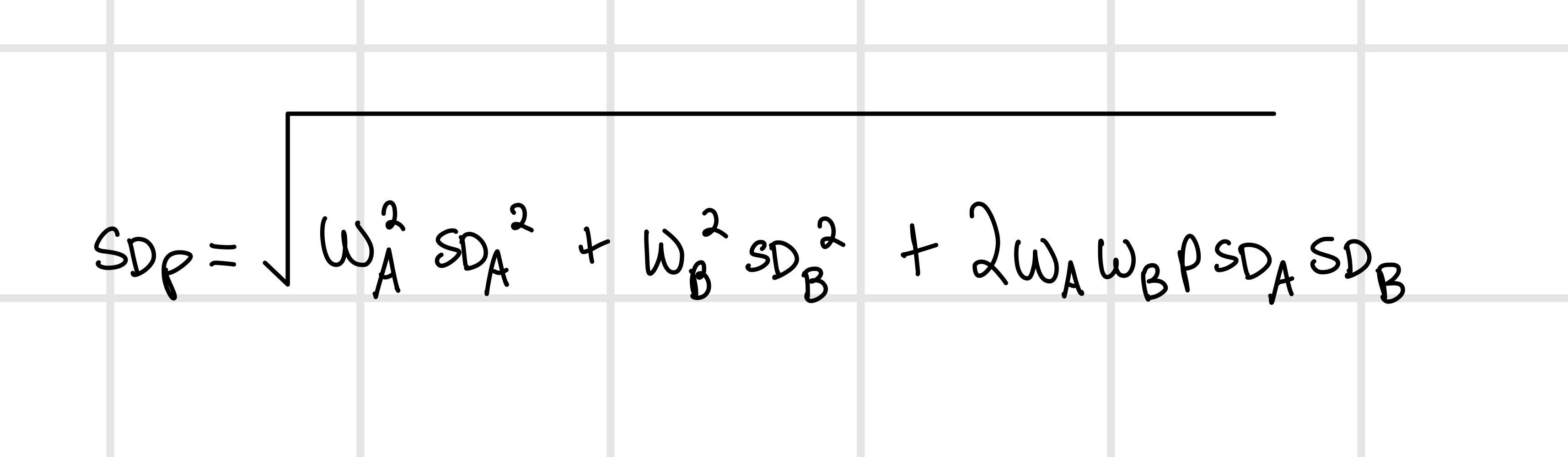
When one asset is risk free
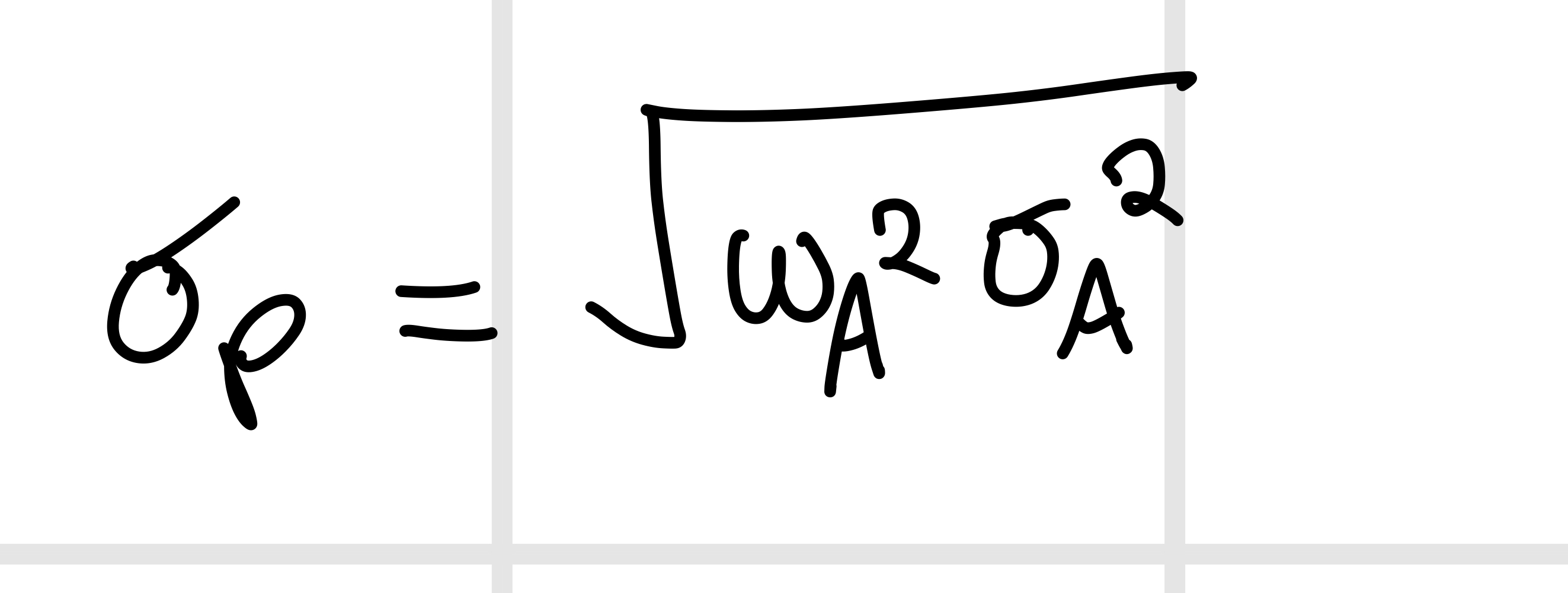
If WA, WB > 0
SDp ≤ Wa x SDa + Wb x SDb
When P = -1
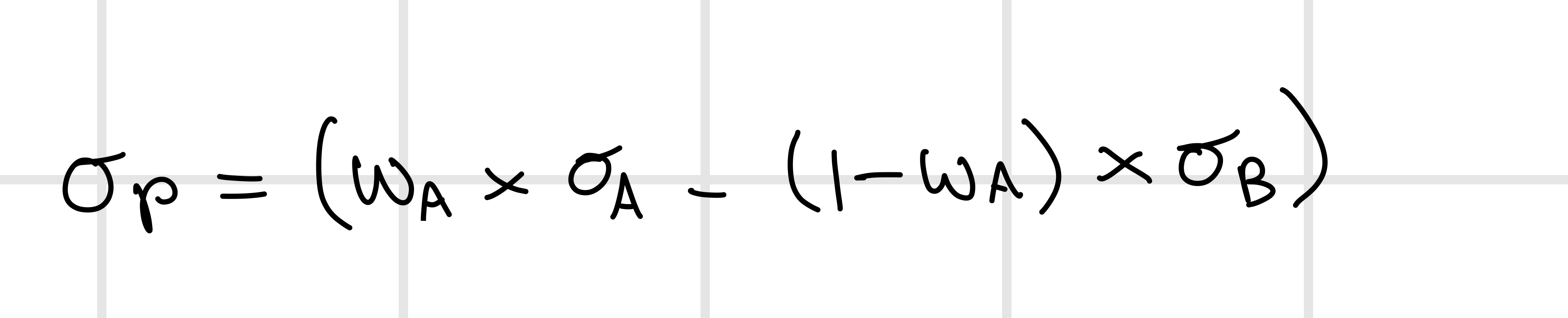
Two portfolio
Wa+ Wb = 1
 Note
Note  Flashcards (86)