Rhetorical Devices
 Studied by 0 people
 Call Kai
 Learn
Learn Practice Test
 Spaced Repetition
 Match
Match Flashcards
 Knowt Play
1/22

There's no tags or description
Looks like no tags are added yet.
Name | Mastery | Learn | Test | Matching | Spaced |
|---|
No study sessions yet.
23 Terms
Rhetorical Questions
Questions that don't require an answer
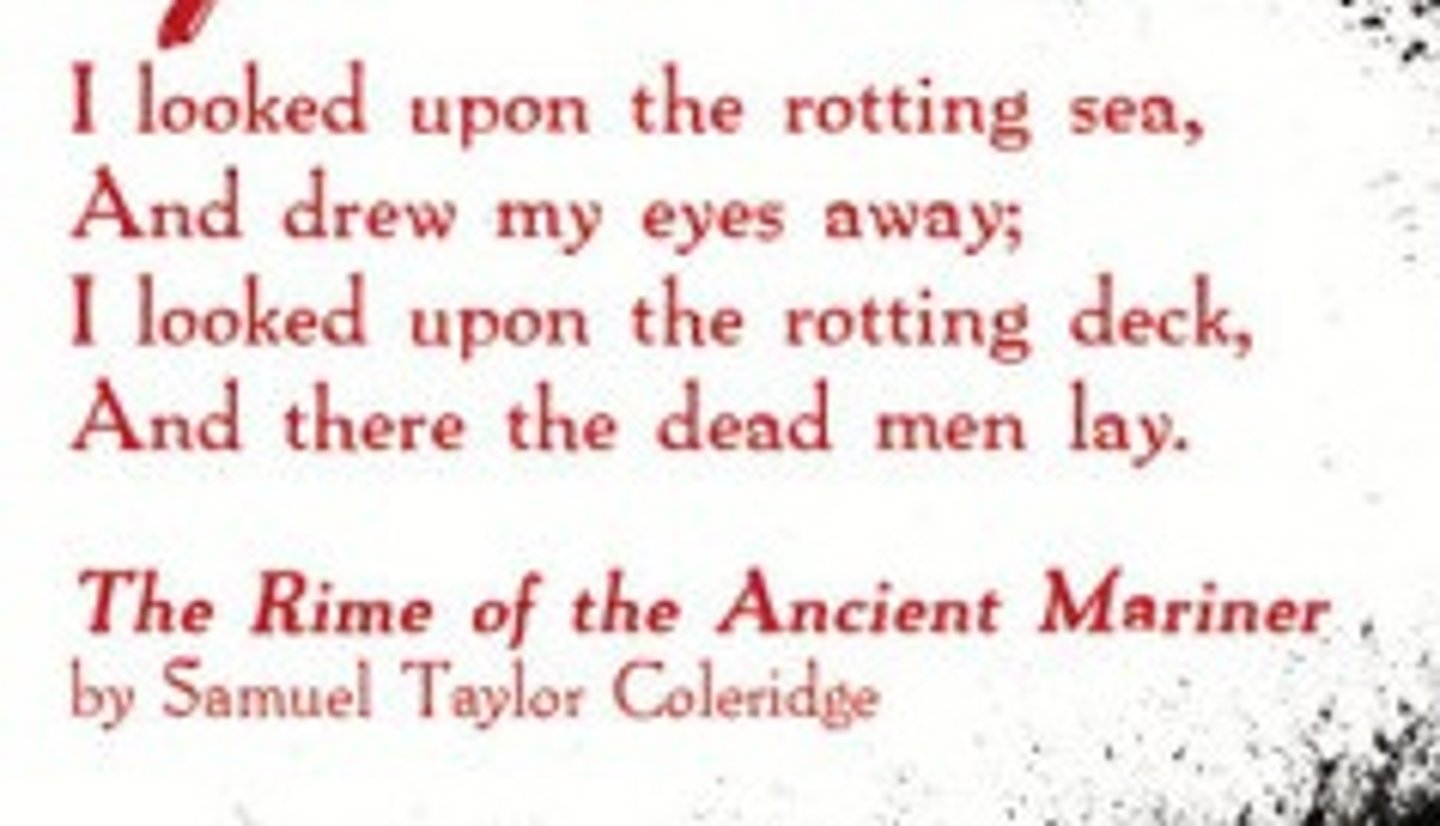
Repetition
Repeated use of sounds, words, or ideas for effect and emphasis
Parallelism
Phrases or sentences of a similar construction/meaning placed side by side, balancing each other. Used for effect and to create rhythm.
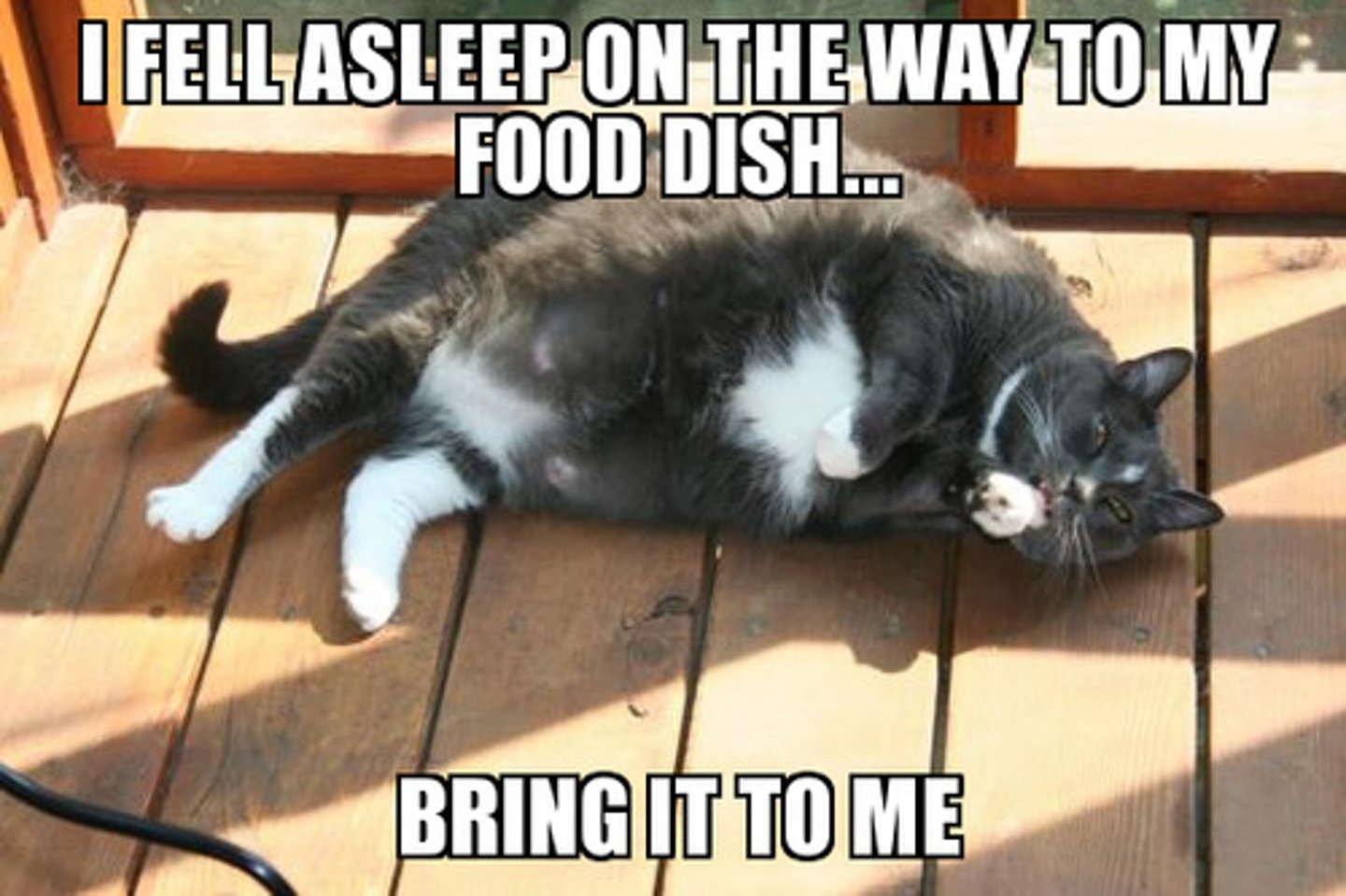
Humor
Make the audience or reader laugh
Anecdote
a short and amusing or interesting story about a real incident or person
Figures of speech/figurative language
a primarily imagery-based rhetorical strategy
that uses imaginative language to suggest a special meaning or create a special effect
(figures of speech are devices used to produce figurative language, such as allusions,
metaphor, personification, simile, etc.).
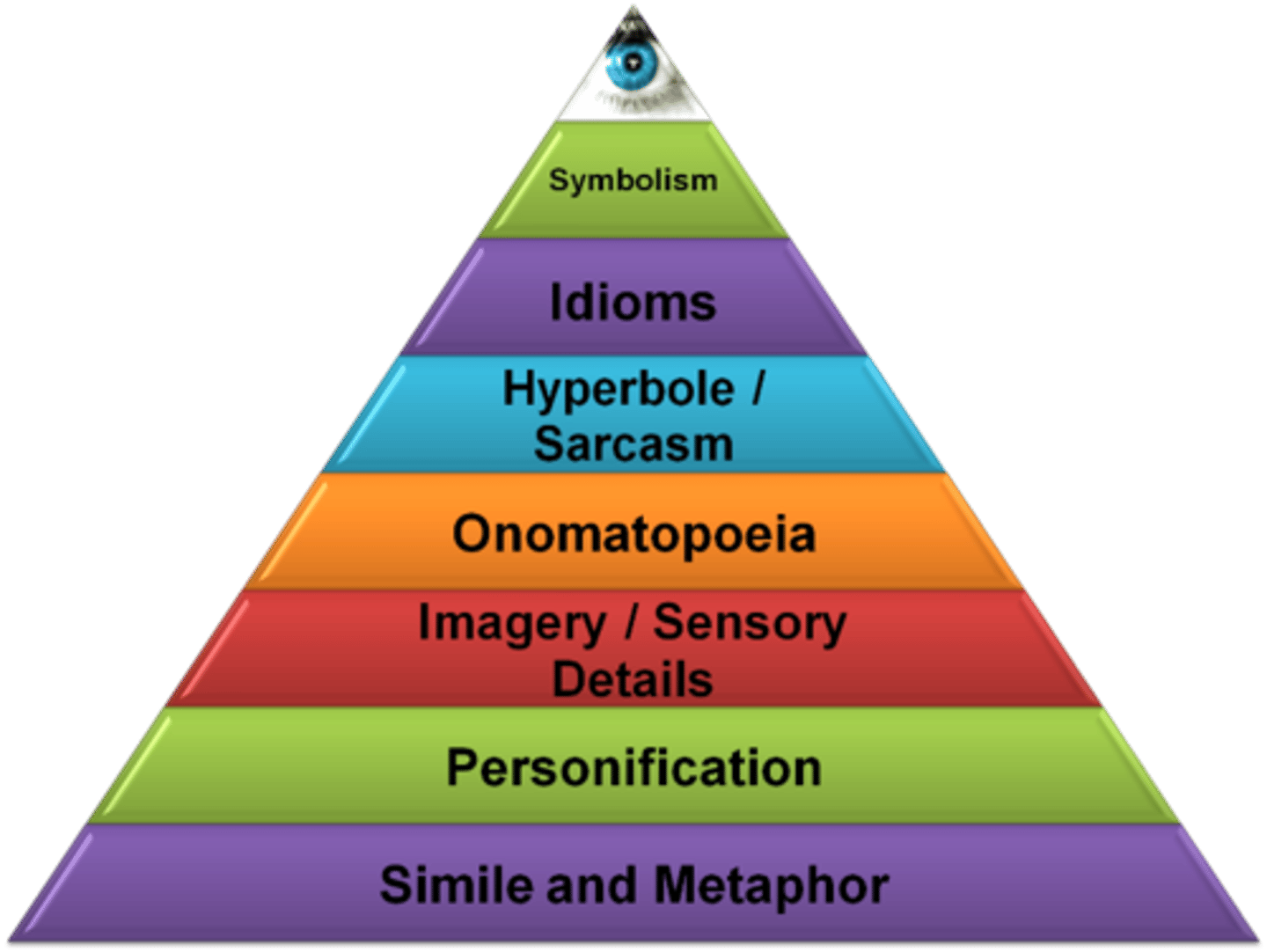
Metaphor
A comparison without using like or as

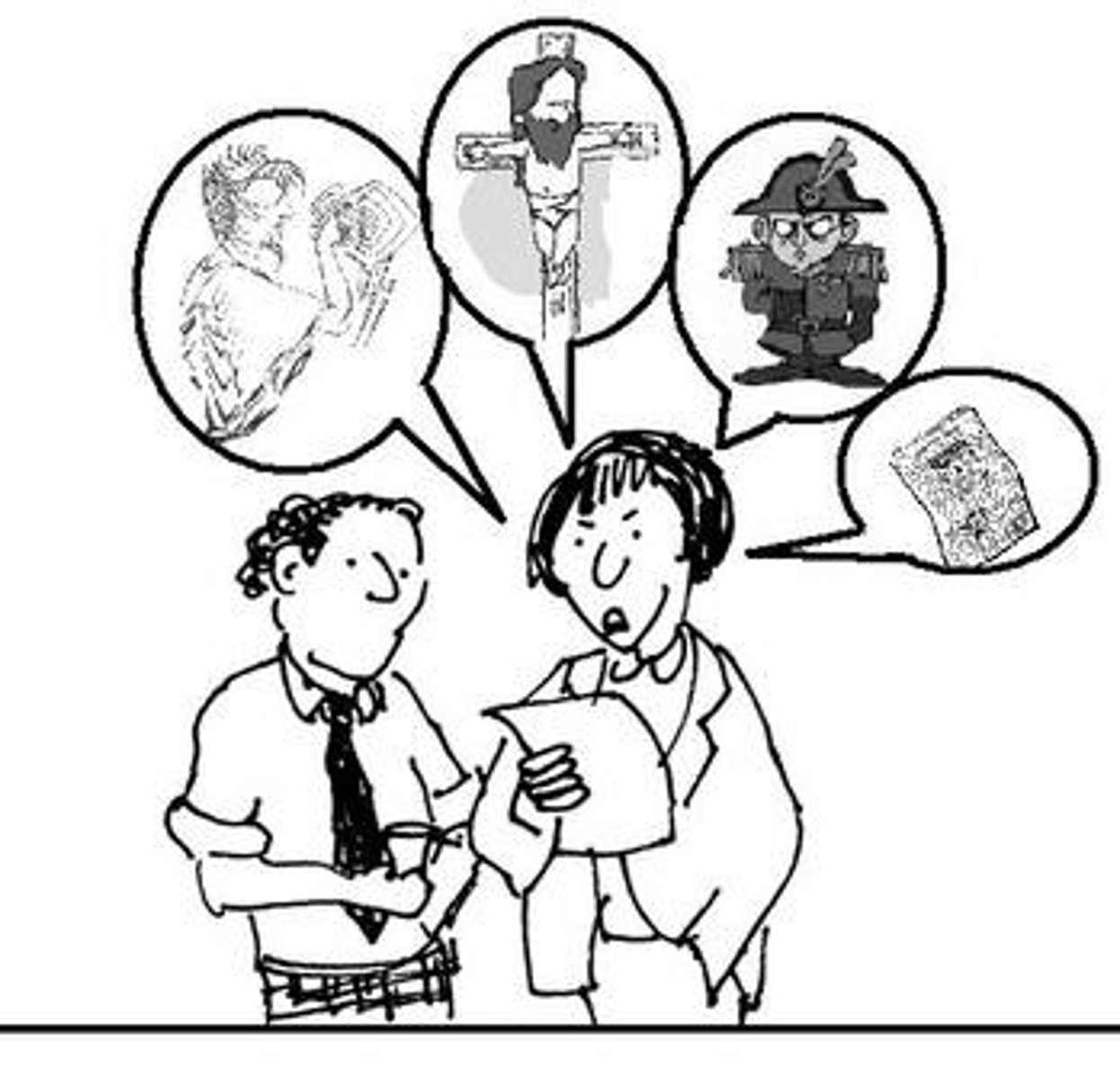
Allusion
A reference to another work of literature, person, or event
Simile
A comparison using "like" or "as"

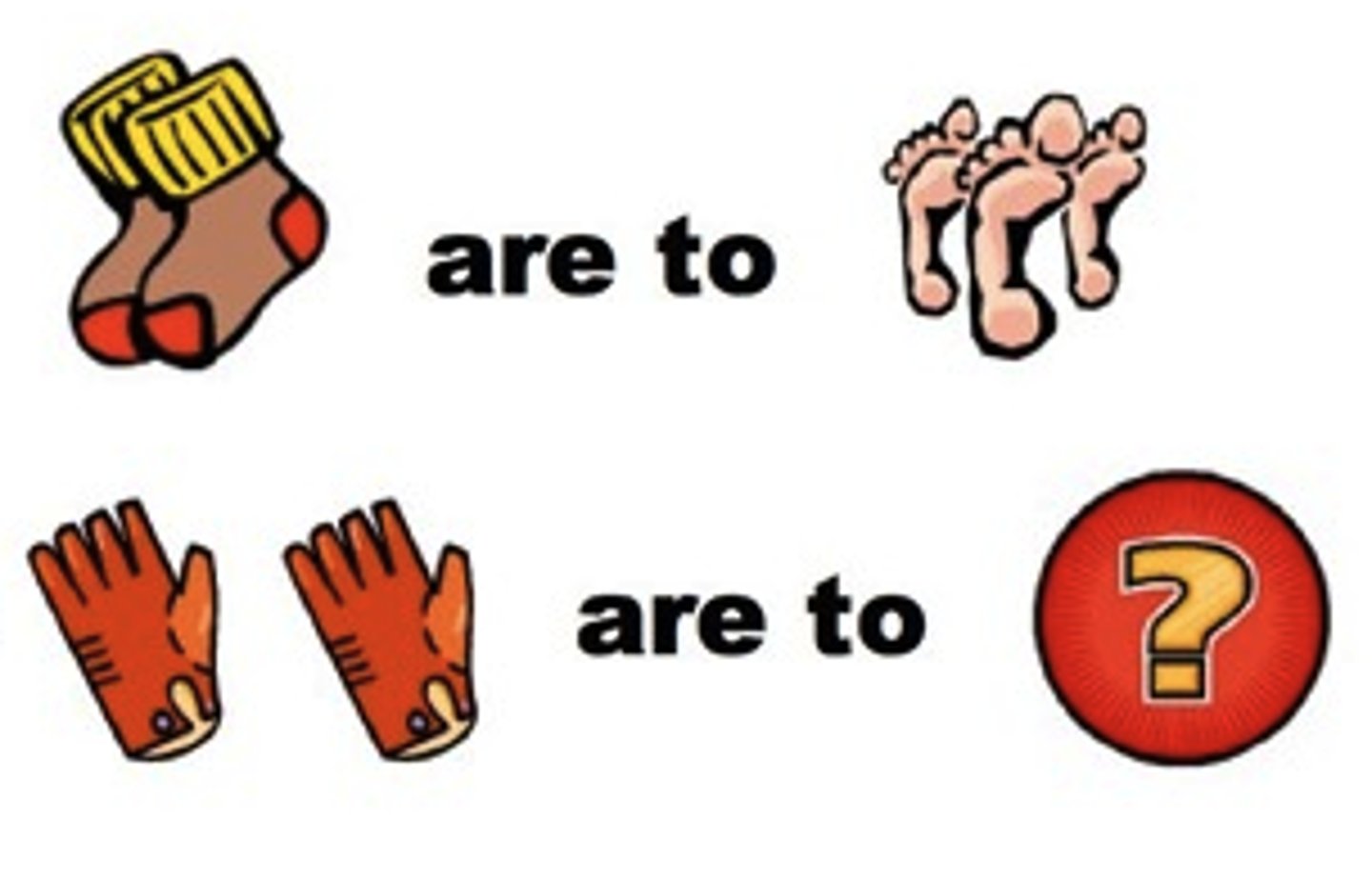
Analogy
A similarity or comparison between two different things or the relationship between them. This is usually more extended than a simile.
Verbal Irony
A figure of speech in which what is said is the opposite of what is meant
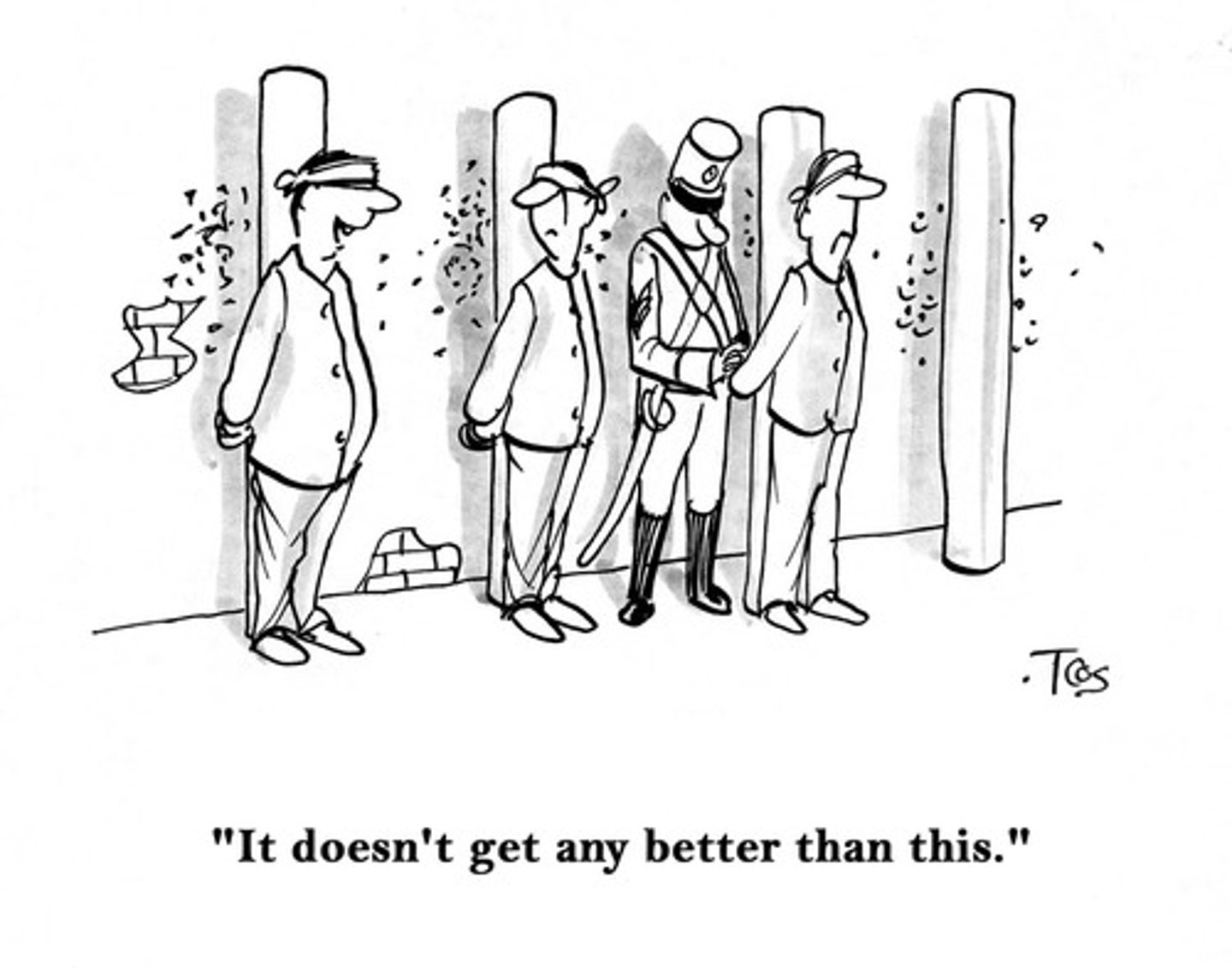
Hyperbole
extreme exaggeration

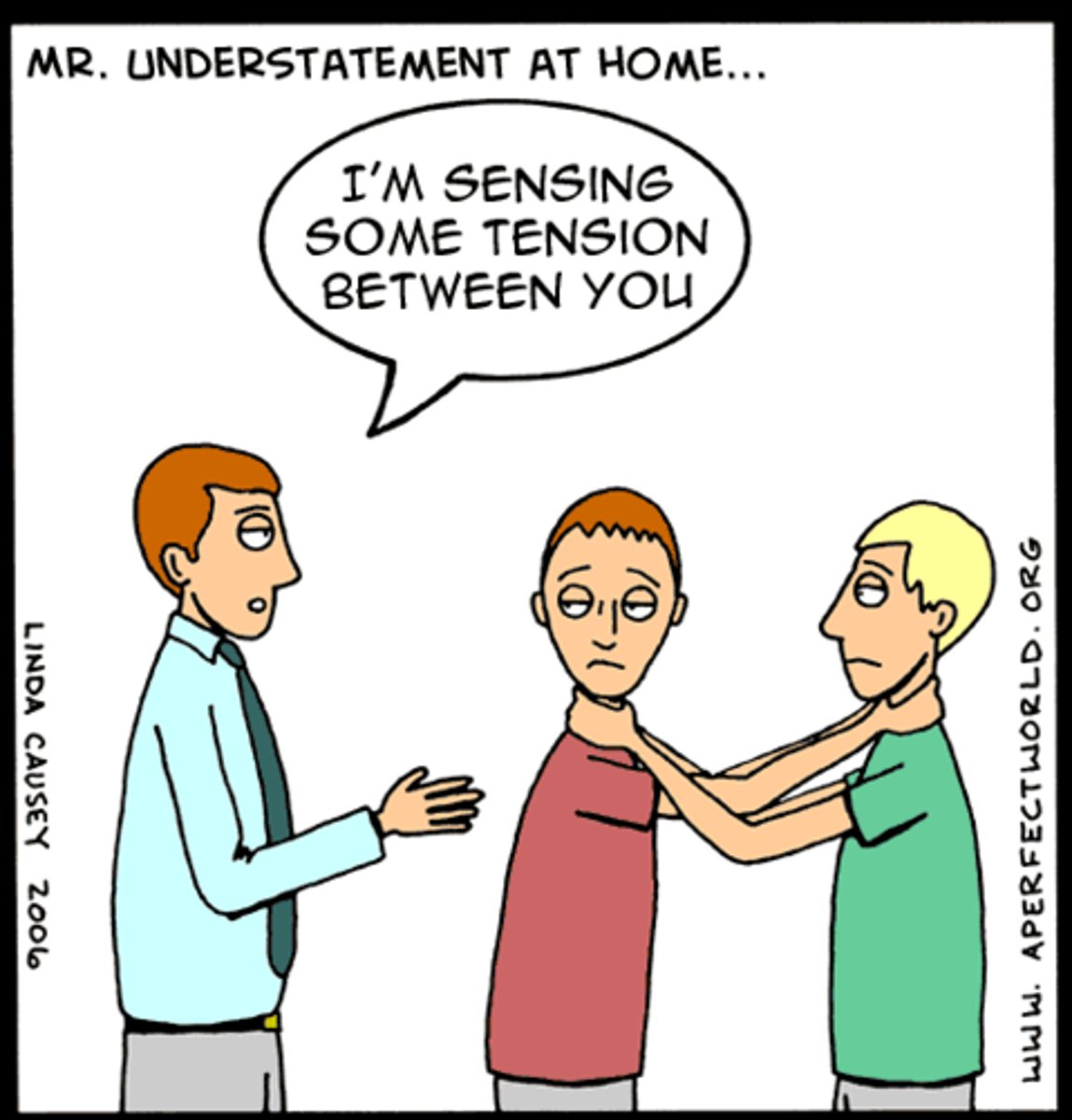
Understatement
A statement that says less than what is meant
Ethos
1. Credibility of the author or speaker.
2. Appealing to an audience's morals to persuade.

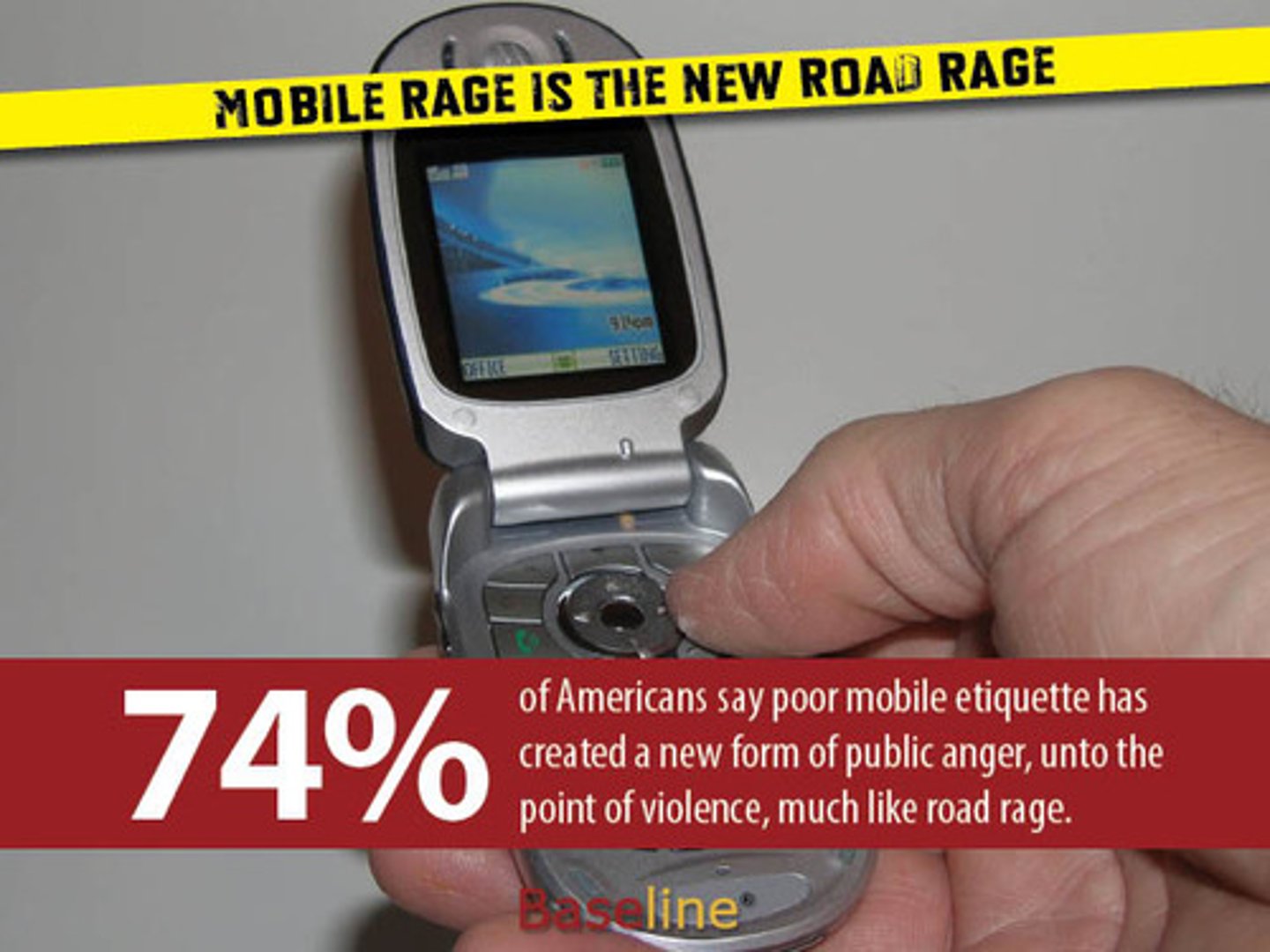
Pathos
Appeal to emotion--fear, sadness, anger, etc.

Logos
Appeal to logic
Paradox
A statement or proposition that seems self-contradictory or absurd but in reality expresses a possible truth.

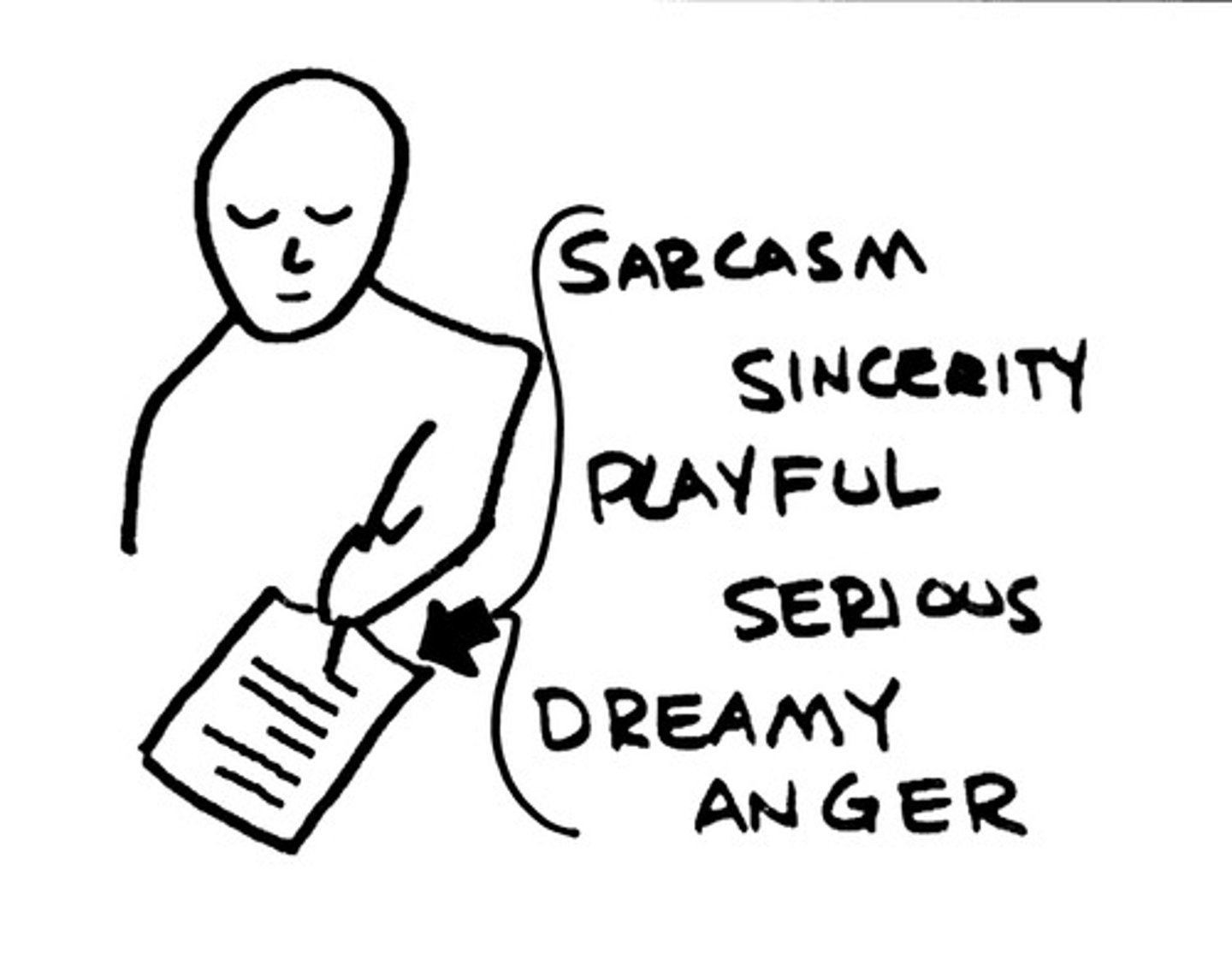
Tone
Attitude a writer takes toward the audience, a subject, or a character
Alliteration
Repetition of initial consonant sounds
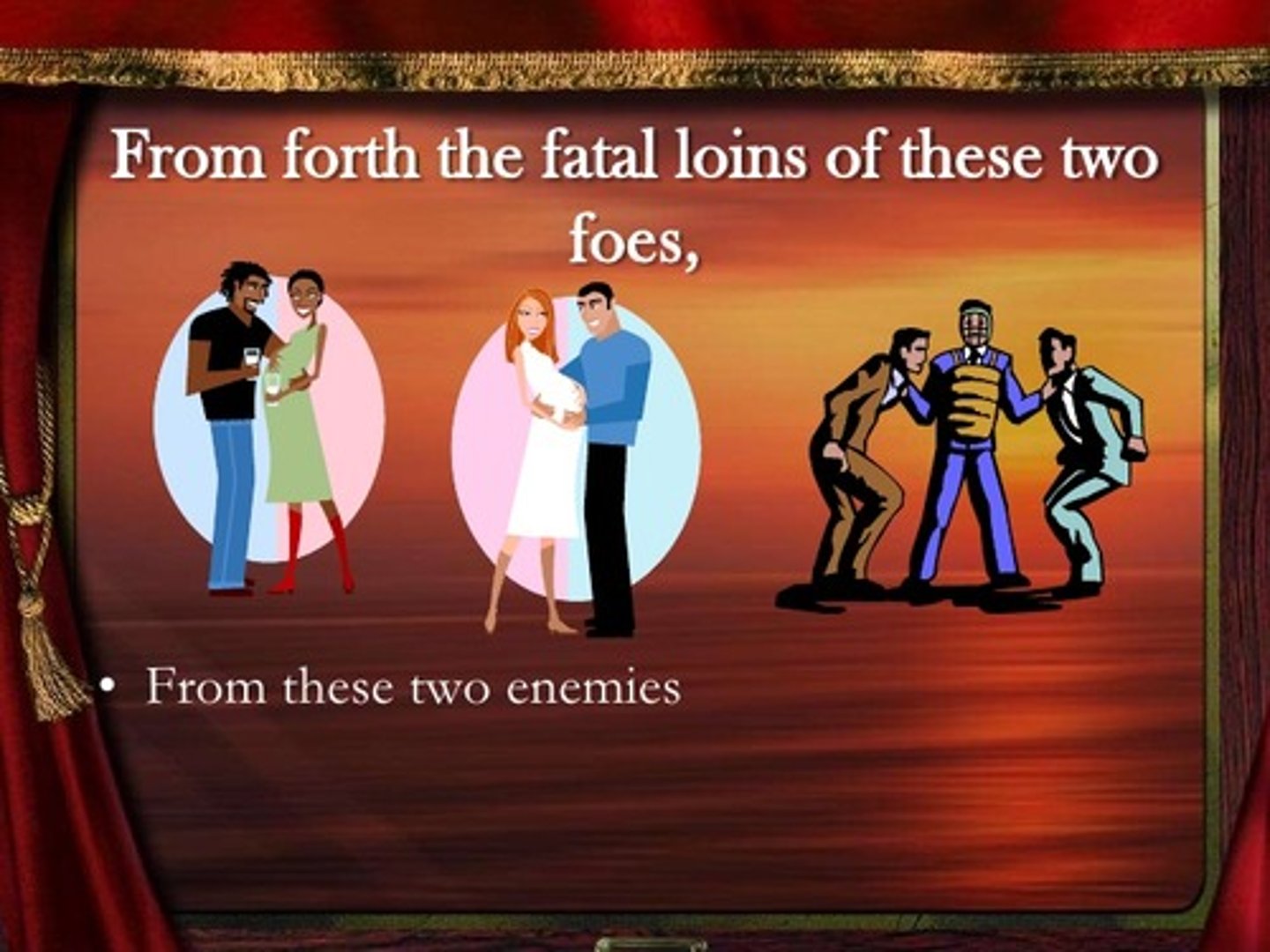
Personification
A figure of speech in which an object or animal is given human feelings, thoughts, or attitudes
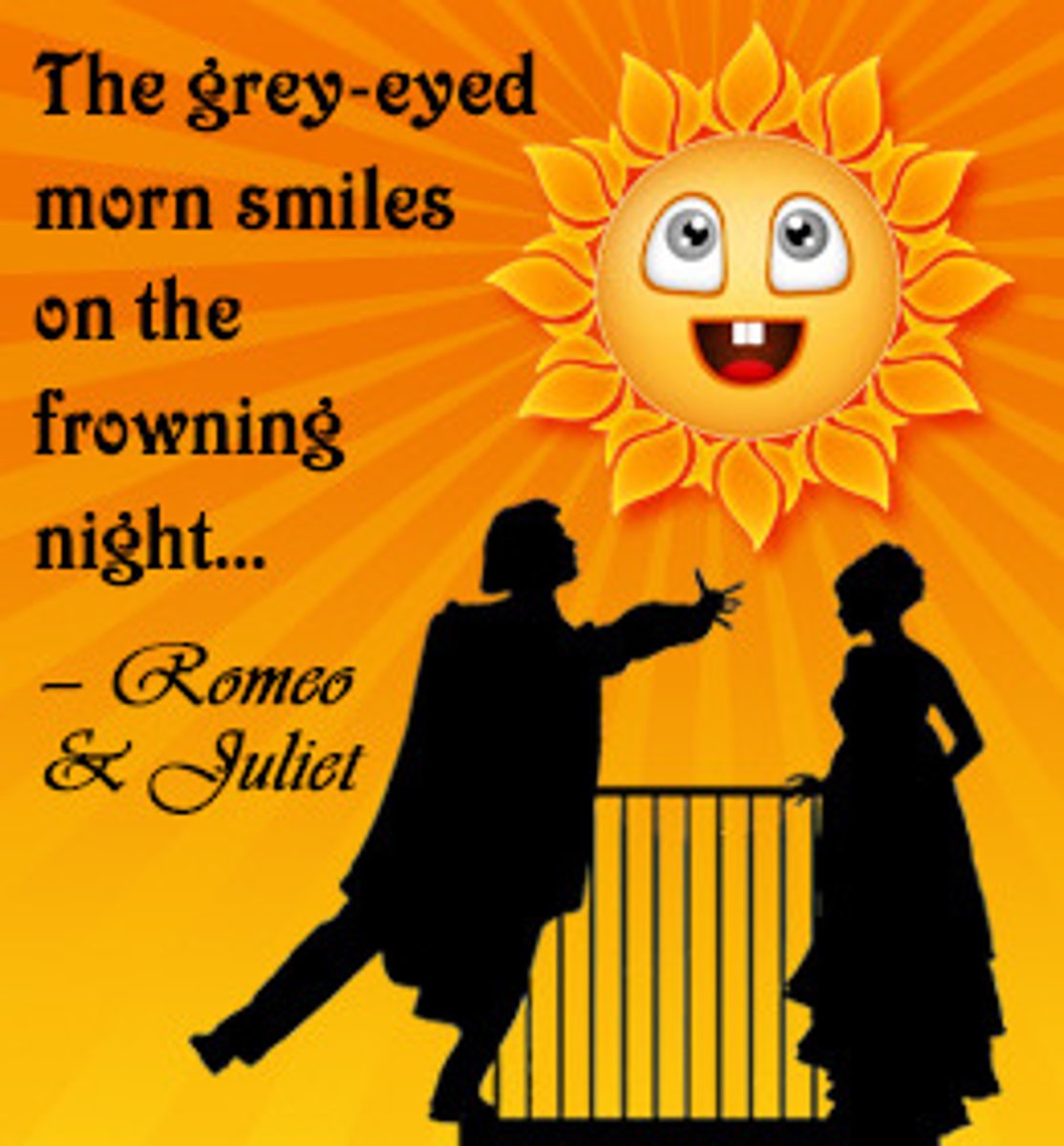
Anaphora
repetition of a word or phrase at the beginning of successive phrases, clauses, or lines
Juxtaposition
Placement of two things closely together to emphasize comparisons or contrasts
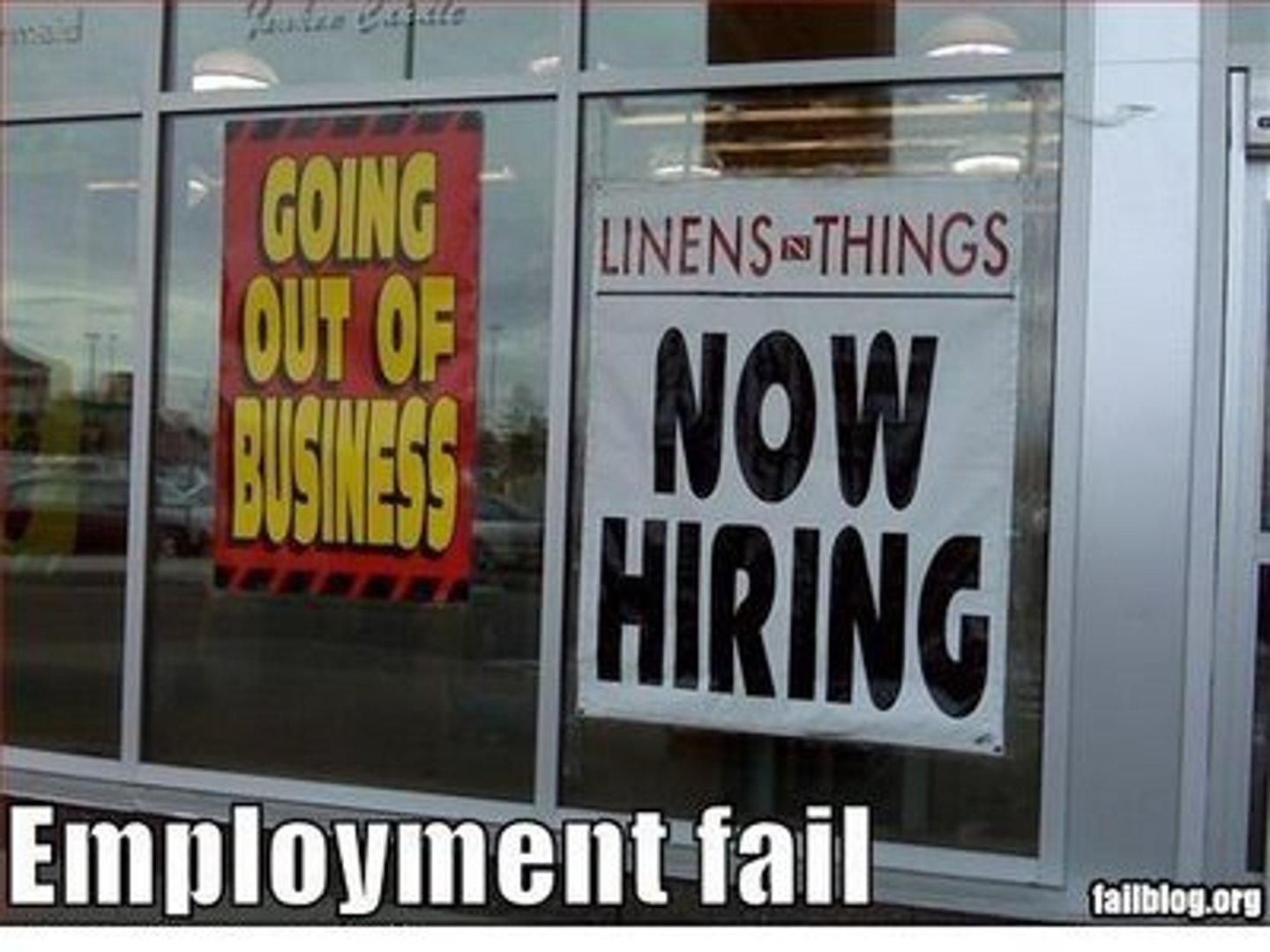
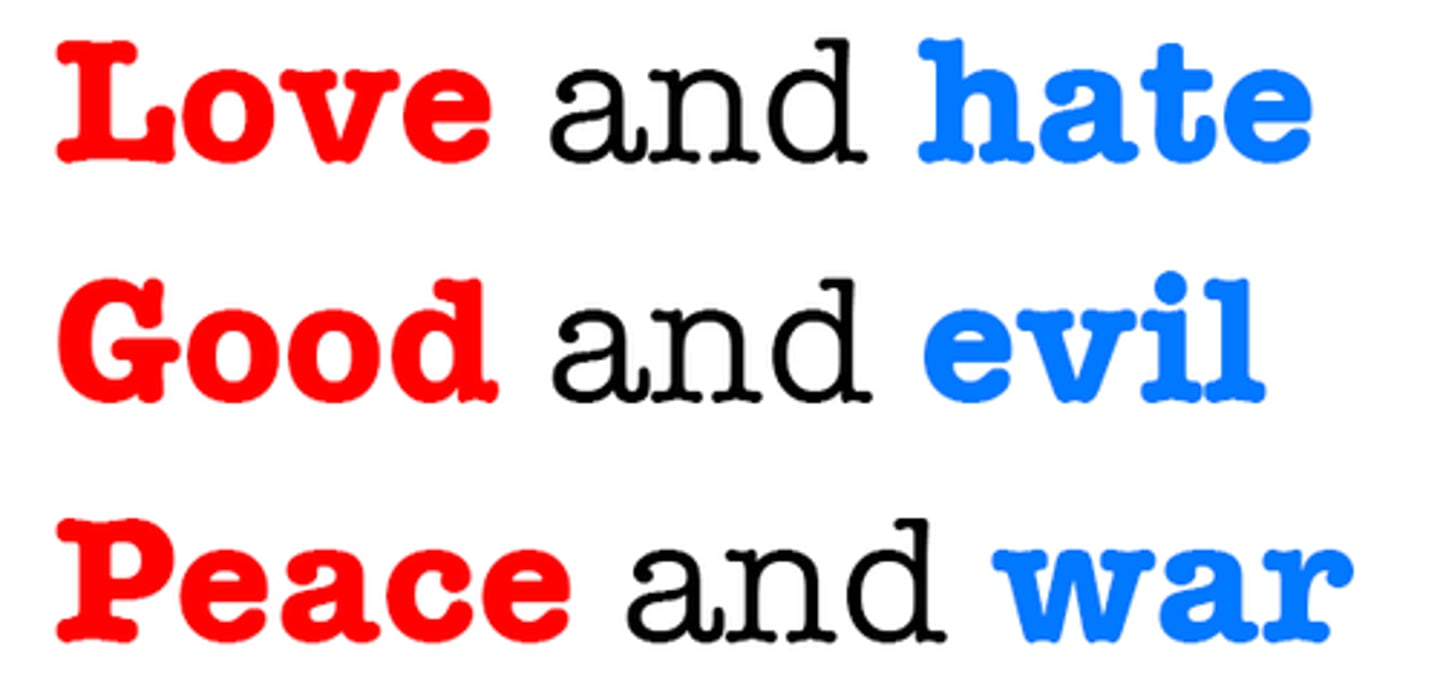
Antithesis
a figure of speech in which an opposition or contrast of ideas is expressed by parallelism of words that are the opposites of, or strongly contrasted with, each other, such as "hatred stirs up strife, but love covers all sins":
 Note
Note  Flashcards (25)