RTF 301D - Media Analysis II
 Studied by 2 people
 Call Kai
 Learn
Learn Practice Test
 Spaced Repetition
 Match
Match Flashcards
 Knowt Play
1/98

There's no tags or description
Looks like no tags are added yet.
Name | Mastery | Learn | Test | Matching | Spaced | Call with Kai |
|---|
No analytics yet
Send a link to your students to track their progress
99 Terms
Mise En Scene
Control over a film’s framing/look and how elements interact
Aspects of Mise En Scene (6)
Lighting
Color
Setting
Costume/Makeup
Staging
Props
Lighting
Brightness, shadows
Source
Where lighting is from, either in the movie’s world or set
Hard Light vs Soft Light
Defined light vs diffused light
High Key vs Low Key Lighting
Less contrast, soft shadows vs More contrast, hard shadows
Direction
Where is the light facing?
Types of Lighting (5)
Front
Side
Back
Under
Top
3 Point Lighting
Key light - Primary
Fill light - Removes shadows
Back light - Placed behind subject
Setting
Where the film takes place & set design
Real or fantasy?
Composition
Arrangement of a shot + subjects in it
Unbalanced vs Balanced Composition
Unbalanced - Uneven placing
Balanced - Even placing
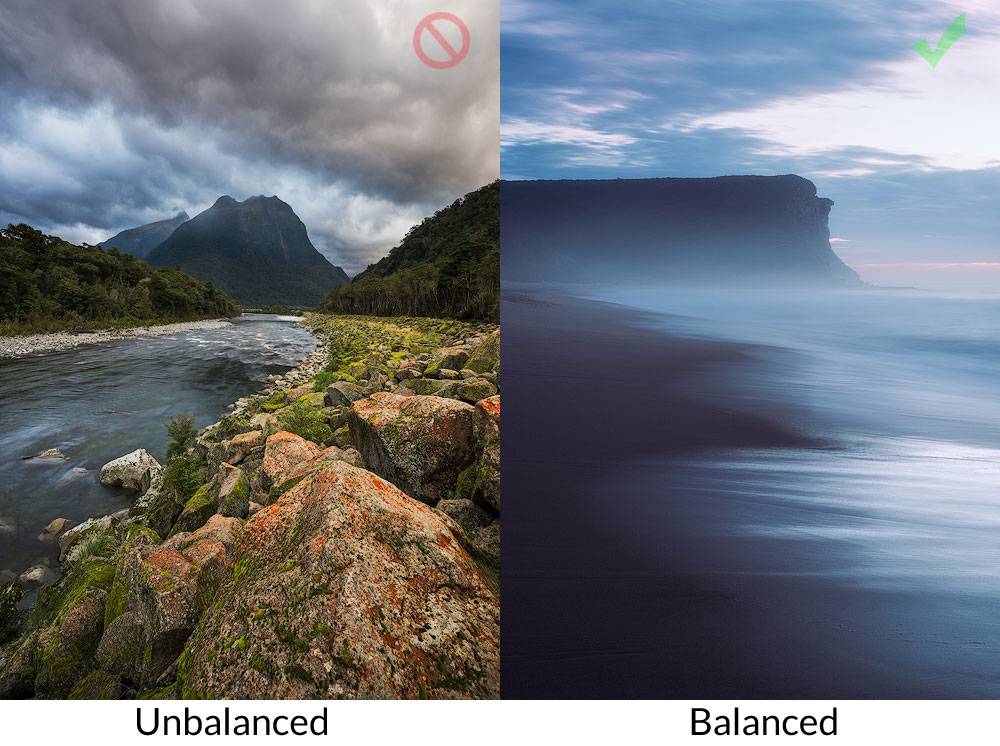
Hitchcock’s Rule
Size of an object in the frame = to its importance in the story
Headroom
Space between characters head and screen
Rule of Thirds
Foreground vs background
Shot Distance
How far the camera is from the subject
Extreme Long Shot
Super wide shot that shows the setting
Long Shot
Full body shot of subject
Medium Long Shot
Half up knees → body of subject
Medium Shot
Waist up body of subject
Medium Close Up
Shoulders body of subject
Close Up
FACE!!! of subject
Extreme Close Up
Facial features of subject
Wide Angle Focal Length
Shows realistic depth, distance
Blurred background
Medium Focal Length
Shows as is
Semi-blurred background
Telephoto
Narrow, super flat/no depth
Selective Focus
Specifying certain things to be clear
Rack Focus
Changing focus on subjects in a shot
Masking
Seeing through a POV in a different way

Multiple Frames
Showing more than one frame of character reactions
Split Screen
Two events in one shot
Depth of Field
How much focus/space there is
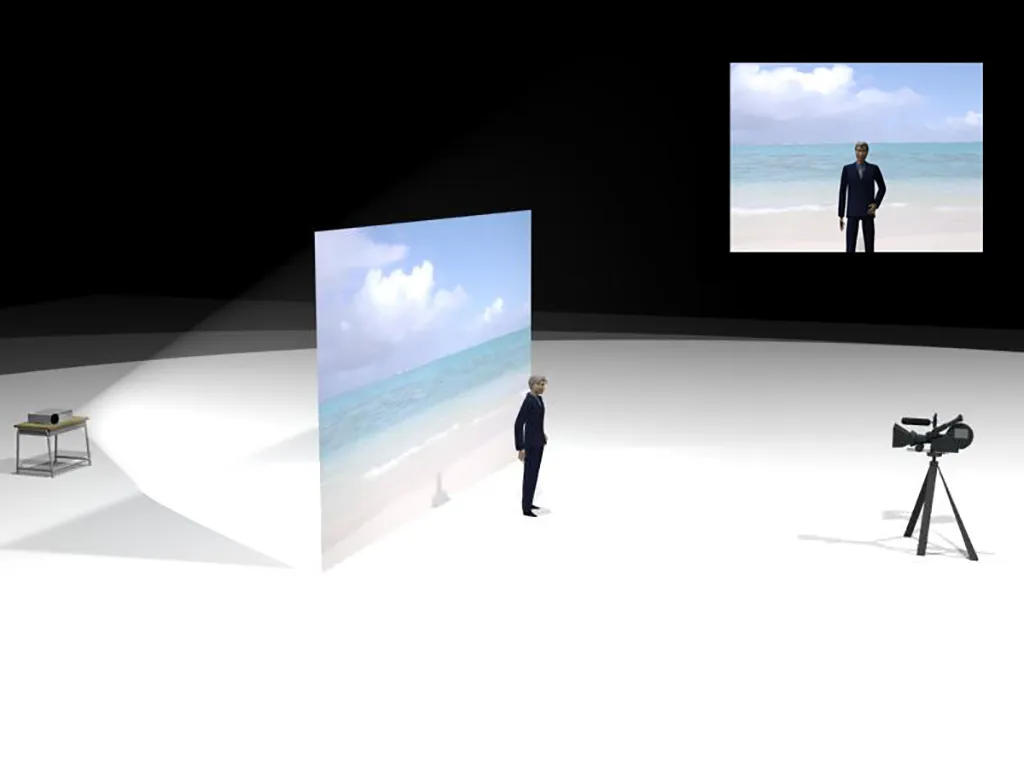
Rear Projection
Shooting images behind a screen
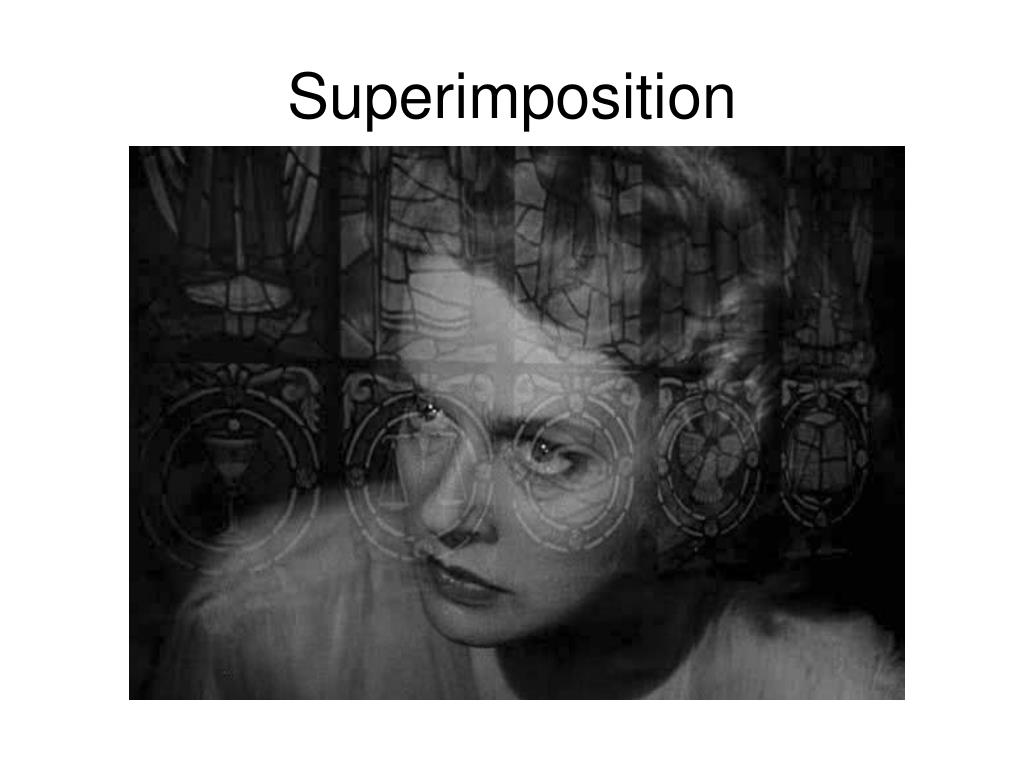
Superimposition
Layering two subjects that look distinct
High Contrast vs Low Contrast
Stark, focused shadows vs diffused shadows
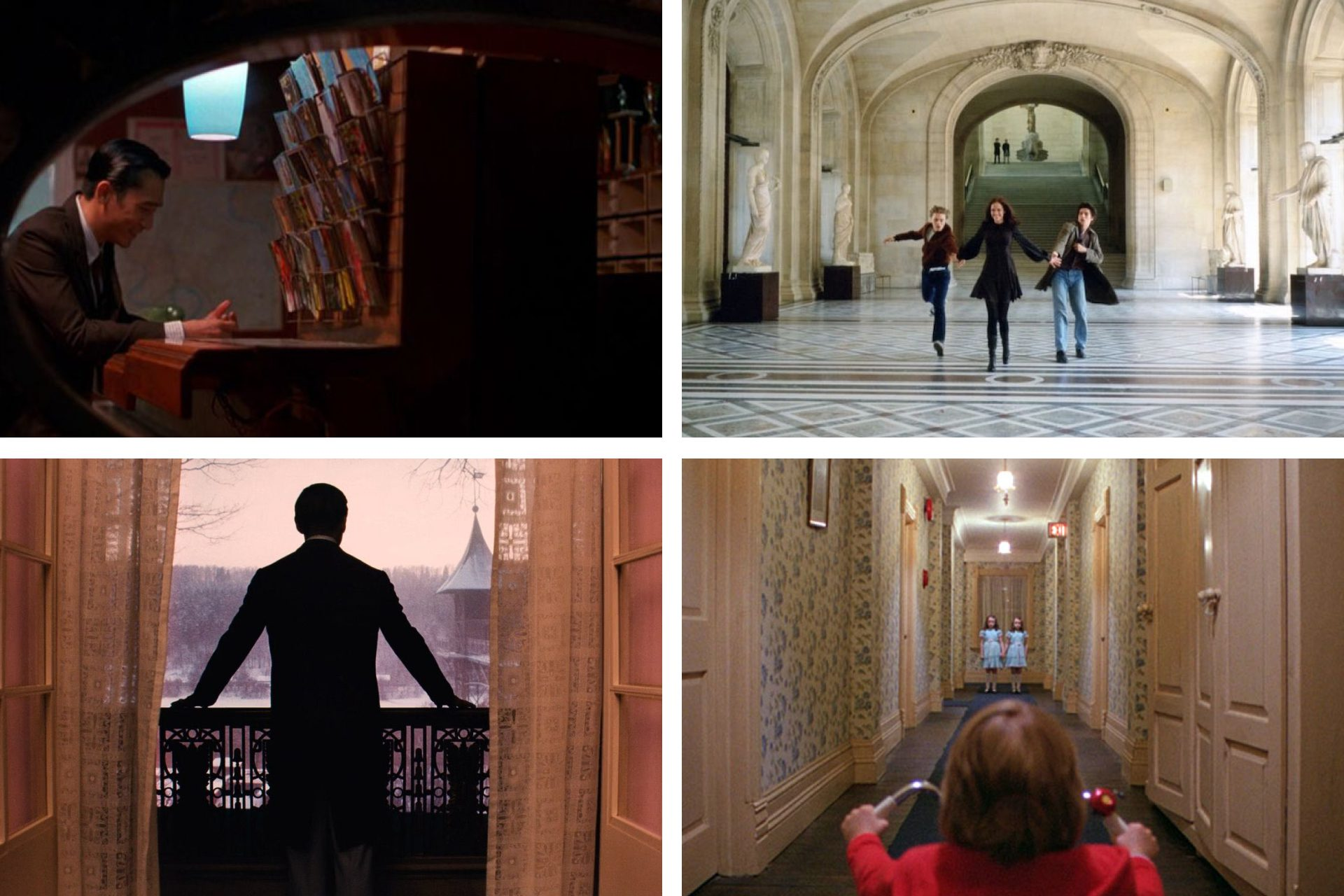
Frame Within a Frame
A shot that is within a setting’s frame
Continuity Editing
Editing the story clearly/in order- could be broken up
Types of Transitions (4)
Fade (A → B/W)
Dissolve (A → B)
Wipe (A/B)
Cut (AB)
Graphic Match
Matching an object to another as a transition
Murch’s Criteria for Cuts (6)
Emotion
Story
Rhythm
Eye-Trace
2D Plane of Screen - Visuals
3D Plane of Action - Movement
Kuleshov Effect
Order of shots = different emotions
Purpose of Editing (3)
Nonlinear production
Make the story understandable (visual, narrative)
Call attention to itself or not
Rhythm Elements (3)
Shot Duration
Patterns
Pacing
Spatial Elements (2)
Helps audience to keep up with the narrative
Linking Space
Cross Cutting
Graphic Elements (4)
What do you see?
Composition
Lighting
Color
Movement
Temporal Elements (3)
Order
Duration
Frequency
Elliptical Editing
Cutting to two different points in time to reduce filler
Punctuation
Highlighted moments
Empty Frames
Shots with no action to transition into it
Overlapping Editing
Same action shown but at different angles
Montage Sequences
Condensation of time → progression
Purpose of Sound (6)
For the audience to be aware/expect something
POV of characters
Rhythm
Characterization
Continuity
Emphasis
Characteristics of Sound (4)
Pitch
Loudness
Quality
Fidelity - Does it match the source?
Asynchronous Sound
Origin of a sound being ??
Simultaneous vs Nonsimultaneous Sound
Matches events on screen or not?
Onscreen vs Offscreen Sound
Does the sound happen with what you see or not?
Diegetic vs Nondiegetic
Is it within the story or not in the story?
Types of Sound (4)
Vocals
Environmental
Music
Silence
Foley Sound
Reproducing sounds IN SYNC of a scene’s occurence
Sound Effects
Artificial sound additions
Dialogue vs Narration
Speaking from characters vs explaining the story
Genre
Patterns in media
Determinant Space
Specific environments that result in conflict
War, gangsters
Indeterminant Space
Character interactions that result in conflict
Romance, drama
Iconography
Repeated visual elements that have meaning OR meaning x objects
Plot Formulas
Repetition of certain elements in a genre/group
Syntax
Basic conflict of a genre
Rites of Characters
What do characters go through to be changed or cause change? Order or integration?
Order Rites (5)
Individual
Contested space
External conflict
No closure
Social order is back (back to normal)
Integration Rites (5)
Collective
Civilized space (realism)
Internal conflict
Closure
Social integration (new life)
Genre Hybridity
Combining multiple genres, can change meanings/analysis
Multiplicities
Media that repeat/exploit previous works to integrate into itself
THERE IS NO END!!
Semantic Approach
Surface level of genre, characteristics, following rules
Syntactic Approach
Focus on basic conflict, themes, how is the rules shown
Pragmatic Approach
Focus on cultural, social contexts of the rules/genre
Structural vs Ideological in Genre
Structural - Films that never solve the problem, always negotiate the big question
Ideological - Films that solve the problem, go with the status quo
Empiricists Dilemma
Do you identify genres first? Or characteristics of existing films that make a genre?
Purity Thesis
The best example of a genre
Biologism vs Normativism
Biologism - Are genres universal?
Normativism - What makes this this genre?
Mode
Visual style of production
Cycle
Series of texts that have shared elements
Fusion vs Fission
Fusion - The theme in a creature/thing
Fission - The theme in a concept
Teaching vs Preaching Narrative
Teaching - POSITIVE lesson
Preaching - NEGATIVE lesson
Speculative Fiction
The what-ifs of reality
Discovery vs Overreacher Narrative
Discovery - Find the monster, survival
Overreacher - Make the monster, battle
Intertextuality
System of connections between texts, audiences, etc.
Horizontal vs Vertical Intertextuality
Explicit links primarily vs links between primary/secondary/tertiary sources
Radical Intertextuality
Two things within a medium drawing from the same story/worldbuilding
Dominant Reading
Understanding a text with the creator’s intention
Transmedia Storytelling
Connections between different mediums
Makes a cohesive web of a story
Keeps us entertained to the next thing
Transmedia Extensions (4)
Allows:
Character bios
Worldbuilding
Alternate character POVs
Audience engagement
Commercial Transmedia Supersystem
Motivating people to consume transmedia
Collaborative Authorship
Extensive stories that need user participation
Additive Comprehension
Additions to the plot in one franchise that change your POV on the story
Negative Capability
Leaving gaps in the story intentionally for theorization/later expansion
Migratory Cue
Cue to go to other medias for buying
Mothership
Core of a franchise = $$
Synergetic Storytelling
Incorporation of stories from different companies
Ex: Marvel x Disney
Grindon’s Cycles and Clusters (4)
Modes - Broad categories
Genres - Specific categories
Cycles - Changes in films (what’s popular, evolution)
Clusters - Possible cycles (common patterns that could grow)
 Note
Note  Flashcards (30)