The New Deal
 Call Kai
 Learn
Learn Practice Test
 Spaced Repetition
 Match
Match Flashcards
 Knowt Play
1/50

There's no tags or description
Looks like no tags are added yet.
Name | Mastery | Learn | Test | Matching | Spaced | Call with Kai |
|---|
No analytics yet
Send a link to your students to track their progress
51 Terms
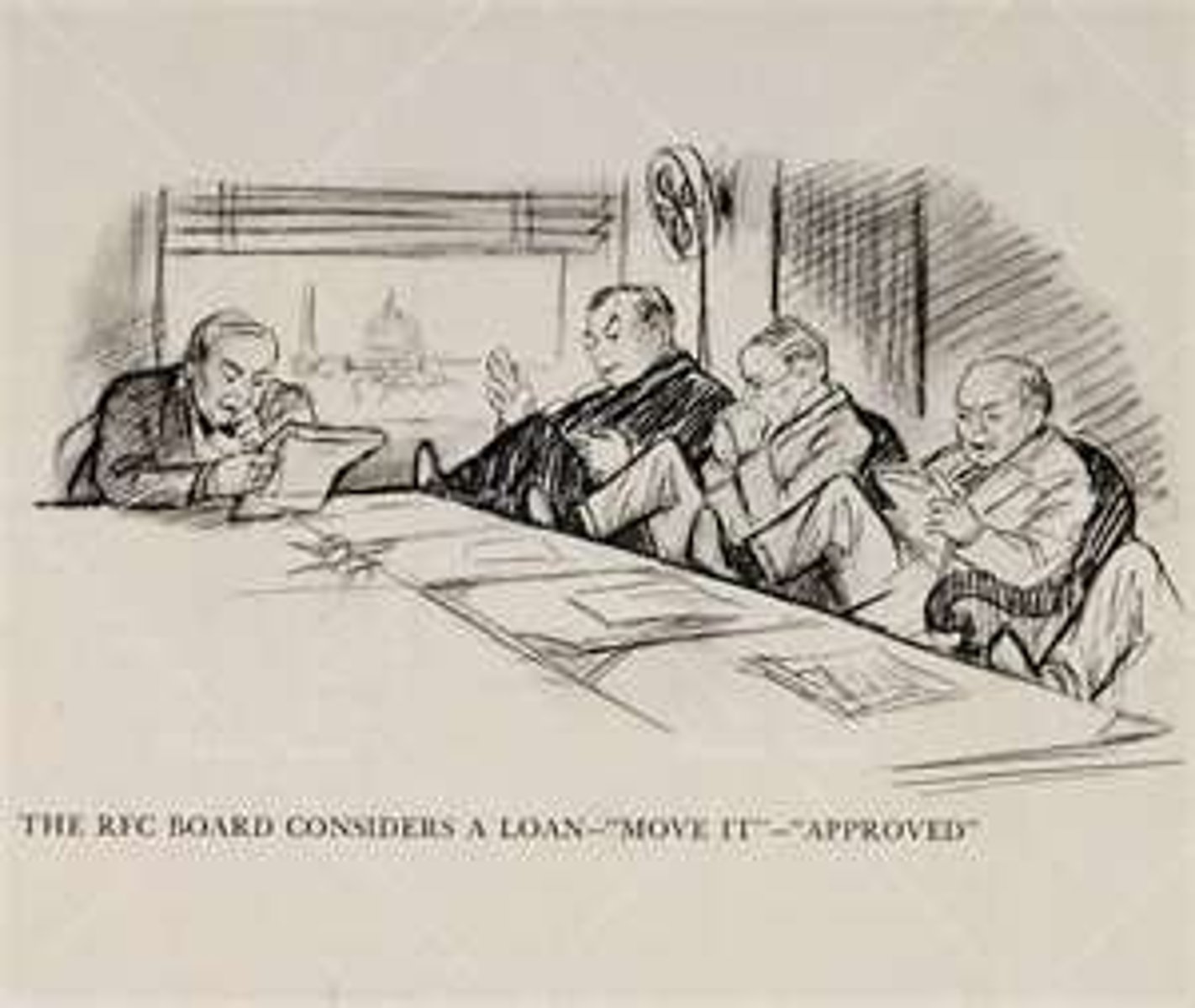
Reconstruction Finance Corporation (RFC)
Agency established in 1932 to provide emergency relief to large businesses, insurance companies, and banks. Created under President Herbert Hoover.
Herbert Hoover
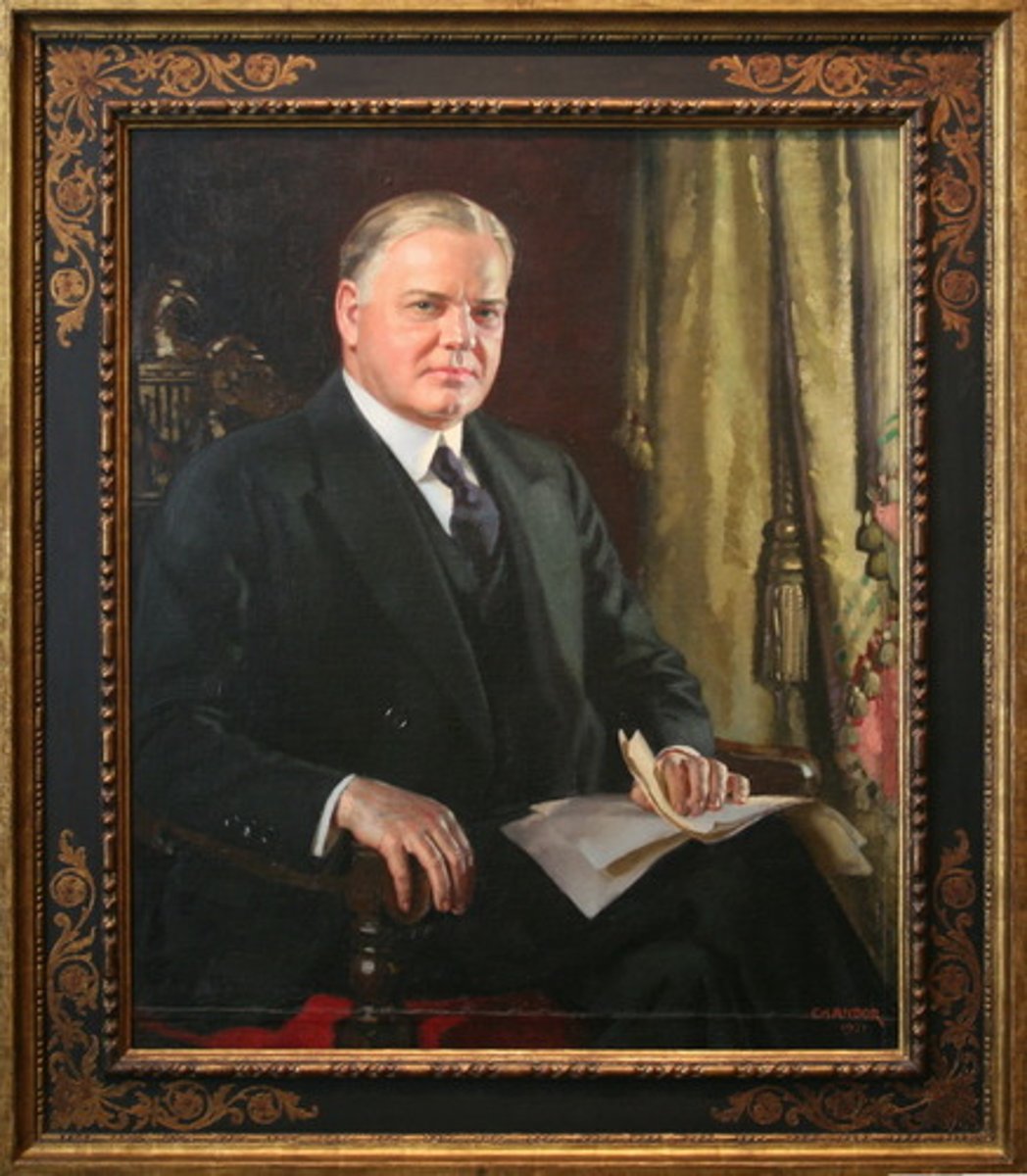
1928; Republican; approach to economy known as voluntarism (avoid destroying individuality/self-reliance by government coercion of business); of course, in 1929 the stock market crashed; tried to fix it through creating the Emergency Relief and Construction Act and the Reconstruction Finance Corporation (didn't really work).
New Deal
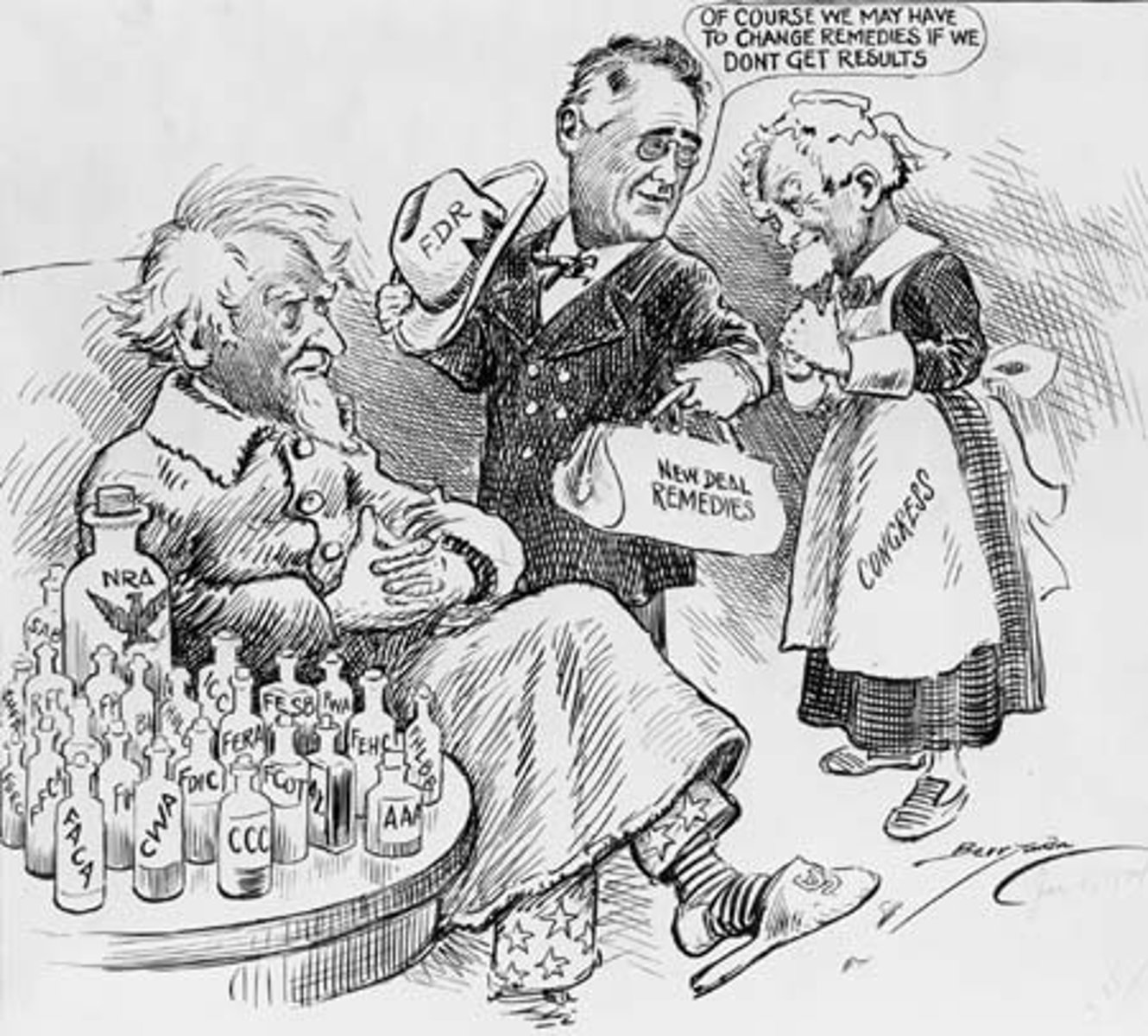
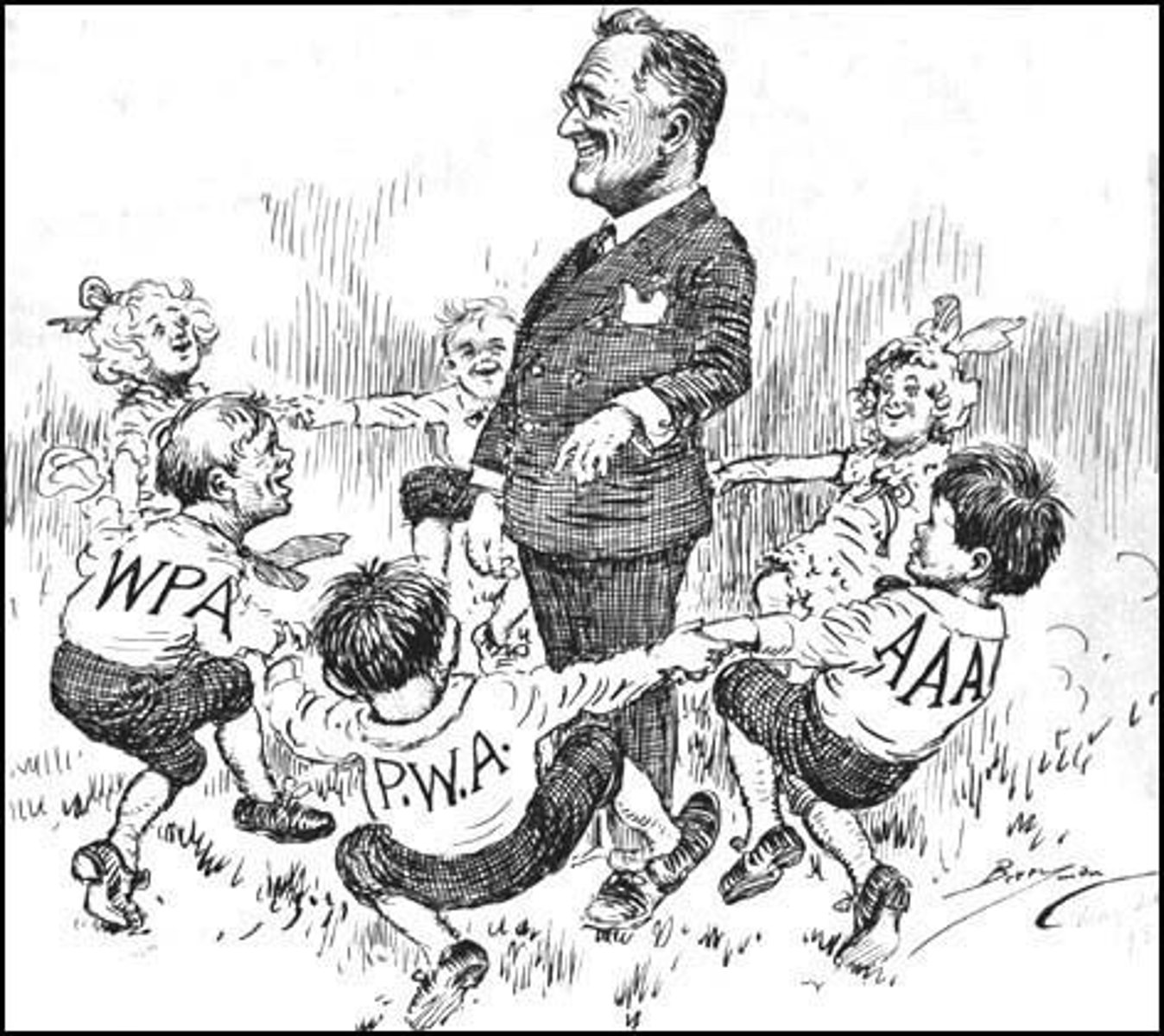
A series of reforms enacted by the Franklin Roosevelt administration between 1933 and 1942 with the goal of ending the Great Depression.
Franklin D. Roosevelt (FDR)
Franklin D Roosevelt took office as president of the United States. He started his presidency off with the First Hundred Days, which was the beginning of the New Deal. During this period, FDR and congress passed hundreds of bills that promoted social welfare and initiated programs coined alphabet soup programs.
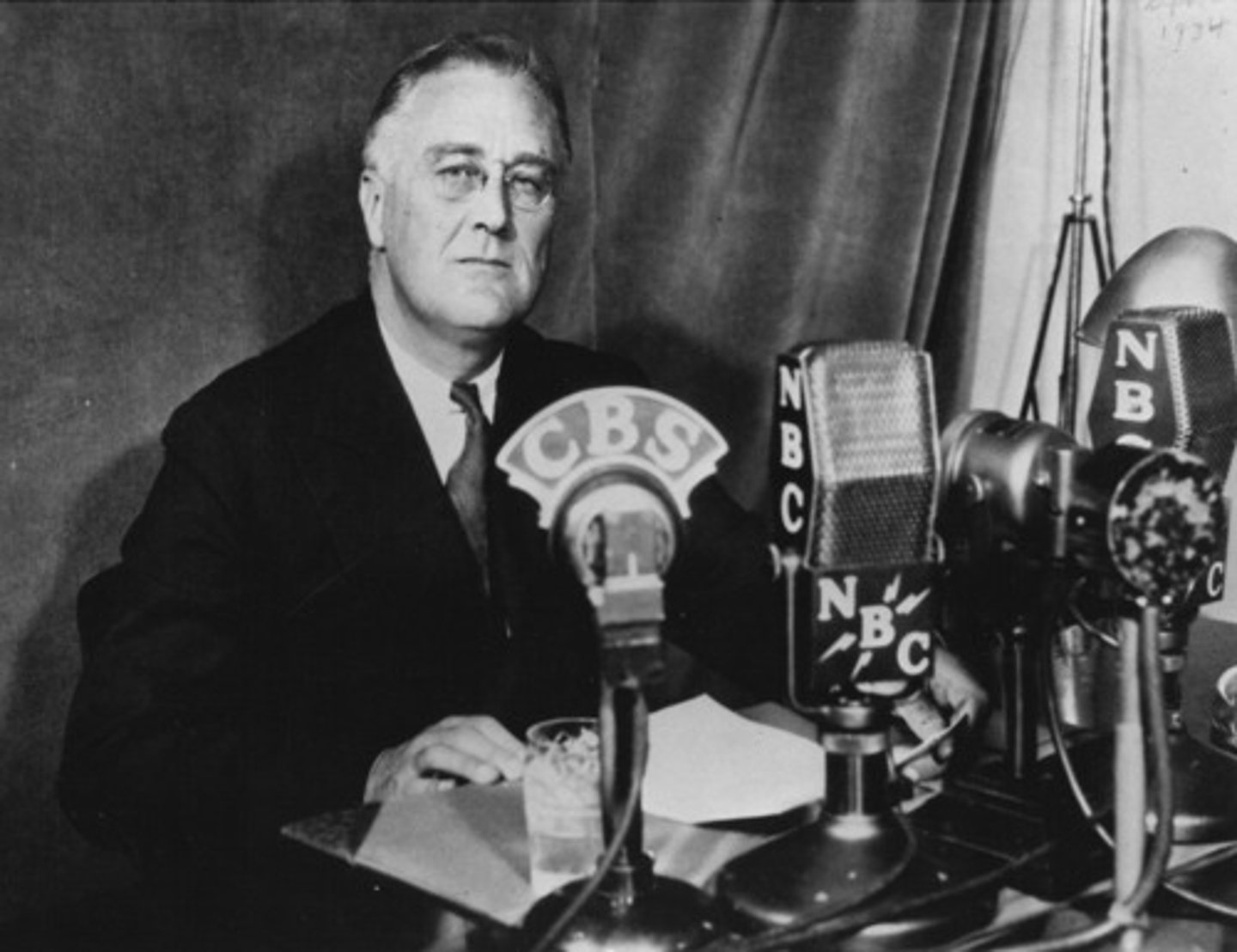
fireside chats
informal talks given by FDR over the radio; sat by White House fireplace; gained the confidence of the people
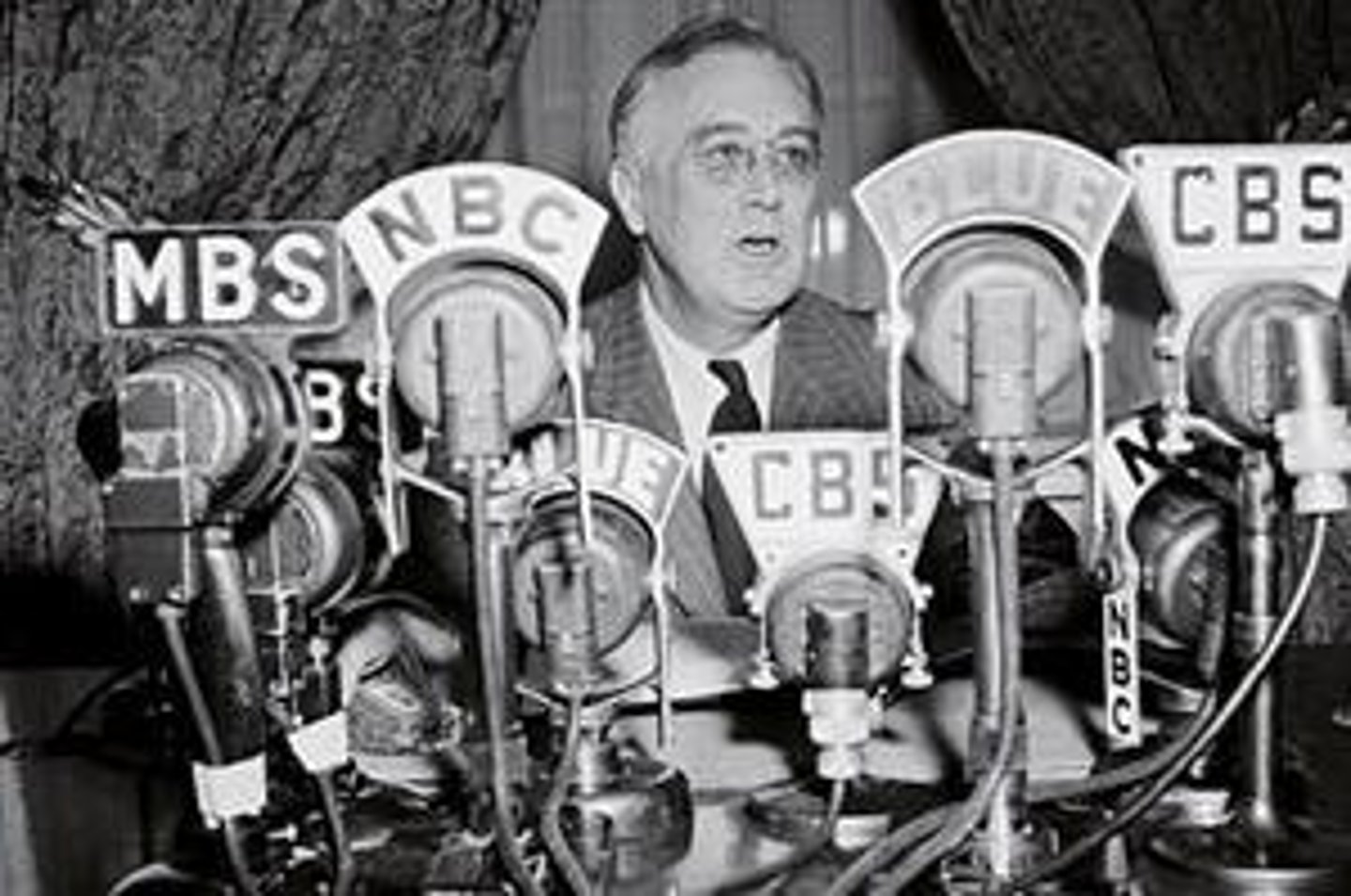
Brain Trust
Many of the advisers who helped Roosevelt during his presidential candidacy continued to aid him after he entered the White House. A newspaperman once described the group as "Roosevelt's Brain Trust." They were more influential than the Cabinet.
Hundred Days
100 days after FDR was sworn into office. Congress passed into law every request of FDR enacting more major legislation than any single Congress in history
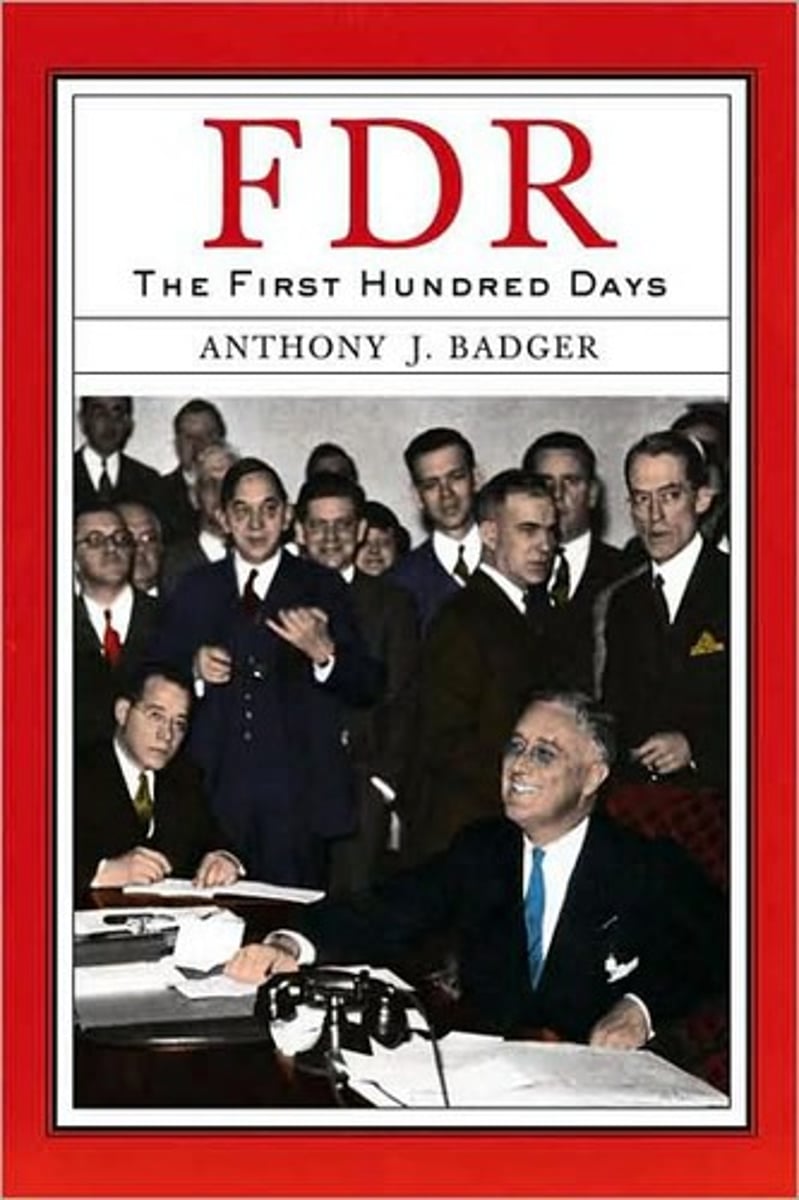
bank holiday
All the banks were ordered to close until new laws could be passed. An emergency banking law was rushed through Congress. The Law set up new ways for the federal government to funnel money to troubled banks It also required the Treasury Department to inspect banks before they could re-open.
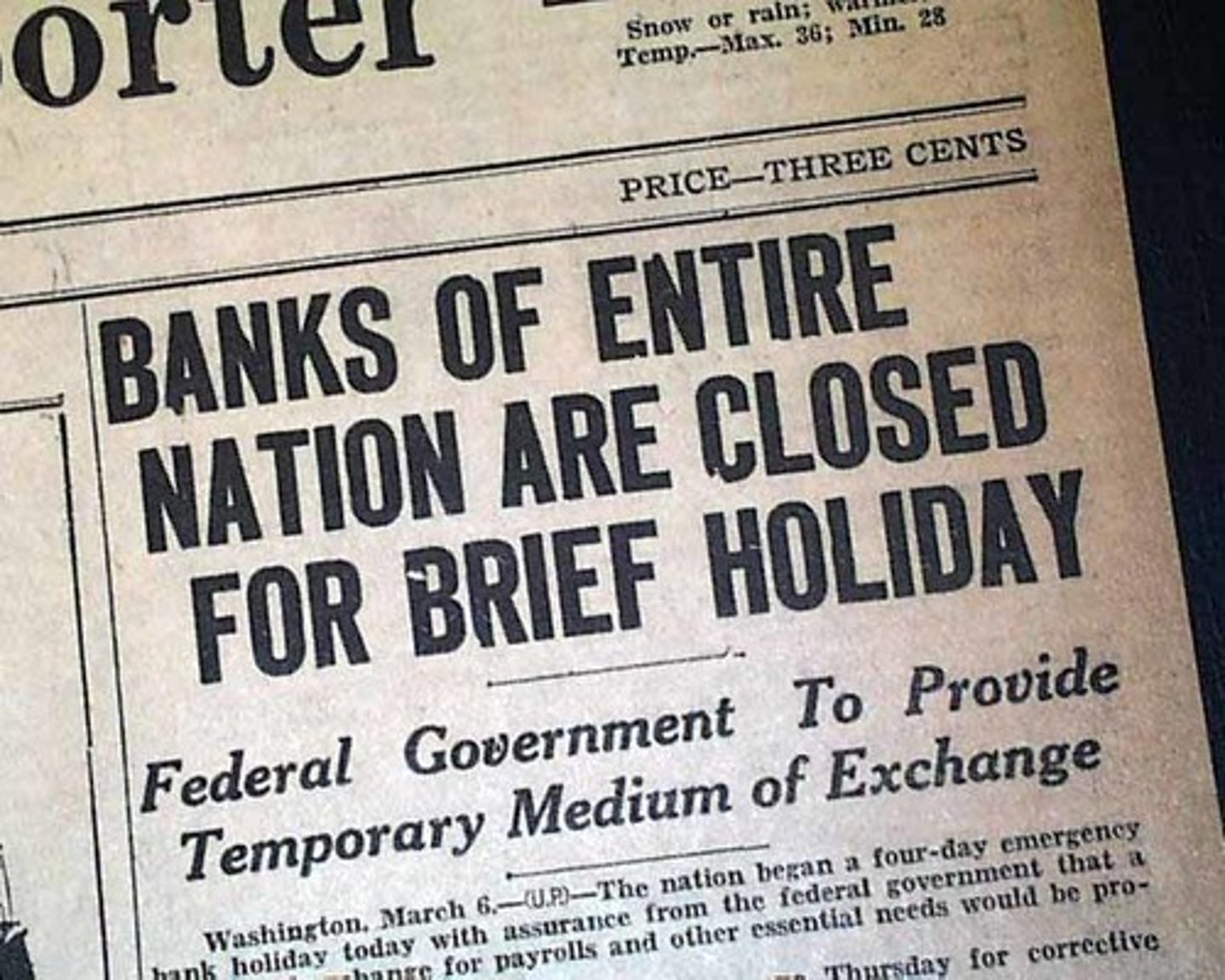
Emergency Banking Relief Act (EBRA)
(FDR) 1933 , gave the President power over the banking system and set up a system by which banks would be reorganized or reopened., HUNDRED DAYS STARTS
Glass-Steagall Act
(Banking Act of 1933) - Established the Federal Deposit Insurance Corporation and included banking reforms, some designed to control speculation. Repealed in 1999, opening the door to scandals involving banks and stock investment companies.

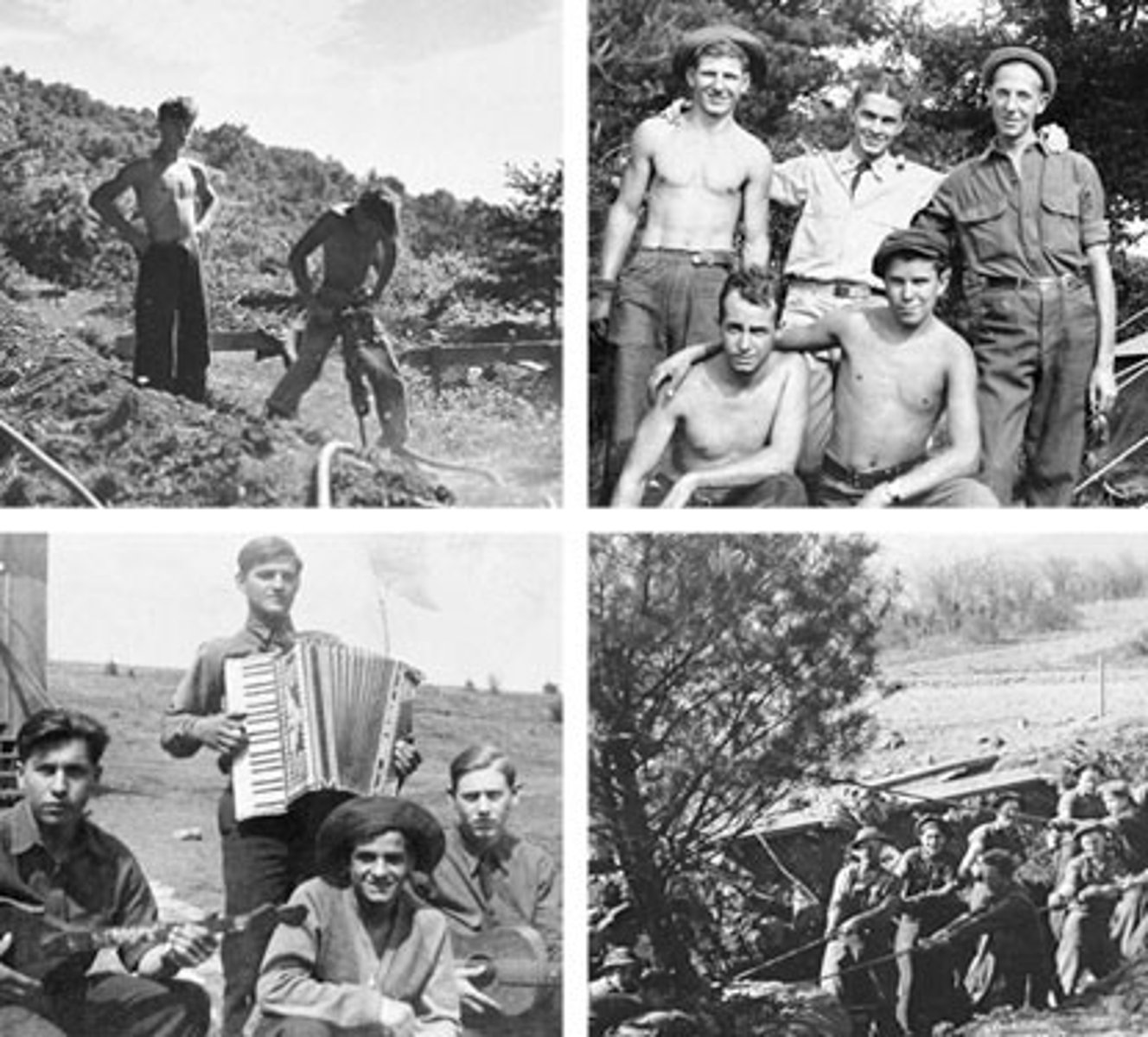
Civilian Conservation Corps (CCC)
Provided employment to young men by sending them to camps in national parks and forests - plant trees, build reservoirs, etc.
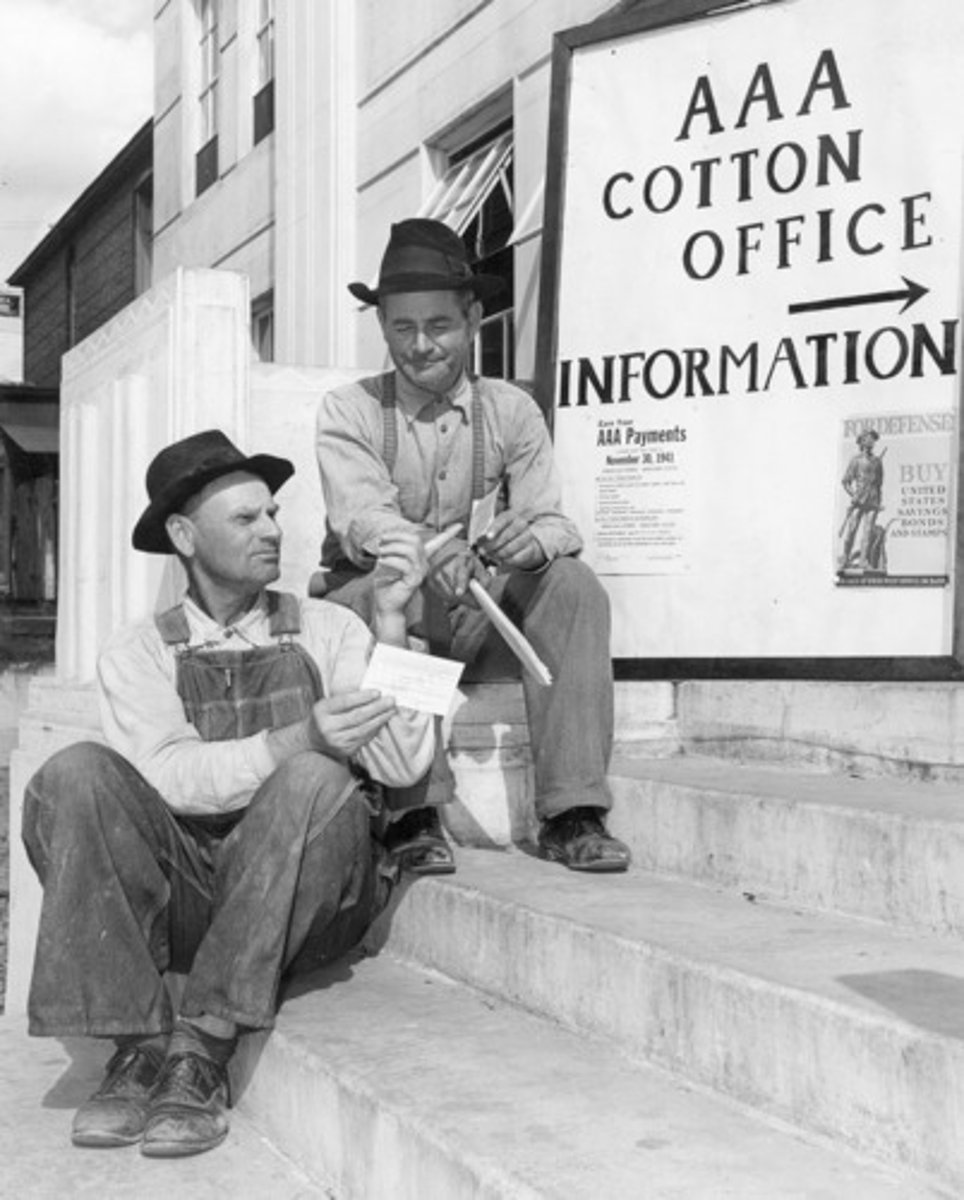
Agricultural Adjustment Act (AAA)
(FDR) 1933 and 1938. Helped farmers meet mortgages. Found unconstitutional because the government was paying the farmers to waste 1/3 of their products. Created by Congress in 1933 as part of the New Deal, this agency attempted to restrict agricultural production by paying farmers subsidies to take land out of production.
National Industrial Recovery Act (NIRA)
A New Deal legislation that focused on the employment of the unemployed and the regulation of unfair business ethics. The NIRA pumped cash into the economy to stimulate the job market and created codes that businesses were to follow to maintain the ideal of fair competition and created the NRA. Under Section 7a Permitted all workers to join unions of their choice, allowed workers to bargain collectively for wage increases and benefits, allowed workers to go on strike to try to force employers to meet their demands.
National Recovery Administration (NRA)
Government agency that was part of the New Deal and dealt with the industrial sector of the economy. It allowed industries to create fair competition, which were intended to reduce destructive competition and to help workers by setting minimum wages and maximum weekly hours.
Federal Emergency Relief Administration (FERA)
The Act was the first direct-relief operation under the New Deal and was headed by Harry L. Hopkins, a New York social worker who was one of Franklin D. Roosevelt's most influential advisers. The law provided money for food and other necessities for the unemployed. Affected the people in trying to aid people feeling the effects of the depression.
Public Works Administration (PWA)
(FDR) , 1935 Created for both industrial recovery and for unemployment relief. Headed by the Secretary of Interior Harold L. Ickes, it aimed at long-range recovery and spent $4 billion on thousands of projects that included public buildings, highways, and parkways.
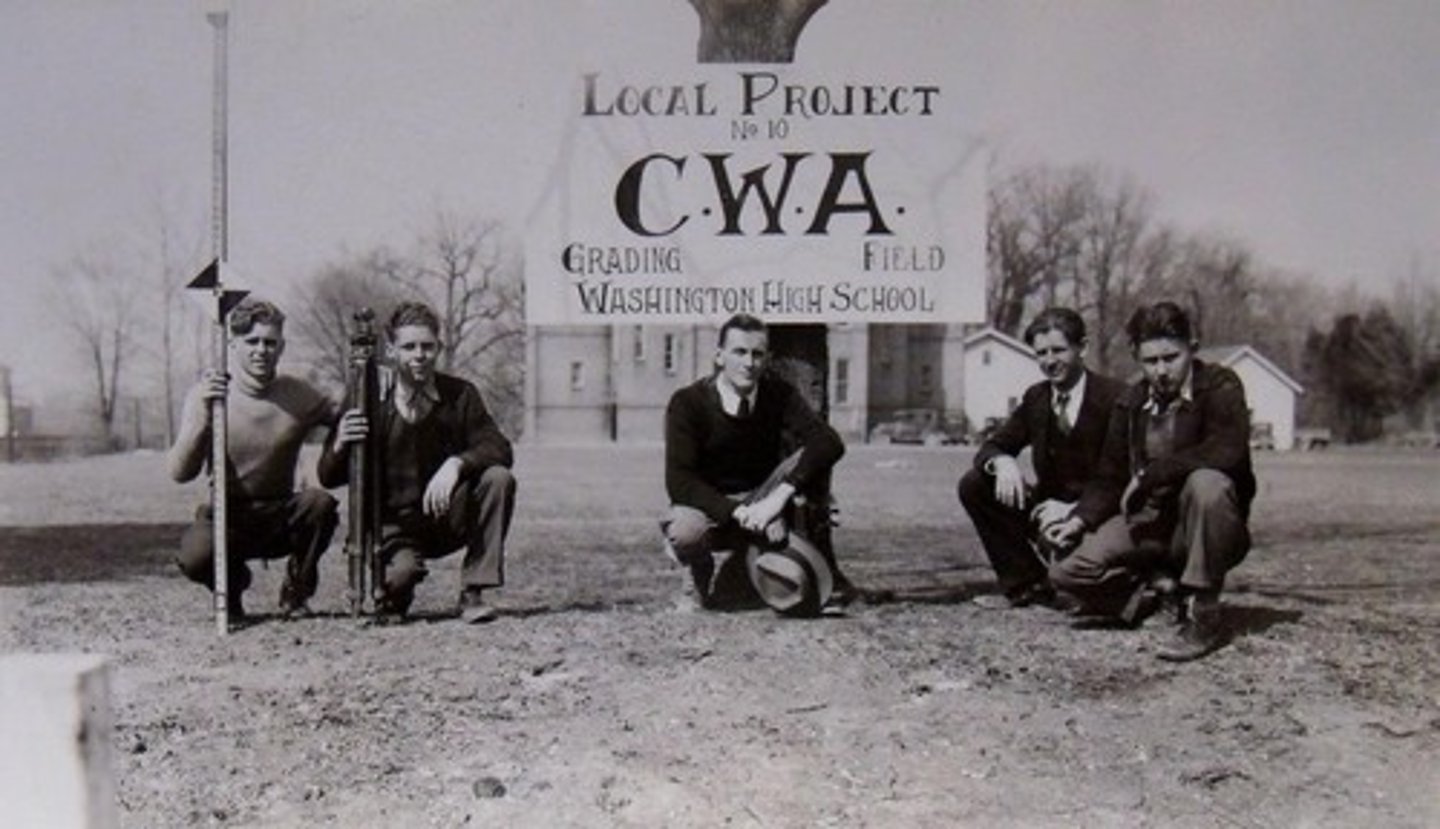
Civil Works Administration (CWA)
(CWA), headed by Hopkins, Designed to provide purely temporary jobs during the winter emergency of 1933 prevent winter damage by creating tens of thousands of jobs, such as leaf-raking and other jobs made just so people can be able to do something. Jobs were purely temporary and often very simple tasks.
Securities and Exchange Commission (SEC)
monitors the stock market and enforces laws regulating the sale of stocks and bonds
Liberty League
Conservatives who did not agree with Roosevelt, they wanted government to let business alone and play a less active role in the economy
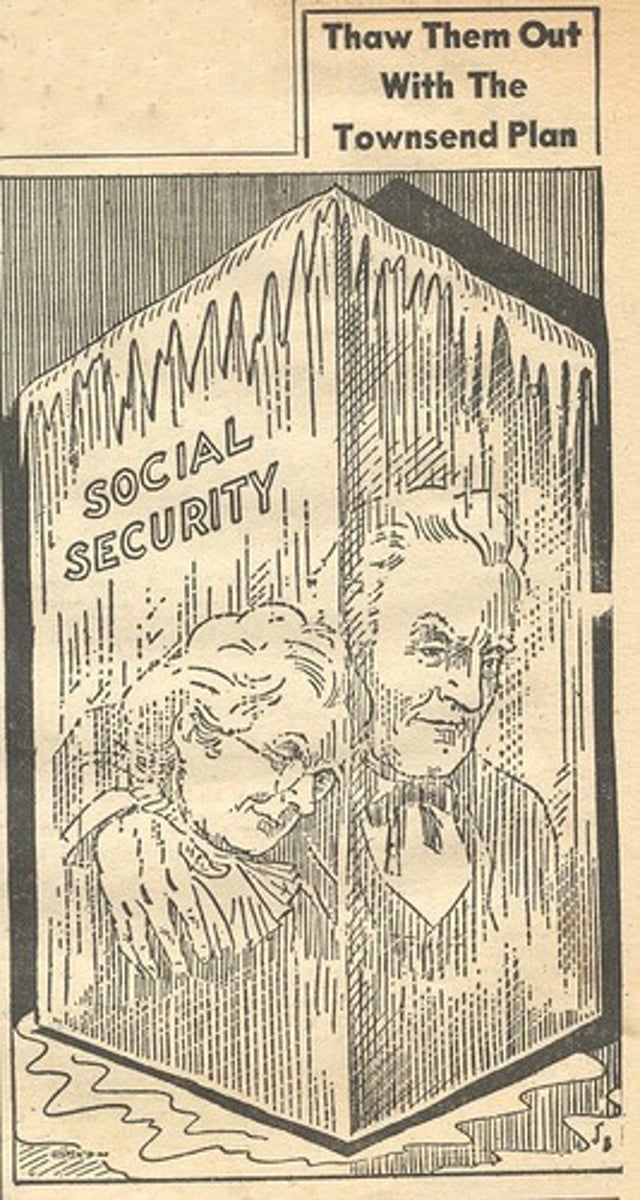
Dr. Frances Townsend
New Deal critic; focused on the needs of older Americans; ideas for a pension plan for retirees contributed to formation of Social Security
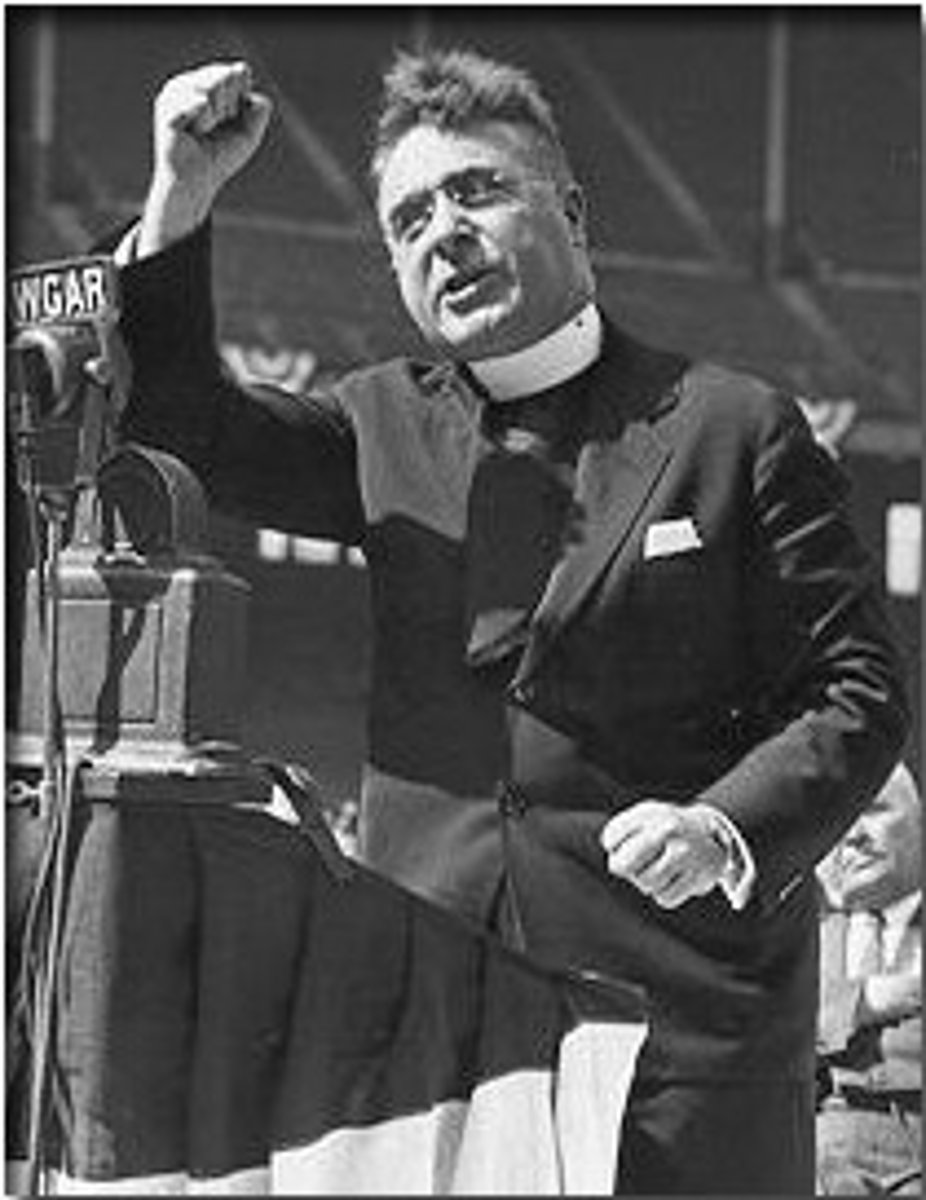
Father Charles Coughlin
The "radio priest." A critic of the New Deal; created the National Union for Social Justice; wanted monetary inflation and the nationalization of the banking system.
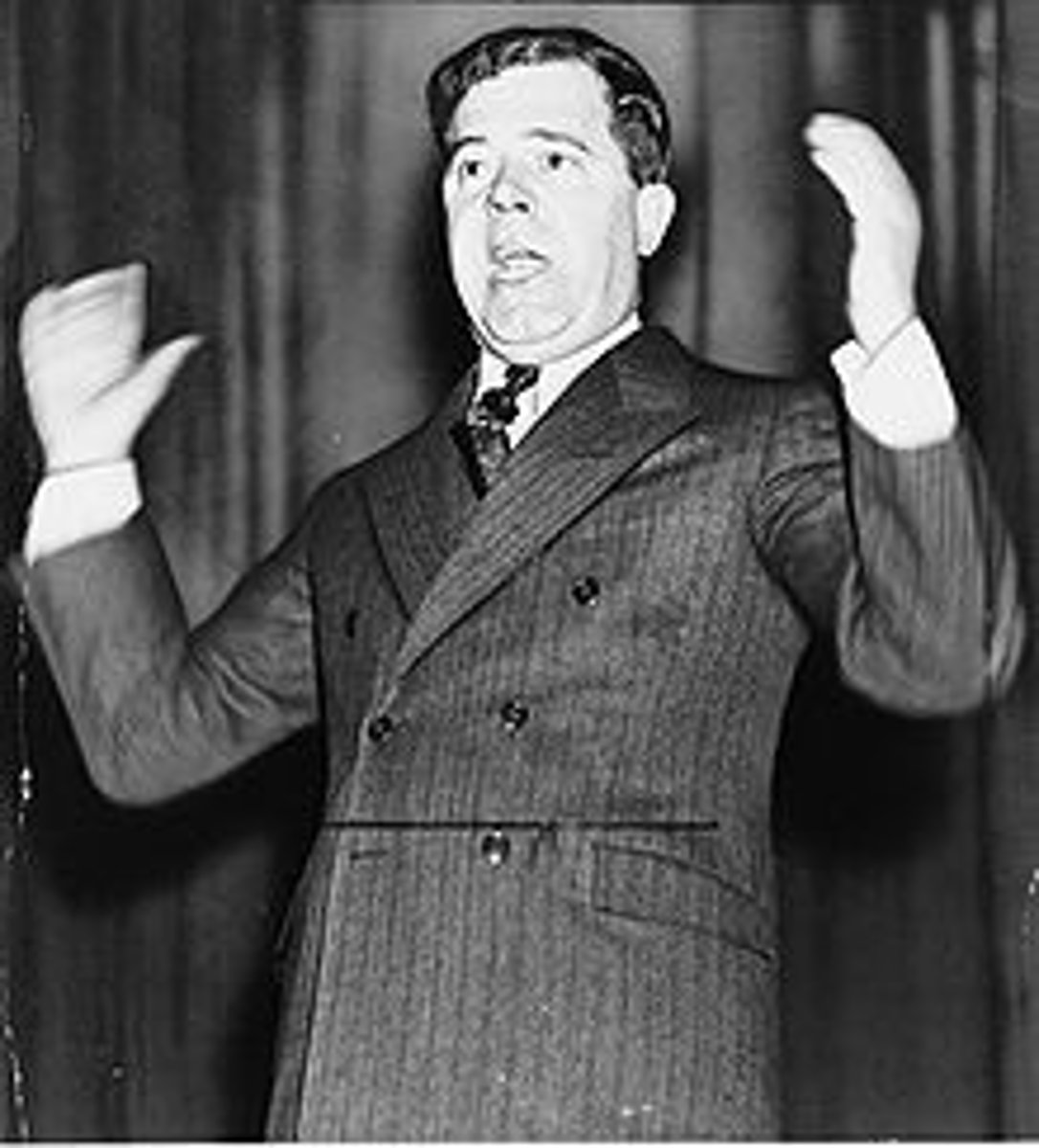
Huey Long
As senator in 1932 of Washington preached his "Share Our Wealth" programs. It was a 100% tax on all annual incomes over $1 million and appropriation of all fortunes in excess of $5 million. With this money Long proposed to give every American family a comfortable income, etc. Known as the "King Fish."
Second New Deal
(1935) a new set of programs in the spring of 1935 including additional banking reforms, new tax laws, new relief programs.
Jan 1935-Sept1935- Reorganized fed program for jobless relief. Assistance to rural poor,Supp for org labor, social welfare benefits for elder, stricter business reg, heavier taxes on wealthy.
Wagner Act (1935)
established National Labor Relations Board; protected the rights of most workers in the private sector to organize labor unions, to engage in collective bargaining, and to take part in strikes and other forms of concerted activity in support of their demands.
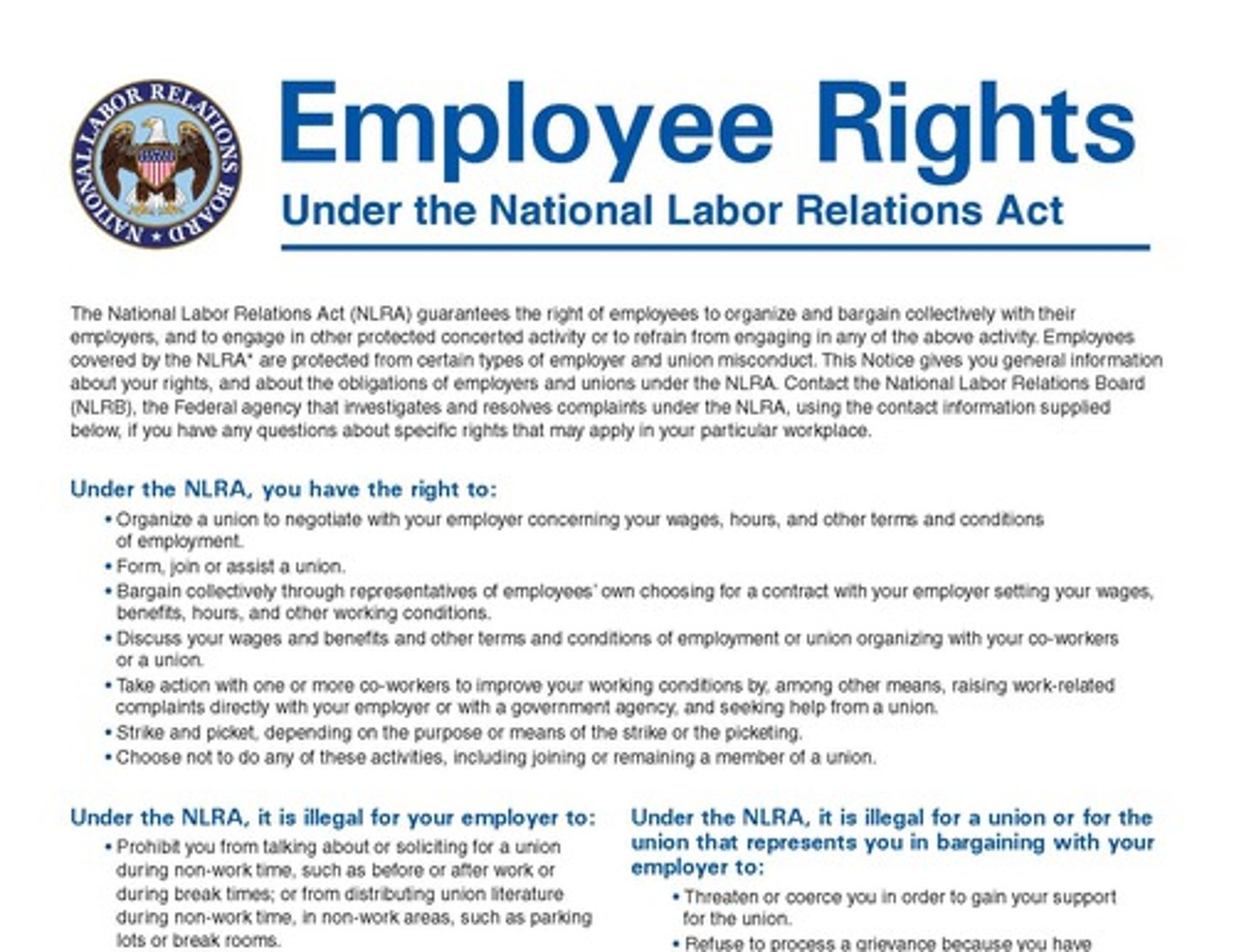
National Labor Relations Board (NLRB)
(1935) Also known as the Wagner Act. Guarantees workers the right of collective bargaining
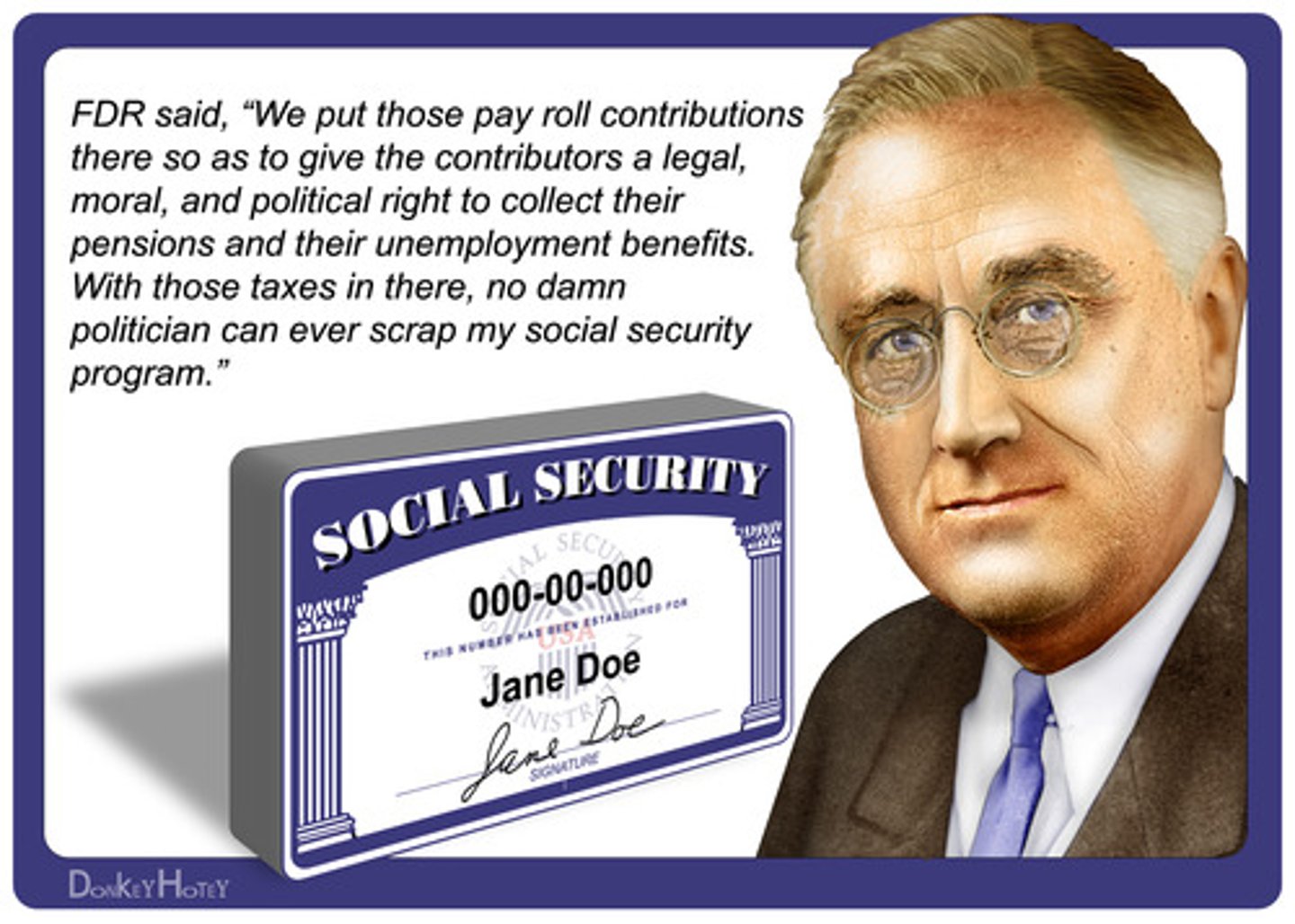
Social Security Act (1935)
the greatest victory for New Dealers; created pension and insurance for the old-aged, the blind, the physically handicapped, delinquent children, and other dependents by taxing employees and employers
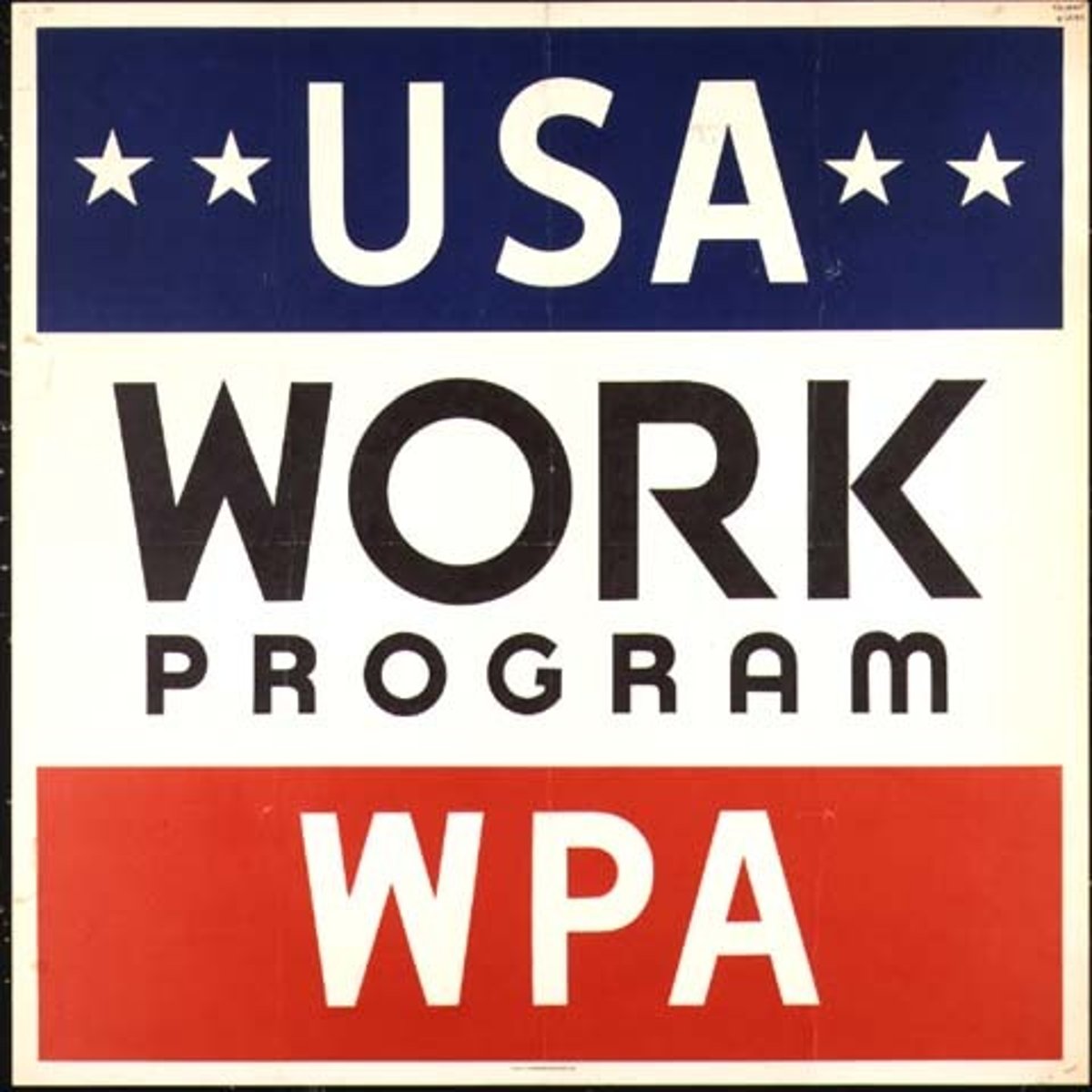
Works Progress Administration (WPA)
Authorized in 1935 with the intent of raising employment on useful projects. It focused on improving society, many times by building infrastructure. It was often criticized, but ultimately created over 9 million jobs. It also contributed to the preservation of self esteem, and the genesis of millions of works of art.
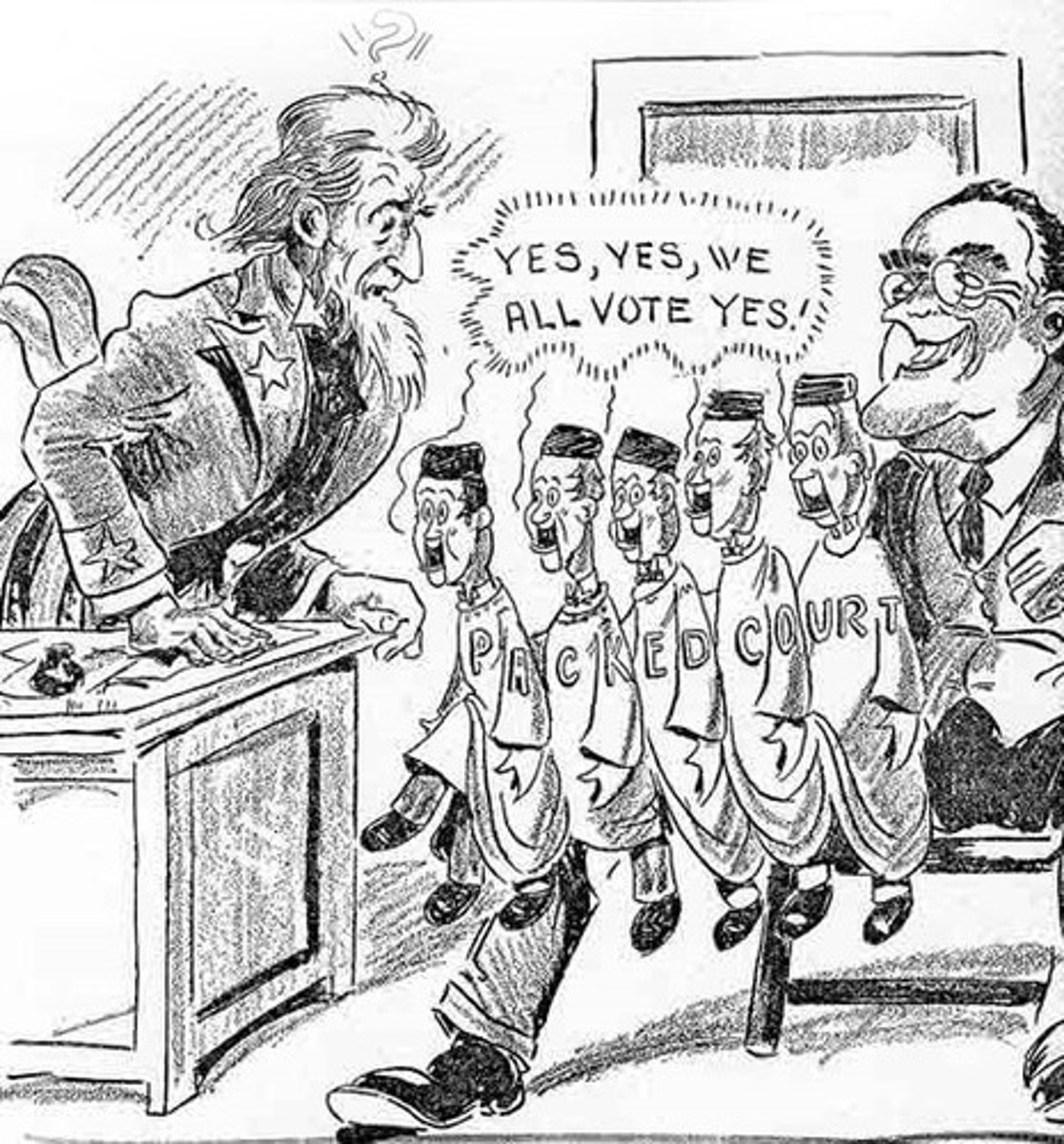
Court-Packing Scheme
Judiciary Reorganization Bill of 1937, frequently called the Court-packing Bill, was a law proposed by United States President Franklin Roosevelt. While the bill contained many provisions, the most notorious one (which led to the name "Court-packing Bill") would have allowed the President the power to appoint an extra Supreme Court Justice for every sitting Justice over the age of 70½.
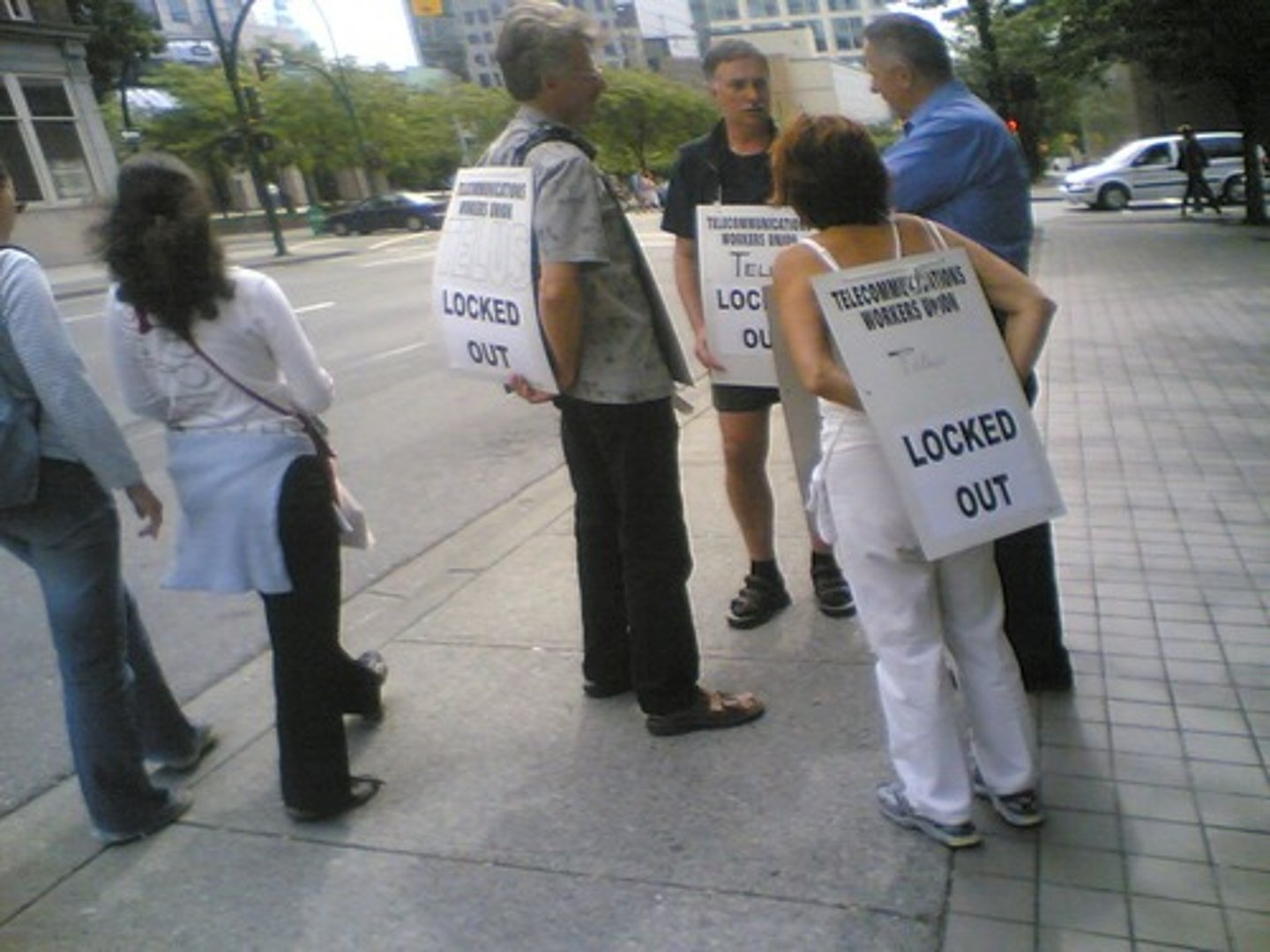
Fair Labor Standards Act (1938)
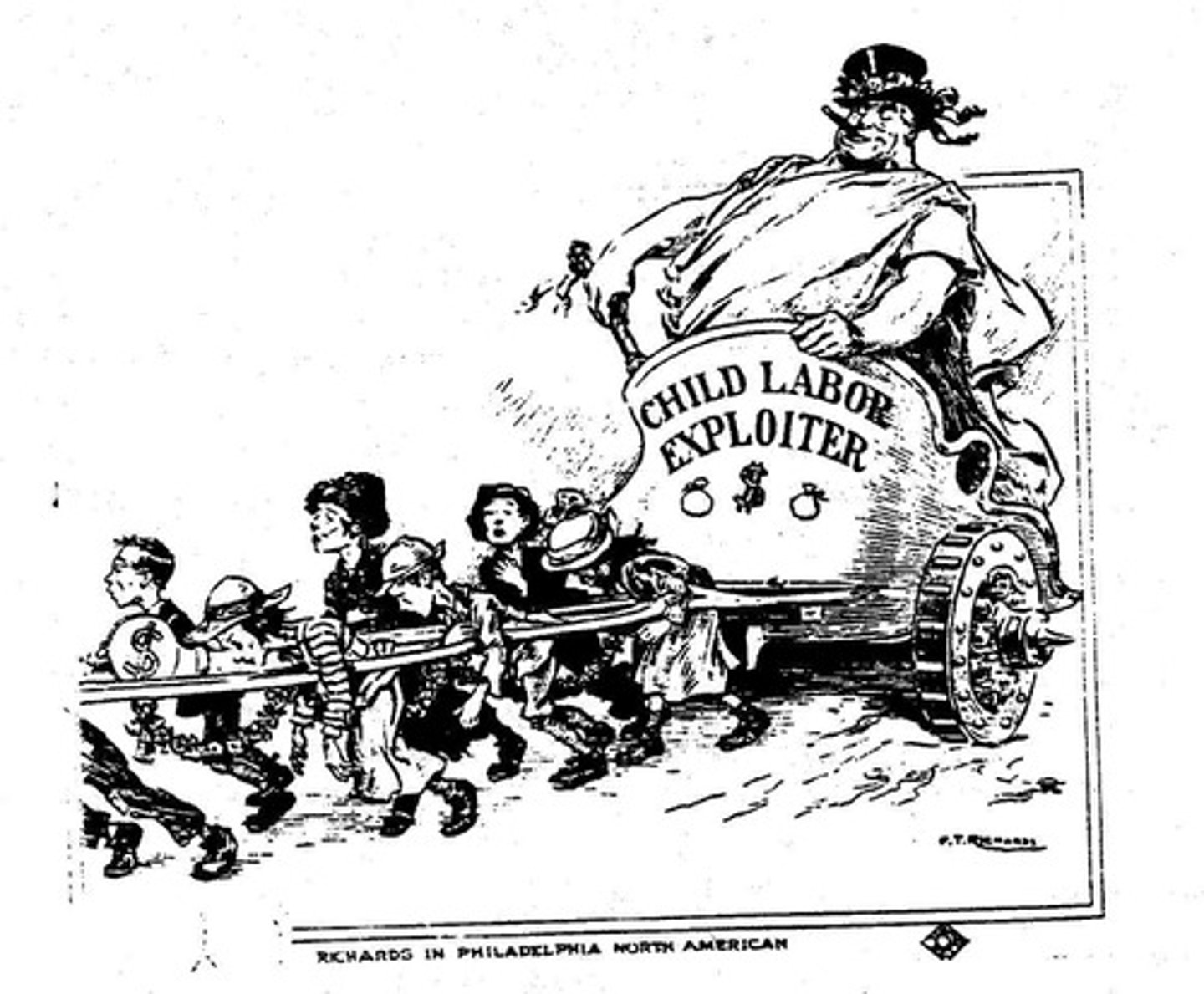
June 25, 1938- United States federal law that applies to employees engaged in and producing goods for interstate commerce. The FLSA established a national minimum wage, guaranteed time and a half for overtime in certain jobs, and prohibited most employment of minors in "oppressive child labor," a term defined in the statute. The FLSA is administered by the Wage & Hour Division of the United States Department of Labor.
Roosevelt Recession
Economic downturn in 1937 which happened when FDR tried to reduce government spending on relief and job programs
deficit spending
Government practice of spending more than is taken in from taxes.
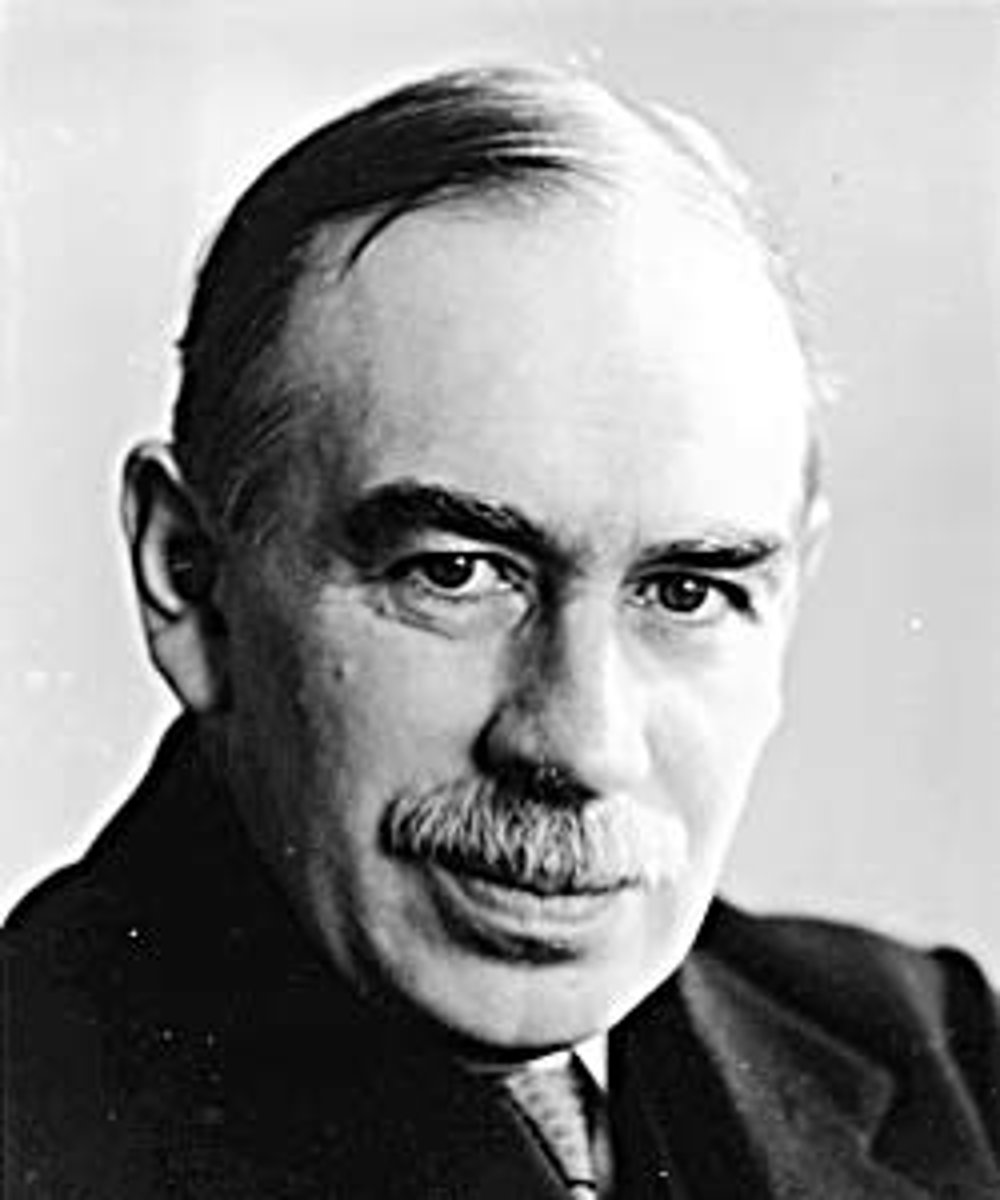
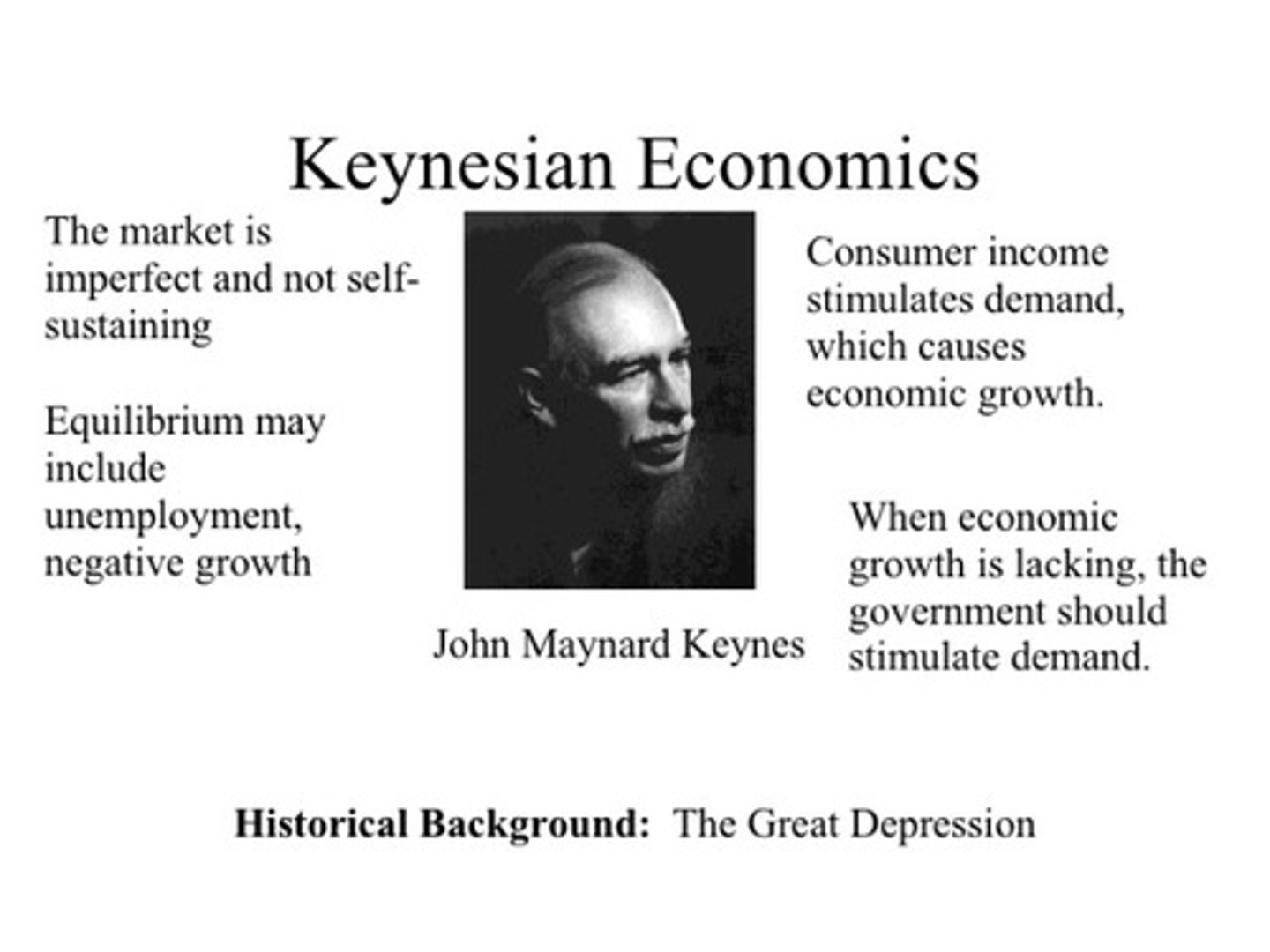
John Maynard Keynes
British economist who argued that for a nation to recovery fully from a depression, the govt had to spend money to encourage investment and consumption
Keynesian Economics
Theory based on the principles of John Maynard Keynes, stating that government spending should increase during business slumps and be curbed during booms.
Congress of Industrial Organizations (CIO)
Grew out of a dispute within the American Federation of Labor CIO; proposed by John L. Lewis in 1938; federation of unions that organized workers in industrial unions in the United States and Canada from 1935 to 1955; supported Franklin D. Roosevelt and the New Deal Coalition, and was open to African Americans; eventually merged with AFL
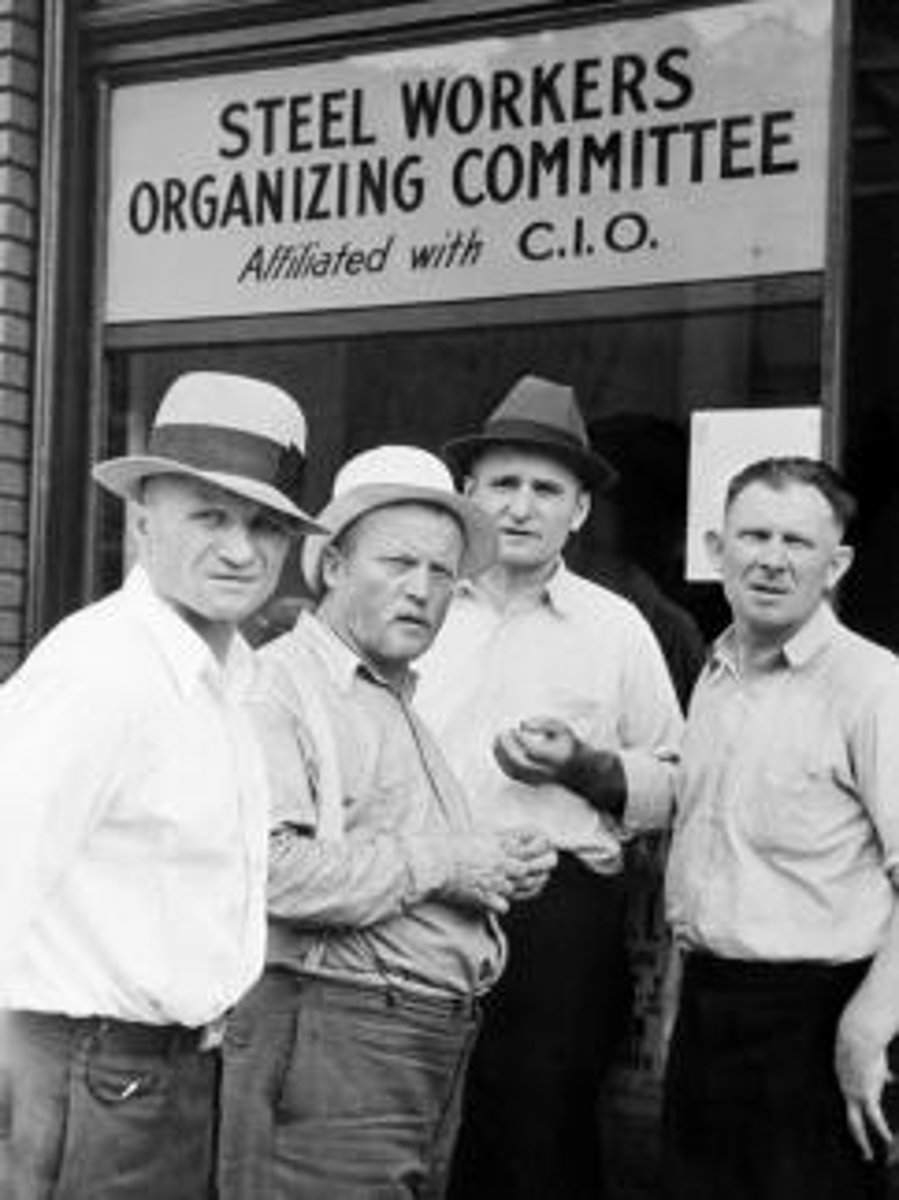
Little Steel
Referring to Steel Companies who were not under the direct control of US Steel Corp. The Little Steel Strike of 1937 pitted steelworkers, represented by the Congress of Industrial Organizations, against smaller steel manufacturing companies, such as the Republic Steel Company, the Youngstown Sheet and Tube Company, collectively known as Little Steel. Chicago Police Department shot and killed ten unarmed demonstrators in Chicago, on May 30, 1937.
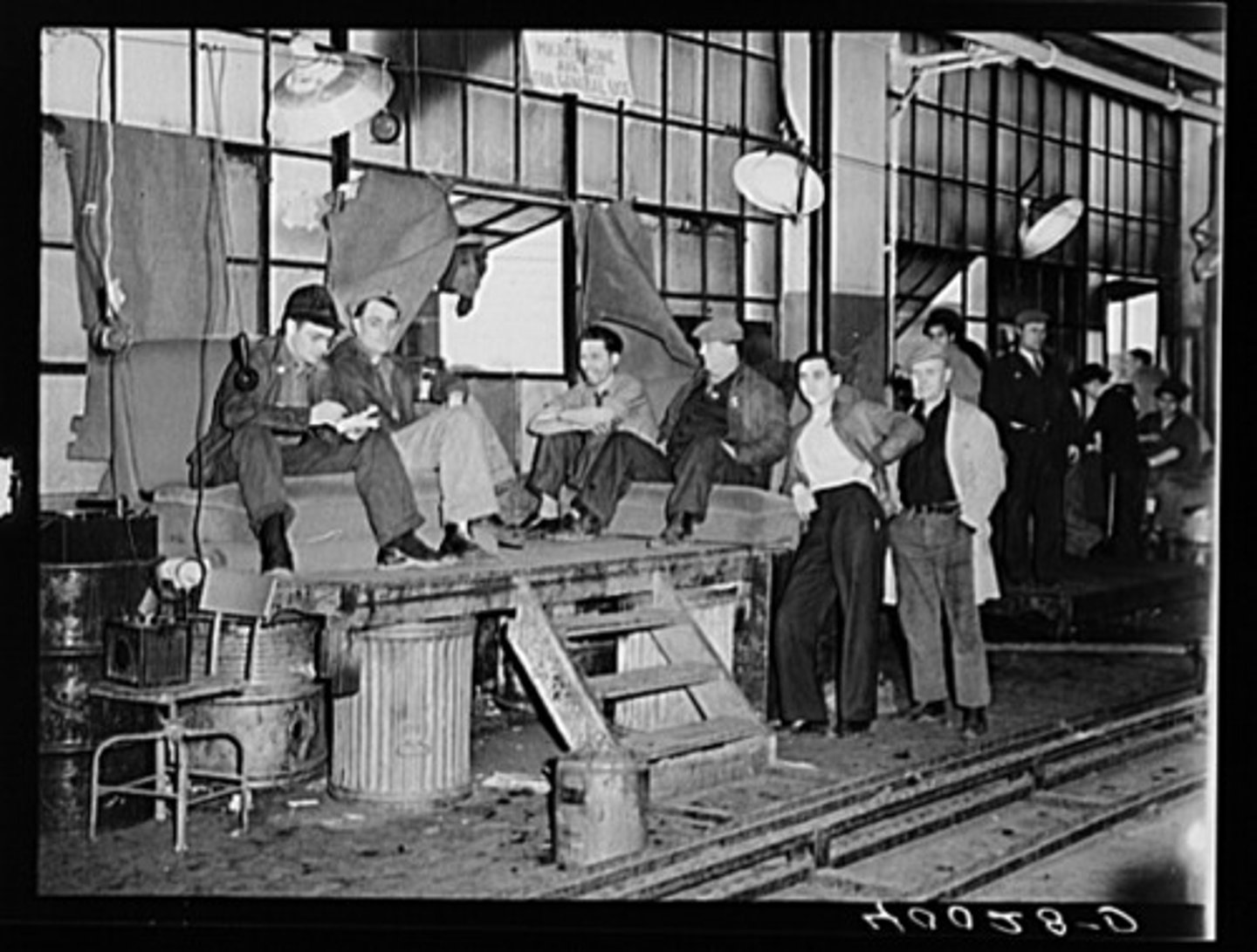
sit-down strikes
Type of strike in which striking workers refuse to leave the factories so that owners cannot replace them.
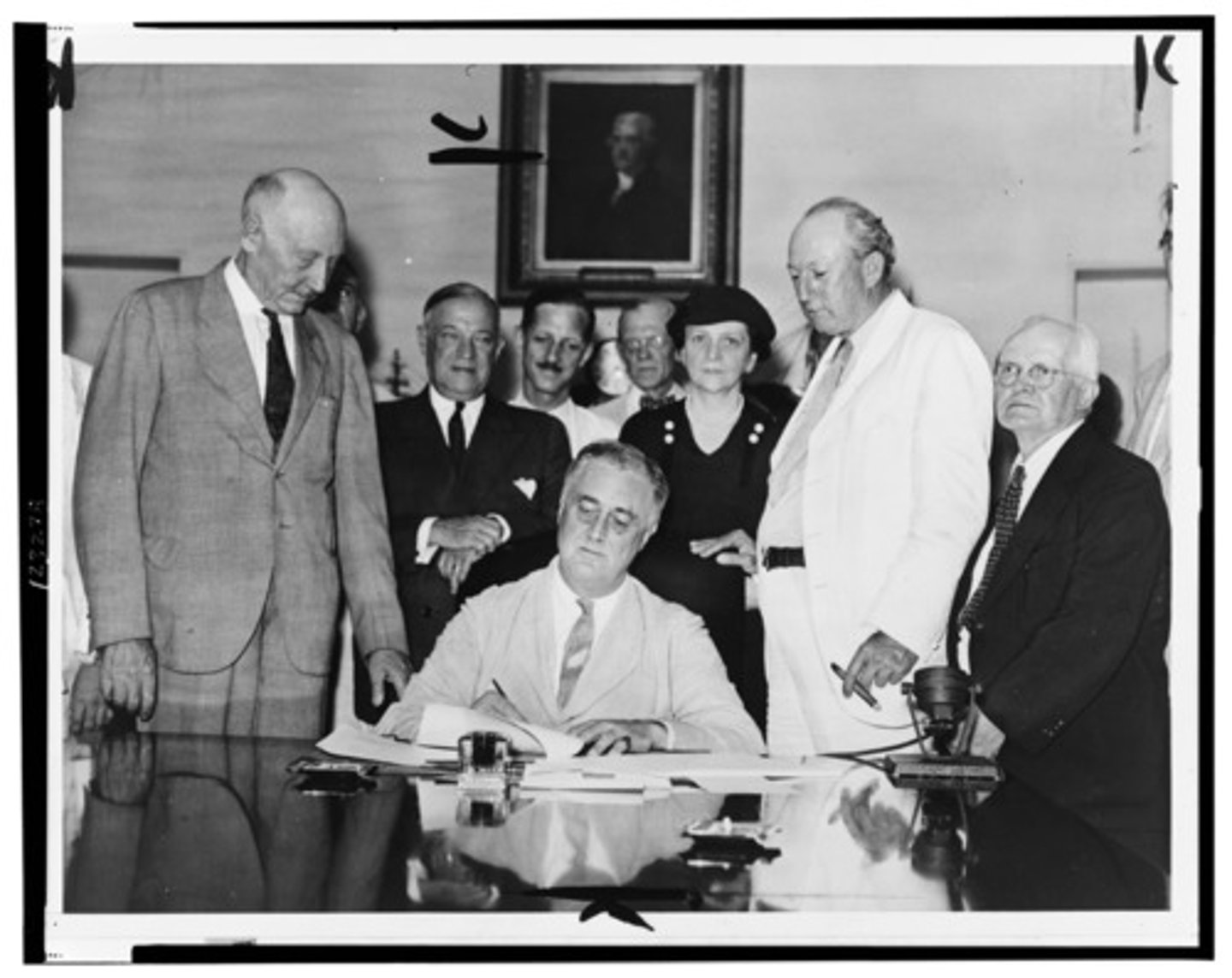
Frances Perkins
U.S. Secretary of Labor from 1933 to 1945, and the first woman ever appointed to the cabinet.
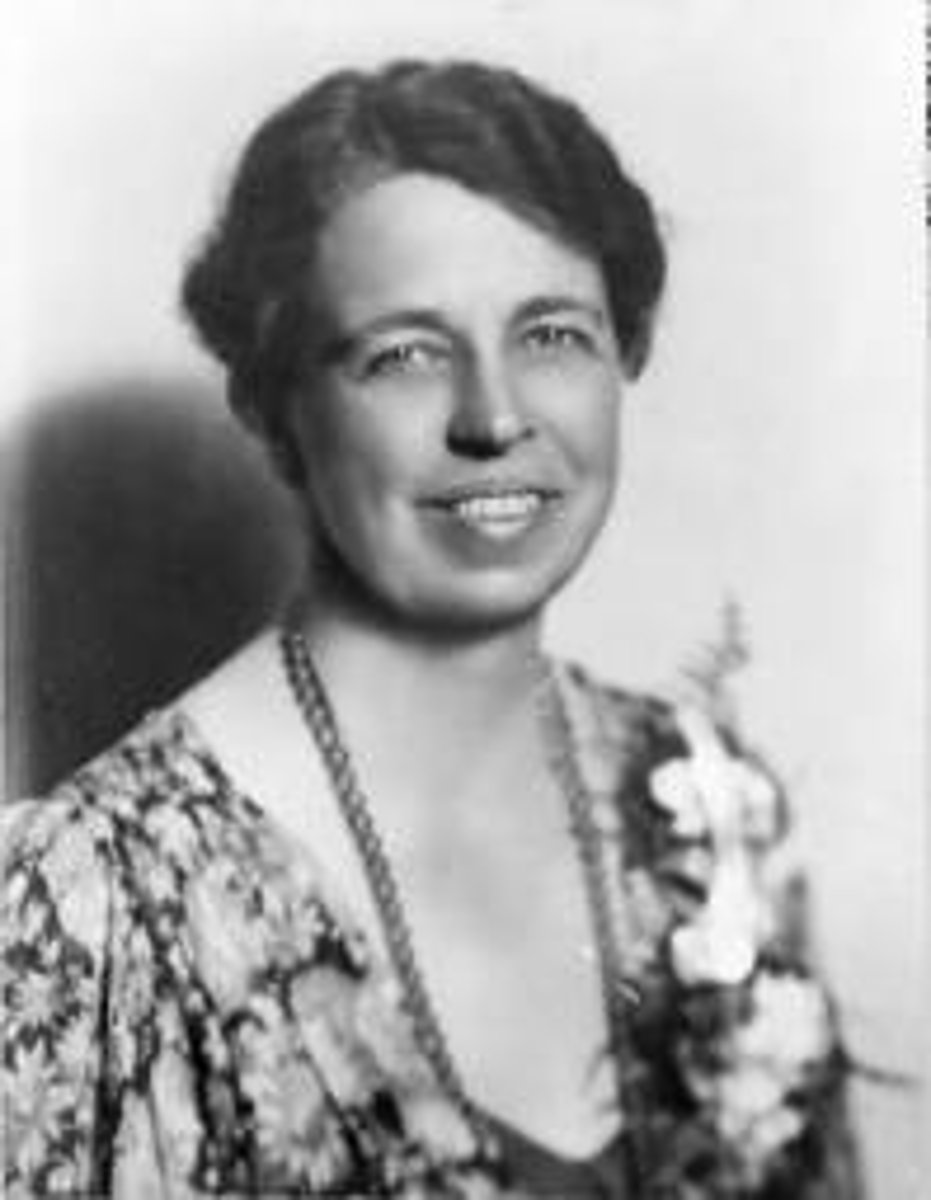
Eleanor Roosevelt
FDR's Wife and New Deal supporter. Was a great supporter of civil rights and opposed the Jim Crow laws. She also worked for birth control and better conditions for working women.
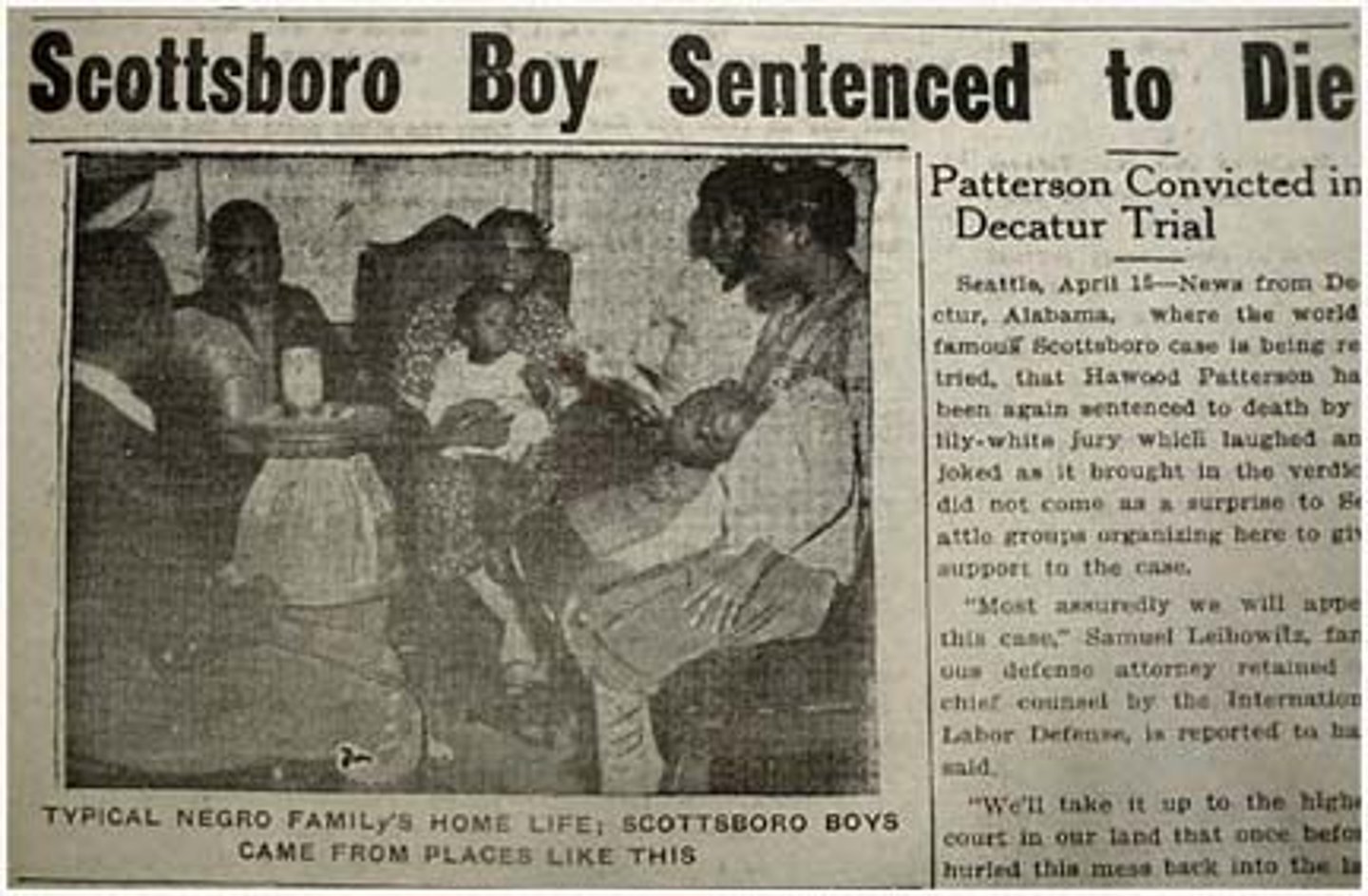
Scottsboro case
Nine black teenagers were taken off a freight train in a small town near Scottsboro, Alabama and were arrested for vagrancy and disorder. Later, two white women accused the boys of raping them, and although there was significant evidence to suggest the women were lying, an all-white jury convicted all of the boys and eight were sentenced to death. However, with the Supreme Court's decision to overturn the convictions in 1932 and with the support of an organization associated with the Communist Party, the International Labor Defense, all of the defendants eventually gained their freedom.
John Collier
Head of the Bureau of Indian Affairs who introduced the Indian New Deal and pushed congress to pass Indian Reorganization Act
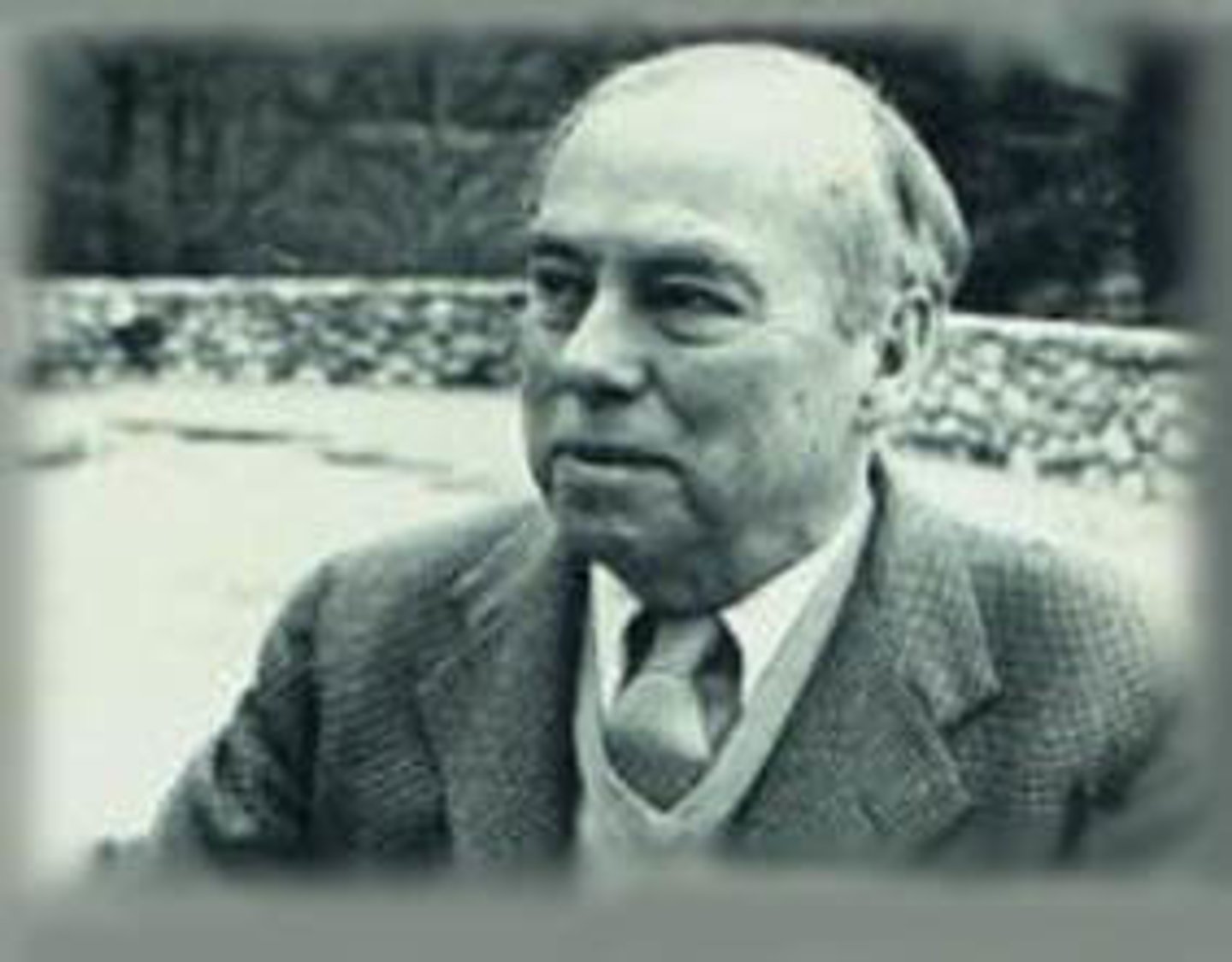
Indian Reorganization Act (1934)
1934 - Restored tribal ownership of lands, recognized tribal constitutions and government, and provided loans for economic development.
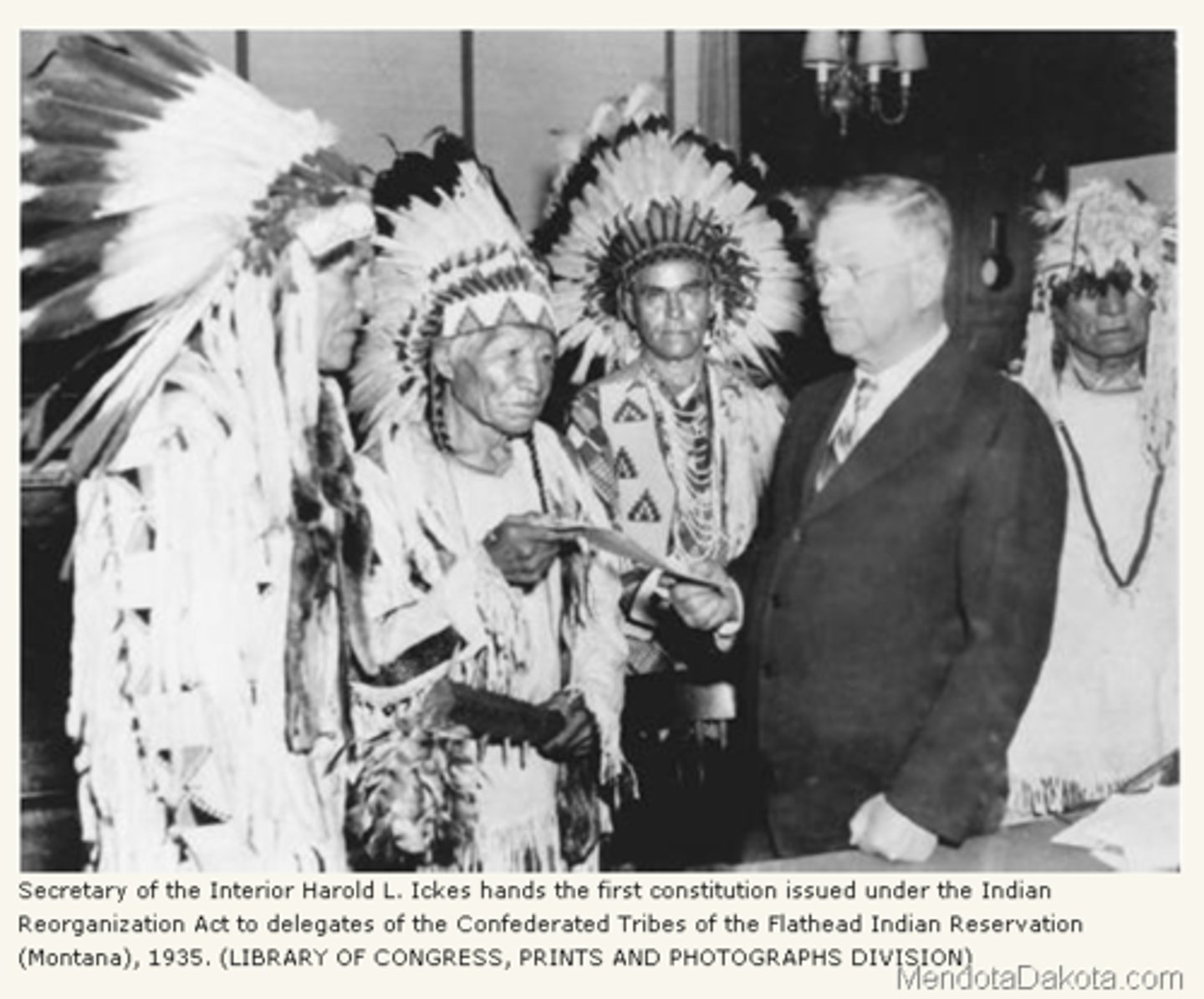
Dust Bowl
Parts of Oklahoma, Kansas, Colorado, New Mexico, and Texas that were hit hard by dry topsoil and high winds that created blinding dust storms; this area of the Great Plains became called that because winds blew away crops and farms, and blew dust from Oklahoma to Albany, New York.
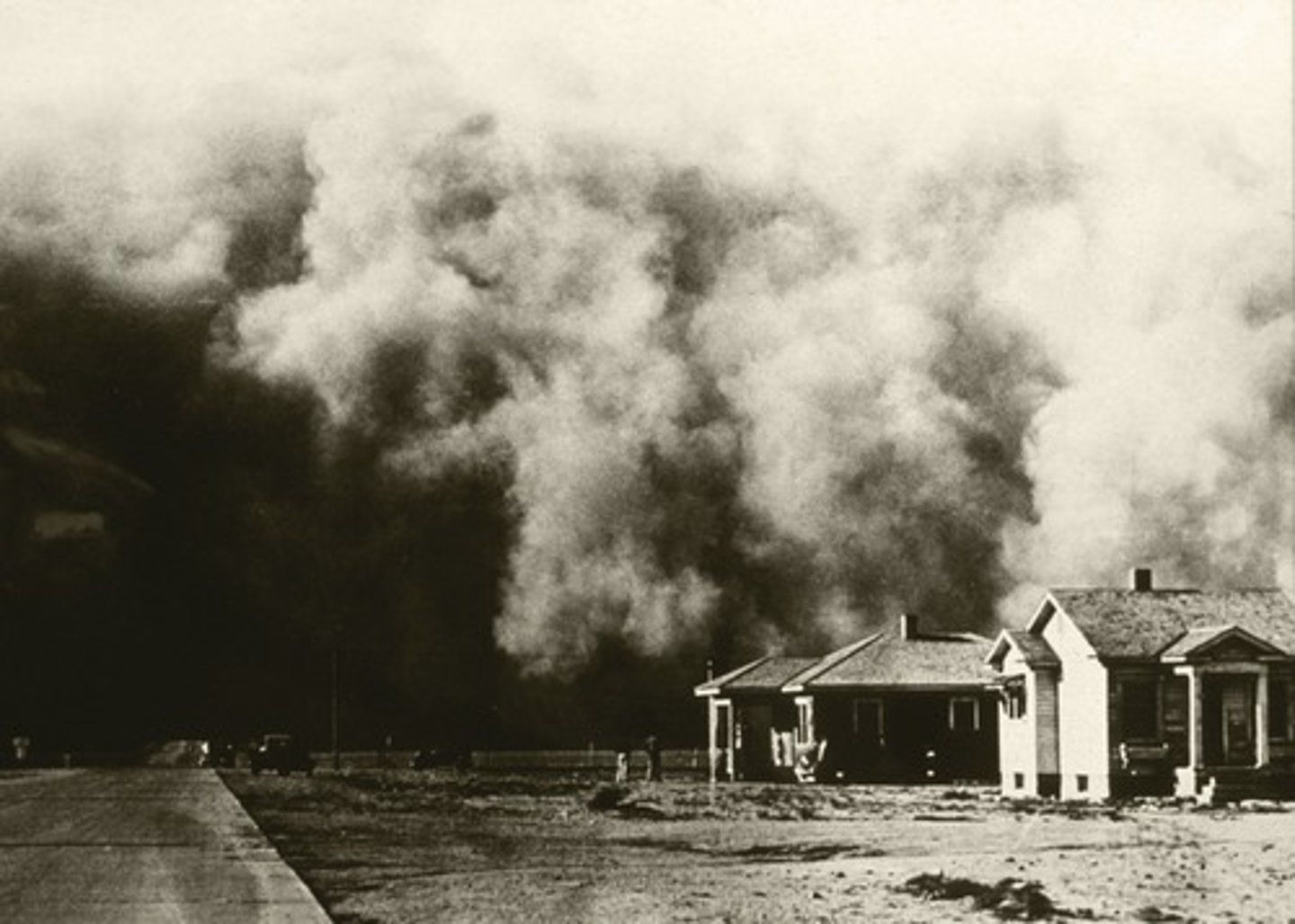
John Steinbeck
American novelist who wrote "The Grapes of Wrath" (1939). A story of Dust Bowl victims who travel to California to look for a better life.
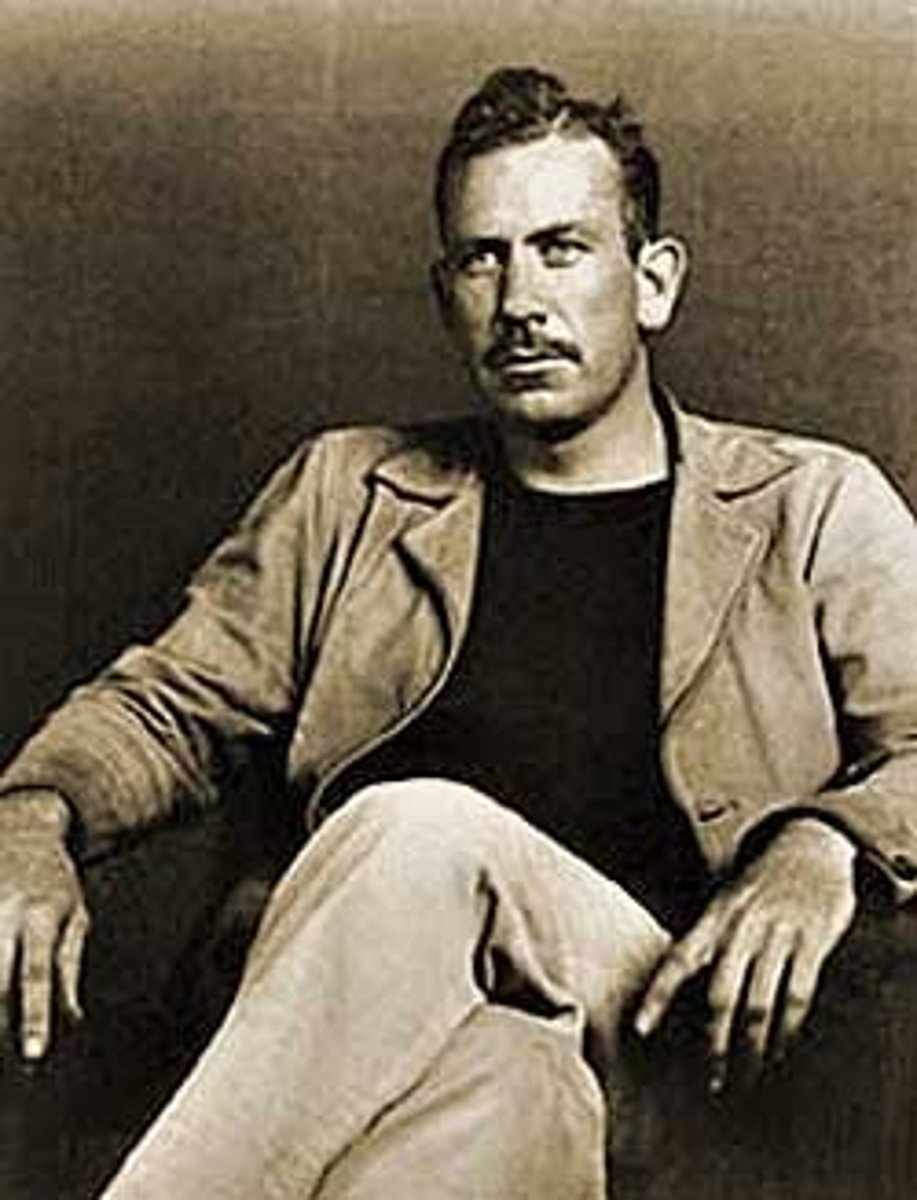
Grapes of Wrath
John Steinbeck's novel about a struggling farm family during the Great Depression. Gave a face to the violence and exploitation that migrant farm workers faced in America.
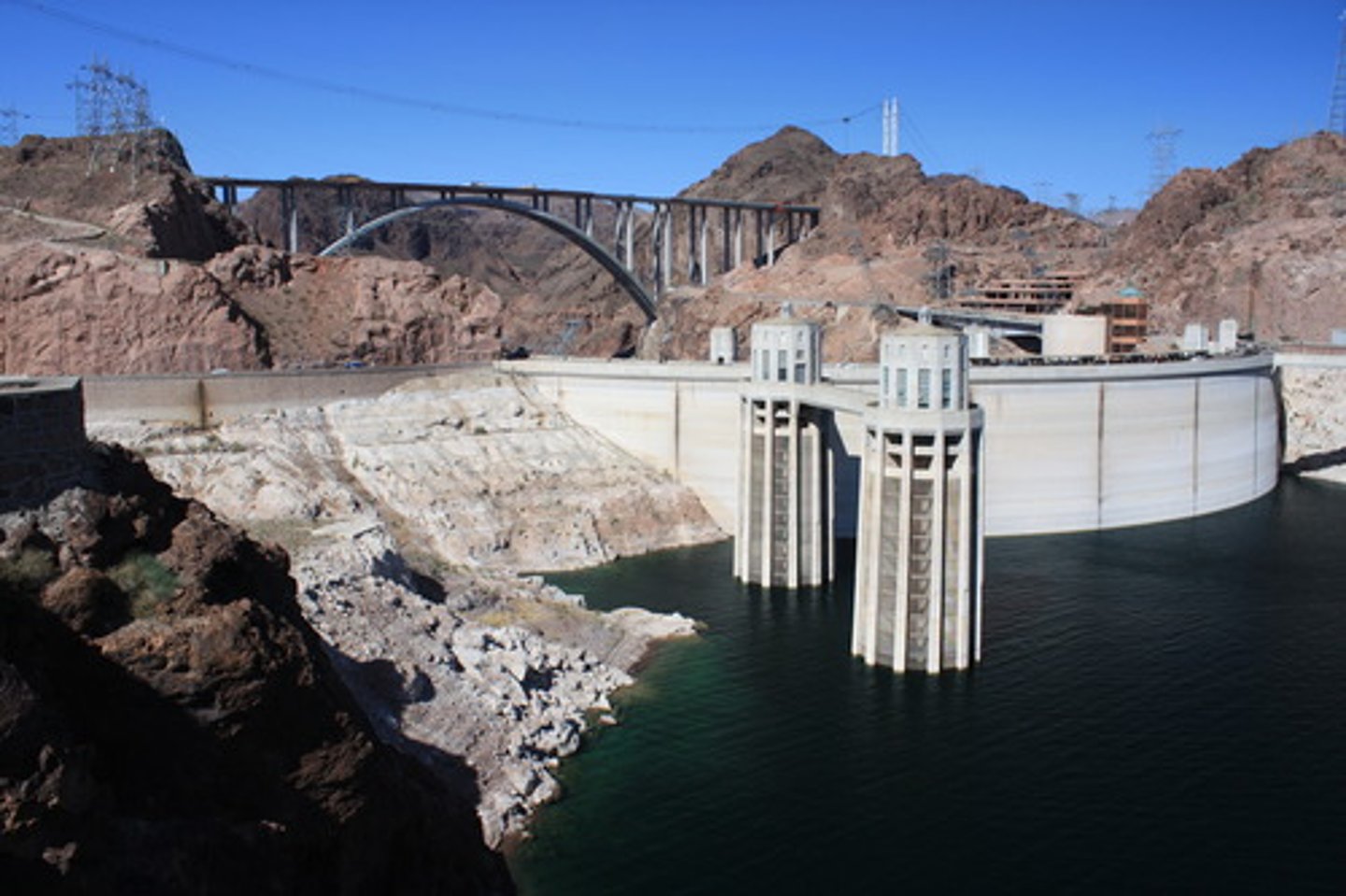
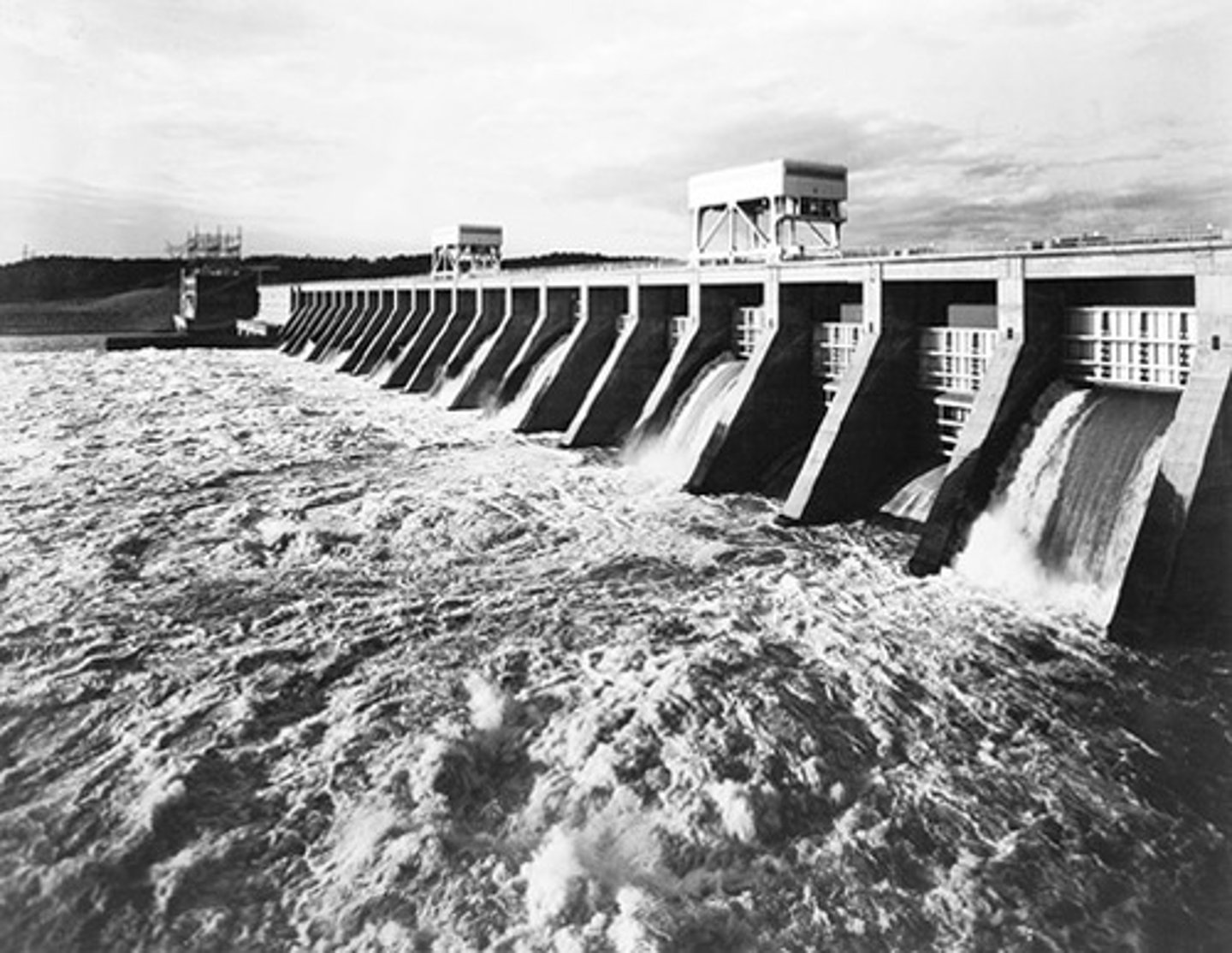
Tennessee Valley Authority (TVA)
A New Deal agency created to generate electric power and control floods in a seven-U.S.-state region around the Tennessee River Valley . It created many dams that provided electricity as well as jobs.
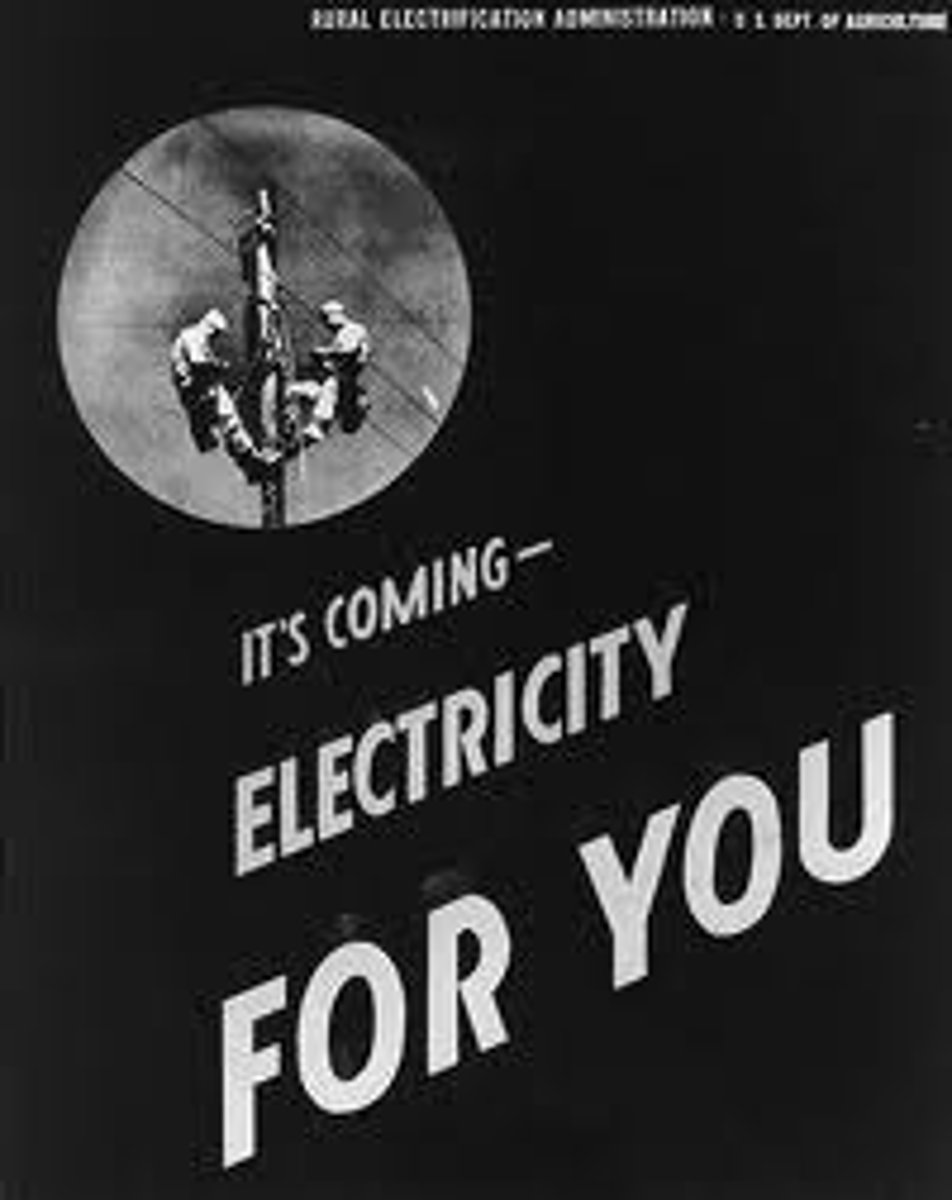
Rural Electrification Administration (REA)
affordable electricity would improve the standard of living and the economic competitiveness of the family farm; created to bring electricity to rural areas like the Tennessee Valley; many opposed
New Deal Coalition
coalition forged by the Democrats who dominated American politics from the 1930's to the 1960's. its basic elements were the urban working class, ethnic groups, Catholics and Jews, the poor, Southerners, African Americans, and intellectuals.
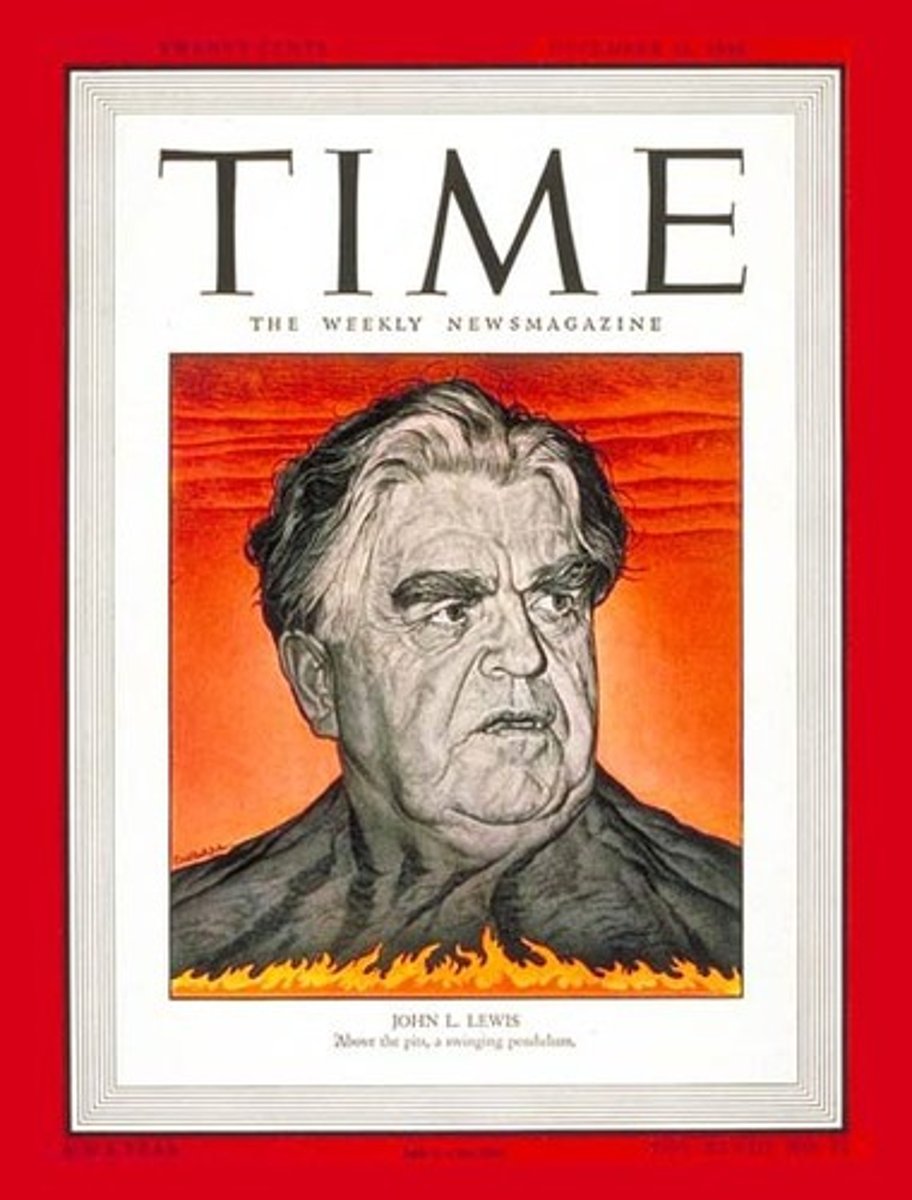
John L. Lewis
Leader of the C.I.O (Congress of Industrial Organization). He was a miner known for creating the United Mine Workers. He helped found the CIO and was responsible for the Fair Labor Standards Act.
Schechter v. United States
This case took place in May 1935 when a New York company was charged with a violation of an NRA poultry code which dealt with wage-fixing and pricess. It resulted in the Supreme Court declaring the NRA unconstitutional by stating that the NRA was regulating interstate commerce a violation of federal regulation.
20th Amendment
Changed date president takes office from March 4th to January 20th. Changed start of Congress to January3rd. End of "Lame Duck" Congress.
21st Amendment
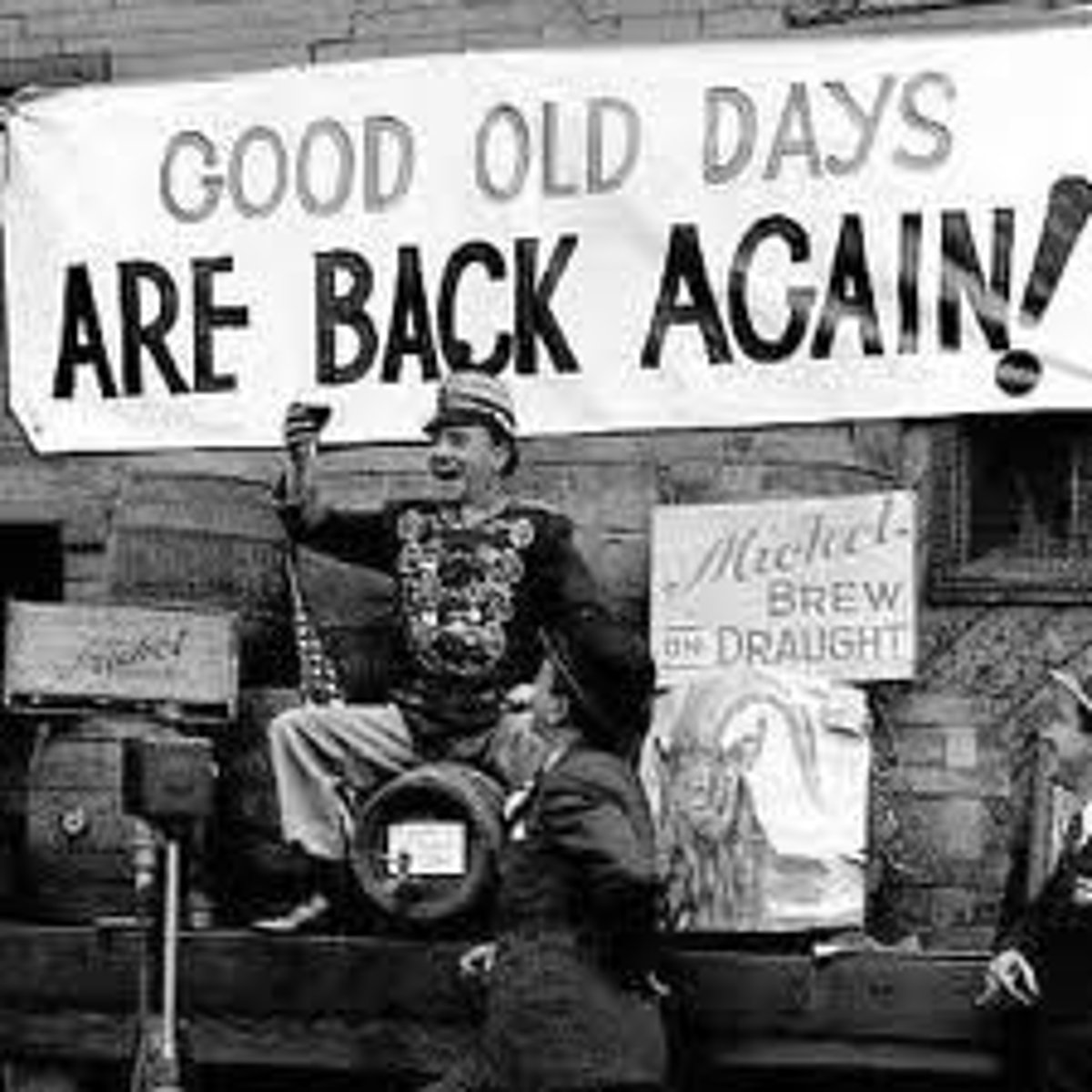
Amendment which ended the Prohibition of alcohol in the US, repealing the 18th amendment.