Amphibians- Salamanders + Caecilians + Frogs
 Call Kai
 Learn
Learn Practice Test
 Spaced Repetition
 Match
Match Flashcards
 Knowt Play
1/64

There's no tags or description
Looks like no tags are added yet.
Name | Mastery | Learn | Test | Matching | Spaced | Call with Kai |
|---|
No analytics yet
Send a link to your students to track their progress
65 Terms
Salamander Order
Caudata
Caecilian Order
Gymnophiona
Salamander families of external fertilizers
Cryptobranchidae
Hynobiidae
Sirenidae
Cryptobranchidae
Distribution:
eastern China
southern Japan
eastern United States
Traits:
the largest salamanders
eyes are lidless
baggy skin for cutaneous respiration
flattened body shape
incomplete metamorphosis
adults have hidden gill slit
suction feeders with no tongue
four good limbs
external fertilization
nest guarding by males
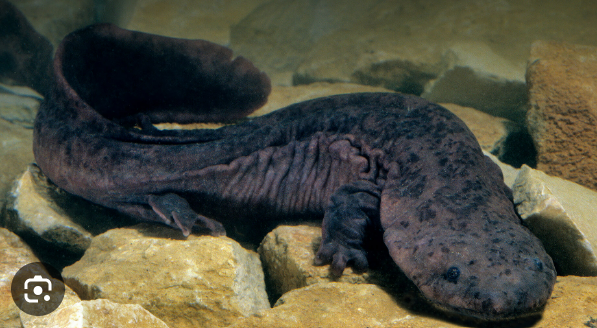
Cryptobranchidae (LAB pic)
Hellbender
Hynobiidae
Distribution:
Asia, from Ural Mountains to Pacific (including Japan and Taiwan)
south to China,
Afghanistan
Iran
Traits:
Complete metamorphosis (no gills or gill slits)
typical terrestrial body plan
distinguished from other salamanders by osteology (bone)
Lungs reduced in some genera
completely absent in
one genus
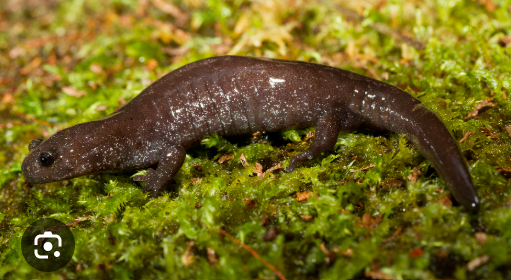
Hynobiidae (LAB pic)
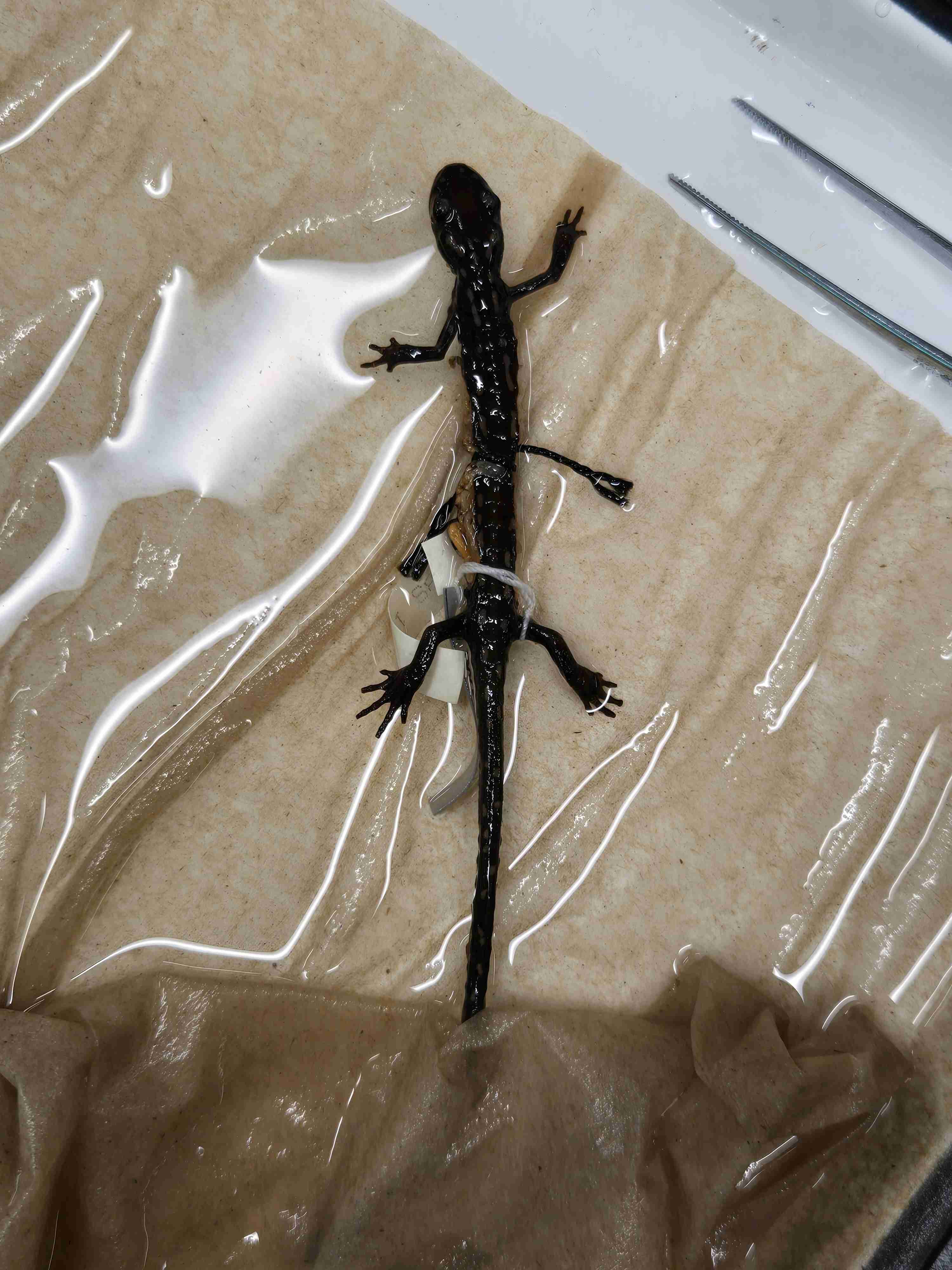
Sirenidae
Distribution:
Michigan
southeastern United States
extreme northeastern Mexico
Traits:Eel-like
incomplete metamorphosis (paedomorphic)
adults have external gills
keratinized beak with nonpedicellate teeth,
two forelimbs with reduced number of digits,
no pelvic girdle
external fertilization
paternal care
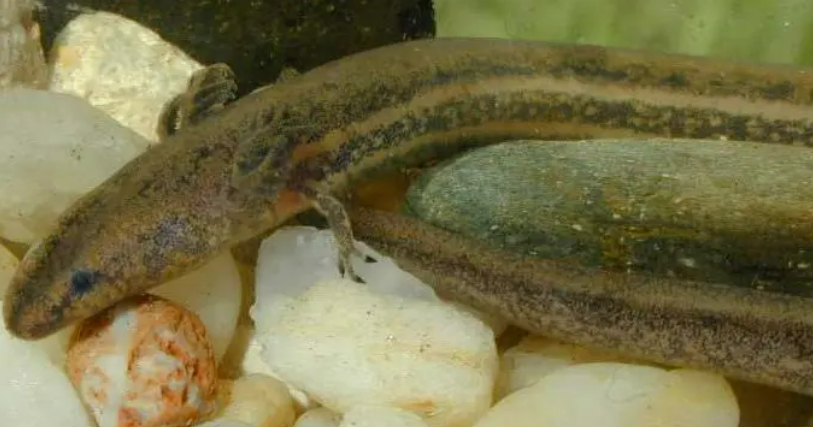
Sirenidae (LAB pic)
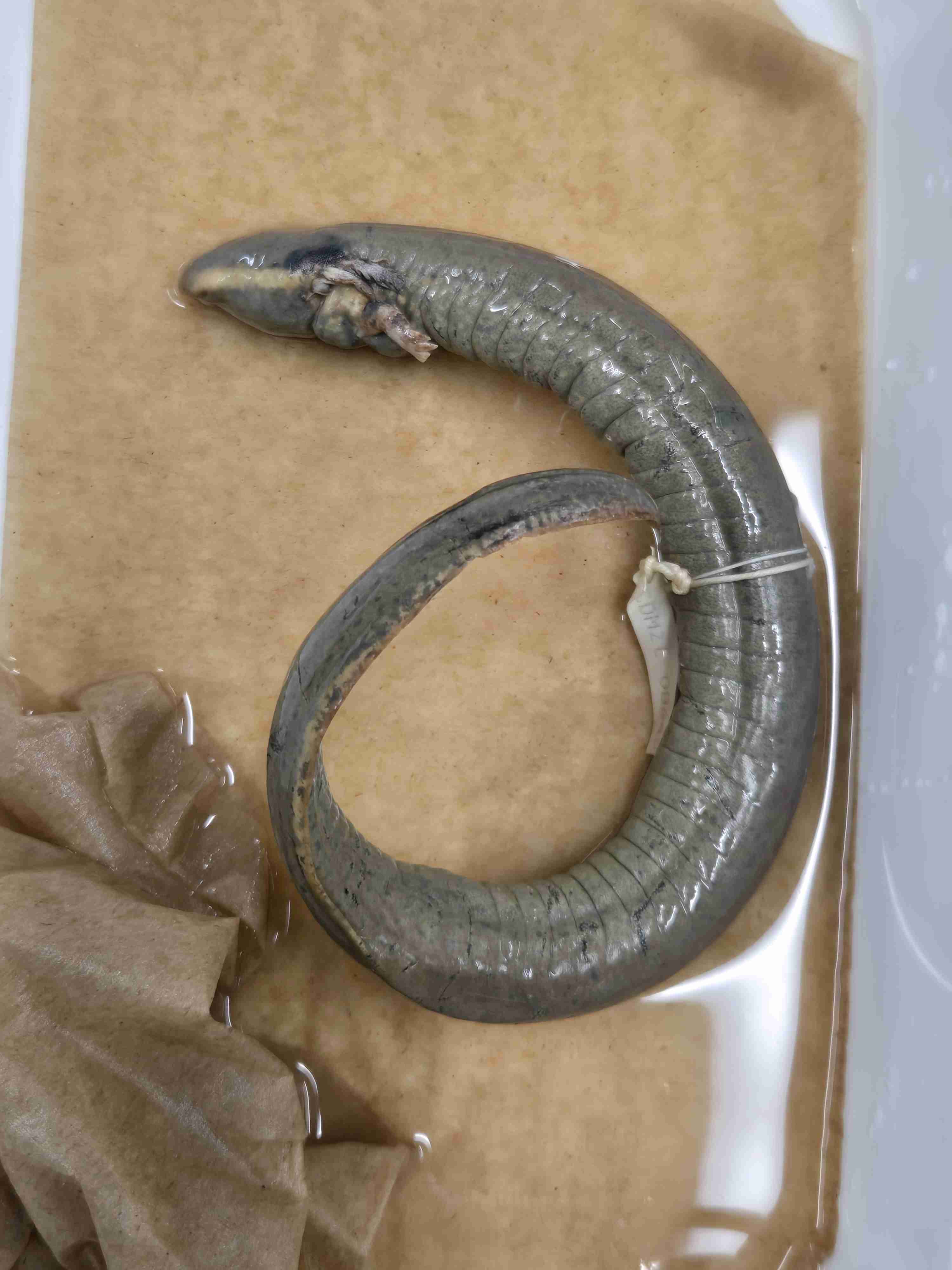
Salamandridae
Distribution:
Europe
Turkey and the Levant
southern China and northern Indochina
Japan
northwestern Africa
North America
CA species: Taricha (4 sp.)
Traits:Variable in external appearance
all have four good limbs
most have complete metamorphosis
many are aquatic with smooth skin and fins
terrestrial individuals with rugose skin
all have toxic skin secretions
often brightly colored
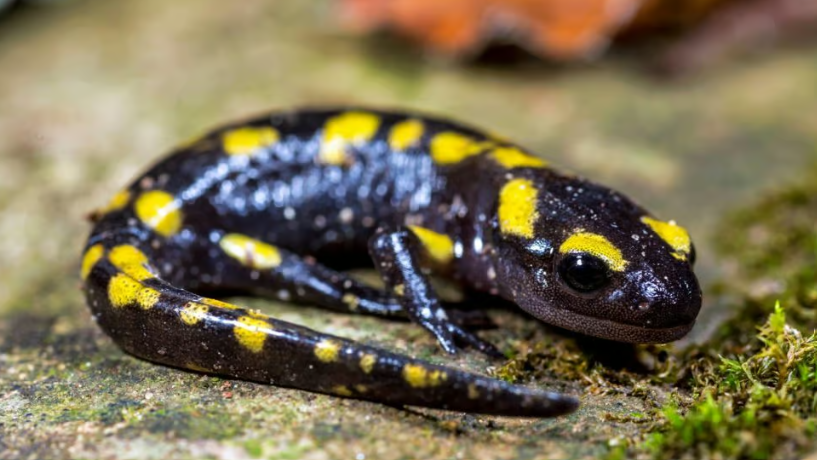
Salamandridae (LAB pic)
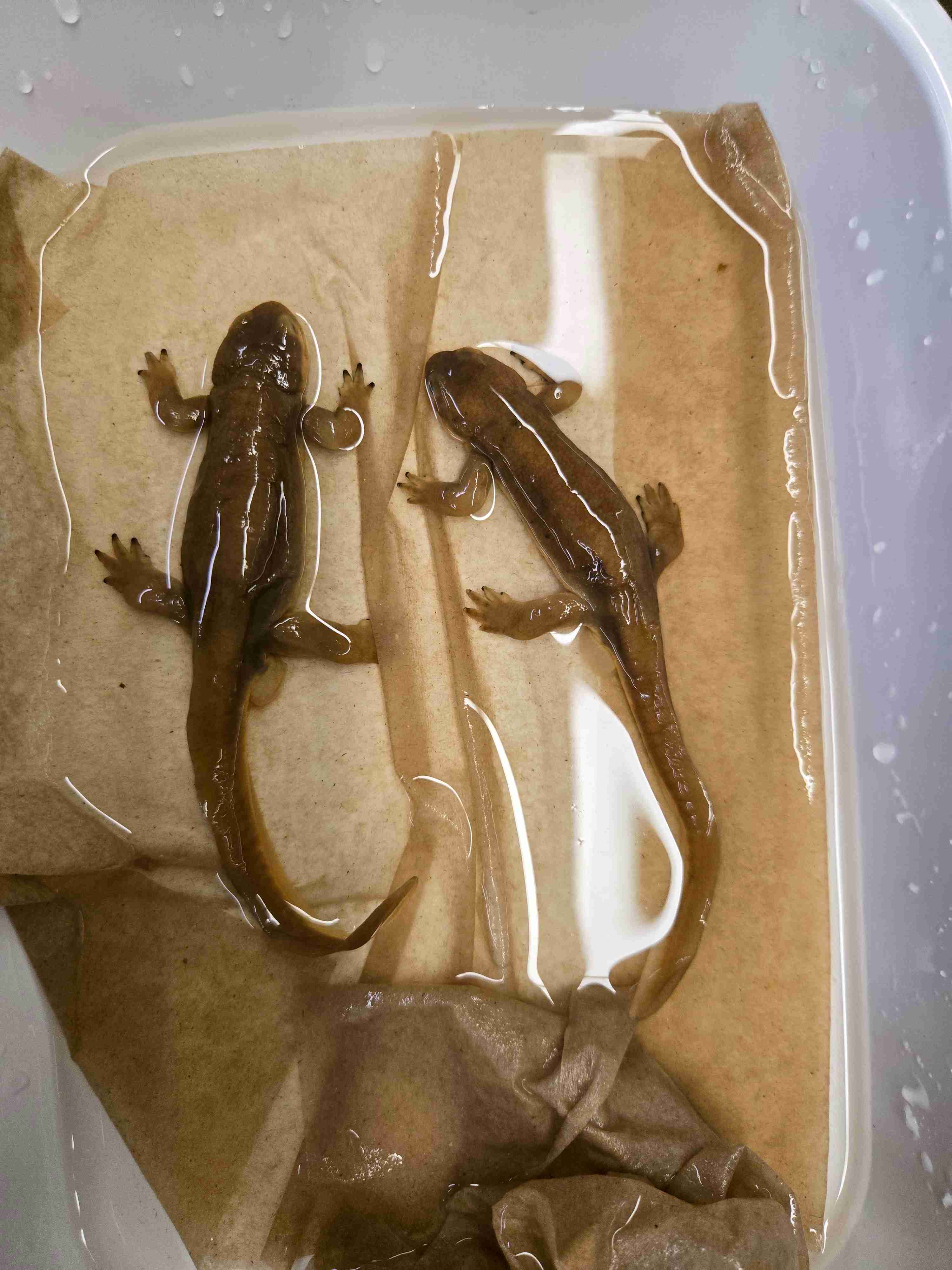
Dicamptodontidae
Distribution:
Pacific Northwest from California to southern Canada
Rocky Mountains of Idaho and Montana
CA species: 2 sp., Dicamptodon ensatus, Dicamptodon tenebrosus
Traits:
Large, brown mottled with black
absent or facultative metamorphosis
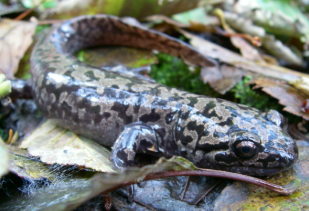
Dicamptodontidae (LAB pic)
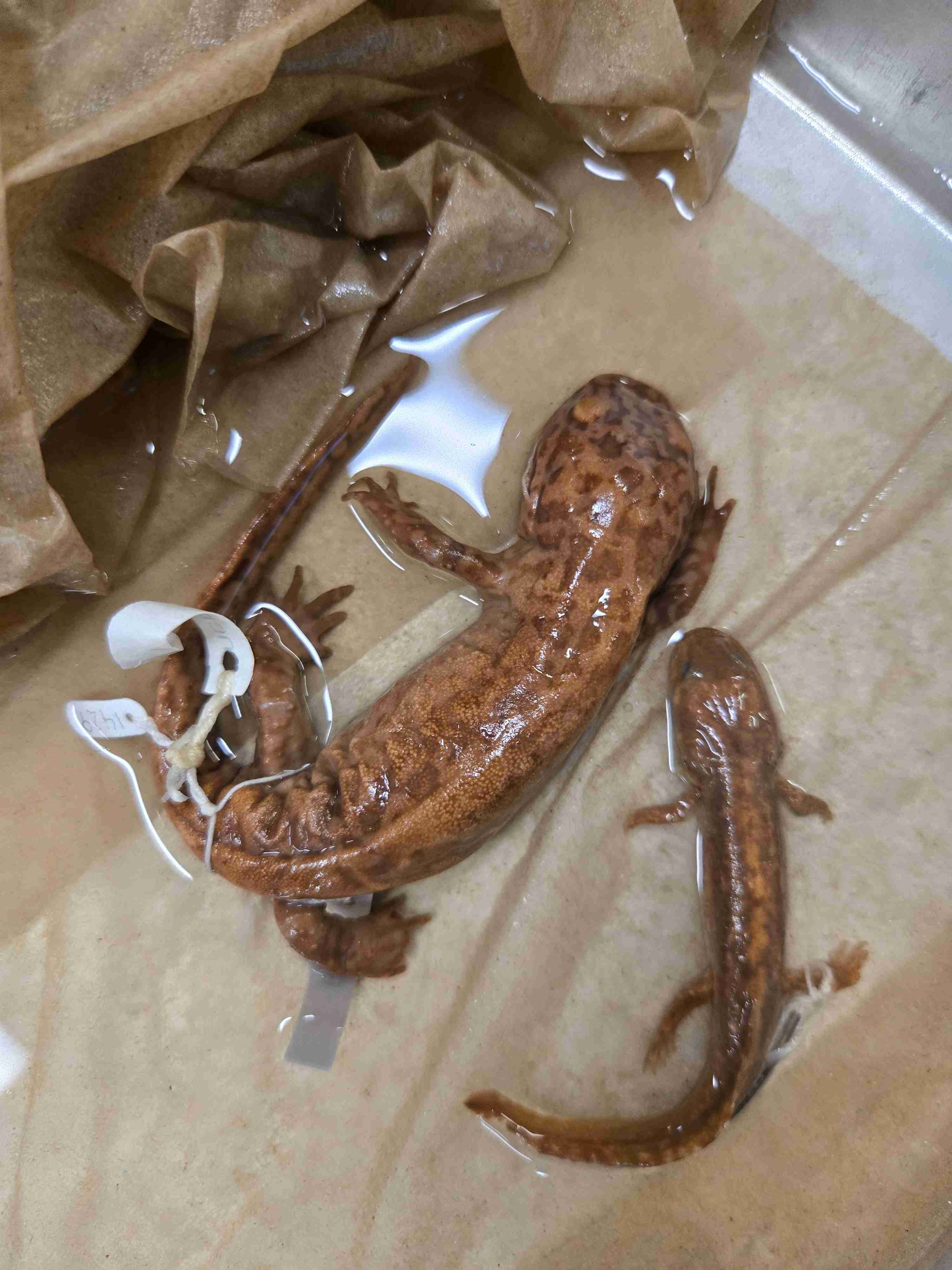
Ambystomatidae
Distribution:
North America, from Canada south to central Mexico
from the Pacific to the
Atlantic
CA species: Ambystoma (4 sp., 2 of which are federally endangered)
Traits:
Few distinctive characters
moderate size
smooth skin
robust body
short blunt head
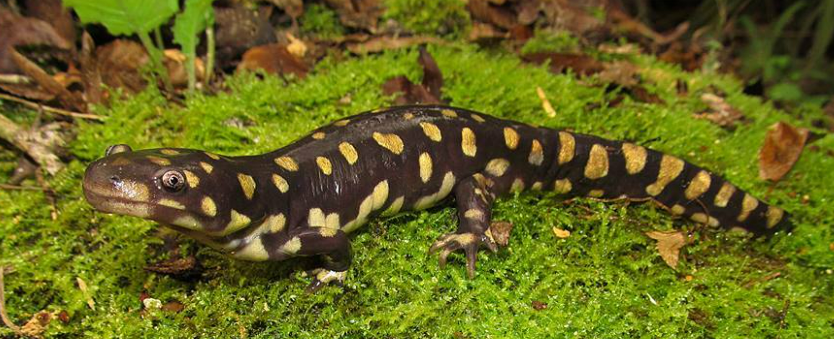
Ambystomatidae (LAB pic)
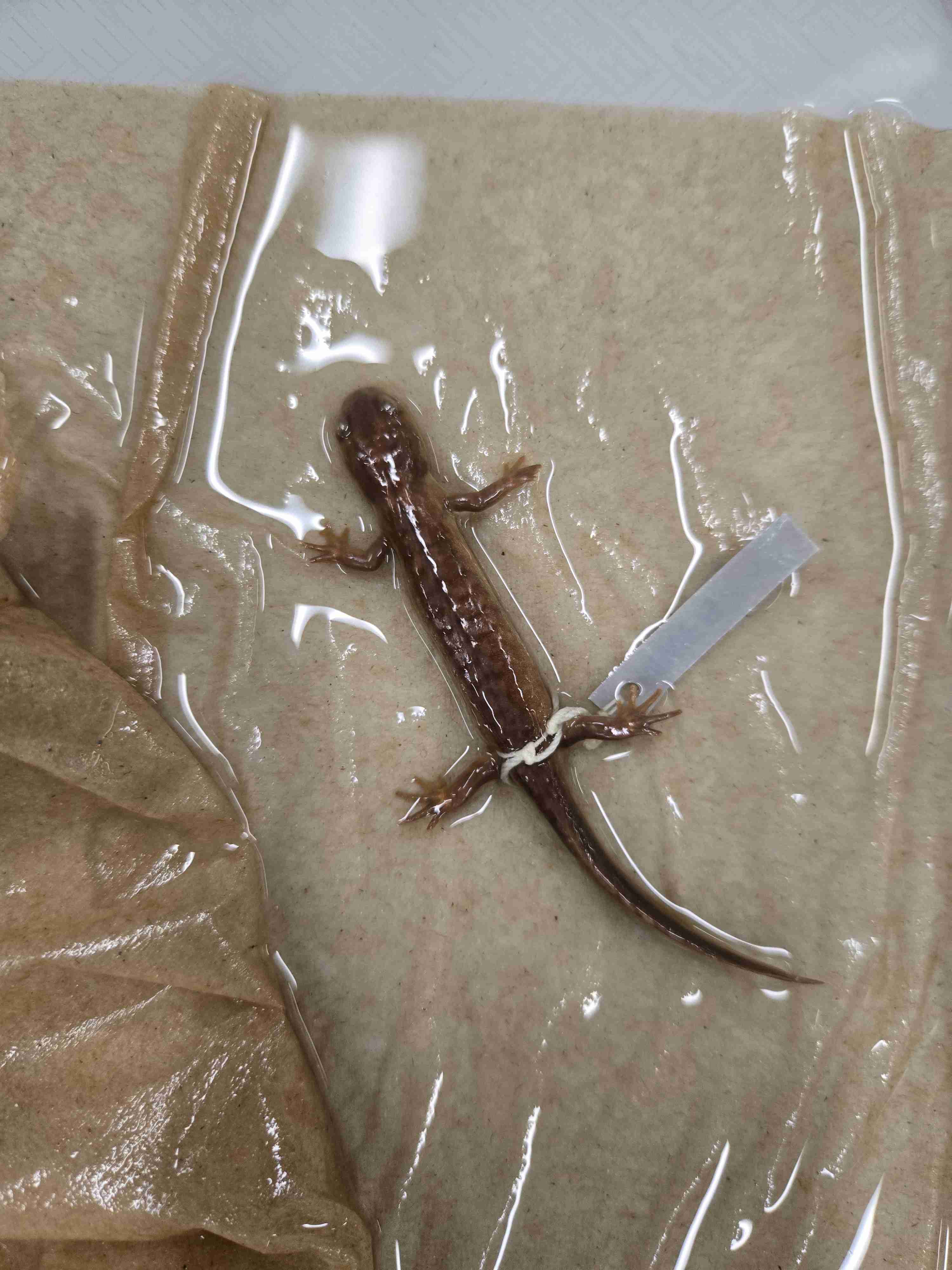
Proteidae
Distribution:
eastern United States and Canada
east coast of Adriatic Sea
Traits:Paedomorphic
adults have large external gills
caudal fin
no eyelids
no upper jaw
four good limbs
reduced number of digits on front & rear limbs
European species is cave-dwelling, Proteus anguinu
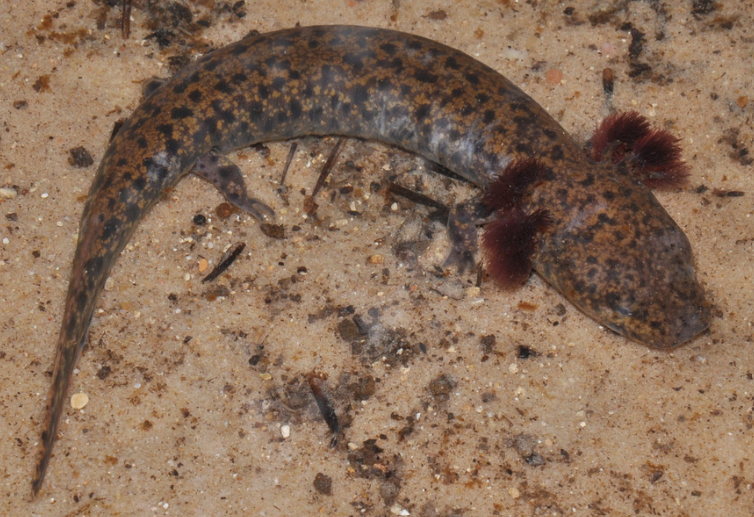
Rhyacotritonidae
Distribution:
Pacific Northwest from California to Washington
CA species: Rhyacotriton variegatus
Traits:
Small (< 6 cm)
semi-aquatic and found in fast-flowing streams
complete
metamorphosisreduced lungs
large eyes
square gland behind vent of males
plain brown or olive colored dorsum with mottling
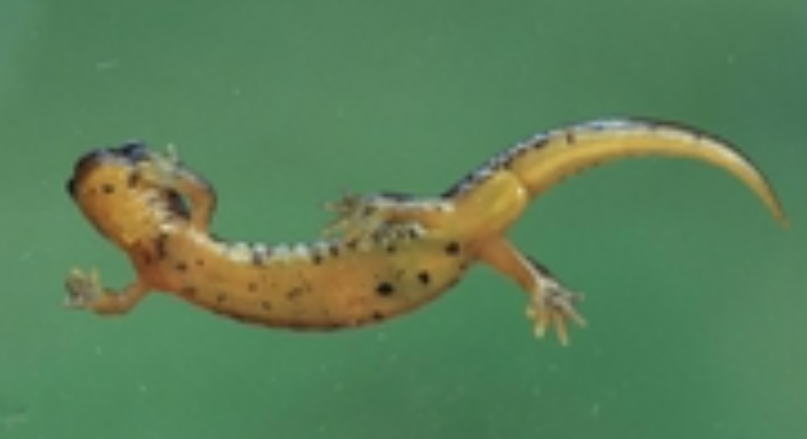
Rhyacotritonidae (LAB pic)
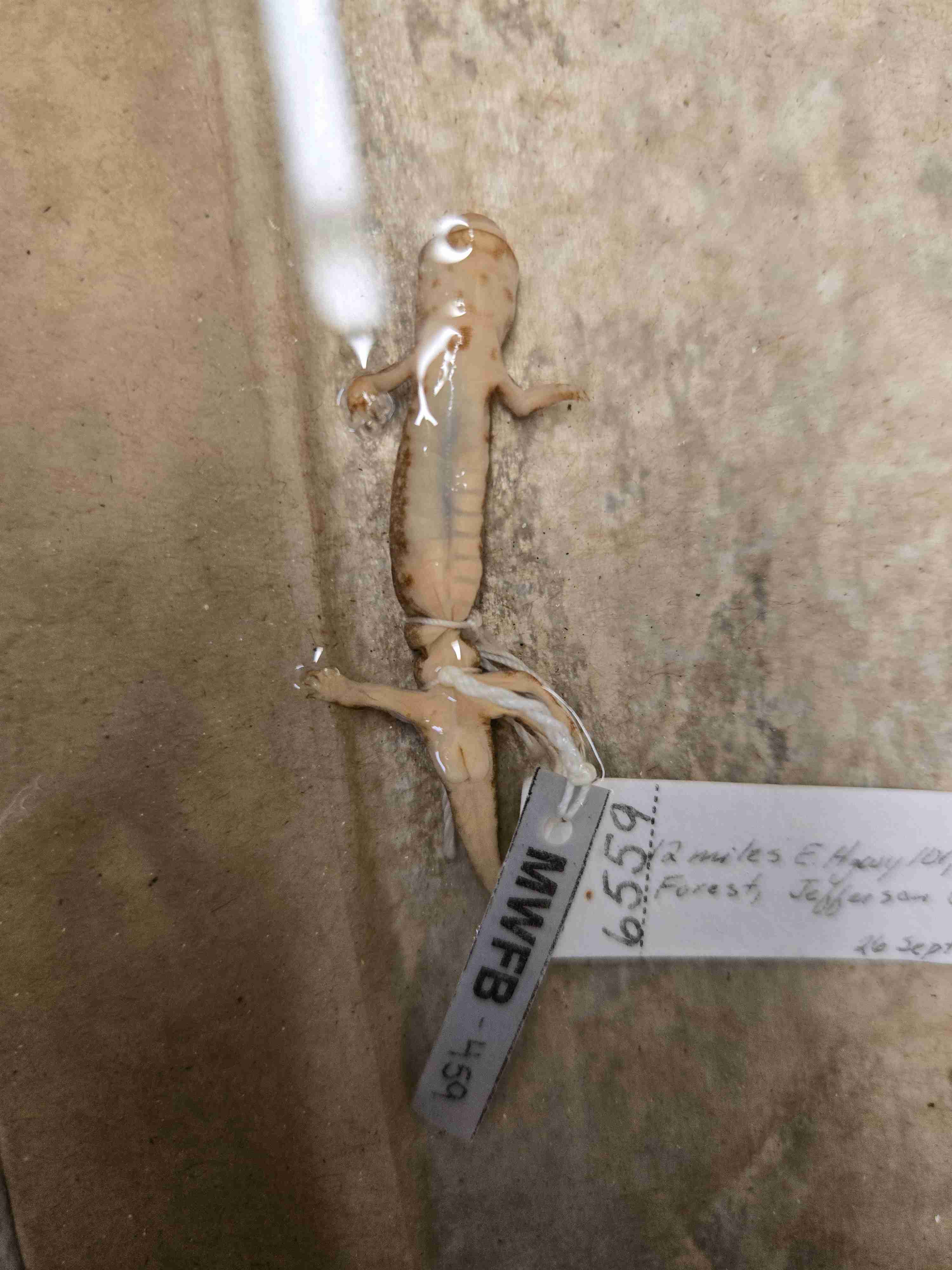
Amphiumidae
Distribution:
southeastern United States
Traits: '
Eel-like
incomplete metamorphosis
lack eyelids
adults do not have external gills (but
retain one pair of gill slits)four tiny legs with reduced number of digits.
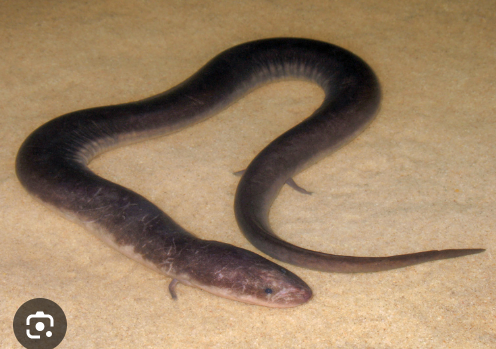
Amphiumidae (LAB pic)
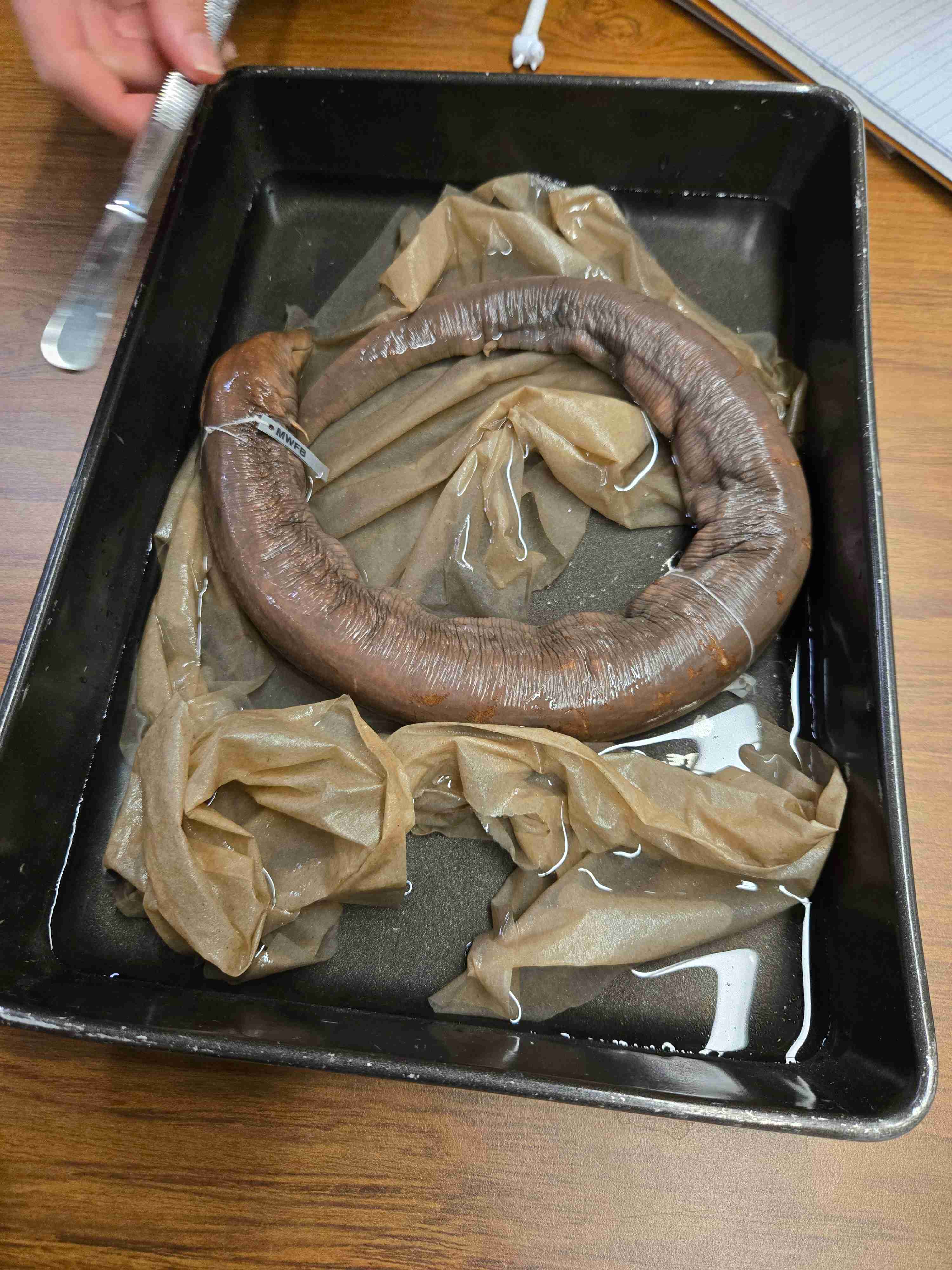
Plethodontidae
Distribution:
disjunct distributions in eastern and western North America, Latin America,
southern Europe, Korea
CA species: Batrachoseps (22 sp.), Hydromantes (5 sp.), Plethodon (4 sp.), Aneides (6 sp.),
Ensatina (1 ring sp.)
Traits:
Highly diverse
some are worm-like
some are arboreal
some are aquatic cave dwellers
All lack lungs
all have nasolabial groove
many have direct development
Plethodontidae (LAB pic)
Lots of variation
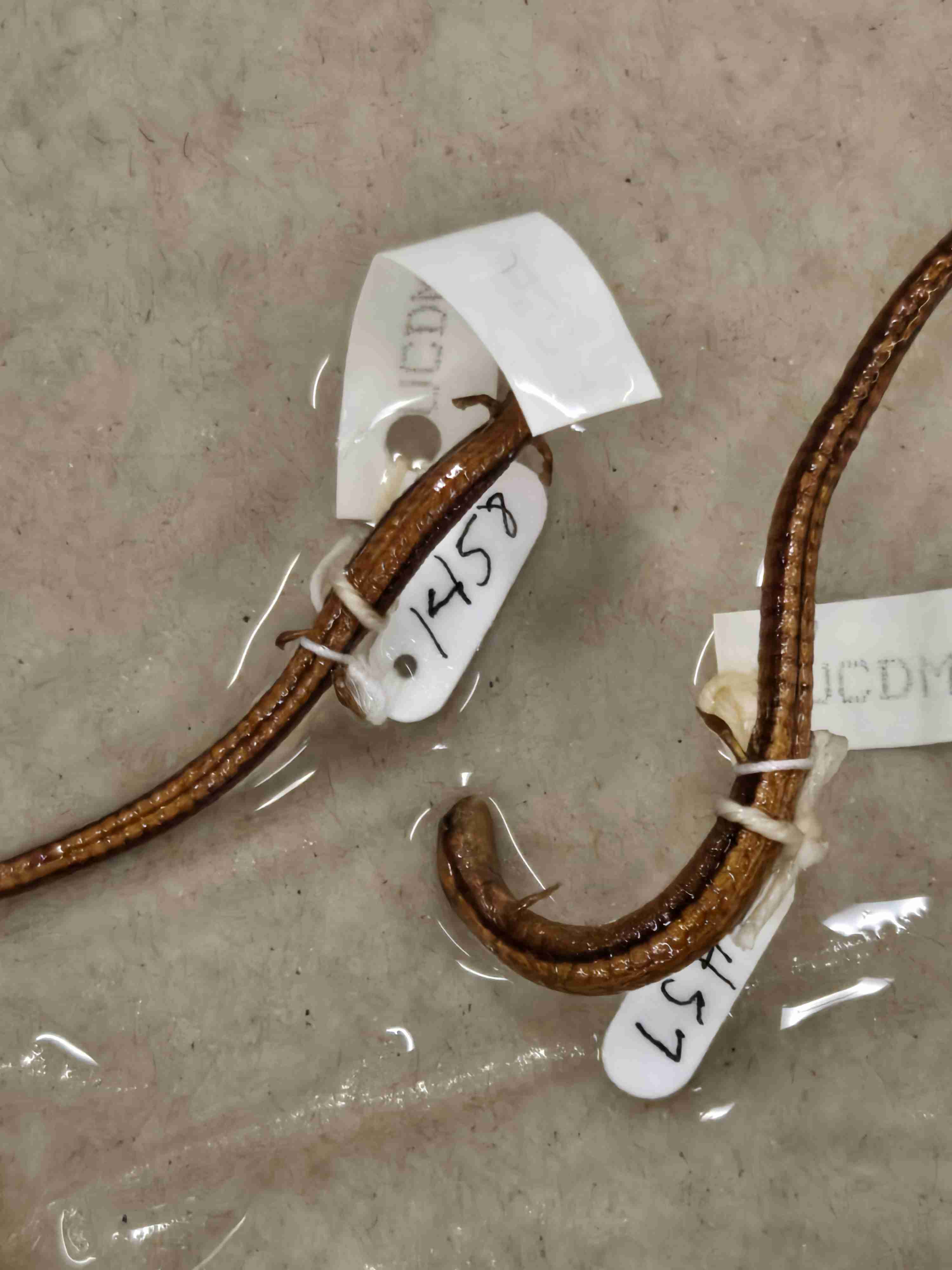
Gymnomorphia
Caecilians
Distribution:
pantropical;
Central and South America,
East and West Africa,
southern India
Southeast Asia
Rhinophrynidae
Distribution:
Southern Texas to Costa Rica
Traits:
Egg shapes body
short limbs
spade-like feet
explosive breeder
Larval Type:
I
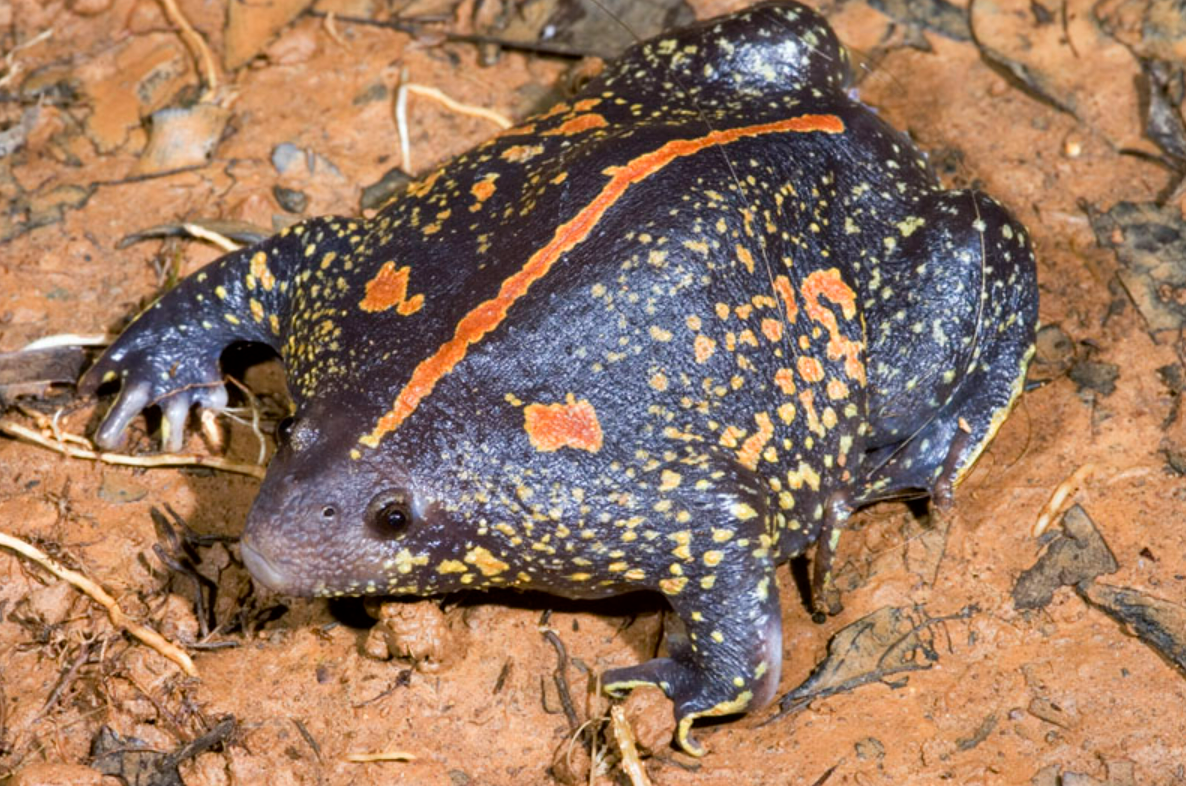
Rhinophrynidae (LAB pic)
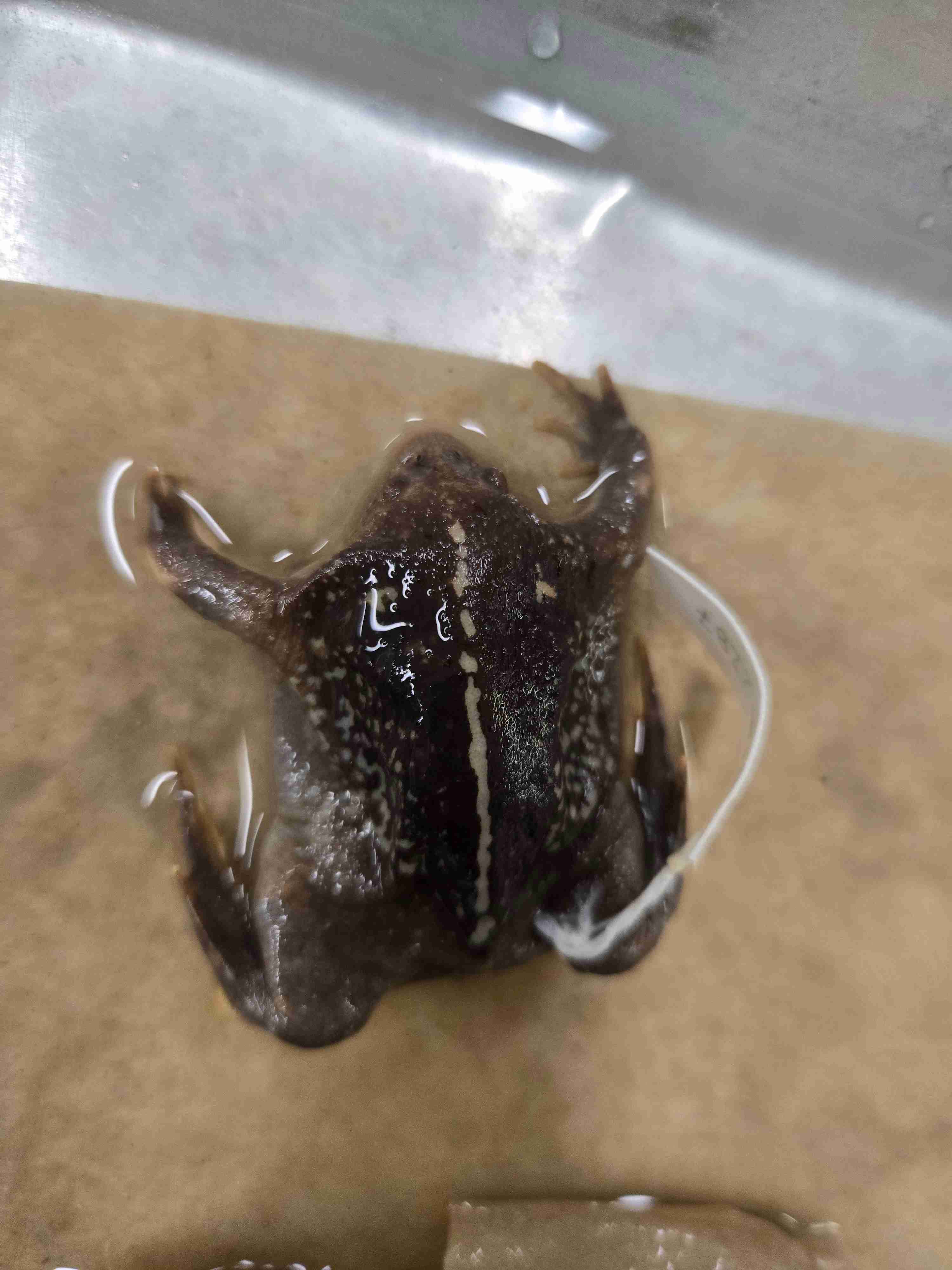
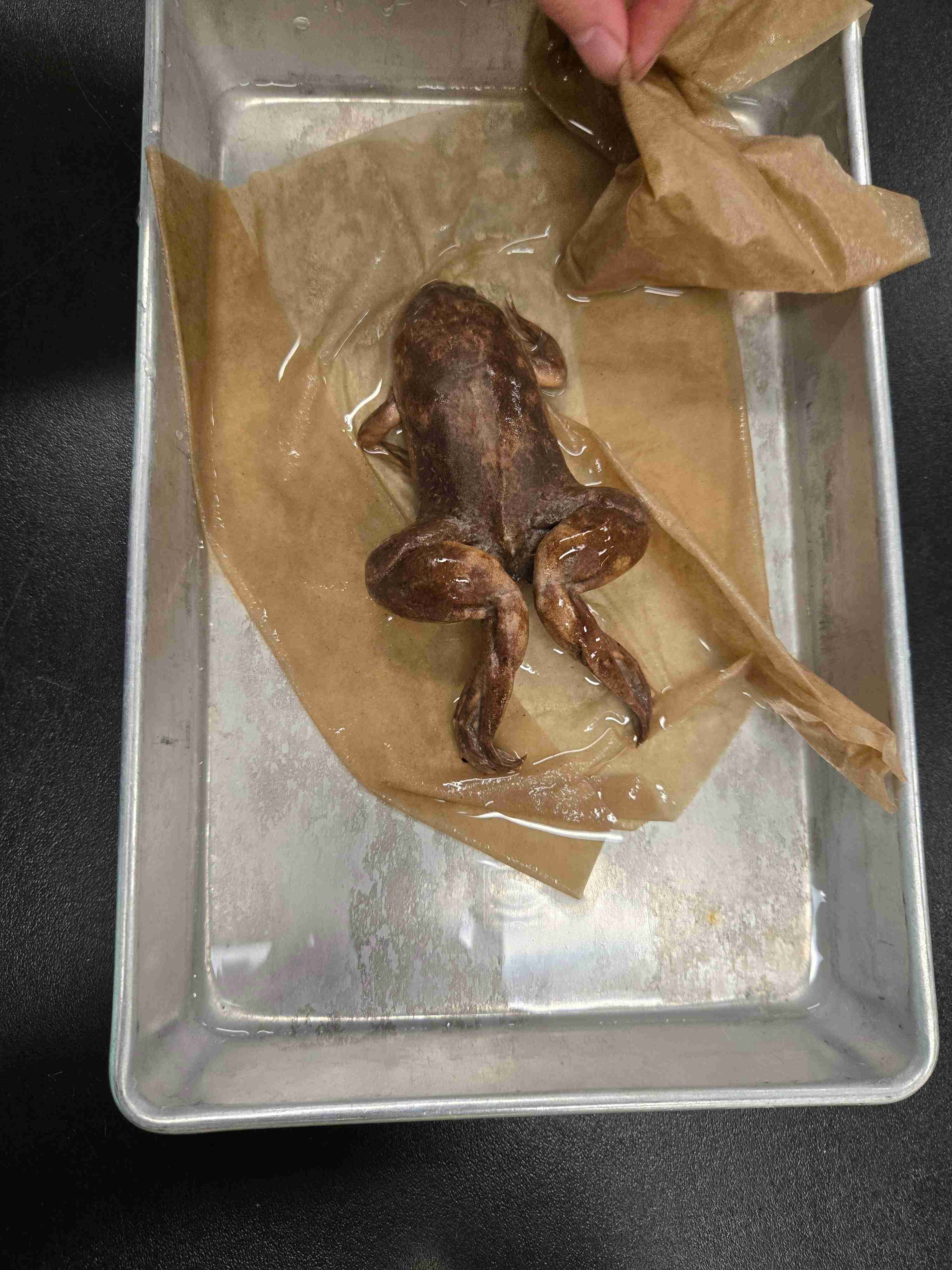
Pipidae
Distribution:
Africa and South America
Traits:
Flat
completley aquatic
long legs
webbed toes with claws
lack tongues
modified ears
laryngeal apparatus
Larval Type:
I
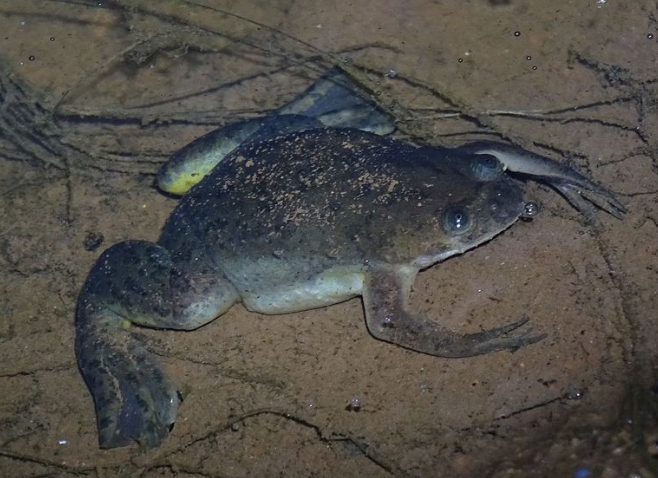
Pipidae (LAB pic)
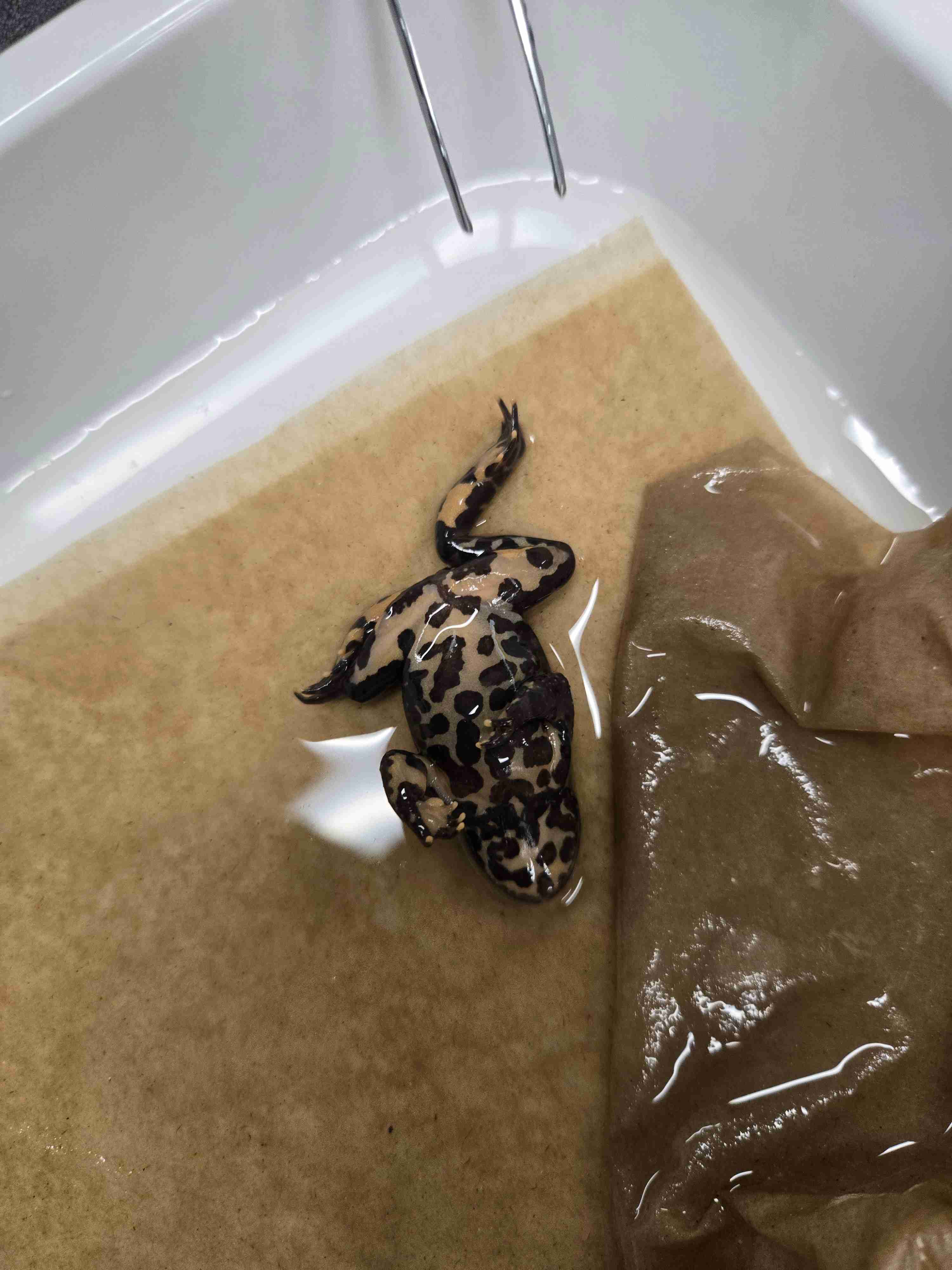
Bombinatoridae
Distribution:
Europe and Asia
Traits:
bright orange/ blue bellies
unique features of skull and hyloid
Larval Type:
III
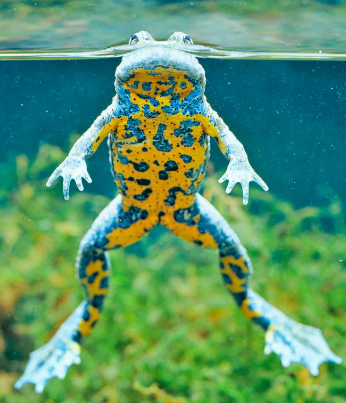
Bombinatoridae (LAB pic)
Ascaphidae
Distribution:
Pacific Northwest and northern Rockies
Traits:
males have “tails”
prepubis not fused to the pelvis
nine presacral vertebrae
Larval Type:
III
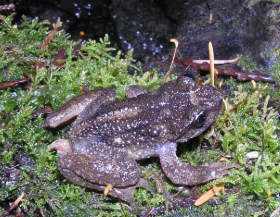
Ascaphidae (LAB pic)
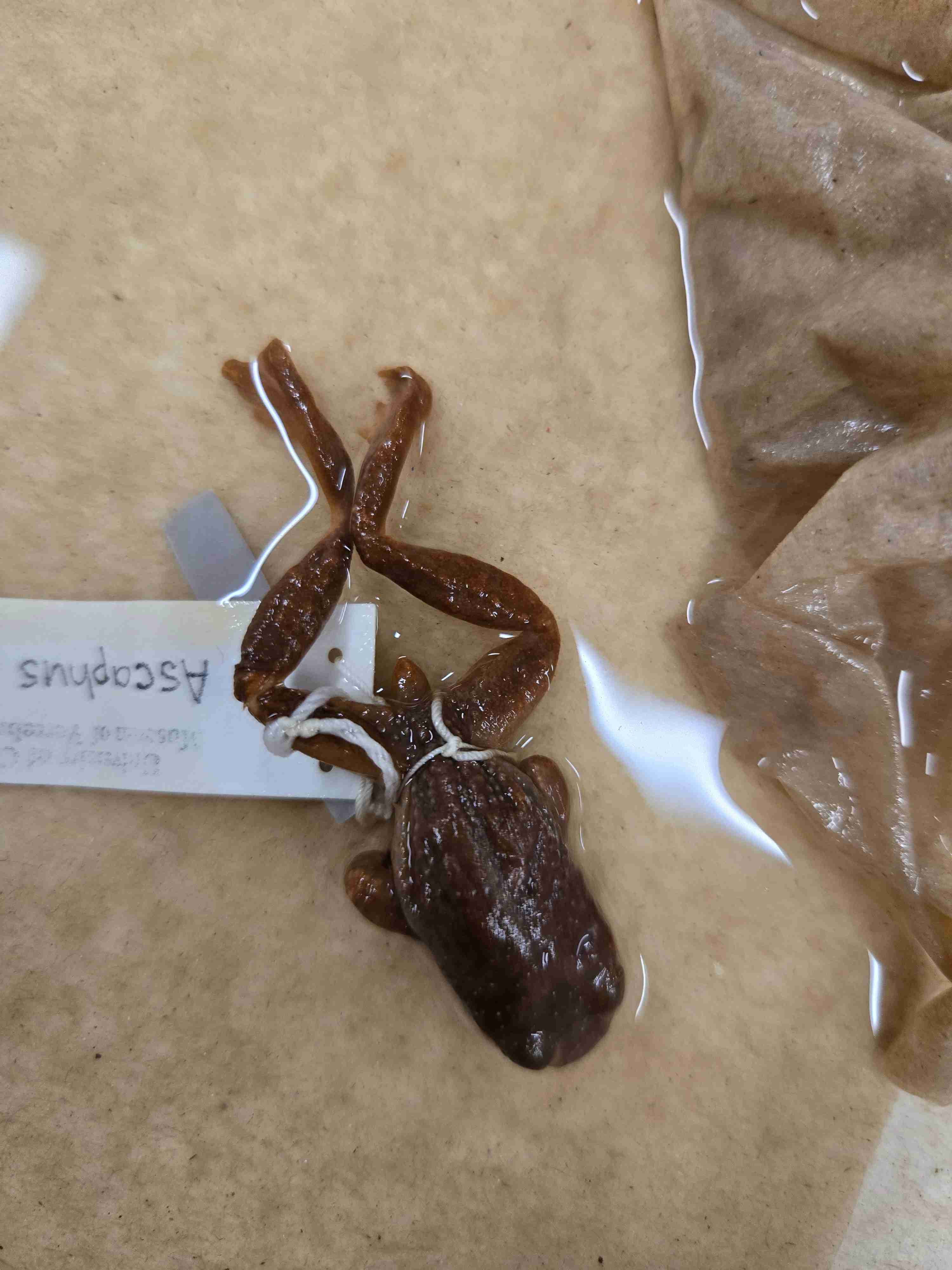
Megophryidae
Distribution:
S China, SE Asia, Indonesia, Philipenes
Traits:
Leaf shaped head
horns above eyes
Larval Type:
IV
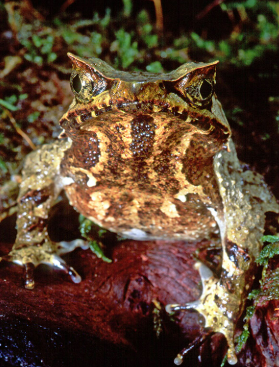
Megophryidae (LAB pic)
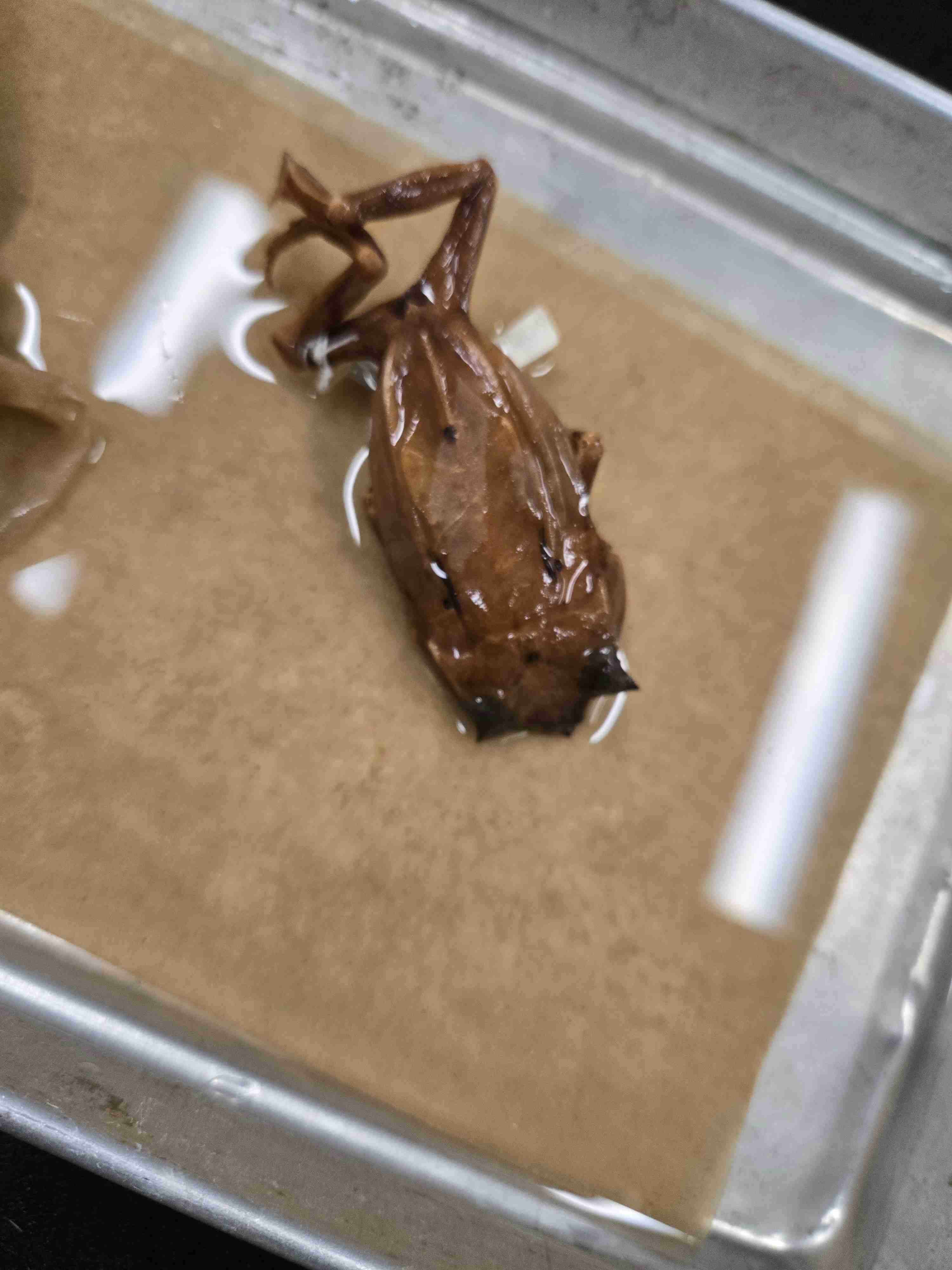
Calyptocephalellidae
Distribution:
Chile
Traits:
Blunt head with elongate bumps on dorsum
Larval Type:
IV
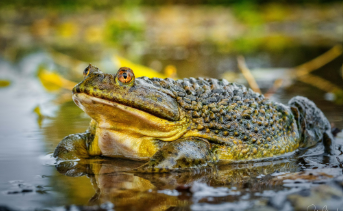
Calyptocephalellidae (LAB pic)
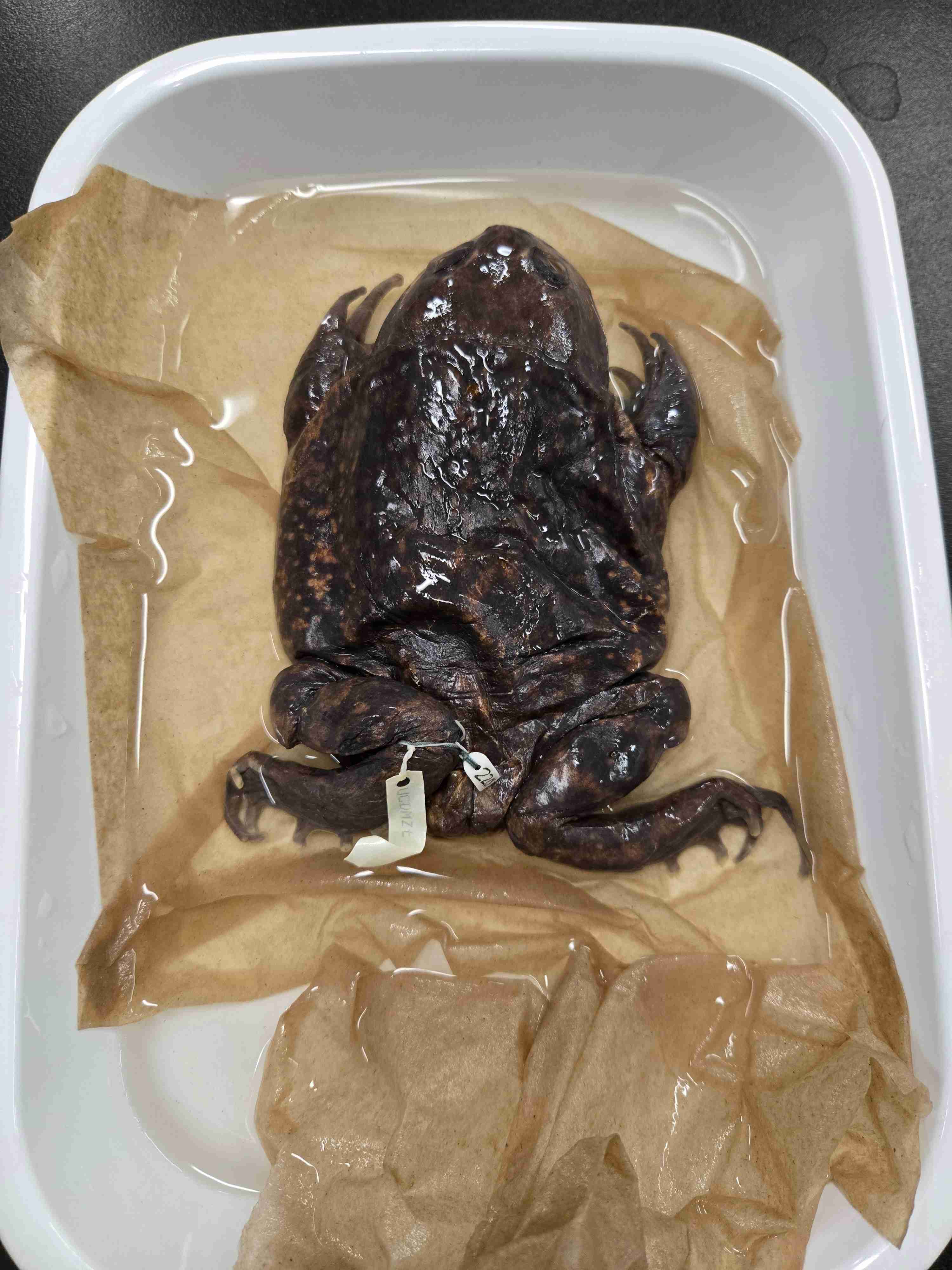
Hylidae
Distribution:
Worldwide, excpet sub-saharan Africa
Traits:
Large toe pads
long legs
often webbed feet
terminal phalanges hook- like
Larval Type:
IV
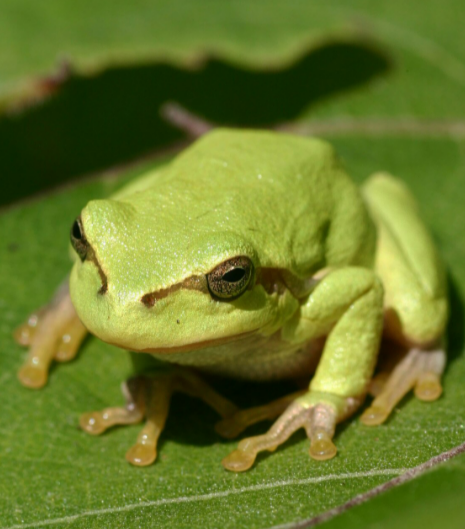
Hylidae (LAB pic)
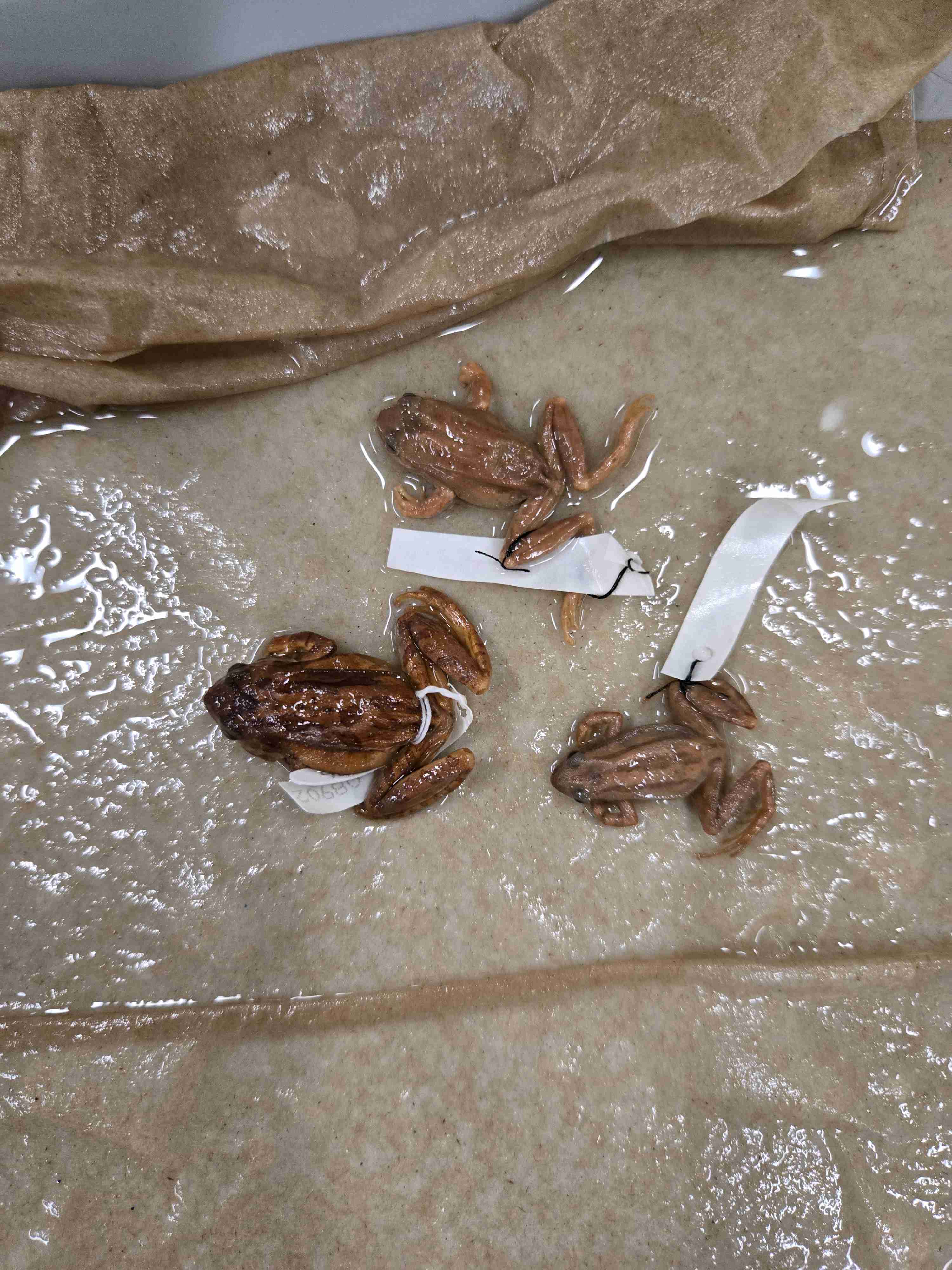
Bufonidae
Distribution:
Worldwide, excpet east of Wallace’s line
Traits:
Warty glandular skin
paratoid gland
usually terrestial
stout body
short limbs
Larval Type:
IV
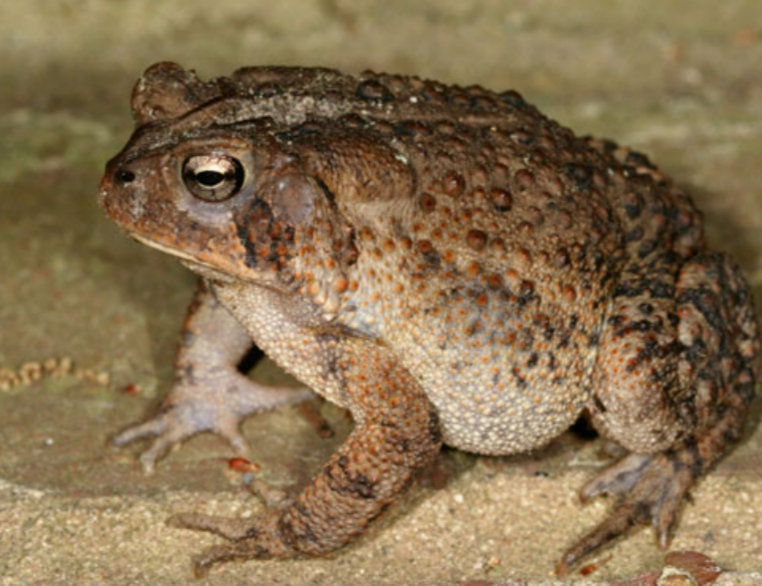
Bufonidae (LAB pic)
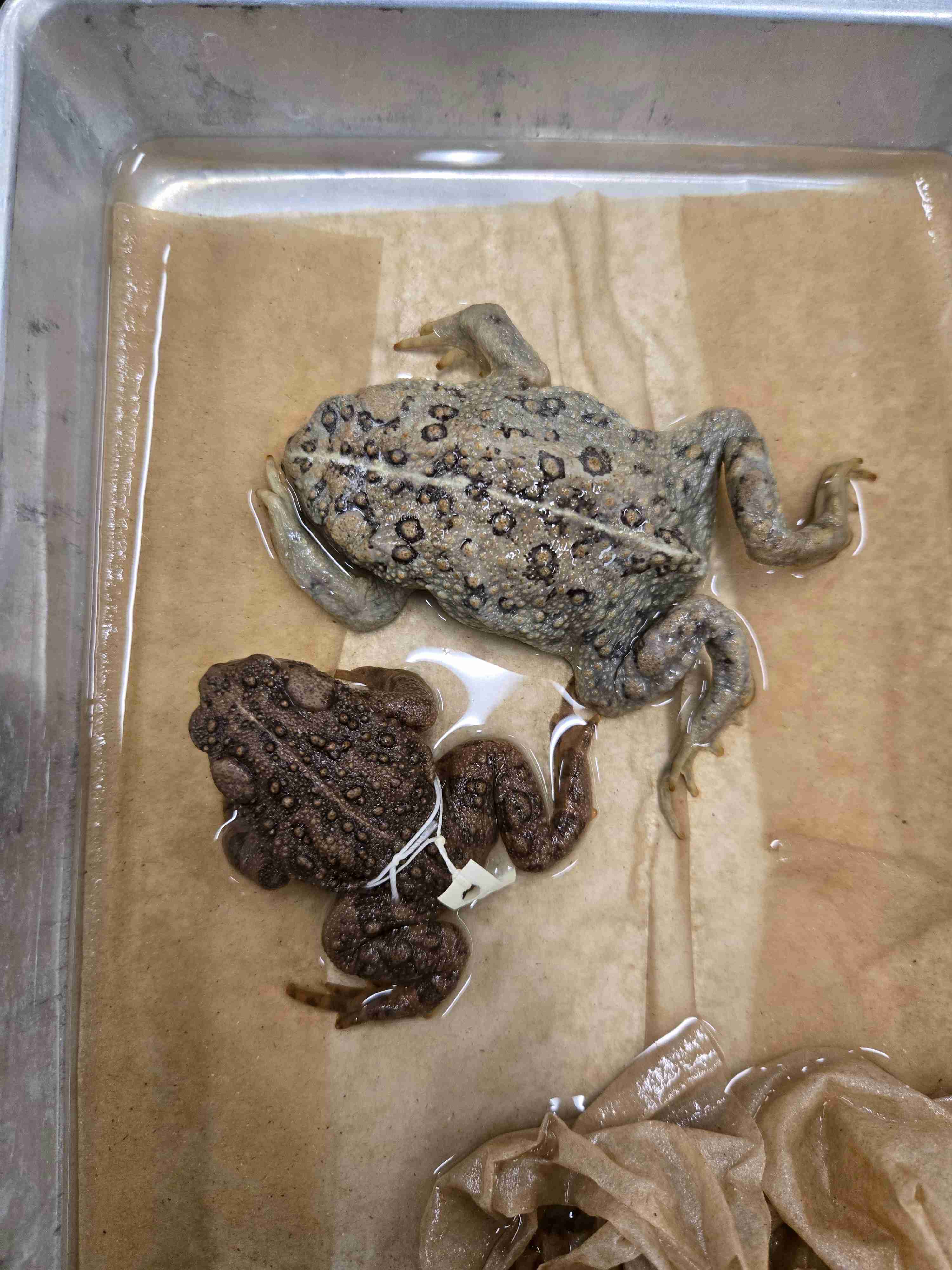
Dendrobatidae
Distribution:
Central and South America
Traits:
small
bright, poisonous
two scutes atop each toe tip
parental care
terrestial
diurnal
Larval Type:
IV
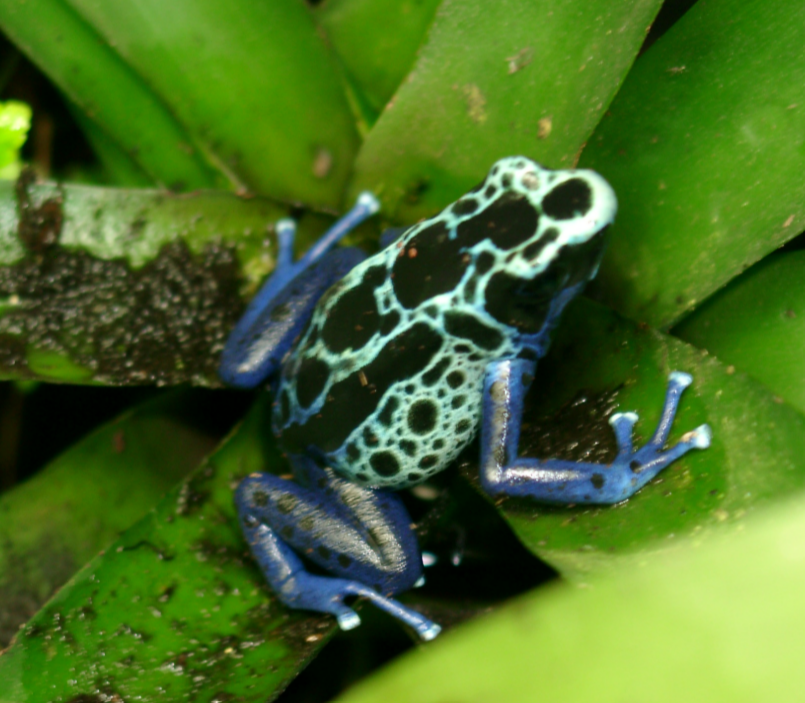
Dendrobatidae (LAB pic)
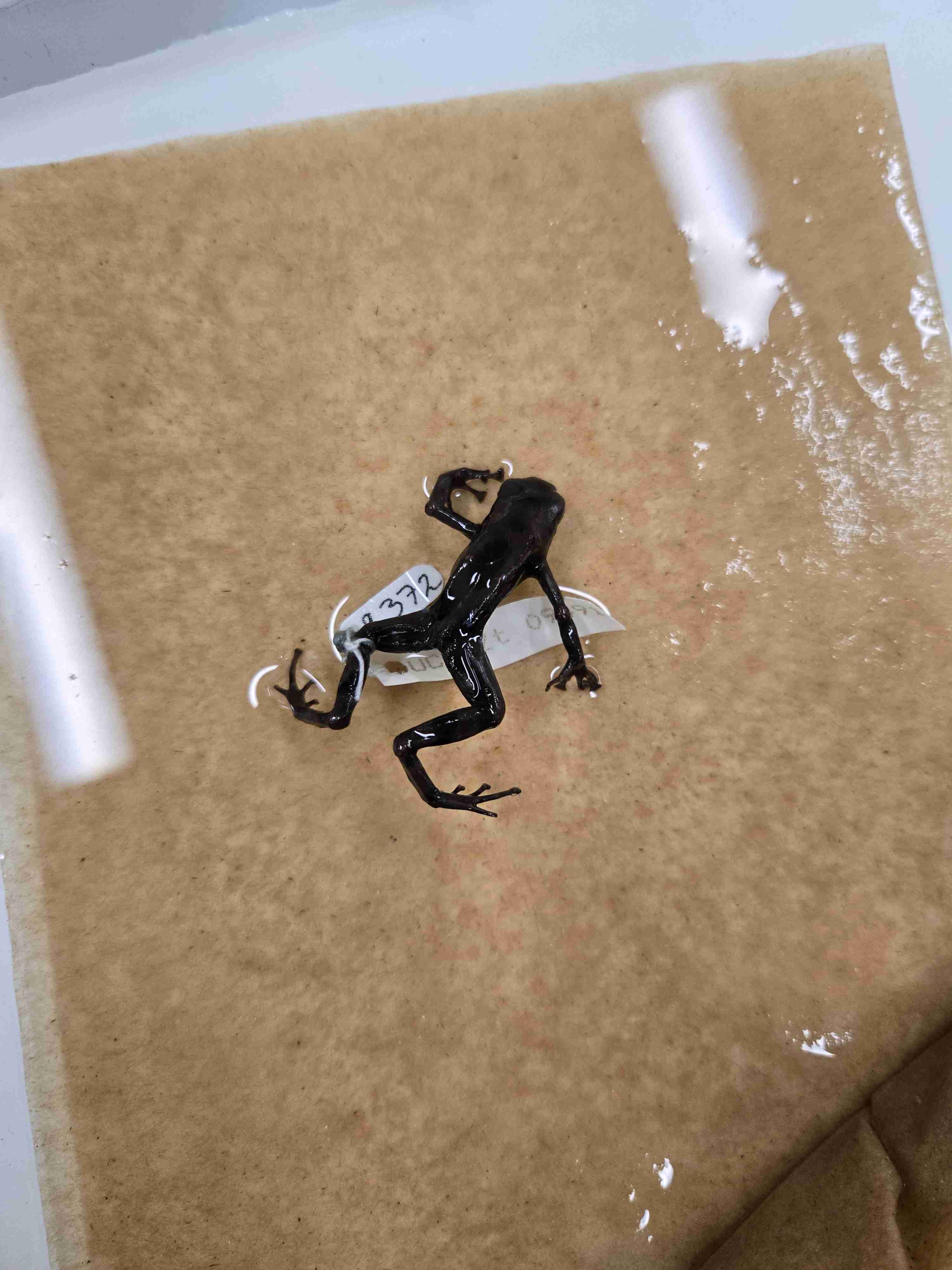
Rhinodermatidae
Distribution:
South America
Traits:
fleshy probiscus projects from tip of snout
males carry larvae in their vocal pouches
Larval Type:
IV
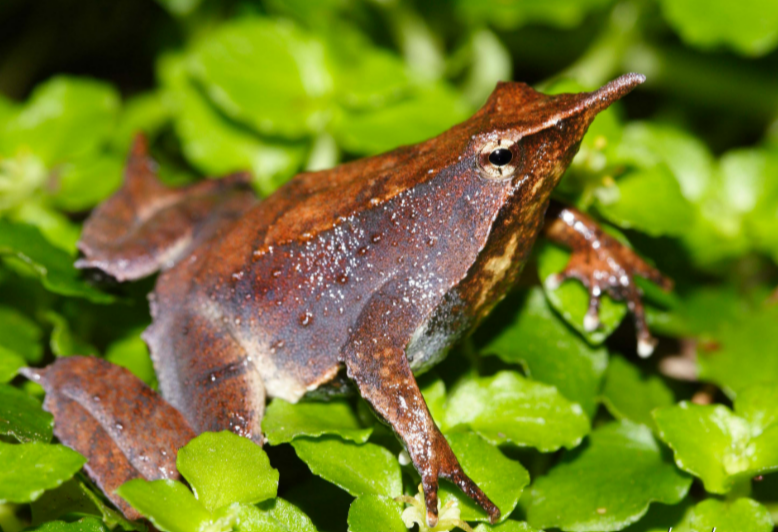
Rhinodermatidae (LAB pic)
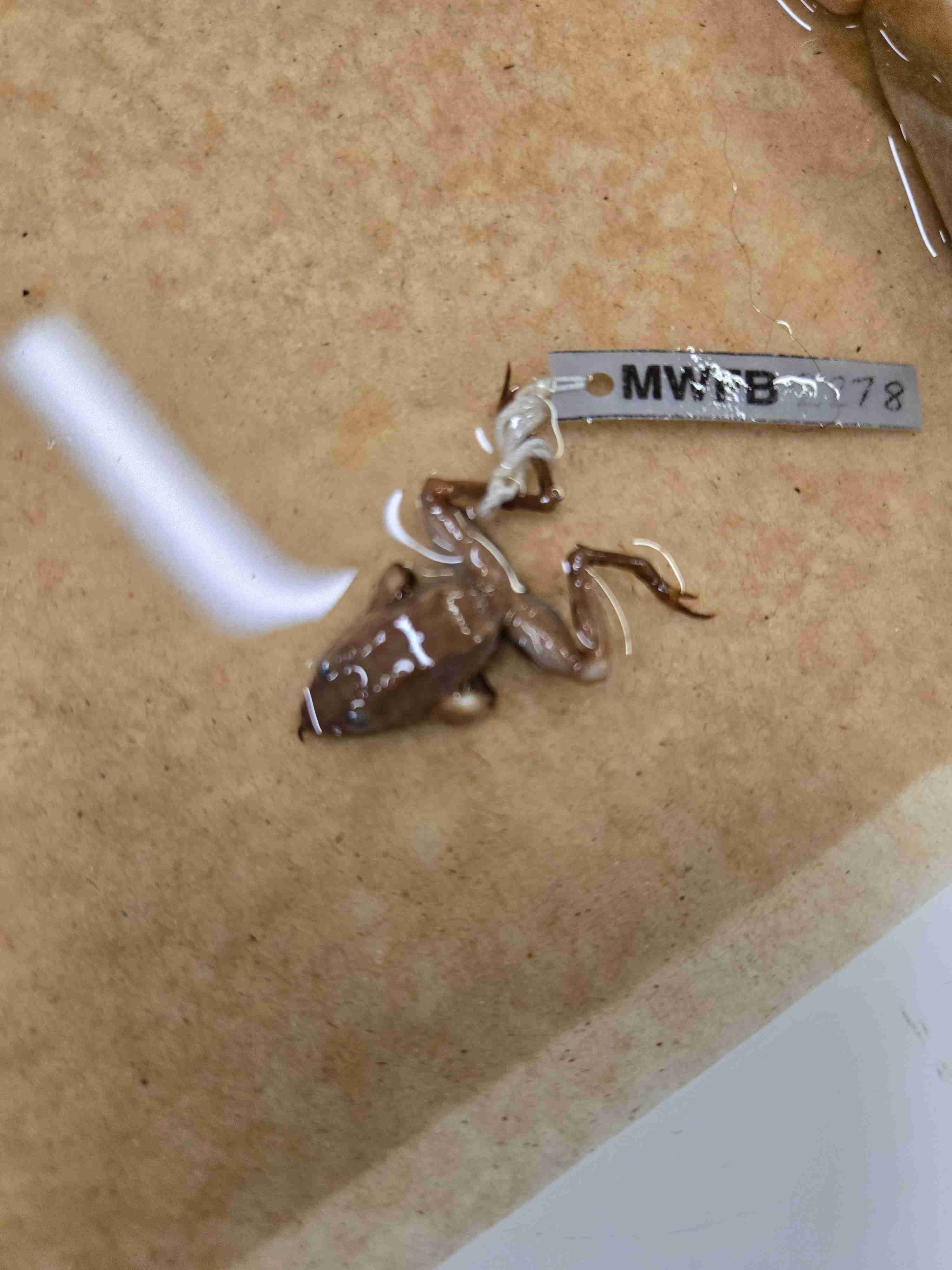
Leptodactylidae
Distribution:
Central and South America
Traits:
small
many are foam nesters
Larval Type:
IV
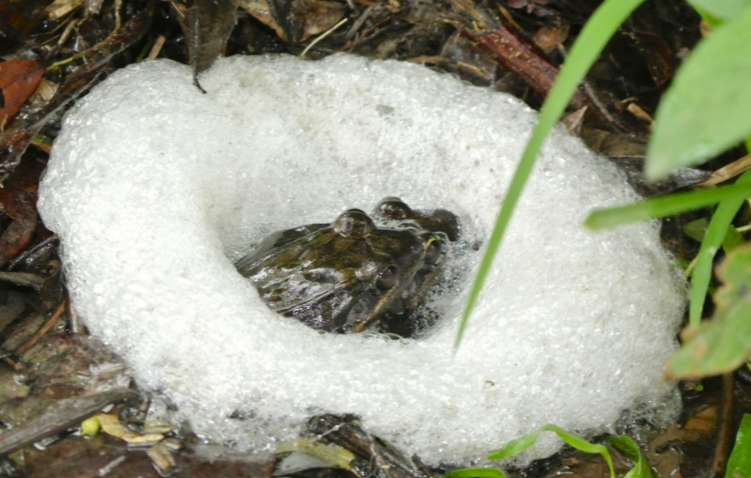
Leptodactylidae (LAB pic)
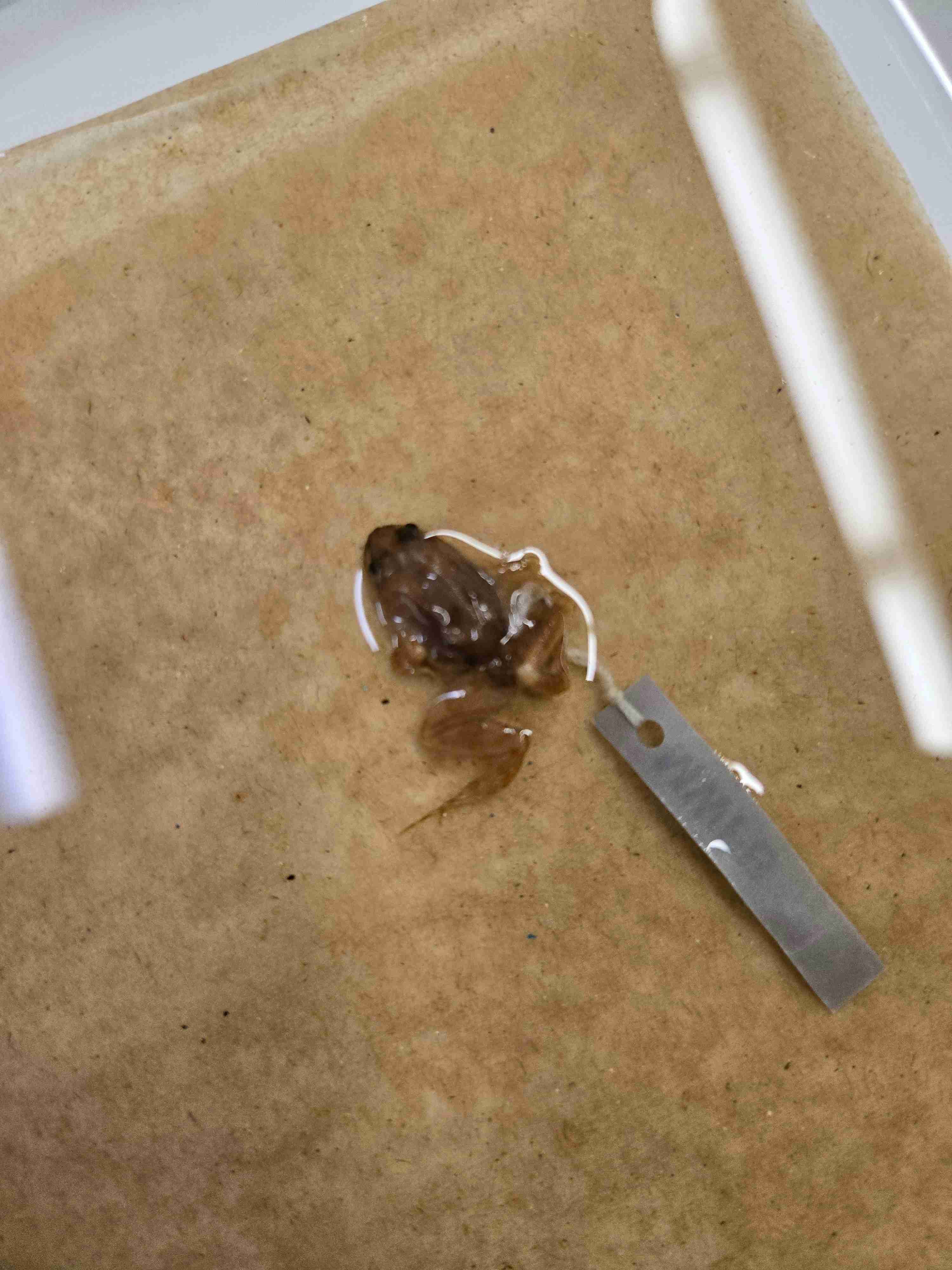
Ceratophryidae
Distribution:
South America
Traits:
huge head
enormous gape
mimics dead leaves
Larval Type:
IV
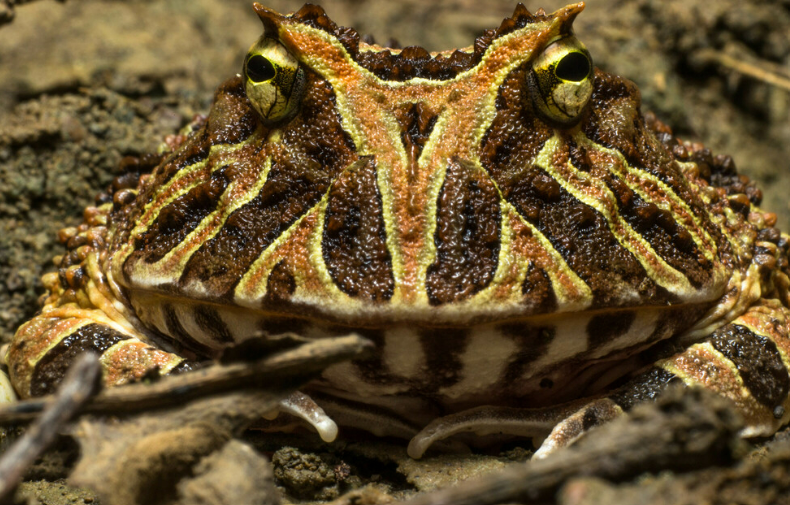
Ceratophryidae (LAB pic)
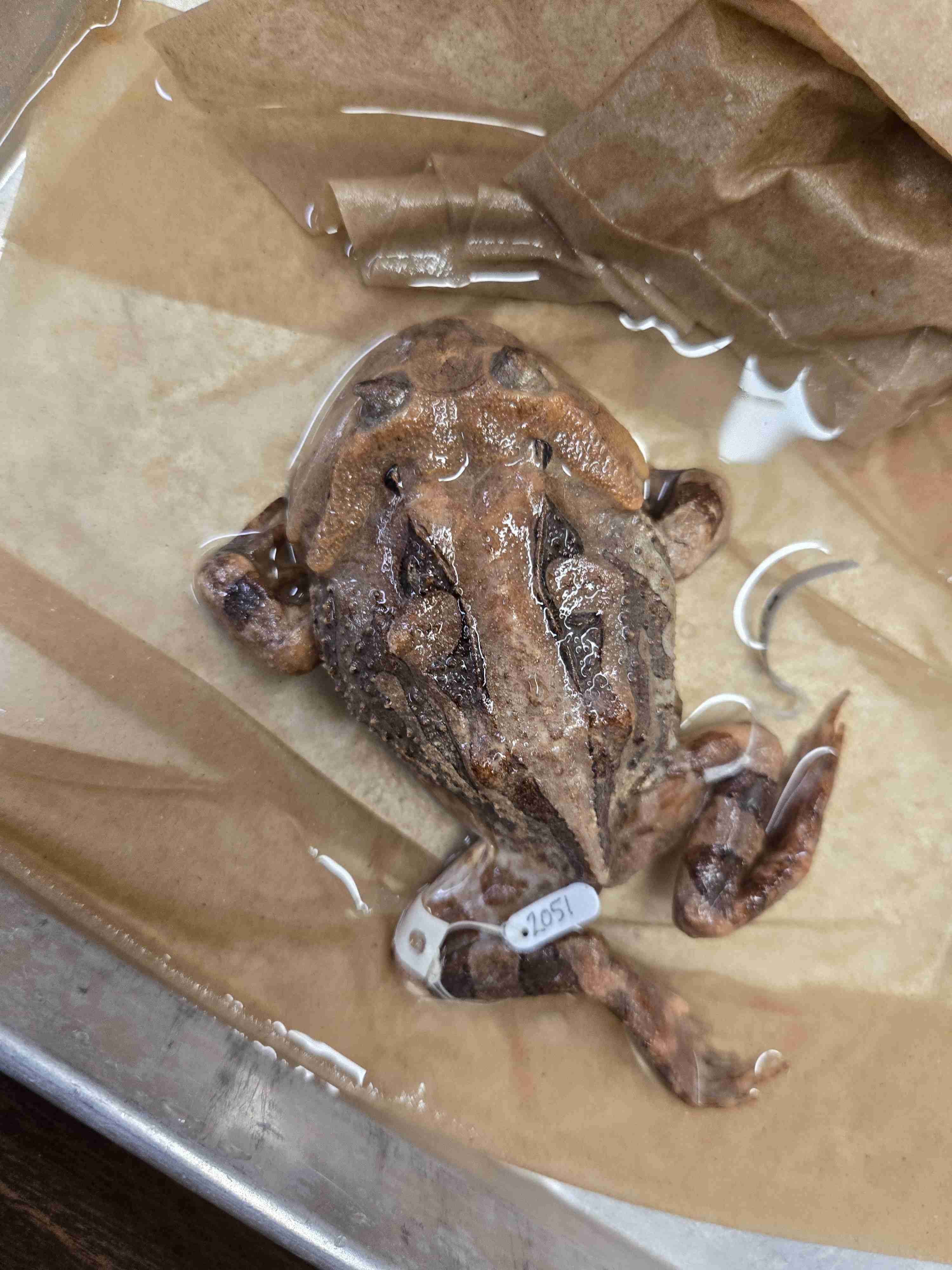
Alsodidae (LAB pic)
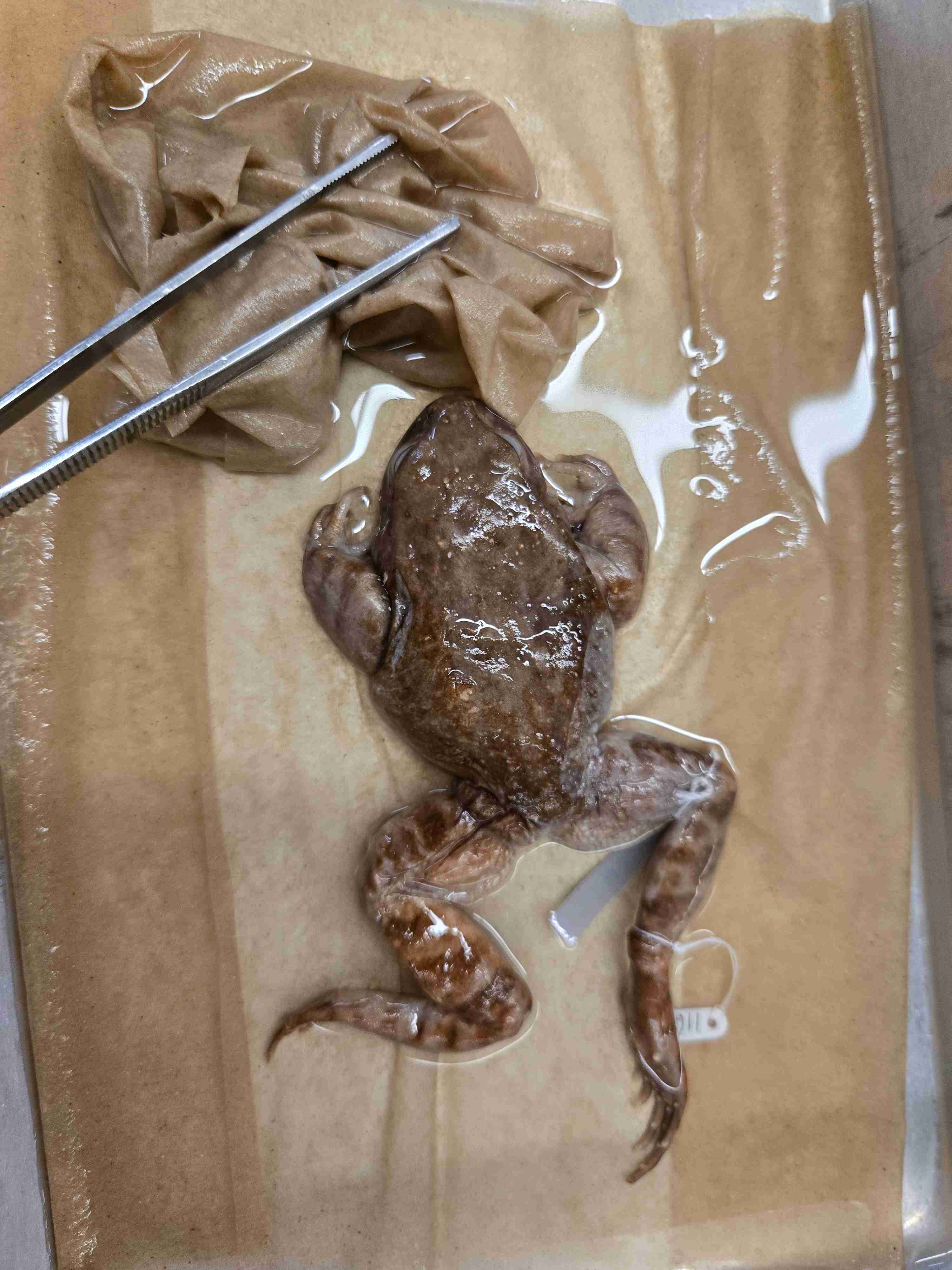
Microhylidae
Distribution:
Worldwide, expect Europe and North Africa
Traits:
fold behind head
narrow pointed head
teardroped/ oval bodies
Larval Type:
II
Microhylidae (LAB pic)
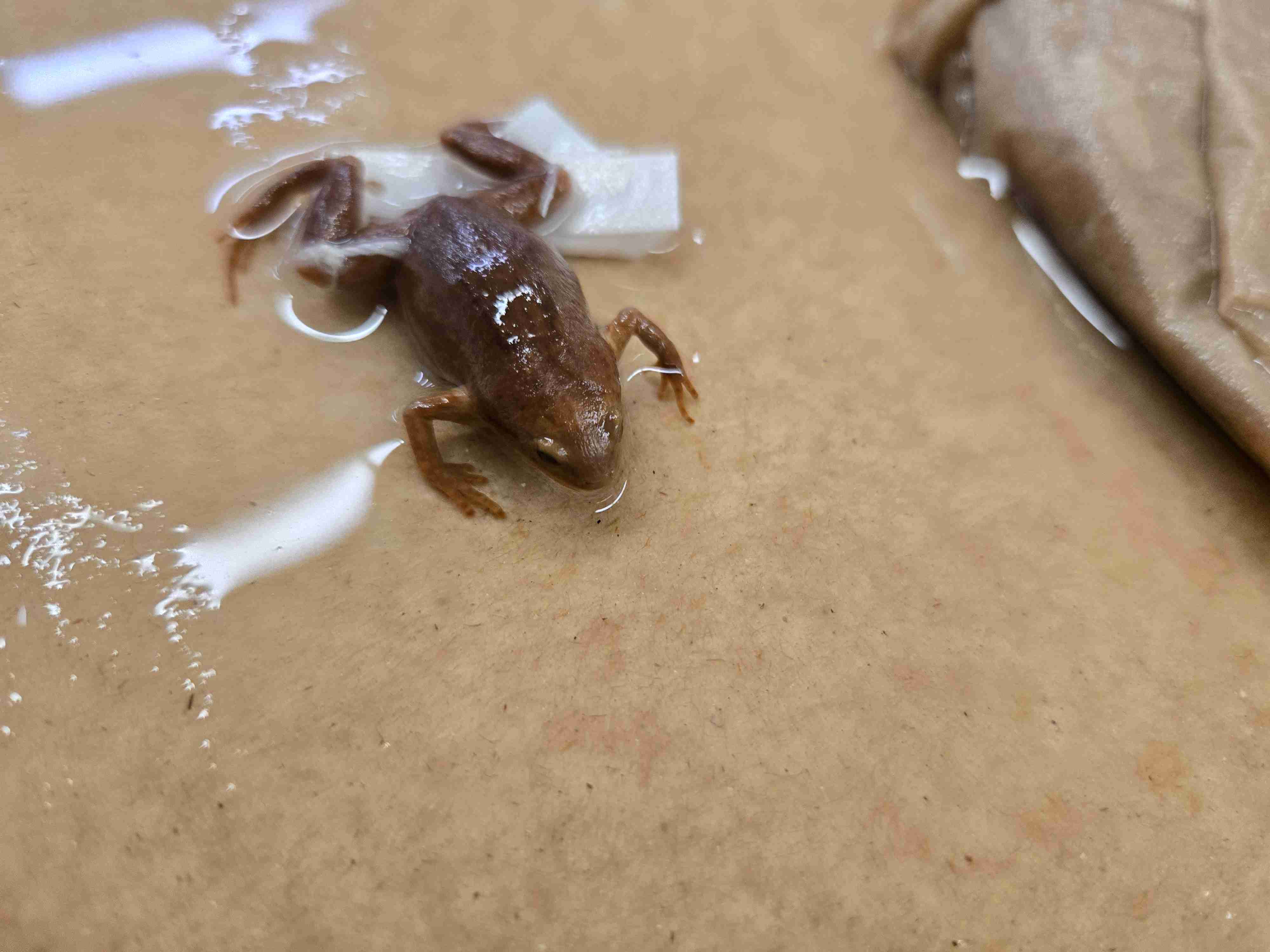
Rhacophoridae
Distribution:
sub-Saharan Africa
Madagascar
South Asia
Traits:
Enlarged toe-discs
large eyes with horizontal pupils
many have flash coloration in inner thigh
some glide
Larval Type:
II
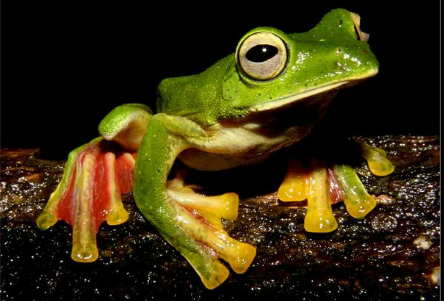
Rhacophoridae (LAB pic)
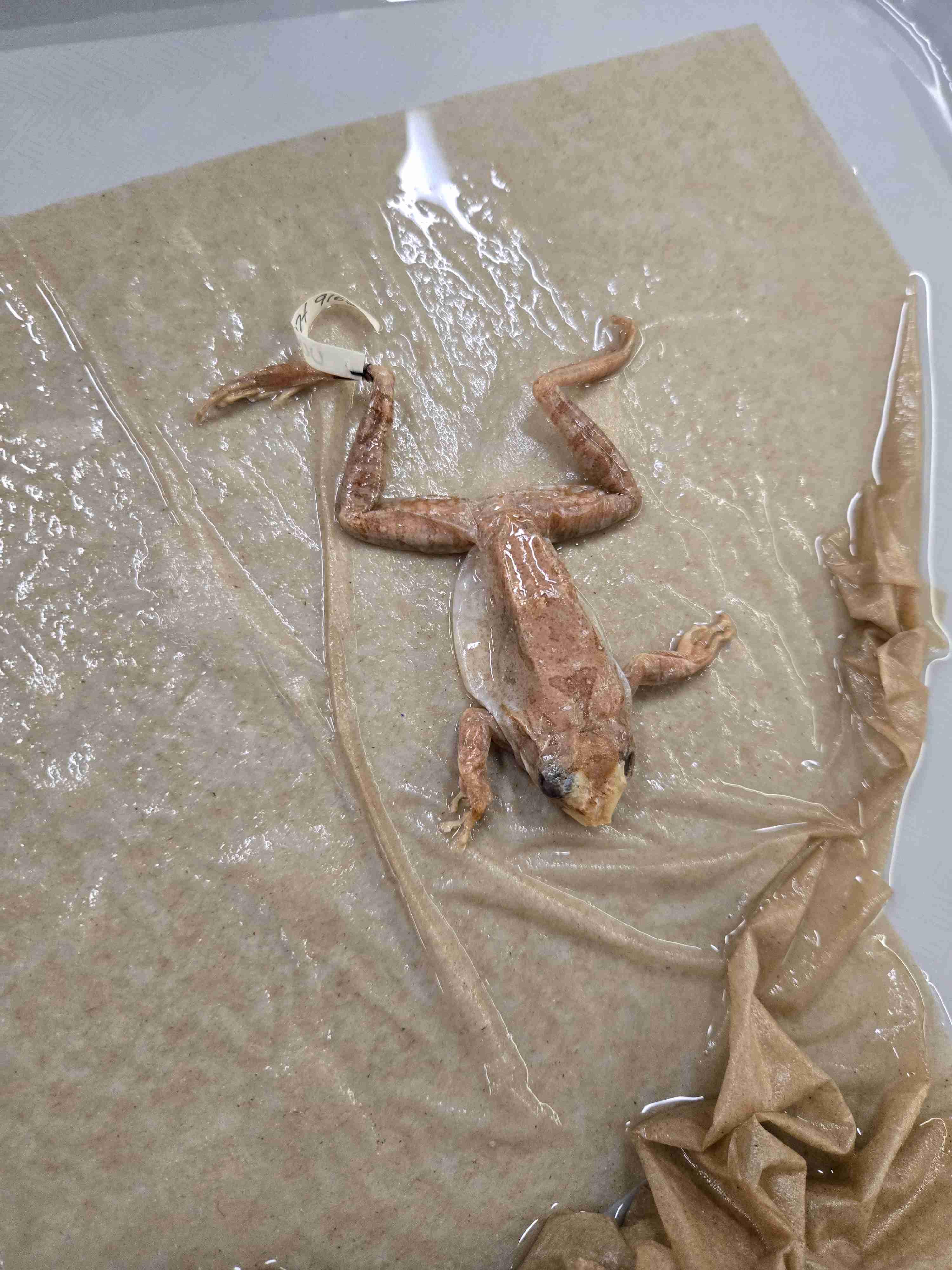
Hyperoliidae
Distribution:
sub-Saharan Africa
Madagascar
Seychelles
Traits:
many arboareal
toe discs
brightly colored
intercalary elements present in digits
Larval Type:
IV
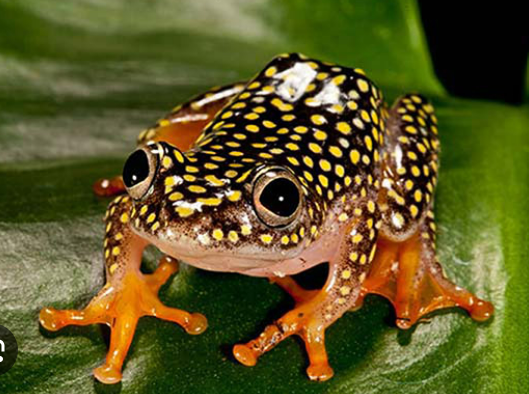
Hyperoliidae (LAB pic)
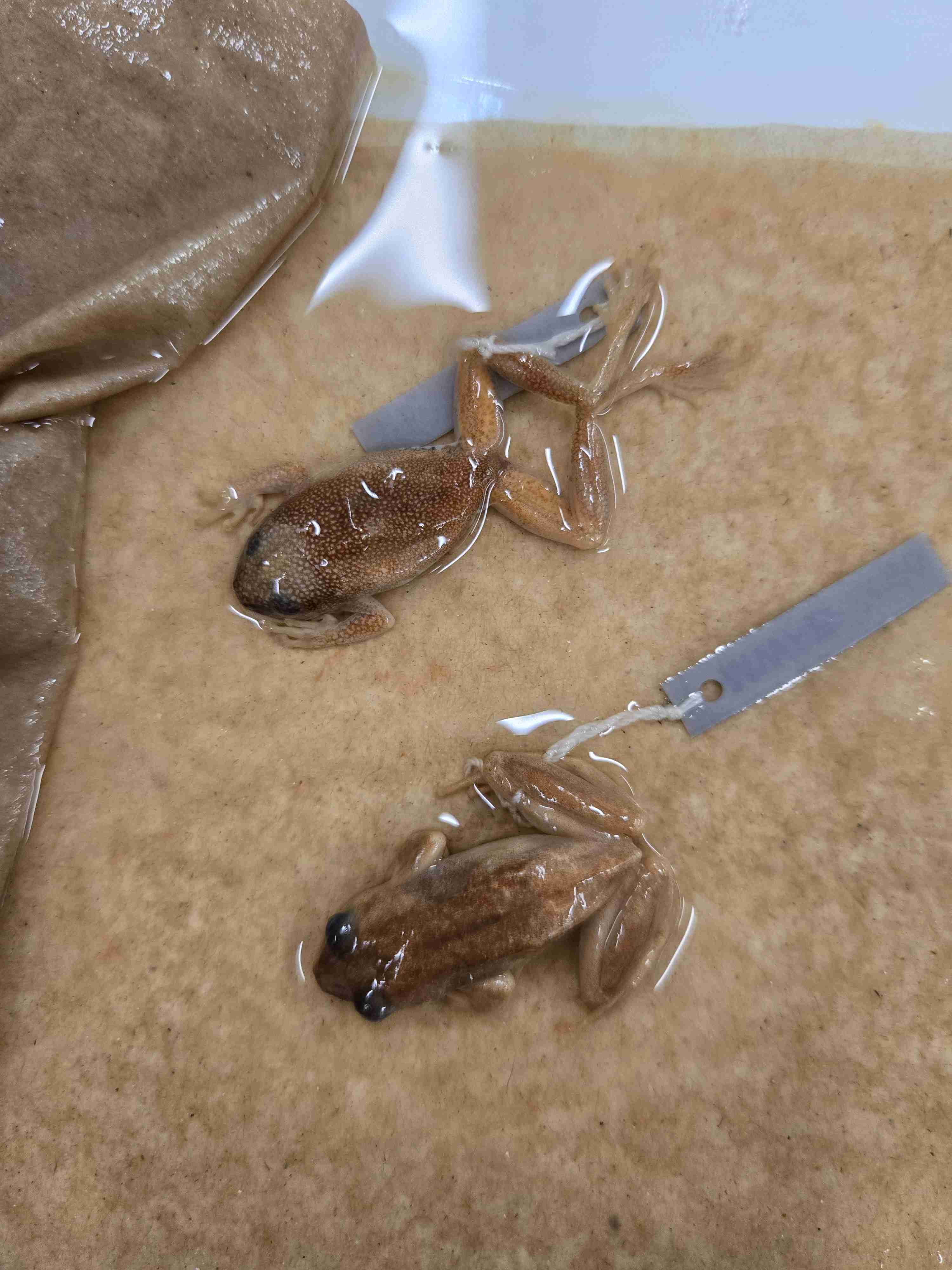
Mantellidae
Distribution:
Mayotte Island
Madagascar
Traits:
convergent with other anuran species
hard to ID
Larval Type:
IV
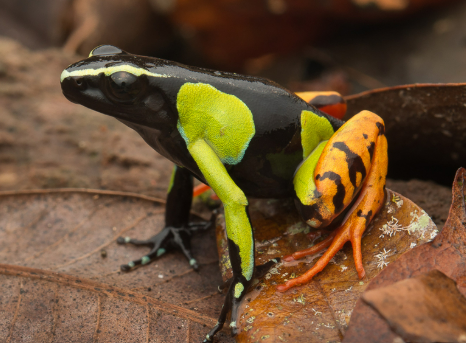
Mantellidae (LAB pic)
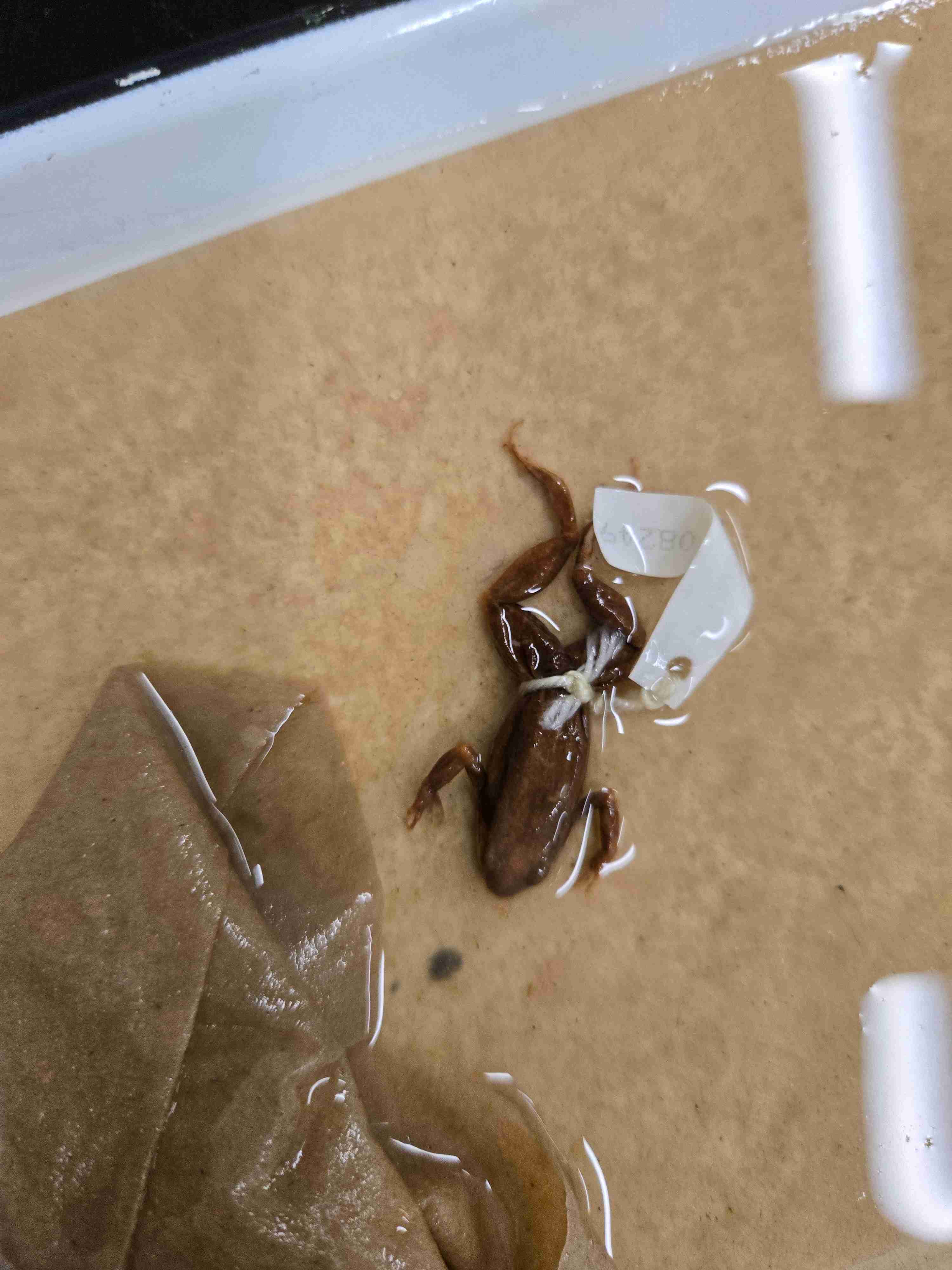
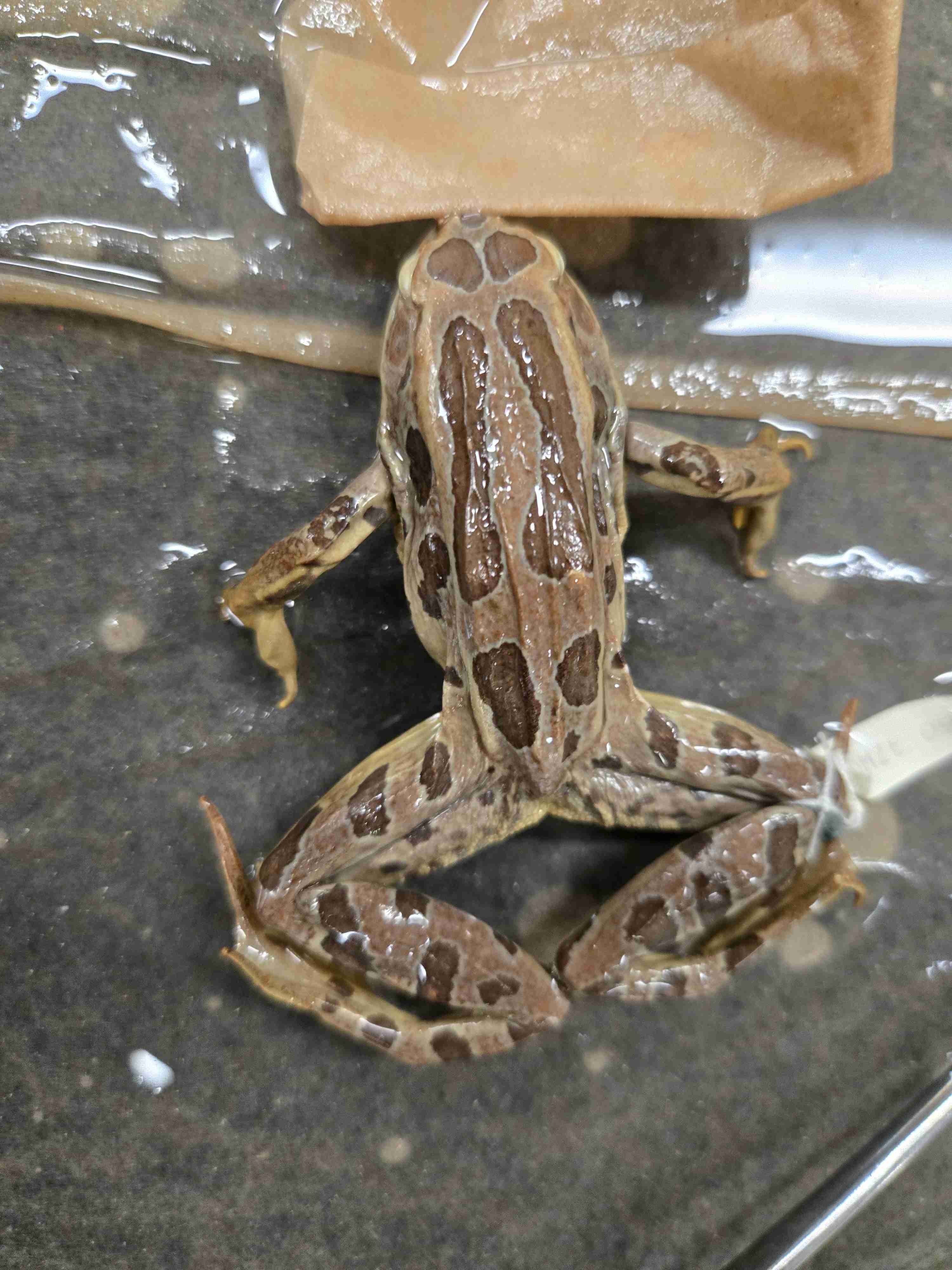
Ranidae
Distribution:
Nearly worldwide
Traits:
long legs
long toes
webbed feet
mostly riparian
Larval Type:
IV
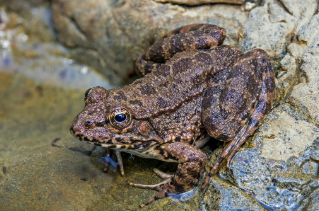
Ranidae (LAB pic)
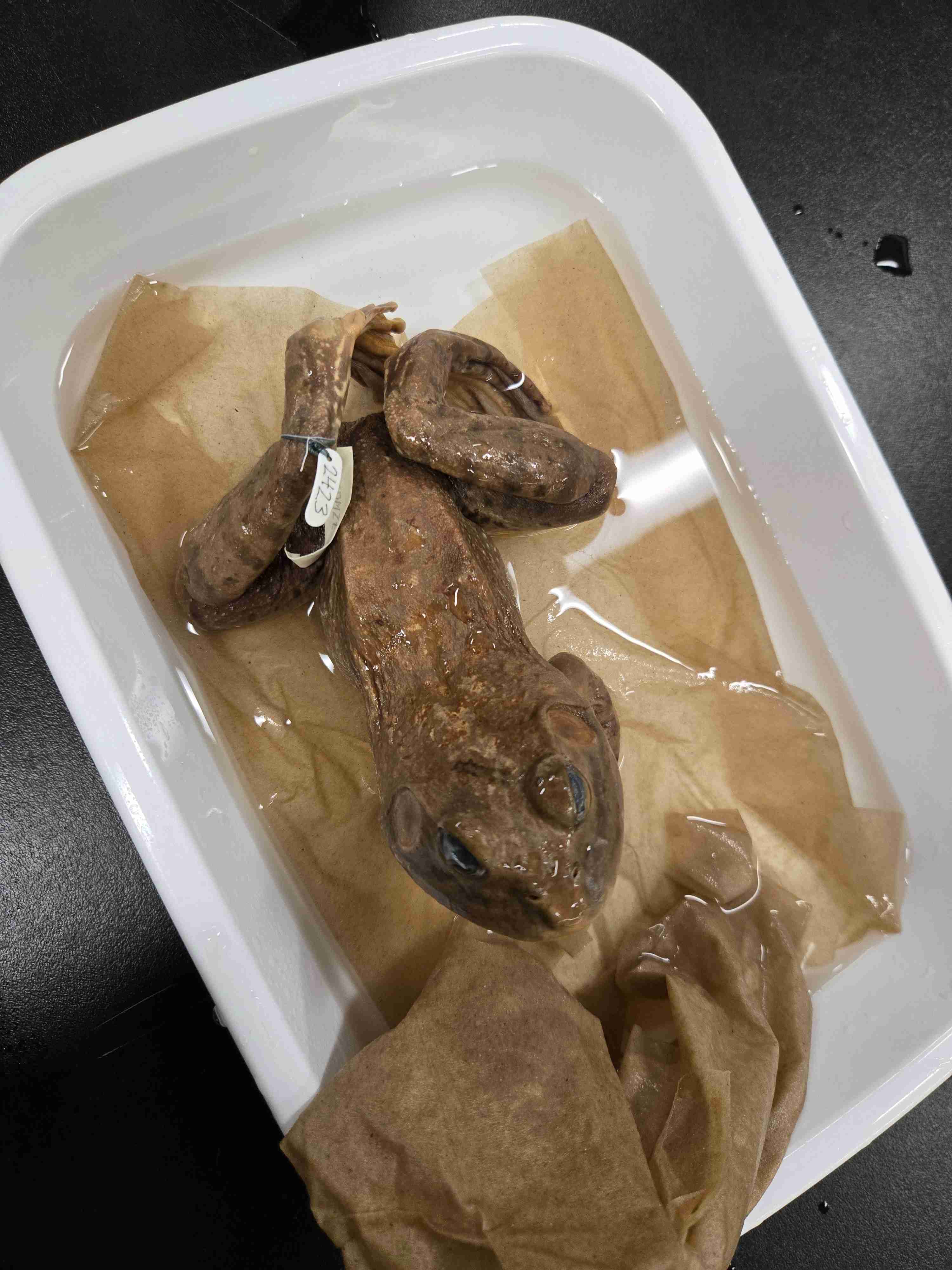
Ranidae (LAB pic)
Scaphiopodidae
Distribution:
Nearly worldwide
Traits:
spadefoot
plump body
narrow head
dry habitats
Larval Type:
IV
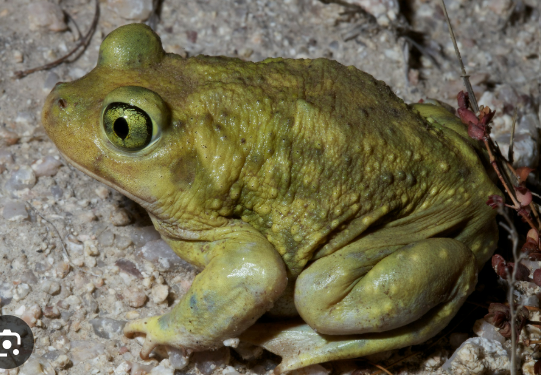
Scaphiopodidae (LAB pic)
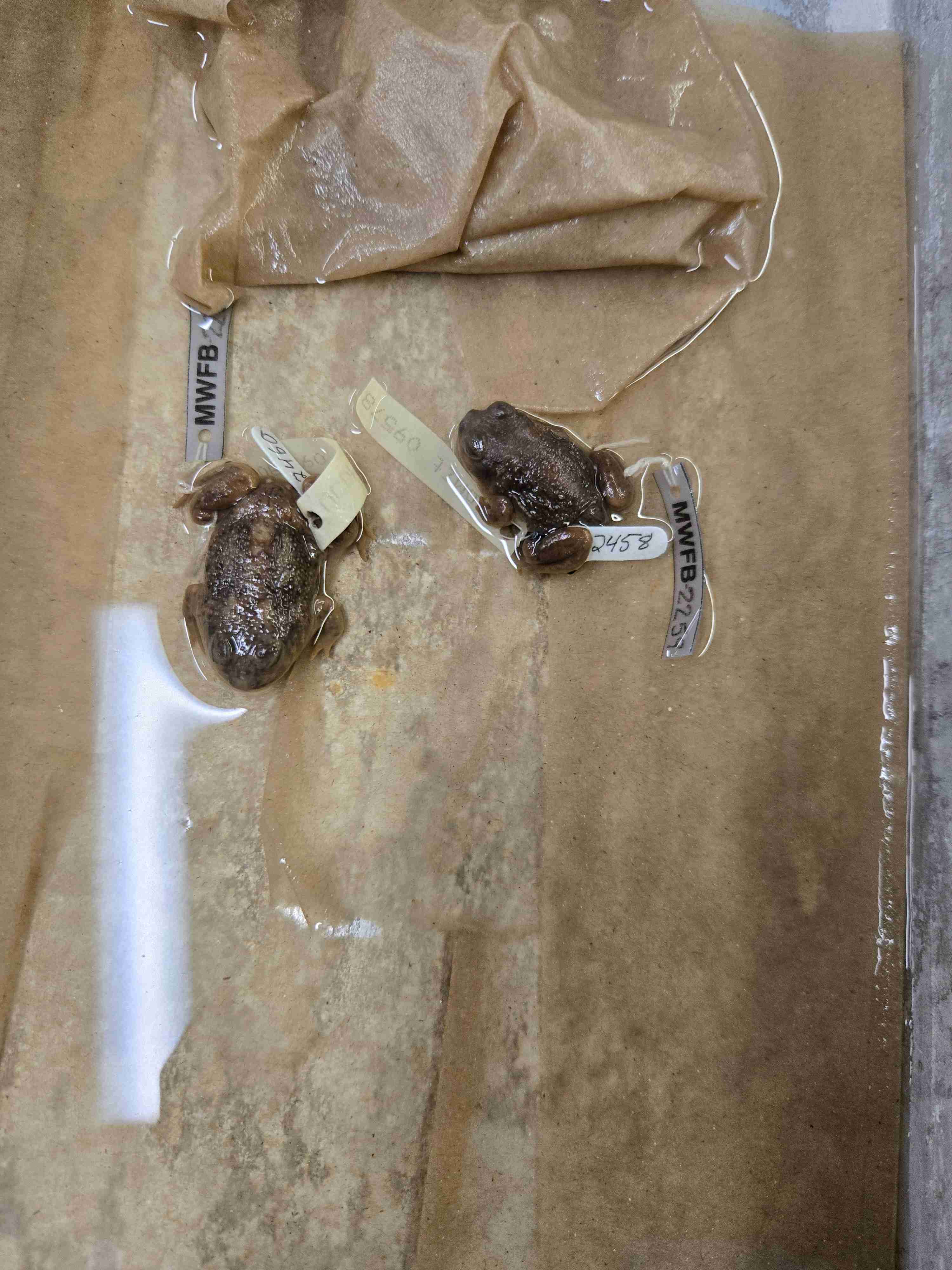
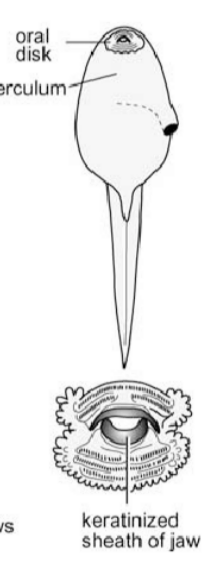
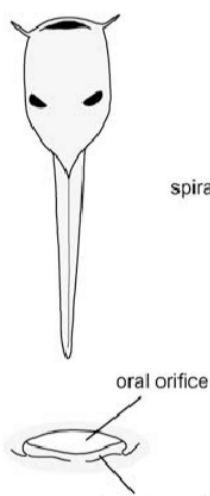
Tadpole type I
no keratinous mouthparts
paired spiracles
mouth with barbels
(some)Pipidae and
Rhinophrynidae
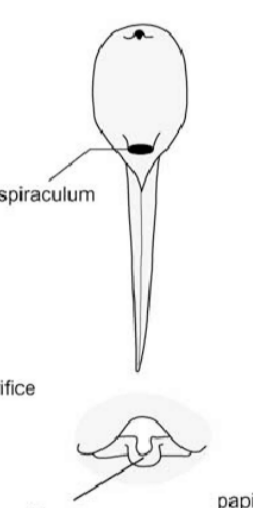
Tadpole type II
no keratinous mouthparts
single medial posterior spiracle
lack barbels
Microhylidae
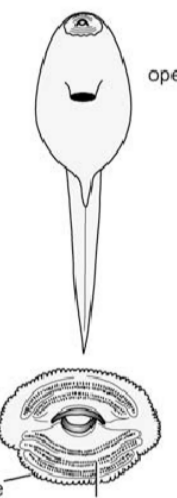
Tadpole Type III
keratinous mouthparts
presentmidventral spiracle
Ascaphidae and Bombinatoridae
Tadpole Type IV
keratinous mouthparts
presentsinistral (left side)
spiracle
majority of anurans