IB Bio HL 11- Topics 1 and 2 (Early Life on Earth and Cell Structure)
 Studied by 0 people
 Call Kai
 Learn
Learn Practice Test
 Spaced Repetition
 Match
Match Flashcards
 Knowt Play
1/131

There's no tags or description
Looks like no tags are added yet.
Name | Mastery | Learn | Test | Matching | Spaced | Call with Kai |
|---|
No analytics yet
Send a link to your students to track their progress
132 Terms
what is called the universal solvent and why
water; since everything can dissolve in it.
why is it essential for things to be dissolved in water?
after being dissolved in water, molecules are then able to move around and interact, therefore making more complex molecules.
why is water essential for life?
it is the universal solvent, and things can dissolve in water which in turn can move around and make more complex molecules.
was water on earth when it formed? why or why not?
water was not on Earth, since temps then would be above 100 degrees (boiling point) so all the water would have evaporated.
where did water come from? why cant those events happen today?
main hypothesis is that water came from melted ice on asteroids.
- atmosphere was thinner, so asteroids could bombard earth
- asteroids back then had more water than they do now (now they've dried up after orbiting for many years)
where did ammino acids/proteins come from?
ice from asteroids
what is a solvent?
a liquid where something (a solute) is dissolved to form a solution.
what is a solute?
the thing that dissolves in the solvent (liquid).
what are the two reasons that water is stil here?
1. earth is the the "goldilocks zone", so water won't heat up above 100 degrees and doesn't freeze; stays in liquid form
2. earth has strong enough gravatational force to hold onto the oceans and water in atmosphere.
what is the first thing to look for to see if a planet has life?
if it has water or not
what is the goldilocks zone?
an area in space, where a planet is not too far (will freeze) or too close (will vapourize) from the star they orbit that water stays in liquid form. (sustain life)
what is the location of the goldilocks zone dependent on?
size and energy of central star, size of planet (gravity and atmospheric pressure)
list the different ways the primitive atmosphere is different than today
- contained mostly greenhouse gases (water vapour, nitrogen, carbon dioxide, methane)
- higher temperatures, so more energy
- little to no oxygen and no ozone layer, therefore UV light could shine through (more energy)
what elements/chemicals did the primitive atmosphere contain?
greenhouse gases: water vapour, nitrogen, carbon dioxide and methane.
why were there higher temperatures on primitive earth?
due to the greenhouse gases in the atmosphere that trapped heat inside.
why was having high temperatures on primitive earth important for life?
higher temps= more energy, so molecules moved fast, increasing the number of collisions
why was the lack of oxygen on primitive earth critical for life?
- oxygen attaches to organic molecules and prevents them from joining and making larger molecules, which could form life that could not yet survive on the conditions of primitive earth.
- ozone layer would not have existed; that means UV light could shine through atmosphere and thus more energy and chemical reactions.
why couldn't life survive on primitive earth?
- very high temperatures (greenhouse gases)
- no ozone layer, so UV light would shine through (damages DNA)
therefore, the lack of oxygen was critical.
what kind of reactions did primitive earth have that are not possible today?
many carbon compounds may have formed in hot springs or hydrothermal vents, deposited into lakes/seas as they formed in the atmosphere. this created a "soup" of carbon compounds.
characteristics of non living things
- do not eat, respirate, grow, move independently, reproduce
- do not need food/water
- considered immortal (doesn't die)
- not made of cells.
characteristics of viruses
- not made of cells; just DNA/RNA inside protein
- no metabolism; doesn't produce energy/reactions on its own
- can only reproduce by using host
- a virus inside a cell is just an inactive particle.
similartities between viruses and living things
- made of DNA/RNA; contains genetic material
- can perform metabolism, but only by using host
- can reproduce using host
- evolve through natural selection (mutations)
are viruses considered to be living things?
no, though they do share some characteristics with living things.
what must all claims in science be
testable
why do we not have evidence/a record of the first protocells?
did not fossilize
what are the four processes for life to spontaneously begin
1. self assembly
2. catalysis
3. self-replication of molecules
4. compartmentalization
what is self assembly
- chemical reactions converted inorganic molecules (like water) into carbon-containing, simple organic molecules (like ammino acids)
- these organic molecules combined together to make more complex molecules (like polymers)
- requires catalysis
what are organic molecules
carbon-containing, except for carbon dioxide.
what is catalysis
chemical reaction that requires a catalyst to speed it up.
what is a catalyst
things that help a reaction happen faster at a lower temp and are not used up in the reaction.
what is an example of a catalyst
RNA/ribozymes; a self-replicating catalyst. acts as a catalyst to help other reactions (since earth didn't have DNA at first)
what is the self-replication of molecules
polymers (made from ammino acids) that are able to reproduce themselves formed.
what is compartmentalization
- a membrane of vesicles, formed from water attatched to a phospholipid (fat), formed a natural circle of membrane (oil/fat and water don't mix).
- this could hold genetic info inside them, separated from the rest of the environmet.
- in this area, complex molecules could interact and create even more complex things.
- developed their own internal chmistry, being almost cell-like.
what was the miller-urey experiment?
- created a closed environment that stimulated pre-biotic earth.
- mixed methane, hydrogen, and ammonia (eartly atmosphere gases), added water vapour, and electrical sparks for lightning.
- after 3 days, many carbon compounds/ammino acids had been produced.
what did the miller-urey experiement prove?
- you can take inorganic things and make them organic. used to think that life -> life.
- proved that self-assemly was possible (ammino acids from scratch)
- organic compounds could be created w no 02 or bacteria
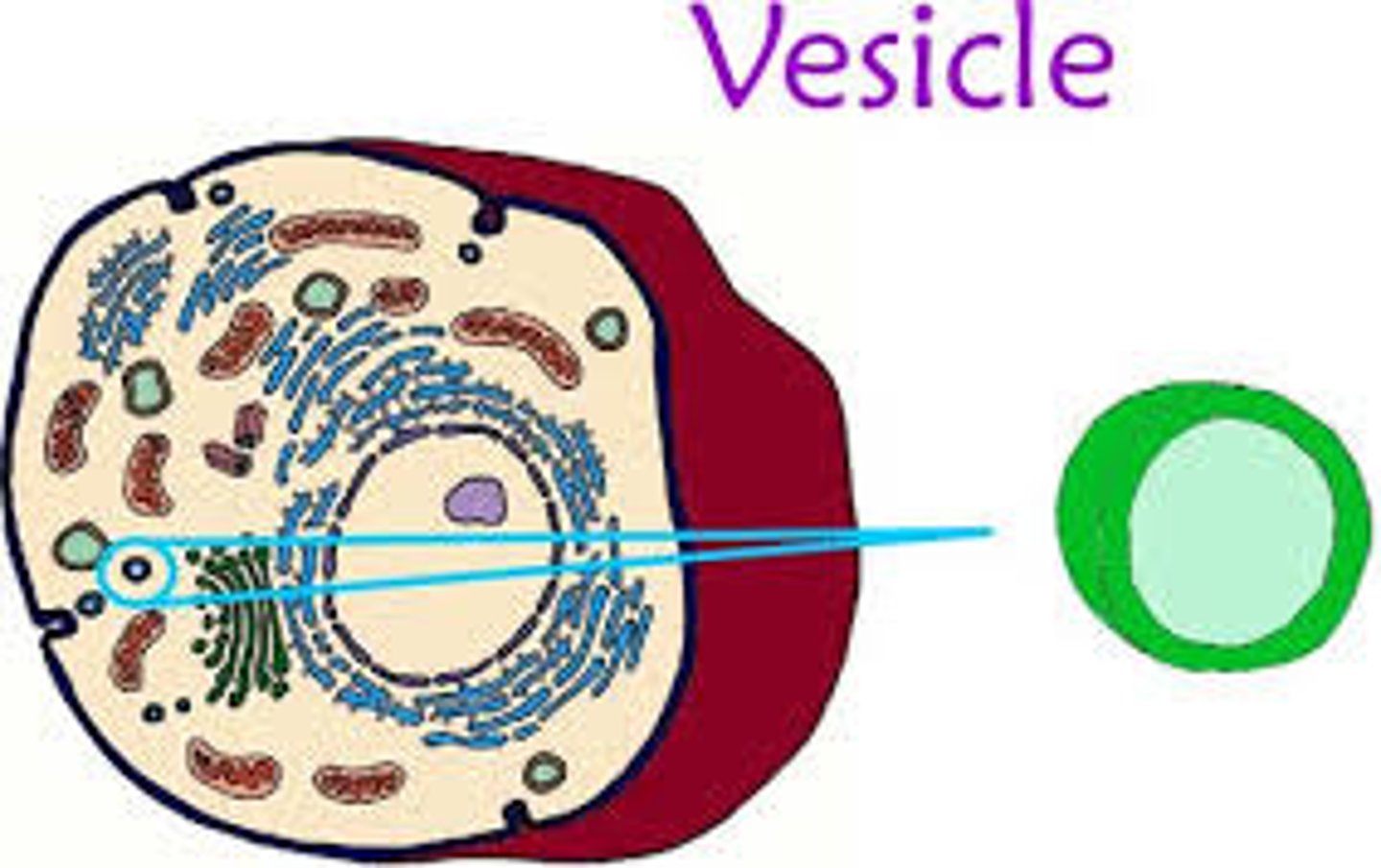
what are vesicles
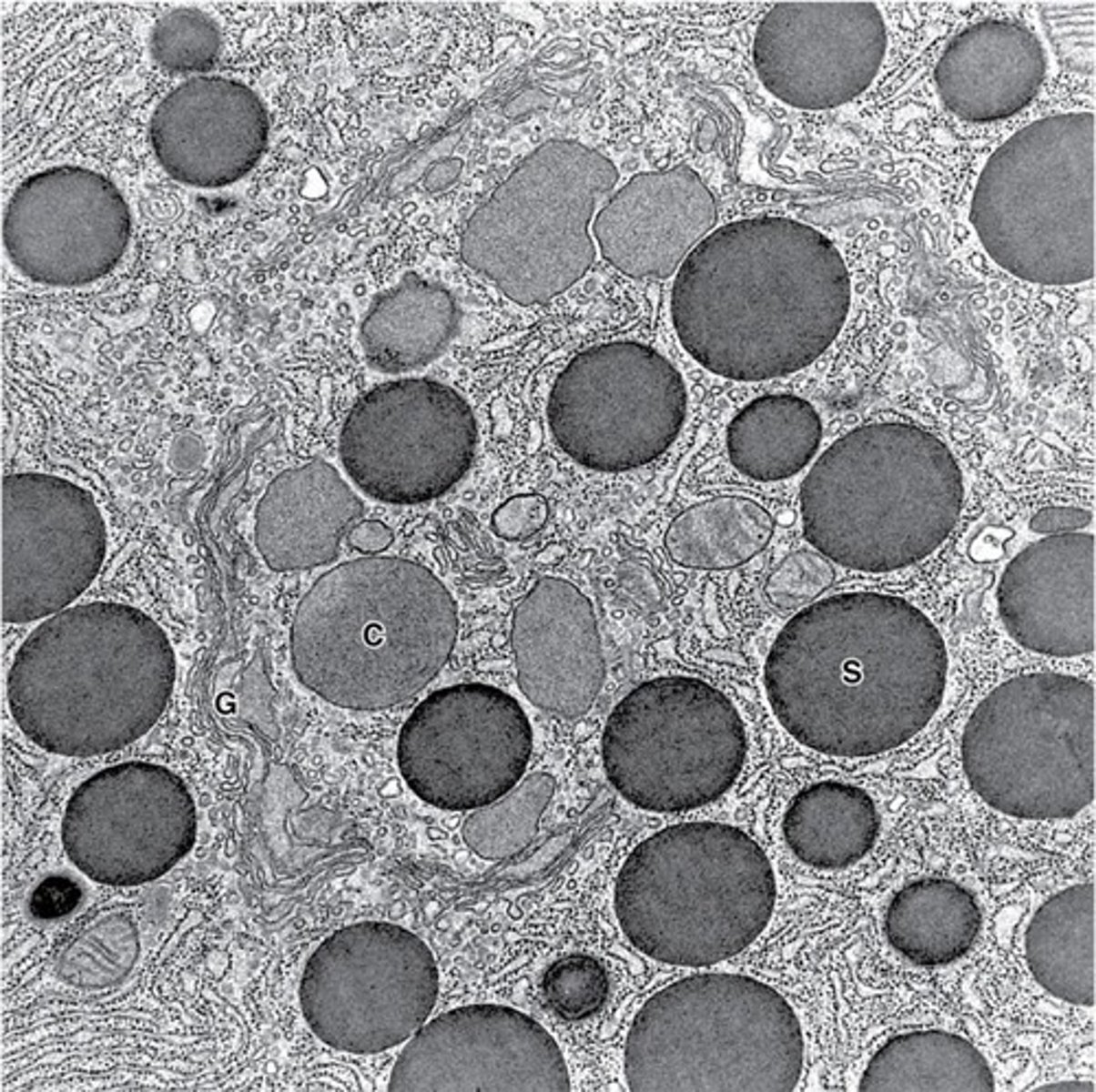
small droplets of fluid, enclosed in a membrane. probably played a part in early evolution of cells.
- today, it is usually found near the golgi apparatus.
what are the two things RNA can act as
a genetic code and as an enzyme (therefore could replicate itself).
what are ribozymes
type of RNA that is also able to act as a catalyst. they are used to catalyze protein bond formation during protein synthesis
what are the disadvantages of some viruses still made of RNA
accuracy of reproduction is not as accurate as DNA
what does LUCA stand for
Last Universal Common Ancestor
why do scientists think that LUCA existed
- all species on Earth have SAME genetic gode (ACTG) forming codons. these codons could mean differently for diff species.
- ribosomes and enzymes that synthesis DNA/RNA are the same in all organisms.
- more than 350 protein families can be traced back to a common ancestor
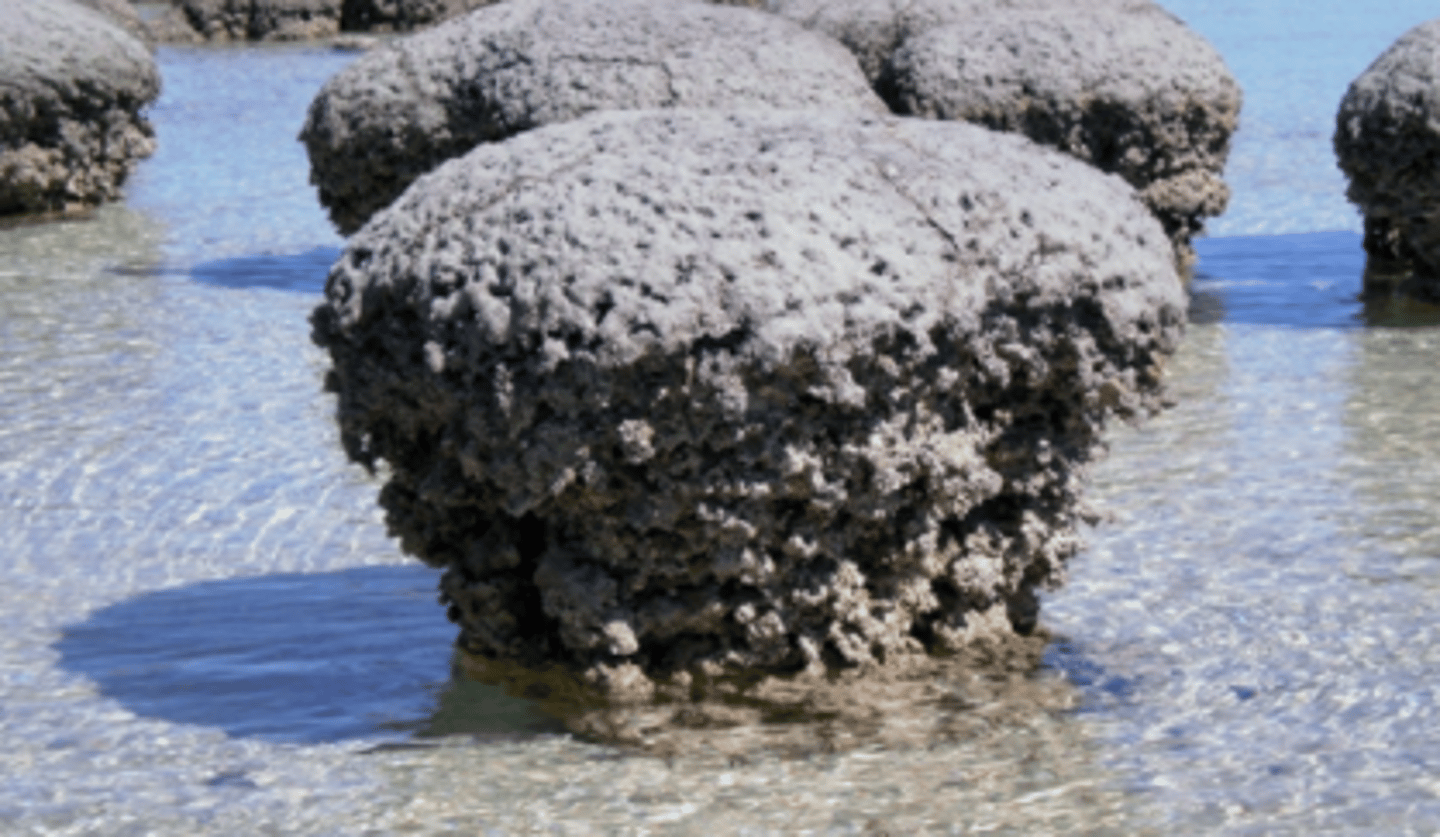
what is a stromatolite
very old rock formed by layers of ancient bacteria. oldest stromatolite (fossils) in australia are 3.42 million years old.
what are the two ways of dating stromatalites/fossils?
using a radioisotope: carbon dating and radio dating.
carbon 13 vs carbon 12
carbon 13 still has 6 protons and 6 electrons, but has 7 neutrons instead of 6.
what is carbon dating and radio dating? how do we figure out how old fossils really are?
- ways to see how old fossils really are.
- carbon dating: look for low C13/C12 ratios. the older the thing, the less carbon will be present.
- radio dating: same thing, but using uranium. uranium has a longer half-life than carbon.
we can figure out how old the bacteria is by aging the rock below and above the bacteria. this gives us a range of time that layer was formed.
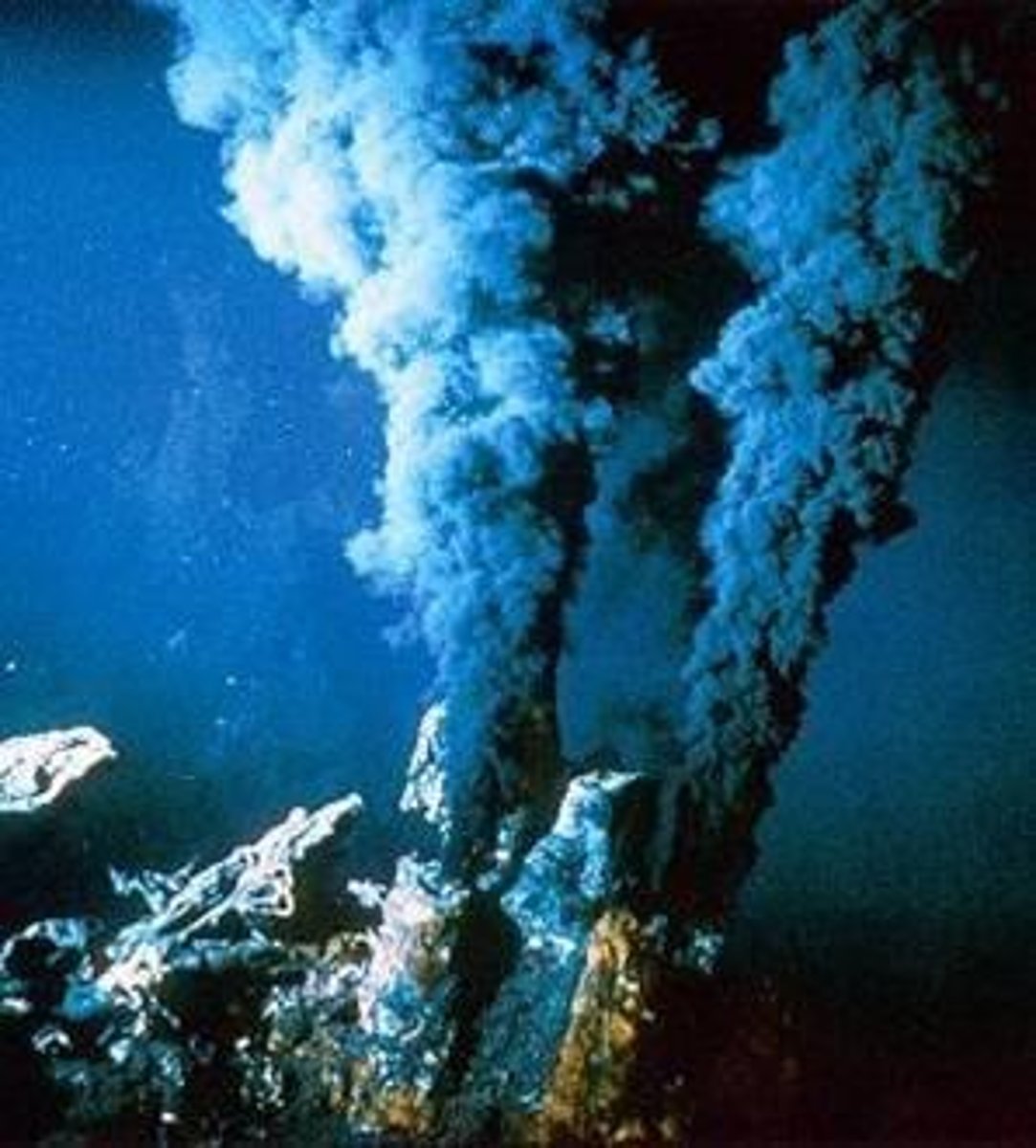
what are hydrothermal vents?
very hot vents underwater, flourishing with life
- where tetonic plates meet
- warm due to energy from mantle/core coming up
why do sceientists think that LUCA lived around hydrothermal vents?
- identified that LUCA lived in an environment w high conecntrations of H, CO2, and Fe, found in vents.
- fossilized evidence of life in vents
- proteins that are common in bacteria/archeans (oldest life) suggest we all descend from LUCA. these proteins used in chemical reactions involving chemicals around hydrothemal vents.
- conserved sequences of genomic analysis (ACGT)
what is panspermia
hypothesis that life, in the form of microorganisms, could travel between planets and even star systems, carrying the "seeds of life" to new worlds where they can take root and evolve. (meteors having amino acids, crashing on earth)
what is electron microscopy
electrons are beamed at the object up to 1 million times magnification
- only black and white images
- cells are killed in preparation
- use a computer to formulate image, not eyes
advantages of electron microscopy
- greater resolution
- detailed images, can see ultrastructure of cells
- different modes to see detailed images of surface or internal structures
- chromosome seen 1st time, revealed unicellular organisms and bacteria
what is freeze fracture
- produces images of surface of cells
- sample is frozen, and fractured
- fractured surface is replicated to be examined under electron microscope
advantages of freeze fracture
- gives impression of 3D images through shadowing
- process shows unique images of the weakest point in cells ( middle of membrane)
- lead to changes in theories about membrane structure.
- allows us to see surface features
what is cryogenic electron microscopy (Cryo-EM)
- used to examine structure of proteins
- protein solution is poured and frozen, looked under electron microscope
- since proteins line up in all directions, can make 3D model
- patterns of electrons transmitted by individual molecules are detected
advantages of cryogenic electron microscopy (cryo-EM)
- 3D model
- can research proteins that change forms when performing their function
- allows images of individual atoms in a protein/molecule
- very detailed images
what are flourescent stains
- stains: colored subst. that bind to some chemicals so you can see them.
- substance absorbs light then reemits it at a longer wavelength
- special microscopes can emit a single wavelength, re emited by sample; bright images
advantages of flourescent stains
- specific labelling of proteins, DNA, organelles
- most chemicals are colorless/white, so you can tell them apart since their stained (bright images to identify)
- different dyes bond to different things, so you can see where those structures are in relation to another
- can stain live cells, track movement
what is immunoflourescence
- development of fluorescent staining
- dyes are attached to antibodies, bonding to specific chemicals/molecules
- produces fluorescent image and shows you were those molecules are
advantages of immunofluorescence
- multicolored image can show where chemicals are
- used to find out if a specific molecule, structure, protein is present
- can be used to test for illness (sample to see if the virus/bacteria is there)
what is Cell Theory?
1. all organisms are made of cells, though some living things have structures that do not consist of typical cells.
2. cells are the smallest unit of life
3. cells come from pre-existing life (Except pre biotic life)
what do all cells have? what do they do?
1. DNA:
- genetic code
- codes for proteins
- common to all cells but location is not universal
2. Cytoplasm:
- mostly water, so molecules can dissolve into it
- medium in which chemical reactions can occur as it contains many enzymes
3. Plasma Membrane
- controls entry/exit of substances in/out of cell
- maintains diff concentration of substances than outside environment
- when membrane bursts= death of cell. vital
list the examples of atypical cell structures in eukaryotes
- aseptate fungal hyphae (fungi)
- skeletal muscle
- red blood cells
- phloem sieve tube elements (transports sap in plants)
how are aseptic fungal hyphae the same and different from typical cells? why do they have this atypical structure?
Same:
- have a membrane and cell wall
Different:
- very long, tube-like structure
- nucleus divides repeatedly w/out any subsequent cell division (many nuclei)
Why?
Allows the cell to be long with a large surface area to absorb nutrients.
how is skeletal muscle the same and different from typical cells? why do they have this atypical structure?
Same:
- have a membrane
- formed by division of pre existing cells
- have their own genetic material
- make own energy
Different:
- very long (1000x longer)
- many nuclei
Why?
allows them to stretch long distances within the body.
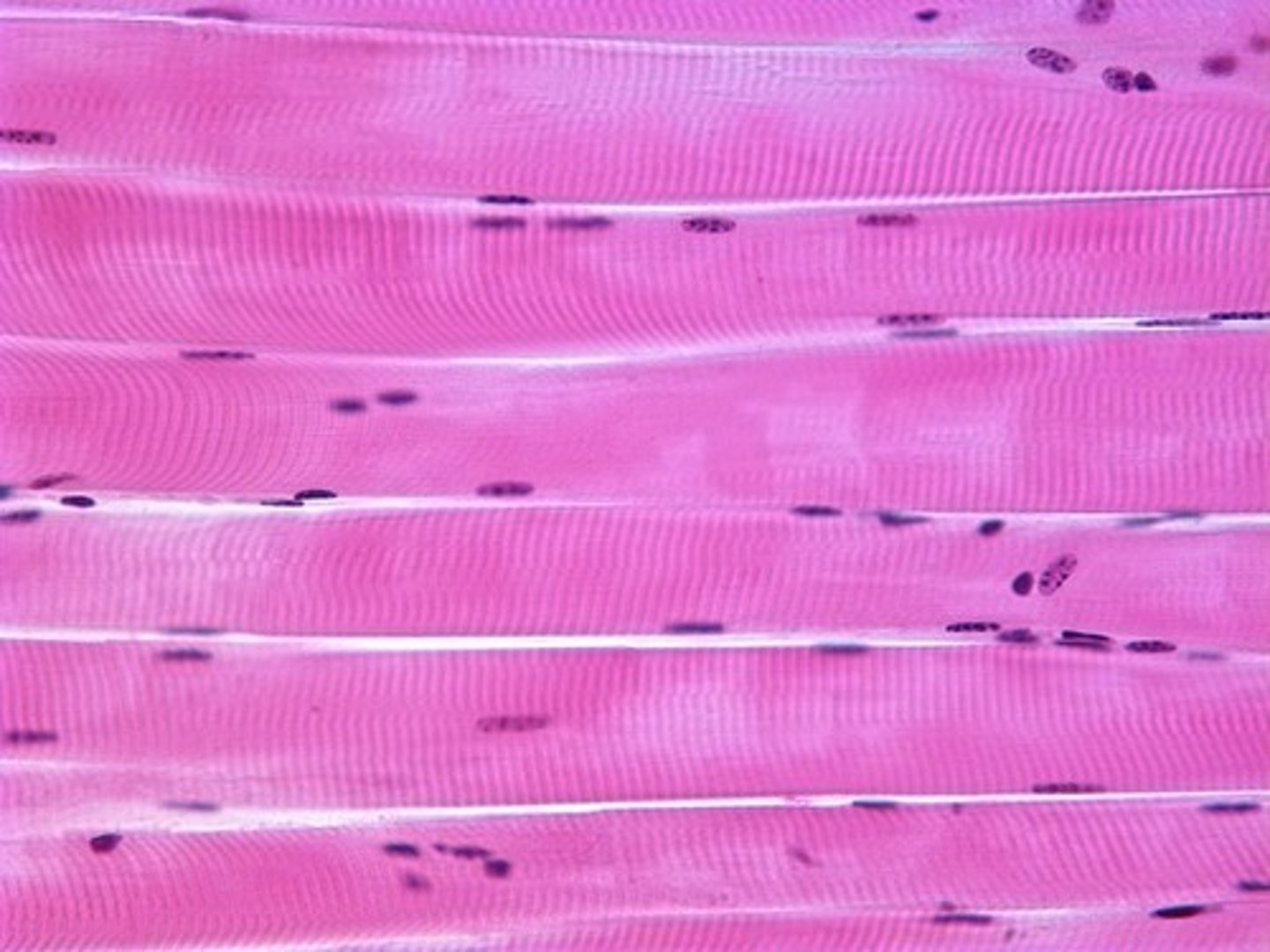
what is a syncytium
large multiciliate structures formed when groups of cells fuse together. skeletal muscle is an example.
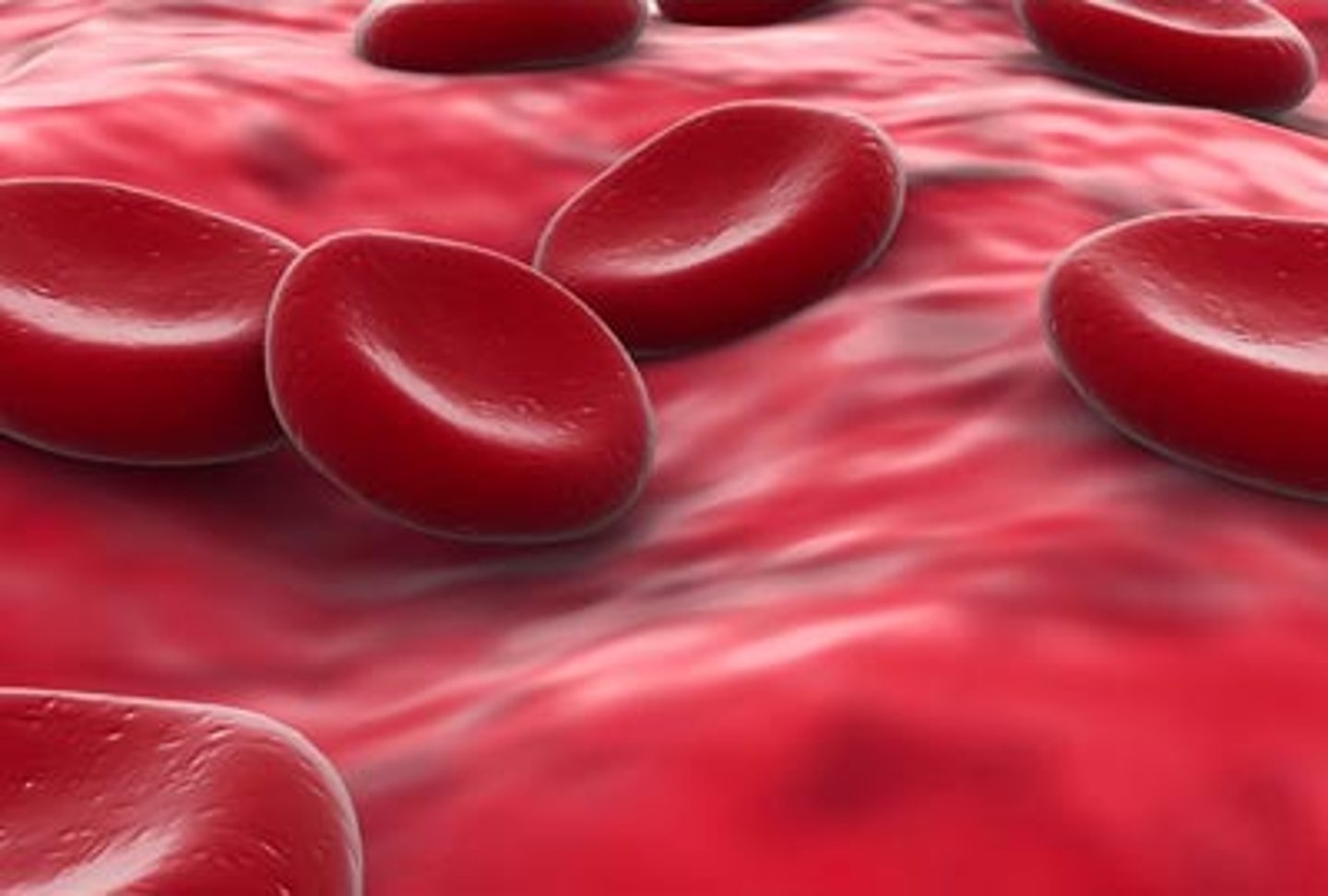
how are red cells different/same from regular cells? why do they have this atypical structure?
Same:
- have a membrane/cytoplasm
- come from pre existing cells
Different:
- no nucleus in adults; when young, since they're developed from stem cells, nucleus moved to edge of cytoplasm and destroyed.
Why?
- allows them to carry more hemoglobin and thus O2
- smaller and more flexible to move through tiny blood vessels
- however cannot repair themselves if damaged; only have lifespan of 100-120 days.
how are phloem sieve tube elements different/same from typical cells? why do they have an atypical structure?
Same:
- have a membrane/cytoplasm
Different:
- no nucleus, mitochondria, etc
Why?
- creates hollow tube for sugars to travel
- membranes needed to control movement of sugar
- kept alive by companion cells (have nucleus/mito)
- during dev., nucleus and contents break down except for membrane.

what are the 7 basic functions of life all living things must be able to perform?
- Nutrition: make their own food or ingest to get energy/nutrients for growth
- Metabolism: perform chemical reactions to release energy
- Growth: get bigger
- Response: identify changes in internal/external environ. and respond (light, blood sugar)
- Excretion: removal of waste products of metabolism
- Homeostasis: maintain constant internal environ., despite changes to outside environment.
- Reproduction: pass DNA to new generation
what is cell differentiation?
- the process where young, unspecialized cells take on individual characteristics to reach their mature (specialized) form/function.
what controls cell differentiation and how is it triggered?
- genes control the type of cell it will become.
- diff. genes are expressed and others are not, so cell performs a certain function
- often triggered by environment or cell signaling.
what are advtantages of being multicellular?
- cells can develop differently to perform diff. functions; have specialized structures, one cell doesn't need to do everything (differentiation)
- tend to have longer lifespan: death of 1 cell doesn't prevent continued survival
- larger, can exploit niches
- can become more complex
differences between prokaryote vs eukaryote cells
Prokaryote:
- "before" nucleus (no nuclear membrane)
- DNA a single circular ring floating in cytoplasm in nucleoid
- Naked DNA (no proteins)
- no compartmentalization (cytoplasm is one undivided space)
- no membrane bound organelles except ribosomes
- ribosomes 70S
Eukaryote:
- "true" nucleus; has a nuclear membrane
- DNA in chromosomes, in nucleus
- DNA twisted around histones (proteins)
- compartmentalization (areas separated from rest of cytoplasm)
- membrane bound organelles
- ribosomes 80S
what is the endosymbiotic theory?
how eukaryotes developed:
- small prokaryote cells existed that did photosynthesis and others did cellular respiration.
- these were engulfed but not digested by larger prokaryote cells
- if green, chloroplast origin; if not, mitochondria origin
what is endocytosis
where one cell engulfs/brings in another cell, creating a membrane-bound vesicle.
what is a protist
unicellular, diverse eukaryote cells
benefits of big cell and small cell: endosymbiotic theory
big cell: extra energy
small cell: protection from environment
origin of nucleus
1. protist
2. outgrowth of membrane
3. membrane folded in itself (ER/nuclei)
4. pulls in another protist (mitochondria)
how do we "know" that mitochondria and chloroplasts were once free-living prokaryotes?
- mito and chloro grow and divide like cells
- both have their own "naked" DNA like prokaryotes
- have their own 70S ribosomes, like prokaryotes
- have double membranes, may have formed when they were engulfed.
what is a cell wall? structure and function
- primarily made of cellulose
- found in plants and fungi, not animals
- selective barrier regulates passage of molecules
- provides structure/rigidity to cell
NOT an organelle.
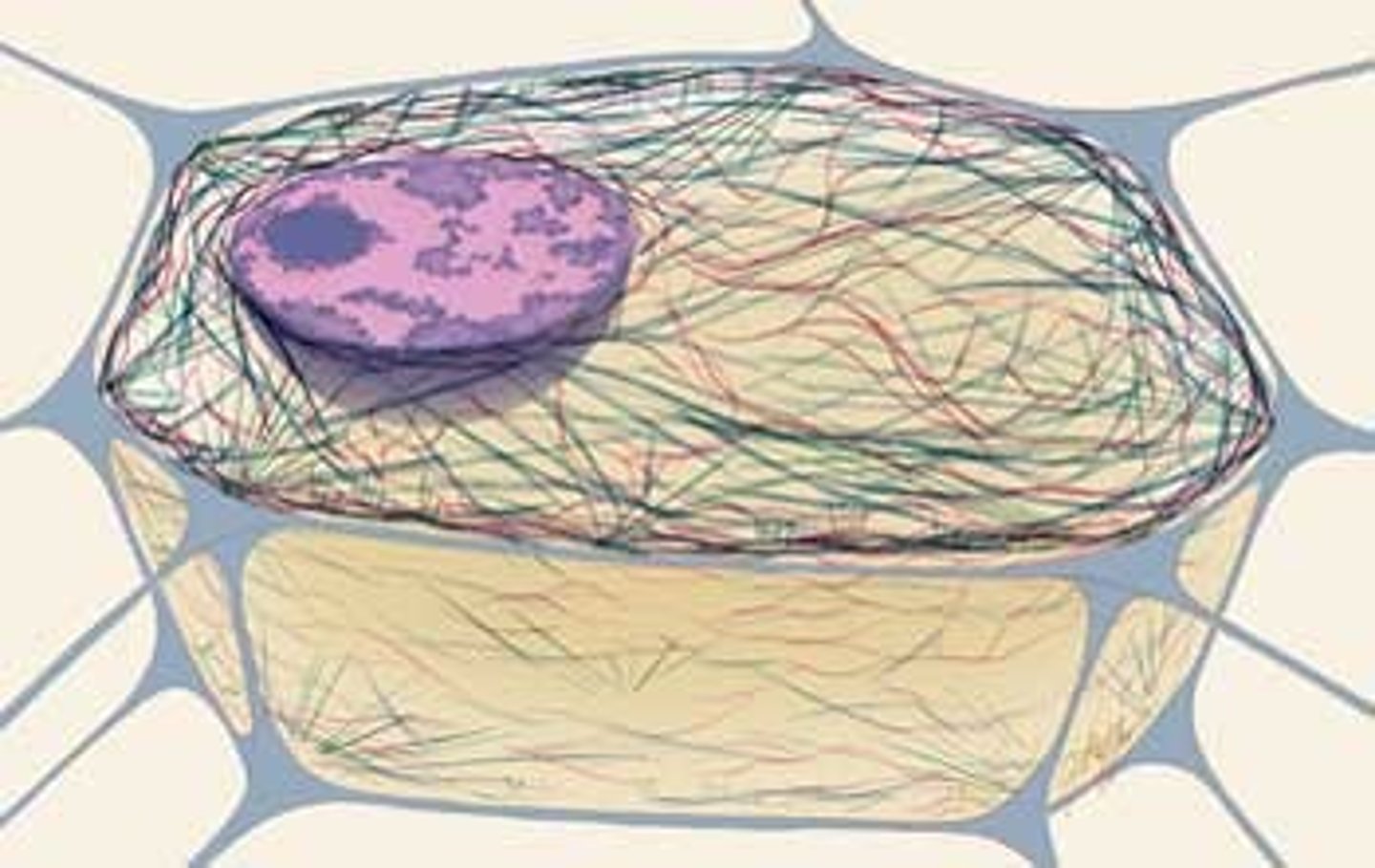
what is the cytoskeleton's structure and function?
- made from a network of 3 protein filaments
- found in all eukaryotes
- can easily be constructed and deconstructed
- assists w movement of organelles
- help plant cells make cell walls
- help animal cells maintain shape
not an organelle.
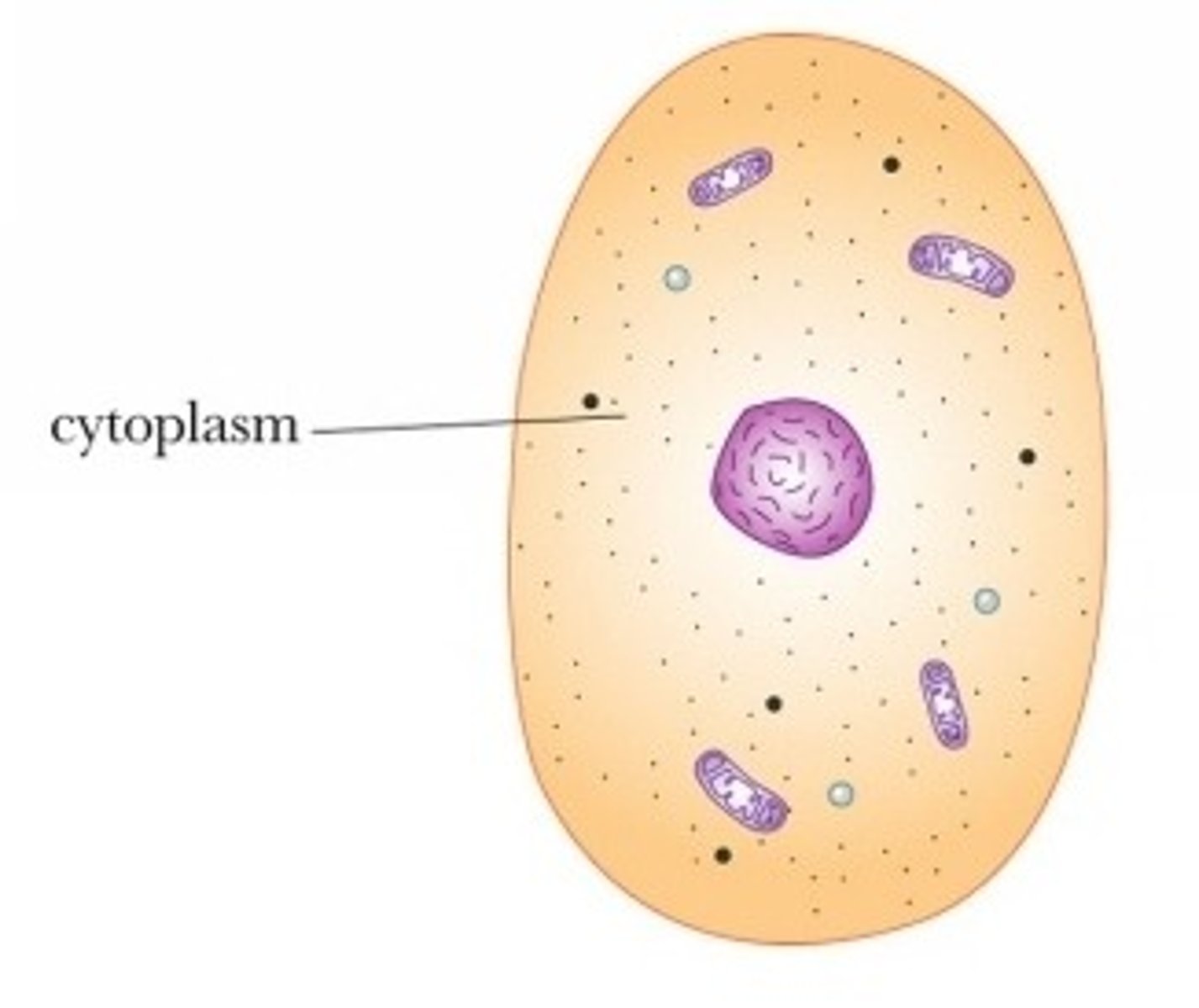
what is the cytoplasm's structure and function?
- mainly water
- found in all eukaryotes
- provides a medium for metabolic processes/chemical reactions
- substances can be dissolved/suspended in the water
not an organelle.
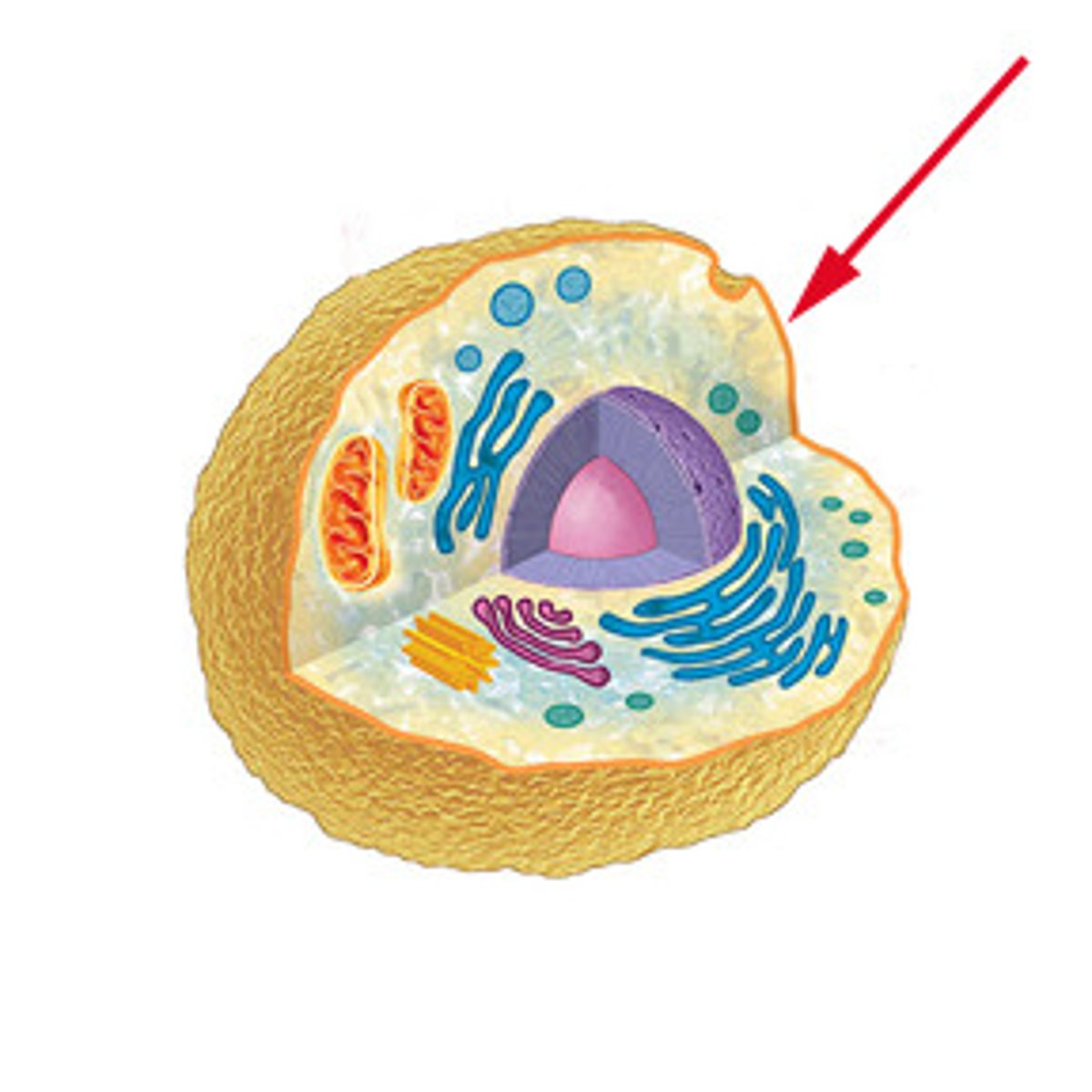
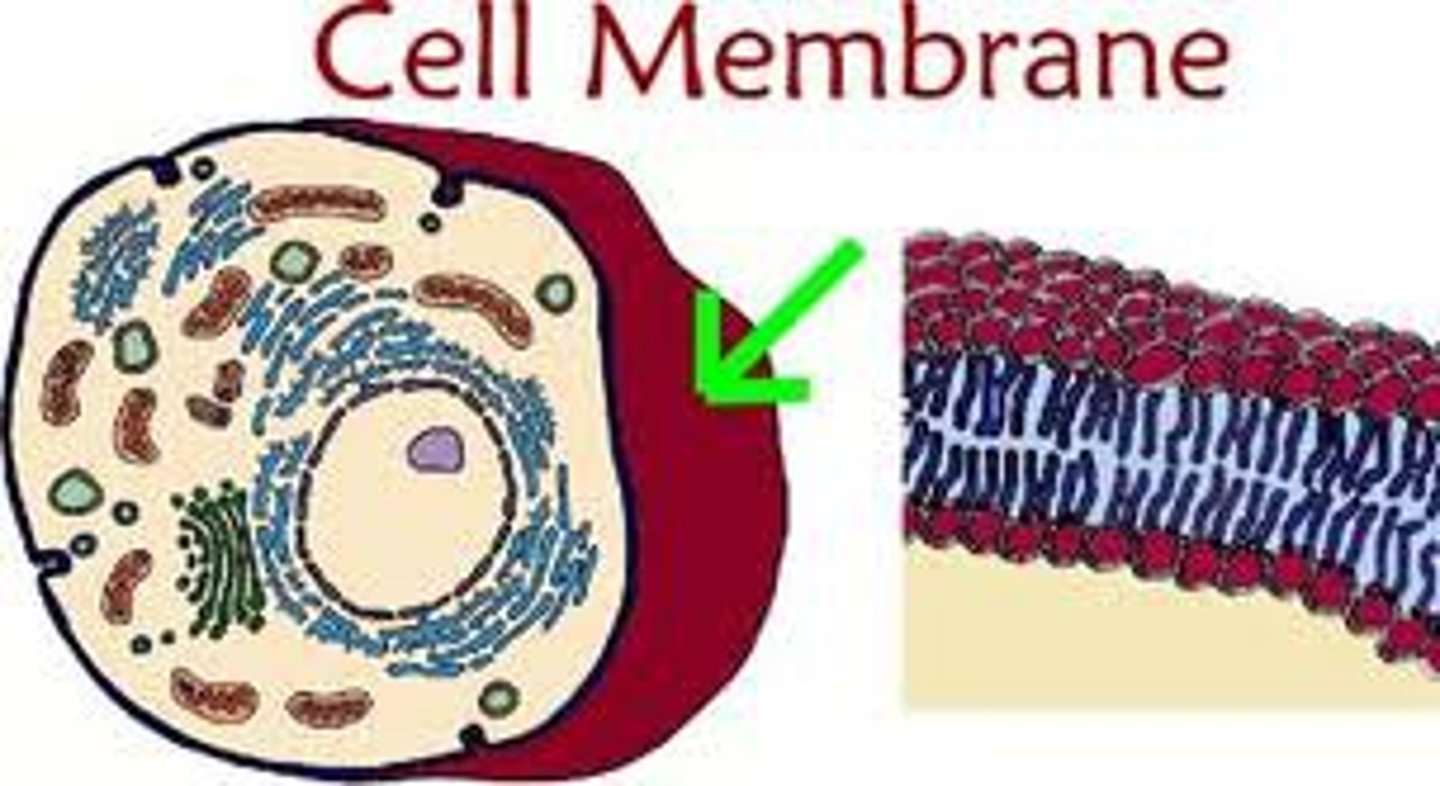
what is the plasma membrane's structure and function?
- mainly made of phospholipids w proteins and carbs
- regulates substances in/out of cell
- found in all eukaryotes
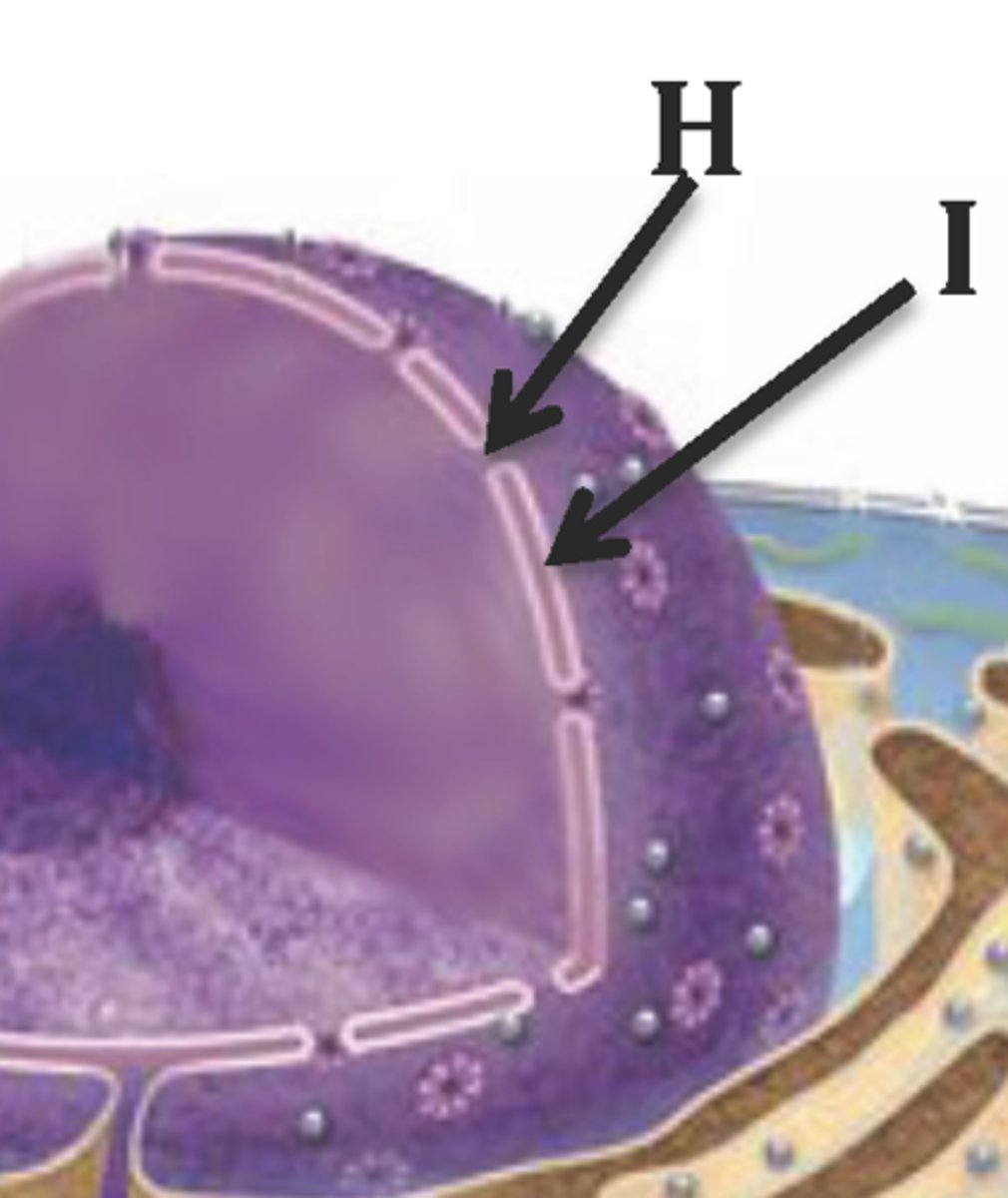
what is the nuclear membrane's structure and function?
- double membrane enclosing nucleus
- attached to ER
- contains nuclear pores (mRNA)
- found in all eukaryotes
- controls what enters/leaves nucleus
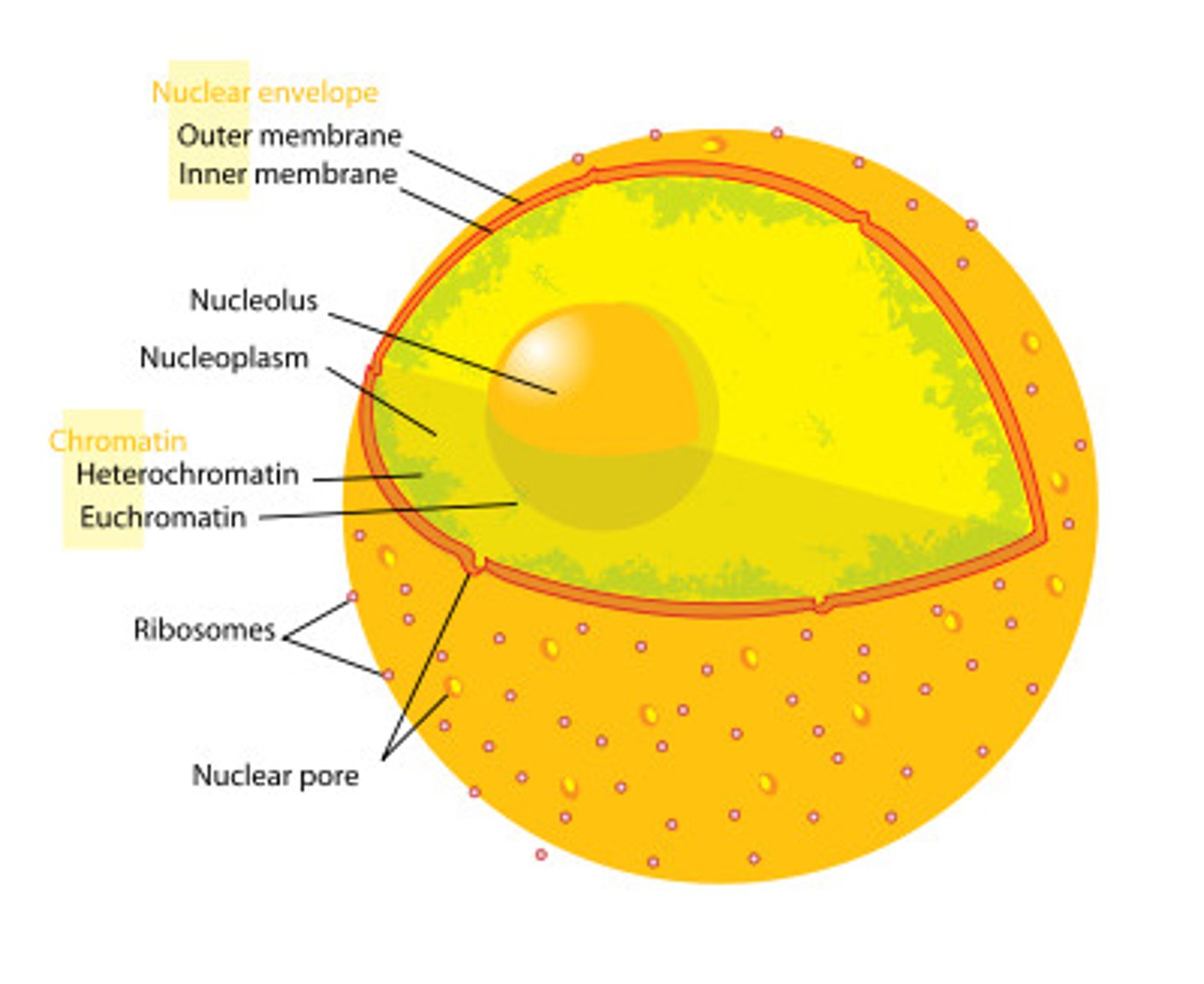
what are nuclear pores
- pores on the nuclear membrane that regulates passage of mRNA and proteins
what is secretion
cells produce and release chemicals, like enzymes and hormones
nucleus function and structure
- control centre for cell
- holds chromosomes/DNA
- has double membrane and pores through it
- found in all eukaryotes

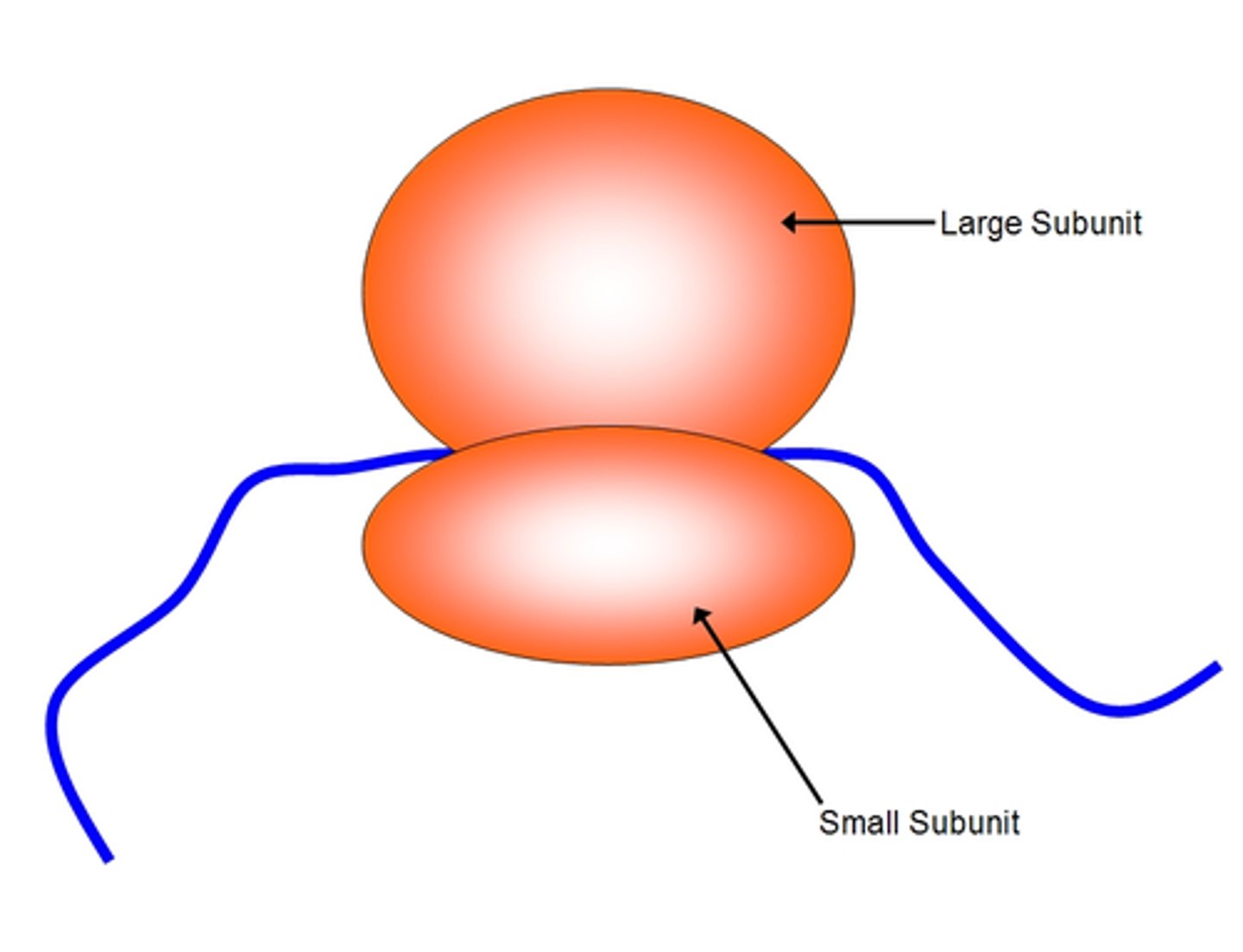
80S ribosomes attached to ER function/structure
- tiny spherical granules made of ribosomal RNA and proteins.
- synthesize/translocates proteins to rough ER to get exported
- makes proteins that are released from the cell.
- found in all eukaryotes

80S free ribosomes structure/function
- makes proteins for the cell, like metabolism and repair
- not attached to cellular structures
- found in all eukaryotes.
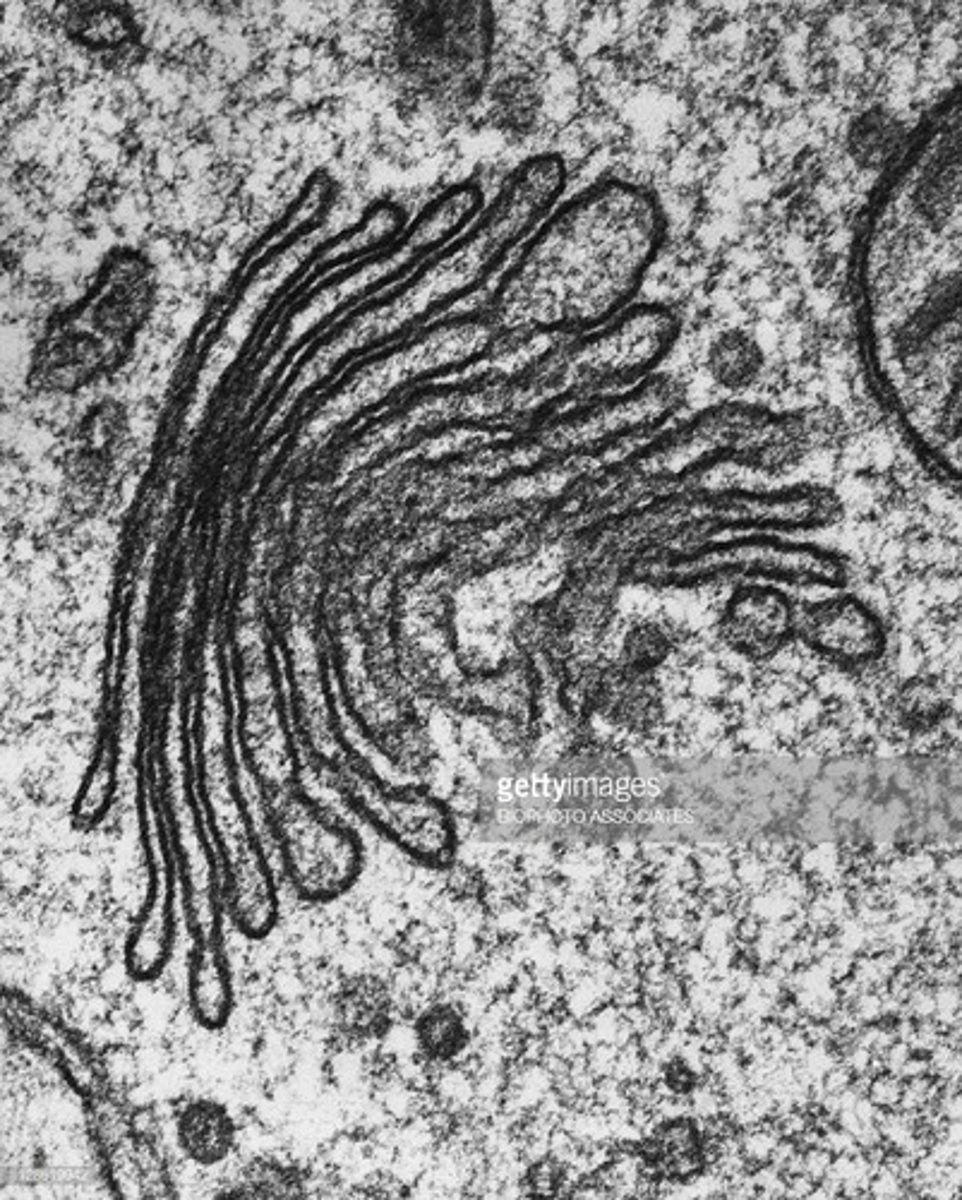
structure/function of golgi apparatus
- 3-20 sacs stacked together, looks like saucers
- usually surrounded by vesicles
- cis face (smaller) receives proteins/lipids from rough ER
- trans face (larger) packages them into vesicles for delivery
- primary function is to package proteins/lipids.
- found in all eukaryotes
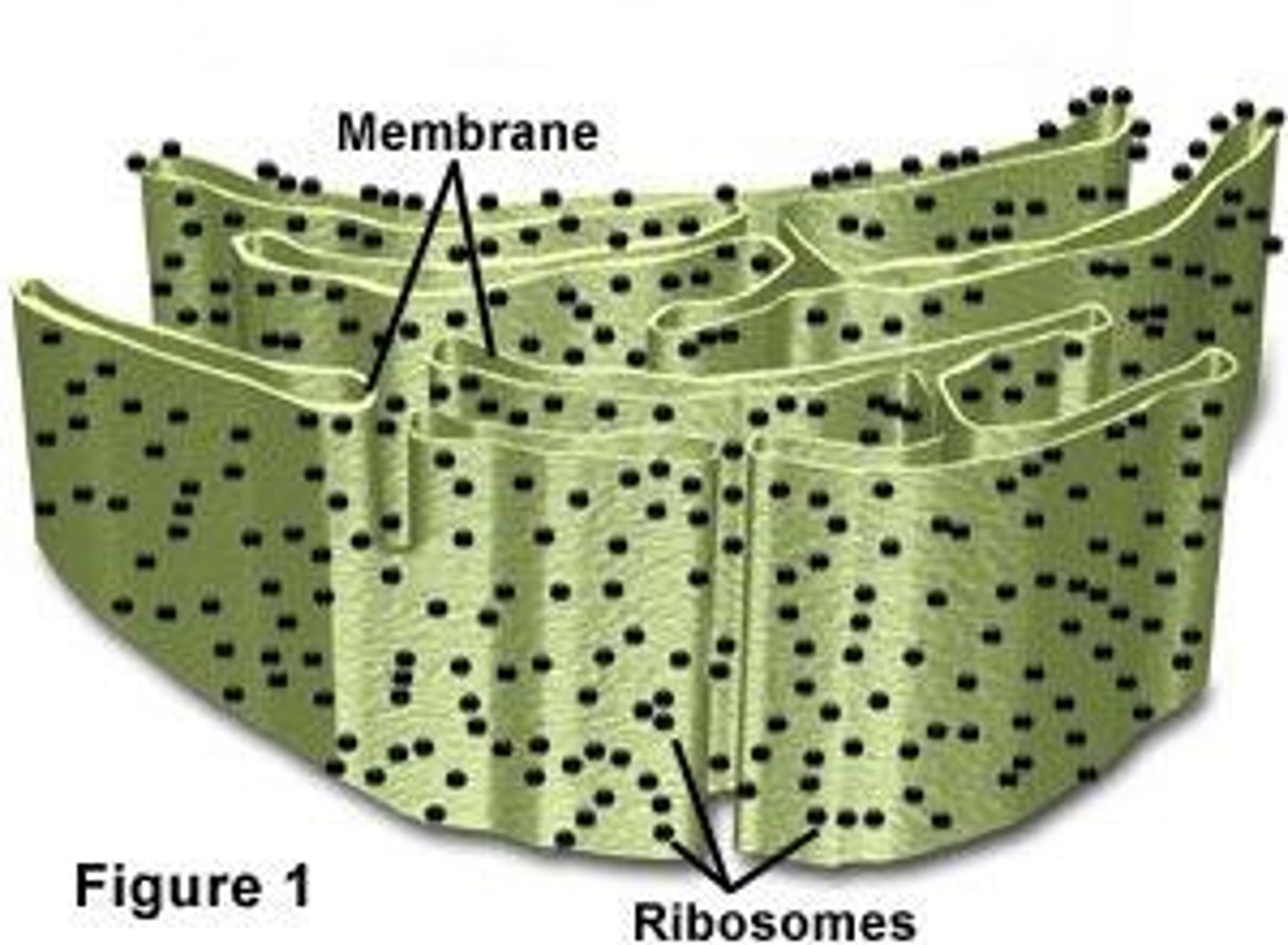
function/structure of rough ER
- network of membranes
- extend from nucleus to cell membrane
- transports proteins made by ribosomes, sends to golgi apparatus
- found in all eukaryotes
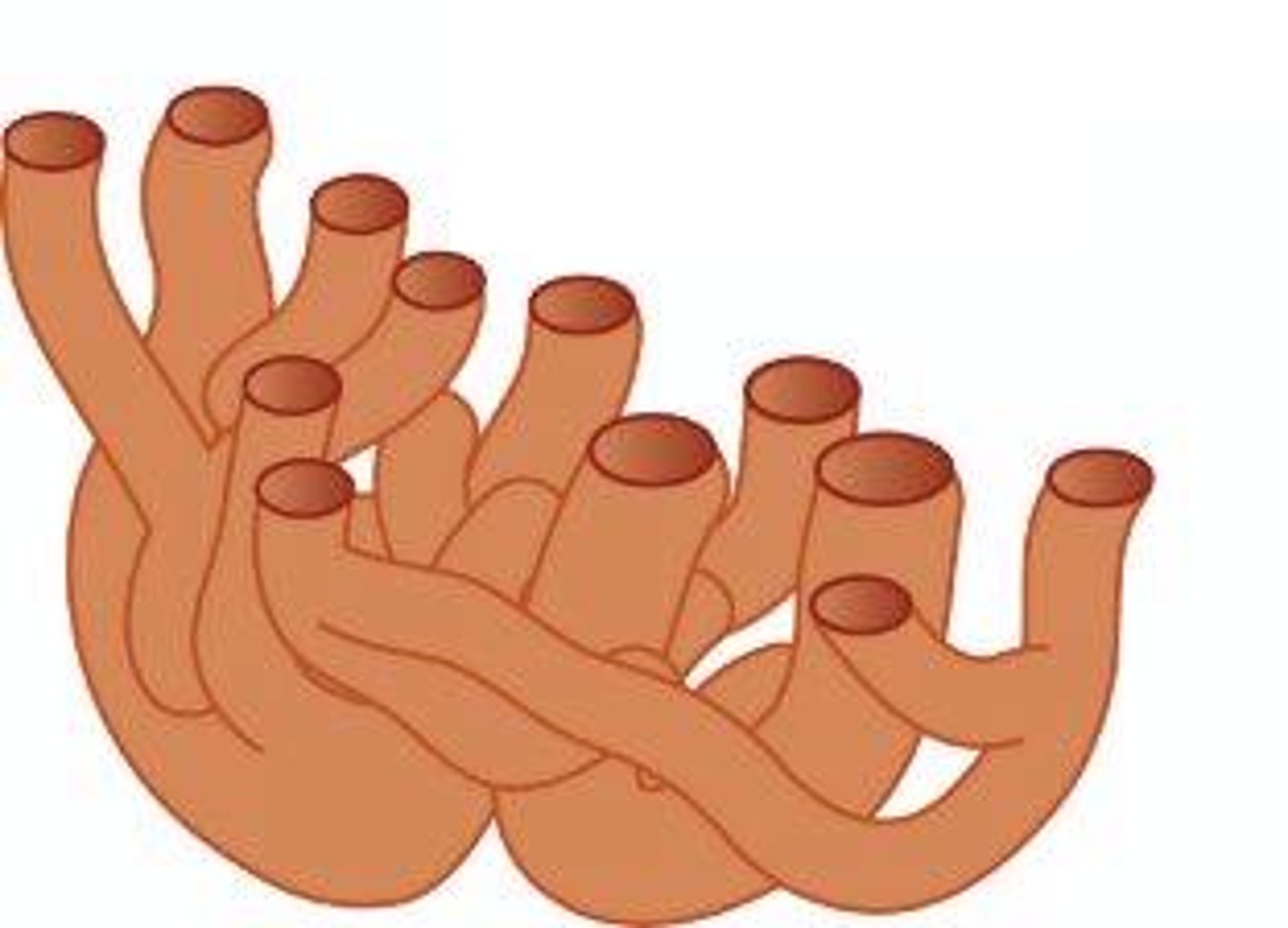
function/structure of smooth er
- makes steroids, lipids, and carbs
- detoxifies cell
- regulates calcium levels in muscles, crucial for muscle contraction
- found in all eukaryotes
structure/function of vacuoles
- membrane bound sacs
- used for storage, waste disposal, transport compartments.
- in plant cells: often largest organelle, stores water, and when full, pushes against cell wall to provide structure.
- in animals: smaller, more numerous, and primarily involved in temporary storage and transport of material.
- found in all eukaryotes.
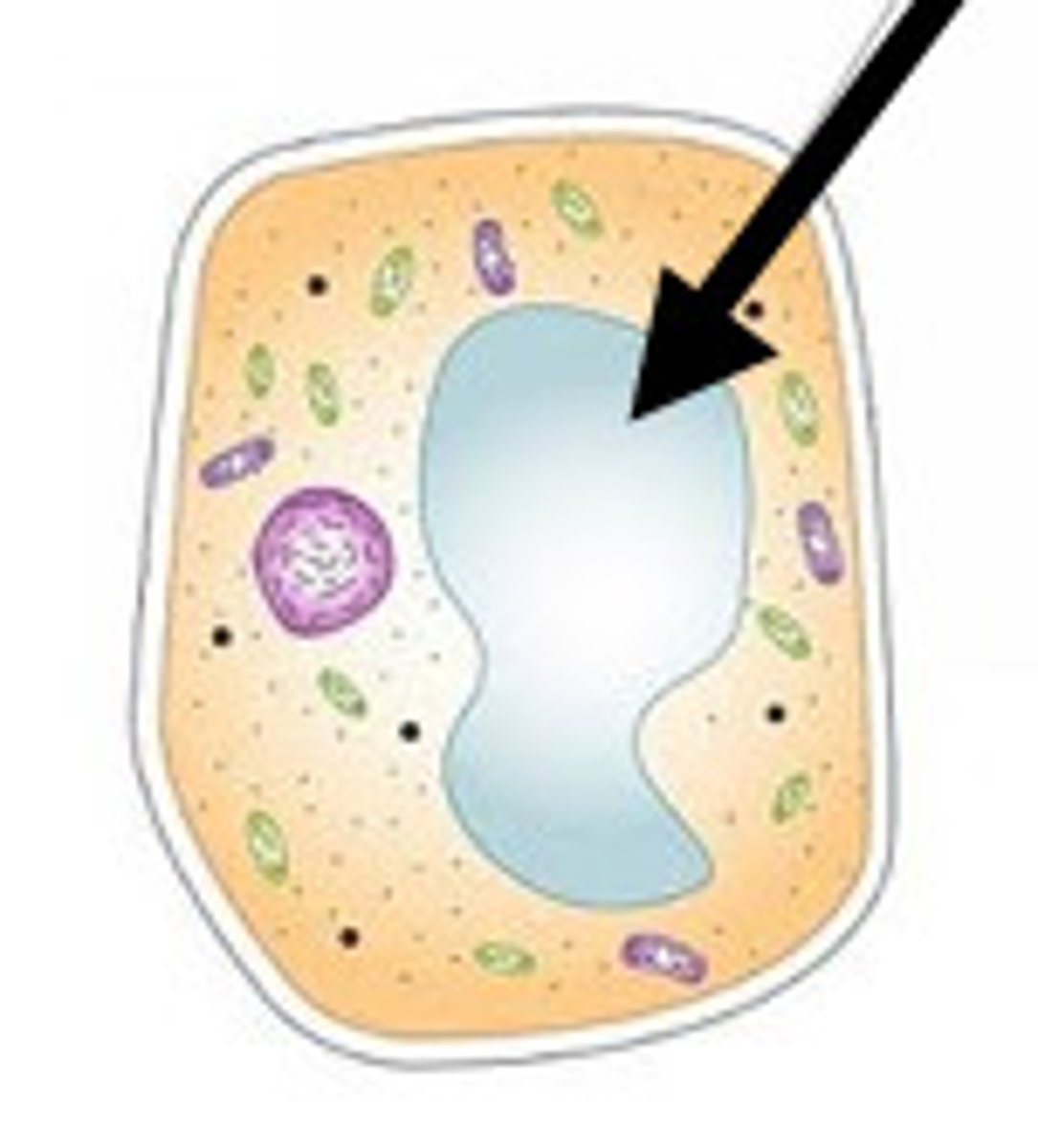
structure/function of lysosomes
- single membrane containing enzymes within an acidic internal environ.
- made by golgi
1. digestion: breaks down compounds that enter cell
2. defense: attacks invaders like bacteria
3. destruction: bursts/destroys old cells, recycles them
- NOT FOUND IN PLANT CELLS, only fungi and animal cells.
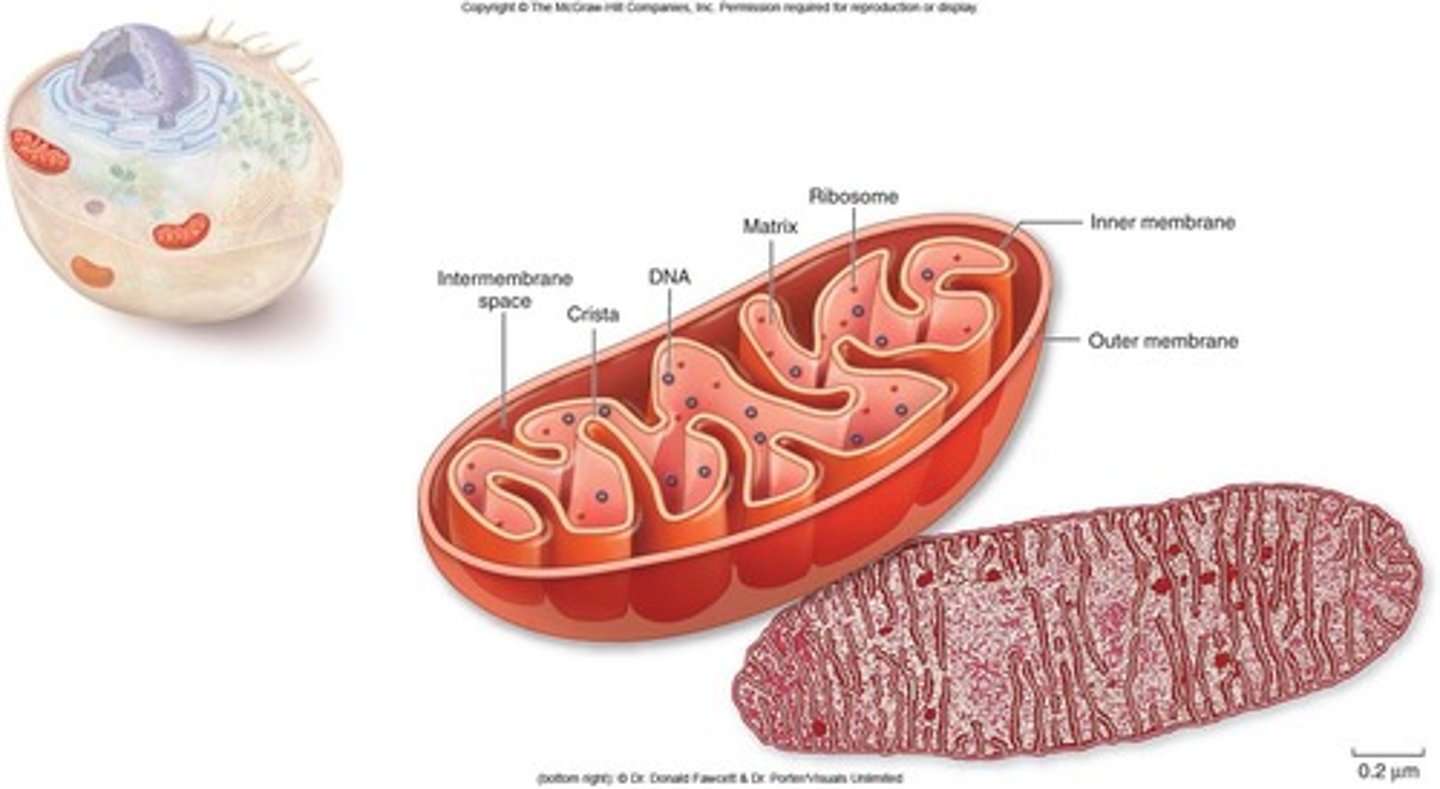
structure/function of mitochondria
- double membrane, inner membrane folded to form "cristae", folded to increase surface area.
- carry out cellular respiration
- makes energy for cell, converts glucose into useable energy like ATP
- found in all eukaryotes
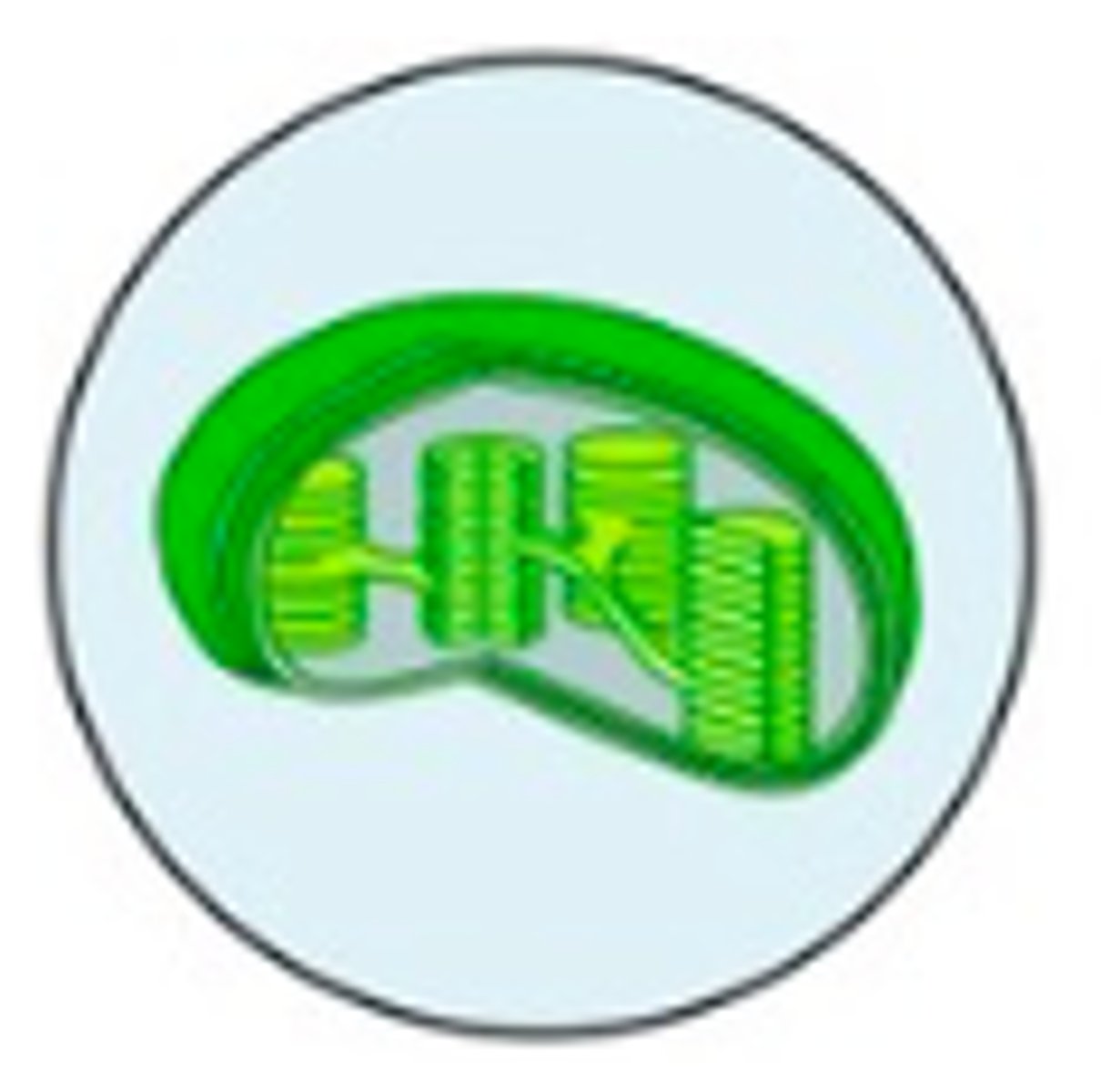
structure/function of chloroplast
- double membrane, encloses fluid, enzymes, and DNA
- contains chlorophyll
- performs photosynthesis, converting light to chemical energy in the form of sugar (makes food (sugar) for cell)
- ONLY FOUND IN PLANT CELLS
what are cilia
- short, hair like
- moves like oars to push organism forward

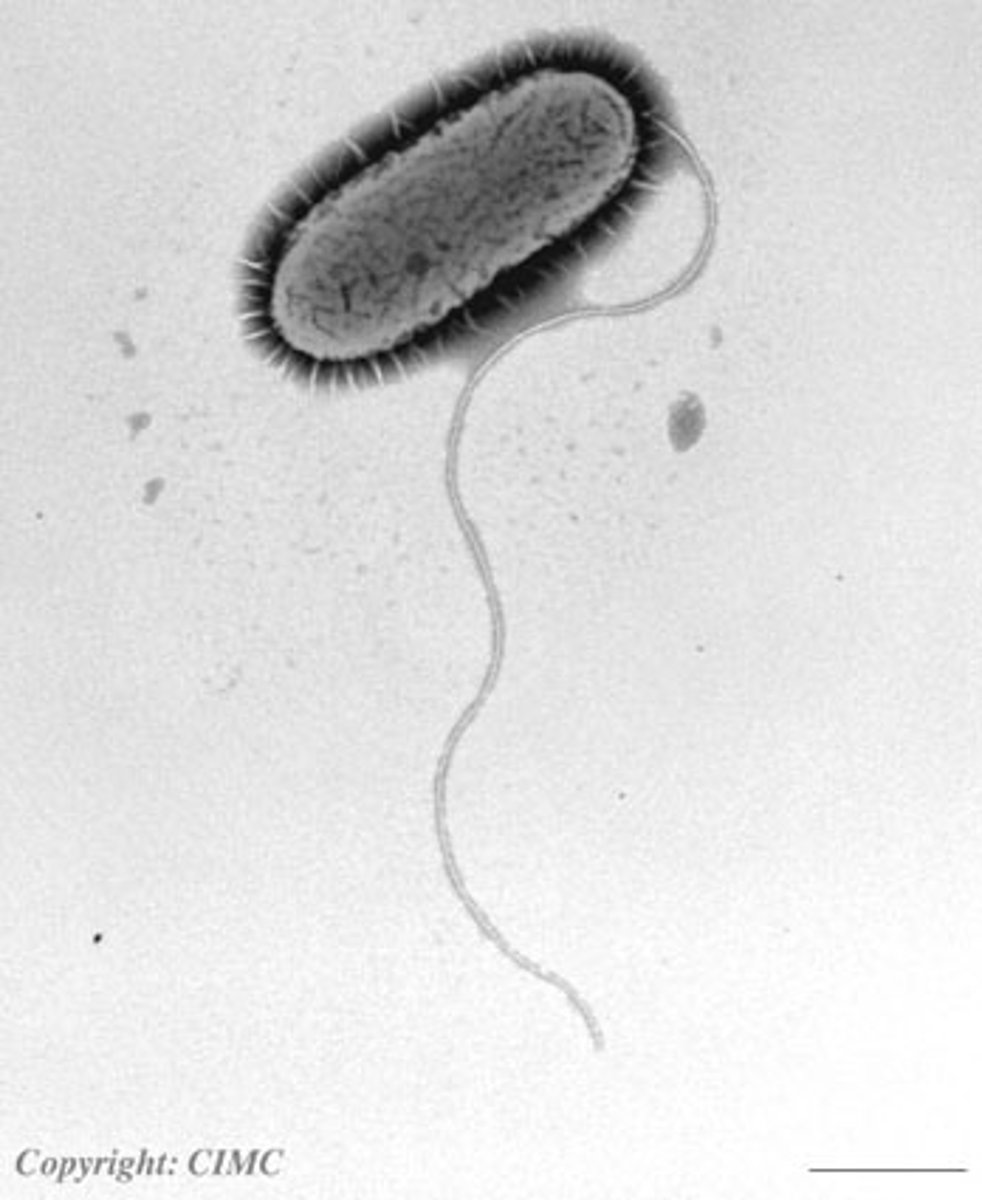
structure/function of flagella
- whip-like appendages that propels cell
- consists of a basal body that is the anchor, a hook (flexible connector), and a protein that acts as a propeller.
- found in animal, fungi, and plants, but NOT in typical cells. (etc sperm)
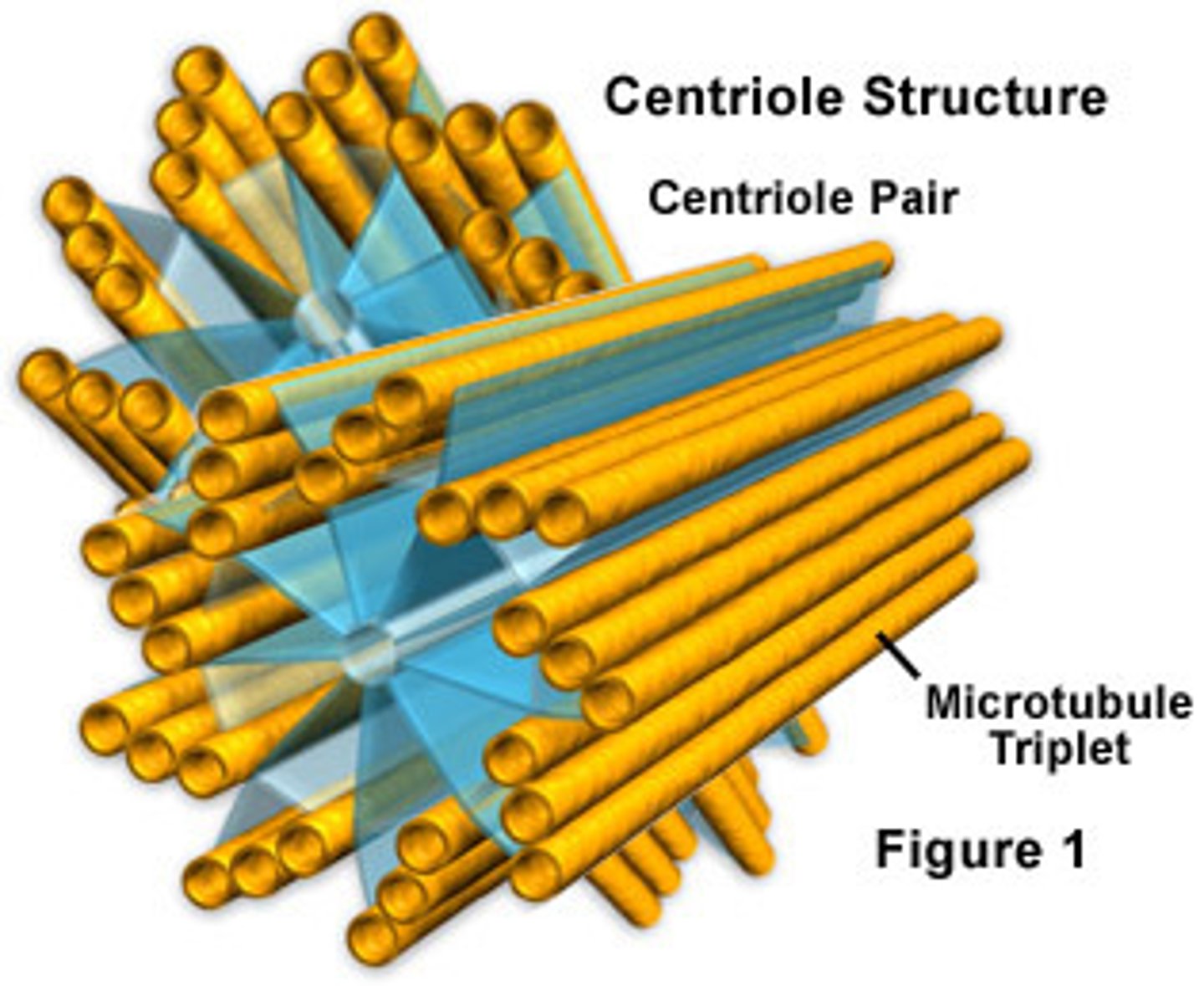
structure/function of centrioles
- cylinder shaped tube structures, found in pairs
- during cell division, release spindle fibres which pull chromosomes to opp. ends of cell during anaphase (animal cells)
- basal bodies for formation of cilia and flagella (only for plant and fungi)
- found in ANIMAL cells, though they are present in a few fungi/plants
which organelles/structures are only present in plants
cell wall and chloroplast
which organelles/structure are only present in animals
centrioles (though some fungi and plants have them as anchors for flagella and cilia)
advantages for eukaryotes for having a separate nucleus from cytoplasm
- protects DNA
- mRNA can be modified before it goes to ribosome to make a protein
Explore top notes
 Note
Note Explore top flashcards
 Flashcards (52)