water quality macroinvertebrates
 Studied by 0 people
 Call Kai
 Learn
Learn Practice Test
 Spaced Repetition
 Match
Match Flashcards
 Knowt Play
1/86

There's no tags or description
Looks like no tags are added yet.
Name | Mastery | Learn | Test | Matching | Spaced | Call with Kai |
|---|
No study sessions yet.
87 Terms
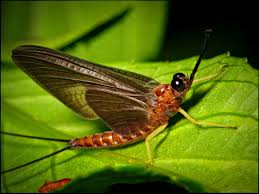
identify
mayfly adult
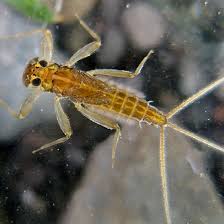
identify
mayfly nypmh
what are common characteristics of mayflies
large membranous wings, long tail filaments (usually 3), small
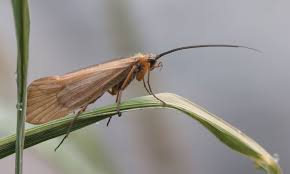
identify
caddisfly adult

identify
caddisfly nymph
characteristics of caddisfly
moth-like, hairy membranous wings, very brown, 2 front antennae; nymphs have 10 soft abdominal segments
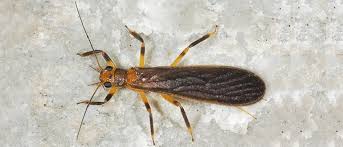
identify
stonefly
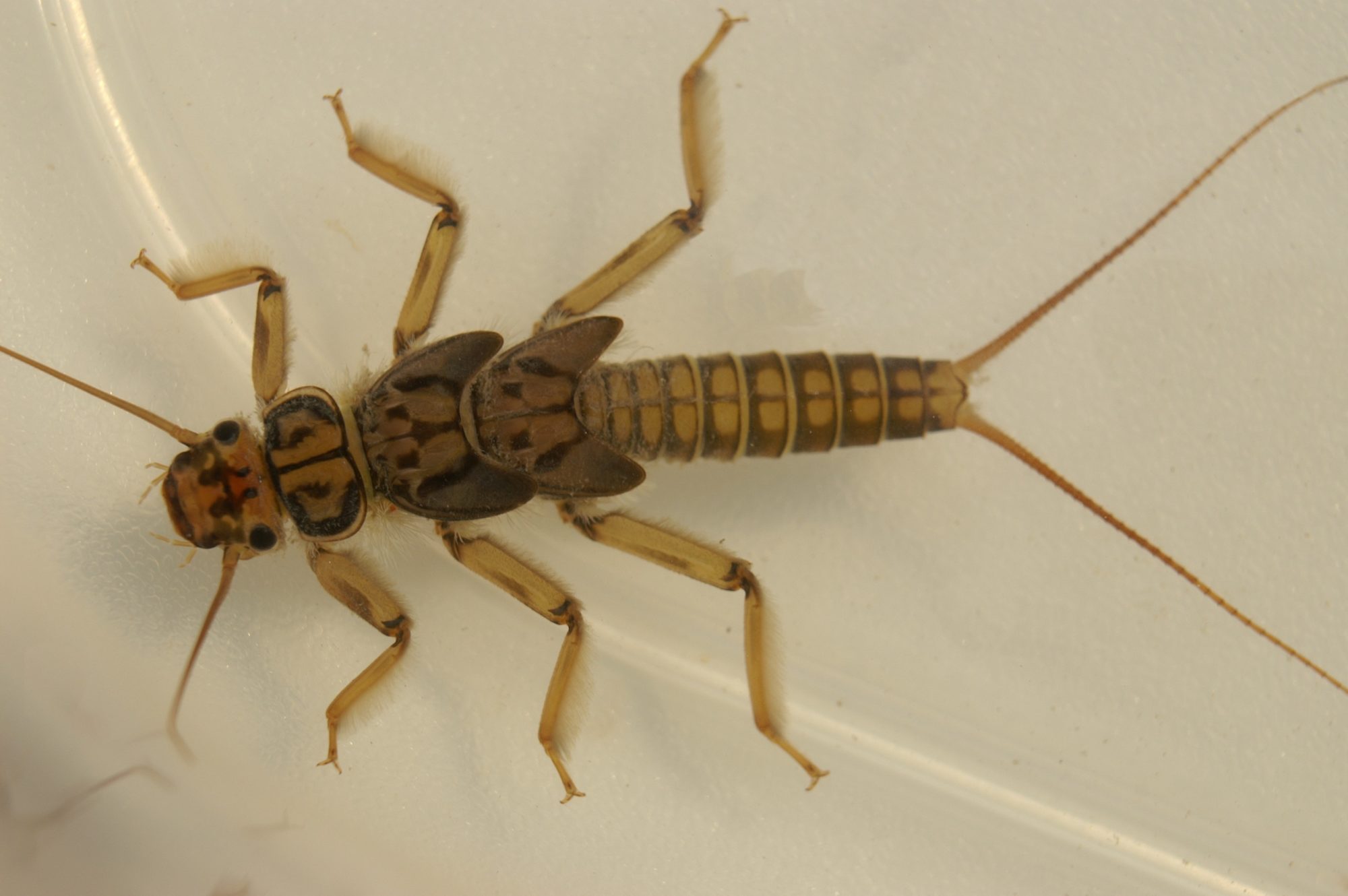
identify
stonefly nymph
characteristics of stonefly
venated translucent membranous wings that fold flat, 3 segmented and prominent thorax, long and slender, 6 robust legs with claws

identify
dobsonfly
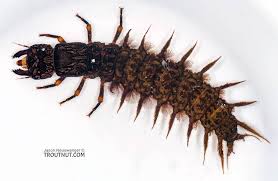
identify
dobsonfly nymph
characteristics of dobsonfly
very large membranous wings, some with extremely prominent mandibles, antennae; nymphs are flat, dark colored, long, spiky lateral projections on abdomen, strong jaw + mandibles.
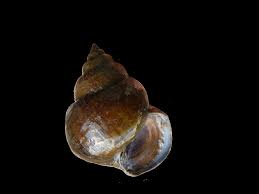
id
gilled snails
characteristic of gilled snails
right sided opening on shell, 3 visibly discernable sections from front
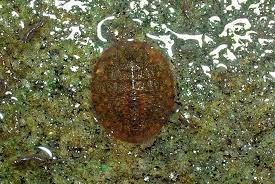
id
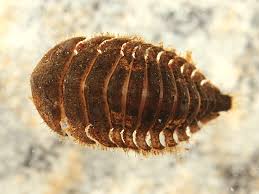
water penny
id
waterpenny larvea
characteristics of water penny
very round patterned shell, dark colored, stink bug like appearance
id
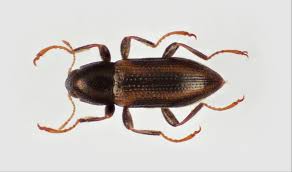
riffle beetle
id
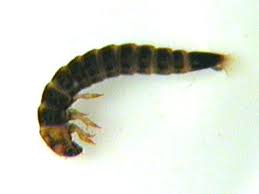
riffle beetle larvae
characteristics of riffle beetle
small, ovular body, hard exoskeleton, short clubbed antennae, 6 prominent hardy clawed legs; larvae are elongated and slender with several segments and hooked claws at front
id
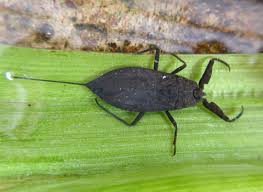
water scorpion
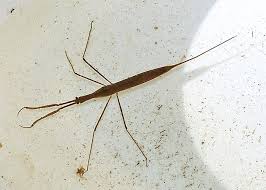
id
water scorpion
characteristics for water scorpion
two large specialized pincer arms in front, dark colored with long tail at the end, 2 sets of hind legs, can either be long and thin, or broad and ovular

id
aquatic sowbug
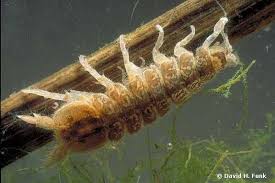
id
aquatic sowbug
characteristics of aquatic sowbug
soft brown segmented body, microscopic, resembles lice, 5-6 sets of small legs plus antennae
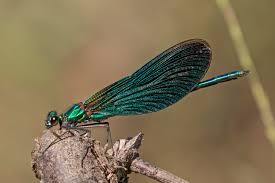
id
damsel fly
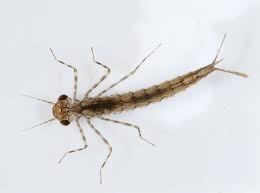
id
damselfly larvae
characteristics of damselfly
similar in appearance to dragonflies but slimmer and longer with smaller thorax, males are iridescent blue or green with black patterning while female may be brown to green, wings are held close to body; larvae are brown and segmented with prominent head and eyes, slender, small antennae and caudal gills (typically 3)
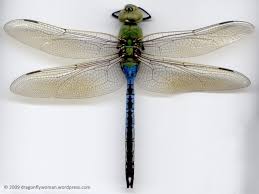
id
dragonfly
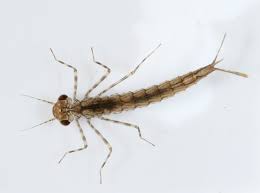
id
dragonfly larvae
characteristic of dragonfly
brightly colored, long abdomen (though shorter and thicker than damselfly), with 4 oval shaped translucent wings, prominent compound eyes; larvae have long segmented pointed abdomen with prominent eyes and head, thicker and stouter than damselfly larvae
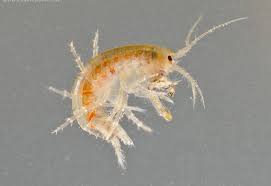
id
scuds
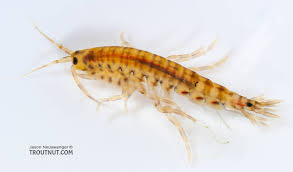
id
scuds
characteristics of scuds
very small, looks like shrimp or louse, orangey
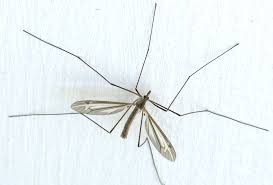
id
cranefly
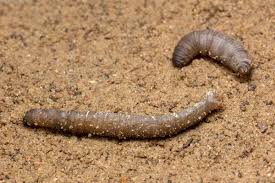
id
cranefly larvae
characteristics of cranefly
6 very long and slender legs, small and thin body, patterned membranous wings; larvae look like fat worms, light brown, has a mouth on one end
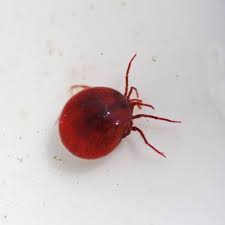
id
water mite
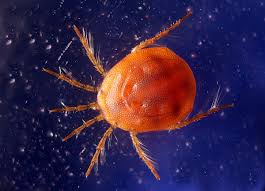
id
water mite
characteristics for water mite
very small, bright red or orange in color, round, 8 short appendages
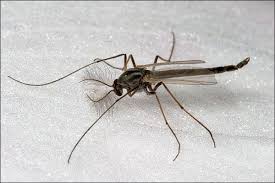
id
midge
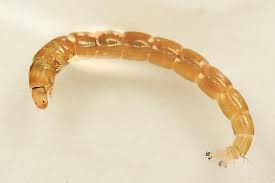
id
midge larvae
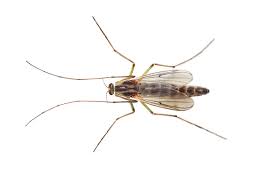
id
midge
characteristic of a midge
mosquito like appearance with long slender legs, long oval wings, hairy antennae; larvae are translucent light brown or pink and sectioned, with a small head
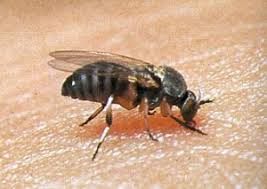
id
blackfly
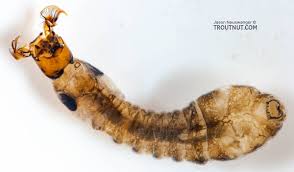
id
blackfly larvae
characteristics of blackfly
black, looks like a fly, prominent head and eyes, membranous wings; larvae are light brown / orange and translucent with a bulged end, and dark colored head with short projections
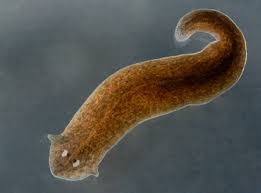
id
flatworm
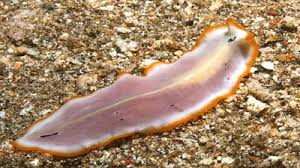
id
flatworm
characteristics of flatworm
bilateral symmetry, usually flat or leaf like in shape, 3 cell layers, can be colorful but usually brown
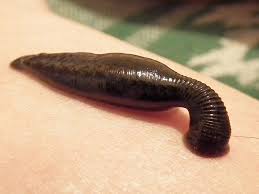
id
leech
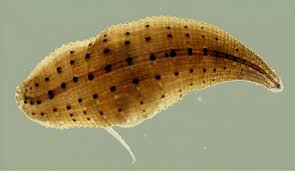
id
leech
characteristics of leech
segmented (32 segments), brown worms, light or dark based on species, with a sucker on both end

id
air breathing snail
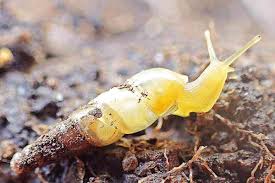
id
air breathing snail larvae
characteristics of air breathing snail
spiral shell, slimy body with two projections as eyes, babies are lighter and translucent
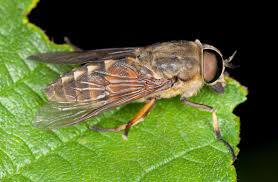
id
horsefly
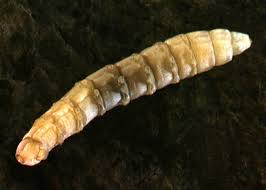
id
horsefly larvae
characteristics for horse flies
fly appearance with prominent compound eyes and a short body, brown and patterned, relatively large, lighter colored; larvae are worm like and light brown with distinct segments
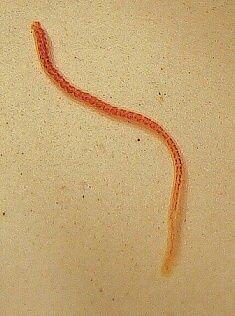
id
tubifex
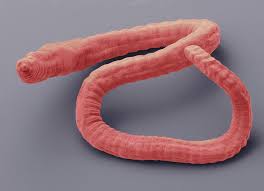
id
tubifex
characteristics for tubifex
red worms, segmented, small, usually in clumps
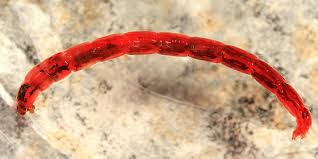
id
blood midge
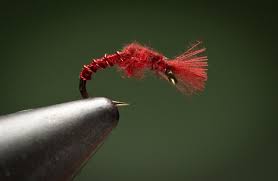
id
blood midge
characteristics of a blood midge
red larvae of midge, has segments and isn’t a true worm like tubifex
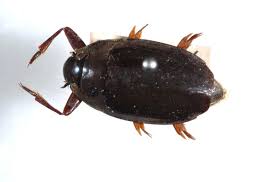
id
whirligig beetle
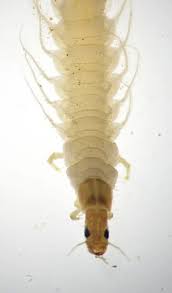
id
whirligig beetle larvae
characteristics of whirligig beetle
dark, shiny, round, with prominent front claw like legs, and two sets of tiny legs, small head; larvae are light colored, segmented, long, visible mandibles in the front, several thin legs and projections coming out from each segment.
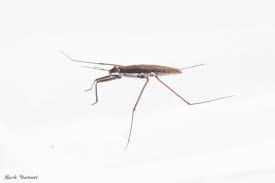
id
water strider
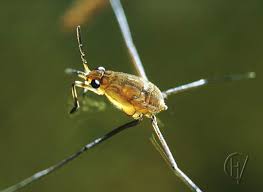
id
water strider nymph
characteristics of a water strider
4 prominent long legs to float on water, long thin almond shaped body with antennae, brown and patterned; nymphs look similar
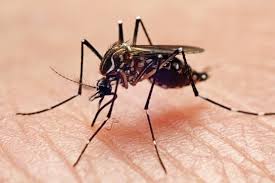
id
mosquito
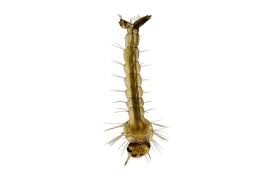
id
mosquito baby
characteristics of mosquito
it looks like a mosquito, long bent legs, curved body, patterns; larvae are small with spiky projections off the segments, float below water
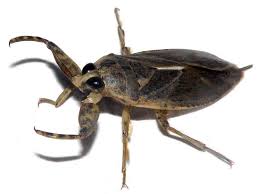
IDd
giant water bug
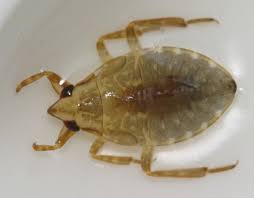
id
giant water bug nymph
characteristics of giant water bug
very large, brown, textured armored back, prominent front legs, big beady eyes; nymphs look like transparent versions of adults
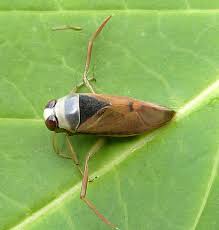
id
back swimmer
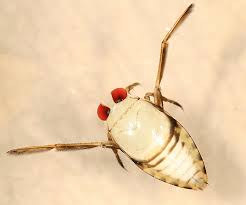
id
back swimmer nymph
characteristics of back swimmer
light brown body, greenish head with large black or red eyes, very long back legs; nymphs are smaller and lighter colored with larger head proportion
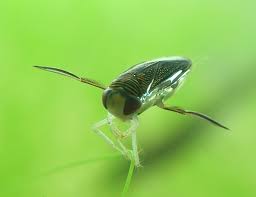
id
water boatman
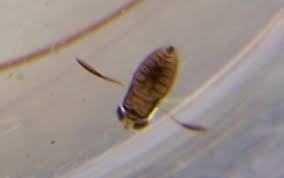
id
water boatman nymph
characteristics of water boatman
dark, patterned, shiny, ‘armored’ back with 4 long legs that stick out, triangular red or brown eyes in the side of head; nymphs look like smaller and lighter adults with visible segmented abdomen
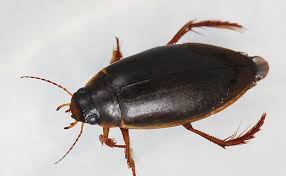
id
predaceous diving beetle
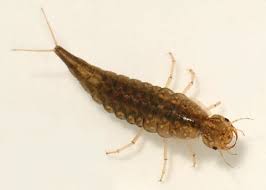
id
predaceous diving beetle larvae
characteristics of predaceous diving beetle
dark, shiny, with prominent hairy back legs and antennae, small head, line sectioning the back plate into two parts; larvae are almond shaped and segmented, with a relatively large triangular head, light colored, 6 legs and tail filaments.
 Note
Note  Flashcards (20)