Brrrr....There's a Cold War in Here
 Call Kai
 Learn
Learn Practice Test
 Spaced Repetition
 Match
Match Flashcards
 Knowt Play
1/30

There's no tags or description
Looks like no tags are added yet.
Name | Mastery | Learn | Test | Matching | Spaced | Call with Kai |
|---|
No analytics yet
Send a link to your students to track their progress
31 Terms
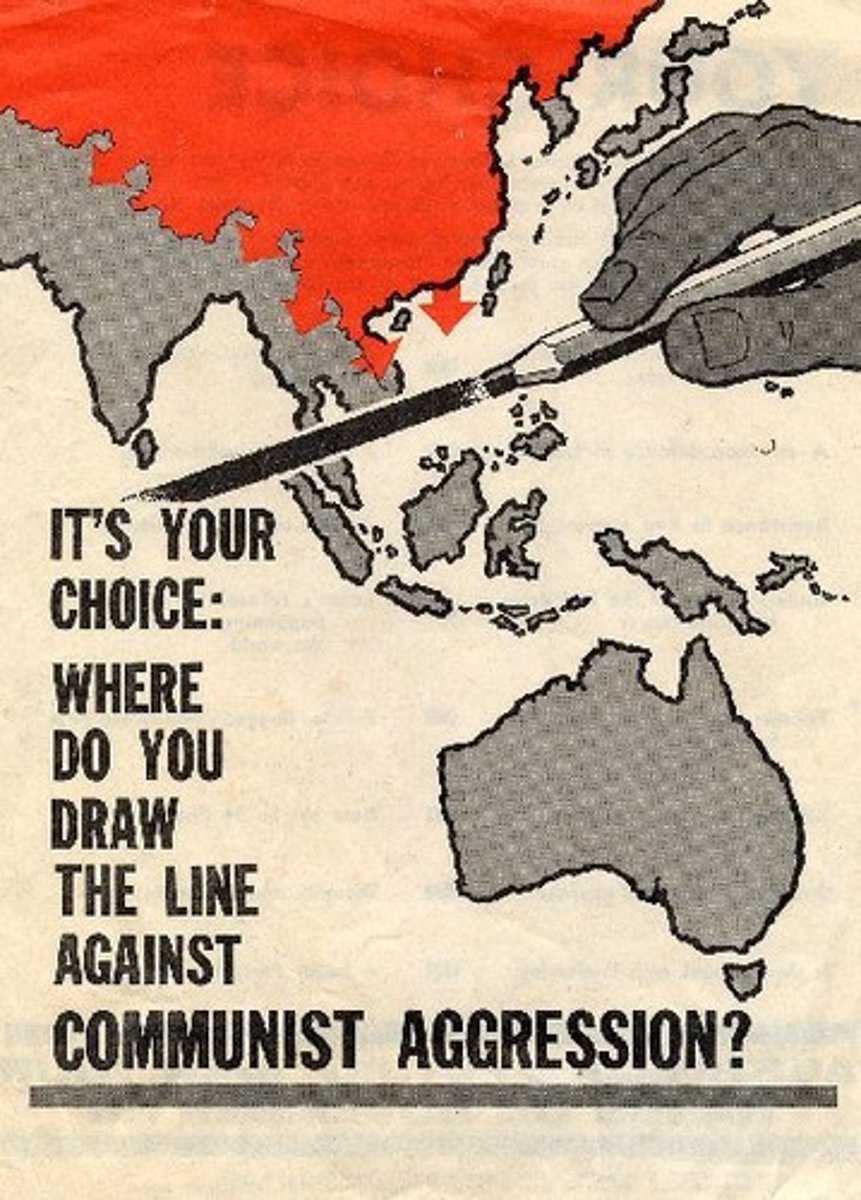
Containment Policy
United States policy aimed at stopping the spread of communism to other countries. It was based on the idea that communism needed to be kept within its existing borders. This policy influenced U.S. decisions to provide aid and become involved in conflicts during the Cold War.
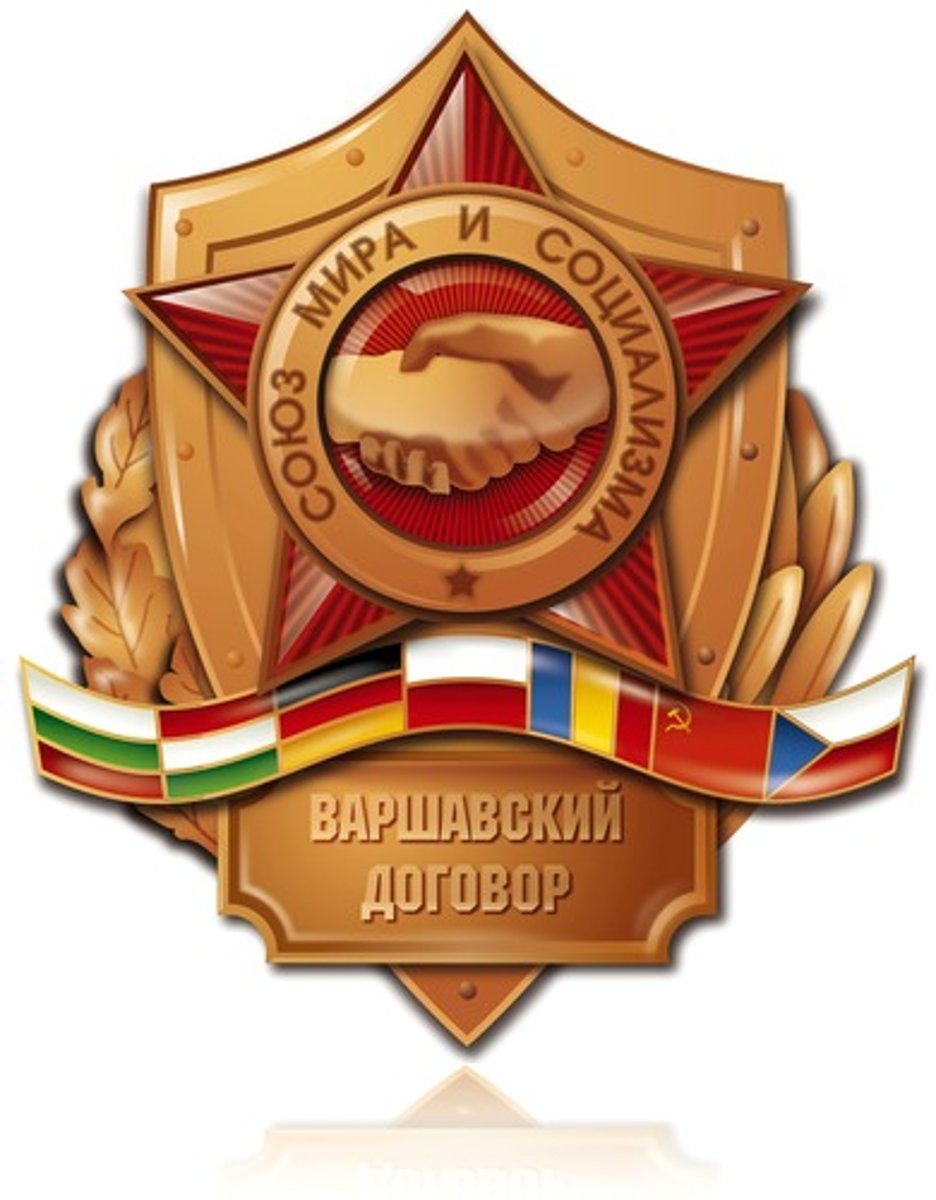
Warsaw Pact
A military alliance formed in 1955 by the Soviet Union and several Eastern European countries. It was created in response to Western alliances and helped the Soviet Union maintain control over its satellite states. Member nations agreed to defend each other if attacked.
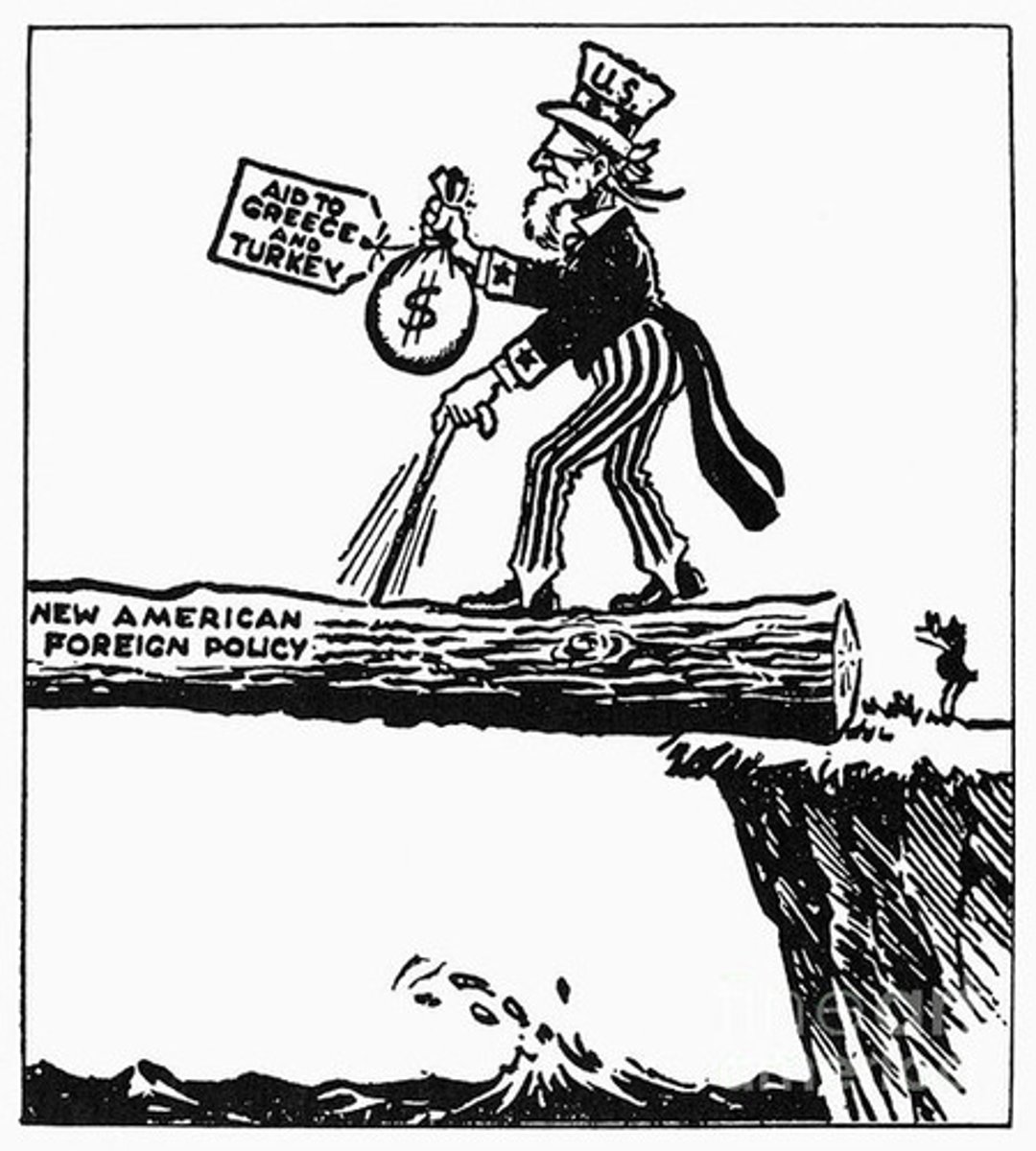
Truman Doctrine (1947)
A U.S. policy that promised to support countries resisting communism. It was first applied in Greece and Turkey to prevent them from falling under Soviet influence. This doctrine marked a major shift toward active U.S. involvement in global affairs.
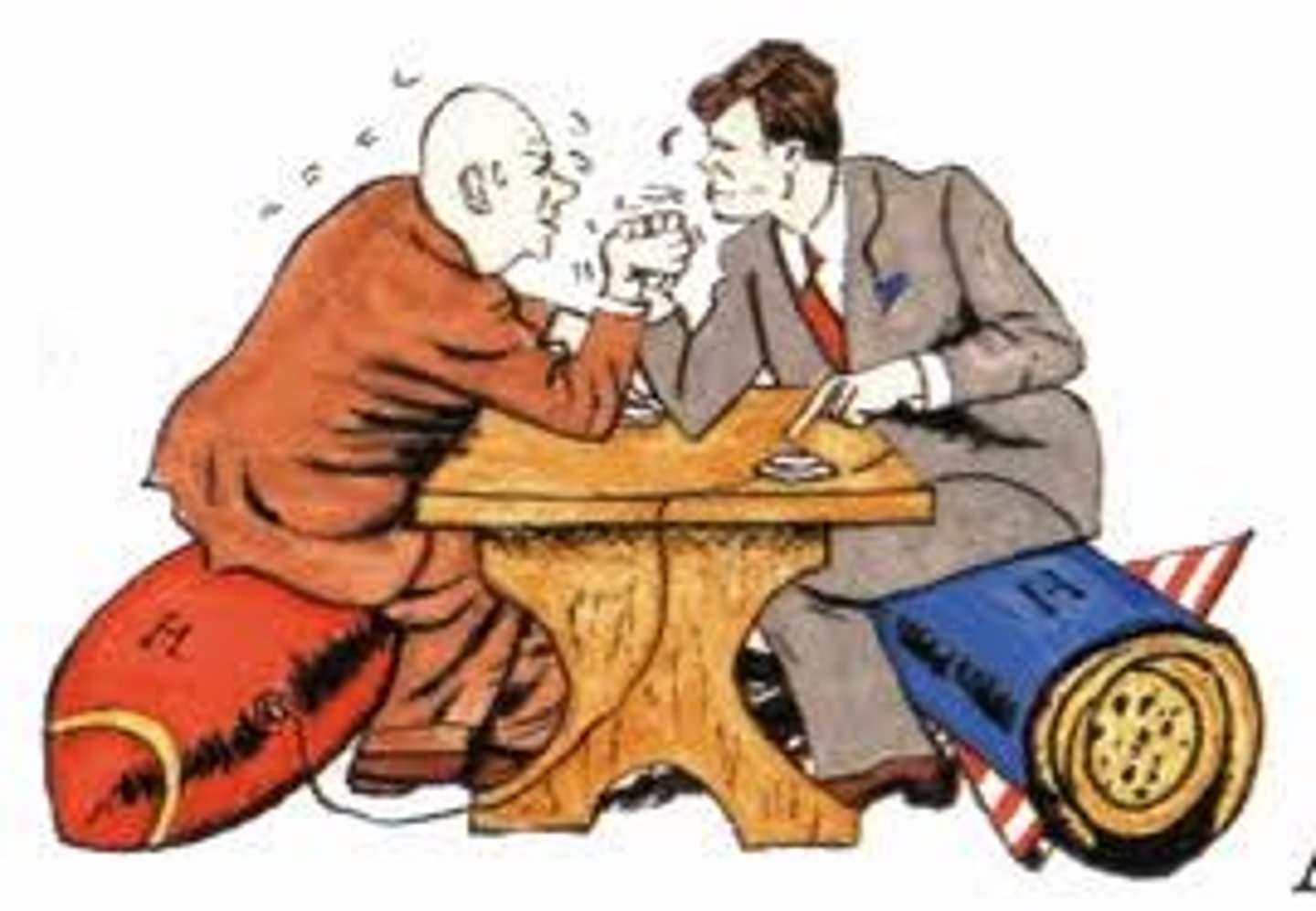
Arms Race
Competition between nations to build larger and more powerful weapons. During the Cold War, the United States and Soviet Union focused heavily on nuclear weapons. This competition increased global tensions and fear of nuclear war.
Nuclear Deterrence
Strategy where countries build up nuclear weapons to prevent attacks. The idea is that the threat of total destruction will discourage enemies from starting a war. This strategy was central to maintaining a balance of power during the Cold War.
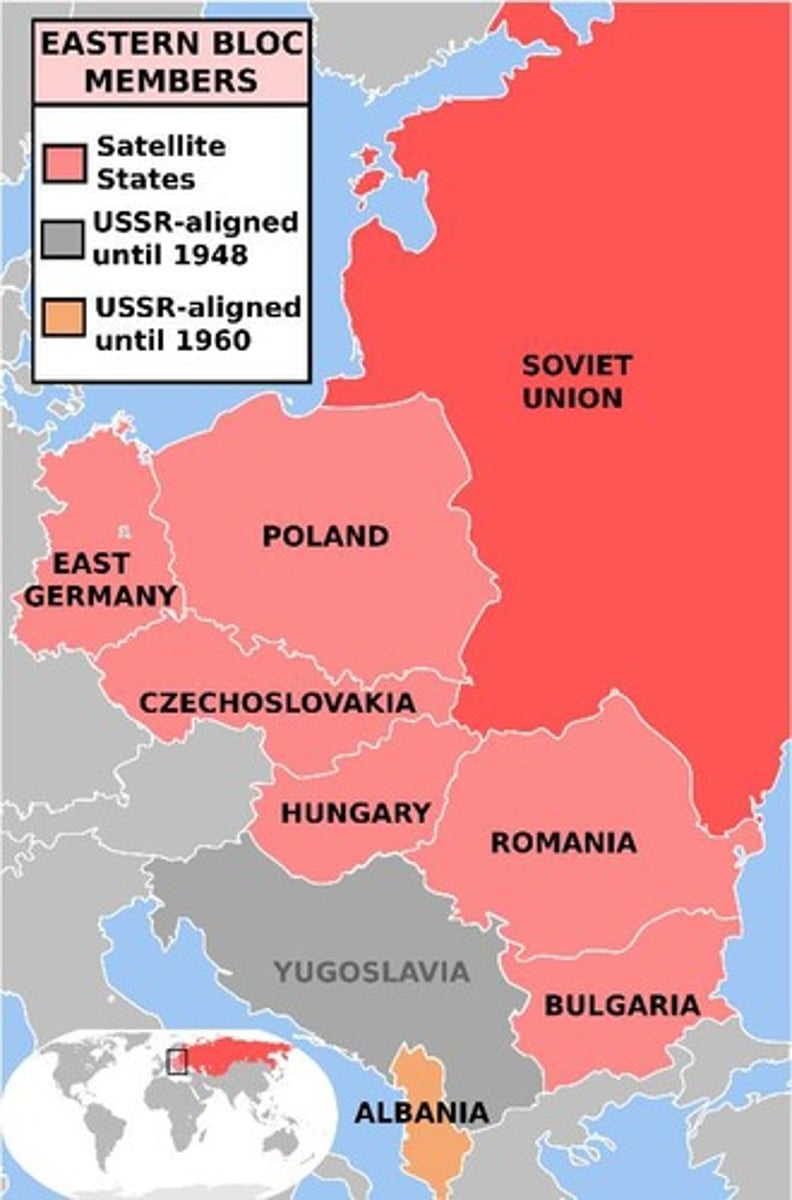
Satellite States
Countries in Eastern Europe that were controlled by the Soviet Union. Although they had their own governments, they followed Soviet political and economic policies. These countries acted as a buffer zone between the Soviet Union and Western Europe.
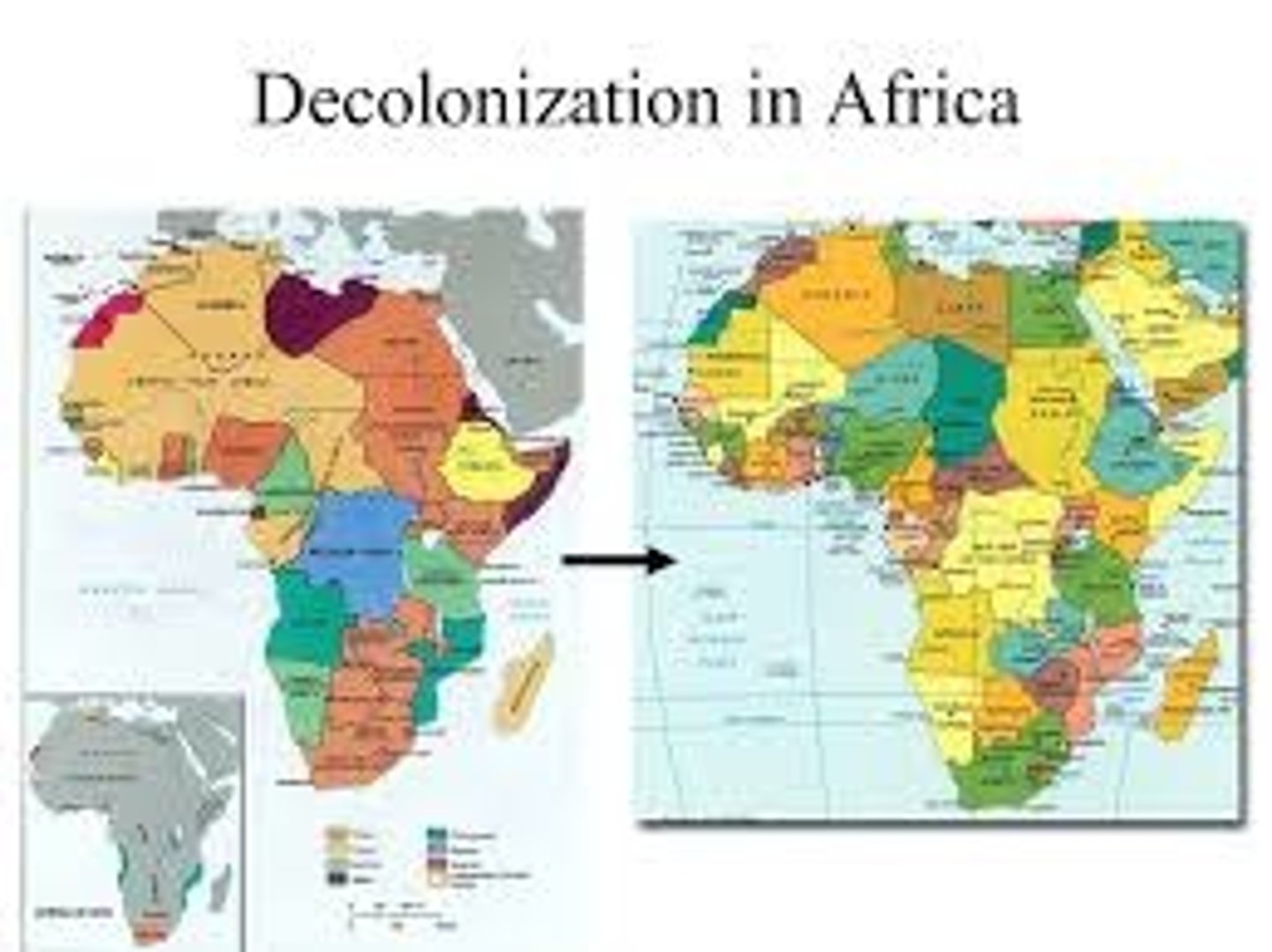
Decolonization
The process by which colonies gained independence from European powers after World War II. Many countries in Africa and Asia became independent during this time. These nations often faced pressure to align with either the United States or the Soviet Union.
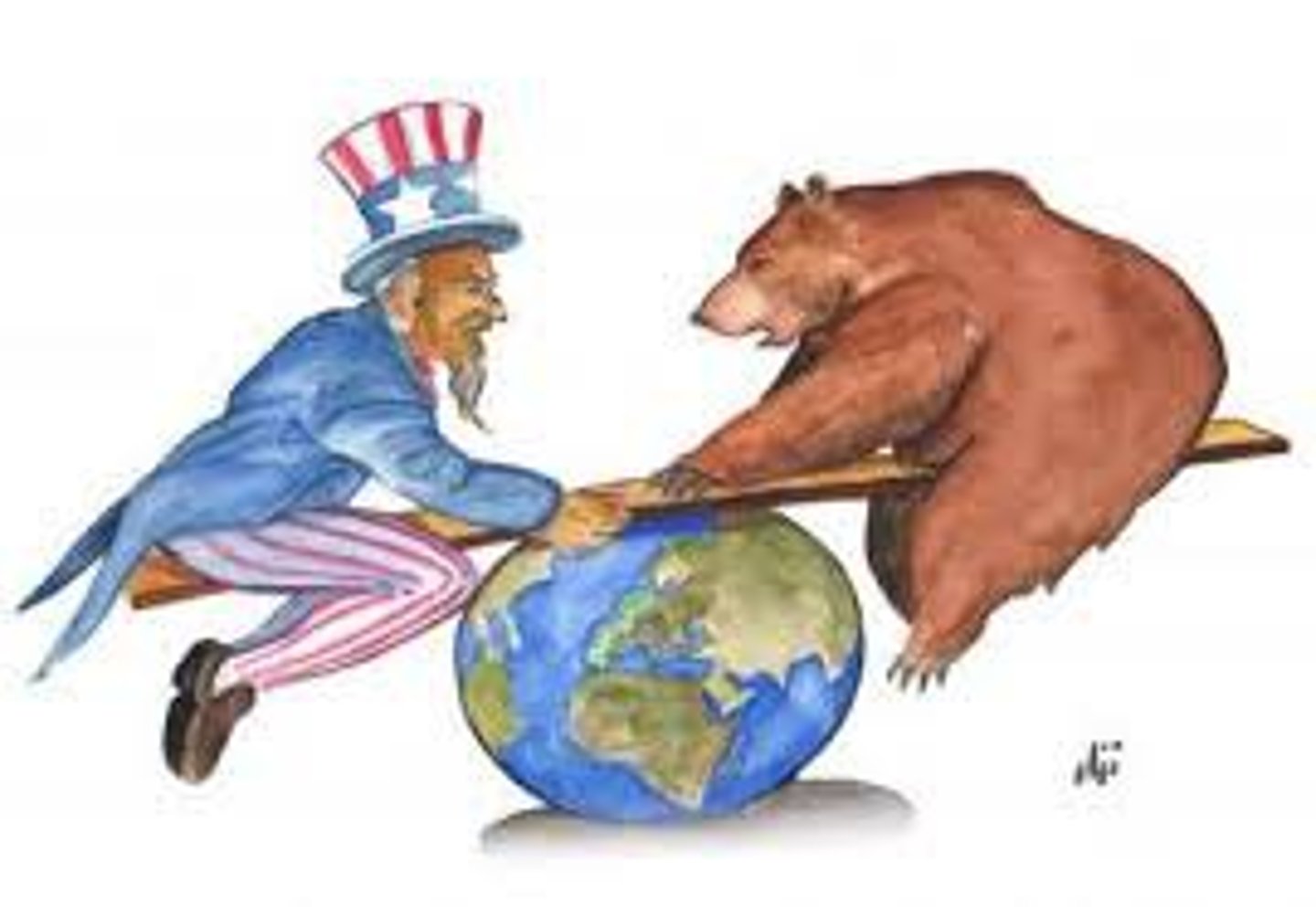
Superpower
Nation with strong political, military, and economic influence around the world. During the Cold War, the United States and the Soviet Union were considered one. Their rivalry shaped global events and international relations.
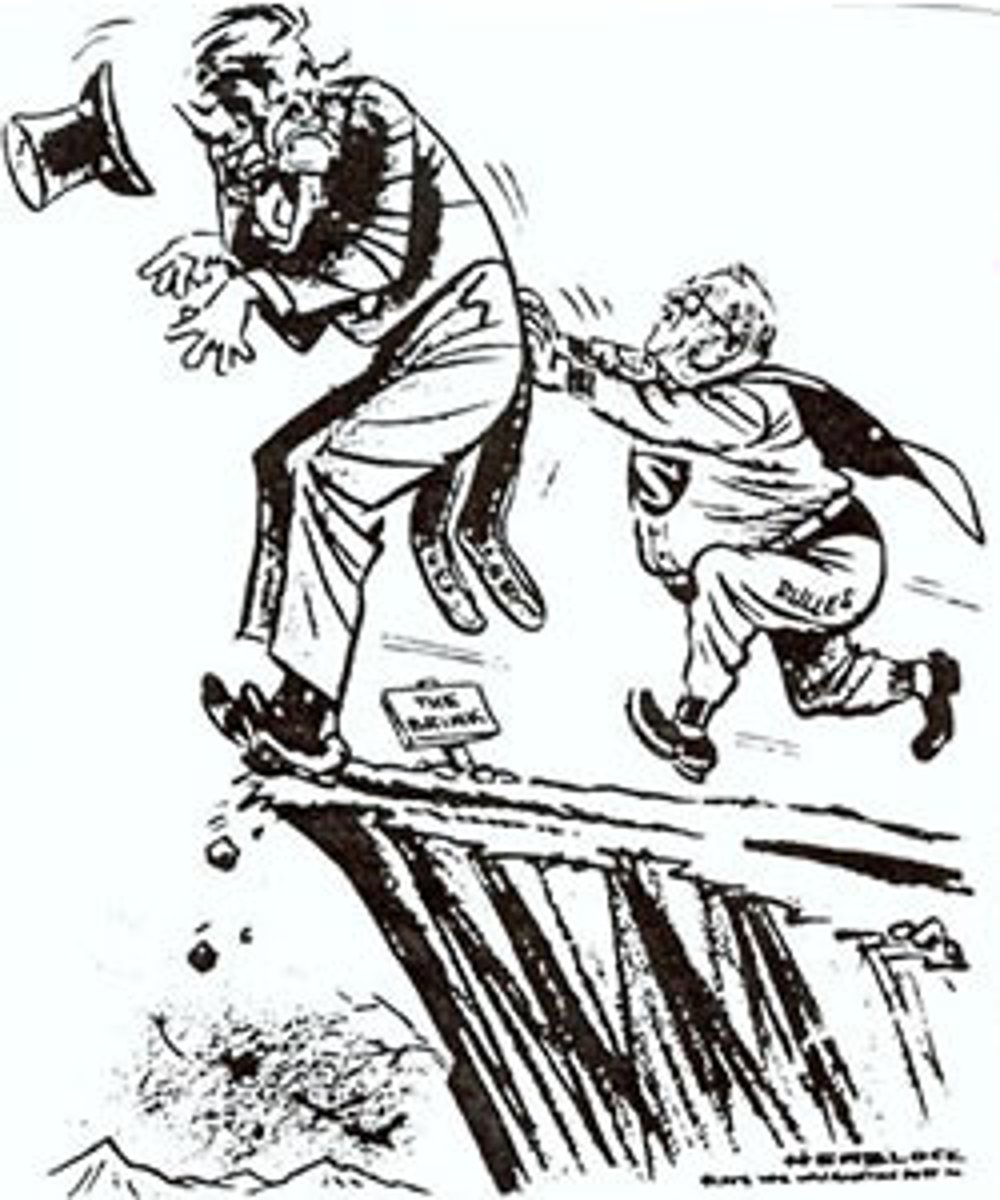
Brinkmanship
Strategy in which countries push a dangerous situation to the edge of war. The goal is to force the other side to back down without actually starting a conflict. This approach was often used during the Cold War to gain political advantage.
Proxy War
A conflict where two larger powers support opposing sides instead of fighting each other directly. These wars allowed superpowers to compete without direct confrontation. Examples include the Korean War and the Vietnam War.
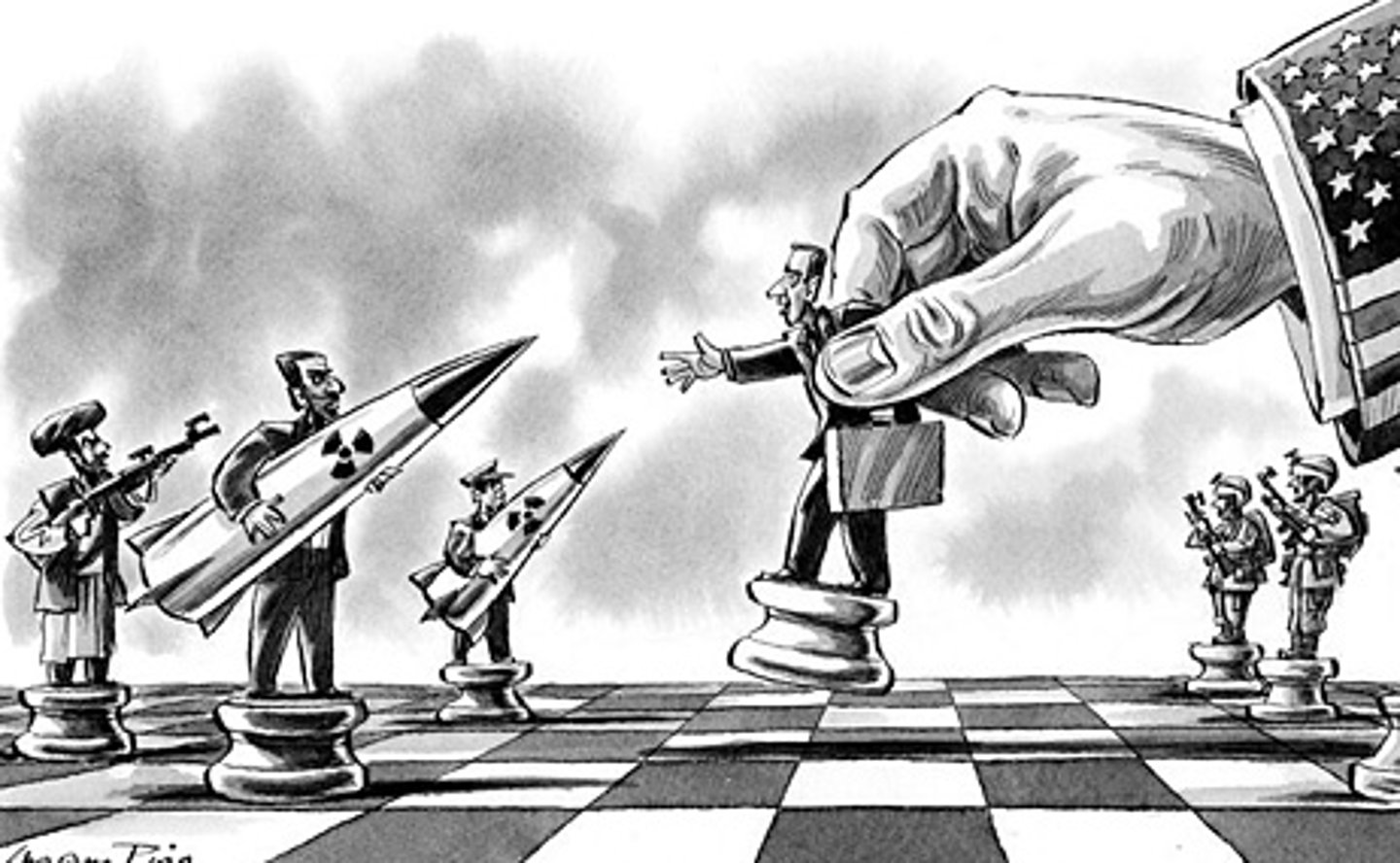
Iron Curtain
The political boundary that separated communist Eastern Europe from democratic Western Europe during the Cold War. It represented the division between countries influenced by the Soviet Union and those allied with the United States and Western democracies. Examples include East Germany being communist, West Germany being democratic, and restricted movement between the two regions.
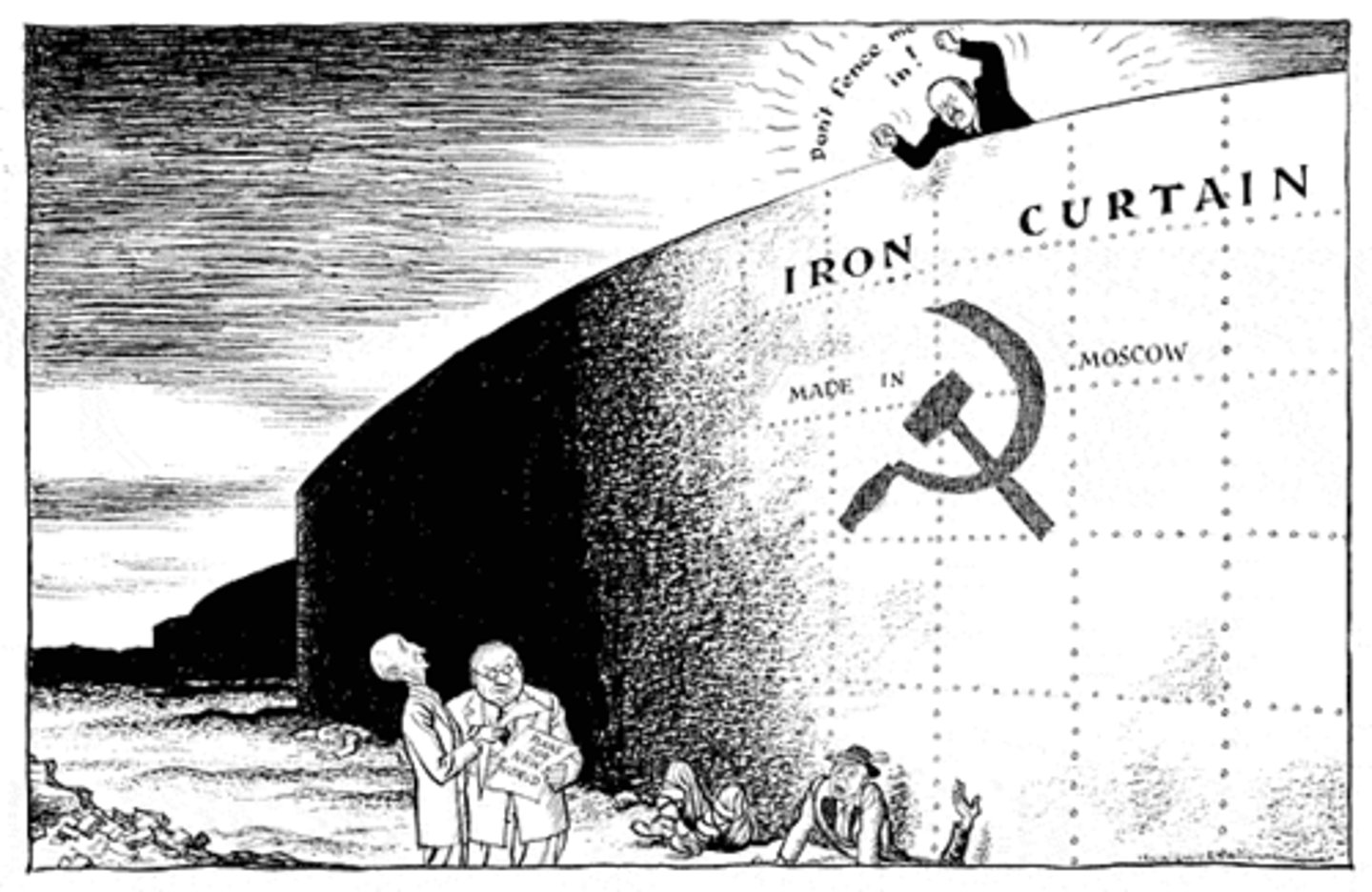
Western Germany
The democratic country formed in 1949 and controlled by the United States, Britain, and France. It had a market economy and was allied with Western nations. Examples include free elections, private businesses operating for profit, and strong ties to NATO countries.
Eastern Germany
The communist country created in 1949 in the Soviet-controlled zone of Germany. It was aligned with the Soviet Union and had a command economy. Examples include government-controlled factories, limited personal freedoms, and strict border controls like the Berlin Wall.
House of Commons
The elected lower house of the British Parliament. Members of Parliament (MPs) are directly elected by citizens in voting districts across the United Kingdom. Examples include debating laws, voting on legislation, and representing the interests of their constituents.
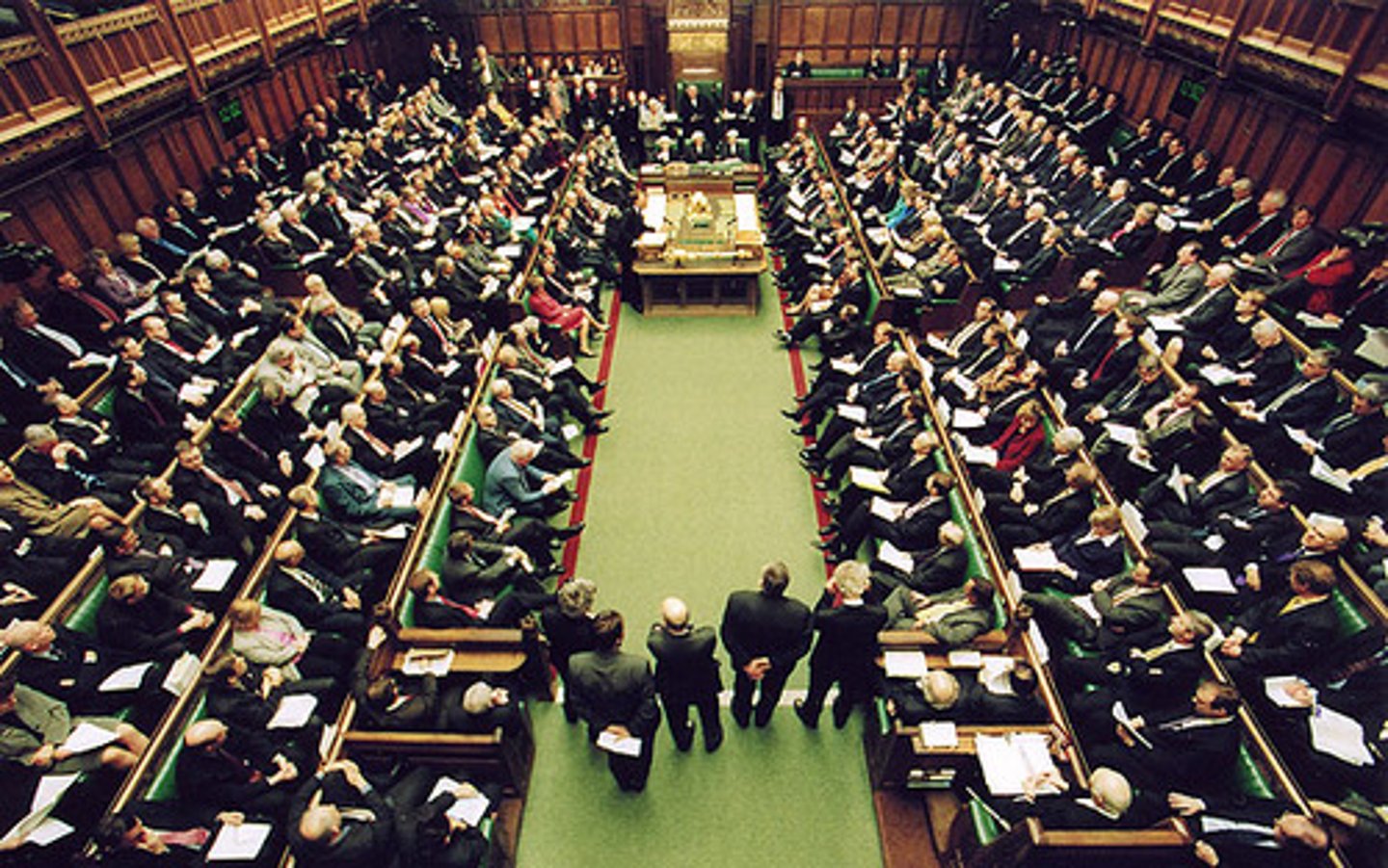
House of Lords
Upper house of the British Parliament. Members are not elected but are appointed or hold special positions. Examples include life peers appointed by the monarch, bishops of the Church of England.
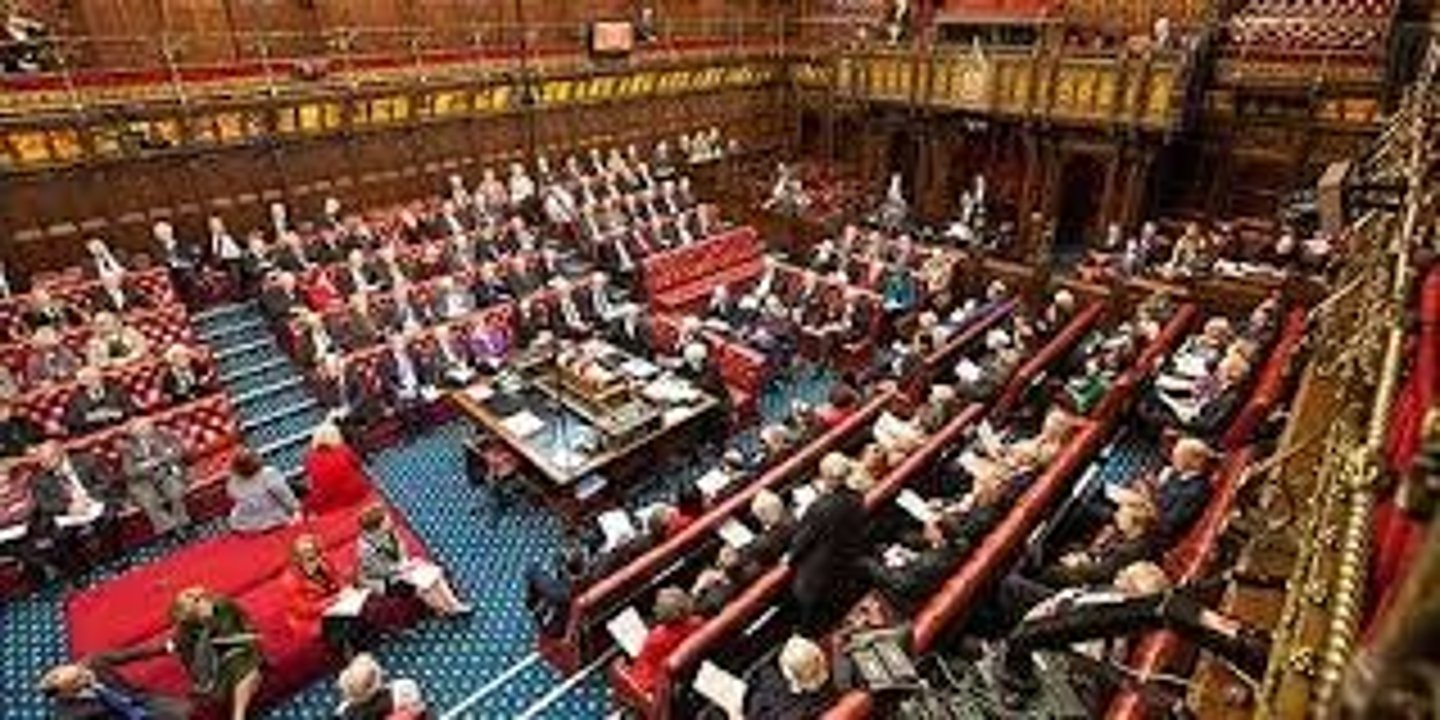
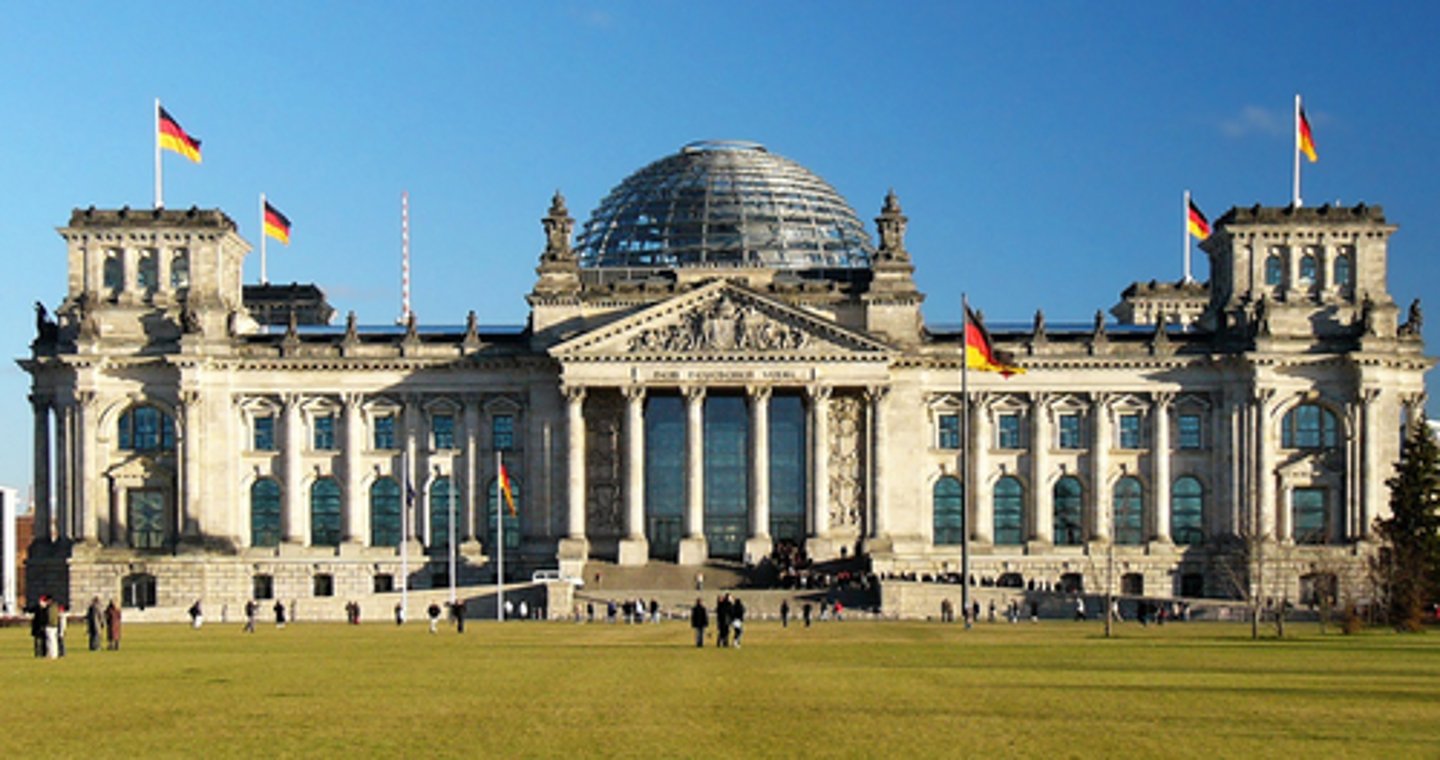
Bundestag
Main legislative body (parliament) of Germany. Members are elected by German citizens through national elections. Examples include passing laws, representing the German people, and using both district voting and proportional representation.
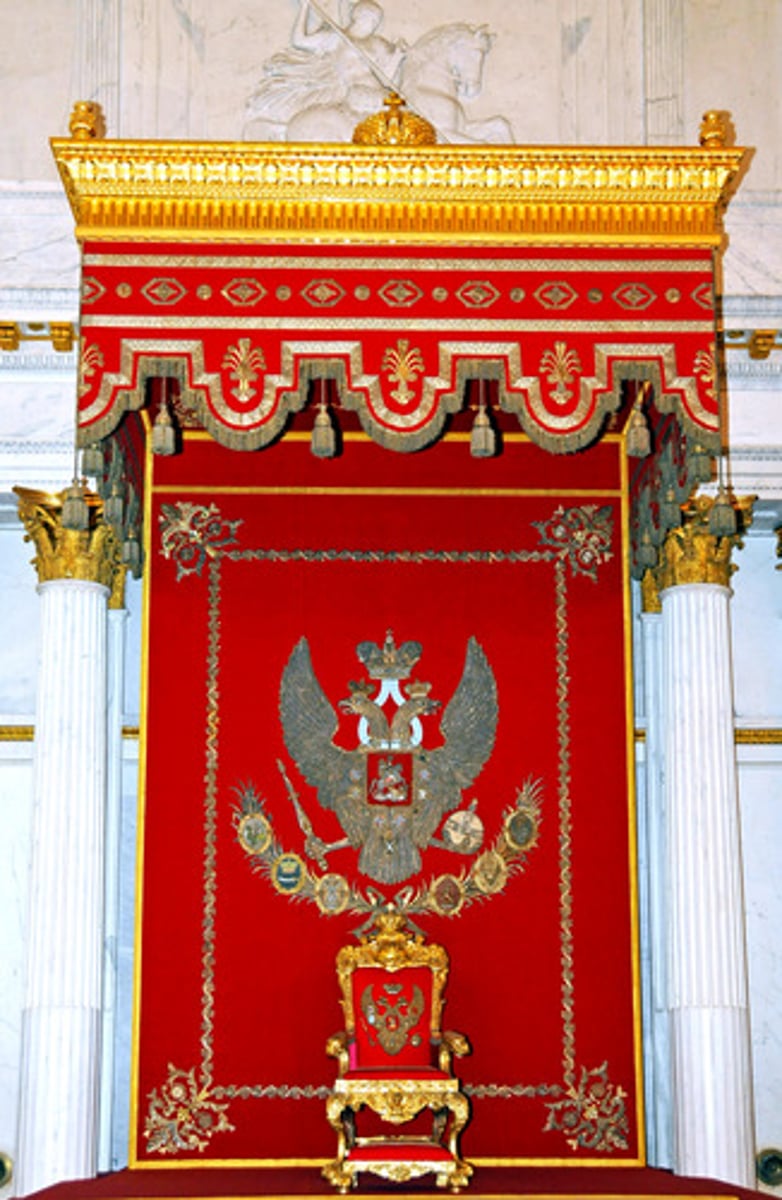
State Duma
The lower house of Russia's parliament. Members are elected by citizens using a mixed voting system. Examples include creating laws, representing political parties, and combining district elections with proportional representation.
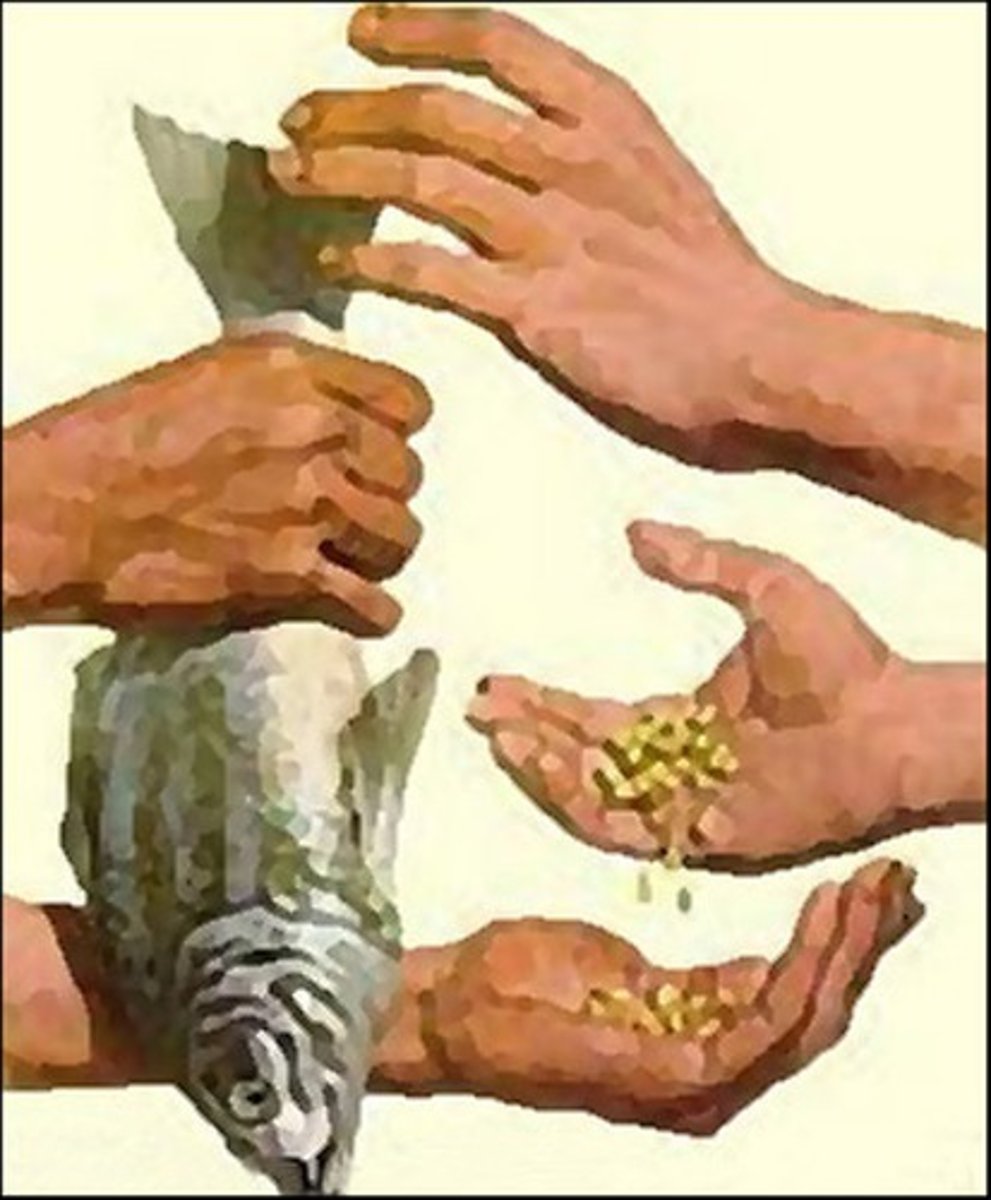
Traditional Economy
Is based on customs, traditions, and long-standing cultural practices. People often produce goods the same way their ancestors did. Examples include farming using old methods, jobs passed down through families, and bartering instead of using money.
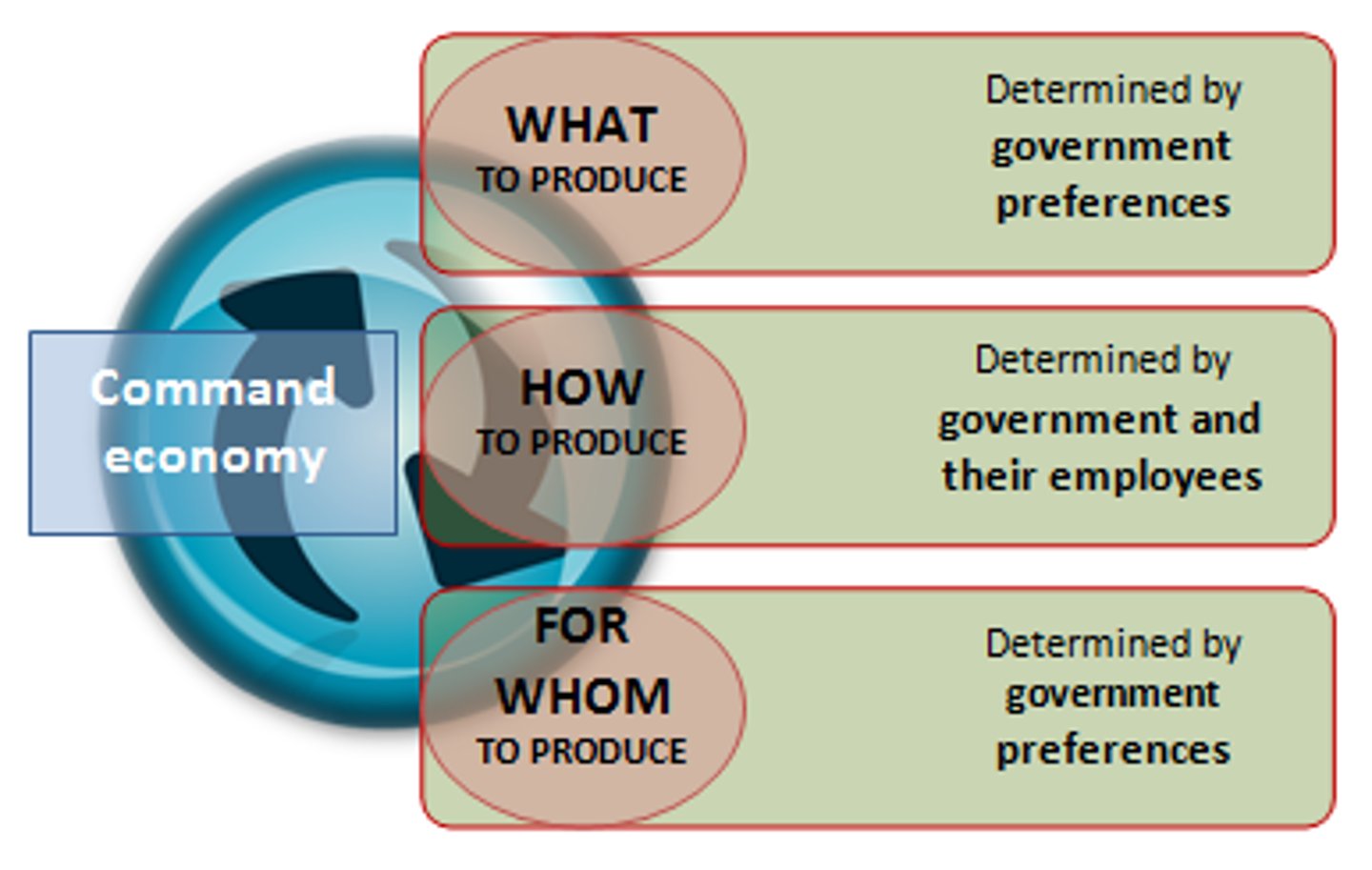
Command Economy
An economic system in which the government controls production, prices, and distribution. The government decides what to produce and who receives goods. Examples include state-owned factories, fixed prices set by the government, and limited consumer choice.
Market Economy
An economic system in which individuals and businesses make economic decisions. Prices and production are determined by supply and demand. Examples include private businesses competing, consumers choosing what to buy, and prices changing based on demand.
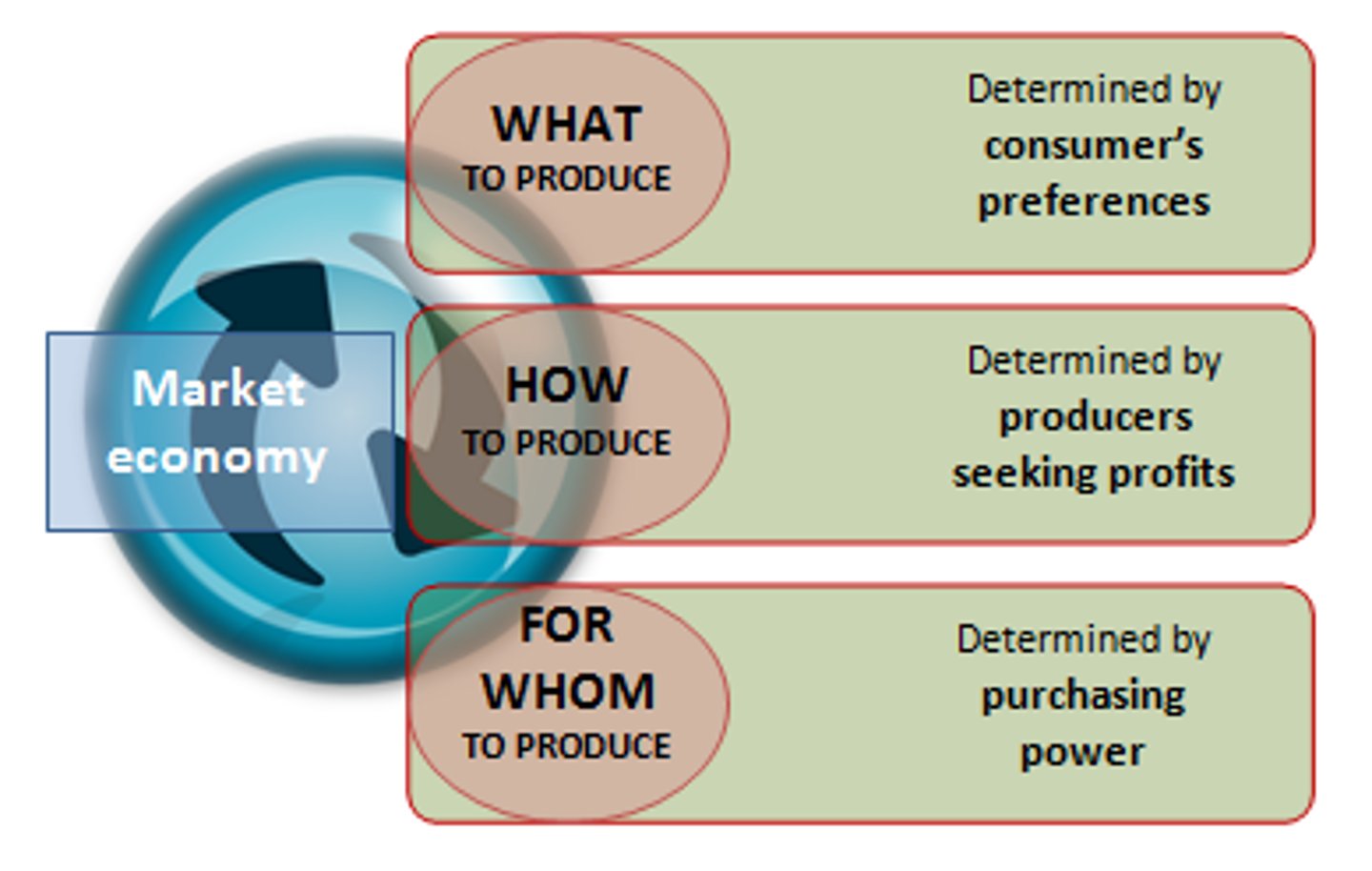
Gross Domestic Product (GDP)
The total value of all goods and services produced within a country during a specific period of time. It is used to measure the size and health of an economy. Examples include counting factory production, service industries like healthcare, and retail sales.
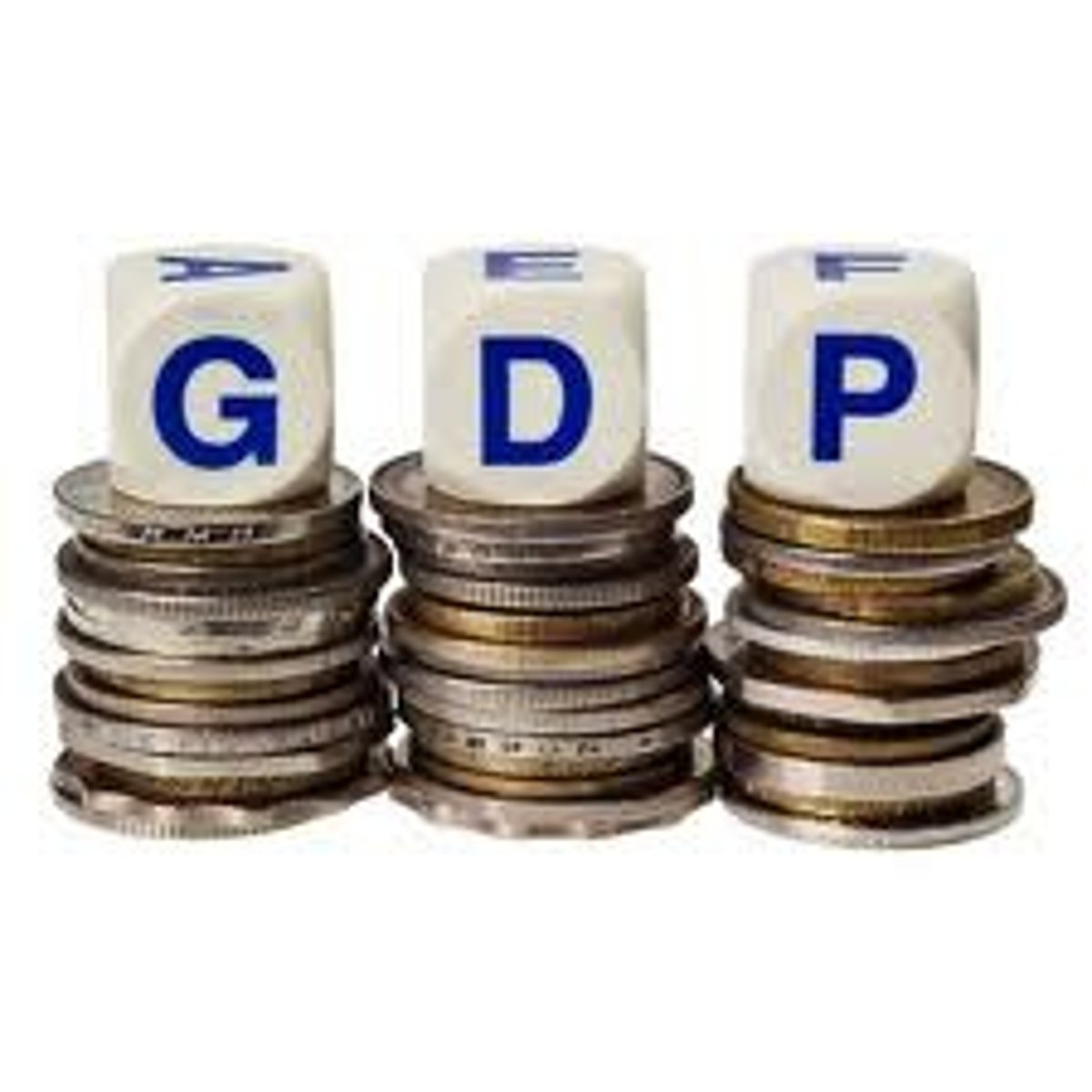
Human Capital
Refers to the knowledge, skills, education, and abilities that people have. It helps workers be productive and contribute to economic growth. Examples include education levels, job training programs, and work experience.
European Union (EU)
A political and economic organization made up of many European countries. Its goal is to promote cooperation, stability, and peace. Examples include shared trade policies, open borders between many member countries, and a common currency (the euro) in some nations.
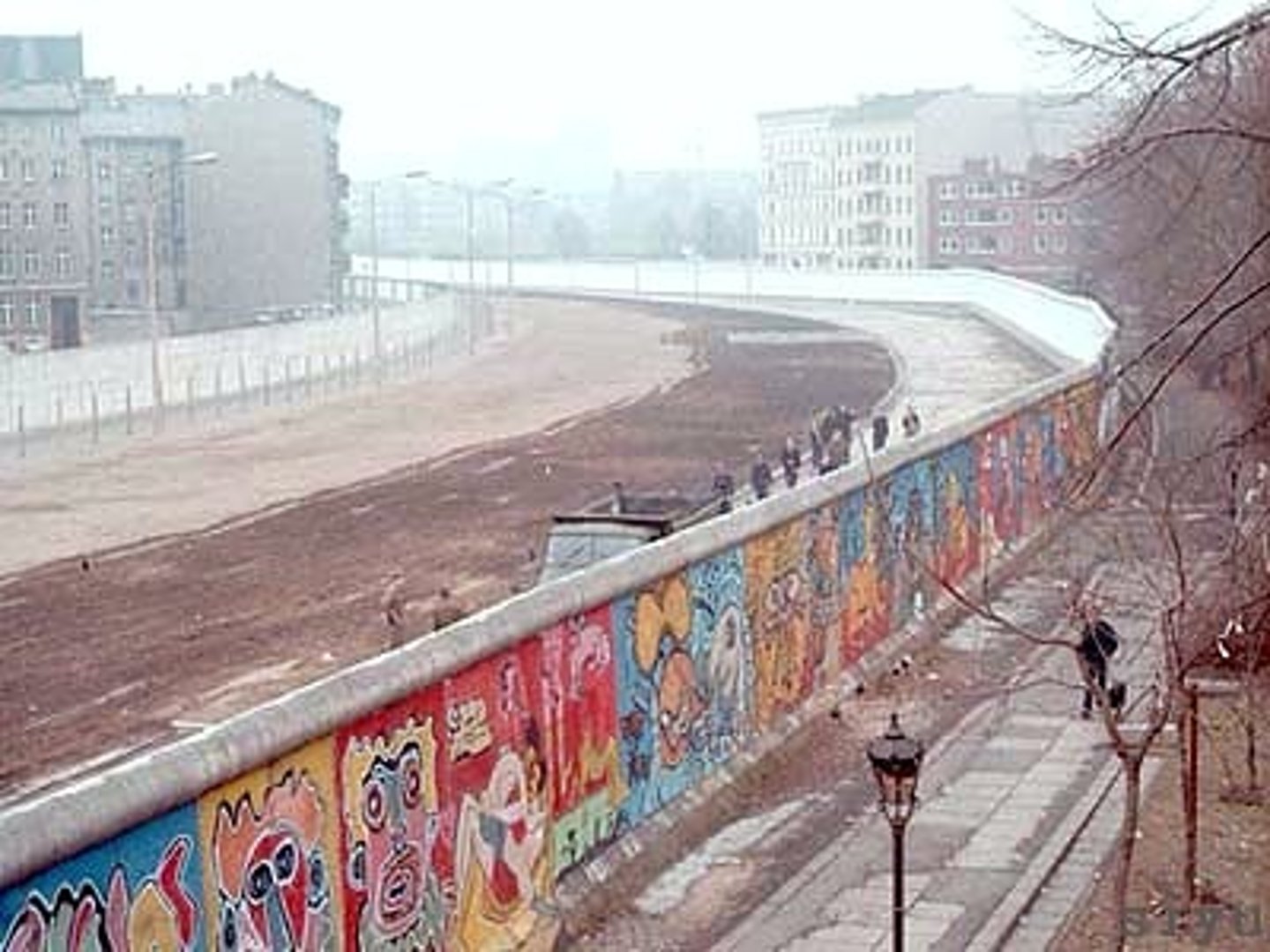
Berlin Wall
Was a concrete barrier built in 1961 by East Germany to separate East and West Berlin. It was designed to stop people from fleeing to the West. Examples include guarded checkpoints, families being separated, and its fall in 1989 symbolizing the end of division.
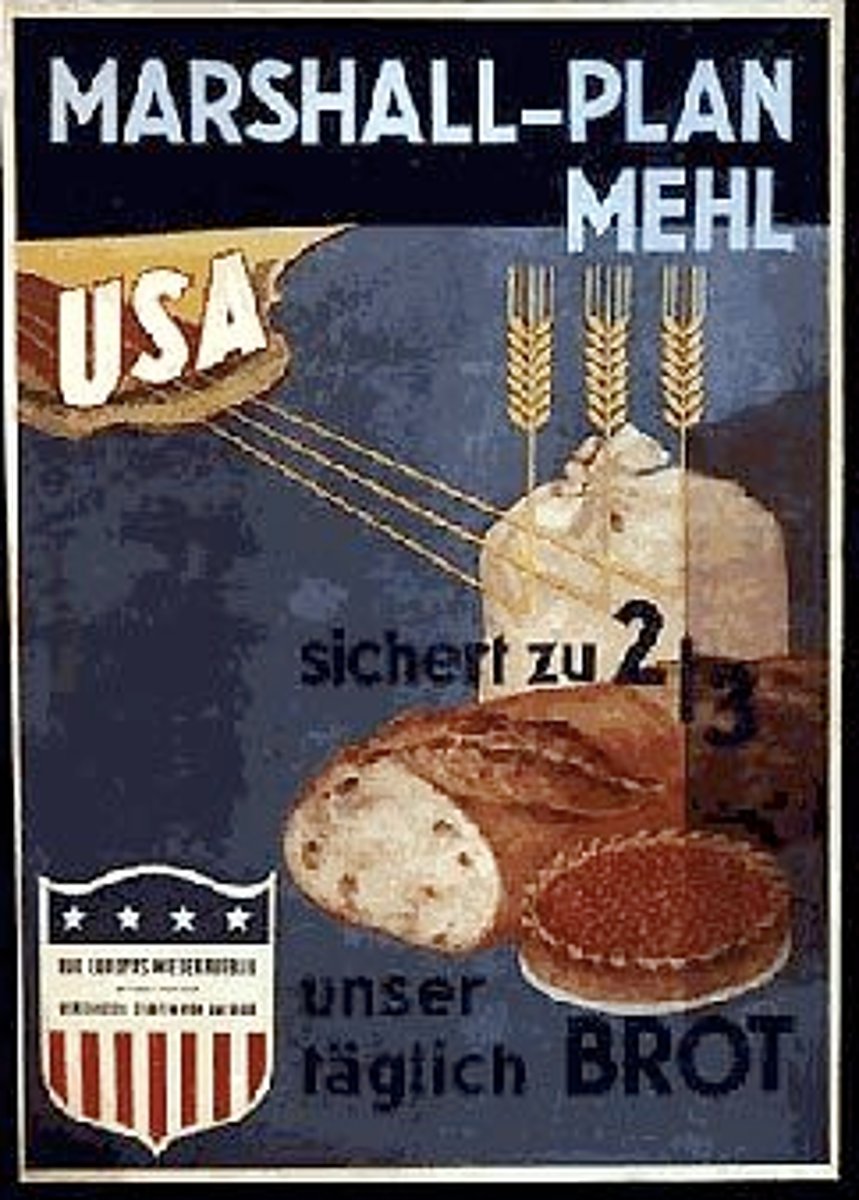
Marshall Plan
Was a U.S. program that provided financial aid to rebuild Western Europe after World War II. It aimed to strengthen economies and prevent the spread of communism. Examples include rebuilding infrastructure, supporting industry growth, and increasing trade.
Korean War
Was fought from 1950 to 1953 between communist North Korea and democratic South Korea. It became part of the Cold War conflict between superpowers. The division at the 38th parallel.
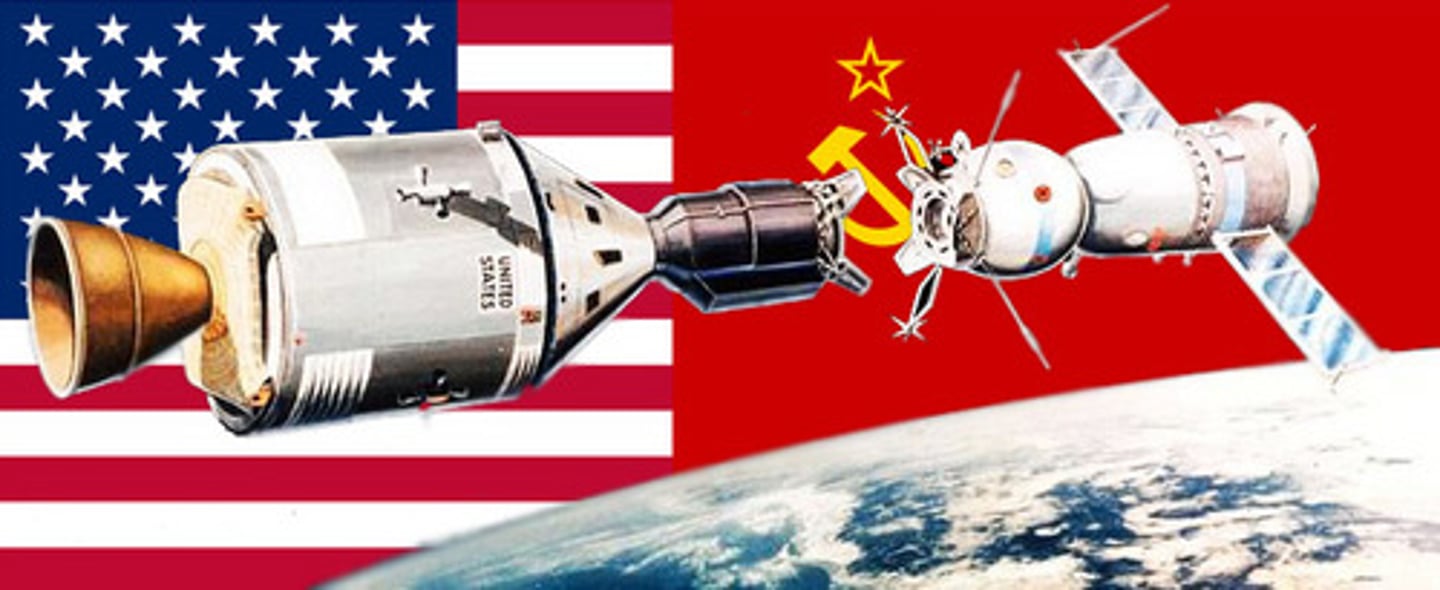
Space Race
A competition between the United States and the Soviet Union during the Cold War. Both countries aimed to prove technological and scientific superiority.
Soviet Union
A communist country that existed from 1922 to 1991. It was one of the two superpowers during the Cold War. Examples include a command economy, control over Eastern European satellite states, and rivalry with the United States.
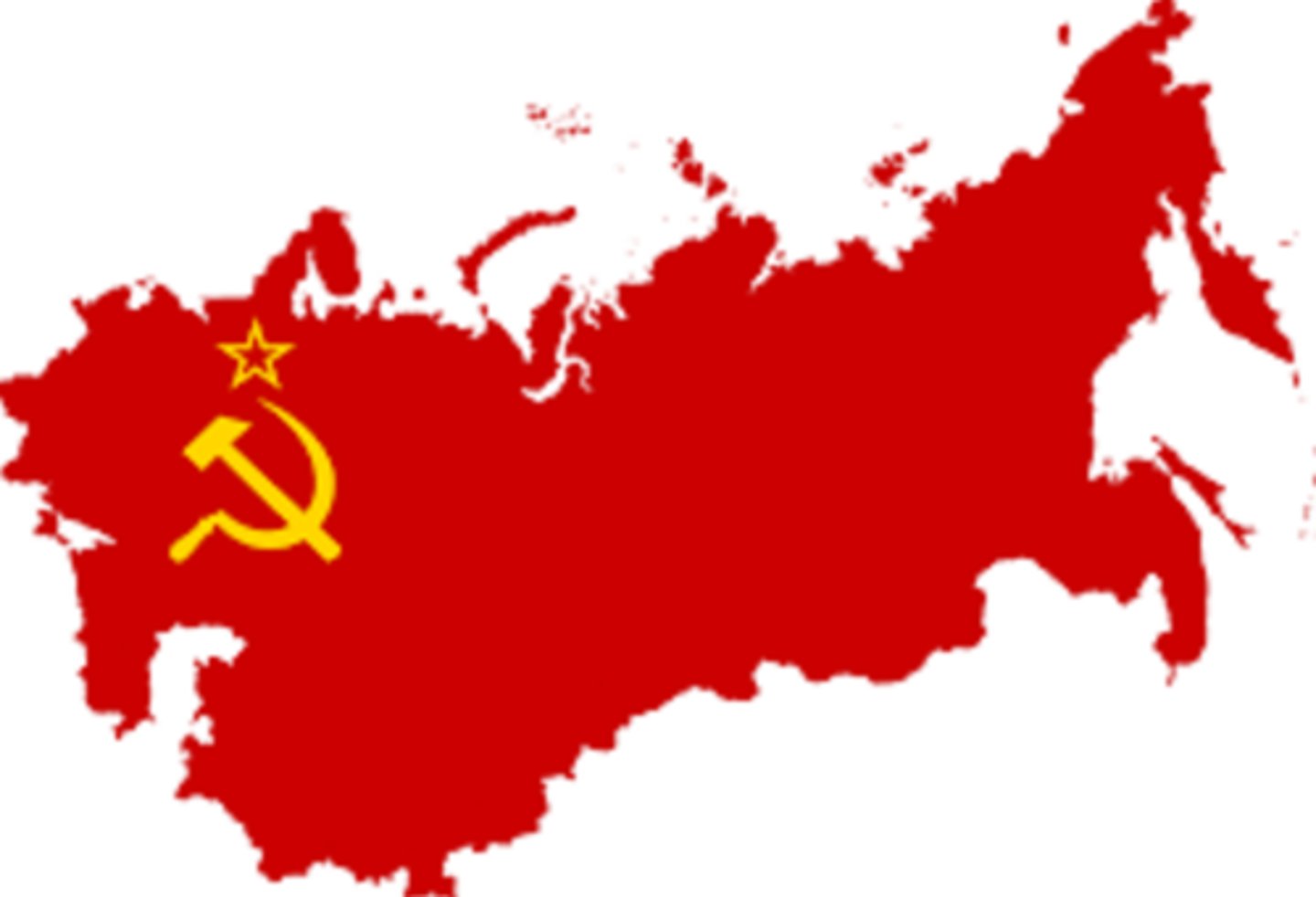
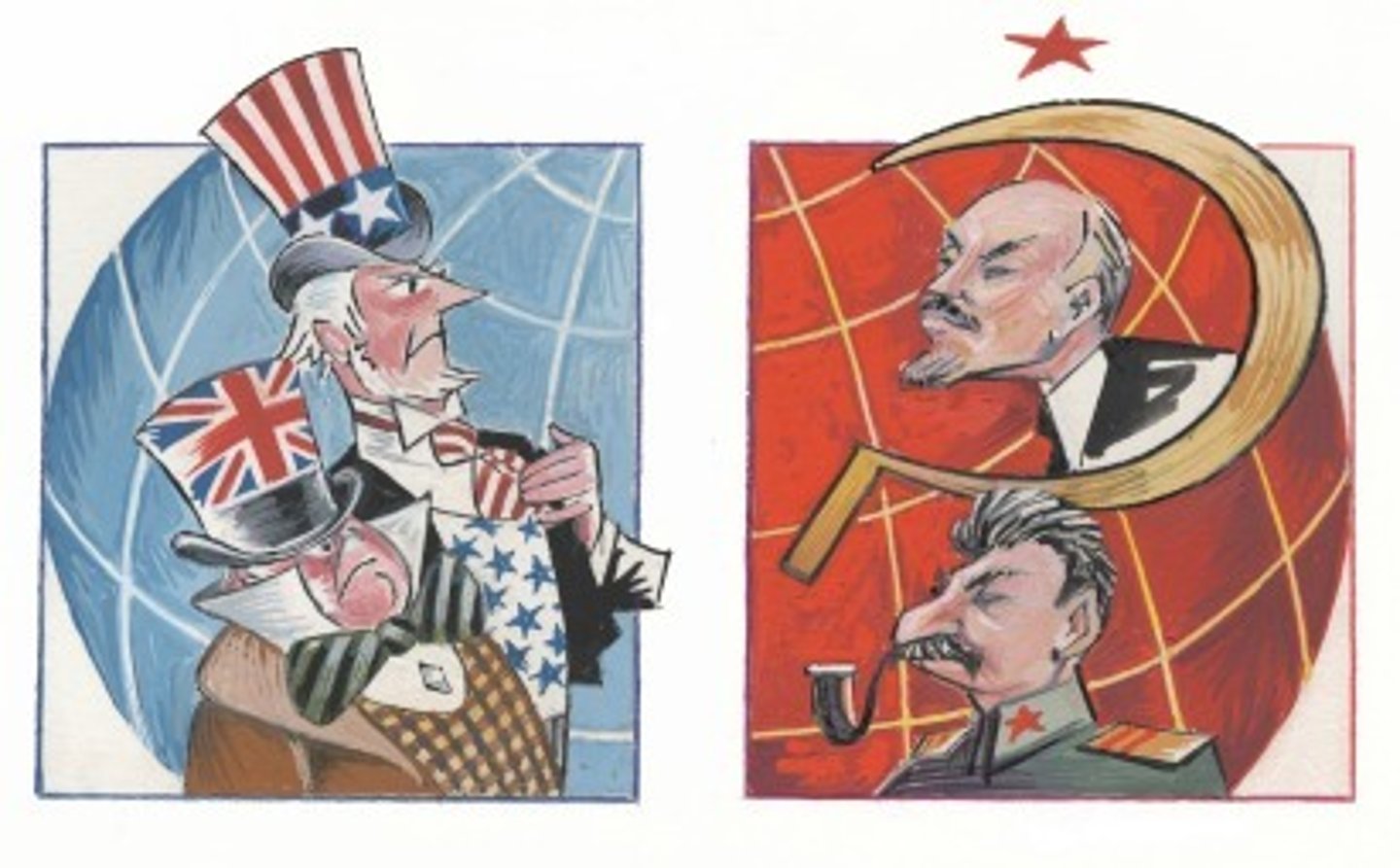
Cold War
A long period of political tension between the United States and the Soviet Union after World War II. The two nations competed for global influence without direct large-scale war. Examples include the arms race, proxy wars like Korea and Vietnam, and the space race.
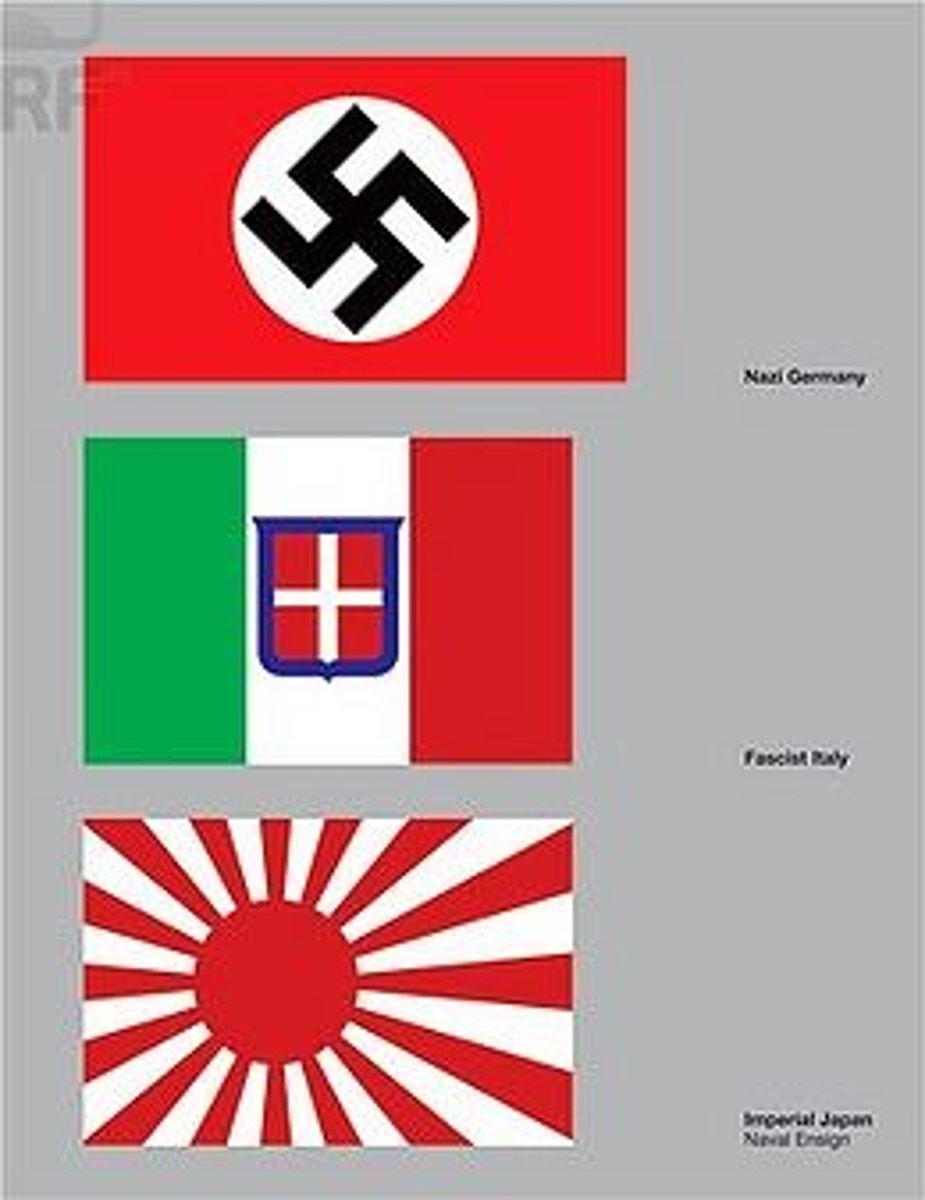
Axis Powers
Alliance of Germany, Italy, and Japan during World War II. These countries fought against the Allied Powers. Examples include Germany led by Hitler, Japan expanding in the Pacific, and Italy under Mussolini.
Still learning (30)
You've started learning these terms. Keep it up!

