Body Cavities and Homeostasis
 Studied by 0 people
 Call Kai
 Learn
Learn Practice Test
 Spaced Repetition
 Match
Match Flashcards
 Knowt Play
1/14

There's no tags or description
Looks like no tags are added yet.
Name | Mastery | Learn | Test | Matching | Spaced | Call with Kai |
|---|
No analytics yet
Send a link to your students to track their progress
15 Terms
Dorsal body cavity
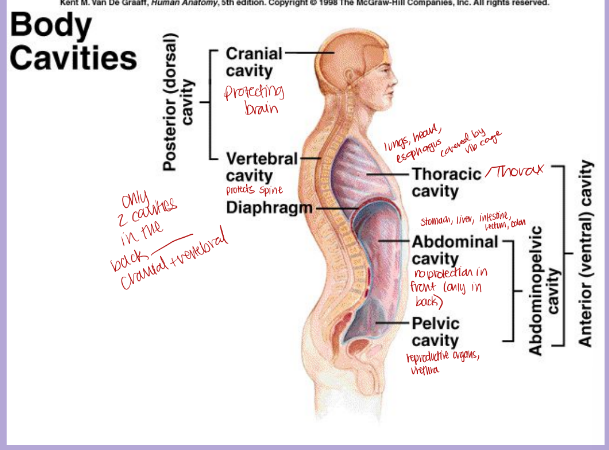
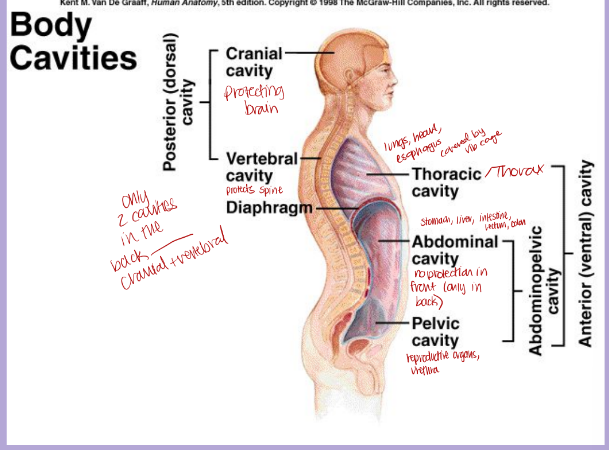
Dorsal body cavity is divided into a cranial cavity which encases the brain, and
the vertebral cavity which encases the spinal cord. Cranial cavity protects the brain.
Ventral Body Cavity
The ventral body cavity houses the visceral organs
■ The ventral body cavity is divided into the thoracic (lungs, heart, esophagus, covered by ribcage), abdominal (no protection in front just the back—-stomach, liver, intestine, rectum, colon), and pelvic (reproductive organs, urethra) cavities
Abdominopelvic Cavity
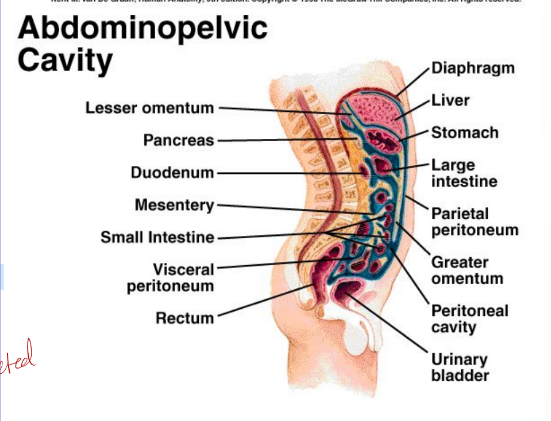
Abdominopelvic cavity lies below the diaphragm
■ It is further divided into: Abdominal cavity (Stomach, intestines, spleen, liver,
pancreas), Pelvic cavity (Bladder, rectum, and some reproductive organs)
Thoracic Cavity
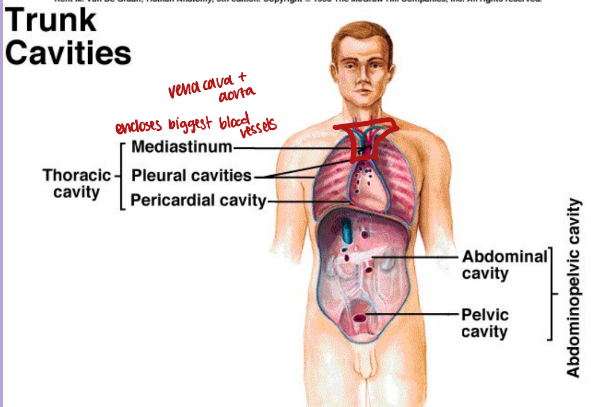
The thoracic cavity is surrounded by the ribs and muscles of the chest
■ It is further divided into
– pleural cavities
– mediastinum
– pericardial
includes the biggest blood vessels: vena cava (superior and inferior) and aorta
Serous membrane
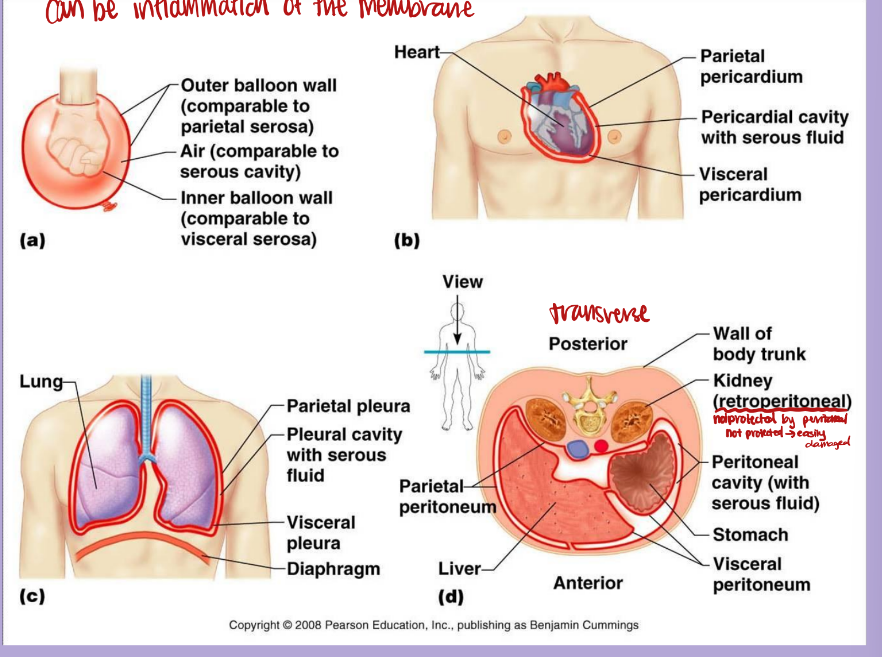
■ A serous membrane (serosa) is a thin double layered membrane that covers the ventral body cavity and outer surface of the organs (found in every cavity)
– Parietal serosa is the layer of the membrane that lines the walls of the cavity OUTER
– Visceral serosa is the layer that covers the organs in the cavity INNER
– Serous fluid is a lubrication found between the two serosa membranes (to get rid of friction—less pain)
Membranes in the Ventral cavity
■ Specific serous membranes are named for the cavity in which they are found
– Parietal and visceral pericardium surrounds the heart
– Parietal and visceral pleura surrounds the lungs
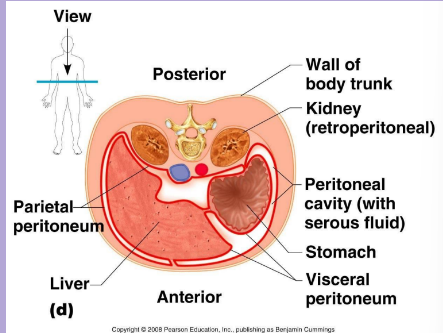
– Parietal and visceral peritoneum covers the abdominal cavity
Inflammation of the membrane can be very painful and dangerous to the body
note that kidneys are not protected well so it is easily damaged—-only protected by peritoneal layer
Serous Cavities
Serous cavities are open cavities but rather slit-like in appearance and
dimension
■ The cavities contain a small volume of a serous fluid secreted by the membranes
■ The serous fluid allows the visceral organs to slide with little friction during
routine function
Peritoneal Cavity
The peritoneal cavity encloses most of the visceral organs of the abdominopelvic cavity
■ However, some organs are retro-peritoneal, that is behind the peritoneum (e.g.
kidneys)
Other Cavities
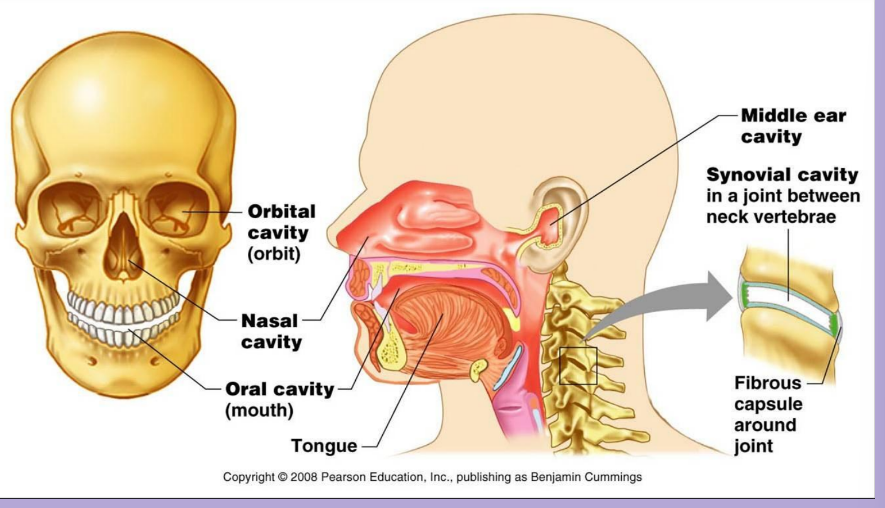
■ In addition to the large, closed body cavities there are several types of smaller body cavities
– Oral cavities
– Nasal cavities
– Orbital cavities
– Middle ear cavities
– Synovial cavities
Homeostasis
■ The ability of the body to maintain relatively stable internal conditions even though there is continuous change in the outside world (narrow range of conditions)
– A state of dynamic equilibrium
– The body functions within relatively narrow limits
– All body systems contribute to its maintenance
every disease is a homeostatic disbalance
Control Mechanisms
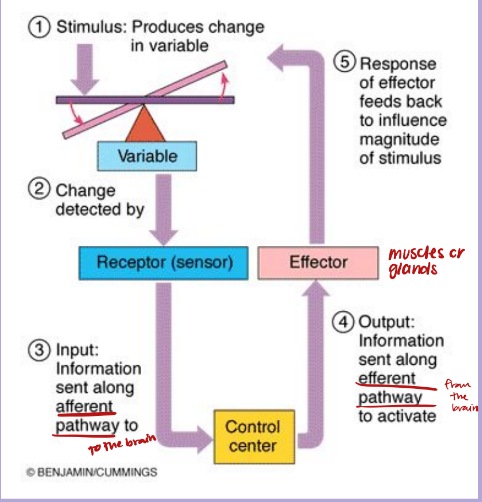
■ Regardless of the factor or event (variable) being regulated, all homeostatic control mechanisms have at least three interdependent components
– Receptor (stimuli of change is detected)
– Control center (determines response) BRAIN
– Effector (bodily response to the stimulus)
■ Regulation of homeostasis is accomplished through the nervous and endocrine systems
Hyponatremia
Abnormally low salt levels that can be due to excessive water intake—need to drain fluids and give salt to patient.
In some cases can cause coma and death.
Doctor orders drug to increase urination.
Homeostasis connection: Too much water for the body leading to low levels of salt, must regulate it back to normal
Negative Feedback Mechanisms
■ Most control mechanisms are negative feedback mechanisms
■ A negative feedback mechanism decreases the intensity of the stimulus or eliminates it MINIMIZE STIMULUS
■ The negative feedback mechanism causes the system to change in the opposite direction from the stimulus AGAINST STIMULUS
– Example: home heating thermostat
How does a negative feedback loop maintain homeostasis?
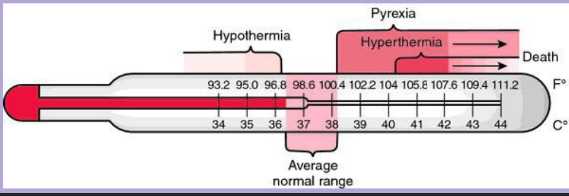
■Receptors – detect certain environmental parameters within the body such as temperature, information is relayed to the brain
Set point – the normal range that an environmental parameter is to be controlled
Effectors – muscle or glands that respond to deviation from the set point.
Glands might initiate sweating to cool the body back to its set point.
Positive Feedback Mechanisms
■ A positive feedback mechanism enhances or exaggerates the original stimulus so that activity is accelerated
■ It is considered positive because it results in change occurring in the same direction as the original stimulus
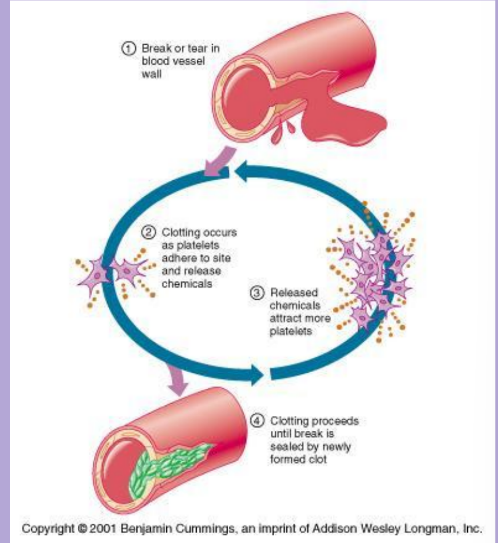
■ Positive feedback mechanisms usually control infrequent events such as blood clotting or childbirth
■ As the baby pushes against cervix there is a nerve response into
the spinal cord and up to the brain, which then stimulates the
pituitary gland to produce more oxytocin to stimulate more
uterine contractions
■ Break or tear in blood vessel wall
■ Clotting occurs as platelets adhere to site and release chemicals
■ Released chemicals attract more platelets
■ Clotting proceeds until break is sealed by newly formed clot
■ Positive feedback loops amplify or increase the occurrence of events.
 Note
Note  Flashcards (131)