Civil War, Reconstruction, and Expansion after 1865
0.0(0)
Studied by 1 person Call Kai
 Learn
Learn Practice Test
 Spaced Repetition
 Match
Match Flashcards
 Knowt Play
Card Sorting
1/54

Earn XP
Description and Tags
Last updated 2:56 PM on 3/25/26
Name | Mastery | Learn | Test | Matching | Spaced | Call with Kai |
|---|
No analytics yet
Send a link to your students to track their progress
55 Terms
1
New cards
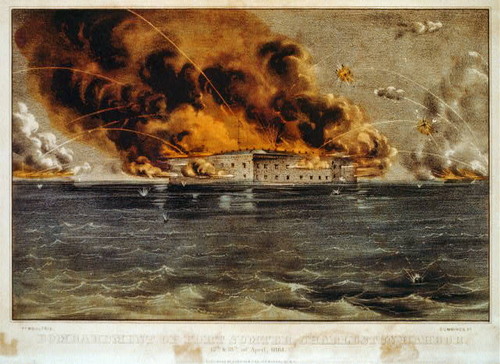
Fort Sumter
Where first shot was fired that began the civil war.
2
New cards
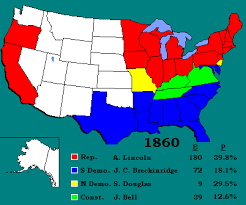
Election of 1860
Lincoln, the Republican candidate, won because the Democratic party was split over slavery. As a result, the South no longer felt like it has a voice in politics and a number of states seceded from the Union.
3
New cards
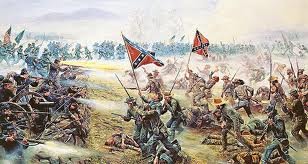
Battle of Gettysburg
Turning point of the War that made it clear the North would win. 50,000 people died, and the South lost its chance to invade the North.
4
New cards
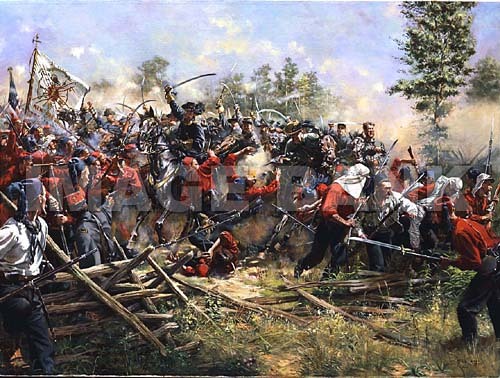
First Battle of Bull Run
July 21, 1861. Va. (outside of D.C.) People watched battle. Thomas "Stonewall" Jackson: Confederate general, held his ground and stood in battle like a "stone wall." Union retreated. Confederate victory. Showed that both sides needed training and war would be long and bloody
5
New cards
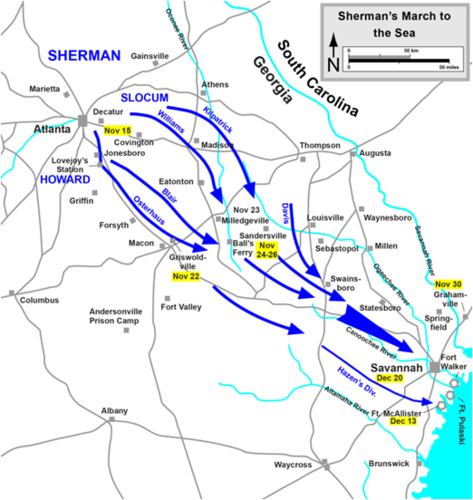
Sherman's March to the Sea
during the civil war, a devastating total war military campaign, led by union general William Tecumseh Sherman, that involved marching 60,000 union troops through Georgia from Atlanta to Savannah and destroying everything along there way.
6
New cards
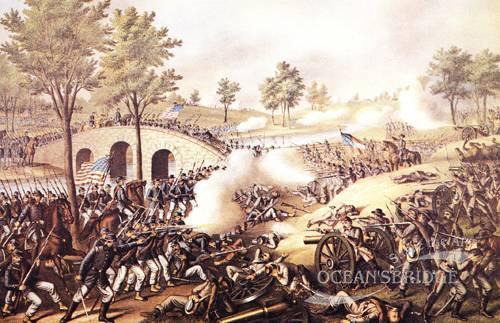
Battle of Antietam
Civil War battle in which the North succeeded in halting Lee's Confederate forces in Maryland. Was the bloodiest battle of the war resulting in 25,000 casualties
7
New cards
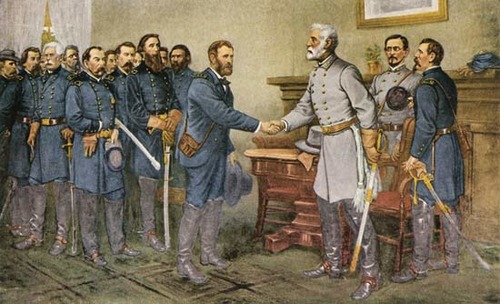
Appomattox Court House
Famous as the site of the Battle of Appomattox Courthouse, where the surrender of the Confederate Army under Robert E. Lee To Ulysses S. Grant took place on April 9, 1865
8
New cards
states rights
the right of states to limit the power of the federal government
9
New cards
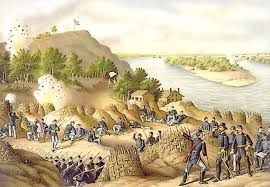
Battle of Vicksburg
1863, Union gains control of Mississippi, confederacy split in two, Grant takes lead of Union armies, total war begins
10
New cards
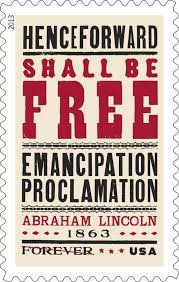
Emancipation Proclamation
(AL) , Issued by abraham lincoln on september 22, 1862 it declared that all slaves in the confederate states would be free
11
New cards
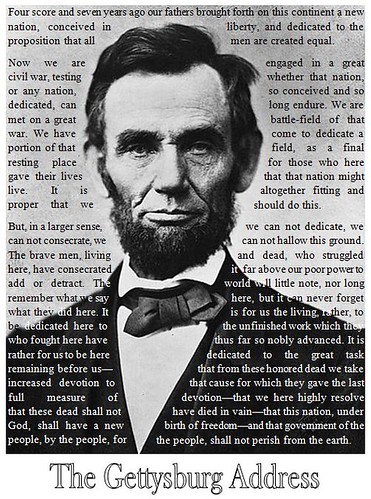
Gettysburg Address
A 3-minute address by Abraham Lincoln during the American Civil War (November 19, 1963) at the dedication of a national cemetery on the site of the Battle of Gettysburg
12
New cards
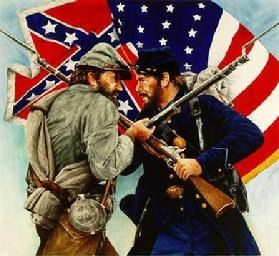
Advantages of the North in the Civil War
a)larger population, b)most of the factories to make supplies, c)most of the railroads located in the north, d)strong Navy, e)more money, f)they had an established government
13
New cards
Advantages of the South in the Civil War
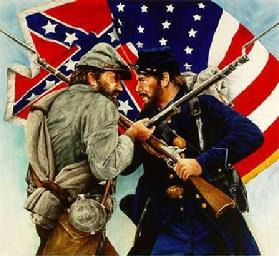
Excellent millitary leaders, strong fighting spirit, knew the land
14
New cards
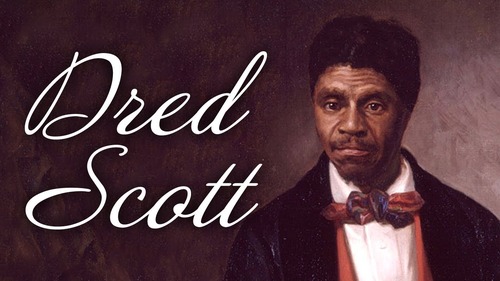
Dred Scott Decision
A Missouri slave sued for his freedom, claiming that his four year stay in the northern portion of the Louisiana Territory made free land by the Missouri Compromise had made him a free man. The U.S, Supreme Court decided he couldn't sue in federal court because he was property, not a citizen.
15
New cards
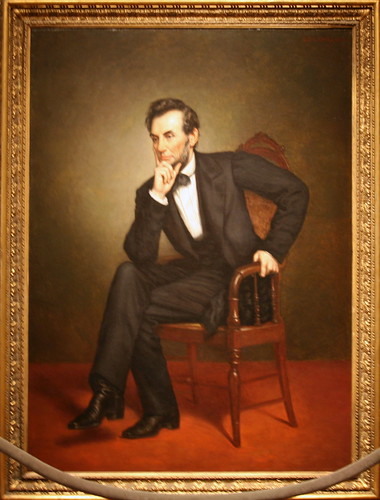
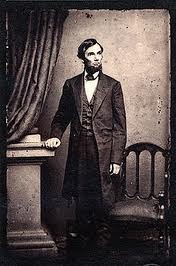
Abraham Lincoln
16th President of the United States saved the Union during the Civil War and emancipated the slaves; was assassinated by Booth (1809-1865)
16
New cards
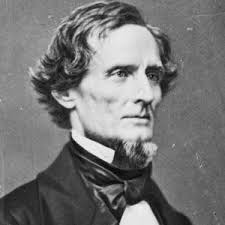
Jefferson Davis
President of the Confederate States of America
17
New cards
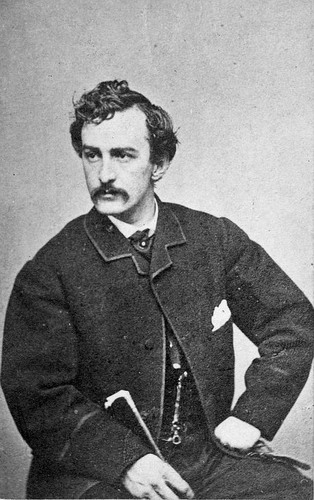
John Wilkes Booth
Assassinated Abraham Lincoln
18
New cards
Republican Party
Political party that believed in the non-expansion of slavery & consisted of Whigs, N. Democrats, & Free-Soilers in defiance to the Slave Powers
19
New cards
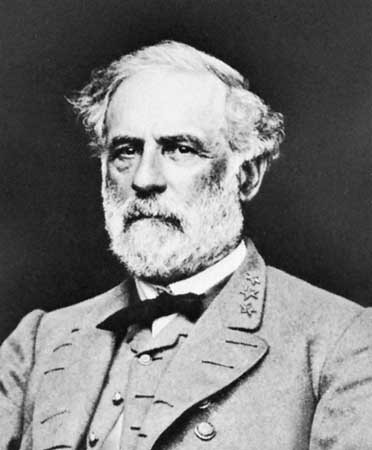
Robert E. Lee
Appointed command of the Confederate Army in 1862 during the Civil War. Despite his skill he was forced to surrender to Ulysses S Grant at Appomattox Courthouse in 1865.
20
New cards
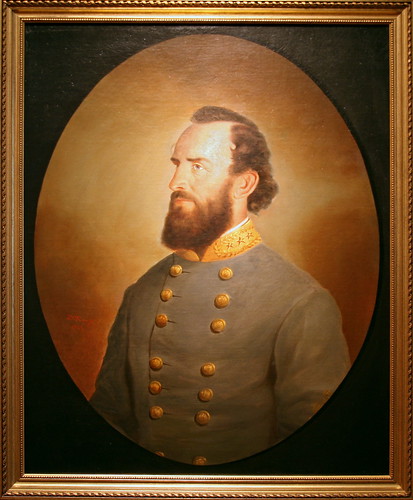
Stonewall Jackson
Brave commander of the Confederate Army that led troops at Bull Run. He died in the confusion at the Battle of Chancellorsville.
21
New cards
Ulysses S. Grant
Union General who forced the surrender of Vicksburg and became general in chief of all Union armies he forced lee to fight a series of decisive battles which led to the Confederate surrender

22
New cards
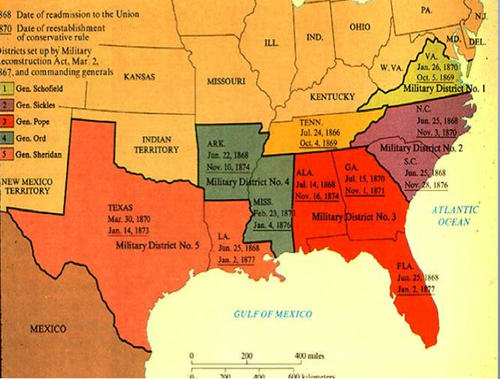
Reconstruction
1865-1877; the attempt to rebuild and reform the political, social, and economic systems of the South after the Civil War.
23
New cards
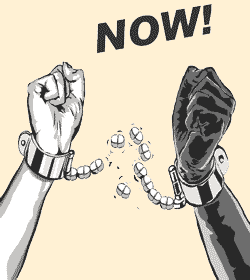
13th Amendment
Abolished slavery. First of three "Reconstruction Amendments" passed after Civil War (1865-70)
24
New cards
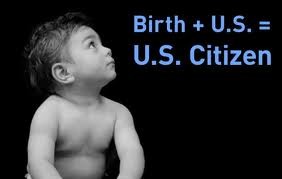
14th Amendment
1) Citizenship for African Americans, 2) Repeal of 3/5 Compromise, 3) Denial of former confederate officials from holding national or state office, 4) Repudiate (reject) confederate debts
25
New cards
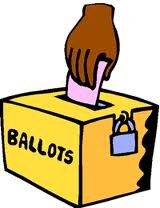
15th Amendment
Citizens cannot be denied the right to vote because of race, color , or precious condition of servitude
26
New cards
Reconstruction Amendments
13th: abolished and continues to prohibit slavery and involuntary servitude, 14th: secured the rights of former slaves after reconstruction, 15th: prohibits each government in the United States to prevent a citizen from voting based on their race
27
New cards
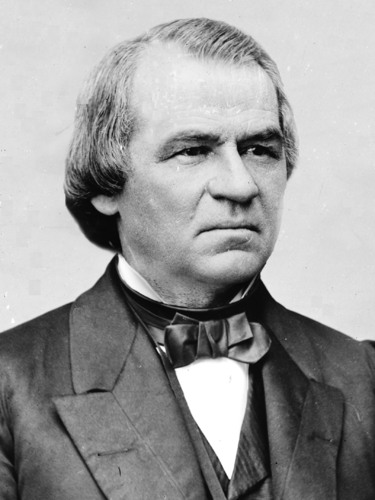
Andrew Johnson
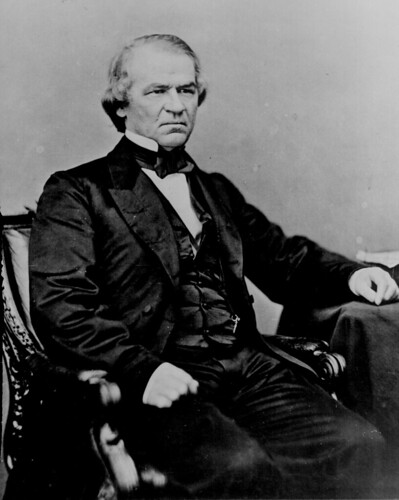
17th President of the United States, A Southerner form Tennessee, as V.P. when Lincoln was killed, he became president. He opposed radical Republicans who passed Reconstruction Acts over his veto. The first U.S. president to be impeached, he survived the Senate removal by only one vote. He was a very weak president.
28
New cards
Radical Republicans
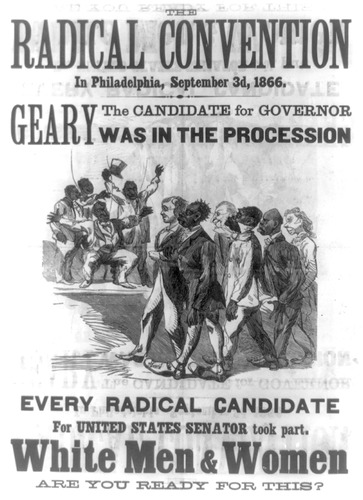
After the Civil War, a group that believed the South should be harshly punished and thought that Lincoln was sometimes too compassionate towards the South.
29
New cards
Black Codes
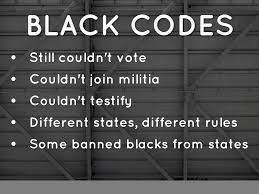
Southern laws designed to restrict the rights of the newly freed black slaves during Reconstruction.
30
New cards
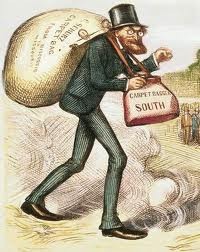
Carpetbaggers
A northerner who went to the South immediately after the Civil War; especially one who tried to gain political advantage or other advantages from the disorganized situation in southern states
31
New cards
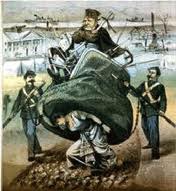
Scallywags
Southern whites who gained political office during Reconstruction and were supportive of Republican efforts
32
New cards
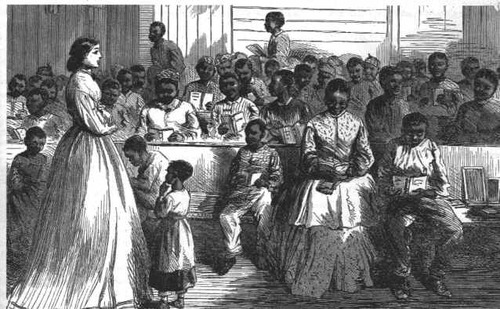
Freedman's Bureau
Fed. agency set up to help former slaves after the Civil War; focus was to provide food, medical care, administer justice, manage abandoned & confiscated property, regulate labor, and establish schools.
33
New cards
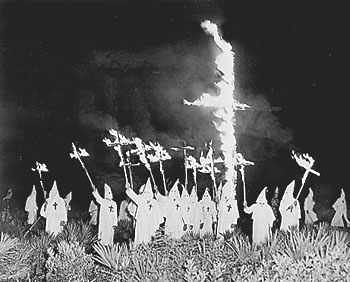
Ku Klux Klan
A secret society created by white southerners in 1866 that used terror and violence to keep African Americans from obtaining their civil rights.
34
New cards
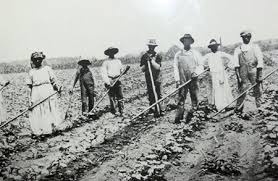
Share cropping
african americans and poor whites would work on a land owned by another in return for small pay or some crops
35
New cards
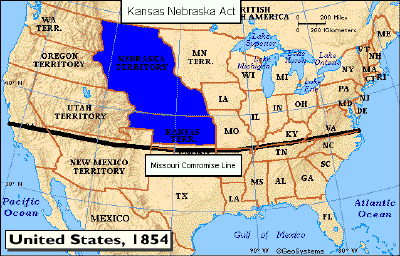
Kansas Nebraska Act
1854 - Created Nebraska and Kansas as states and gave the people in those territories the right to chose to be a free or slave state through popular sovereignty. Also ignored the Missouri Compromise
36
New cards
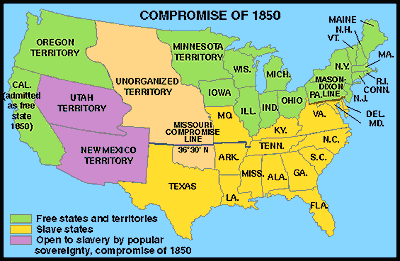
Compromise of 1850
(1) California admitted as free state, (2) territorial status and popular sovereignty of Utah and New Mexico, (3) resolution of Texas-New Mexico boundaries, (4) federal assumption of Texas debt, (5) slave trade abolished in DC, and (6) new fugitive slave law; advocated by Henry Clay and Stephen A. Douglas
37
New cards
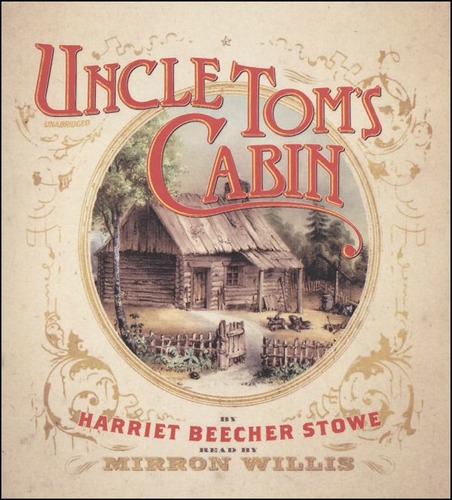
Uncle Tom's Cabin
written by harriet beecher stowe in 1853 that highly influenced england's view on the American Deep South and slavery. a novel promoting abolition. intensified sectional conflict.
38
New cards
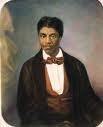
Dred Scott v. Sanford
Supreme Court case that decided US Congress did not have the power to prohibit slavery in federal territories and slaves, as private property, could not be taken away without due process - basically slaves would remain slaves in non-slave states and slaves could not sue because they were not citizens
39
New cards
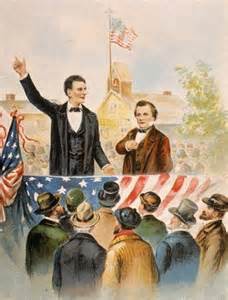
Lincoln-Douglas debates
1858 Senate Debate, Lincoln forced Douglas to debate issue of slavery, Douglas supported pop-sovereignty, Lincoln asserted that slavery should not spread to territories, Lincoln emerged as strong Republican candidate
40
New cards
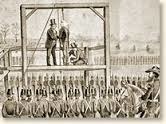
John Brown's raid
Began when he and his men took over the arsenal in Harpers Ferry, Virginia, in hopes of starting a slave rebellion.
41
New cards
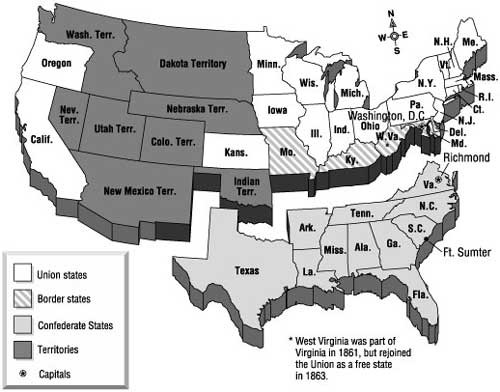
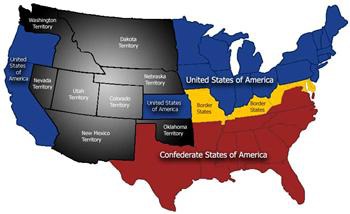
The Confederate States of America
the name given to the new nation and government when delegates from the states of South Carolina, Texas, Louisiana, Mississippi, Alabama, Florida, and Georgia seceded from the Union; they elected Jefferson Davis as their President
42
New cards
Border States
in the civil war the states between the north and the south: Delaware, Maryland, Kentucky, and Missouri
43
New cards
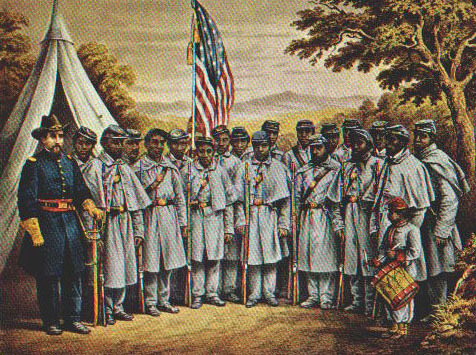
54th Massachusetts
first African American unit to fight a battle, to show the other soldiers that they could fight
44
New cards
Ten Percent Plan
Lincoln's plan that allowed a southern state to form a new government after 10 percent of its voters swore an oath of loyalty to the United States
45
New cards
Impeachment
The bringing of formal charges against a public official
46
New cards
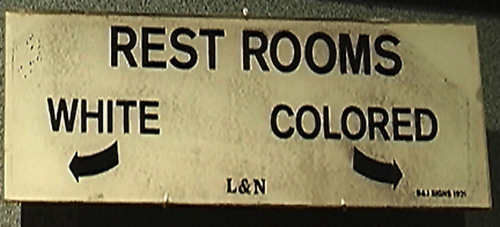
Jim Crow Laws
Laws designed to enforce segregation of blacks from whites
47
New cards
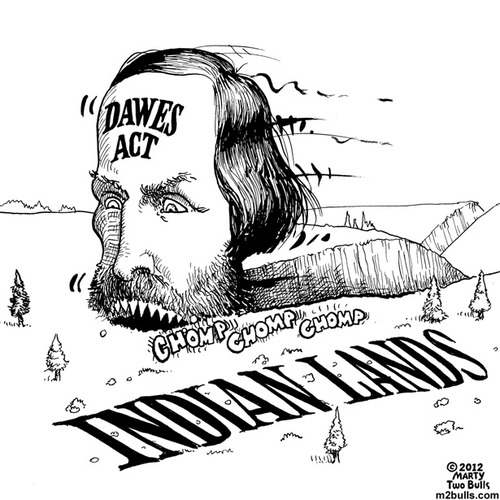
Dawes Act
1887 law which gave all Native American males 160 acres to farm and also set up schools to make Native American children more like other Americans
48
New cards
Great Plains
A mostly flat and grassy region of central-western North America
49
New cards
boomtown
a fast-growing community, particularly one that grew quickly in the western US in the late-1800s
50
New cards
long drive
Refers to the transport of cattle by cowboys over a months-long period. Cattle were taken from the Great Plains to cities such as Santa Fe, Denver, and St. Louis for distribution to major meat-packing cities.
51
New cards
Homestead Act
1862 - Provided free land (up to 160 acres) in the West to anyone willing to settle and develop (farm) it. Encouraged westward migration.
52
New cards
Wounded Knee Massacre
In December 1890, Army troops captured some of Sioux leader Sitting Bull's followers and took them to a camp. 300 Sioux men, women, and children were killed.
53
New cards
Indian Schools
These places were created in order to forcibly assimilate Indian children to white, "American" culture. They cut their hair, converted them to Christianity, forced them to change their language and used various other ways to make Indian children act like white Americans.
54
New cards
Little Big Horn
In 1876, General George Custer and his men were wiped out by a coalition of Sioux and Cheyenne Indians led by Sitting Bull and Crazy Horse
55
New cards
bonanza farm
a very large, highly profitable farm

