W5: Effects of labels: memory
 Call Kai
 Learn
Learn Practice Test
 Spaced Repetition
 Match
Match Flashcards
 Knowt Play
1/47

There's no tags or description
Looks like no tags are added yet.
Name | Mastery | Learn | Test | Matching | Spaced | Call with Kai |
|---|
No analytics yet
Send a link to your students to track their progress
48 Terms
What is Framing?
The way an issue is communicated that privileges a certain definition and/or way of thinking at the expense of other considerations that could have been evoked instead

What is Labelling?
A form of framing that minimises differences between messages, but still able to evoke different salient concepts, and thus shape preferences
What are the 2 types of framing strategies?
Equivalency framing
Emphasis framing
What is equivalency framing?
Contain different cues but convey logically equivalent information
Eg. Gain/Loss framing effects
What is emphasis framing?
Selectively appeal to different knowledge structures stored in memory so as to activate certain interpretations (over others) when constructing opinions
Eg. labelling effects
What are 7 real-world cases of labelling in business, policy & daily lives?
Credit card
Opinion polling
Food labelling & ethical food claim
Policy proposals
Eyewitness testimony
Preventing people from throwing garbage
When free is NOT free
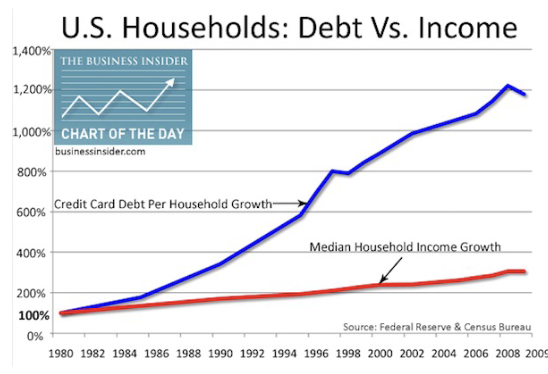
Eg. What effect does the name “Credit” card have instead of “Debt” card?
“Credit” card is a softer label > people spend more freely and accumulate higher debts which they wouldn't have if the product was named “debt” card
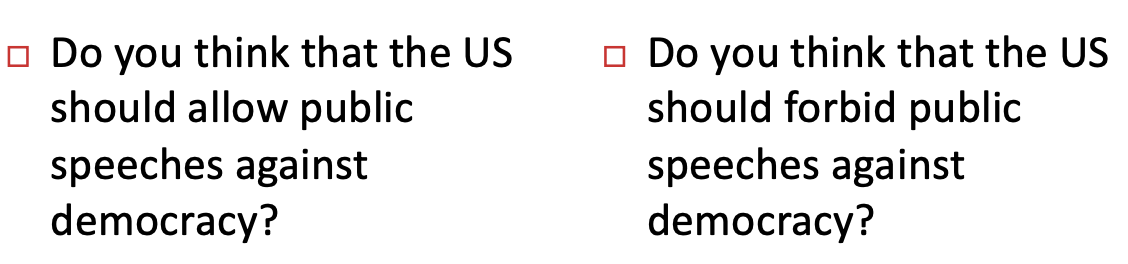
Eg. Opinion polling - how is the way it is phrased affect responses?
“Allow”: More people said no (= not allow)
“Forbid”: Less people said yes (= not allow)
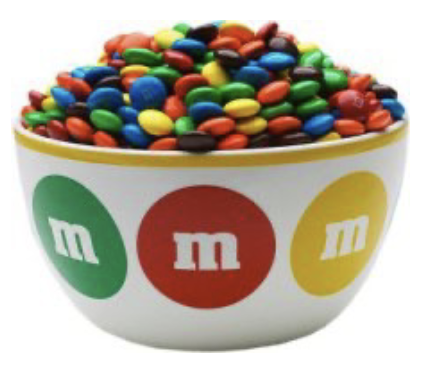
Eg. Food labelling: food packaging (no definition)
What effect does the “low-fat” label on snacks have?
Misleads consumers into
Decreased calorie estimates
Increased perceptions of serving size
Increased calorie intake
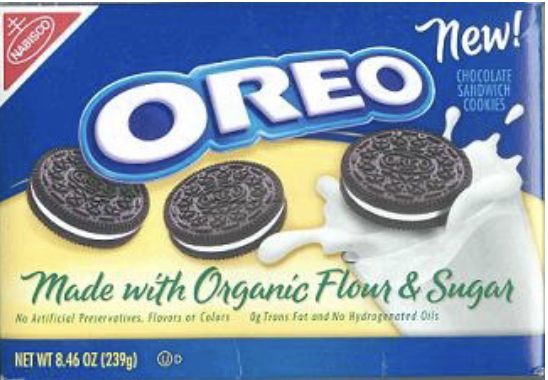
How do people judge oreo cookies “made with organic flour and sugar”?
They are of lower calories than regular oreos, although both contain the same amount of calories
Food labelling: branding (no definition)
How do people judge food from fast food chains that are marketed as ‘healthy’?
That they contain relatively few calories, causing unsuspecting consumers to order higher-calorie meals at eg. Subway (a healthy chain) than McDonalds
How does branding chocolates as “fair trade” create ethical food claims?
It misleads consumers into thinking the chocolate is healthier/contain lower calories, when in fact “fair trade” says nothing about calorie content (about farmers being paid fairly instead)
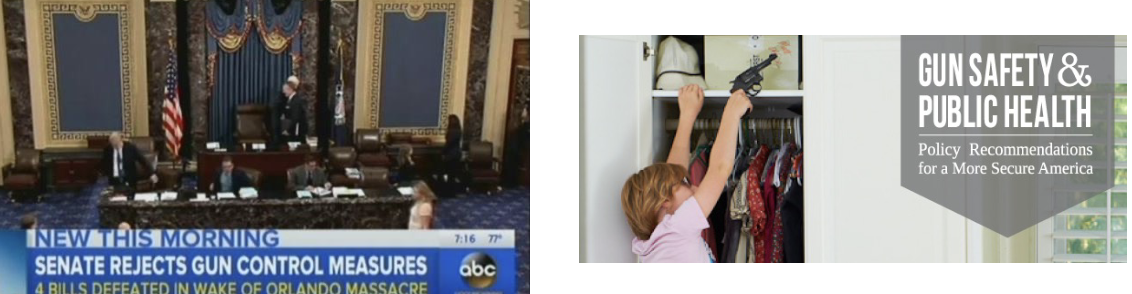
Eg. Policy proposals - how is the way it is phrased affect how people feel?
“Gun control”: feels like a loss/control of rights and freedom → evil policy
“Gun safety & public health”: feels protective, reasonable → policy out of goodwill
What is the best framing to prevent littering?
“Keep our streets clean” > “anti-littering fine”
Eg. Eyewitness testimony - when cars were described as “hitting” vs “smashing” each other, what effect does it have on participants responses on whether they saw any broken glass?
“Smash”: higher % of yesses
“Hit”: lower % of yesses
What does this say about labelling and the effect on memory?
It can create false memories
How is concept accessibility (how easily a concept comes to mind) increased/enhanced?
Through exposure to a related label
What do people often base their opinions on?
Accessible concepts, and without conscious deliberation
Based on that, what do consumer preferences tend to reflect?
Considerations that comes to their minds immediately when a question is posed
How does framing/labelling play a part in this?
It determines WHICH related ideas come to mind which then activates mental associations (consciously or not)
Eg. “Doctor” > hospital, nurse
Why do alternative labels lead to different preferences for the same idea/service/product?
Alternative labels evoke different (accessible) considerations, which lead to different preferences
What is a Schema?
A cognitive framework that
Organises and make sense of the world and
Fills in the gaps in our knowledge
What are schemas helpful for?
Help us reduce ambiguity when we encounter information that can have multiple interpretations
What does Accessibility mean?
The extent to which schemas and concepts are at the forefront of people’s minds and and are therefore likely to be used to make judgements
What is (semantic) Priming?
The process by which recent experiences increase the accessibility of a schema, trait or concept
What are the 3 possible reasons as to why something can become accessible?
Past experience (making some schemas chronically accessible)
Recent experiences (making some schemas temporarily accessible)
It is related to a current goal
Going back to the car incident eyewitness example, why was there higher % of yesses for respondents who were asked with “smashed”?
It activated schemas with more violent connotations
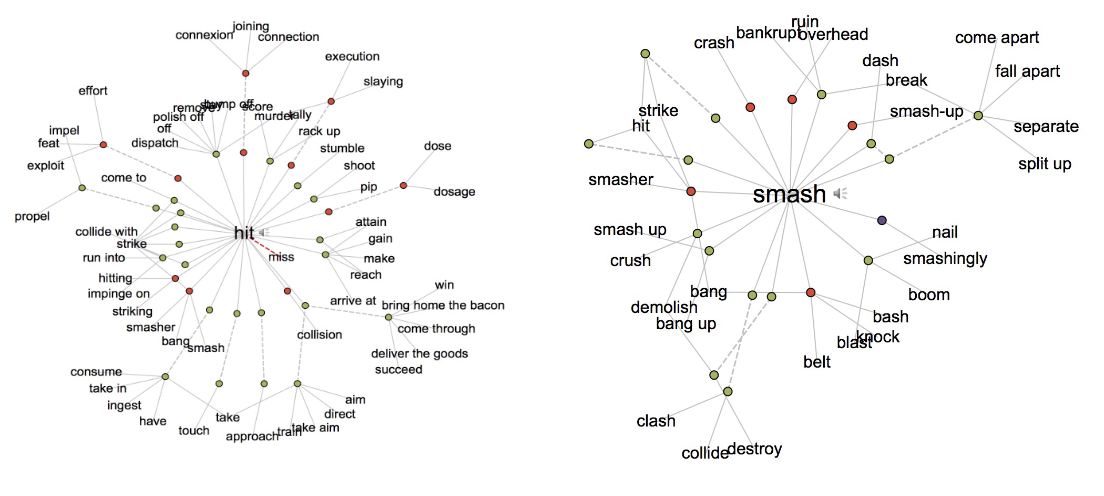
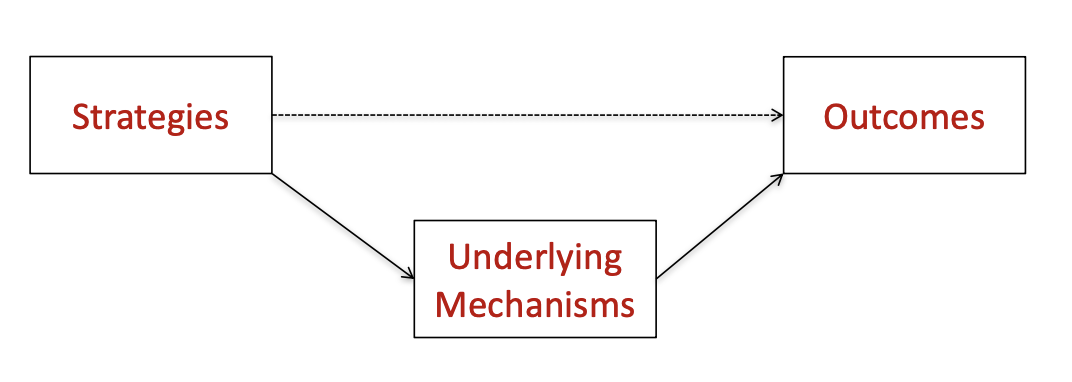
How is this applied to this framework?
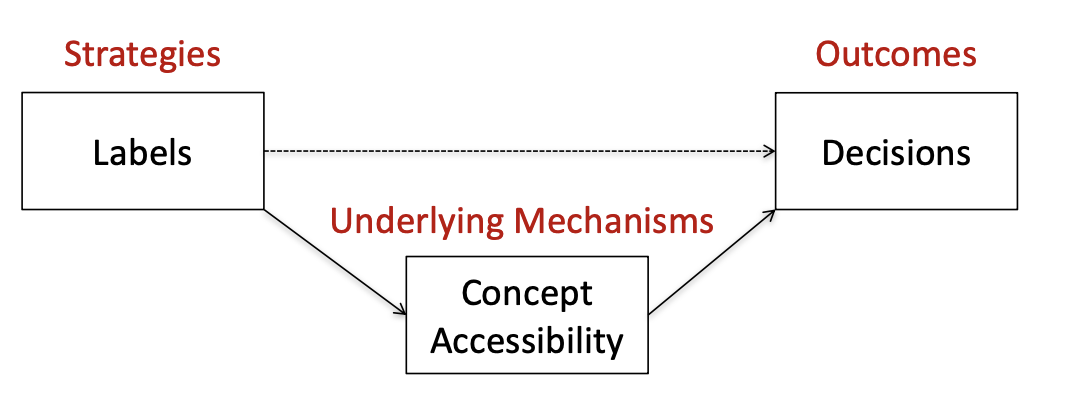
After concepts have been made accessible, what is a condition that influence individuals’ judgements about a target?
Concept applicability; their relevance to the target
What does this say about the labelling effect?
It is contingent on, or at least vary in strength in response to how people see the relevance of the accessible concepts
Under what context will these effects differ?
Across consumer groups that have different values and beliefs about the accessible concepts
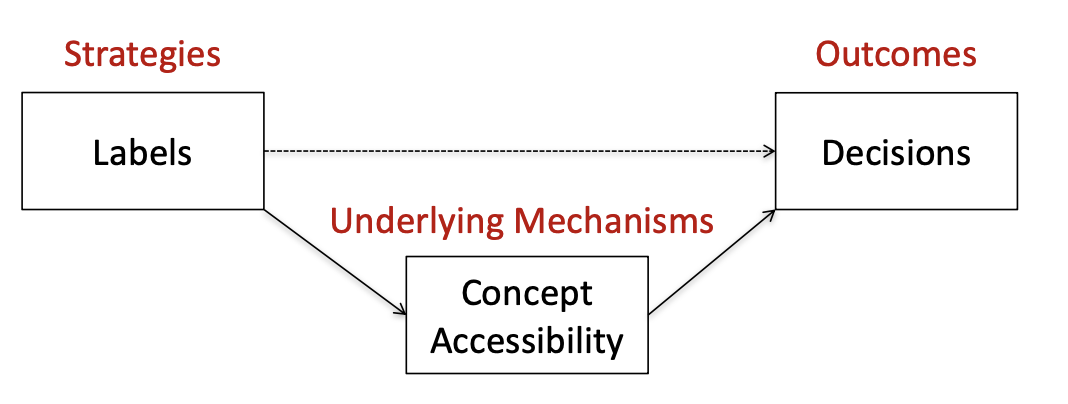
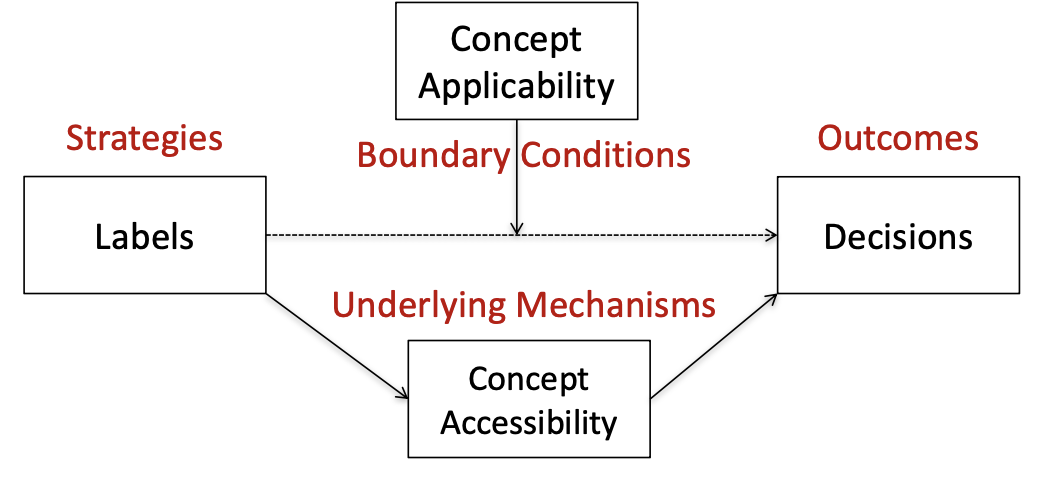
How does concept applicability fit into this model?
As the boundary condition
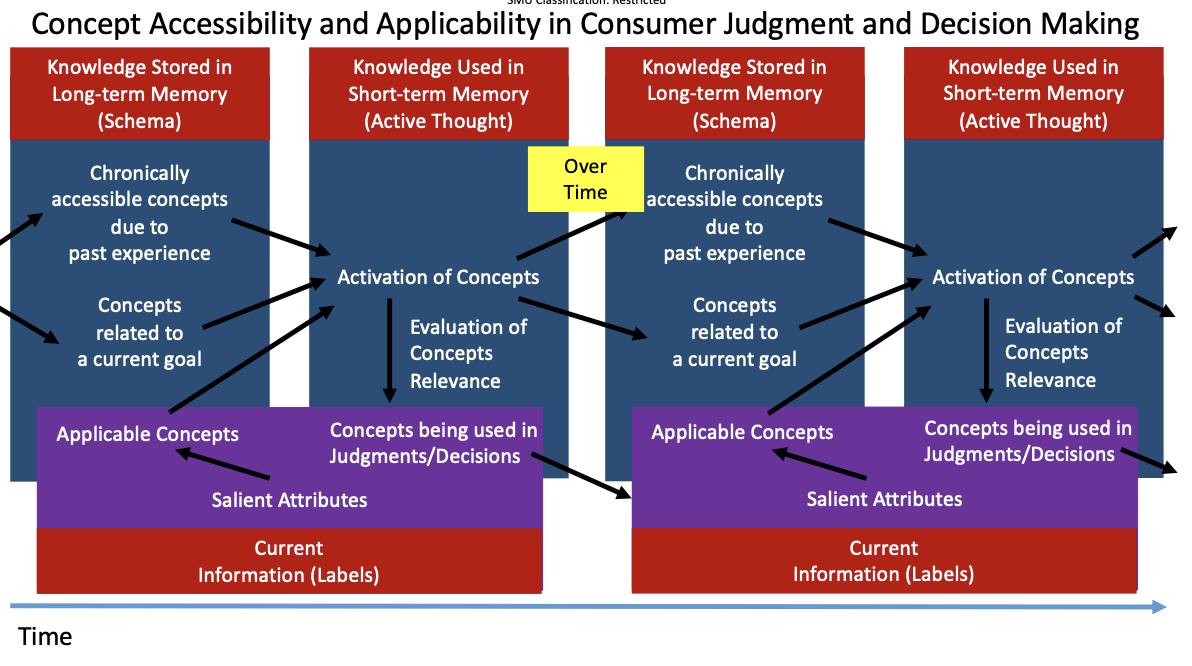
What does this framework illustrate?
How a label triggers a chain reaction in our brains that ultimately shape our judgements and decisions
What are the 2 sources of knowledge that shape consumer judgement and decision making?
Knowledge stored in LT memory (schema)
Knowledge used in ST memory (active thought)
What happens over time?
Repeated label exposure shifts concepts from ST active thought into LT schema
What does the arrows at the sides imply?
The process repeats itself, and becomes automatic and unconscious
What is the difference between persuasion and pre-suasion?
Persuasion: directing people’s minds to the content
Pre-suasion: directing people’s minds to the moment before they experience the content (what is said immediately before the persuasion message)
Application of pre-suasion: what can influence voters’ decisions (attitudes & behaviour)?
The polling location, serving as contextual primes
What is an example of this?
Individuals voting in Arizona schools were more likely to support a ballot measure that increased the state’s sale tax to finance education
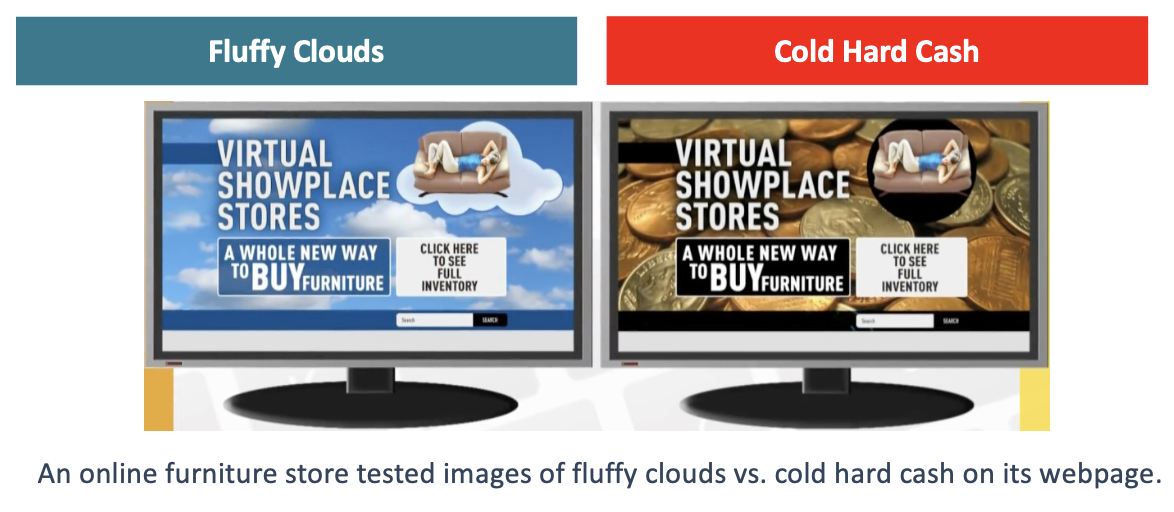
What effect does a difference in webpage design have on user behaviour?
Fluffy clouds: searched for more comfortable furniture
Cold hard cash: became cost-conscious and preferred less expensive furniture
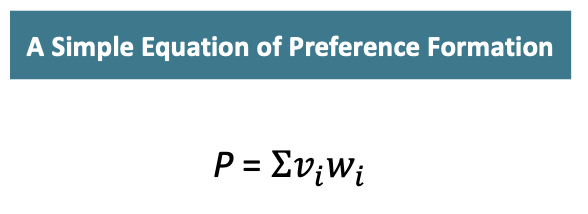
What does this equation imply about the two possible ways to change preference formation (P)
Change the individual’s beliefs or cognitions about the item (traditional persuasion)
Change how the individual weighs that information (PRE-suasion)
What is the ultimate goal of framing, labelling, and advertising?
It’s not to change the product, but to shift which attributes individuals weight more heavily on (eg. cost > comfort)
Reading notes
What is a problem with social labels?
They can be misleading by reinforcing biases and overlooking diversity within categories
What impact can labels have in educational settings?
Impact educational outcomes and expectations, influencing student performance positively OR negatively
How does the “global warming” label make temperature fluctuations feel more relevant (VS “climate change”)
It increases applicability to the existence of the threat than “climate change” label does
Explore top notes

