Western Europe: History, Geography, and Cultural Diffusion
 Studied by 0 people
 Call with Kai
 Learn
Learn Practice Test
 Spaced Repetition
 Match
Match Flashcards
 Knowt Play
1/28

There's no tags or description
Looks like no tags are added yet.
Name | Mastery | Learn | Test | Matching | Spaced | Call with Kai |
|---|
No study sessions yet.
29 Terms
What is cultural diffusion?
The process by which people adopt the practices of their neighbors.
What significant period of revival occurred in Europe during the 14th to 16th centuries?
The Renaissance.
When did farming spread into Europe?
Around 5400 BC.
What major civilizations spread through Western Europe until AD 500?
Greek and Roman civilizations.
What technological advancements occurred during the Renaissance?
Advancements in science and technology that enabled exploration and colonization.
What was the impact of colonies in Africa, Asia, and the Americas on European nations?
They provided great riches for European kings and merchants.
What movement questioned the power of the Roman Catholic Church?
The Protestant Reformation.
What does the Industrial Revolution refer to?
The shift from human power to machine power.
What were the main characteristics of the Industrial Revolution in the 1700s?
Growing use of machines and extension of rights to more citizens.
Where did industrialization begin?
In England.
What climate covers much of Western Europe?
Marine West Coast climate.
What are prevailing westerlies?
Constant flow of air from West to East in the temperate zones of Earth.
What is the significance of the Euro?
It is the currency used by member nations of the European Union.
What was the European Union originally formed as?
A common market for mutual economic benefit.
What is compulsory education?
Education that is required by law.
What is the age range for compulsory education in Finland?
From 7 to 16 years old.
What is the University of Bologna known for?
Being possibly the world's only university, established over 900 years ago.
What is the primary economic activity in Western Europe post-Industrial Revolution?
Manufacturing and trade.
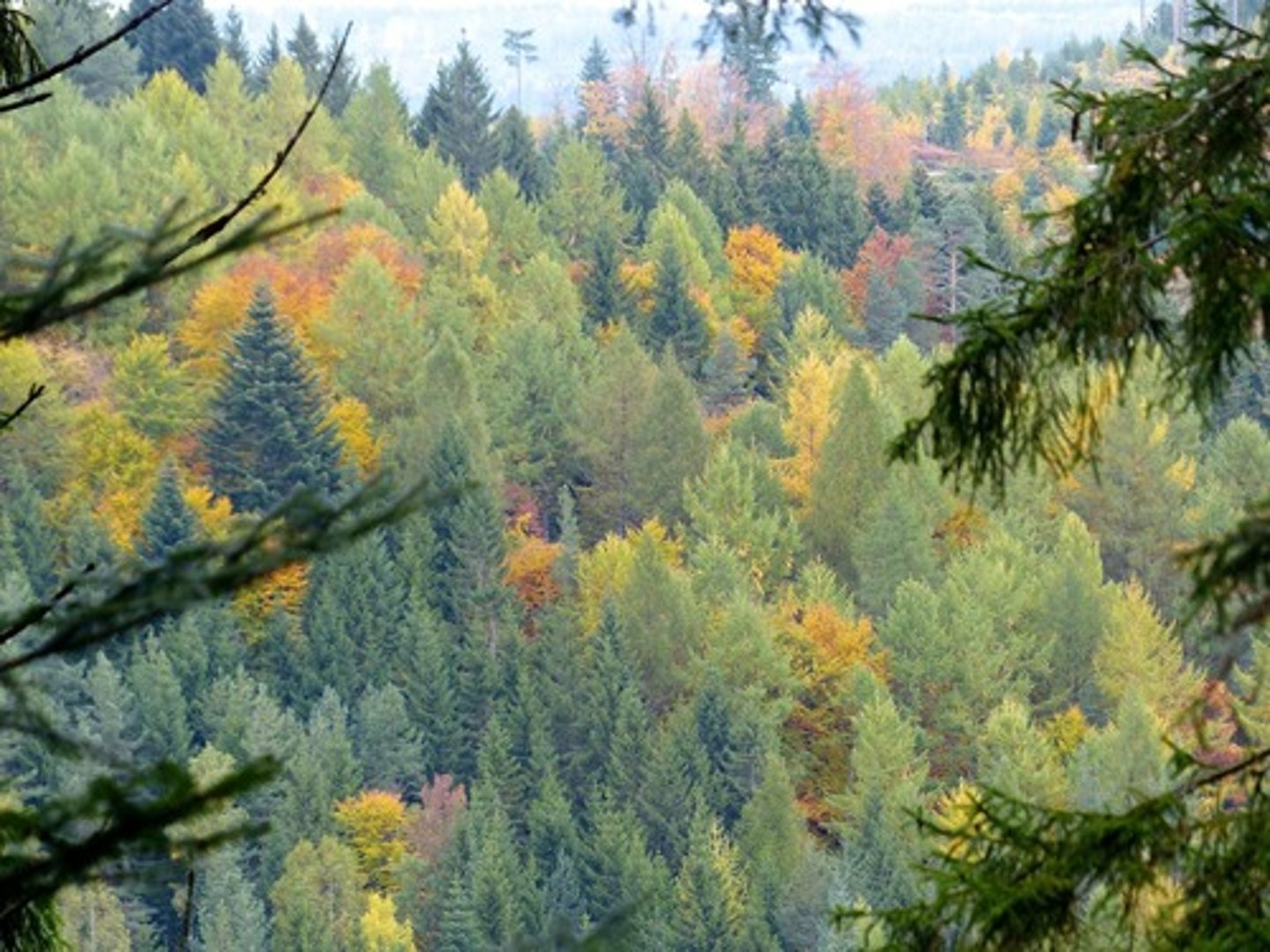
What type of forest extends over much of Western Europe?
Mid-latitude deciduous forest.
What is reforestation?
The process of planting trees to restore forests that have been cleared.
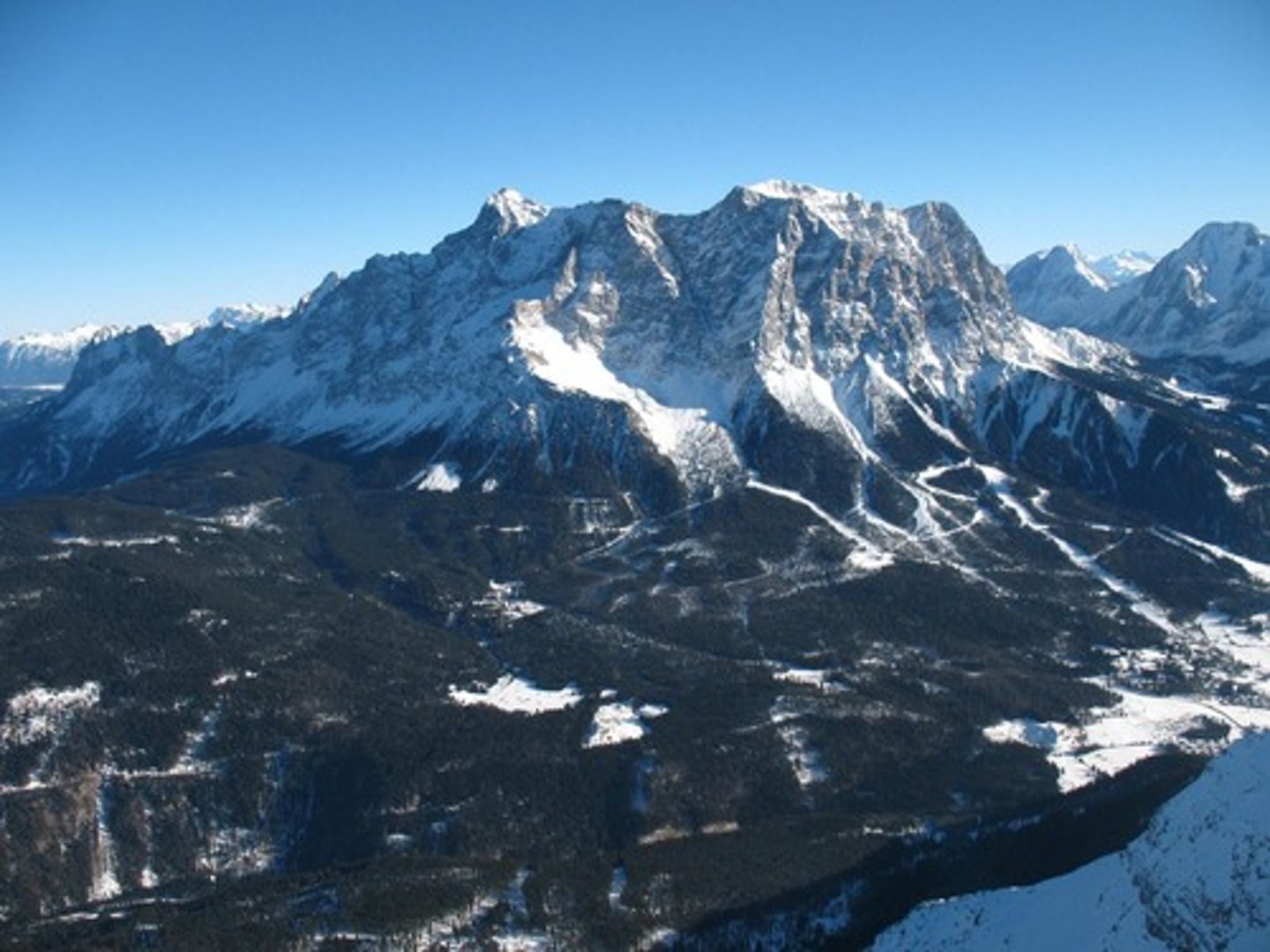
What geographical feature runs through Austria, Italy, Switzerland, Germany, and France?
The summits of the Alps.
What is the climate like in Southern Europe?
Mediterranean climate with warm summers and cool winters.
What is the primary educational structure in Western Europe?
Free primary and secondary education.
What is the significance of the North Atlantic Drift?
It carries tropical waters towards Europe, influencing climate.
What is the effect of altitude on ecosystems in the Alps?
Altitude affects vegetation and animal life, with few plants above the tree line.
What are chaparral ecosystems?
Ecosystems that cover much of the land bordering the Mediterranean Sea.
What is the economic impact of the European Union on member nations?
It allows for shared economic benefits and a common currency.
What historical event led to the questioning of the Roman Catholic Church's power?
The Protestant Reformation.
What is the significance of coastal erosion in Western Europe?
It affects coastlines due to waves crashing into the shore.
 Note
Note  Flashcards (26)