minoan final
 Studied by 0 people
 Call with Kai
 Learn
Learn Practice Test
 Spaced Repetition
 Match
Match Flashcards
 Knowt Play
1/84

There's no tags or description
Looks like no tags are added yet.
Name | Mastery | Learn | Test | Matching | Spaced | Call with Kai |
|---|
No study sessions yet.
85 Terms
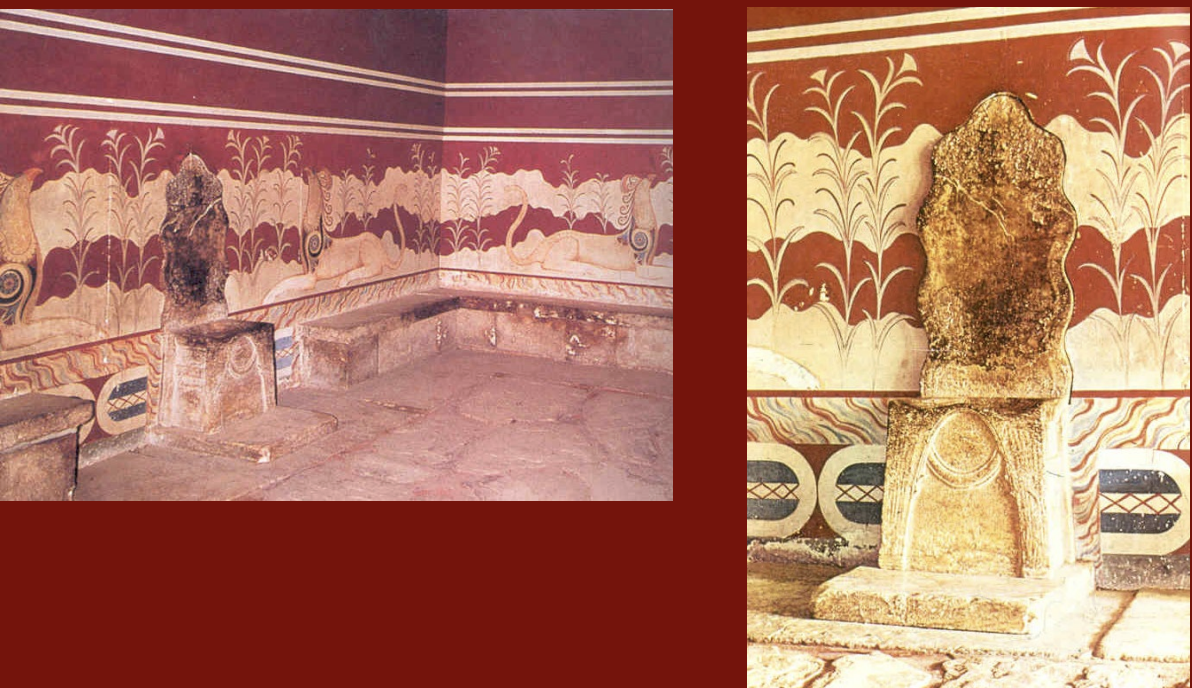
throne room, knossos, second palace period (1725/1700-1380/75 BC)
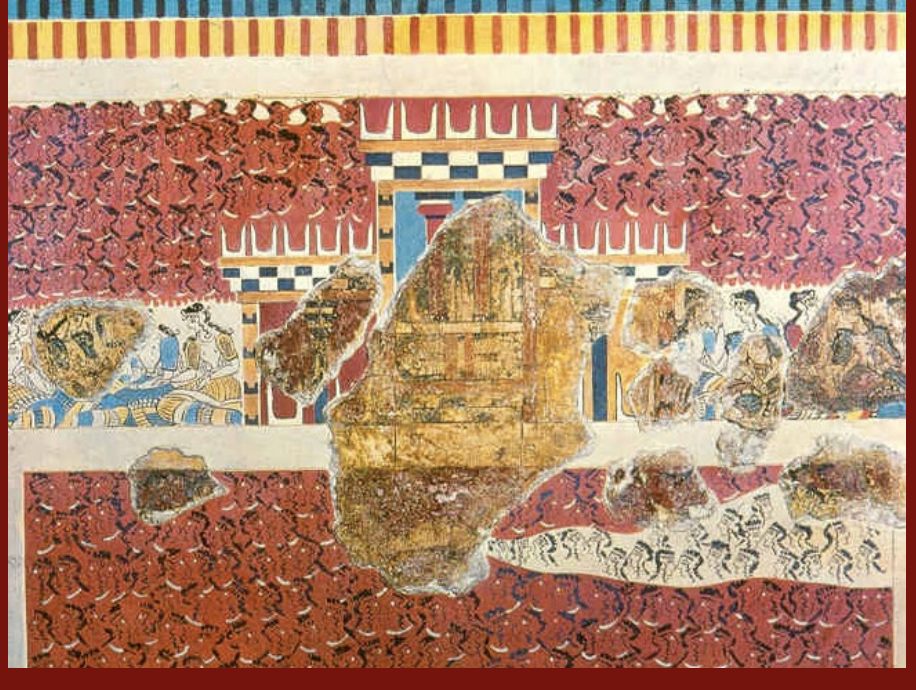
grandstand fresco, knossos, second palace period (after 1600 BC)
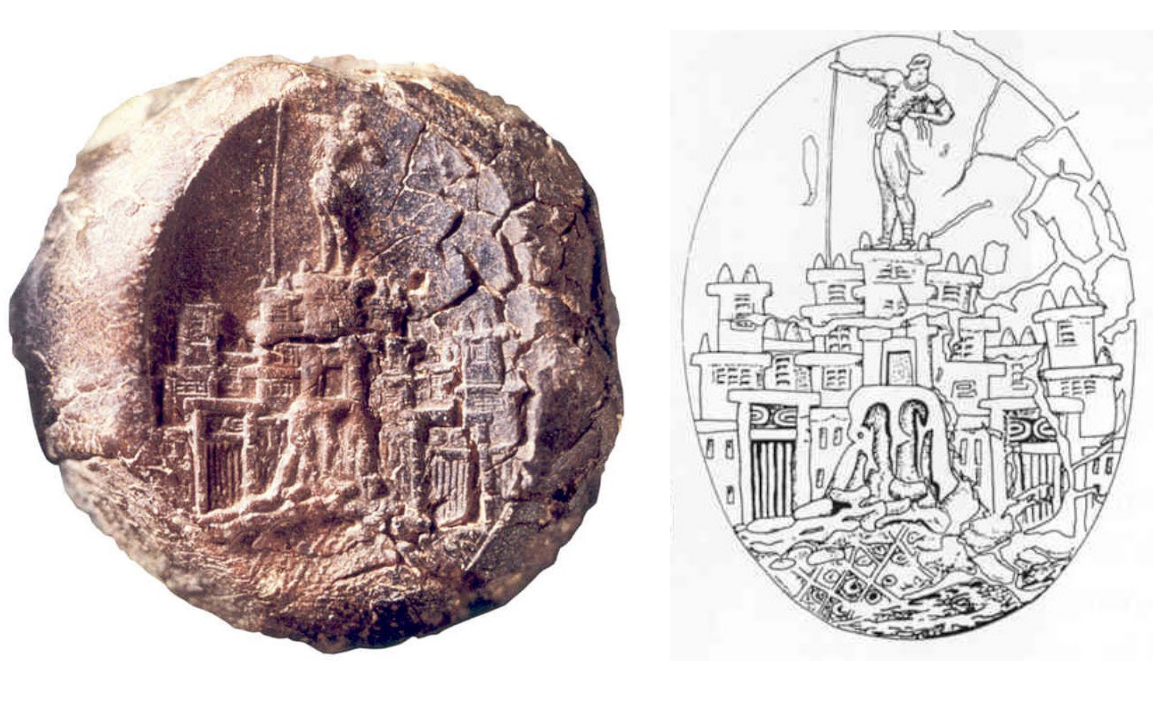
Master impression sealing, Chania, LM I-II (1550-1450 BC)
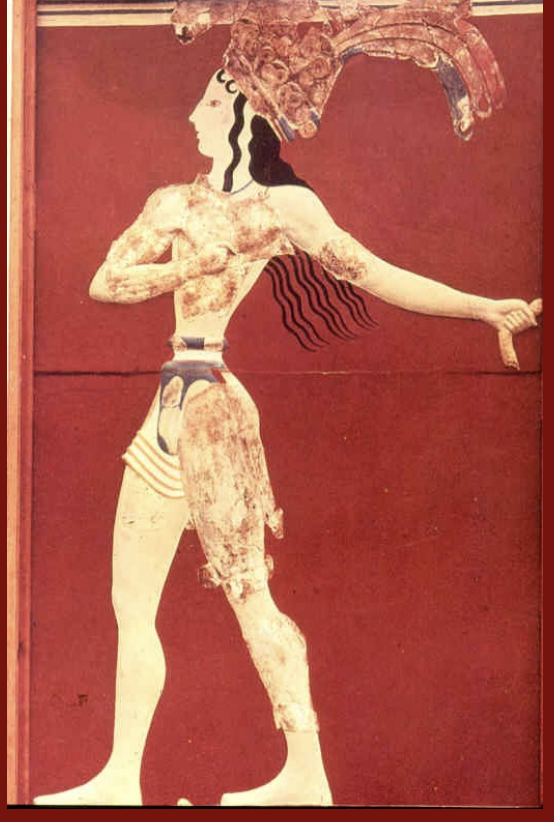
priest-king fresco, knossos, second palace period (1725/1700-1380/75 BC)
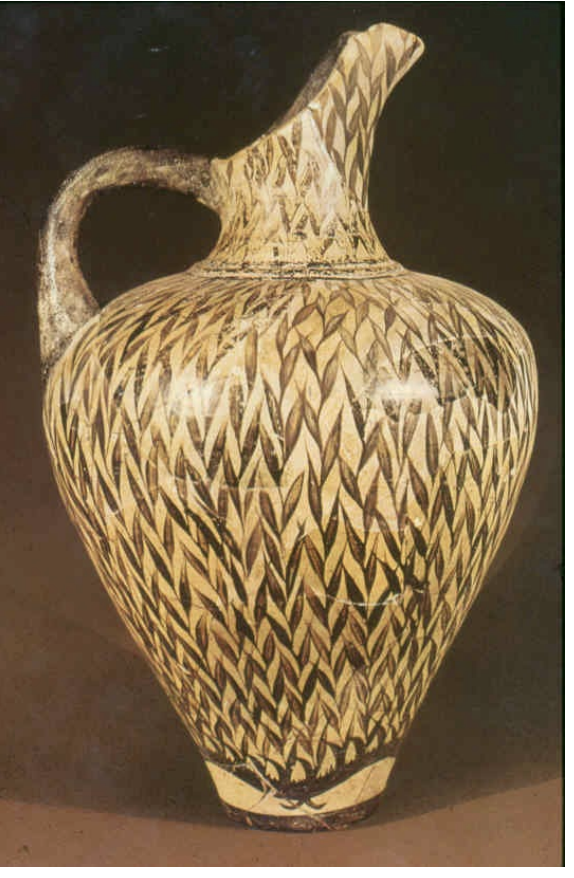
floral-style jug, phaistos, LM IA (1550-1500 BC)
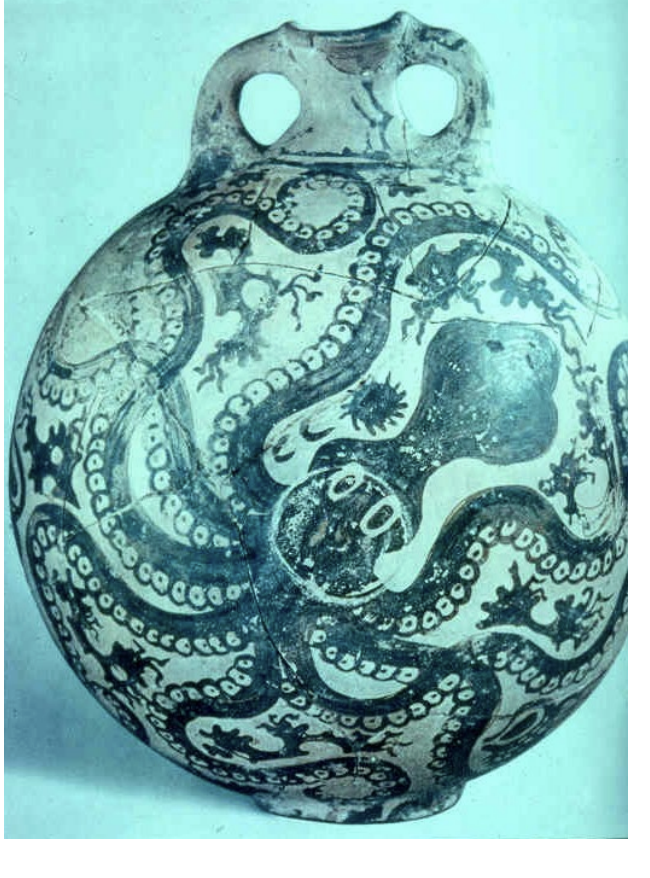
Marine-style stirrup jar, Gournia, LM IB (1500-1450 BC)
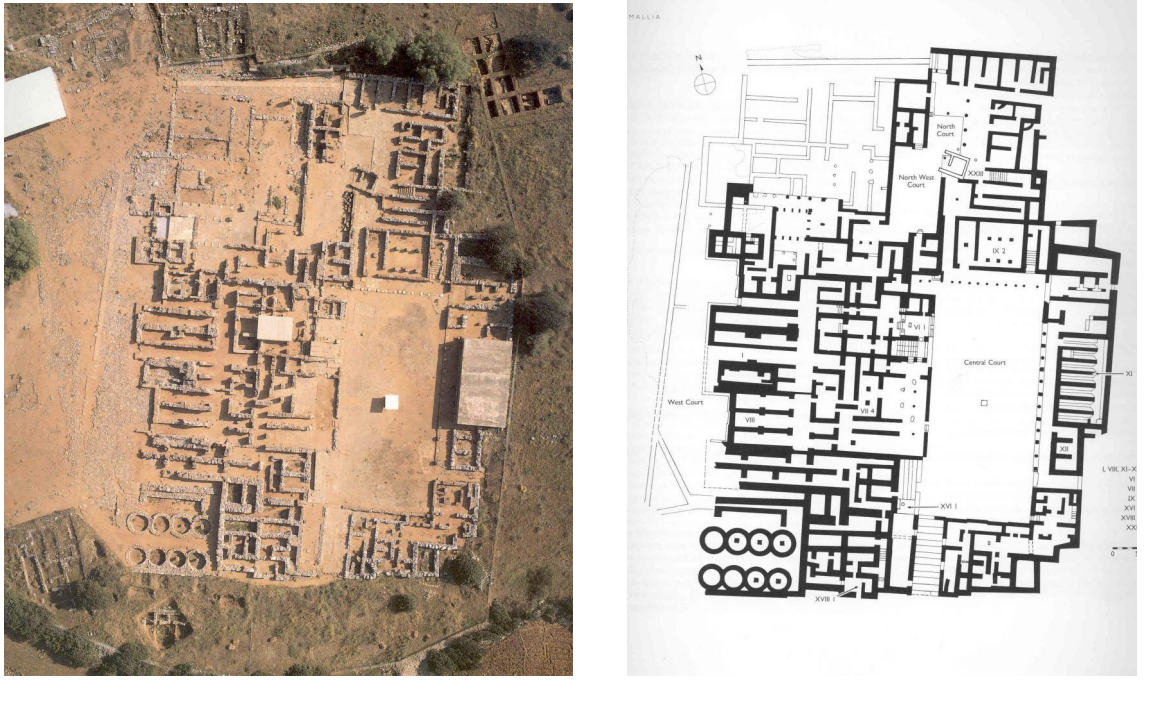
Mallia, second palace (1725/1700-1380/75 BC)
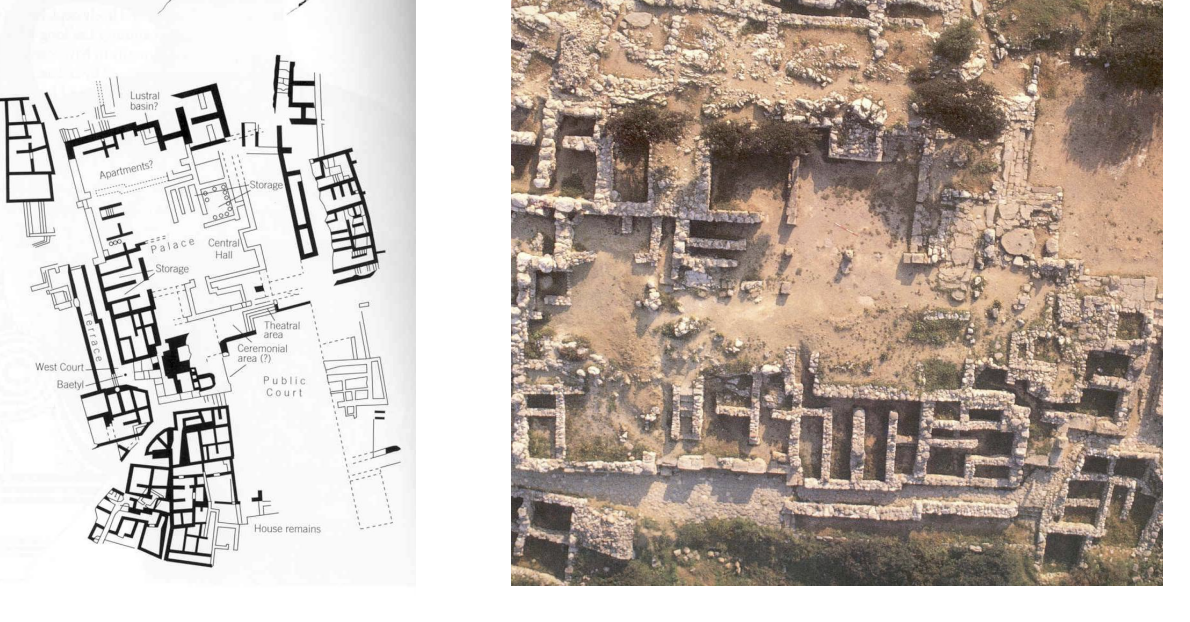
Gournia, second palace period (1725/1700-1380/75 BC)
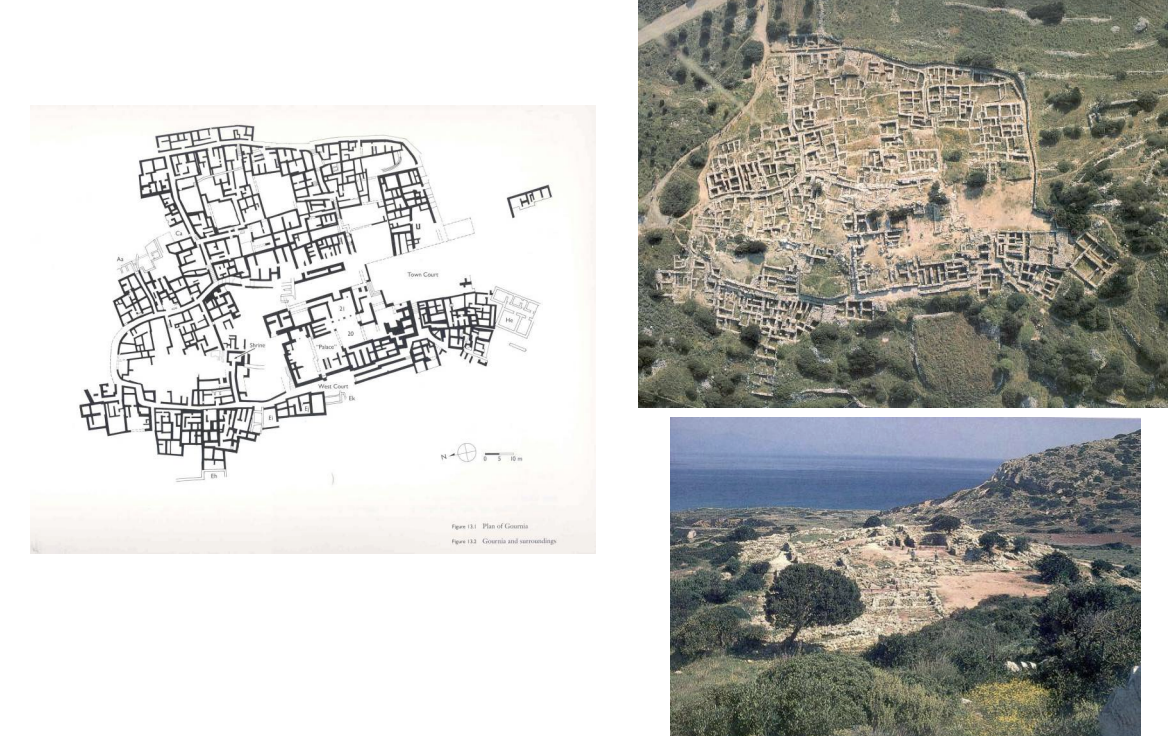
Gournia, LM I (1550-1450 BC)
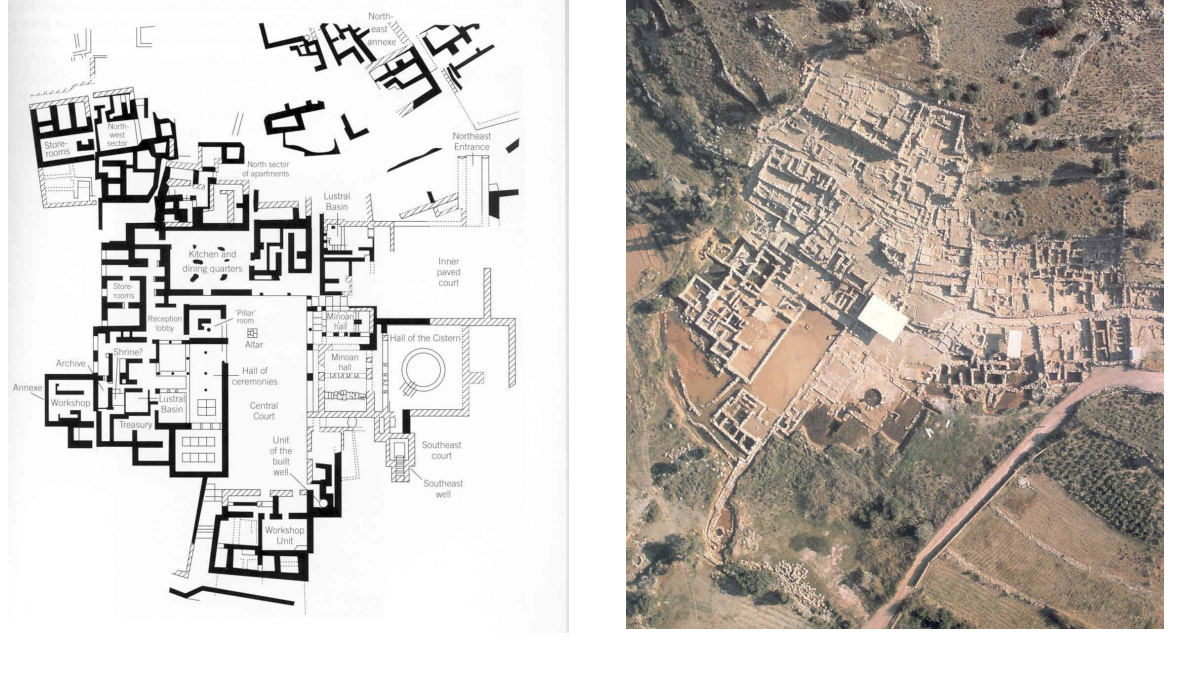
Kato Zakro, Nikolaos Platon, Second Palace period (1725/1700-1380/75 BC)
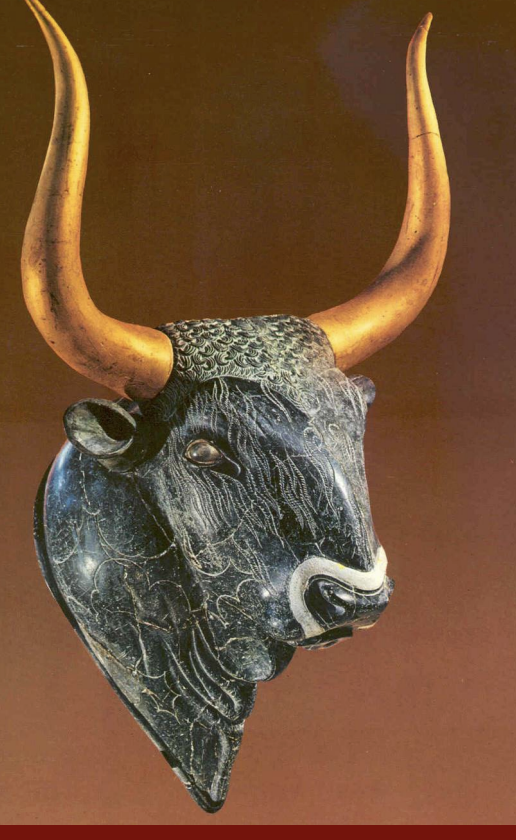
bull’s head rhyton, knossos (1550-1500 BC)
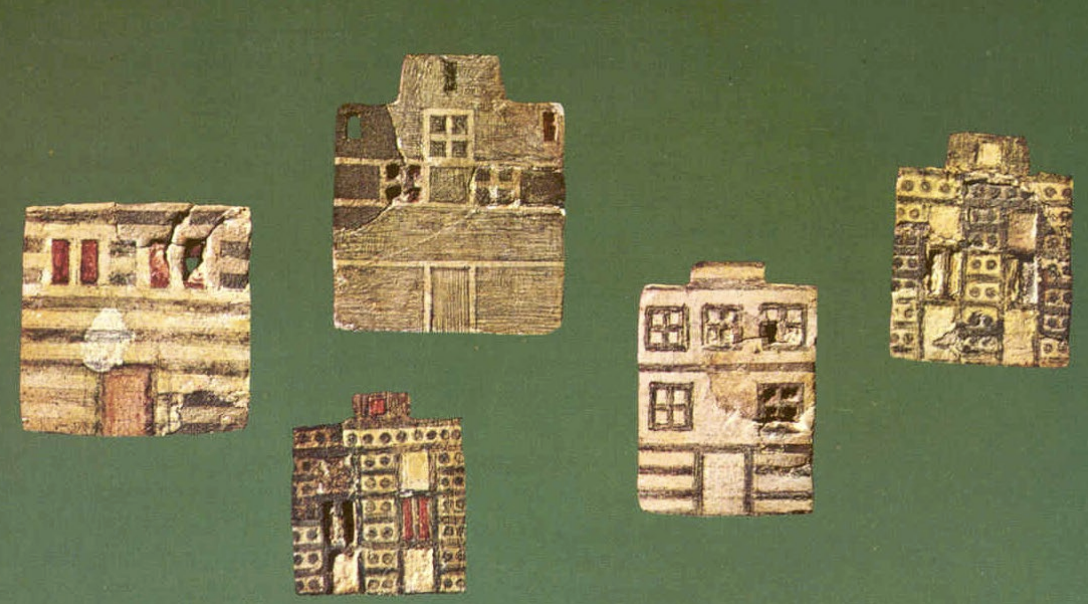
faience plaques showing minoan houses, knossos (15th century)
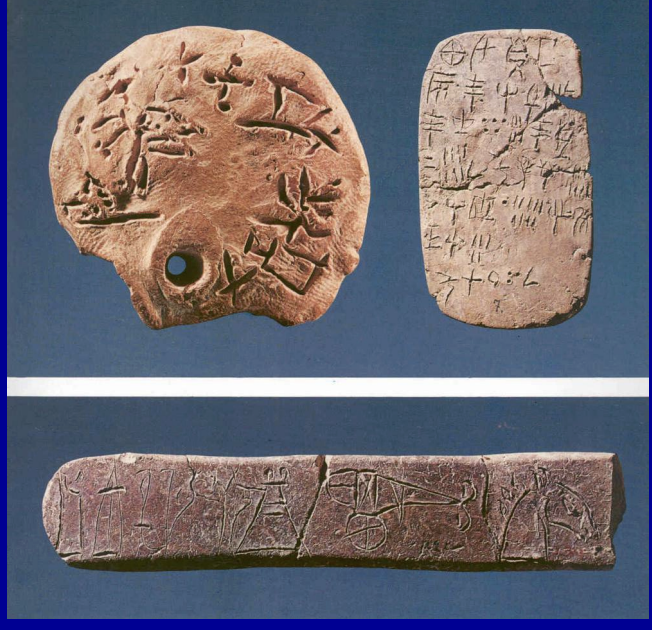
burnt clay tablet, minoan hieroglyphic, linear a, linear b deciphered by michael ventris
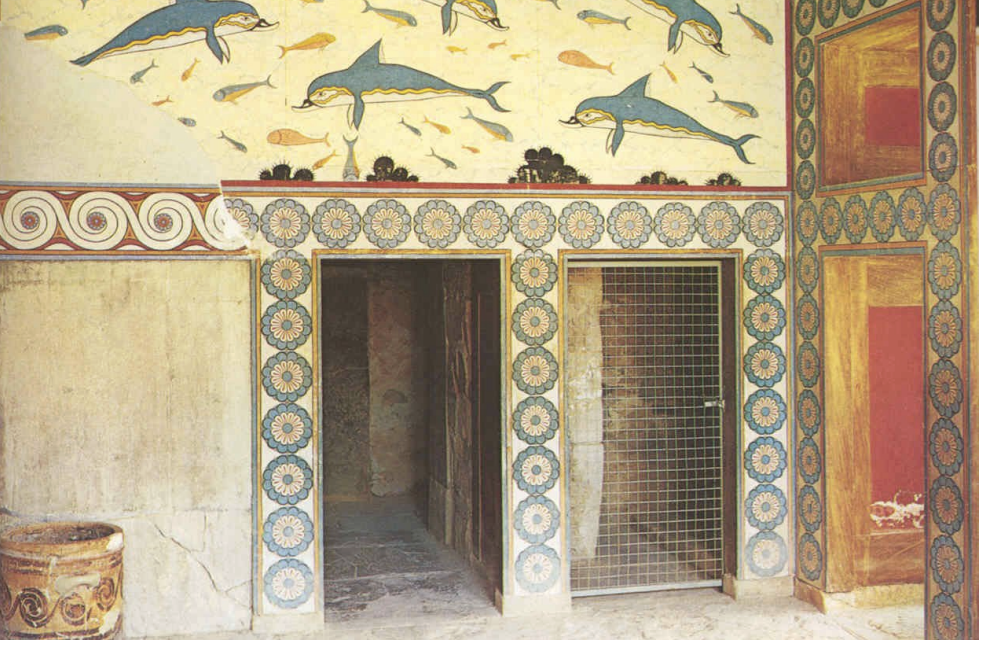
Dolphin fresco, knossos, second palace period (1725/1700-1380/75 BC)
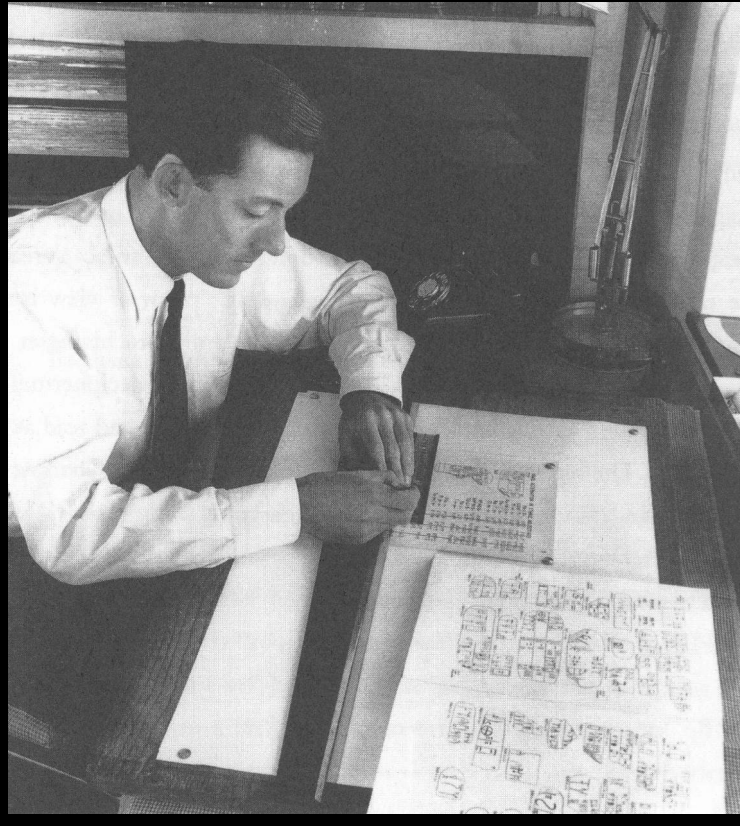
Michael Ventris deciphered linear B, early form of greek (1922-1956)
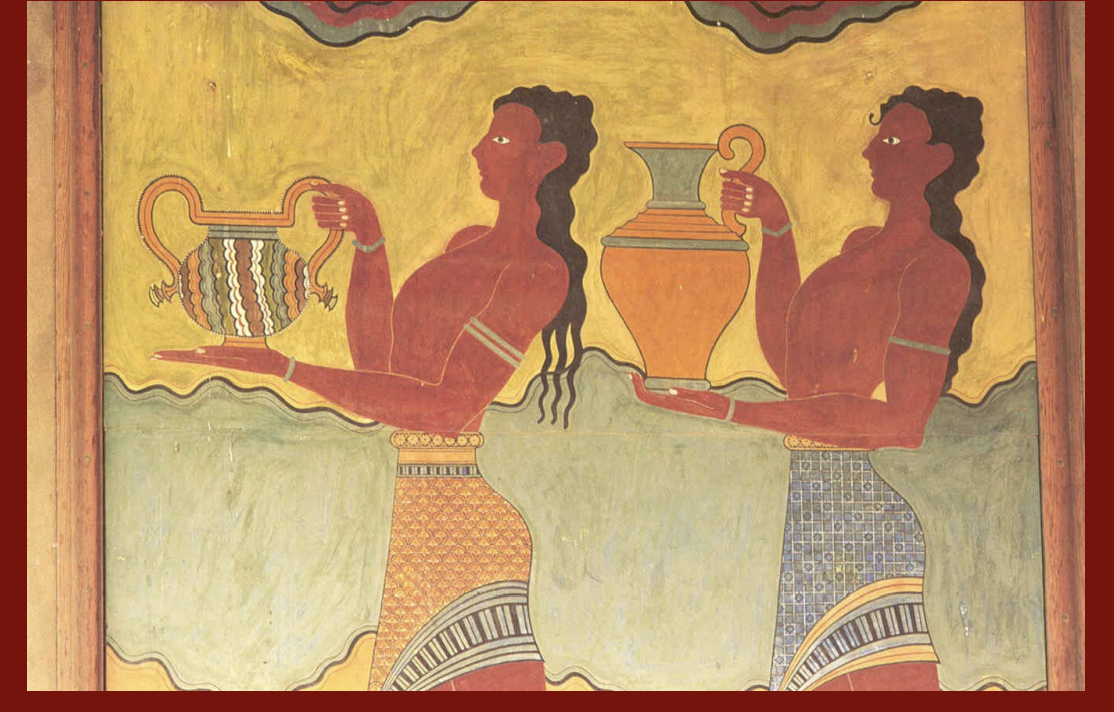
cup-bearer fresco, knossos
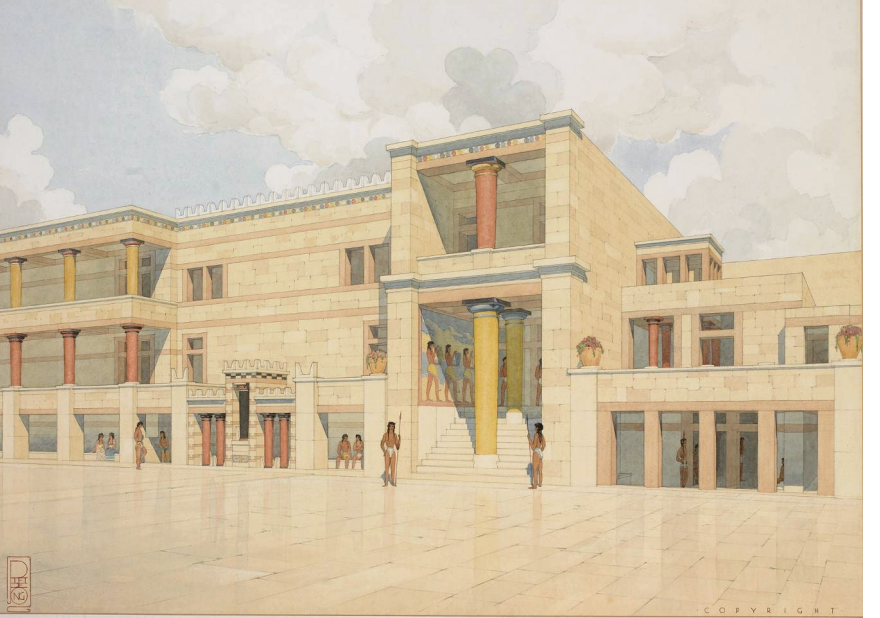
west side of central courtyard, knossos, piet de jong
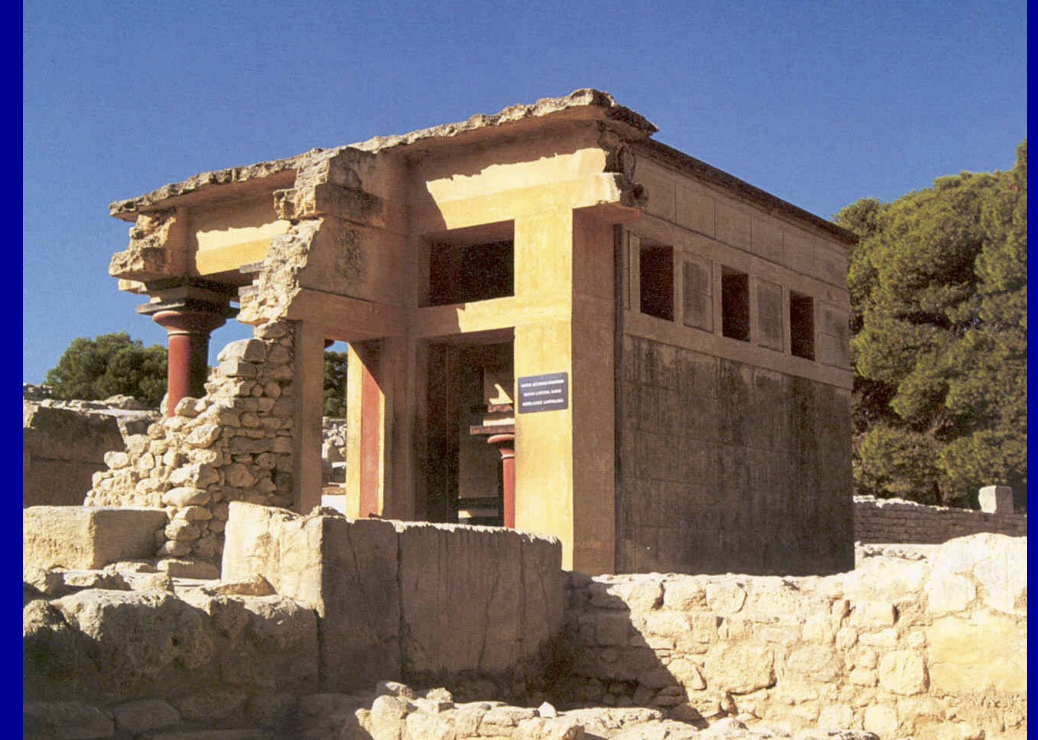
north lustral basin, knossos, second palace period (1725/1700-1380/75 BC)
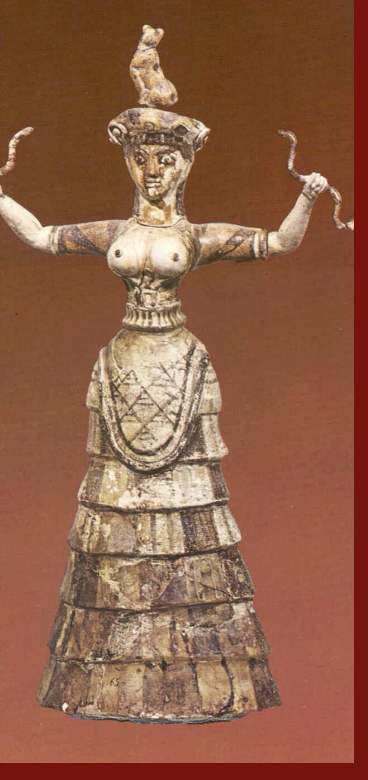
faience statuettes of snake goddesses, knossos (1600 BC)
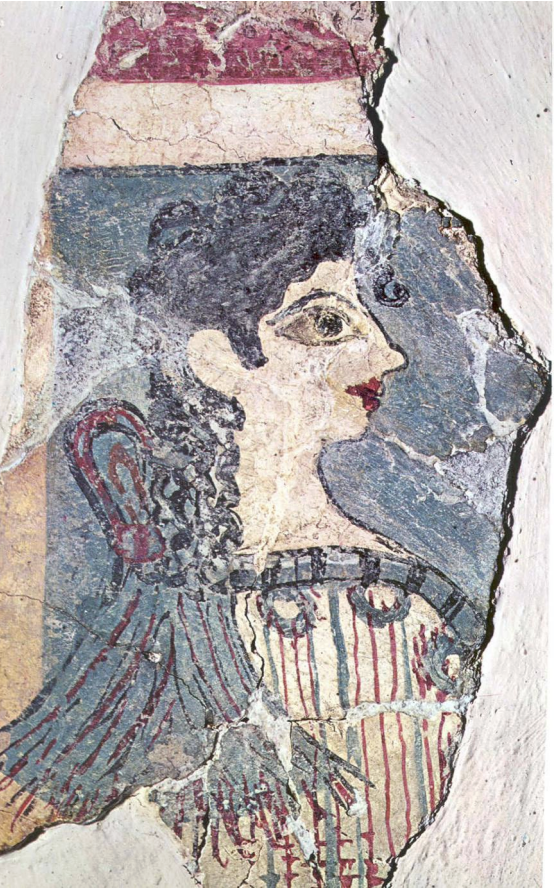
la parisienne, part of camp-stool fresco, knossos (1400 BC)
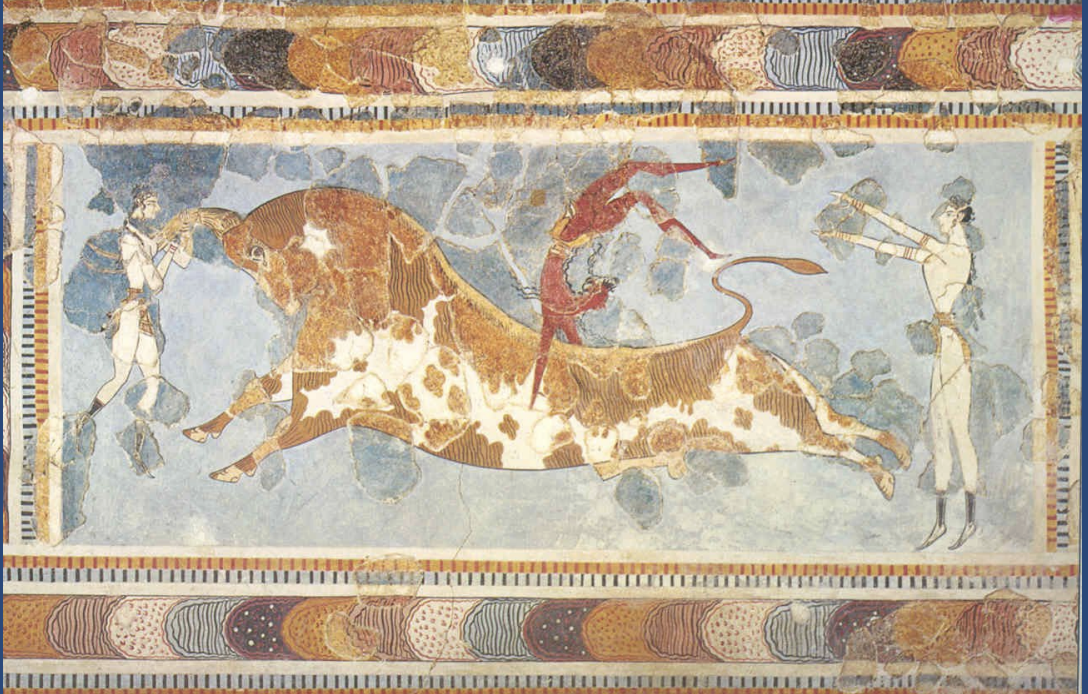
bull-leaping fresco, knossos (15th century BC)
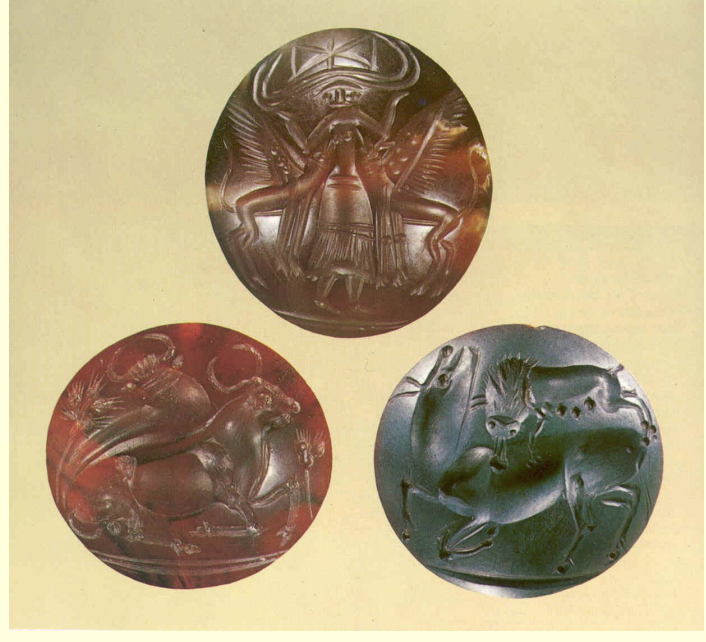
seal stones, knossos, potnia theron, pair of bulls, lioness attacking a bull, second palace period (1725/1700-1380/75 BC)
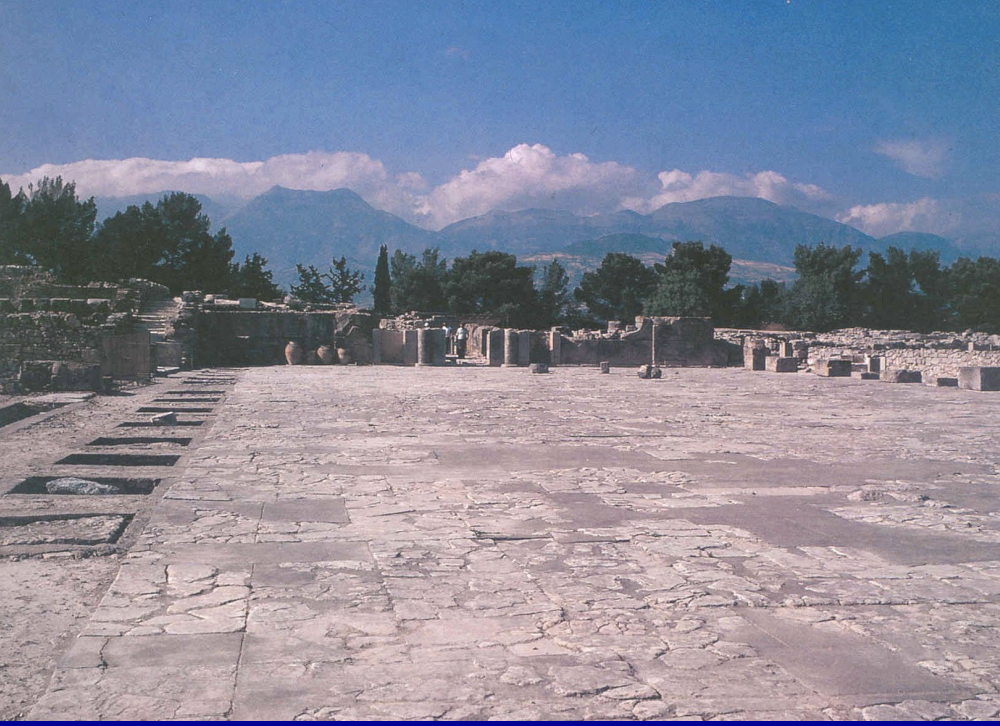
phaistos, central court and north end, looking toward Mt. Ida
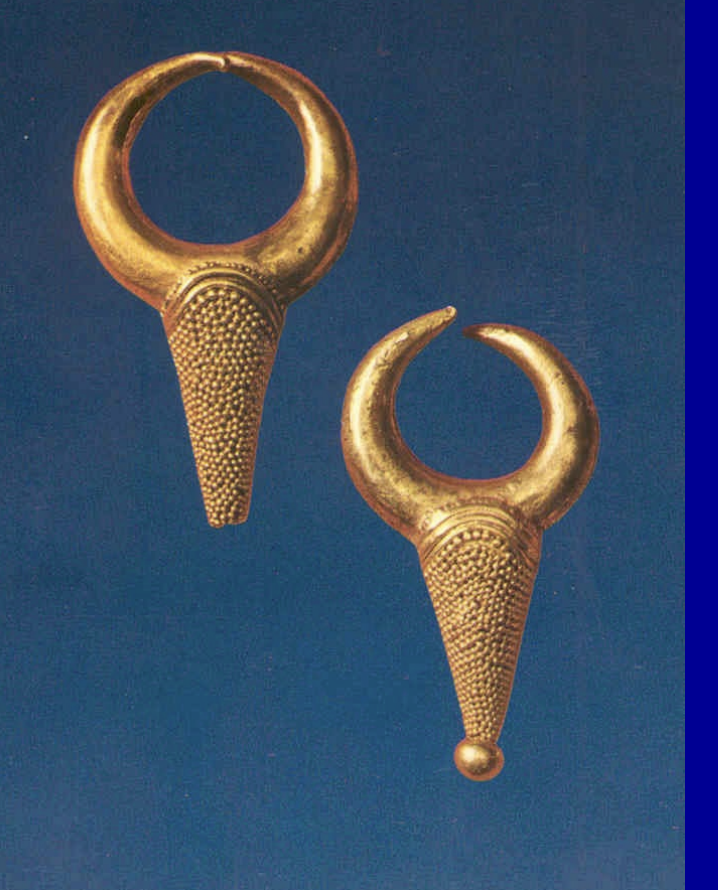
gold earrings from necropolis of Mavro Spelio, near Knossos, granulation (after 1400 BC)
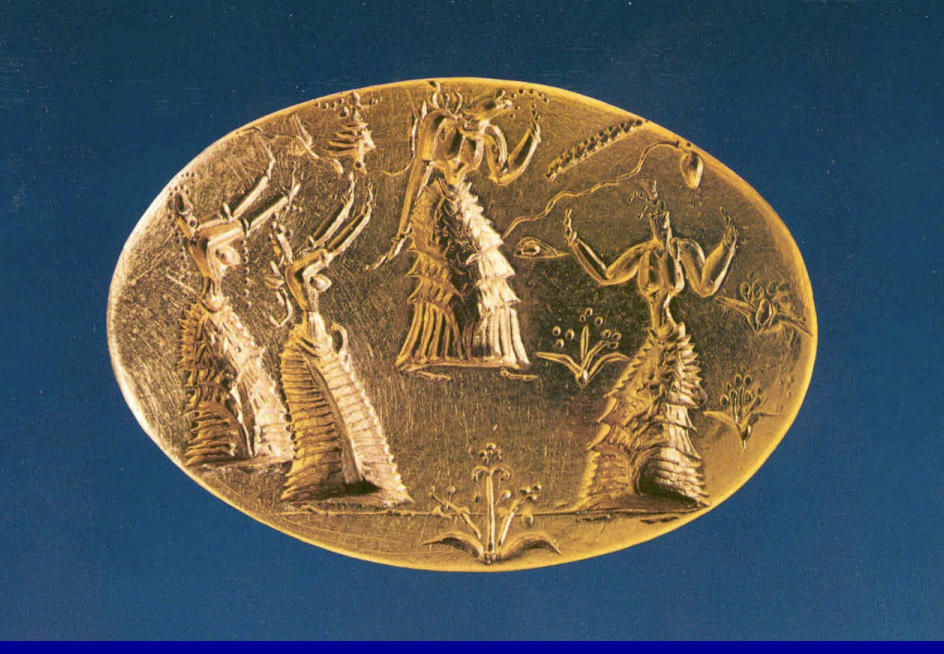
gold signet ring from minoan tomb at isopata, near knossos (1500 BC)
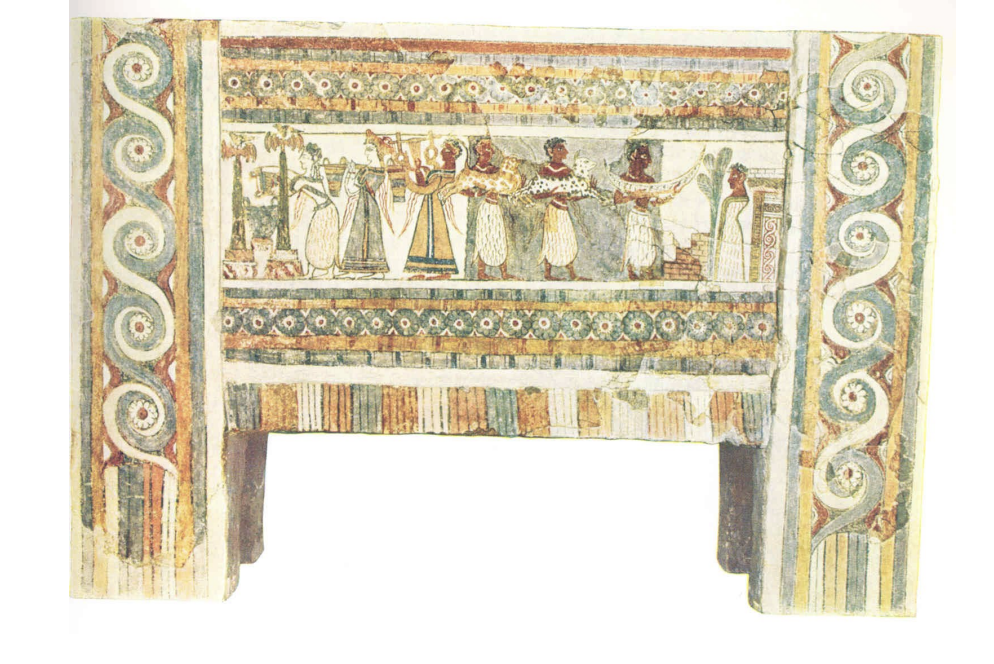
ayia triada sarcophagus, limestone and religious scenes in fresco technique (14th century BC)
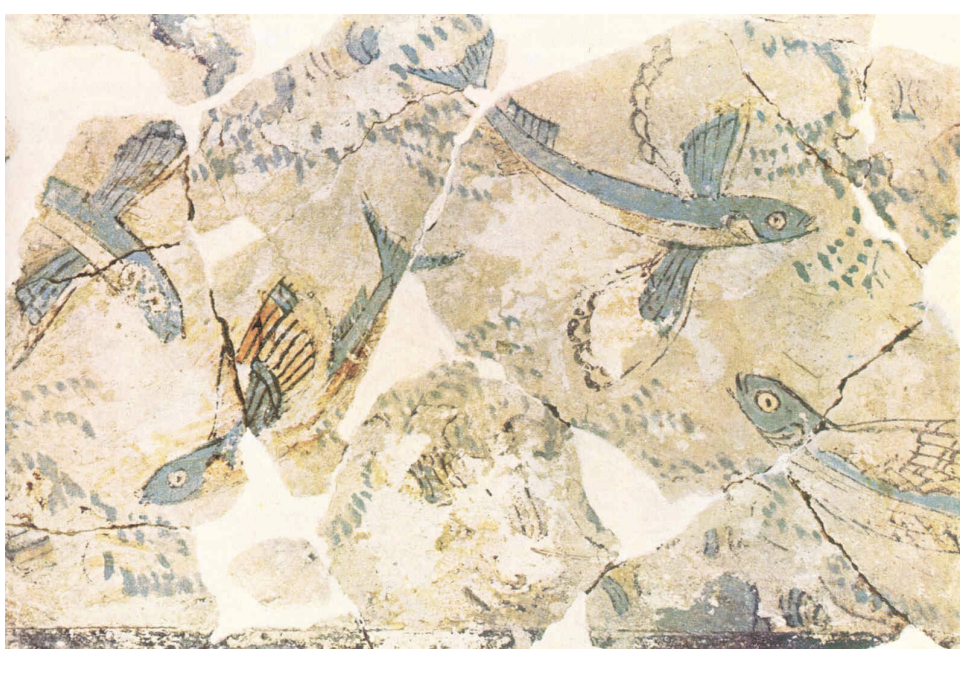
flying fish fresco, Phylakopi, Melos, MC (18th-17th century BC)
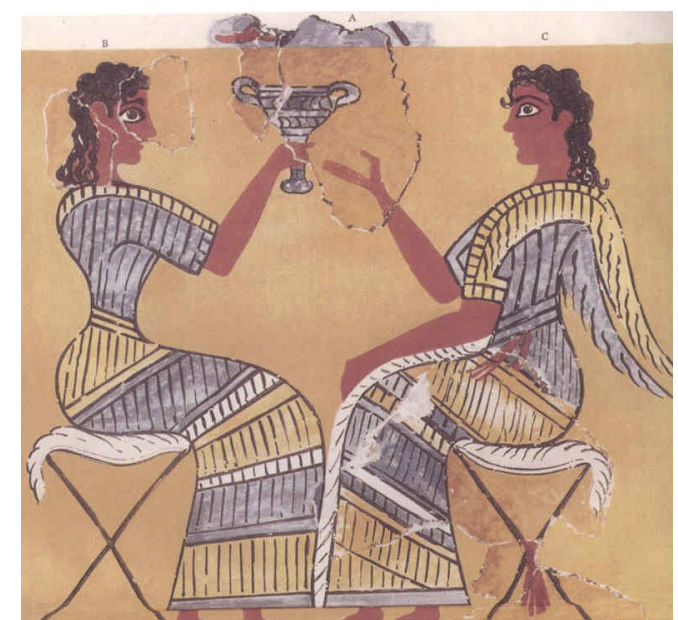
fragments from camp-stool fresco, knossos (1400 BC)
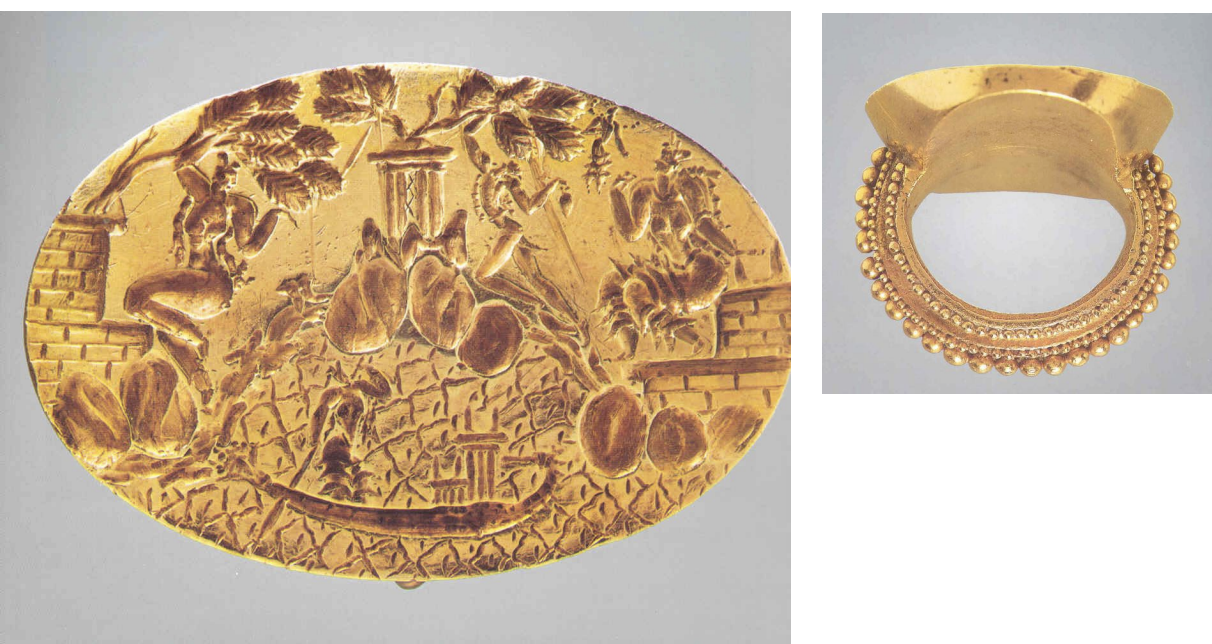
ring of minos, end of new palace period, forgery (1450-1400 BC)
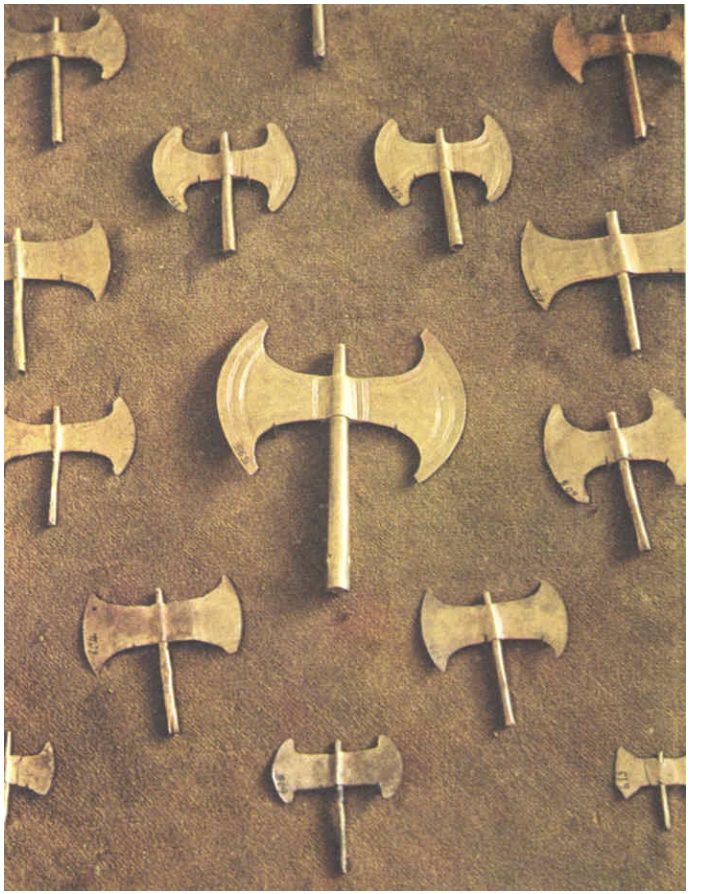
miniature gold votive double axes, Arkalochori Cave, Crete, second palace period (1725/1700-1380/75 BC)
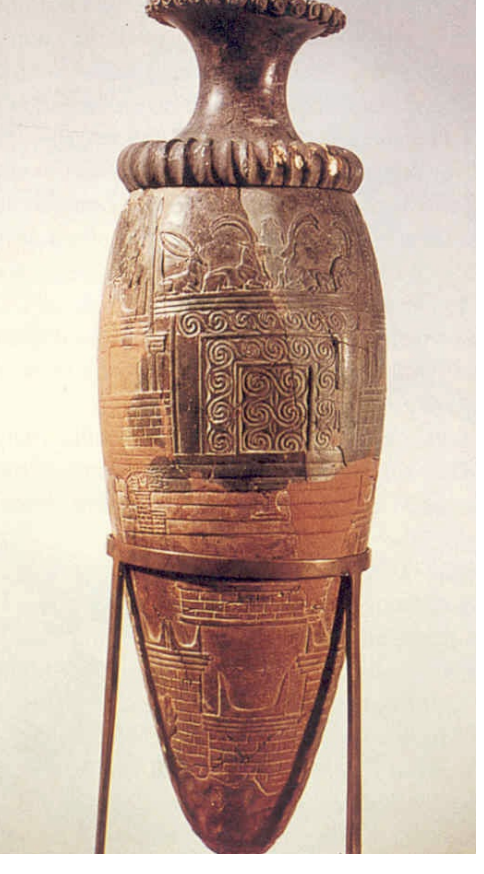
peak sanctuary chlorite rhyton, kato zakro, second palace period (1725/1700-1380/75 BC)
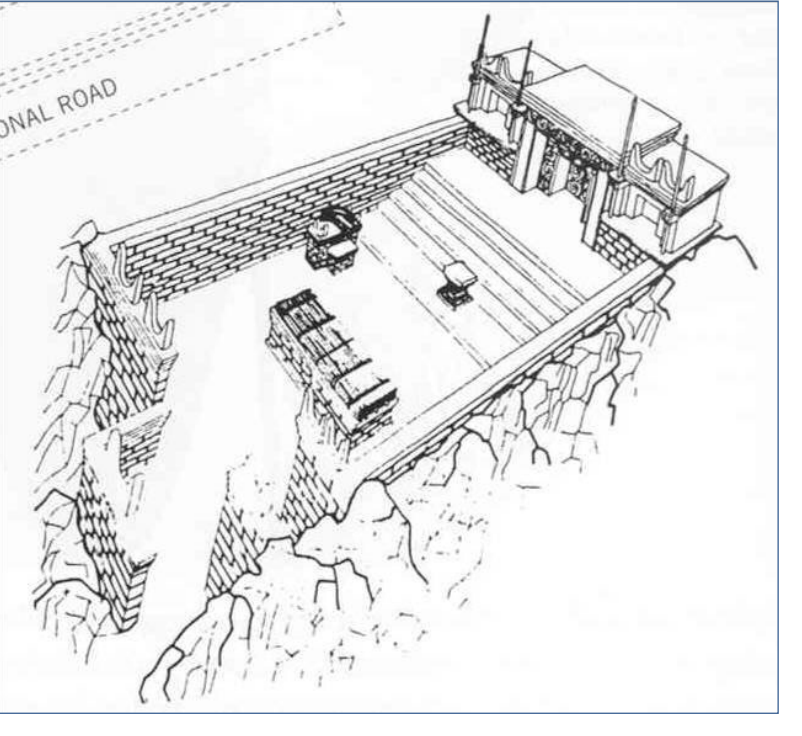
shrine on peak sanctuary rhyton from kato zakro
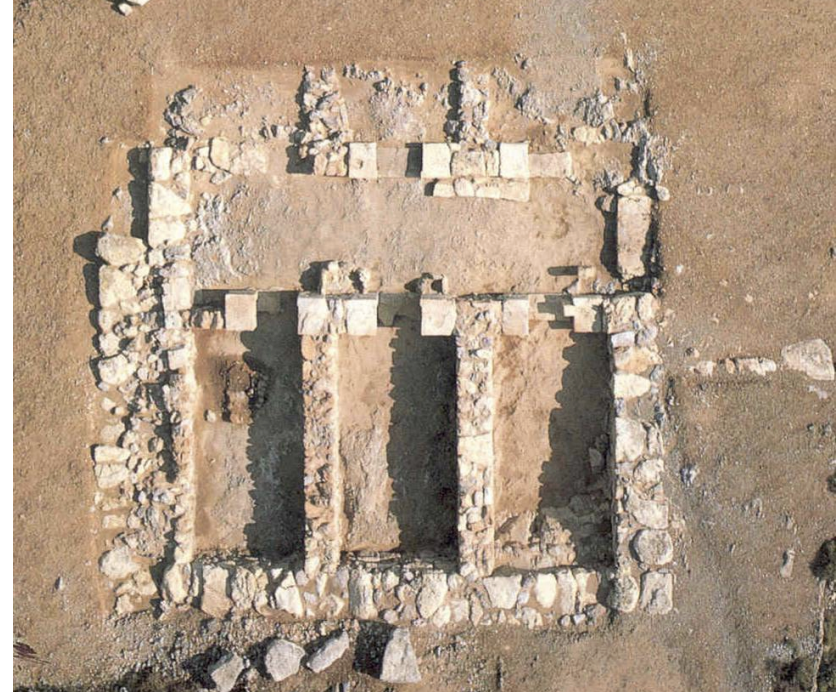
tripartite scrine at Archanes—Anemospilia, MM
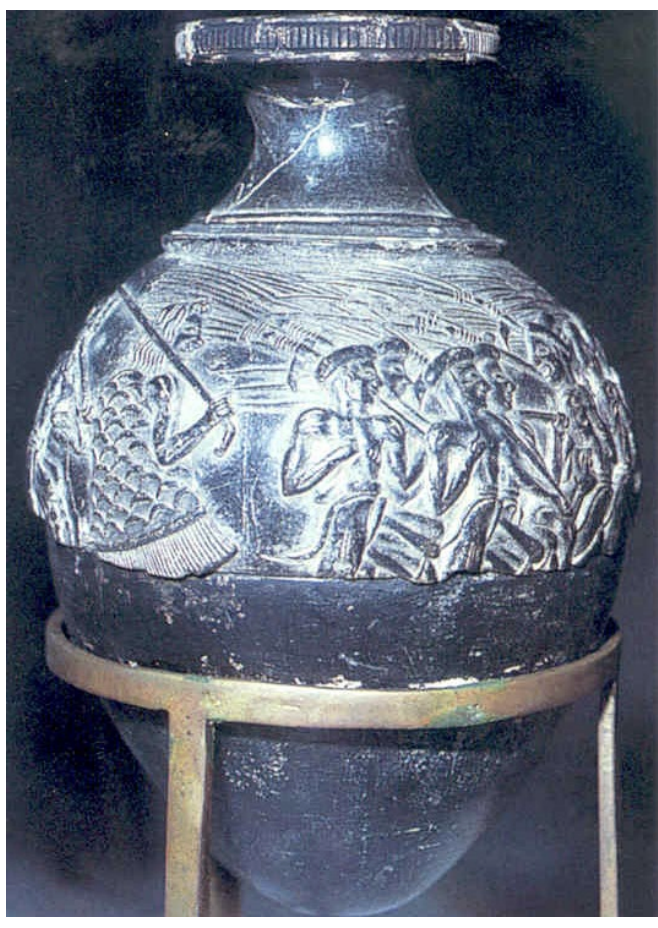
harvester vase, ayia triada villa a, black steatite
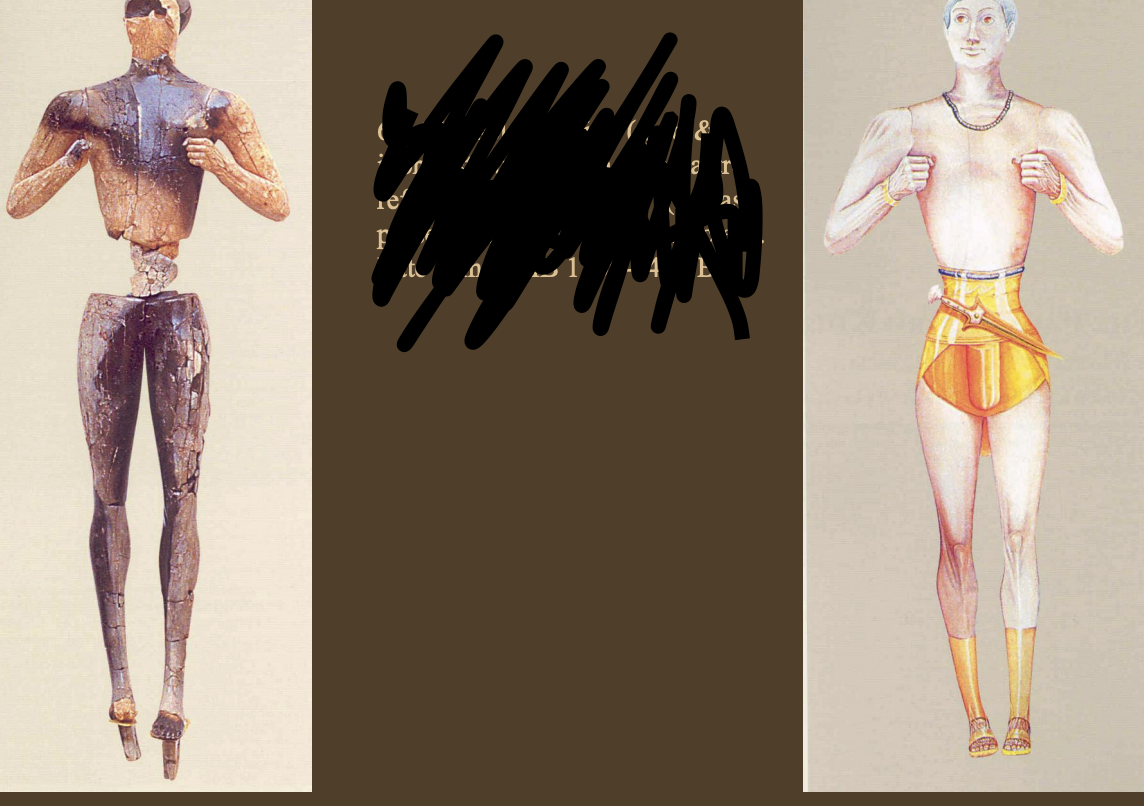
chryselephantine (gold and ivory) statuette from Palaikastro, referred to as “kouros,” LM IB (1500-1450 BC)
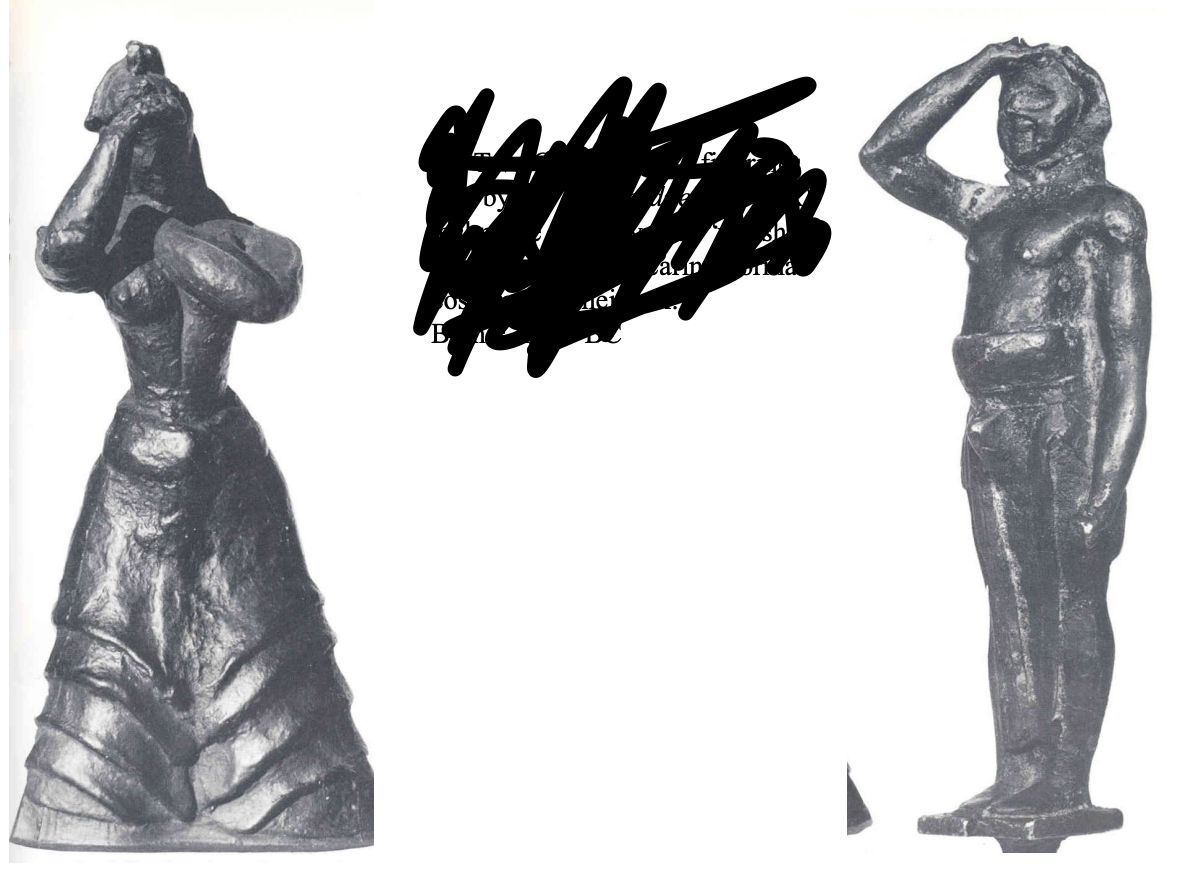
cretan bronze figurines cast by cire perdue (lost wax) technique in typical worshipping pose (1500 BC)
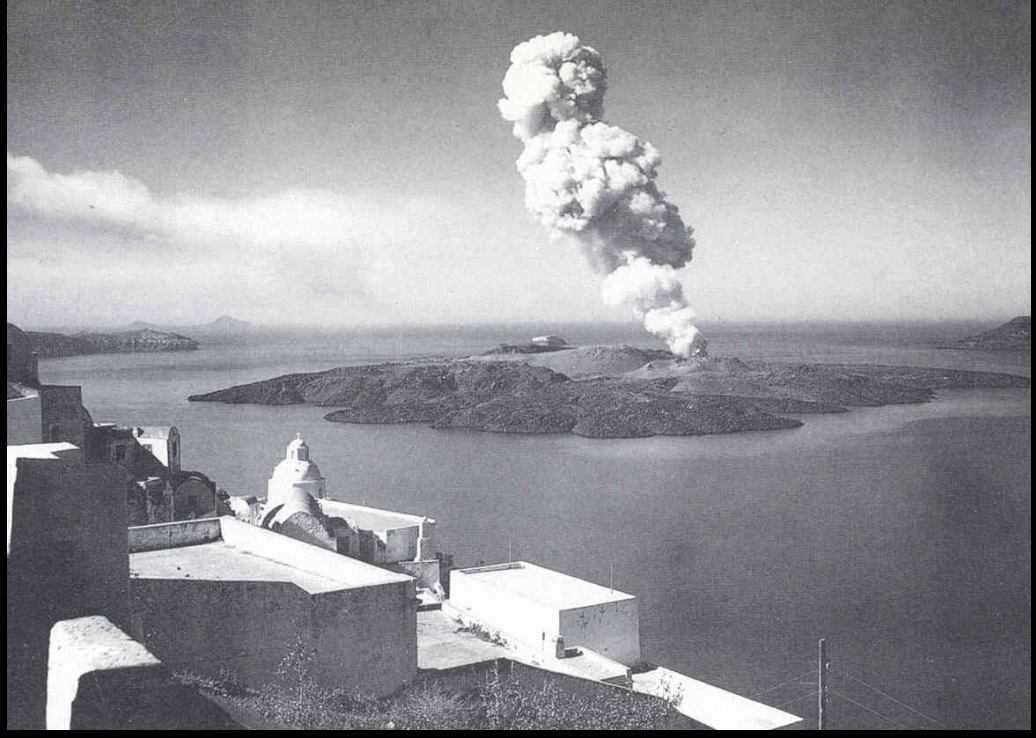
Thera volcano
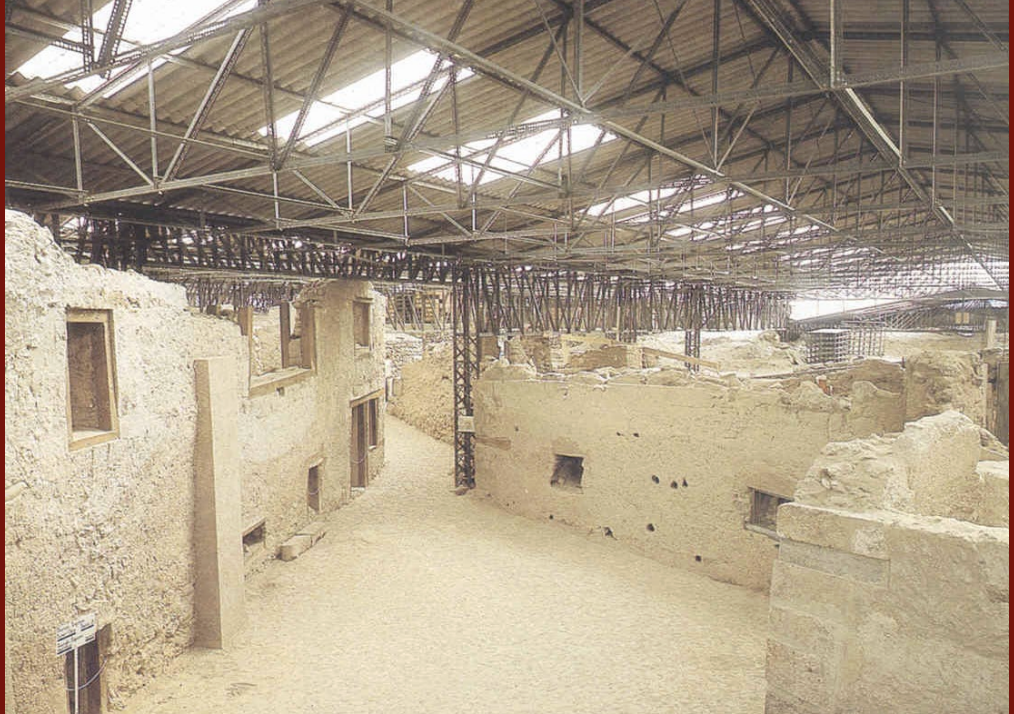
bronze age (LC) site of Akrotiri
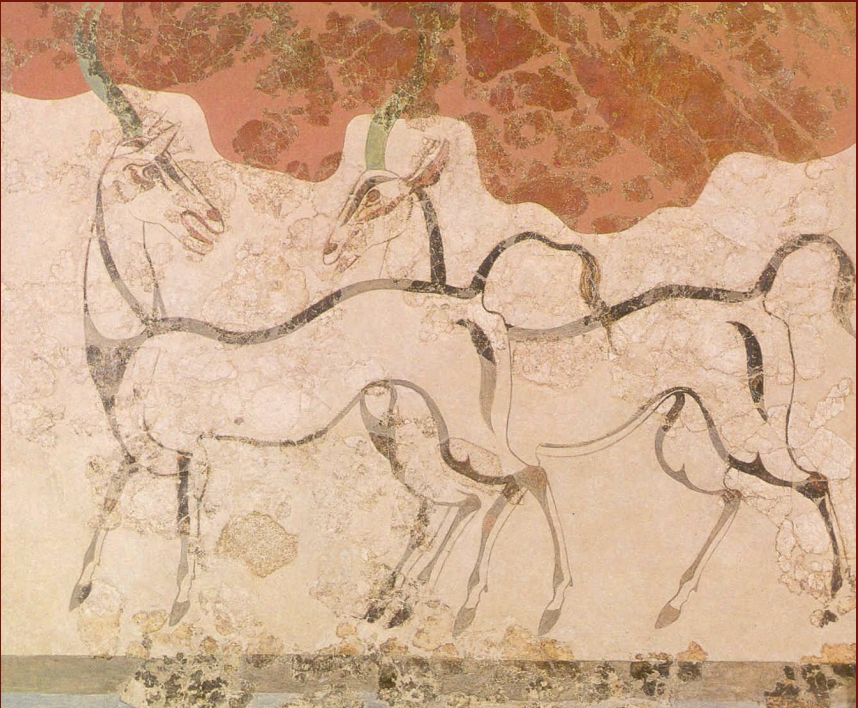
Akrotiri, Antelopes fresco, room beta 1
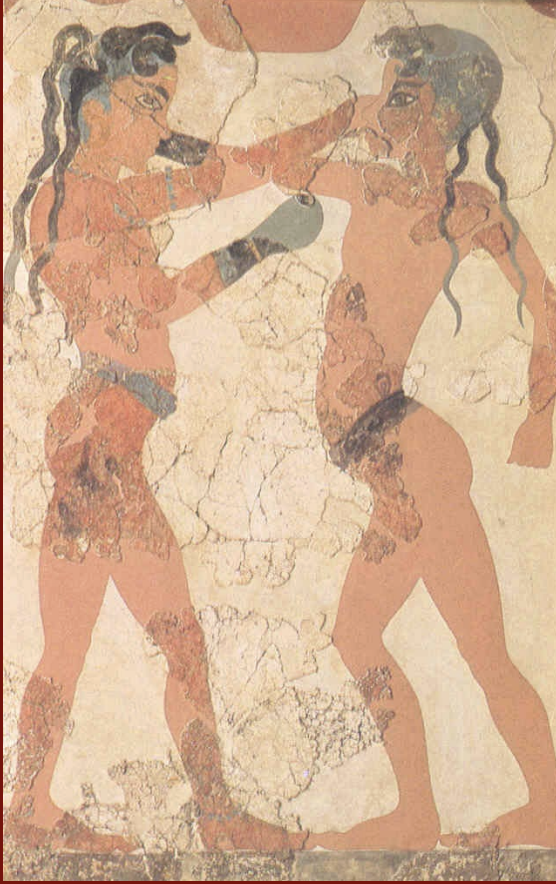
Akrotiri, boxing boys fresco, room beta 1
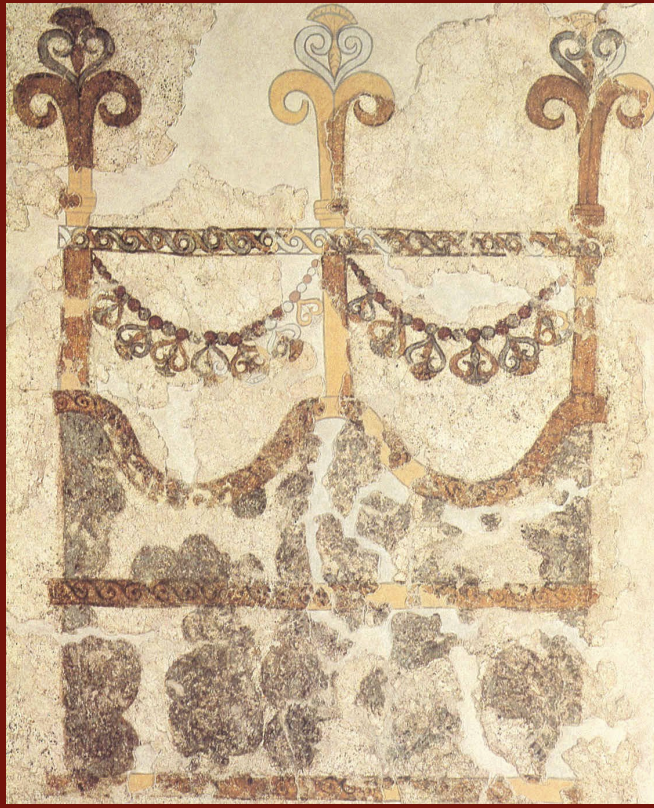
Akrotiri, referred to as “Ikria,” room 4 in west house
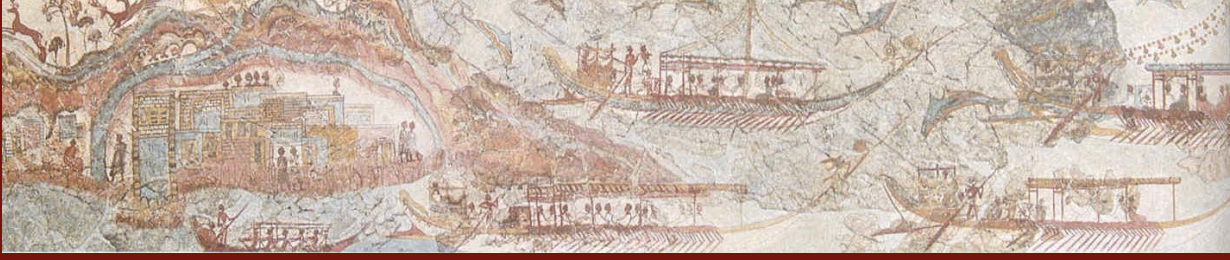
akrotiri, miniature fresco showing two cities and a flotilla or regatta
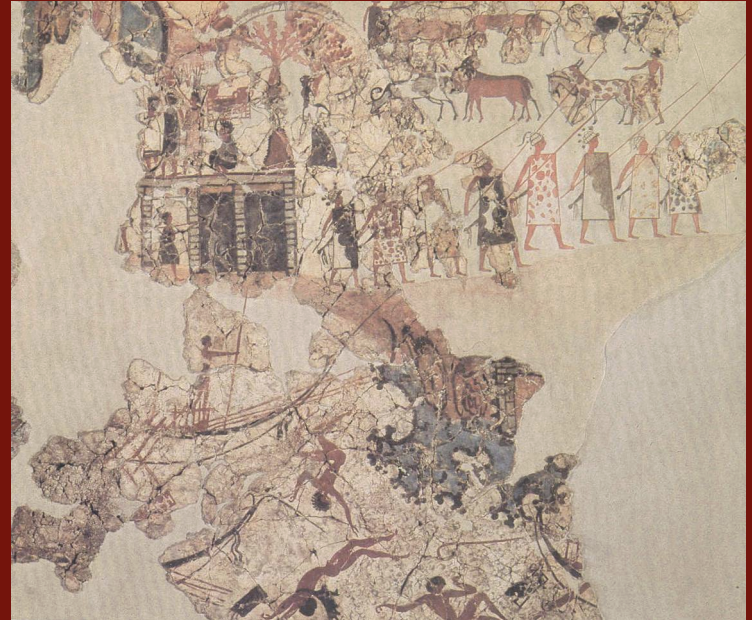
Akrotiri, sea battle fresco, room 5 in west house
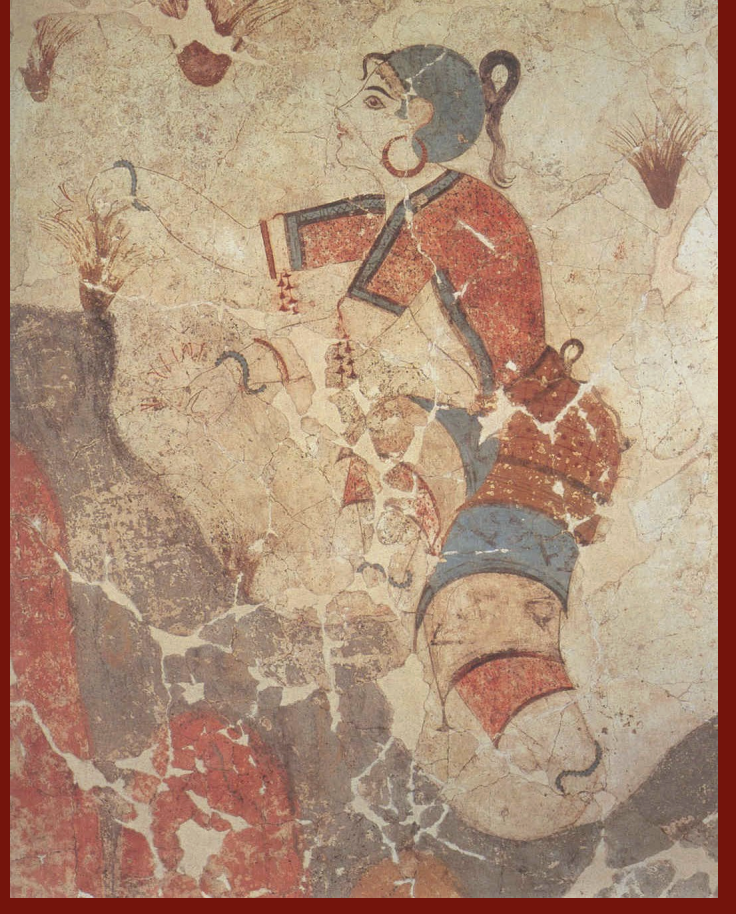
akrotiri, young girl gathering crocus flowers, from xeste 2
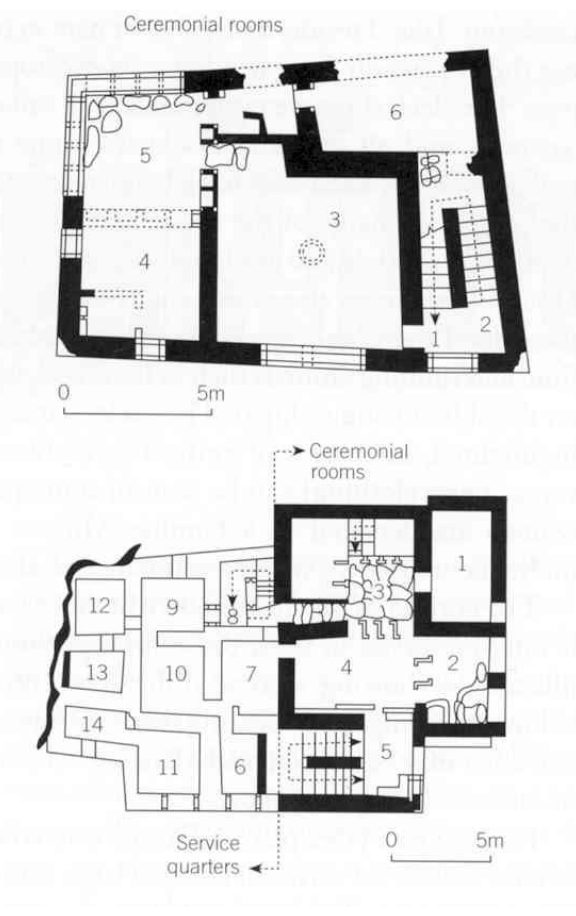
west house and xeste 3, akrotiri
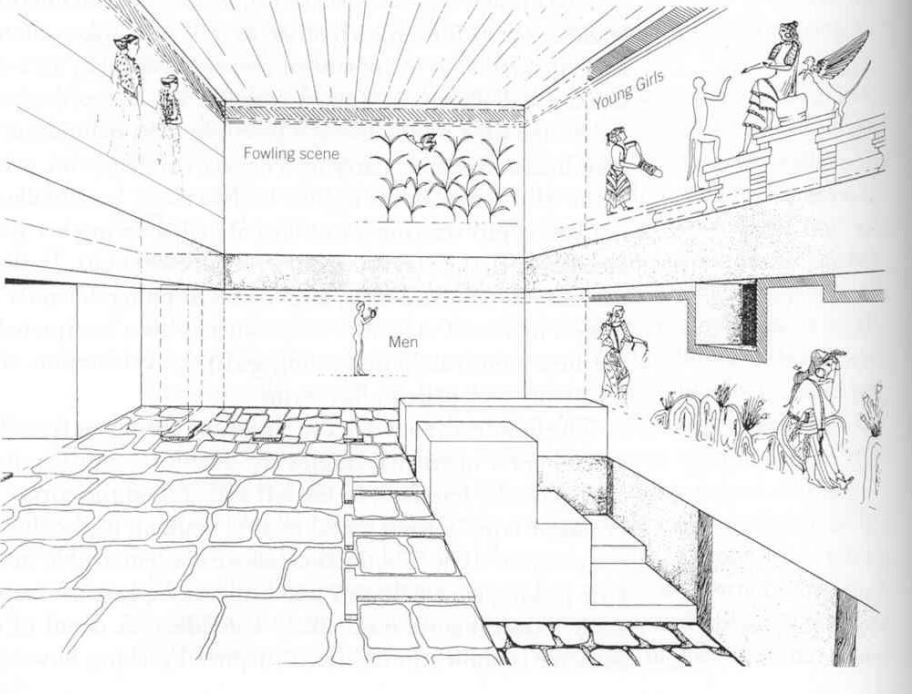
akrotiri: room 3 and upper floor of Xeste
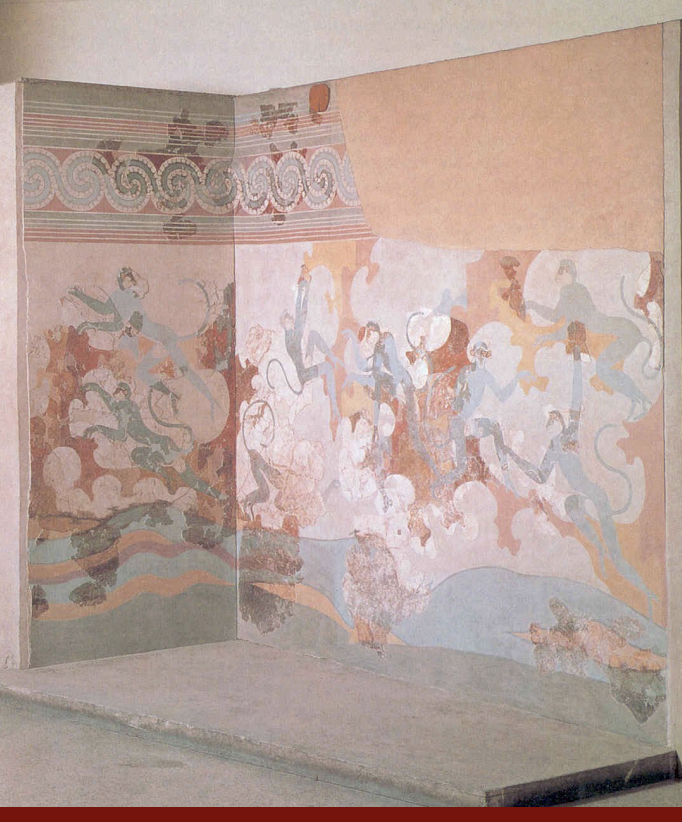
akrotiri, the blue monkey, room 6 house beta
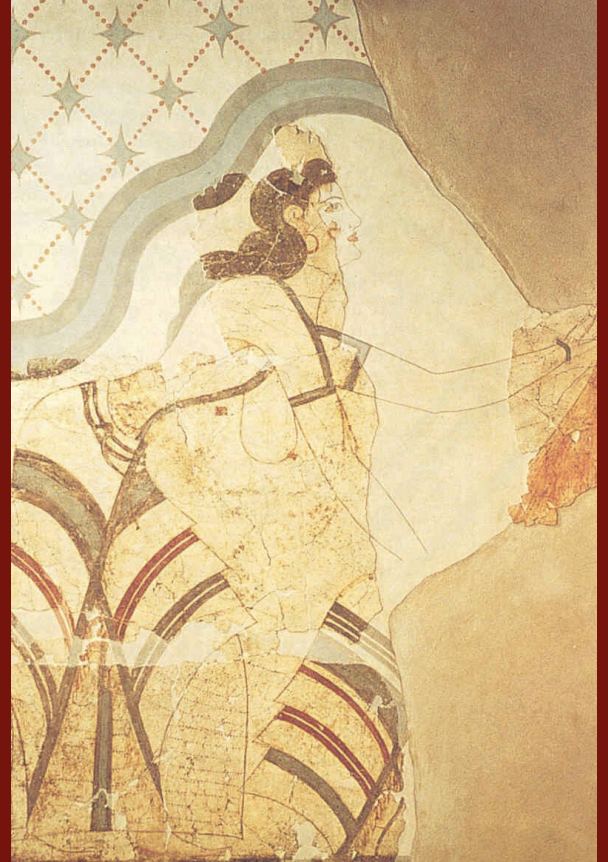
akrotiri, bare-breasted female figure, room 1 of house of the ladies
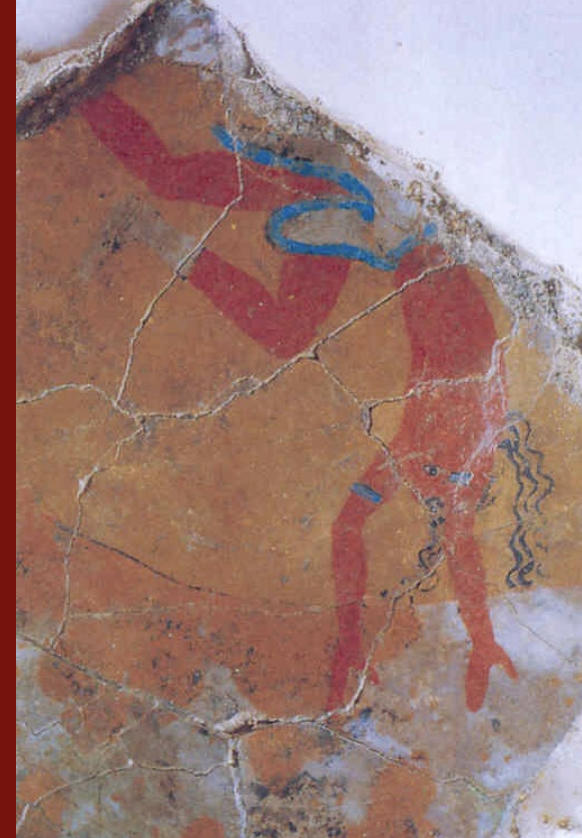
fresco fragment of a bull leaper, Tell el’Dab’a, nile delta (17th century BC)
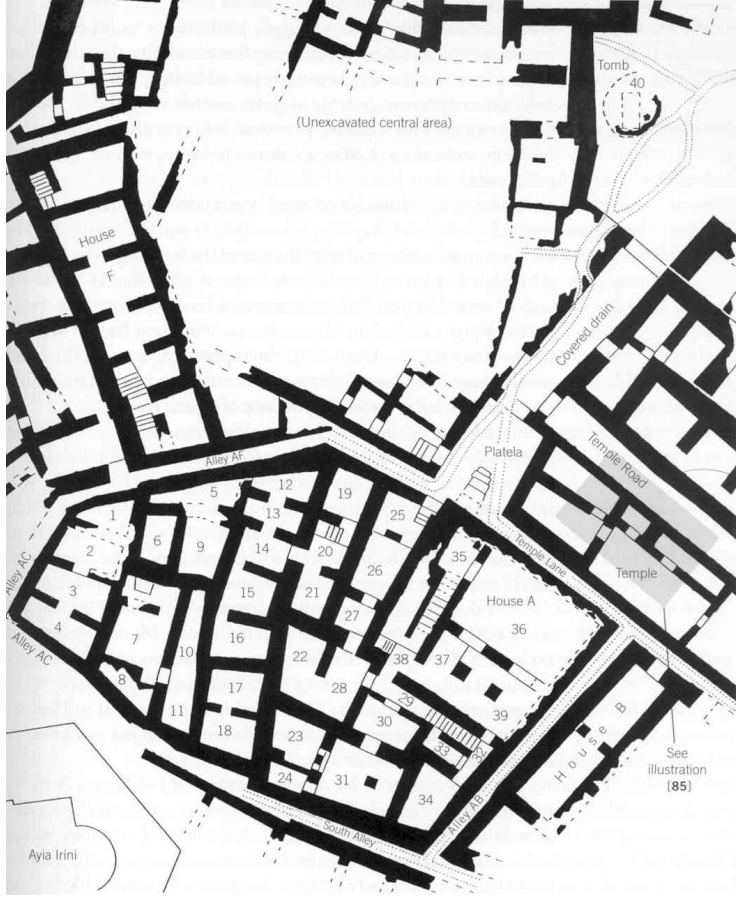
houses A and F at Ayia Irini on island of Kea, second palace period (1725/1700-1380/75 BC)
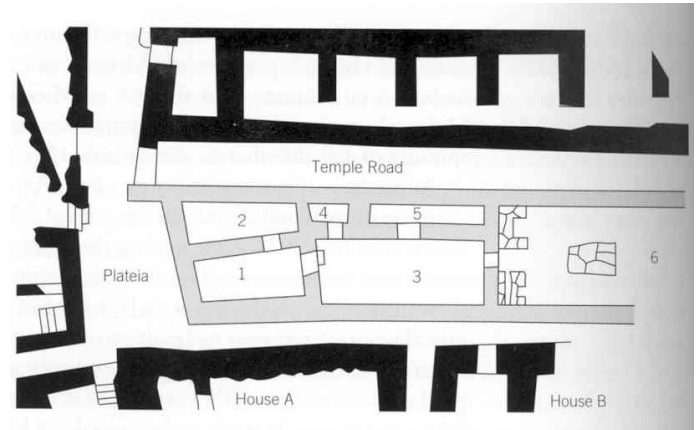
Temple at Ayia Irini, Kea, second palace period through 8th century
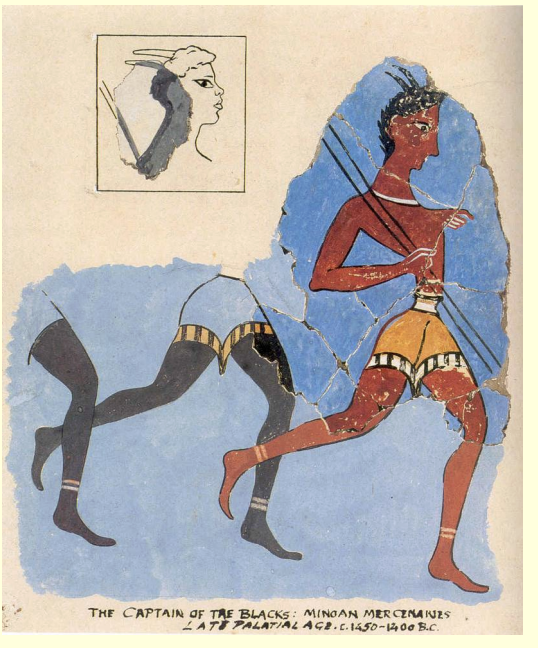
captain of the blacks, knossos, third palace period (1450-1375 BC)
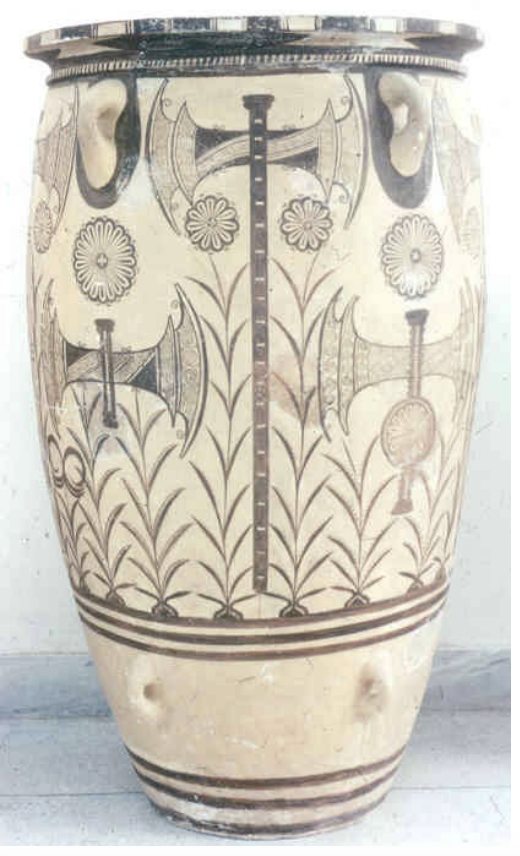
palace-style storage jar, Knossos, third palace period (1450-1375 BC)
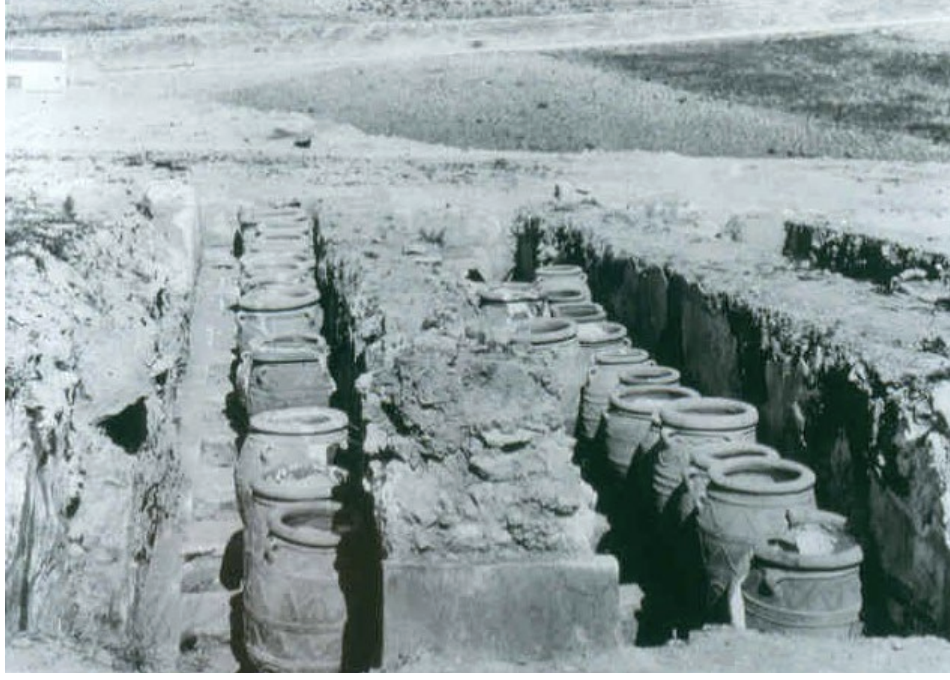
western magazines/storage areas, knossos, third palace period (1450-1375 BC)
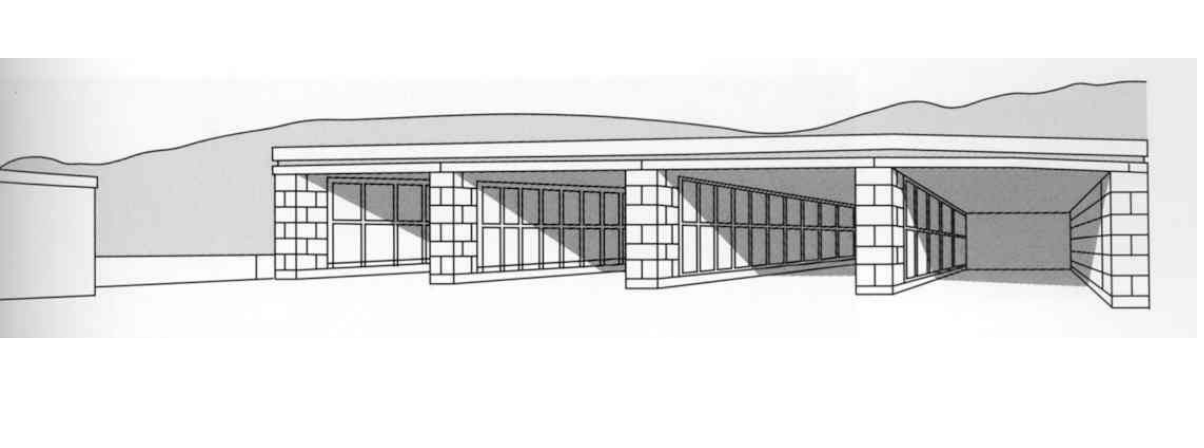
ship-sheds at port of Kommos, near Ayia Triada, third palace period, 1450-1375 BC)
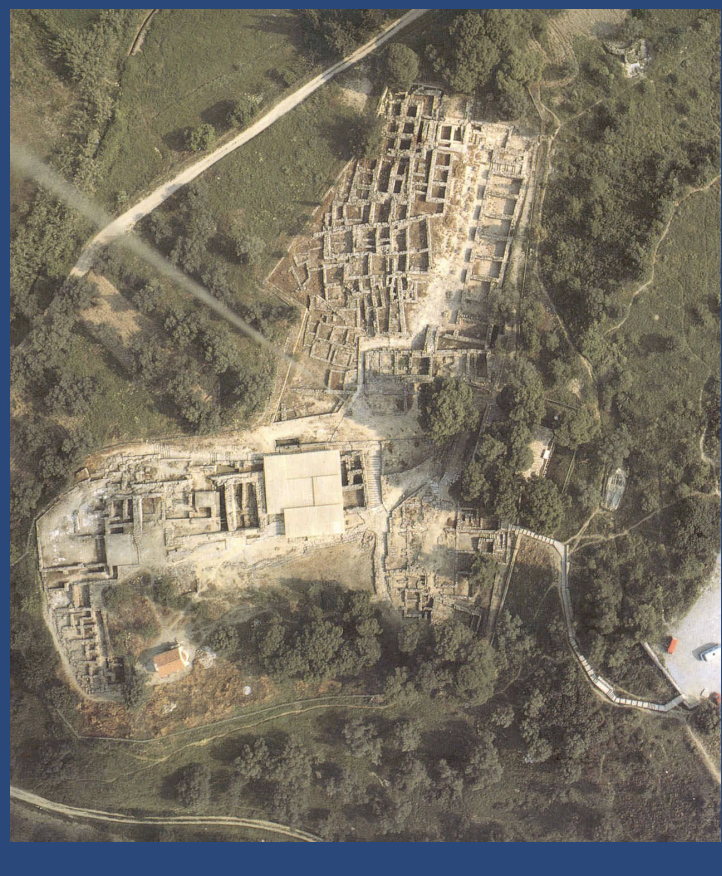
villa complex at Ayia Triada, second palace period (1725/1700-1380/75 BC)
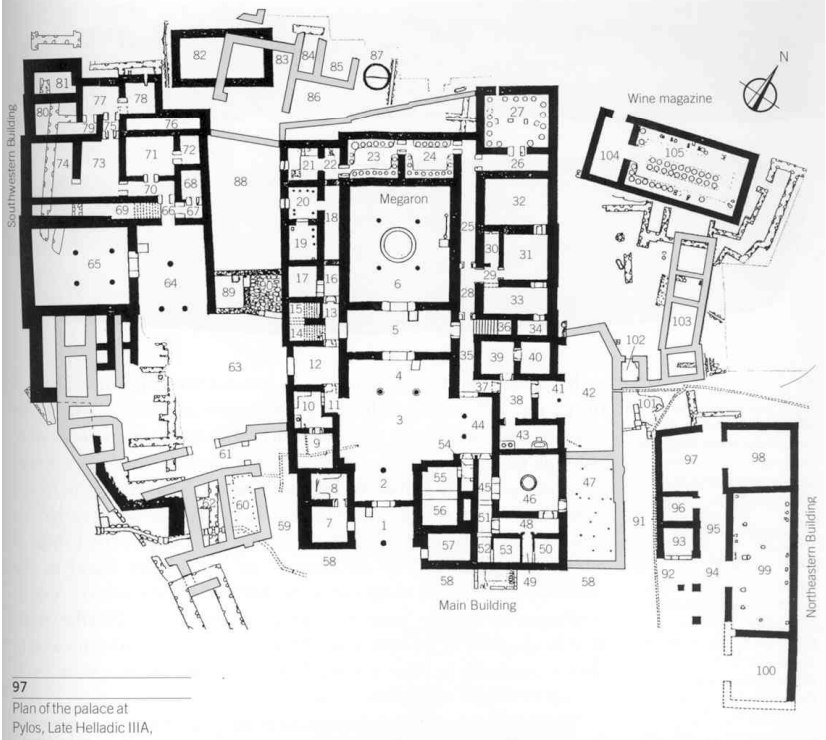
Mycenaean palace at Pylos, LH IIIA (1300-1200 BC)
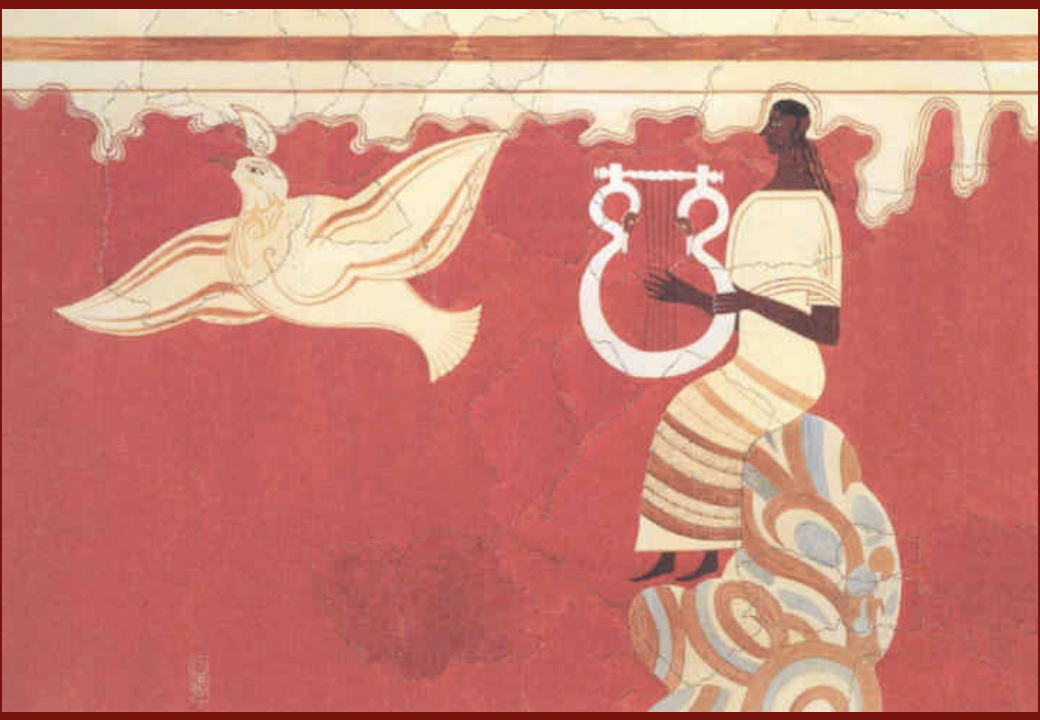
lyre-player fresco, Pylos, Piet de Jong (13th century)
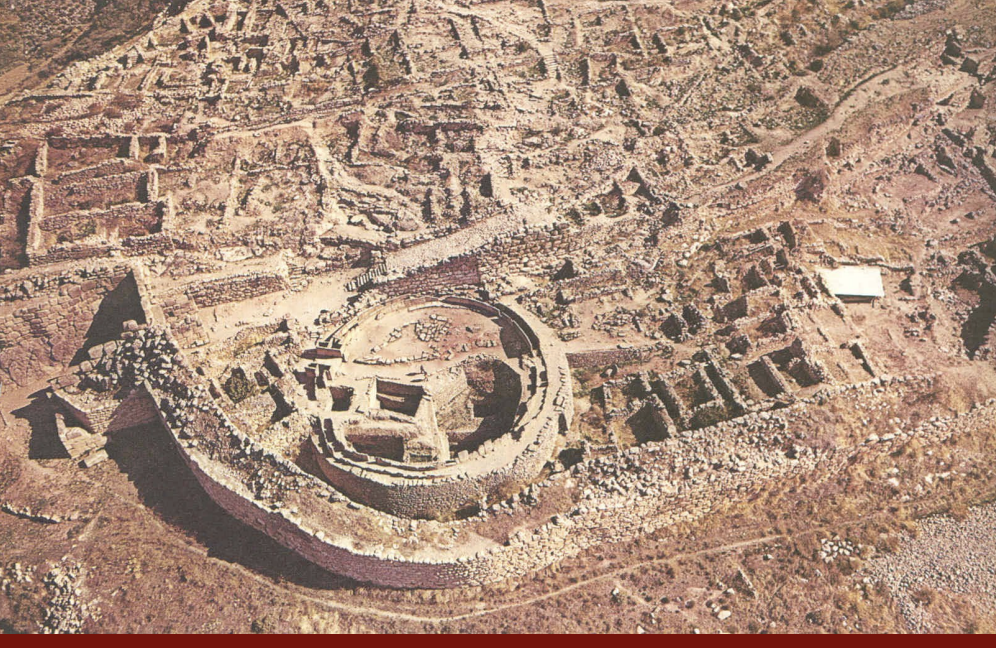
citadel at mycenae with grave circle A, heinrich schliemann
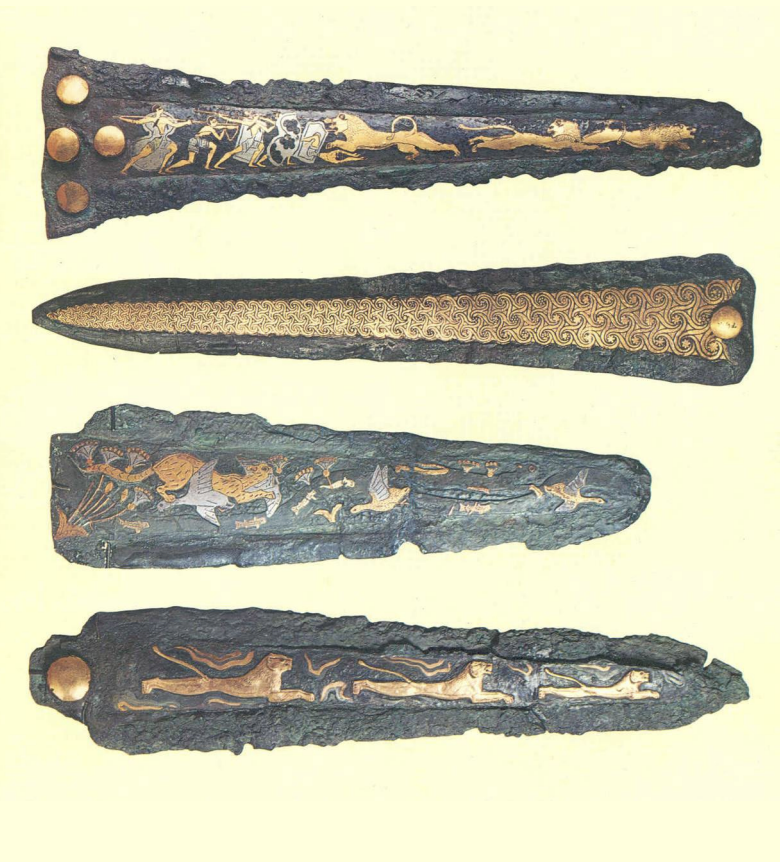
four bronze daggers with inlaid decoration of gold, silver, and niello from shaft graves IV and V of grave circle A (1550 BC)
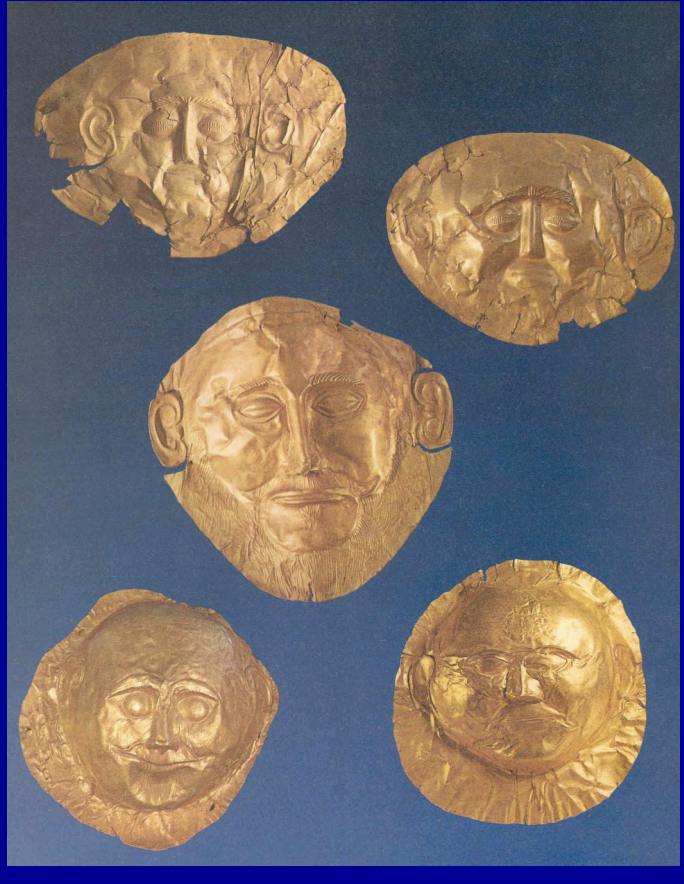
five gold masks from graves IV and V of grave circle A (16th century BC)
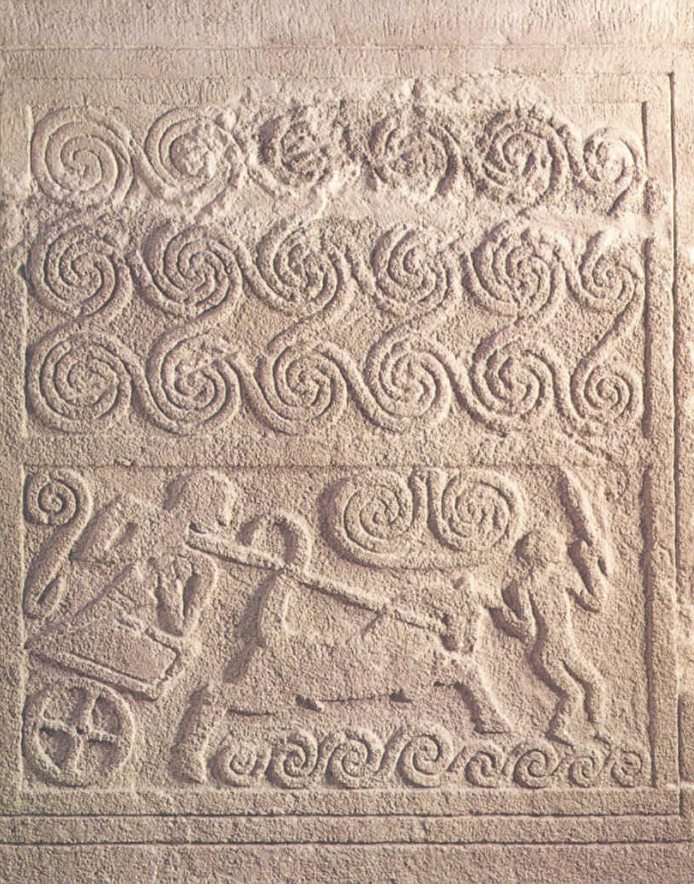
limestone stele (tomb stone) from grave V of grave circle A decorated with running spirals and chariot scene (16th century BC)
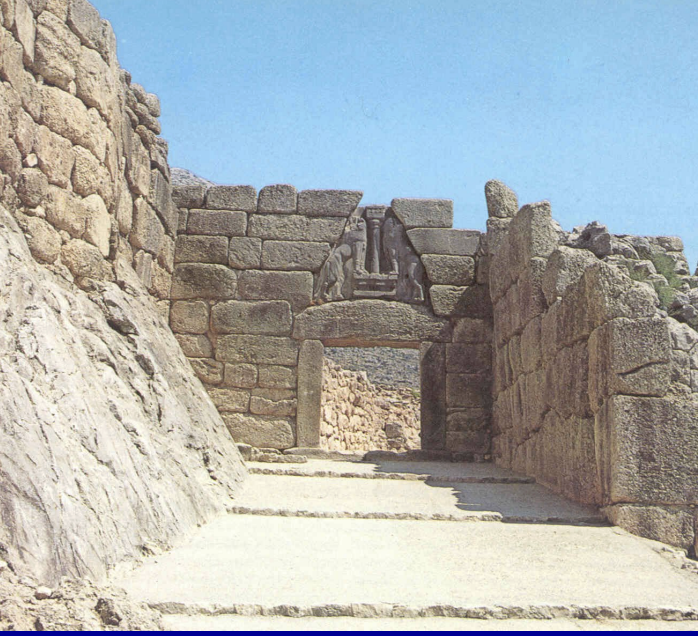
Lion’s gate at Mycenae (1350-1200 BC)
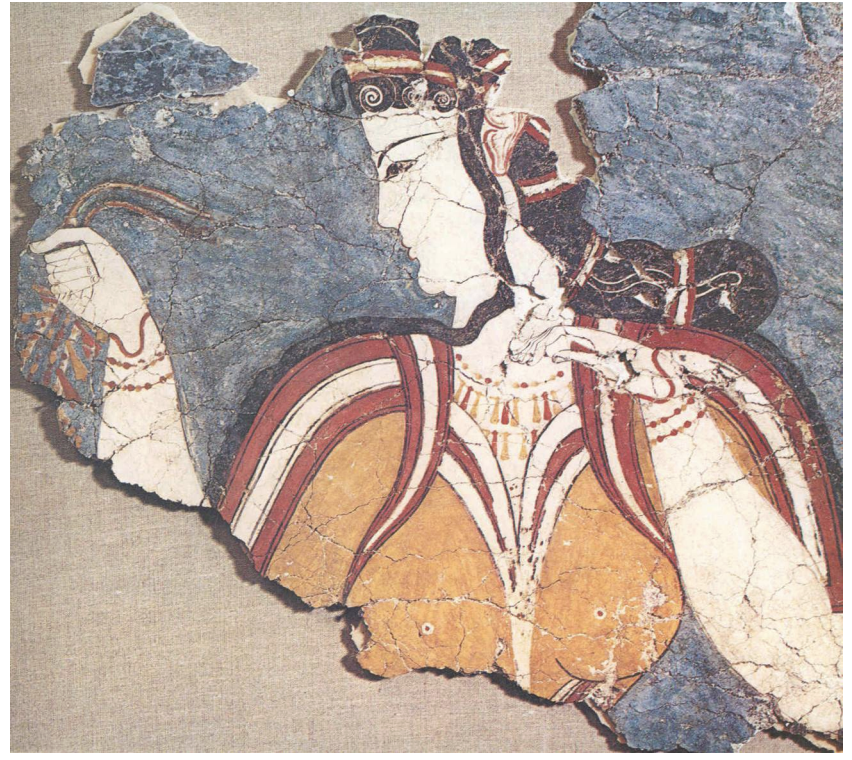
mycenaean lady, Mycenae (1200 BC)
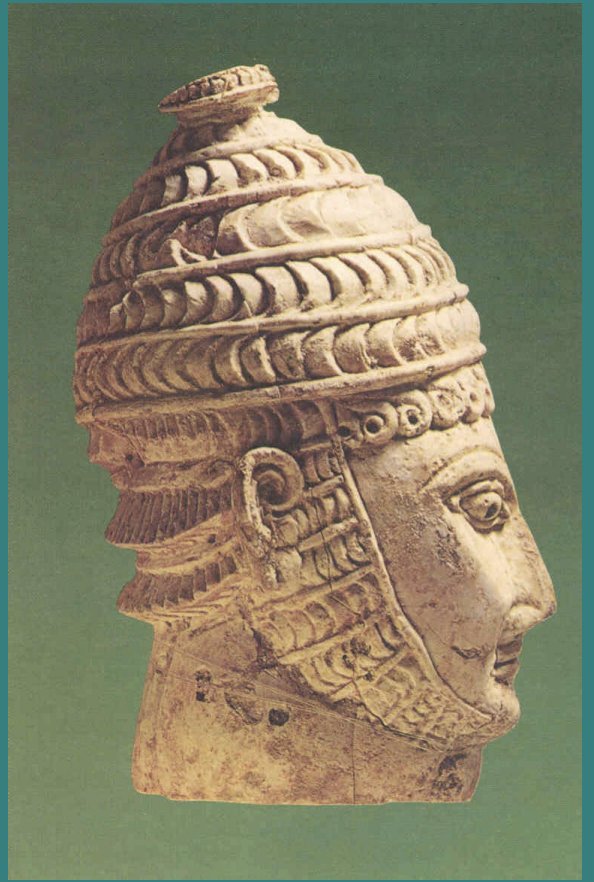
ivory head of warrior wearing helmet covered with boars’ tusks from chamber tomb at mycenae
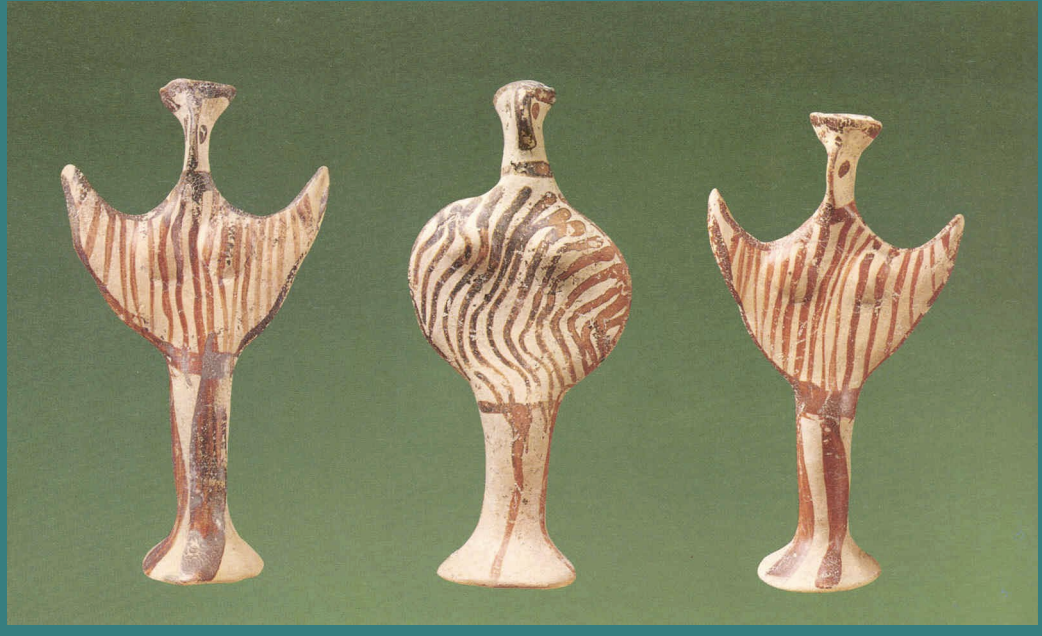
typical mycenaean terracotta figurines, two of the psi type and one in the phi type (13th century BC)
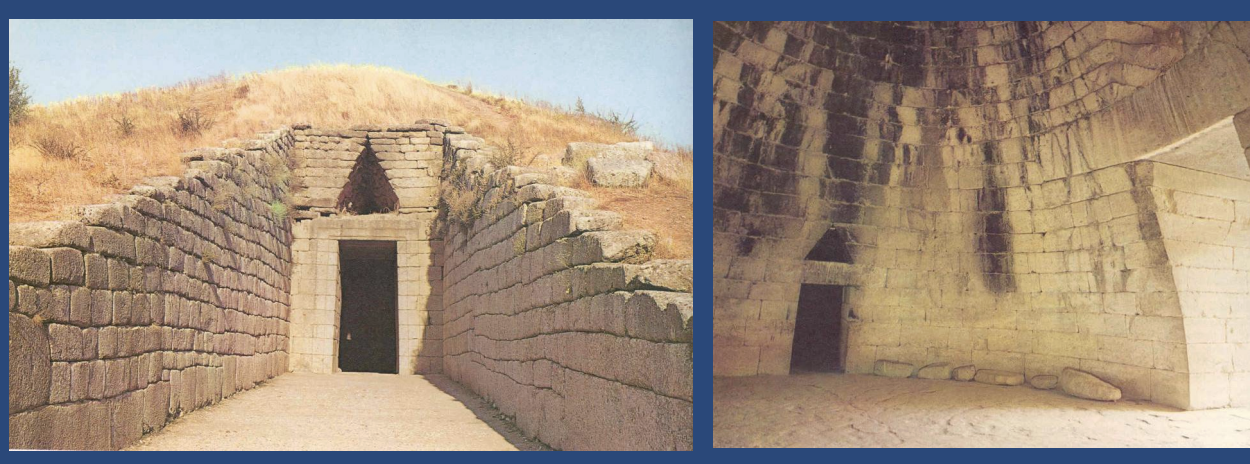
Treasury of Atreus, tholos tombs at mycenae (1250 BC)
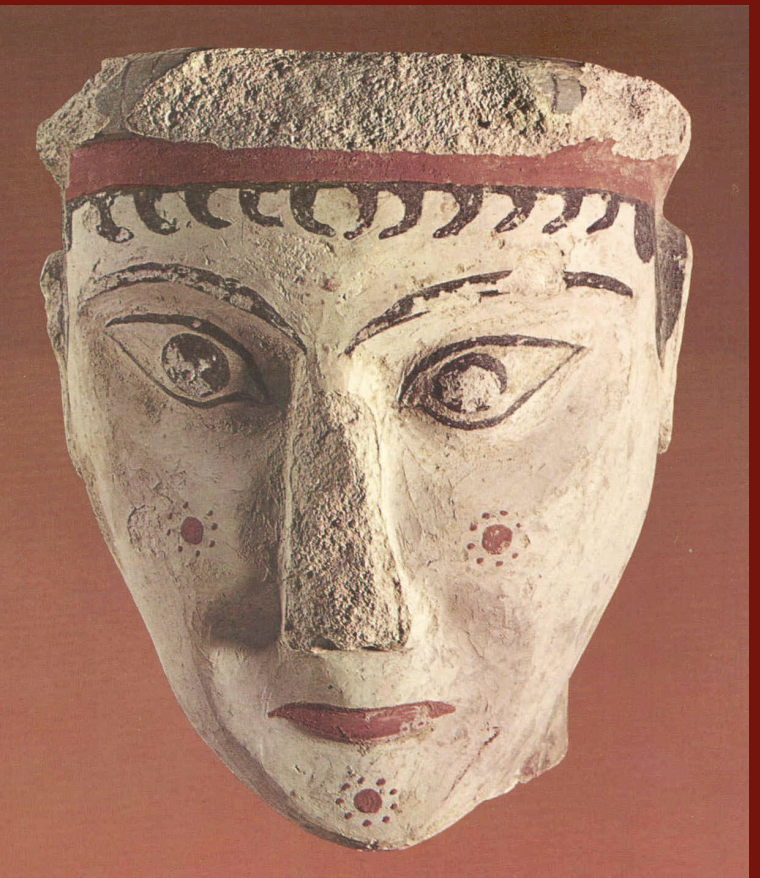
plaster female head from mycenae, possibly a sphinx or goddess (13th century)
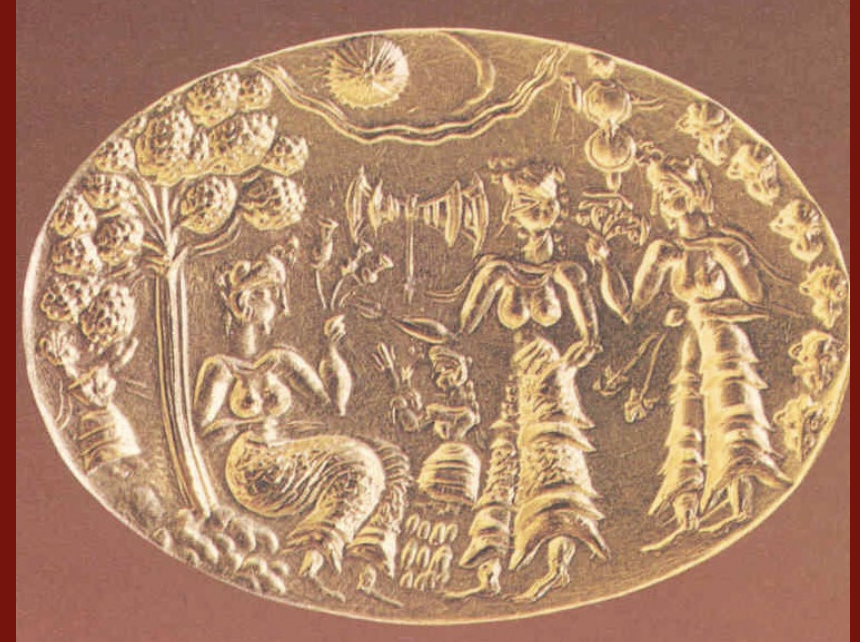
gold signet ring from acropolis of mycenae, looks minoan
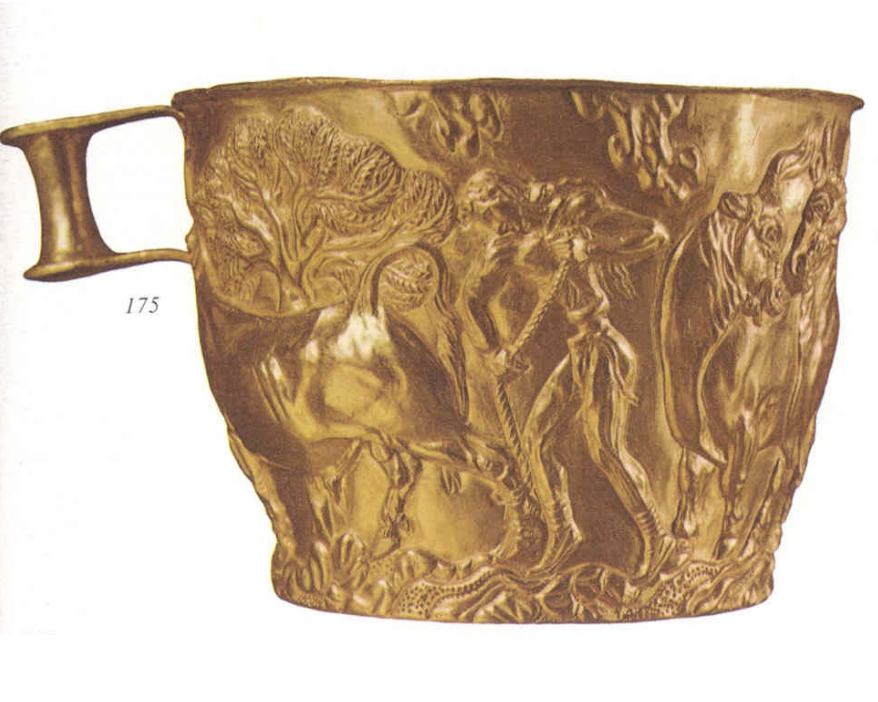
Vapheio Cups from Vapheio near sparta, Tsountas (1450 or slightly earlier BC)
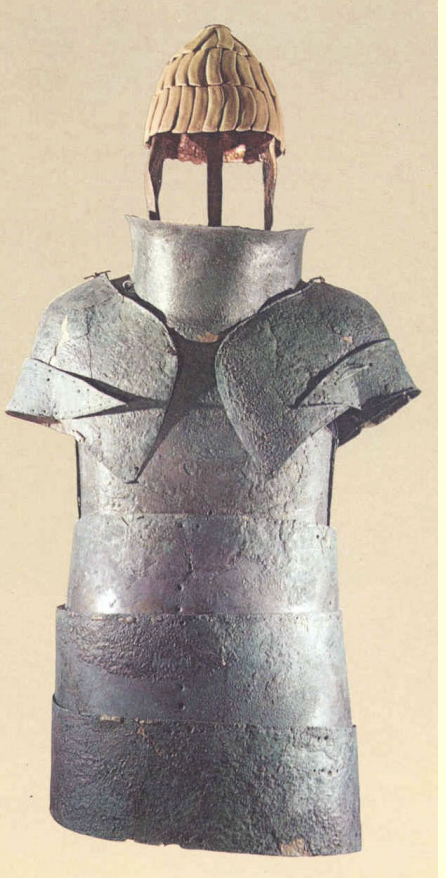
complete late bronze age corselet of bronze with boars’ tusk helmet from chamber tomb at Dendra in Argolid
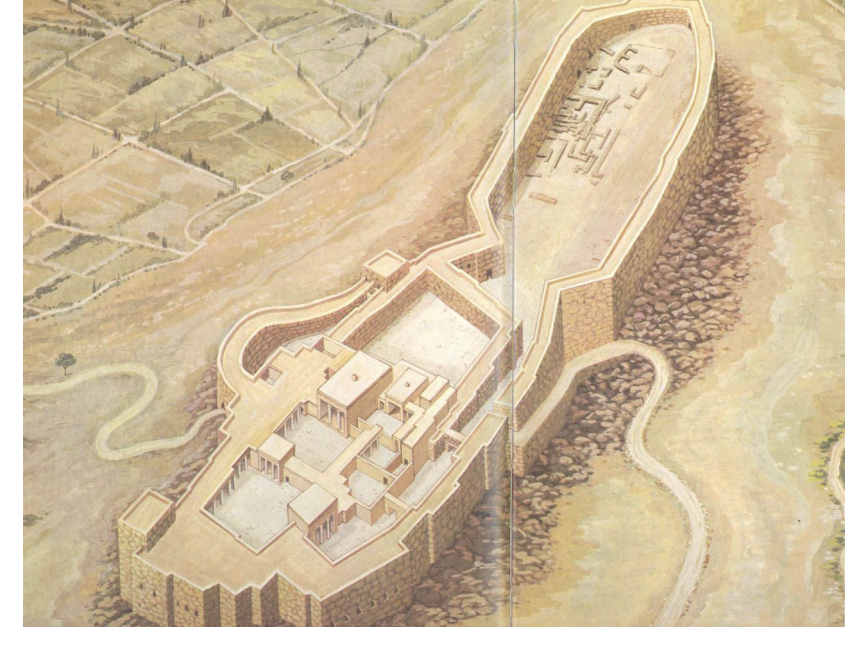
Tirins, showing upper, middle, and lower citadels and megaron, bronze age
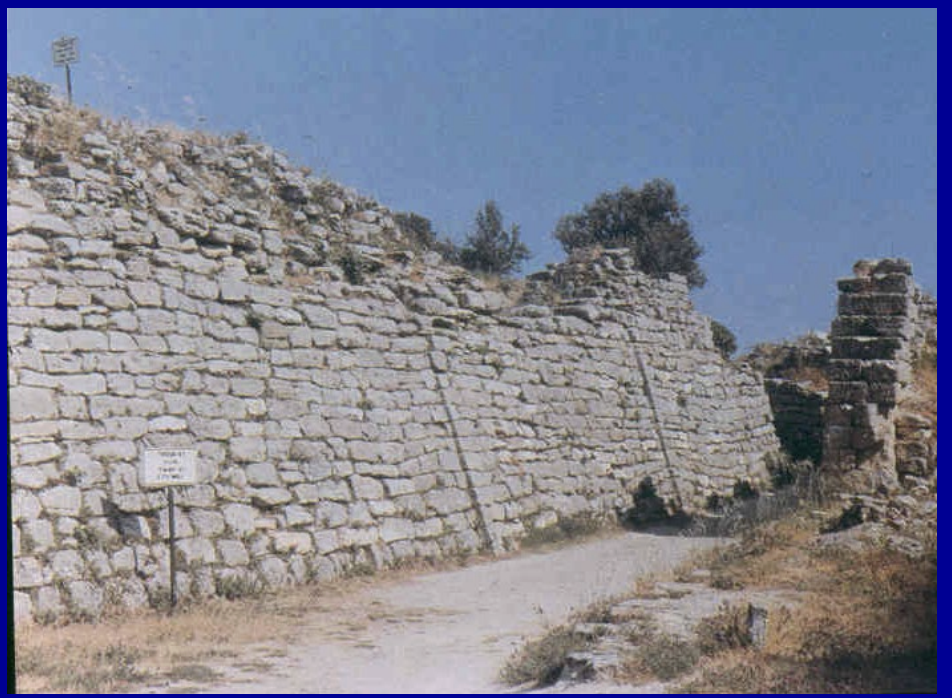
fortifications of Troy VI, thought to represent citadel of Homer’s troy
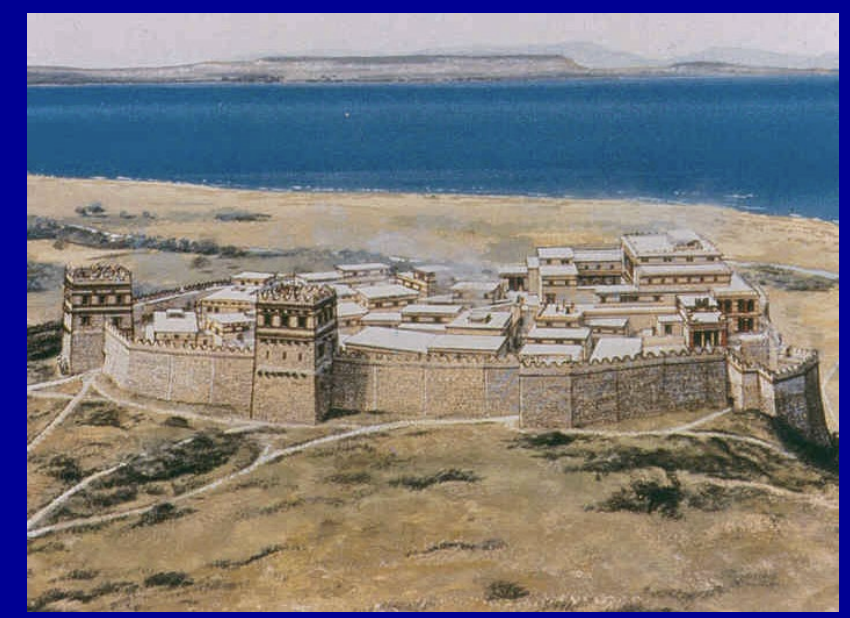
late bronze age citadel of troy (Ilion)
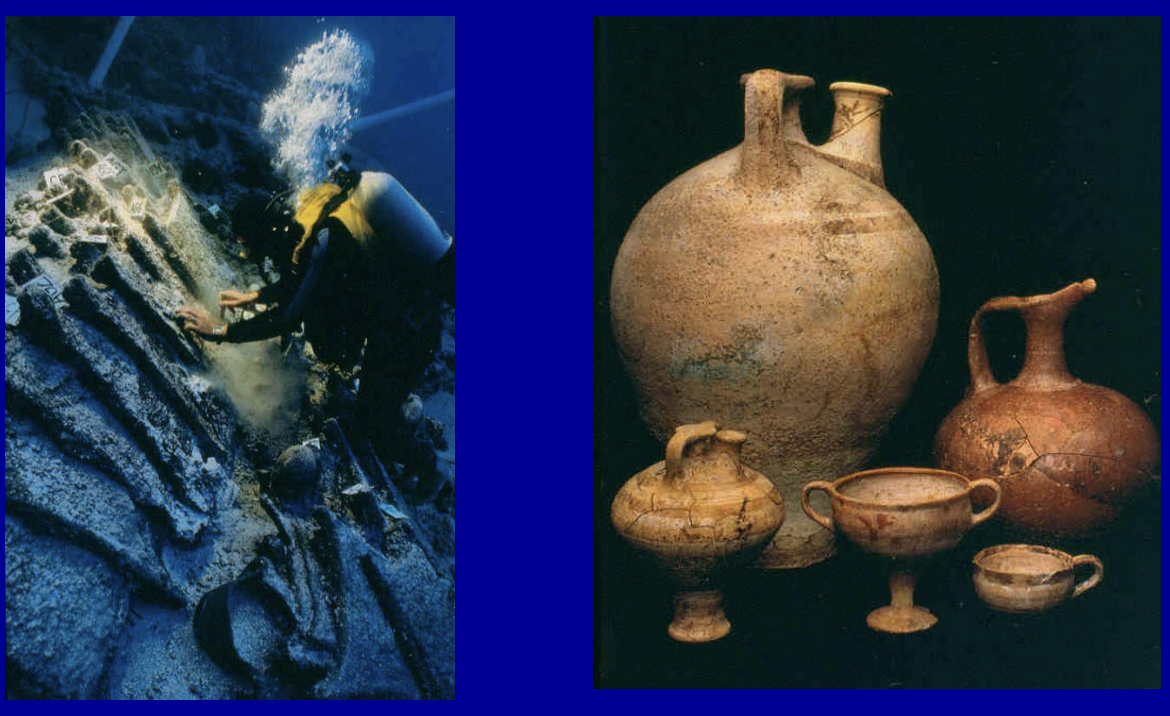
Ulu Burun (Kas) shipwreck, excavation and mycenaean pottery from shipwreck (14th century BC)
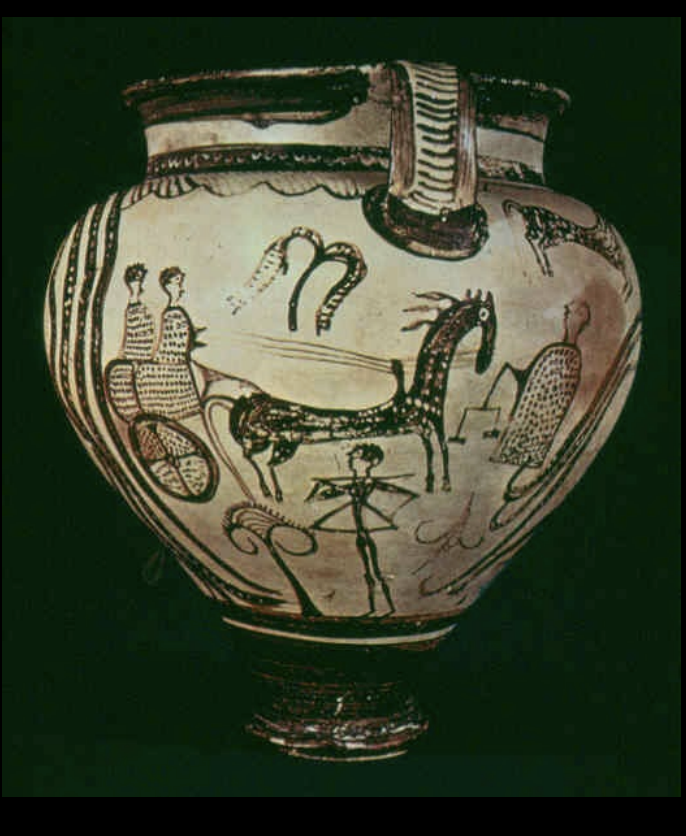
mycenaean pictorial style krater from Enkomi on island of Cyprus, LH III (14th century BC)
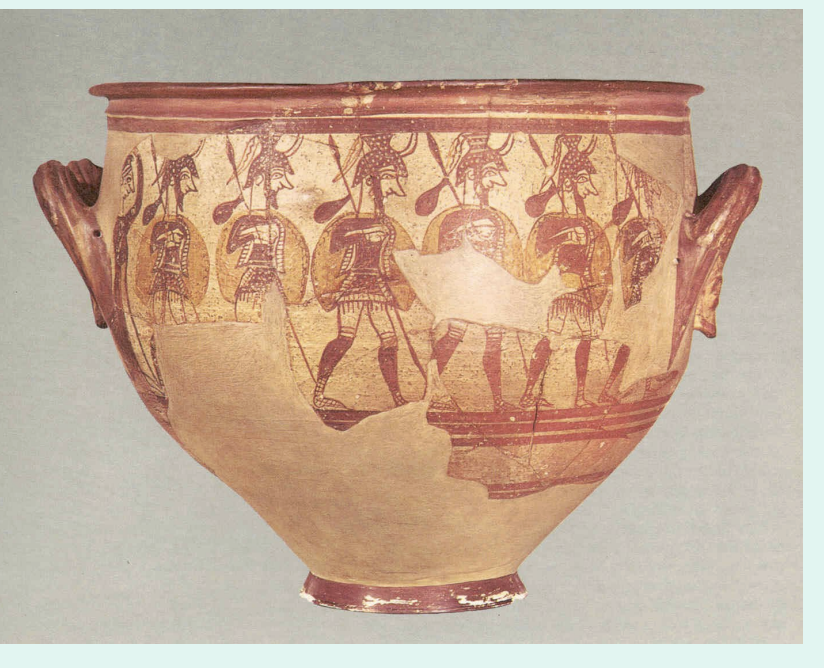
Warrior Vase, mycenaean pictorial style krater from citadel of mycenae, heinrich schliemann (1200-1190 BC)
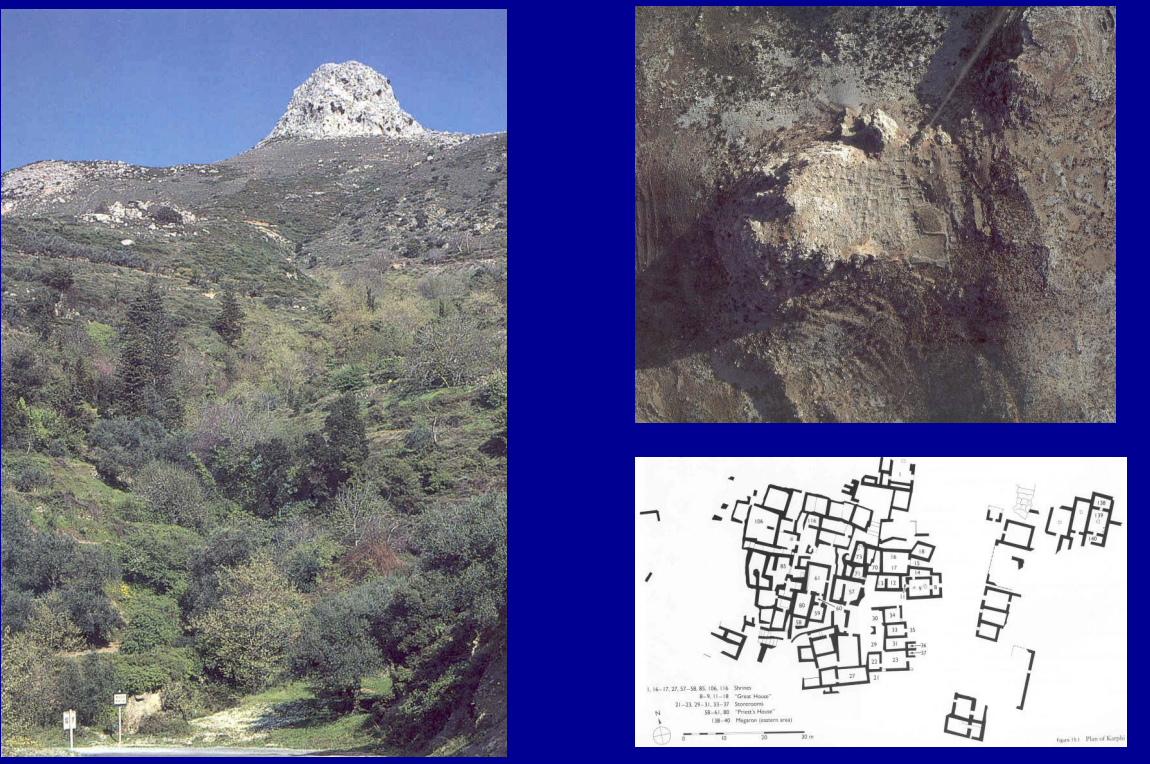
karphi, LM IIC and continuing into early iron age (1200-900 BC)
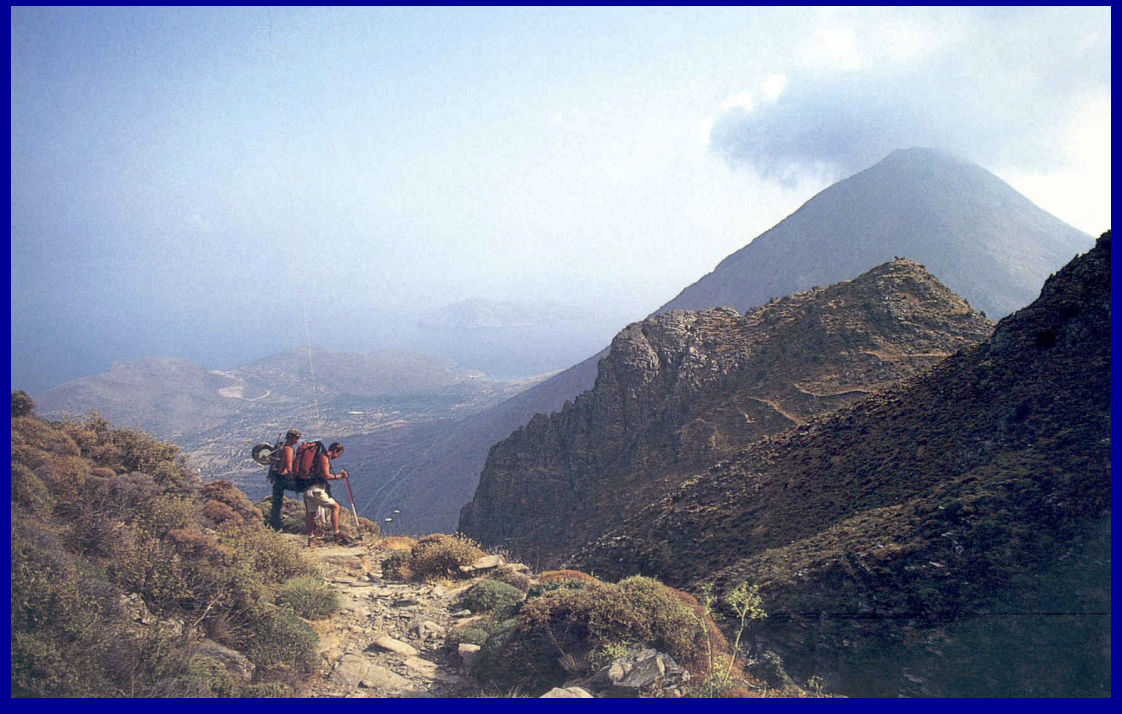
early iron age (subminoan) settlement of Kavousi, east Crete
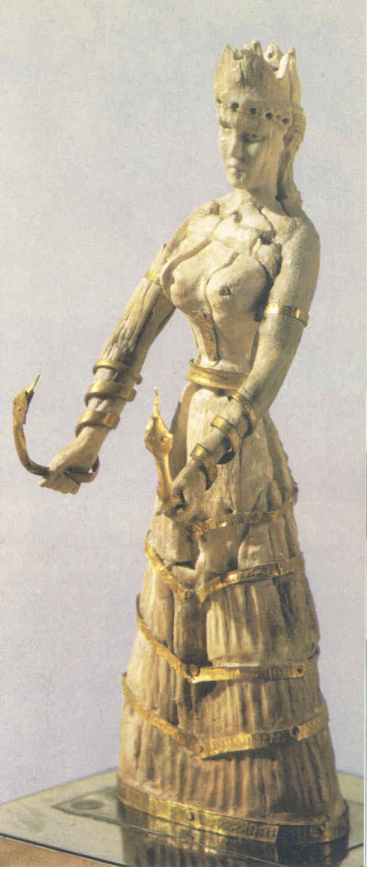
boston goddess, chryselephantine (gold ivory) figurine, forgery (20th century AD)
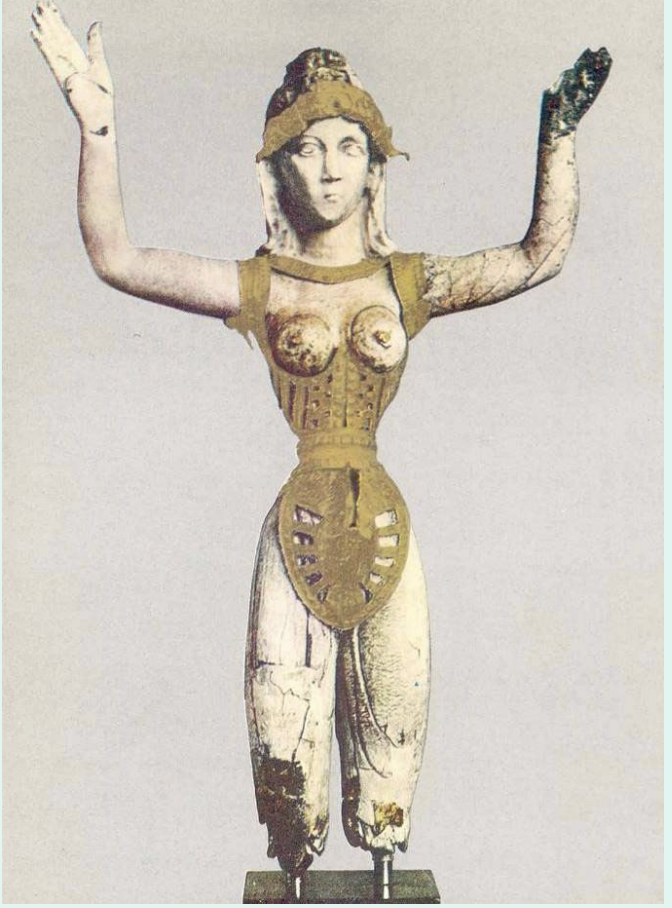
our lady of the sports, minoan style ivory and gold figurine, forgery, arthur evans (20th century AD)
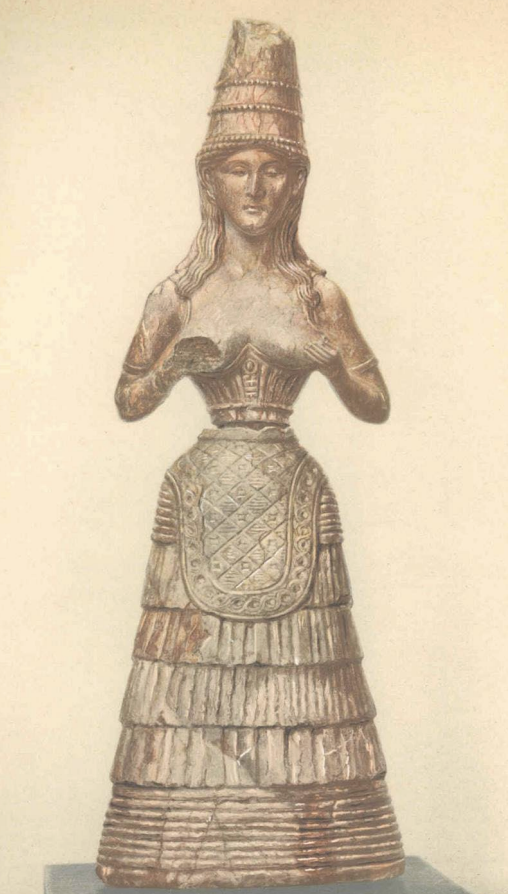
fitzwilliam goddess, minoan-style stone figurine, forgery (20th century AD)
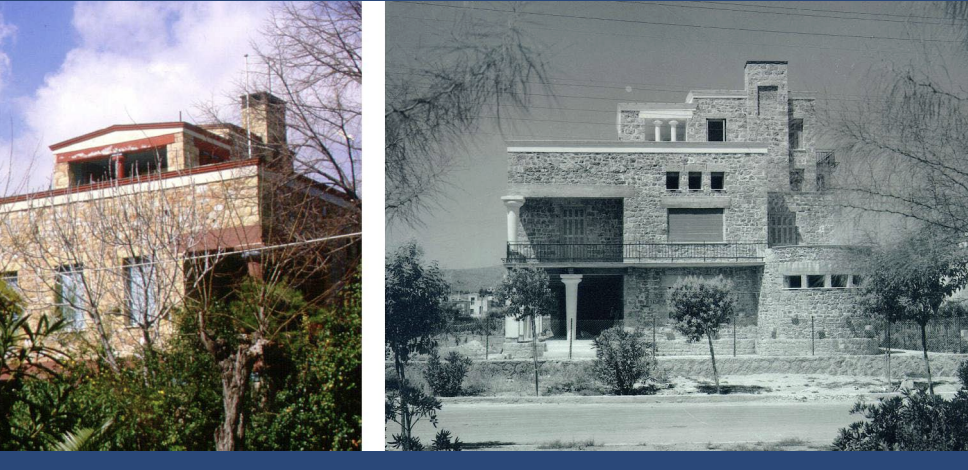
minoan-style house built in northern suburbs of athens (20th century AD)
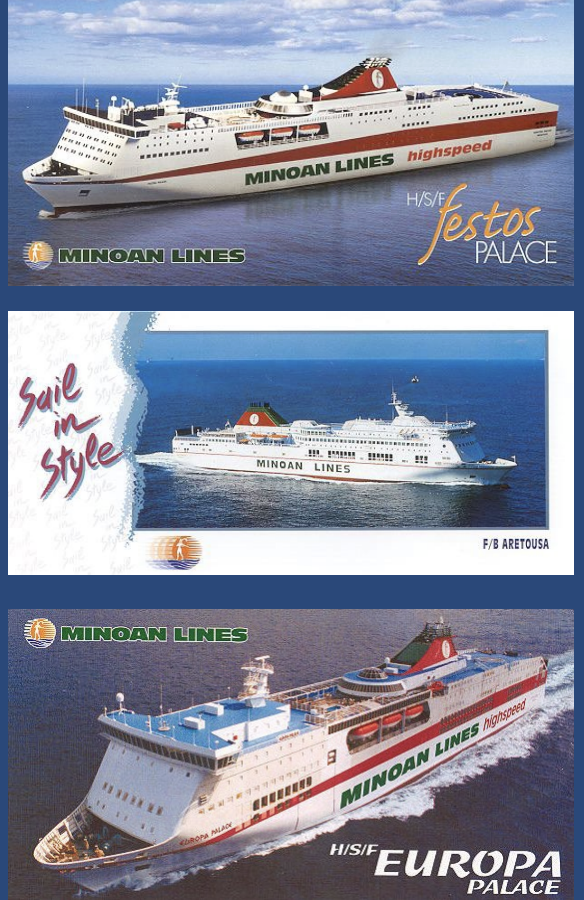
postcards of three ships of Minoan Lines, cretan company that uses priest-king fresco as logo
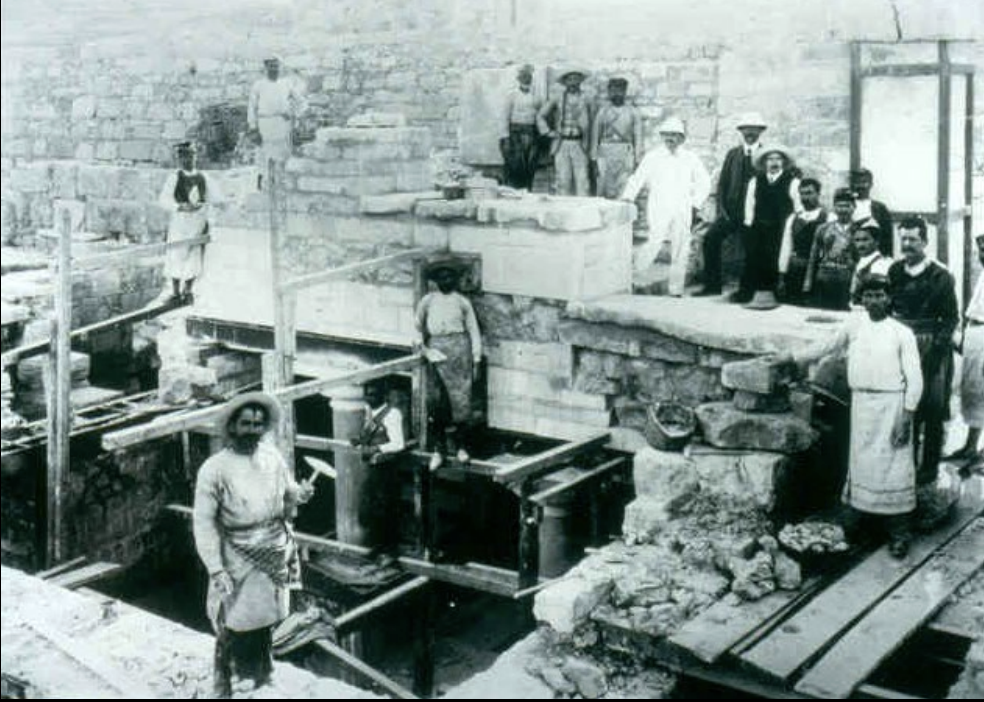
restoring grand staircase at knossos, evans, duncan mackenzie (head excavator), and christian doll (architect) (1905)
 Note
Note  Flashcards (58)