Biology 1011 Lab 5,6, and 7, Kearley Bio 1011 Lab test 2
 Call Kai
 Learn
Learn Practice Test
 Spaced Repetition
 Match
Match Flashcards
 Knowt Play
1/88

There's no tags or description
Looks like no tags are added yet.
Name | Mastery | Learn | Test | Matching | Spaced | Call with Kai |
|---|
No analytics yet
Send a link to your students to track their progress
89 Terms
What does the circulatory system consist of?
the heart, the blood, and the vessels that carry the blood.
What is an EKG?
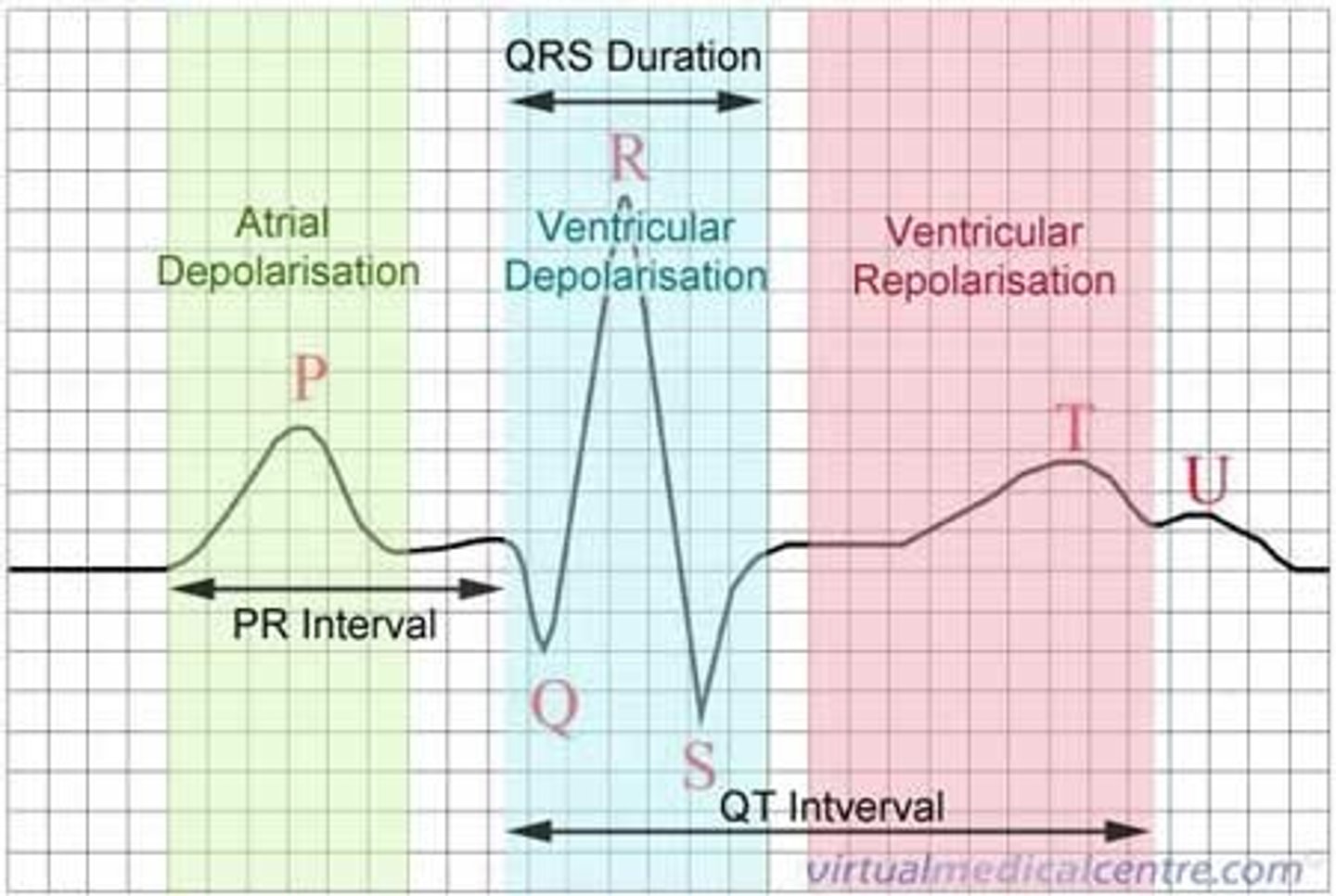
Also known as ECG or Electrocardiogram, this is a recording of the electrical impulses in the heart
What is the P wave?
a small deflection wave that represents atrial depolarization.
What is the QRS complex?
ventricular depolarization
What is a T wave?
ventricular repolarization
What is the heart doing during the measure of systolic pressure and diastolic pressure?
systolic= pumping/emptying
diastolic= relaxing/refilling
If you breathe as hard as you can and then exhale as forcefully as possible, this would be your_____________________.
Vital Capacity
After you exhale as much as possible, the remaining air in your lungs is referred to as the _______________.
Residual Volume
When someone smokes is reduces the surface area in their __________.
Alveolar Sacs
What is the primary function of the excretory System?
the removal of metabolic wastes from the blood and eventually from the body.
What transports urine from the kidney to the bladder?
the ureter
If there is a positive test for glucose on a urinalysis, it might indicate that the individual has what disease?
diabetes
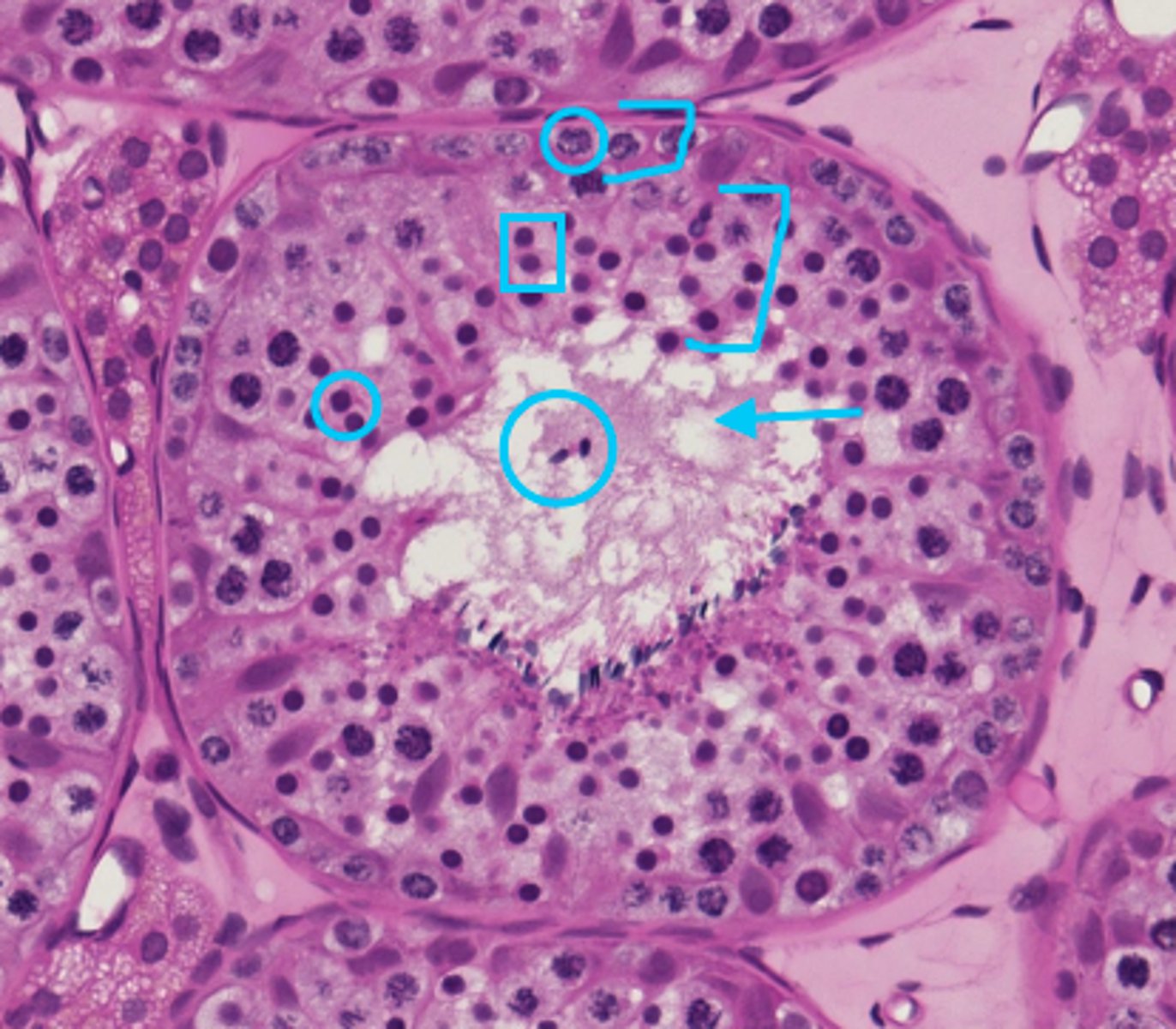
What is spermatogenesis and where does it take place?
the production of sperm; seminiferous tubules
where are the seminiferous tubules?
the testicles
When an oocyte is released from an ovary, it will travel into the _________ where fertilization takes place.
oviduct
What hormone is found in the kidneys?
antidiuretic hormone
what do the hormones oxytocin and prolactin do?
stimulate the creation and secretion of milk
What major areas can the brain be divided into?
The cerebral hemispheres, the diencephalon, the brain stem, and the cerebellum
What are the lobes of the brain and their function?
1) Frontal Lobe: control panel for personality and the ability to communicate
2) Temporal Lobe: hearing, auditory, and memory
3) Parietal Lobe: Reading(?) and senses and pain
4) Occipital Lobe: Visual
What is the diencephalon made up of?
the epithalamus, thalamus, and hypothalamus
What are the parts of the brain stem?
the midbrain, pons, and medula oblongata
What is the function of the Cerebellum?
coordinates muscle activity
What are the functions of the hypothalamus?
regulation of body temp, water, and sensory feelings such as pain and thirst
blood flow of heart
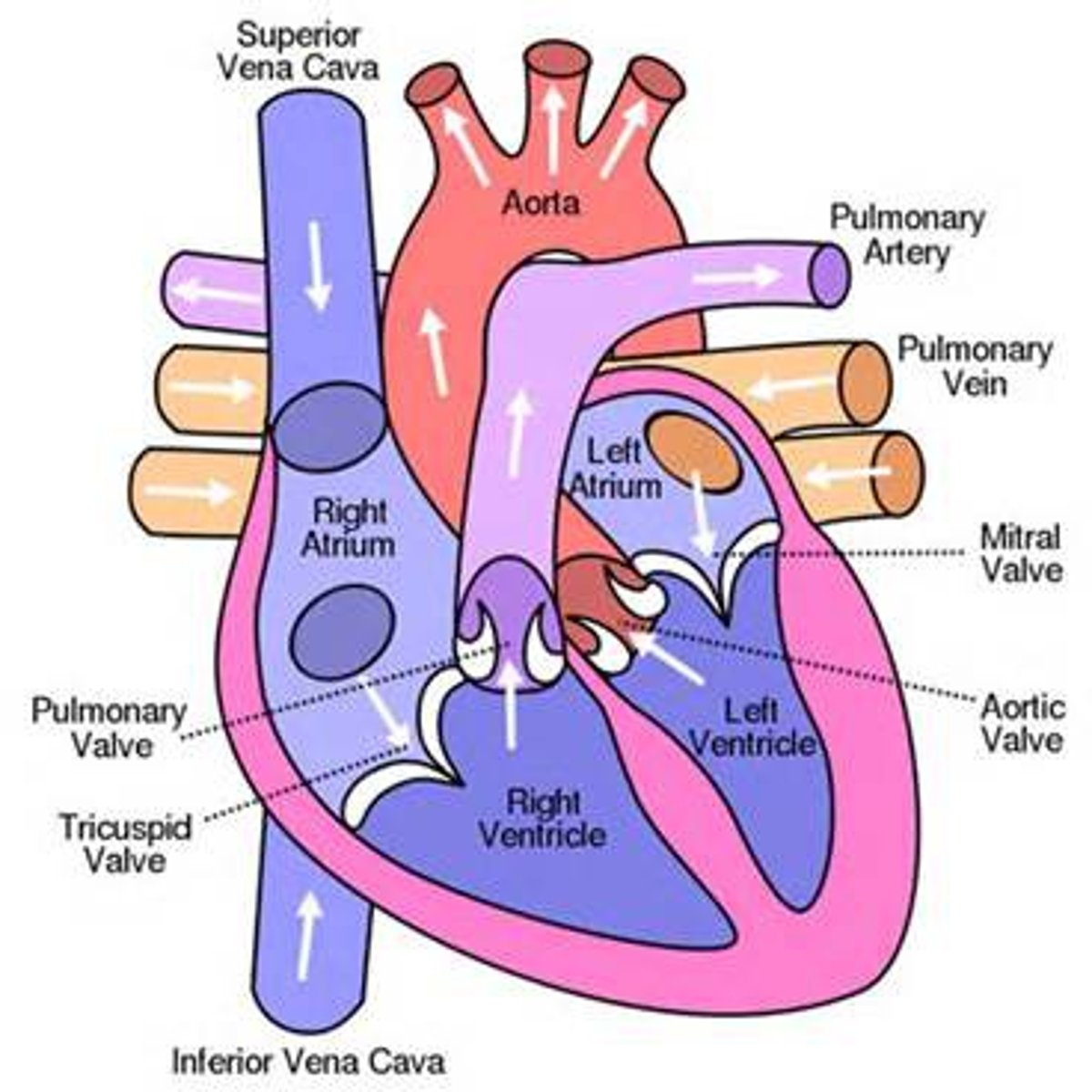
carry blood away from the heart
aterioles(arteries)
carry blood to the heart
veins
represents depolorizatioin. Both Atria Contract
"P" wave
both ventricle contract
QRS wave
represents repolorization
"T" wave
P Q-R-S T
The Respiratory system
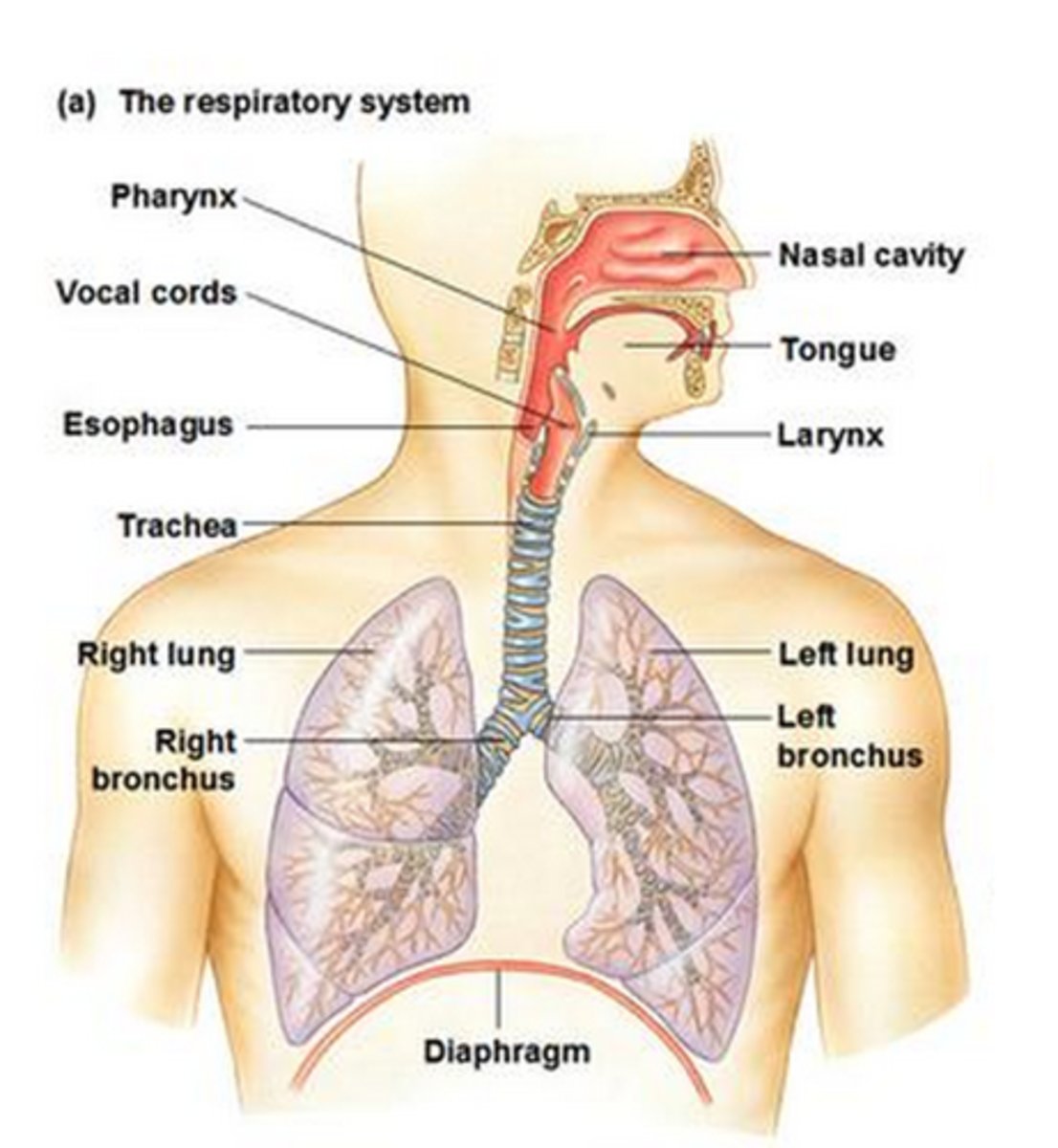
Respiratory system
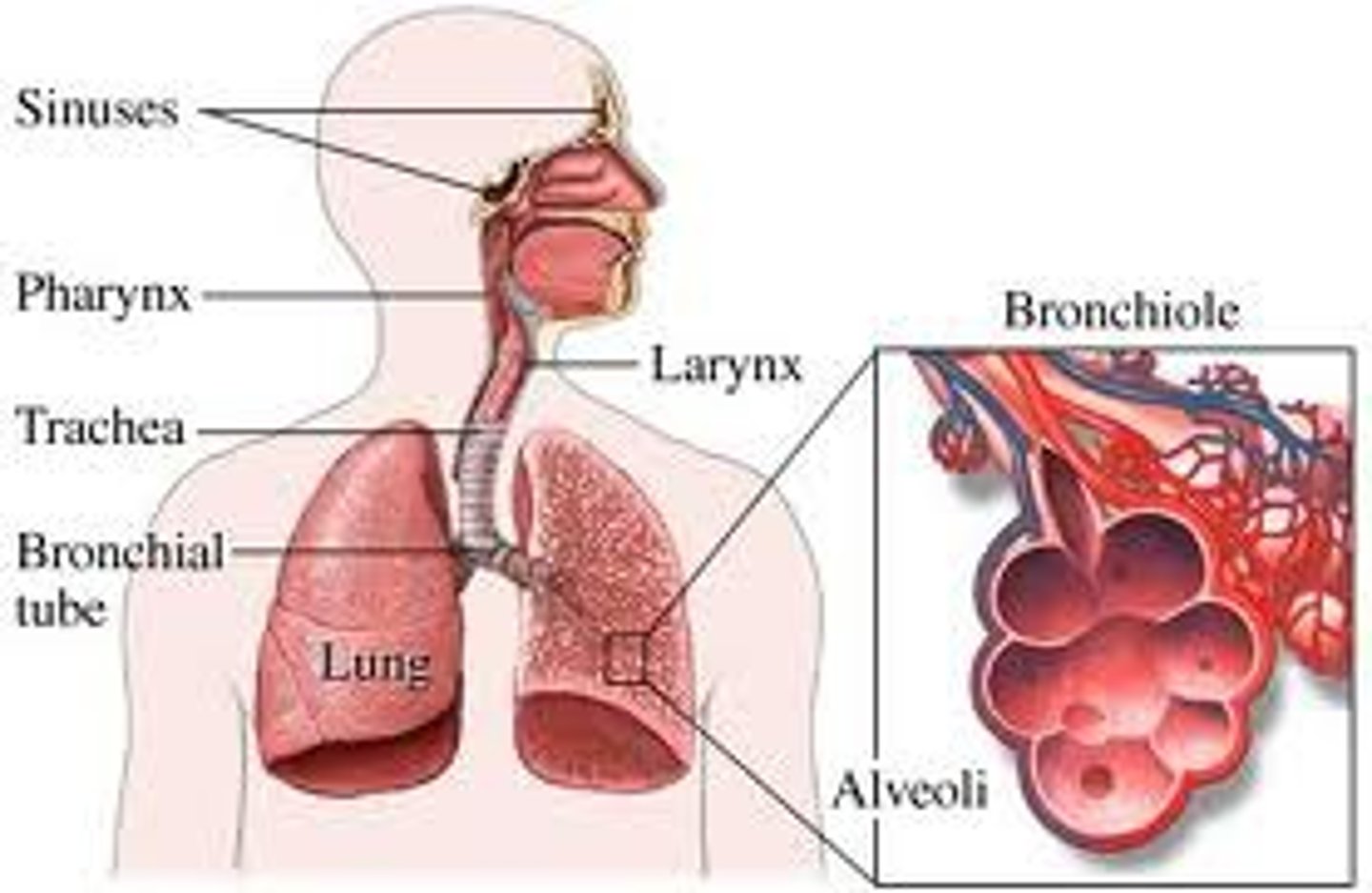
smokers lungs have carbon
lung tissue
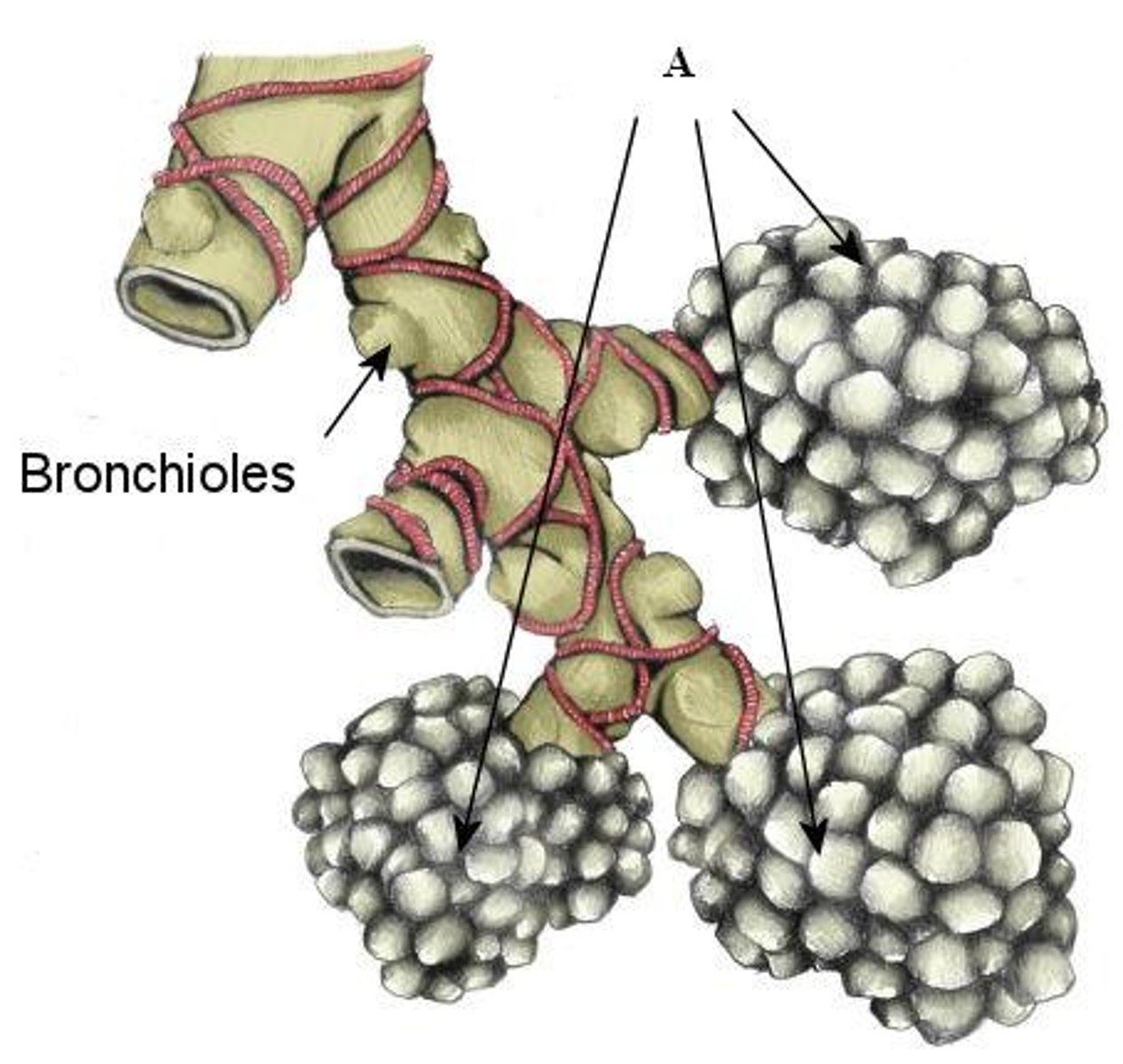
alveoli
are thin walled structures that are well-suited to facilitate the diffusion of oxygen and carbon dioxide across their membranes and to-or-from the blood capillaries that cover them.
.
The volume of air that is inhaled and exhaled at rest.
Tidal Volume
The volume of air that can be inhaled after taking a normal (tidal) inhalation.
Inspiratory Reserve Volume
The volume of air that can be exhaled after making a normal (tidal) exhalation.
Expiratory Reserve Volume
The volume of air that represents the largest inhalation you can take followed by the deepest exhalation you can make.
Vital Capacity
The volume of air you cannot exhale. It remains in the lungs to keep the alveoli partially inflated.
Residual Volume
The maximum volume of air the lungs can hold. This is the sum of your vital capacity and the residual volume.
Total Lung Capacity
The primary function of the Excretory System is the removal of metabolic wastes from the blood and, eventually, from the body.
Excretory System
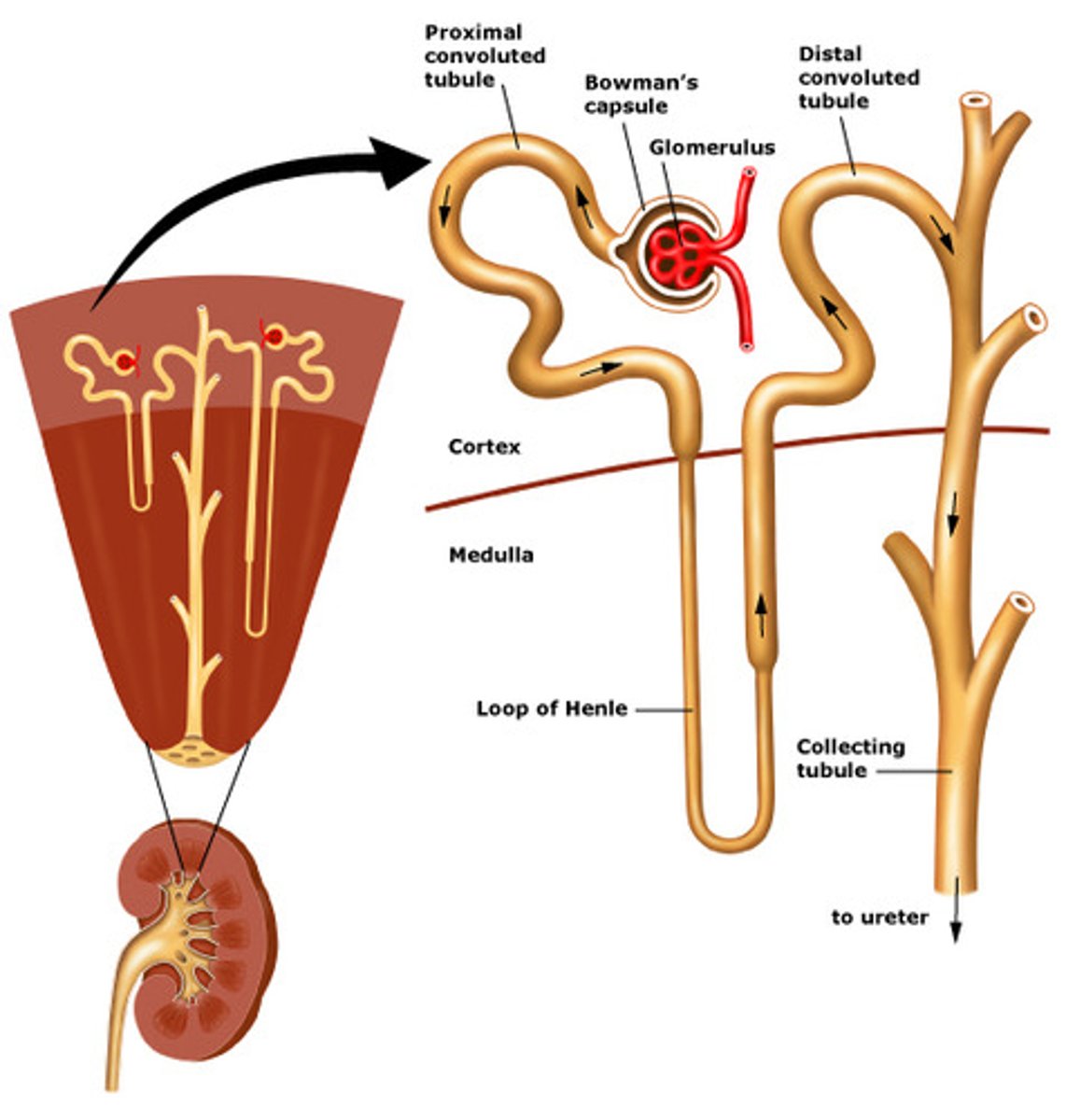
Kidney Structure
loop of henley
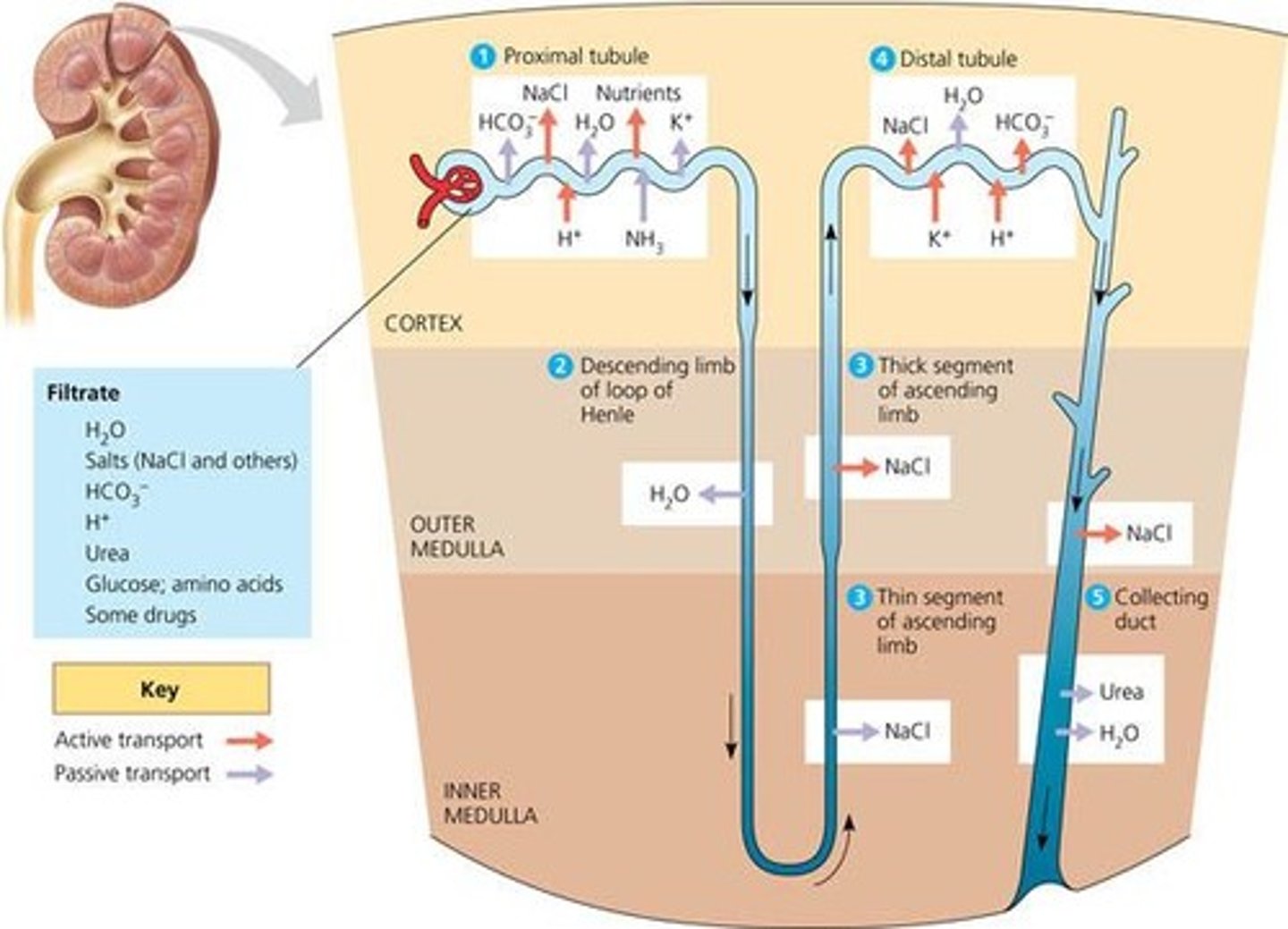
loop of henley(2)
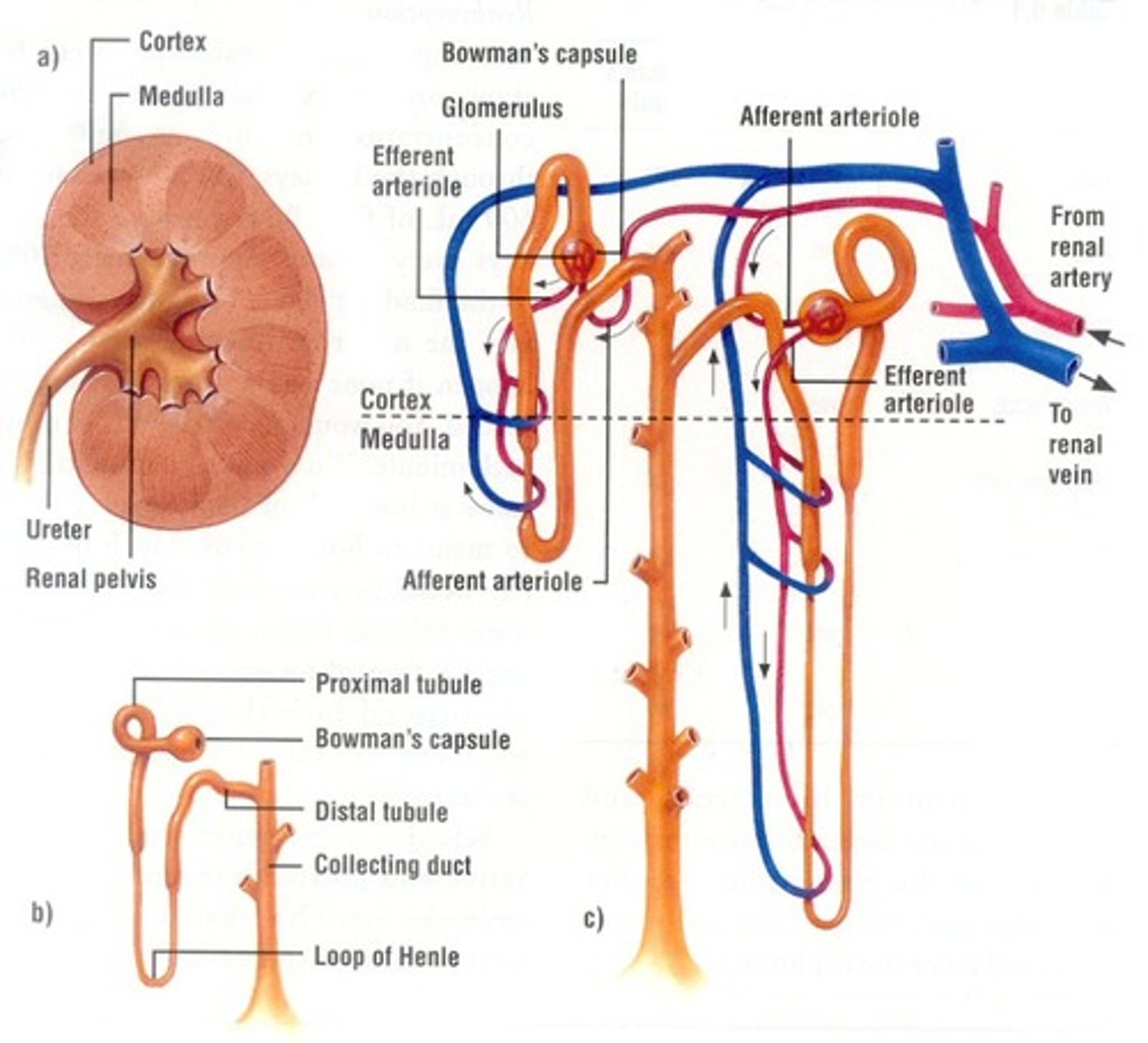
renal cortex
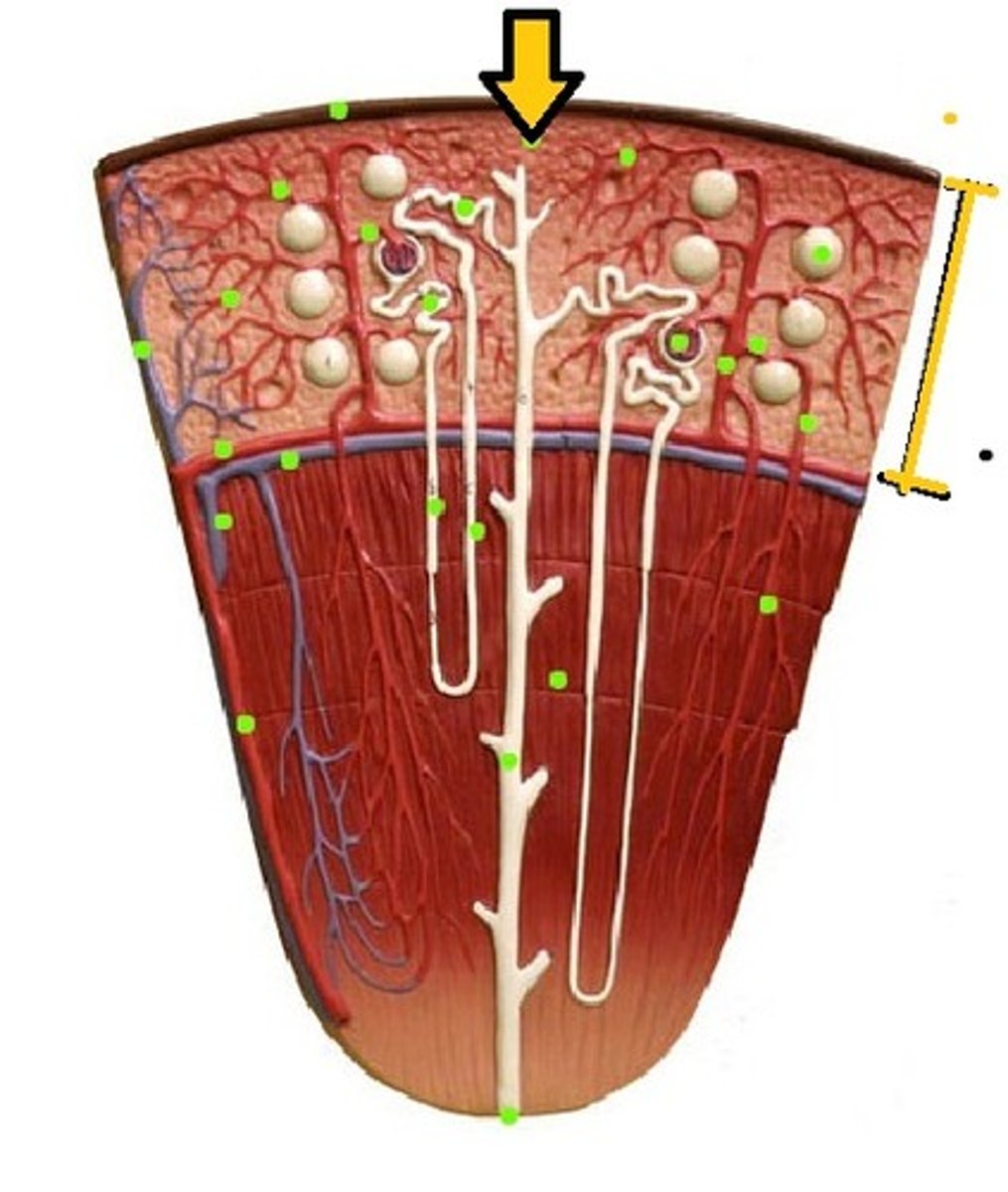
collecting duct
male reproductive system(know seminal vesicle)
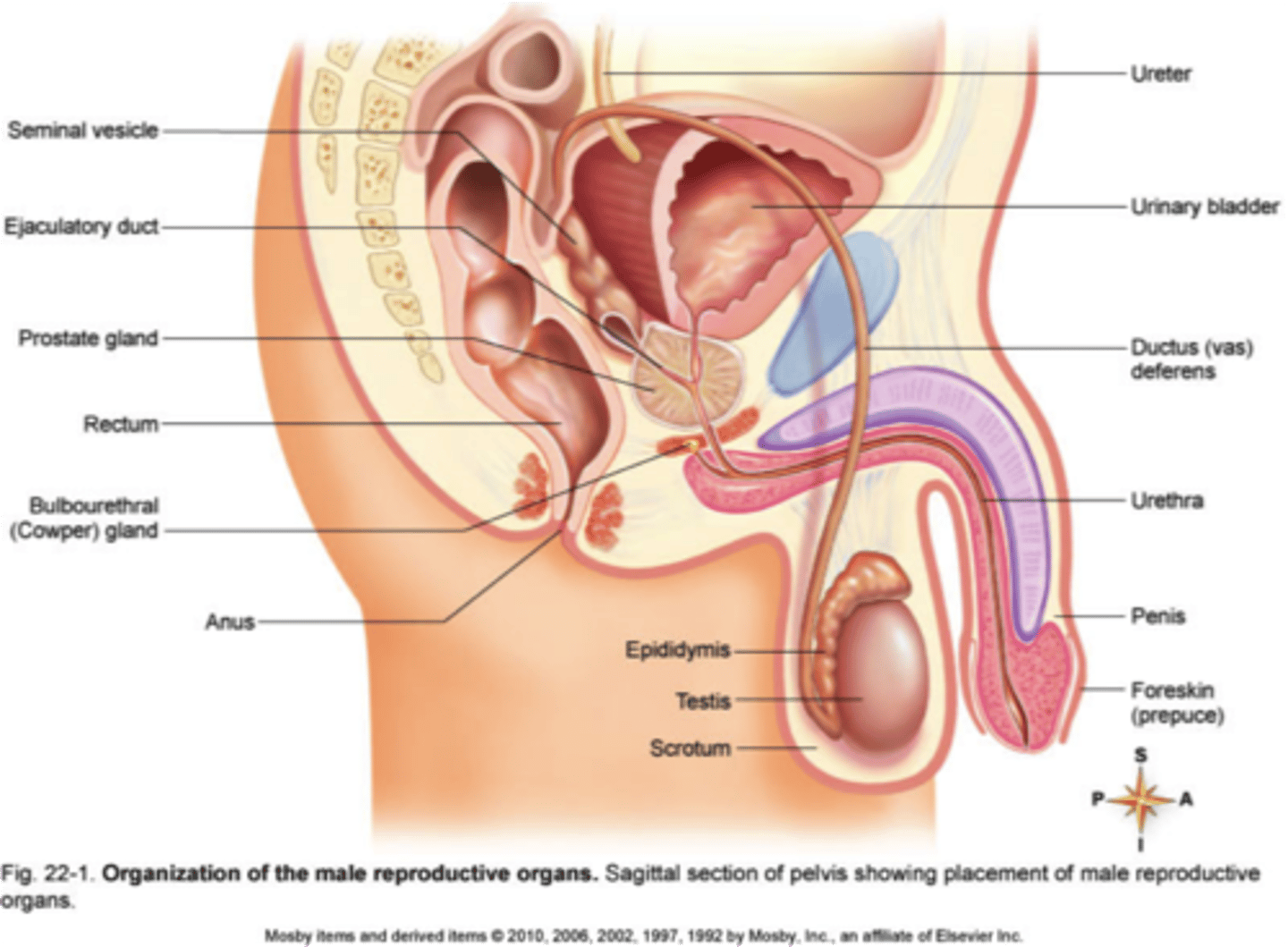
Seminferous tubules->Epididymis->vas defernes ->urethra->exit body
path of travel for male reproduction
Ovary ->Oviduct ->Uterus ->Cervical canal ->vagina ->exit body
Path of travel for female reproduction
sperm
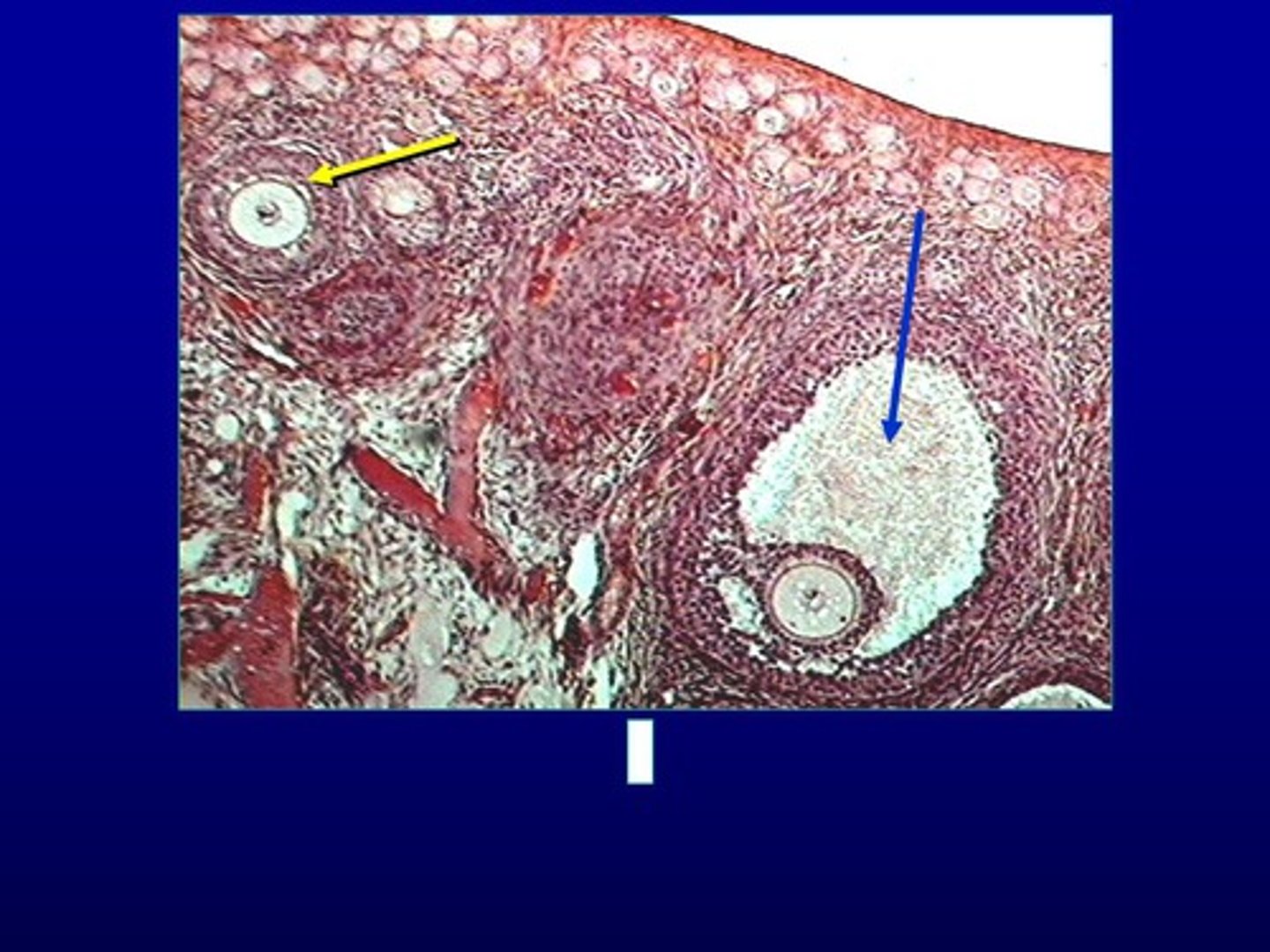
ovary follicle
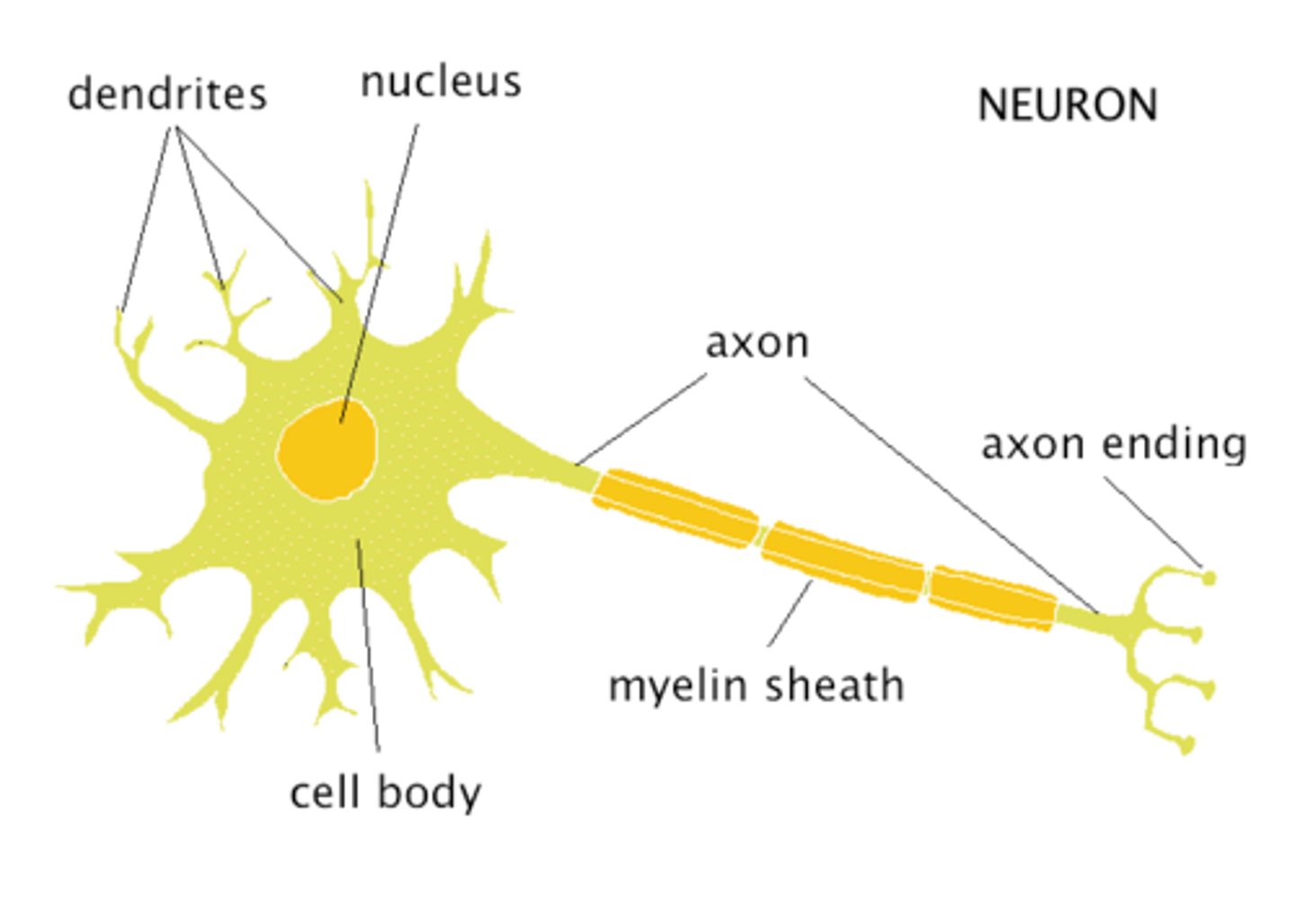
axon
away
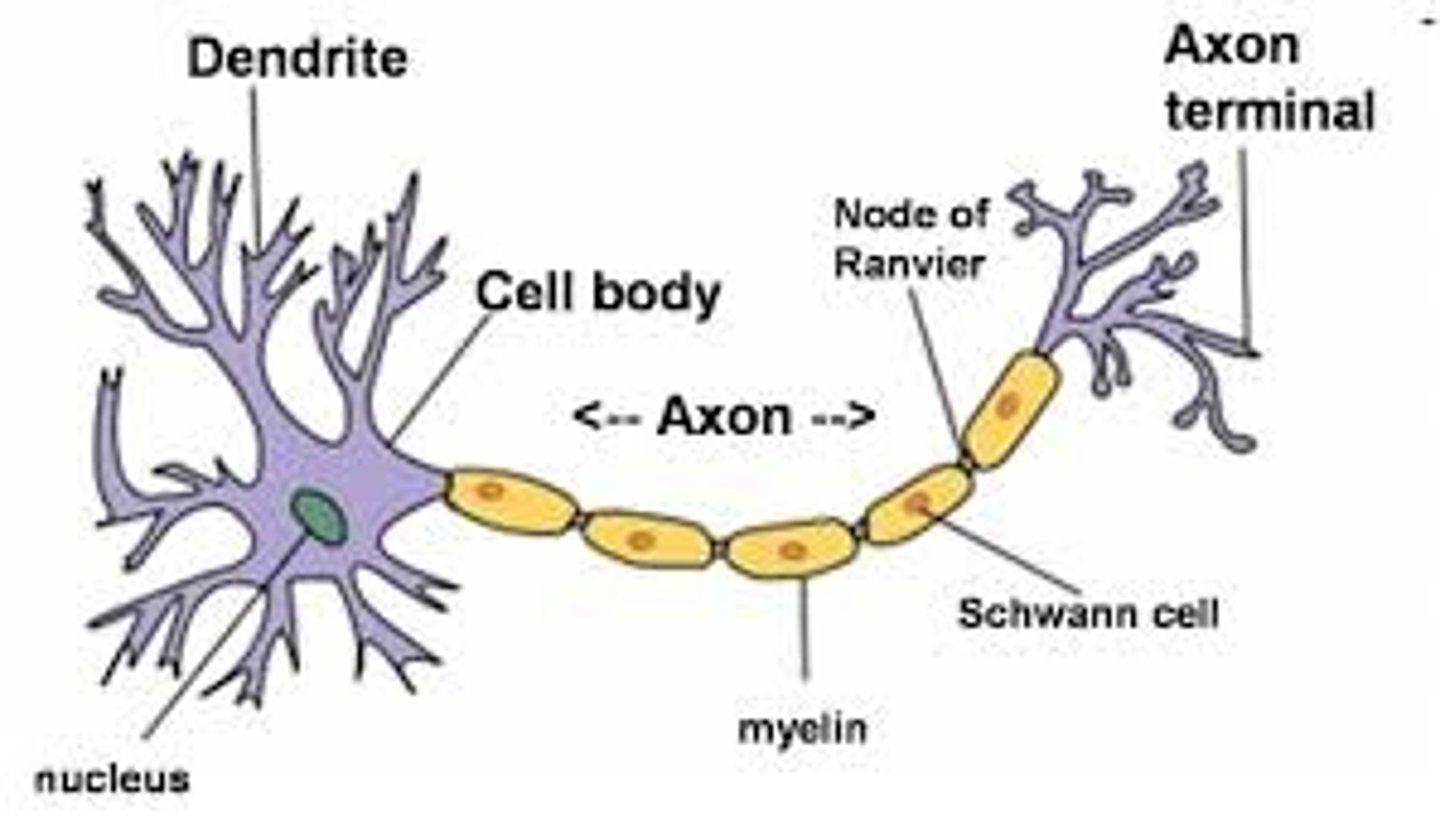
dendrite
towards
brain
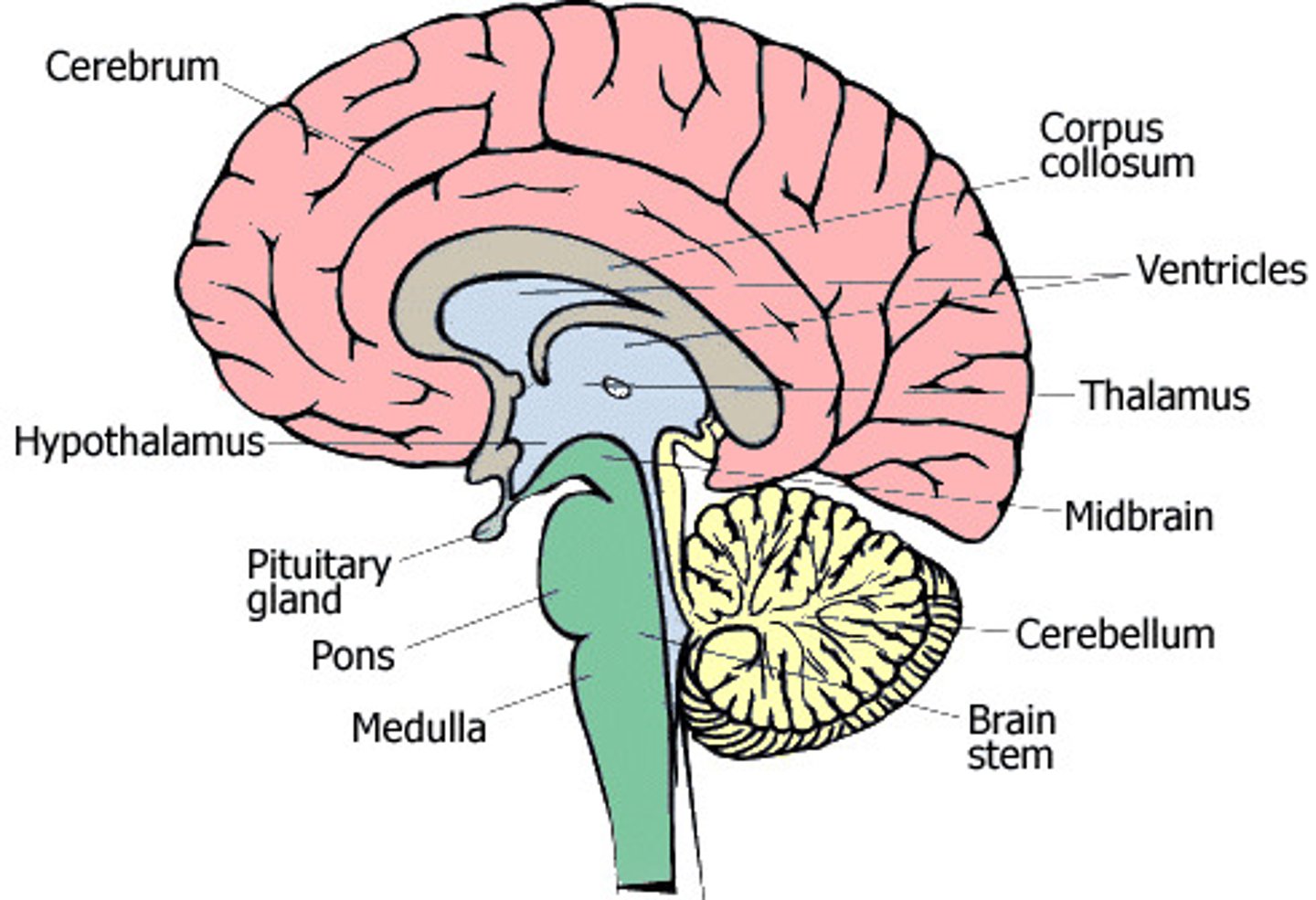
largest portion
cerebrum
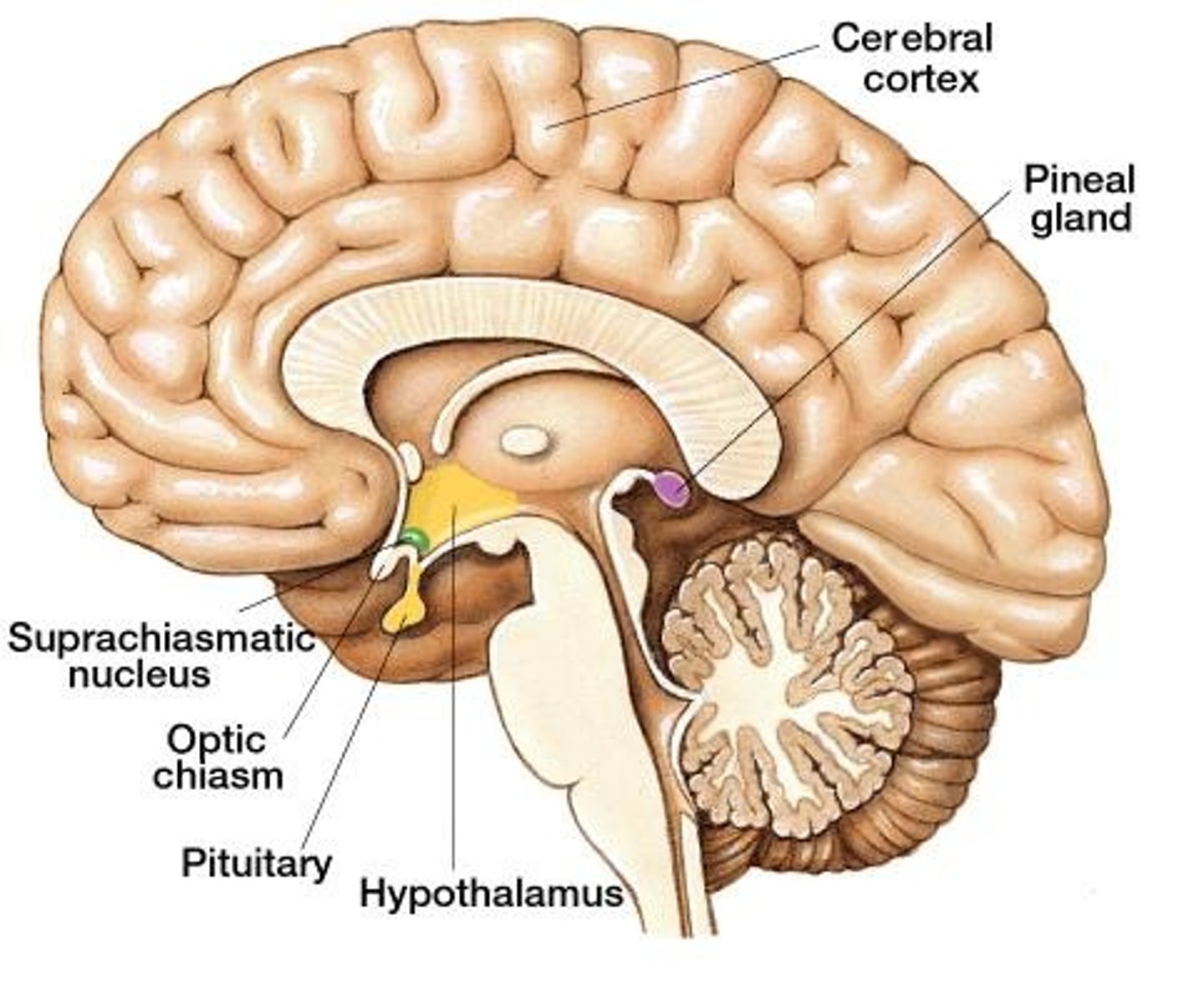
pineal body
happy
cerebellum
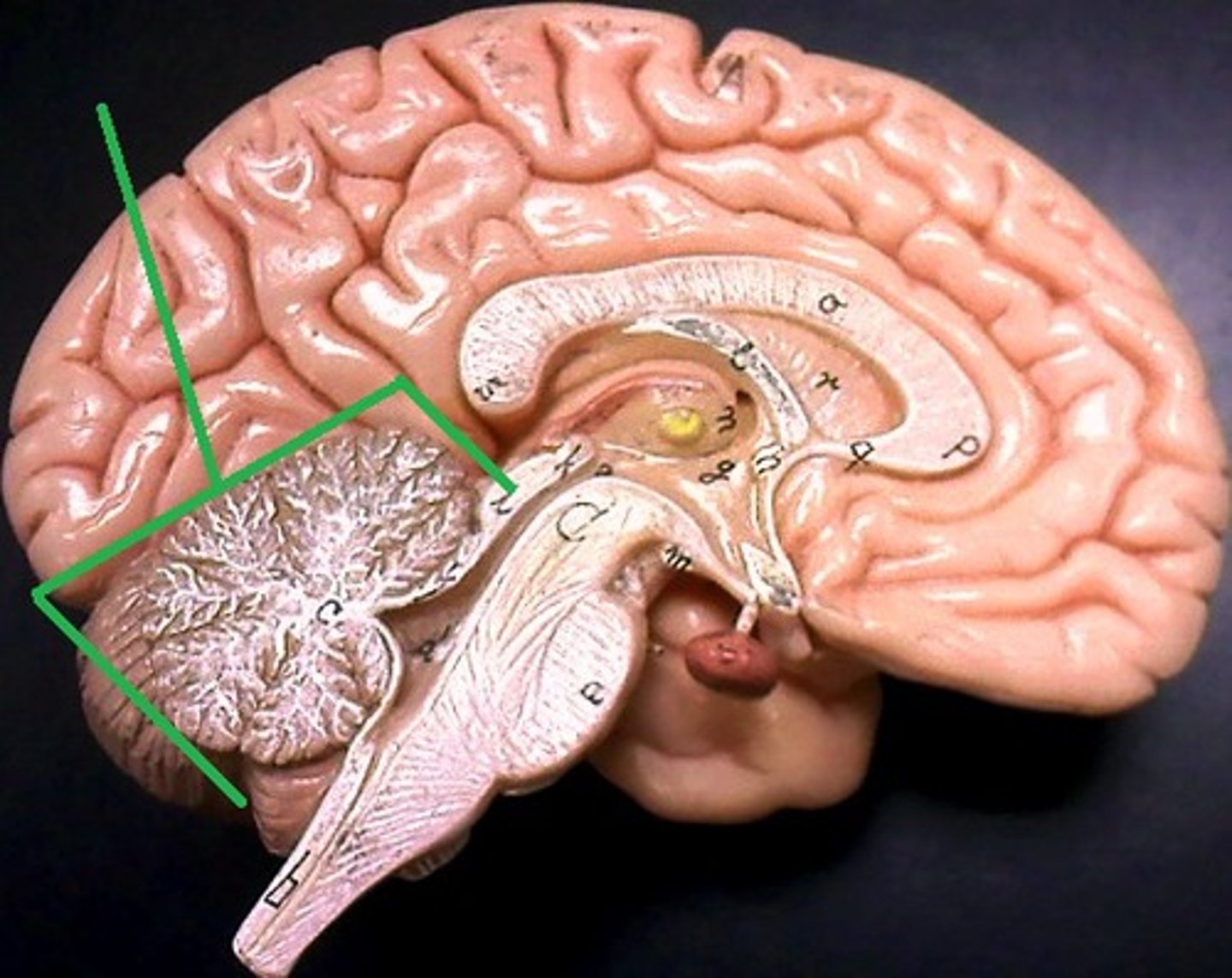
pituitar gland
rhythmic
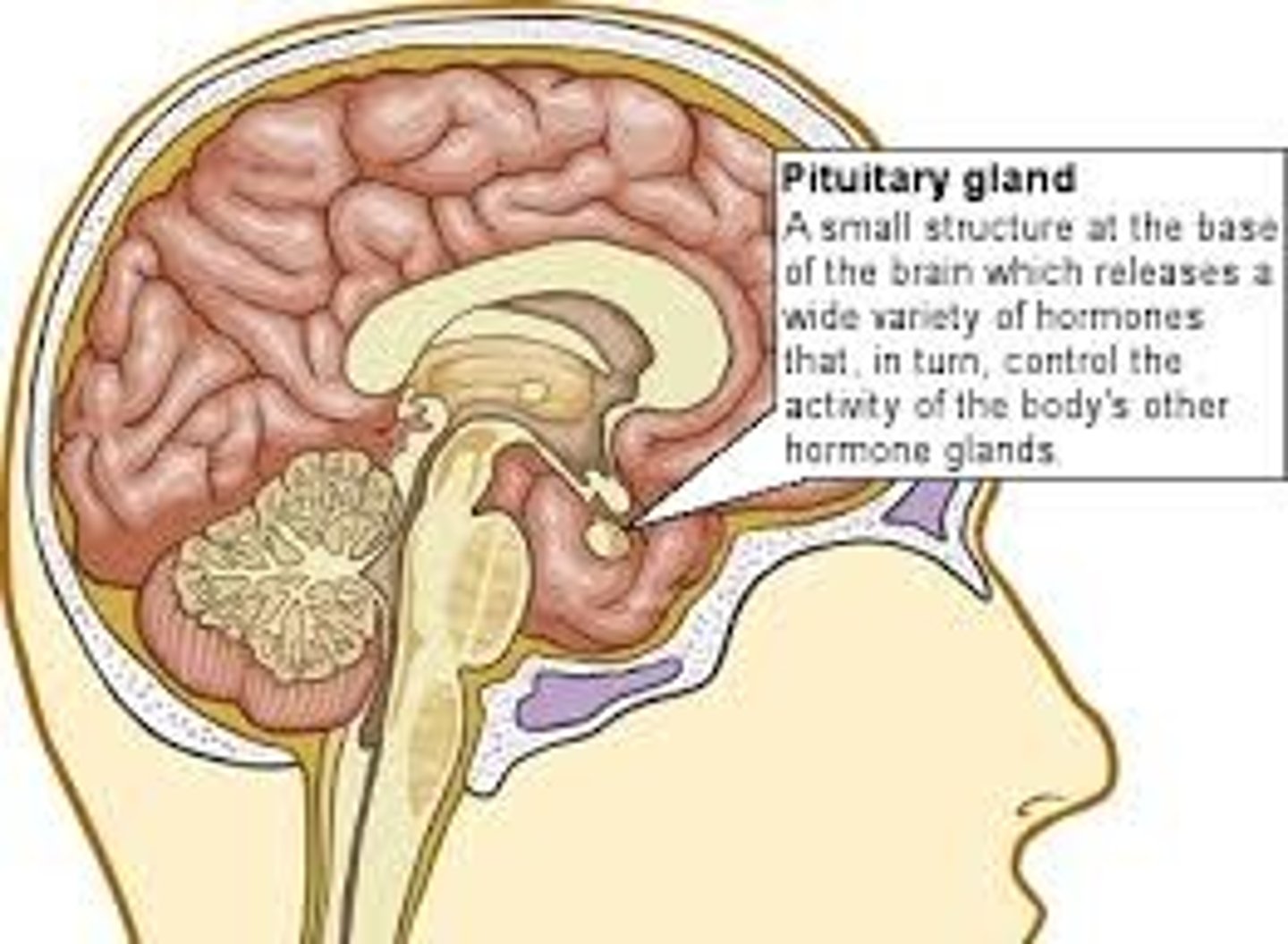
epithalamus,thalamus,hypothalamus
1.2.3.
6 hormones
anterior pituitary
2(low)
posterior pituitary
grooves
sulcus
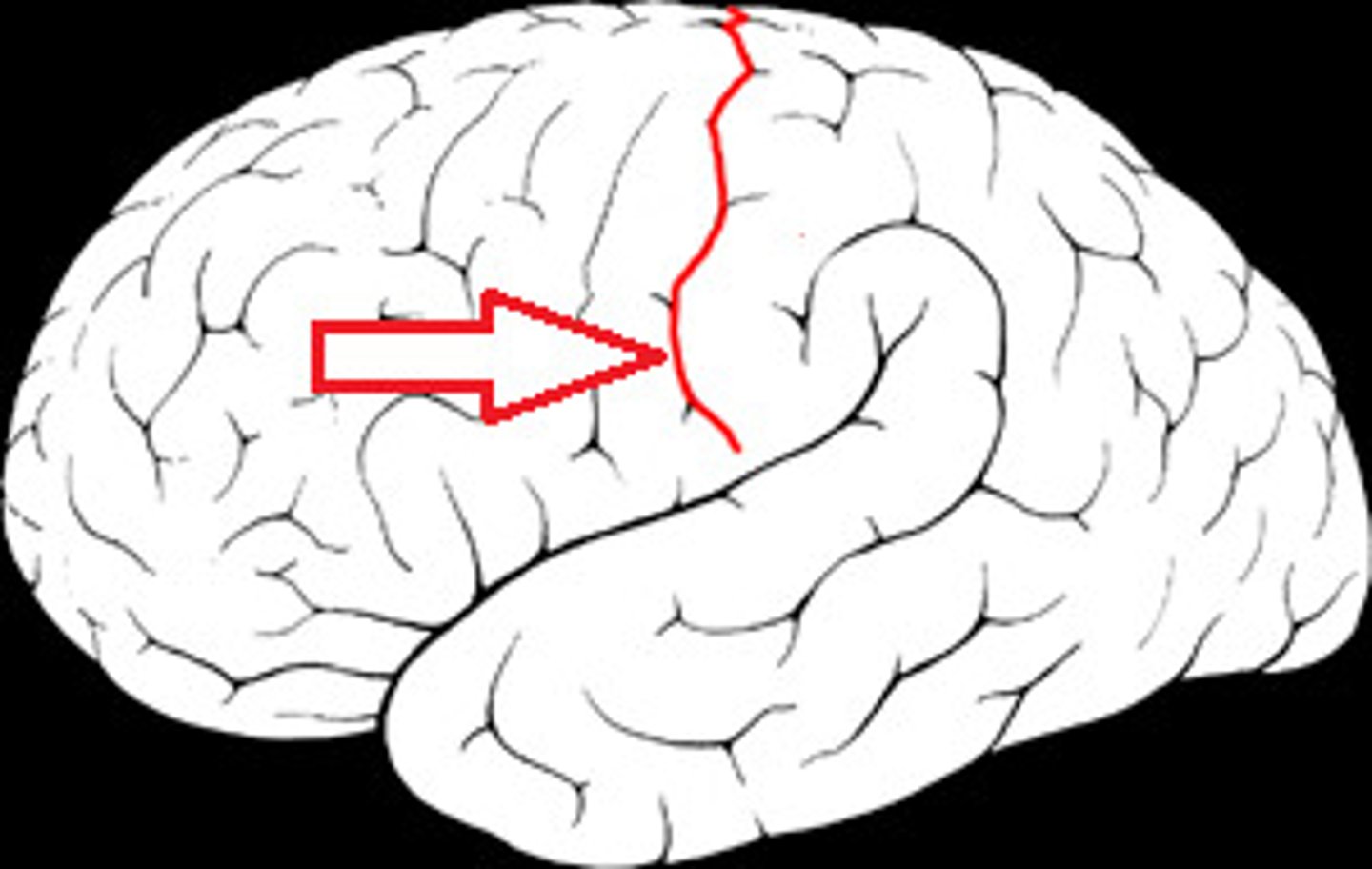
gyrus
humps
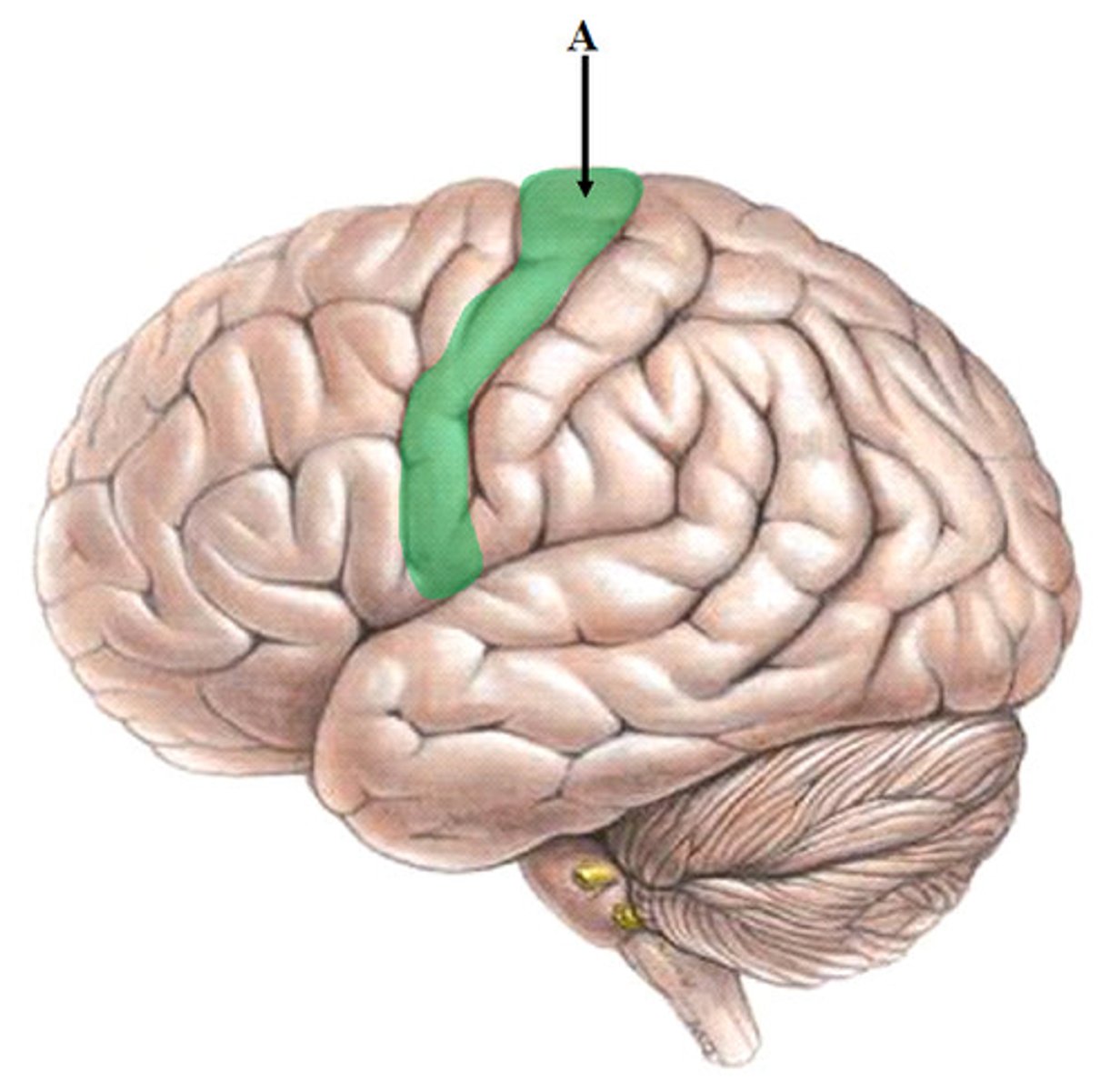
thymus
kids only
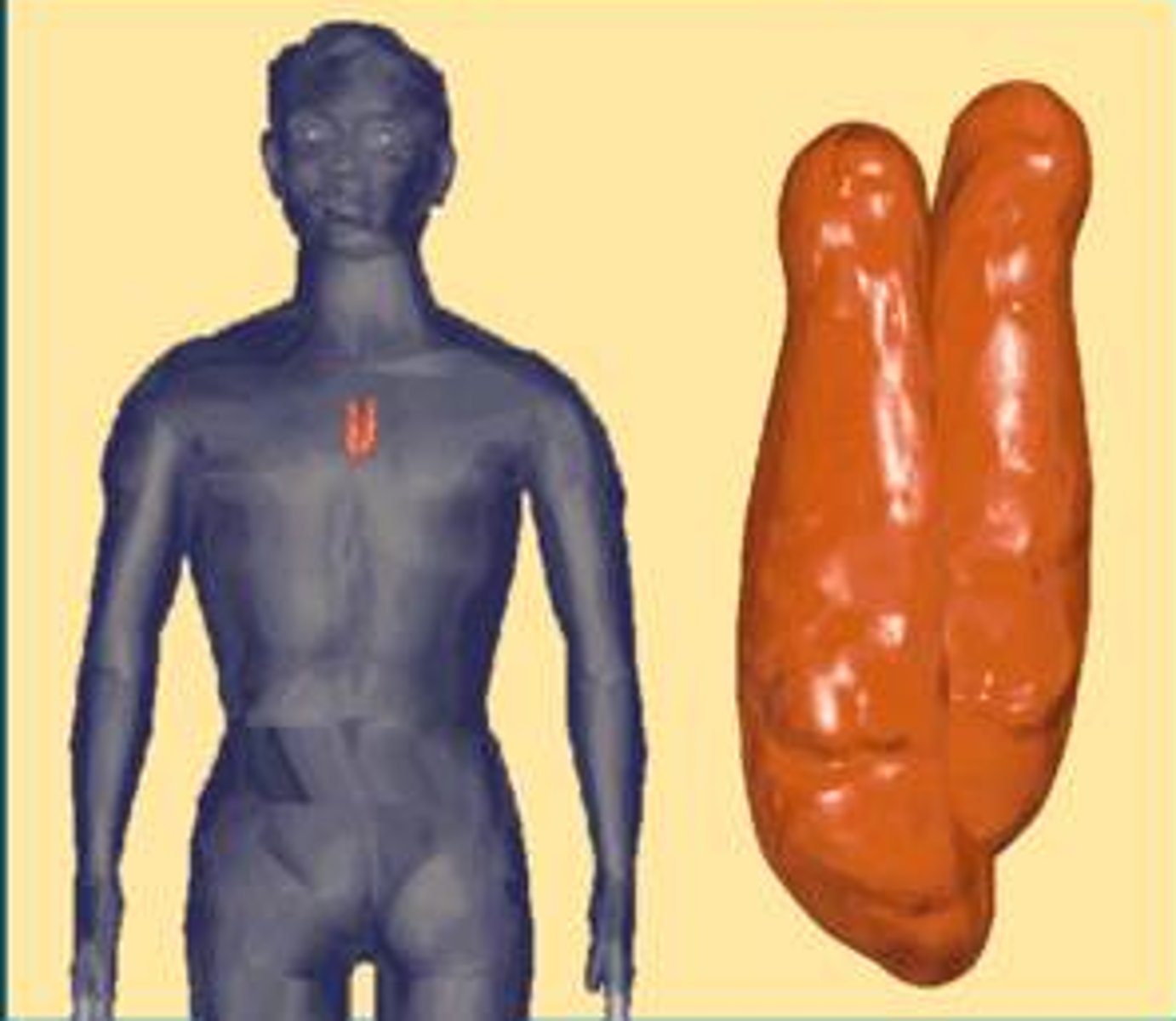
superior(above)kidney
adrenal gland
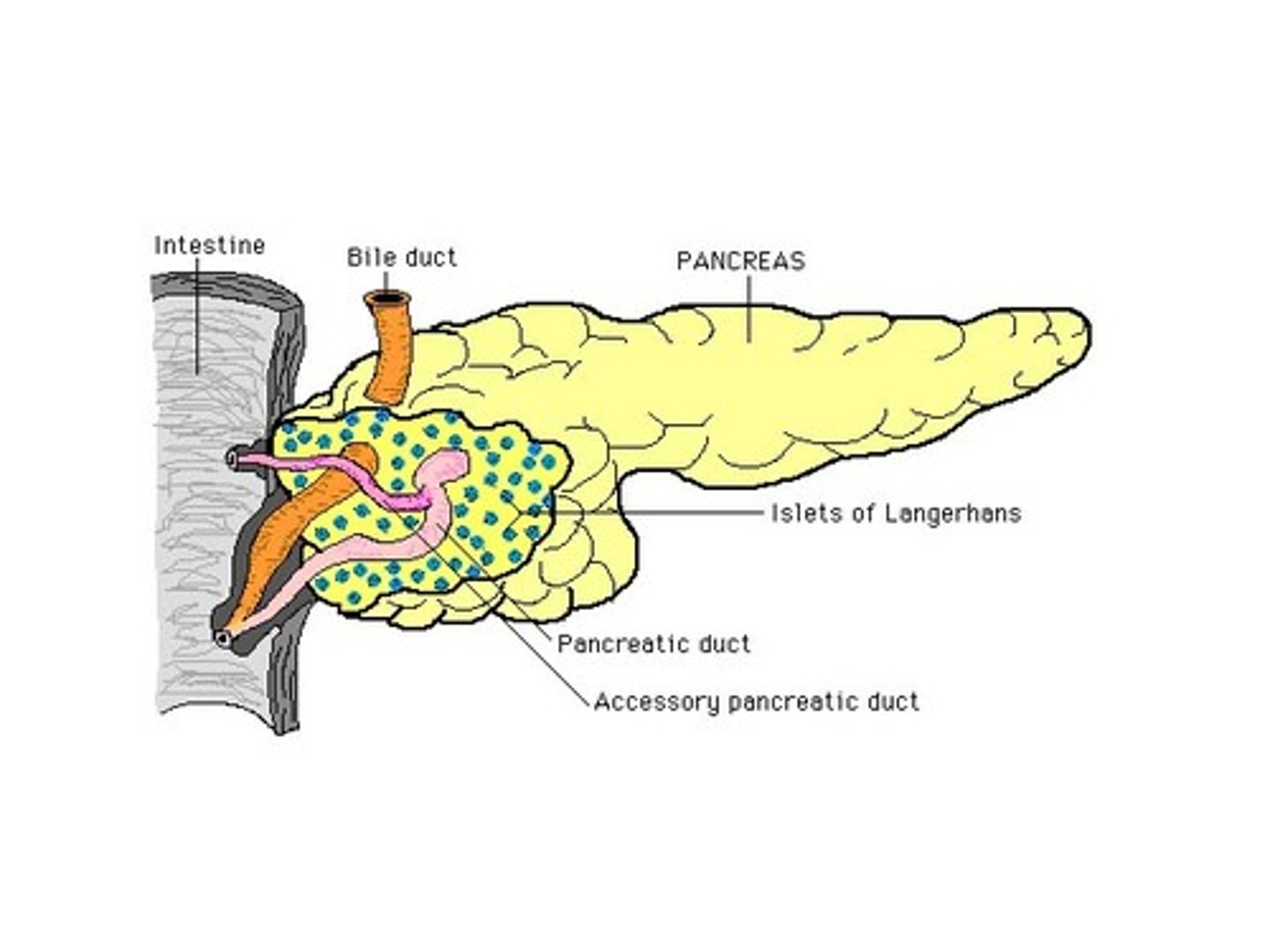
islets of langerhans
in pancreas, secrete 2 hormones
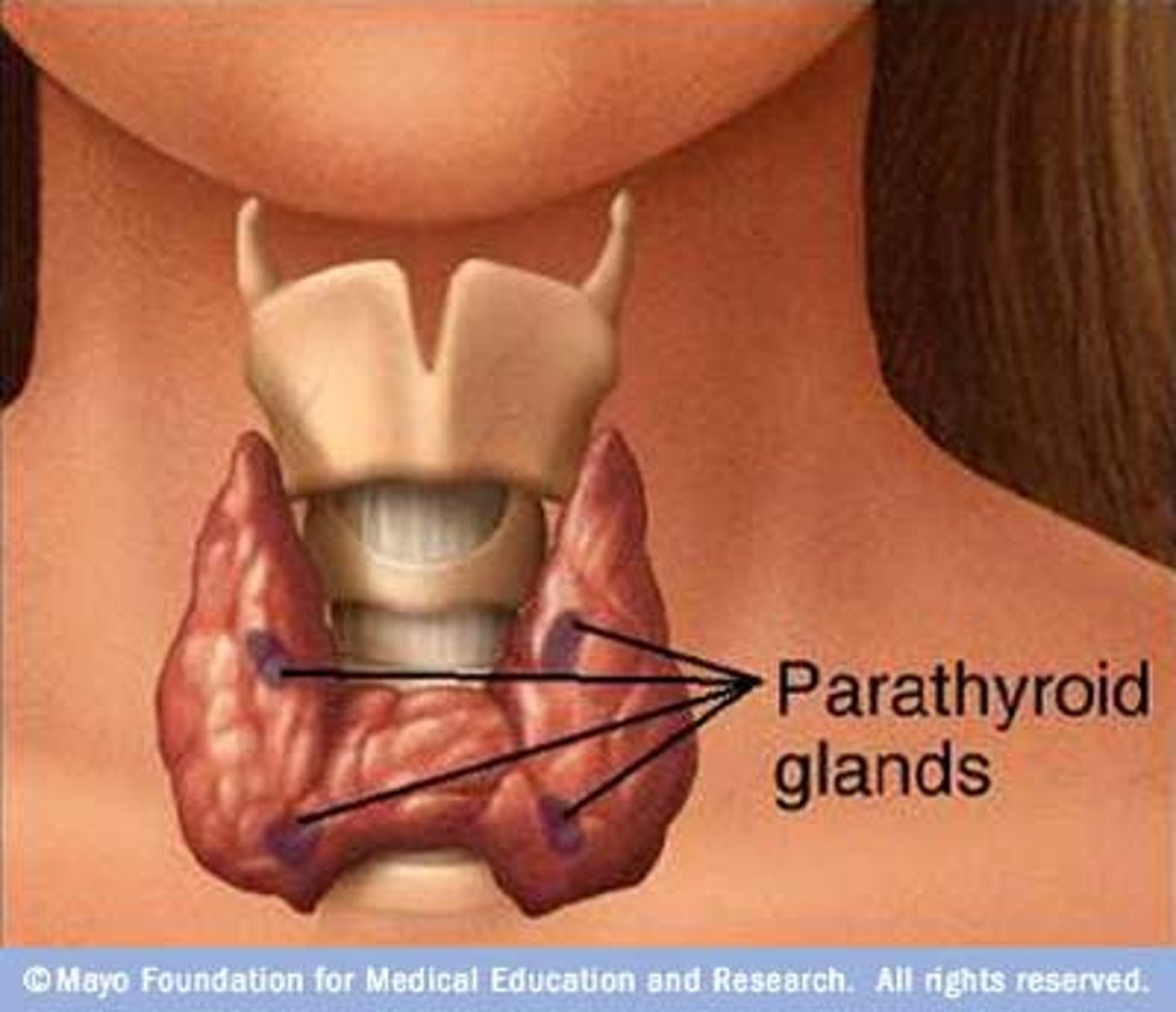
parathyroid gland (below adams apple)
.
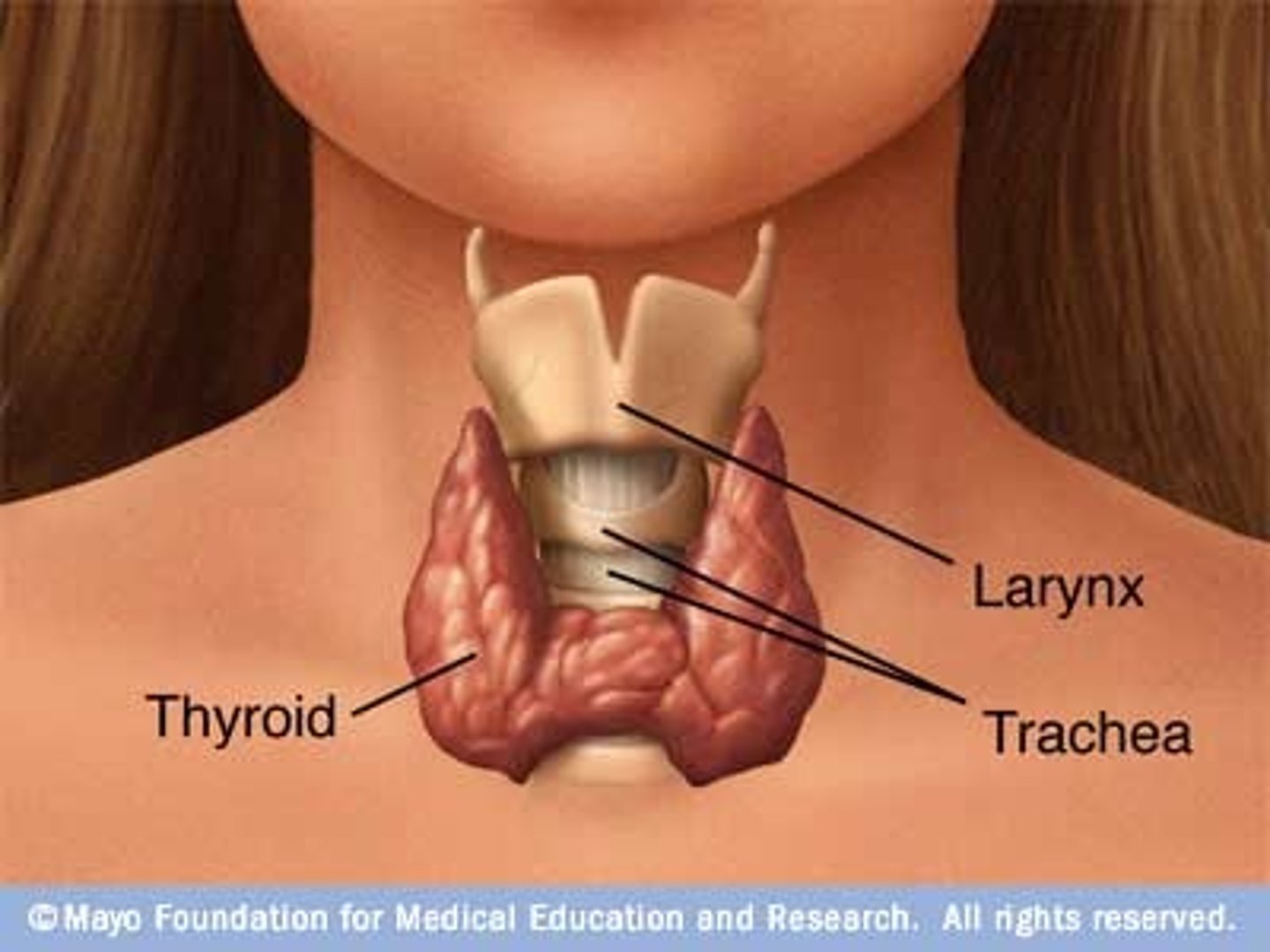
thyroid gland, removes calcium from blood(calcitonin)
.
eye structure
know iris, cornea, pupil, lens, retina, sclera, choroid layer, blind spot
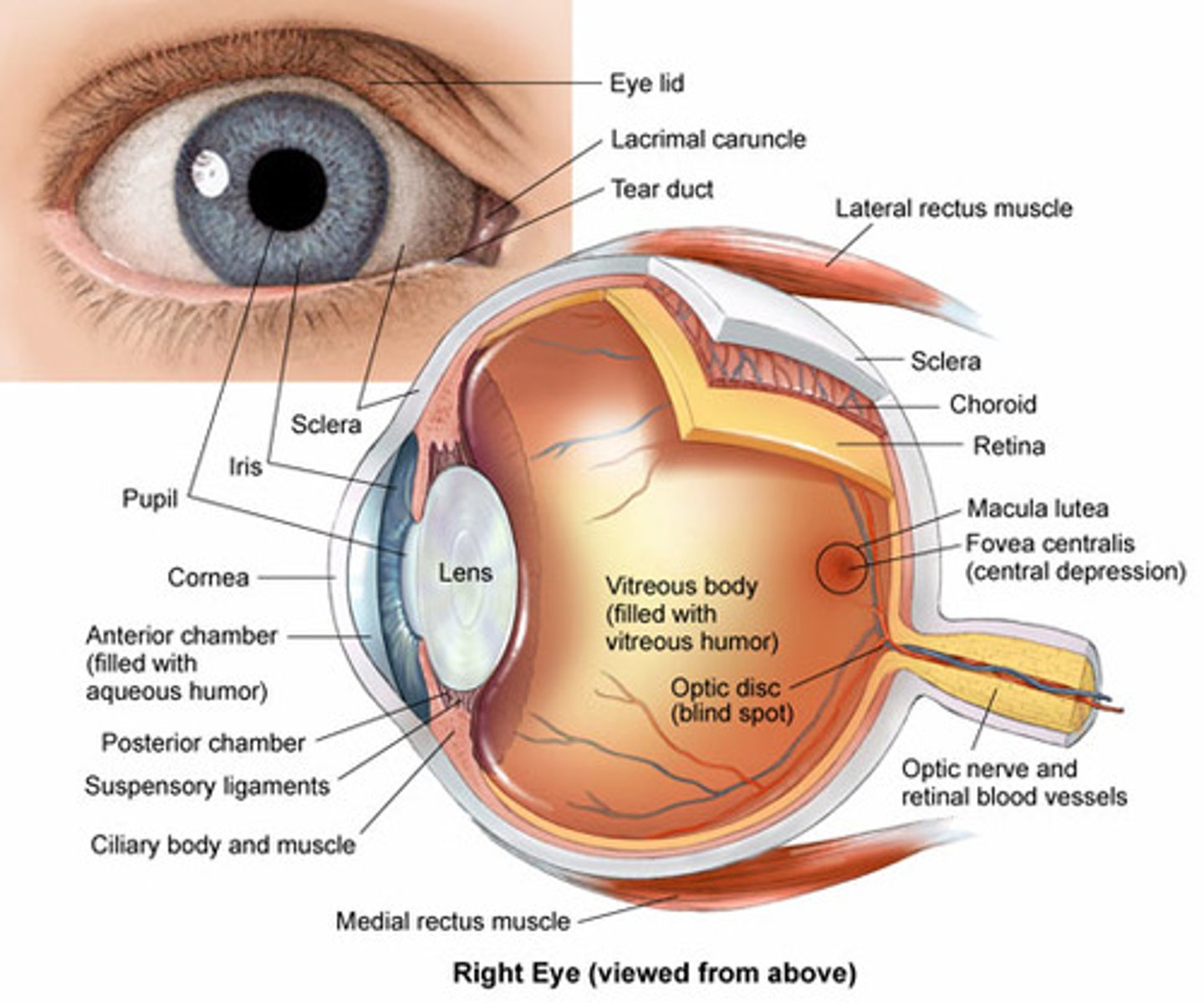
color portion
iris
translucent, clear
cornea
round ball
lens
the white base layer
retina
the white of the eye, outside part
sclera
dark black/blue layer
choroid layer
ear structure
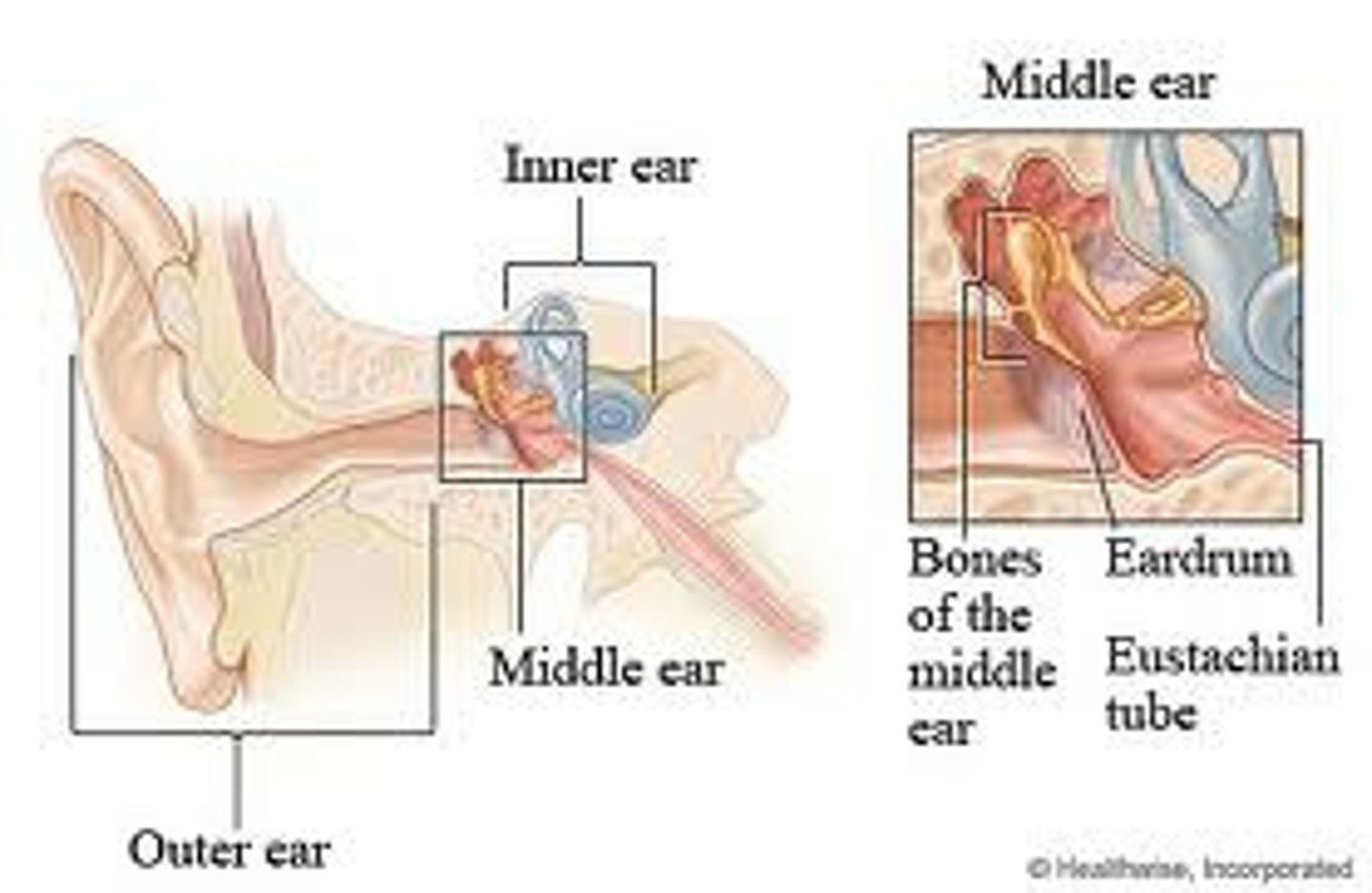
outside ear
pinna
external ear canal
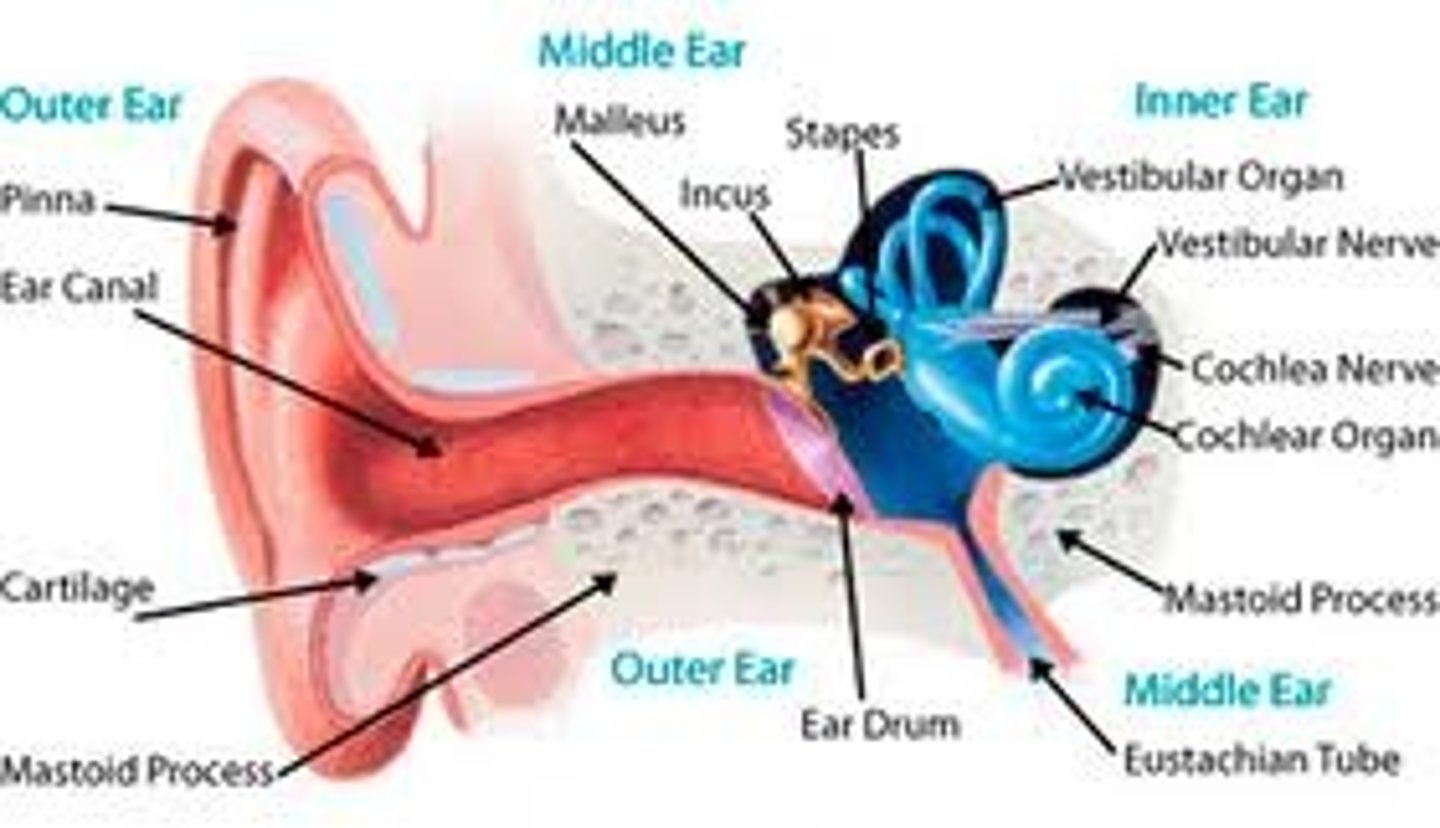
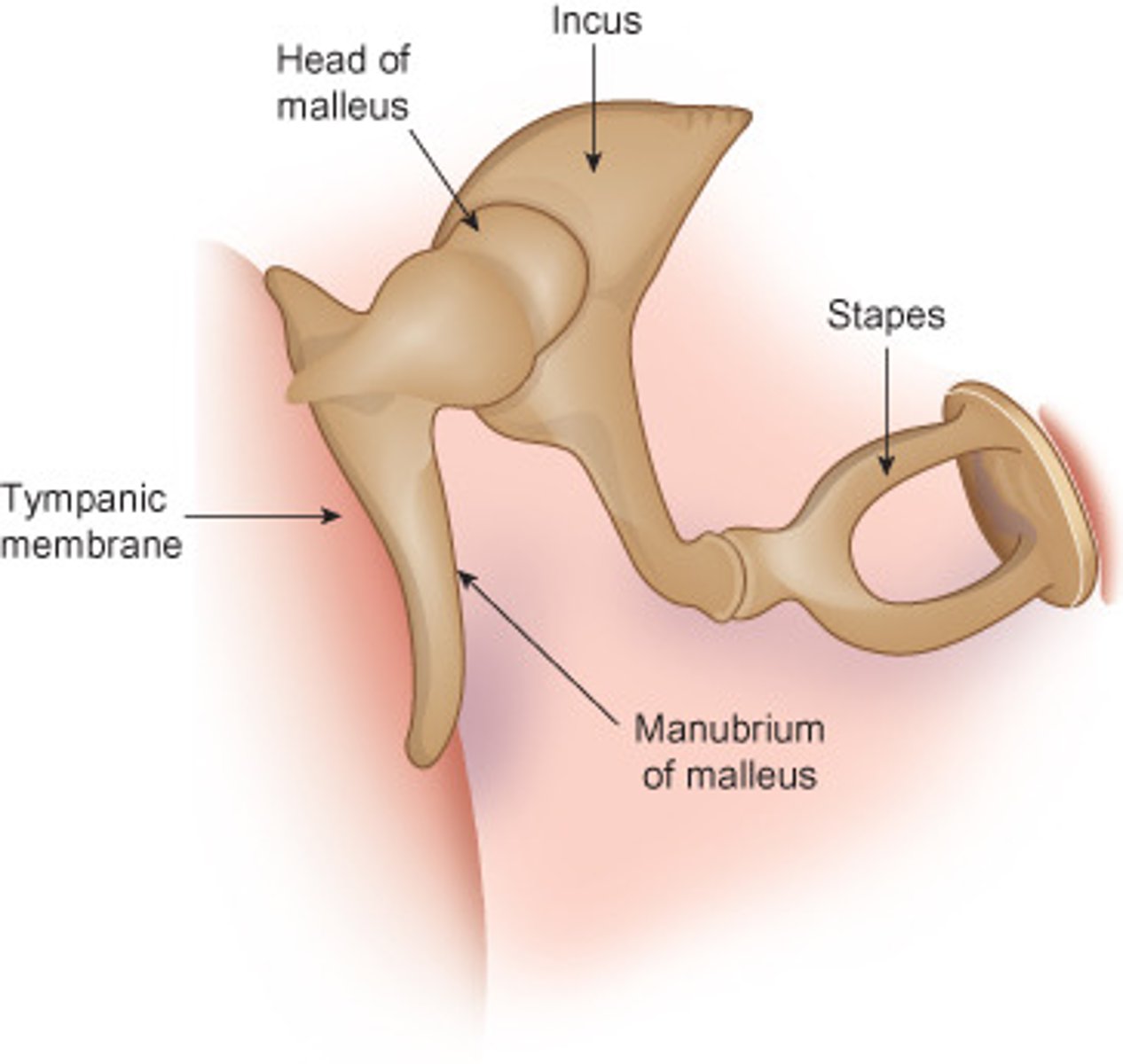
Malleus, Incus, Stapes
MIS
stapes
in lab how were you measuring enzyme activity. (How could you tell if the reaction had occurred and broken down the substrate?)
a change in color determined if benzoquinone was produced.
brown- high enzyme activity
light brown- less enzyme activity
clear-low/no enzyme activity
In the reaction with catechol oxidase, identify the substrate, enzyme, and product.
substrates- catechol and oxygen
enzyme- catechol oxidase
product- benzoquinone and water
When you used the beans in your respiration experiment, what were you measuring and how did that Value change over time?
measuring amount of CO2; increases as time increases
What affect does respiration have on temperature?
during respiration, heat is produced.
How did you measure your production of carbon dioxide in lab?
add bromothymol blue to two test tubes. Its color changes in the presense of CO2:
Blue- No CO2 present
Green- some CO2 present
yellow- much CO2 present
What gas were you measuring with the lab quest that was being produced by the plant in photosynthesis? How did this result change over time?
oxygen; amount of oxygen increases over time
fermentation can occur when ____ is lacking
oxygen
respiration produces ____
ATP
the germinating beans produced a gas called _____ _____ by a process called ____ ____
carbon dioxide, aerobic respiration

