unit 1 mental health
 Studied by 0 people
 Call with Kai
 Learn
Learn Practice Test
 Spaced Repetition
 Match
Match Flashcards
 Knowt Play
1/38

There's no tags or description
Looks like no tags are added yet.
Name | Mastery | Learn | Test | Matching | Spaced | Call with Kai |
|---|
No study sessions yet.
39 Terms
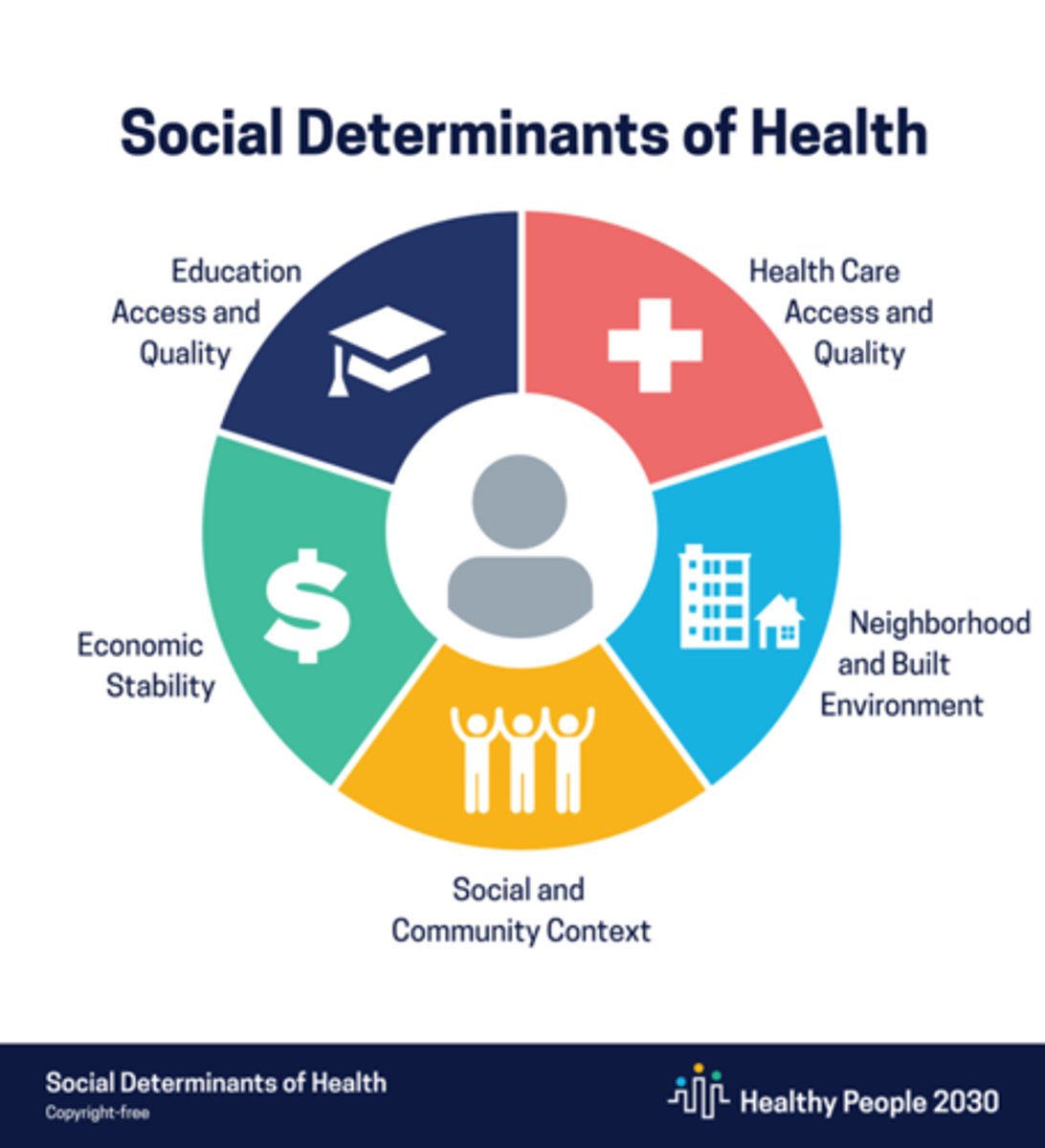
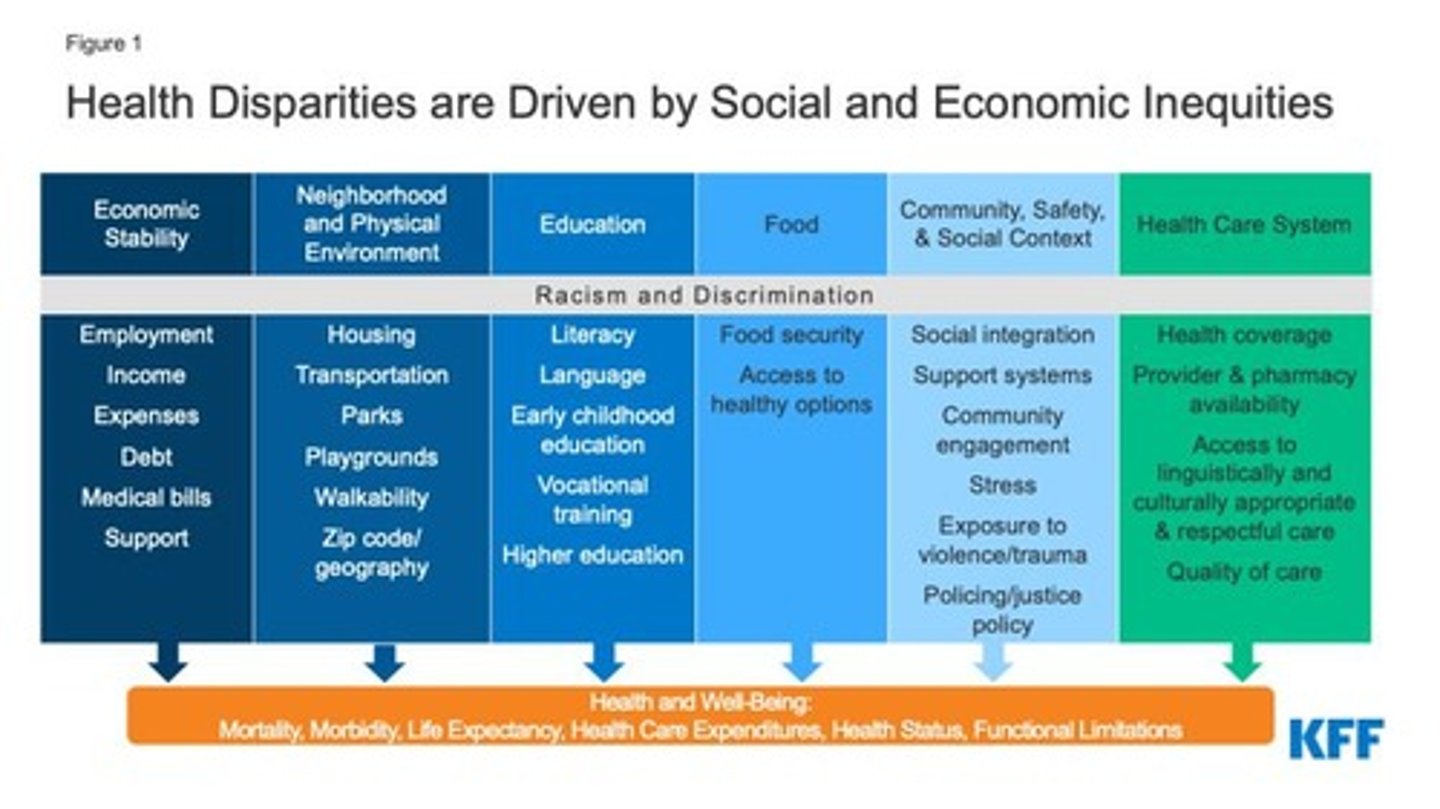
social determinants of health (SDOH)
Contributing Factors
• Life course
• Household
• Community
• Local services
• Community and global factors
- rural areas
- age: YA, elderly
diathesis
a vulnerability or predisposition to developing a disorder
beneficence nursing
the promotion of good
ensuring the pts best interest re considered regardless of nurses opinion
veracity nursing
Requirement to provide truthful information to patients.
autonomy nursing
the right to self-determination; nurses respect the pt autonomy when they respect patients rights to make decisions about their care
Justice in Nursing
equal treatment for all (treating without bias)
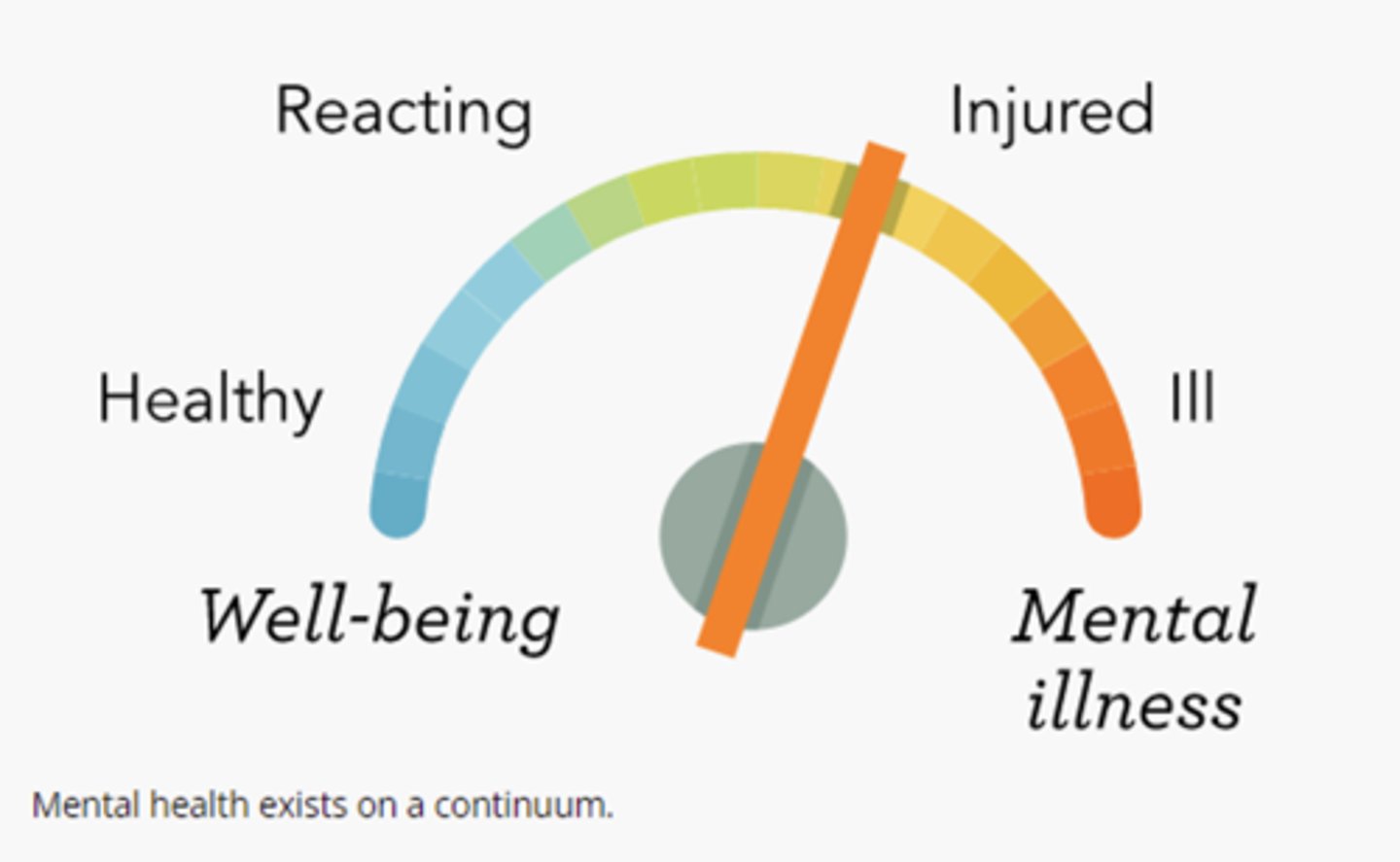
mental health continuum
A conceptual line used to represent levels of mental health and mental illness that vary from person to person and vary for a particular person over time.
excelling
thriving
surviving
struggling
crisis
excelling mental health
- motivations for goal achievement,
- rational thoughts
- ability to foster social relationships,
- the ability to resolve stress.
thriving mental health
may experience stressors but can resolve those stressors.
The nurse should look for plans or actions to process stress and the ability to foster social activity.
surviving mental health
It may be described as the person feeling on edge.
- nervousness
- irritability
- distraction
- withdrawnness
struggling mental health
may feel worthlessness
worry often
life is misery, but not all hope is lost.
** poor performance in academic or occupational settings and dysfunctions in sleep and appetite.
crisis mental health
**experiencing severe symptoms and needs assistance.
- high level of worry
- low mood
- dysfunction in sleep
- irrational thinking.
DSM-5
• Defining and diagnosis of mental health conditions
• Common diagnostic language
• Classifications of mental health disorders
Culturally Sensitive Nursing Care
humility
• Client-centered: sensitive, respectful, responsive, holistic
• Recognition of power imbalance
• Seeks to understand client's cultural practices and values
• Promotes client-nurse relationship
• Empowers client and their autonomy

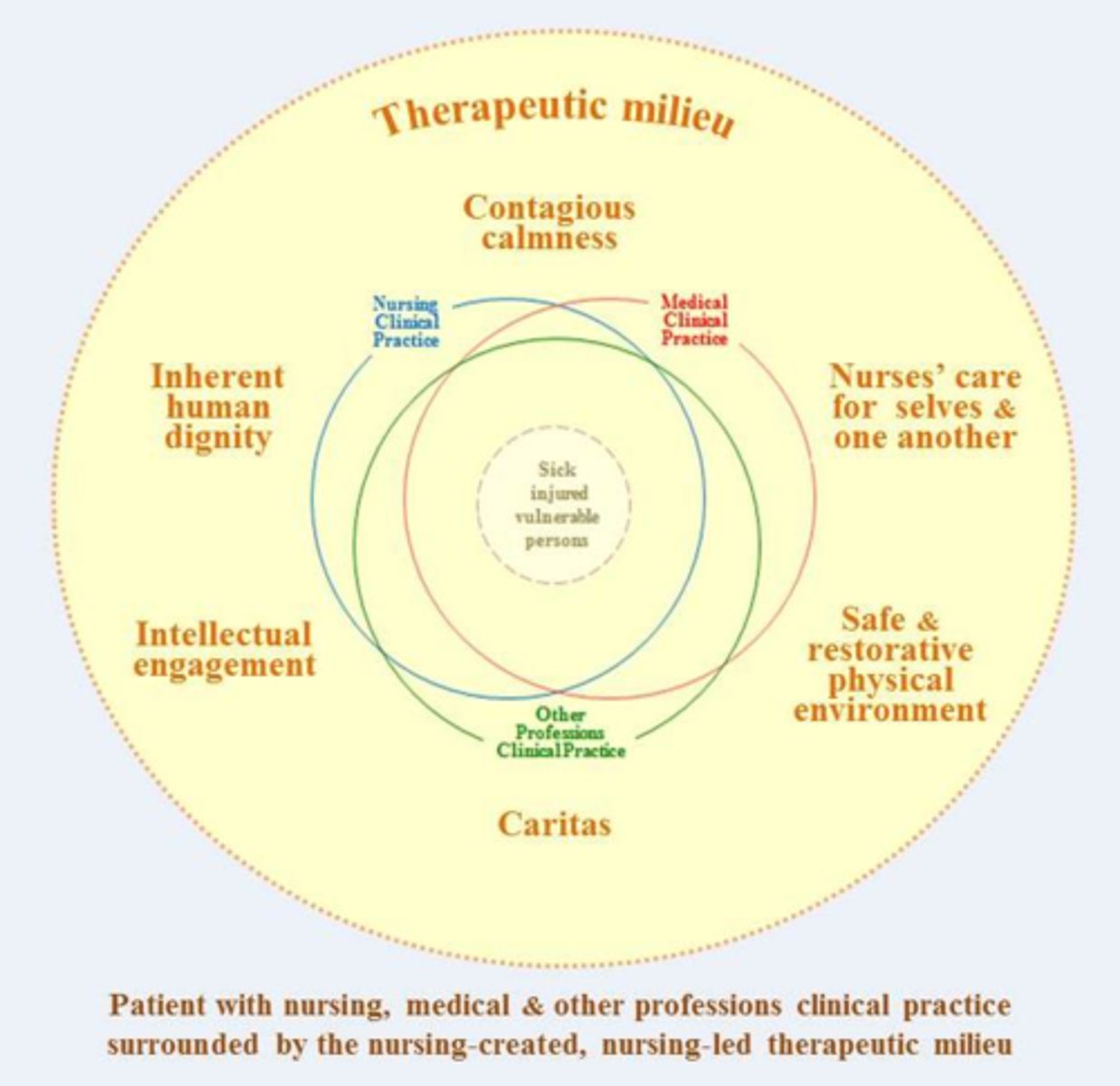
milieu therapy
"healing enionment"
- organized and focused on healing
- modification and control of environment
- develop life / social skills
An inpatient treatment approach involving professionals and staff members encouraging a person with a severe mental disorder to engage in prosocial and therapeutic activities.
serious mental illness
Mental illness resulting in profound functional impairment which substantially interferes with or limits one or more major life activities.
nonmaleficence in nursing
avoidance or minimization of harm
providing safe, effective, quality educated care
Fidelity in nursing ethics
Means faithfulness to commitments and responsibilities.
Confidentiality nursing
Protecting patient information from unauthorized access.
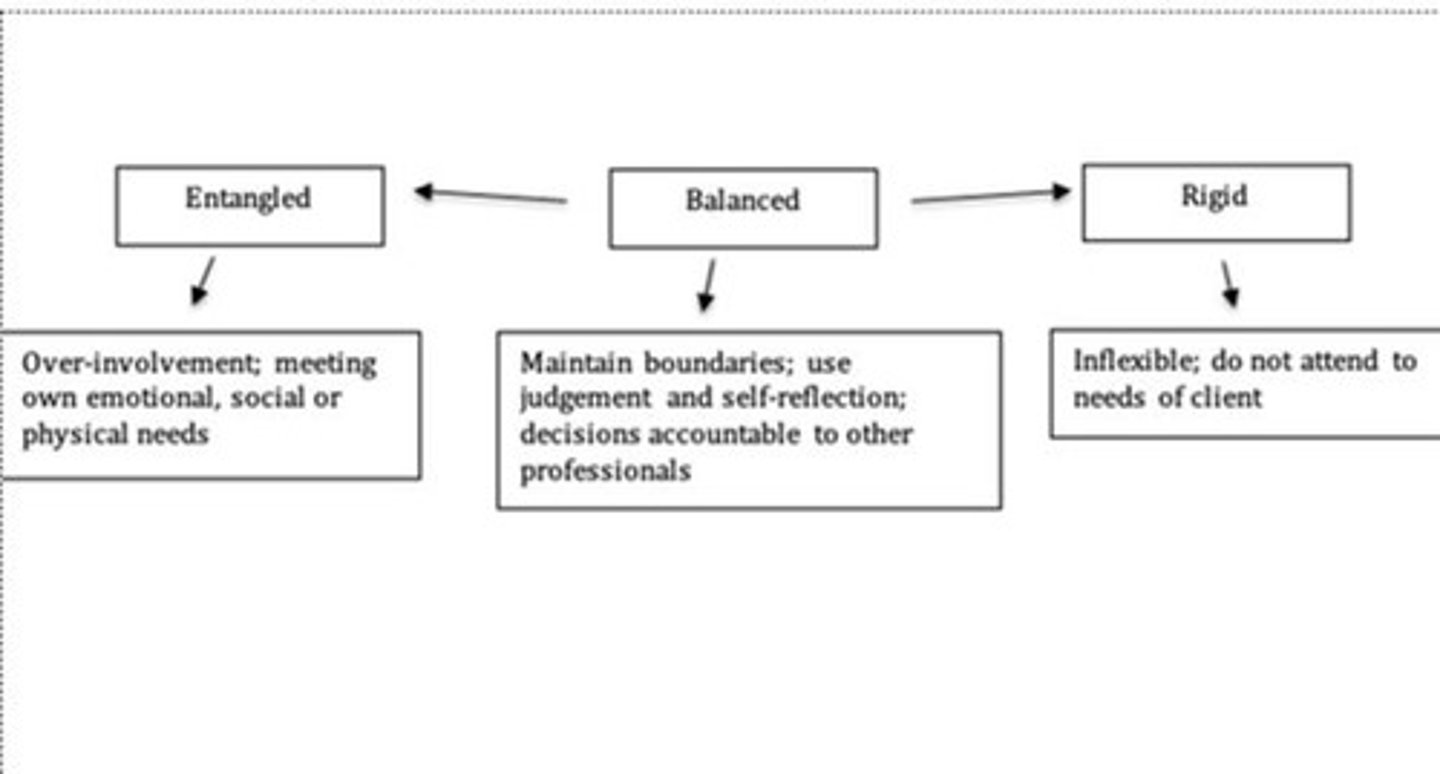
boundary violations
occur when "there is confusion between the needs of the nurse and those of the client"
burden of treatment
Negative impact of treatment outweighing potential benefits.
tort
a wrongful act or an infringement of a right (other than under contract) leading to civil legal liability.
unintentional tort
negligence and malpractice
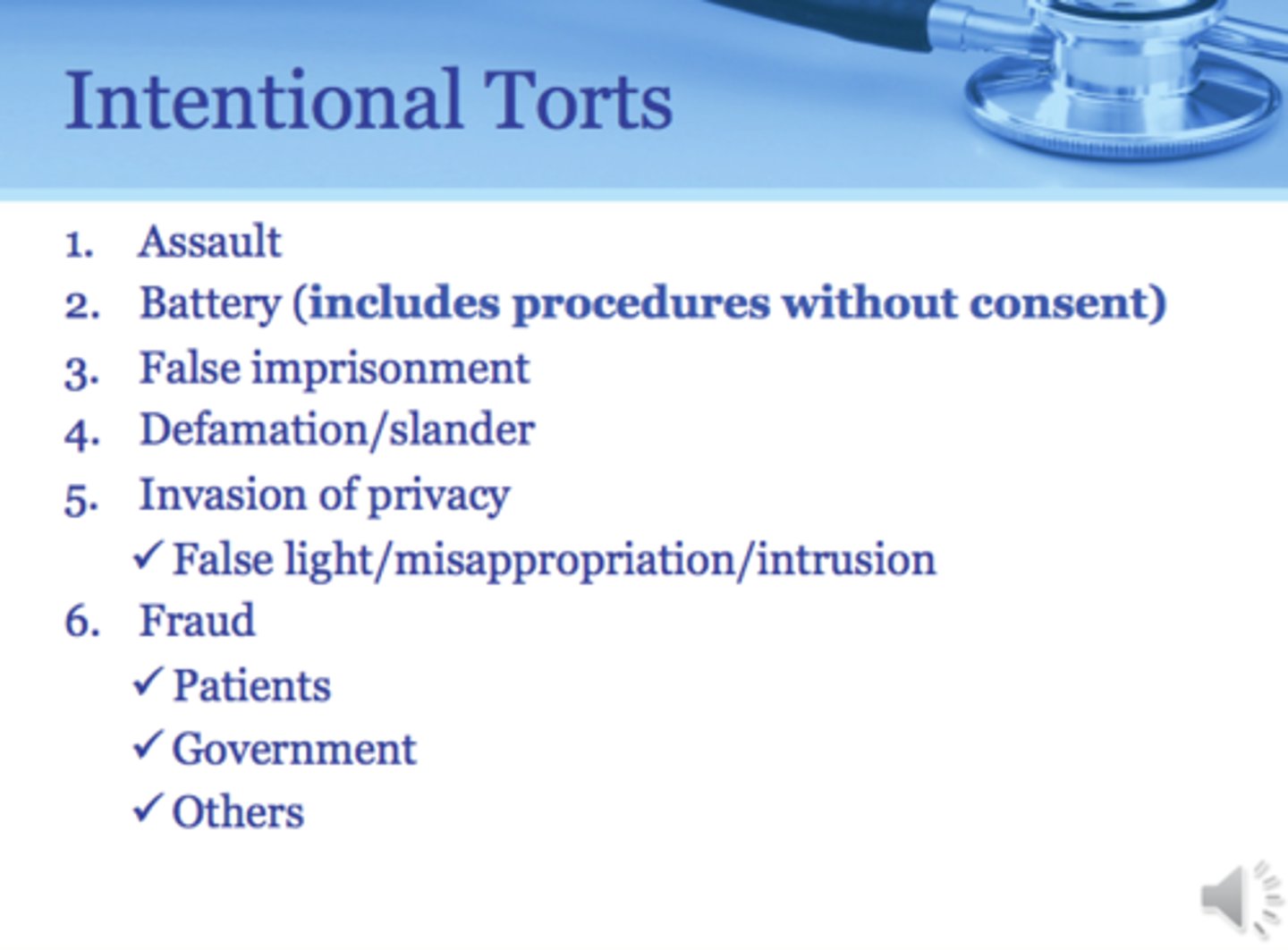
intentional tort
committed by one who intends to do the act that creates the harm.
- assault (threat of harm)
- battery (act of harm)
- false imprisonment (physical/chemical restraints)
- invasion of privacy (hipaa)
- defamation (libel/slander)
informed consent
patient is aware of procedure and makes consent
interventions
- timeout
- seclusion; is environment free of hazards?
- restraints; physician's order, and continuous monitoring, hydrated? risk of injury/sensory stimulation, ROM, medications and response, readiness for relief
legally incompetent
judge makes the call;
can't make decisions for yourself because you have mental problems.
- legal guardian
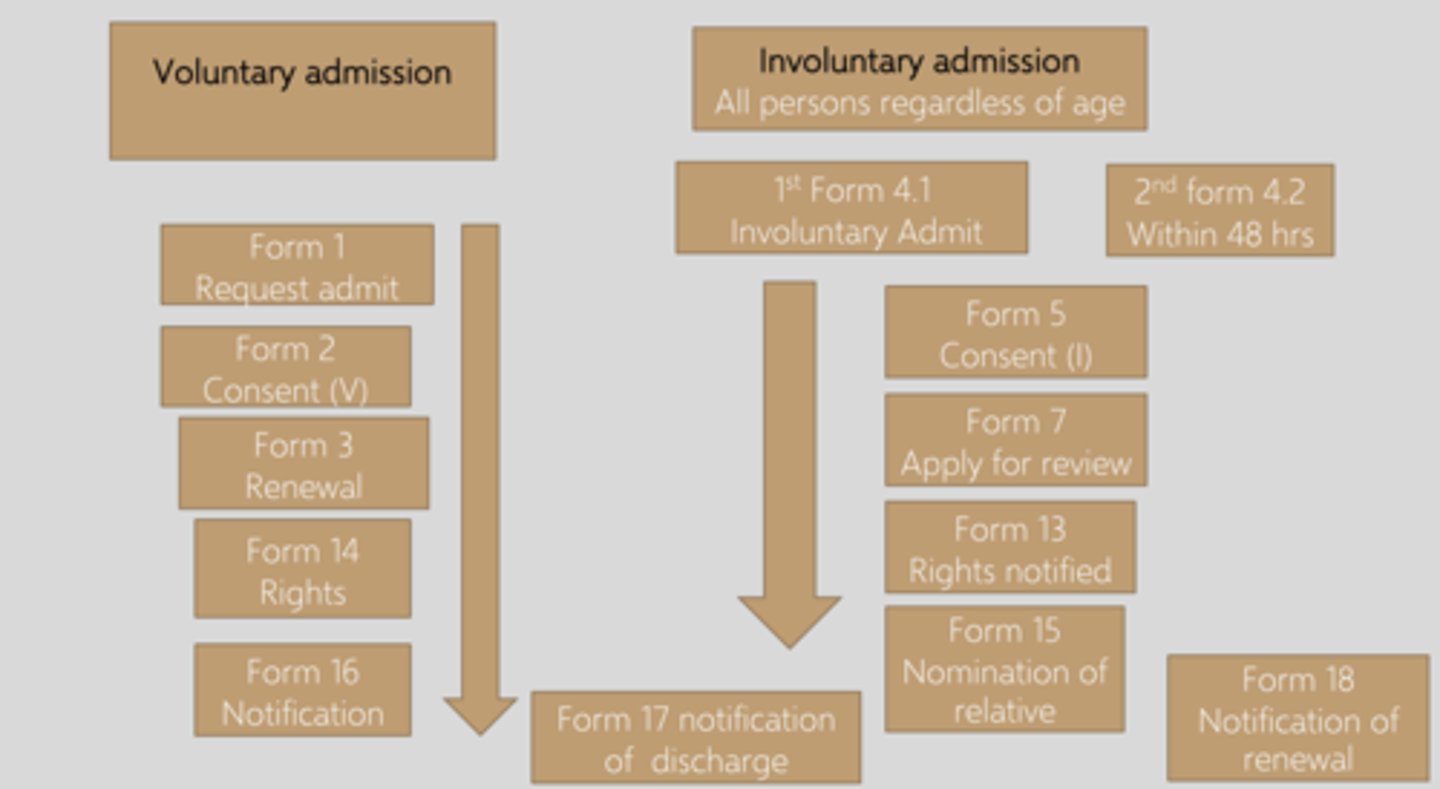
voluntary admission
Inpatient care sought by a patient or patient's guardian through a written application to the facility.
involuntary admission (72 hr hold)
The client enters the mental health facility against her will for an indefinite period of time.
The admission is based on the client's need for psychiatric treatment, the risk of harm to self or others, or the inability to provide self-care.
implied consent
Type of consent in which a patient who is unable to give consent is given treatment under the legal assumption that he or she would want treatment.
nursing documentation
restraints: check Q 15 MINUTES
- food, ROM, ongoing monitoring, location, onset
nursing burnout
- sickness, high turnover, reduction in quality of care
- increased personal stress and failure to recognize patient distress
- disengagement
workplace violence in nursing
Bullying - act of aggression, physically/emotionally
*Overt Bullying*
-Name calling
-Bickering
-Fault finding
-Criticism
-Intimidation
-Gossip
-Shouting
-Blaming
-Put-downs
-Raised eye brows
*Covert Bullying*
-Unfair assignments
-Refusing to help someone
- Ignoring
-Making faces behind someone's back
- Refusing to only work with certain people or not work with others
-Whining
-Sabotage
-Exclusion
-Fabrication
health disparities
preventable differences in the burden of disease, injury, violence, or opportunities to achieve optimal health that are experienced by socially disadvantaged populations
mental health primary prevention
-provide education to populations regarding mental health issues
-teach stress-reduction techniques
-implement parenting classes
-organize bereavement support groups
-promote protective factors (coping abilities) and risk factor reduction
adverse childhood experiences
Events including abuse, neglect, and household dysfunction that can have lasting impacts on relationships.
trauma-informed care
Based on an understanding of the vulnerabilities and triggers in psychiatric patients who have histories that include violence and victimization.
medical facilities
If the question says… | Pick… |
|---|---|
Acute suicidal crisis | Inpatient psych or crisis unit |
Lives at home, severe mental illness | ACT |
Needs therapy but not hospitalized | Community mental health center |
Needs intensive care but goes home | PHP |
Follow-up care, stable | IOP or Telepsychiatry |
mental health holistic / therapeutic comuunication
//
 Note
Note  Flashcards (24)