Differential Sensitivity
 Call Kai
 Learn
Learn Practice Test
 Spaced Repetition
 Match
Match Flashcards
 Knowt Play
1/17

There's no tags or description
Looks like no tags are added yet.
Name | Mastery | Learn | Test | Matching | Spaced | Call with Kai |
|---|
No analytics yet
Send a link to your students to track their progress
18 Terms
what is differential sensitivity?
the smallest detectable difference or change in a sound stimulus that the auditory system can perceive → also known as the difference limen (DL) or the just noticeable difference (JND)
differential sensitivity is also known as what three things?
difference limen (DL)
just noticeable difference (JLD)
Δ variable
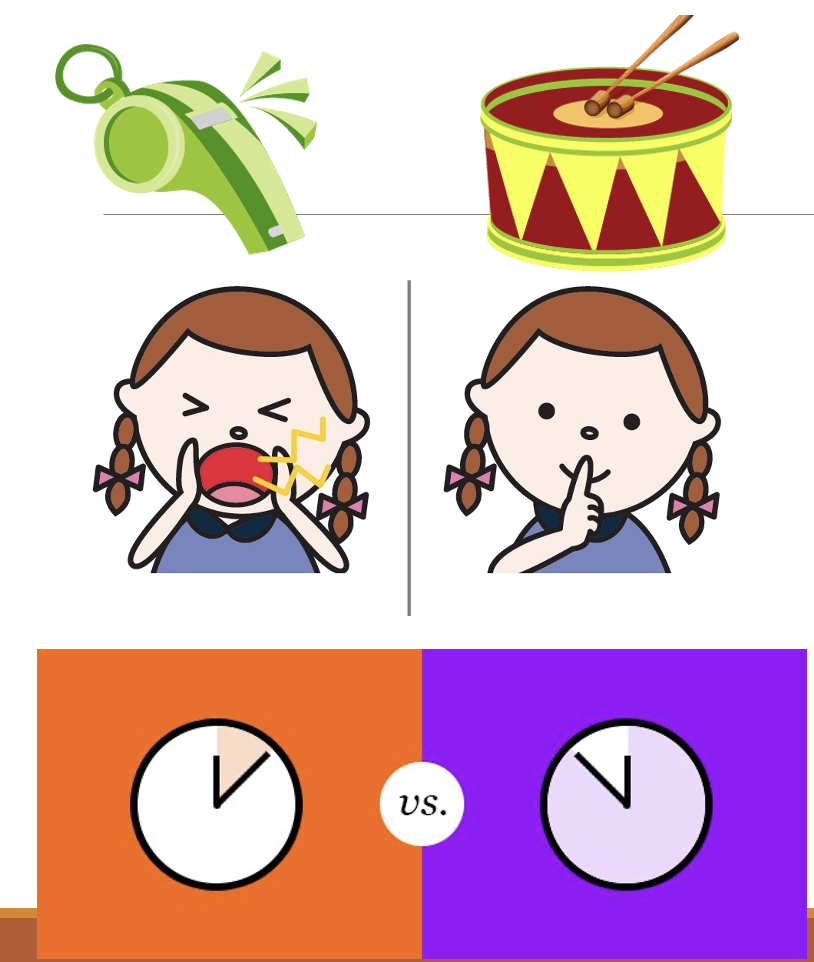
what are the 3 main kinds of sensitivity discriminations we look at?
frequency discrimination: how small of a change in pitch a listener can detect
intensity discrimination: how small of a change in loudness a listener can detect
temporal discrimination: sensitivity to very short time differences
what do audibility thresholds tell us? what do they not tell us?
they do tell us the minimum frequency and intensity levels the auditory system can detect
they do not tell us how sensitive the auditory system is to changes in frequency, intensity, or timing
JND/DL can be expressed in what two ways?
the absolute difference (DL) between 2 sounds: smallest physical difference a listener can detect (will have unit)
the relative difference (DL) between 2 sounds: expresses the DL in proportion to the standard stimulus (will not have unit, only ratio)
what is the formula for relative difference?
relative DL = ΔI/I = absolute DL (ΔI)/starting level (I)
calculate the relative difference if:
starting level (I) = 1000 units
absolute DL (ΔI) = 50 units
Relative DL = ΔI/I = absolute difference (ΔI)/starting level (I) = 50/1000 = 0.05 = 5%
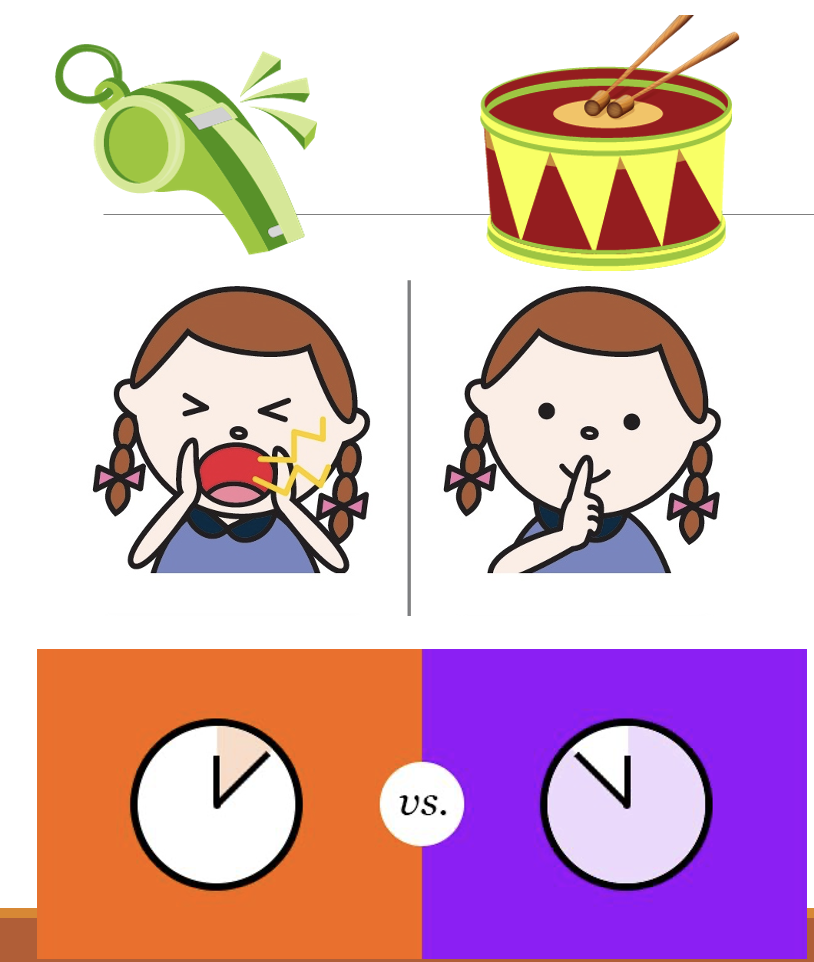
differential sensitivity can be studied under what 3 dimensions?
DL for intensity
DL for frequency
DL for duration
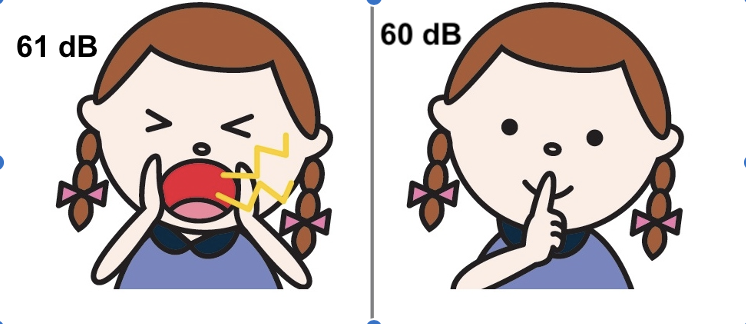
what is DLI? what is it also known as?
the smallest detectable change in intensity that a listener can perceive at a particular frequency → how much does the loudness need to change before you notice it’s different?
also known as ΔI or intensity JND

is an increase in intensity equal to an increase in loudness?
no. intensity is a physical, objective measurement. loudness is a perceptual, subjective experience that is different to each listener and is influenced by many factors.
is intensity discrimination easier at softer levels or louder levels? why?
softer levels because
when a sound is soft, the ear is more sensitive to small changes
when a sound is loud, the ear’s response starts to compress or saturate, so small changes are harder to notice
in general, the louder the starting sound is, the bigger the change has to be for you to hear a difference
why is differential sensitivity for intensity important?
localizing sounds using interaural level differences (ILDs)
speech understanding (subtle intensity differences between consonants and vowels)
picking out a friend’s voice in a crowd
environmental awareness
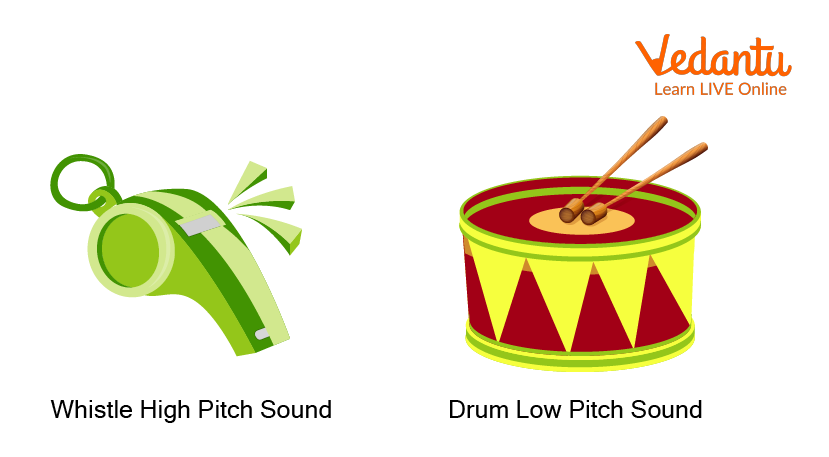
what is DLF? what is it also known as?
the smallest change in frequency a listener can detect between two sounds → how much does the pitch need to change before you notice it’s different?
also known as Δf or frequency JND
if you hear a 500 Hz tone, and the smallest difference you can detect is 508 Hz, your DLF is what?
8 Hz
Δf = 508 - 500 Hz = 8 Hz
why is differential sensitivity for frequency important?
differentiating various consonants or vowels (small pitch differences)
sound identification and quality
the ability to separate overlapping sounds
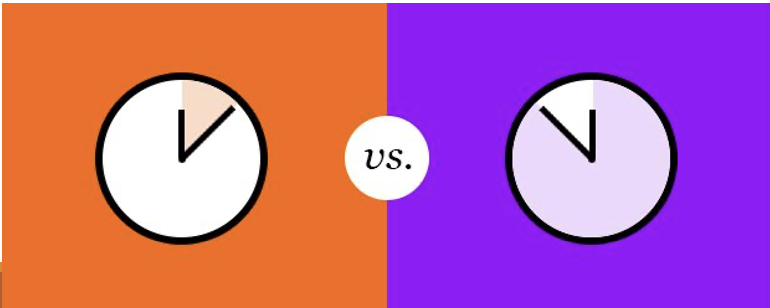
what is DLT? what is it also known as?
difference limen for time = the smallest difference in the timing of sounds that the auditory system can detect
also known as Δt or time JND
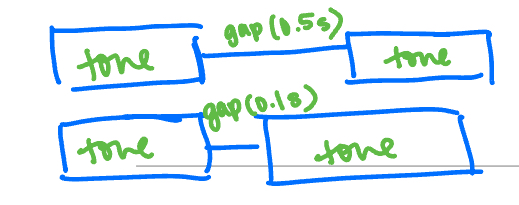
DLT helps us understand that when a gap between two tones is too short…
the auditory system will not be able to perceive the gap, and the tone will be a continuous sound
why is differential sensitivity for timing important?
identifying VOT and therefore voiced vs voiceless stops, binaural hearing
temporal resolution and gap detection: identifying boundaries/gaps between words, pauses
localizing sounds using interaural time differences (ITDs)
separating overlapping sounds by detecting when different sound sources begin and end

