Chapter 3 Anatomy Test
 Call Kai
 Learn
Learn Practice Test
 Spaced Repetition
 Match
Match Flashcards
 Knowt Play
1/50

There's no tags or description
Looks like no tags are added yet.
Name | Mastery | Learn | Test | Matching | Spaced | Call with Kai |
|---|
No analytics yet
Send a link to your students to track their progress
51 Terms
Passive Transport
does not require energy as substances move along their gradient
Active Transport
requires energy to move substances against a concentration
Concentration Gradient
the gradual change in the concentration of solutes in a solution as a function of distance through a solution.
Equilibrium
the state of balance and stability.
Channel Protein
a protein that allows the transport of specific substances across a cell membrane.
Carrier Protein
bind the specific solute to be transported and undergo a series of conformational changes to transfer the bound solute across the membrane.
Na/K Pumps
Powered by ATP, the pump moves sodium and potassium ions in opposite directions, each against its concentration gradient.
Diffusion
the natural movement of particles from an area of higher concentration to an area of lower concentration, due to random molecular motion.
Facilitated Diffusion
molecules diffuse across the plasma membrane with assistance from membrane proteins, such as channels and carriers.
Osmosis
movement of water molecules from a region of higher concentration to a region of lower concentration through a semipermeable membrane.
Aquaporon
channel proteins which facilitate the passive diffusion of water and small neutral molecules across biological membranes; also transports glycerol.
Solute
the substance that is being dissolved.
Solvent
a substance that dissolves a solute, resulting in a solution.
Tonicity
the ability of an extracellular solution to make water move into or out of a cell by osmosis.
Isotonic
there will be no net flow of water into or out of the cell, and the cell’s volume will remain stable.
Hypertonic
there will be a net flow of water out of the cell, and the cell will lose volume. (has more solutes)
Hypotonic
there will be a net flow of water into the cell, and the cell will gain volume. (has less solutes)
Cell/Plasma Membrane
a barrier; decides what can enter or leave the cell.
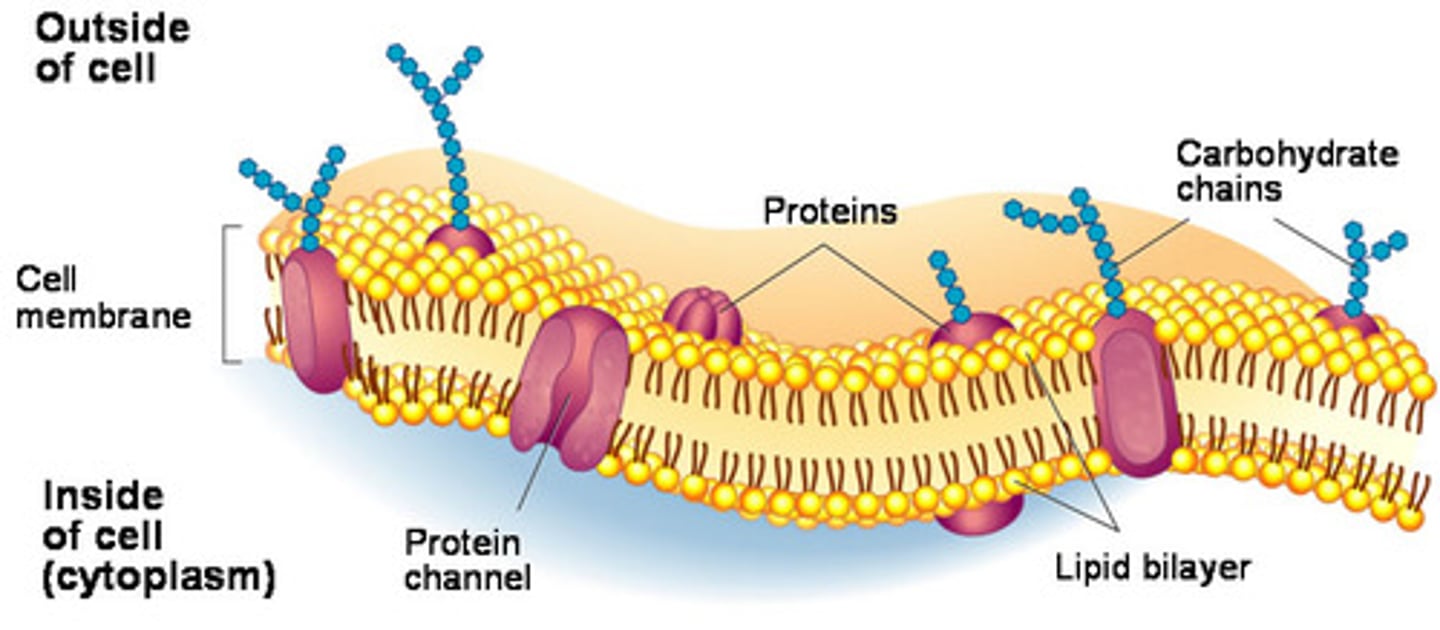
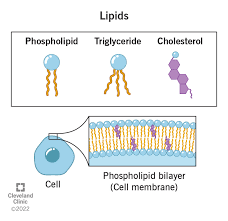
Phospholipids
Lipids (fats) that make up the cell membrane. They have a polar head with two non-polar tails.
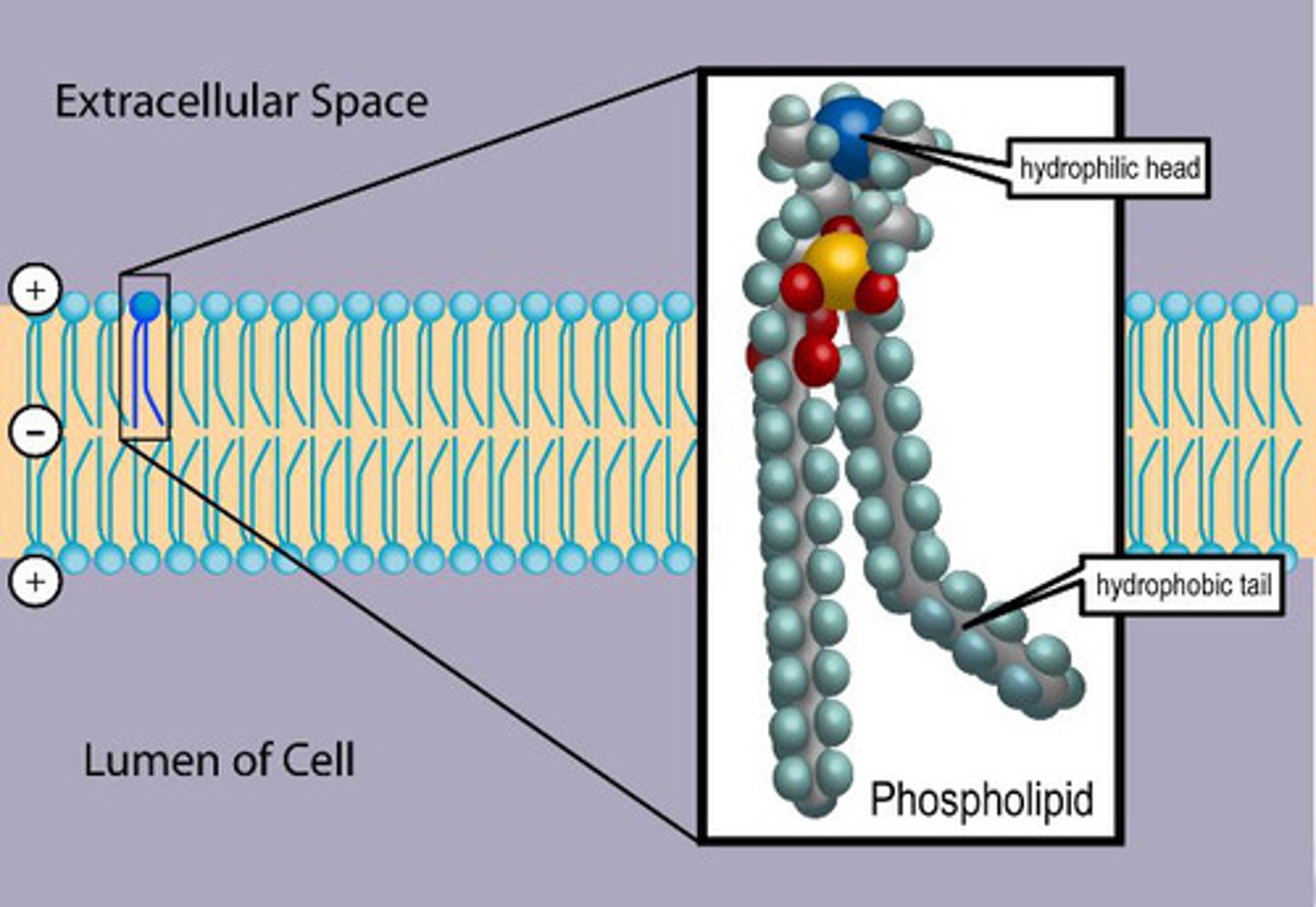
Semipermeable
Allows certain things to pass through and prevents other things from passing through.
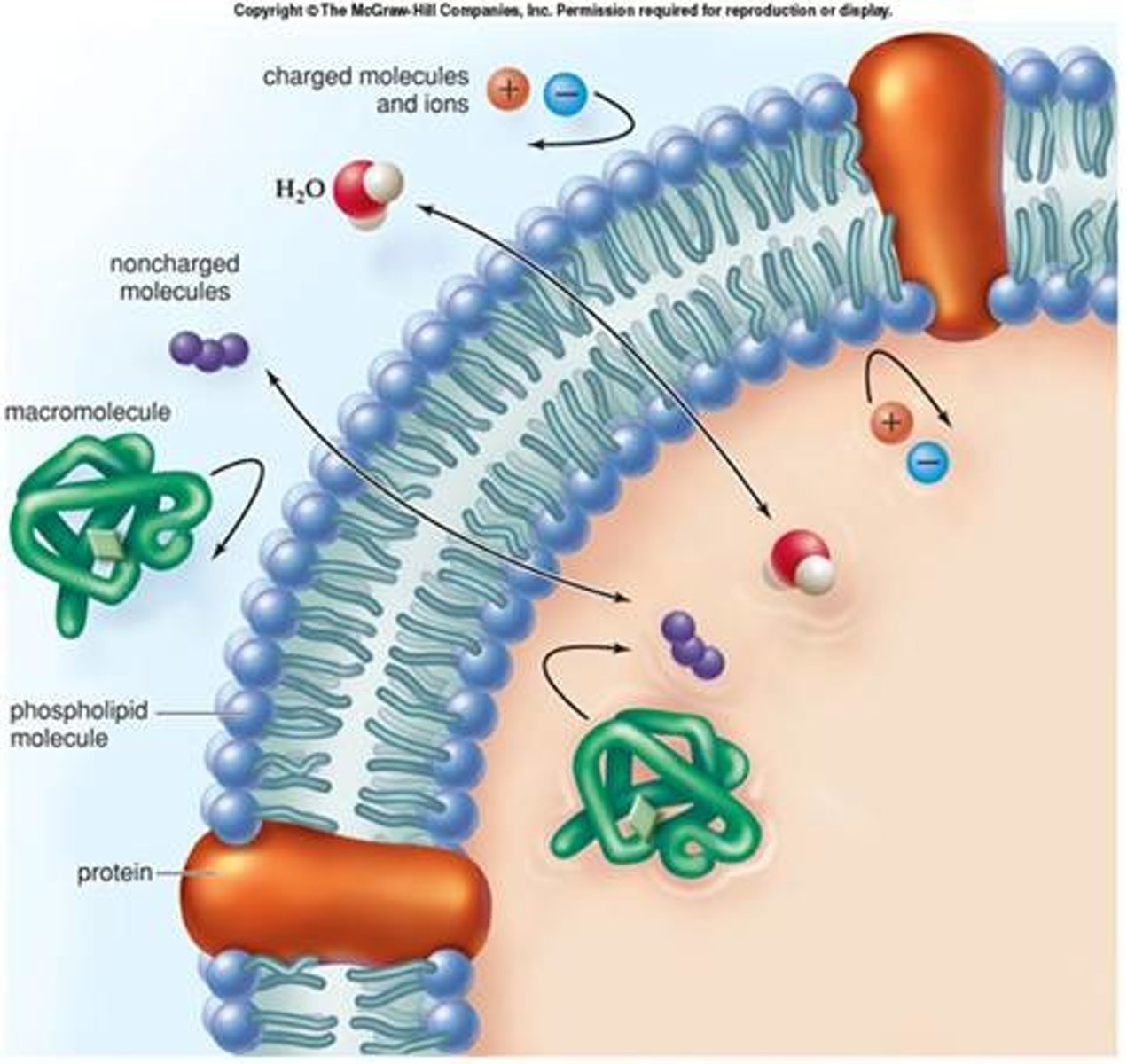
Hydrophilic
Will mix with water; polar phospholipid heads
Hydrophobic
Will not mix with water; nonpolar phospholipids tails
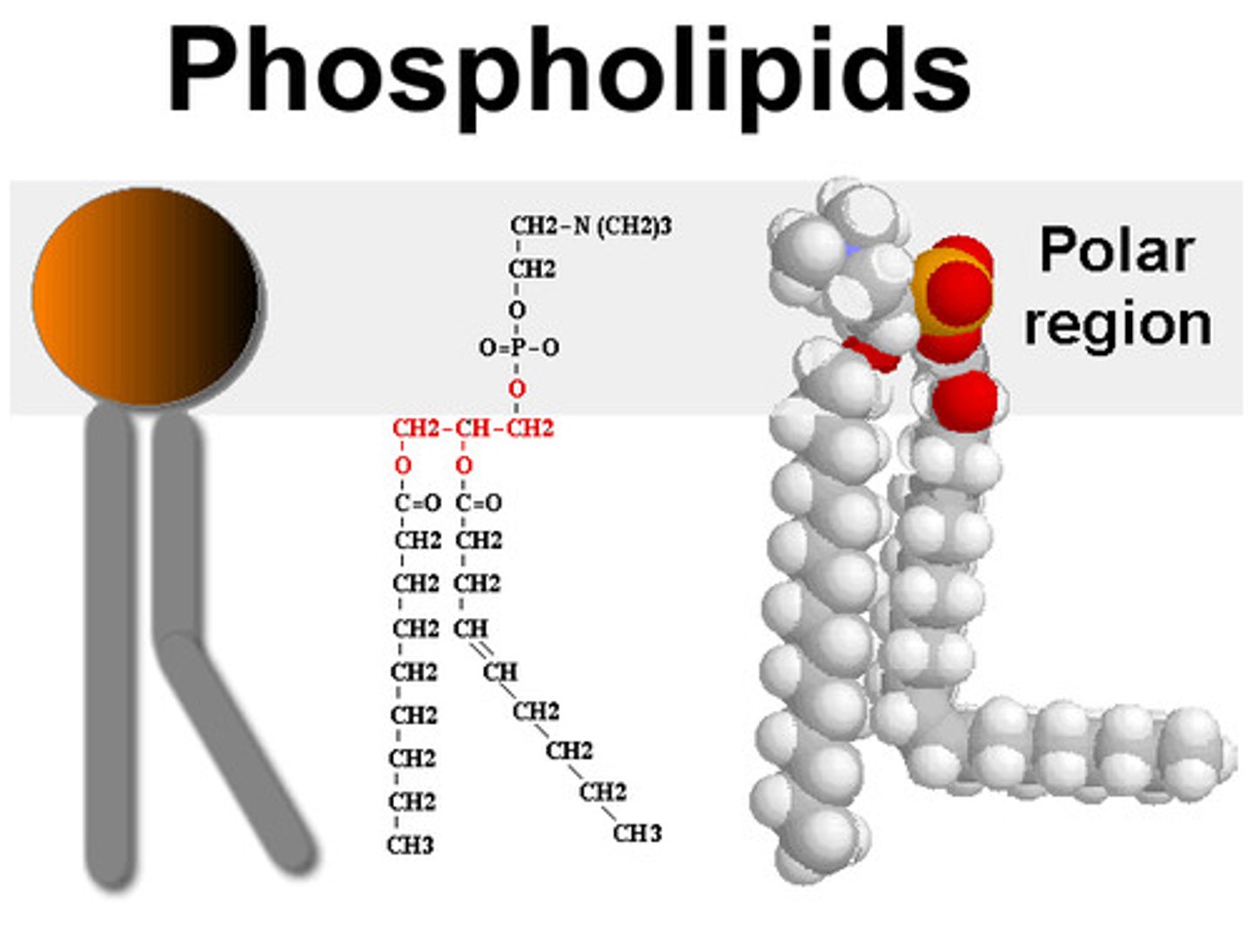
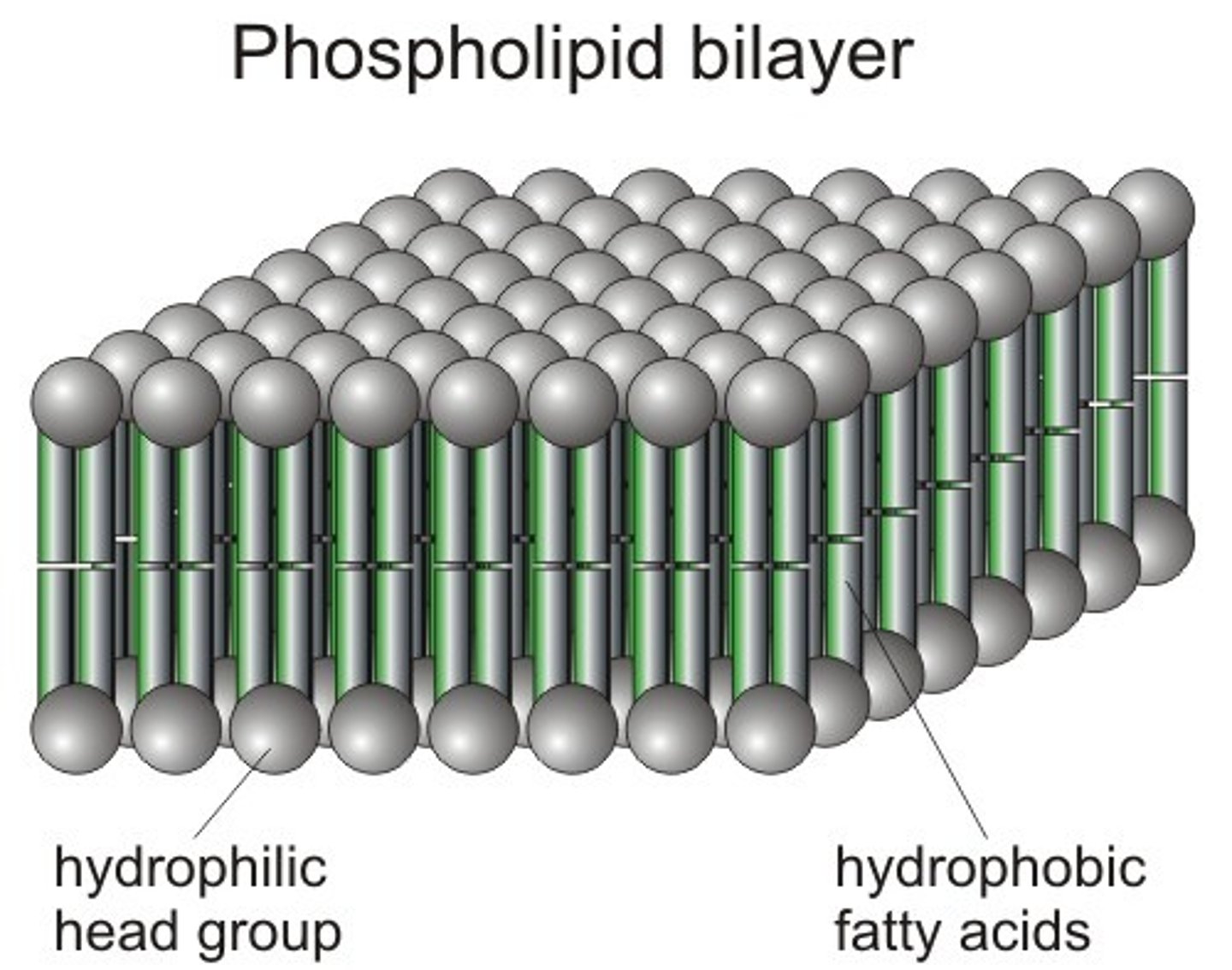
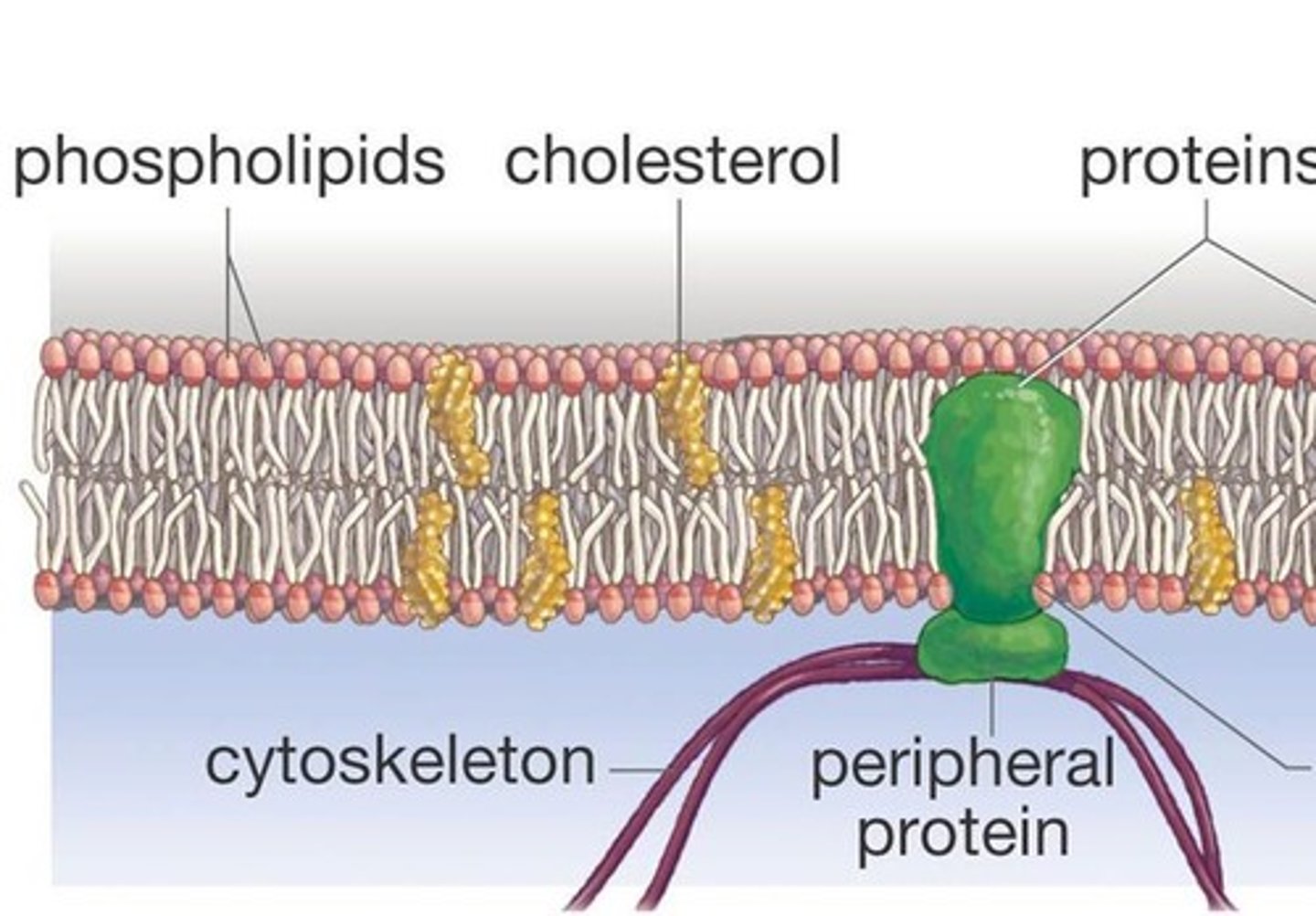
Phospholipid bilayer
Double layer of lipids; heads face outward, tails are in the middle
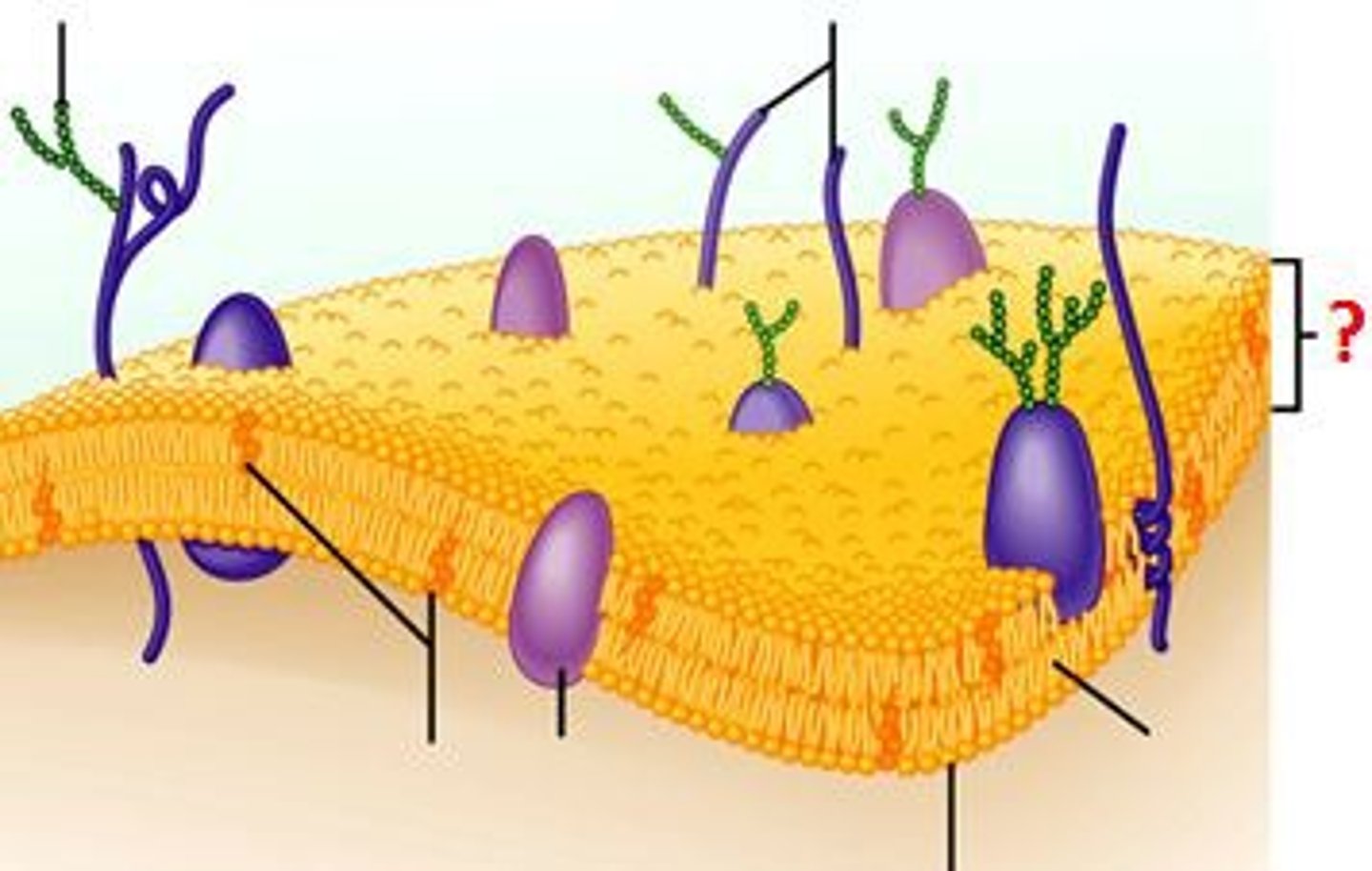
Cholesterol
Molecules embedded throughout the membrane; help to stabilize the phospholipids and keep them in position, and help to maintain the cell membrane's flexibility
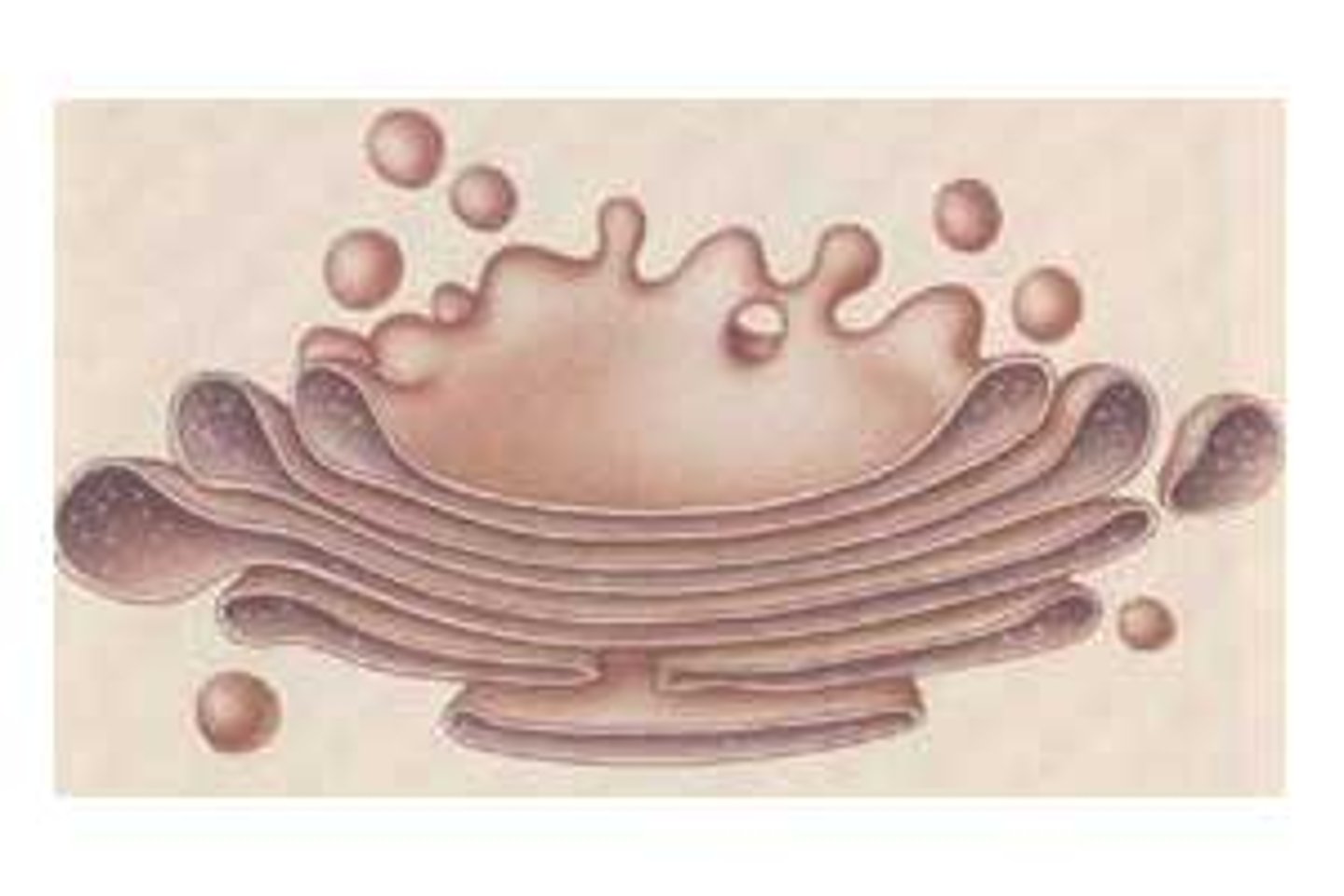
Golgi Apparatus
packages, modifies, and ships vesicles throughout the cell.
Mitochondria
Known as the “powerhouses of the cell,” mitochondria produce the energy necessary for the cell's survival and functioning.
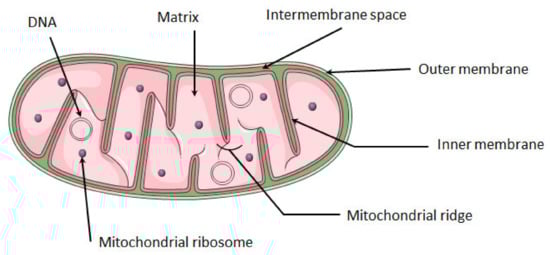
Phosphate
an important component of the lipid bilayer (phospholids) of cell membranes, DNA, RNA, and proteins.
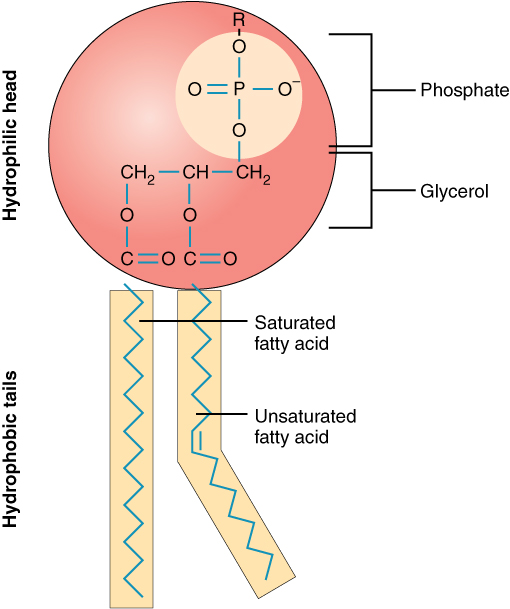
Cilia
The bronchus in the lungs are lined with hair-like projections that move microbes and debris up and out of the airways.
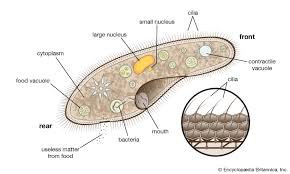
Microvilli/Villi
finger-like projections that extend from the surface of epithelial cells to increase the surface area in order to absorb more nutrients.
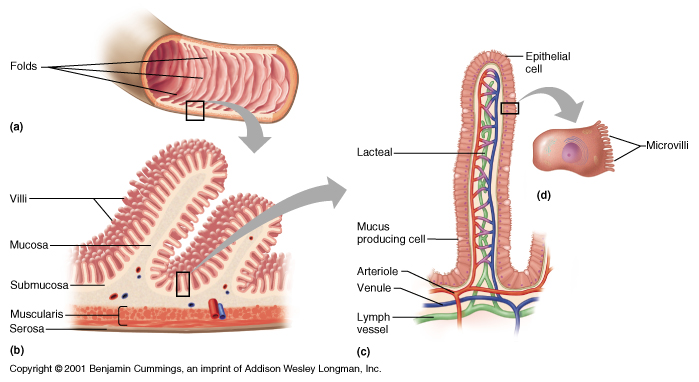
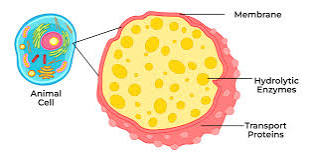
Lysosomes
the digestive system of the cell, contains powerful enzymes that are capable of breaking down molecules of nutrient or foreign particles that enter cells.
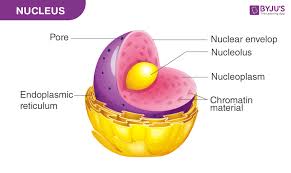
Nucleus
store and protect the cell's genetic material (DNA)
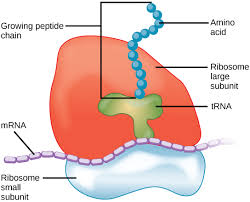
Ribosomes
tasked with synthesizing proteins, therefore they are known as the protein factory of the cell.
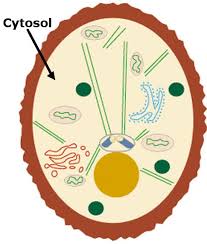
Cytosol
a jelly-like fluid that fills the interior of a cell, surrounding the organelles and other subcellular compartments.
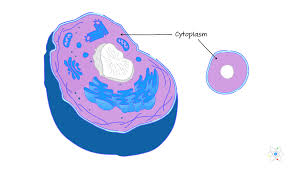
Cytoplasm
provides shape to the cell. It fills up the cells thus enabling the organelles to remain in their position.
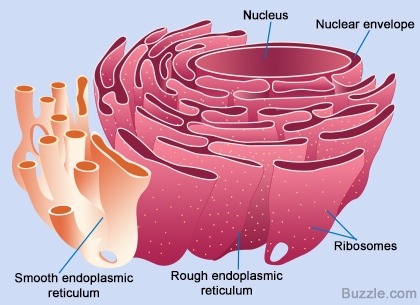
Endoplasmic Reticulum
a collection of tubes that make, package, and transport proteins and fats.
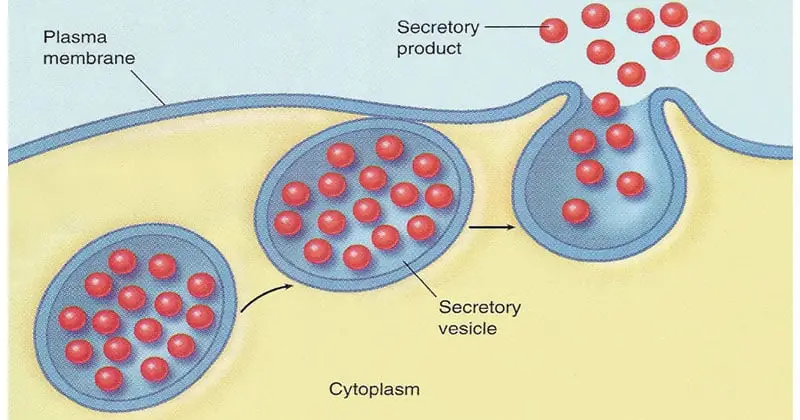
Vesicle
a structure within or outside a cell, consisting of liquid or cytoplasm enclosed by a lipid bilayer.
Lipid
are fatty, waxy, or oily compounds that are soluble in organic solvents and insoluble in polar solvents such as water.
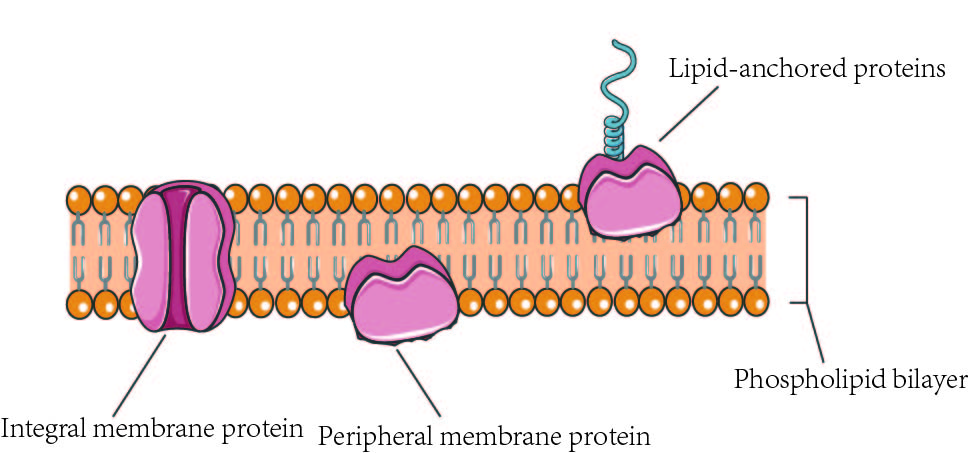
Integral Membrane Protein
proteins being associated or attached to the membrane of a cell or an organelle inside the cell.
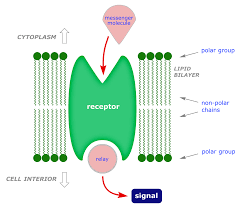
Receptor Protein
a special class of proteins that function by binding a specific ligand molecule. When a ligand binds to its receptor, the receptor can change conformation, transmitting a signal into the cell
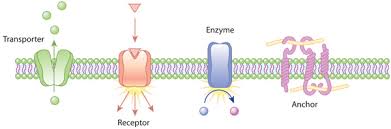
Cell Surface Proteins
play a critical role in cell-cell interactions, nutrients and metabolite transport as well as translation of extracellular signals into intracellular responses
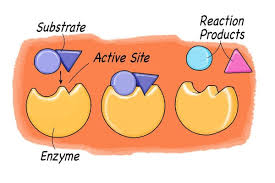
Enzymes
proteins that help speed up chemical reactions in our bodies.
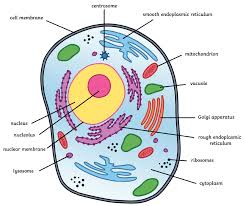
Animal Cell
are eukaryotic cells with membrane-covered organelles, a nucleus, and mitochondria. Animal cells are found in all organisms belonging to the animal kingdom.
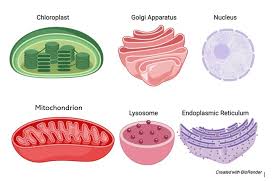
Organelle
a subcellular structure that has one or more specific jobs to perform in the cell, much like an organ does in the body.
Active transport
the movement (as across a cell membrane) of substances from regions of lower concentration to regions of higher concentration by the use of energy.
Bulk transport
a mode of transport of large quantities of materials and food particles across the membrane.
Endocytosis
a process by which cells take in substances from outside of the cell by engulfing them in a vesicle; receptor-mediated (endo = inside)
Pincocytosis
the process where fluid and dissolved substances and molecules are taken up by the cell. (cell drinking)
Phagocytosis
a process wherein a cell binds to the item it wants to engulf on the cell surface and draws the item inward while engulfing around it. (cell eating)
Exocytosis
the process of vesicles fusing with the plasma membrane and releasing their contents to the outside of the cell. (exo = outside)
Aquaporon
proteins made of amino acids that form a narrow pore in the cell membrane for water to pass through.
Transcytosis
combines endocytosis and exocytosis; moves substances across barriers formed by tightly connected cells.