ch 12 microbio, unit three
 Call Kai
 Learn
Learn Practice Test
 Spaced Repetition
 Match
Match Flashcards
 Knowt Play
1/70

Earn XP
Description and Tags
algae, protozoa, fungi
Name | Mastery | Learn | Test | Matching | Spaced | Call with Kai |
|---|
No analytics yet
Send a link to your students to track their progress
71 Terms
microscopic unicellular algae
macroscopic multicellular algae
what are the two groups of algae?
organized vascular system
simple reproductive structures
what does algae lack compared to plants?
carbohydrates
what does algae mainly produce?
freshwater or saltwater and sometimes in soil
where is algaes habitat?
Phytoplankton
free floating unicellular algae in aquatic environments
Food source
#1 oxygen producer.
flagella
algae are propelled by?
mainly cellulose
rigid
what type of cell wall does algae have?
cell walls of algae
what is agar derived by?
chloroplasts
how do algae perform photosynthesis?
Binary fission (asexual)
single celled algae reproduce by
Fragmentation (asexual)
multicellular filamentous algae reproduce by
Fusion of gametes
Gametes are flagellated and motile
some algae can reproduce sexually using…
not direct cause of disease
foodborne intoxications
How are algaes medically relevant?
Pyrrophyta (dinoflagellates)
produce algal blooms, called red tide, in the ocean
certain dinoflagellates
produce toxins
Paralytic shellfish poisoning
caused by domoic acid
accumulates in shellfish and crabs
Symptoms
nausea, vomiting, diarrhea, abdominal cramps, and neurological symptoms such as memory loss
with muscle contraction and can lead to death following impaired respiration
some toxins can interfere with…
Unicellular
Lack cell walls
Non-photosynthetic
Motile
Generally reproduce by asexual fission
Require large amounts of moisture no matter what their habitat
common features of protzoa
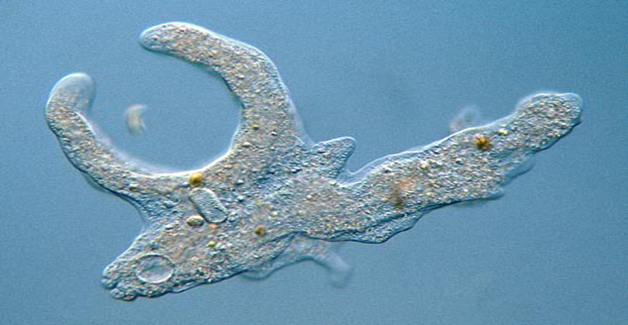
Flagella
Cilia
Pseudopodia
motility in protozoa is achieved by
consume bacteria and algae in soil
decompose wastes in sewage
serve as food for larger species
protozoa are important because…
polymorphic
some protozoa can assume morphologically distinct forms of a single species at different stages of the life cycle
(Ex: Plasmodium)
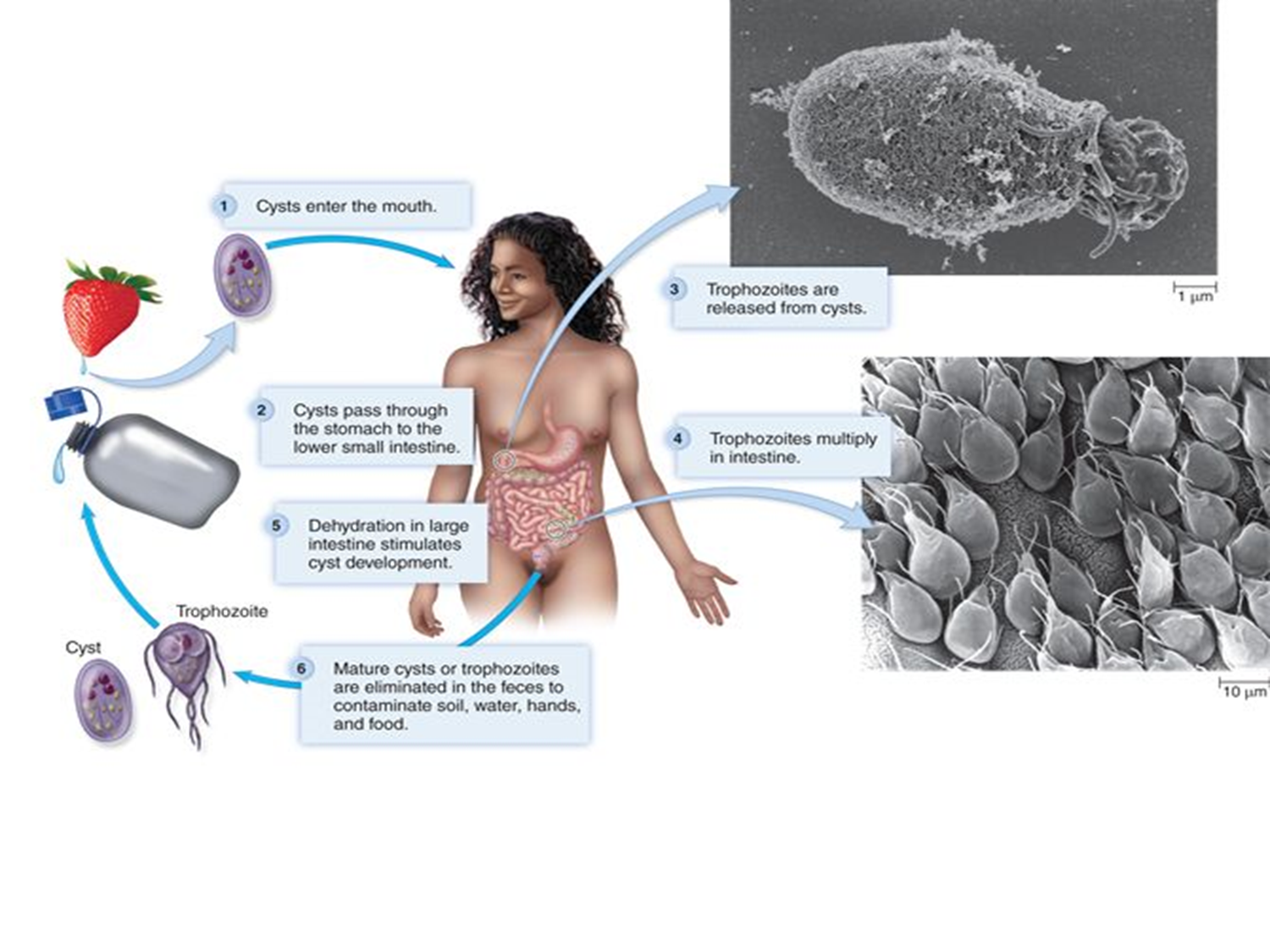
cyst (protozoa)
protection in poor environments and allows for dispersal of organisms
resting form
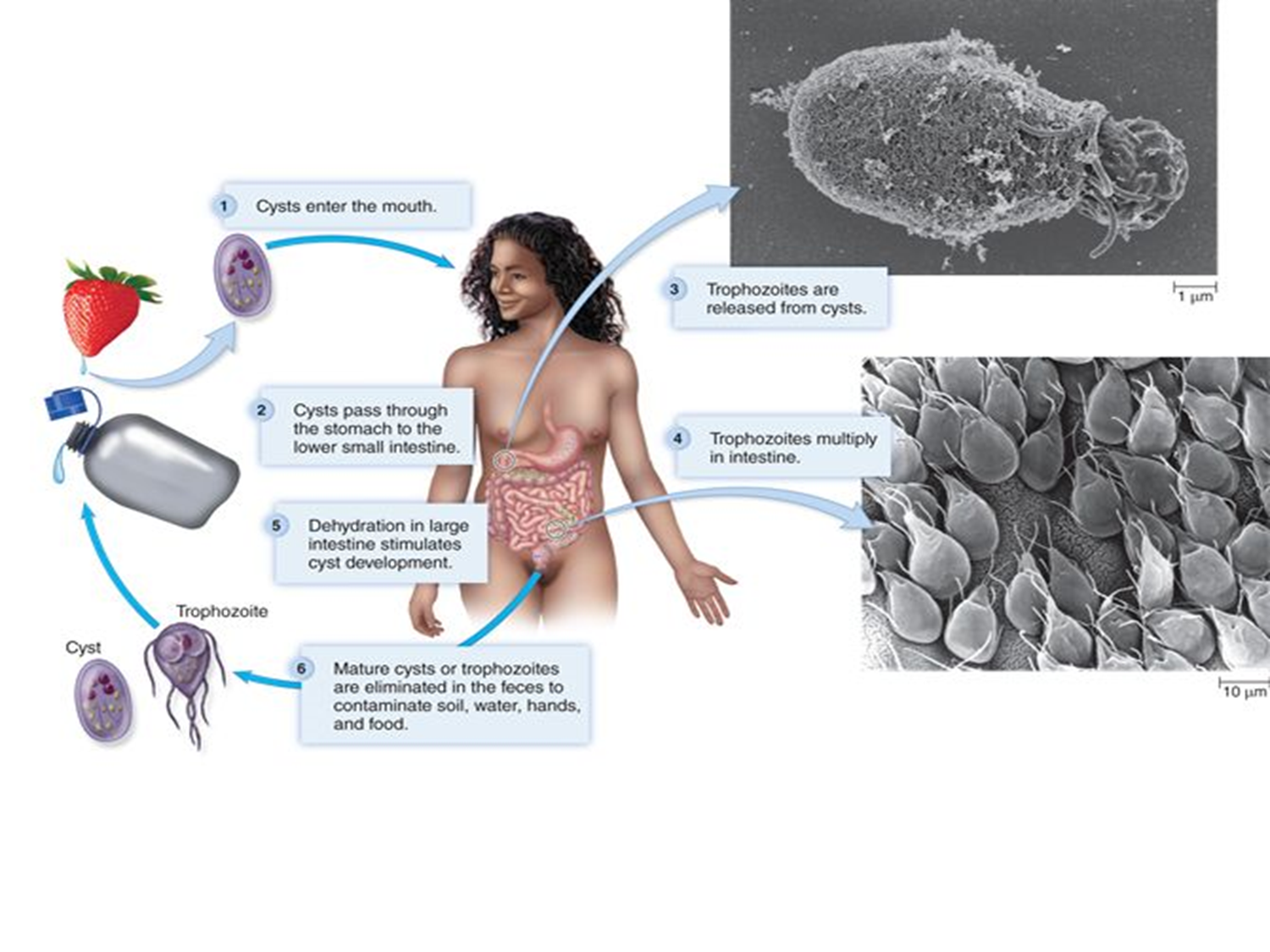
Trophozoite
vegetative or feeding form
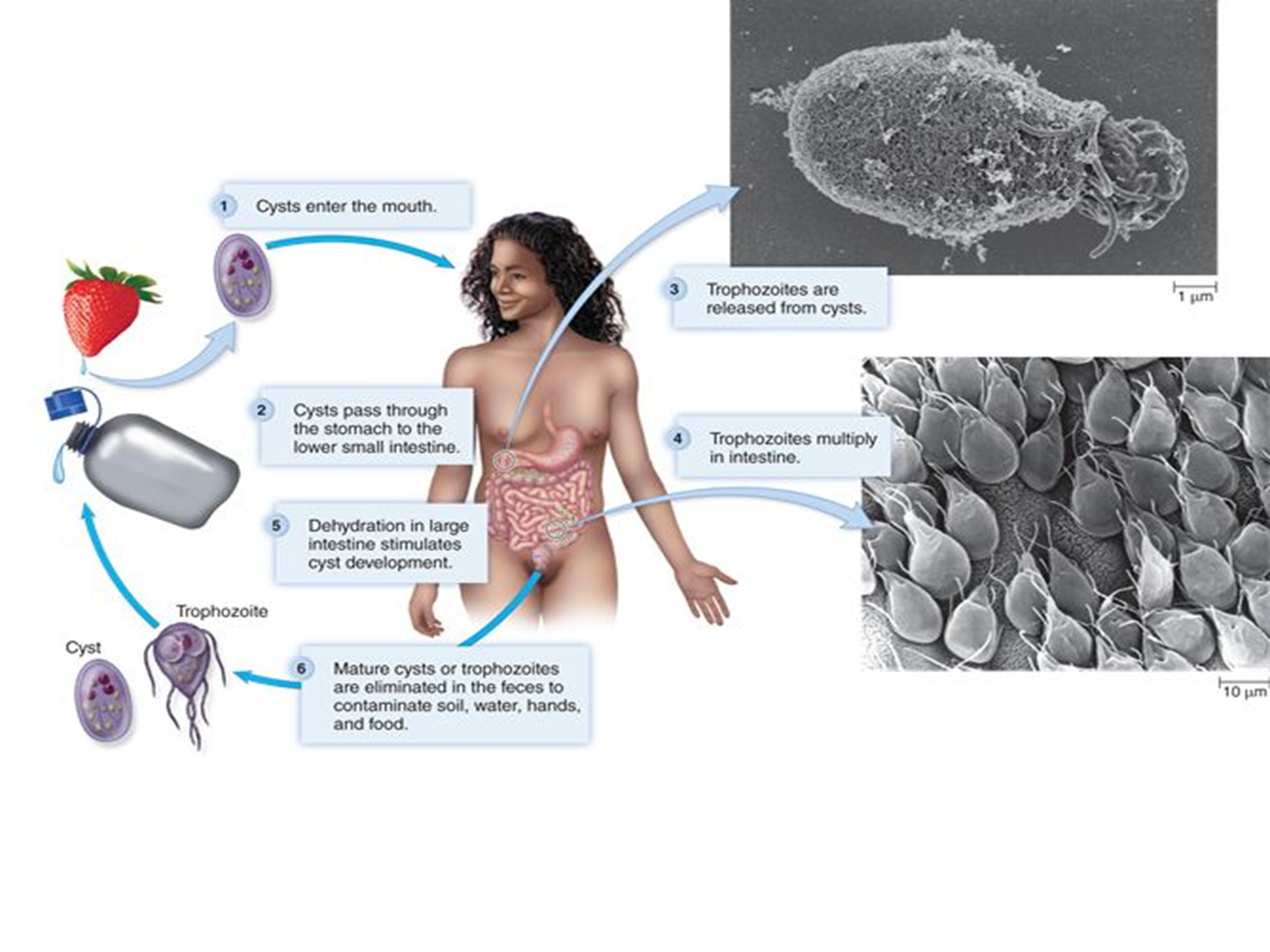
Cyst form protozoa
resting/dormant
sexually or asexually
protozoa can reproduce…
asexual reproduction of protozoa
Most reproduction is achieved through binary fission
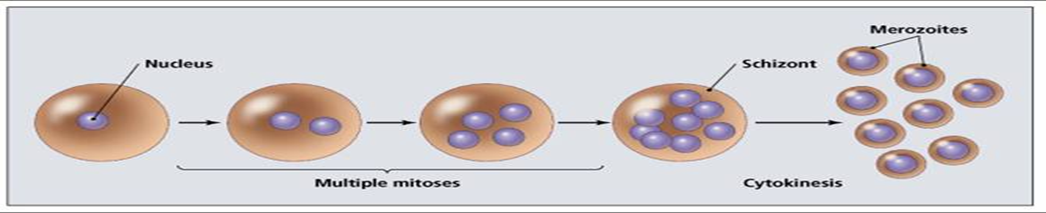
Shizogony(asexual)
some protozoa divide by multiple fissions in which the nucleus divides a number of times
then the cell produces many small single-celled organisms
sexual reproduction of protozoa
At certain points in their life cycle, protozoa may reproduce sexually.
This creates diversity among the offspring
Trypanosoma brucei (protzoa)
African sleeping sickness
Giardia lamblia (protzoa)
“traveler’s” or “camper’s” diarrhea
Trichomonas vaginalis (protzoa)
causes Trichmoniasis
strawberry cervix
Leishmania (protzoa)
Leishmaniasis (disease)
Plasmodium (protzoa)
malaria
Toxoplasma gondii (protzoa)
Toxoplasmosis
Cryptosporidium (protzoa)
causes Cryptosporidiosis (disease)
a diarrheal disease
Medically significant protozoa
Trypanosoma brucei- African sleeping sickness
Giardia lamblia- “traveler’s” or “camper’s” diarrhea
Trichomonas vaginalis- Trichmoniasis
Leishmania- Leishmaniasis
Plasmodium- malaria
Toxoplasma gondii- Toxoplasmosis
Cryptosporidium- Cryptosporidiosis
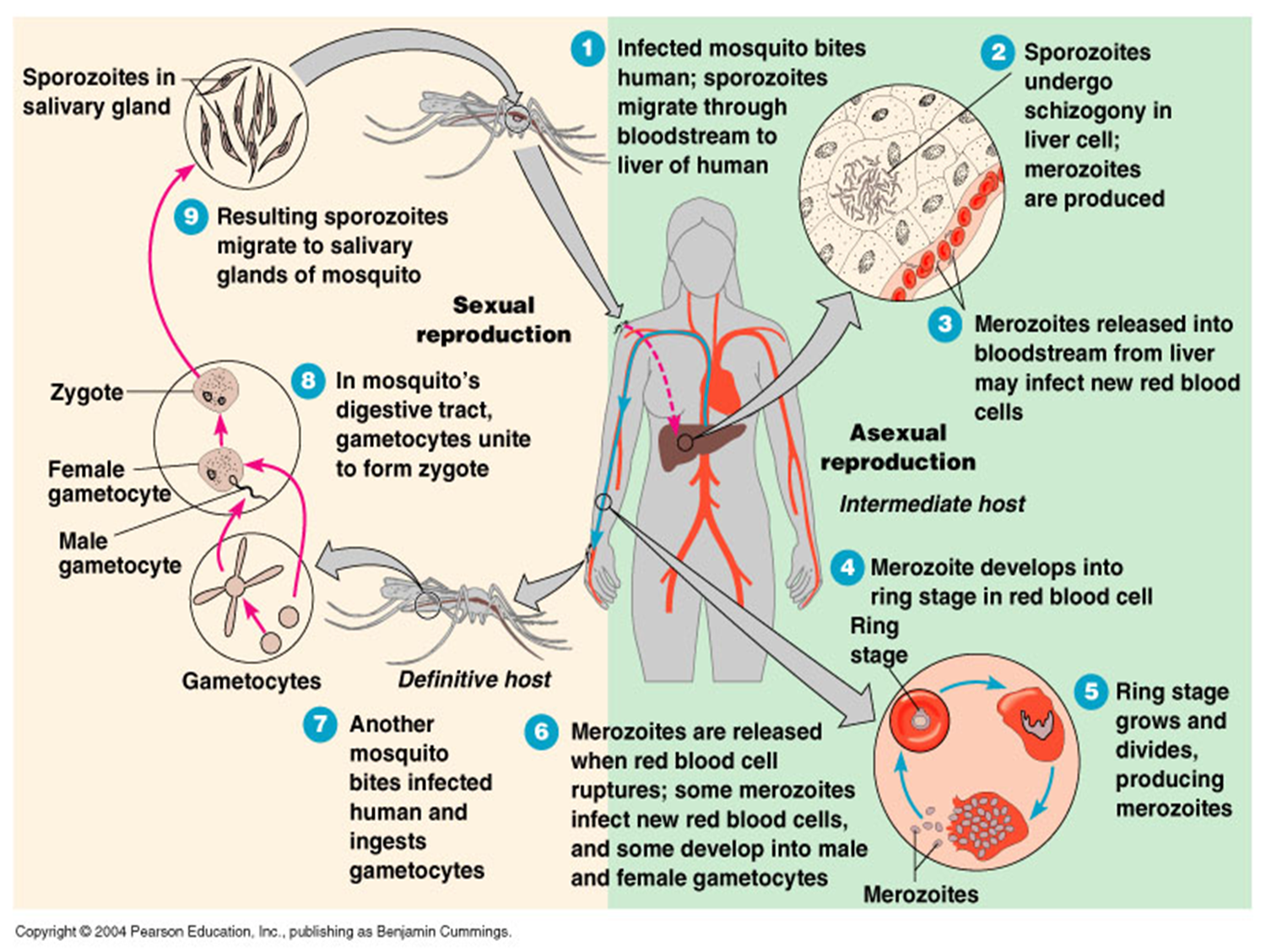
asexual reproduction plasmodium
Asexual reproduction occurs in stages where it is important to increase numbers,
polymorphic
occurs by schizogony (or multiple fission) in RBCS or liver cells
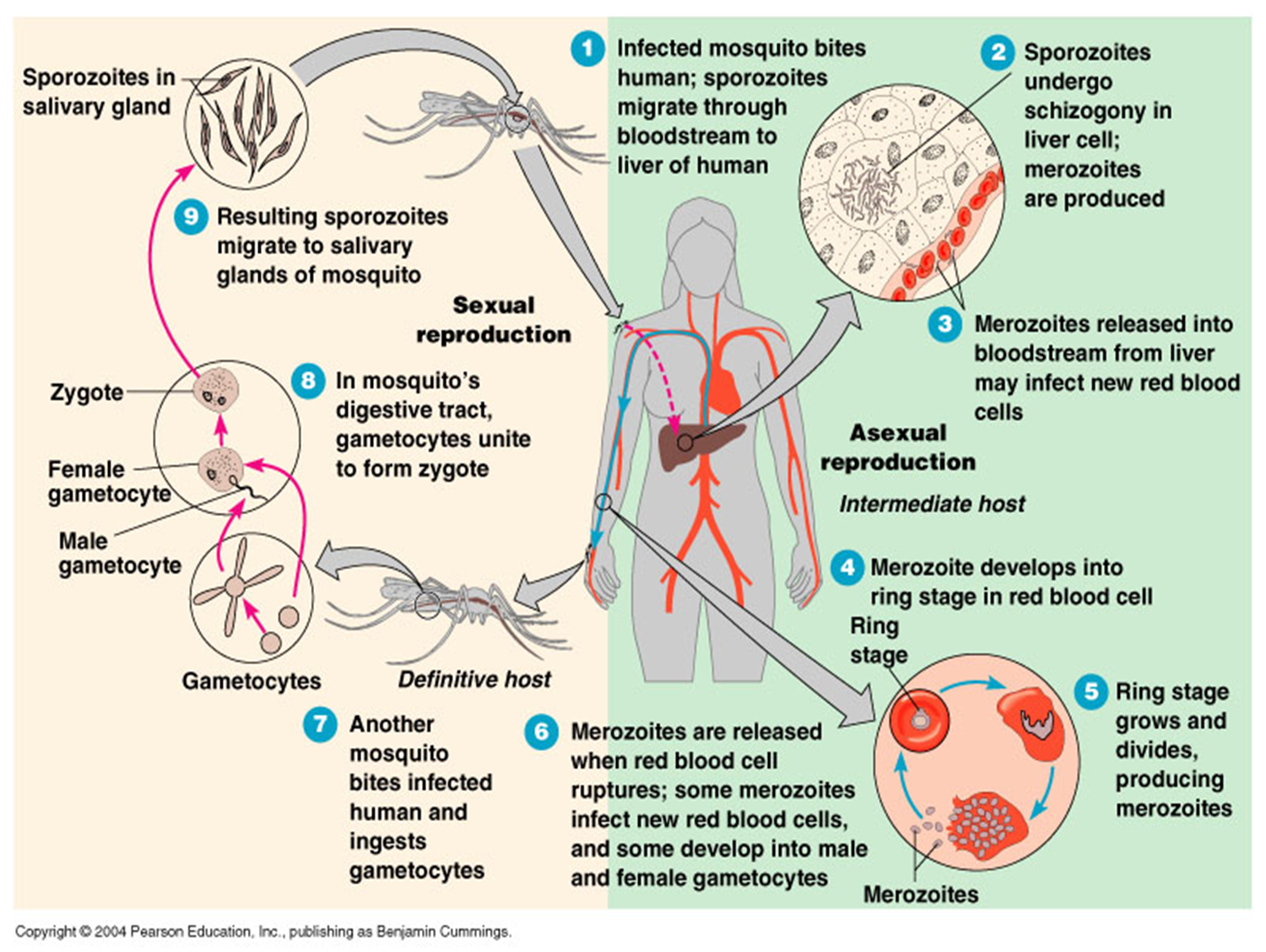
sexual reproduction of plasmodium
sexual reproduction occurs in the stage where it is important to increase diversity
polymorphic
occurs by mosquito biting infected human and ingests gametocytes, gametocytes merge to form zygote, results in sporozoites in salivary glands
organic compounds and carbon source
chemoorganoheterotrophs
what do fungi require for energy?
fungi species can either be
anaerobic
aerobic
chitin
what is the cell wall of fungi?
no, not at any life cycle
do fungi have flagella?
fungi
principal decomposers of carbon compounds on earth
same as bacteria
morphological forms of fungi
Yeast- single
Mold- filamentous
Dimorphic- grow as yeast or mycelia
Yeasts
single form of fungi
mold
filamentous fungi
Hypha- single filament
hyphae- plural
septate
if cells within hyphae are distinguishable
individual cellular compartments by cross-walls called septa
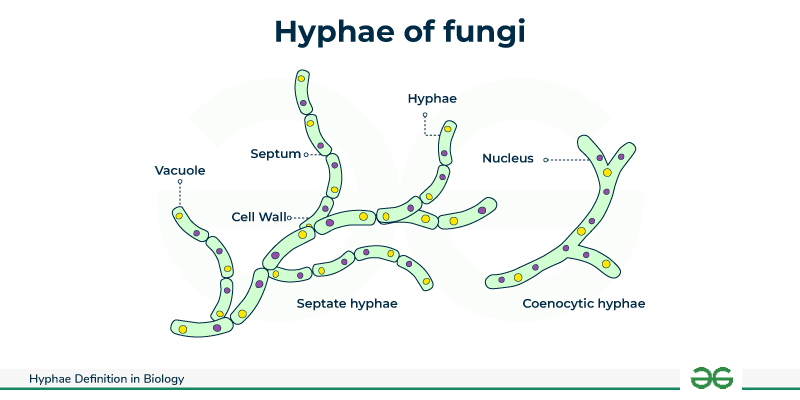
non-septate
if hyphae have no separating membrane
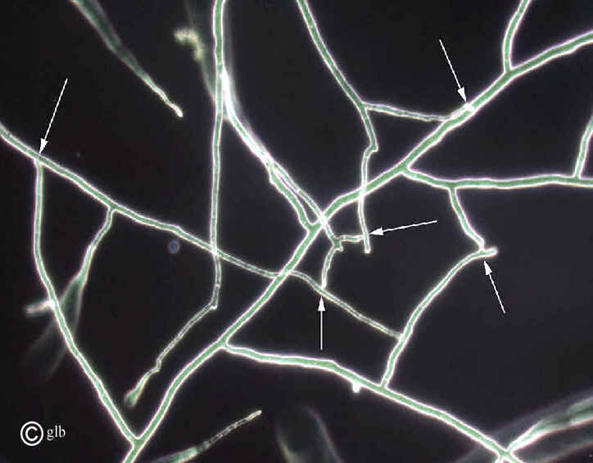
mycelium
collection of hyphae is one place
“root system of fungi”
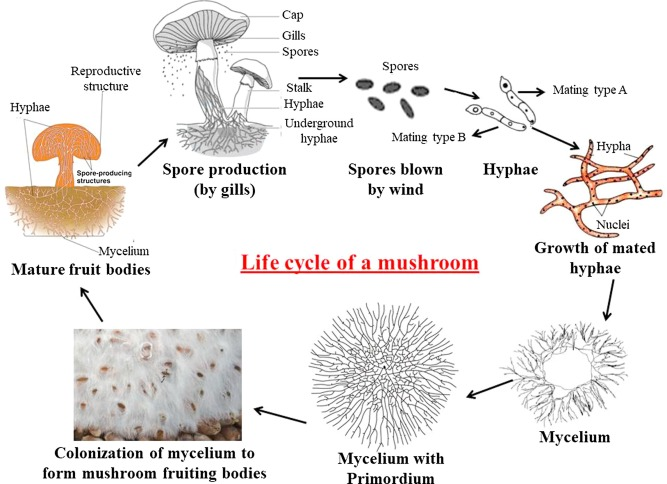
dimorphic
fungi that is capable of growing either as yeast-like cells or as mycelia,
depending upon environmental conditions.
High nutrients (Ex: lungs)- yeast, warm conditions
Low nutrients (Ex: soil)- mold, cold conditions
Lichens (symbiotic)
fungus with photosynthetic organism (alga or cyanobacteria).
Fungus provides protection, foundation for growth, and absorbs water and minerals for both parties.
The photosynthetic organisms provides organic nutrients
Mycorrhizae (symbiotic)
fungus within the roots of certain plants (~80% of vascular plants).
Fungus increases the absorptive power of the root.
Leaf cutter ants (symbiotic)
worker ants provide vegetation for mold farms to grow, and in turn use the fungus as their food source
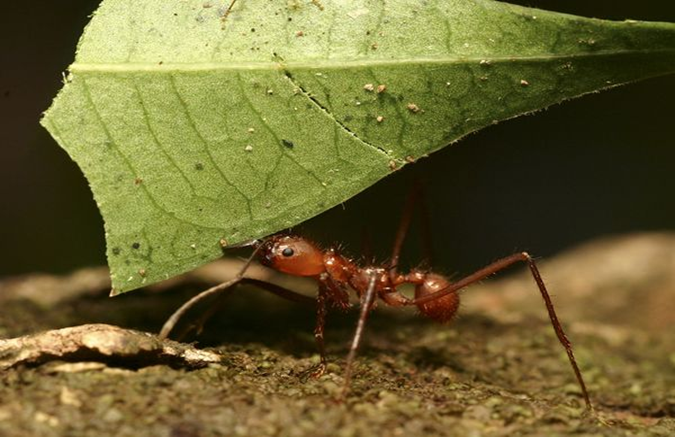
Lichens-fungus with photosynthetic organism
Mycorrhizae-fungus within the roots of certain plants
Leaf cutter ants
Symbiotic- 2 organisms living close together benefiting
what are the 3 symbiotic forms of fungi?
wine, beer, bread, and most importantly penicillin and other medicine
what can fungi produce?
genetically modified yeast
produce human growth hormone, hep B vaccine, insulin
mycoses
fungi disease. medically important fungi include..
Candida albicans
Coccidiodes immitis
Cryptococcus neoformans
Histoplasma capsulatum
Pneumocystis jirovecii
Arthropods
insects, ticks, lice, and mites
Vectors for transmission of MO
Helminths
nematodes (roundworms), cestodes (tapeworms), and trematodes (flukes).
primitive
cause disease by invading host tissue
Pediculus humanus (arthropod)
head lice
a disease causing arthopod
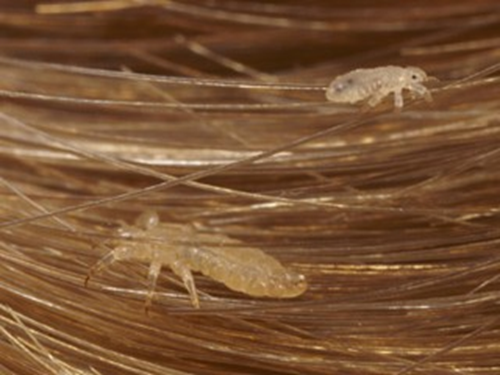
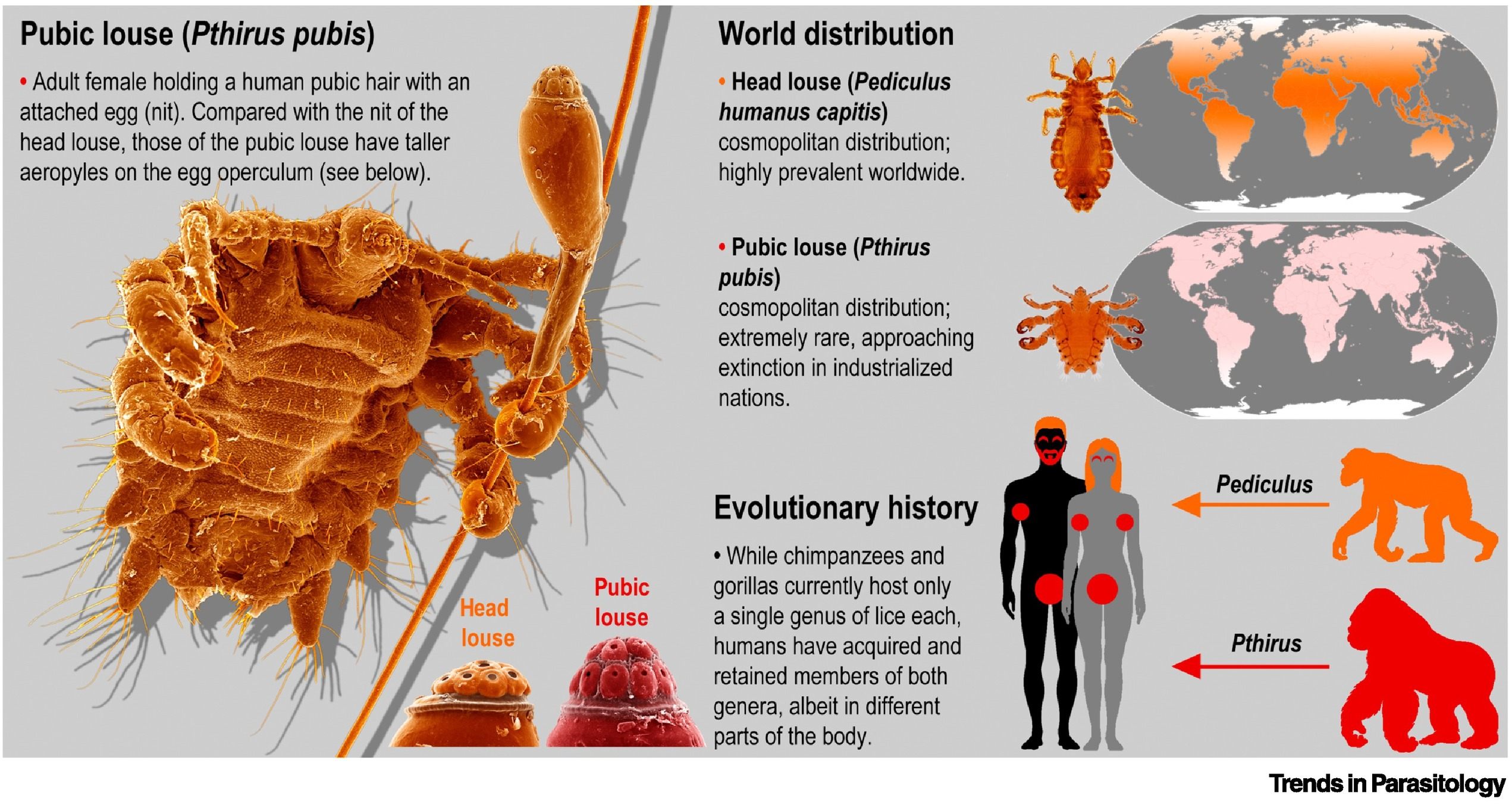
Phthirus pubis(arthropod)
crab louse
disease causing arthopod
sexually transmitted
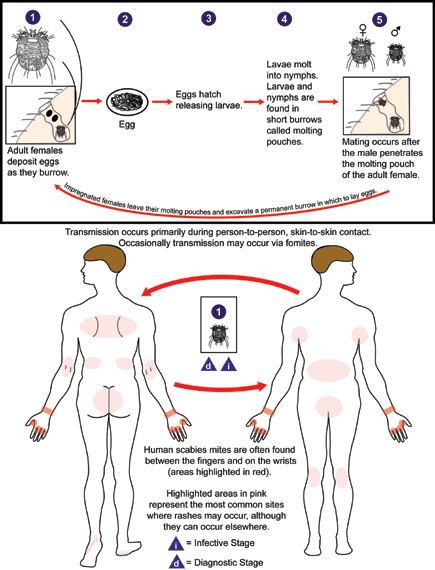
Sarcoptes scabiei (arthropod)
a mite that causes scabies, an itchy rash commonly found between the fingers, under the breasts, and in the genital area.
Transmitted through physical contact
Disease causing nematode(Helminths)
Necator americanus- hookworm disease
Trichinella spiralis- trichinosis
Cestodes(Helminths)
Taenia solium- pork tapeworm
Trematodes(Helminths)
Schistosoma mansoni- schistosomiasis
Necator americanus (Nematodes)
hookworm disease
Trichinella spiralis (Nematodes)
causes trichinosis (disease)
Taenia solium (Cestodes)
pork tapeworm
Schistosoma mansoni (Trematode)
schistosomiasis (disease)
yeast
What form of dimorphic fungi grow in warm high nutrient conditions?
mold
What form of dimorphic fungi grow in cold low nutrient conditions?
Explore top notes

Explore top flashcards
