AP Art History Content Area 3 (Gothic + Islamic Europe)
 Studied by 0 people
 Call with Kai
 Learn
Learn Practice Test
 Spaced Repetition
 Match
Match Flashcards
 Knowt Play
1/18

There's no tags or description
Looks like no tags are added yet.
Name | Mastery | Learn | Test | Matching | Spaced | Call with Kai |
|---|
No analytics yet
Send a link to your students to track their progress
19 Terms
Chartres Cathedral (aerial)
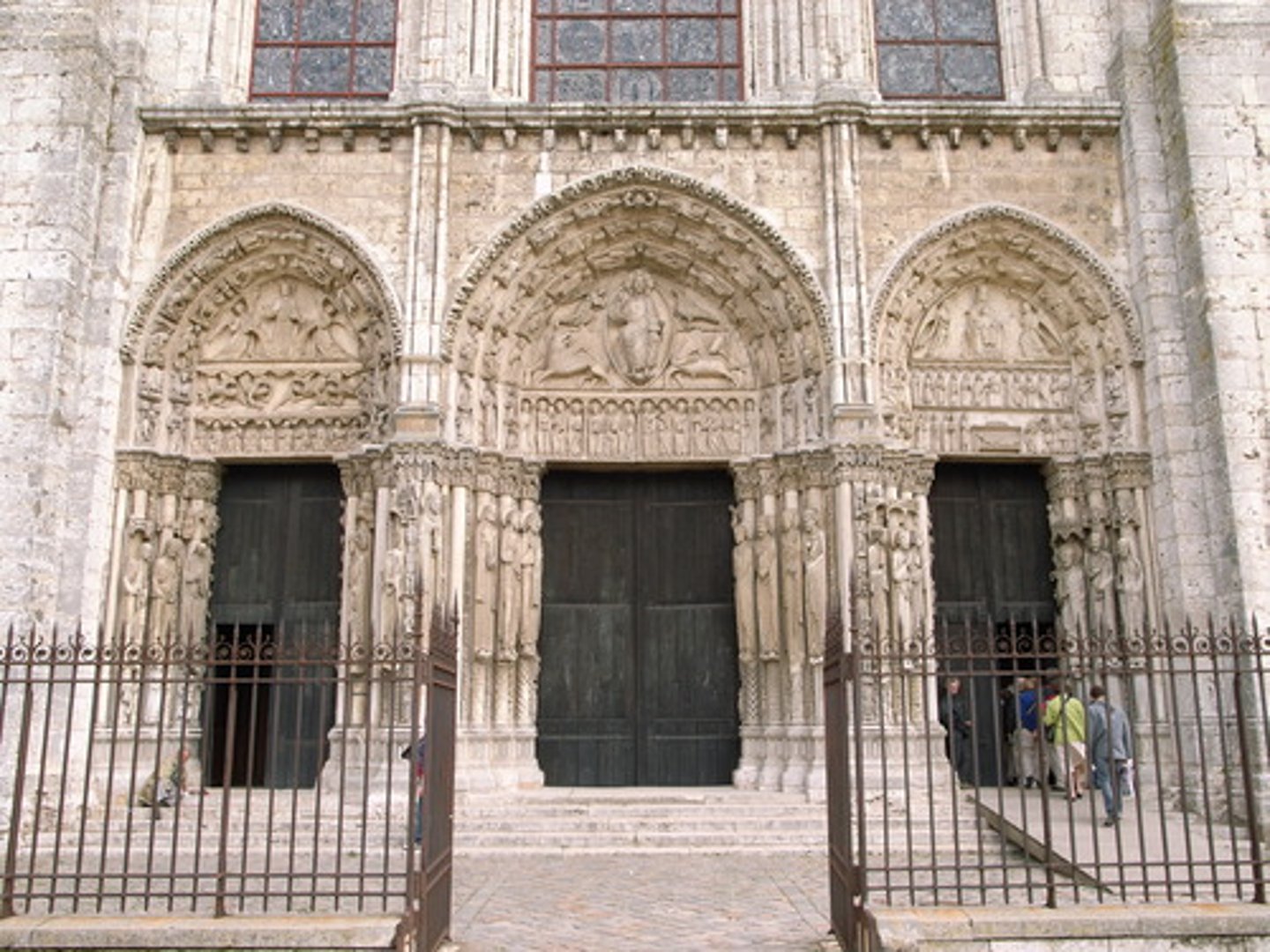
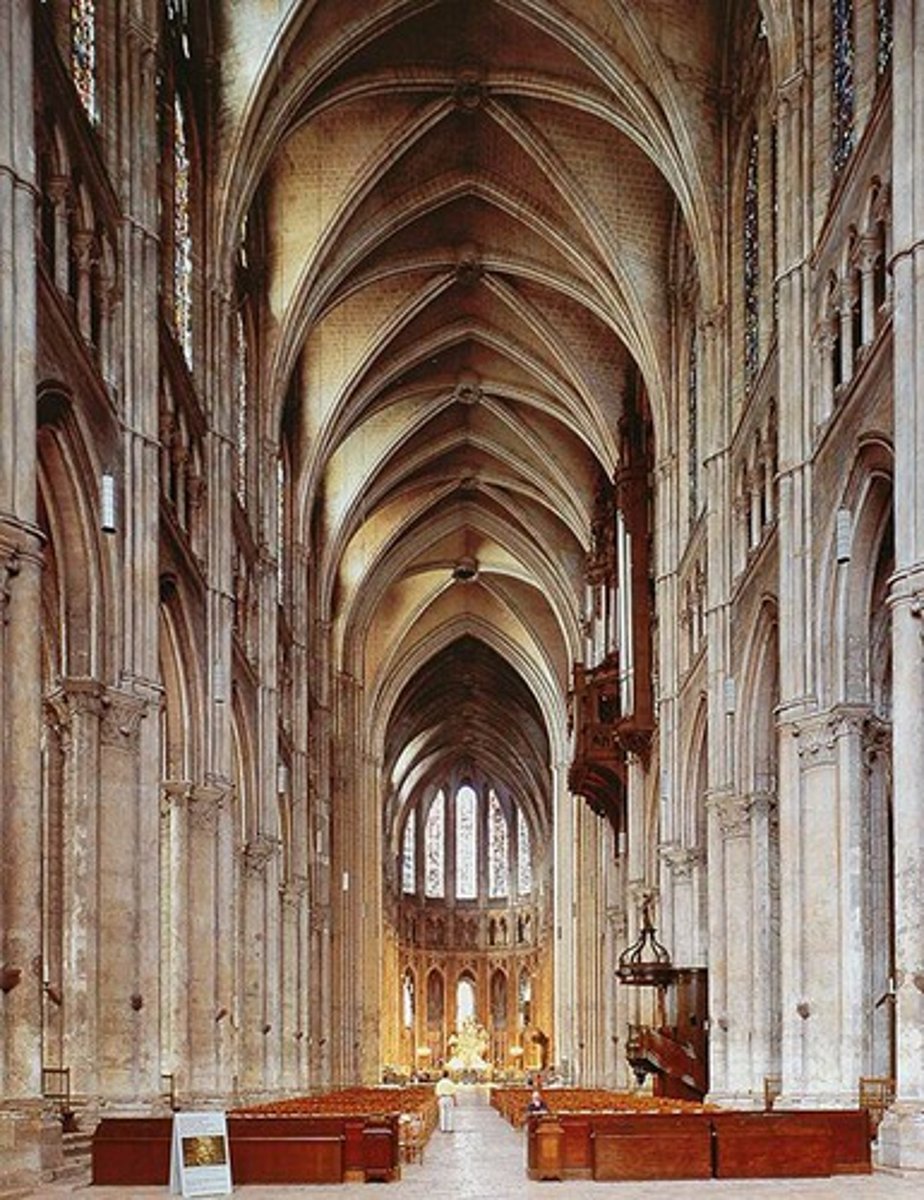
Chartres, France. Gothic Europe. Original construction 1145-1155 CE. Reconstructed 1194-1220 CE. Limestone and stained glass.
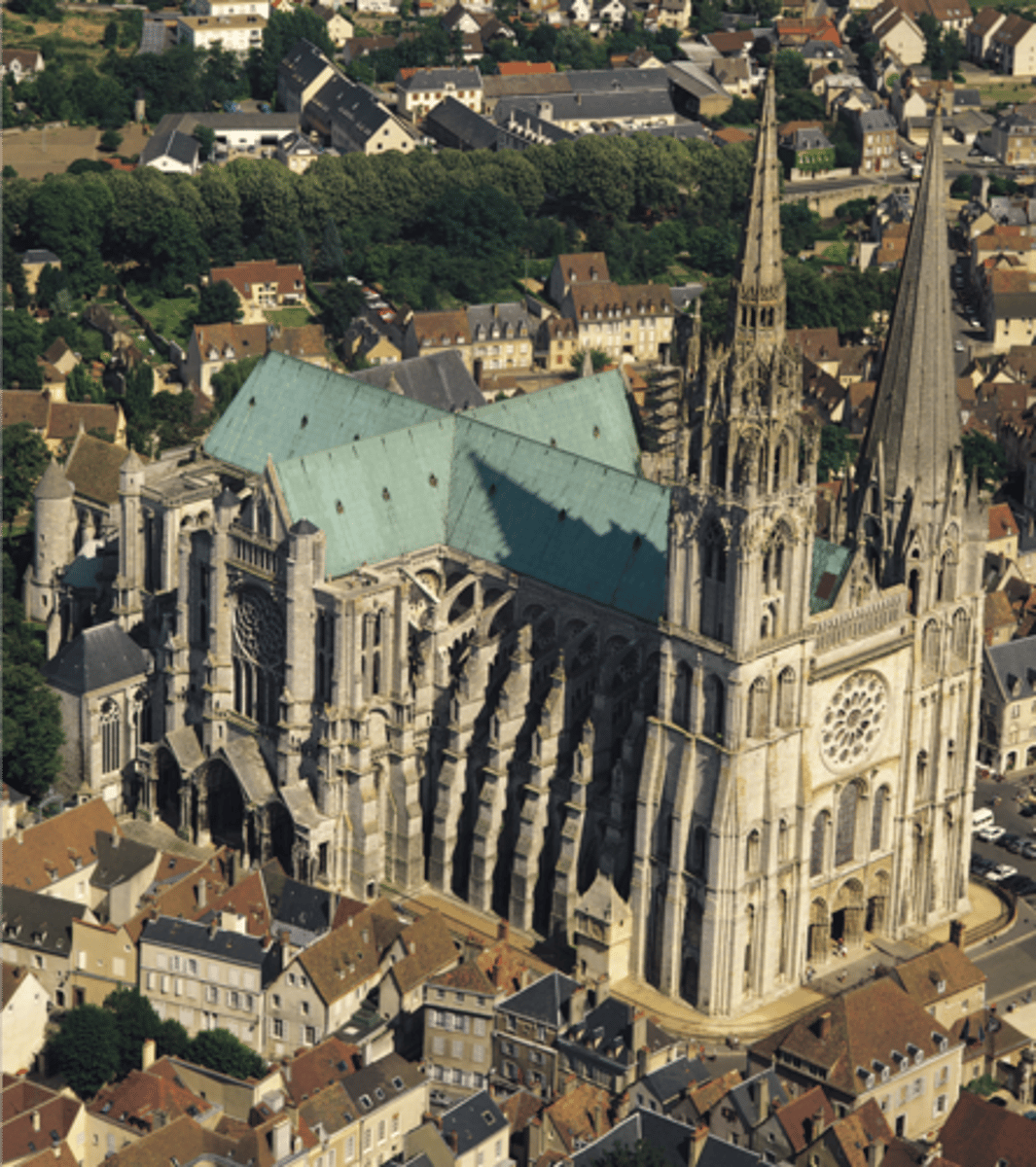
Chartres Cathedral (facade)
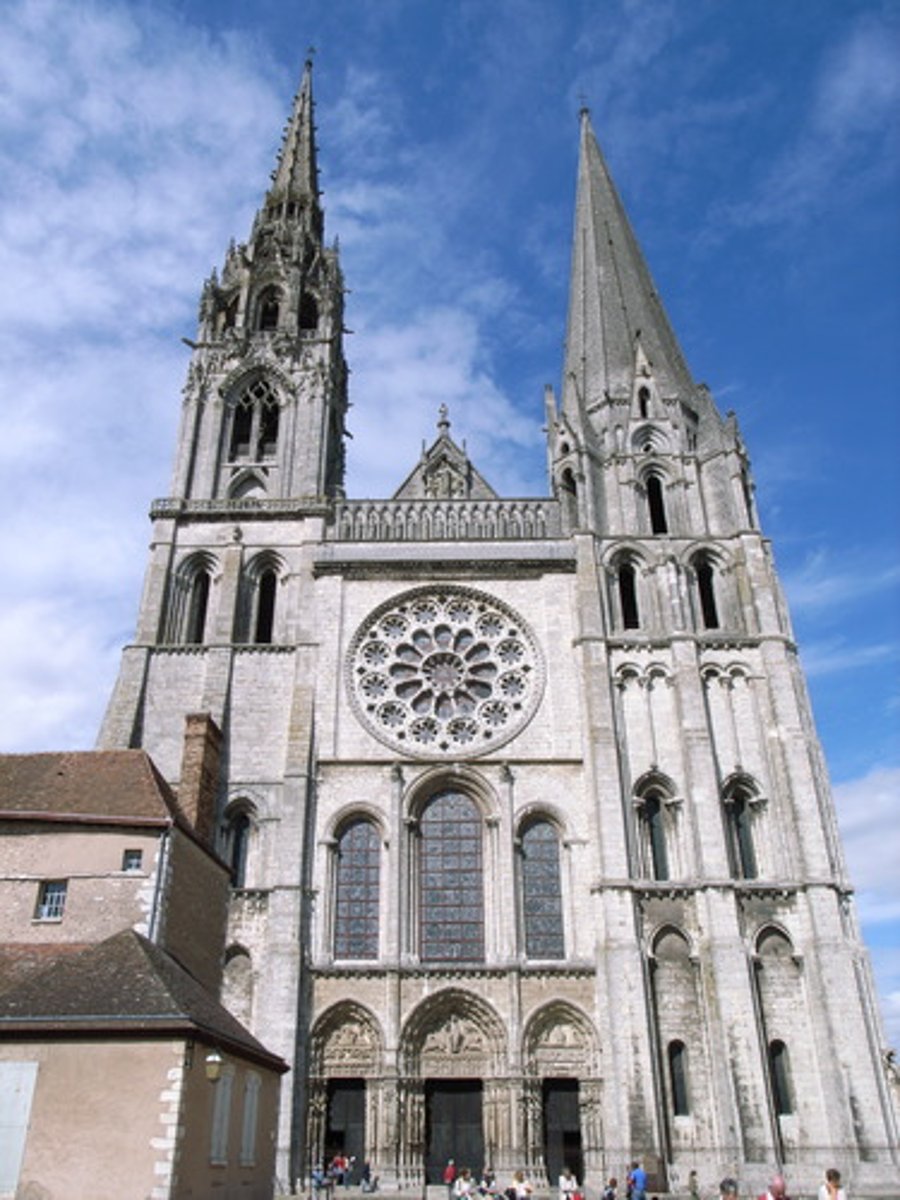
Chartres Cathedral (Great Portal of the West Facade)
Chartres Cathedral (interior)
Nave wall layout: Nave arcade, Triforium, Clerestory windows (with stained glass); not as elaborate rose window, incredible stained glass work.
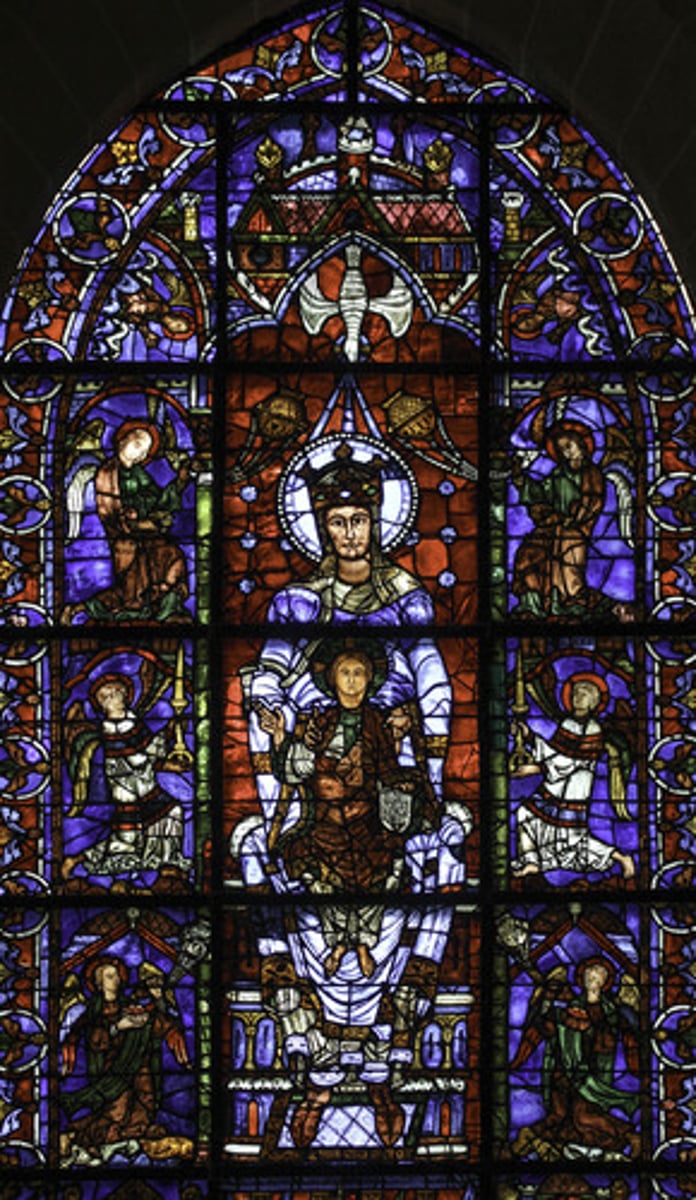
Chartres Cathedral (de la Belle Verriere window)
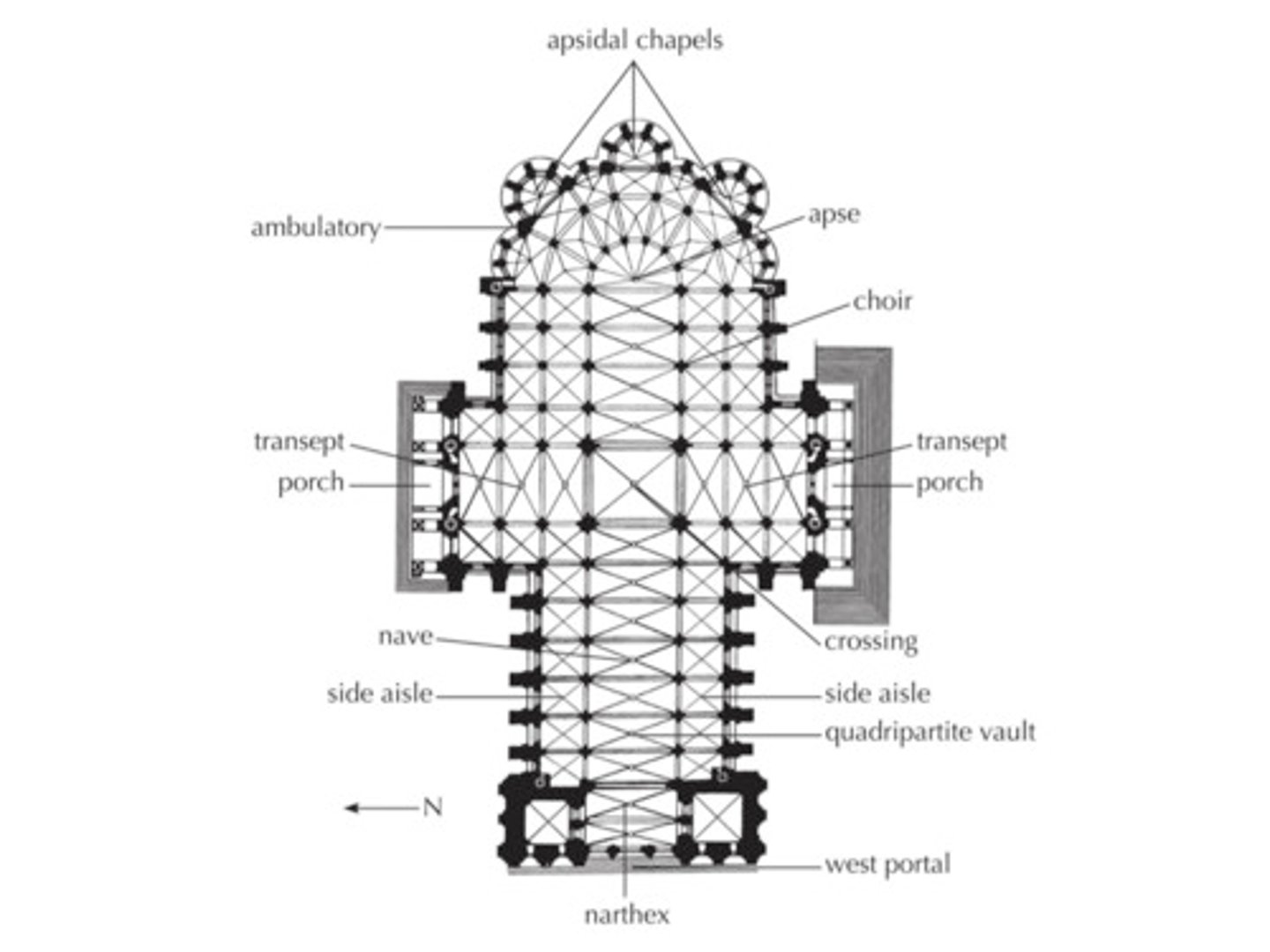
Chartres plan
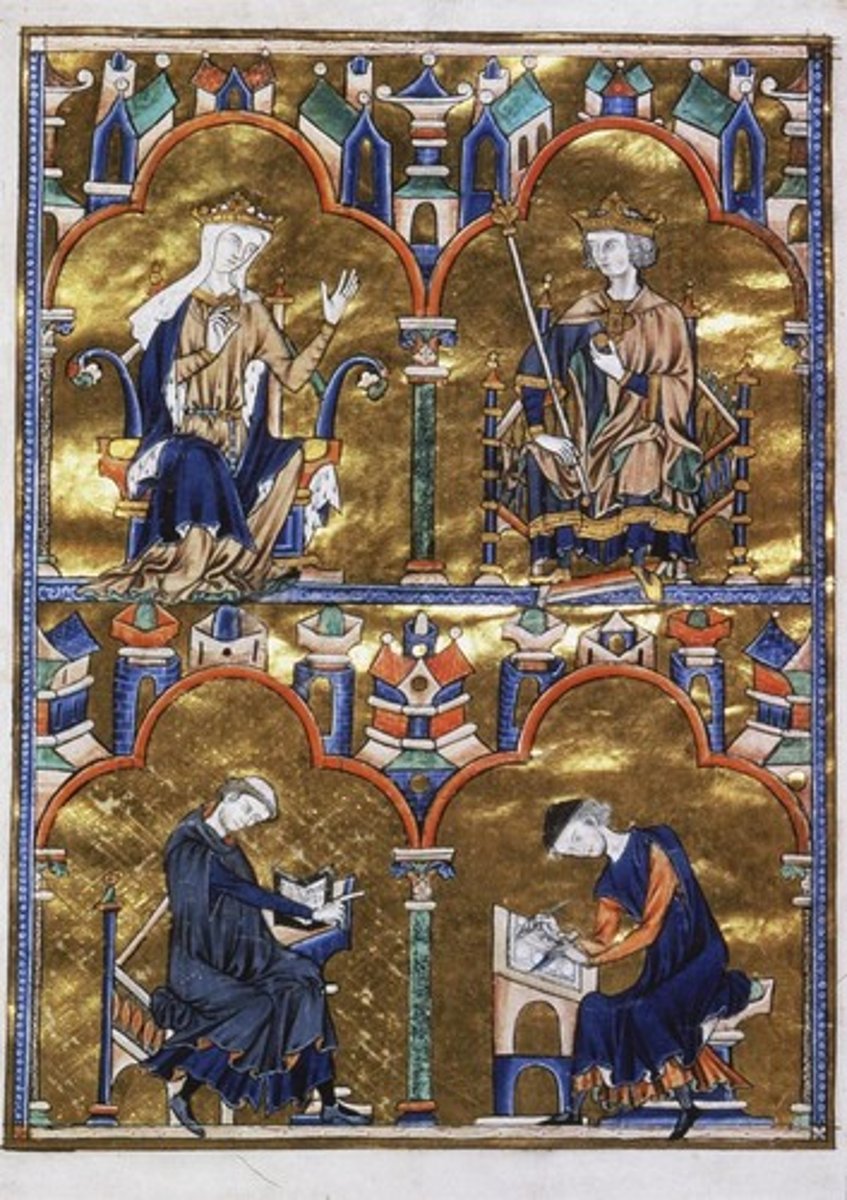
Dedication Page with Blanche of Castle and King Louis IX of France, Scenes from the Apocolypse from Bibles moralisées.
Gothic Europe. c. 1225-1245 C.E. Illuminated manuscript (ink, tempera, and gold leaf on vellum).
Commemorates Louis IX, or Saint Louis, of France and his mother. The architectural frame is reminiscent of cathedral reliefs and stained glass windows. Monks below are engaged in their craft.
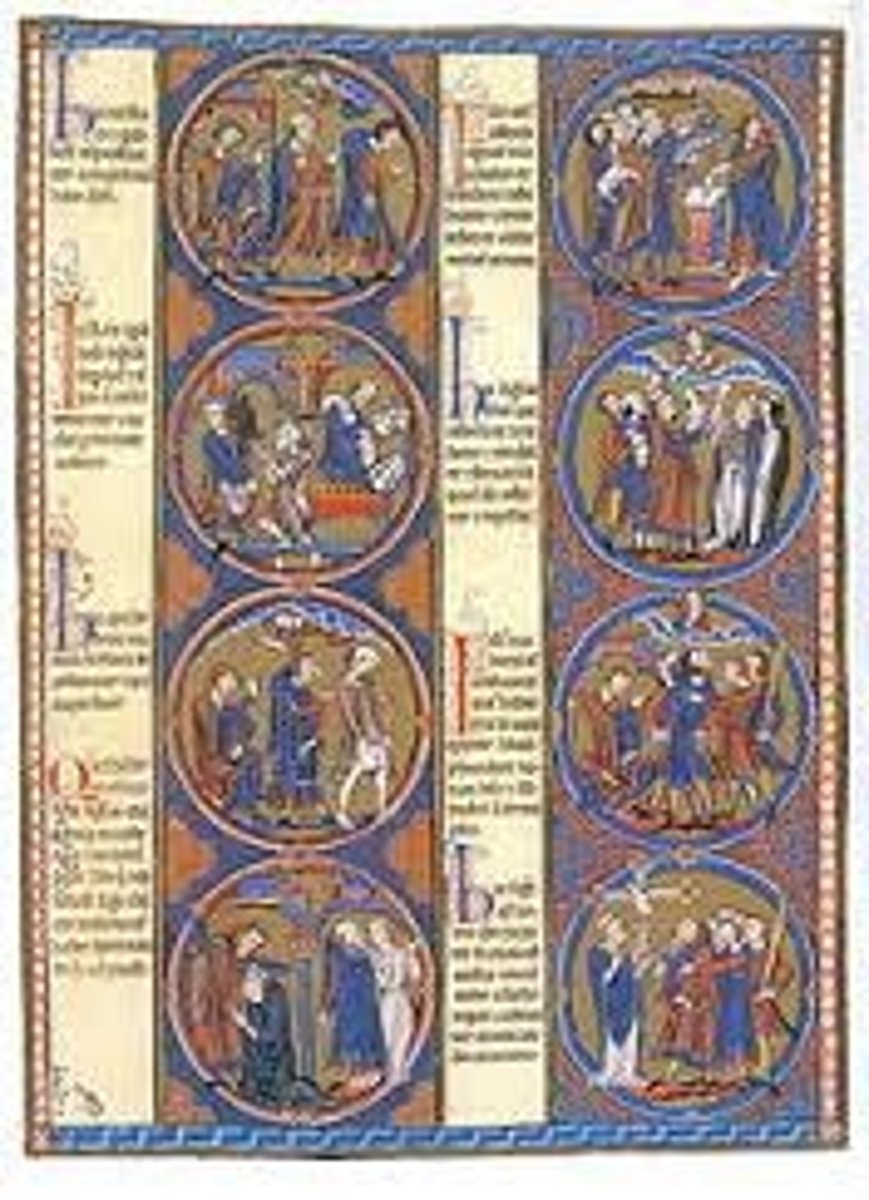
Scenes from the Apocalypse
Accompanied verses from the book of Revelation. Bright colors and rondels were influenced by stained glass windows.
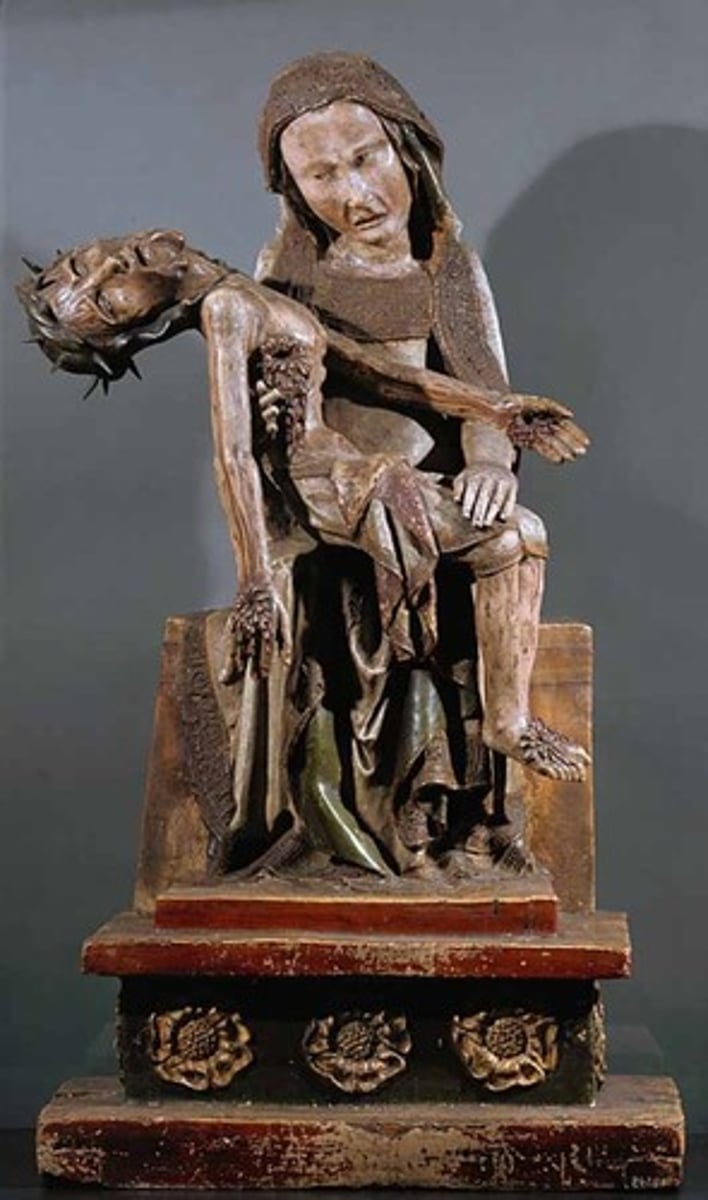
Röttgen Pieta
Late medieval Europe (Middle Rhine, Germany). c. 1300-1325 C.E. Painted wood.
Reflects the suffering of Germany in this era. Typical portrayal of the Lamentation scene. Represents the shift from distrust against three dimensional, Pagan-associated sculptures. Michelangelo reinvented this similar theme.
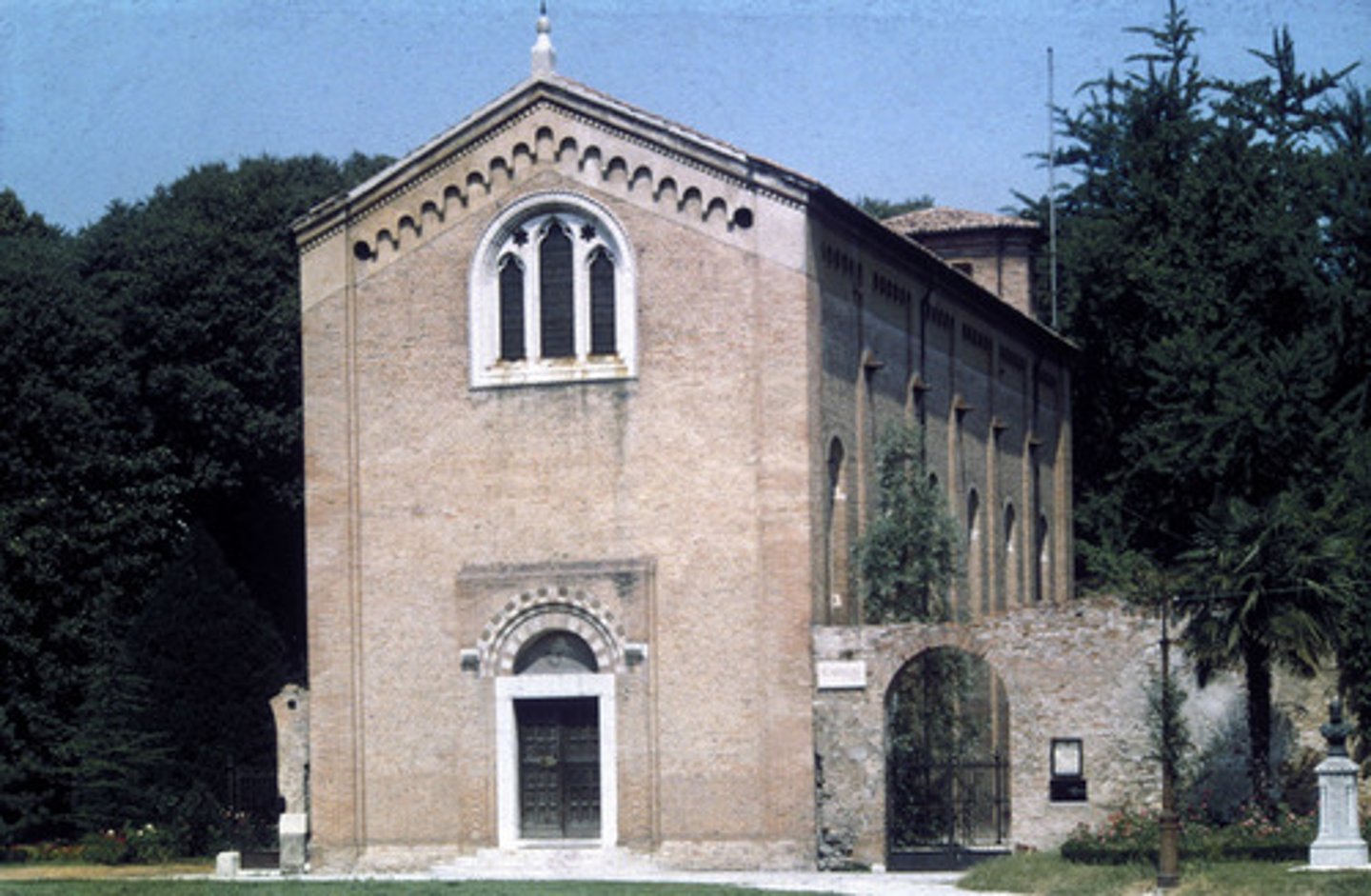
Arena Chapel (Scrovegni)
Padua, Italy. Giotto di Bondone (architect/artist). Pre-Renaissance. 1303 CE. Fresco: 1305 CE. Brick and fresco architecture. Enrico Scrovegni (patron).
Incorporated pictorial space and depth to create a volume of figures. Integrated Dante's "Inferno" into artwork. Contains Mary, Jesus, and biblical narrations. Intended to absolve usury sin associated with Scrovegni.
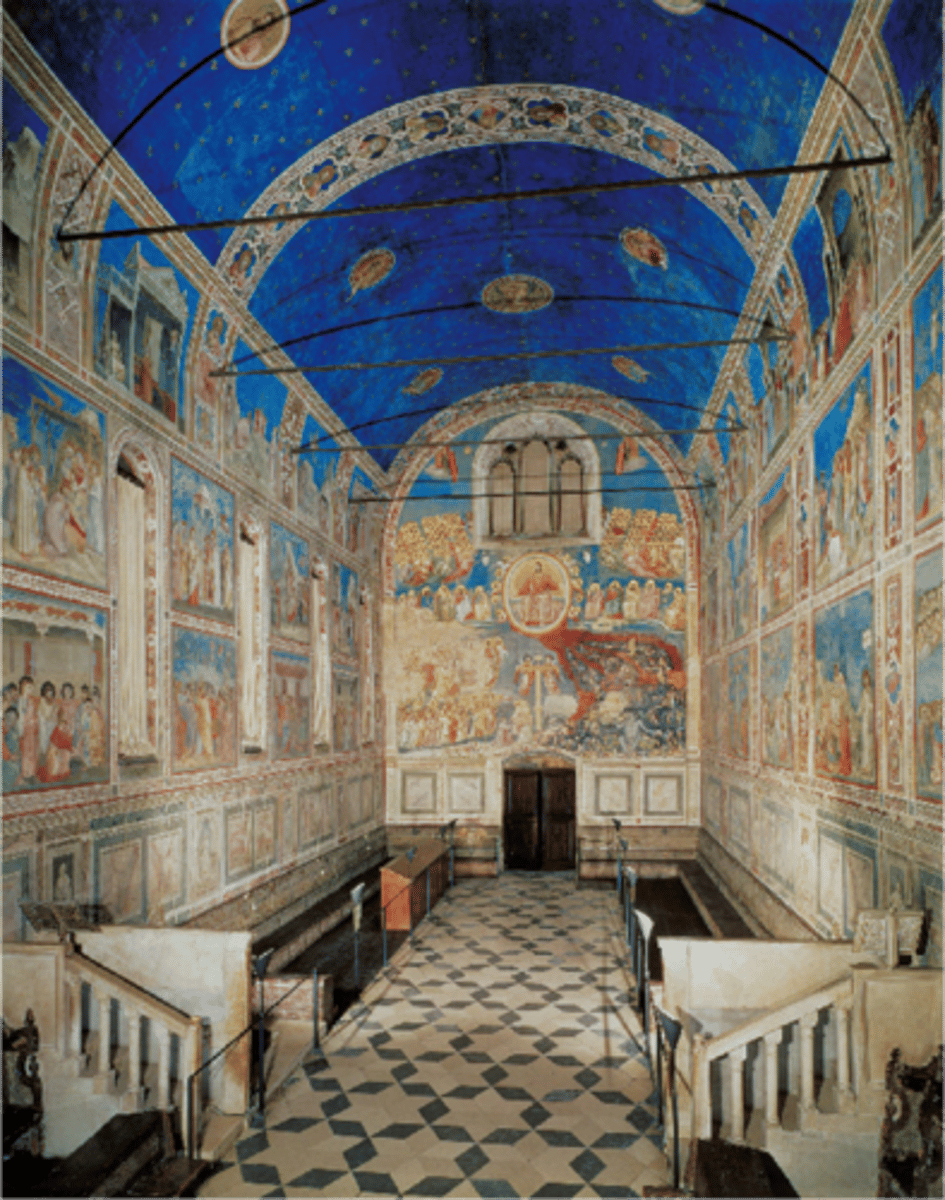
Arena Chapel (Scrovegni interior)
Scenes of Mary and Jesus adorn the interior, the patron is depicted giving Mary the chapel.
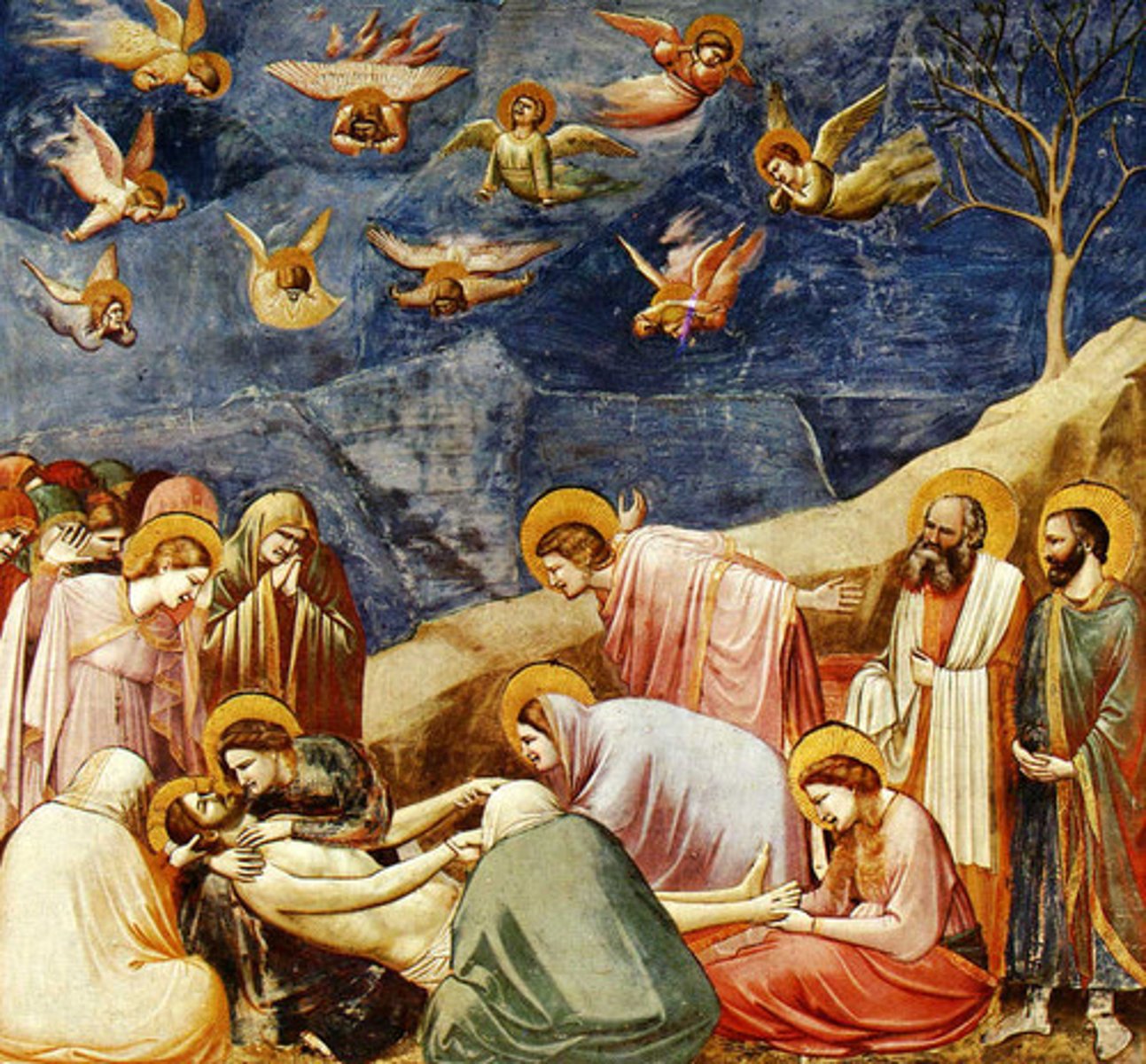
Arena Chapel (Lamentation)
Padua, Italy, Arena Chapel. Bondone. c. 1305 CE. Fresco. Dead tree with Jesus motif. Renaissance innovation of displaying multiple emotions across figures' faces.
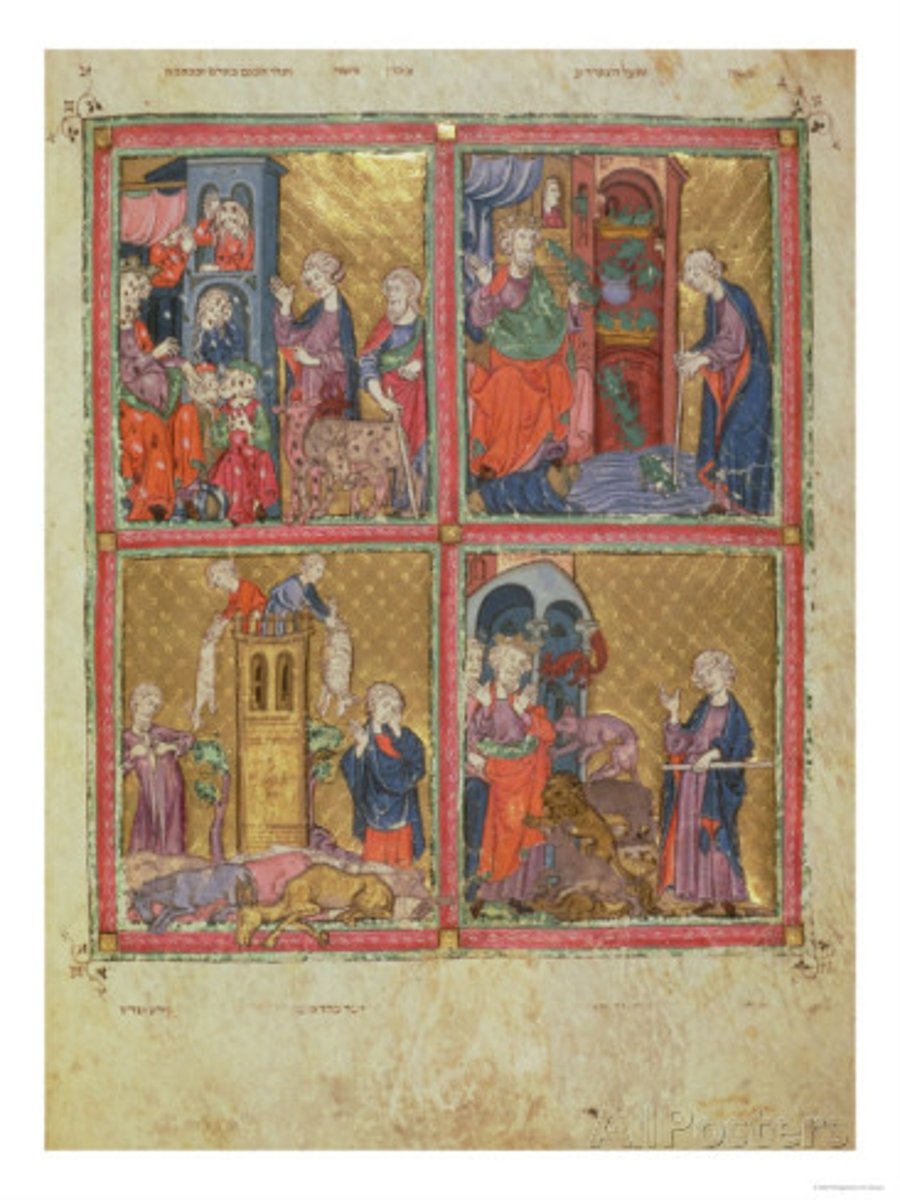
Golden Haggadah (The Plagues of Egypt)
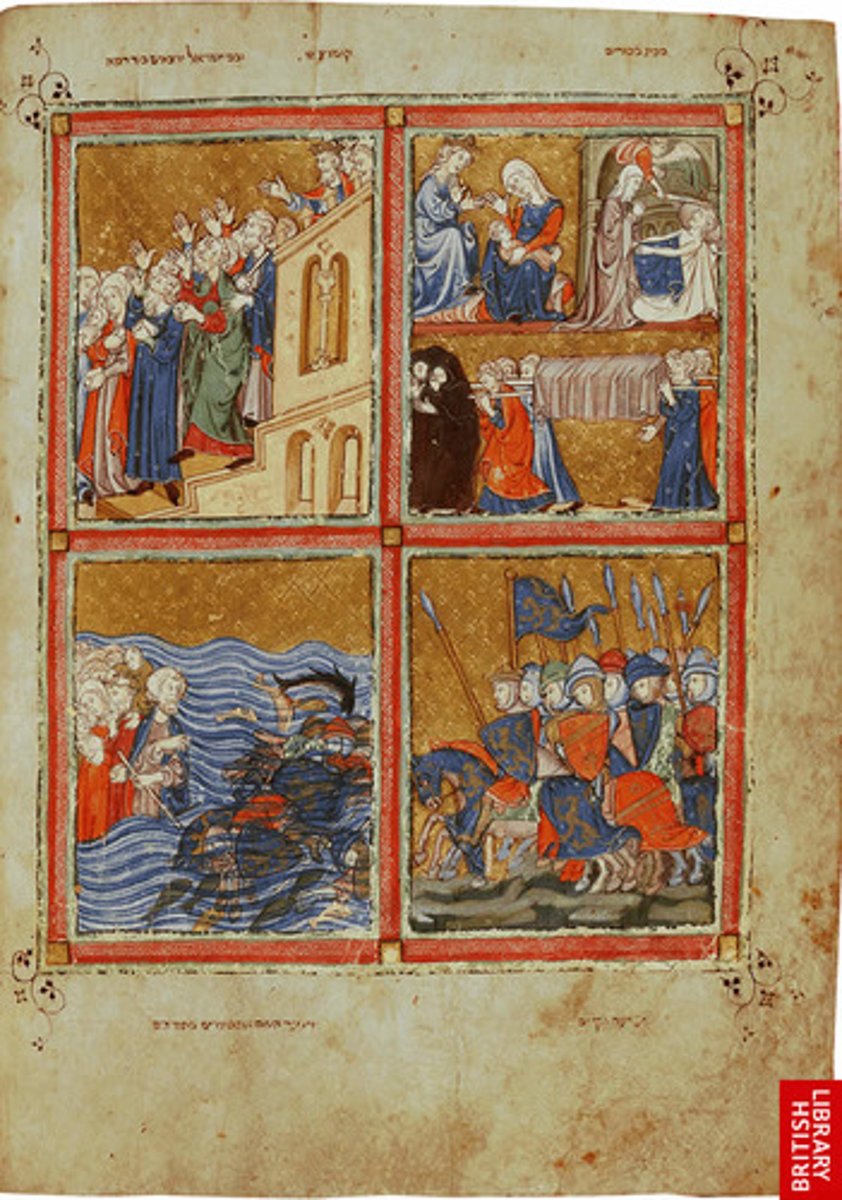
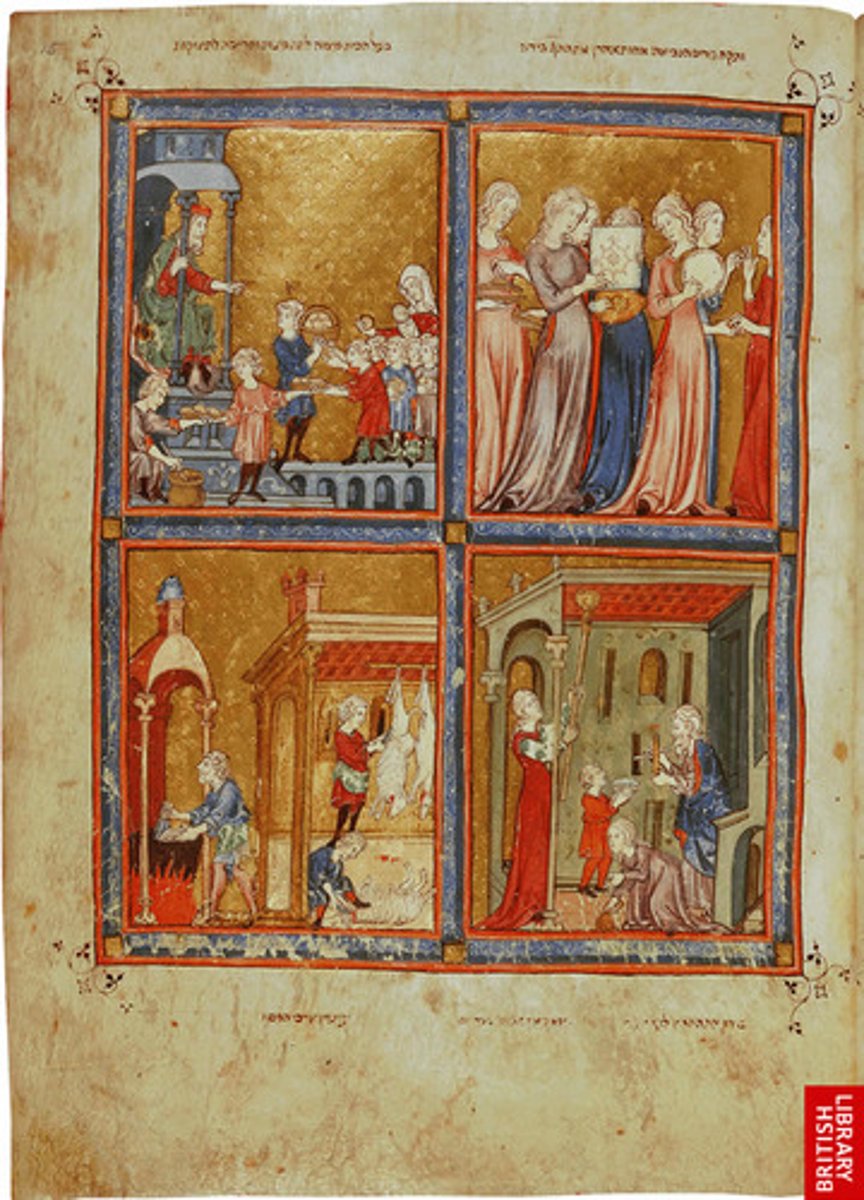
Late medieval Spain. c. 1320 C.E. Illuminated manuscript (pigment and gold leaf on vellum).
The book was for use of a wealthy Jewish family in Spain. Haggadahs were lavishly decorated Jewish sacred writings. Heavy use of gold leaf alludes to Byzantine art. Reflects Gothic Christian art influence also. The holy text is written on vellum - a kind of fine calfskin parchment - in Hebrew script.
Golden Haggadah (Scenes of Liberation)
Golden Haggadah (Preparation for Passover)
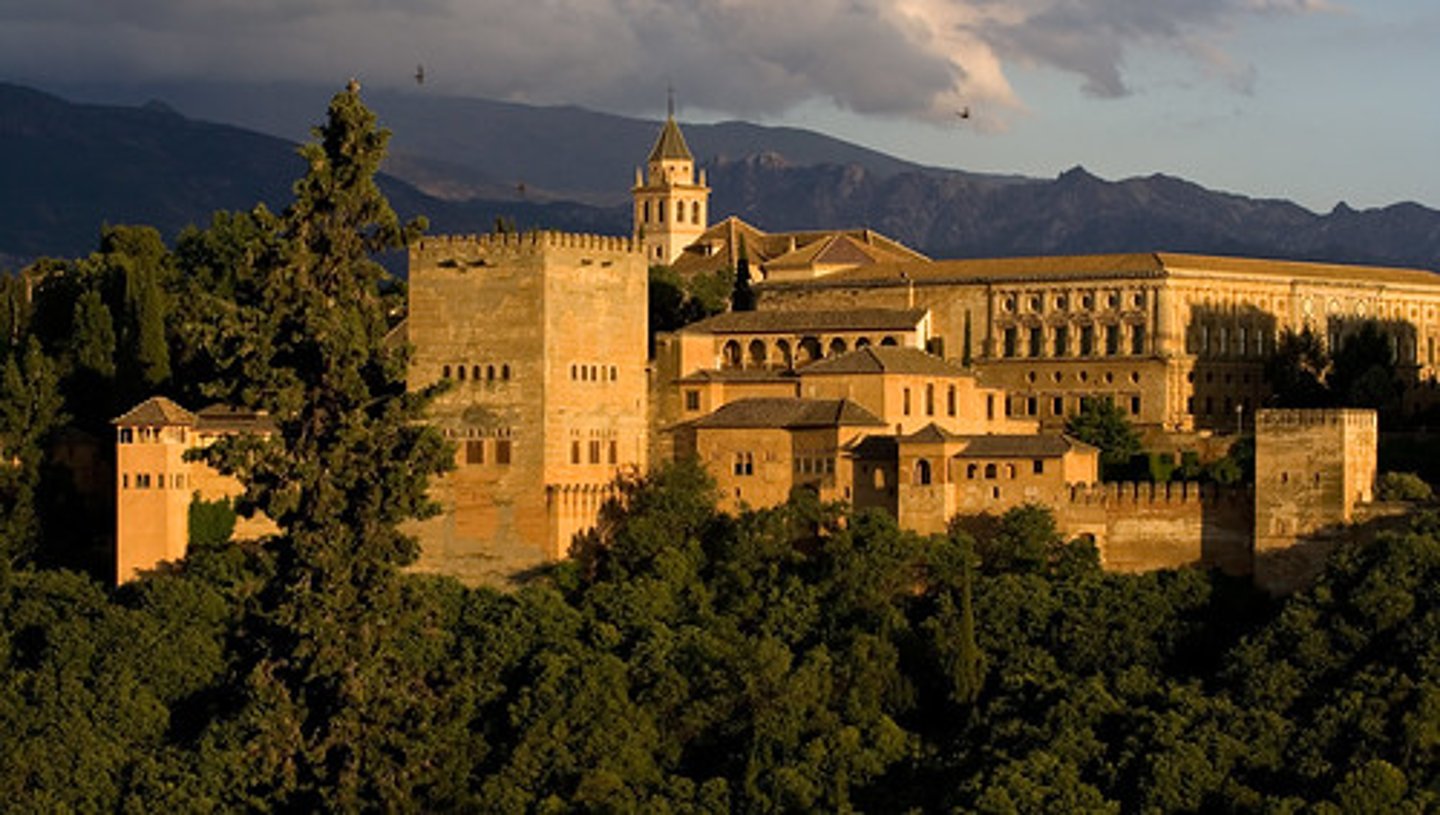
Alhambra
Granada, Spain. Nasrid Dynasty. 1354-1391 C.E. Whitewashed adobe stucco, wood, tile, paint, and gilding.
Built for the purpose of a fortress.
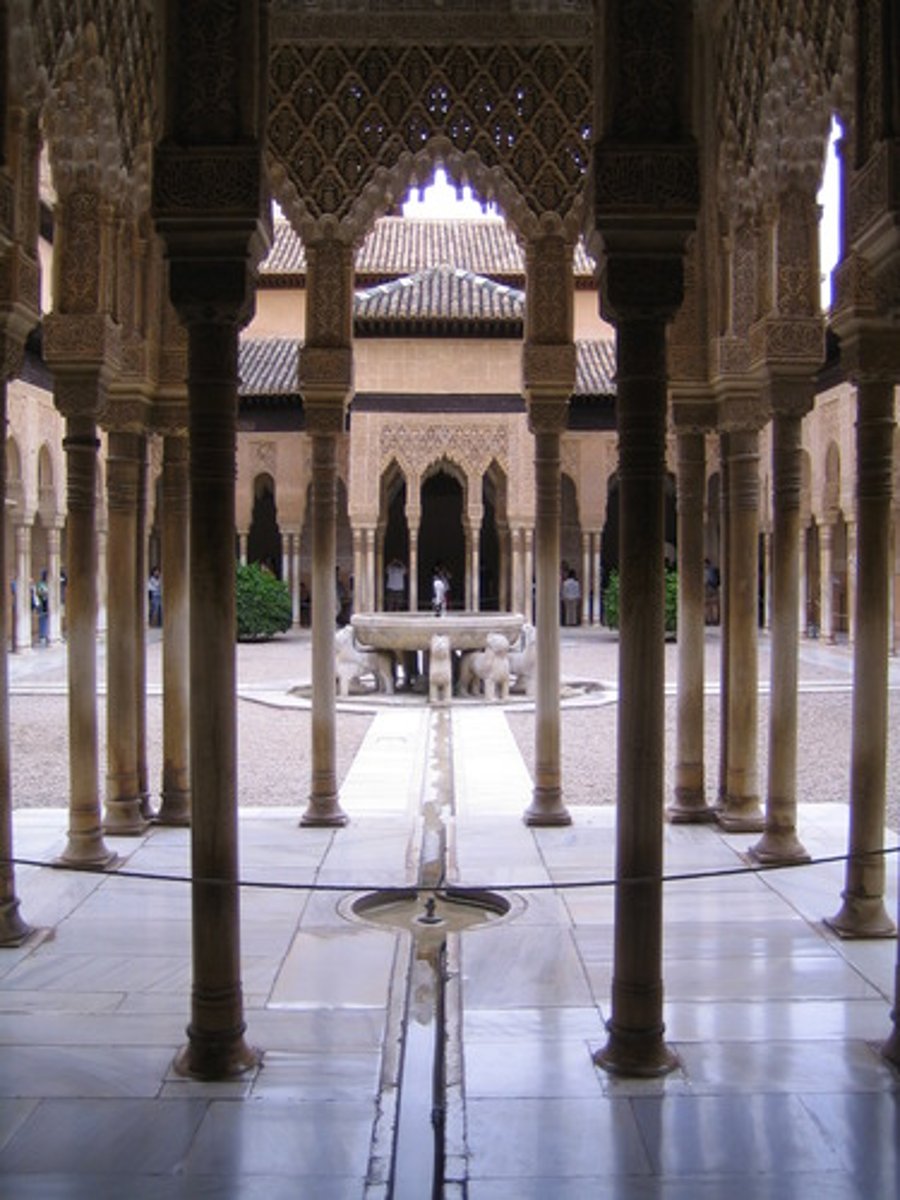
Alhambra (Court of the Lions)
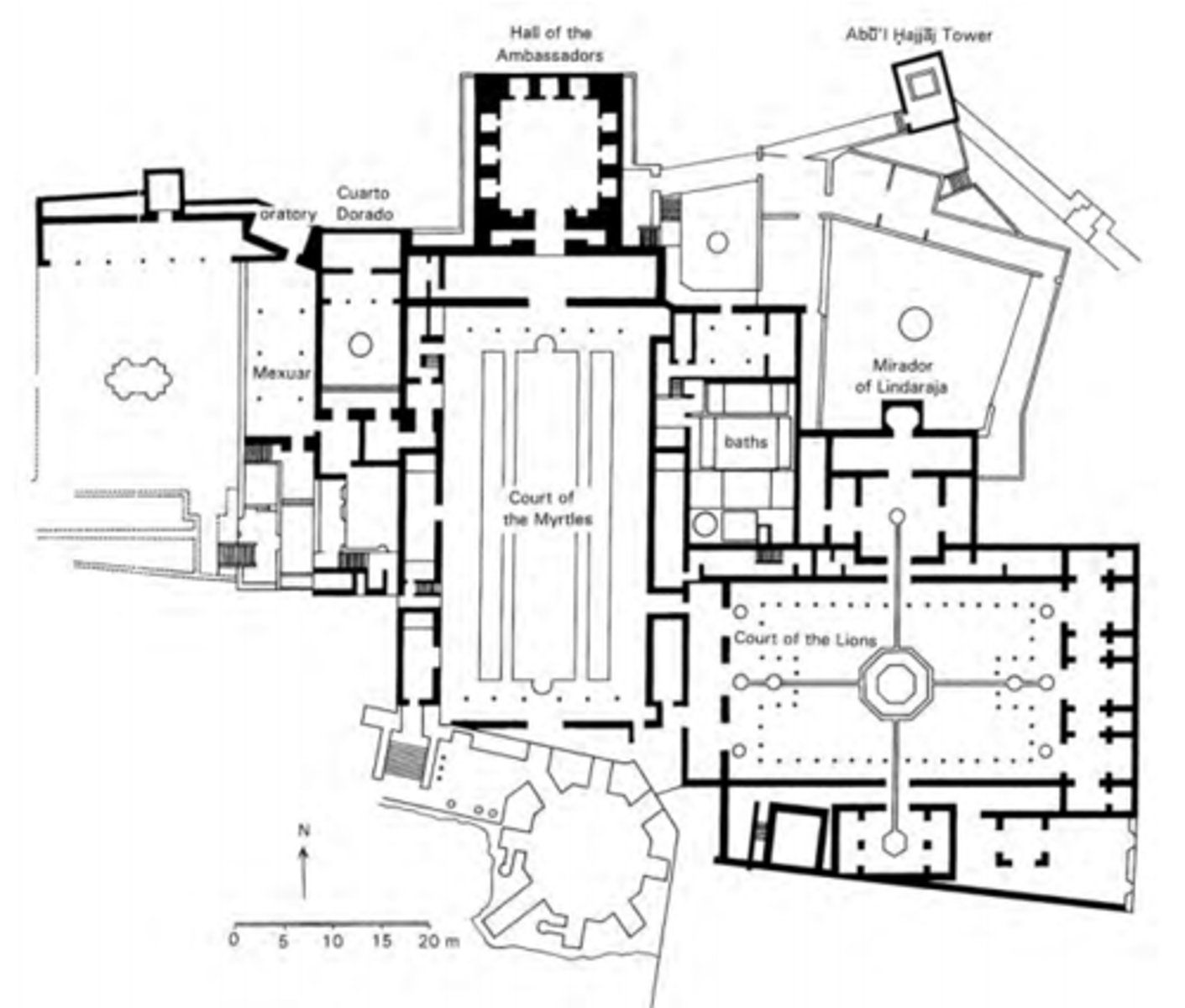
The Court of Lions has adjoining side rooms and upper galleries, becoming the most innermost and private courtyard under the Islamic rule. Four streams under the fountain broke the courtyard into four equal segments with two small fountains at each patio. Water features evoke images of oasis pools. Features muqarna (honeycomb) ceiling.
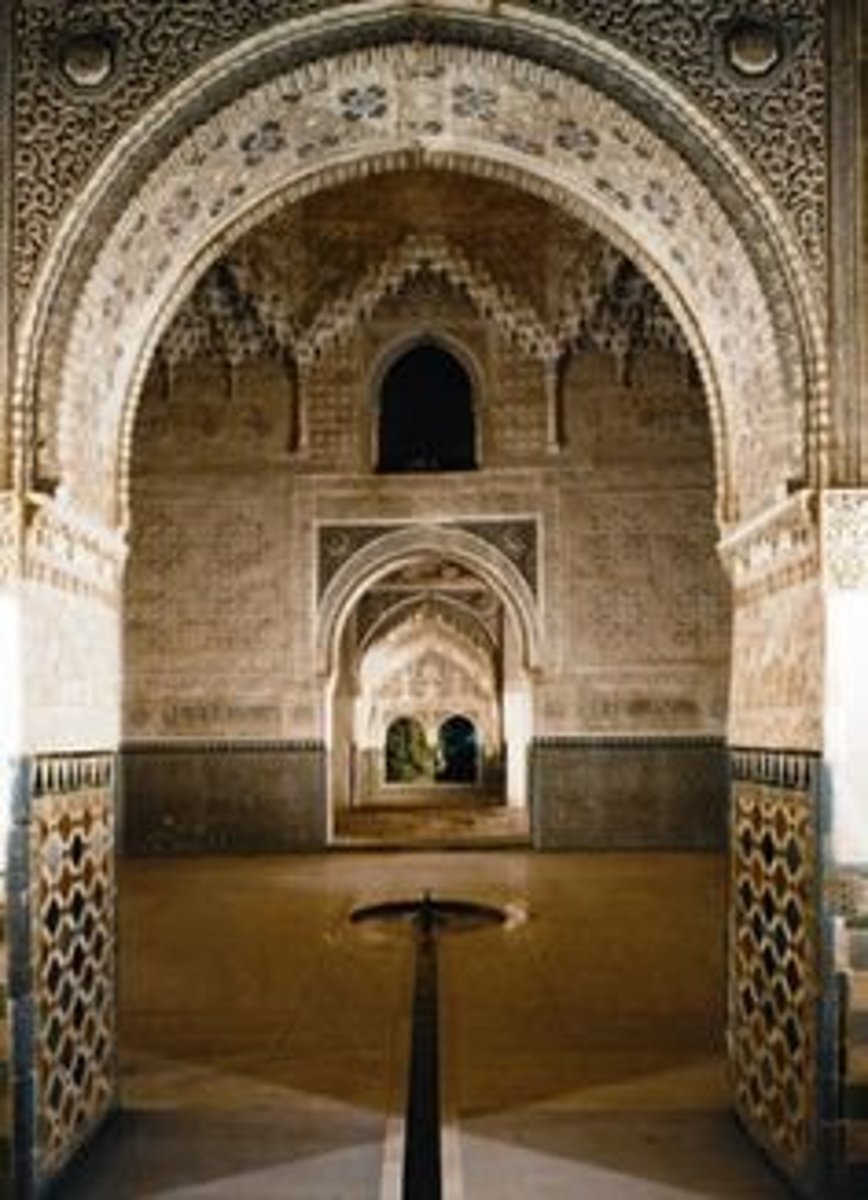
Alhambra (Hall of the Sisters)
Two-storied hall with decorated walls of geometric, floral, and vegetal patterns. Features calligraphic borders. Contains muqarna dome.
Alhambra (plan)
 Note
Note  Flashcards (76)