BIOL 202 Practical (master)
 Studied by 0 people
 Call Kai
 Learn
Learn Practice Test
 Spaced Repetition
 Match
Match Flashcards
 Knowt Play
1/68

There's no tags or description
Looks like no tags are added yet.
Name | Mastery | Learn | Test | Matching | Spaced |
|---|
No study sessions yet.
69 Terms
euglenoids and kinetoplastids
Excavata
chlorophyta and rhodophyta
Archaeplastida
ciliophora, apicomplexa, and dinozoa
Alveolata
bacillariophyceae and phaeophyceae
Stramenopila
radiolaria and foraminifera
Rhizaria
slime molds and amoebas
Amoebozoa
Gram positive
purple, actinobacteria
Gram negative
pink, proteobacteria
Alveoli
saclike vesicles found in supergroup Alveolata
Thecate
armored (with plates)
Athecate
Unarmored
Pseuodopods
“false feet” for movement
Cocci shape
sphere
Bacilli shape
rod
Vibrios shape
comma
Spirilli shape
spiral
Monecious
female and male on same plant
Dioecious
female and male on different plants
Homosporous
spores all same size
Heterosporous
spores of different sizes
Gemmae cups
cups on liverworts, used for reproduction
Tracheophytes
Vascular plants
Dichotomous branching
always branches into two (simple branching), seen in Ginkgophyta
Azola fern
cyanobacteria lives in _____ and helps it
Microphylls
leaf with one vein, seen in selaginellales
Megaphylls
more complex leaves with multiple veins
Spermatophytes
seed producing plants
opposite, alternate, or whorled
Leaf arrangements
Gymnosperms
“naked seeds”
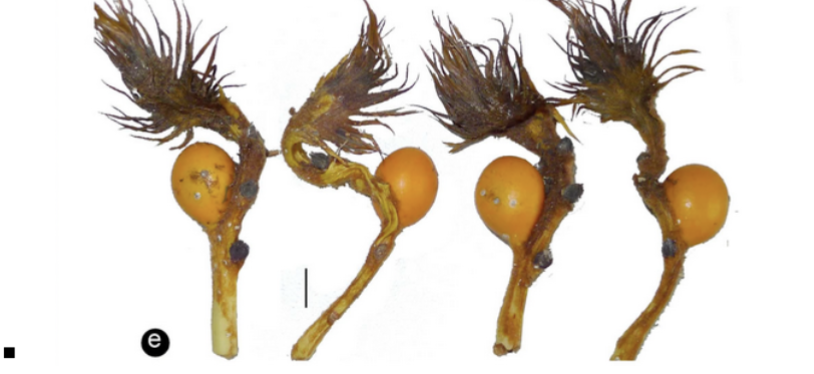
Coralloid roots
above-ground roots (contain Cyanobacteria)
Parsimony
simplest explanation is the best
Stamen
male part of flower: anther and filament
Carpel
female part of flower: stigma, style, and ovary
Monocots
flower petals in groups of 3 (or 6) + long simple leaves
Eudicots
flower petals in groups of 4 or 5 + thicker and more complex leaves
Clade
common ancestor and ALL descendants
Synapomorphy
shared derived character seen in clade
Branches
nodes x 2
unicellular
Are bacteria unicellular or multicellular?
eukaryotes
Are protists prokaryotes or eukaryotes?
cellulose
In all land plants, provide structural support.
fruit
mature ovary, dry or fleshy
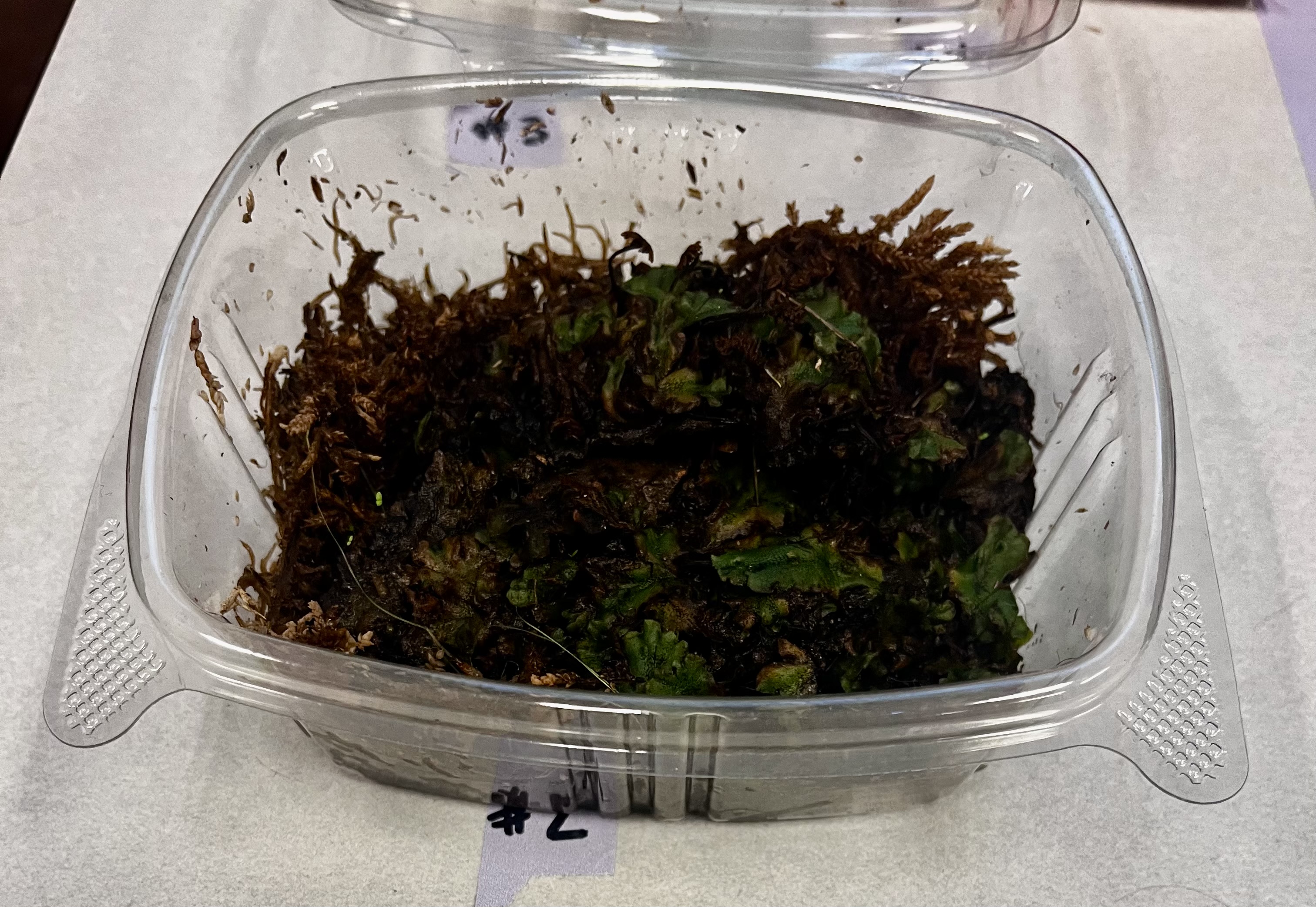
Marchantiophyta
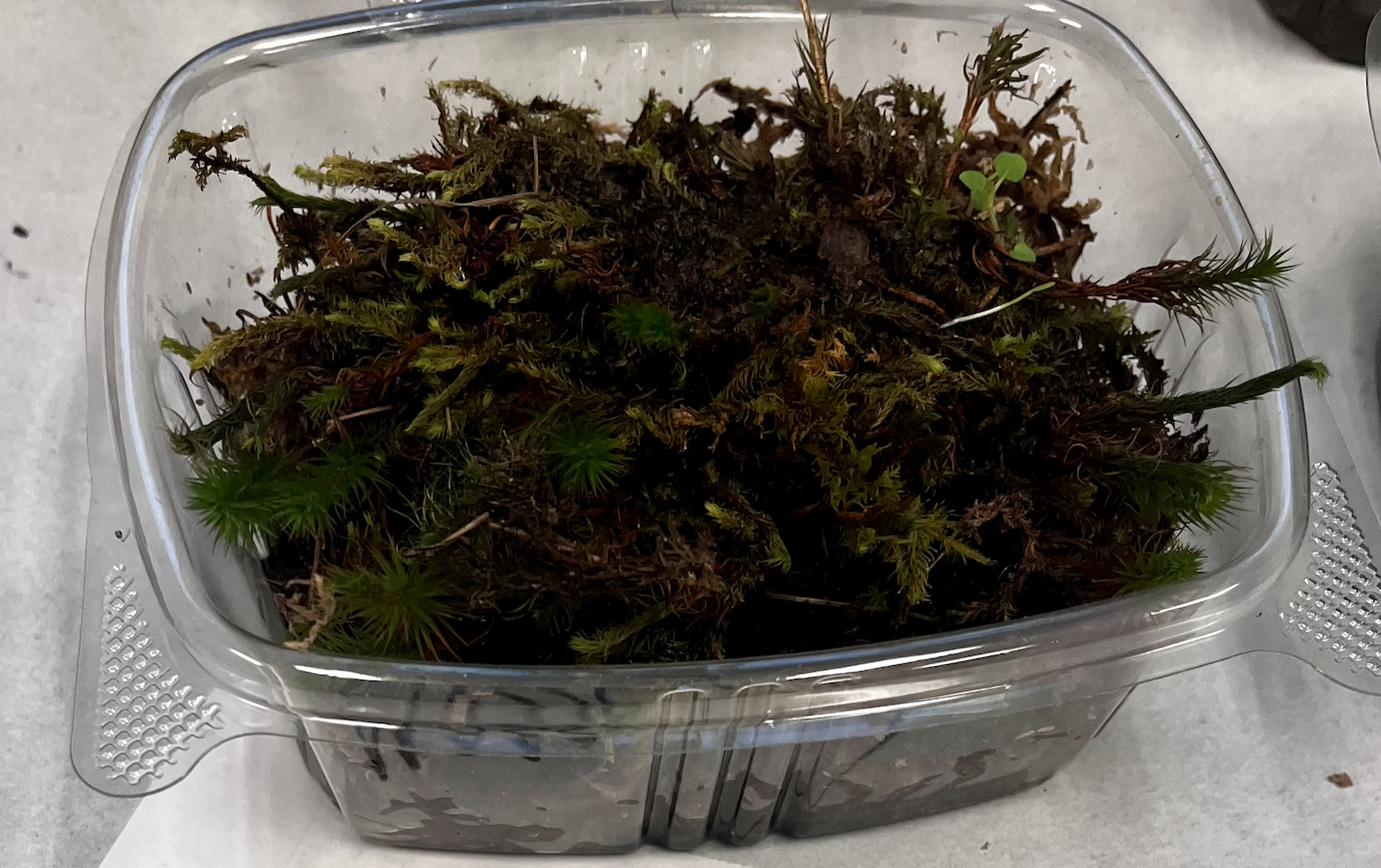
Bryophyta
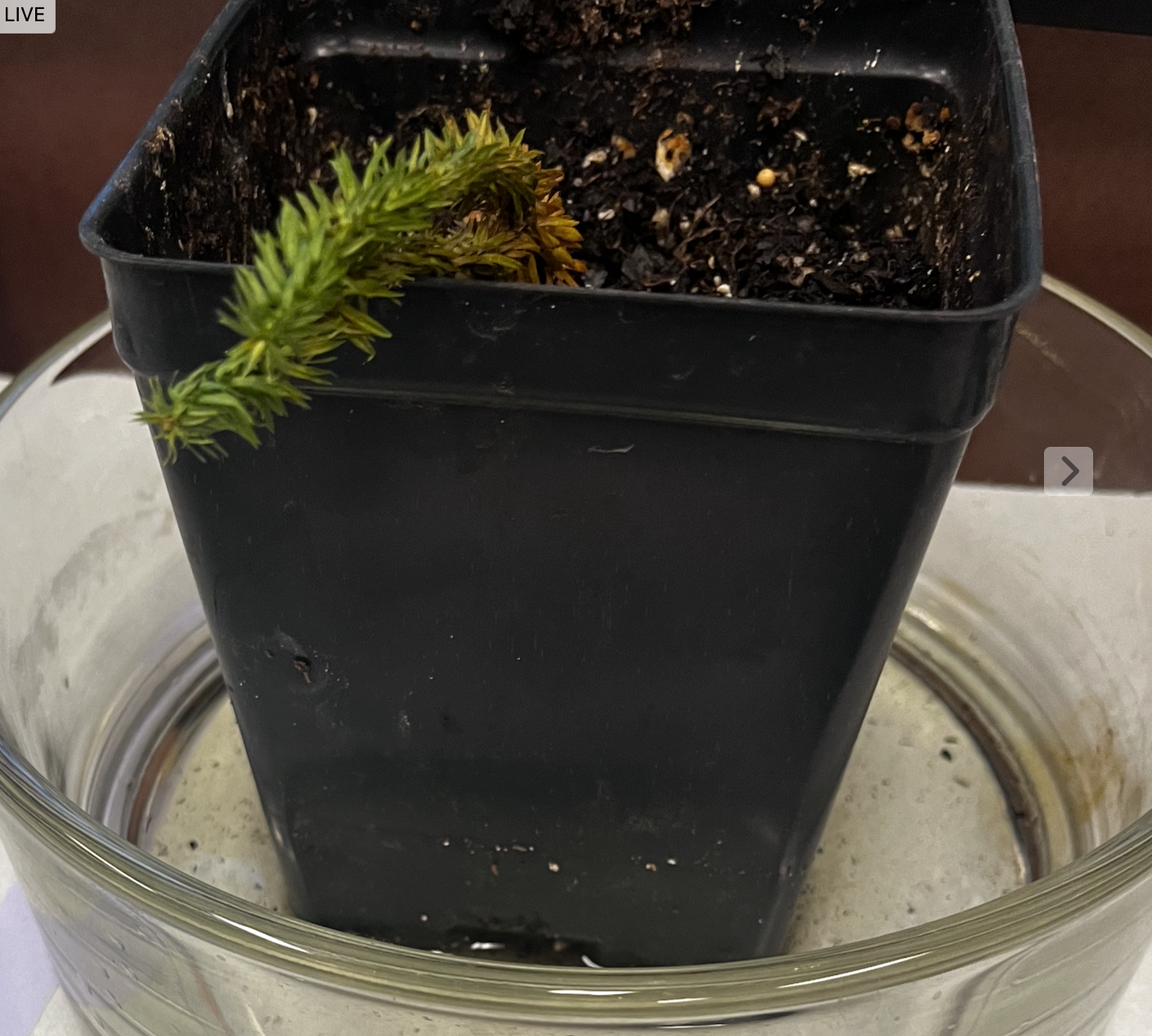
Lycopodiales
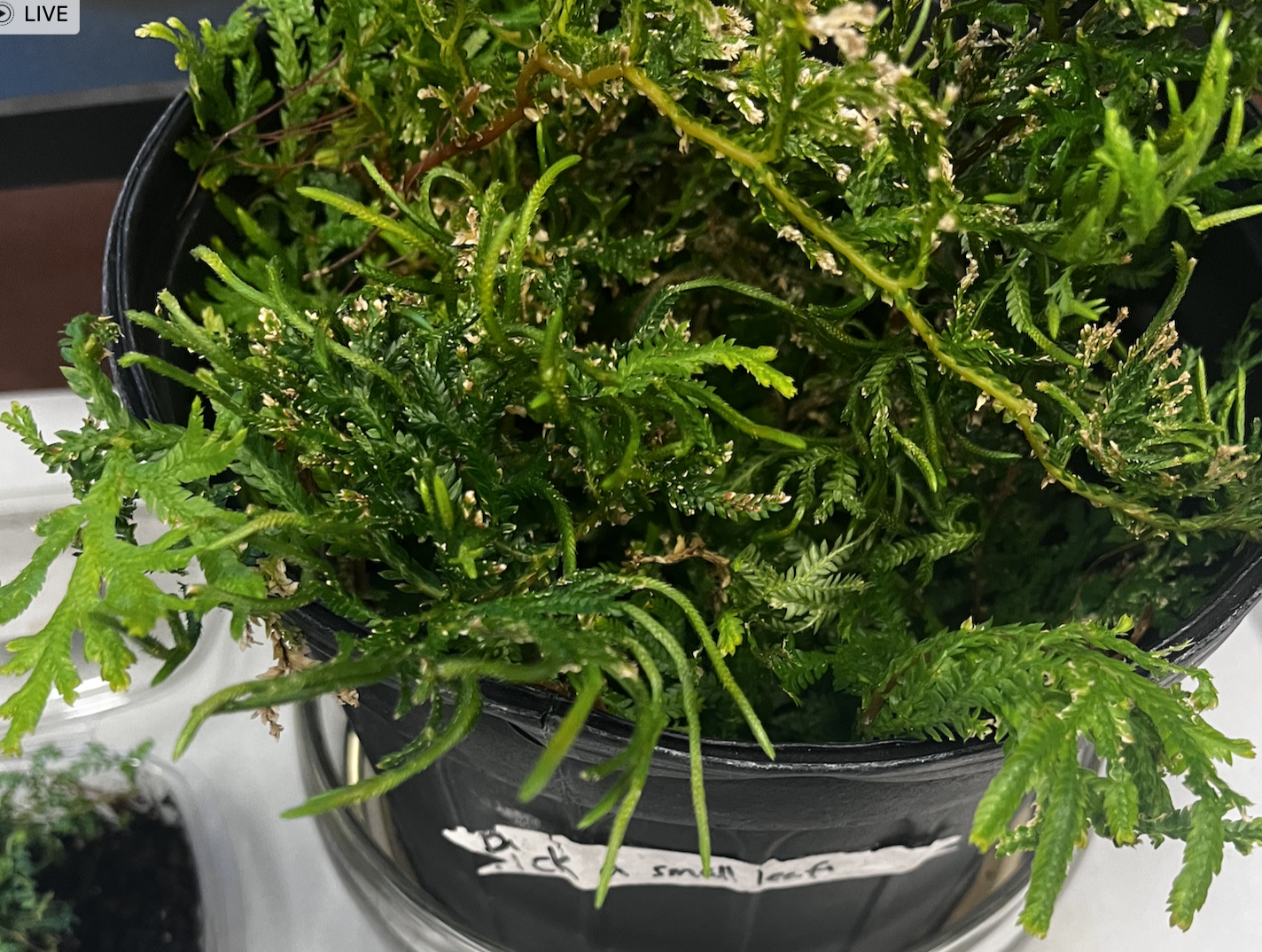
Selaginellales
Psilotales
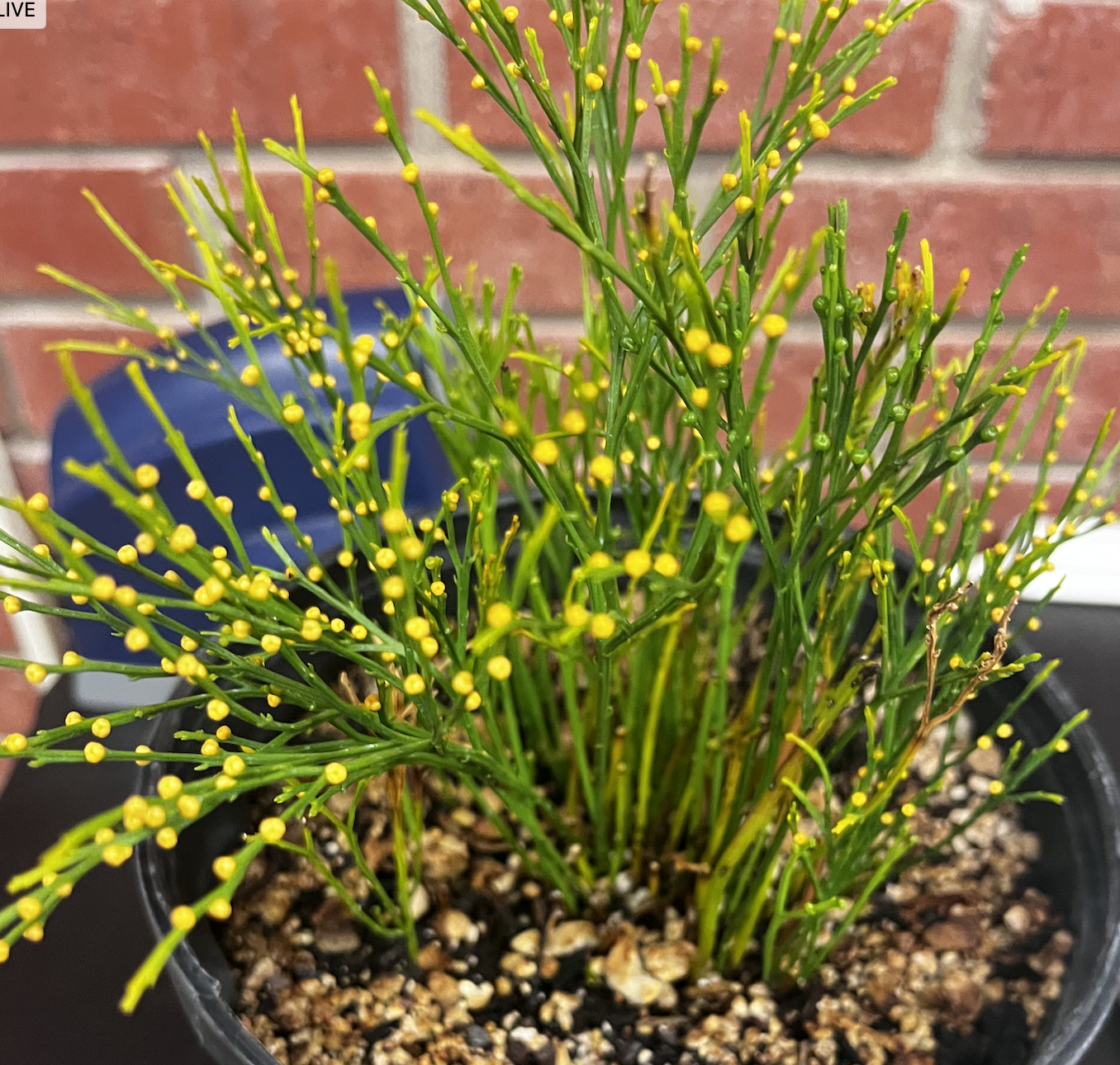
Equisitales
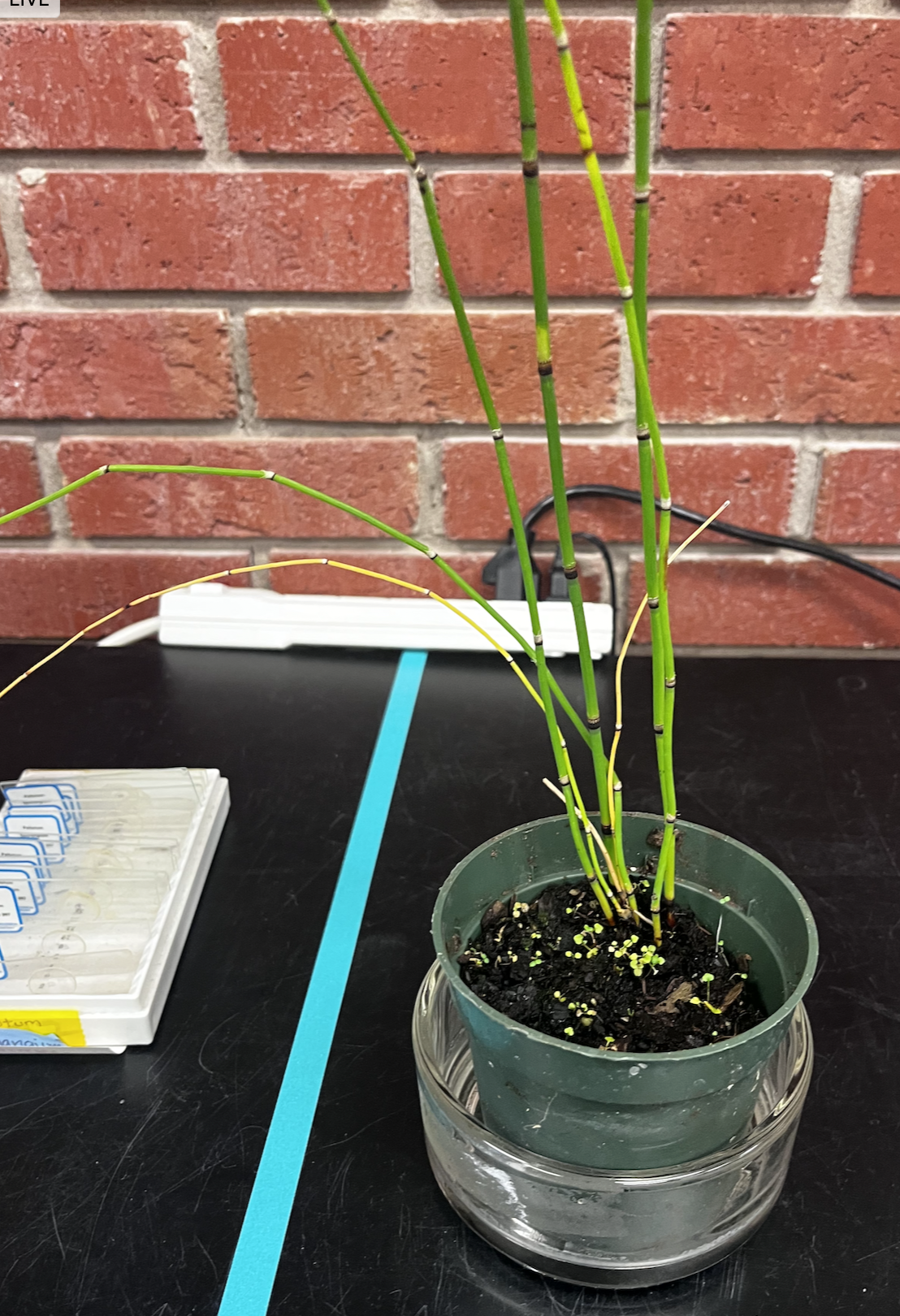
Polypodiales
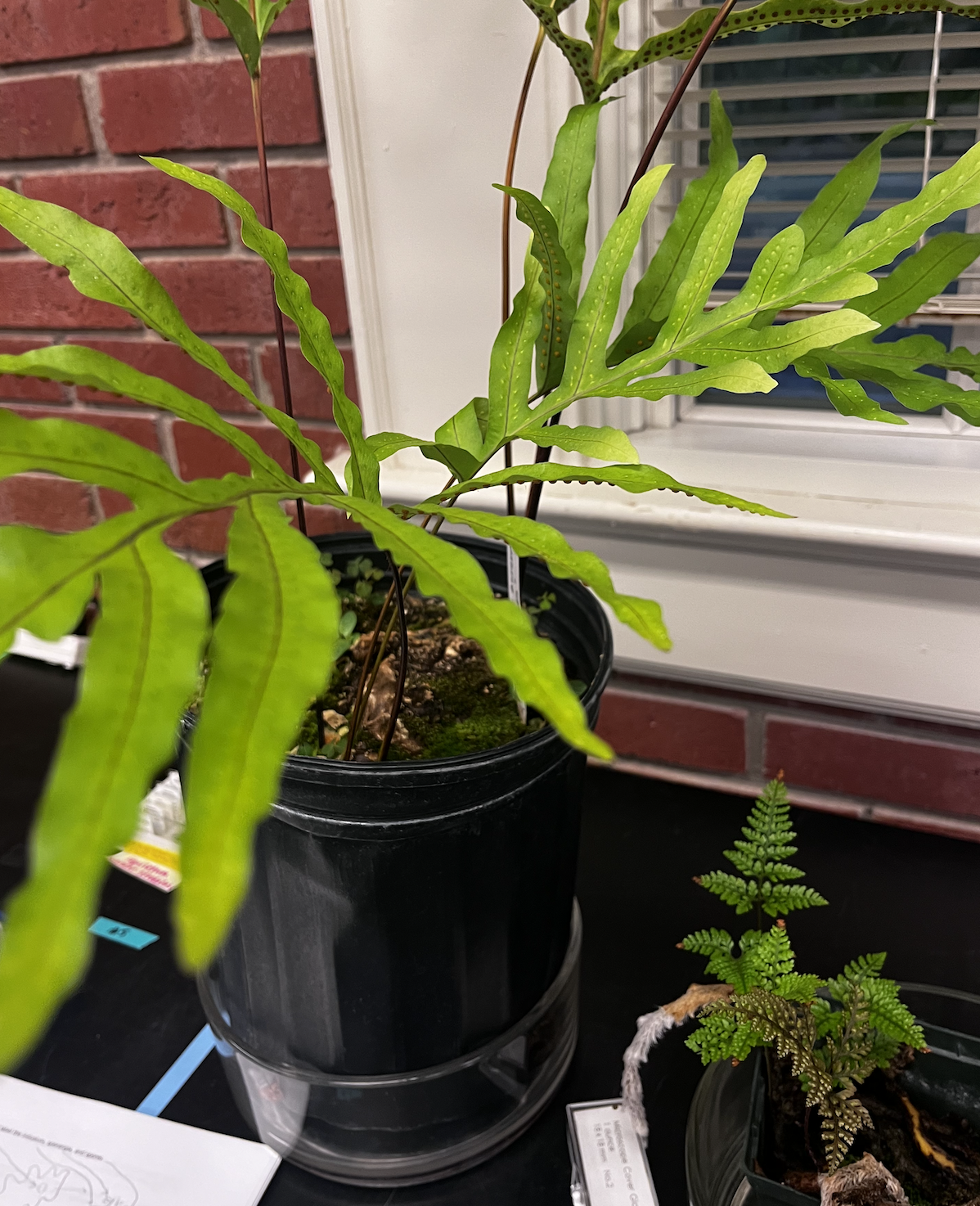
Spirochaetes

Actinobacteria

Cyanobacteria
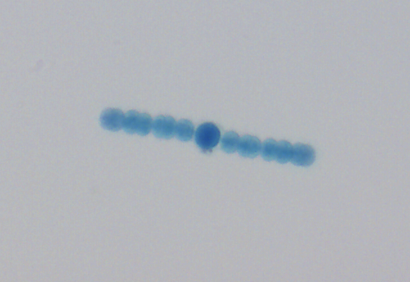
Proteobacteria
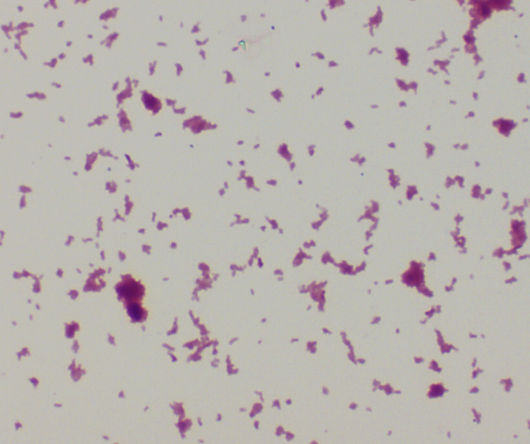
Euglenoids (excavata)
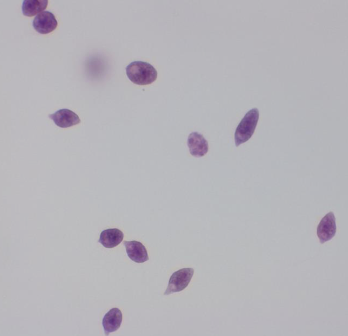
Kinetoplastids (excavata)
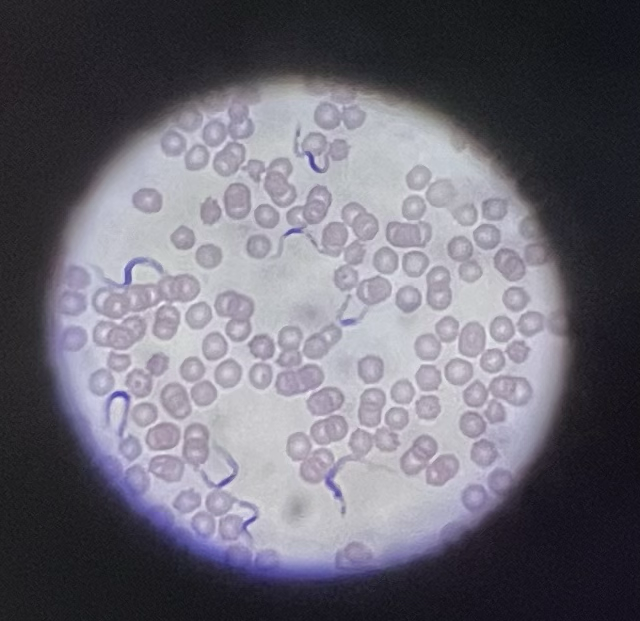
Chlorophyta (archeoplastida)
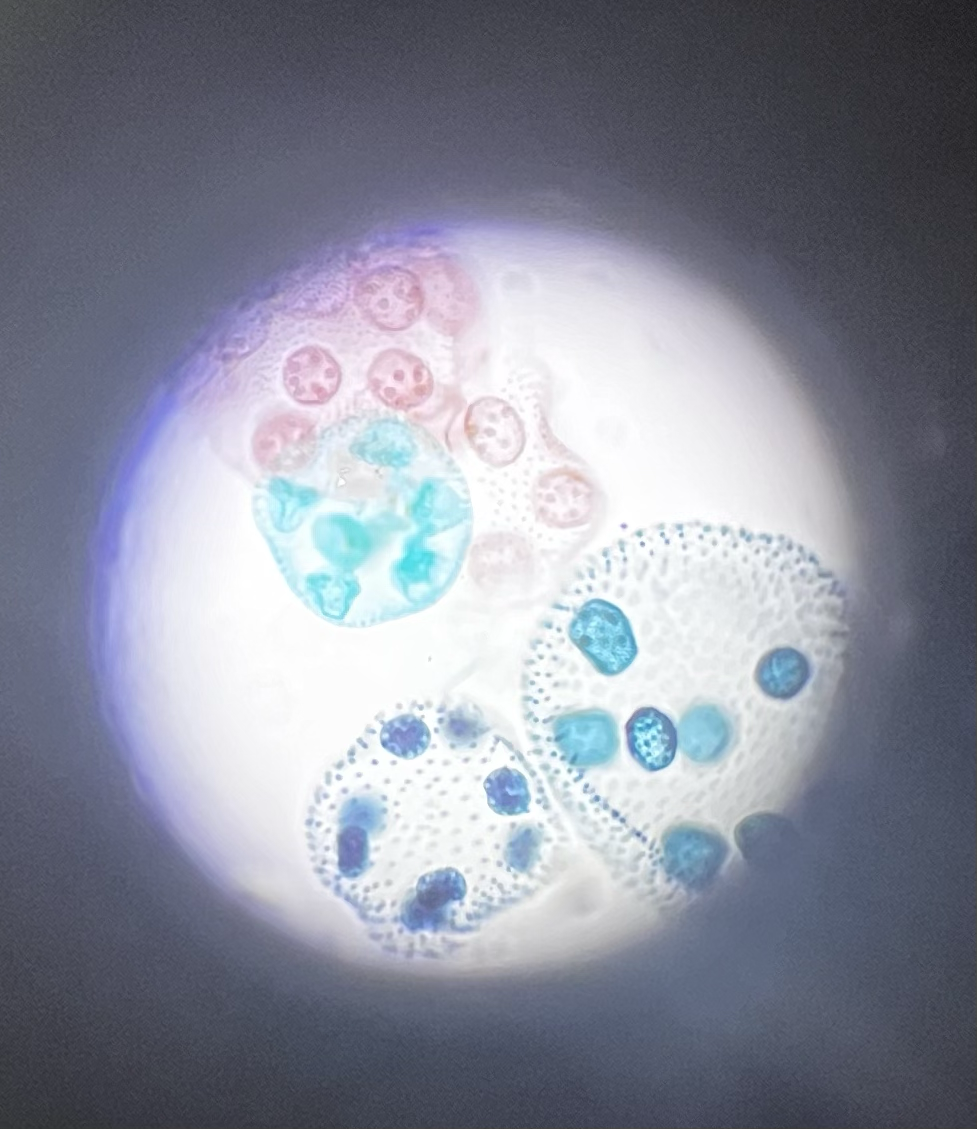
Rhodophyta (archeoplastida)
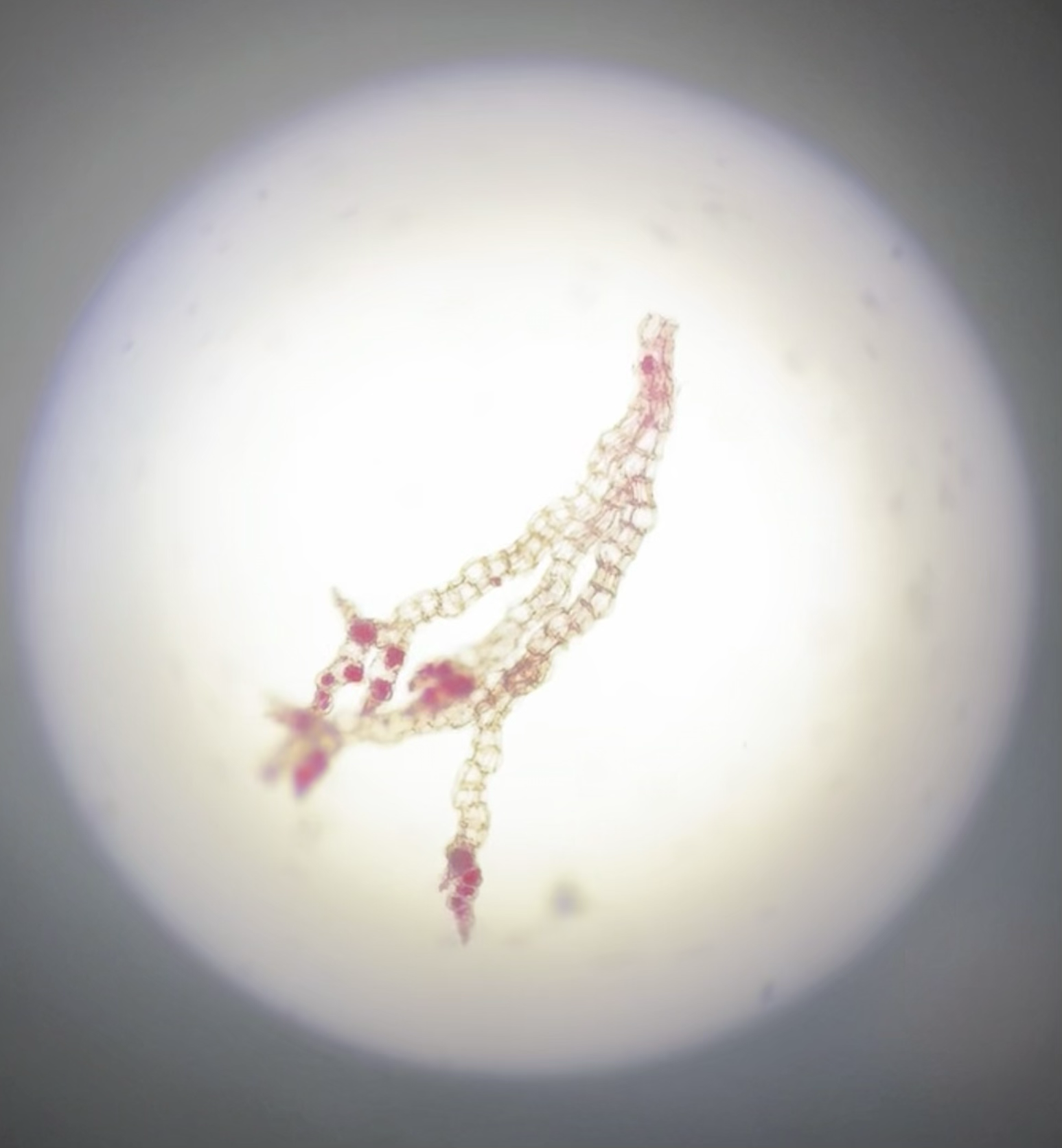
Ciliophora (alveolata)
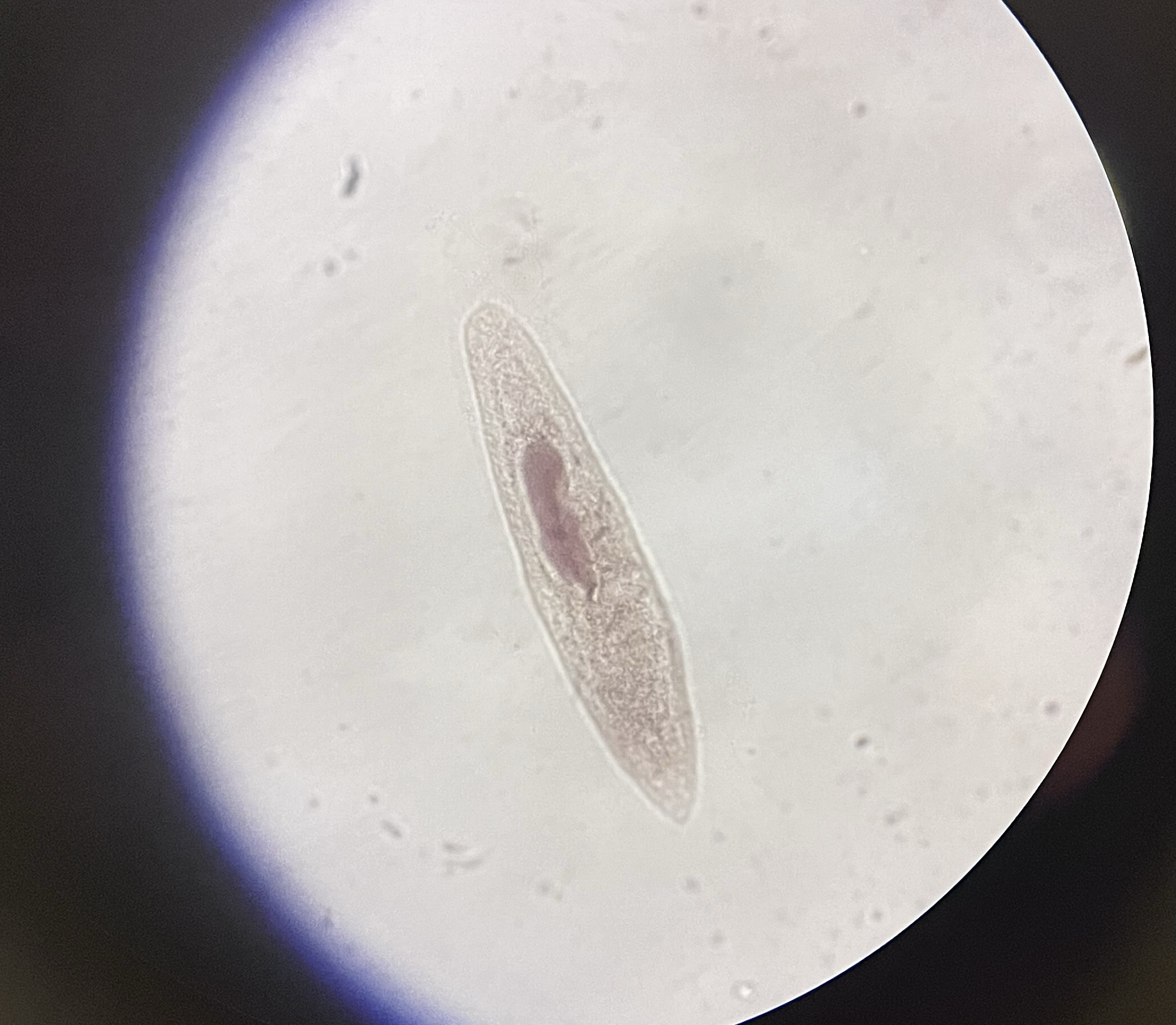
Apicomplexa (alveolata)
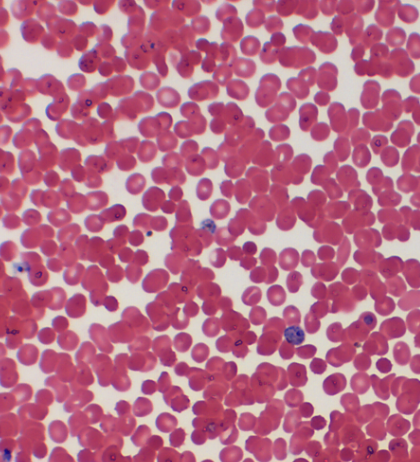
Dinozoa (alveolata)
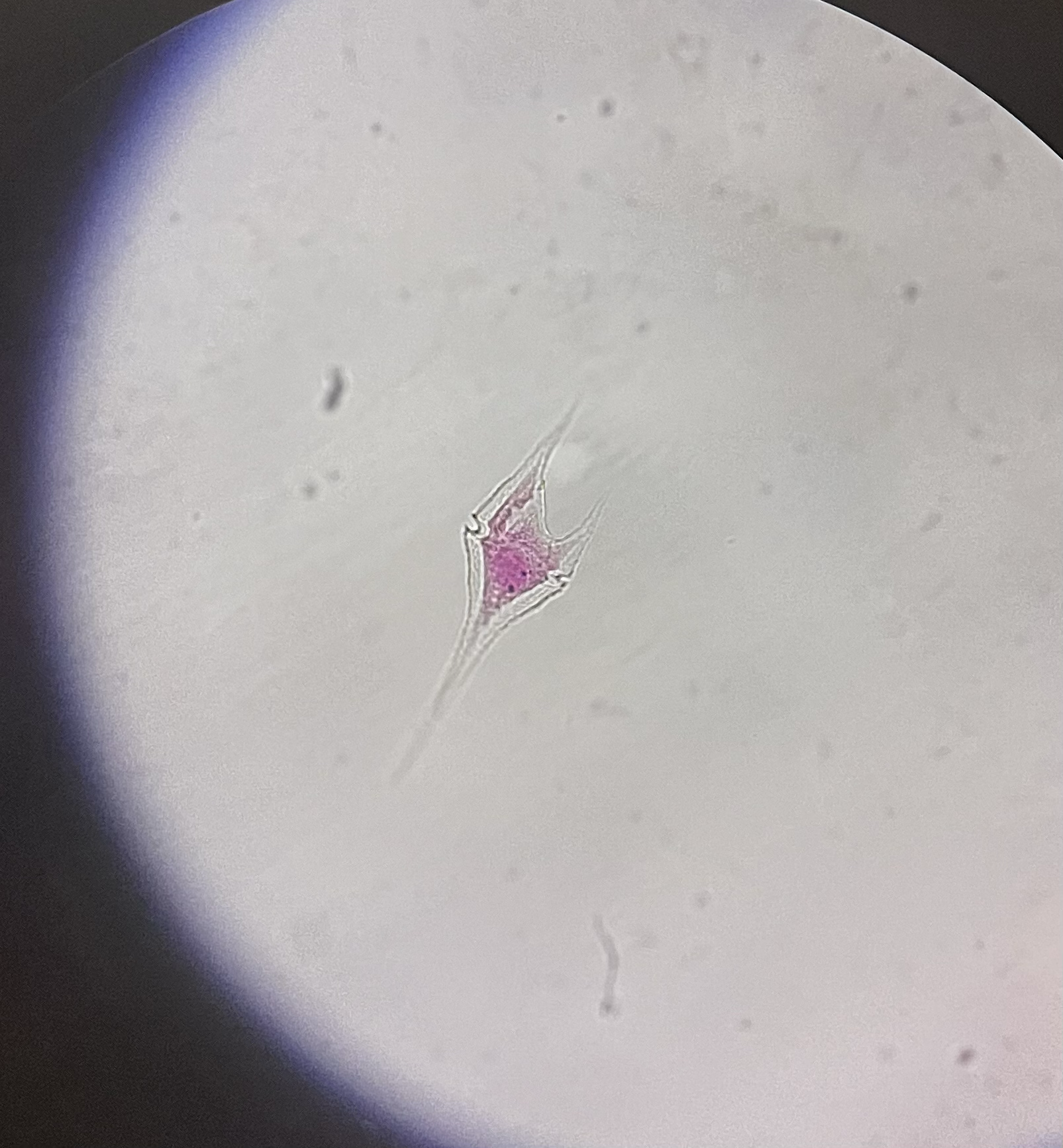
Bacillariophyceae (stamenopila)
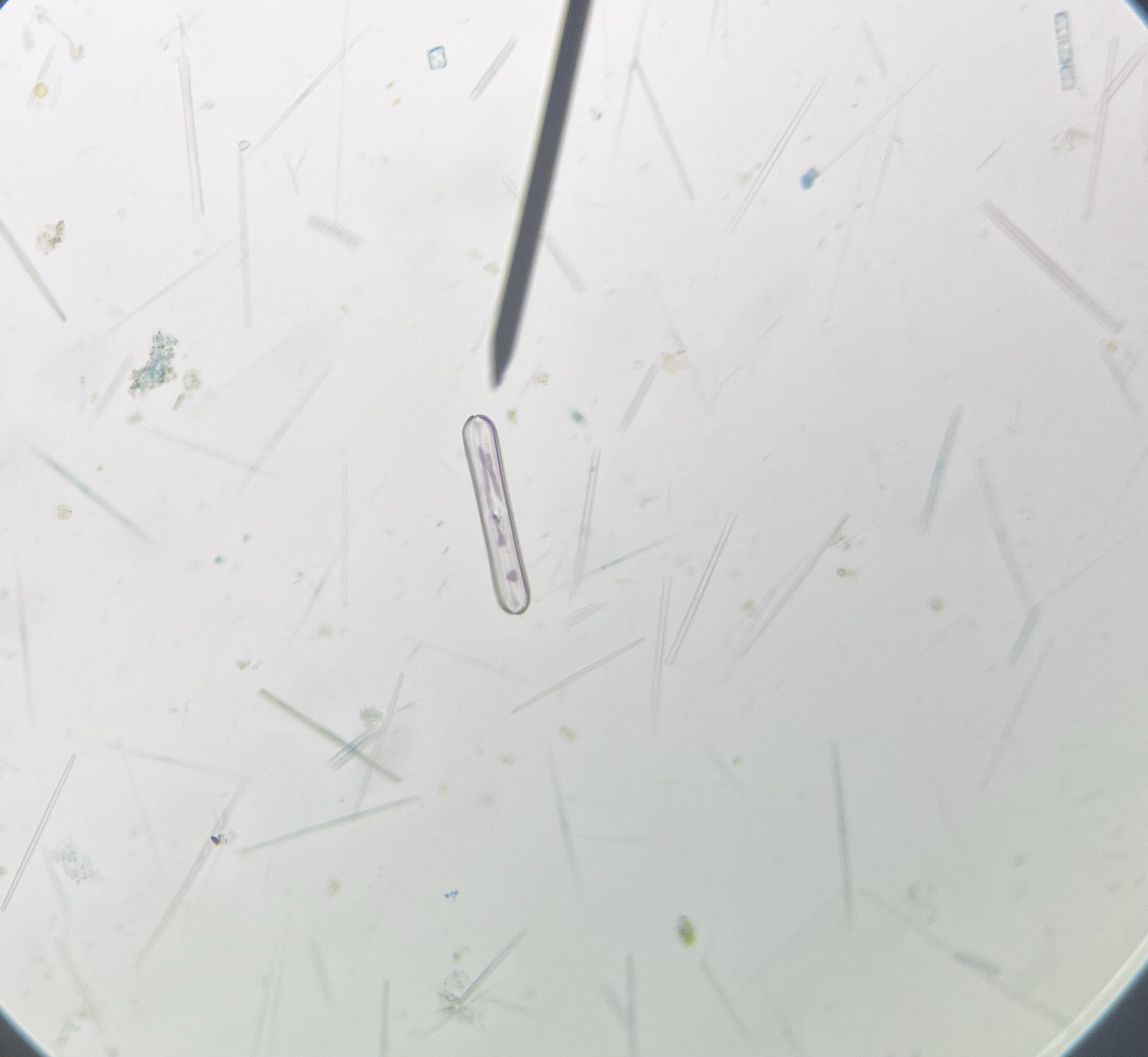
Phaeophyceae (stramenopila)
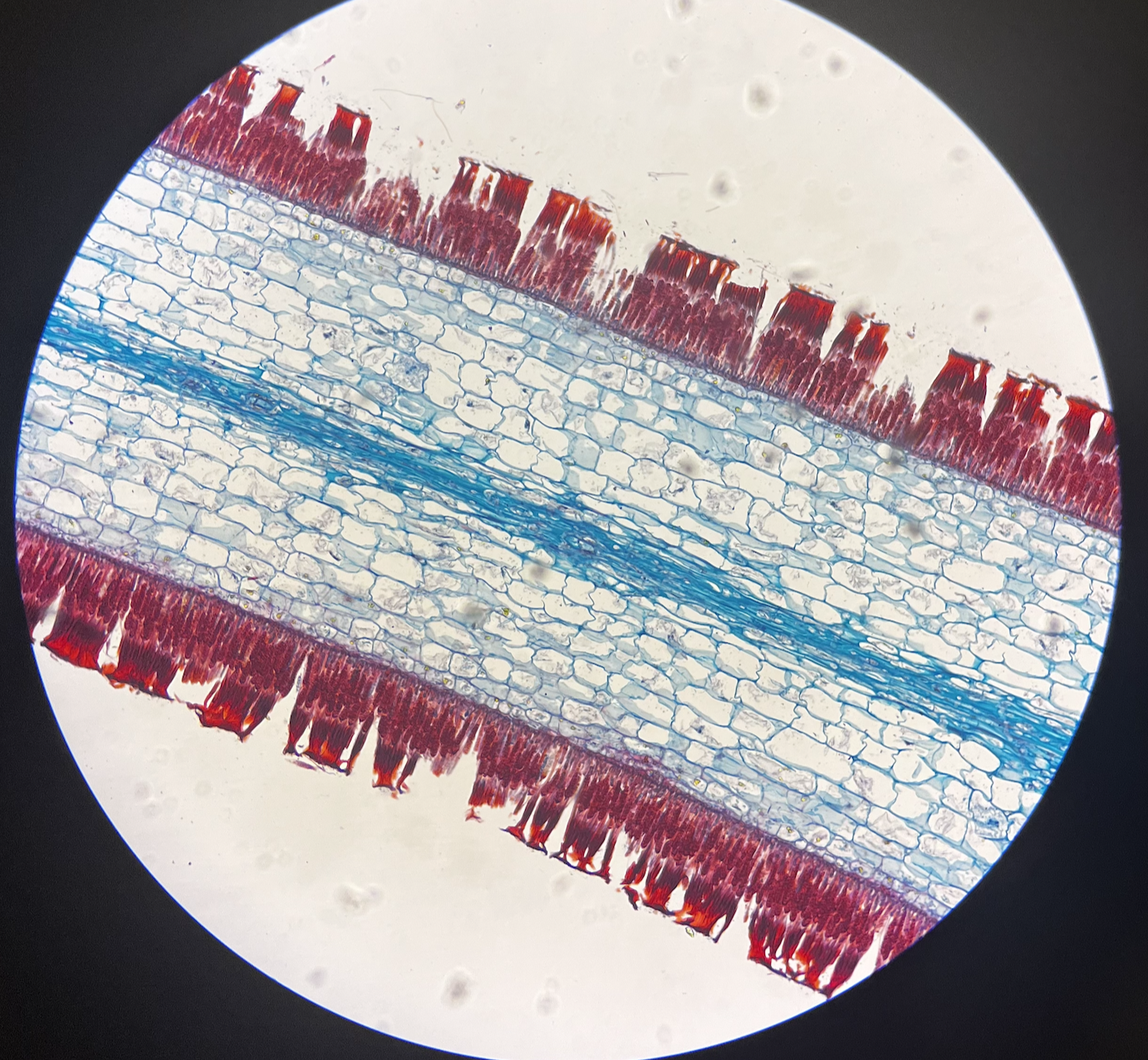
Radiolaria (rhizoids)
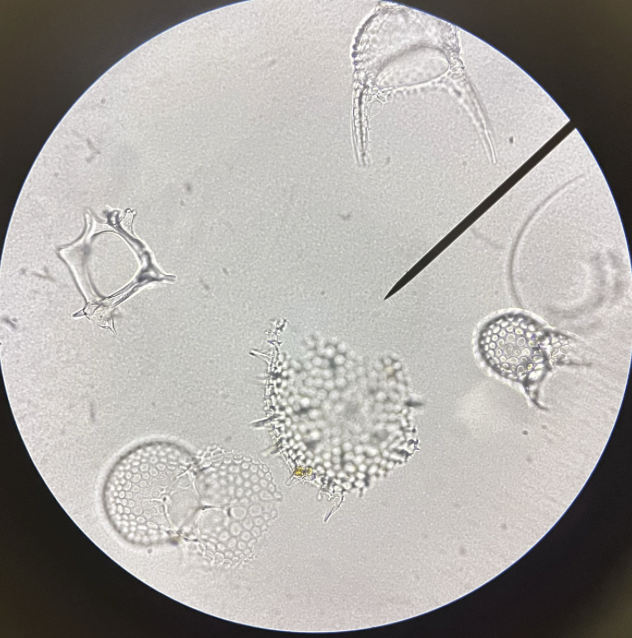
Foraminifera (rhizoids)

naked amoebas (amoebazoa)
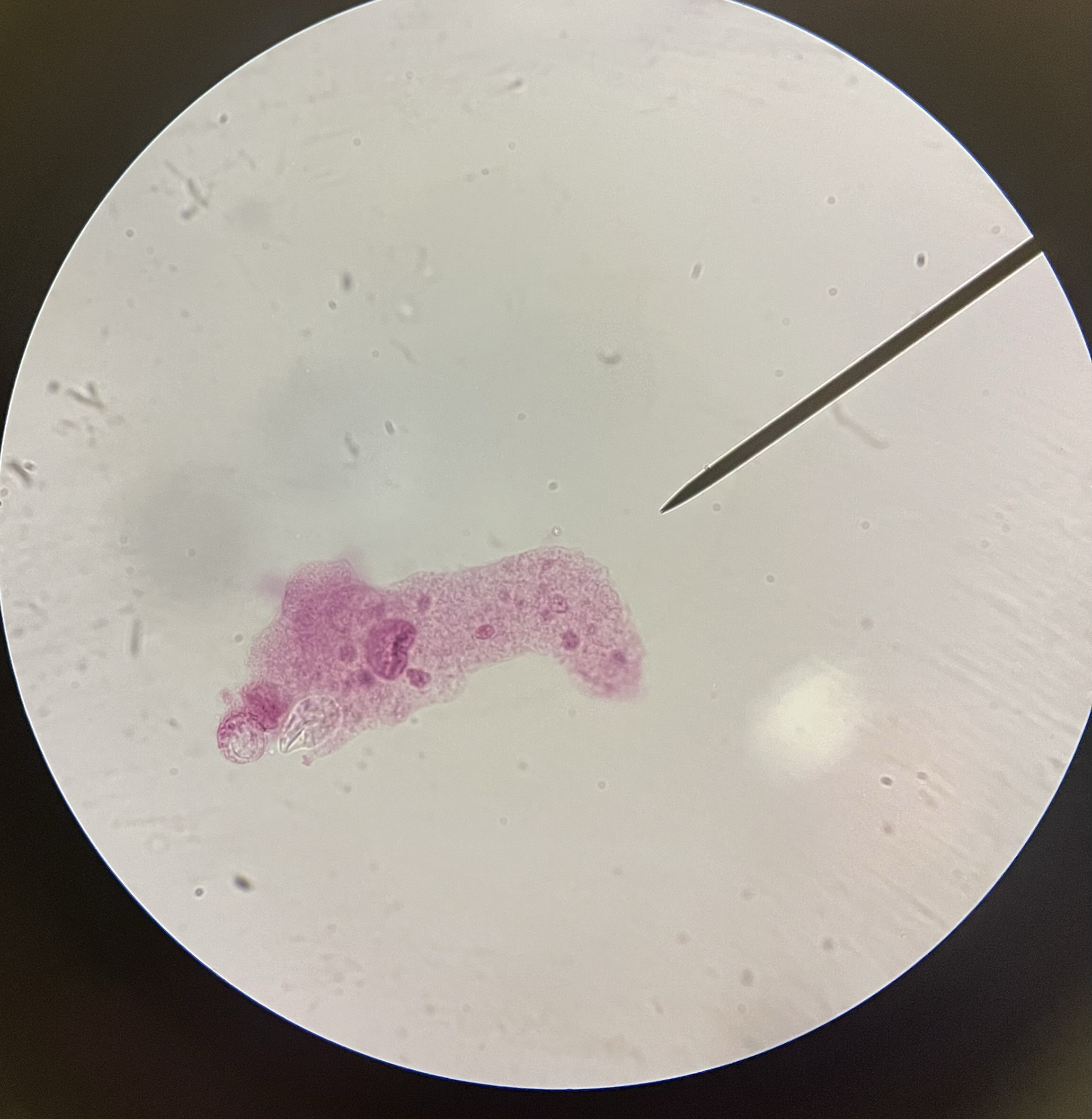
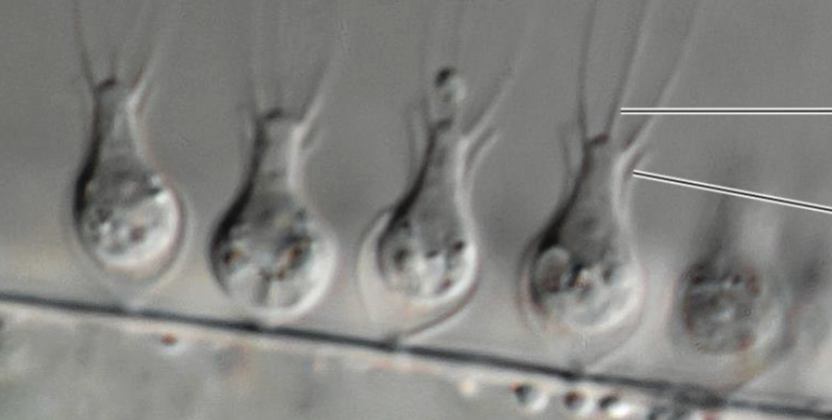
Choanoflagellates (opisthokonta)
Cycadophyta (coralloid roots)
ANA Grade
Most primitive flower
choanoflagellates
Opisthokonta
 Note
Note  Flashcards (25)