gymnosperms
 Studied by 0 people
 Call Kai
 Learn
Learn Practice Test
 Spaced Repetition
 Match
Match Flashcards
 Knowt Play
1/15

There's no tags or description
Looks like no tags are added yet.
Name | Mastery | Learn | Test | Matching | Spaced | Call with Kai |
|---|
No analytics yet
Send a link to your students to track their progress
16 Terms
what were gymnosperms 3 key innovations
wood
seeds
pollen
describe the evolution of wood
main point is to enable plants to get taller
advantages:
access light
shade out competitors
better spore+seed dispersal
modern trees have rings dividing cells beneath the bark into two directions to produce xylem and phloem
provides more structure, allowing the tree to grow taller
increase in girth allows increase in height
emerald ash borer - eggs feed off of tree’s phloem and kills it
describe xylem and phloem in trees
xylem provides structure for water and nutrients UPwards
phloem moves sugar DOWN
xylem cells accumulate, cells stick around and stockpile
xylem is lignified - composite of cellulose fibers in lignin matrix
whats a tree
plant with a single stem and a branching canopy that reaches large heights thanks to specialized cells, have vascular tissue
has wood and increases in girth (width)
what was the first “true tree”
archaepteris
extinct genus of fern-like trees
shows fern lifestyle→gymnosperm lifestyle
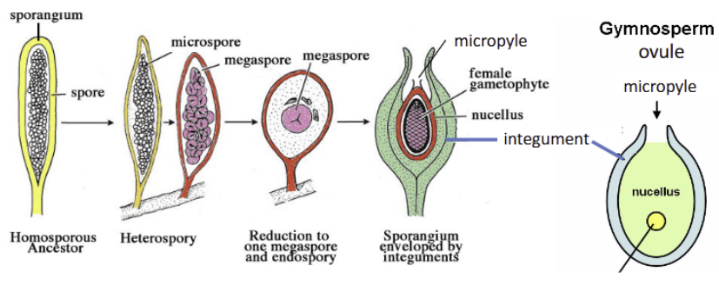
describe the key innovation: heterospory
homospory: spores all the same size (bryophytes, some ferns)
heterospory: spores are of two sizes (some ferns, seed plants)
megaspore: germinate to make megagametophyte (seeds, female)
microspore: germinate to make microgametophyte (pollen, male)
explain the evolution of seeds (megagametophyte)
from many megaspores to 1, megaspores are retained in sporangium while it germinates
megasporangium becomes surrounded by protective tissue ‘integument’
ovule: megasporangium enclosed in integument instead of exposed to air
desiccation resistant, male gametophyte has to “burrow” to access
seed: fertilized ovule
Evolution of pollen (microgametophyte)
microspores evolve into pollen grains (tine male gametophyte) in sporopollenin
germinates into pollen tube, goes down and to ovule
pollen grains allow efficient reproduction in dry habitat
can endure long period, carried to female gametophyte by wind or animal
describe the gymnosperm reproductive cycle
male gametophyte found in pollen grain, female gametophyte inside megasporangium
pollen grain travels through air and lands within the vicinity of the female cone
pollen grain may stick to pollination drop (excreted by ovule), close to the micropyle (small opening into the ovule)
pollen grain can germinate and form a pollen tube which will grow into the micropyle and into the ovule to deliver sperm for fertilization
compare the gymnosperm reproductive cycle to others
in common:
eggs develop within plant
still sporangia, male and female gametophytes
alternations of generations
gametophyte is still multicellular
different
sporophyte-dominant
SEEDS!
sperm doesn’t swim through water - through microspores and pollen tube
pollination!
*diploid life stages do dispersal
gametophyte no longer free-living, germinate on female tissue
gymnosperm basic characteristics
“naked seed”, unfertilized seed (ovule) open to the air to be directly pollinated
seeds are either solitary, develop scales or leaves (modified cones)
include modern all seed-bearing plants that don’t have flowers or ovaries
“age of gymnosperms” - mesozoic era
list 4 extant groups of gymnosperms
cycads
ginkgos
gnetales
conifers
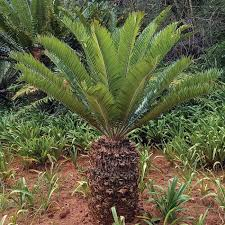
cycads characteristics
slow-growing but long-lived
distinguished by large ‘cone’ at apex of trunk
separate male and female plants: cones either produce pollen or ovules
motile sperm (40000 tails)
mostly tropical lineage now
dominated mesozoic
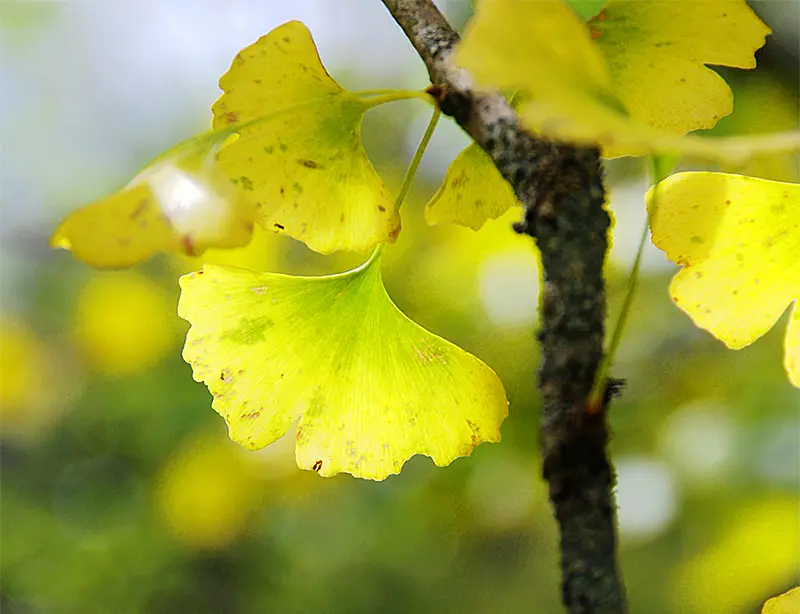
ginkgos
“living fossil”
separate male and female plants, motile sperm
most closely related to cycads
unusually resistant to pollution, usually only males planted
big orange seeds with fleshy coats that have strong odour (not fruit!)
conifers “cone-bearing”
most diverse group of extant gymnosperms
woody and cone-bearing, most are trees
include pines, podocarpus, cypress, araucarias, yews
dominate largest forest biome: boreal forest
pines: specialized in hot or cold dry environments
winter challenges: weight of snow, dryness, cold
thick bark and cones shelter seeds (cold)
cone-shaped, down-facing and flexible branches (dry)
thin waxy needles, modified leaf, dense (dryness)
whats the urban heat island effect
dark materials absorb heat, ‘canyons’ from tall buildings trap heat, lack of plant cover
trees provide shade and cool by evaporation
 Note
Note  Flashcards (106)