Architectual Sites Ch7.1-8.2
 Studied by 0 people
 Call with Kai
 Learn
Learn Practice Test
 Spaced Repetition
 Match
Match Flashcards
 Knowt Play
1/128

There's no tags or description
Looks like no tags are added yet.
Name | Mastery | Learn | Test | Matching | Spaced | Call with Kai |
|---|
No study sessions yet.
129 Terms
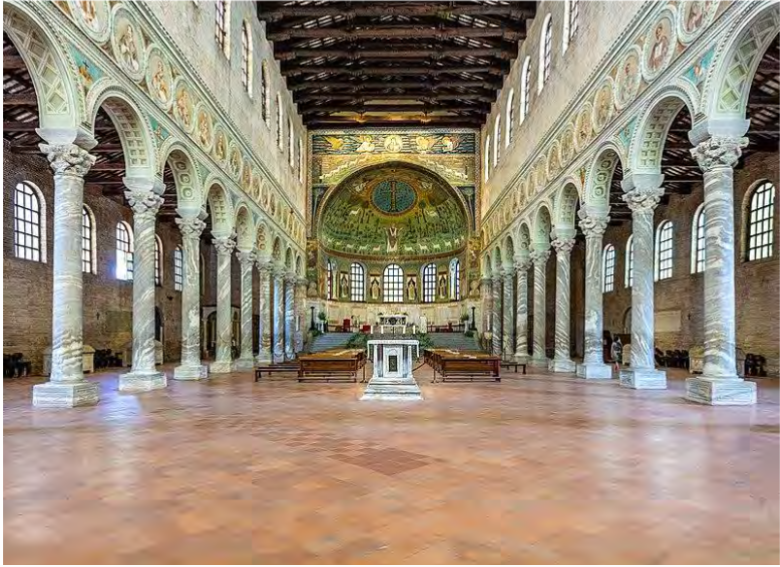
What is this site?
Sant’ Apollinare
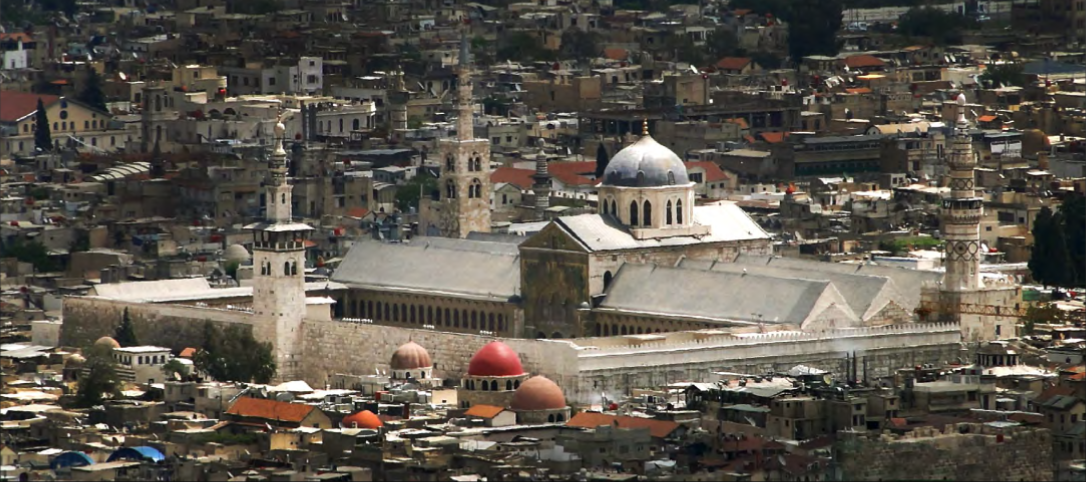
What is this site?
Great Mosque, Damascus
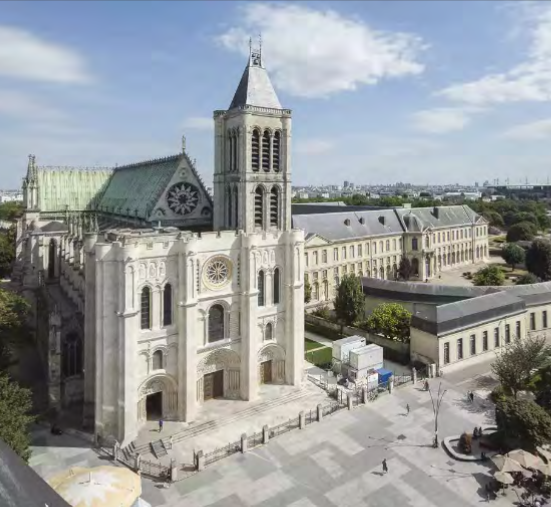
What is the name of this site?
Saint-Deni Basilica
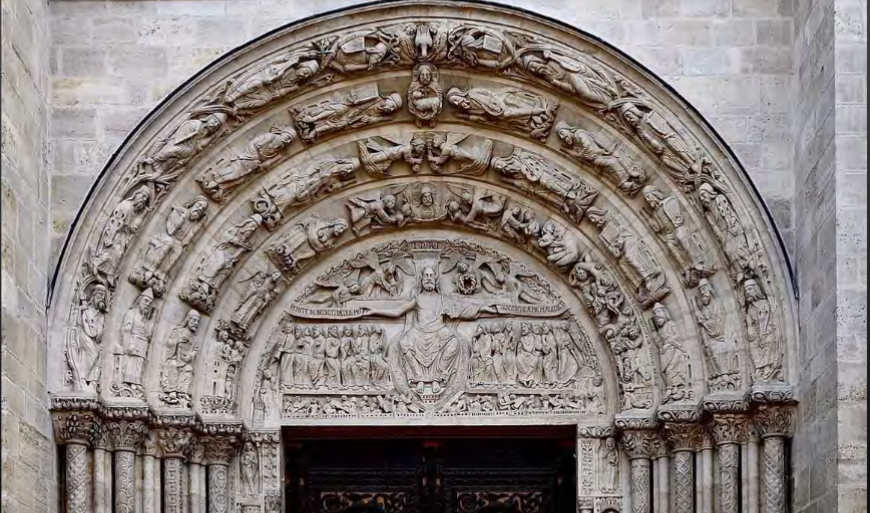
What is this portals name
The last judgment
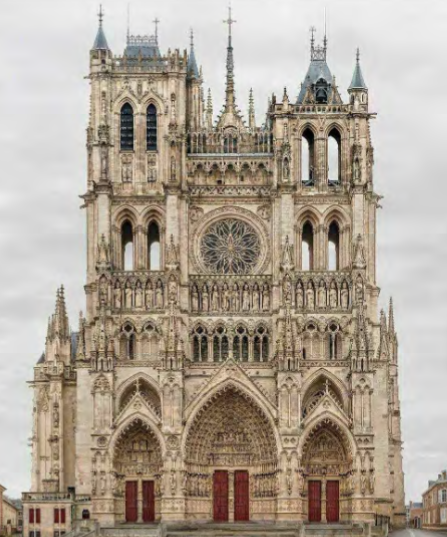
What is the name of this site?
Amiens Cathedral
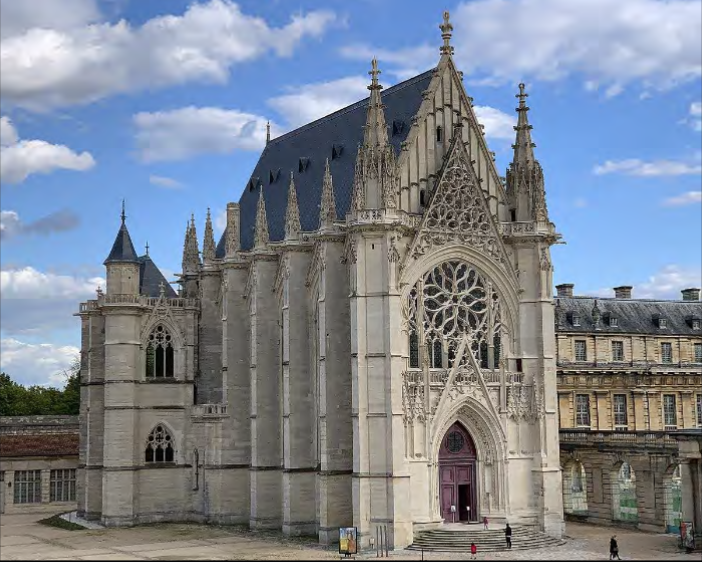
What is the name of this site?
Sainte - Chapelle
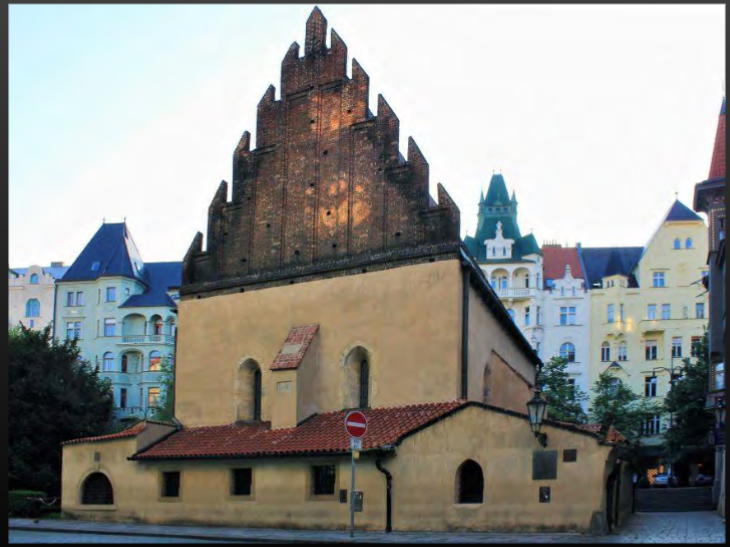
What is the sites name?
Altneushchul (old new synagogue)
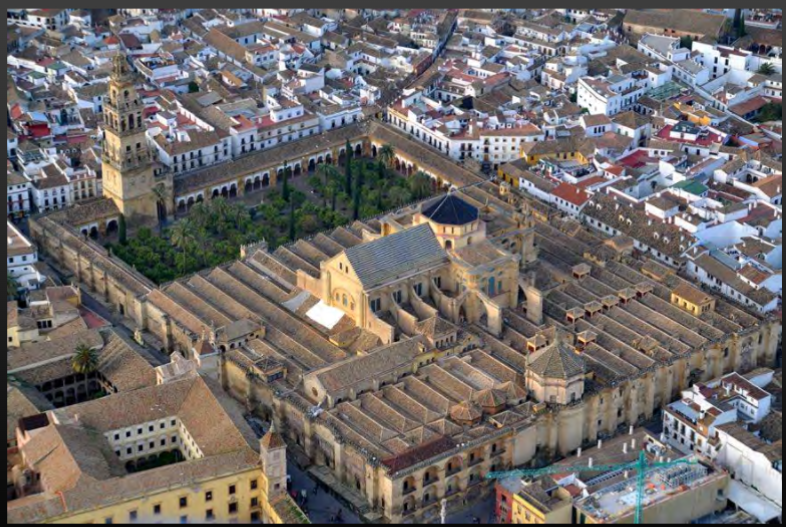
What is the name of the site?
Great mosque of cordoba
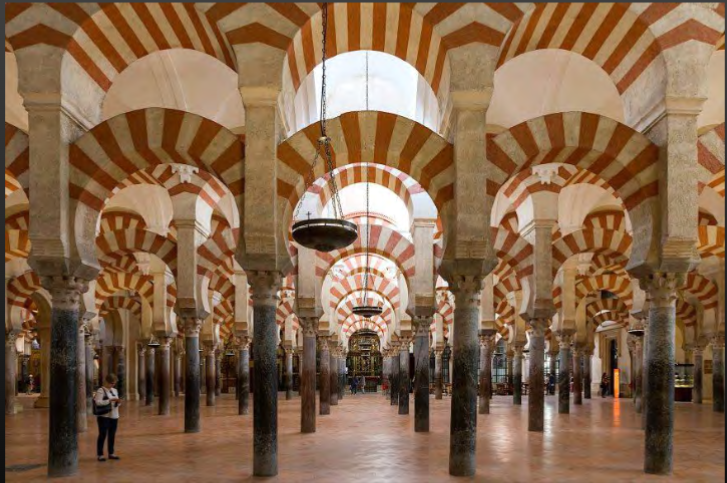
What is this? and from where is it from?
Its a hypostle hall and its from the great mosque of cordoba
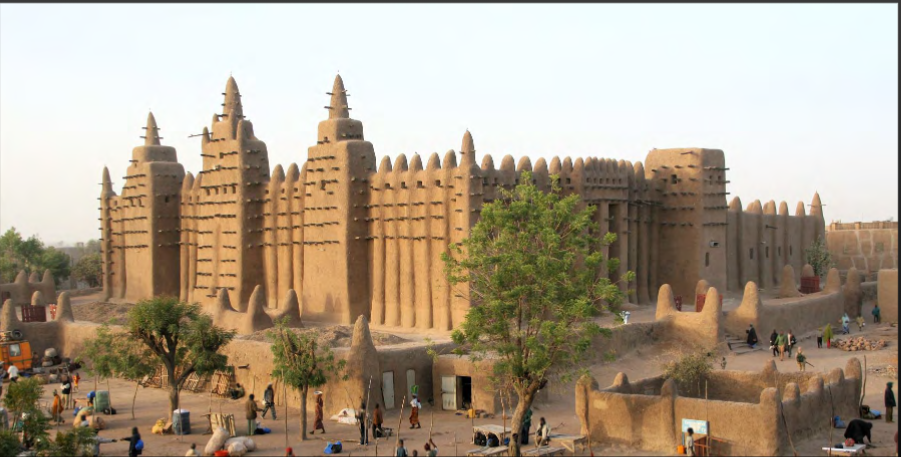
What is the cites name? and what is crepissage?
Great mosque of Djenne and crepissage is a ritual maintenance to the exterior of the building
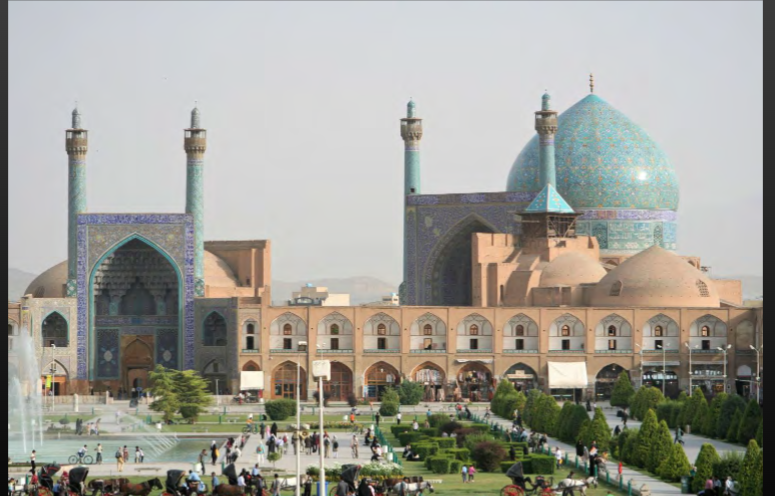
What is the name and what is an Iwan
Masjid-i-Shad, And an iwan is a dead end wall
What are muquarnas
Honeycomb moldings on the roof that make the transition from arches to squares more smooth
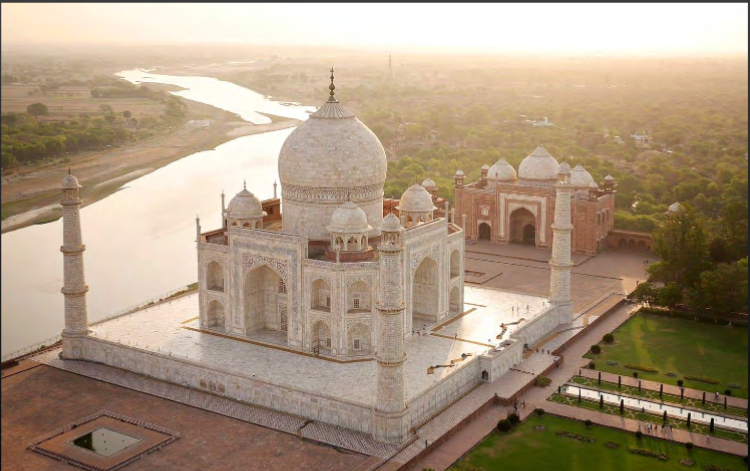
What is the name of this? and if its not a mosque than what is it?
The Taj-Mahal, and its a burial ground for an empress
Key text: Ibn jubary is about?
His pilgrimage to mecca
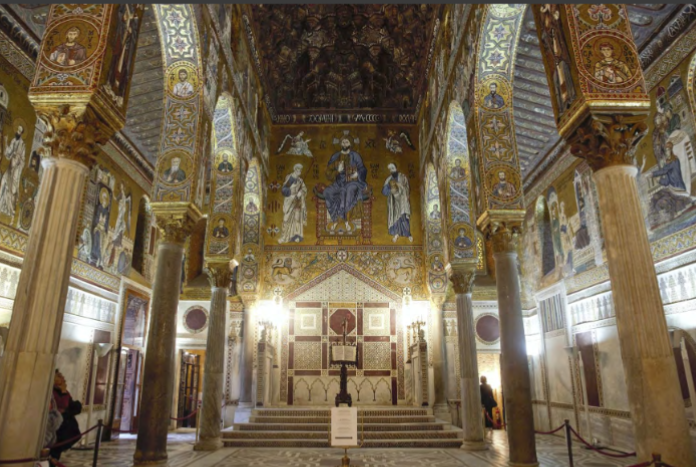
what is this place?
Capella palatina, Palazo
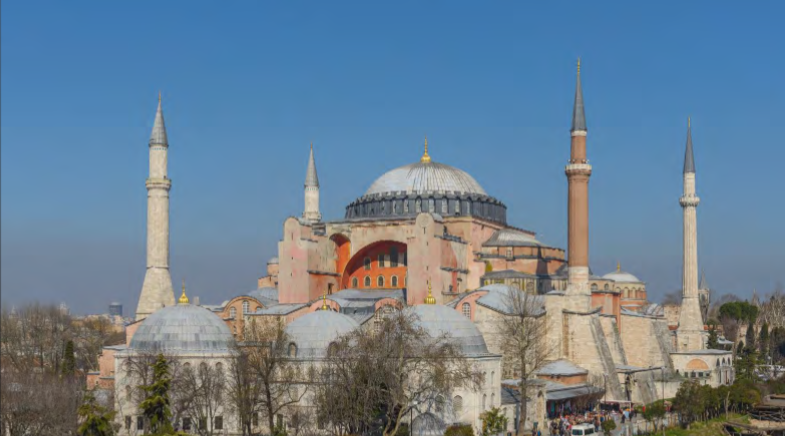
What is the name of this site?
Hagia Sophia, Constantinople
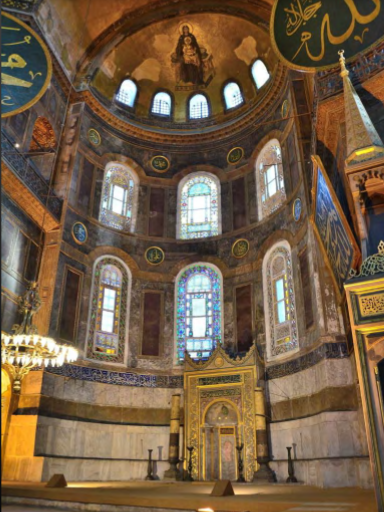
Where is this located into?
Hagia Sophia
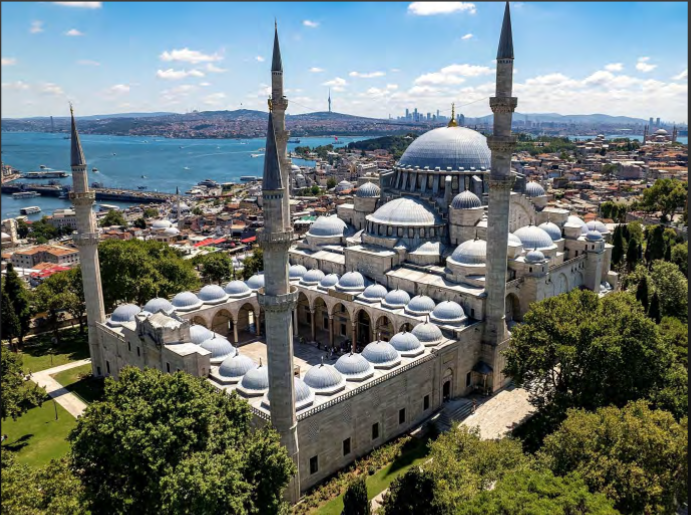
What is this site?
Suleymaniye Mosque
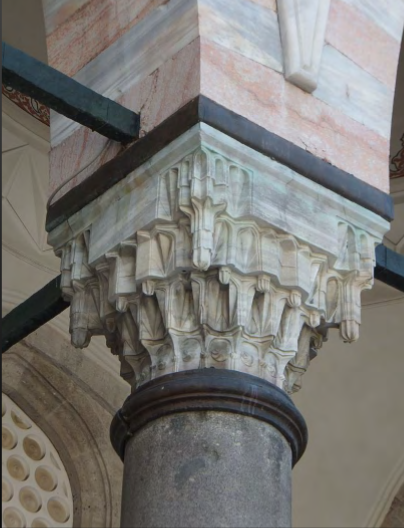
What is this?
Muquarnas
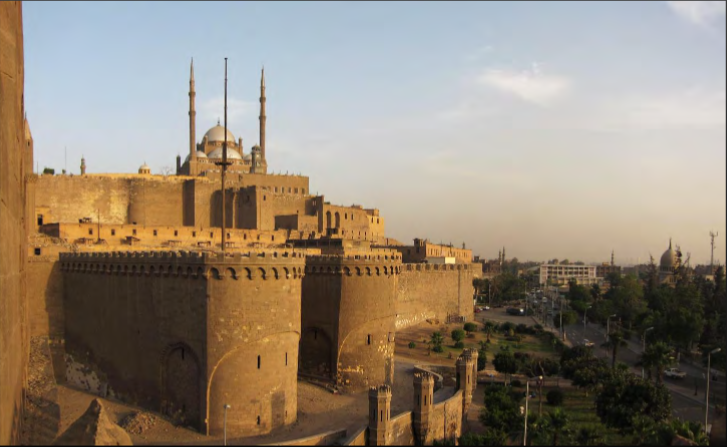
What is this site?
Citadel and Walled City, Cairo, 10th-15th centuries
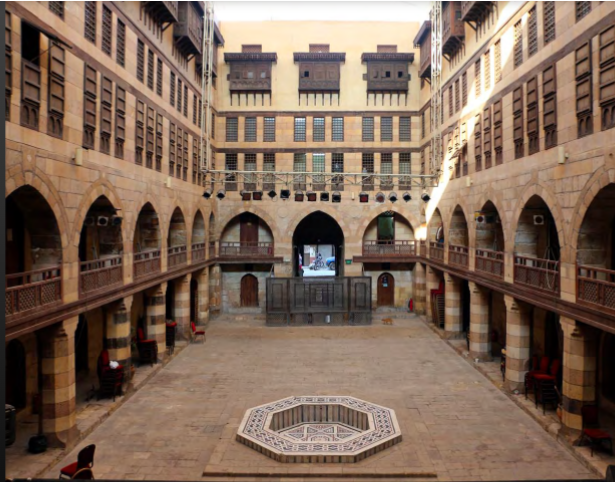
what is it?
Wikala al-Ghuri, Cairo, Egypt, 1504-1505 CE
What is Caravanserai?
an inn for travelers and traders across the Middle East and North Africa, typically organized around a central courtyard
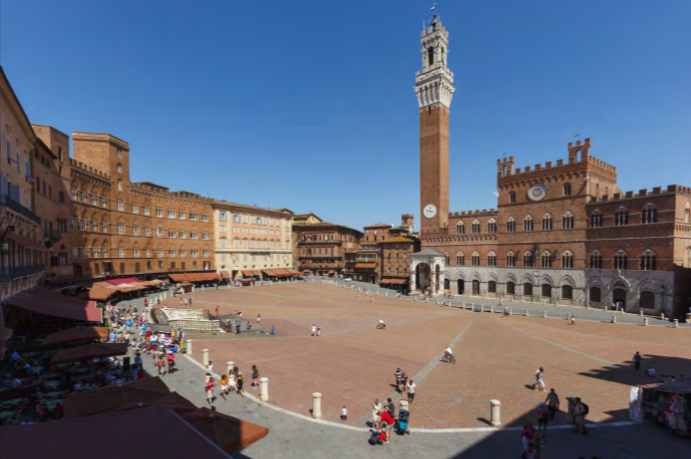
What is the name of this site?
Piazza del Campo and Palazzo Pubblico
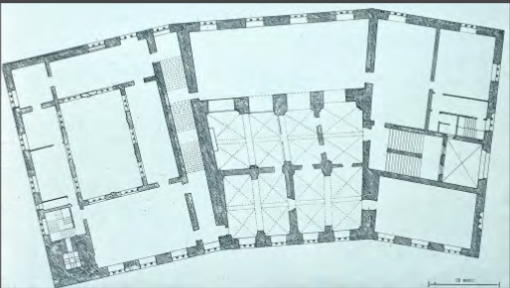
Three part plan reflects structure of the city
counci
Left – residence of the Podesta
• Center – offices and council rooms
• Right – apartments for the Nine
Key Text: Leon Battista Alberti, De re aedificatoria, (published posthumously 1485)
Alberti was a scholar, artist, architect, philosopher, priest in
Renaissance Italy. His Alberti’s De re aedificatoria (On the art of
building) is the first theoretical text on architecture written in the
Renaissance
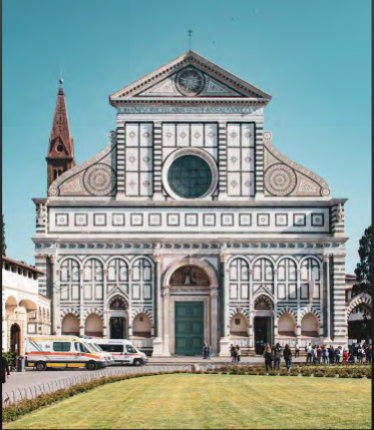
What is the name of this site?
Leon Battista Alberti, Church of Santa Maria Novella, Florence, Italy,
What does Leon Battista Alberti Design do?
His design tackles the problem of unifying a prior gothic structure with a classicizing façade
What are the parts of the Temple front
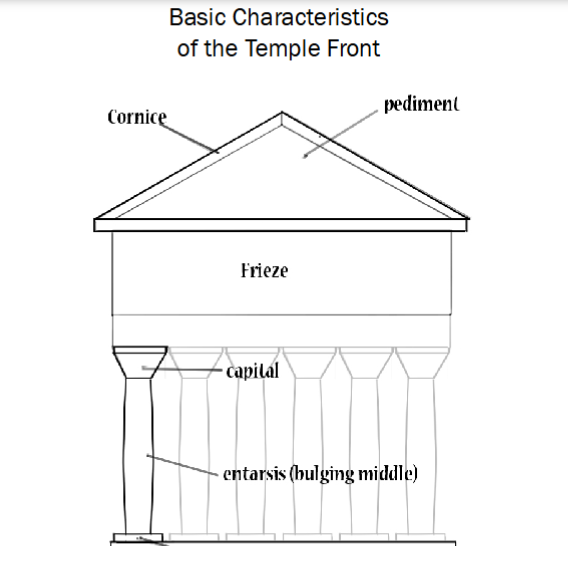
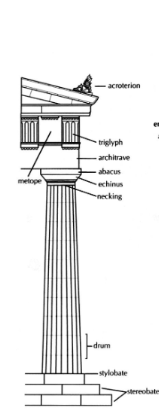
What is this classical order?
Doric order
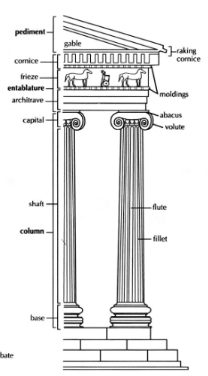
What is the classical order?
Ionic order
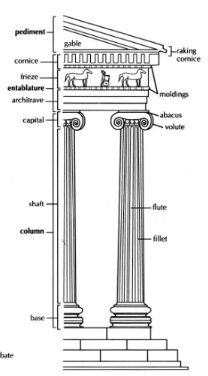
What is the classical order?
Corinthian order
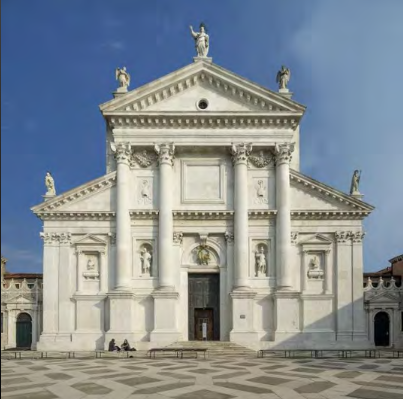
What is the name of the site?
Andrea Palladio, San Giorgio Maggiore, Venice, Italy, 1560-1610
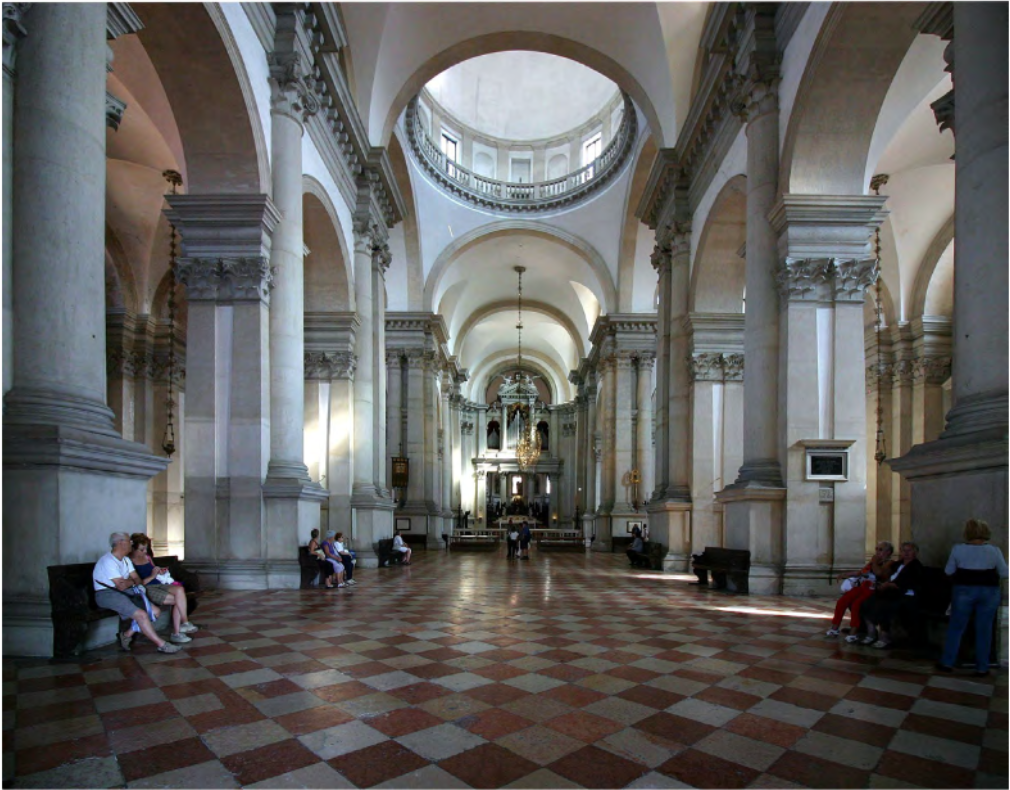
What is this?
Interior view of nave, San Giorgio Maggiore
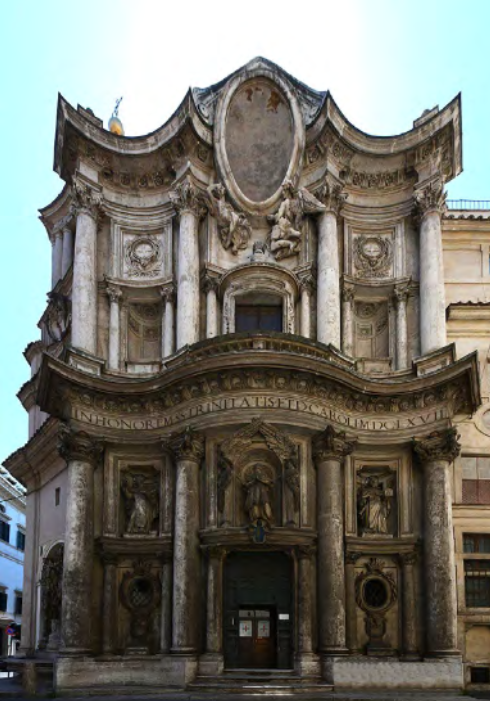
What is the name of this site?
Francesco Borromini, San Carlo alle Quattro Fontane, Rome, Italy, 1638-1641 CE
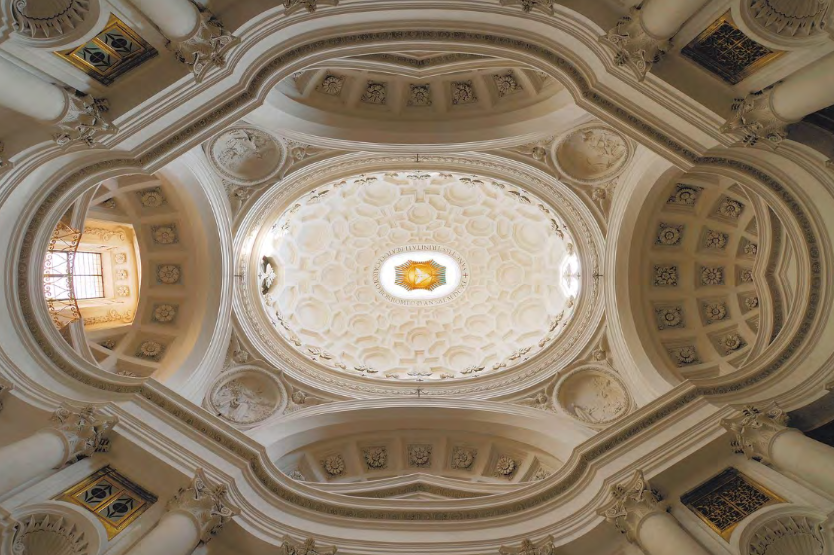
What is this place?
San Carlo alle Quattro Fontane
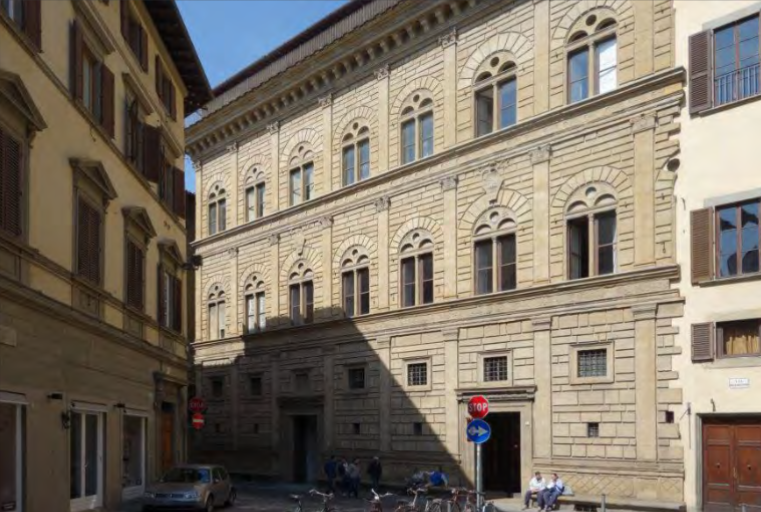
What is the site?
Leon Battista Alberti, Palazzo Rucellai, 1446-1451, Florence, Italy
The Palazzo Rucellai was built for whom?
Alberti patron Giovanni di Paolo Rucellai and his family
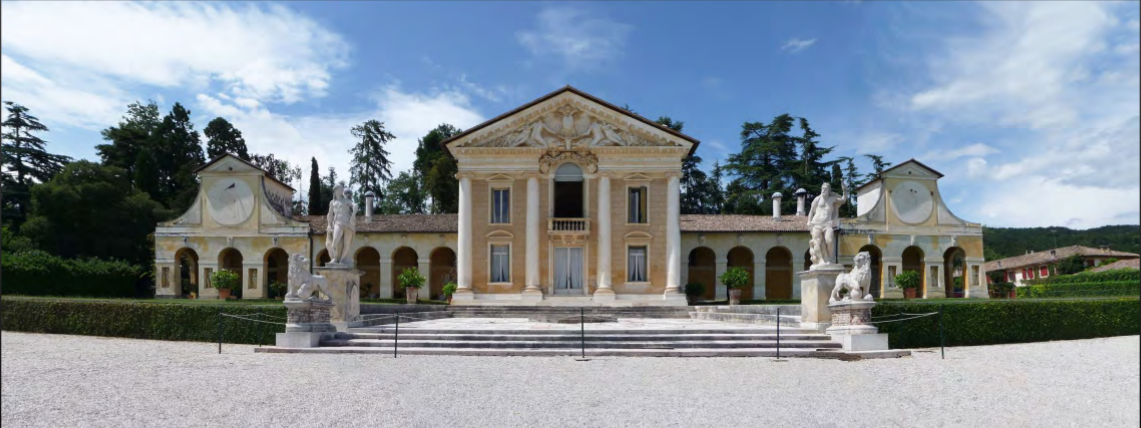
What is the name of the site?
Andrea Palladio, Villa Barbaro, Maser, Italy, 1557-1558
What are the descriptions of the Villla Barbaro?
• Built for brothers Daniele and Marcantonio Barbaro
• Multi-functional building combining practical spaces for farming with elegant residence
• Makes unusual move of using temple form for residential architecture
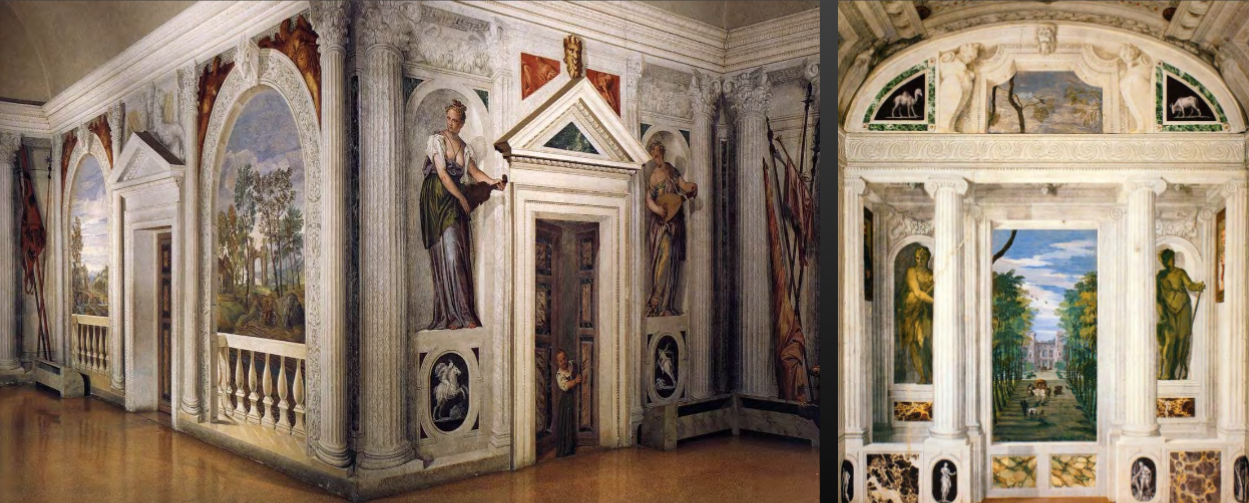
Where is this located at?
Villa Barbaro
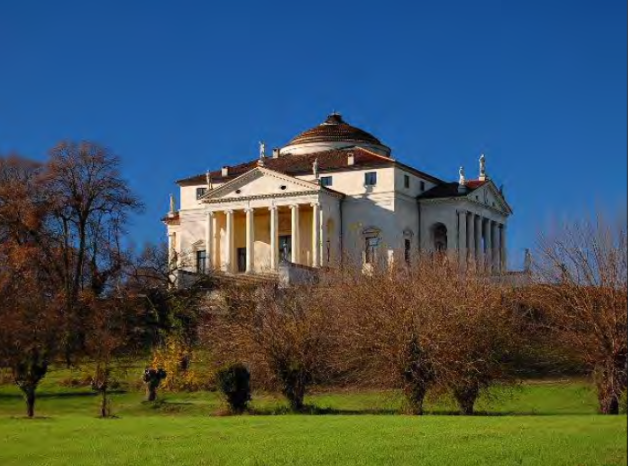
What is the name of this site?
Andrea Palladio, Villa Capra “La Rotonda,” Vicenza, Italy, 1566-70
Which retired priest was this made for?
Paolo Almerico
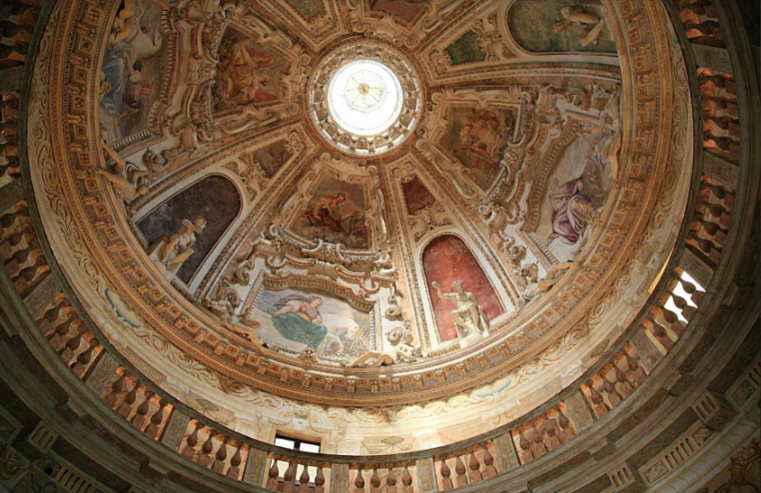
Where is this site from?
La Rotonda
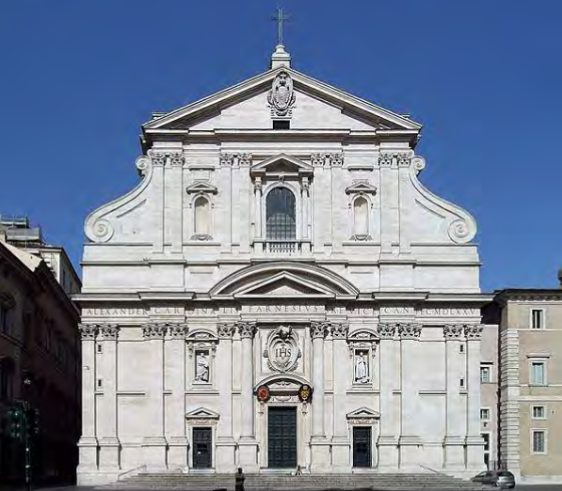
What is this site from?
Giacomo Barozzi da Vignola and Giacomo della Porta, Il Gesù, 1568-1580 CE, Rome, Italy
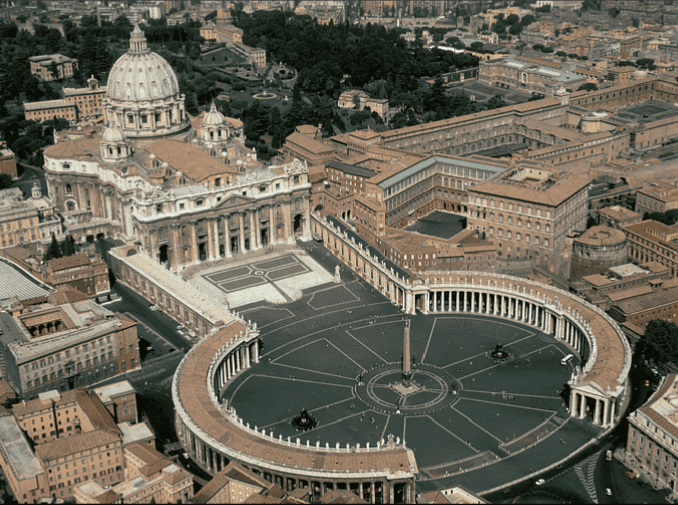
What is this site?
St. Peter’s Basilica, Vatican City (Rome), Italy, begun 1506, completed 1621
Who was St. Peter’s Basilica commisioned by?
Commissioned by Pope Julius II in
1506
What does St. Peter’s Basilica plan combines?
Final plan combines High
Renaissance ideal of centralized plan
with practical advantages of basilica
plan and dramatic visual language of
Baroque architecture
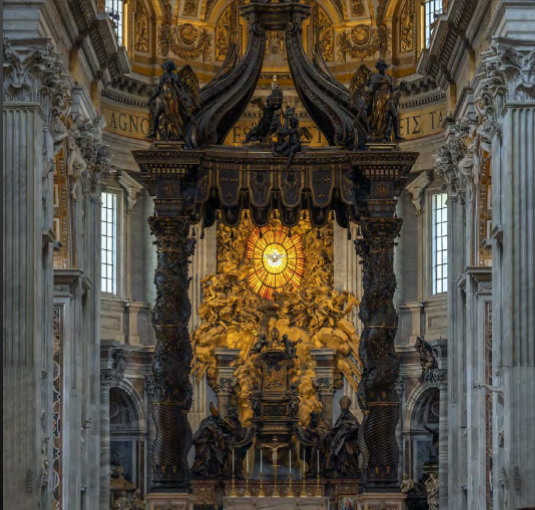
Where is this from?
St. Peters Basilica
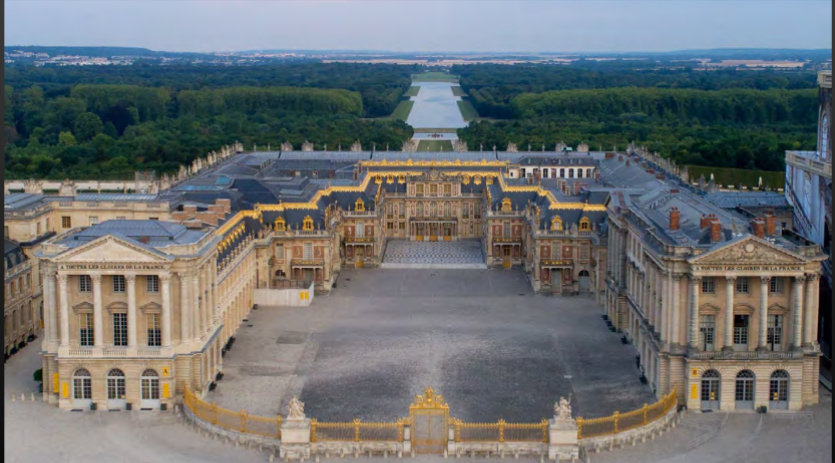
What is the name of this site?
The Palace of Versailles
Key Text: Leon Battista Alberti, On the art of building
15th-century architectural treatise that systematized classical Roman principles—such as proportion, symmetry, and harmony—and applied humanist theory to architecture, becoming the foundational text of Renaissance architectural practice.
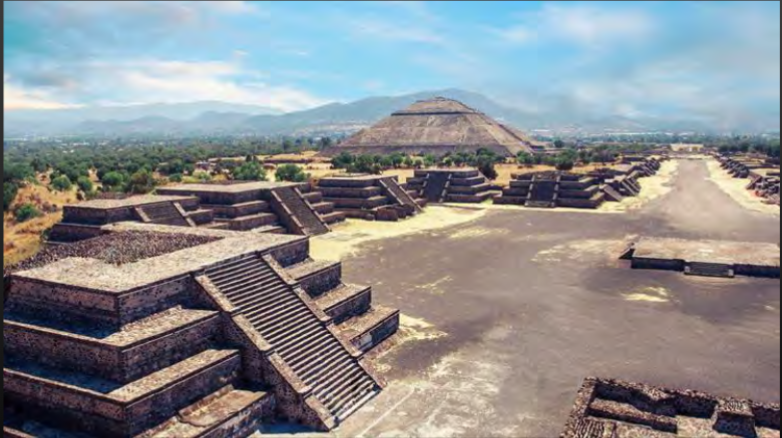
What is the name of the site?
Teotihuacan
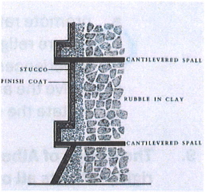
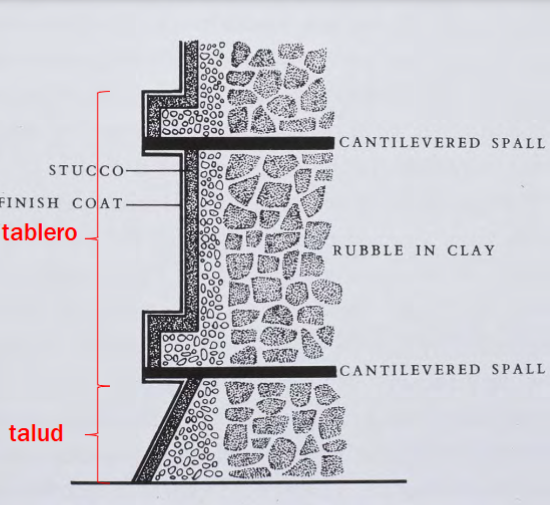
The architectural feature pictured at right is known as:
Talud-Tablero
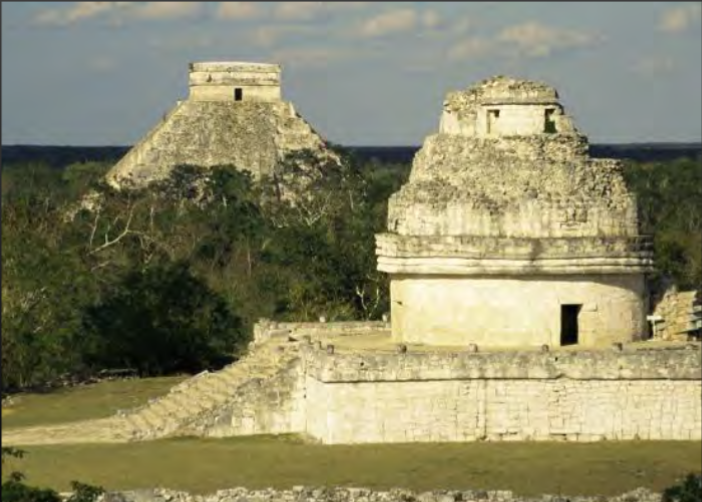
What is the name of the site?
Chichén Itzá, [Mexico], 8th–12th century
Mayan architecture as a device of some sorts?
Mayan architecture as ritual time-keeping device
Tawantinsuyu is?
“The four regions together.”
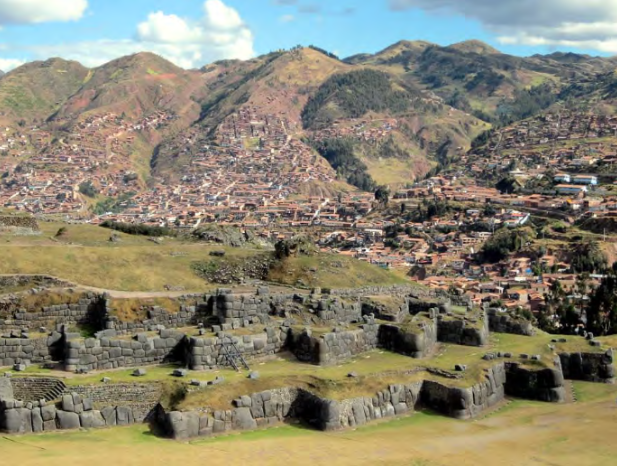
What is the site called?
Qosqo [Cusco, Peru], from 13th century
The four roads that meet in Cusco’s
Huacaypata (Central Plaza)
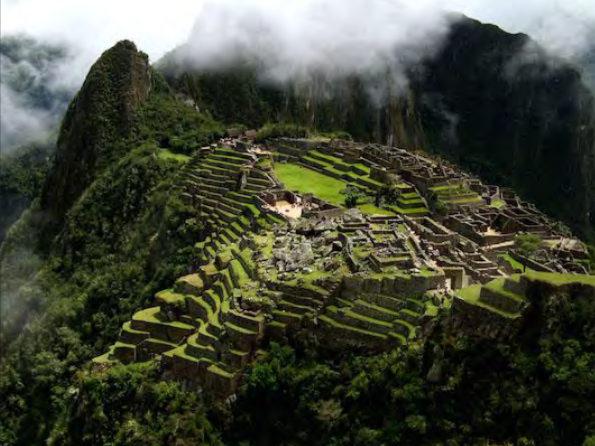
What is the name of this site?
Machu-Pichu
Machu-Pichu is a?
A royal estate for the first Inka emperor, Pachacuti Inka Yupanqui
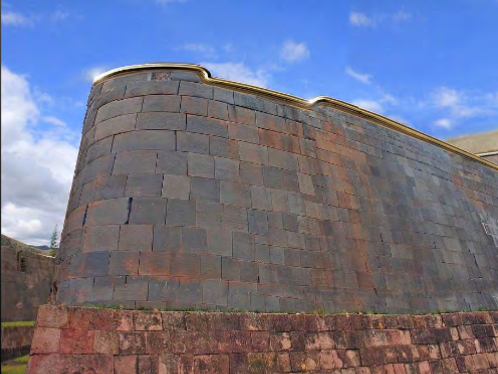
What is this site?
Qorikancha, Cusco
What is the Tambo?
structure along roads for storage supply, temporary lodging, and accounting records
What is the Huaca?
Sacred site, Landscape feature, or shrine
Pedro Sancho, “Description of the City of Cuzco” (1556 CE)
Sancho records events of these years in his account of the Spanish conquest of Peru
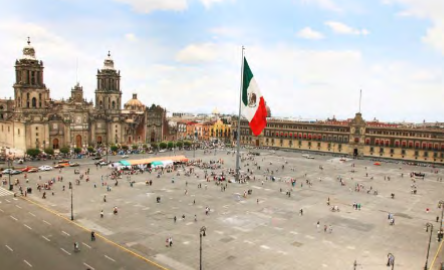
What is the name of this site?
Tenochtitlan/Mexico City, [Mexico]
Where was Mexico City established?
Atop the ruins of Tenochtitlan.
Spanish planning guided by “The Laws of the indies”
a set of rules laid out by the spanish crown to govern the process of colonization
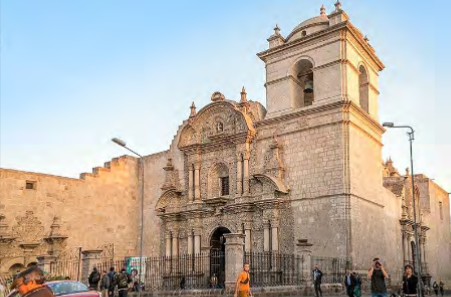
What is the name of this site?
Iglesia de la Compania de Jesus, Arequipa, Peru
Which church is the oldest in Arequipa?
Iglesia de la Compania de Jesus
Iglesia de la compania de Jesus was a reinterpretation of ?
European models by local artisans, using indigenous techniques and motifs
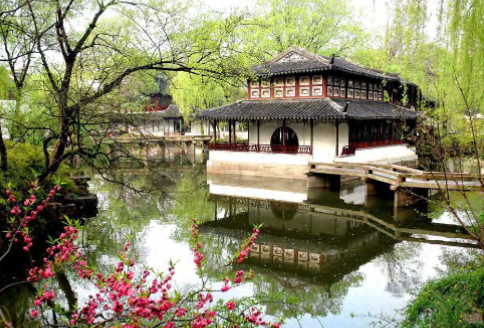
What is this place called?
Zhuozheng-yuan (The Humble Administrator’s Garden)
Design premised on balance of opposing features:
Water and hills, Light and Dark, Nature and Structure
What do Liberati themes and values expressed in the garden?
Appreciation of nature
Moral focus on self cultivation
simplicity
Peaceful, Humble, Quiet and meditative mindset
garden in chinese?
Yuanlin
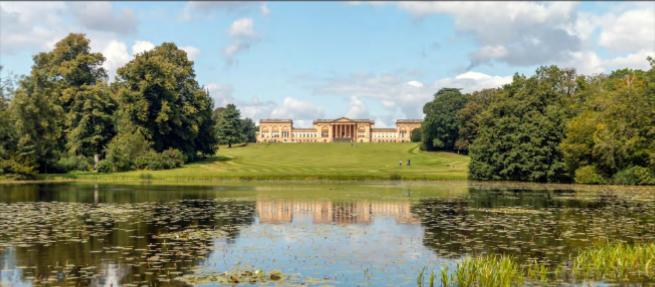
What is the name of this?
Stowe House, Stowe, ENgland
What is Picturesque?
Asymmetry
Variety
light and dark
smooth and rough surface
Natural and artificial structures
Focal point that guides the eye back and forth across the landscape
Harmonious integration of various elements
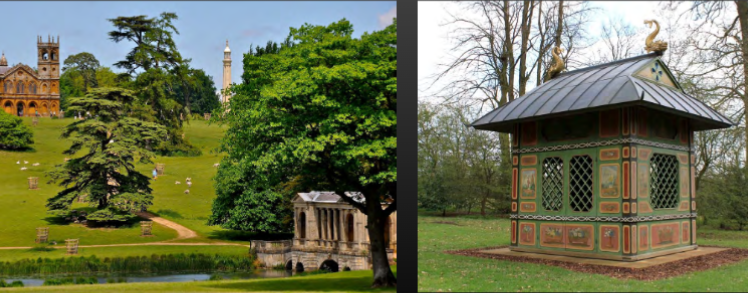
What do these pictures show?
A “chinese pavillion” and Pavilions and “follies”
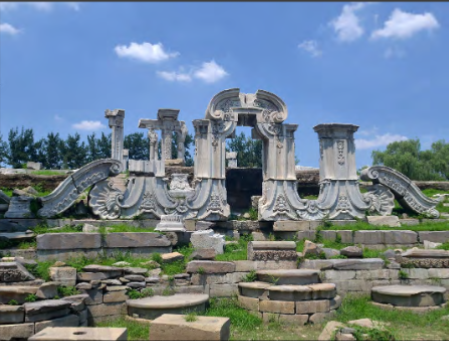
What is the name of the site?
Xiyang Lou, Yuanmingyuan
Definition of Tianxia
All under heaven
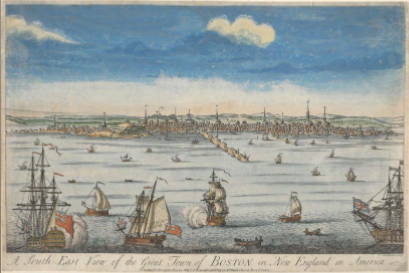
What is the name of this site?
The Great Town of boston in New England
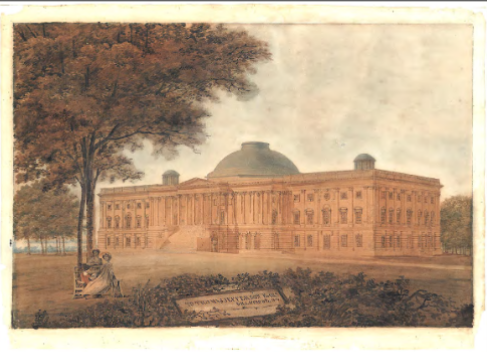
What is the name of the site?
United States Capitol
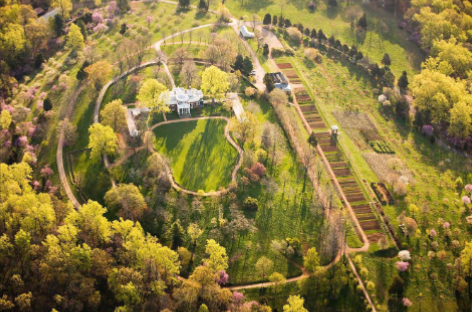
What is the name of the site?
Monticello
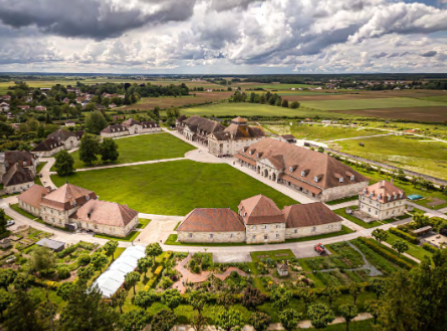
What is the name of the?
Royal Saltworks, Arc-et-Senans
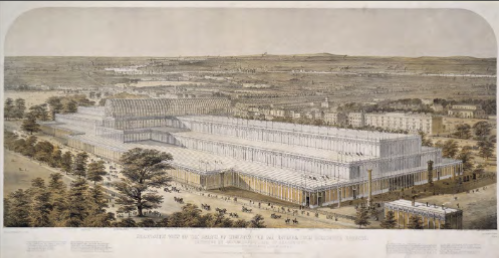
Whats is the name of the site?
The Crystal Palace
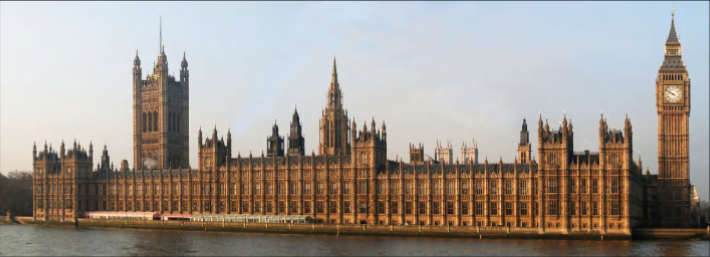
What is the name of the site?
Houses of Parliament and Palace of Westminster
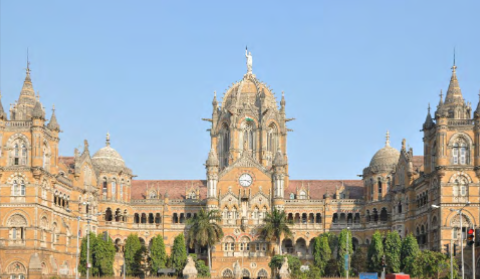
What is the name of the site?
Chhatrapati Shivaji Maharaj Terminus
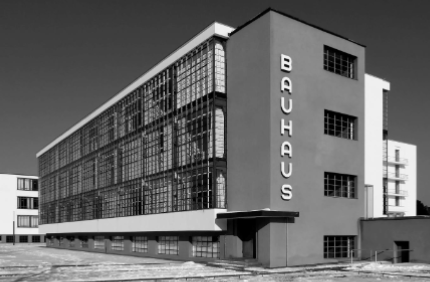
What is the name of the site?
Bauhaus School
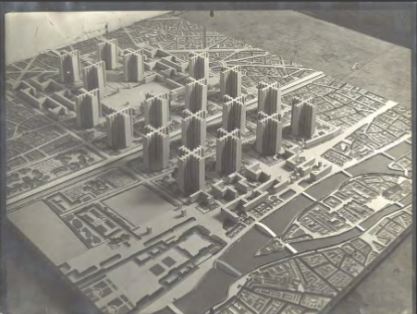
What is the name of the site?
Le Corbusier, Plan Voisin
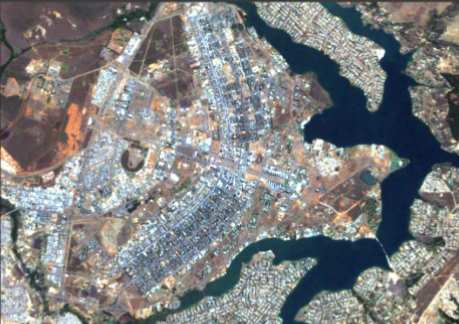
What is the name of this site
Brasilia
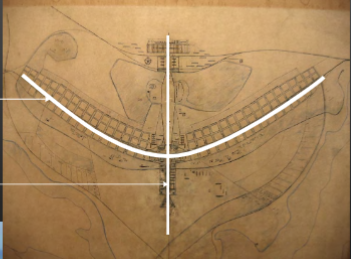
Name the axis
Monumental Axis, Residential Axis
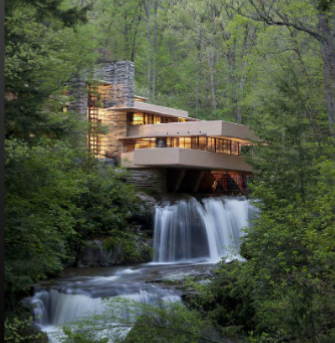
What is the name of this site?
Frank Lloyd Wright, Falling Water
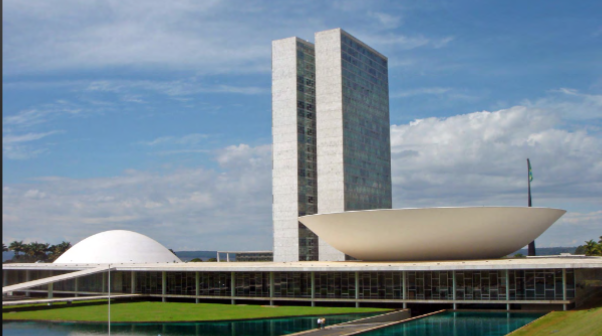
What is the name of this?
National Congress Building, Oscar Niemeyer
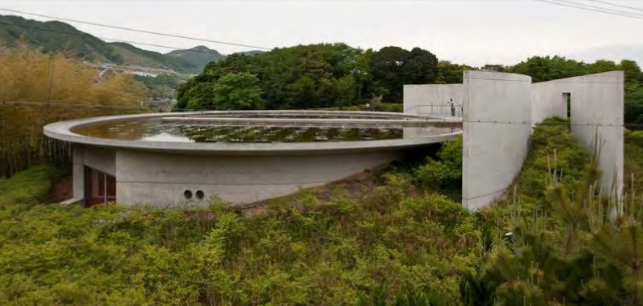
What is the name of this site?
Tadao Ando, Honpuku-ji “Water Temple,” Awaji Island
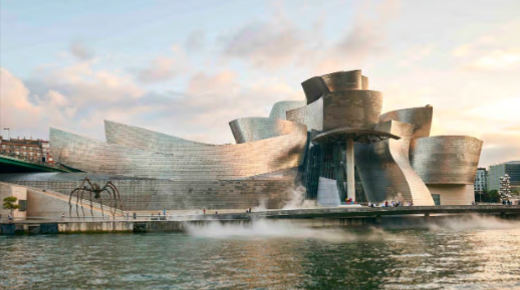
What is the name of this site?
Guggenheim
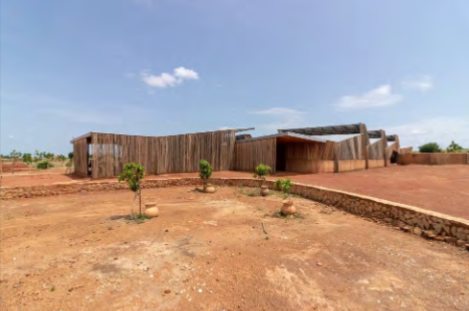
What is the name of this site?
Burkina Institute Of Technology
Palazzo
Large urban residence of wealthy merchant families, symbolizing civic power
Villa
Country estate combining agriculture, leisure, and classical design ideals.
Humanism
Renaissance belief emphasizing classical learning, human potential, and rational design.
Baroque
Architectural style emphasizing movement, drama, ornament, and emotional impact.
Basilica
Longitudinal church plan derived from Roman civic buildings.
Nave
Central aisle of a church where the congregation gathers.
 Note
Note  Flashcards (24)