IA Q3 Review
 Call Kai
 Learn
Learn Practice Test
 Spaced Repetition
 Match
Match Flashcards
 Knowt Play
1/73

There's no tags or description
Looks like no tags are added yet.
Name | Mastery | Learn | Test | Matching | Spaced | Call with Kai |
|---|
No analytics yet
Send a link to your students to track their progress
74 Terms
CNS (Central Nervous System)
Consists of the brain and spinal cord
Function: Voluntary movement, homeostasis, processing I
Important for sweating, insulin shivering
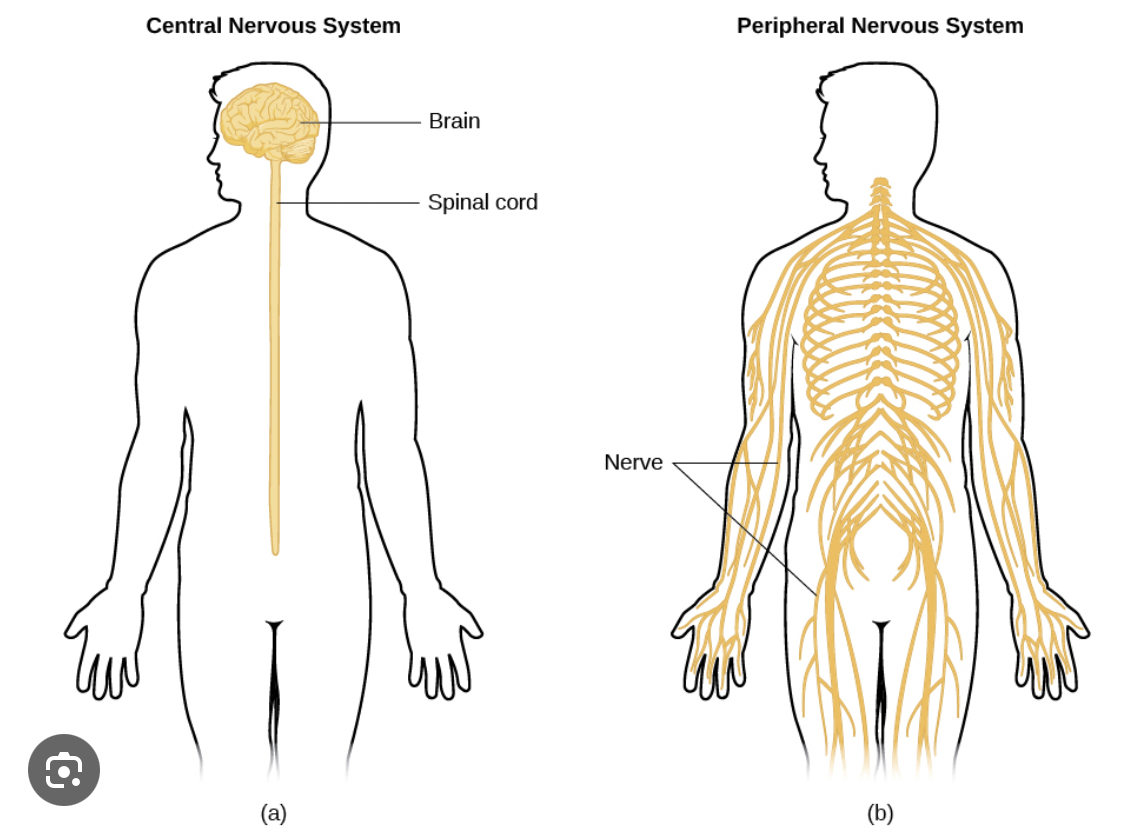
Brain (CNS)
Perception and processing of sensory stimuli
Execution of voluntary motor responses (somatic)
Regulation of homeostatic mechanisms
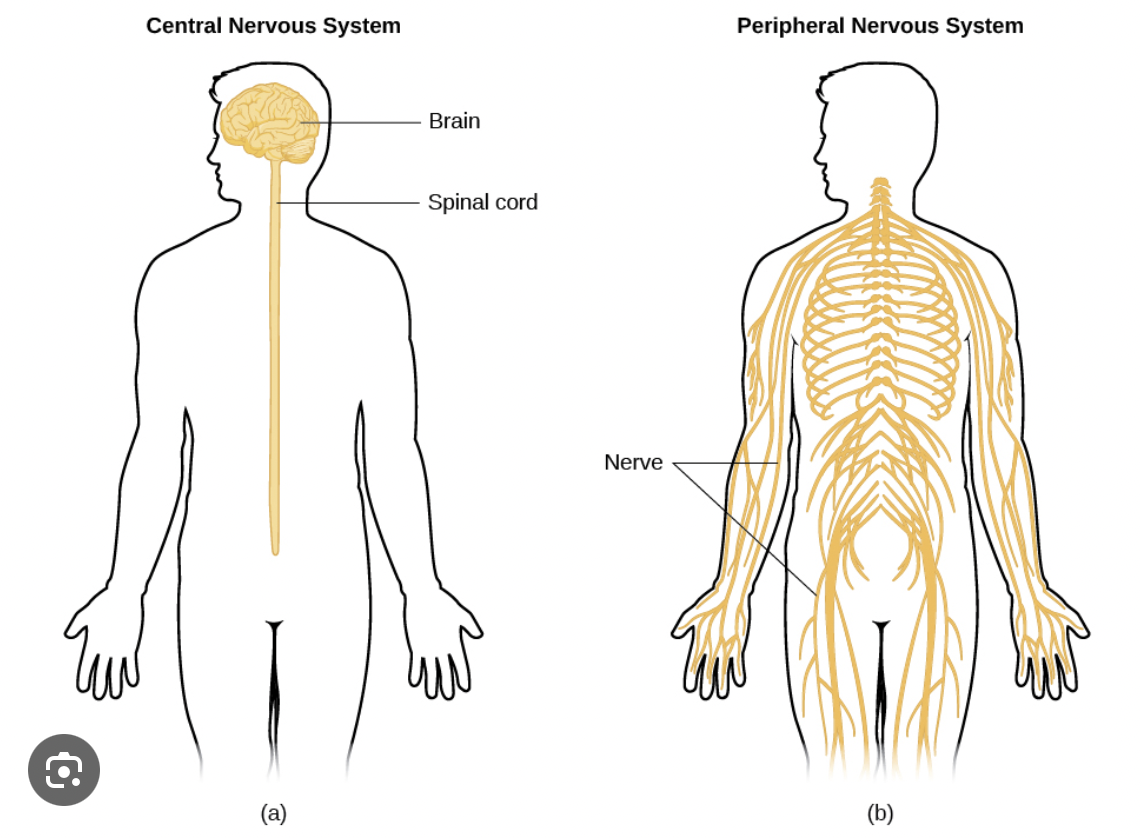
Spinal Cord (CNS)
Pathway for sensory and motor information between body and brain
Initiates reflexes and automatic responses
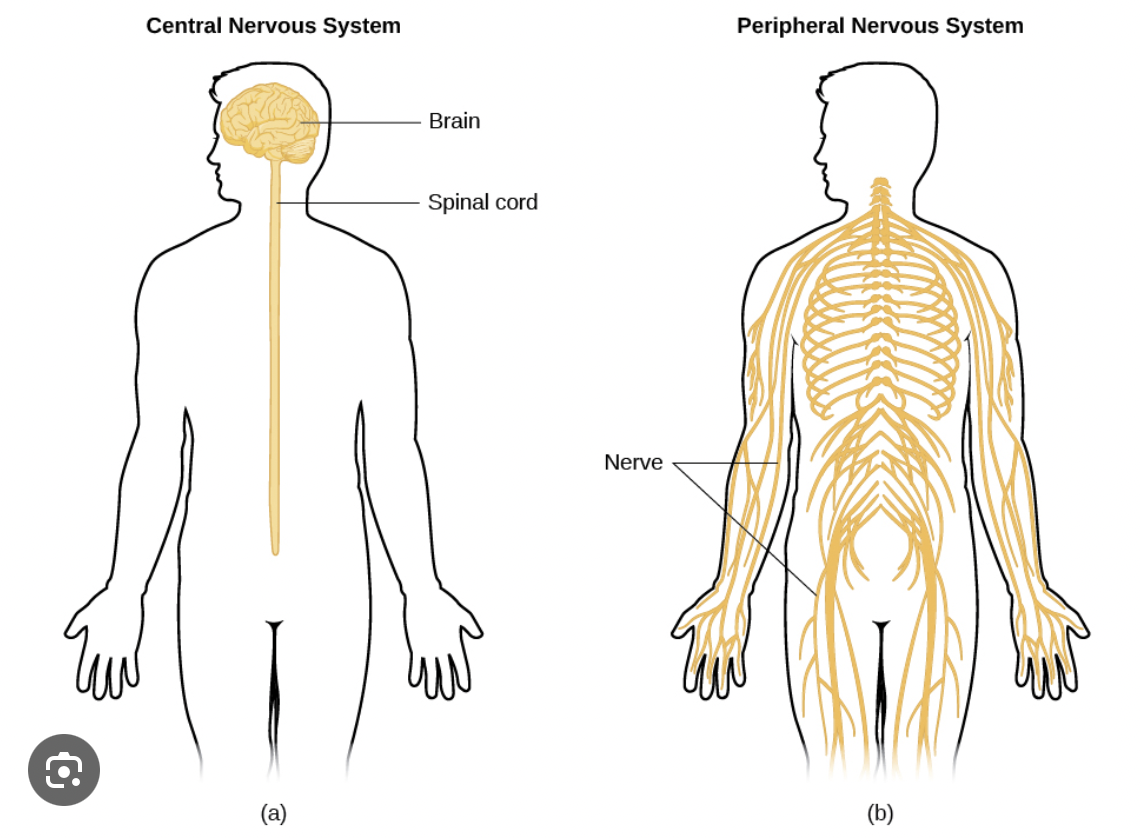
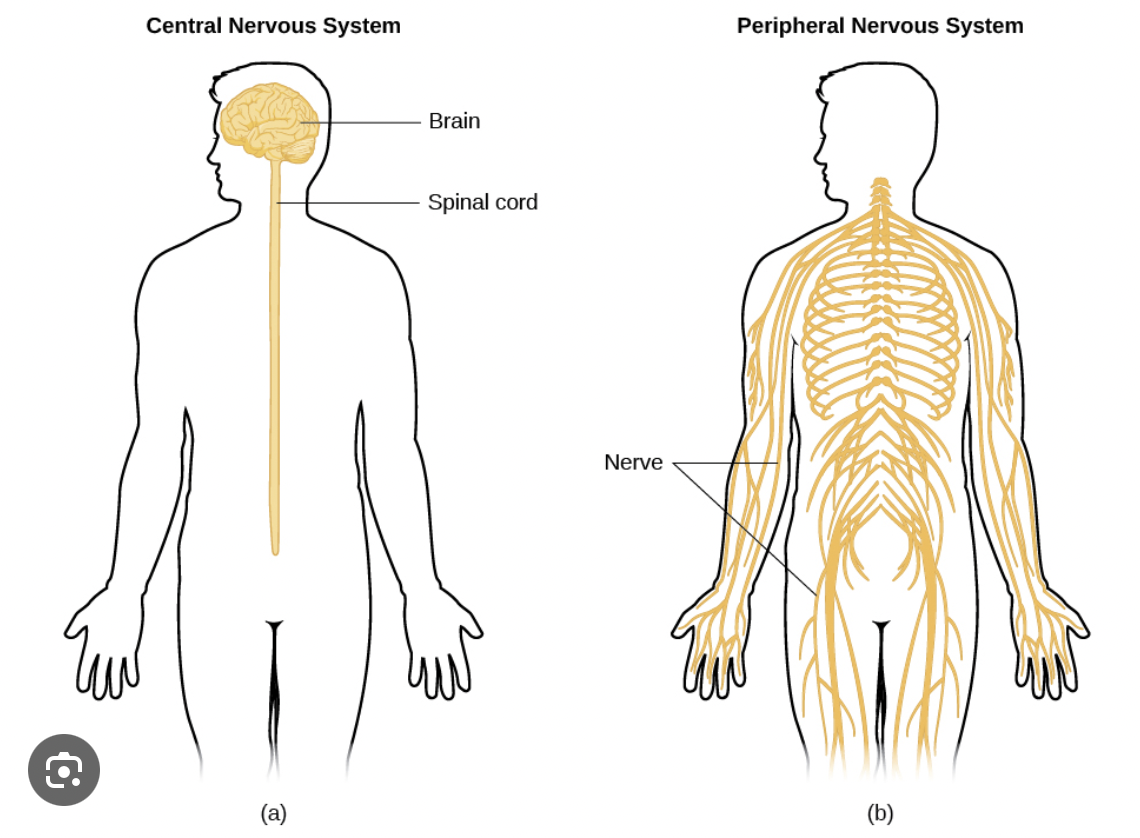
Peripheral Nervous System (PNS)
Consists of nerves all around the body
Function: Sends sensory info to the CNS to carry motor information to the body
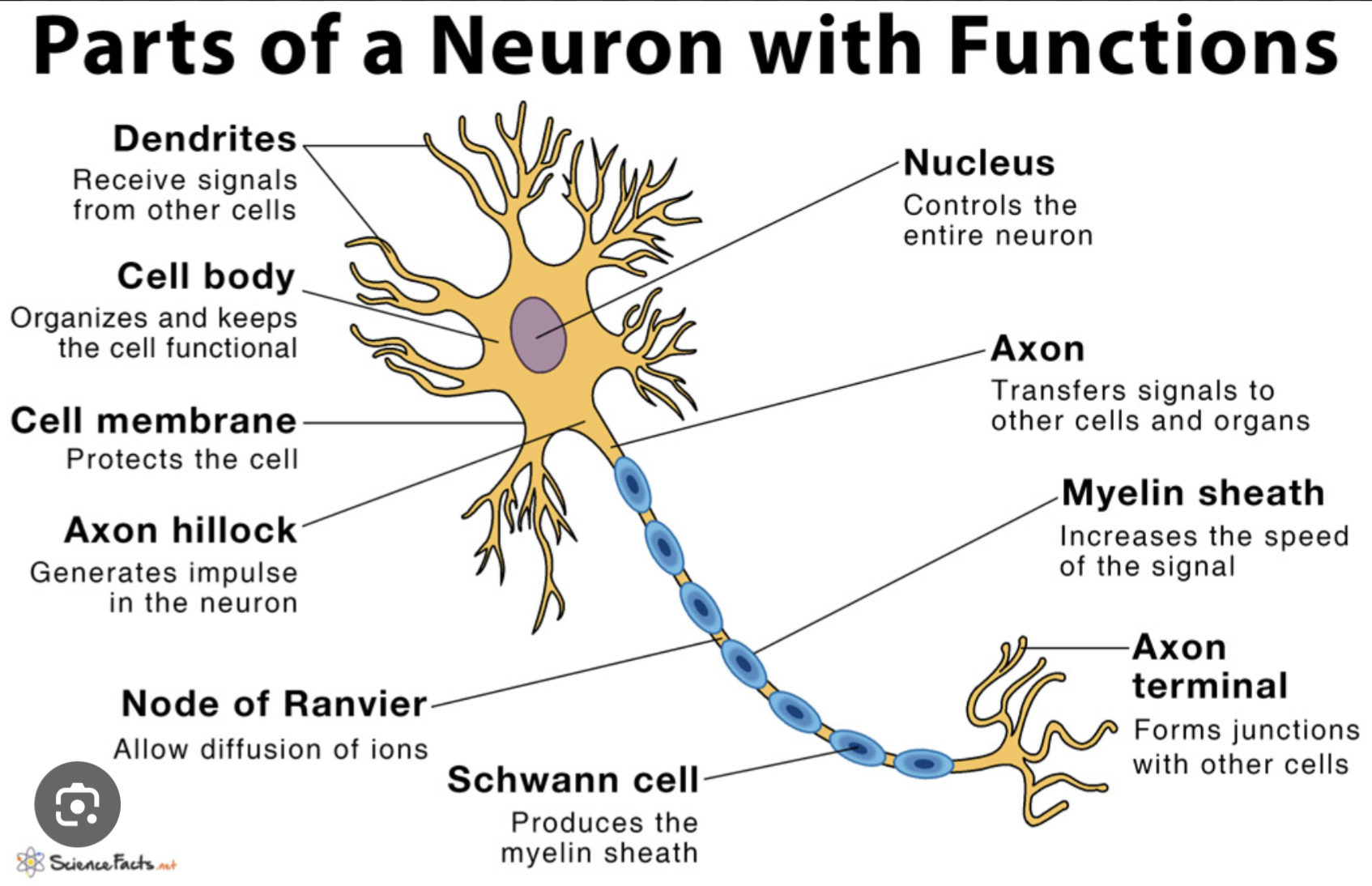
Neuron Structure
Dendrites
Receives signals from other cells
Soma
maintains cellular health, produces proteins, generates energy, and integrates incoming signals from dendrites, deciding whether to transmit an action potential down the axon
Axon
to transmit electrical impulses, known as action potentials, away from the neuron's cell body (soma) to other neurons, muscles, or glands
Myelin Sheath
acts as a protective, insulating layer around nerve axons, enabling faster and more efficient propagation of electrical impulses (action potentials).
Axon Terminal
to convert electrical impulses (action potentials) arriving from the axon into chemical signals, releasing neurotransmitters into the synapse to communicate with target cells
Nucleus
acts as the control center, housing DNA within the soma (cell body) to regulate gene expression, protein synthesis, and cellular maintenance
Neurotransmitters
allow neurons to communicate throughout the body, spanning the gap (synapse) between nerve cells
Synapse
A synapse is the fundamental junction where neurons communicate, passing electro-chemical signals to other neurons, muscles, or glands. Its primary functions are to transmit information rapidly, modulate (excite or inhibit) signals, and enable plasticity
Acetylcholine
Action: Helps neurons communicate & memory
Effect on the Brain: Attention, Learning Memory Forming
Effect on the Body: Muscle cramps heart rate & digestion
Diseases that occur if its not working properly: Alzehmiers, Myestheria Graves
Substances that are Agonists or Antagonists: Nicotine (Agonist), Botox (Antagonist)
Dopamine
Action: Regulates pleasure, reward, behavior
Effect on the Brain: Mood, Motivation, Pleasure, learning, focus
Effect on body: Muscle movement & coordination
Diseases that occur when it’s not working properly: Parkinsons disease, Addiction
Substances that are agonists / antagonists: Cocaine & Meth (Agonists), Anti-psychotic(antagonists)
GABA
Action: calms / decreases brain activity
Effect on the Brain: Decreases neuron activity (firing)
Effect on body: Prevents seizures, stress responses
Diseases that occur when it’s not working properly: Anxiety
Substances that are agonists / antagonists: Xanax
Serotonin
Action: Regulates mood & emotional stability
Effect on the Brain: Manages mood & calmness
Effect on body: Helps digestion, sleep, pain perception
Diseases that occur when it’s not working properly: Depression, Anxiety
Substances that are agonists / antagonists: Prozac, Zoloft (Agonists), MDMA (antagonists)
Epi / Norepi
Action: Neurotransmitters involved in stress response, activates flight or fight response (prepare for danger / excitement)
Effect on the Brain: Increase focus, alertness, attention & reaction time
Effect on body: Faster heart rate, breathing & blood pressure, (increased)
Diseases that occur when it’s not working properly: Chronic anxiety, high blood pressure, PTSD (overactive neurotransmitters), depression, attention problems (underactive)
Substances that are agonists / antagonists: Beta Blocker (Antagonists), Caffeine (Agonists)
Neuron processing cycle
Detects (stimuli) → Interprets (info) → Responds
Stimulus → PNS (sensory info) → CNS (processing motor info) → Response signal
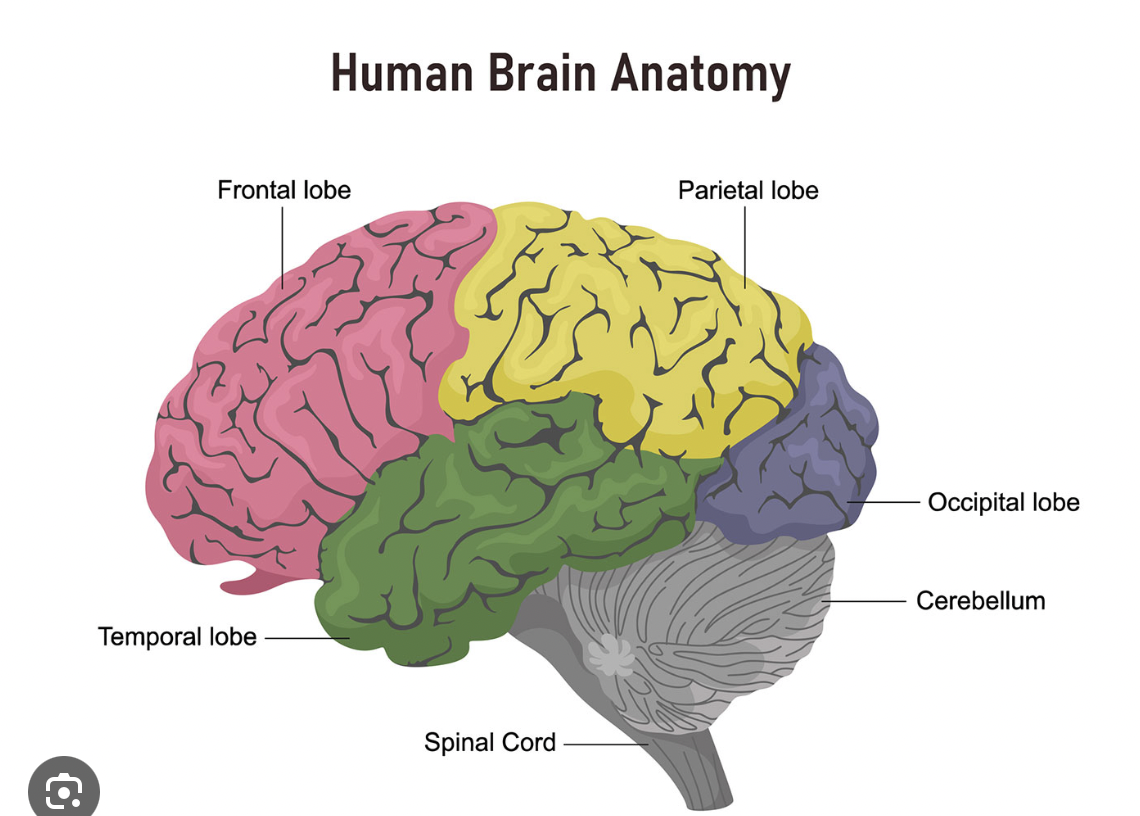
Regions of the Brain
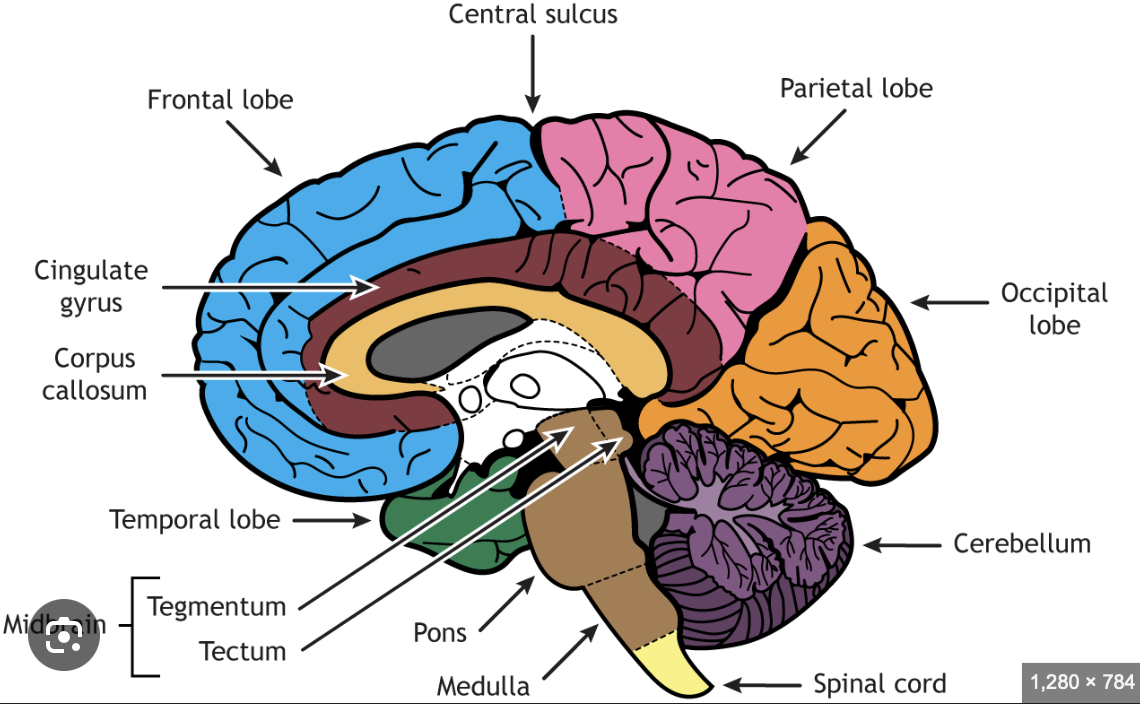
Frontal lobe
Responsible for executive function, decision making, making personality & speech
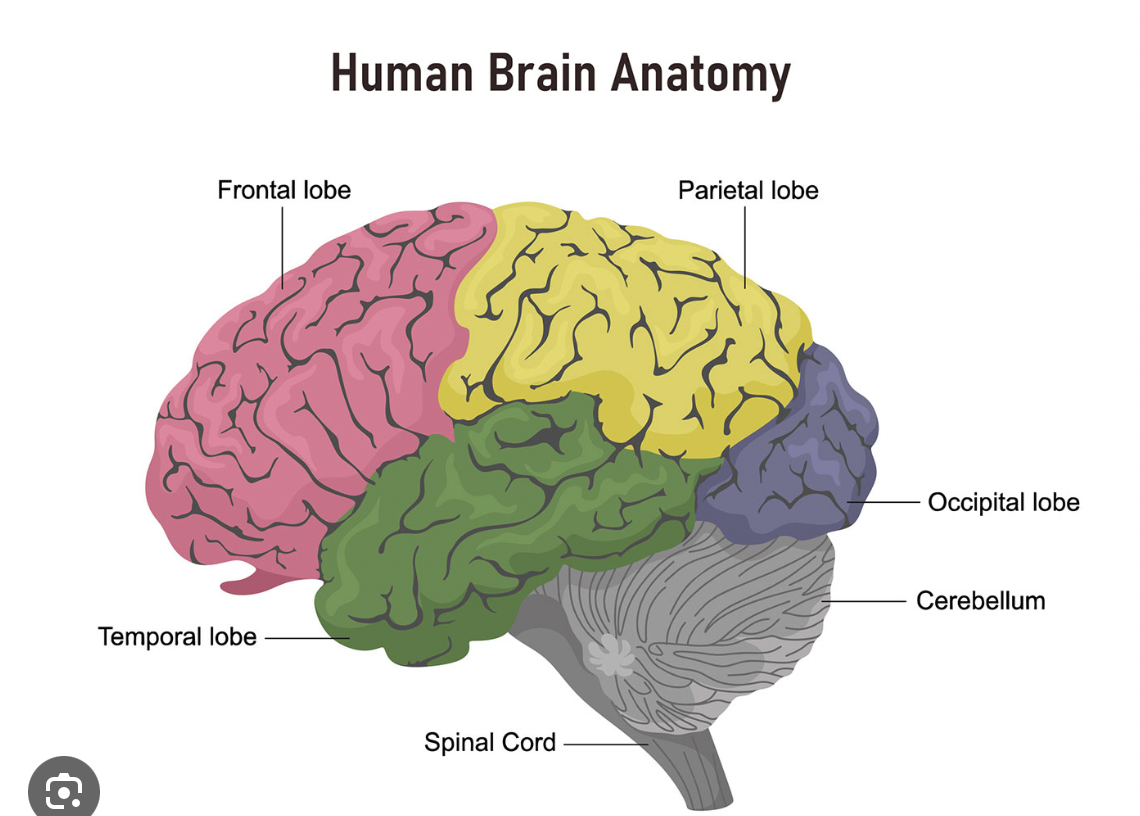
Parietal Lobe
Integrates sensory information (pain, touch pressure, temperature)
Temporal lobe
Responsible for processing language / info related to hearing, forming memories emotions, etc.
Occipital Lobe
Processing visual information from eyes, recognizing, faces & and forming visual memories
Cerebellum
Responsible for voluntary movements, balance, and learning new motor skills
Brain stem
Controls functions like breathing and heart rate to facilitate life
Cerebrum
Controls functions like conscious thought, memory, interpreting sensory input
Motor cortex
Controls voluntary movement
Corpus callosum
halves, enabling the integration of sensory, cognitive, and motor information
Pituitary gland
Produces and releases hormones
thalamus
Sensory motor signals (sensory relay station) takes and sensory info and sends to correct brain
Hypothalamus
Regulates hormones (hunger, thirst body temperature).
Hippocampus
forming memories and learning
Amygdala
processing fear, threat detection, and survival instincts
Spinal cord
Transmit signals between brain in the body (voluntary/motor movement)
Interneuron
Processes signals that are sent (CNS) sends sensory info and determines responses
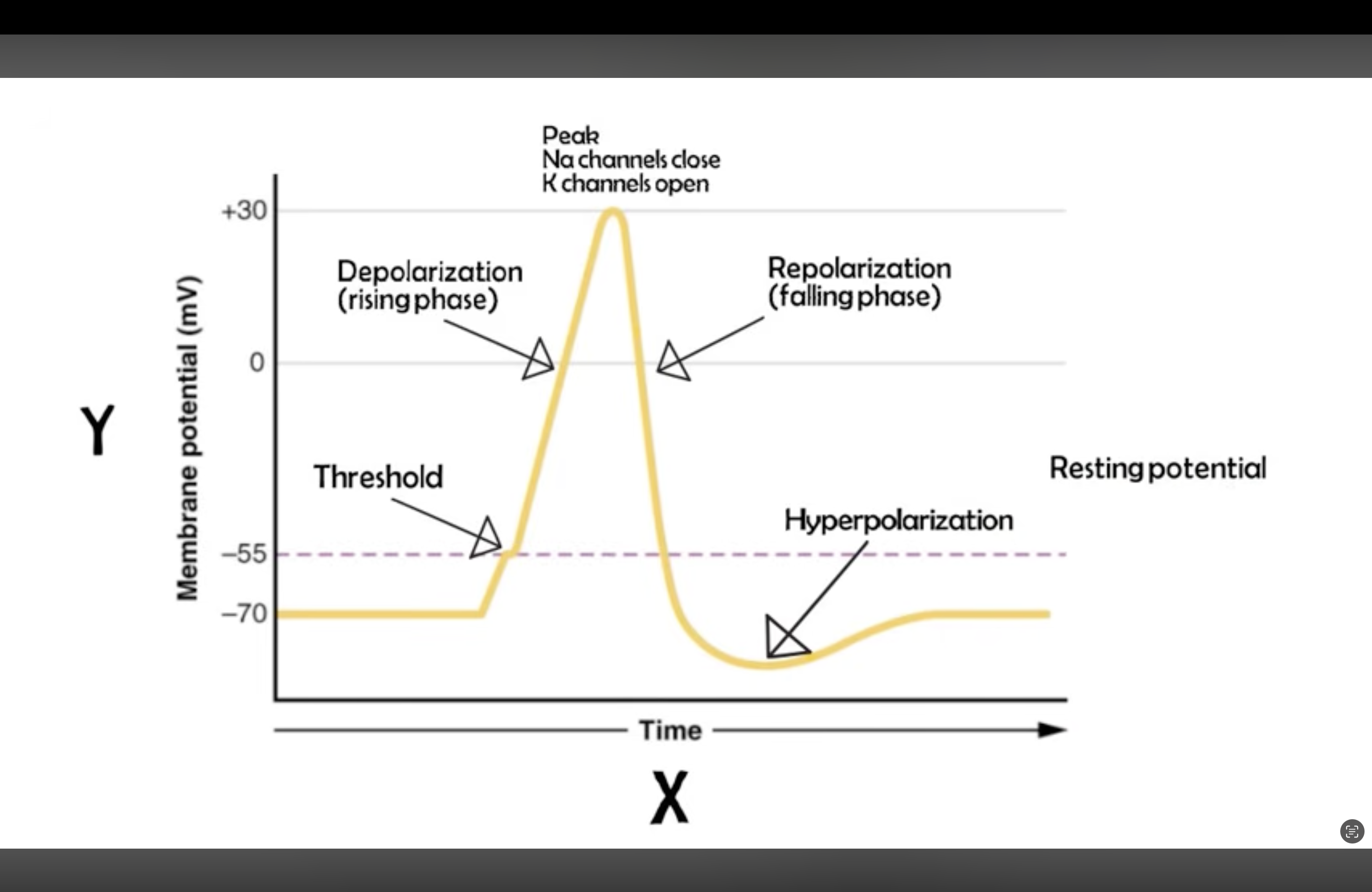
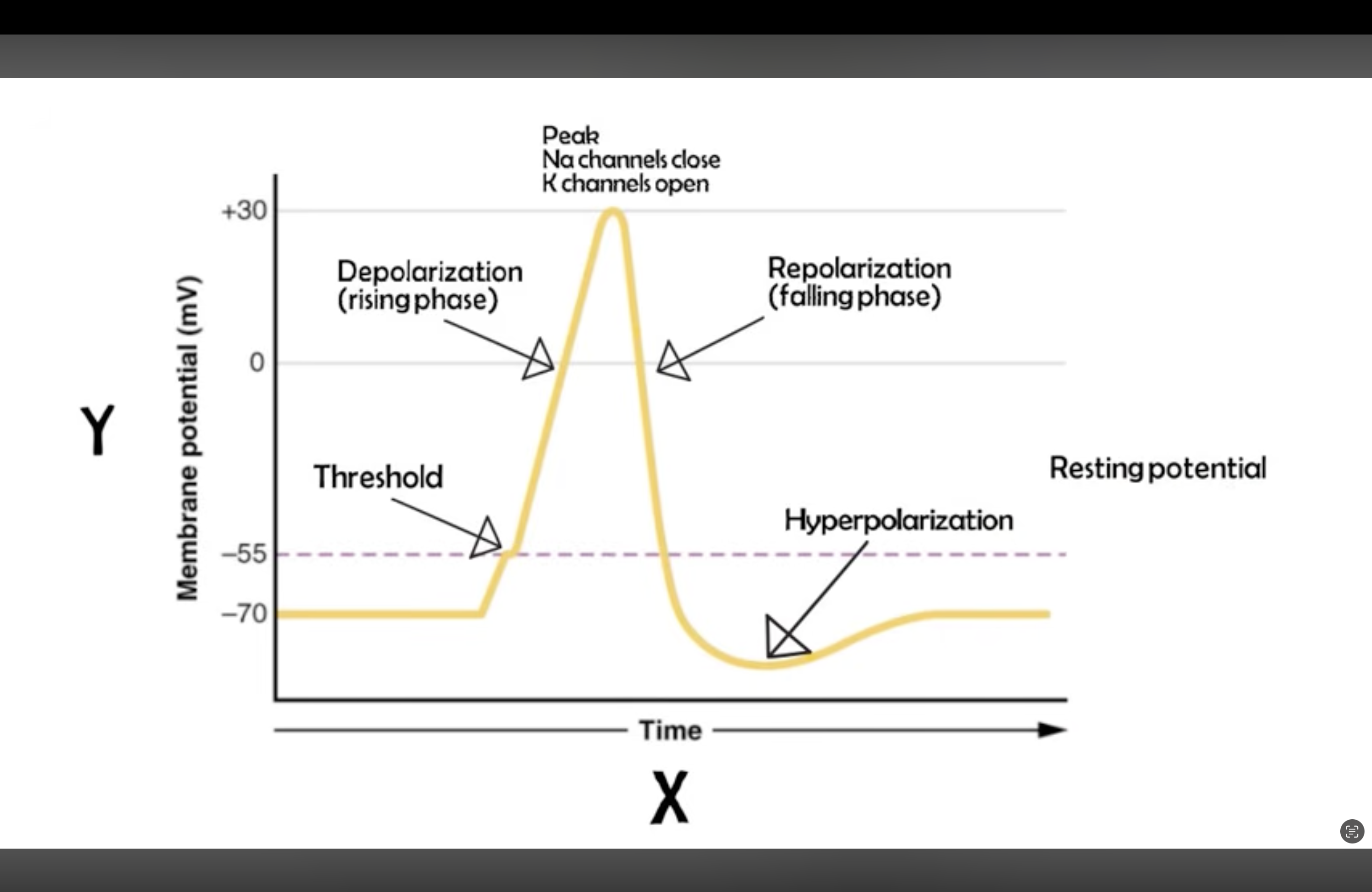
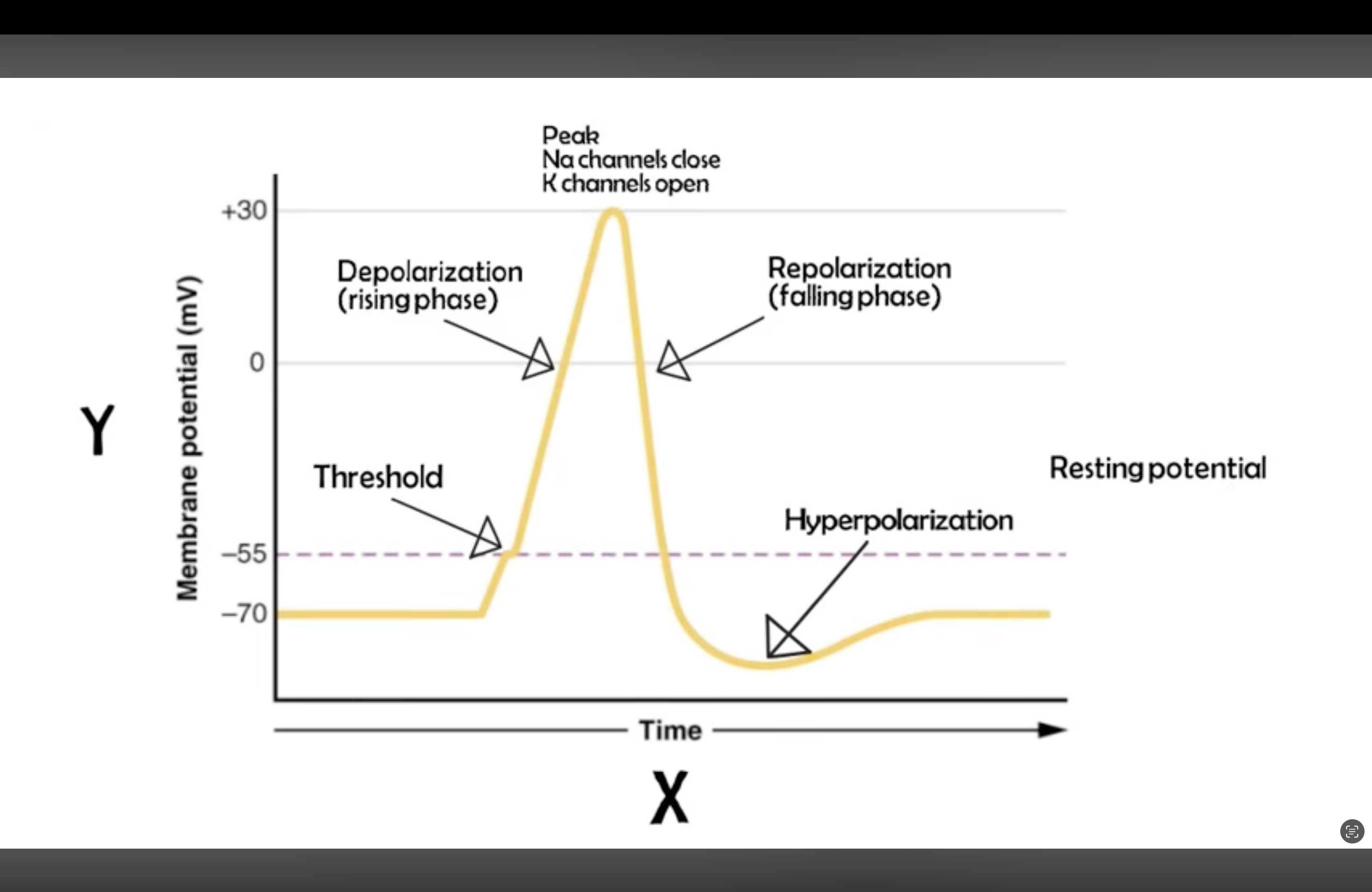
Action Potential
An electrical signal
Can be found in excitable cells (neurons / skeletal muscle cells)
Excitable cells → cells that generate electrical signal from stimulus
Sodium Potassium Pump
Term
Requires ATP energy
Helps maintain resting membrane potential
Moves more sodium ions out than potassium ions in
Membrane potential
Difference of the electrical potential between the inside and the outside of the cell.
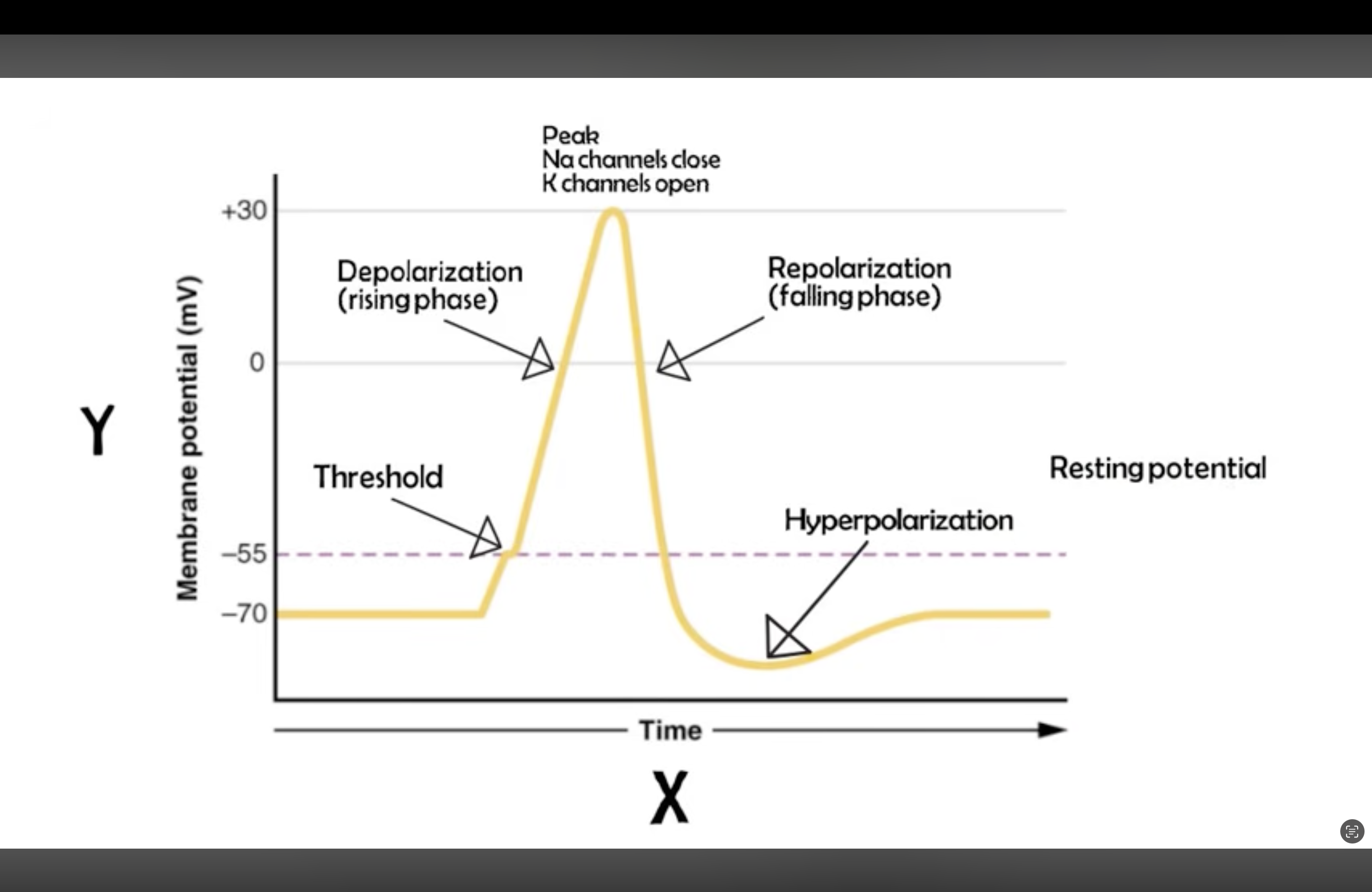
Resting Potential
The electrical potential difference across the plasma membrane when the cell is in a non-excited state. (-70 mv)
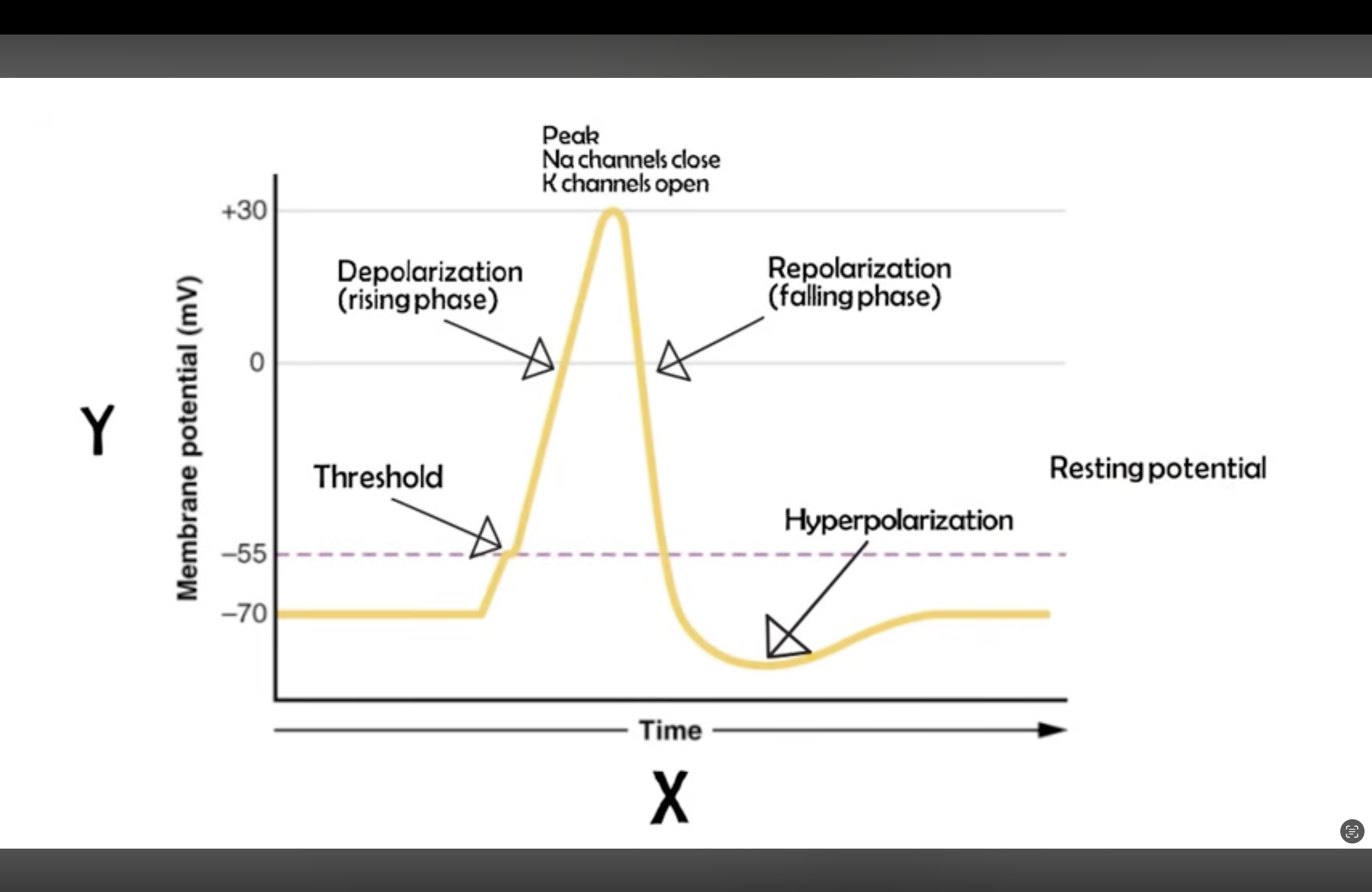
Depolarization (rising phase)
Is a cellular process where the membrane potential becomes less negative (more positive) due to the rapid influx of sodium ions (+30 mv)
inside becomes positive
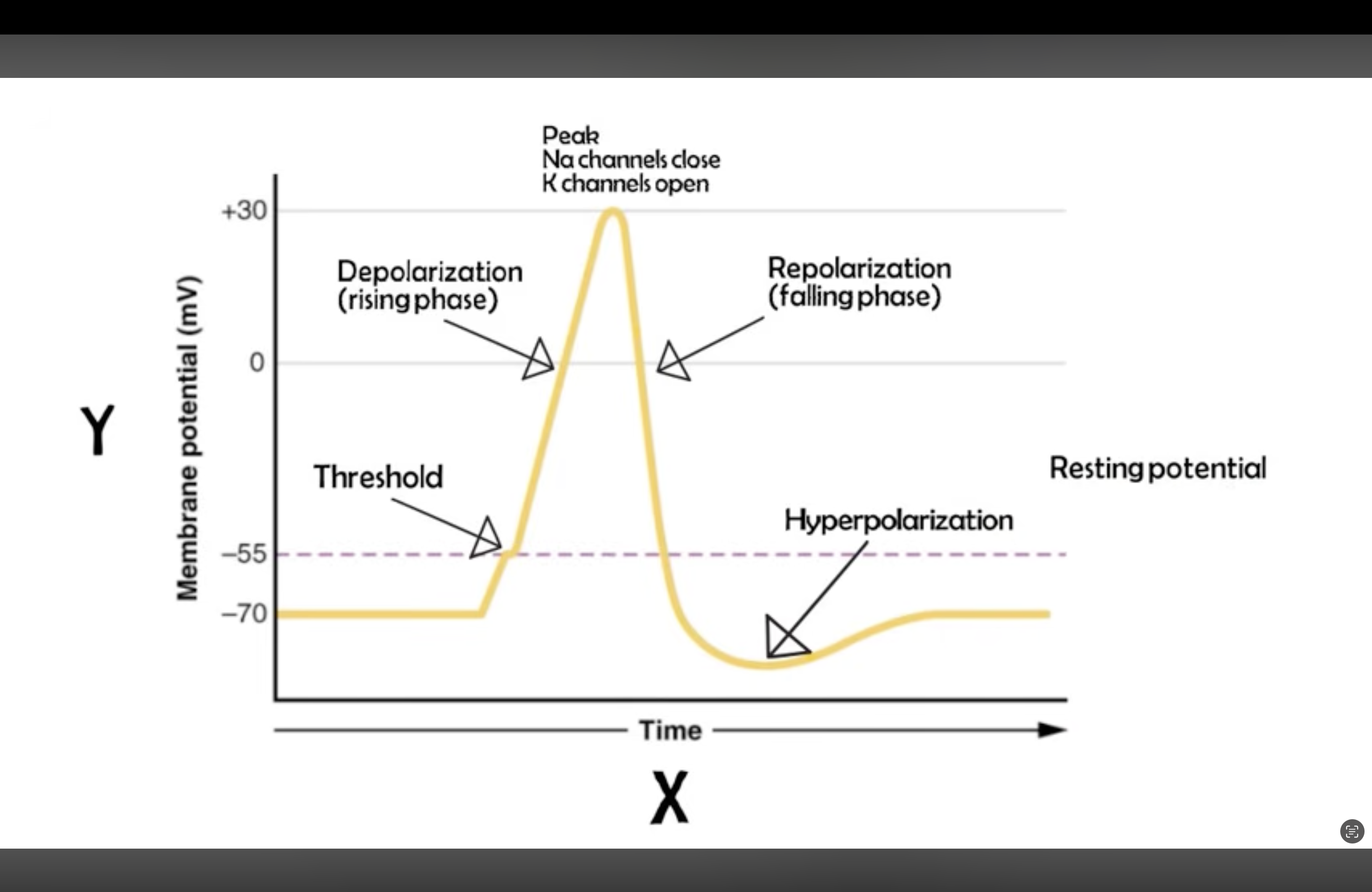
Repolarization (falling phase)
Potassium ions leave the neuron making the inside more negative
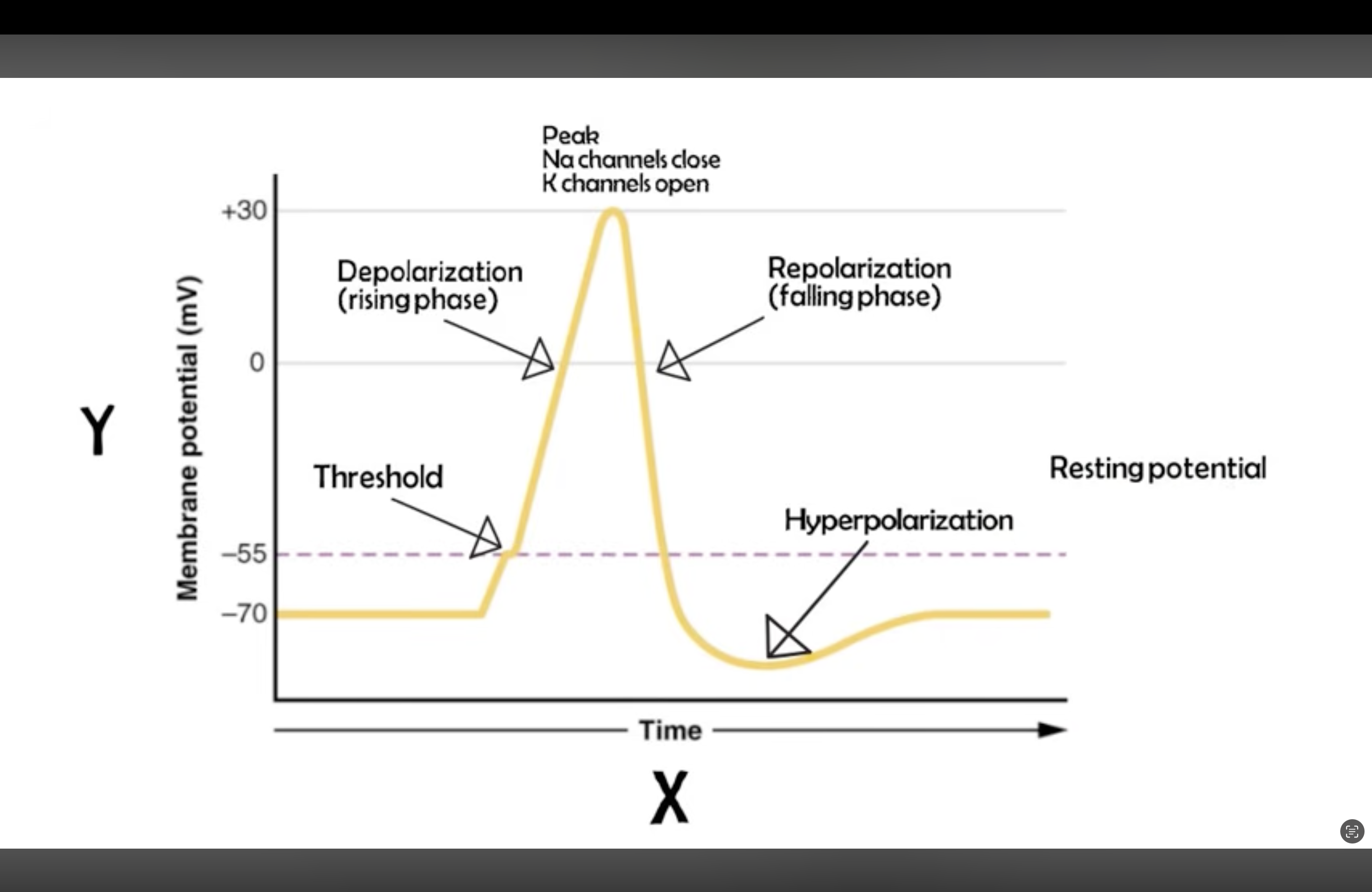
Hyperpolarization
The shift in a cells membrane potential to a more negative value that its resting state
Extra potassium ions leave, inside becomes more negative than resting.
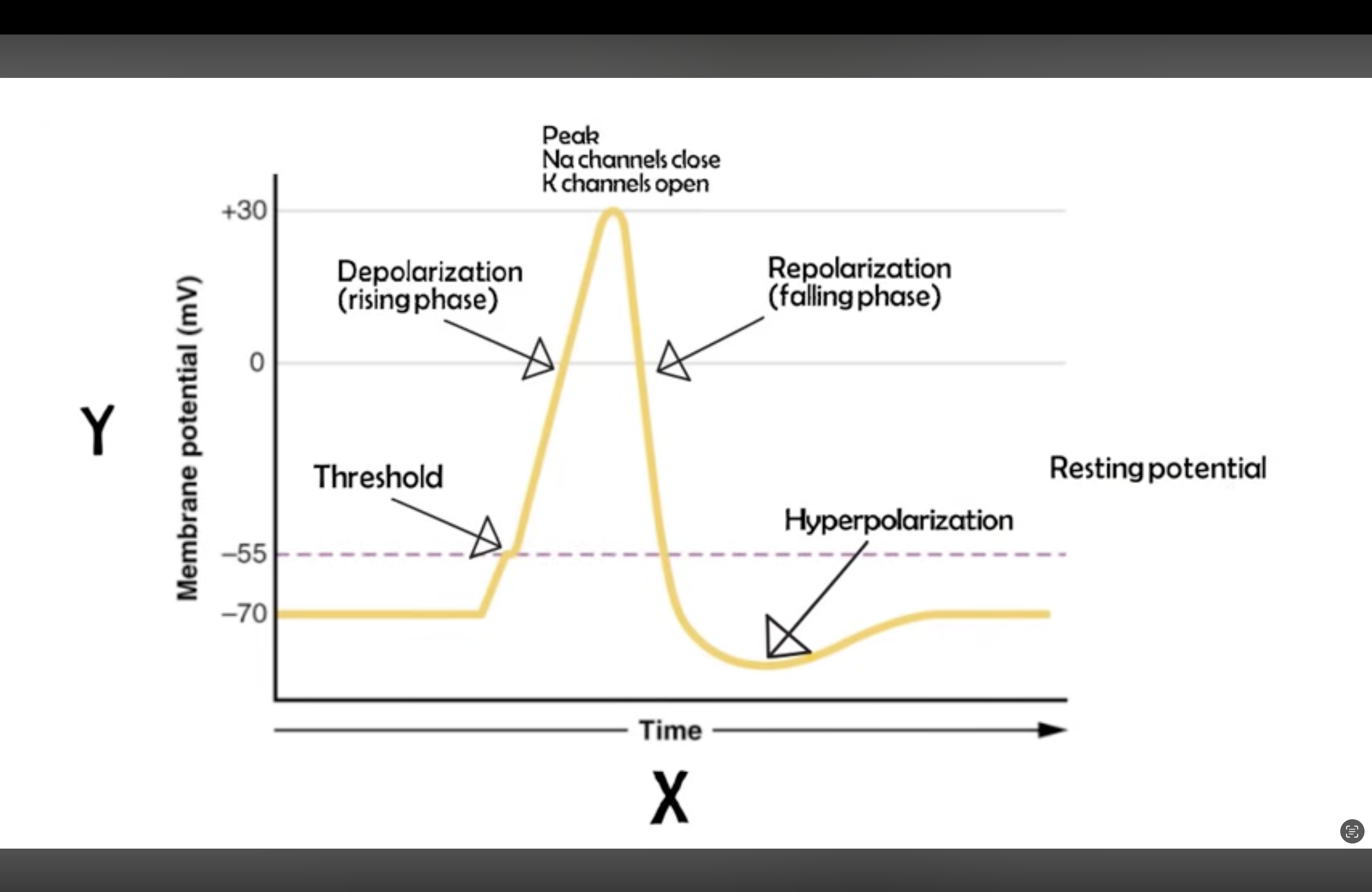
STAMP
If an incoming signal is too weak to reach threshold, the axon will not depolarize and the signal will stop.
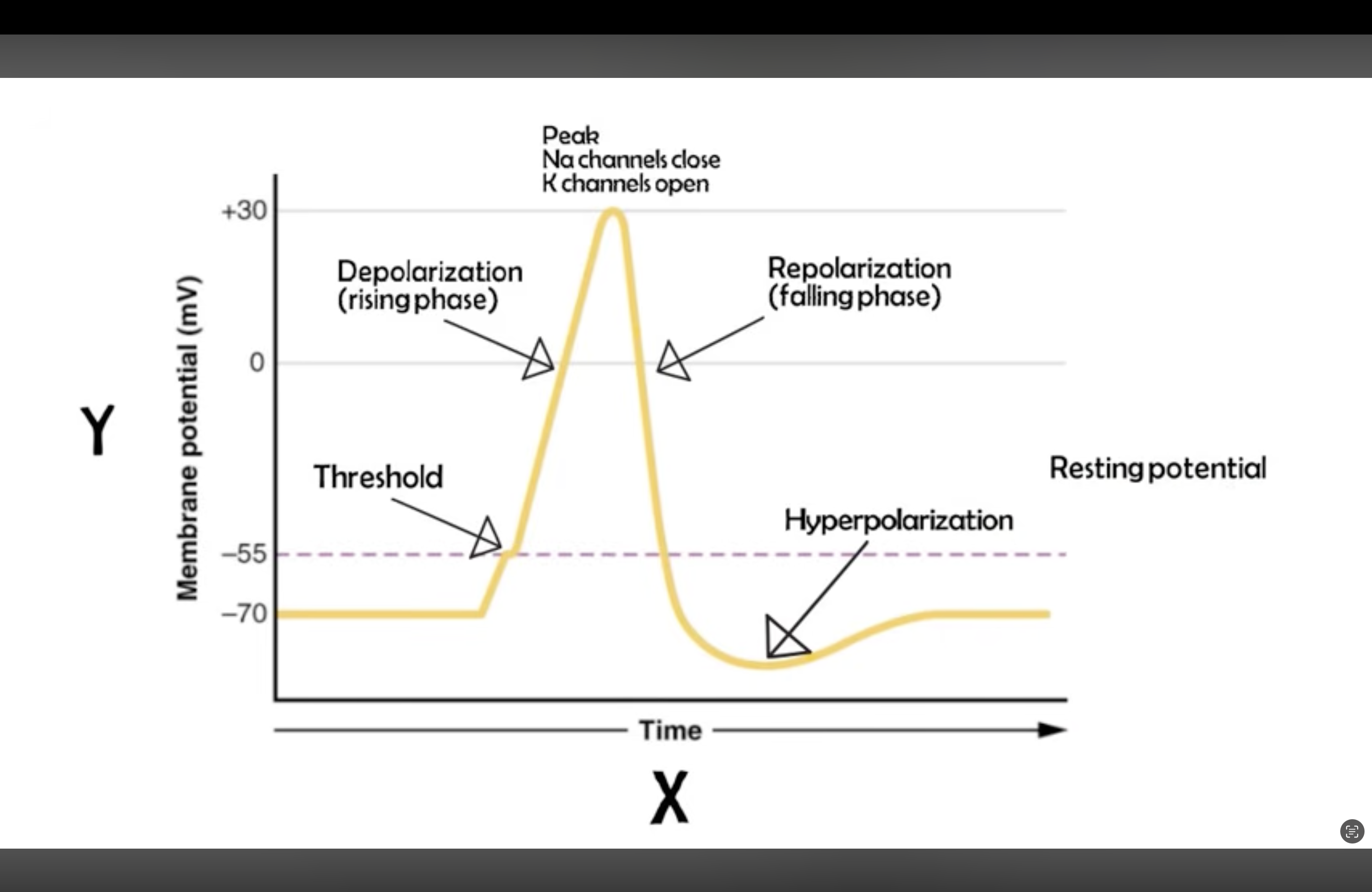
Threshold
-55mv; the minimum depolarization required for a neuron to send a signal. If threshold is not reached, a neuron will not activate to send a signal and will remain at rest. (action potential will not start)
How are signals transferred between neurons?
Action potential reaches the axon terminal
Calcium ions rush into the axon terminal
Vesicles released neurotransmitters into the synapse
Neurotransmitter travel across the synapse & bind to neuron ion channel receptors on the dendrites of the nest neuron
The activated channel receptor allows sodium to rush into the neuron, beginning the next action potential.
*Neurotransmitters are chemicals in the system that help recieve signals
STAMP
when too much dopamine is r

