Lab 2: Salamanders
 Call Kai
 Learn
Learn Practice Test
 Spaced Repetition
 Match
Match Flashcards
 Knowt Play
1/19

There's no tags or description
Looks like no tags are added yet.
Name | Mastery | Learn | Test | Matching | Spaced | Call with Kai |
|---|
No analytics yet
Send a link to your students to track their progress
20 Terms
Hemidactylinae, Spelerpini
Other than Hemidactylium scutatum, what subfamily and clade are all this lab's salamanders in
Hemidactylinae, Hemidactyliini
What subfamily and clade is Hemidactylium scutatum in?
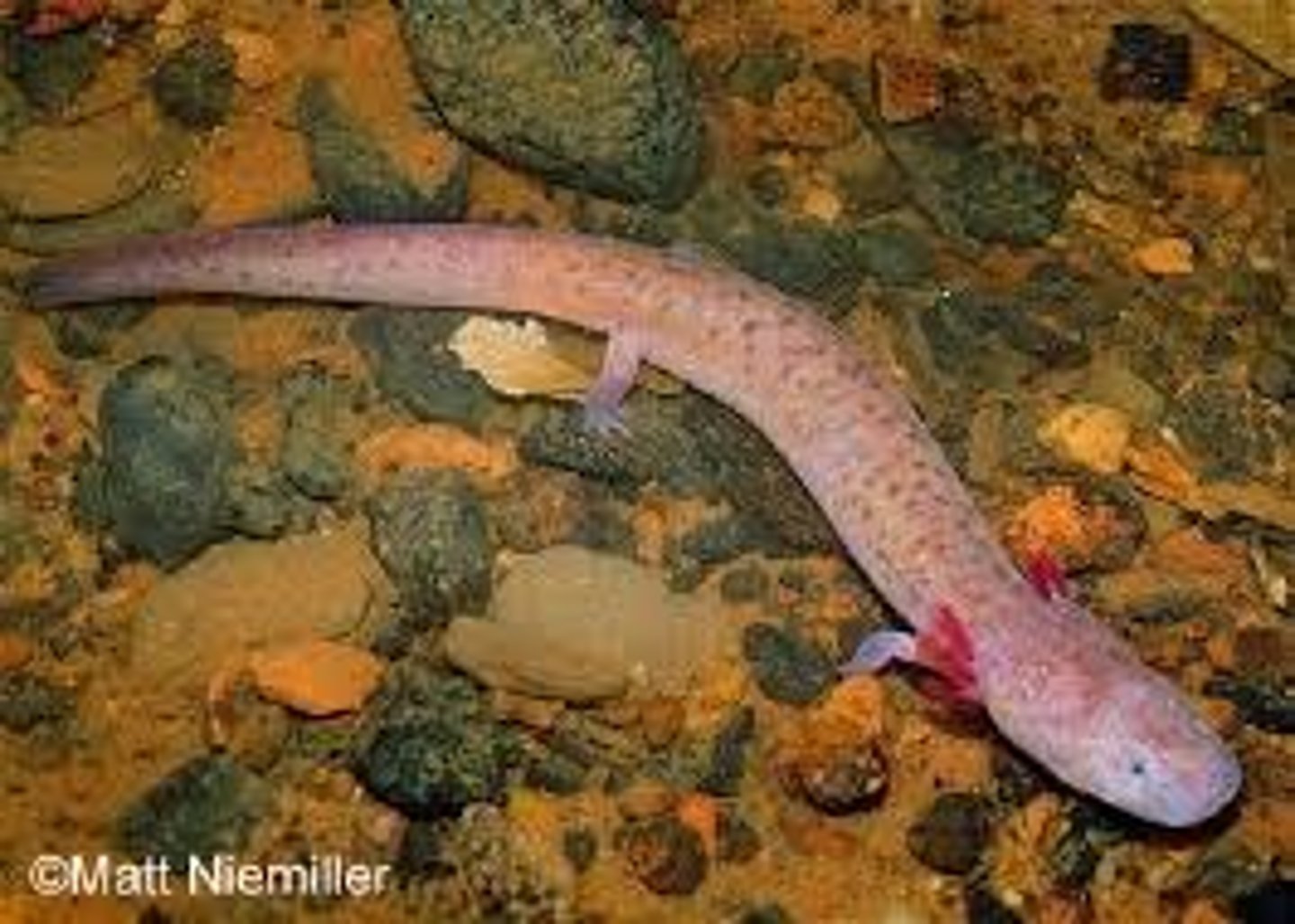
Gyrinophilus palleucus
What salamander has:
- A pale pink body, sometimes with spotting
- More vibrant pink gills
- A plain, light colored belly
- A squared-off head with small eyes
- A flattened tail with well-developed fins
- An obligate paedomorphic life history
- A range solely on Lookout Mountain and Pigeon Mountain in NW GA (streams and rimstone pools)
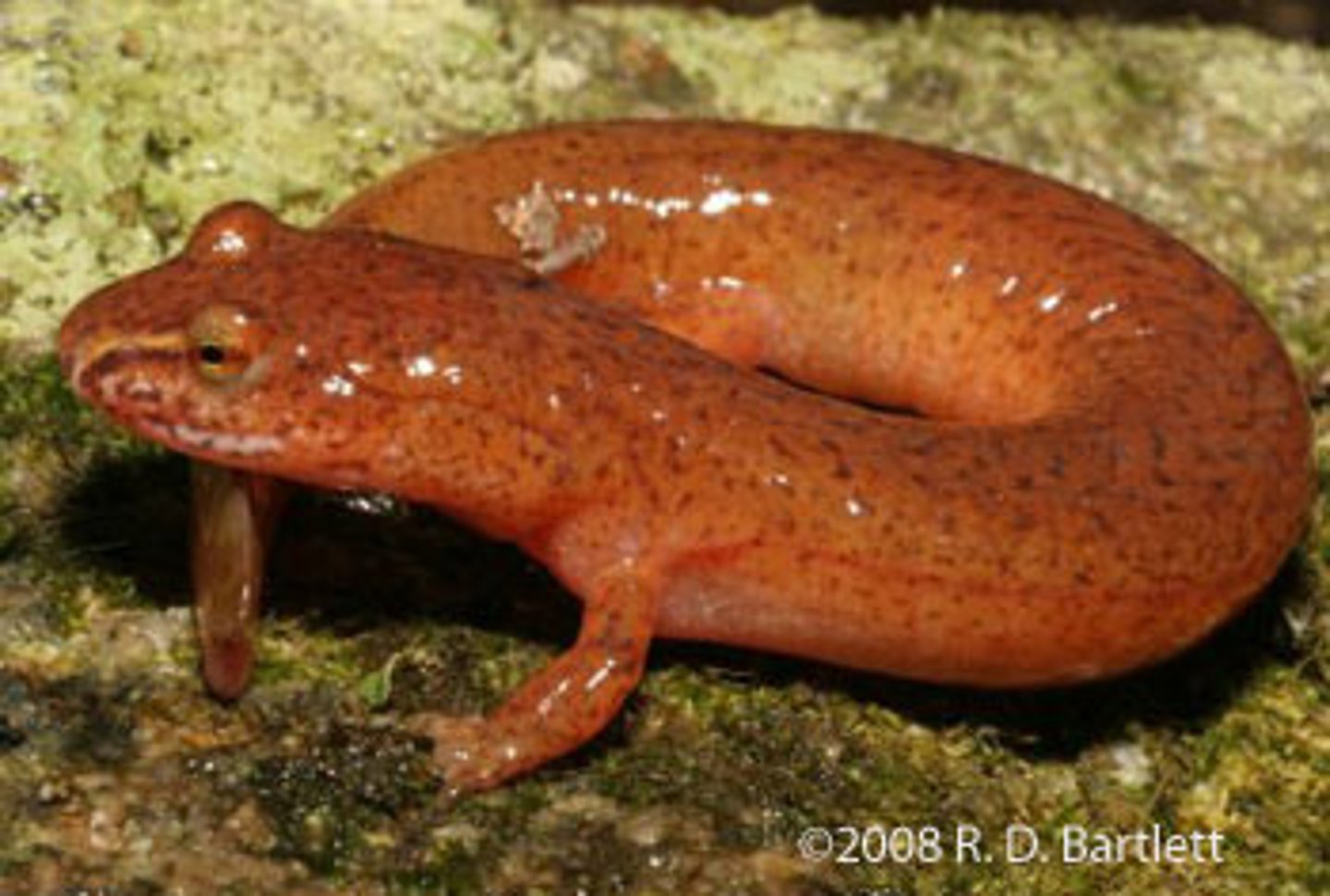
Gyrinophilus porphyriticus
What salamander has:
- A canthus rostralis ridge that extends to the nostrils that is often a lighter, yellow color
- A red-orange to purple-ish body with black spots
- 17-19 costal grooves
- A flat, keeled tail
- A large range above the fall line of most of north GA (inc. the NW half)
- A preference for aquatic mountainous areas
- The ability to secrete noxious chemicals + asposmatic coloration
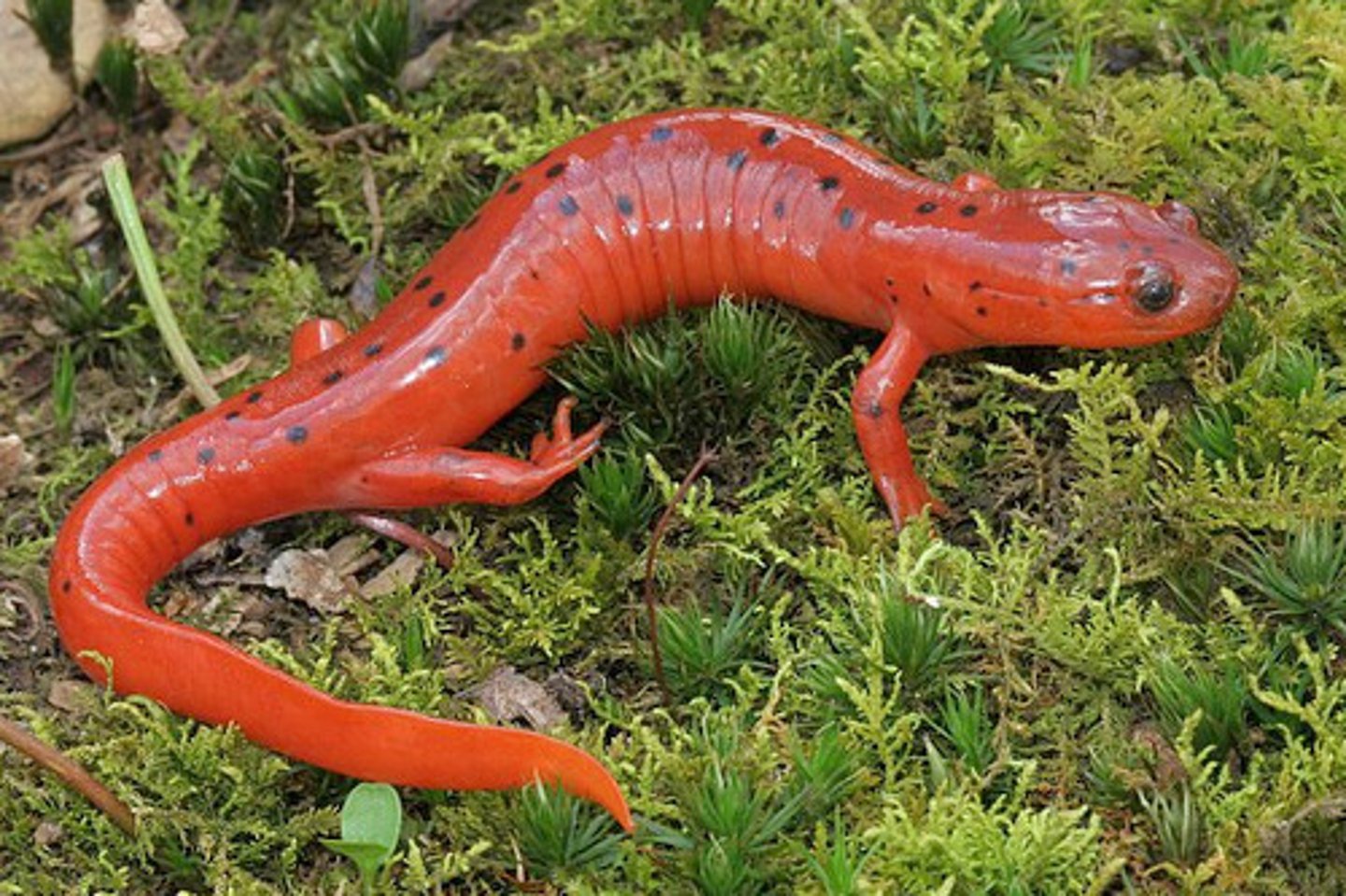
Pseudotriton montanus
What salamander has:
- A red orange color with spread out, separated, defined black dots
- Sometimes, spots on the belly
- A slightly keeled, relatively short tail
- Black eyes
- A large range that encapsulates most of GA except for the north (lowland species; semi-aquatic as adults)
- The ability to produce toxic skin secretions
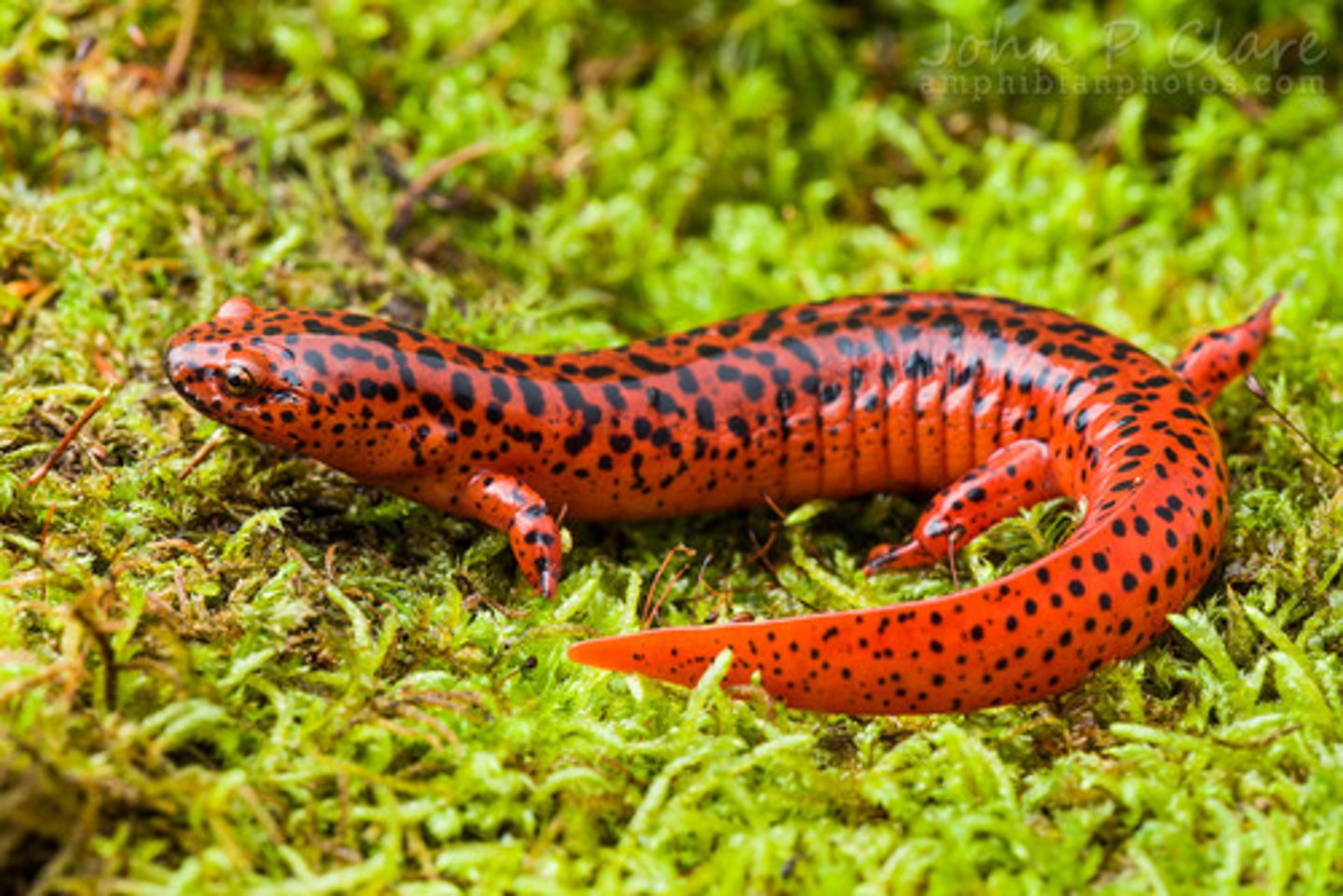
Pseudotriton ruber
What salamander has:
- Bright orange-red coloration and many black spots that can morph together (body color can get darker and more purple-brown the further south you go)
- A stout body
- Amber-y eyes
- A range of all ecoregions mostly in central and north GA (terrestrial and aquatic)
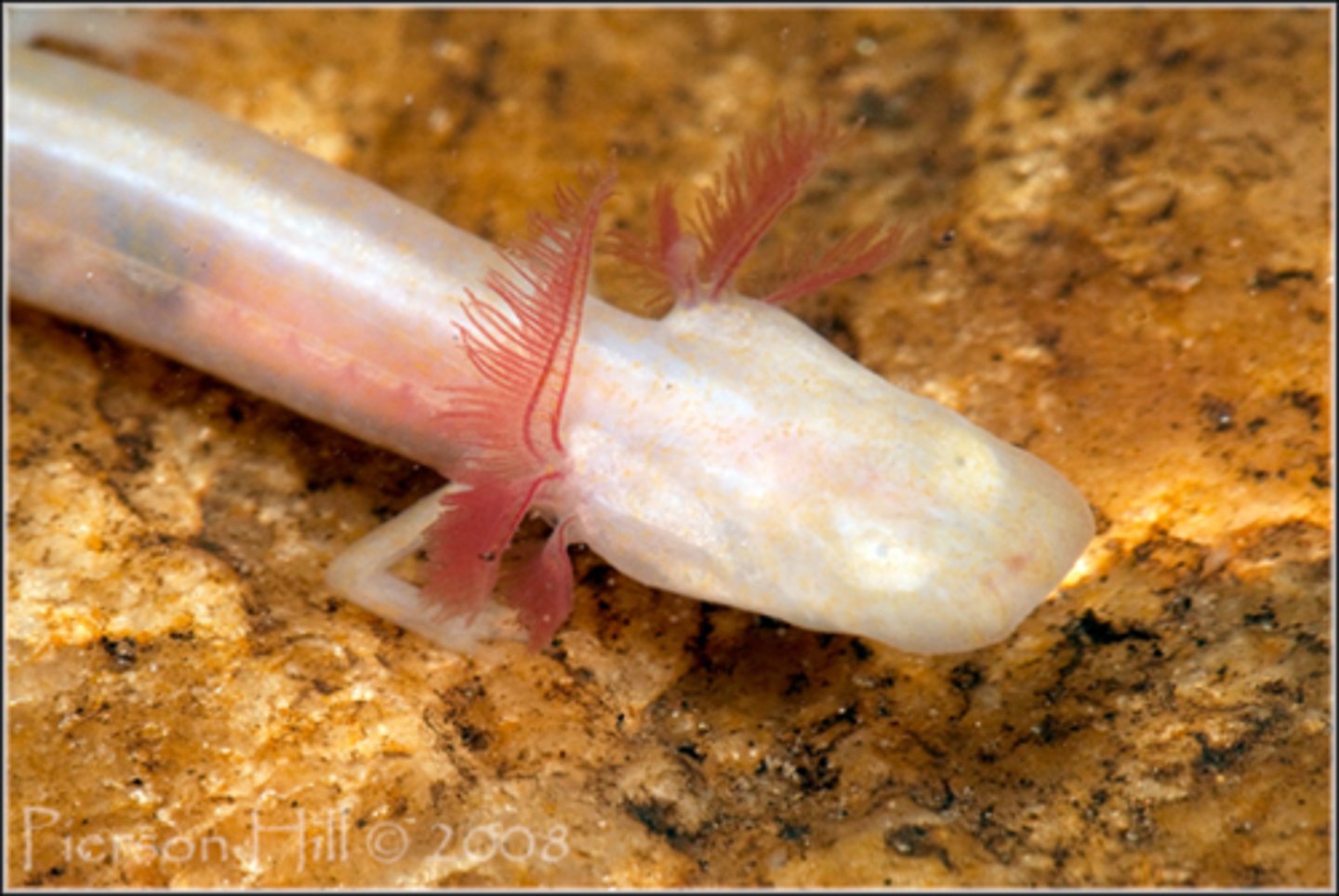
Eurycea wallacei
what salamander has:
- A translucent, pink to silvery body
- A paedomorphic lifestyle
- Prominent red gills
- A vertically flattened tail fin
- A lateral line sensory system
- Small, black eyes under the skin that aren't very functional
- 11-13 costal grooves
- A range only in the SW coastal plain (Dougherty plain) in underground caves
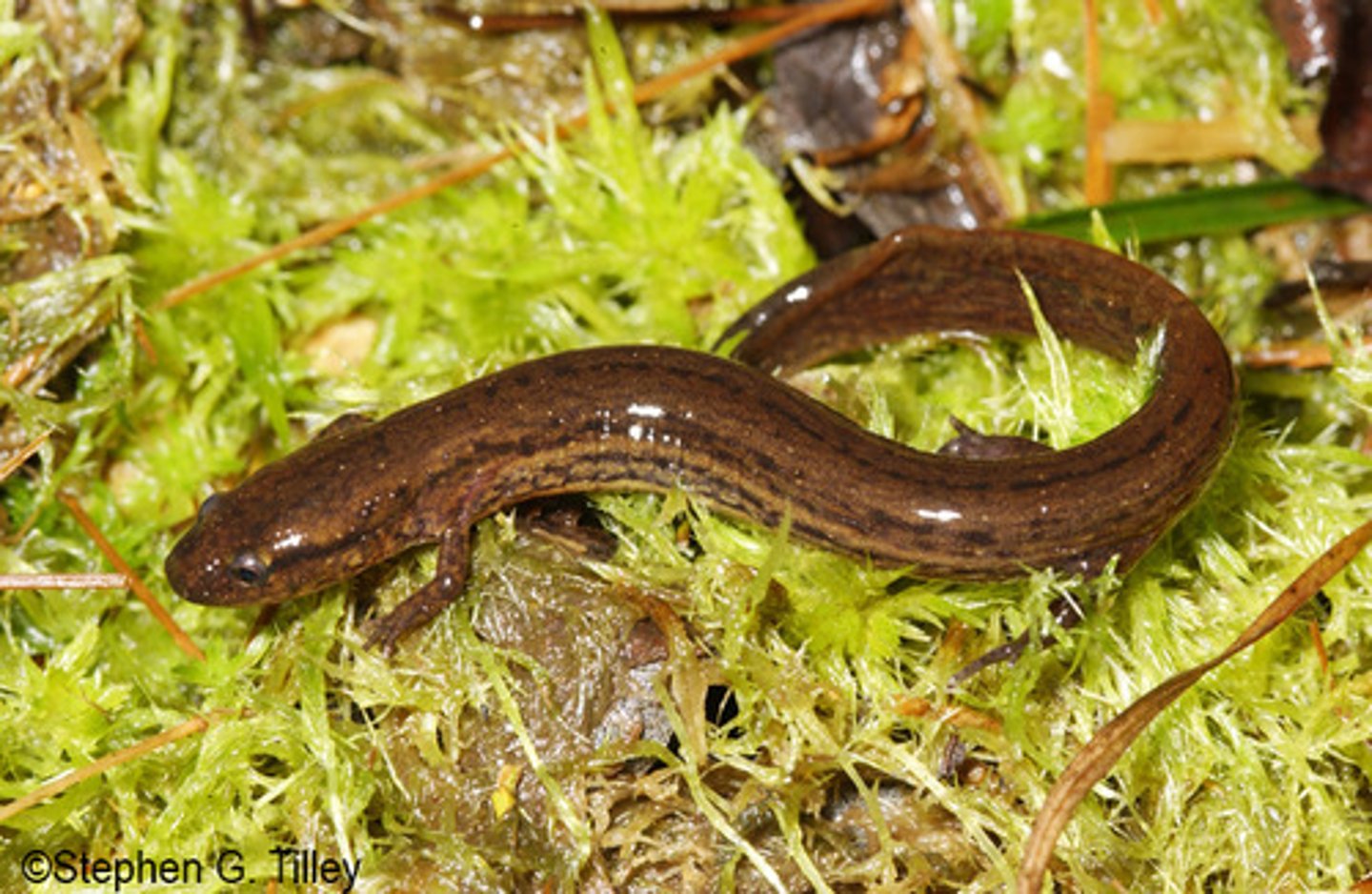
Stereochilus marginatus
What salamander has:
- Alternating light and dark longitudinal lines down the lower sides of the body that break up on the tail into a net-like pattern
- A small, pointed, flattened head
- Brown or dull yellow coloration
- A yellow venter with scattered dark flecks
- A short tail compared to body length
- 18 costal grooves
- A range in the lower atlantic (SE) coastal plain in forested swamps/acidic wetlands (almost completely aquatic)
- E. cirrigera
- E. wilderae
- E. aquatica
What three salamanders are in the Eurycea bislineata complex?
Eurycea cirrigera
What salamander has:
- Light, yellow/brown coloration
- Unbroken stripes extending the length of the tail
- A tail that's over half its body length
- A row of mottled, light circles on the sides
- 14 costal grooves
- Rare paedomorphism
- A range across most of GA except the northern blue ridge and SE coastal plain
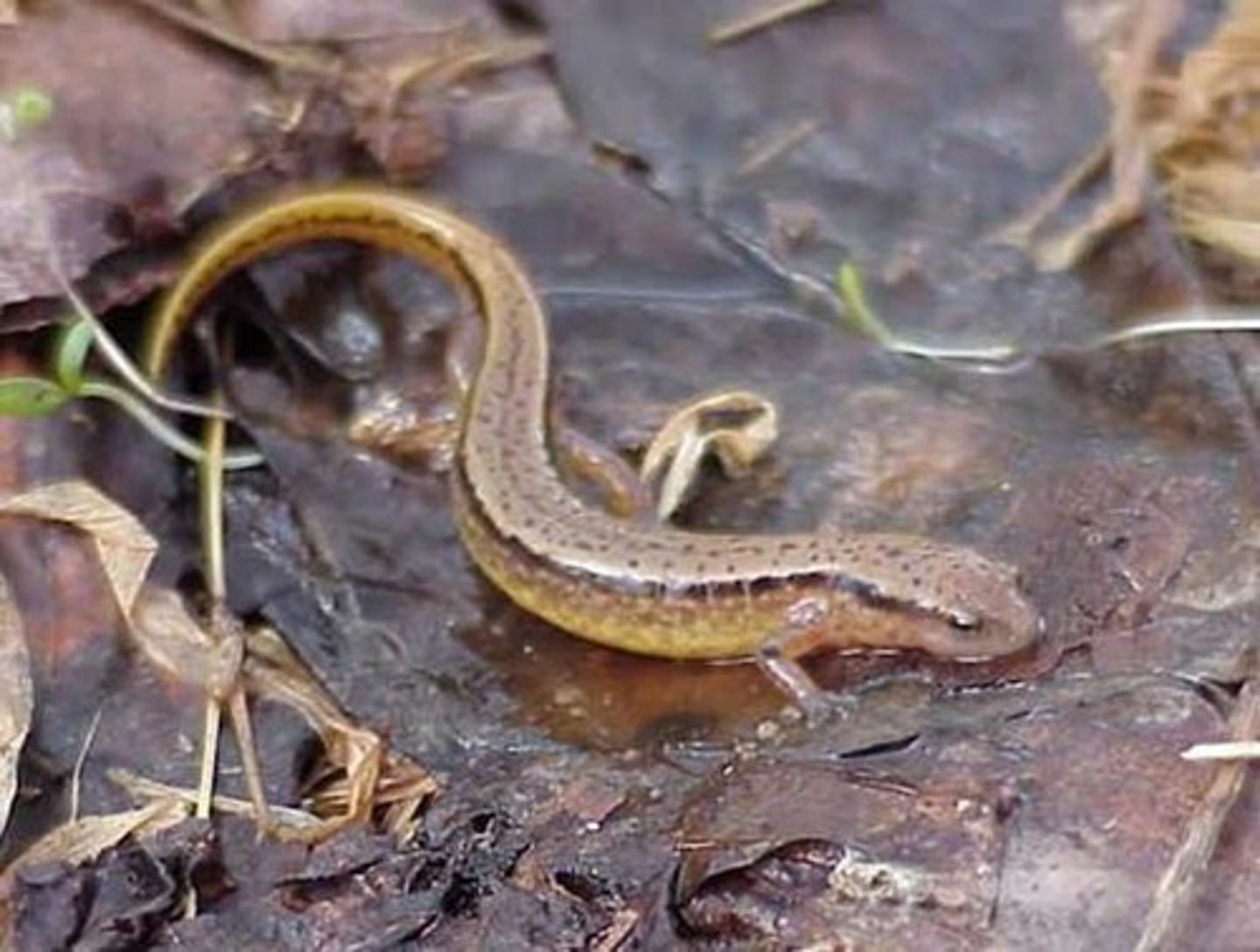
Eurycea wilderae
What salamander has:
- Yellow/brown/orange coloration
- Lateral stripes that don't extend the length of the tail
- A tail that's over half its body length
- No light circles on sides
- 13-16 costal grooves
- A range across the blue ridge/NE GA region
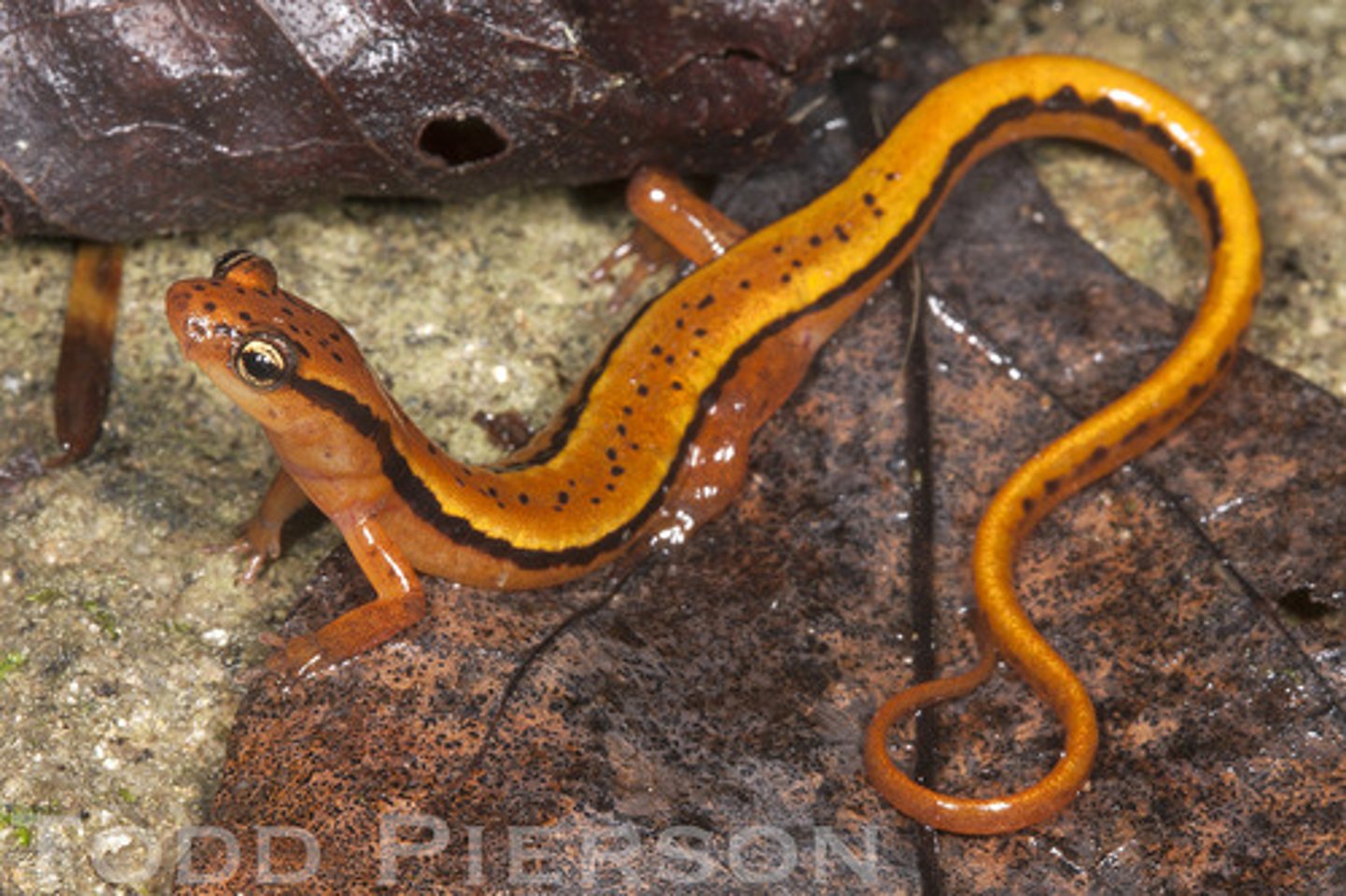
Eurycea aquatica
What salamander has:
- Yellow/brown coloration
- Lateral stripes extending down the length of the tail
- A stocky tail that's over half its body length
- Dusky sides
- May or may not have a row of light circles on sides
- 13-14 costal grooves
- A range in geologic springs microhabitats in the ridge and valley of NW GA
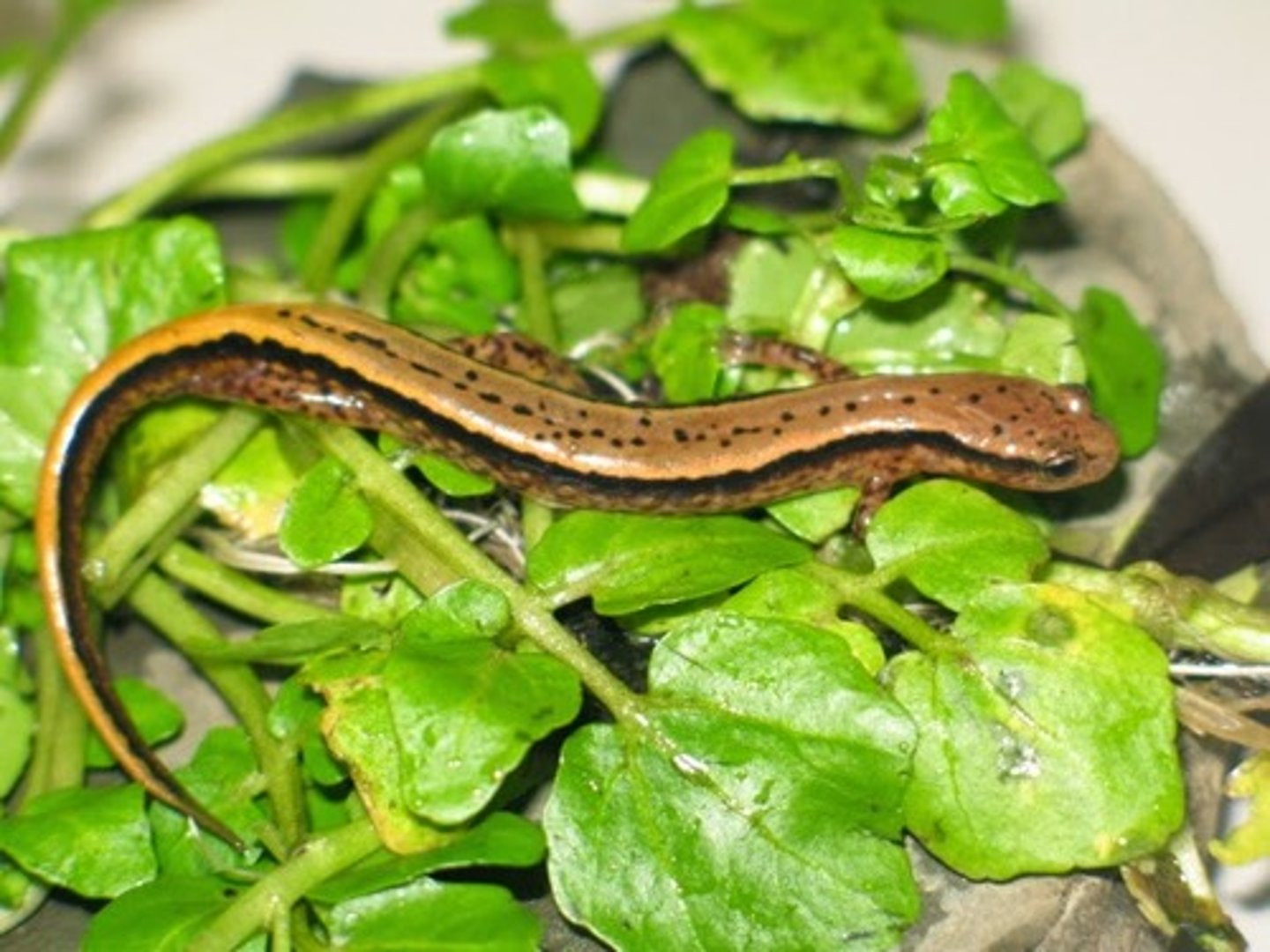
Searching Morph (cirri) and Guarding Morph (no cirri, swollen head)
What two morphs do the Eurycea bislineata complex have?
Eurycea quadridigitata
What salamander has:
- A broad yellow/brown back stripe bordered by two darker, parallel stripes
- A plain grey belly
- A small body
- Four toes on each hind foot
- Hatchlings in early January
- A range across the southern half of GA, preferring the low southern half
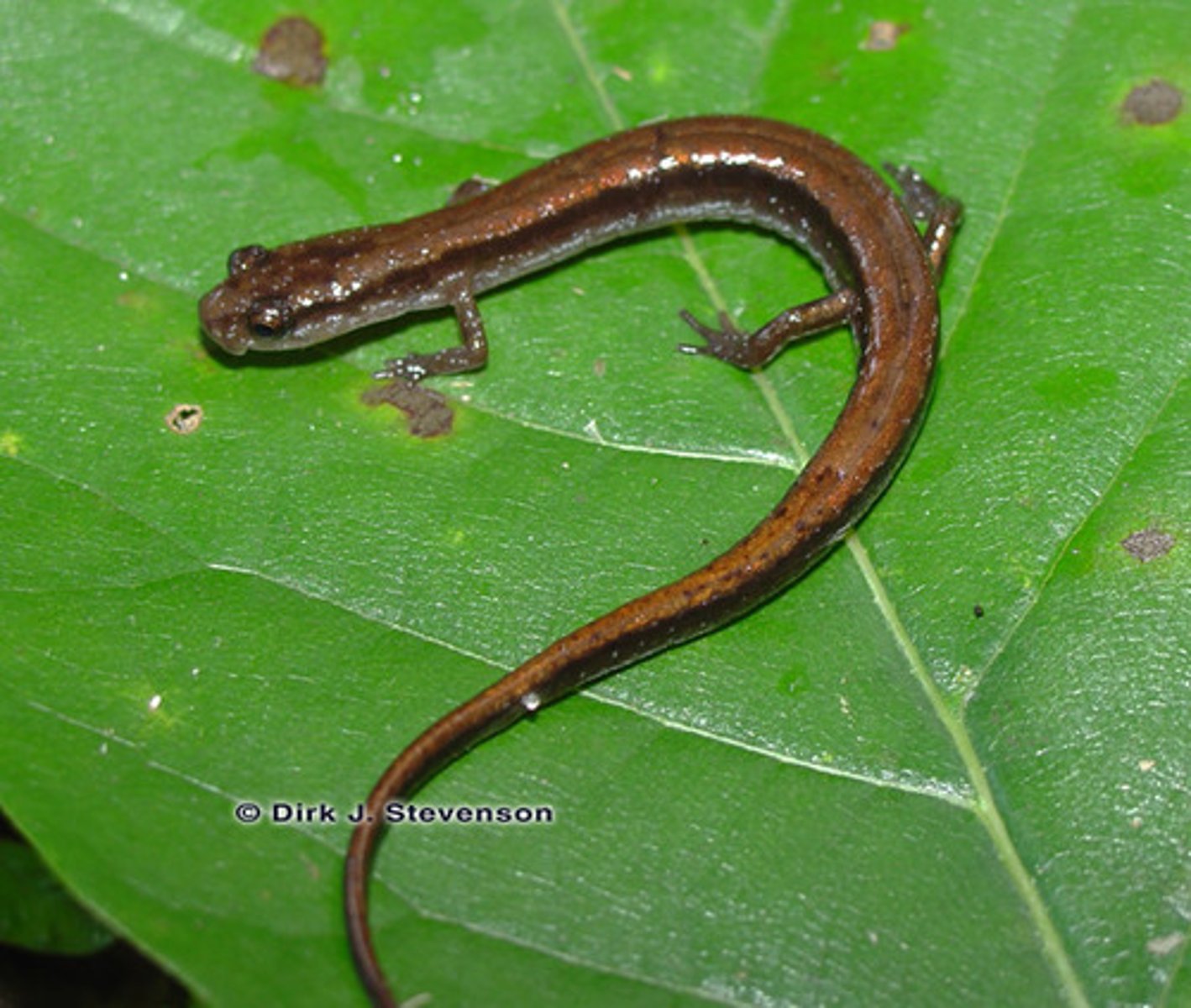
Eurycea hillisi
What salamander has:
- A broad yellow/brown back stripe bordered by two darker, parallel stripes
- A bright yellow belly
- A small body
- Four toes on each hind foot
- Hatchlings in June
- A range in the low piedmont/upper coastal plain (an almost stripe across middle GA) in bay swamps and seepage ravines
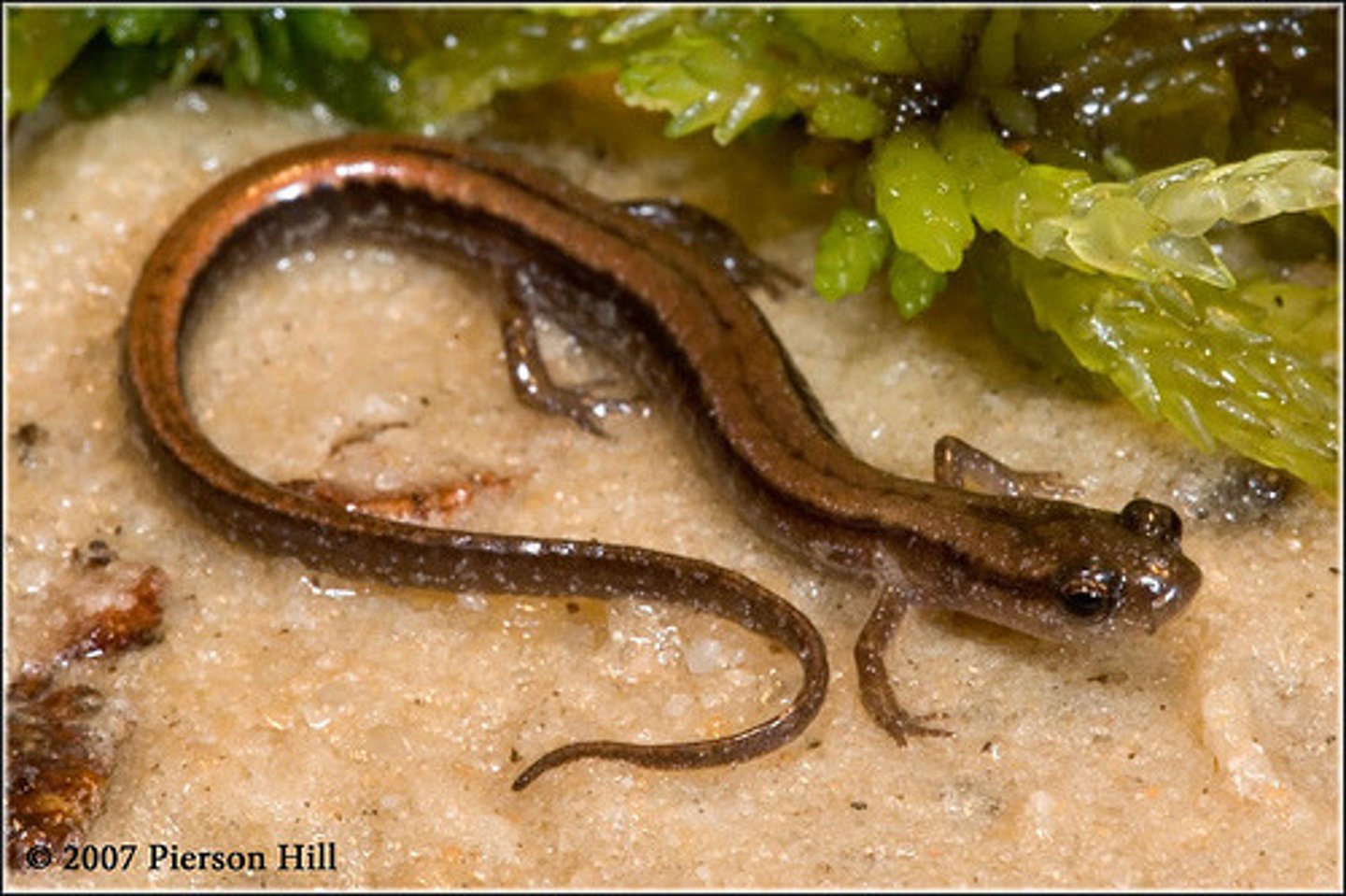
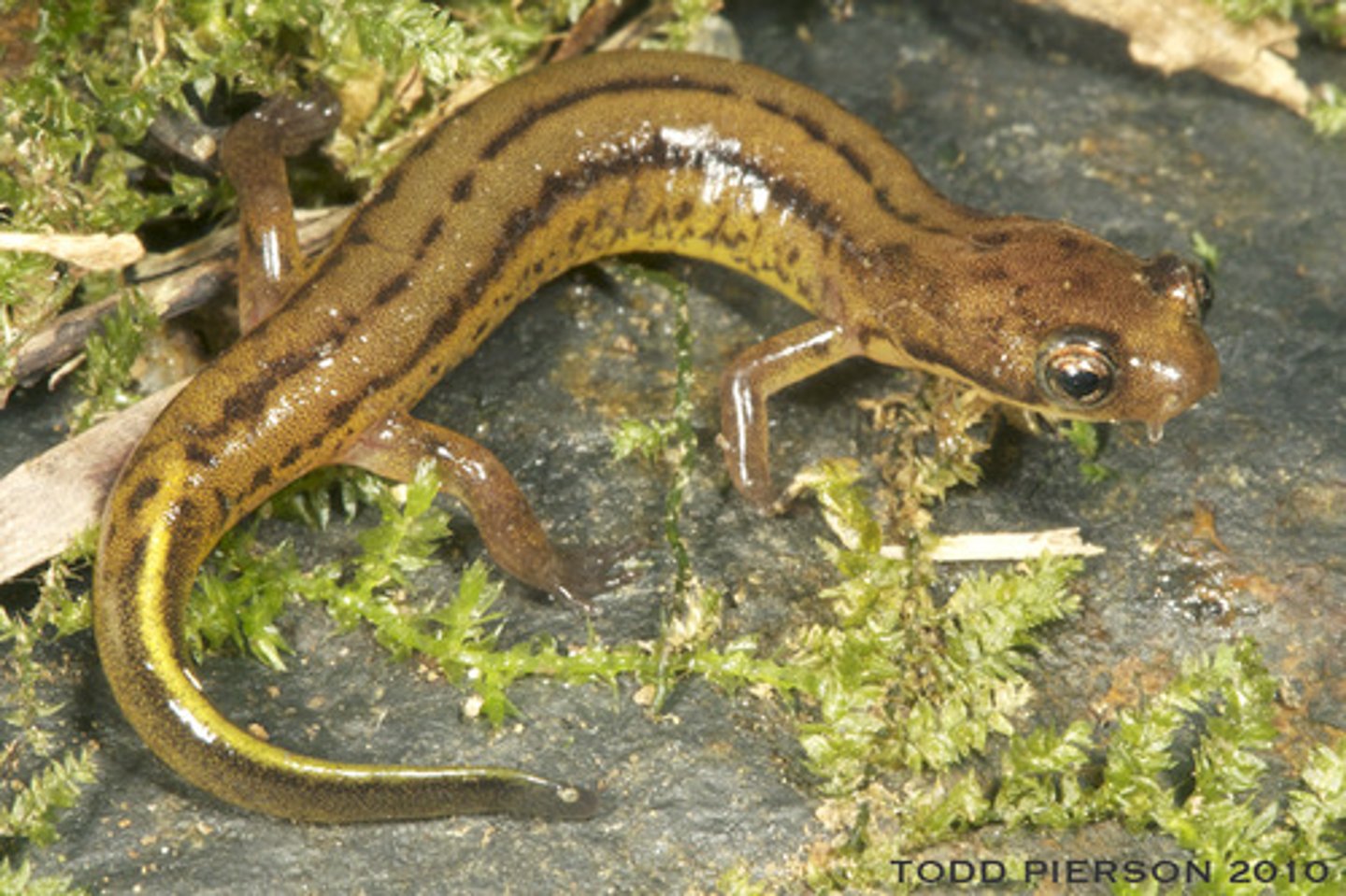
Urspelerpes brucei
What salamander has:
- A small body (25 mm SVL)
- Yellow/brown/orange coloration
- Females that are darker and more muted-brown
- A distinct yellow patch on the snout
- Lateral stripes that don't extend the length of the tail
- A tail that's over half its body length
- A range in NE GA streams (often in headwaters)
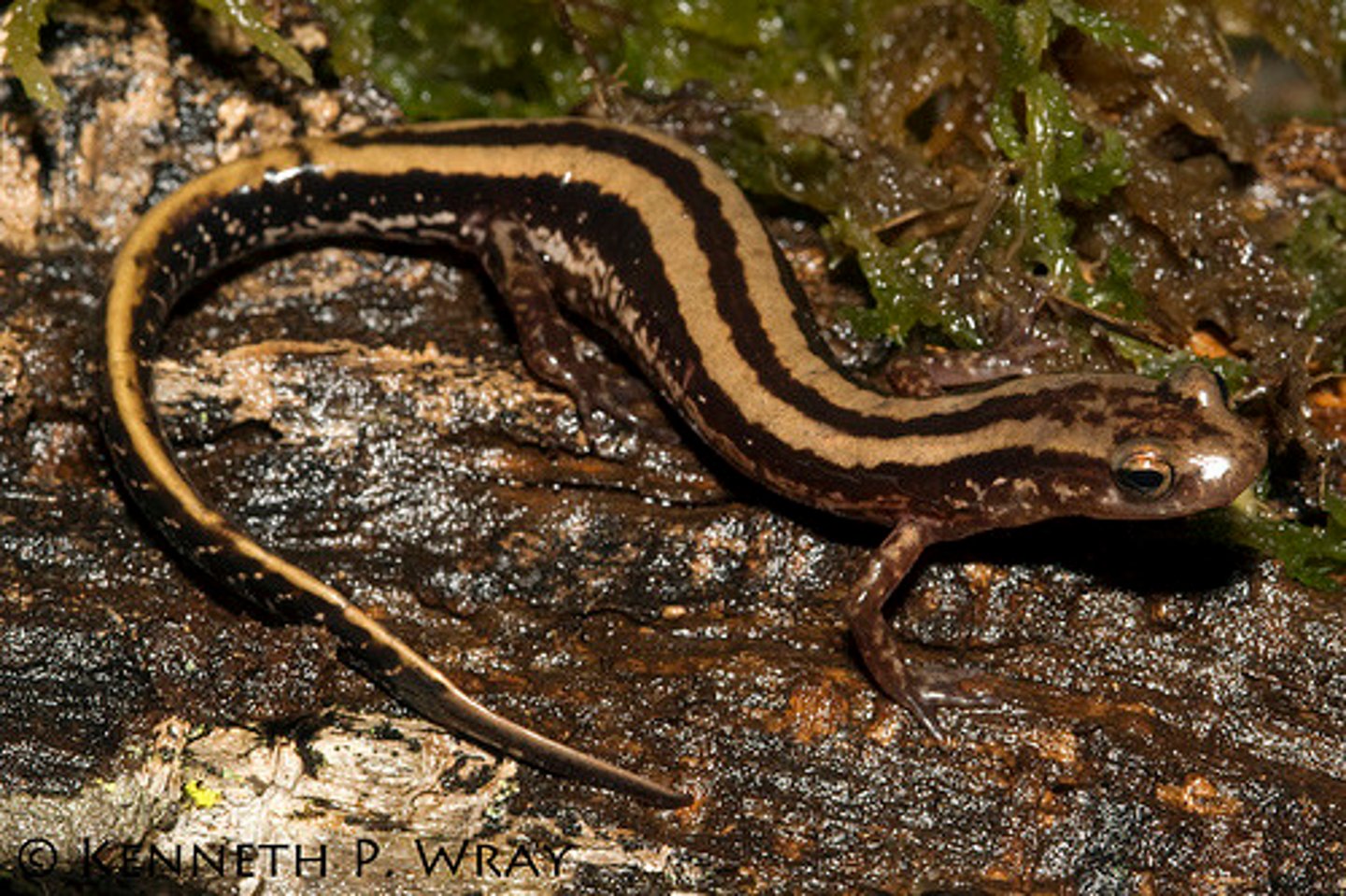
Eurycea guttolineata
What salamander has:
- A tan to light yellow dorsum
- Three solid bold, black longitudinal stripes from eyes to tail with no spots on lines
- Black and white marbling on the belly
- A long tail, about ⅔ of their body length
- A range across most of GA except the NW and SE corners (terrestrial, bottomland)
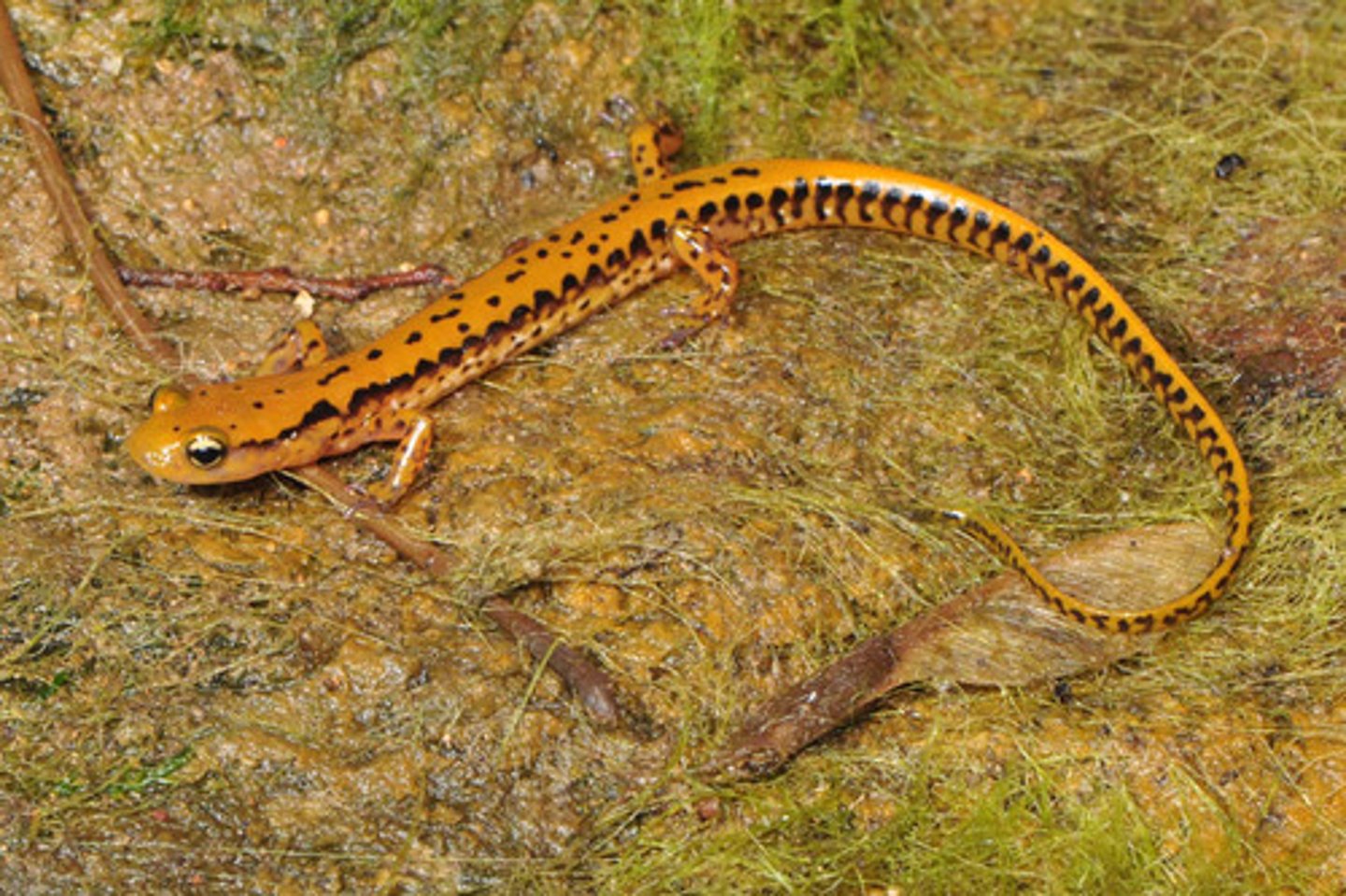
Eurycea longicauda
What salamander has:
- Yellow/orange/brown/orange-red coloration
- Black spots that form broken lines and are more distinct on the tail
- An unmarked venter
- A very long tail, about ⅔ of their body length
- Sexually active males with prominent cirri
- A range in the Ridge and Valey in NW GA (adults in large aggregates; breed by water)
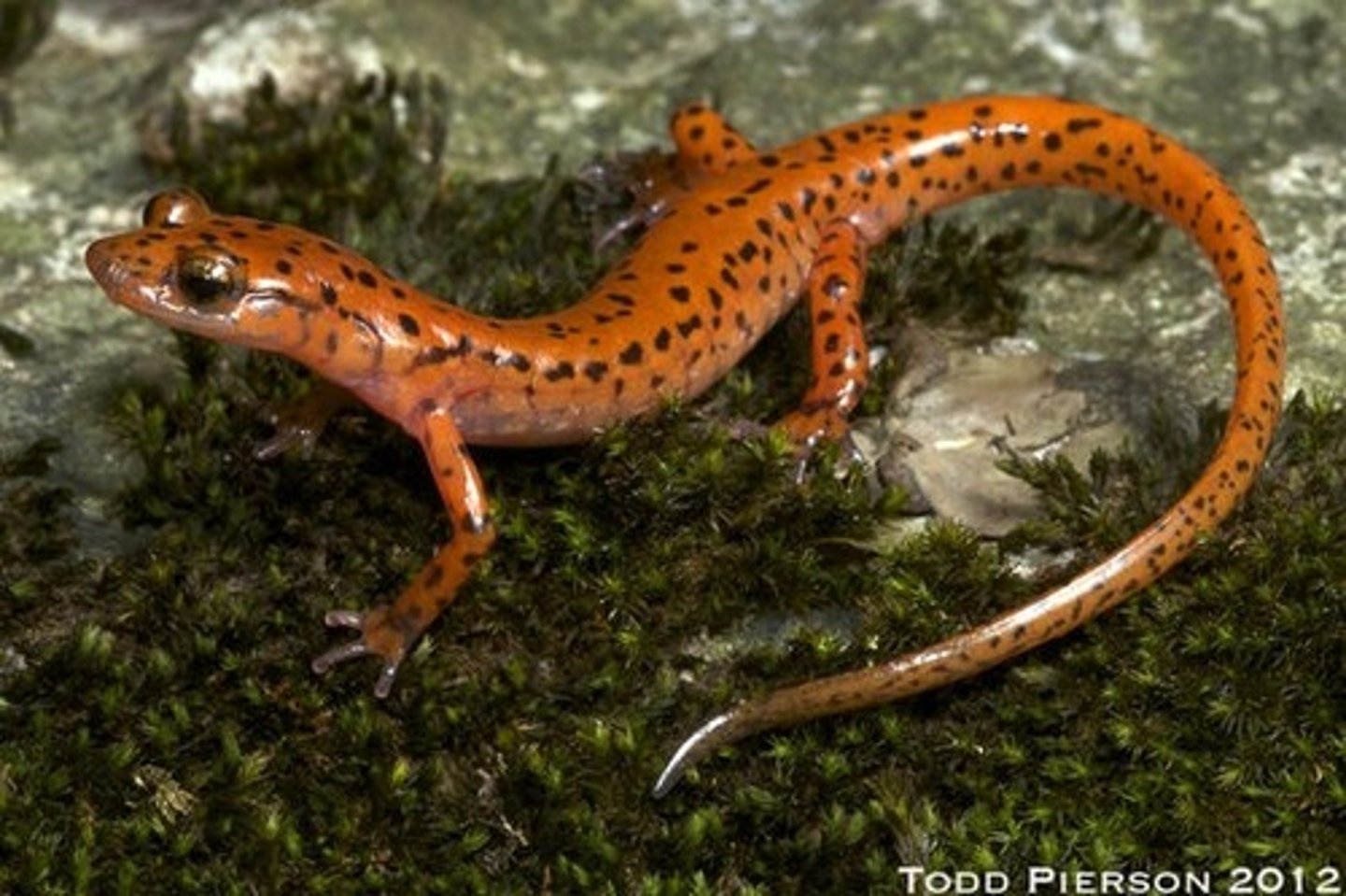
Eurycea lucifuga
What salamander has:
- A yellow orange dorsum with black spots placed randomly
- A light yellow venter (young are more pale and yellow-ish)
- A prehensile tail
- A flattened body for living in crevices and climbing on rock faces
- Bulging eyes
- A range in the limestone caves/springs of the Ridge and Valley in NW GA
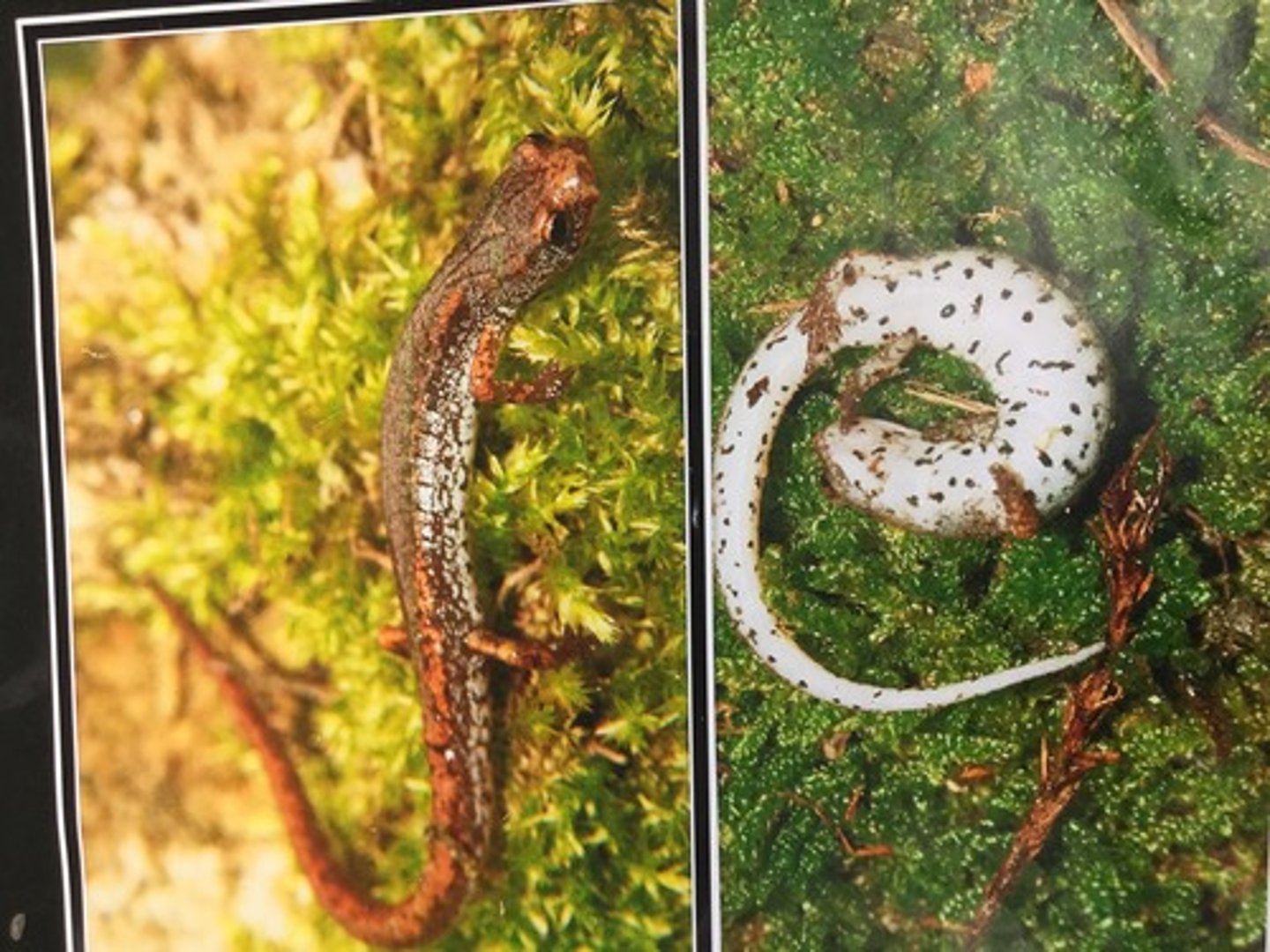
Hemidactylium scutatum
What salamander has:
- Four toes on each foot
- A bright white belly with black spots
- Brown/reddish brown coloring with silver flecking on sides
- A tail that's brighter and more solidly colored than the body
- Constriction at the base of the tail
- Y-forming indented lines on the head that continue down the back
- A range across the top half of GA and all down the western side (like bogs with sphagnum moss)
- A habit of living exclusively underground except for breeding months