ANSC 378 Final - Dogs
 Studied by 0 people
 Call Kai
 Learn
Learn Practice Test
 Spaced Repetition
 Match
Match Flashcards
 Knowt Play
1/41

There's no tags or description
Looks like no tags are added yet.
Name | Mastery | Learn | Test | Matching | Spaced |
|---|
No study sessions yet.
42 Terms
Submission
Animal tries to make itself small
In dogs, these include:
Crouching
Tail wagging
Rolling over on the back
Overall – looking small
Tuck in, down to the ground
Arousal
Animal is excited
Could be good or bad
Animal activated/energized to do something
Generally being bigger
If a dog is aroused, it may:
Become aggressive
Put its ears back
Put its tail up
Begin to snarl
Show play-soliciting behaviour
Fearful
Drooped facial features
Ears pinned to head - made small
Eyes averting gaze, looking at the ground
Muzzle and hair down
Submissive

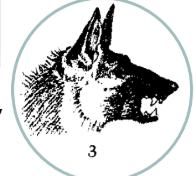
Assertive Aggressive
Hair sticking up
Teeth barred, mouth open
Ears up and slightly forward
Eyes wide open
Head posture up
Eyes open
Mouth open
Tail up - arousal
Trying to look big
Animal moving forward
Hair up
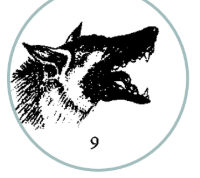
Fear Aggressive
Mixed messages coming from dog
Dog in motivation conflict
Ears halfway back
Eyes closed
Hair sticking up
Mouth open, teeth showing
Submissive posture - body small
Not going forward, holding back
Teeth barred
Could be whimper and growl
Tail down
Natural tendency for dogs to attempt to be dominant
Breed and sex predispositions
Causes of Dominance-Related Aggression
Follow safety guidelines
Avoid triggers of aggression (try to figure them out)
+ Reinforce the obeying of commands
If one family member has trouble with the dog, all members of the family should ignore the dog except the person having the trouble
Castrate males
Desensitize triggers
Prevention of Dominance-Related Aggression
Dog develops dislike of baby since baby takes attention (-)
Owners punish dog’s unfriendly behaviour toward baby (baby = -)
Owners give affection and treats only when the baby is absent (absent baby = +)
Baby becomes an aversive stimulus (baby = -)
Causes of Aggression Towards Children
Follow safety guidelines
Withhold affection for the dog when the baby is absent (absent baby = neutral)
Give affection and treats only in the baby’s presence (baby = +)
Implement social punishment (isolation as a form of negative punishment) if the dog growls
Prevention of Aggression Towards Children
Fear of people to whom dog has not been socialized
Mistreatment by subgroup member
+ Reinforced when aggression repels people
Cause of Fear-Related Aggression
Follow safety guidelines
Implement social punishment (isolation) for aggression
Desensitize and countercondition to subgroup
Avoid spontaneous approaches of subgroup
Avoid physical correction for aggression
Will make it worse and cause an association with O
Prevention of Fear-Related Aggression
Follow safety guidelines
Remove the source of the pain
Desensitize and counter-condition
Resolution of Pain-Related Aggression
Absence of habituation to visitors
Breed and sex tendencies (based on artificial selection)
Cause of Territorial Aggression
Habituate dogs to visitors using a distance gradient
Bring the dog under owner control
Can teach mutually exclusive behaviour
Counter-condition stranger visits with food and affection
Prevention of Territorial Aggression
Left alone for the first time
Lack of prior habituation to absences
Following a long period of being together (eg. During time off work)
Change in owner’s work schedule, family routine or structure
After a traumatic event (from the dog’s point of view), such as a period of boarding or at a shelter
Lavish affection prior to departure and upon return
Causes of Separation Anxiety
Keep arrivals and departures low-key
Leave your dog with an article of clothing that smells like you
Desensitization techniques for severe cases
Successive approximation with positive reinforcement
Never punish your dog for separation anxiety!
Resolution of Separation Anxiety
Breed predisposition
Secondary to separation anxiety
Acquired because of positive reinforcement
Provoked by environmental stimuli
Social facilitation
Causes of Excessive Barking
Eliminate or treat cause as appropriate
Discontinue positive reinforcement of barking
Screen off provoking stimuli
Positively reinforce non-barking
Remote punishment (use cautiously)
Prevention of Excessive Barking
Not classified as an abnormal behaviour, more of a training problem
Dogs naturally pull harder in the other direction when you pull against them
Causes of Leash Pulling
teach your dog to walk at or near your heel, keep pace with you and sit or stop when you stop
Prevention of Leash Pulling
Normal in teething puppies
Bored, lonely, anxious, stressed
Causes of Destructive Chewing
Puppy-proof your home
Offer an acceptable chew toy to re-direct the behaviour
Use deterrents such as Bitter Apple® to make unacceptable chew items unappealing
Supervise your puppy
Don’t allow your puppy to chew objects that closely resemble “off-limits” items
Praise good behaviour
Teach them what you do want
Provide adequate physical activity
Provide plenty of “people time”
Prevention of Destructive Chewing
To escape
To find a cool spot in the summer
To bury a bone or other treasured object (to cache something)
Out of frustration or boredom
To search for an object or prey
Seeking attention
Causes of Digging
Recommendations based on cause:
Overall, reinforce not digging/alternative behaviour, redirect digging elsewhere
Prevention of Digging
Environment outside rewarding
Inconsistent outing schedule
Enclosure not secure
Causes of Escape Behaviour
Make enclosure secure
Schedule routine outings
Do not give attention for escape behaviour
Can try remote punishment for escape attempts (use cautiously)
Want to try to make wherever animal is really nice, nicer that where they want to escape to
Prevention of Escape Behaviour
Attraction of distant places
No reward for staying home
Look for pattern: why and when the dog roams
Causes of Roaming Behaviour
Eliminate distant attractions
Castrate intact males
Install buried perimeter wire (remote punishment)
+ Reinforce for staying home
Make home a positive place
Prevention of Roaming Behaviour
Medical problem or behavioural senility
Disturbance of normal housetraining
Weak den sanitation predisposition
Submissive/excitement urination
Territorial urine-marking
Separation anxiety
Fears or phobias
Causes of Soiling/Inappropriate Elimination
Treat medical or primary behavioural causes
Reinstate house-training
Start with one small room or small enclosure
Schedule frequent trips to the outdoors
Clean soiled areas
Dogs have very strong sense of smell, just bcs you can’t smell it, doesn’t mean they can’t
Could smell like somewhere they go to the bathroom now
Remote punishment near previously soiled area
First try to block off area where they often soil
Try all other solutions first
Prevention of Soiling/Inappropriate Elimination
Natural response to preclude aggression by dominants
Punishment exacerbates
Prominent during greetings
Causes of Submissive Urination
Tone down greetings
Desensitize by staging multiple greetings
Desensitize greetings (by practicing) or make greetings neutral
Prevention of Submissive Urination
Attracts attention from owner
Two (competing) pets
Important to figure out context
May stem initially from medical problem
Causes of Attention-Seeking Behaviour
No attention for problem behaviour
Neutralize the issue
Leave the dog alone when the problem behaviour occurs
Social punishment
Time out – negative punishment
Attention only for good behaviour only
Positively reinforce staying calm, using manners
Use mutually exclusive behaviours
Ex. ask them to sit, bcs they can’t jump up when sitting
Prevention of Attention-Seeking Behaviour
Want to greet you at face level
To get attention from you
Testing whether their position in the group is dominant or subordinate to yours
Which one is the cause of your pup’s jumping depends on your pup.
Causes of Jumping
.Don’t give attention to behavioural (neutralize, so there isn’t a payoff)
Use mutually exclusive behaviours (reward for sitting)
Prevent whenever possible
Prevention of Jumping
Likely socially facilitated
More likely by subordinate animals in competitive environments
Causes of Gorging
Slow down eating
Eg placing a ball in a bowl, using a ‘food ball’ or puzzle box, spread out over multiple meals (if feasible)
Prevention of Gorging
Tends to be in dogs that are confined, due to den sanitization
Considered an attention-seeking behaviour
Causes of Coprophagy
Lacing fecal droppings with an aversive substance (eg. Deter™) is the most frequently used approach to stopping the behaviour
May have to be repeated
Prevention of Coprophagy
Onset can sometimes be related to confinement, boredom, conflict, and/or isolation
Skin disorders or disorder of grooming control in acral lick dermatitis
Neurotransmitter abnormality
Learned behaviour from endorphin release (+ reinforcing)
Causes of Acral Lick Dermatitis
Alleviate stress, conflict and boredom
Allow wound to heal and licking restraint in acral lick dermatitis
Structure environment and interaction with caregiver
Consider drug treatment
Prevention of Acral Lick Dermatitis
 Note
Note  Flashcards (20)