echinoderm and Chordata
 Studied by 0 people
 Call Kai
 Learn
Learn Practice Test
 Spaced Repetition
 Match
Match Flashcards
 Knowt Play
1/18

There's no tags or description
Looks like no tags are added yet.
Name | Mastery | Learn | Test | Matching | Spaced |
|---|
No study sessions yet.
19 Terms
deuterostomes
branches off to Chordata and Echinodermata
for,atoin of the anus from blastopore early human development
Echinoderms (a phylum)
includes sea stars and sea urchins
echino- spiny
derma-skin
nerve ring water vascular system
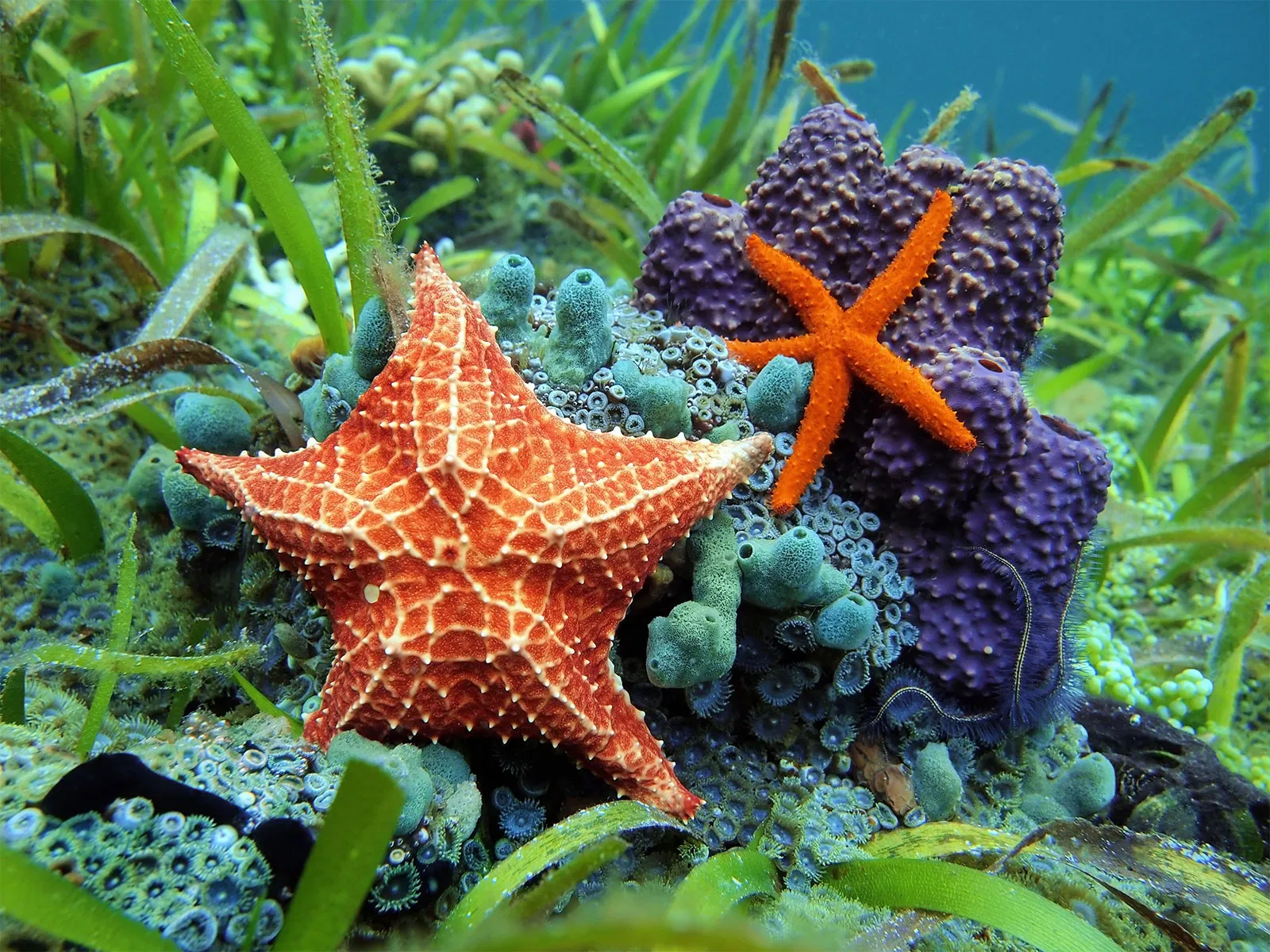
Chordates
Include the vertebrates but not alll are
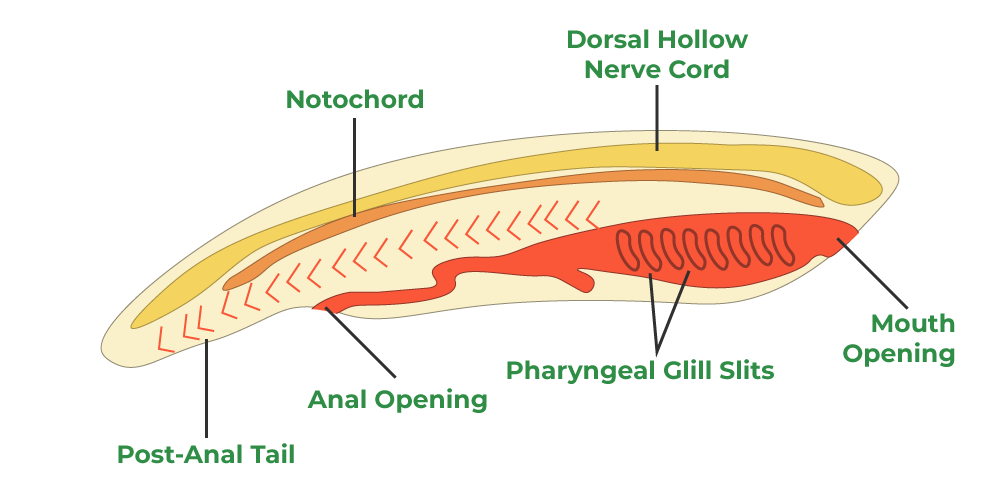
Animals that at some stage have a notochord, gill slits, a dorsal nerve cord, and a post-anal tail.
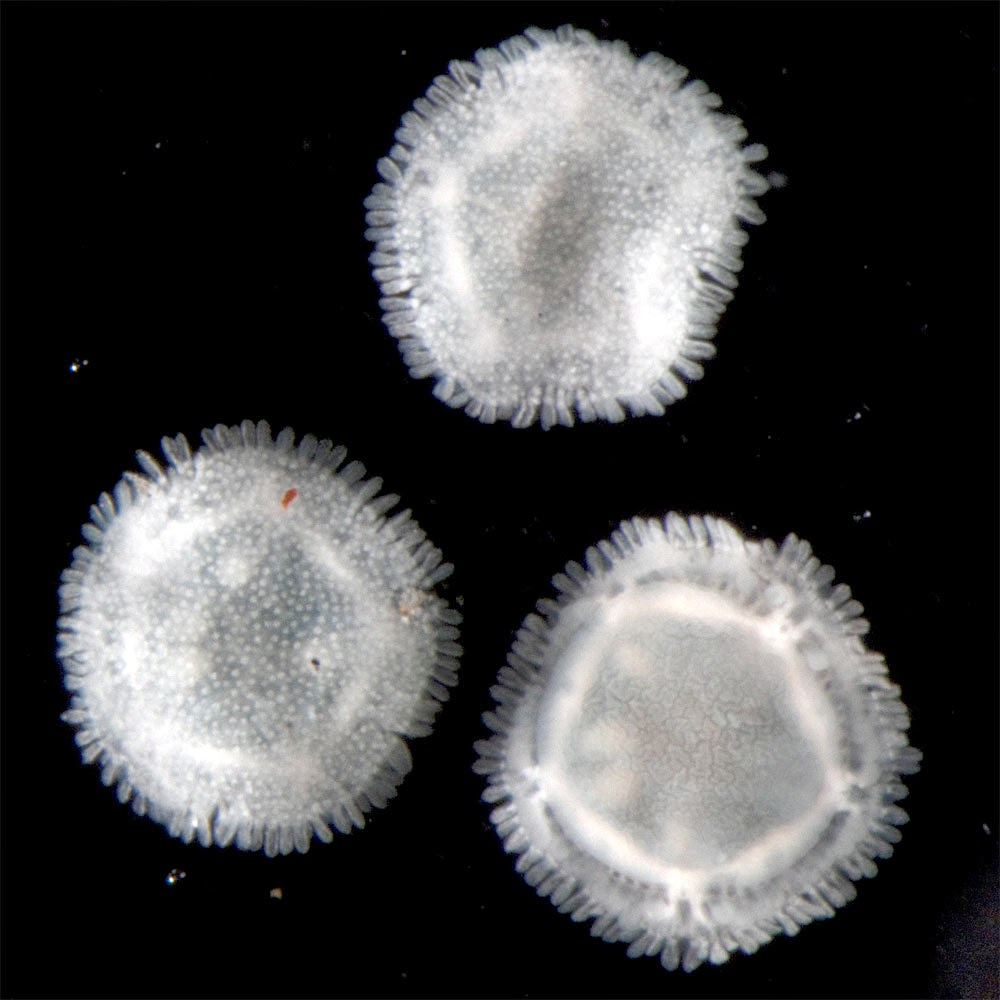
Class Asteroidea
includes sea stars and sea daisies
scavenger feeders
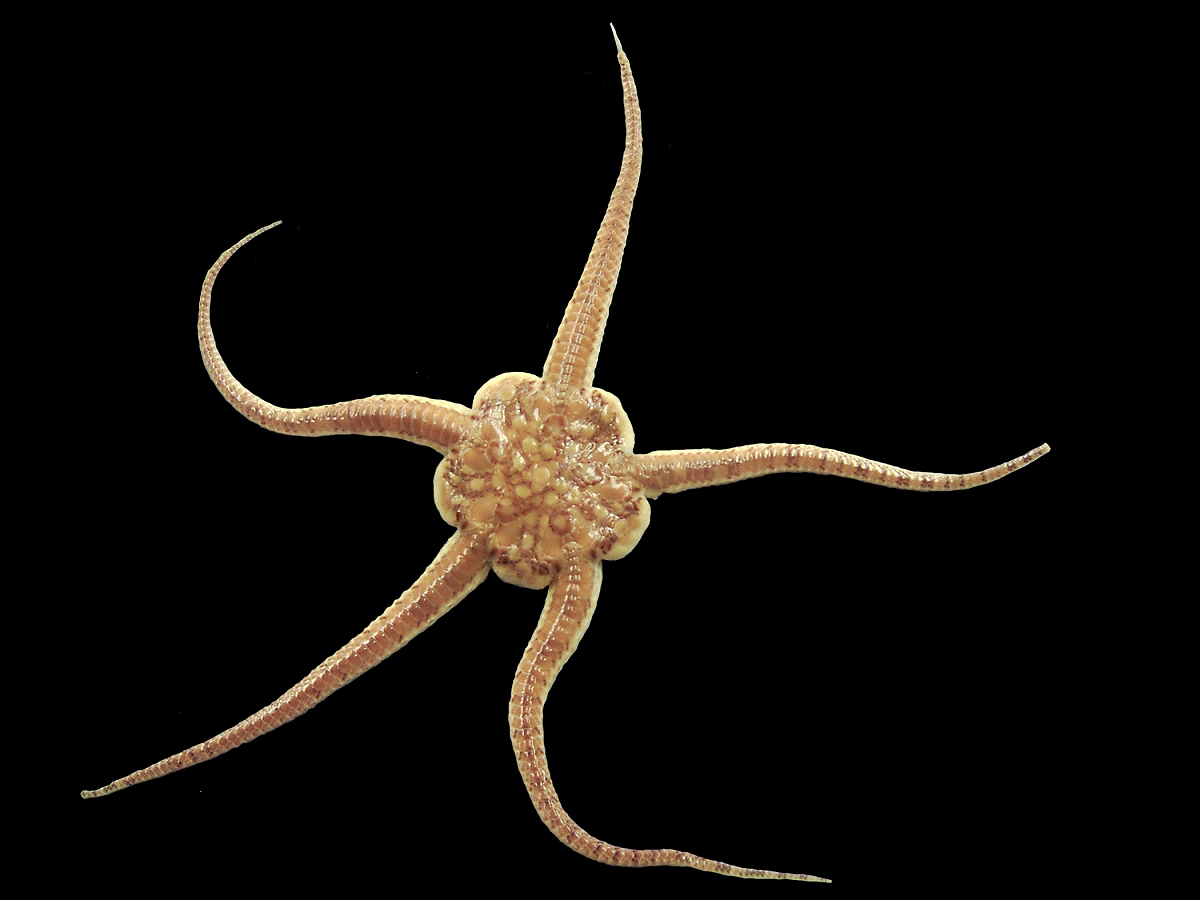
Class Ophiuroidea
includes brittle stars
scavanger feeders
echinoidea
includes sea urchins and sand dollars
no arms but 5 rows of tubefeet
spines are used for locomotion and protection

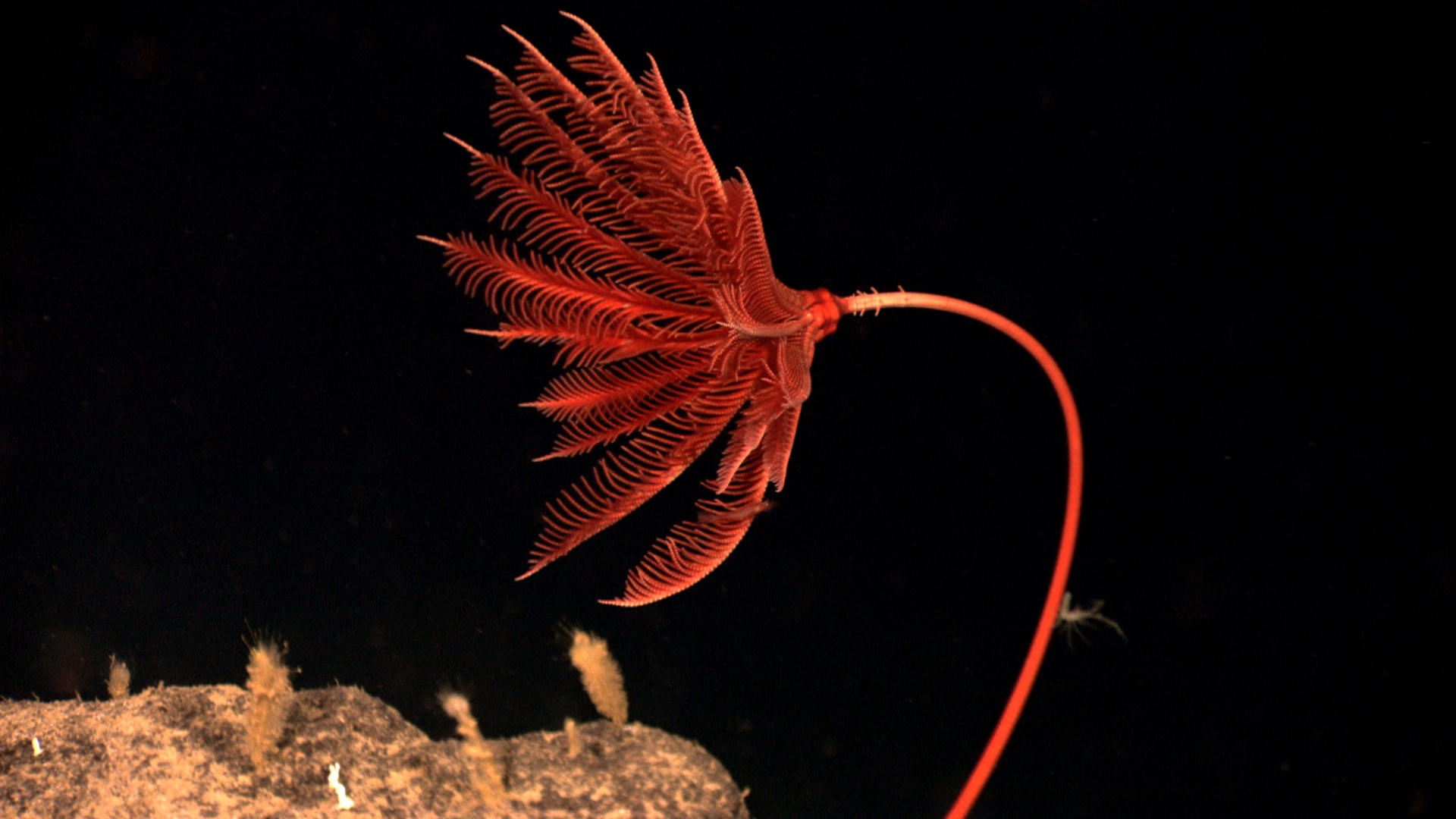
Crinoidea
sea lillies
non moving
attach to coral reefs
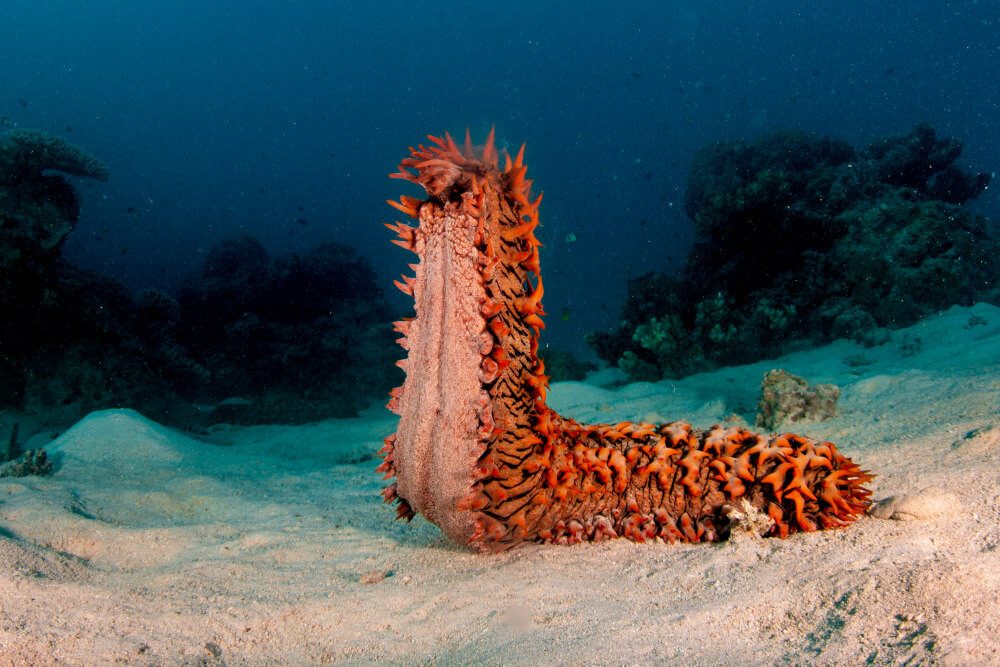
Holothuroidea
sea cucumbers
lack spines and have 5 rows of tube feet
deuterostomes
branches off to Chordata and Echinodermata
for,atoin of the anus from blastopore early human development
Echinoderms (a phylum)
includes sea stars and sea urchins
echino- spiny
derma-skin
nerve ring water vascular system
What is a chordata
The first thing to make one qualified to be a super phylum Chordata is to include the 4 main things:
Dorsal hallow nerve cord
Notochord (protects nerve cord)
Post anal tail
Pharyngeal gill slits
Invertebrates Chordata
Cephalochordate (lancelets) potential ancestor for invertebrates
Urochordata(tunicates)
they still have a notocord
lack boney structure
jawless vertebrates
Myxini(hagfishes)
Petromyzontidia (lampreys)
primitive
Cartilage based fish
Chondrichthyes (sharks rays and chimaeras)
bony fish
Actinopterygii (ray finned fishes)
Lobed: Actinistia (coleacanths)
lobed: dipnoi (lungfishes
tetrapods (four legs)
amphibia (frogs and salamander)
Reptilia (turtles snakes crocolidles birds)
Mammalia (mammals)
Vertabrates (gnathostomes) or (jaw)
Chordates are considered vertebrates only when their notochord is replaced by a backbone made of bone or cartilage
Chondrichthyes, Actinopterygii, Actinistia, Dipnoi, Amphibia, Reptilia, Mamillia
chordates vs vertebrates
Chordates are considered vertebrates only when their notochord is replaced by bone or cartilage.
So chordates with no bones would be invertebrates because bones are the defining structure that differentiates the invertebrates from vertebrates.
Vertabrata (craniata)
needs an enclosing spinal cord (doesnt need to be bone)
notochord needs to wrap the nerve cord
in elaborate skull
fins rays
 Note
Note  Flashcards (28)