WHAP 3.2 Vocab (Empires: Administration)
 Studied by 0 people
 Call Kai
 Learn
Learn Practice Test
 Spaced Repetition
 Match
Match Flashcards
 Knowt Play
1/13

There's no tags or description
Looks like no tags are added yet.
Name | Mastery | Learn | Test | Matching | Spaced | Call with Kai |
|---|
No analytics yet
Send a link to your students to track their progress
14 Terms
absolutism
A political system where a ruler has total/near-total authority (not limited by laws/representatives).
Sig: Explains how rules centralized power (France, Russia esp). Often paired with divine right.
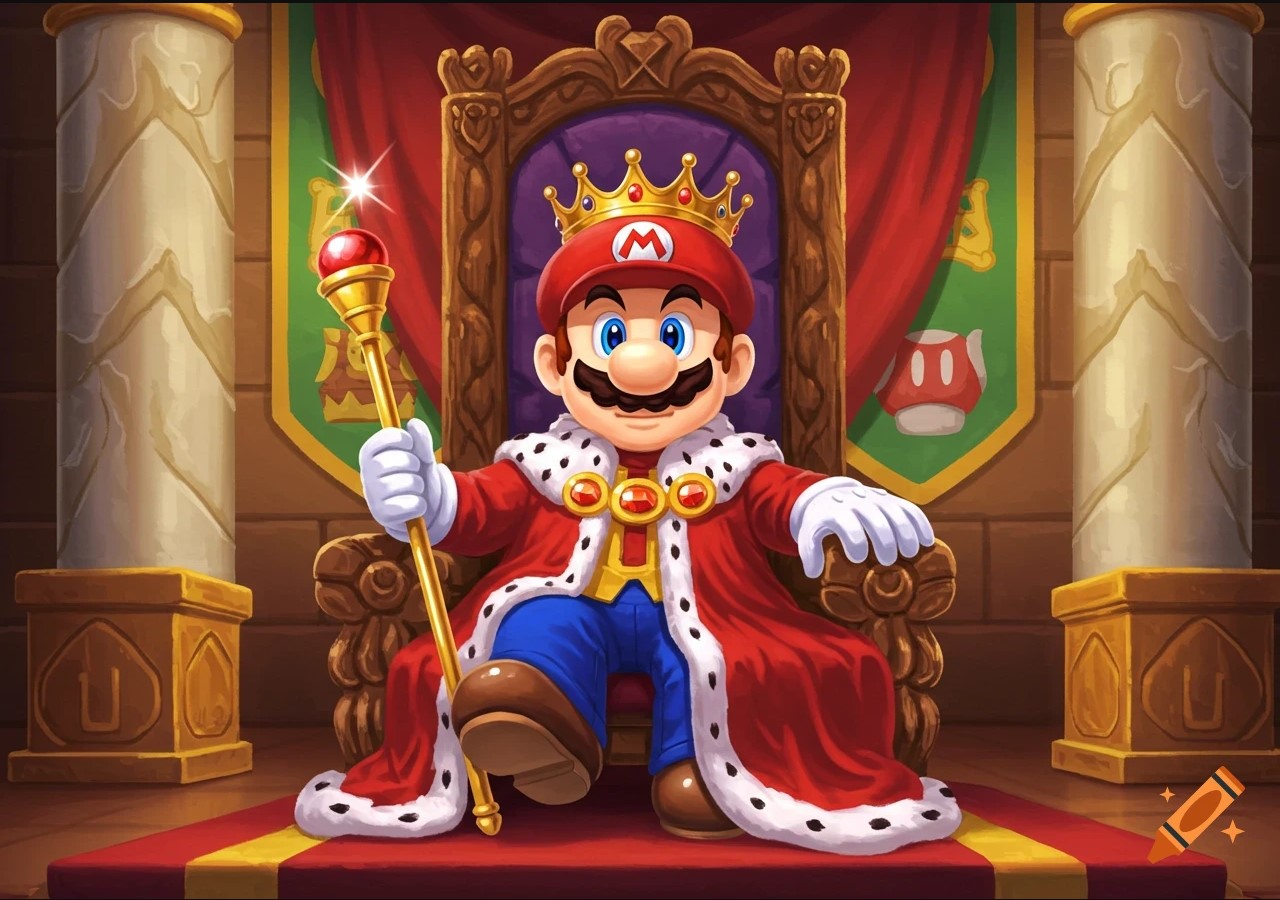
Divine Right of Kings
Belief that monarchs get their power from God, so people must obey them.
Sig: Key justification for absolutism in Europe; used to crush opposition and strengthen monarchy.

Louis XIV (“The Sun King”)
Powerful French absolutist king (r. 1643-1715); built Versailles.
Sig: THE model of absolutism: centralized government, weakened nobles, huge army, controlled culture.

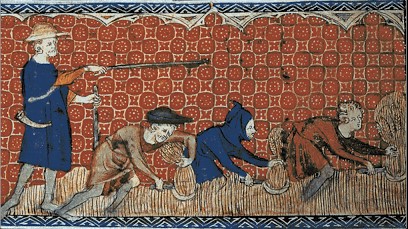
serfdom
Labor system where peasants are tied to the land and owe work to landowners.
Sig: Major social/economic system in Russia/Eastern Europe; shows inequality & how elites controlled labor.
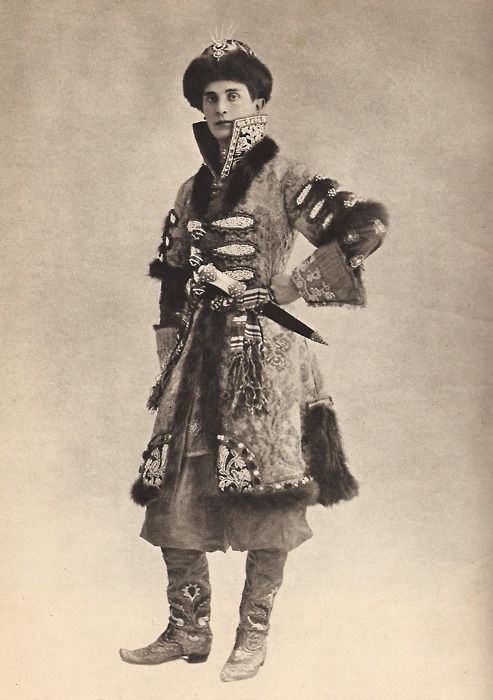
boyars
Russian landowning nobles.
Sig: Important because Russian rulers (esp. Ivan IV) tried to reduce their power to centralize control.
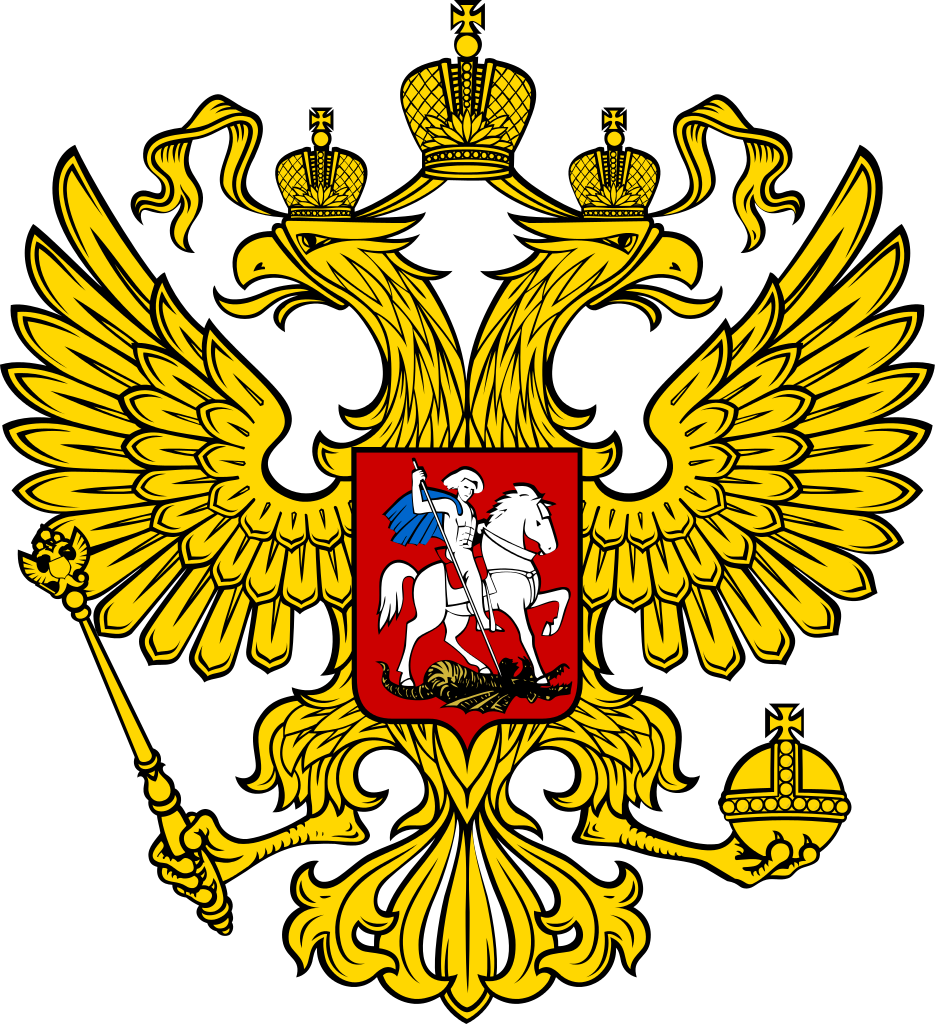
Romanov Dynasty
Ruling family that took over Russia in 1613 and ruled until 1917.
Sig: Stabilized Russia after chaos; associated with continued absolutism & expansion.
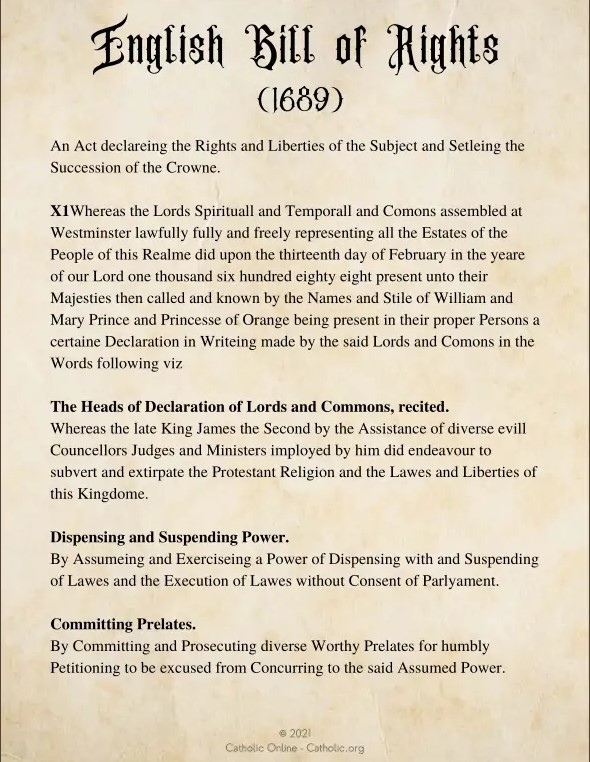
English Bill of Rights (1689)
Document limiting the monarch’s power and strengthening Parliament.
Sig: BIG contrast absolutism — England moves toward constitutional monarchy.
Justice of the Peace
Local officials in England who enforced laws and handled minor legal issues.
Sig: Shows how states controlled society at the local level (centralization without needing a giant bureaucracy).

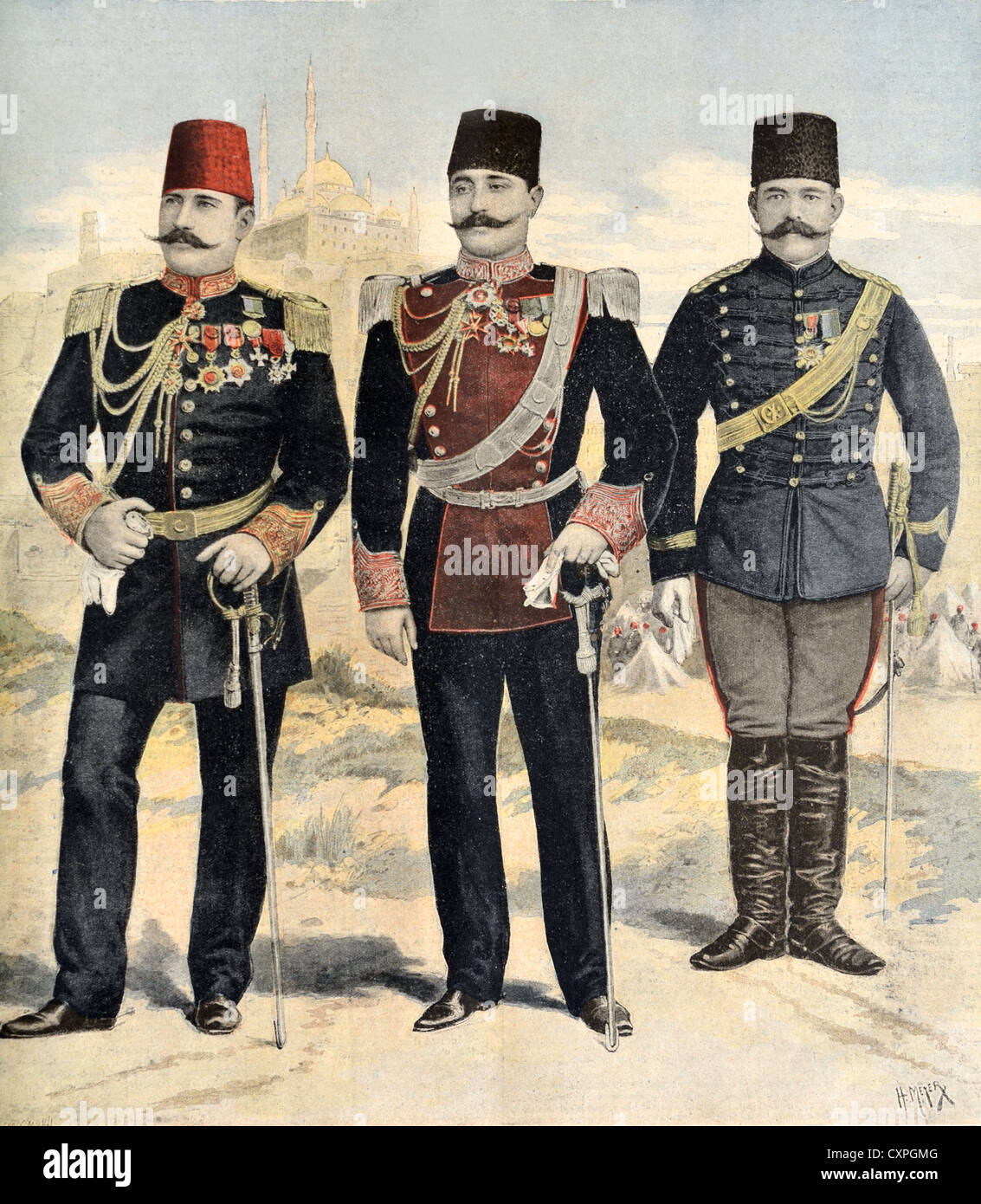
janissaries
Elite Ottoman infantry (originally Christian boys taken through devshirme and trained as soldiers).
Sig: Key example of how empires built loyal military forces to support centralized rule.
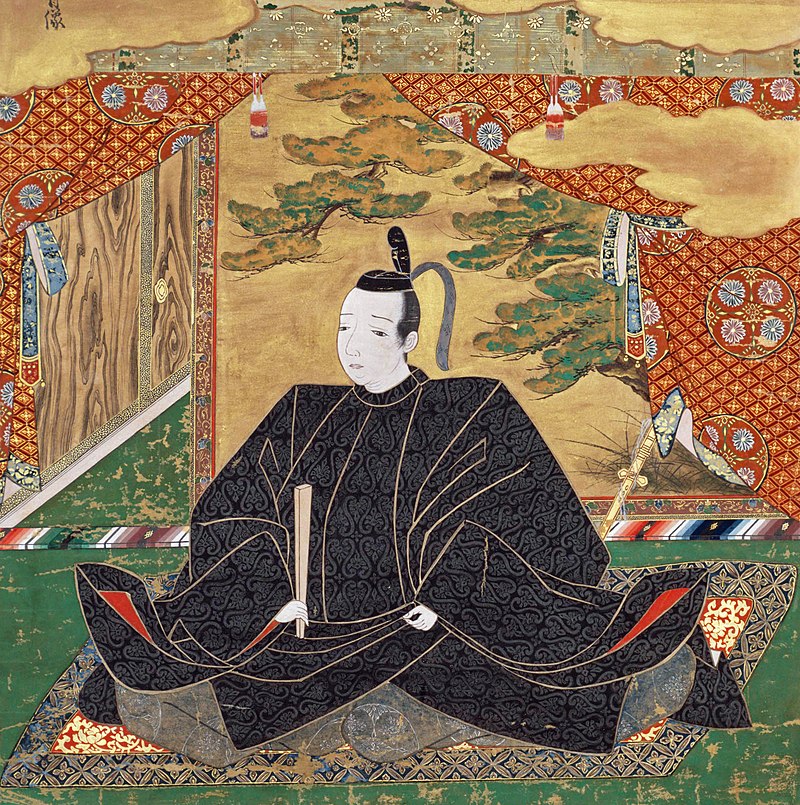
Tokugawa Shogunate
Military government ruling Japan (1603-1868).
Sig: Centralized Japan, limited daimyo power, created stability & isolation policies.
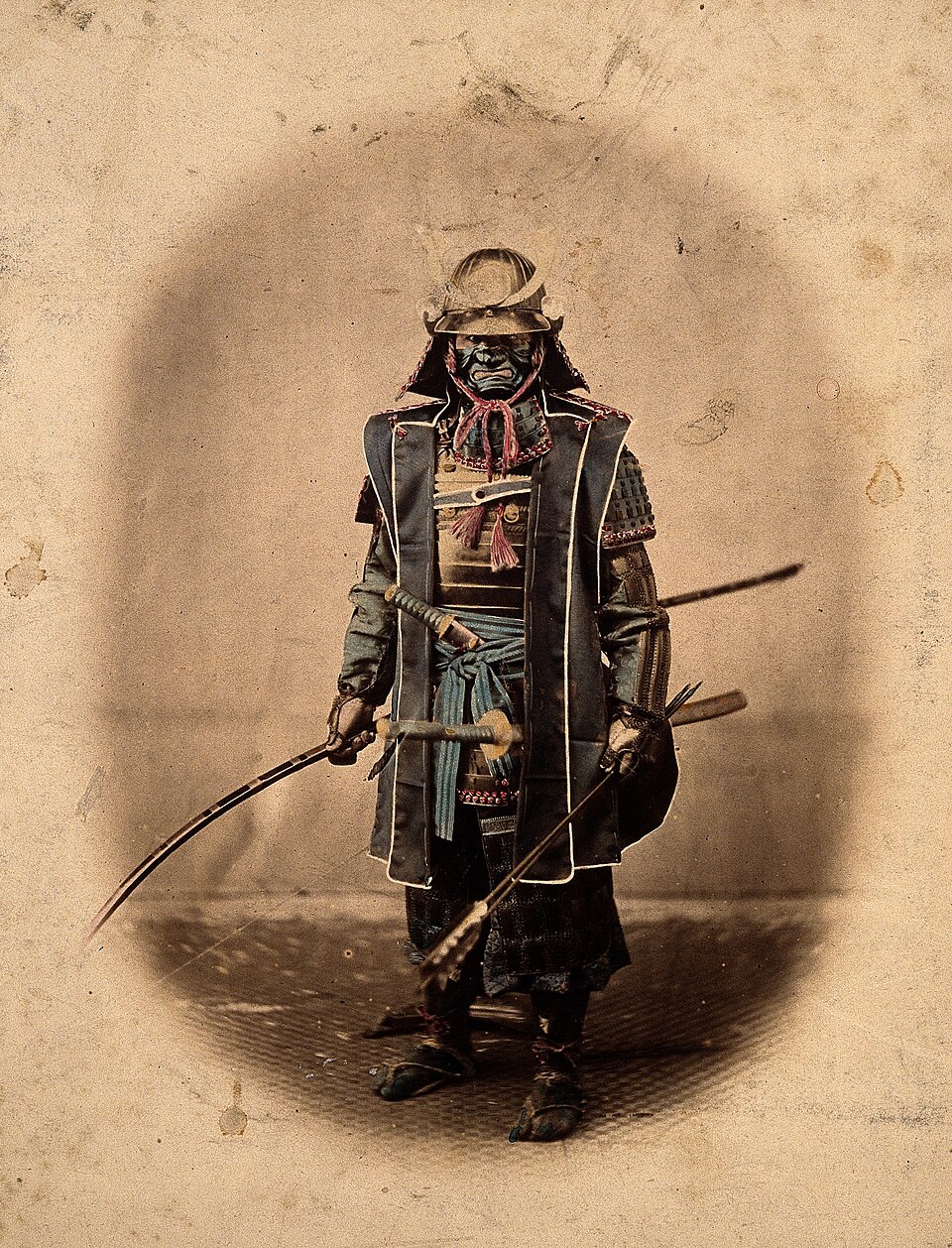
daimyo
Powerful Japanese landowning lords under the shogun.
Sig: Important because the Tokugawa controlled them (ex: alternate attendance), reducing rebellion.
Period of Great Peace (Pax Tokugawa)
Long era of stability under Tokugawa rule.
Sig: Shows how strict hierarchy & control policies can create stability; also leads to economic growth.
tax farmers
Private individuals who paid the government for the right to collect taxes (and kept extra profit).
Sig: Shows how rulers funded states/armies but also caused corruption & resentment.

zamindars
Mughal tax collectors/landlords in India.
Sig: Shows how the Mughal Empire managed revenue & local control (often exploited peasants).
 Note
Note  Flashcards (31)