Poetry - Dilan and Sagun
 Studied by 0 people
 Call with Kai
 Learn
Learn Practice Test
 Spaced Repetition
 Match
Match Flashcards
 Knowt Play
1/11

There's no tags or description
Looks like no tags are added yet.
Name | Mastery | Learn | Test | Matching | Spaced | Call with Kai |
|---|
No analytics yet
Send a link to your students to track their progress
12 Terms
The Prelude - “a huge peak, black and huge”
Analysis - The repetition of “huge” emphasises the overwhelming size of the mountain, making nature seem dominant and intimidating. The colour “black” suggests darkness and fear, reflecting the boy’s sudden realisation of nature’s power. This marks a turning point where nature is no longer playful but threatening.
Context - Wordsworth was a Romantic poet who believed nature was powerful and capable of teaching moral lessons. This moment reflects the Romantic idea that humans are small compared to the natural world. It is also autobiographical, based on Wordsworth’s childhood.

The Prelude - “with trembling oars I turned”
Analysis - The verb “trembling” shows fear and panic, suggesting the boy is physically and emotionally shaken. This contrasts with his earlier confident rowing, showing how nature has changed him. The action of “turned” symbolises retreat and regret.
Context - Romantic poets often explored how experiences in nature shape personal growth. This moment reflects how nature acts as a moral teacher, forcing the speaker to recognise his mistake.

The Prelude - “no familiar shapes remained”
Analysis - The phrase suggests confusion and emotional disturbance. “Familiar” implies comfort and safety, which are now gone, showing the speaker’s mental state has been permanently affected. Nature has changed how he sees the world.
Context - Wordsworth believed childhood experiences strongly influence adulthood. This moment shows lasting psychological impact, a common Romantic idea.

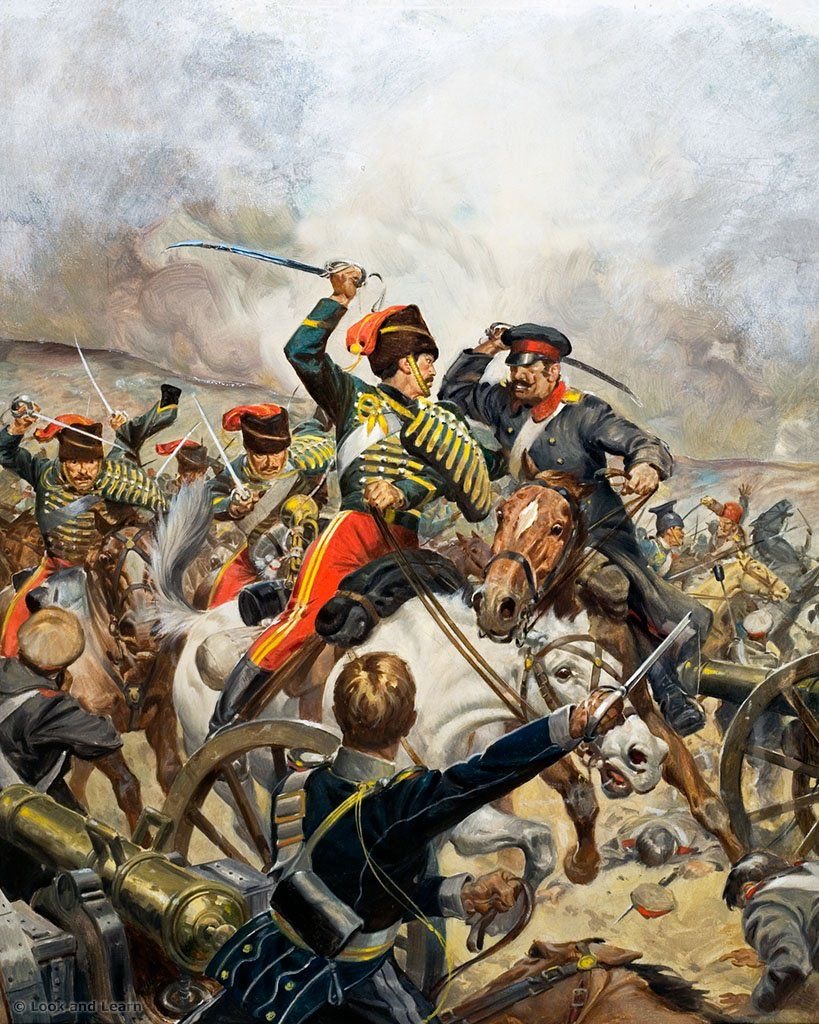
Charge Of The Light Brigade - “Into the valley of Death”
Analysis - The capitalisation of “Death” personifies it, making it seem inescapable and powerful. The word “valley” suggests the soldiers are surrounded and trapped, emphasising their vulnerability. This biblical allusion creates a sense of fate, implying the soldiers knowingly ride towards death.
Context - Tennyson wrote the poem in 1854 after reading a newspaper report about the Charge of the Light Brigade during the Crimean War. As Poet Laureate, his role was to commemorate British soldiers and honour their bravery, even when military leadership failed.
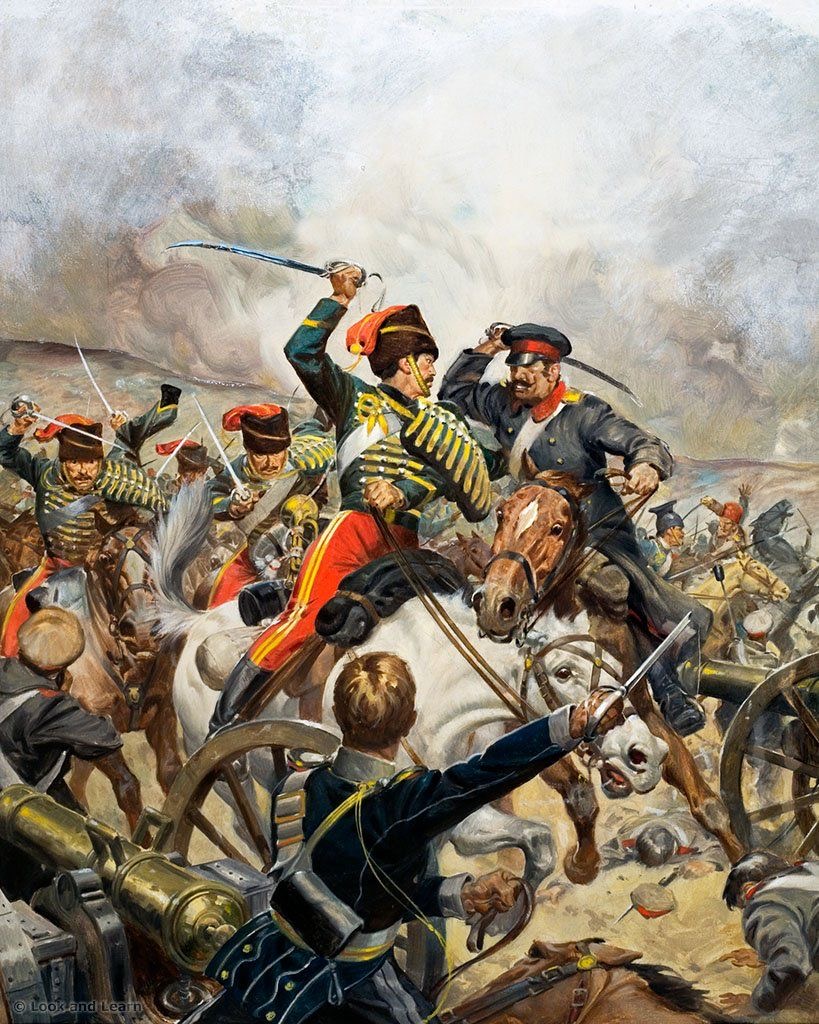
The Charge Of The Light Brigade - “Theirs not to reason why, / Theirs but to do and die”
Analysis - The repetition of “Theirs” shows collective identity and obedience. The blunt verb “die” reflects the reality of war, suggesting the soldiers are expected to sacrifice their lives without question. This line highlights the strict hierarchy of the military.
Context - Victorian society valued duty, loyalty, and obedience. The soldiers followed orders even though the command was a mistake, showing how individuals had little power compared to authority.
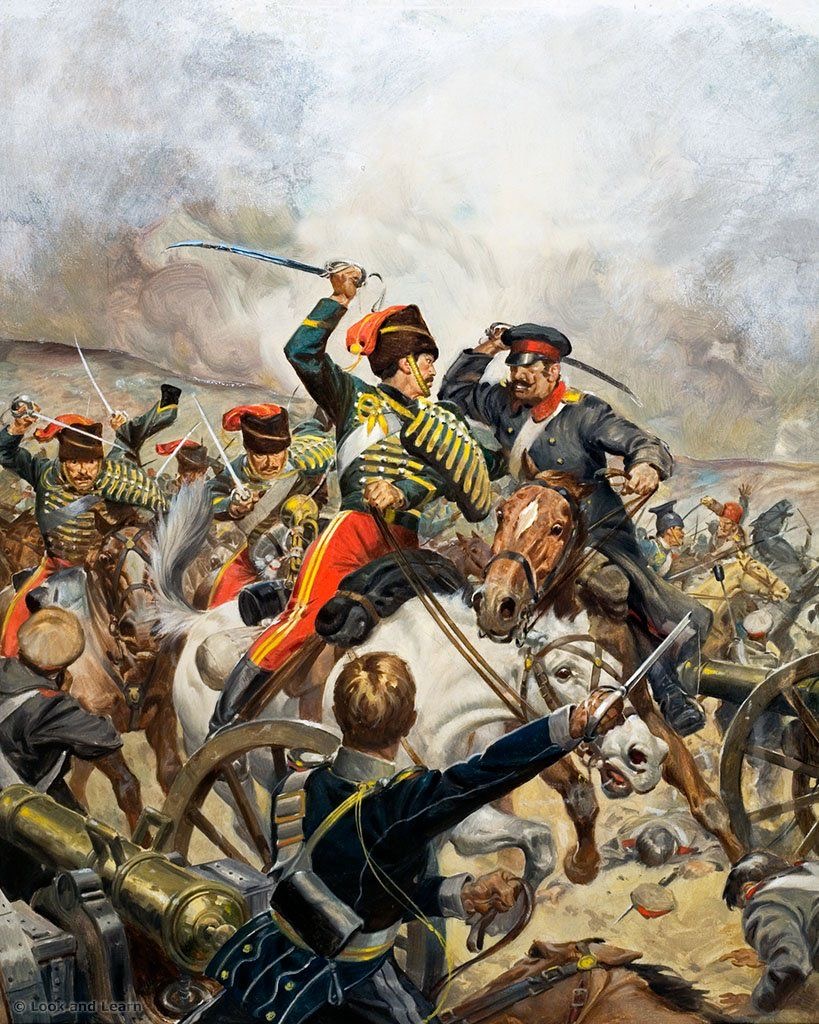
The Charge Of The Light Brigade - “Cannon to right of them, / Cannon to left of them, / Cannon in front of them”
Analysis - The repetition and listing create a claustrophobic effect, showing the soldiers are surrounded. The use of anaphora mimics the relentless bombardment of war, while the lack of verbs increases the pace and tension.
Context - The Light Brigade rode into heavy artillery fire due to a miscommunication between commanders. Tennyson subtly criticises leadership while maintaining admiration for the soldiers’ bravery.
Exposure - “merciless iced east winds that knive us”
Analysis - The adjective “merciless” personifies the weather as cruel and uncaring, suggesting nature is the real enemy. The violent verb “knive” implies physical attack, making the cold seem as deadly as weapons. This contrasts with traditional war poetry that glorifies combat.
Context - Wilfred Owen fought in World War I and experienced trench warfare firsthand. Unlike patriotic poets, Owen aimed to expose the harsh truth of war and challenge romanticised views of heroism.
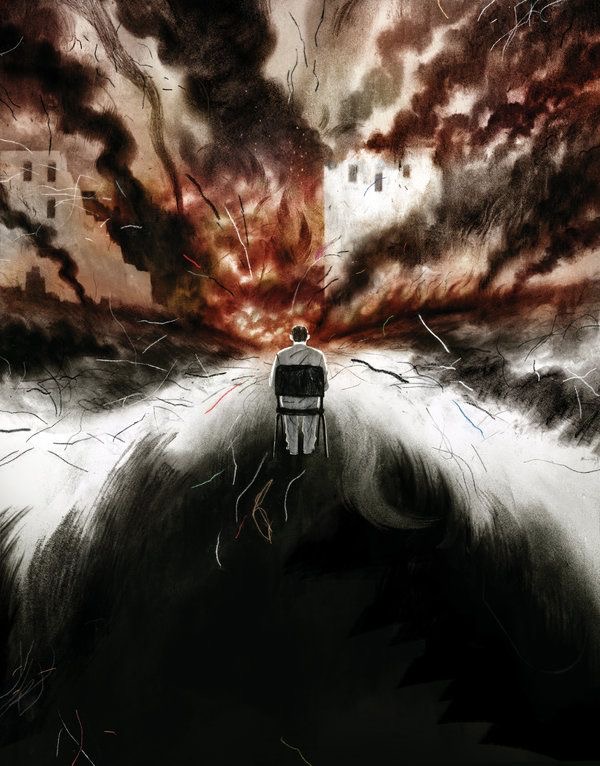
Exposure - “But nothing happens.”
Analysis - The short, blunt sentence reflects stagnation and hopelessness. The caesura and repetition emphasise the endless waiting, suggesting psychological torture is as damaging as physical suffering.
Context - WWI trench warfare involved long periods of waiting with little action. Owen highlights the mental strain soldiers faced, challenging the idea that war is full of glory and excitement.
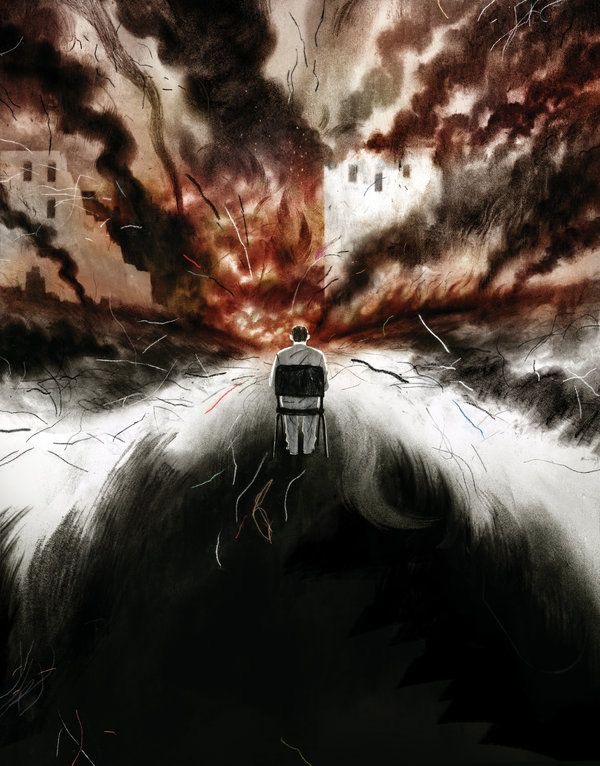
Exposure - '“For love of God seems dying”
Analysis - The religious imagery suggests loss of faith and hope. The verb “dying” implies spiritual death, showing how prolonged suffering destroys belief and meaning.
Context - Many WWI soldiers struggled to reconcile their suffering with religious faith. Owen, who questioned religion, uses this line to show how war undermines spiritual comfort.
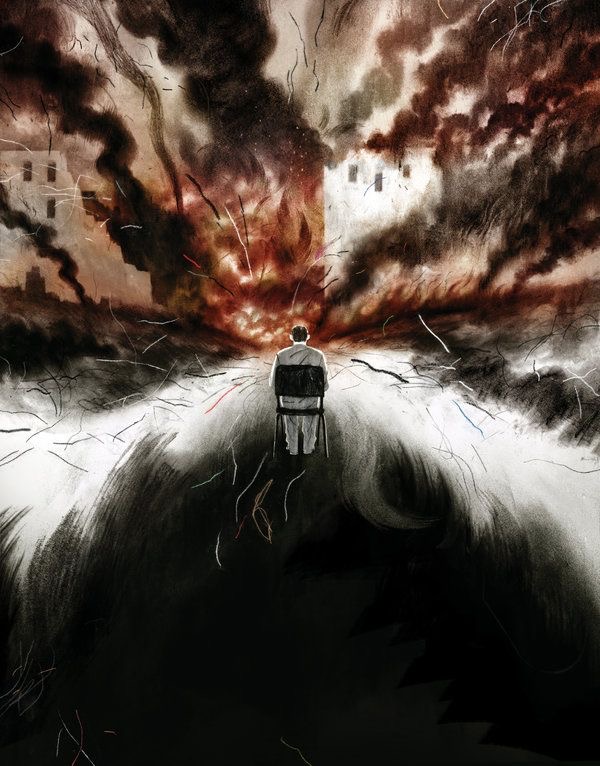
Storm On The Island - “we are prepared”
Analysis - The collective pronoun “we” suggests unity and confidence, while “prepared” implies control and readiness. However, this confidence is later undermined, showing human arrogance in the face of nature.
Context - Heaney grew up in rural Ireland, where communities were often exposed to harsh weather. The poem reflects how humans attempt to control nature but ultimately remain vulnerable to it
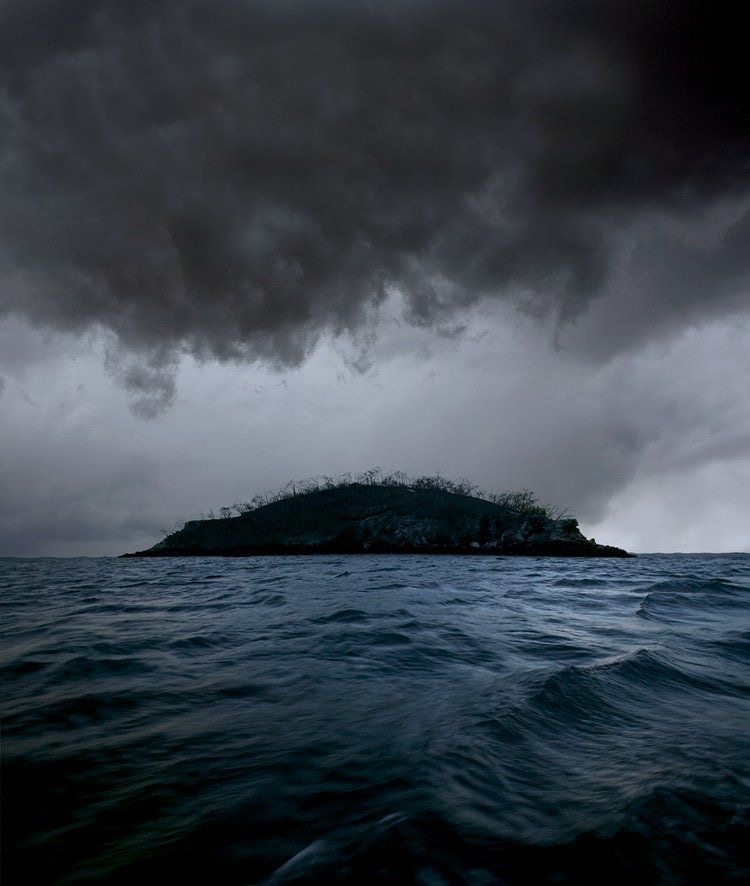
Storm On The Island - “spits like a tame cat / Turned savage”
Analysis - The simile compares the storm to a once-harmless animal that has become violent. “Tame”contrasts with “savage”, highlighting the unpredictability of nature and its sudden aggression.
Context - Heaney often explores the relationship between humans and uncontrollable forces. This line may also subtly reflect the violence of The Troubles in Ireland, where sudden eruptions of conflict were common.
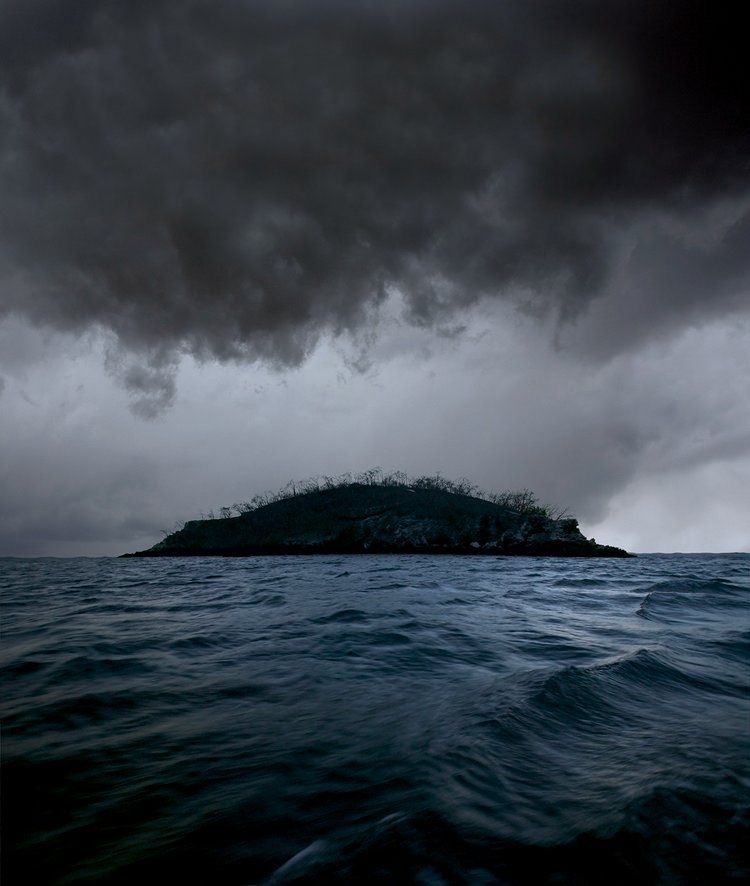
Storm On The Island - “it is a huge nothing that we fear”
Analysis - The oxymoron “huge nothing” suggests that the true fear comes from the unseen and unknown. The lack of a visible enemy makes the storm more terrifying, highlighting psychological fear.
Context - Written during a time of political uncertainty in Northern Ireland, this line can be interpreted as fear of invisible threats. Heaney shows that fear itself can be as powerful as physical danger.
 Note
Note  Flashcards (165)